Select Games to Compare
Neverness to Everness vs The Blood of Dawnwalker
| close | close |
|---|---|
| shopping_cart Where to Buy | |
| info General Information | |
| Release Date | |
| Apr 29, 2026 | Sep 3, 2026 |
| Developer | |
| Hotta Studio | Rebel Wolves |
| Publisher | |
| Perfect World Games | Bandai Namco Entertainment |
| Genre(s) | |
| Supernatural Urban Open World RPG | Dark Fantasy Action RPG |
| Engine | |
| Unreal Engine 5 | Unreal Engine 5 |
| stars Ratings & Price | |
| Content Rating | |
| T | Mature |
| Avg. User Rating | |
| 4.5 / 5.0 | 4.6 / 5.0 |
| Current Price (USD) | |
| Free | $69.99 |
|
|
|
| tune Key Specs | |
| Quick Highlights | |
|
|
| sports_esports Gameplay & Mechanics | |
| Companions/Followers | |
|
|
| Key Collectibles | |
|
|
| Key Themes | |
|
|
| colorize Combat & Gear | |
| Weapons Overview | |
|
|
| Armor / Gear Sets | |
|
|
| Outfits/Customization | |
|
|
| trending_up Progression & Upgrades | |
| Skills & Progression | |
|
Progression in Neverness to Everness is multifaceted, systematically split across Hunter Levels, Appraisal Levels, and deep individual character builds. As players complete story quests, open-world exploration, and commission runs, their Hunter Level increases, which in turn unlocks higher Appraisal Levels (the game's version of world tiers). These world tiers actively increase enemy difficulty and loot quality, though players can adjust the level downward if it gets too challenging. Individual characters are upgraded using varied materials farmed from the open world. Characters utilize 'Arcs' (the game's weapon system) and 'Cartridges' (artifact-like gear sets such as Speedy Hedgehog or Fireflies and the Forest) to customize their stats. The combat relies on a sophisticated elemental reaction system, incorporating deep mechanics like Remora, Stain, Blossom, and Charge reactions, demanding highly strategic party compositions. |
Progression in The Blood of Dawnwalker revolves fundamentally around Coen's dual nature: he is a skilled human warrior by day and a ferocious vampire by night. The skill tree is split to accommodate both playstyles, allowing players to invest points into human sword mastery or vampiric supernatural abilities. During the day, combat is grounded and tactical; Coen wields traditional medieval weaponry, utilizing a directional attack system (up, down, left, right) and tactical tools like Acur Dust to stun enemies. Once the sun sets, his vampiric traits awaken, granting superhuman speed, devastating claw attacks, and immense physical strength. Managing your "Boiling Blood" timer is a critical mechanic; utilizing powerful vampire skills drains your stamina and time, requiring you to feed on enemies to restore your blood pool before you violently explode. Players can upgrade passive abilities, unlock new combat combos, and enhance their stealth capabilities to tailor Coen to their specific approach in this highly reactive narrative sandbox. |
| public World & Exploration | |
| World & Level Design | |
|
The game features a massive, completely seamless open-world map representing the city of Hethereau and its surrounding natural and supernatural environments. Rendered natively with Unreal Engine 5, the map features absolutely no loading screens between districts. Players can seamlessly transition from the bustling, neon-lit downtown commercial sectors to quiet, moody suburban neighborhoods, and even travel to ethereal anomaly domains like the Sunward Island or the Nightmare Hospital. Key regions include New Hland, the wealthy district hosting the high-end Regalia car showrooms, and the Bridge Crossings, a culturally rich area known for its traditional aesthetics, street food like Blizzy ice cream, and entry-level Novice dealerships. The map is heavily vertical, featuring intricate highway systems, deep underground parking garages, and scalable skyscrapers that reward exploration. |
The world of Vale Sangora is a sprawling, meticulously crafted open world built entirely in Unreal Engine 5, offering extreme verticality and dense environmental storytelling. At the heart of the region lies Svartrau, the massive capital city featuring grand cathedrals, winding medieval streets, and dark, labyrinthine catacombs holding dark secrets like the tomb of St. Mihai. Beyond the city walls, players can explore a highly diverse landscape encompassing lush, overgrown forests, sweeping plains, treacherous swamps, and steep, perilous mountaintops. The map is heavily dotted with forgotten ruins and remnants of ancient civilizations that reward meticulous exploration. The environment is not static; it dynamically reacts to the game's robust day and night cycle. What serves as a safe medieval settlement during the sunlit hours can quickly transform into a nightmare-filled hunting ground at night. Fast travel and traditional mounts help traverse this massive sandbox, ensuring the player is constantly engaged with dynamic encounters and hidden lore. |
| Playable Vehicles | |
|
|
| Notable Fauna/Mounts | |
|
|
|
|
|
| book Story & Characters | |
| Main Characters | |
|
|
| Example Missions | |
|
|
| people Multiplayer | |
| Multiplayer Details | |
|
Multiplayer in Neverness to Everness is a highly integrated, seamless experience that elevates the standard open-world gacha formula significantly. Players can seamlessly invite friends directly into their personal instance of Hethereau to engage in a wide, diverse variety of activities. A major highlight of the co-op experience is the Heist system, unlocked at City Tycoon level 11, where players heavily coordinate to pull off high-stakes robberies for massive 'Fawns' (in-game currency) payouts. Additionally, the game features dedicated, atmospheric multiplayer anomaly domains, such as the Nightmare Hospital, where players must explore incredibly dark, horror-themed environments together to survive. For the automotive enthusiasts, the game fully supports competitive street racing and casual co-op city cruising, allowing players to show off their fully customized Regalia supercars in real-time. |
The Blood of Dawnwalker is strictly a single-player role-playing game. There are absolutely no multiplayer modes, cooperative campaigns, or competitive player-versus-player arenas included in the title. The developers at Rebel Wolves, drawing from their pedigree creating genre-defining single-player experiences, have focused all their resources and engine power into crafting a massive, reactive world that responds solely to the actions of one individual. The absence of multiplayer ensures that the game's complex "narrative sandbox" system—where the line between main quests and side quests is blurred and every decision has far-reaching consequences—functions perfectly without the unpredictable variables of online companions. Players will navigate the treacherous politics of Vale Sangora, battle terrifying vampire lords, and master the duality of Coen's human and vampiric forms entirely on their own. This isolation intentionally heightens the game's dark fantasy atmosphere and the desperate struggle against the Black Death. |
| extension Editions & DLC | |
| Available Editions | |
|
As a free-to-play title with live-service gacha mechanics at its core, Neverness to Everness does not feature traditional tiered game editions (like Standard, Deluxe, or Ultimate) for purchase upfront. Instead, players download the entire base game for free and engage with varied monetization paths. In-game, they can purchase the highly valuable 'Rift Crystal Permit' (a monthly pass providing a steady drip of premium currency) or the seasonal Battle Pass, which provides exclusive 'Feather Edge' weapons, a massive spread of upgrade materials, and unique cosmetic items. Direct premium currency (Rift Crystals) top-ups are also readily available. These resources are primarily used to pull on the 'Fair Exchange' gacha board—a unique, interactive dice-rolling system that replaces traditional standard 50/50 wishing menus, offering a fresh take on unlocking limited characters and premium vehicles. |
The Blood of Dawnwalker is set to launch globally on September 3, 2026, across PlayStation 5, Xbox Series X|S, and PC platforms. Bandai Namco Entertainment and Rebel Wolves are offering several editions to cater to different types of players. The Standard Edition, priced at $69.99, includes the base game and is available both digitally and physically. Pre-ordering any edition grants players exclusive early access cosmetic items and a unique starting weapon to help them survive the initial hours in Vale Sangora. For dedicated fans, a Deluxe Edition is available digitally, featuring the game's mesmerizing original soundtrack composed by Piotr Musiał, a digital artbook showcasing the stunning dark fantasy concepts, and a set of exclusive armor inspired by the ancient vampire clans. A premium physical Collector's Edition has also been teased, which is expected to include a high-quality statue of Coen transitioning between his human and vampire forms, a cloth map of the Carpathian Mountains, and a customized steelbook case. |
| Post-Launch Content / DLC | |
|
The developers at Hotta Studio are fully committed to an aggressive, long-term live-service roadmap for Neverness to Everness. Post-launch updates are structured as major Version patches (e.g., Version 1.1, 1.2, 1.3), which arrive on a regular cadence. These patches continuously introduce massive new gameplay systems, such as the expansive '999 Nights' game mode, limited-time events like 'Fishing Frenzy' and 'Shadow-N-Seek', and entirely brand-new city districts to explore. The updates continuously roll out new limited-banner characters (including heavy hitters like Zankou, Lingko, Shinku, Iroy, and Chaos), powerful new Arcs, and intricate anomaly bosses. Furthermore, the development team has officially announced ongoing plans to aggressively expand the game's cooperative infrastructure, introduce advanced vehicle customization options, and thoroughly evaluate potential hardware ports for the Xbox and the highly anticipated successor to the Nintendo Switch. |
Rebel Wolves has laid out a post-launch strategy that respects the player's initial investment, firmly rejecting microtransactions and seasonal battle passes. The development team is committed to treating The Blood of Dawnwalker as a complete, standalone experience right out of the box on September 3, 2026. However, given the rich lore of the Carpathian Mountains and the game's narrative sandbox design, substantial story-driven DLC expansions are planned for the future. These premium expansions are expected to function similarly to the beloved DLCs of The Witcher 3, offering entirely new regions to explore, fresh questlines involving unexplored vampire factions, and new abilities for Coen's dual skill trees. In the immediate months following the launch, players can expect a series of robust, free updates that will provide quality-of-life improvements, bug fixes, additional camera adjustment options based on community feedback, and potentially a highly requested New Game Plus mode. |
| help_outline FAQ | |
| Frequently Asked Questions | |
|
|
| build Technical Details | |
| Graphics & Visual Fidelity | |
|
Neverness to Everness is an absolute, undeniable visual powerhouse, aggressively leveraging the full, modern suite of Unreal Engine 5 features to deliver a breathtaking graphical experience. The masterful art direction brilliantly blends hyper-realistic urban environments with stylized, vibrant anime-inspired character models. On high-end PCs and the PlayStation 5 Pro, the game proudly features full Path Tracing, providing stunningly realistic global illumination, pixel-perfect dynamic reflections on rain-slicked streets and glossy vehicle chassis, and incredibly accurate soft shadows. The intense visual fidelity is perfectly maintained even at extremely high speeds during chaotic street races thanks to the deep integration of NVIDIA DLSS 4.5 and Ray Reconstruction technology. The anomaly domains sharply and deliberately contrast the realistic city with surreal, mind-bending visual effects, making every single encounter visually distinct. |
Built natively on Unreal Engine 5, The Blood of Dawnwalker represents a significant leap forward in dark fantasy visual fidelity. The engine's advanced Lumen and Nanite technologies are fully utilized to render the treacherous Carpathian Mountains with breathtaking realism. The game features a profound visual dichotomy between day and night. During daylight, players will marvel at the intricate architectural details of the Svartrau cathedral, the sun filtering dynamically through dense, lush forests, and the grim reality of plague-ridden medieval streets. When night falls, the lighting engine transforms the world into a horrific, shadow-drenched landscape illuminated only by torchlight and the eerie glow of supernatural abilities. Character models are astonishingly detailed, particularly Coen's seamless, terrifying transition from a rugged human warrior to a bloodthirsty Dawnwalker. The fluid combat animations, sophisticated cloth physics, and visceral blood effects ensure that every encounter is as visually spectacular as it is deadly. |
| Audio & Soundtrack | |
|
Audio design is a monumental, foundational pillar of the deeply immersive experience in Neverness to Everness. The expansive soundscapes of Hethereau are meticulously crafted, featuring highly realistic ambient city noises, dynamic weather audio tied to the engine, and the guttural, authentic roars of high-performance vehicle engines. A major standout feature is the integrated 'Walkman' system, allowing players to carefully curate their own in-game audio playlists. Notably, through a massive, celebrated collaboration with ATLUS, players can cruise the neon-lit, rain-slicked streets listening to iconic, official tracks from Persona 5 Royal and Persona 5: The Phantom X. The combat audio is equally punchy and visceral, delivering highly satisfying audio feedback during complex elemental reaction chains, accompanied by a dynamic, adrenaline-pumping electronic combat soundtrack. |
The audio landscape of The Blood of Dawnwalker is a masterful blend of chilling environmental design and an epic, sweeping orchestral score. The game's original soundtrack is composed by the renowned Piotr Musiał, known for his award-winning work on The Witcher 3: Wild Hunt. Tracks like "Desperate Measures" perfectly capture the despair of a plague-ridden 14th-century Europe while injecting high-tempo, aggressive strings during intense vampiric combat sequences. Environmental audio plays a crucial role in immersion; the sound of a bustling medieval market during the day contrasts sharply with the terrifying, echoing moans of the undead in the catacombs of Svartrau at night. Voice acting is top-tier, with incredibly grounded performances that bring the nuanced, morally ambiguous characters to life. The visceral sound effects of Coen's combat—the sharp clang of steel during human hours and the wet, brutal tearing of flesh when his vampire claws are unleashed—are deeply satisfying. |
| User Interface (UI/UX) | |
|
The User Interface of Neverness to Everness is incredibly stylized, perfectly mirroring the game's trendy, modern urban-fantasy aesthetic. The main hub interface is cleverly designed to resemble an in-game smartphone, natively integrating deep menus for the City Tycoon management system, character rosters, inventory, and the seamless map. The innovative gacha system interface, termed the 'Fair Exchange', completely replaces traditional, static wish menus with a unique, interactive board game layout where players roll dice to land on tiles containing premium rewards. During intense gameplay, the HUD remains remarkably clean and non-intrusive, effectively displaying the mini-map, active mission tracker, and dynamic combat elements like the vital Esper cycle meter and elemental reaction indicators. The UI seamlessly adapts perfectly to both mouse/keyboard inputs and touch screen controls on mobile devices. |
The user interface in The Blood of Dawnwalker is designed to be sleek, unobtrusive, and highly informative, allowing the stunning Unreal Engine 5 visuals to take center stage. The HUD features a dynamic health and stamina bar that completely changes its aesthetic depending on whether Coen is in his human or vampire form. A critical UI element is the "Boiling Blood" timer—a specialized indicator that appears during intense vampire combat, warning the player of an impending, fatal explosion if they fail to manage their blood consumption. Additionally, the objective tracker features an hourglass icon, visually communicating to the player that certain actions, such as entering a crypt, will physically move time forward and alter the world state. Responding to early community feedback, the developers have also implemented robust camera options directly in the UI, allowing players to independently adjust the camera distance for both exploration and combat. |
| Accessibility Options | |
|
Neverness to Everness includes a highly robust variety of standard and advanced accessibility features designed carefully to accommodate a very broad spectrum of players. The game offers fully customizable keybinds and deeply adjustable controller mapping across every single platform it supports. Subtitle options are incredibly comprehensive, allowing fine adjustments for font size, color, opacity, and background contrast to greatly aid readability against the often busy, visually noisy urban environments. Visually, players can freely adjust UI scaling and utilize specific colorblind filters for vital combat indicators. For players who may be struggling with the game's increasingly demanding combat difficulty, the excellent 'Adjust Appraisal Level' system allows users to quickly and manually lower the world tier, reducing enemy health and damage to facilitate a much more relaxed exploration experience. |
Rebel Wolves has prioritized making The Blood of Dawnwalker's complex mechanics accessible to a wide variety of players without compromising the game's dark fantasy challenge. A standout feature is the highly customizable camera system; players can independently tweak the field of view and camera distance for both general exploration and intense combat, heavily mitigating motion sickness. The game offers extensive subtitle options, including adjustable font sizes, speaker identification, and background opacity, ensuring the rich narrative is easily absorbed. Combat difficulty is highly modular, allowing players to fine-tune enemy aggression, parry timing windows, and the drain rate of Coen's "Boiling Blood" stamina meter. For players struggling with the demanding directional attack system, the game provides an option to simplify inputs. Additionally, comprehensive colorblind modes are available to ensure that crucial UI elements, such as the hourglass time-progression indicator and stealth awareness meters, remain perfectly visible at all times. |
| video_library Media Links | |
| Gameplay Video | |
| launchWatch | launchWatch |
| Walkthrough/Guide | |
| launchView | launchView |
| settings_applications System Requirements | |
| 1080p (Full HD) - Recommended (Targets 1080p Native, High settings, ~60 FPS) (High Preset, 1080p Native resolution.) CPU: Strong multi-core performance is required for 60 FPS targets. CPU (Laptop): High-performance mobile CPUs are needed for consistent frame pacing. GPU: Official recommended GPUs. Note that a 12GB VRAM target is specified for this tier. GPU (Laptop): High-TGP laptop GPUs are required to match the native performance of these desktop cards. RAM: Standard 16GB requirement. Storage: SSD is mandatory. | |
| — | memoryCPU: Intel Core i5-13600 or AMD Ryzen 9 7900X developer_boardGPU: NVIDIA GeForce RTX 5060 or AMD Radeon RX 6800 XT laptop_macCPU (L): Intel Core i7-12700H / AMD Ryzen 7 6800H or better. laptop_windowsGPU (L): NVIDIA GeForce RTX 4070 Laptop (8GB) / RTX 5060 Laptop. layersRAM: 16 GB saveStorage (Tier): 60 GB SSD |
| 1080p (Full HD) - Recommended (High Settings, 60 FPS) CPU: Provides comfortable headroom for maintaining consistent frame pacing during intense elemental reaction combat. CPU (Laptop): Delivers excellent single and multi-core performance for heavy UE5 physics workloads. GPU: Sufficient VRAM and raw rasterization power to push 60fps with DLSS Quality mode applied. GPU (Laptop): Enables DLSS 3 Frame Generation on laptops, making a 60fps target easily achievable. RAM: The official recommended spec to completely eliminate stuttering during high-speed vehicle traversal. Storage: Maximizes asset streaming speeds for instantaneous LOD transitions. | |
memoryCPU: Intel Core i5-12600K / AMD Ryzen 5 7600X developer_boardGPU: NVIDIA GeForce RTX 3060 / AMD Radeon RX 6700 laptop_macCPU (L): Intel Core i7-12700H or AMD Ryzen 7 6800H laptop_windowsGPU (L): NVIDIA RTX 4060 Mobile (115W+) layersRAM: 32 GB saveStorage (Tier): 70 GB PCIe Gen 4 NVMe SSD | — |
| 1080p (Full HD) - Minimum (Low-Medium Settings, 30-40 FPS) CPU: High core count is necessary to handle the urban crowd density and vehicle physics engine even at minimum settings. CPU (Laptop): Needs a strong multi-core processor to prevent severe bottlenecking in dense city centers. GPU: Entry-level requirement to render the basic UE5 assets and effects without running into critical VRAM limitations. GPU (Laptop): Requires heavily optimized FSR/DLSS settings to maintain stable framerates during fast-paced driving. RAM: Bare minimum to keep the OS running smoothly while streaming high-quality city textures. Storage: Required for fast loading and seamless district transitions without stuttering. | |
memoryCPU: 10th Gen Intel Core i7-10700 developer_boardGPU: NVIDIA GeForce GTX 1660 / AMD Radeon RX 5600 laptop_macCPU (L): Intel Core i7-11800H or AMD Ryzen 7 5800H laptop_windowsGPU (L): NVIDIA RTX 3050 Ti Mobile (85W) layersRAM: 16 GB saveStorage (Tier): 70 GB SSD | — |
| 1080p (Full HD) - Minimum (Targets 1080p Native, Low settings, ~30 FPS) (Low Preset, 1080p Native resolution.) CPU: Official minimum desktop CPU requirement. CPU (Laptop): Capable mid-range laptop CPUs required for baseline stability. GPU: Official minimum desktop GPUs. 6GB of VRAM is required. GPU (Laptop): An RTX laptop GPU is recommended to utilize upscaling to hit a stable 60 FPS at this resolution. RAM: 16GB is the mandatory floor for all tiers. Storage: SSD is mandatory. | |
| — | memoryCPU: Intel Core i7-8700K or AMD Ryzen 7 3700X developer_boardGPU: NVIDIA RTX 3050 / GTX 1070 or AMD RX Vega-56 or Intel Arc A580 laptop_macCPU (L): Intel Core i7-10750H / AMD Ryzen 5 5600H or better. laptop_windowsGPU (L): NVIDIA GeForce RTX 3050 Ti Laptop (4GB) / RTX 4050 Laptop (6GB). layersRAM: 16 GB saveStorage (Tier): 60 GB SSD |
| 1440p (QHD/2K) - Ultra (Targets 1440p Native, Ultra settings, ~60 FPS) (Ultra Preset, 1440p Native resolution.) CPU: Increased CPU overhead for the Ultra preset logic. CPU (Laptop): Top-tier mobile CPUs are needed for Ultra presets. GPU: Official Ultra 1440p GPUs. Requires 16GB of VRAM for maximum texture quality. GPU (Laptop): The flagship laptop GPU is required to maintain 60 FPS at native 1440p Ultra settings. RAM: While 16GB is the official spec, 32GB is advised for the Ultra preset to avoid paging stutter. Storage: NVMe SSD highly recommended. | |
| — | memoryCPU: Intel Core i5-13600K or AMD Ryzen 9 7950X developer_boardGPU: NVIDIA GeForce RTX 4080 or AMD Radeon RX 7900 XTX laptop_macCPU (L): Intel Core i9-13900HX / AMD Ryzen 9 7945HX or newer. laptop_windowsGPU (L): NVIDIA GeForce RTX 4090 Laptop (16GB). layersRAM: 16 GB saveStorage (Tier): 60 GB SSD |
| 1440p (QHD/2K) - Recommended (High Settings, 60 FPS (DLSS/FSR Balanced)) CPU: Top-tier CPU to ensure no bottlenecks when pushing high resolutions and heavy physics simulations. CPU (Laptop): Elite tier processors for maintaining maximum performance when navigating the massive Hethereau map. GPU: Required for smooth 1440p gameplay, especially if dabbling with baseline ray tracing features. GPU (Laptop): Provides desktop-class performance necessary for 1440p gaming with advanced visual features turned on. RAM: Essential for 1440p asset management and preventing memory leaks over long sessions. Storage: Vital for high-resolution texture streaming without noticeable pop-in. | |
memoryCPU: Intel Core i7-13700K / AMD Ryzen 7 7800X3D developer_boardGPU: NVIDIA GeForce RTX 4070 / AMD Radeon RX 7800 XT laptop_macCPU (L): Intel Core i9-13900HX / AMD Ryzen 9 7945HX laptop_windowsGPU (L): NVIDIA RTX 4080 Mobile layersRAM: 32 GB saveStorage (Tier): 70 GB PCIe Gen 4 NVMe SSD | — |
| 1440p (QHD/2K) - Recommended (Targets 1440p Native, High settings, ~60 FPS) (High Preset, 1440p Native resolution.) CPU: CPU requirement remains the same as 1080p Recommended. CPU (Laptop): Enthusiast-grade mobile CPUs for high-resolution targets. GPU: Enthusiast-level hardware for 1440p native playability. GPU (Laptop): A high-TGP RTX 4080 Laptop is the ideal target for native 1440p at High settings. RAM: 16GB RAM is the baseline. Storage: Fast SSD recommended. | |
| — | memoryCPU: Intel Core i5-13600 or AMD Ryzen 9 7900X developer_boardGPU: NVIDIA GeForce RTX 4070 Ti or AMD Radeon RX 7800 XT laptop_macCPU (L): Intel Core i7-13700HX / AMD Ryzen 9 7940HS or newer. laptop_windowsGPU (L): NVIDIA GeForce RTX 4080 Laptop (12GB). layersRAM: 16 GB saveStorage (Tier): 60 GB SSD |
| 2160p (UHD/4K) - 4K Ultra (Targets 2160p Native, Ultra settings, ~60 FPS) (Ultra Preset, 2160p (4K) Native resolution.) CPU: Official CPU requirement for the Elite tier. CPU (Laptop): The absolute highest-end mobile processors are needed. GPU: Official GPU requirement for native 4K 60 FPS. This is a very high target for native resolution. GPU (Laptop): Achieving native 4K 60 FPS on a laptop will likely require the next-generation flagship mobile GPU. Current RTX 4090 Laptops will require DLSS to hit this target. RAM: 32GB is recommended to handle high-resolution 4K assets. Storage: A high-speed PCIe Gen 4 or 5 SSD is recommended for 4K. | |
| — | memoryCPU: Intel Core i5-13600K or AMD Ryzen 9 7950X developer_boardGPU: NVIDIA GeForce RTX 5090 laptop_macCPU (L): Intel Core i9-14900HX / AMD Ryzen 9 7945HX3D or newer. laptop_windowsGPU (L): NVIDIA GeForce RTX 5090 Laptop (Future-proof). layersRAM: 16 GB saveStorage (Tier): 60 GB NVMe SSD |
| 2160p (UHD/4K) - Ultra / Path Tracing (Max Settings + Path Tracing, 60 FPS (DLSS Performance + Frame Gen)) CPU: Absolute best-in-class CPUs required to keep up with the extreme demands of path tracing and high-speed open world traversal. CPU (Laptop): Only the very highest-end laptop chips can assist in a 4K path-traced workload. GPU: The only GPU currently capable of handling the game's full Path Traced RTX showcase effectively at 4K. GPU (Laptop): Requires DLSS 4.5 at aggressive performance modes to remain playable at 4K. RAM: Ensures absolutely zero hitches in memory allocation during prolonged intense gameplay loops. Storage: Critical for 4K texture streaming without geometry breakdown or pop-in. | |
memoryCPU: Intel Core i9-14900K / AMD Ryzen 7 7800X3D developer_boardGPU: NVIDIA GeForce RTX 4090 laptop_macCPU (L): Intel Core i9-14900HX laptop_windowsGPU (L): NVIDIA RTX 4090 Mobile (175W) layersRAM: 64 GB saveStorage (Tier): 70 GB PCIe Gen 4 NVMe SSD | — |
| save Overall Storage | |
| Spec: 70 GB SSD Note: A fast NVMe SSD is strictly required for the seamless open-world streaming and rapid vehicle travel speeds across districts. Type: SSD | Spec: 60 GB available space (SSD Required) Note: An SSD is a strict requirement. The install size is a relatively lean 60 GB, but high-speed streaming is necessary for the open world. Type: SSD |
| desktop_windows Operating System | |
| Spec: Windows 10 / 11 64-bit Explanation: Required for DirectX 12 compatibility and advanced memory management for UE5 framework operations. | Spec: Windows 10 / Windows 11 (64-bit) Explanation: Windows 10 is the minimum, but Windows 11 is recommended for better handling of Intel's hybrid architecture and DirectStorage. |
| gamepad DirectX Version | |
| Spec: DirectX 12 Explanation: Mandatory to support hardware ray tracing, path tracing, and advanced NVIDIA upscaling technologies like Frame Generation. | Spec: DirectX 12 Explanation: Mandatory requirement. The game leverages DX12 for its advanced global illumination and nanite geometry. |
| info_outline Other Game Notes | |
|
|
| build Optimization Details | |
|
|
| laptop Laptop Considerations | |
|
|

info_outline Feature details based on available data. System requirements and performance estimates may vary.
laptop_chromebook Laptop Recommendations
Common Recommendations (Handles All Compared Games)

- memory Intel Core i7-12700H
- developer_board NVIDIA GeForce RTX 3070
- layers 32GB DDR4-3200MHz
- track_changes Target GPU: NVIDIA RTX 3050 Ti Mobile (85W)

- memory Intel Core i9-13900H
- developer_board NVIDIA GeForce RTX 4060
- layers 16GB DDR5-5200MHz
- track_changes Target GPU: NVIDIA RTX 3050 Ti Mobile (85W)

- memory Intel Core i9-14900HX
- developer_board NVIDIA GeForce RTX 4060
- layers 32GB DDR5-5600MHz
- track_changes Target GPU: NVIDIA RTX 3050 Ti Mobile (85W)

- memory AMD Ryzen 7 7435HS
- developer_board NVIDIA GeForce RTX 3050
- layers 32GB DDR5-4800MHz
- track_changes Target GPU: NVIDIA RTX 4060 Mobile (115W+)

- memory Intel Core i9-14900HX
- developer_board NVIDIA GeForce RTX 4070
- layers 32GB DDR5-5600MHz
- track_changes Target GPU: NVIDIA GeForce RTX 4070 Laptop (8GB) / RTX 5060 Laptop.

- memory Intel Core i9-14900HX
- developer_board NVIDIA GeForce RTX 4070
- layers 16GB DDR5-5600MHz
- track_changes Target GPU: NVIDIA GeForce RTX 4070 Laptop (8GB) / RTX 5060 Laptop.

- memory Intel Core Ultra 7 255H
- developer_board NVIDIA GeForce RTX 5060 Laptop GPU
- layers 16GB DDR5-5600MHz (Dual-Channel)
- track_changes Target GPU: NVIDIA GeForce RTX 4070 Laptop (8GB) / RTX 5060 Laptop.

- memory Intel Core i9-14900HX
- developer_board NVIDIA GeForce RTX 4080 Laptop GPU
- layers 64 GB DDR5-5600MHz
- track_changes Target GPU: NVIDIA RTX 4080 Mobile

- memory Intel Core Ultra 9 Processor 275HX (Series 2)
- developer_board NVIDIA GeForce RTX 5070 Laptop GPU
- layers 32GB DDR5-5600MHz
- track_changes Target GPU: NVIDIA RTX 4080 Mobile

- memory Intel Core i9-14900HX Processor
- developer_board NVIDIA GeForce RTX 5070 Laptop GPU
- layers 32GB DDR5-5600MHz
- track_changes Target GPU: NVIDIA RTX 4080 Mobile

- memory Intel Core i9-14900HX
- developer_board NVIDIA GeForce RTX 4090
- layers 32GB DDR5-5600MHz
- track_changes Target GPU: NVIDIA GeForce RTX 4090 Laptop (16GB).

- memory Intel Core Ultra 9 285H (Series 2) , 14 cores (6 Performance cores + 8 Efficient cores), 20 threads
- developer_board NVIDIA GeForce RTX 5050 Laptop GPU
- layers 32GB (2x16GB) DDR5 8400MHz SO-DIMM
- track_changes Target GPU: NVIDIA GeForce RTX 4090 Laptop (16GB).

- memory Intel Core Ultra 9 285H
- developer_board NVIDIA GeForce RTX 5070
- layers 32GB (2x16GB) DDR5 4800MHz SO-DIMM
- track_changes Target GPU: NVIDIA GeForce RTX 4090 Laptop (16GB).

- memory Intel Core i9-14900HX Processor
- developer_board NVIDIA GeForce RTX 5070 Ti Laptop GPU
- layers 64GB DDR5-5600MHz (commonly listed as 4800MHz by some retailers, but 5600MHz is common for 14th Gen HX with DDR5)
- track_changes Target GPU: NVIDIA RTX 4090 Mobile (175W)

- memory Intel Core Ultra 9 Processor 275HX
- developer_board NVIDIA GeForce RTX 5070 Ti Laptop GPU
- layers 64GB DDR5-6400MHz
- track_changes Target GPU: NVIDIA RTX 4090 Mobile (175W)

- memory Intel Core Ultra 9 275HX
- developer_board GeForce RTX 5070 Laptop Laptop GPU
- layers 64GB DDR5-6400MHz (Single-Channel)
- track_changes Target GPU: NVIDIA RTX 4090 Mobile (175W)

- memory Intel Core Ultra 9-275HX
- developer_board NVIDIA GeForce RTX 5080
- layers 32GB DDR5-5600MHz
- track_changes Target GPU: NVIDIA GeForce RTX 5090 Laptop (Future-proof).

- memory Intel Core Ultra 9 285HX
- developer_board NVIDIA GeForce RTX 5080
- layers 64GB DDR5-5600MHz
- track_changes Target GPU: NVIDIA GeForce RTX 5090 Laptop (Future-proof).

- memory Intel Core Ultra 9 275HX
- developer_board NVIDIA GeForce RTX 5080
- layers 32GB DDR5-6400MHz
- track_changes Target GPU: NVIDIA GeForce RTX 5090 Laptop (Future-proof).
For Neverness to Everness Specifically
- memory Intel Core i7-12700H
- developer_board NVIDIA GeForce RTX 3070
- layers 32GB DDR4-3200MHz
- track_changes Target GPU: NVIDIA GeForce GTX 1660 / AMD Radeon RX 5600
- memory Intel Core i9-13900H
- developer_board NVIDIA GeForce RTX 4060
- layers 16GB DDR5-5200MHz
- track_changes Target GPU: NVIDIA GeForce GTX 1660 / AMD Radeon RX 5600
- memory Intel Core i9-14900HX
- developer_board NVIDIA GeForce RTX 4060
- layers 32GB DDR5-5600MHz
- track_changes Target GPU: NVIDIA GeForce GTX 1660 / AMD Radeon RX 5600

- memory Intel Core i9-12900H
- developer_board NVIDIA GeForce RTX 3070 Ti
- layers 16GB DDR5-4800MHz
- track_changes Target GPU: NVIDIA GeForce GTX 1660 / AMD Radeon RX 5600
- memory AMD Ryzen 7 7435HS
- developer_board NVIDIA GeForce RTX 3050
- layers 32GB DDR5-4800MHz
- track_changes Target GPU: NVIDIA GeForce GTX 1660 / AMD Radeon RX 5600

- memory AMD Ryzen 7 6800H
- developer_board NVIDIA GeForce RTX 3060
- layers 16GB DDR5-4800MHz
- track_changes Target GPU: NVIDIA GeForce GTX 1660 / AMD Radeon RX 5600

- memory AMD Ryzen 9 5900HS
- developer_board NVIDIA GeForce RTX 3080
- layers 16GB DDR4-3200MHz
- track_changes Target GPU: NVIDIA GeForce GTX 1660 / AMD Radeon RX 5600

- memory Intel Core i7-13620H
- developer_board NVIDIA GeForce RTX 4070
- layers 16GB DDR5-4800MHz
- track_changes Target GPU: NVIDIA GeForce GTX 1660 / AMD Radeon RX 5600

- memory Intel Core i7-14700HX
- developer_board NVIDIA GeForce RTX 4070
- layers 16GB DDR5-5600MHz
- track_changes Target GPU: NVIDIA GeForce GTX 1660 / AMD Radeon RX 5600
- memory Intel Core i9-14900HX
- developer_board NVIDIA GeForce RTX 4070
- layers 32GB DDR5-5600MHz
- track_changes Target GPU: NVIDIA GeForce GTX 1660 / AMD Radeon RX 5600

- memory AMD Ryzen 9 8940HX Processor
- developer_board NVIDIA GeForce RTX 5060 Laptop GPU
- layers 32GB DDR5-5200MHz
- track_changes Target GPU: NVIDIA GeForce RTX 3060 / AMD Radeon RX 6700

- memory Intel Core i9-12950HX
- developer_board NVIDIA GeForce RTX 3080 Ti
- layers 32GB DDR5-4800MHz
- track_changes Target GPU: NVIDIA GeForce RTX 3060 / AMD Radeon RX 6700
- memory Intel Core i9-14900HX
- developer_board NVIDIA GeForce RTX 4080 Laptop GPU
- layers 64 GB DDR5-5600MHz
- track_changes Target GPU: NVIDIA GeForce RTX 3060 / AMD Radeon RX 6700
- memory Intel Core Ultra 9 Processor 275HX (Series 2)
- developer_board NVIDIA GeForce RTX 5070 Laptop GPU
- layers 32GB DDR5-5600MHz
- track_changes Target GPU: NVIDIA GeForce RTX 3060 / AMD Radeon RX 6700
- memory Intel Core i9-14900HX Processor
- developer_board NVIDIA GeForce RTX 5070 Laptop GPU
- layers 32GB DDR5-5600MHz
- track_changes Target GPU: NVIDIA GeForce RTX 3060 / AMD Radeon RX 6700

- memory Intel Core i9-14900HX Processor
- developer_board NVIDIA GeForce RTX 5070 Laptop GPU
- layers 32GB DDR5-5600MHz
- track_changes Target GPU: NVIDIA GeForce RTX 3060 / AMD Radeon RX 6700
- memory Intel Core i9-14900HX
- developer_board NVIDIA GeForce RTX 4080 Laptop GPU
- layers 64 GB DDR5-5600MHz
- track_changes Target GPU: NVIDIA GeForce RTX 4070 / AMD Radeon RX 7800 XT
- memory Intel Core Ultra 9 Processor 275HX (Series 2)
- developer_board NVIDIA GeForce RTX 5070 Laptop GPU
- layers 32GB DDR5-5600MHz
- track_changes Target GPU: NVIDIA GeForce RTX 4070 / AMD Radeon RX 7800 XT
- memory Intel Core i9-14900HX Processor
- developer_board NVIDIA GeForce RTX 5070 Laptop GPU
- layers 32GB DDR5-5600MHz
- track_changes Target GPU: NVIDIA GeForce RTX 4070 / AMD Radeon RX 7800 XT
- memory Intel Core i9-14900HX Processor
- developer_board NVIDIA GeForce RTX 5070 Laptop GPU
- layers 32GB DDR5-5600MHz
- track_changes Target GPU: NVIDIA GeForce RTX 4070 / AMD Radeon RX 7800 XT

- memory Intel Core Ultra 9 285H (Arrow Lake-H)
- developer_board NVIDIA GeForce RTX 5070 Laptop GPU
- layers 64GB LPDDR5x-8533MT/s (LPCAMM2)
- track_changes Target GPU: NVIDIA GeForce RTX 4070 / AMD Radeon RX 7800 XT

- memory Intel Core i9-14900HX
- developer_board NVIDIA GeForce RTX 4080
- layers 64GB DDR5-5600MHz
- track_changes Target GPU: NVIDIA GeForce RTX 4070 / AMD Radeon RX 7800 XT

- memory Intel Core i9-14900HX
- developer_board NVIDIA GeForce RTX 4080
- layers 32GB DDR5-5600MHz
- track_changes Target GPU: NVIDIA GeForce RTX 4070 / AMD Radeon RX 7800 XT

- memory Intel Core i9-14900HX
- developer_board NVIDIA GeForce RTX 4080
- layers 32GB DDR5-5600MHz
- track_changes Target GPU: NVIDIA GeForce RTX 4070 / AMD Radeon RX 7800 XT

- memory Intel Core i9-14900HX
- developer_board NVIDIA GeForce RTX 4080
- layers 32GB DDR5-5600MHz
- track_changes Target GPU: NVIDIA GeForce RTX 4070 / AMD Radeon RX 7800 XT

- memory AMD Ryzen 9 7845HX
- developer_board NVIDIA GeForce RTX 4080
- layers Up to 64GB DDR5
- track_changes Target GPU: NVIDIA GeForce RTX 4070 / AMD Radeon RX 7800 XT
- memory Intel Core i9-14900HX Processor
- developer_board NVIDIA GeForce RTX 5070 Ti Laptop GPU
- layers 64GB DDR5-5600MHz (commonly listed as 4800MHz by some retailers, but 5600MHz is common for 14th Gen HX with DDR5)
- track_changes Target GPU: NVIDIA GeForce RTX 4090
- memory Intel Core Ultra 9 Processor 275HX
- developer_board NVIDIA GeForce RTX 5070 Ti Laptop GPU
- layers 64GB DDR5-6400MHz
- track_changes Target GPU: NVIDIA GeForce RTX 4090
- memory Intel Core Ultra 9 275HX
- developer_board GeForce RTX 5070 Laptop Laptop GPU
- layers 64GB DDR5-6400MHz (Single-Channel)
- track_changes Target GPU: NVIDIA GeForce RTX 4090
- memory AMD Ryzen 9 9955HX
- developer_board NVIDIA GeForce RTX 5070 Ti Laptop GPU
- layers 64GB DDR5-5600MHz (Dual-Channel)
- track_changes Target GPU: NVIDIA GeForce RTX 4090
- memory Intel Core Ultra 9 285HX
- developer_board NVIDIA GeForce RTX 5080
- layers 64GB DDR5-5600MHz
- track_changes Target GPU: NVIDIA GeForce RTX 4090

- memory Intel Core Ultra 9 285HX
- developer_board NVIDIA GeForce RTX 5090
- layers 64GB DDR5-6400MHz
- track_changes Target GPU: NVIDIA GeForce RTX 4090
- memory Intel Core i9-14900HX
- developer_board NVIDIA GeForce RTX 4080
- layers 64GB DDR5-5600MHz
- track_changes Target GPU: NVIDIA GeForce RTX 4090
- memory AMD Ryzen 9 7845HX
- developer_board NVIDIA GeForce RTX 4080
- layers Up to 64GB DDR5
- track_changes Target GPU: NVIDIA GeForce RTX 4090
For The Blood of Dawnwalker Specifically
- memory Intel Core i7-12700H
- developer_board NVIDIA GeForce RTX 3070
- layers 32GB DDR4-3200MHz
- track_changes Target GPU: NVIDIA RTX 3050 / GTX 1070 or AMD RX Vega-56 or Intel Arc A580
- memory Intel Core i9-13900H
- developer_board NVIDIA GeForce RTX 4060
- layers 16GB DDR5-5200MHz
- track_changes Target GPU: NVIDIA RTX 3050 / GTX 1070 or AMD RX Vega-56 or Intel Arc A580
- memory Intel Core i9-14900HX
- developer_board NVIDIA GeForce RTX 4060
- layers 32GB DDR5-5600MHz
- track_changes Target GPU: NVIDIA RTX 3050 / GTX 1070 or AMD RX Vega-56 or Intel Arc A580
- memory Intel Core i9-12900H
- developer_board NVIDIA GeForce RTX 3070 Ti
- layers 16GB DDR5-4800MHz
- track_changes Target GPU: NVIDIA RTX 3050 / GTX 1070 or AMD RX Vega-56 or Intel Arc A580
- memory AMD Ryzen 7 7435HS
- developer_board NVIDIA GeForce RTX 3050
- layers 32GB DDR5-4800MHz
- track_changes Target GPU: NVIDIA RTX 3050 / GTX 1070 or AMD RX Vega-56 or Intel Arc A580
- memory AMD Ryzen 7 6800H
- developer_board NVIDIA GeForce RTX 3060
- layers 16GB DDR5-4800MHz
- track_changes Target GPU: NVIDIA RTX 3050 / GTX 1070 or AMD RX Vega-56 or Intel Arc A580
- memory AMD Ryzen 9 5900HS
- developer_board NVIDIA GeForce RTX 3080
- layers 16GB DDR4-3200MHz
- track_changes Target GPU: NVIDIA RTX 3050 / GTX 1070 or AMD RX Vega-56 or Intel Arc A580
- memory Intel Core i7-13620H
- developer_board NVIDIA GeForce RTX 4070
- layers 16GB DDR5-4800MHz
- track_changes Target GPU: NVIDIA RTX 3050 / GTX 1070 or AMD RX Vega-56 or Intel Arc A580
- memory Intel Core i7-14700HX
- developer_board NVIDIA GeForce RTX 4070
- layers 16GB DDR5-5600MHz
- track_changes Target GPU: NVIDIA RTX 3050 / GTX 1070 or AMD RX Vega-56 or Intel Arc A580
- memory Intel Core i9-14900HX
- developer_board NVIDIA GeForce RTX 4070
- layers 32GB DDR5-5600MHz
- track_changes Target GPU: NVIDIA RTX 3050 / GTX 1070 or AMD RX Vega-56 or Intel Arc A580
- memory Intel Core i9-14900HX
- developer_board NVIDIA GeForce RTX 4070
- layers 16GB DDR5-5600MHz
- track_changes Target GPU: NVIDIA GeForce RTX 5060 or AMD Radeon RX 6800 XT
- memory Intel Core Ultra 7 255H
- developer_board NVIDIA GeForce RTX 5060 Laptop GPU
- layers 16GB DDR5-5600MHz (Dual-Channel)
- track_changes Target GPU: NVIDIA GeForce RTX 5060 or AMD Radeon RX 6800 XT
- memory AMD Ryzen 9 8940HX Processor
- developer_board NVIDIA GeForce RTX 5060 Laptop GPU
- layers 32GB DDR5-5200MHz
- track_changes Target GPU: NVIDIA GeForce RTX 5060 or AMD Radeon RX 6800 XT
- memory Intel Core i9-12950HX
- developer_board NVIDIA GeForce RTX 3080 Ti
- layers 32GB DDR5-4800MHz
- track_changes Target GPU: NVIDIA GeForce RTX 5060 or AMD Radeon RX 6800 XT

- memory AMD Ryzen 7 7445HS
- developer_board NVIDIA GeForce RTX 4050
- layers 16GB (2x8GB) DDR5 5600MHz SO-DIMM
- track_changes Target GPU: NVIDIA GeForce RTX 5060 or AMD Radeon RX 6800 XT

- memory AMD Ryzen 7 7445HS
- developer_board NVIDIA GeForce RTX 4050
- layers 16GB DDR5 5600MHz SO-DIMM
- track_changes Target GPU: NVIDIA GeForce RTX 5060 or AMD Radeon RX 6800 XT
- memory Intel Core i9-14900HX
- developer_board NVIDIA GeForce RTX 4080 Laptop GPU
- layers 64 GB DDR5-5600MHz
- track_changes Target GPU: NVIDIA GeForce RTX 5060 or AMD Radeon RX 6800 XT
- memory Intel Core Ultra 9 Processor 275HX (Series 2)
- developer_board NVIDIA GeForce RTX 5070 Laptop GPU
- layers 32GB DDR5-5600MHz
- track_changes Target GPU: NVIDIA GeForce RTX 5060 or AMD Radeon RX 6800 XT
- memory Intel Core i9-14900HX Processor
- developer_board NVIDIA GeForce RTX 5070 Laptop GPU
- layers 32GB DDR5-5600MHz
- track_changes Target GPU: NVIDIA GeForce RTX 5060 or AMD Radeon RX 6800 XT
- memory Intel Core i9-14900HX
- developer_board NVIDIA GeForce RTX 4080 Laptop GPU
- layers 64 GB DDR5-5600MHz
- track_changes Target GPU: NVIDIA GeForce RTX 4070 Ti or AMD Radeon RX 7800 XT
- memory Intel Core Ultra 9 Processor 275HX (Series 2)
- developer_board NVIDIA GeForce RTX 5070 Laptop GPU
- layers 32GB DDR5-5600MHz
- track_changes Target GPU: NVIDIA GeForce RTX 4070 Ti or AMD Radeon RX 7800 XT
- memory Intel Core i9-14900HX Processor
- developer_board NVIDIA GeForce RTX 5070 Laptop GPU
- layers 32GB DDR5-5600MHz
- track_changes Target GPU: NVIDIA GeForce RTX 4070 Ti or AMD Radeon RX 7800 XT
- memory Intel Core i9-14900HX Processor
- developer_board NVIDIA GeForce RTX 5070 Laptop GPU
- layers 32GB DDR5-5600MHz
- track_changes Target GPU: NVIDIA GeForce RTX 4070 Ti or AMD Radeon RX 7800 XT

- memory Intel Core Ultra 9 Processor 285H
- developer_board NVIDIA GeForce RTX 5070 Laptop GPU
- layers 16GB DDR5-5600MHz
- track_changes Target GPU: NVIDIA GeForce RTX 4070 Ti or AMD Radeon RX 7800 XT
- memory Intel Core Ultra 9 285H (Arrow Lake-H)
- developer_board NVIDIA GeForce RTX 5070 Laptop GPU
- layers 64GB LPDDR5x-8533MT/s (LPCAMM2)
- track_changes Target GPU: NVIDIA GeForce RTX 4070 Ti or AMD Radeon RX 7800 XT

- memory AMD Ryzen 9 7945HX
- developer_board NVIDIA GeForce RTX 4080
- layers 32GB DDR5
- track_changes Target GPU: NVIDIA GeForce RTX 4070 Ti or AMD Radeon RX 7800 XT
- memory Intel Core i9-14900HX
- developer_board NVIDIA GeForce RTX 4080
- layers 64GB DDR5-5600MHz
- track_changes Target GPU: NVIDIA GeForce RTX 4070 Ti or AMD Radeon RX 7800 XT
- memory Intel Core i9-14900HX
- developer_board NVIDIA GeForce RTX 4080
- layers 32GB DDR5-5600MHz
- track_changes Target GPU: NVIDIA GeForce RTX 4070 Ti or AMD Radeon RX 7800 XT
- memory Intel Core i9-14900HX
- developer_board NVIDIA GeForce RTX 4080
- layers 32GB DDR5-5600MHz
- track_changes Target GPU: NVIDIA GeForce RTX 4070 Ti or AMD Radeon RX 7800 XT
- memory Intel Core i9-14900HX
- developer_board NVIDIA GeForce RTX 4090
- layers 32GB DDR5-5600MHz
- track_changes Target GPU: NVIDIA GeForce RTX 4080 or AMD Radeon RX 7900 XTX
- memory Intel Core Ultra 9 285H (Series 2) , 14 cores (6 Performance cores + 8 Efficient cores), 20 threads
- developer_board NVIDIA GeForce RTX 5050 Laptop GPU
- layers 32GB (2x16GB) DDR5 8400MHz SO-DIMM
- track_changes Target GPU: NVIDIA GeForce RTX 4080 or AMD Radeon RX 7900 XTX
- memory Intel Core Ultra 9 285H
- developer_board NVIDIA GeForce RTX 5070
- layers 32GB (2x16GB) DDR5 4800MHz SO-DIMM
- track_changes Target GPU: NVIDIA GeForce RTX 4080 or AMD Radeon RX 7900 XTX
- memory Intel Core i9-14900HX Processor
- developer_board NVIDIA GeForce RTX 5070 Ti Laptop GPU
- layers 64GB DDR5-5600MHz (commonly listed as 4800MHz by some retailers, but 5600MHz is common for 14th Gen HX with DDR5)
- track_changes Target GPU: NVIDIA GeForce RTX 4080 or AMD Radeon RX 7900 XTX
- memory Intel Core Ultra 9 Processor 275HX
- developer_board NVIDIA GeForce RTX 5070 Ti Laptop GPU
- layers 64GB DDR5-6400MHz
- track_changes Target GPU: NVIDIA GeForce RTX 4080 or AMD Radeon RX 7900 XTX

- memory Intel Core Ultra 9 Processor 275HX (Series 2)
- developer_board NVIDIA GeForce RTX 5070 Ti Laptop GPU
- layers 32GB DDR5-5600MHz
- track_changes Target GPU: NVIDIA GeForce RTX 4080 or AMD Radeon RX 7900 XTX

- memory Intel Ultra 7 255HX
- developer_board NVIDIA GeForce RTX 5070 Ti
- layers 32GB DDR5 5600MHz
- track_changes Target GPU: NVIDIA GeForce RTX 4080 or AMD Radeon RX 7900 XTX
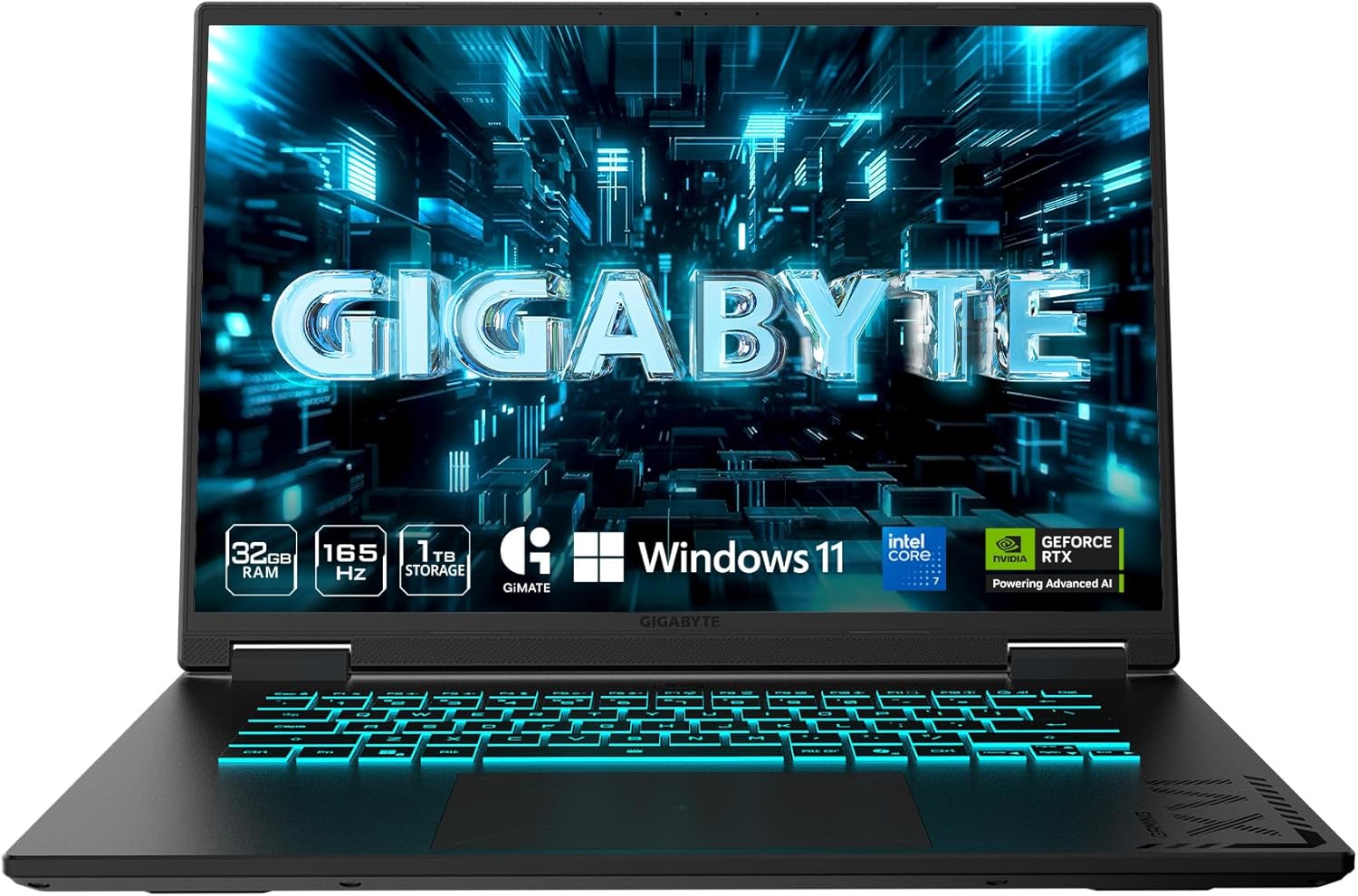
- memory Intel Core Ultra 7 240H
- developer_board NVIDIA GeForce RTX 5070 Ti Laptop GPU
- layers 32GB LPDDR5X 5600MHz
- track_changes Target GPU: NVIDIA GeForce RTX 4080 or AMD Radeon RX 7900 XTX
- memory Intel Core Ultra 9 275HX
- developer_board GeForce RTX 5070 Laptop Laptop GPU
- layers 64GB DDR5-6400MHz (Single-Channel)
- track_changes Target GPU: NVIDIA GeForce RTX 4080 or AMD Radeon RX 7900 XTX

- memory Intel Core Ultra 9 275HX
- developer_board NVIDIA GeForce RTX 5070 Ti
- layers 32GB
- track_changes Target GPU: NVIDIA GeForce RTX 4080 or AMD Radeon RX 7900 XTX
- memory Intel Core Ultra 9-275HX
- developer_board NVIDIA GeForce RTX 5080
- layers 32GB DDR5-5600MHz
- track_changes Target GPU: NVIDIA GeForce RTX 5090
- memory Intel Core Ultra 9 285HX
- developer_board NVIDIA GeForce RTX 5080
- layers 64GB DDR5-5600MHz
- track_changes Target GPU: NVIDIA GeForce RTX 5090
- memory Intel Core Ultra 9 275HX
- developer_board NVIDIA GeForce RTX 5080
- layers 32GB DDR5-6400MHz
- track_changes Target GPU: NVIDIA GeForce RTX 5090

- memory Intel Core Ultra 9 275HX
- developer_board NVIDIA GeForce RTX 5080
- layers 32GB (2x16GB) DDR5 4800MHz
- track_changes Target GPU: NVIDIA GeForce RTX 5090

- memory Intel Core Ultra 9 275HX
- developer_board NVIDIA GeForce RTX 5080
- layers 32GB DDR5-5600MHz
- track_changes Target GPU: NVIDIA GeForce RTX 5090
- memory Intel Core Ultra 9 285HX
- developer_board NVIDIA GeForce RTX 5090
- layers 64GB DDR5-6400MHz
- track_changes Target GPU: NVIDIA GeForce RTX 5090

- memory Intel Core Ultra 9 275HX
- developer_board NVIDIA GeForce RTX 5090
- layers 32GB DDR5-5600MHz
- track_changes Target GPU: NVIDIA GeForce RTX 5090
- memory Intel Core i9-14900HX Processor
- developer_board NVIDIA GeForce RTX 5070 Ti Laptop GPU
- layers 64GB DDR5-5600MHz (commonly listed as 4800MHz by some retailers, but 5600MHz is common for 14th Gen HX with DDR5)
- track_changes Target GPU: NVIDIA GeForce RTX 5090
- memory Intel Core Ultra 9 Processor 275HX
- developer_board NVIDIA GeForce RTX 5070 Ti Laptop GPU
- layers 64GB DDR5-6400MHz
- track_changes Target GPU: NVIDIA GeForce RTX 5090
- memory Intel Core Ultra 9 Processor 275HX (Series 2)
- developer_board NVIDIA GeForce RTX 5070 Ti Laptop GPU
- layers 32GB DDR5-5600MHz
- track_changes Target GPU: NVIDIA GeForce RTX 5090
info_outline Laptop recommendations are estimates based on available component benchmarks and game requirements. Actual performance may vary depending on settings, drivers, cooling, power limits, etc. Prices and availability subject to change. As an Amazon Associate, we earn from qualifying purchases.