Select Games to Compare

search close
search close

Select up to 2 games to compare side-by-side.

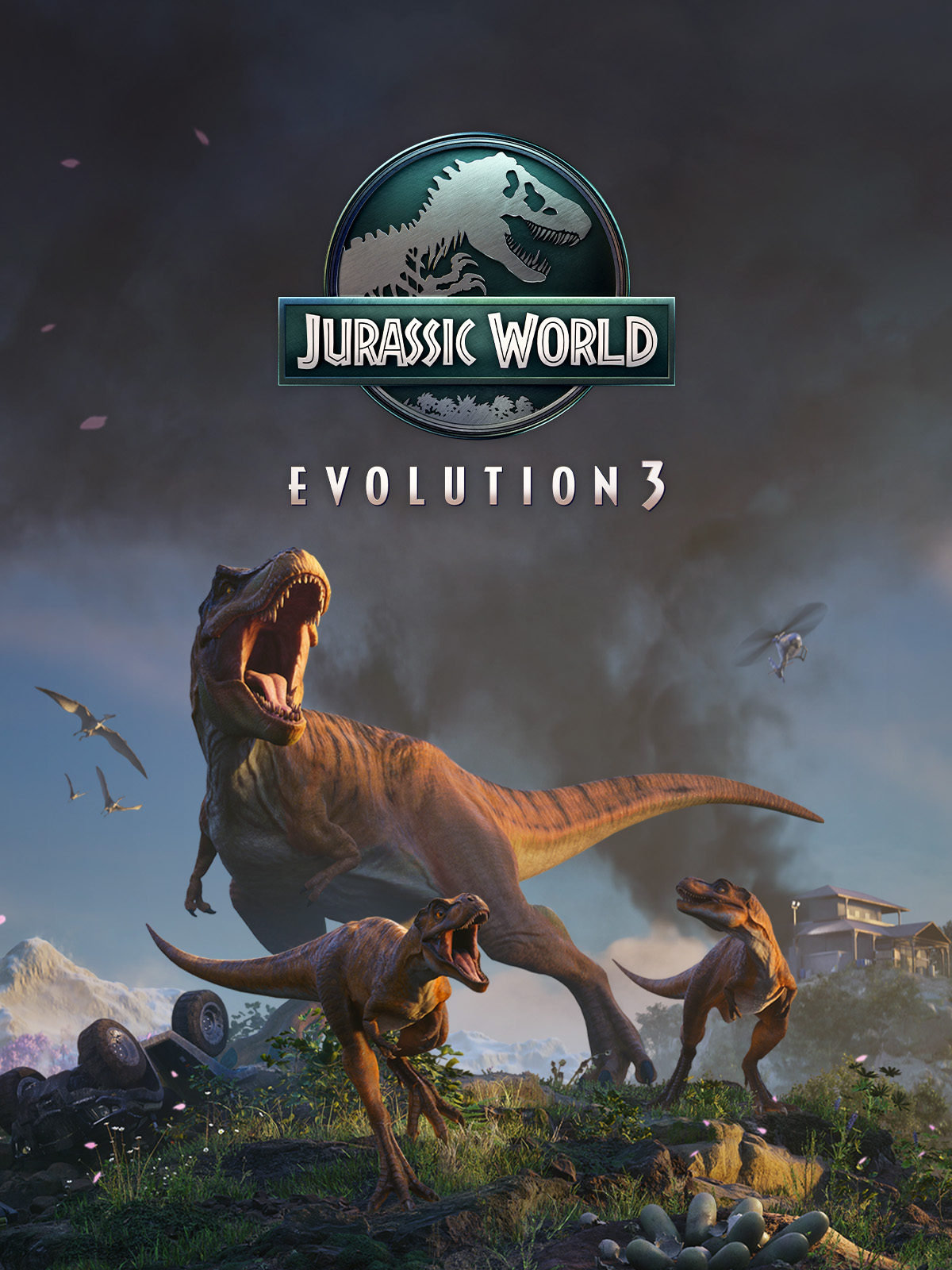
Jurassic World Evolution 3 vs Baldur Gate 3

close close
info General Information
Release Date
Oct 21, 2025 Aug 3, 2023
Developer
Frontier Developments Larian Studios
Publisher
Frontier Developments Larian Studios
Genre(s)
Construction and Management Simulation, Park Builder, Strategy RPG, CRPG, Turn-Based Strategy, Fantasy, Adventure
Engine
Cobra Engine Divinity 4.0 Engine (Larian's in-house engine)
stars Ratings & Price
Content Rating
T (Teen) Mature 17+
Avg. User Rating
4.8 / 5.0 4.9 / 5.0
Current Price (USD)
$59.99 $59.99
tune Key Specs
Quick Highlights
  • Perspective: Top-Down / Third-Person (Vehicle Control)
  • Multiplayer: None (Cross-Platform Sharing via Frontier Workshop)
  • Setting: Global (Post-Jurassic World Dominion)
  • Platforms: PC, PlayStation 5, Xbox Series X|S
  • Unique Feature: A groundbreaking dinosaur breeding and family system, allowing players to nurture dinosaurs from juveniles to adults across multiple generations.
  • Perspective: Third-Person (Isometric-style camera, with cinematic dialogue camera)
  • Multiplayer: Online Cooperative (Up to 4 players), Local Split-Screen Co-op (PS5/XSX - 2 players)
  • Setting: Forgotten Realms (Faerûn - Sword Coast, Underdark, Baldur's Gate, Avernus briefly)
  • Platforms: PC (Windows, macOS), PlayStation 5, Xbox Series X|S
  • Unique Feature: Faithful D&D 5e Adaptation, Deep Player Choice & Consequence, Playable Origin Characters & Custom Character, Extensive Companion System with Relationships/Romance, Turn-Based Tactical Combat.
sports_esports Gameplay & Mechanics
Companions/Followers
  • None: The game is a single-player experience. The dinosaurs themselves, with their advanced family dynamics and social behaviors, serve as the primary focus of interaction.
  • Astarion: Rogue class. Excels at stealth, lockpicking, disarming traps, and dealing high single-target damage with sneak attacks. Can bite humanoids to gain a temporary buff. His story involves confronting his vampire master.
    High Elf (Vampire Spawn)
  • Gale: Wizard class. A powerful arcane spellcaster with access to a wide variety of damaging, utility, and control spells. Must periodically consume magical items to stabilize a Netherese Orb in his chest.
    Human
  • Lae'zel: Fighter class. A skilled martial combatant, proficient with various weapons and armor. Githyanki psionics grant her abilities like Mage Hand and Jump. Her story revolves around her loyalty to Vlaakith and finding a Githyanki crèche.
    Githyanki
  • Shadowheart: Cleric class (Trickery Domain initially, can change). A versatile support character with healing spells, buffs, debuffs, and offensive divine magic. Carries a mysterious artifact. Her story involves her devotion to Shar and uncovering lost memories.
    Half-Elf
  • Wyll: Warlock class (Pact of the Fiend). A folk hero known as 'The Blade of Frontiers.' Uses Eldritch Blast and other warlock spells, and is proficient with rapiers. His pact with the cambion Mizora is a central part of his story.
    Human
  • Karlach: Barbarian class. A fierce melee combatant who rages for increased damage and resistance. Her infernal engine heart deals fire damage and is tied to her personal quest. Escaped from Avernus.
    Tiefling (Zariel Tiefling)
  • Halsin (Recruitable after Act 1): Druid class (Circle of the Moon). Archdruid of the Emerald Grove. Can Wild Shape into various powerful animal forms (bear, wolf, owlbear, etc.) for combat and utility, and casts nature-based spells.
    Wood Elf
  • Minthara (Recruitable, conditional on evil playthrough in Act 1): Paladin class. A ruthless Drow commander and follower of The Absolute. If recruited, she is a powerful martial combatant with divine spells and abilities.
    Drow (Lolth-Sworn)
  • Jaheira (Recruitable in Act 2): Druid/Fighter multiclass potential (from previous games). A veteran Harper leader. Uses druidic spells, Wild Shape, and martial prowess. Provides wisdom and experience.
    Half-Elf
  • Minsc & Boo (Recruitable in Act 3): Ranger class. The iconic hero of Baldur's Gate, known for his strength, simple wisdom, and devotion to his hamster, Boo (who he believes is a miniature giant space hamster and offers guidance). A strong melee fighter.
    Human & Miniature Giant Space Hamster
  • Hirelings (Withers' Service): Generic, non-story party members that can be hired from Withers at camp if the player needs to fill out their party or wants specific class compositions. They have no personal quests or unique dialogue.
    Various Races & Classes
  • Summoned Creatures/Familiars/Elementals/Undead (Player & NPC Abilities): Many classes can summon temporary allies like familiars (Find Familiar spell), elementals (Conjure Elemental), undead minions (Animate Dead), spiritual weapons, or other magical creatures to aid in combat.
    Various Magical Constructs & Beings
Key Collectibles
  • Fossils: Acquired from global dig sites. Fossils are processed to extract DNA, which is required to synthesize new dinosaur species for the park.
  • Scenery Items: A vast toolbox of scenery objects, both from the Jurassic universe and location-themed, used in the new modular building system to customize parks.
  • Magical Items (Weapons, Armor, Amulets, Rings, Cloaks, Boots, Gloves, Helmets): Found in chests, dropped by powerful enemies, sold by merchants, or received as quest rewards throughout Faerûn. Categorized by rarity (Common, Uncommon, Rare, Very Rare, Legendary). Provide stat bonuses, unique abilities, and are crucial for character power and build customization.
  • Illithid Tadpole Specimens: Additional Mind Flayer tadpoles found on specific infected individuals or in certain locations. The player character (and companions) can choose to consume these to unlock powerful psionic Illithid Powers via a unique skill tree, but this may have narrative and character consequences.
  • Books, Scrolls, Letters, Notes, Journals (Lore & Quest Items): Extensively scattered throughout the world in libraries, ruins, on corpses, in containers, etc. Provide rich lore about the Forgotten Realms, character backstories, hints for quests, solutions to puzzles, or contain spell scrolls that can be learned by wizards or cast once by any character.
  • Gold, Gems, Valuables: Currency (Gold Pieces) and valuable items (gems, jewelry, artwork) found in containers, on enemies, or as quest rewards. Used for purchasing items, services (like respecs from Withers), or bribing NPCs.
  • Crafting Materials (Herbs, Ores, Monster Parts, Essences - for Alchemy & Smithing): Gathered from the environment, looted from enemies, or purchased. Used for crafting potions, elixirs, oils, coatings, grenades, and potentially for upgrading some gear (though direct weapon/armor upgrades use Smithing Stones in Elden Ring, BG3 uses a different system for magical item acquisition/enhancement, alchemy is primary crafting).
  • Supply Packs & Camp Supplies: Found in containers or purchased. Used to initiate a Long Rest at camp, which fully heals the party, restores spell slots and abilities, and often triggers important companion conversations and story developments.
  • Soul Coins: Mysterious coins found in various locations, often tied to devils or Avernus. Can be used by Karlach to fuel her infernal engine or have other, less obvious uses.
  • Infernal Iron: Rare metal found in specific locations, often guarded or in dangerous areas. Used by Dammon the Tiefling blacksmith for Karlach's personal quest to repair her infernal engine and for crafting specific infernal gear.
  • Story-Specific Key Items (e.g., Moonlantern, Githyanki Discs, Quest Artifacts): Unique items required to progress specific main story quests or major side quests. Often involve solving puzzles or defeating bosses to obtain.
Key Themes
  • Dinosaurs
  • Park Building
  • Management Simulation
  • Sci-Fi
  • Strategy
  • Nature
  • Bio-engineering
  • Mind Control & Parasitism
  • Choice & Consequence
  • Good vs. Evil (and shades of grey)
  • Found Family & Companionship
  • D&D Adventure
  • Ancient Evil
  • Political Intrigue
  • Moral Dilemmas
  • The Nature of Power
  • Freedom vs. Domination
  • Faerûnian Lore
colorize Combat & Gear
Weapons Overview
  • ACU Helicopter: Tranquilizer / Transport
    The primary tool for managing dinosaurs. The Asset Containment Unit can be manually controlled to tranquilize dinosaurs for transport or medical treatment.
  • Ranger Team Jeep: Diagnostics / Medication
    Ground-based units used to diagnose dinosaur illnesses and administer medication via dart rifle.
  • Melee Weapons (Swords, Axes, Maces, Spears, Daggers, Halberds, Glaives, Warhammers, Clubs, Quarterstaffs, etc.): Various (Simple & Martial, One-Handed & Two-Handed, Finesse, Versatile)
    A vast array of melee weapons based on D&D 5e. Each weapon type has different damage dice (e.g., 1d6, 1d8, 1d10, 1d12, 2d6), properties (Light, Heavy, Finesse, Reach, Two-Handed, Versatile), and damage types (Slashing, Piercing, Bludgeoning). Many magical versions exist with enchantments and special abilities.
  • Ranged Weapons (Bows - Shortbow/Longbow, Crossbows - Light/Hand/Heavy, Slings, Javelins, Darts, Throwing Axes/Hammers): Various (Simple & Martial, Ammunition-based)
    Projectile weapons for ranged combat. Require ammunition (arrows, bolts, sling bullets). Bows often scale with Dexterity. Crossbows are generally easier to use but may have slower reload. Many magical versions exist.
  • Spellcasting Foci (Staves, Wands, Holy Symbols, Druidic Foci, Musical Instruments - for Bards): Magic Catalyst
    Items required by certain spellcasting classes to cast their spells. Staves and wands are common for Wizards/Sorcerers. Holy Symbols for Clerics/Paladins. Druidic Foci for Druids. Musical Instruments for Bards. Some foci are magical and provide bonuses to spell attack rolls or save DCs.
  • Shields: Defensive Gear
    Provide a bonus to Armor Class (AC), making the wielder harder to hit. Can be used in conjunction with one-handed weapons. Magical shields may offer additional resistances or abilities.
  • Unarmed Strikes / Natural Weapons (Monk abilities, Druid Wild Shape): Melee (Body as Weapon)
    Attacks made with fists, kicks, or natural weaponry (claws, bites) if the character has such features (e.g., Monks, Druids in Wild Shape, certain races).
  • Magical Spells & Cantrips (Vast Array): Arcane & Divine Magic
    Hundreds of spells available to spellcasting classes, categorized by level (Cantrips to Level 6 spells in base game). Spells have diverse effects: direct damage (Fireball, Magic Missile), healing (Cure Wounds, Healing Word), crowd control (Hold Person, Web), buffs (Haste, Bless), debuffs (Bane, Slow), utility (Detect Thoughts, Knock, Fly), and summons (Conjure Elemental, Animate Dead).
  • Potions, Oils, Coatings, Elixirs, Grenades/Bombs (Alchemical & Magical): Consumable / Throwable
    Craftable or found consumable items. Potions for healing or temporary buffs (Potion of Speed, Elixir of Giant Strength). Oils/Coatings to apply elemental damage or effects to weapons. Grenades/Bombs for area-of-effect damage or utility (e.g., Alchemist's Fire, Smokepowder Bomb).
  • Scrolls (Spell Scrolls): Consumable (Single-Use Spell)
    Allow any character to cast the spell contained within the scroll once, regardless of their class, provided they can read it (usually not an issue). Useful for accessing spells outside a character's known list.
Armor / Gear Sets
  • None: The game is a management simulation. There is no equippable armor for a player character.
  • Clothing (No Armor Proficiency Required): Basic attire like robes, shirts, trousers. Provides no or minimal Armor Class (AC). Worn by spellcasters like Wizards and Sorcerers who typically rely on spells like Mage Armor or defensive abilities.
  • Light Armor (Padded, Leather, Studded Leather): Offers a base AC plus the wearer's Dexterity modifier. Does not impose disadvantage on Stealth checks. Suitable for classes like Rogues, Rangers, Bards, and some spellcasters with proficiency.
  • Medium Armor (Hide, Chain Shirt, Scale Mail, Breastplate, Half Plate): Offers a higher base AC than light armor. Dexterity modifier added to AC is often capped (usually at +2). May impose disadvantage on Stealth checks for heavier types (Scale Mail, Half Plate). Used by classes like Clerics, Druids, Rangers, Fighters, Paladins.
  • Heavy Armor (Ring Mail, Chain Mail, Splint, Plate): Provides the highest base AC but does not allow adding Dexterity modifier to AC (unless a specific Feat is taken). Imposes disadvantage on Stealth checks and may have a Strength requirement to wear without movement penalty. Primarily for Fighters and Paladins.
  • Shields: Equipped in one hand, provides a +2 bonus to Armor Class (AC). Can be used with one-handed weapons. Magical shields can offer additional properties or resistances.
  • Magical Armor & Clothing: Numerous magical variants of all armor and clothing types exist. These can provide bonuses to AC, saving throws, ability scores, resistances to damage types (fire, cold, etc.), grant spell-like abilities, or other unique passive effects. Color-coded by rarity (Uncommon - Green, Rare - Blue, Very Rare - Purple, Legendary - Orange).
  • Helmets, Gauntlets, Boots (Often part of a set or individual magical items): While D&D 5e simplifies armor to a single AC value from the main body piece (+ shield), Baldur's Gate 3 includes distinct slots for Head, Hands, and Feet. These slots are primarily for magical items that provide various perks, stat boosts, or special abilities, rather than directly contributing separate AC values like in some other RPGs (though some might grant +1 AC or similar as a magical property).
Outfits/Customization
  • Vehicle Skins: Players can customize the appearance of their park vehicles, such as the ATV Maintenance Team. The Deluxe Edition and pre-order bonuses include several exclusive skins.
  • Robes & Simple Clothing: Various types of robes (wizard, sorcerer, monk), commoner's clothes, traveler's outfits, shirts, trousers, and dresses. These are typically worn by spellcasters or characters without armor proficiency and provide little to no Armor Class (AC) on their own, relying on spells like Mage Armor or Dexterity. Many magical variants exist with special properties.
  • Light Armor Sets (Padded, Leather, Studded Leather): Armor sets consisting of Helms, Body Armor, Gloves, and Boots made from lighter materials. Provide a base AC plus the wearer's full Dexterity modifier (if proficient). Ideal for stealthy or agile characters like Rogues, Rangers, Bards. Many unique and magical versions are available.
  • Medium Armor Sets (Hide, Chain Shirt, Scale Mail, Breastplate, Half Plate): Armor sets offering better protection than light armor. The Dexterity modifier added to AC is usually capped at +2 (or +3 with a feat). Heavier types (Scale Mail, Half Plate) may impose disadvantage on Stealth checks. Worn by Clerics, Druids, Fighters, Paladins, Rangers. Many magical variants exist.
  • Heavy Armor Sets (Ring Mail, Chain Mail, Splint, Plate): The most protective armor, providing high base AC. Does not allow adding Dexterity modifier to AC (unless a specific feat is taken). Imposes disadvantage on Stealth checks and often has a Strength requirement to wear without movement penalty. Primarily for Fighters and Paladins. Many powerful magical versions are found.
  • Helmets, Gauntlets, Boots (Individual Magical Items): Beyond being part of sets, many unique magical helmets, gauntlets, and boots exist as standalone items. These provide specific perks, stat boosts, resistances, or grant special abilities/spells, rather than directly contributing separate AC values like in some RPGs (their AC contribution is part of the 'Body Armor' slot in D&D 5e, but BG3 uses them for magical effects).
  • Cloaks & Capes: Cosmetic and magical back slot items. Provide various appearances and often significant magical properties, such as increased saving throws, resistances, or unique activated abilities.
  • Amulets & Rings: Magical jewelry equipped in dedicated slots. Provide a wide array of passive bonuses, stat increases, resistances, or grant access to new spells or abilities. Essential for character builds.
  • Camp Clothing: A separate outfit slot for what characters wear while at the party's camp. This allows players to have their characters in more casual or thematic attire during rest periods, without affecting their combat stats. Numerous camp clothing sets can be found or purchased.
  • Dyes: Players can find or purchase various dyes to change the color schemes of most armor pieces and clothing, allowing for extensive visual personalization.
trending_up Progression & Upgrades
Skills & Progression

Progression is centered on park management and genetic engineering. The new breeding system allows players to guide the genetic inheritance of traits over generations. Players unlock new buildings, attractions, and species by achieving goals. New automation systems, like the ATV Maintenance Team and security cameras, allow for more streamlined park management.

N/A
public World & Exploration
World & Level Design

The campaign is non-linear, allowing players to travel freely between unlocked park locations across the globe. Confirmed settings include never-before-seen islands inspired by Japan and Hawaii, as well as the Montana Badlands. The game features powerful new 'Tectonic Terraforming' tools for creating extreme verticality, valleys, and waterfalls.

N/A
Playable Vehicles
  • Ranger Team Jeep: Ground Vehicle
    The primary ground vehicle for park management, used to diagnose dinosaurs, resupply feeders, and perform repairs.
  • ACU Helicopter: Air Vehicle
    The Asset Containment Unit helicopter, used to tranquilize and transport dinosaurs across the park.
  • ATV Maintenance Team: Ground Vehicle
    A new, smaller vehicle that can be automated to handle repairs and resupply tasks. Players can also take direct control for a more hands-on approach.
  • Balloon Tour: Attraction / Air Vehicle
    A new guest attraction that provides a bird's-eye view of the dinosaur enclosures.
  • Traversal on Foot (Walking, Running, Jumping, Climbing, Flying - with spells/items): Player Locomotion
    Primary mode of movement. Characters can walk, run (Dash action for extra movement in combat), jump (distance based on Strength), climb ladders and some surfaces, and swim. Spells like Fly, Misty Step, or items like Potions of Flying grant temporary flight or teleportation capabilities.
  • Fast Travel (Waypoint Sigils): Map Traversal Mechanic
    Ancient sigils found throughout the world. Once a Waypoint Sigil is discovered and activated, the party can instantly travel to it from any other activated Waypoint or from the world map, greatly reducing travel time across large distances. Cannot be used in combat or certain restricted areas.
  • Boats (Contextual / Scripted): Minor Watercraft
    In certain specific locations (e.g., traveling to Grymforge in the Underdark, crossing some rivers), the party may use a boat or skiff. These are generally part of a scripted travel sequence or a fixed interaction point rather than freely controllable vehicles for open water exploration.
  • Nautiloid (Prologue - Mind Flayer Spelljammer): Alien Spacecraft (Scripted Sequence)
    The game begins aboard a Nautiloid, a Mind Flayer ship that travels between planes. Player control is limited to navigating its interior during the prologue sequence as it crashes.
  • Animal Forms (Druid Wild Shape - Bear, Wolf, Spider, Owlbear, etc.): Magical Transformation / Alternate Locomotion
    Druids can use their Wild Shape ability to transform into various animals. While primarily for combat, some forms offer unique traversal benefits (e.g., a bird form for limited flight, a spider for climbing specific surfaces, smaller forms for fitting through gaps).
book Story & Characters
Main Characters
  • The Park Manager (Player): Playable Role
    The player assumes the role of a park manager for the Dinosaur Integration Network, responsible for all creative and operational decisions.
  • Dr. Ian Malcolm: Advisor
    The famous mathematician and chaotician, who provides witty and cautionary guidance throughout the campaign. Voiced by Jeff Goldblum.
  • Cabot Finch: Director of DIN
    The charismatic head of park operations from previous games, now leading the global Dinosaur Integration Network.
  • Player Character (Customizable 'Tav' or Origin Character): Protagonist / Tadpole Infected
    The main playable character. Can be a fully customized character ('Tav') of various races and classes, or one of six pre-set Origin Characters (Astarion, Gale, Lae'zel, Shadowheart, Wyll, Karlach) each with their own unique backstory, personal quests, and dialogue. An additional seventh Origin, 'The Dark Urge,' offers a customizable character with a sinister, amnesiac past.
  • Astarion Ancunín: Companion / Origin Character / High Elf Rogue (Vampire Spawn)
    A charismatic and flamboyant vampire spawn magistrate who was enslaved by a cruel master for centuries. He revels in his newfound freedom but struggles with his vampiric nature and past trauma. Offers high burst damage and utility skills.
  • Gale of Waterdeep: Companion / Origin Character / Human Wizard
    A brilliant and ambitious human wizard with a Netherese Destruction Orb in his chest that threatens to detonate. He seeks a way to control or remove it, and has a past relationship with the goddess of magic, Mystra. A powerful arcane spellcaster.
  • Lae'zel: Companion / Origin Character / Githyanki Fighter
    A fierce and pragmatic Githyanki warrior, utterly devoted to her people's queen, Vlaakith, and the destruction of Mind Flayers. She is initially hostile and demanding but can develop into a loyal ally. A strong melee combatant.
  • Shadowheart (Jenevelle Hallowleaf): Companion / Origin Character / Half-Elf Cleric of Shar
    A devout cleric of Shar, the goddess of darkness and loss, on a secret mission. She suffers from amnesia related to her faith and carries a mysterious Githyanki artifact. Her quest involves uncovering her past and confronting her religious indoctrination. A versatile healer and support spellcaster.
  • Wyll Ravengard: Companion / Origin Character / Human Warlock (The Blade of Frontiers)
    A noble hero known as 'The Blade of Frontiers,' who made a pact with a cambion, Mizora, to gain power to protect the innocent. He struggles with the terms of his pact and his desire to do good. A charismatic spellcaster and swordsman.
  • Karlach Cliffgate: Companion / Origin Character / Tiefling Barbarian
    A Tiefling barbarian who escaped servitude in Avernus, one of the Nine Hells. She has an infernal engine in her chest that is overheating and will eventually kill her. She is fiercely loyal, boisterous, and seeks to live life to the fullest. A powerful melee damage dealer.
  • Halsin: Companion (Recruitable) / Wood Elf Druid (Archdruid)
    The Archdruid of the Emerald Grove, captured by goblins early in the game. Once rescued, he can join the party, offering powerful druidic magic, Wild Shape abilities, and a deep connection to nature.
  • Minthara: Companion (Recruitable - conditional) / Drow Paladin (Lolth-Sworn)
    A Drow commander and follower of The Absolute, initially encountered as an antagonist at the Goblin Camp. Through specific (often evil-aligned) player choices, she can be spared and later recruited as a companion. A powerful paladin with a unique perspective.
  • Minsc & Boo: Companion (Recruitable - Act 3) / Human Ranger & Miniature Giant Space Hamster
    The iconic, lovable, and somewhat unhinged ranger from previous Baldur's Gate games, along with his miniature giant space hamster companion, Boo. Can be recruited in Act 3. Known for his straightforward approach and devotion to Boo.
  • Jaheira: Companion (Recruitable - Act 2) / Half-Elf Druid/Fighter (Harper Leader)
    Another returning character from the original Baldur's Gate games. A veteran Harper leader, wise and experienced, fighting against the forces of the Absolute. Can join the party in Act 2.
  • The Dream Visitor / The Emperor: Key NPC / Guardian Figure
    A mysterious figure who appears to the player character in dreams, offering protection from the Illithid tadpole's influence and guidance. Their true identity and motivations are a major plot point.
  • Ketheric Thorm, Orin the Red, Lord Enver Gortash (The Chosen of the Absolute): Main Antagonists
    The three primary mortal leaders of the Cult of the Absolute, each chosen by one of the Dead Three gods (Myrkul, Bhaal, Bane respectively). They are powerful and serve as major bosses and adversaries throughout the game.
  • Raphael: Key NPC / Antagonist Figure / Cambion Devil
    A charismatic and manipulative cambion (half-devil) from the Nine Hells who frequently appears to offer deals and temptations to the player character, often with dangerous strings attached. Has his own agenda and realm (House of Hope).
  • Withers: Key NPC / Undead Enigmatic Figure
    An ancient, skeletal being found in a tomb early in the game. He offers services at the player's camp, including resurrecting fallen companions, allowing players to respec their class, and hiring hirelings (generic party members). His true nature is a mystery.
Example Missions
N/A
  • Main Questline (The Illithid Tadpole & The Absolute)
    A sprawling, multi-act campaign following the player character and their companions as they search for a cure for the Mind Flayer tadpoles implanted in their brains, while simultaneously becoming embroiled in a massive conspiracy involving a new deity known as The Absolute, its chosen leaders (Ketheric Thorm, Orin the Red, Lord Enver Gortash), and a plot to dominate Faerûn. The quest involves exploring diverse regions, making critical alliances, and confronting powerful entities.
  • Companion Quests (Personal Story Arcs)
    Each of the main Origin companions (Astarion, Gale, Lae'zel, Shadowheart, Wyll, Karlach) and other key recruitable companions (Halsin, Minthara, Jaheira, Minsc) has an extensive personal questline that delves into their backstory, motivations, and personal conflicts. Completing these quests deepens the relationship with the companion, can lead to romance, and often has significant narrative impact and unique rewards.
  • Side Quests (Regional Stories & Miscellaneous Tasks)
    A vast number of optional quests found throughout the game's three acts. These range from helping local villagers with minor problems, investigating local mysteries, resolving faction disputes, exploring optional dungeons, to uncovering hidden lore. Rewards vary from gold and experience to unique magical items and new allies.
  • Exploring Legacy Dungeons & Major Locations (e.g., Goblin Camp, Grymforge, Moonrise Towers, Gauntlet of Shar, House of Hope, Counting House, Iron Throne)
    Infiltrate and navigate large, complex, multi-layered dungeon environments or significant urban locations. These areas are often tied to main or major side quests and are filled with enemies, traps, puzzles, secrets, valuable loot, and culminate in boss encounters or critical story developments.
  • Solving Environmental Puzzles & Overcoming Traps
    Many areas feature intricate environmental puzzles that require observation, using specific spells or abilities (e.g., Mage Hand, Fly, Gaseous Form), interacting with mechanisms, or solving riddles to progress or access hidden areas. Disarming or avoiding traps is also a constant consideration.
  • Interacting with Factions (e.g., Druids of the Emerald Grove, Tiefling Refugees, Goblins, Myconids, Duergar, Harpers, Flaming Fist, The Guild, Cult of the Absolute)
    Engage with various groups and factions throughout the world. Player choices can lead to alliances, conflicts, or changes in faction leadership and influence over certain areas. These interactions often involve unique questlines and moral dilemmas.
  • Long Rests & Camp Events
    Utilize camp supplies to take Long Rests, which fully restore health, spell slots, and abilities. Long Rests are also crucial for triggering important companion conversations, romance scenes, story developments related to the Illithid tadpole, and visits from key NPCs like Withers or Raphael.
people Multiplayer
Multiplayer Details

The game is a strictly single-player management experience and does not have any multiplayer or co-operative modes.

Features online cooperative multiplayer for up to 4 players. Players can join a host's campaign, either creating a new custom character for that game or taking control of one of the host's unassigned origin companions. The entire story campaign can be played cooperatively. Split-screen local co-op is available on consoles (PS5/Xbox Series X|S) for 2 players.

extension Editions & DLC
Available Editions

The game is available in a Standard Edition (£49.99 / $59.99) and a Deluxe Edition (£64.99 / $74.99). The Deluxe Edition includes four additional prehistoric families (Protoceratops, Guanlong, Thanatosdrakon, Concavenator) and other bonus cosmetic skins and scenery. A 'Badlands Set' of scenery items is available as a pre-order bonus.

Available in Standard Edition and a Digital Deluxe Edition (included Divinity Bard Song Pack, Paintings from Rivellon, Adventurer's Pouch, Digital Artbook, Digital Character Sheets, Digital Soundtrack). A physical Collector's Edition included a Mind Flayer vs. Drow diorama statue, hardcover artbook, character sheets, cloth map, tadpole keyring, D20 die, Magic: The Gathering booster packs, and all Digital Deluxe content.

Post-Launch Content / DLC
N/A

Larian Studios has released numerous significant free patches post-launch, adding new content (like an extended epilogue), quality-of-life improvements, bug fixes, and performance enhancements. They have stated that they are not currently planning major paid expansions or DLC for Baldur's Gate 3, focusing instead on patches and potentially new projects.

help_outline FAQ
Frequently Asked Questions
  • Q: What is the biggest new feature in Jurassic World Evolution 3?
    A: The headline new feature is the comprehensive dinosaur breeding system. For the first time, players can create male and female dinosaurs, who will form family units and raise juvenile offspring with inherited genetic traits.
  • Q: Is the game open world?
    A: No, it is not a single open world. The campaign is non-linear, allowing players to build and manage multiple separate parks across a variety of global locations.
  • Q: Can I build my own custom buildings?
    A: Yes. A major innovation is the new modular building system, which allows players to construct unique buildings piece-by-piece. The game also provides pre-made blueprints for quicker construction.
  • Q: Is there multiplayer?
    A: No, the game is a single-player management simulation. However, it features the cross-platform 'Frontier Workshop,' which allows players to seamlessly share their park and building creations with the entire community.
  • Q: Is Baldur's Gate 3 a direct sequel to Baldur's Gate 1 & 2?
    A: Yes, Baldur's Gate 3 is set over 120 years after the events of Baldur's Gate II: Shadows of Amn and is considered a direct sequel in the series. It references past events and features some returning characters like Jaheira and Minsc, but tells a new, largely self-contained story.
  • Q: Do I need to play the previous Baldur's Gate games to understand Baldur's Gate 3?
    A: No, it is not strictly necessary. Baldur's Gate 3 is designed to be accessible to newcomers to the series and the Dungeons & Dragons setting. However, familiarity with the previous games or Forgotten Realms lore will enhance appreciation of returning characters, references, and world details.
  • Q: Is Baldur's Gate 3 based on Dungeons & Dragons rules?
    A: Yes, Baldur's Gate 3 is a faithful adaptation of the Dungeons & Dragons 5th Edition (D&D 5e) ruleset. Character creation, classes, spells, combat mechanics (actions, bonus actions, reactions, saving throws, advantage/disadvantage), and skill checks are all based on D&D 5e.
  • Q: How does multiplayer co-op work?
    A: Up to four players can play the entire campaign together online. Players can join an existing game or start a new one. Each player can control a custom character or an Origin companion. Decisions can be made collaboratively or individually (often with dice rolls for persuasion within the party). Local split-screen co-op for two players is also available on consoles.
  • Q: What are Origin Characters?
    A: Origin Characters are pre-made playable characters with unique backstories, personalities, personal quests, and voice acting. Players can choose to play as one of these (e.g., Astarion, Gale, Lae'zel, Shadowheart, Wyll, Karlach, The Dark Urge) or create a fully custom character. If not chosen as the main character, Origin Characters can be recruited as companions.
  • Q: How important are choices in Baldur's Gate 3?
    A: Choices are extremely important and form a core part of the experience. Decisions made in dialogue, quests, and actions have significant and often far-reaching consequences, affecting character relationships (including romances), companion loyalty, quest outcomes, the state of the world, and leading to multiple distinct endings and epilogues.
  • Q: Can I respec my character?
    A: Yes, players can change their class, ability scores, and other character choices by speaking to Withers, an enigmatic undead NPC found early in the game who joins the player's camp. This service costs a moderate amount of gold.
build Technical Details
Graphics & Visual Fidelity
N/A

Powered by Larian's Divinity 4.0 Engine, Baldur's Gate 3 showcases highly detailed environments, expressive character models with realistic animations (especially facial animations during dialogue), and spectacular spell effects. Features advanced lighting, detailed textures, and diverse biomes from lush forests and underground caverns to bustling cityscapes. The game is renowned for its cinematic presentation and visual fidelity in the CRPG genre.

Audio & Soundtrack
N/A

Original score composed by Borislav Slavov, featuring sweeping orchestral themes, atmospheric ambient tracks, character motifs, and memorable songs (like 'Raphael's Final Act'). The music dynamically adapts to gameplay situations (exploration, combat, dialogue). Sound design is rich, with distinct spell effects, creature vocalizations, environmental sounds, and extensive, high-quality voice acting for all characters and narration.

User Interface (UI/UX)
N/A

Features a detailed UI typical of CRPGs. Includes character sheets, inventory management (grid-based, with weight considerations), spellbooks, quest logs, a world map with waypoints and journal entries, and a turn-based combat interface with a hotbar for actions, bonus actions, spells, and items. Dialogue choices are presented clearly. Extensive tooltips provide D&D rule explanations.

Accessibility Options
N/A

Offers a good range of accessibility options, including extensive subtitle and dialogue text customization (size, background, speaker color), options for colorblind modes, UI scaling, options to adjust camera shake and motion blur, customizable difficulty (Story, Explorer, Balanced, Tactician, Custom), and options for turn-based mode outside of combat for easier exploration for some.

Gameplay Video
launchWatch launchWatch
Walkthrough/Guide
launchView launchView
settings_applications System Requirements
1080p (Full HD) - Recommended (High Preset, 1080p resolution.)
CPU: The official recommended desktop CPU for a smooth experience.
CPU (Laptop): A strong mid-range laptop CPU is recommended for consistent performance.
GPU: Official recommended desktop GPU for 1080p gameplay.
GPU (Laptop): A mid-range gaming laptop GPU is needed for a high-quality 1080p experience.
RAM: 16GB RAM is officially recommended for optimal performance.
Storage: An SSD is required for this tier.
memoryCPU: Intel Core i7-10700K or AMD Ryzen 7 5800
developer_boardGPU: NVIDIA GeForce RTX 2070 Super (8GB) or AMD Radeon RX 6700 XT (12GB)
laptop_macCPU (L): Intel Core i7-10875H / AMD Ryzen 7 5800H or better.
laptop_windowsGPU (L): NVIDIA GeForce RTX 3060 Laptop (6GB, High TGP) or RTX 4050 Laptop (6GB).
layersRAM: 16 GB
saveStorage (Tier): 25 GB SSD
1080p (Full HD) - Recommended (Targets 1080p, High settings, ~60 FPS) (High Preset, 1080p resolution. Vulkan or DX11.)
CPU: Official recommended desktop CPU for a good 1080p/High experience.
CPU (Laptop): Estimated mid-to-high range laptop CPUs for solid 1080p/High performance.
GPU: Official recommended desktop GPU for 1080p High settings. 8GB VRAM is important.
GPU (Laptop): Performance-focused laptop GPUs. Ensure high TGP for RTX 30/40 series. RTX 50 series mention is speculative.
RAM: 16GB RAM is officially recommended for a smoother experience at high settings.
Storage: NVMe SSD is recommended over SATA SSD for faster load times.
memoryCPU: Intel Core i7-8700K or AMD Ryzen 5 3600
developer_boardGPU: NVIDIA GeForce RTX 2060 Super (8GB) or AMD Radeon RX 5700 XT (8GB)
laptop_macCPU (L): Intel Core i7-10750H / AMD Ryzen 5 5600H equivalent or better.
laptop_windowsGPU (L): NVIDIA GeForce RTX 2070 Mobile (8GB), RTX 3060 Laptop GPU (6GB, High TGP), RTX 4050 Laptop GPU (6GB, High TGP), RTX 4060 Laptop GPU (8GB). (A hypothetical future RTX 5050/5060 Laptop GPU would comfortably handle this).
layersRAM: 16 GB
saveStorage (Tier): 150 GB NVMe SSD
1080p (Full HD) - Minimum (Low Preset, 1080p resolution.)
CPU: The official minimum CPU required to play the game.
CPU (Laptop): Estimated laptop CPUs for minimum playability.
GPU: Official minimum desktop GPU.
GPU (Laptop): A mid-range dedicated gaming laptop GPU from the last few generations is needed.
RAM: 16GB RAM is the official minimum requirement.
Storage: An HDD is supported for minimum settings.
memoryCPU: Intel Core i5-6600K or AMD Ryzen 5 2600
developer_boardGPU: NVIDIA GeForce GTX 1060 (6GB) or AMD Radeon RX 5600XT (6GB)
laptop_macCPU (L): Intel Core i7-8750H / AMD Ryzen 5 3600H or better.
laptop_windowsGPU (L): NVIDIA GeForce GTX 1660 Ti Mobile (6GB) or RTX 3050 Laptop (4GB).
layersRAM: 16 GB
saveStorage (Tier): 25 GB HDD
1080p (Full HD) - Minimum (Targets 1080p, Low/Medium settings, ~30-60 FPS) (Low/Medium Preset, 1080p resolution. Vulkan or DX11.)
CPU: Official minimum desktop CPU for Baldur's Gate 3.
CPU (Laptop): Estimated laptop CPU for minimum playability. A more modern quad-core CPU is preferable.
GPU: Official minimum desktop GPU. Requires 4GB VRAM.
GPU (Laptop): Estimated laptop GPUs for minimum settings. Ensure 4GB VRAM and sufficient TGP. (Hypothetical entry-level RTX 50 series would exceed this).
RAM: 8GB RAM is the official minimum. Dual-channel configuration is beneficial.
Storage: SSD is mandatory.
memoryCPU: Intel Core i5-4690 or AMD FX-8350
developer_boardGPU: NVIDIA GeForce GTX 970 (4GB) or AMD Radeon RX 480 (4GB)
laptop_macCPU (L): Intel Core i5-7300HQ / AMD Ryzen 3 3200G equivalent or better.
laptop_windowsGPU (L): NVIDIA GeForce GTX 1650 Mobile (4GB), RTX 3050 Laptop GPU (4GB/6GB, ensure adequate TGP). RTX 4050 Laptop GPU (6GB) would be a more capable modern minimum.
layersRAM: 8 GB
saveStorage (Tier): 150 GB SSD
1440p (QHD/2K) - High (Targets 1440p, High/Ultra settings, ~60 FPS) (High/Ultra Preset, 1440p resolution (DLSS/FSR Quality recommended). Vulkan or DX11.)
CPU: Strong desktop CPU for 1440p gaming, especially for maintaining framerates in Act 3.
CPU (Laptop): High-performance laptop CPUs crucial for 1440p, especially in CPU-bound scenarios.
GPU: Desktop GPU capable of delivering a solid 1440p experience. 8GB+ VRAM essential, 12GB ideal.
GPU (Laptop): Upper mid-range to high-end laptop GPUs. Max TGP versions are important. Using DLSS/FSR is highly recommended. RTX 50 series mention is speculative.
RAM: 16GB is generally fine, but 32GB is recommended for very high settings and a smoother experience in CPU/RAM intensive areas.
Storage: NVMe SSD strongly recommended for optimal performance at 1440p.
memoryCPU: Intel Core i7-10700K / AMD Ryzen 7 3700X or newer (e.g., Intel Core i5-12600K / AMD Ryzen 5 5600X3D/7600X)
developer_boardGPU: NVIDIA GeForce RTX 3060 Ti (8GB) / RTX 4060 Ti (8GB/16GB) or AMD Radeon RX 6700 XT (12GB) / RX 7700 XT (12GB)
laptop_macCPU (L): Intel Core i7-11800H / AMD Ryzen 7 5800H or Intel Core i7-12700H / AMD Ryzen 7 6800H equivalent or better.
laptop_windowsGPU (L): NVIDIA GeForce RTX 3070 Laptop GPU (8GB), RTX 3070 Ti Laptop GPU (8GB), RTX 4060 Laptop GPU (8GB, High TGP), RTX 4070 Laptop GPU (8GB). (A hypothetical future RTX 5060 Ti/5070 Laptop GPU would target this performance).
layersRAM: 16 GB
saveStorage (Tier): 150 GB NVMe SSD
2160p (UHD/4K) - Ultra (Targets 2160p/4K, High/Ultra settings, ~60 FPS with DLSS/FSR Performance/Balanced) (High/Ultra Preset, 2160p (4K) resolution using DLSS/FSR Performance or Balanced mode. Vulkan or DX11.)
CPU: High-end desktop CPU to support 4K gaming and minimize bottlenecks, critical for Act 3 at 4K.
CPU (Laptop): Flagship or very high-end laptop CPUs required for attempting 4K on a laptop.
GPU: Top-tier desktop GPUs. 10GB+ VRAM is critical, 12GB-16GB+ ideal for 4K. Heavy reliance on DLSS/FSR for 60 FPS.
GPU (Laptop): The most powerful current (RTX 30/40 series) laptop GPUs are needed; 4K Ultra at 60FPS will require DLSS/FSR Performance. Hypothetical RTX 50 series laptop GPUs are speculative for future improvements.
RAM: 32GB RAM is strongly recommended for a smooth 4K gaming experience, especially with high texture settings and complex scenes.
Storage: A fast NVMe SSD (PCIe Gen4 or better) is highly recommended to handle the demands of 4K textures and fast loading for Baldur's Gate 3.
memoryCPU: Intel Core i9-12900K / AMD Ryzen 9 5900X or newer (e.g., Intel Core i7-13700K / AMD Ryzen 7 7800X3D)
developer_boardGPU: NVIDIA GeForce RTX 3080 (10GB/12GB) / RTX 4070 Ti (12GB) / RTX 4080 (16GB) or AMD Radeon RX 6800 XT (16GB) / RX 7900 XT (20GB)
laptop_macCPU (L): Intel Core i9-12900HX / AMD Ryzen 9 6900HX or Intel Core i7-13700HX / AMD Ryzen 7 7840HS and above.
laptop_windowsGPU (L): NVIDIA GeForce RTX 3080 Ti Laptop GPU (16GB), RTX 4080 Laptop GPU (12GB), RTX 4090 Laptop GPU (16GB, Max TGP). **(A hypothetical future flagship NVIDIA GeForce RTX 5080/5090 Laptop GPU would be targeted for a more comfortable 4K experience on laptops.)**
layersRAM: 32 GB
saveStorage (Tier): 150 GB NVMe SSD (High-speed Gen4 recommended)
save Overall Storage
Spec: 25 GB available space (SSD Recommended)
Note: An SSD is strongly recommended for faster loading times of parks and assets.
Type: SSD
Spec: 150 GB available space (SSD Mandatory)
Note: An SSD with at least 150 GB of free space is mandatory for installing and running Baldur's Gate 3. Using an NVMe SSD is recommended for the best loading times and texture streaming.
Type: SSD
desktop_windows Operating System
Spec: Windows 10 64bit (min version 22H2)
Explanation: A modern 64-bit OS is a firm requirement.
Spec: Windows 10 64-Bit or Windows 11 64-Bit
Explanation: A 64-bit version of Windows 10 or Windows 11 is required.
gamepad DirectX Version
Spec: Version 12
Explanation: DirectX 12 is required.
Spec: DirectX 11 or Vulkan (Vulkan is default)
Explanation: Requires a graphics card compatible with DirectX 11 or Vulkan. Vulkan is the default API. Ray tracing is not supported by the game.
info_outline Other Game Notes
  • OFFICIAL PC SYSTEM REQUIREMENTS. These specifications are for the launch version of the game and are considered 'graciously breezy' for a 2025 release.
  • Laptop Performance Note: Laptop performance will vary based on the model's cooling and TGP. While the specs are modest, large, complex parks with many dinosaurs can be CPU-intensive.
  • Laptop Consideration: G P U T G P: Maximum TGP for the laptop's GPU is beneficial to handle high graphical settings and resolutions, especially in dense park areas.
  • Laptop Consideration: Cooling Thermals: The game's simulation elements can create a sustained load. A robust cooling system is essential to prevent thermal throttling and maintain consistent performance.
  • Laptop Consideration: C P U Power Limits: A strong mobile CPU is important for handling the complex AI of dozens of dinosaur families and thousands of park guests.
  • Laptop Consideration: M U X Switch Optimus: A MUX switch or NVIDIA Advanced Optimus is a critical feature for reducing latency and ensuring the best possible performance.
  • Game Name: Jurassic World Evolution 3
  • OFFICIAL AND EXTRAPOLATED SYSTEM REQUIREMENTS for Baldur's Gate 3. This information is based on official Minimum/Recommended PC specifications from Larian Studios and includes extrapolated tiers for higher performance targets, adapted to the requested JSON structure. Laptop GPU mentions for RTX 50 series are speculative as of May 2025. An SSD is mandatory for all tiers.
  • Laptop Performance Note: Laptop models of listed desktop GPUs require comparable performance, heavily dependent on TGP (Total Graphics Power), VRAM, and effective cooling. Baldur's Gate 3 can be demanding, especially in CPU-heavy areas and at higher settings.
  • Laptop Consideration: G P U T G P: Maximum TGP for the laptop GPU is crucial for achieving target framerates, especially at higher resolutions.
  • Laptop Consideration: Cooling Thermals: Robust cooling is essential for sustained performance, as both CPU and GPU can be heavily utilized.
  • Laptop Consideration: C P U Power Limits: High sustained CPU power limits are beneficial, particularly for maintaining smooth gameplay in CPU-intensive areas like Act 3.
  • Laptop Consideration: M U X Switch Optimus: A MUX switch or NVIDIA Advanced Optimus is recommended for optimal performance by reducing latency.
  • Optimization Detail: Upscaling Tech: Supports NVIDIA DLSS and AMD FidelityFX Super Resolution (FSR). These are highly recommended for higher resolutions to maintain smooth framerates.
  • Optimization Detail: Key Settings Impact: Texture Quality, Model Detail, Shadow Quality, Cloud Quality, Fog Quality, Instance Distance (NPC/object density), Anti-Aliasing, and Ambient Occlusion significantly impact performance. CPU performance is critical in dense areas, especially in Act 3. Using DLSS or FSR is advisable for 1440p and 4K.
  • Game Name: Baldur Gate 3
build Optimization Details
N/A
  • Upscaling Tech: Supports NVIDIA DLSS and AMD FidelityFX Super Resolution (FSR). These are highly recommended for higher resolutions to maintain smooth framerates.
  • Key Settings Impact: Texture Quality, Model Detail, Shadow Quality, Cloud Quality, Fog Quality, Instance Distance (NPC/object density), Anti-Aliasing, and Ambient Occlusion significantly impact performance. CPU performance is critical in dense areas, especially in Act 3. Using DLSS or FSR is advisable for 1440p and 4K.
laptop Laptop Considerations
  • G P U T G P: Maximum TGP for the laptop's GPU is beneficial to handle high graphical settings and resolutions, especially in dense park areas.
  • Cooling Thermals: The game's simulation elements can create a sustained load. A robust cooling system is essential to prevent thermal throttling and maintain consistent performance.
  • C P U Power Limits: A strong mobile CPU is important for handling the complex AI of dozens of dinosaur families and thousands of park guests.
  • M U X Switch Optimus: A MUX switch or NVIDIA Advanced Optimus is a critical feature for reducing latency and ensuring the best possible performance.
  • G P U T G P: Maximum TGP for the laptop GPU is crucial for achieving target framerates, especially at higher resolutions.
  • Cooling Thermals: Robust cooling is essential for sustained performance, as both CPU and GPU can be heavily utilized.
  • C P U Power Limits: High sustained CPU power limits are beneficial, particularly for maintaining smooth gameplay in CPU-intensive areas like Act 3.
  • M U X Switch Optimus: A MUX switch or NVIDIA Advanced Optimus is recommended for optimal performance by reducing latency.

info_outline Feature details based on available data. System requirements and performance estimates may vary.

laptop_chromebook Laptop Recommendations

Common Recommendations (Handles All Compared Games)

check_circle_outline Recommended based on listed requirements for Full HD (1080p).
ASUS TUF A15 with RTX 3050 and Ryzen 7
  • memory AMD Ryzen 7 7435HS
  • developer_board NVIDIA GeForce RTX 3050
  • layers 32GB DDR5-4800MHz
  • track_changes Target GPU: NVIDIA GeForce GTX 1660 Ti Mobile (6GB) or RTX 3050 Laptop (4GB).
HP Omen 16 (RTX 5060 & Ryzen 9 8940HX)
  • memory AMD Ryzen 9 8940HX Processor
  • developer_board NVIDIA GeForce RTX 5060 Laptop GPU
  • layers 32GB DDR5-5200MHz
  • track_changes Target GPU: NVIDIA GeForce GTX 1660 Ti Mobile (6GB) or RTX 3050 Laptop (4GB).

Dell Alienware M16 Gaming Laptop with RTX 4080
  • memory AMD Ryzen 9 7845HX
  • developer_board NVIDIA GeForce RTX 4080
  • layers Up to 64GB DDR5
  • track_changes Target GPU: NVIDIA GeForce GTX 1660 Ti Mobile (6GB) or RTX 3050 Laptop (4GB).
MSI Pulse GL66 with RTX 3070 and i7 12th Gen
  • memory Intel Core i7-12700H
  • developer_board NVIDIA GeForce RTX 3070
  • layers 32GB DDR4-3200MHz
  • track_changes Target GPU: NVIDIA GeForce RTX 3060 Laptop (6GB, High TGP) or RTX 4050 Laptop (6GB).

Acer Nitro V with RTX 4060 and i9 13th Gen
  • memory Intel Core i9-13900H
  • developer_board NVIDIA GeForce RTX 4060
  • layers 16GB DDR5-5200MHz
  • track_changes Target GPU: NVIDIA GeForce RTX 3060 Laptop (6GB, High TGP) or RTX 4050 Laptop (6GB).
Lenovo Legion Pro 5i (i9-14900HX, RTX 4060)
  • memory Intel Core i9-14900HX
  • developer_board NVIDIA GeForce RTX 4060
  • layers 32GB DDR5-5600MHz
  • track_changes Target GPU: NVIDIA GeForce RTX 3060 Laptop (6GB, High TGP) or RTX 4050 Laptop (6GB).
MSI Creator M16 HX with RTX 4070
  • memory Intel Core i9-14900HX
  • developer_board NVIDIA GeForce RTX 4070
  • layers 32GB DDR5-5600MHz
  • track_changes Target GPU: NVIDIA GeForce GTX 1650 Mobile (4GB), RTX 3050 Laptop GPU (4GB
check_circle_outline Recommended based on listed requirements for QHD (1440p).
Asus Rog Strix Scar 15 with RTX 3070 Ti and i9 12th Gen
  • memory Intel Core i9-12900H
  • developer_board NVIDIA GeForce RTX 3070 Ti
  • layers 16GB DDR5-4800MHz
  • track_changes Target GPU: NVIDIA GeForce RTX 3070 Laptop GPU (8GB), RTX 3070 Ti Laptop GPU (8GB), RTX 4060 Laptop GPU (8GB, High TGP), RTX 4070 Laptop GPU (8GB). (A hypothetical future RTX 5060 Ti
ASUS TUF A15 with RTX 3050 and Ryzen 7
  • memory AMD Ryzen 7 7435HS
  • developer_board NVIDIA GeForce RTX 3050
  • layers 32GB DDR5-4800MHz
  • track_changes Target GPU: NVIDIA GeForce RTX 3070 Laptop GPU (8GB), RTX 3070 Ti Laptop GPU (8GB), RTX 4060 Laptop GPU (8GB, High TGP), RTX 4070 Laptop GPU (8GB). (A hypothetical future RTX 5060 Ti
ASUS ROG Strix G15 with RTX 3060 and Ryzen 7
  • memory AMD Ryzen 7 6800H
  • developer_board NVIDIA GeForce RTX 3060
  • layers 16GB DDR5-4800MHz
  • track_changes Target GPU: NVIDIA GeForce RTX 3070 Laptop GPU (8GB), RTX 3070 Ti Laptop GPU (8GB), RTX 4060 Laptop GPU (8GB, High TGP), RTX 4070 Laptop GPU (8GB). (A hypothetical future RTX 5060 Ti
check_circle_outline Recommended based on listed requirements for UHD (4K).
MSI Creator M16 HX with RTX 4070
  • memory Intel Core i9-14900HX
  • developer_board NVIDIA GeForce RTX 4070
  • layers 32GB DDR5-5600MHz
  • track_changes Target GPU: NVIDIA GeForce RTX 3080 Ti Laptop GPU (16GB), RTX 4080 Laptop GPU (12GB), RTX 4090 Laptop GPU (16GB, Max TGP). **(A hypothetical future flagship NVIDIA GeForce RTX 5080
HP Omen 16 (RTX 5060 & Ryzen 9 8940HX)
  • memory AMD Ryzen 9 8940HX Processor
  • developer_board NVIDIA GeForce RTX 5060 Laptop GPU
  • layers 32GB DDR5-5200MHz
  • track_changes Target GPU: NVIDIA GeForce RTX 3080 Ti Laptop GPU (16GB), RTX 4080 Laptop GPU (12GB), RTX 4090 Laptop GPU (16GB, Max TGP). **(A hypothetical future flagship NVIDIA GeForce RTX 5080
ASUS ROG Strix Scar 17 Se with RTX 3080 Ti  and i9
ASUS ROG Strix Scar 17 Se with RTX 3080 Ti and i9
  • memory Intel Core i9-12950HX
  • developer_board NVIDIA GeForce RTX 3080 Ti
  • layers 32GB DDR5-4800MHz
  • track_changes Target GPU: NVIDIA GeForce RTX 3080 Ti Laptop GPU (16GB), RTX 4080 Laptop GPU (12GB), RTX 4090 Laptop GPU (16GB, Max TGP). **(A hypothetical future flagship NVIDIA GeForce RTX 5080

For Jurassic World Evolution 3 Specifically

check_circle_outline Recommended based on listed requirements for Full HD (1080p).
ASUS TUF A15 with RTX 3050 and Ryzen 7
  • memory AMD Ryzen 7 7435HS
  • developer_board NVIDIA GeForce RTX 3050
  • layers 32GB DDR5-4800MHz
  • track_changes Target GPU: NVIDIA GeForce GTX 1660 Ti Mobile (6GB) or RTX 3050 Laptop (4GB).
HP Omen 16 (RTX 5060 & Ryzen 9 8940HX)
  • memory AMD Ryzen 9 8940HX Processor
  • developer_board NVIDIA GeForce RTX 5060 Laptop GPU
  • layers 32GB DDR5-5200MHz
  • track_changes Target GPU: NVIDIA GeForce GTX 1660 Ti Mobile (6GB) or RTX 3050 Laptop (4GB).
Dell Alienware M16 Gaming Laptop with RTX 4080
  • memory AMD Ryzen 9 7845HX
  • developer_board NVIDIA GeForce RTX 4080
  • layers Up to 64GB DDR5
  • track_changes Target GPU: NVIDIA GeForce GTX 1660 Ti Mobile (6GB) or RTX 3050 Laptop (4GB).
LG Gram Pro 17 with RTX 5050
  • memory Intel Core Ultra 9 285H (Series 2) , 14 cores (6 Performance cores + 8 Efficient cores), 20 threads
  • developer_board NVIDIA GeForce RTX 5050 Laptop GPU
  • layers 32GB (2x16GB) DDR5 8400MHz SO-DIMM
  • track_changes Target GPU: NVIDIA GeForce GTX 1660 Ti Mobile (6GB) or RTX 3050 Laptop (4GB).
Lenovo Legion Pro 5i Gen 10 (RTX 5070 Ti & Intel Core Ultra 9 275HX)
  • memory Intel Core Ultra 9 275HX
  • developer_board NVIDIA GeForce RTX 5070 Ti
  • layers 32GB
  • track_changes Target GPU: NVIDIA GeForce GTX 1660 Ti Mobile (6GB) or RTX 3050 Laptop (4GB).
Acer Predator Helios Neo 16S (RTX 5070 Ti & Intel Ultra 9 275HX)
  • memory Intel Core Ultra 9 275HX
  • developer_board NVIDIA GeForce RTX 5070 Ti Laptop GPU
  • layers 32 GB DDR5 6400MHz (2x16GB)
  • track_changes Target GPU: NVIDIA GeForce GTX 1660 Ti Mobile (6GB) or RTX 3050 Laptop (4GB).
MSI Titan 18 HX AI (2025) with RTX 5080
  • memory Intel Core Ultra 9 285HX
  • developer_board NVIDIA GeForce RTX 5080
  • layers 64GB DDR5-5600MHz
  • track_changes Target GPU: NVIDIA GeForce GTX 1660 Ti Mobile (6GB) or RTX 3050 Laptop (4GB).
Lenovo Legion Pro 7i (2025) with RTX 5080
  • memory Intel Core Ultra 9 275HX
  • developer_board NVIDIA GeForce RTX 5080
  • layers 32GB DDR5-6400MHz
  • track_changes Target GPU: NVIDIA GeForce GTX 1660 Ti Mobile (6GB) or RTX 3050 Laptop (4GB).
GIGABYTE AORUS Master 16 (2025) with RTX 5080
  • memory Intel Core Ultra 9 275HX
  • developer_board NVIDIA GeForce RTX 5080
  • layers 32GB DDR5-5600MHz
  • track_changes Target GPU: NVIDIA GeForce GTX 1660 Ti Mobile (6GB) or RTX 3050 Laptop (4GB).
MSI Raider 18 HX AI with RTX 5090 and Intel U9-285HX
  • memory Intel Core Ultra 9 285HX
  • developer_board NVIDIA GeForce RTX 5090
  • layers 64GB DDR5-6400MHz
  • track_changes Target GPU: NVIDIA GeForce GTX 1660 Ti Mobile (6GB) or RTX 3050 Laptop (4GB).
MSI Pulse GL66 with RTX 3070 and i7 12th Gen
  • memory Intel Core i7-12700H
  • developer_board NVIDIA GeForce RTX 3070
  • layers 32GB DDR4-3200MHz
  • track_changes Target GPU: NVIDIA GeForce RTX 3060 Laptop (6GB, High TGP) or RTX 4050 Laptop (6GB).
Acer Nitro V with RTX 4060 and i9 13th Gen
  • memory Intel Core i9-13900H
  • developer_board NVIDIA GeForce RTX 4060
  • layers 16GB DDR5-5200MHz
  • track_changes Target GPU: NVIDIA GeForce RTX 3060 Laptop (6GB, High TGP) or RTX 4050 Laptop (6GB).
Lenovo Legion Pro 5i (i9-14900HX, RTX 4060)
  • memory Intel Core i9-14900HX
  • developer_board NVIDIA GeForce RTX 4060
  • layers 32GB DDR5-5600MHz
  • track_changes Target GPU: NVIDIA GeForce RTX 3060 Laptop (6GB, High TGP) or RTX 4050 Laptop (6GB).
Asus Rog Strix Scar 15 with RTX 3070 Ti and i9 12th Gen
  • memory Intel Core i9-12900H
  • developer_board NVIDIA GeForce RTX 3070 Ti
  • layers 16GB DDR5-4800MHz
  • track_changes Target GPU: NVIDIA GeForce RTX 3060 Laptop (6GB, High TGP) or RTX 4050 Laptop (6GB).
ASUS ROG Strix G15 with RTX 3060 and Ryzen 7
  • memory AMD Ryzen 7 6800H
  • developer_board NVIDIA GeForce RTX 3060
  • layers 16GB DDR5-4800MHz
  • track_changes Target GPU: NVIDIA GeForce RTX 3060 Laptop (6GB, High TGP) or RTX 4050 Laptop (6GB).
ASUS ROG Zephyrus G15 Ultra with RTX 3080 and Ryzen 9
  • memory AMD Ryzen 9 5900HS
  • developer_board NVIDIA GeForce RTX 3080
  • layers 16GB DDR4-3200MHz
  • track_changes Target GPU: NVIDIA GeForce RTX 3060 Laptop (6GB, High TGP) or RTX 4050 Laptop (6GB).
MSI Katana 15 with RTX 4070
  • memory Intel Core i7-13620H
  • developer_board NVIDIA GeForce RTX 4070
  • layers 16GB DDR5-4800MHz
  • track_changes Target GPU: NVIDIA GeForce RTX 3060 Laptop (6GB, High TGP) or RTX 4050 Laptop (6GB).
Alienware M18 with RTX 4070
  • memory Intel Core i7-14700HX
  • developer_board NVIDIA GeForce RTX 4070
  • layers 16GB DDR5-5600MHz
  • track_changes Target GPU: NVIDIA GeForce RTX 3060 Laptop (6GB, High TGP) or RTX 4050 Laptop (6GB).
MSI Creator M16 HX with RTX 4070
  • memory Intel Core i9-14900HX
  • developer_board NVIDIA GeForce RTX 4070
  • layers 32GB DDR5-5600MHz
  • track_changes Target GPU: NVIDIA GeForce RTX 3060 Laptop (6GB, High TGP) or RTX 4050 Laptop (6GB).

For Baldur Gate 3 Specifically

check_circle_outline Recommended based on listed requirements for Full HD (1080p).
Lenovo Legion Pro 5i (i9-14900HX, RTX 4060)
  • memory Intel Core i9-14900HX
  • developer_board NVIDIA GeForce RTX 4060
  • layers 32GB DDR5-5600MHz
  • track_changes Target GPU: NVIDIA GeForce GTX 1650 Mobile (4GB), RTX 3050 Laptop GPU (4GB
ASUS TUF A15 with RTX 3050 and Ryzen 7
  • memory AMD Ryzen 7 7435HS
  • developer_board NVIDIA GeForce RTX 3050
  • layers 32GB DDR5-4800MHz
  • track_changes Target GPU: NVIDIA GeForce GTX 1650 Mobile (4GB), RTX 3050 Laptop GPU (4GB
MSI Creator M16 HX with RTX 4070
  • memory Intel Core i9-14900HX
  • developer_board NVIDIA GeForce RTX 4070
  • layers 32GB DDR5-5600MHz
  • track_changes Target GPU: NVIDIA GeForce GTX 1650 Mobile (4GB), RTX 3050 Laptop GPU (4GB
ASUS ROG Strix G16 with RTX 4070
  • memory Intel Core i9-14900HX
  • developer_board NVIDIA GeForce RTX 4070
  • layers 16GB DDR5-5600MHz
  • track_changes Target GPU: NVIDIA GeForce GTX 1650 Mobile (4GB), RTX 3050 Laptop GPU (4GB
HP Omen 16 (RTX 5060 & Ryzen 9 8940HX)
  • memory AMD Ryzen 9 8940HX Processor
  • developer_board NVIDIA GeForce RTX 5060 Laptop GPU
  • layers 32GB DDR5-5200MHz
  • track_changes Target GPU: NVIDIA GeForce GTX 1650 Mobile (4GB), RTX 3050 Laptop GPU (4GB
HP OMEN 16 with RTX 4080 and intel i9 14th Gen
  • memory Intel Core i9-14900HX
  • developer_board NVIDIA GeForce RTX 4080 Laptop GPU
  • layers 64 GB DDR5-5600MHz
  • track_changes Target GPU: NVIDIA GeForce GTX 1650 Mobile (4GB), RTX 3050 Laptop GPU (4GB
GIGABYTE AORUS Elite 16 (RTX 5070 & Intel Core Ultra 9 275HX)
  • memory Intel Core Ultra 9 Processor 275HX (Series 2)
  • developer_board NVIDIA GeForce RTX 5070 Laptop GPU
  • layers 32GB DDR5-5600MHz
  • track_changes Target GPU: NVIDIA GeForce GTX 1650 Mobile (4GB), RTX 3050 Laptop GPU (4GB
MSI Katana 15 HX (RTX 5070 & Intel i7 14th Gen)
  • memory Intel Core i9-14900HX Processor
  • developer_board NVIDIA GeForce RTX 5070 Laptop GPU
  • layers 32GB DDR5-5600MHz
  • track_changes Target GPU: NVIDIA GeForce GTX 1650 Mobile (4GB), RTX 3050 Laptop GPU (4GB
Dell Alienware 16X Aurora (RTX 5070 & Intel Core Ultra 9 275HX)
  • memory Intel Core i9-14900HX Processor
  • developer_board NVIDIA GeForce RTX 5070 Laptop GPU
  • layers 32GB DDR5-5600MHz
  • track_changes Target GPU: NVIDIA GeForce GTX 1650 Mobile (4GB), RTX 3050 Laptop GPU (4GB
HP Omen 16 (RTX 5070 & Intel Core Ultra 9 285HX)
  • memory Intel Core Ultra 9 Processor 285H
  • developer_board NVIDIA GeForce RTX 5070 Laptop GPU
  • layers 16GB DDR5-5600MHz
  • track_changes Target GPU: NVIDIA GeForce GTX 1650 Mobile (4GB), RTX 3050 Laptop GPU (4GB
MSI Pulse GL66 with RTX 3070 and i7 12th Gen
  • memory Intel Core i7-12700H
  • developer_board NVIDIA GeForce RTX 3070
  • layers 32GB DDR4-3200MHz
  • track_changes Target GPU: NVIDIA GeForce RTX 2070 Mobile (8GB), RTX 3060 Laptop GPU (6GB, High TGP), RTX 4050 Laptop GPU (6GB, High TGP), RTX 4060 Laptop GPU (8GB). (A hypothetical future RTX 5050
Acer Nitro V with RTX 4060 and i9 13th Gen
  • memory Intel Core i9-13900H
  • developer_board NVIDIA GeForce RTX 4060
  • layers 16GB DDR5-5200MHz
  • track_changes Target GPU: NVIDIA GeForce RTX 2070 Mobile (8GB), RTX 3060 Laptop GPU (6GB, High TGP), RTX 4050 Laptop GPU (6GB, High TGP), RTX 4060 Laptop GPU (8GB). (A hypothetical future RTX 5050
Asus Rog Strix Scar 15 with RTX 3070 Ti and i9 12th Gen
  • memory Intel Core i9-12900H
  • developer_board NVIDIA GeForce RTX 3070 Ti
  • layers 16GB DDR5-4800MHz
  • track_changes Target GPU: NVIDIA GeForce RTX 2070 Mobile (8GB), RTX 3060 Laptop GPU (6GB, High TGP), RTX 4050 Laptop GPU (6GB, High TGP), RTX 4060 Laptop GPU (8GB). (A hypothetical future RTX 5050
ASUS ROG Strix G15 with RTX 3060 and Ryzen 7
  • memory AMD Ryzen 7 6800H
  • developer_board NVIDIA GeForce RTX 3060
  • layers 16GB DDR5-4800MHz
  • track_changes Target GPU: NVIDIA GeForce RTX 2070 Mobile (8GB), RTX 3060 Laptop GPU (6GB, High TGP), RTX 4050 Laptop GPU (6GB, High TGP), RTX 4060 Laptop GPU (8GB). (A hypothetical future RTX 5050
ASUS ROG Zephyrus G15 Ultra with RTX 3080 and Ryzen 9
  • memory AMD Ryzen 9 5900HS
  • developer_board NVIDIA GeForce RTX 3080
  • layers 16GB DDR4-3200MHz
  • track_changes Target GPU: NVIDIA GeForce RTX 2070 Mobile (8GB), RTX 3060 Laptop GPU (6GB, High TGP), RTX 4050 Laptop GPU (6GB, High TGP), RTX 4060 Laptop GPU (8GB). (A hypothetical future RTX 5050
MSI Katana 15 with RTX 4070
  • memory Intel Core i7-13620H
  • developer_board NVIDIA GeForce RTX 4070
  • layers 16GB DDR5-4800MHz
  • track_changes Target GPU: NVIDIA GeForce RTX 2070 Mobile (8GB), RTX 3060 Laptop GPU (6GB, High TGP), RTX 4050 Laptop GPU (6GB, High TGP), RTX 4060 Laptop GPU (8GB). (A hypothetical future RTX 5050
Alienware M18 with RTX 4070
  • memory Intel Core i7-14700HX
  • developer_board NVIDIA GeForce RTX 4070
  • layers 16GB DDR5-5600MHz
  • track_changes Target GPU: NVIDIA GeForce RTX 2070 Mobile (8GB), RTX 3060 Laptop GPU (6GB, High TGP), RTX 4050 Laptop GPU (6GB, High TGP), RTX 4060 Laptop GPU (8GB). (A hypothetical future RTX 5050
check_circle_outline Recommended based on listed requirements for QHD (1440p).
Asus Rog Strix Scar 15 with RTX 3070 Ti and i9 12th Gen
  • memory Intel Core i9-12900H
  • developer_board NVIDIA GeForce RTX 3070 Ti
  • layers 16GB DDR5-4800MHz
  • track_changes Target GPU: NVIDIA GeForce RTX 3070 Laptop GPU (8GB), RTX 3070 Ti Laptop GPU (8GB), RTX 4060 Laptop GPU (8GB, High TGP), RTX 4070 Laptop GPU (8GB). (A hypothetical future RTX 5060 Ti
ASUS TUF A15 with RTX 3050 and Ryzen 7
  • memory AMD Ryzen 7 7435HS
  • developer_board NVIDIA GeForce RTX 3050
  • layers 32GB DDR5-4800MHz
  • track_changes Target GPU: NVIDIA GeForce RTX 3070 Laptop GPU (8GB), RTX 3070 Ti Laptop GPU (8GB), RTX 4060 Laptop GPU (8GB, High TGP), RTX 4070 Laptop GPU (8GB). (A hypothetical future RTX 5060 Ti
ASUS ROG Strix G15 with RTX 3060 and Ryzen 7
  • memory AMD Ryzen 7 6800H
  • developer_board NVIDIA GeForce RTX 3060
  • layers 16GB DDR5-4800MHz
  • track_changes Target GPU: NVIDIA GeForce RTX 3070 Laptop GPU (8GB), RTX 3070 Ti Laptop GPU (8GB), RTX 4060 Laptop GPU (8GB, High TGP), RTX 4070 Laptop GPU (8GB). (A hypothetical future RTX 5060 Ti
ASUS ROG Zephyrus G15 Ultra with RTX 3080 and Ryzen 9
  • memory AMD Ryzen 9 5900HS
  • developer_board NVIDIA GeForce RTX 3080
  • layers 16GB DDR4-3200MHz
  • track_changes Target GPU: NVIDIA GeForce RTX 3070 Laptop GPU (8GB), RTX 3070 Ti Laptop GPU (8GB), RTX 4060 Laptop GPU (8GB, High TGP), RTX 4070 Laptop GPU (8GB). (A hypothetical future RTX 5060 Ti
MSI Katana 15 with RTX 4070
  • memory Intel Core i7-13620H
  • developer_board NVIDIA GeForce RTX 4070
  • layers 16GB DDR5-4800MHz
  • track_changes Target GPU: NVIDIA GeForce RTX 3070 Laptop GPU (8GB), RTX 3070 Ti Laptop GPU (8GB), RTX 4060 Laptop GPU (8GB, High TGP), RTX 4070 Laptop GPU (8GB). (A hypothetical future RTX 5060 Ti
Alienware M18 with RTX 4070
  • memory Intel Core i7-14700HX
  • developer_board NVIDIA GeForce RTX 4070
  • layers 16GB DDR5-5600MHz
  • track_changes Target GPU: NVIDIA GeForce RTX 3070 Laptop GPU (8GB), RTX 3070 Ti Laptop GPU (8GB), RTX 4060 Laptop GPU (8GB, High TGP), RTX 4070 Laptop GPU (8GB). (A hypothetical future RTX 5060 Ti
MSI Creator M16 HX with RTX 4070
  • memory Intel Core i9-14900HX
  • developer_board NVIDIA GeForce RTX 4070
  • layers 32GB DDR5-5600MHz
  • track_changes Target GPU: NVIDIA GeForce RTX 3070 Laptop GPU (8GB), RTX 3070 Ti Laptop GPU (8GB), RTX 4060 Laptop GPU (8GB, High TGP), RTX 4070 Laptop GPU (8GB). (A hypothetical future RTX 5060 Ti
ASUS ROG Strix G16 with RTX 4070
  • memory Intel Core i9-14900HX
  • developer_board NVIDIA GeForce RTX 4070
  • layers 16GB DDR5-5600MHz
  • track_changes Target GPU: NVIDIA GeForce RTX 3070 Laptop GPU (8GB), RTX 3070 Ti Laptop GPU (8GB), RTX 4060 Laptop GPU (8GB, High TGP), RTX 4070 Laptop GPU (8GB). (A hypothetical future RTX 5060 Ti
HP Omen 16 (RTX 5060 & Ryzen 9 8940HX)
  • memory AMD Ryzen 9 8940HX Processor
  • developer_board NVIDIA GeForce RTX 5060 Laptop GPU
  • layers 32GB DDR5-5200MHz
  • track_changes Target GPU: NVIDIA GeForce RTX 3070 Laptop GPU (8GB), RTX 3070 Ti Laptop GPU (8GB), RTX 4060 Laptop GPU (8GB, High TGP), RTX 4070 Laptop GPU (8GB). (A hypothetical future RTX 5060 Ti
ASUS ROG Strix Scar 17 Se with RTX 3080 Ti  and i9
ASUS ROG Strix Scar 17 Se with RTX 3080 Ti and i9
  • memory Intel Core i9-12950HX
  • developer_board NVIDIA GeForce RTX 3080 Ti
  • layers 32GB DDR5-4800MHz
  • track_changes Target GPU: NVIDIA GeForce RTX 3070 Laptop GPU (8GB), RTX 3070 Ti Laptop GPU (8GB), RTX 4060 Laptop GPU (8GB, High TGP), RTX 4070 Laptop GPU (8GB). (A hypothetical future RTX 5060 Ti
check_circle_outline Recommended based on listed requirements for UHD (4K).
MSI Creator M16 HX with RTX 4070
  • memory Intel Core i9-14900HX
  • developer_board NVIDIA GeForce RTX 4070
  • layers 32GB DDR5-5600MHz
  • track_changes Target GPU: NVIDIA GeForce RTX 3080 Ti Laptop GPU (16GB), RTX 4080 Laptop GPU (12GB), RTX 4090 Laptop GPU (16GB, Max TGP). **(A hypothetical future flagship NVIDIA GeForce RTX 5080
HP Omen 16 (RTX 5060 & Ryzen 9 8940HX)
  • memory AMD Ryzen 9 8940HX Processor
  • developer_board NVIDIA GeForce RTX 5060 Laptop GPU
  • layers 32GB DDR5-5200MHz
  • track_changes Target GPU: NVIDIA GeForce RTX 3080 Ti Laptop GPU (16GB), RTX 4080 Laptop GPU (12GB), RTX 4090 Laptop GPU (16GB, Max TGP). **(A hypothetical future flagship NVIDIA GeForce RTX 5080
ASUS ROG Strix Scar 17 Se with RTX 3080 Ti  and i9
ASUS ROG Strix Scar 17 Se with RTX 3080 Ti and i9
  • memory Intel Core i9-12950HX
  • developer_board NVIDIA GeForce RTX 3080 Ti
  • layers 32GB DDR5-4800MHz
  • track_changes Target GPU: NVIDIA GeForce RTX 3080 Ti Laptop GPU (16GB), RTX 4080 Laptop GPU (12GB), RTX 4090 Laptop GPU (16GB, Max TGP). **(A hypothetical future flagship NVIDIA GeForce RTX 5080
HP OMEN 16 with RTX 4080 and intel i9 14th Gen
  • memory Intel Core i9-14900HX
  • developer_board NVIDIA GeForce RTX 4080 Laptop GPU
  • layers 64 GB DDR5-5600MHz
  • track_changes Target GPU: NVIDIA GeForce RTX 3080 Ti Laptop GPU (16GB), RTX 4080 Laptop GPU (12GB), RTX 4090 Laptop GPU (16GB, Max TGP). **(A hypothetical future flagship NVIDIA GeForce RTX 5080
GIGABYTE AORUS Elite 16 (RTX 5070 & Intel Core Ultra 9 275HX)
  • memory Intel Core Ultra 9 Processor 275HX (Series 2)
  • developer_board NVIDIA GeForce RTX 5070 Laptop GPU
  • layers 32GB DDR5-5600MHz
  • track_changes Target GPU: NVIDIA GeForce RTX 3080 Ti Laptop GPU (16GB), RTX 4080 Laptop GPU (12GB), RTX 4090 Laptop GPU (16GB, Max TGP). **(A hypothetical future flagship NVIDIA GeForce RTX 5080
MSI Katana 15 HX (RTX 5070 & Intel i7 14th Gen)
  • memory Intel Core i9-14900HX Processor
  • developer_board NVIDIA GeForce RTX 5070 Laptop GPU
  • layers 32GB DDR5-5600MHz
  • track_changes Target GPU: NVIDIA GeForce RTX 3080 Ti Laptop GPU (16GB), RTX 4080 Laptop GPU (12GB), RTX 4090 Laptop GPU (16GB, Max TGP). **(A hypothetical future flagship NVIDIA GeForce RTX 5080
Dell Alienware 16X Aurora (RTX 5070 & Intel Core Ultra 9 275HX)
  • memory Intel Core i9-14900HX Processor
  • developer_board NVIDIA GeForce RTX 5070 Laptop GPU
  • layers 32GB DDR5-5600MHz
  • track_changes Target GPU: NVIDIA GeForce RTX 3080 Ti Laptop GPU (16GB), RTX 4080 Laptop GPU (12GB), RTX 4090 Laptop GPU (16GB, Max TGP). **(A hypothetical future flagship NVIDIA GeForce RTX 5080
Acer Predator Helios Neo 18 2024 With Rtx 4080
  • memory Intel Core i9-14900HX
  • developer_board NVIDIA GeForce RTX 4080
  • layers 64GB DDR5-5600MHz
  • track_changes Target GPU: NVIDIA GeForce RTX 3080 Ti Laptop GPU (16GB), RTX 4080 Laptop GPU (12GB), RTX 4090 Laptop GPU (16GB, Max TGP). **(A hypothetical future flagship NVIDIA GeForce RTX 5080
ASUS ROG Strix G18 with RTX 4080 and intel i9 14th Gen
  • memory Intel Core i9-14900HX
  • developer_board NVIDIA GeForce RTX 4080
  • layers 32GB DDR5-5600MHz
  • track_changes Target GPU: NVIDIA GeForce RTX 3080 Ti Laptop GPU (16GB), RTX 4080 Laptop GPU (12GB), RTX 4090 Laptop GPU (16GB, Max TGP). **(A hypothetical future flagship NVIDIA GeForce RTX 5080
MSI Vector 17 HX with RTX 4080 in 2025
  • memory Intel Core i9-14900HX
  • developer_board NVIDIA GeForce RTX 4080
  • layers 32GB DDR5-5600MHz
  • track_changes Target GPU: NVIDIA GeForce RTX 3080 Ti Laptop GPU (16GB), RTX 4080 Laptop GPU (12GB), RTX 4090 Laptop GPU (16GB, Max TGP). **(A hypothetical future flagship NVIDIA GeForce RTX 5080

info_outline Laptop recommendations are estimates based on available component benchmarks and game requirements. Actual performance may vary depending on settings, drivers, cooling, power limits, etc. Prices and availability subject to change. As an Amazon Associate, we earn from qualifying purchases.

Processing...