Select Games to Compare
Benchmark your exact mobile GPU wattage (TGP), battery throttling drops, and cooling pad requirements for these games.
Verse Project vs Fragmentary Order
| close | close |
|---|---|
| shopping_cart Where to Buy | |
| info General Information | |
| Release Date | |
| May 1, 2024 | Nov 15, 2027 |
| Developer | |
| Synthes Games | Rant Gaming |
| Publisher | |
| Synthes Games | Cor3 (COR3) |
| Genre(s) | |
| Massively Multiplayer Online (MMO) Space Simulator | Hardcore Tactical Sci-Fi Combat Simulator |
| Engine | |
| Unreal Engine 5.6.1 (Custom 64-bit GPU Procedural) | Unreal Engine 5 |
| stars Ratings & Price | |
| Content Rating | |
| Mature 17+ | M (Mature 17+) |
| Avg. User Rating | |
| 4.2 / 5.0 | 4.9 / 5.0 |
| Current Price (USD) | |
| $29.99 | $59.99 |
| tune Key Specs | |
| Quick Highlights | |
|
|
| sports_esports Gameplay & Mechanics | |
| Companions/Followers | |
|
|
| Key Collectibles | |
|
|
| Key Themes | |
|
|
| colorize Combat & Gear | |
| Weapons Overview | |
|
|
| Armor / Gear Sets | |
|
|
| Outfits/Customization | |
|
|
| trending_up Progression & Upgrades | |
| Skills & Progression | |
|
Progression in Verse Project is purely systemic and mechanical, entirely omitting traditional RPG skill trees or arbitrary character leveling in favor of granular ship modularity and player mastery. Upgrades are centralized around a deeply intricate ship configuration interface where players must manually swap central mechanical components such as reactors, main engines, maneuvering thrusters, and active scanning arrays. Each modification radically alters the vessel's performance profile; for example, stripping heavy armor plating increases maneuverability and velocity but sacrifices defensive resilience, while upgrading fuel tanks extends operational range at the cost of significantly increased mass and sluggish inertia. Character advancement is tied directly to the accumulation of wealth, the acquisition of higher-tier vessels like multi-crew frigates, and the player's personal mastery of the highly demanding, 6-Degrees of Freedom (6-DOF) Newtonian flight mechanics. |
Unlike traditional role-playing games with arbitrary experience points, progression in Fragmentary Order is deeply systemic, tied to the accumulation of real-world knowledge and massive in-game corporate capital. The core loop revolves around upgrading your personal Replicated Entity (RepEnt) bunker infrastructure, which acts as your primary staging ground. Players must meticulously manage credit flows to invest in superior biological cloning genetics, drastically improving the baseline stamina, trauma resistance, and neural response times of their expendable Freel assets. Additionally, systemic mastery plays a gigantic role; players can invest heavily in specialized cryptography and hacking protocols to decode heavily guarded corporate sectors and manipulate automated security drones. Weapon proficiency requires literal, mechanical understanding of the intricate, granular gunsmithing system, where every single optic, gas block, and modular receiver alters the ballistic physics, recoil impulse, and reliability of the firearm depending on planetary gravity and atmospheric conditions. |
| public World & Exploration | |
| World & Level Design | |
|
The map size in Verse Project is staggering, delivering an authentic 1:1 scale procedural generation of the Solar System utilizing custom GPU-based double-precision mechanics to prevent floating-point drift. Currently, the operational map spans the Earth-Moon sphere of influence, featuring highly detailed lunar topography generated from real-world altimetry data. Players can explore the vast, perilous emptiness of deep space, navigating from orbital hubs like Host Station down to the procedurally generated lunar surface without encountering a single loading screen. The development roadmap, extending through Stage XII, guarantees the future inclusion of Earth's close-orbit zones, alongside complete orbital and surface generation for Mars, Venus, and Mercury. This massive, contiguous environment means travel takes a highly realistic amount of time, turning regional traversal into a major logistical undertaking fraught with physical hazards and piracy. |
The geographical scope of Fragmentary Order dramatically eclipses contemporary tactical shooters, presenting environments designed on an unprecedented, colossal scale. Rant Gaming developers have explicitly confirmed that standard operational maps are more than five times larger than a typical legacy extraction shooter location, completely altering the pacing, traversal requirements, and strategic map control methodologies. The primary early showcase, 'Blue Mars,' is a massive, partially terraformed post-apocalyptic landscape featuring sprawling canyons, intense dynamic weather systems, and the decaying corporate infrastructure of the abandoned Mariner City. Beyond the Martian surface, the developmental roadmap confirms several other vastly different biomes. These include the hostile, corrosive environments of Venus, which require specialized atmospheric shielding; the hyper-urban, decaying remnants of Earth's mega-cities; and claustrophobic orbital space stations where combat takes place entirely in zero-gravity or micro-gravity conditions, demanding completely different ballistic and traversal tactics. |
| Playable Vehicles | |
|
|
| Notable Fauna/Mounts | |
|
|
| book Story & Characters | |
| Main Characters | |
|
|
| Example Missions | |
|
|
| people Multiplayer | |
| Multiplayer Details | |
|
Verse Project radically departs from standard MMO instancing by utilizing a true 'single-shard' network architecture. Every single player, player-constructed extractor, and corporate fleet exists within the exact same continuous universe. There are no partitioned zones, regional servers, or private PvE instances. This forces profound geopolitical interaction; a blockade enacted by a player faction at a major orbital hub affects the market prices for the entire global player base. To manage the immense server load, a proprietary Area of Interest (AOI) subsystem dynamically filters network packets based on localized proximity. PvP is an ever-present threat, regulated only by automated safe zones and a punitive 'Security Status' system that penalizes unprovoked murder, making every deep-space excursion a tense, high-stakes multiplayer experience. |
Fragmentary Order entirely abandons the traditional, timer-restricted extraction format in favor of a massive, persistent session-based survival model. In the primary PvPvE mode, up to 50 RepEnt-controlled Freel assets can inhabit a single, dynamically shifting map instance for one to two uninterrupted hours. This allows for incredibly methodical pacing, deep reconnaissance, and the establishment of semi-permanent territorial footholds. Extraction is completely optional; players can choose to dominate an entire sector through superior firepower and fortification rather than fleeing to an arbitrary exit. Additionally, Rant Gaming has confirmed the immediate launch availability of a dedicated PvE-focused mode. This cooperative and solo experience is specifically engineered for players who wish to deeply explore the complex lore, master the hacking systems, and engage the highly sophisticated AI corporate security forces without the punishing, unpredictable threat of hyper-competitive human interference. |
| extension Editions & DLC | |
| Available Editions | |
|
Currently, Synthes Games offers a single, unified early access edition of Verse Project, ensuring that all players enter the single-shard universe on equal footing. While the base game provides full access to the Earth-Moon operational zones, flight systems, and foundational economic loops, the studio funds ongoing, intensive engine development through non-intrusive cosmetic microtransactions. These optional in-game purchases are strictly regulated to avoid pay-to-win mechanics, primarily encompassing ship paint jobs, interior decorative elements, and varied cosmetic spacesuit designs. Unlike other massive space simulators that lock high-tier military vessels behind exorbitant real-world paywalls, Verse Project mandates that all meaningful mechanical upgrades and spacecraft be acquired through in-game currency, logistical labor, or corporate warfare, preserving the integrity of its player-driven economy. |
While official storefront details remain closely guarded, comprehensive leaks from grey-market key reseller platforms like GGSel, combined with the established mechanics of the COR3 Alternate Reality Game (ARG), strongly project a multi-tiered purchasing structure. The Standard Edition will likely grant base access to the RepEnt interface and standard Freel cloning vats. A higher-tier 'Corporate Elite Edition' is anticipated to include massive early-game economic injections, exclusive bunker cosmetics, and prioritized licensing agreements with major factions like Phasma and Farline. Most importantly, access to the highly coveted, initial wave Closed Alpha has been strictly gated behind immense participation in the browser-based ARG, rewarding a microscopic cohort of 500 elite puzzle-solvers with guaranteed entry and exclusive, permanent intellectual assets that will tangibly impact the macro-economy of the final game. The presence of 'Steam PC Gift AUTO DELIVERY' tags in leaks suggests an eventual, massive integration directly with the Valve ecosystem. |
| Post-Launch Content / DLC | |
|
The post-launch roadmap for Verse Project is transparently organized into twelve comprehensive stages, delivering systemic expansions rather than isolated content drops. Early stages established foundational flight physics and station interiors, while the current mid-development phases (Stages V-VII) introduce multi-crew mechanics, lunar surface extractors, and complex player-driven trading systems. Future DLC-equivalent updates, extending into Stages VIII through XII, promise profound geopolitical shifts, introducing massive multi-crew Frigates, intricate missile warfare systems, extractor hacking, and player-founded corporations. The climactic Stage XII will introduce full surface and orbit generation for Earth, Mars, Venus, and Mercury. All gameplay updates are provided free to base-game owners, with continuous development funded primarily through the sale of cosmetic DLC, ensuring the community remains unified on the single-shard server. |
The post-launch roadmap for Fragmentary Order is designed to be a continuous, evolving virtual ecosystem rather than a series of disparate map packs. Because the game functions as a persistent simulator, DLC will focus heavily on expanding the macro-economy and corporate warfare narrative. Analysts project major updates introducing entirely new planetary biomes, such as the frozen oceans of Europa or the asteroid mining colonies of the Belt. Monetization is heavily expected to revolve around corporate asset packs, offering RepEnt controllers exclusive robotic loadouts, advanced clone genetics, or unique modular vehicle chassis licensed from entities like Rostov Dynamics. Furthermore, the COR3 browser terminal ARG is expected to remain permanently active, acting as a real-time narrative delivery system where players can collaboratively decrypt massive lore drops to unlock new global trade routes and weapon manufacturing blueprints for the entire community. |
| help_outline FAQ | |
| Frequently Asked Questions | |
|
|
| build Technical Details | |
| Graphics & Visual Fidelity | |
|
Powered by a radically modified Unreal Engine 5.6.1, Verse Project delivers a visually staggering, photorealistic depiction of the Solar System. The developers created the 'Planetarea System V.3,' a proprietary procedural generation tool that utilizes authentic real-world topographical data to render a 1:1 scale lunar surface, complete with accurate craters and dynamically generated geological features. Lighting is harsh and realistic, accurately simulating the blinding intensity of the sun unfiltered by an atmosphere, contrasting sharply with the pitch-black shadows of deep space. Ships are modeled with excruciating mechanical detail, featuring visible thruster gimbals, weathered armor plating, and functional landing gear that reacts dynamically to uneven terrain. Despite the scale, the development team has heavily optimized the rendering pipeline, dropping costly volumetric fog on lower presets to maintain stable framerates during complex orbital transitions. |
Serving as a flagship showcase for Unreal Engine 5 and cutting-edge NVIDIA technology, the visual fidelity of Fragmentary Order is truly unparalleled. Under the visionary guidance of industry veterans Aaron Beck and Ben Mauro, the aesthetic perfectly captures a utilitarian, hyper-grounded military-industrial design. The environments utilize Nanite virtualized geometry to render mind-bending levels of micro-detail across sprawling Martian landscapes and crumbling concrete mega-cities without suffering from traditional polygon budget restrictions. The integration of Lumen global illumination and hardware-accelerated Ray Reconstruction ensures that shadows, ambient occlusion, and reflections are perfectly accurate—crucial for hardcore tactical gameplay where spotting a muzzle flash in pitch darkness or tracking a moving shadow can mean the difference between immense profit and devastating, permanent biological and financial loss. |
| Audio & Soundtrack | |
|
Sound design in Verse Project strictly adheres to the acoustic realities of a vacuum, creating a deeply isolating and atmospheric auditory experience. In deep space, players hear only the muffled, structural groans of their own hull, the pressurized hiss of life support systems, and the heavy vibrations of their main thrusters transmitted through the ship's frame. External explosions are completely silent unless debris physically impacts the player's vessel. When docked at Host Station or within pressurized environments, the soundscape shifts to the clanking machinery, distant industrial alarms, and the hum of massive reactors. Music is utilized sparingly, favoring a minimalist, dark ambient synthesizer score that swells only during high-stakes orbital engagements or when breaking a planet's gravity well, emphasizing the overwhelming scale and danger of the Solar System. |
Acoustic modeling in Fragmentary Order represents a generational leap in audio simulation. The developers have engineered a proprietary audio engine that dynamically calculates sound propagation based heavily on the specific planetary environment. The concussive blast of a KalashCorp Heavy Stubber will sound drastically different in the incredibly thin, echoing atmosphere of Martian canyons compared to the muffled, terrifying silence of a breached orbital space station in micro-gravity. Directional audio is essential for survival, requiring players to accurately pinpoint mechanical whines from autonomous drones, the crunch of boots on extraterrestrial soil, and distant firefights across massive distances. The musical score is deliberately sparse during deployments to emphasize environmental tension, while the bunker menus feature deep, industrial synth tracks reflecting the oppressive, dystopian weight of the corporate Core Era. |
| User Interface (UI/UX) | |
|
The User Interface in Verse Project completely rejects modern, sleek gaming abstractions in favor of hardcore, industrial diegesis. When purchasing ship components or managing logistics, the menus are explicitly styled to resemble brutalist heavy machinery catalogs and manufacturer sorting grids, deeply enhancing the immersion of operating within a utilitarian, hard sci-fi future. Players do not interact with floating, magical quest boards; instead, they must physically walk to terminal screens within the 4-kilometer-wide Host Station to request ships or review the player-driven market prices. In the cockpit, the HUD is relentlessly practical, providing critical telemetry data, orbital trajectory vectors, and power distribution readouts. Recent patches have improved usability by introducing much-needed Field of View (FOV) sliders and repositioning coordinate overlays to ensure vital navigational data does not obscure the pilot's line of sight. |
The User Interface of Fragmentary Order is a masterclass in grounded, utilitarian design, masterminded by the exceptional art direction of Aaron Beck. When controlling a Freel asset, the on-screen HUD is remarkably minimalist, relying on in-world visual and audio cues rather than floating digital text. Crucial information is conveyed through neural-link visual overlays, physical weapon inspections, and functional wrist-mounted or tablet-based biometric monitors. Between deployments, players interact with their RepEnt bunker interface, which mimics the brutalist, text-heavy operating systems of the COR3 framework. This terminal interface requires players to manually route funds, manage deep storage logistics, and interact with complex corporate marketplaces, directly mirroring the complex decryption tasks and navigation loops established during the highly successful pre-release Alternate Reality Game. |
| Accessibility Options | |
|
While Verse Project targets a hardcore simulation demographic, the developers have recently implemented several vital accessibility features to reduce pilot fatigue and motion sickness. The highly requested Field of View (FOV) slider allows players to widen their perspective, crucial for maintaining situational awareness in close-quarters dogfights and reducing claustrophobia during extended FPS station traversal. Options to invert vertical camera movement are standard, accommodating varied HOTAS and gamepad control schemes. To assist players with mid-range hardware, the graphics engine allows for granular disabling of intensive post-processing effects, such as motion blur and depth of field, which not only stabilizes framerates but also greatly aids visual clarity for players with visual processing sensitivities. An 'Assist Mode' flight toggle acts as an essential accessibility tool, automating counter-thrust to prevent players from losing control in the vacuum of space. |
Given the notoriously uncompromising nature of hardcore tactical simulators, Rant Gaming has surprisingly implemented several critical accessibility features to broaden the total addressable market without compromising the core vision. The inclusion of a dedicated PvE-only mode serves as the ultimate onboarding ramp, allowing players to learn complex ballistic physics, map layouts, and hacking mechanics at their own pace without the immense pressure of PvP loss. Visually, the game offers comprehensive UI scaling options for the text-heavy RepEnt terminal menus, alongside customizable colorblind profiles that adjust neural-link overlays and laser sight colors. The granular audio mixing allows players to isolate critical mechanical frequencies, ensuring that those with auditory processing difficulties can still effectively track the movement of hostile robotic assets and rival Freel clones. |
| video_library Media Links | |
| Gameplay Video | |
| launchWatch | launchWatch |
| Walkthrough/Guide | |
| launchView | launchView |
| settings_applications System Requirements | |
| 1080p (Full HD) - Recommended (High) CPU: Provides excessive cache and core count to seamlessly calculate double-precision physics coordinates. CPU (Laptop): Ensures fluid 60+ FPS during intense multi-ship PvP combat around complex station geometry. GPU: Easily powers the Planetarea System V.3 foliage and prop generation subsystem without stutter. GPU (Laptop): Provides exceptional Frame Generation capabilities to smooth out CPU-bound MMO bottlenecks. RAM: Recommended for maintaining smooth alt-tabbing and background applications while running the single-shard client. Storage: Gen 3 NVMe required for optimal rapid loading. | |
memoryCPU: Intel Core i7-12700 / AMD Ryzen 7 7800X3D developer_boardGPU: NVIDIA GeForce RTX 3070 Ti / AMD Radeon RX 6800 XT laptop_macCPU (L): Intel Core i7-13700HX / AMD Ryzen 9 7845HX laptop_windowsGPU (L): NVIDIA RTX 4070 Mobile (140W) layersRAM: 16 GB saveStorage (Tier): 50 GB NVMe SSD | — |
| 1080p (Full HD) - Minimum (Low / Medium) CPU: Bare minimum required to handle single-shard network updates and basic multi-axis physics. CPU (Laptop): Requires a 6-core high-performance mobile processor to avoid game-breaking positional desync. GPU: Sufficient for basic deep-space flight, though planetary landings will experience frame drops. GPU (Laptop): Needs maximum TGP allocation and DLSS/FSR set to Performance. RAM: The absolute minimum to prevent client crashes during transition from deep space to Host Station. Storage: SATA SSD acceptable for 1080p asset streaming. | |
memoryCPU: Intel Core i7-6700 / AMD Ryzen 5 1600 developer_boardGPU: NVIDIA GeForce GTX 1060 6GB / AMD Radeon RX 580 8GB laptop_macCPU (L): Intel Core i7-10750H / AMD Ryzen 5 4600H laptop_windowsGPU (L): NVIDIA RTX 3050 Ti Mobile (85W) / RX 6500M layersRAM: 12 GB saveStorage (Tier): 50 GB SSD | memoryCPU: Intel Core i5-12400F / AMD Ryzen 5 5600X developer_boardGPU: NVIDIA GeForce RTX 3060 12GB / AMD Radeon RX 6700 XT laptop_macCPU (L): Intel Core i7-12700H / AMD Ryzen 7 6800H laptop_windowsGPU (L): NVIDIA GeForce RTX 4060 Laptop GPU (115W+ TGP) layersRAM: 16 GB saveStorage (Tier): NVMe SSD (Gen3 Minimum) |
| 1440p (QHD/2K) - Recommended (High / Ultra) CPU: Crucial for handling massive Area of Interest (AOI) network subsystem data in highly populated lunar zones. CPU (Laptop): Maximum mobile processing power required to manage 1440p physics scaling. GPU: Handles heavy UE5.6.1 lighting, dynamic shadows, and dense debris fields in the Kessler Belt at a stable 60+ FPS. GPU (Laptop): Offers desktop-class performance necessary for running 1440p resolutions on external displays. RAM: Provides immense overhead for caching high-resolution moon surface textures. Storage: Gen 4 NVMe recommended to prevent micro-stutters during orbital insertions. | |
memoryCPU: Intel Core i7-13700K / AMD Ryzen 7 7800X3D developer_boardGPU: NVIDIA GeForce RTX 4070 Ti / AMD Radeon RX 7900 XT laptop_macCPU (L): Intel Core i9-13900HX / AMD Ryzen 9 7945HX laptop_windowsGPU (L): NVIDIA RTX 4080 Mobile (175W) layersRAM: 32 GB saveStorage (Tier): 50 GB NVMe SSD | memoryCPU: Intel Core i7-13700K / AMD Ryzen 7 7800X3D developer_boardGPU: NVIDIA GeForce RTX 4070 Ti SUPER / AMD Radeon RX 7900 XT laptop_macCPU (L): Intel Core i9-13900HX / AMD Ryzen 9 7945HX laptop_windowsGPU (L): NVIDIA GeForce RTX 4080 Laptop GPU (175W TGP) layersRAM: 32 GB saveStorage (Tier): NVMe SSD (Gen4 Recommended) |
| 2160p (UHD/4K) - Enthusiast (Ultra) CPU: Delivers absolute top-tier computational power to ensure zero CPU bottlenecking at extreme resolutions. CPU (Laptop): The highest end mobile CPU available is required to maintain parity with desktop physics simulations. GPU: The only reliable way to push 4K resolution at 1:1 scale with all high-end Unreal Engine rendering features enabled. GPU (Laptop): Requires maximum cooling and DLSS to maintain playable framerates in 4K during heavy fleet warfare. RAM: Necessary overhead for 4K texture arrays and continuous MMO packet processing. Storage: Gen 4 or Gen 5 NVMe SSD absolutely mandatory. | |
memoryCPU: Intel Core i9-14900K / AMD Ryzen 9 7950X3D developer_boardGPU: NVIDIA GeForce RTX 4090 / AMD Radeon RX 7900 XTX laptop_macCPU (L): Intel Core i9-14900HX laptop_windowsGPU (L): NVIDIA RTX 4090 Mobile (175W) layersRAM: 32 GB saveStorage (Tier): 50 GB NVMe SSD | — |
| 2160p (UHD/4K) - Ultra / Enthusiast (Epic Preset, Ray Reconstruction, DLSS Performance + Frame Generation) CPU: Eliminates all system bottlenecks, ensuring that every planetary environment is rendered flawlessly with maximum simulation complexity. CPU (Laptop): The absolute pinnacle of mobile processing power required to drive ultra-high-resolution textures and UE5 calculations. GPU: The only desktop GPU currently capable of pushing Fragmentary Order at maximum settings in 4K while maintaining a competitively viable frame rate. GPU (Laptop): Essential for attempting 4K gaming on a mobile platform, relying heavily on DLSS upscaling to maintain fluid motion. RAM: Total overkill for most, but guarantees zero page-file swapping during absolute peak memory saturation events in massive clan wars. Storage: Provides instantaneous asset loading and flawless data streaming, critical for preserving the immersion of the continuous simulation. | |
| — | memoryCPU: Intel Core i9-14900K / AMD Ryzen 9 7950X3D developer_boardGPU: NVIDIA GeForce RTX 4090 24GB laptop_macCPU (L): Intel Core i9-14900HX laptop_windowsGPU (L): NVIDIA GeForce RTX 4090 Laptop GPU (175W TGP) layersRAM: 64 GB saveStorage (Tier): NVMe SSD Gen5 |
| save Overall Storage | |
| Spec: 50 GB NVMe SSD Note: Strictly requires an SSD. Traditional HDDs will fail to stream high-resolution lunar topography fast enough, causing collision detection failures. Type: NVMe | Spec: 150 GB NVMe Gen4 SSD Note: Traditional HDDs or SATA SSDs are entirely unsupported. Gen4 NVMe speeds are required to stream immense environmental textures and Nanite geometry without introducing traversal stutter. Type: NVMe |
| desktop_windows Operating System | |
| Spec: 64-bit Windows 10 / 11 Explanation: Required to handle large memory addressing for the UE5.6.1 client and 64-bit procedural generation algorithms. | Spec: Windows 11 64-bit (Version 23H2 or newer) Explanation: Requires advanced thread scheduling capabilities inherent to Windows 11 to efficiently distribute Unreal Engine 5's massive CPU load across high-core-count processors. |
| gamepad DirectX Version | |
| Spec: DirectX 12 Explanation: Necessary for optimal Unreal Engine 5.6.1 performance, Nanite geometry, and hardware-accelerated rendering. | Spec: DirectX 12 Ultimate Explanation: Mandatory requirement to utilize hardware-accelerated ray tracing, Nanite virtual geometry rendering, and NVIDIA Ray Reconstruction technologies. |
| info_outline Other Game Notes | |
|
|
| build Optimization Details | |
|
|
| laptop Laptop Considerations | |
|
|


info_outline Feature details based on available data. System requirements and performance estimates may vary.
laptop_chromebook Laptop Recommendations
Common Recommendations (Handles All Compared Games)

- memory Intel Core i7-12700H
- developer_board NVIDIA GeForce RTX 3070
- layers 32GB DDR4-3200MHz
- track_changes Target GPU: NVIDIA RTX 3050 Ti Mobile (85W) / RX 6500M / NVIDIA GeForce RTX 4060 Laptop GPU (115W+ TGP)

- memory Intel Core i9-13900H
- developer_board NVIDIA GeForce RTX 4060
- layers 16GB DDR5-5200MHz
- track_changes Target GPU: NVIDIA RTX 3050 Ti Mobile (85W) / RX 6500M / NVIDIA GeForce RTX 4060 Laptop GPU (115W+ TGP)

- memory Intel Core i9-14900HX
- developer_board NVIDIA GeForce RTX 4060
- layers 32GB DDR5-5600MHz
- track_changes Target GPU: NVIDIA RTX 3050 Ti Mobile (85W) / RX 6500M / NVIDIA GeForce RTX 4060 Laptop GPU (115W+ TGP)

- memory Intel Core i9-14900HX
- developer_board NVIDIA GeForce RTX 4070
- layers 32GB DDR5-5600MHz
- track_changes Target GPU: NVIDIA RTX 4070 Mobile (140W)

- memory Intel Core i9-14900HX
- developer_board NVIDIA GeForce RTX 4070
- layers 16GB DDR5-5600MHz
- track_changes Target GPU: NVIDIA RTX 4070 Mobile (140W)
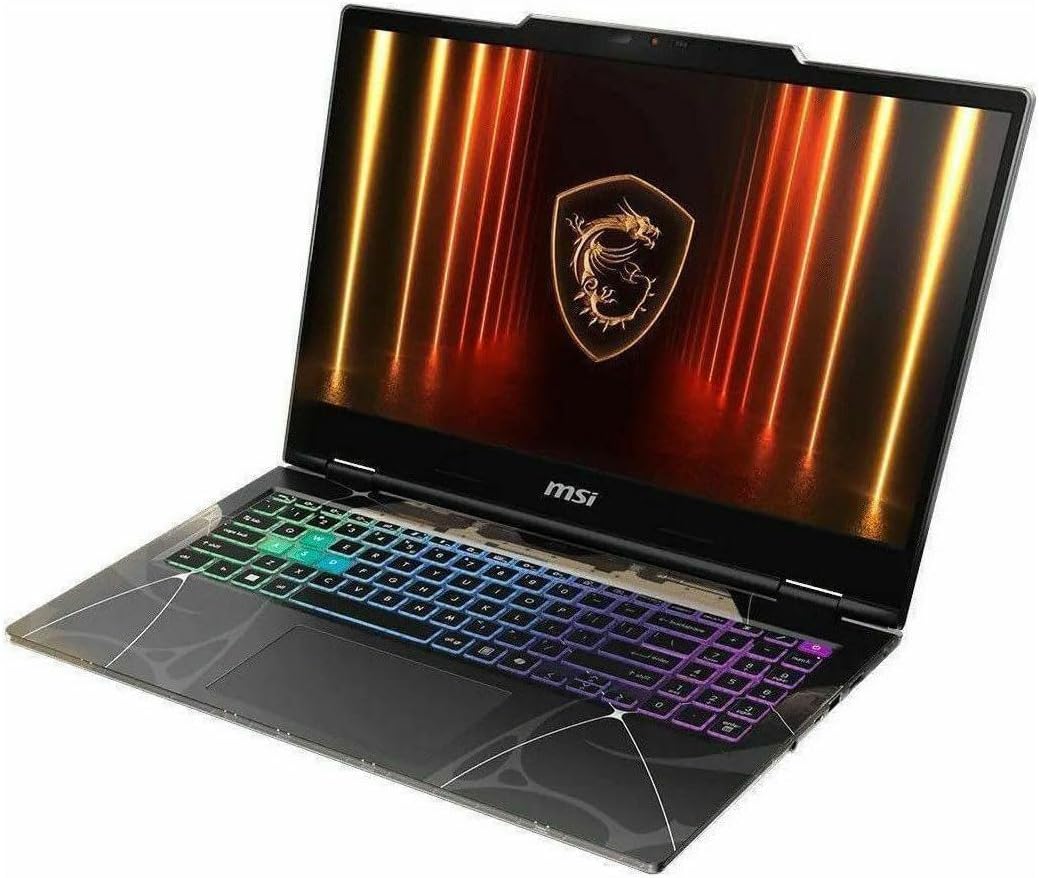
- memory Intel Core Ultra 7 255H
- developer_board NVIDIA GeForce RTX 5060 Laptop GPU
- layers 16GB DDR5-5600MHz (Dual-Channel)
- track_changes Target GPU: NVIDIA RTX 4070 Mobile (140W)

- memory Intel Core i9-14900HX
- developer_board NVIDIA GeForce RTX 4080 Laptop GPU
- layers 64 GB DDR5-5600MHz
- track_changes Target GPU: NVIDIA RTX 4080 Mobile (175W) / NVIDIA GeForce RTX 4080 Laptop GPU (175W TGP)

- memory Intel Core Ultra 9 Processor 275HX (Series 2)
- developer_board NVIDIA GeForce RTX 5070 Laptop GPU
- layers 32GB DDR5-5600MHz
- track_changes Target GPU: NVIDIA RTX 4080 Mobile (175W) / NVIDIA GeForce RTX 4080 Laptop GPU (175W TGP)

- memory Intel Core i9-14900HX Processor
- developer_board NVIDIA GeForce RTX 5070 Laptop GPU
- layers 32GB DDR5-5600MHz
- track_changes Target GPU: NVIDIA RTX 4080 Mobile (175W) / NVIDIA GeForce RTX 4080 Laptop GPU (175W TGP)

- memory Intel Core i9-14900HX
- developer_board NVIDIA GeForce RTX 4090
- layers 32GB DDR5-5600MHz
- track_changes Target GPU: NVIDIA RTX 4090 Mobile (175W)

- memory Intel Core Ultra 9 285H (Series 2) , 14 cores (6 Performance cores + 8 Efficient cores), 20 threads
- developer_board NVIDIA GeForce RTX 5050 Laptop GPU
- layers 32GB (2x16GB) DDR5 8400MHz SO-DIMM
- track_changes Target GPU: NVIDIA RTX 4090 Mobile (175W)

- memory Intel Core Ultra 9 285H
- developer_board NVIDIA GeForce RTX 5070
- layers 32GB (2x16GB) DDR5 4800MHz SO-DIMM
- track_changes Target GPU: NVIDIA RTX 4090 Mobile (175W)

- memory Intel Core i9-14900HX Processor
- developer_board NVIDIA GeForce RTX 5070 Ti Laptop GPU
- layers 64GB DDR5-5600MHz (commonly listed as 4800MHz by some retailers, but 5600MHz is common for 14th Gen HX with DDR5)
- track_changes Target GPU: NVIDIA GeForce RTX 4090 Laptop GPU (175W TGP)

- memory Intel Core Ultra 9 Processor 275HX
- developer_board NVIDIA GeForce RTX 5070 Ti Laptop GPU
- layers 64GB DDR5-6400MHz
- track_changes Target GPU: NVIDIA GeForce RTX 4090 Laptop GPU (175W TGP)

- memory Intel Core Ultra 9 275HX
- developer_board GeForce RTX 5070 Laptop Laptop GPU
- layers 64GB DDR5-6400MHz (Single-Channel)
- track_changes Target GPU: NVIDIA GeForce RTX 4090 Laptop GPU (175W TGP)
For Verse Project Specifically
- memory Intel Core i7-12700H
- developer_board NVIDIA GeForce RTX 3070
- layers 32GB DDR4-3200MHz
- track_changes Target GPU: NVIDIA GeForce GTX 1060 6GB / AMD Radeon RX 580 8GB
- memory Intel Core i9-13900H
- developer_board NVIDIA GeForce RTX 4060
- layers 16GB DDR5-5200MHz
- track_changes Target GPU: NVIDIA GeForce GTX 1060 6GB / AMD Radeon RX 580 8GB
- memory Intel Core i9-14900HX
- developer_board NVIDIA GeForce RTX 4060
- layers 32GB DDR5-5600MHz
- track_changes Target GPU: NVIDIA GeForce GTX 1060 6GB / AMD Radeon RX 580 8GB

- memory Intel Core i9-12900H
- developer_board NVIDIA GeForce RTX 3070 Ti
- layers 16GB DDR5-4800MHz
- track_changes Target GPU: NVIDIA GeForce GTX 1060 6GB / AMD Radeon RX 580 8GB

- memory AMD Ryzen 7 7435HS
- developer_board NVIDIA GeForce RTX 3050
- layers 32GB DDR5-4800MHz
- track_changes Target GPU: NVIDIA GeForce GTX 1060 6GB / AMD Radeon RX 580 8GB

- memory AMD Ryzen 7 6800H
- developer_board NVIDIA GeForce RTX 3060
- layers 16GB DDR5-4800MHz
- track_changes Target GPU: NVIDIA GeForce GTX 1060 6GB / AMD Radeon RX 580 8GB

- memory AMD Ryzen 9 5900HS
- developer_board NVIDIA GeForce RTX 3080
- layers 16GB DDR4-3200MHz
- track_changes Target GPU: NVIDIA GeForce GTX 1060 6GB / AMD Radeon RX 580 8GB

- memory Intel Core i7-13620H
- developer_board NVIDIA GeForce RTX 4070
- layers 16GB DDR5-4800MHz
- track_changes Target GPU: NVIDIA GeForce GTX 1060 6GB / AMD Radeon RX 580 8GB

- memory Intel Core i7-14700HX
- developer_board NVIDIA GeForce RTX 4070
- layers 16GB DDR5-5600MHz
- track_changes Target GPU: NVIDIA GeForce GTX 1060 6GB / AMD Radeon RX 580 8GB
- memory Intel Core i9-14900HX
- developer_board NVIDIA GeForce RTX 4070
- layers 32GB DDR5-5600MHz
- track_changes Target GPU: NVIDIA GeForce GTX 1060 6GB / AMD Radeon RX 580 8GB
- memory Intel Core i9-14900HX
- developer_board NVIDIA GeForce RTX 4070
- layers 16GB DDR5-5600MHz
- track_changes Target GPU: NVIDIA GeForce RTX 3070 Ti / AMD Radeon RX 6800 XT
- memory Intel Core Ultra 7 255H
- developer_board NVIDIA GeForce RTX 5060 Laptop GPU
- layers 16GB DDR5-5600MHz (Dual-Channel)
- track_changes Target GPU: NVIDIA GeForce RTX 3070 Ti / AMD Radeon RX 6800 XT

- memory AMD Ryzen 9 8940HX Processor
- developer_board NVIDIA GeForce RTX 5060 Laptop GPU
- layers 32GB DDR5-5200MHz
- track_changes Target GPU: NVIDIA GeForce RTX 3070 Ti / AMD Radeon RX 6800 XT

- memory Intel Core i9-12950HX
- developer_board NVIDIA GeForce RTX 3080 Ti
- layers 32GB DDR5-4800MHz
- track_changes Target GPU: NVIDIA GeForce RTX 3070 Ti / AMD Radeon RX 6800 XT
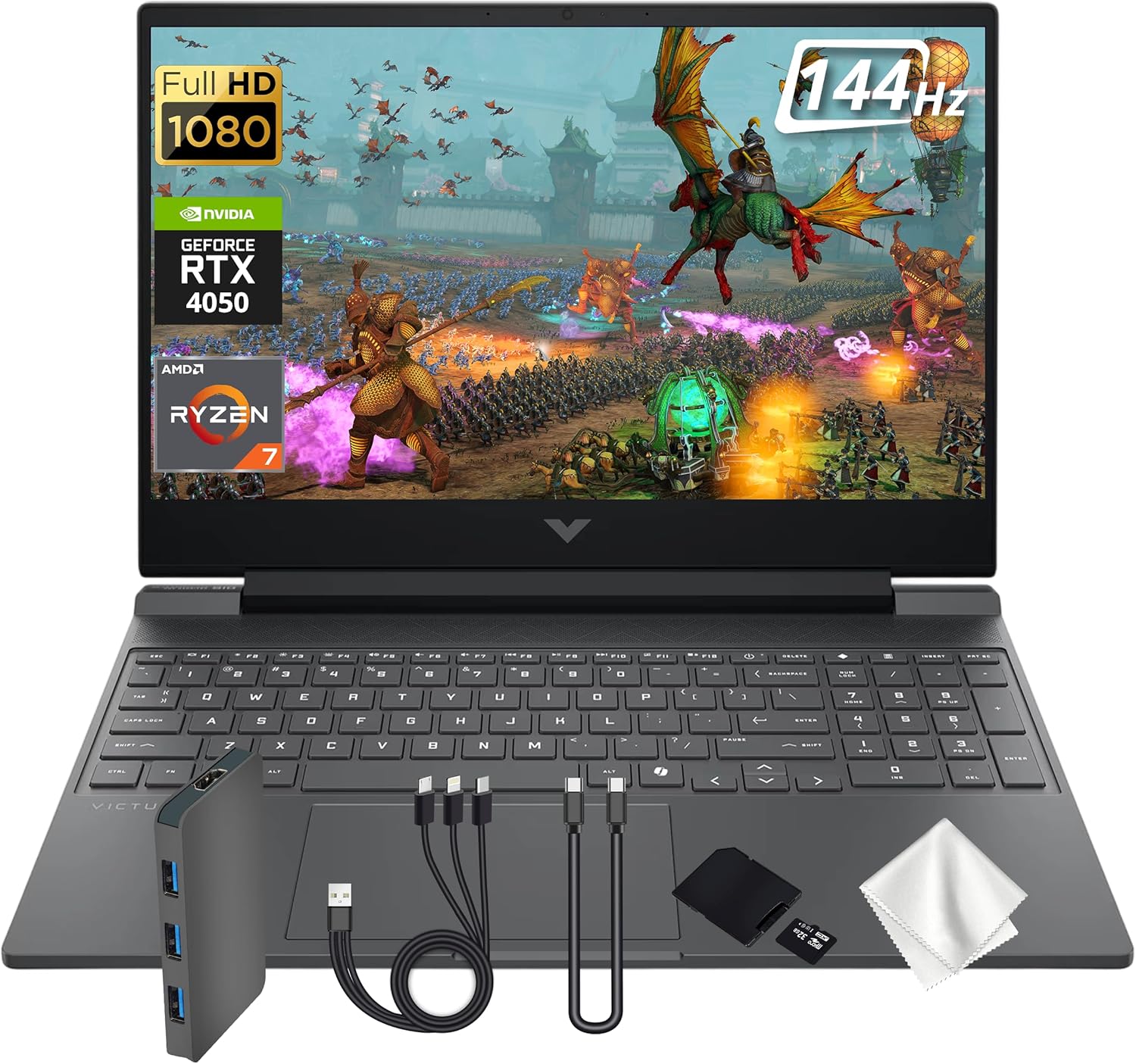
- memory AMD Ryzen 7 7445HS
- developer_board NVIDIA GeForce RTX 4050
- layers 16GB (2x8GB) DDR5 5600MHz SO-DIMM
- track_changes Target GPU: NVIDIA GeForce RTX 3070 Ti / AMD Radeon RX 6800 XT

- memory AMD Ryzen 7 7445HS
- developer_board NVIDIA GeForce RTX 4050
- layers 16GB DDR5 5600MHz SO-DIMM
- track_changes Target GPU: NVIDIA GeForce RTX 3070 Ti / AMD Radeon RX 6800 XT
- memory Intel Core i9-14900HX
- developer_board NVIDIA GeForce RTX 4080 Laptop GPU
- layers 64 GB DDR5-5600MHz
- track_changes Target GPU: NVIDIA GeForce RTX 3070 Ti / AMD Radeon RX 6800 XT
- memory Intel Core Ultra 9 Processor 275HX (Series 2)
- developer_board NVIDIA GeForce RTX 5070 Laptop GPU
- layers 32GB DDR5-5600MHz
- track_changes Target GPU: NVIDIA GeForce RTX 3070 Ti / AMD Radeon RX 6800 XT
- memory Intel Core i9-14900HX Processor
- developer_board NVIDIA GeForce RTX 5070 Laptop GPU
- layers 32GB DDR5-5600MHz
- track_changes Target GPU: NVIDIA GeForce RTX 3070 Ti / AMD Radeon RX 6800 XT
- memory Intel Core i9-14900HX
- developer_board NVIDIA GeForce RTX 4080 Laptop GPU
- layers 64 GB DDR5-5600MHz
- track_changes Target GPU: NVIDIA GeForce RTX 4070 Ti / AMD Radeon RX 7900 XT
- memory Intel Core Ultra 9 Processor 275HX (Series 2)
- developer_board NVIDIA GeForce RTX 5070 Laptop GPU
- layers 32GB DDR5-5600MHz
- track_changes Target GPU: NVIDIA GeForce RTX 4070 Ti / AMD Radeon RX 7900 XT
- memory Intel Core i9-14900HX Processor
- developer_board NVIDIA GeForce RTX 5070 Laptop GPU
- layers 32GB DDR5-5600MHz
- track_changes Target GPU: NVIDIA GeForce RTX 4070 Ti / AMD Radeon RX 7900 XT

- memory Intel Core i9-14900HX Processor
- developer_board NVIDIA GeForce RTX 5070 Laptop GPU
- layers 32GB DDR5-5600MHz
- track_changes Target GPU: NVIDIA GeForce RTX 4070 Ti / AMD Radeon RX 7900 XT

- memory Intel Core Ultra 9 285H (Arrow Lake-H)
- developer_board NVIDIA GeForce RTX 5070 Laptop GPU
- layers 64GB LPDDR5x-8533MT/s (LPCAMM2)
- track_changes Target GPU: NVIDIA GeForce RTX 4070 Ti / AMD Radeon RX 7900 XT

- memory Intel Core i9-14900HX
- developer_board NVIDIA GeForce RTX 4080
- layers 64GB DDR5-5600MHz
- track_changes Target GPU: NVIDIA GeForce RTX 4070 Ti / AMD Radeon RX 7900 XT

- memory Intel Core i9-14900HX
- developer_board NVIDIA GeForce RTX 4080
- layers 32GB DDR5-5600MHz
- track_changes Target GPU: NVIDIA GeForce RTX 4070 Ti / AMD Radeon RX 7900 XT

- memory Intel Core i9-14900HX
- developer_board NVIDIA GeForce RTX 4080
- layers 32GB DDR5-5600MHz
- track_changes Target GPU: NVIDIA GeForce RTX 4070 Ti / AMD Radeon RX 7900 XT

- memory Intel Core i9-14900HX
- developer_board NVIDIA GeForce RTX 4080
- layers 32GB DDR5-5600MHz
- track_changes Target GPU: NVIDIA GeForce RTX 4070 Ti / AMD Radeon RX 7900 XT

- memory AMD Ryzen 9 7845HX
- developer_board NVIDIA GeForce RTX 4080
- layers Up to 64GB DDR5
- track_changes Target GPU: NVIDIA GeForce RTX 4070 Ti / AMD Radeon RX 7900 XT
- memory Intel Core Ultra 9 285H (Series 2) , 14 cores (6 Performance cores + 8 Efficient cores), 20 threads
- developer_board NVIDIA GeForce RTX 5050 Laptop GPU
- layers 32GB (2x16GB) DDR5 8400MHz SO-DIMM
- track_changes Target GPU: NVIDIA GeForce RTX 4090 / AMD Radeon RX 7900 XTX
- memory Intel Core Ultra 9 285H
- developer_board NVIDIA GeForce RTX 5070
- layers 32GB (2x16GB) DDR5 4800MHz SO-DIMM
- track_changes Target GPU: NVIDIA GeForce RTX 4090 / AMD Radeon RX 7900 XTX
- memory Intel Core i9-14900HX Processor
- developer_board NVIDIA GeForce RTX 5070 Ti Laptop GPU
- layers 64GB DDR5-5600MHz (commonly listed as 4800MHz by some retailers, but 5600MHz is common for 14th Gen HX with DDR5)
- track_changes Target GPU: NVIDIA GeForce RTX 4090 / AMD Radeon RX 7900 XTX
- memory Intel Core Ultra 9 Processor 275HX
- developer_board NVIDIA GeForce RTX 5070 Ti Laptop GPU
- layers 64GB DDR5-6400MHz
- track_changes Target GPU: NVIDIA GeForce RTX 4090 / AMD Radeon RX 7900 XTX

- memory Intel Core Ultra 9 Processor 275HX (Series 2)
- developer_board NVIDIA GeForce RTX 5070 Ti Laptop GPU
- layers 32GB DDR5-5600MHz
- track_changes Target GPU: NVIDIA GeForce RTX 4090 / AMD Radeon RX 7900 XTX

- memory Intel Ultra 7 255HX
- developer_board NVIDIA GeForce RTX 5070 Ti
- layers 32GB DDR5 5600MHz
- track_changes Target GPU: NVIDIA GeForce RTX 4090 / AMD Radeon RX 7900 XTX
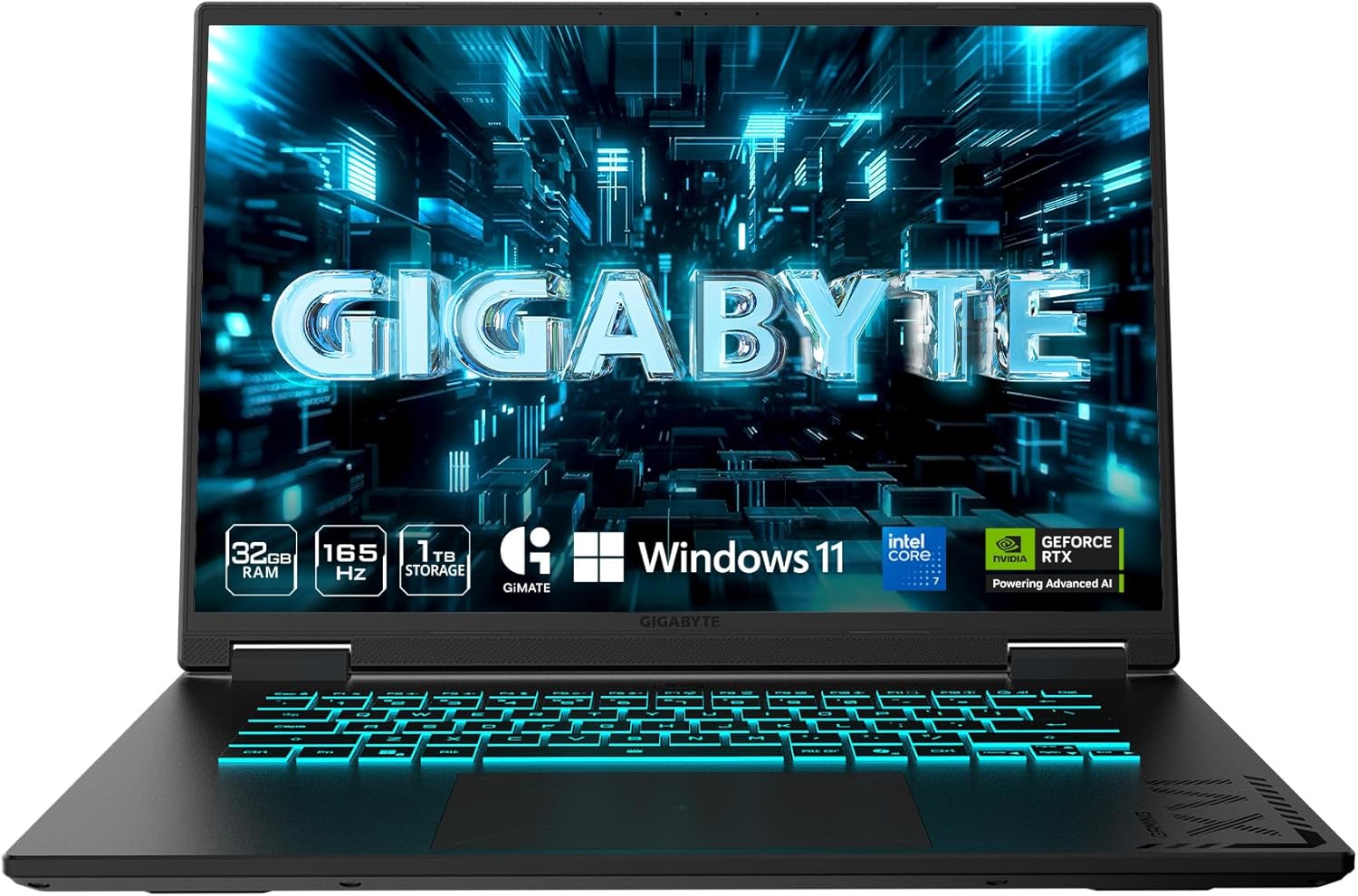
- memory Intel Core Ultra 7 240H
- developer_board NVIDIA GeForce RTX 5070 Ti Laptop GPU
- layers 32GB LPDDR5X 5600MHz
- track_changes Target GPU: NVIDIA GeForce RTX 4090 / AMD Radeon RX 7900 XTX
- memory Intel Core Ultra 9 275HX
- developer_board GeForce RTX 5070 Laptop Laptop GPU
- layers 64GB DDR5-6400MHz (Single-Channel)
- track_changes Target GPU: NVIDIA GeForce RTX 4090 / AMD Radeon RX 7900 XTX

- memory Intel Core Ultra 9 275HX
- developer_board NVIDIA GeForce RTX 5070 Ti
- layers 32GB
- track_changes Target GPU: NVIDIA GeForce RTX 4090 / AMD Radeon RX 7900 XTX

- memory Intel Core Ultra 9 275HX
- developer_board NVIDIA GeForce RTX 5070 Ti Laptop GPU
- layers 32 GB DDR5 6400MHz (2x16GB)
- track_changes Target GPU: NVIDIA GeForce RTX 4090 / AMD Radeon RX 7900 XTX
For Fragmentary Order Specifically
- memory Intel Core i7-12700H
- developer_board NVIDIA GeForce RTX 3070
- layers 32GB DDR4-3200MHz
- track_changes Target GPU: NVIDIA GeForce RTX 3060 12GB / AMD Radeon RX 6700 XT
- memory Intel Core i9-13900H
- developer_board NVIDIA GeForce RTX 4060
- layers 16GB DDR5-5200MHz
- track_changes Target GPU: NVIDIA GeForce RTX 3060 12GB / AMD Radeon RX 6700 XT
- memory Intel Core i9-14900HX
- developer_board NVIDIA GeForce RTX 4060
- layers 32GB DDR5-5600MHz
- track_changes Target GPU: NVIDIA GeForce RTX 3060 12GB / AMD Radeon RX 6700 XT
- memory Intel Core i9-12900H
- developer_board NVIDIA GeForce RTX 3070 Ti
- layers 16GB DDR5-4800MHz
- track_changes Target GPU: NVIDIA GeForce RTX 3060 12GB / AMD Radeon RX 6700 XT
- memory AMD Ryzen 7 7435HS
- developer_board NVIDIA GeForce RTX 3050
- layers 32GB DDR5-4800MHz
- track_changes Target GPU: NVIDIA GeForce RTX 3060 12GB / AMD Radeon RX 6700 XT
- memory Intel Core i9-14900HX
- developer_board NVIDIA GeForce RTX 4070
- layers 32GB DDR5-5600MHz
- track_changes Target GPU: NVIDIA GeForce RTX 3060 12GB / AMD Radeon RX 6700 XT
- memory Intel Core i9-14900HX
- developer_board NVIDIA GeForce RTX 4070
- layers 16GB DDR5-5600MHz
- track_changes Target GPU: NVIDIA GeForce RTX 3060 12GB / AMD Radeon RX 6700 XT
- memory Intel Core Ultra 7 255H
- developer_board NVIDIA GeForce RTX 5060 Laptop GPU
- layers 16GB DDR5-5600MHz (Dual-Channel)
- track_changes Target GPU: NVIDIA GeForce RTX 3060 12GB / AMD Radeon RX 6700 XT
- memory AMD Ryzen 9 8940HX Processor
- developer_board NVIDIA GeForce RTX 5060 Laptop GPU
- layers 32GB DDR5-5200MHz
- track_changes Target GPU: NVIDIA GeForce RTX 3060 12GB / AMD Radeon RX 6700 XT
- memory Intel Core i9-12950HX
- developer_board NVIDIA GeForce RTX 3080 Ti
- layers 32GB DDR5-4800MHz
- track_changes Target GPU: NVIDIA GeForce RTX 3060 12GB / AMD Radeon RX 6700 XT
- memory Intel Core i9-14900HX
- developer_board NVIDIA GeForce RTX 4080 Laptop GPU
- layers 64 GB DDR5-5600MHz
- track_changes Target GPU: NVIDIA GeForce RTX 4070 Ti SUPER / AMD Radeon RX 7900 XT
- memory Intel Core Ultra 9 Processor 275HX (Series 2)
- developer_board NVIDIA GeForce RTX 5070 Laptop GPU
- layers 32GB DDR5-5600MHz
- track_changes Target GPU: NVIDIA GeForce RTX 4070 Ti SUPER / AMD Radeon RX 7900 XT
- memory Intel Core i9-14900HX Processor
- developer_board NVIDIA GeForce RTX 5070 Laptop GPU
- layers 32GB DDR5-5600MHz
- track_changes Target GPU: NVIDIA GeForce RTX 4070 Ti SUPER / AMD Radeon RX 7900 XT
- memory Intel Core i9-14900HX Processor
- developer_board NVIDIA GeForce RTX 5070 Laptop GPU
- layers 32GB DDR5-5600MHz
- track_changes Target GPU: NVIDIA GeForce RTX 4070 Ti SUPER / AMD Radeon RX 7900 XT
- memory Intel Core Ultra 9 285H (Arrow Lake-H)
- developer_board NVIDIA GeForce RTX 5070 Laptop GPU
- layers 64GB LPDDR5x-8533MT/s (LPCAMM2)
- track_changes Target GPU: NVIDIA GeForce RTX 4070 Ti SUPER / AMD Radeon RX 7900 XT
- memory Intel Core i9-14900HX
- developer_board NVIDIA GeForce RTX 4080
- layers 64GB DDR5-5600MHz
- track_changes Target GPU: NVIDIA GeForce RTX 4070 Ti SUPER / AMD Radeon RX 7900 XT
- memory Intel Core i9-14900HX
- developer_board NVIDIA GeForce RTX 4080
- layers 32GB DDR5-5600MHz
- track_changes Target GPU: NVIDIA GeForce RTX 4070 Ti SUPER / AMD Radeon RX 7900 XT
- memory Intel Core i9-14900HX
- developer_board NVIDIA GeForce RTX 4080
- layers 32GB DDR5-5600MHz
- track_changes Target GPU: NVIDIA GeForce RTX 4070 Ti SUPER / AMD Radeon RX 7900 XT
- memory Intel Core i9-14900HX
- developer_board NVIDIA GeForce RTX 4080
- layers 32GB DDR5-5600MHz
- track_changes Target GPU: NVIDIA GeForce RTX 4070 Ti SUPER / AMD Radeon RX 7900 XT
- memory AMD Ryzen 9 7845HX
- developer_board NVIDIA GeForce RTX 4080
- layers Up to 64GB DDR5
- track_changes Target GPU: NVIDIA GeForce RTX 4070 Ti SUPER / AMD Radeon RX 7900 XT
- memory Intel Core i9-14900HX Processor
- developer_board NVIDIA GeForce RTX 5070 Ti Laptop GPU
- layers 64GB DDR5-5600MHz (commonly listed as 4800MHz by some retailers, but 5600MHz is common for 14th Gen HX with DDR5)
- track_changes Target GPU: NVIDIA GeForce RTX 4090 24GB
- memory Intel Core Ultra 9 Processor 275HX
- developer_board NVIDIA GeForce RTX 5070 Ti Laptop GPU
- layers 64GB DDR5-6400MHz
- track_changes Target GPU: NVIDIA GeForce RTX 4090 24GB
- memory Intel Core Ultra 9 275HX
- developer_board GeForce RTX 5070 Laptop Laptop GPU
- layers 64GB DDR5-6400MHz (Single-Channel)
- track_changes Target GPU: NVIDIA GeForce RTX 4090 24GB
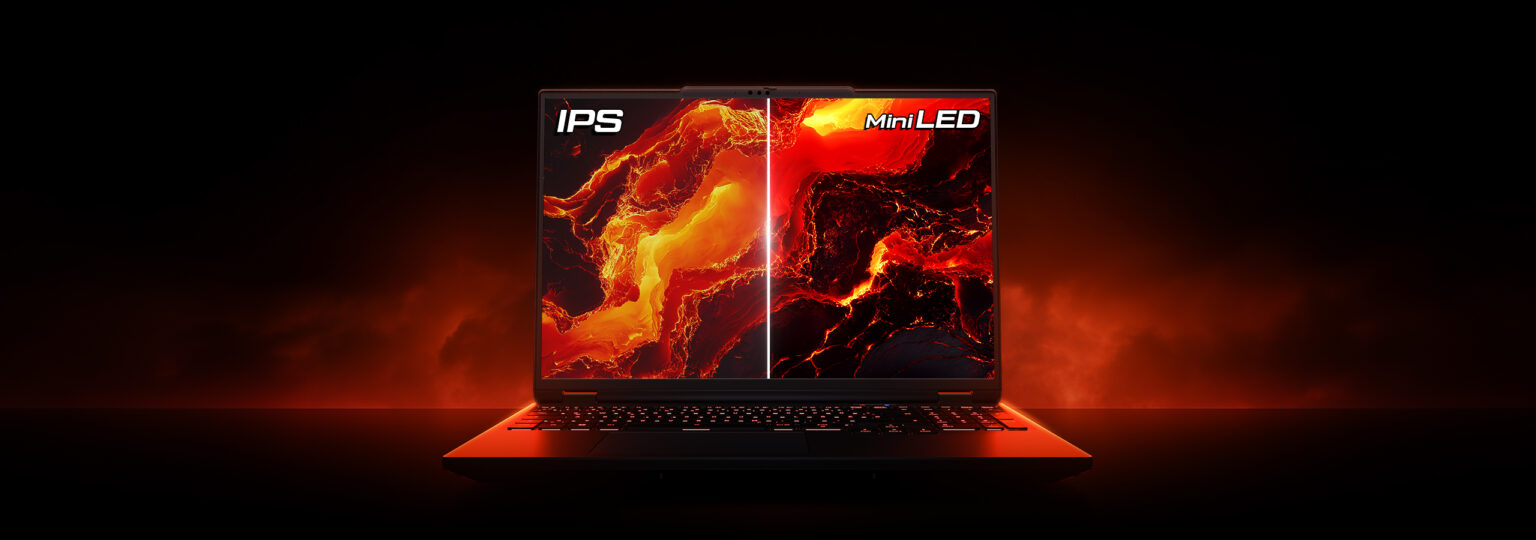
- memory AMD Ryzen 9 9955HX
- developer_board NVIDIA GeForce RTX 5070 Ti Laptop GPU
- layers 64GB DDR5-5600MHz (Dual-Channel)
- track_changes Target GPU: NVIDIA GeForce RTX 4090 24GB

- memory Intel Core Ultra 9 285HX
- developer_board NVIDIA GeForce RTX 5080
- layers 64GB DDR5-5600MHz
- track_changes Target GPU: NVIDIA GeForce RTX 4090 24GB

- memory Intel Core Ultra 9 285HX
- developer_board NVIDIA GeForce RTX 5090
- layers 64GB DDR5-6400MHz
- track_changes Target GPU: NVIDIA GeForce RTX 4090 24GB
- memory Intel Core i9-14900HX
- developer_board NVIDIA GeForce RTX 4080
- layers 64GB DDR5-5600MHz
- track_changes Target GPU: NVIDIA GeForce RTX 4090 24GB
- memory AMD Ryzen 9 7845HX
- developer_board NVIDIA GeForce RTX 4080
- layers Up to 64GB DDR5
- track_changes Target GPU: NVIDIA GeForce RTX 4090 24GB
info_outline Laptop recommendations are estimates based on available component benchmarks and game requirements. Actual performance may vary depending on settings, drivers, cooling, power limits, etc. Prices and availability subject to change. As an Amazon Associate, we earn from qualifying purchases.