Select Games to Compare
Benchmark your exact mobile GPU wattage (TGP), battery throttling drops, and cooling pad requirements for these games.
Star Wars Zero Company vs Clair Obscur: Expedition 33
| close | close |
|---|---|
| shopping_cart Where to Buy | |
| info General Information | |
| Release Date | |
| Aug 27, 2026 | Apr 24, 2025 |
| Developer | |
| Bit Reactor | Sandfall Interactive |
| Publisher | |
| Electronic Arts | Kepler Interactive |
| Genre(s) | |
| Turn-based tactical strategy | RPG, Turn-Based Combat, JRPG, Story Rich, Adventure |
| Engine | |
| Unreal Engine 5 | Unreal Engine 5 |
| stars Ratings & Price | |
| Content Rating | |
| Teen (T) | M (Mature 17+) |
| Avg. User Rating | |
| 4.5 / 5.0 | 4.8 / 5.0 |
| Current Price (USD) | |
| $49.99 | $59.99 |
| tune Key Specs | |
| Quick Highlights | |
|
|
| sports_esports Gameplay & Mechanics | |
| Companions/Followers | |
|
|
| Key Collectibles | |
|
|
| Key Themes | |
|
|
| colorize Combat & Gear | |
| Weapons Overview | |
|
|
| Armor / Gear Sets | |
|
|
| Outfits/Customization | |
|
|
| trending_up Progression & Upgrades | |
| Skills & Progression | |
|
Character progression in the game encompasses 12 distinct classes. Eight of these are standard 'Specializations' available to any recruited mercenary, including Assault, Gunslinger, Heavy, Medic, Scoundrel, Scout, Sharpshooter, and Soldier. The remaining four are 'Exotic' classes permanently locked to authored characters, such as the Jedi Padawan Tel-Rea Vokoss. In the mid-game phase, operators unlock a secondary Specialization slot, facilitating deep, highly customized hybrid combat builds. The tactical combat system replaces traditional defensive AP constraints with an aggressive 'Advantage' momentum system; as operators inflict damage, they accrue points in a shared squad pool capped at 10. These points can be spent to instantly deploy devastating ultimate abilities—like Soldier Rocket Strikes or Jedi Force Pushes—without expending standard Action Points. Additionally, The Den allows for vital facility upgrades, including the Medbay for clearing permanent combat injuries, and the Black Market for purchasing advanced weapon modifications. |
Character progression involves leveling up to increase base attributes and earning skill points to unlock active and passive abilities in unique skill trees. A 'Pictos' system allows players to equip items that provide powerful passive bonuses. Once enough battles are won with a Pictos equipped, its bonus can be permanently unlocked for the whole party using 'Lumina' points, allowing for deep build customization. |
| public World & Exploration | |
| World & Level Design | |
|
The strategic layer of Star Wars Zero Company features a massive, dynamic Galaxy Map managed from a central Holotable, comprising operations across more than 150 distinct planetary bodies systematically organized into 12 galactic regions. The map architecture includes distinct sectors—such as Zone Aurek, Besh, Cresh, Forn, and Grek—covering diverse environmental extremes from Coruscant's dense urban plateaus to Kashyyyk's sprawling forests, and the perpetual darkness of Umbara. While many of these 150 locations serve as text-based intelligence gathering and espionage nodes, the game features 18 meticulously handcrafted planets that host the complex Tactical Missions. The developers consciously opted against procedural terrain generation for these 18 playable arenas to ensure that every chokepoint, high-ground advantage, and destructible cover placement feels deliberate and cinematic. Procedural generation is reserved solely for enemy spawn variables and patrol routes, guaranteeing infinite tactical replayability. |
The game features large, explorable zones rather than a single seamless open world. Players lead the expedition through diverse and wonderous regions, including lush forests, scenic cliffs, and bizarre underwater areas where one can walk on the ocean floor. The world is filled with secrets, unique enemies, and traveling merchants. |
| Playable Vehicles | |
|
|
| Notable Fauna/Mounts | |
|
N/A |
| book Story & Characters | |
| Main Characters | |
|
|
| Example Missions | |
|
|
| people Multiplayer | |
| Multiplayer Details | |
|
Star Wars Zero Company intentionally distances itself from the multiplayer and live-service models that heavily dominate the contemporary Star Wars gaming landscape. The title was built strictly as an immersive, highly tactical single-player experience. Players assume the singular role of Hawks, commanding an AI-controlled squad of diverse mercenaries against deeply scripted, procedurally generated enemy AI factions, including the Separatist Alliance and the terrifying Infinite Coil cult. There are no competitive Player-versus-Player (PvP) modes, no cooperative campaign integrations, and no multiplayer leaderboards present in the core architectural design. The developers placed their entire emphasis and computational budget on solitary strategic management, deep interpersonal squad bonding mechanics, rigorous economic resource allocation, and maintaining atmospheric narrative world-building within the darkest corners of the Clone Wars era. |
The game is a strictly single-player experience and does not have any multiplayer or co-operative modes. |
| extension Editions & DLC | |
| Available Editions | |
|
Electronic Arts distributed Star Wars Zero Company across a highly stratified pricing matrix to balance digital accessibility with premium boutique collector's items. The Standard Edition launched at $49.99 for PC platforms and $59.99 for PlayStation 5 and Xbox Series X/S. The Deluxe Edition, priced at $59.99 on PC and $69.99 on consoles, provides immediate access to lore-accurate cosmetic DLCs—such as the 'Grand Army of the Republic' and 'Shadow Collective' packs—that are strictly aesthetic and devoid of pay-to-win mechanics. Furthermore, a heavily scrutinized $299.99 Collector's Edition was produced in partnership with Limited Run Games. It features a physical Hasbro Black Series Electronic Thermal Detonator, a SteelBook, a desk mat, and exclusive pins. However, this premium physical edition faced a staggering nine-month manufacturing delay, with physical merchandise fulfillment pushed to mid-2027, despite digital software codes being provided to buyers on launch day. |
The game was released with a Standard Edition and a Digital Deluxe Edition. The Deluxe Edition includes the base game, 'The Flowers Collection' (six outfits and hairstyles for each character), and two exclusive custom outfits: 'Clair' for Maelle and 'Obscur' for Gustave. |
| Post-Launch Content / DLC | |
|
The post-launch environment for Star Wars Zero Company is currently fraught with extreme uncertainty, anxiety, and corporate tension. Initially, the Deluxe Edition successfully delivered high-quality, lore-accurate cosmetic DLC, such as the 'Shadow Collective' pack. In standard live-service ecosystems, dedicated player communities rely on datamining client files to uncover future content updates. However, the game launched amidst a catastrophic internal collapse at developer Bit Reactor, with 80% of the staff unceremoniously placed on unpaid furlough due to an exhausted $50 million budget and a devastating $20 million legal dispute paralyzing operations. The distinct absence of leaked post-launch roadmaps, hidden DLC assets, or future expansion files in the initial 1.0 client patch has severely exacerbated community fears that no substantial story expansions were ever funded, leaving the entire live-service roadmap completely in limbo. |
N/A |
| help_outline FAQ | |
| Frequently Asked Questions | |
|
|
| build Technical Details | |
| Graphics & Visual Fidelity | |
|
Built natively on Unreal Engine 5, the graphics architecture of Star Wars Zero Company abandons the traditional static isometric perspective of the genre in favor of a highly ambitious, cinematic hybrid camera system. Players seamlessly transition from a macro top-down tactical view during firefights to an immersive, over-the-shoulder third-person perspective while exploring their base. The engine integration introduces advanced physics and dynamic lighting directly into the tactical grid, allowing blaster fire to cast real-time illumination down darkened corridors. A monumental design choice was the complete elimination of the traditional 'Fog of War'; all enemy units and environmental variables are rendered simultaneously from turn one. Combined with fully destructible environmental cover and 18 meticulously handcrafted planetary maps, the game demands high-end hardware to deliver an unprecedented level of cinematic graphical fidelity. |
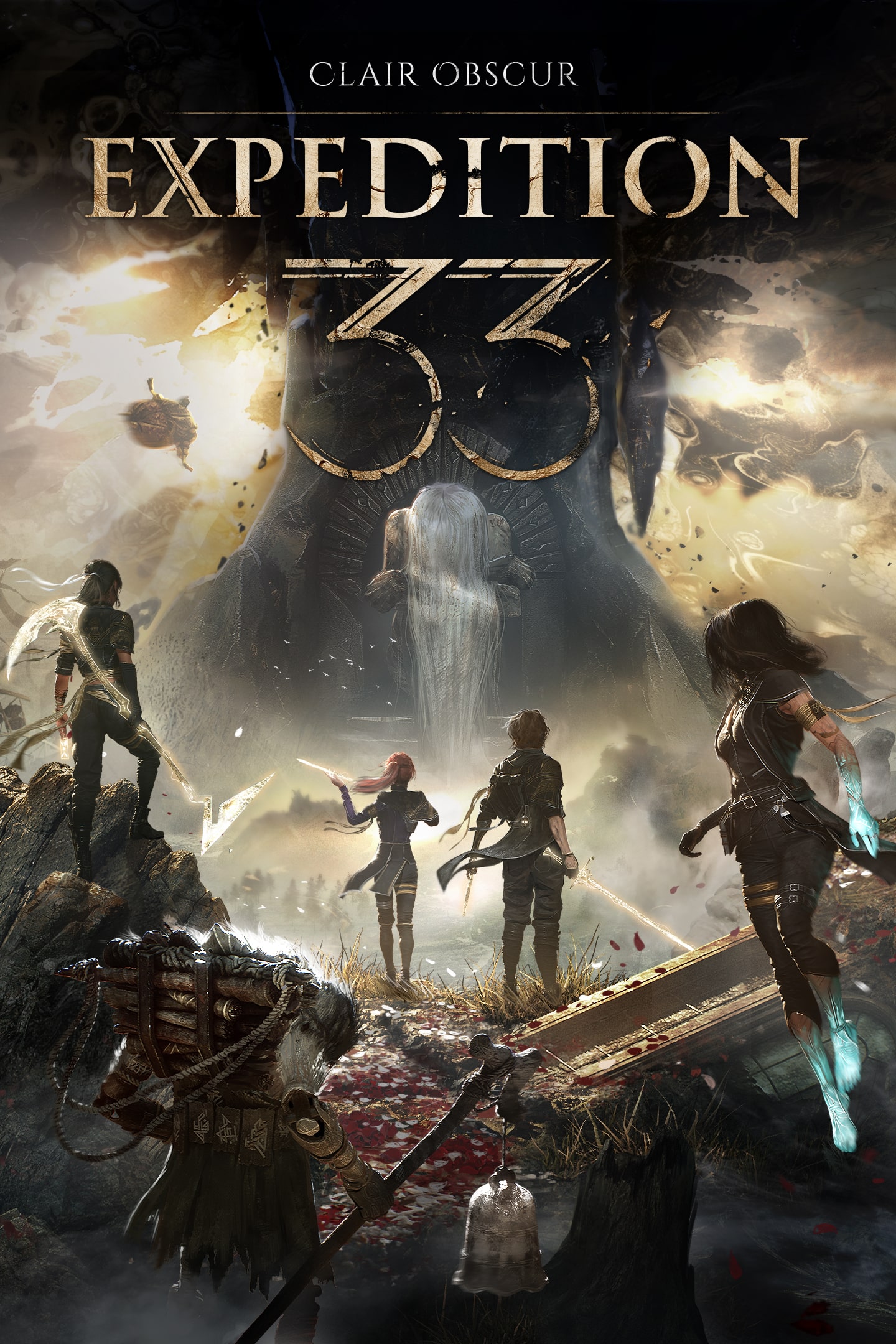
Developed in Unreal Engine 5, the game boasts a breathtaking and unique art style inspired by Belle Époque France and surrealist art. It features stunningly beautiful landscapes, fantastical creature designs, and highly cinematic combat animations. |
| Audio & Soundtrack | |
|
The audio engineering and cinematic score for the game were meticulously crafted by Gordy Haab, a Grammy and Ivor Novello Award-winning composer renowned for his work on the Star Wars Jedi franchise. He delivered a monumental 25-track, 130-minute original soundtrack that masterfully bridges the traditional, sweeping Star Wars aesthetic with the grim, oppressive realities of covert tactical warfare. Tracks like 'Eve of Battle' channel John Williams' iconic brass-heavy orchestration, while compositions such as 'The Plague' leverage oppressive string arrangements and ominous synthetic undertones to reflect the bio-horror of the Infinite Coil. The combat soundscape is incredibly dynamic; operators dynamically voice their tactical assists, blaster bolts physically sizzle as they melt through destructible steel barricades, and B1 Battle Droids emit comedic, panicked vocalizations when players execute perfect flanking maneuvers, creating a deeply immersive audio environment. |
The game features a full, emotional orchestral score composed by Lorien Testard, designed to enhance the beauty and tragedy of the world. It also has a full English and French voice cast featuring prominent actors like Charlie Cox, Andy Serkis, and Ben Starr. |
| User Interface (UI/UX) | |
|
The User Interface (UI) of Star Wars Zero Company brilliantly bridges the game's ambitious dual-perspective mechanics. While exploring 'The Den,' the UI adopts a diegetic, immersive third-person approach via the Holotable and central command console for seamlessly managing base upgrades and tracking planetary nodes on the dynamic Galaxy Map. In active combat, the UI elegantly shifts to accommodate the complex Unreal Engine 5 tactical grid. Key visual elements include crisp indicators for the strict 2 to 3 Action Point (AP) economy, alongside a prominent, pulsing meter tracking the shared squad Advantage pool (capped at 10). Furthermore, the UI innovates heavily with an adjustable, directional cone overlay for the dynamic Overwatch system; this transforms standard passive area denial into a visually distinct, manual calculation of tactical risk, chance-to-hit percentages, and positional reward. |
The combat UI clearly displays the turn order on the left side of the screen, allowing for strategic planning. Real-time defensive prompts appear during enemy attacks. Outside of combat, the UI is clean, with a focus on immersive exploration. Menus for skills, equipment, and the Pictos system are stylized and easy to navigate. |
| Accessibility Options | |
|
Star Wars Zero Company incorporates a variety of features and difficulty settings designed to accommodate varying levels of tactical expertise, allowing players to tweak the game's otherwise punishing mechanics. On standard and high difficulties, operators accumulating three combat injuries trigger permanent death (permadeath), but these severe penalties can be adjusted or entirely disabled in lower difficulty tiers, allowing players to focus strictly on the narrative and interpersonal squad dynamics. Additionally, the bold design choice to eliminate the 'Fog of War' inherently serves as a massive gameplay accessibility feature, allowing players to fully parse the battlefield layout and enemy placements immediately without dealing with obscured or hidden information. The hybrid camera system also allows players to zoom in tightly and adjust their view, aiding significantly in the clear visual identification of enemy targets and environmental hazards. |
The game includes three distinct difficulty modes (Story, Expeditioner, Expert) that adjust enemy power and the timing windows for real-time defensive actions. It also features fully customizable subtitles and support for various upscaling technologies to ensure smooth performance across a range of hardware. |
| video_library Media Links | |
| Gameplay Video | |
| launchWatch | launchWatch |
| Walkthrough/Guide | |
| launchView | launchView |
| settings_applications System Requirements | |
| 1080p (Full HD) - Recommended (Targets 1080p, High settings, ~60 FPS) (High Preset, 1080p resolution, targeting 60 FPS as per official notes.) CPU: Official recommended desktop CPU for a solid 1080p/60FPS experience. CPU (Laptop): High-performance laptop CPUs are recommended for a stable 60 FPS experience. GPU: Official recommended desktop GPUs for 1080p High settings from the game's Steam page. GPU (Laptop): Strong laptop GPUs for 1080p High at 60 FPS. The RTX 3060 Laptop with DLSS is an excellent choice here. RAM: 16GB RAM is officially recommended. Dual-channel configuration is strongly advised. Storage: An SSD is officially required for the recommended experience. | |
| — | memoryCPU: Intel Core i7-8700 or AMD Ryzen 5 3600 developer_boardGPU: NVIDIA GeForce RTX 2070 (8GB) or AMD Radeon RX 5700 XT (8GB) laptop_macCPU (L): Intel Core i7-9750H / AMD Ryzen 7 4800H or better. laptop_windowsGPU (L): NVIDIA GeForce RTX 2070 Mobile (8GB), RTX 3060 Laptop (6GB). layersRAM: 16 GB saveStorage (Tier): 55 GB SSD |
| 1080p (Full HD) - Minimum (30 FPS, Low Preset) CPU: Provides the baseline computational power required to calculate Unreal Engine 5 tactical grids without Fog of War. CPU (Laptop): Sufficient for maintaining a locked 30 FPS target on low preset grid calculations. GPU: The absolute baseline to handle the minimum dynamic lighting and line-of-sight rendering. GPU (Laptop): Adequate for 30 FPS targeting; turning down shadow maps is heavily advised. RAM: Minimum required memory to load full environments simultaneously due to the lack of Fog of War. Storage: Solid-state drive recommended to eliminate texture pop-in during camera transitions. | |
memoryCPU: Intel Core i5-8400 or AMD Ryzen 5 2600X developer_boardGPU: Nvidia GeForce GTX 1080, Radeon RX 5600 XT, or Intel ARC B580 laptop_macCPU (L): Intel Core i5-9300H or Ryzen 5 4600H laptop_windowsGPU (L): Nvidia GTX 1660 Ti or RTX 3050 layersRAM: 16 GB saveStorage (Tier): 50 GB SSD | — |
| 1080p (Full HD) - Minimum (Targets 1080p, Low settings, ~30 FPS) (Low Preset, 1080p resolution, targeting 30 FPS as per official notes.) CPU: Official minimum desktop CPU from the game's Steam page. CPU (Laptop): Estimated entry-level laptop CPUs for minimum playability. GPU: Official minimum desktop GPU from the game's Steam page. A 6GB-8GB VRAM card is the baseline. GPU (Laptop): Estimated laptop GPUs for minimum settings. Performance will vary with TGP. RAM: 16GB RAM is the official minimum requirement, which is quite high for a minimum spec. Storage: An SSD is officially required for minimum playability. | |
| — | memoryCPU: Intel Core i5-8400 or AMD Ryzen 5 2600 developer_boardGPU: NVIDIA GeForce GTX 1060 (6GB) or AMD Radeon RX 580 (8GB) laptop_macCPU (L): Intel Core i5-9300H / AMD Ryzen 5 3550H or better. laptop_windowsGPU (L): NVIDIA GeForce GTX 1650 Ti Mobile (4GB) / GTX 1060 Mobile (6GB). layersRAM: 16 GB saveStorage (Tier): 55 GB SSD |
| 1440p (QHD/2K) - Recommended (60 FPS, High Preset) CPU: Necessary for processing the complex AI behavior trees and procedural spawn variables seamlessly. CPU (Laptop): Handles the heavy AI lifting and physics destruction calculations effectively. GPU: Required for maintaining high-fidelity environmental destruction, particle effects, and dynamic grid lighting at 60 FPS. GPU (Laptop): Ensures stable 60 FPS rendering under heavy combat loads and visual particle stress. RAM: Crucial for running procedural elements concurrently with high-resolution UE5 assets. Storage: Fast loading times required for the transition between The Den's real-time exploration and tactical deployments. | |
memoryCPU: Intel Core i7-10700K or AMD Ryzen 7 3700X developer_boardGPU: Nvidia GeForce RTX 3080 or AMD Radeon RX 7800 XT laptop_macCPU (L): Intel Core i7-11800H or Ryzen 7 5800H laptop_windowsGPU (L): Nvidia RTX 3070 Ti (High TGP) or RTX 4070 layersRAM: 32 GB saveStorage (Tier): 50 GB SSD | — |
| 1440p (QHD/2K) - High (Targets 1440p, High settings, ~60 FPS) (High Preset, 1440p resolution, aiming for 60 FPS. Upscaling (DLSS/XeSS Balanced) is recommended.) CPU: A powerful modern CPU is recommended to prevent bottlenecks and ensure smooth performance at 1440p. CPU (Laptop): High-performance laptop CPUs are essential for a consistent 1440p experience. GPU: Desktop GPUs capable of a strong 1440p/60FPS experience, especially with upscaling. A future RTX 5060 would likely be very well-suited for this tier. GPU (Laptop): A high-TGP RTX 4060 or RTX 3070 Laptop is the ideal target for 1440p. A future RTX 5060 Laptop would likely offer excellent performance here. RAM: 16GB RAM is sufficient, but 32GB is recommended for a smoother experience with less stutter. Storage: A fast NVMe SSD is recommended for the best loading times at 1440p. | |
| — | memoryCPU: Intel Core i5-12600K or AMD Ryzen 5 5600X developer_boardGPU: NVIDIA GeForce RTX 3060 Ti (8GB) / RTX 4060 (8GB) or AMD Radeon RX 6700 XT (12GB). (Future-proof: RTX 5060) laptop_macCPU (L): Intel Core i7-12700H / AMD Ryzen 7 6800H or newer. laptop_windowsGPU (L): NVIDIA GeForce RTX 3070 Laptop (8GB) / RTX 4060 Laptop (8GB). (Future-proof: RTX 5060 Laptop) layersRAM: 16 GB saveStorage (Tier): 55 GB NVMe SSD |
| 2160p (UHD/4K) - Ultra (60 FPS, Ultra Preset) CPU: Provides maximum computational overhead for all physics, AI, and geometry rendering. CPU (Laptop): Top-tier mobile processors required to prevent bottlenecks at native 4K. GPU: Massive VRAM and rasterization power needed to render fully destructible 4K environments without framerate drops. GPU (Laptop): The only mobile GPUs capable of sustaining 4K 60 FPS with all UE5 lighting pipelines engaged. RAM: Accommodates maximum map details, high-res texture packs, and complex lighting caches. Storage: Gen 4 NVMe speeds maximize data streaming for complex tactical map geometry. | |
memoryCPU: Intel Core i9-12900K or AMD Ryzen 9 5900X developer_boardGPU: Nvidia GeForce RTX 4080 or AMD Radeon RX 7900 XTX laptop_macCPU (L): Intel Core i9-13900HX or Ryzen 9 7945HX laptop_windowsGPU (L): Nvidia RTX 4080 or RTX 4090 Mobile layersRAM: 32 GB saveStorage (Tier): 50 GB NVMe SSD | — |
| 2160p (UHD/4K) - 4K Ultra Settings (Targets 2160p/4K, High/Epic settings, ~60 FPS) (High/Epic Preset, 2160p (4K) resolution, aiming for 60 FPS. Upscaling (DLSS/XeSS Performance) is essential.) CPU: A top-tier desktop CPU is recommended to support high-framerate 4K gaming and minimize any potential stutters. CPU (Laptop): The highest-end laptop CPUs are needed to pair with flagship GPUs for a smooth 4K experience. GPU: High-end 40-series desktop GPUs are needed for a 4K/60FPS experience, relying heavily on DLSS/XeSS Performance mode. A future RTX 5070 is expected to handle this resolution with more ease. GPU (Laptop): Flagship laptop GPUs are required for a playable 4K experience, which will be heavily dependent on DLSS. A future RTX 5070 Ti Laptop would be a prime target for 4K mobile gaming. RAM: 32GB of fast RAM is highly recommended to provide sufficient headroom for 4K assets and system processes. Storage: A fast NVMe SSD is highly recommended for the best 4K gaming experience, minimizing texture pop-in. | |
| — | memoryCPU: Intel Core i7-13700K or AMD Ryzen 7 7800X3D developer_boardGPU: NVIDIA GeForce RTX 4070 Ti (12GB) or AMD Radeon RX 7900 XT (20GB). (Future-proof: RTX 5070) laptop_macCPU (L): Intel Core i9-13900HX / AMD Ryzen 9 7945HX or newer. laptop_windowsGPU (L): NVIDIA GeForce RTX 4080 Laptop (12GB) / RTX 4090 Laptop (16GB). (Future-proof: RTX 5070 Ti Laptop) layersRAM: 32 GB saveStorage (Tier): 55 GB NVMe SSD |
| save Overall Storage | |
| Spec: 50 GB available space Note: Required to store the high-fidelity textures and meticulously handcrafted map geometries without relying on procedural terrain generation. Type: Unknown | Spec: 55 GB available space (SSD Required) Note: An SSD is listed as a mandatory requirement for both minimum and recommended tiers to handle the high-fidelity assets and reduce texture streaming issues common in UE5 games. Type: SSD |
| desktop_windows Operating System | |
| Spec: 64-bit Windows 10 / 11 Explanation: Windows 11 24H2 builds experienced isolated rendering crashes at launch, which were rapidly addressed via emergency server-side stability patches. | Spec: Windows 10/11 (64-bit) Explanation: A 64-bit version of Windows 10 is required. Windows 11 is recommended for optimal performance, especially with newer hardware, to best utilize features like DirectStorage. |
| gamepad DirectX Version | |
| Spec: Version 12 Explanation: Strictly required to render Unreal Engine 5's advanced physics, destructible cover, and dynamic lighting systems. | Spec: DirectX 12 Explanation: The official requirement is DirectX 12. As an Unreal Engine 5 title, it relies on DX12 for its advanced rendering features like Lumen and Nanite. |
| info_outline Other Game Notes | |
|
|
| build Optimization Details | |
|
|
| laptop Laptop Considerations | |
|
|

info_outline Feature details based on available data. System requirements and performance estimates may vary.
laptop_chromebook Laptop Recommendations
Common Recommendations (Handles All Compared Games)

- memory Intel Core i7-12700H
- developer_board NVIDIA GeForce RTX 3070
- layers 32GB DDR4-3200MHz
- track_changes Target GPU: Nvidia GTX 1660 Ti or RTX 3050

- memory Intel Core i9-13900H
- developer_board NVIDIA GeForce RTX 4060
- layers 16GB DDR5-5200MHz
- track_changes Target GPU: Nvidia GTX 1660 Ti or RTX 3050

- memory Intel Core i9-14900HX
- developer_board NVIDIA GeForce RTX 4060
- layers 32GB DDR5-5600MHz
- track_changes Target GPU: Nvidia GTX 1660 Ti or RTX 3050

- memory AMD Ryzen 7 7435HS
- developer_board NVIDIA GeForce RTX 3050
- layers 32GB DDR5-4800MHz
- track_changes Target GPU: NVIDIA GeForce RTX 2070 Mobile (8GB), RTX 3060 Laptop (6GB).

- memory AMD Ryzen 9 8940HX Processor
- developer_board NVIDIA GeForce RTX 5060 Laptop GPU
- layers 32GB DDR5-5200MHz
- track_changes Target GPU: NVIDIA GeForce RTX 2070 Mobile (8GB), RTX 3060 Laptop (6GB).

- memory AMD Ryzen 7 7445HS
- developer_board NVIDIA GeForce RTX 4050
- layers 16GB (2x8GB) DDR5 5600MHz SO-DIMM
- track_changes Target GPU: NVIDIA GeForce RTX 2070 Mobile (8GB), RTX 3060 Laptop (6GB).
- memory AMD Ryzen 7 7435HS
- developer_board NVIDIA GeForce RTX 3050
- layers 32GB DDR5-4800MHz
- track_changes Target GPU: Nvidia RTX 3070 Ti (High TGP) or RTX 4070

- memory Intel Core i9-14900HX
- developer_board NVIDIA GeForce RTX 4070
- layers 32GB DDR5-5600MHz
- track_changes Target GPU: Nvidia RTX 3070 Ti (High TGP) or RTX 4070
- memory AMD Ryzen 9 8940HX Processor
- developer_board NVIDIA GeForce RTX 5060 Laptop GPU
- layers 32GB DDR5-5200MHz
- track_changes Target GPU: Nvidia RTX 3070 Ti (High TGP) or RTX 4070
- memory Intel Core i7-12700H
- developer_board NVIDIA GeForce RTX 3070
- layers 32GB DDR4-3200MHz
- track_changes Target GPU: NVIDIA GeForce RTX 3070 Laptop (8GB) / RTX 4060 Laptop (8GB). (Future-proof: RTX 5060 Laptop)
- memory Intel Core i9-13900H
- developer_board NVIDIA GeForce RTX 4060
- layers 16GB DDR5-5200MHz
- track_changes Target GPU: NVIDIA GeForce RTX 3070 Laptop (8GB) / RTX 4060 Laptop (8GB). (Future-proof: RTX 5060 Laptop)
- memory Intel Core i9-14900HX
- developer_board NVIDIA GeForce RTX 4060
- layers 32GB DDR5-5600MHz
- track_changes Target GPU: NVIDIA GeForce RTX 3070 Laptop (8GB) / RTX 4060 Laptop (8GB). (Future-proof: RTX 5060 Laptop)

- memory Intel Core i9-14900HX
- developer_board NVIDIA GeForce RTX 4090
- layers 32GB DDR5-5600MHz
- track_changes Target GPU: Nvidia RTX 4080 or RTX 4090 Mobile

- memory Intel Core Ultra 9 285H (Series 2) , 14 cores (6 Performance cores + 8 Efficient cores), 20 threads
- developer_board NVIDIA GeForce RTX 5050 Laptop GPU
- layers 32GB (2x16GB) DDR5 8400MHz SO-DIMM
- track_changes Target GPU: Nvidia RTX 4080 or RTX 4090 Mobile

- memory Intel Core Ultra 9 285H
- developer_board NVIDIA GeForce RTX 5070
- layers 32GB (2x16GB) DDR5 4800MHz SO-DIMM
- track_changes Target GPU: Nvidia RTX 4080 or RTX 4090 Mobile

- memory Intel Core i9-14900HX
- developer_board NVIDIA GeForce RTX 4080 Laptop GPU
- layers 64 GB DDR5-5600MHz
- track_changes Target GPU: NVIDIA GeForce RTX 4080 Laptop (12GB) / RTX 4090 Laptop (16GB). (Future-proof: RTX 5070 Ti Laptop)

- memory Intel Core Ultra 9 Processor 275HX (Series 2)
- developer_board NVIDIA GeForce RTX 5070 Laptop GPU
- layers 32GB DDR5-5600MHz
- track_changes Target GPU: NVIDIA GeForce RTX 4080 Laptop (12GB) / RTX 4090 Laptop (16GB). (Future-proof: RTX 5070 Ti Laptop)

- memory Intel Core i9-14900HX Processor
- developer_board NVIDIA GeForce RTX 5070 Laptop GPU
- layers 32GB DDR5-5600MHz
- track_changes Target GPU: NVIDIA GeForce RTX 4080 Laptop (12GB) / RTX 4090 Laptop (16GB). (Future-proof: RTX 5070 Ti Laptop)
For Star Wars Zero Company Specifically
- memory Intel Core i7-12700H
- developer_board NVIDIA GeForce RTX 3070
- layers 32GB DDR4-3200MHz
- track_changes Target GPU: Nvidia GeForce GTX 1080, Radeon RX 5600 XT, or Intel ARC B580
- memory Intel Core i9-13900H
- developer_board NVIDIA GeForce RTX 4060
- layers 16GB DDR5-5200MHz
- track_changes Target GPU: Nvidia GeForce GTX 1080, Radeon RX 5600 XT, or Intel ARC B580
- memory Intel Core i9-14900HX
- developer_board NVIDIA GeForce RTX 4060
- layers 32GB DDR5-5600MHz
- track_changes Target GPU: Nvidia GeForce GTX 1080, Radeon RX 5600 XT, or Intel ARC B580

- memory Intel Core i9-12900H
- developer_board NVIDIA GeForce RTX 3070 Ti
- layers 16GB DDR5-4800MHz
- track_changes Target GPU: Nvidia GeForce GTX 1080, Radeon RX 5600 XT, or Intel ARC B580

- memory Intel Core i5-12450H
- developer_board NVIDIA GeForce RTX 3050
- layers 16GB DDR4-3200MHz
- track_changes Target GPU: Nvidia GeForce GTX 1080, Radeon RX 5600 XT, or Intel ARC B580

- memory Intel Core i5-12500H
- developer_board NVIDIA GeForce RTX 3050 Ti
- layers 16GB DDR4-3200MHz
- track_changes Target GPU: Nvidia GeForce GTX 1080, Radeon RX 5600 XT, or Intel ARC B580
- memory AMD Ryzen 7 7435HS
- developer_board NVIDIA GeForce RTX 3050
- layers 32GB DDR5-4800MHz
- track_changes Target GPU: Nvidia GeForce GTX 1080, Radeon RX 5600 XT, or Intel ARC B580

- memory AMD Ryzen 7 6800H
- developer_board NVIDIA GeForce RTX 3060
- layers 16GB DDR5-4800MHz
- track_changes Target GPU: Nvidia GeForce GTX 1080, Radeon RX 5600 XT, or Intel ARC B580

- memory AMD Ryzen 9 5900HS
- developer_board NVIDIA GeForce RTX 3080
- layers 16GB DDR4-3200MHz
- track_changes Target GPU: Nvidia GeForce GTX 1080, Radeon RX 5600 XT, or Intel ARC B580

- memory Intel Core i7-13620H
- developer_board NVIDIA GeForce RTX 4070
- layers 16GB DDR5-4800MHz
- track_changes Target GPU: Nvidia GeForce GTX 1080, Radeon RX 5600 XT, or Intel ARC B580
- memory AMD Ryzen 7 7435HS
- developer_board NVIDIA GeForce RTX 3050
- layers 32GB DDR5-4800MHz
- track_changes Target GPU: Nvidia GeForce RTX 3080 or AMD Radeon RX 7800 XT
- memory Intel Core i9-14900HX
- developer_board NVIDIA GeForce RTX 4070
- layers 32GB DDR5-5600MHz
- track_changes Target GPU: Nvidia GeForce RTX 3080 or AMD Radeon RX 7800 XT
- memory AMD Ryzen 9 8940HX Processor
- developer_board NVIDIA GeForce RTX 5060 Laptop GPU
- layers 32GB DDR5-5200MHz
- track_changes Target GPU: Nvidia GeForce RTX 3080 or AMD Radeon RX 7800 XT

- memory Intel Core i9-12950HX
- developer_board NVIDIA GeForce RTX 3080 Ti
- layers 32GB DDR5-4800MHz
- track_changes Target GPU: Nvidia GeForce RTX 3080 or AMD Radeon RX 7800 XT
- memory Intel Core i9-14900HX
- developer_board NVIDIA GeForce RTX 4080 Laptop GPU
- layers 64 GB DDR5-5600MHz
- track_changes Target GPU: Nvidia GeForce RTX 3080 or AMD Radeon RX 7800 XT

- memory Intel Core i7-13620H
- developer_board NVIDIA GeForce RTX 5070 Laptop GPU
- layers 64GB (2x32GB) DDR5 4800MHz SO-DIMM
- track_changes Target GPU: Nvidia GeForce RTX 3080 or AMD Radeon RX 7800 XT
- memory Intel Core Ultra 9 Processor 275HX (Series 2)
- developer_board NVIDIA GeForce RTX 5070 Laptop GPU
- layers 32GB DDR5-5600MHz
- track_changes Target GPU: Nvidia GeForce RTX 3080 or AMD Radeon RX 7800 XT
- memory Intel Core i9-14900HX Processor
- developer_board NVIDIA GeForce RTX 5070 Laptop GPU
- layers 32GB DDR5-5600MHz
- track_changes Target GPU: Nvidia GeForce RTX 3080 or AMD Radeon RX 7800 XT

- memory Intel Core i9-14900HX Processor
- developer_board NVIDIA GeForce RTX 5070 Laptop GPU
- layers 32GB DDR5-5600MHz
- track_changes Target GPU: Nvidia GeForce RTX 3080 or AMD Radeon RX 7800 XT

- memory Intel Core Ultra 9 285H (Arrow Lake-H)
- developer_board NVIDIA GeForce RTX 5070 Laptop GPU
- layers 64GB LPDDR5x-8533MT/s (LPCAMM2)
- track_changes Target GPU: Nvidia GeForce RTX 3080 or AMD Radeon RX 7800 XT
- memory Intel Core Ultra 9 285H (Series 2) , 14 cores (6 Performance cores + 8 Efficient cores), 20 threads
- developer_board NVIDIA GeForce RTX 5050 Laptop GPU
- layers 32GB (2x16GB) DDR5 8400MHz SO-DIMM
- track_changes Target GPU: Nvidia GeForce RTX 4080 or AMD Radeon RX 7900 XTX
- memory Intel Core Ultra 9 285H
- developer_board NVIDIA GeForce RTX 5070
- layers 32GB (2x16GB) DDR5 4800MHz SO-DIMM
- track_changes Target GPU: Nvidia GeForce RTX 4080 or AMD Radeon RX 7900 XTX

- memory Intel Core i9-14900HX Processor
- developer_board NVIDIA GeForce RTX 5070 Ti Laptop GPU
- layers 64GB DDR5-5600MHz (commonly listed as 4800MHz by some retailers, but 5600MHz is common for 14th Gen HX with DDR5)
- track_changes Target GPU: Nvidia GeForce RTX 4080 or AMD Radeon RX 7900 XTX

- memory Intel Core Ultra 9 Processor 275HX
- developer_board NVIDIA GeForce RTX 5070 Ti Laptop GPU
- layers 64GB DDR5-6400MHz
- track_changes Target GPU: Nvidia GeForce RTX 4080 or AMD Radeon RX 7900 XTX

- memory Intel Core Ultra 9 Processor 275HX (Series 2)
- developer_board NVIDIA GeForce RTX 5070 Ti Laptop GPU
- layers 32GB DDR5-5600MHz
- track_changes Target GPU: Nvidia GeForce RTX 4080 or AMD Radeon RX 7900 XTX

- memory Intel Ultra 7 255HX
- developer_board NVIDIA GeForce RTX 5070 Ti
- layers 32GB DDR5 5600MHz
- track_changes Target GPU: Nvidia GeForce RTX 4080 or AMD Radeon RX 7900 XTX

- memory Intel Core Ultra 7 240H
- developer_board NVIDIA GeForce RTX 5070 Ti Laptop GPU
- layers 32GB LPDDR5X 5600MHz
- track_changes Target GPU: Nvidia GeForce RTX 4080 or AMD Radeon RX 7900 XTX

- memory Intel Core Ultra 9 275HX
- developer_board GeForce RTX 5070 Laptop Laptop GPU
- layers 64GB DDR5-6400MHz (Single-Channel)
- track_changes Target GPU: Nvidia GeForce RTX 4080 or AMD Radeon RX 7900 XTX

- memory Intel Core Ultra 9 275HX
- developer_board NVIDIA GeForce RTX 5070 Ti
- layers 32GB
- track_changes Target GPU: Nvidia GeForce RTX 4080 or AMD Radeon RX 7900 XTX

- memory Intel Core Ultra 9 275HX
- developer_board NVIDIA GeForce RTX 5070 Ti Laptop GPU
- layers 32 GB DDR5 6400MHz (2x16GB)
- track_changes Target GPU: Nvidia GeForce RTX 4080 or AMD Radeon RX 7900 XTX
For Clair Obscur: Expedition 33 Specifically
- memory Intel Core i7-12700H
- developer_board NVIDIA GeForce RTX 3070
- layers 32GB DDR4-3200MHz
- track_changes Target GPU: NVIDIA GeForce GTX 1060 (6GB) or AMD Radeon RX 580 (8GB)
- memory Intel Core i9-13900H
- developer_board NVIDIA GeForce RTX 4060
- layers 16GB DDR5-5200MHz
- track_changes Target GPU: NVIDIA GeForce GTX 1060 (6GB) or AMD Radeon RX 580 (8GB)
- memory Intel Core i9-14900HX
- developer_board NVIDIA GeForce RTX 4060
- layers 32GB DDR5-5600MHz
- track_changes Target GPU: NVIDIA GeForce GTX 1060 (6GB) or AMD Radeon RX 580 (8GB)
- memory Intel Core i9-12900H
- developer_board NVIDIA GeForce RTX 3070 Ti
- layers 16GB DDR5-4800MHz
- track_changes Target GPU: NVIDIA GeForce GTX 1060 (6GB) or AMD Radeon RX 580 (8GB)
- memory Intel Core i5-12450H
- developer_board NVIDIA GeForce RTX 3050
- layers 16GB DDR4-3200MHz
- track_changes Target GPU: NVIDIA GeForce GTX 1060 (6GB) or AMD Radeon RX 580 (8GB)
- memory Intel Core i5-12500H
- developer_board NVIDIA GeForce RTX 3050 Ti
- layers 16GB DDR4-3200MHz
- track_changes Target GPU: NVIDIA GeForce GTX 1060 (6GB) or AMD Radeon RX 580 (8GB)
- memory AMD Ryzen 7 7435HS
- developer_board NVIDIA GeForce RTX 3050
- layers 32GB DDR5-4800MHz
- track_changes Target GPU: NVIDIA GeForce GTX 1060 (6GB) or AMD Radeon RX 580 (8GB)
- memory AMD Ryzen 7 6800H
- developer_board NVIDIA GeForce RTX 3060
- layers 16GB DDR5-4800MHz
- track_changes Target GPU: NVIDIA GeForce GTX 1060 (6GB) or AMD Radeon RX 580 (8GB)
- memory AMD Ryzen 9 5900HS
- developer_board NVIDIA GeForce RTX 3080
- layers 16GB DDR4-3200MHz
- track_changes Target GPU: NVIDIA GeForce GTX 1060 (6GB) or AMD Radeon RX 580 (8GB)
- memory Intel Core i7-13620H
- developer_board NVIDIA GeForce RTX 4070
- layers 16GB DDR5-4800MHz
- track_changes Target GPU: NVIDIA GeForce GTX 1060 (6GB) or AMD Radeon RX 580 (8GB)
- memory AMD Ryzen 9 8940HX Processor
- developer_board NVIDIA GeForce RTX 5060 Laptop GPU
- layers 32GB DDR5-5200MHz
- track_changes Target GPU: NVIDIA GeForce RTX 2070 (8GB) or AMD Radeon RX 5700 XT (8GB)
- memory AMD Ryzen 7 7445HS
- developer_board NVIDIA GeForce RTX 4050
- layers 16GB (2x8GB) DDR5 5600MHz SO-DIMM
- track_changes Target GPU: NVIDIA GeForce RTX 2070 (8GB) or AMD Radeon RX 5700 XT (8GB)

- memory AMD Ryzen 7 7445HS
- developer_board NVIDIA GeForce RTX 4050
- layers 16GB DDR5 5600MHz SO-DIMM
- track_changes Target GPU: NVIDIA GeForce RTX 2070 (8GB) or AMD Radeon RX 5700 XT (8GB)

- memory AMD Ryzen 9 7845HX
- developer_board NVIDIA GeForce RTX 4080
- layers Up to 64GB DDR5
- track_changes Target GPU: NVIDIA GeForce RTX 2070 (8GB) or AMD Radeon RX 5700 XT (8GB)
- memory AMD Ryzen 9 9955HX
- developer_board NVIDIA GeForce RTX 5070 Ti Laptop GPU
- layers 64GB DDR5-5600MHz (Dual-Channel)
- track_changes Target GPU: NVIDIA GeForce RTX 2070 (8GB) or AMD Radeon RX 5700 XT (8GB)
- memory Intel Core i7-12700H
- developer_board NVIDIA GeForce RTX 3070
- layers 32GB DDR4-3200MHz
- track_changes Target GPU: NVIDIA GeForce RTX 3060 Ti (8GB) / RTX 4060 (8GB) or AMD Radeon RX 6700 XT (12GB). (Future-proof: RTX 5060)
- memory Intel Core i9-13900H
- developer_board NVIDIA GeForce RTX 4060
- layers 16GB DDR5-5200MHz
- track_changes Target GPU: NVIDIA GeForce RTX 3060 Ti (8GB) / RTX 4060 (8GB) or AMD Radeon RX 6700 XT (12GB). (Future-proof: RTX 5060)
- memory Intel Core i9-14900HX
- developer_board NVIDIA GeForce RTX 4060
- layers 32GB DDR5-5600MHz
- track_changes Target GPU: NVIDIA GeForce RTX 3060 Ti (8GB) / RTX 4060 (8GB) or AMD Radeon RX 6700 XT (12GB). (Future-proof: RTX 5060)
- memory Intel Core i9-12900H
- developer_board NVIDIA GeForce RTX 3070 Ti
- layers 16GB DDR5-4800MHz
- track_changes Target GPU: NVIDIA GeForce RTX 3060 Ti (8GB) / RTX 4060 (8GB) or AMD Radeon RX 6700 XT (12GB). (Future-proof: RTX 5060)
- memory AMD Ryzen 7 7435HS
- developer_board NVIDIA GeForce RTX 3050
- layers 32GB DDR5-4800MHz
- track_changes Target GPU: NVIDIA GeForce RTX 3060 Ti (8GB) / RTX 4060 (8GB) or AMD Radeon RX 6700 XT (12GB). (Future-proof: RTX 5060)
- memory Intel Core i9-14900HX
- developer_board NVIDIA GeForce RTX 4070
- layers 32GB DDR5-5600MHz
- track_changes Target GPU: NVIDIA GeForce RTX 3060 Ti (8GB) / RTX 4060 (8GB) or AMD Radeon RX 6700 XT (12GB). (Future-proof: RTX 5060)

- memory Intel Core i9-14900HX
- developer_board NVIDIA GeForce RTX 4070
- layers 16GB DDR5-5600MHz
- track_changes Target GPU: NVIDIA GeForce RTX 3060 Ti (8GB) / RTX 4060 (8GB) or AMD Radeon RX 6700 XT (12GB). (Future-proof: RTX 5060)

- memory Intel Core Ultra 7 255H
- developer_board NVIDIA GeForce RTX 5060 Laptop GPU
- layers 16GB DDR5-5600MHz (Dual-Channel)
- track_changes Target GPU: NVIDIA GeForce RTX 3060 Ti (8GB) / RTX 4060 (8GB) or AMD Radeon RX 6700 XT (12GB). (Future-proof: RTX 5060)
- memory AMD Ryzen 9 8940HX Processor
- developer_board NVIDIA GeForce RTX 5060 Laptop GPU
- layers 32GB DDR5-5200MHz
- track_changes Target GPU: NVIDIA GeForce RTX 3060 Ti (8GB) / RTX 4060 (8GB) or AMD Radeon RX 6700 XT (12GB). (Future-proof: RTX 5060)
- memory Intel Core i9-12950HX
- developer_board NVIDIA GeForce RTX 3080 Ti
- layers 32GB DDR5-4800MHz
- track_changes Target GPU: NVIDIA GeForce RTX 3060 Ti (8GB) / RTX 4060 (8GB) or AMD Radeon RX 6700 XT (12GB). (Future-proof: RTX 5060)
- memory Intel Core i9-14900HX
- developer_board NVIDIA GeForce RTX 4080 Laptop GPU
- layers 64 GB DDR5-5600MHz
- track_changes Target GPU: NVIDIA GeForce RTX 4070 Ti (12GB) or AMD Radeon RX 7900 XT (20GB). (Future-proof: RTX 5070)
- memory Intel Core Ultra 9 Processor 275HX (Series 2)
- developer_board NVIDIA GeForce RTX 5070 Laptop GPU
- layers 32GB DDR5-5600MHz
- track_changes Target GPU: NVIDIA GeForce RTX 4070 Ti (12GB) or AMD Radeon RX 7900 XT (20GB). (Future-proof: RTX 5070)
- memory Intel Core i9-14900HX Processor
- developer_board NVIDIA GeForce RTX 5070 Laptop GPU
- layers 32GB DDR5-5600MHz
- track_changes Target GPU: NVIDIA GeForce RTX 4070 Ti (12GB) or AMD Radeon RX 7900 XT (20GB). (Future-proof: RTX 5070)
- memory Intel Core i9-14900HX Processor
- developer_board NVIDIA GeForce RTX 5070 Laptop GPU
- layers 32GB DDR5-5600MHz
- track_changes Target GPU: NVIDIA GeForce RTX 4070 Ti (12GB) or AMD Radeon RX 7900 XT (20GB). (Future-proof: RTX 5070)
- memory Intel Core Ultra 9 285H (Arrow Lake-H)
- developer_board NVIDIA GeForce RTX 5070 Laptop GPU
- layers 64GB LPDDR5x-8533MT/s (LPCAMM2)
- track_changes Target GPU: NVIDIA GeForce RTX 4070 Ti (12GB) or AMD Radeon RX 7900 XT (20GB). (Future-proof: RTX 5070)

- memory Intel Core i9-14900HX
- developer_board NVIDIA GeForce RTX 4080
- layers 64GB DDR5-5600MHz
- track_changes Target GPU: NVIDIA GeForce RTX 4070 Ti (12GB) or AMD Radeon RX 7900 XT (20GB). (Future-proof: RTX 5070)

- memory Intel Core i9-14900HX
- developer_board NVIDIA GeForce RTX 4080
- layers 32GB DDR5-5600MHz
- track_changes Target GPU: NVIDIA GeForce RTX 4070 Ti (12GB) or AMD Radeon RX 7900 XT (20GB). (Future-proof: RTX 5070)

- memory Intel Core i9-14900HX
- developer_board NVIDIA GeForce RTX 4080
- layers 32GB DDR5-5600MHz
- track_changes Target GPU: NVIDIA GeForce RTX 4070 Ti (12GB) or AMD Radeon RX 7900 XT (20GB). (Future-proof: RTX 5070)

- memory Intel Core i9-14900HX
- developer_board NVIDIA GeForce RTX 4080
- layers 32GB DDR5-5600MHz
- track_changes Target GPU: NVIDIA GeForce RTX 4070 Ti (12GB) or AMD Radeon RX 7900 XT (20GB). (Future-proof: RTX 5070)
- memory AMD Ryzen 9 7845HX
- developer_board NVIDIA GeForce RTX 4080
- layers Up to 64GB DDR5
- track_changes Target GPU: NVIDIA GeForce RTX 4070 Ti (12GB) or AMD Radeon RX 7900 XT (20GB). (Future-proof: RTX 5070)
info_outline Laptop recommendations are estimates based on available component benchmarks and game requirements. Actual performance may vary depending on settings, drivers, cooling, power limits, etc. Prices and availability subject to change. As an Amazon Associate, we earn from qualifying purchases.