Select Games to Compare
Benchmark your exact mobile GPU wattage (TGP), battery throttling drops, and cooling pad requirements for these games.
Raji: Kaliyuga vs STAR WARS Jedi: Survivor
| close | close |
|---|---|
| shopping_cart Where to Buy | |
| info General Information | |
| Release Date | |
| Oct 15, 2026 | Apr 28, 2023 |
| Developer | |
| Nodding Heads Games | Respawn Entertainment |
| Publisher | |
| Nodding Heads Games | Electronic Arts |
| Genre(s) | |
| Action-Adventure | Action-Adventure, Souls-like (elements), Metroidvania, Third-Person |
| Engine | |
| Unreal Engine 5 | Unreal Engine 4 |
| stars Ratings & Price | |
| Content Rating | |
| TEEN | Teen |
| Avg. User Rating | |
| 4.5 / 5.0 | 4.6 / 5.0 |
| Current Price (USD) | |
| $49.99 | $69.99 |
| tune Key Specs | |
| Quick Highlights | |
|
|
| sports_esports Gameplay & Mechanics | |
| Companions/Followers | |
|
|
| Key Collectibles | |
|
|
| Key Themes | |
|
|
| colorize Combat & Gear | |
| Weapons Overview | |
|
|
| Armor / Gear Sets | |
|
|
| Outfits/Customization | |
|
|
| trending_up Progression & Upgrades | |
| Skills & Progression | |
|
Raji: Kaliyuga introduces a deep, dual-character progression system that caters to two vastly different combat styles. Raji’s skill tree focuses on martial prowess and divine weaponry, allowing players to unlock devastating melee combos, aerial juggles, and ultimate god-blessed attacks with her Trishul. In stark contrast, Darsh (Golu) utilizes magical abilities known as 'siddhis'. His progression allows players to master the manipulation of gravity, time, and cosmic energy, turning the battlefield into a dynamic puzzle. Players earn experience points by defeating asuras and discovering hidden lore fragments, which can be invested at divine shrines to enhance health, energy reserves, and unlock synergistic combo attacks that combine Raji’s physical strikes with Darsh’s spatial manipulations, offering an incredibly high skill ceiling. |
N/A |
| public World & Exploration | |
| World & Level Design | |
|
The game expands significantly upon the linear paths of the first installment, introducing a vast, interconnected world design filled with secrets, hidden temples, and ancient mysteries. Players will traverse multiple distinct lokas (realms), each featuring unique biomes, environmental hazards, and architectural styles inspired by ancient Indian heritage. While not a traditional sandbox open world, the levels are expansive and encourage vertical exploration and backtracking. Regions are seamlessly connected, showcasing a diverse range of environments from ruined mortal cities to ethereal divine domains. The scale is designed to make the player feel like a small mortal navigating spaces built for titans and gods, amplifying the cosmic horror and grandeur of Mahabalasura's invasion and the subsequent tearing of the dimensional veil. |
N/A |
| Playable Vehicles | |
|
|
| Notable Fauna/Mounts | |
|
N/A |
| book Story & Characters | |
| Main Characters | |
|
|
| Example Missions | |
|
|
| people Multiplayer | |
| Multiplayer Details | |
|
Raji: Kaliyuga is designed from the ground up as a purely single-player experience. Despite featuring dual protagonists in Raji and Darsh, the developers have focused entirely on crafting a meticulously paced, cinematic solo campaign. The gameplay revolves around seamlessly swapping between the two siblings or utilizing them in tandem through AI-assisted synergistic attacks, rather than implementing a cooperative multiplayer mode. This design choice ensures that the narrative tension, puzzle-solving elements, and carefully balanced combat encounters remain consistent and uncompromised, allowing players to fully immerse themselves in the emotional and cosmic journey of the two heroes without the variables introduced by co-op or competitive multiplayer mechanics. |
STAR WARS Jedi: Survivor is a purely single-player experience. There are no multiplayer modes. |
| extension Editions & DLC | |
| Available Editions | |
|
Raji: Kaliyuga is planned to release in multiple editions to cater to different segments of its fanbase. The Standard Edition includes the base game and access to the seamless dual-protagonist campaign. A rumored Deluxe Edition will likely feature a digital artbook showcasing the magnificent transition from 2D concept art to full UE5 3D models, along with a digital copy of the game's enchanting, traditional Indian-inspired orchestral soundtrack. For collectors, physical editions distributed via limited run partners may include exclusive physical items like a miniature replica of Raji’s Trishul, high-quality lithographs of the game's stunning living murals, and a custom steelbook case. Furthermore, the title will be available Day One on Xbox Game Pass and PC Game Pass, ensuring massive accessibility for subscribers immediately at launch. |
Available in Standard Edition and Deluxe Edition. Deluxe Edition included cosmetic items: 'Galactic Hero' Cosmetic Pack (Scoundrel outfit, Rugged BD-1 skin, DL-44 Blaster set) and 'New Hero' Cosmetic Pack (Rebel Hero outfit, BD-Astro BD-1 skin, Rebel Hero Lightsaber set). Pre-order bonuses often included 'Jedi Survival' Cosmetic Pack. |
| Post-Launch Content / DLC | |
|
Nodding Heads Games has expressed a strong commitment to telling a complete, cohesive story out of the box without locking essential narrative behind paid downloadable content. While no massive story expansions have been officially detailed yet, post-launch support is expected to include quality-of-life updates, performance optimization patches, and potentially new accessibility features based on community feedback. There are also possibilities for a 'Boss Rush' mode or a 'New Game Plus' addition in free post-launch updates, allowing players to replay the campaign with fully upgraded skill trees for both Raji and Darsh against significantly tougher Asura variants, further extending the game's replayability without fragmenting the player base. |
As of mid-2024, no major story DLC or expansions have been announced. Post-launch support has focused on patches for performance improvements, bug fixes, and adding features like New Game+ and accessibility options. |
| help_outline FAQ | |
| Frequently Asked Questions | |
|
|
| build Technical Details | |
| Graphics & Visual Fidelity | |
|
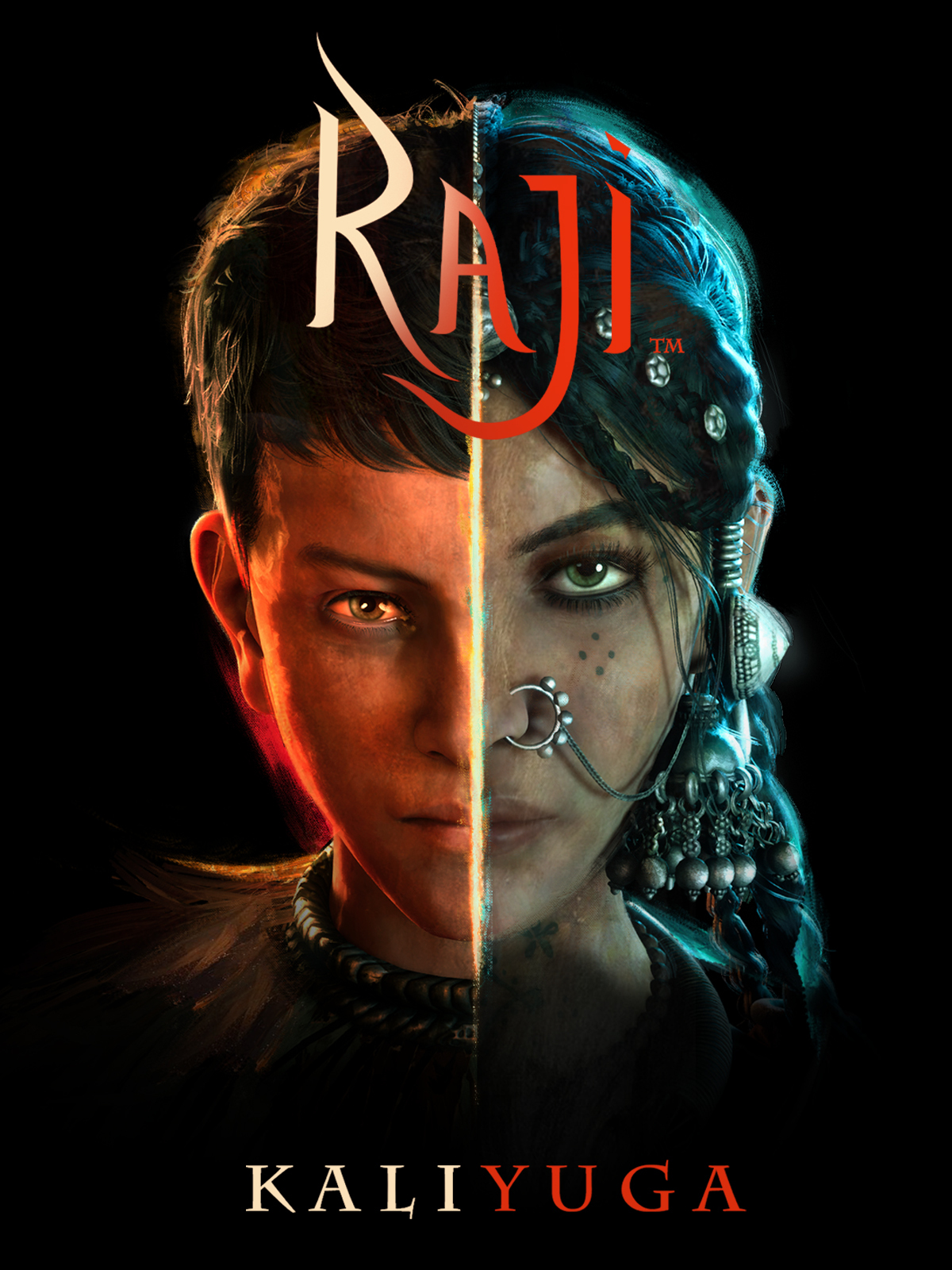
Powered by the robust capabilities of Unreal Engine 5, Raji: Kaliyuga represents a massive visual leap from its predecessor. The development team at Nodding Heads Games has meticulously transitioned from a custom fixed-camera pipeline to a fully immersive third-person 3D perspective. By leveraging advanced global illumination, modular world-building, and high-fidelity textures, the sequel preserves the iconic painterly art style of the original while expanding it into a richer, more dynamic space. Environments range from lush, handcrafted temples adorned with living murals to terrifying, post-apocalyptic landscapes distorted by demonic forces. Character models feature exceptional detail, particularly the intricate traditional Indian garments and the spectacular, fluid visual effects associated with divine weapons and Darsh’s magical siddhis, ensuring a visual feast that perfectly complements the mythical narrative. |
Developed on Unreal Engine 4, the game showcases stunning visuals with highly detailed character models, diverse and lush planetary environments, advanced lighting, and spectacular Force effects. Features significant improvements in scope and fidelity over Fallen Order. Ray tracing options are available on PC and current-gen consoles, enhancing reflections and shadows. |
| Audio & Soundtrack | |
|
The auditory experience in Raji: Kaliyuga is crafted to be just as sweeping and epic as its visual leap to 3D. The soundtrack heavily features traditional Indian instruments such as the sitar, tabla, and bansuri, blended flawlessly with a massive orchestral backing to convey the grand, cosmic scale of the war against Mahabalasura. The audio design for combat is incredibly punchy, with every strike of the Trishul and every manipulation of gravity by Darsh carrying immense sonic weight. Voice acting is provided in multiple languages with deep attention paid to cultural authenticity, and environmental audio makes full use of modern 3D spatial audio technologies to immerse players in the echoing halls of ancient temples and the terrifying roars of Asura warlords. |
Original score composed by Stephen Barton and Gordy Haab, featuring epic orchestral themes in the classic Star Wars tradition, with motifs for characters, locations, and emotional beats. Sound design is immersive, with iconic lightsaber sounds, blaster effects, distinct creature vocalizations, and rich environmental audio. |
| User Interface (UI/UX) | |
|
The user interface in Raji: Kaliyuga is designed to be highly minimalist, ensuring that the breathtaking Unreal Engine 5 visuals and the intricate, Indian-inspired architectural designs remain the focal point of the player's screen. Health and energy bars are stylized with ancient metallic motifs and discreetly tucked into the corners, only appearing during combat or when vital resources are low. The menus, including the skill tree and inventory, are presented as beautiful, interactive murals that come to life as the player navigates through them, maintaining deep diegetic immersion. This artistic approach to UI ensures that even managing upgrades feels tied to the game's profound mythological lore. |
Features a third-person HUD displaying health, Force meter, stim canister count, and equipped lightsaber stance. Enemy health and stagger bars are shown. BD-1 provides a holographic map and access to menus for skills, customization, database, and objectives. Navigation often relies on environmental cues and BD-1's map. |
| Accessibility Options | |
|
Understanding the need for broad accessibility, Nodding Heads Games has incorporated a robust suite of options into Raji: Kaliyuga to accommodate diverse player needs. The game includes highly customizable difficulty settings, allowing players to adjust enemy aggression, damage taken, and parry timing windows independently. Subtitle options are comprehensive, featuring scalable text sizes, high-contrast backgrounds, and speaker identifiers across its 23 supported languages. Control-wise, players can fully remap inputs on both keyboard and gamepads, and there are options to change button-mashing quick-time events into simple holds or automated sequences. Additionally, colorblind filters and options to reduce screen shake and motion blur are included to prevent motion sickness during fast-paced third-person combat. |
Offers a robust suite of accessibility options, including customizable controls (full remapping on PC), extensive subtitle and caption customization, options to simplify QTEs and button holds, navigation assist (ping system), combat accessibility (slow-motion during combat puzzles, auto-target), colorblind modes, audio cues, and various gameplay difficulty modifiers. |
| video_library Media Links | |
| Gameplay Video | |
| launchWatch | launchWatch |
| Walkthrough/Guide | |
| launchView | launchView |
| settings_applications System Requirements | |
| 1080p (Full HD) - Recommended (High Preset, 60 FPS) CPU: Provides necessary headroom for smooth 60 FPS during chaotic combat. CPU (Laptop): High core counts aid in background engine tasks and seamless loading. GPU: Ensures fluid combat animations and uncompromised particle effects. GPU (Laptop): Leverages Frame Generation to guarantee 60 FPS under heavy load. RAM: Dual-channel memory is critical for engine efficiency. Storage: Required for optimal texture streaming and minimal load times. | |
memoryCPU: Intel Core i7-10700K or AMD Ryzen 7 5800X developer_boardGPU: NVIDIA GeForce RTX 3070 Ti or AMD Radeon RX 6800 XT laptop_macCPU (L): Intel Core i7-12700H or AMD Ryzen 7 6800H laptop_windowsGPU (L): NVIDIA RTX 4070 Laptop (105W+) layersRAM: 16 GB saveStorage (Tier): 100 GB NVMe SSD | — |
| 1080p (Full HD) - Recommended (1080p ~60 FPS, High Preset, FSR/DLSS Quality likely needed) (High Preset (FSR/DLSS Quality often needed for consistent 60 FPS)) CPU: Recommended desktop CPU for 1080p/60FPS High settings. CPU (Laptop): High-end laptop CPUs due to CPU intensity and open areas. GPU: Recommended desktop GPU for 1080p/60FPS High. GPU (Laptop): Performance-focused laptop GPUs. 8GB VRAM crucial. RAM: 16GB RAM strongly recommended. Storage: NVMe SSD strongly recommended. | |
| — | memoryCPU: Intel Core i5-11600K (6 core/12 thread) or AMD Ryzen 5 5600X (6 core/12 thread) developer_boardGPU: NVIDIA GeForce RTX 2070 (8GB) or AMD Radeon RX 6700 XT (12GB) laptop_macCPU (L): Intel Core i7-11800H / AMD Ryzen 7 5800H or better. **Modern Intel Core i7/i9 H/HX / AMD Ryzen 7/9 HS/HX series are ideal.** laptop_windowsGPU (L): NVIDIA GeForce RTX 3070 Mobile (8GB, High TGP) / RTX 4060 Mobile (8GB, High TGP). **An RTX 3070 Ti Mobile or RTX 4070 Mobile would offer a more consistent experience.** layersRAM: 16 GB saveStorage (Tier): 155 GB NVMe SSD |
| 1080p (Full HD) - Minimum (Low-Medium Preset, 30 FPS) CPU: Sufficient for basic logic, but physics interactions may cause occasional stutter. CPU (Laptop): Requires strong cooling to maintain 30 FPS minimums. GPU: Baseline for handling basic UE5 features at 1080p native. GPU (Laptop): DLSS/FSR required to maintain stable frame pacing. RAM: Mandatory for asset streaming in interconnected realms. Storage: SATA SSD is acceptable, but NVMe prevents hitching between zones. | |
memoryCPU: Intel Core i5-8400 or AMD Ryzen 5 2600 developer_boardGPU: NVIDIA GeForce RTX 2070 or AMD Radeon RX 5700 XT laptop_macCPU (L): Intel Core i5-10300H or AMD Ryzen 5 4600H laptop_windowsGPU (L): NVIDIA RTX 3060 Laptop (95W+) or AMD RX 6600M layersRAM: 16 GB saveStorage (Tier): 100 GB SSD | — |
| 1080p (Full HD) - Minimum (1080p ~30 FPS, Low Preset, FSR may be needed) (Low Preset, FSR possibly needed) CPU: Minimum desktop CPU for lower settings. CPU (Laptop): Estimated laptop CPU equivalent. Stronger CPU recommended. GPU: Minimum desktop GPU for lower settings. GPU (Laptop): Estimated laptop GPUs. 8GB VRAM is ideal even for minimum. RAM: 8GB absolute minimum, but 16GB strongly stated as recommended by developers. Storage: SSD is mandatory. | |
| — | memoryCPU: Intel Core i7-7700 (4 core/8 thread) or AMD Ryzen 5 1400 (4 core/8 thread) developer_boardGPU: NVIDIA GeForce GTX 1070 (8GB) or AMD Radeon RX 580 (8GB) laptop_macCPU (L): Intel Core i7-8750H / AMD Ryzen 5 3600 (Laptop equivalent) or better laptop_windowsGPU (L): NVIDIA GeForce GTX 1660 Ti Mobile (6GB) / RTX 2060 Mobile (6GB). **An RTX 3050 Ti Mobile or RTX 4050 Mobile (High TGP) would be a better starting point.** layersRAM: 8 GB saveStorage (Tier): 155 GB SSD |
| 1440p (QHD/2K) - Recommended (High Preset, 60 FPS) CPU: High cache and IPC required to push frames at higher resolutions. CPU (Laptop): Top-tier mobile processors prevent bottlenecking the GPU. GPU: Perfect sweet spot for 1440p with Nanite and Lumen active. GPU (Laptop): Provides desktop-level performance necessary for high fidelity. RAM: Allows maximum asset caching for dense, detailed environments. Storage: Maximizes loading speeds for the game's expansive regions. | |
memoryCPU: Intel Core i7-12700K or AMD Ryzen 7 5800X3D developer_boardGPU: NVIDIA GeForce RTX 4070 or AMD Radeon RX 7800 XT laptop_macCPU (L): Intel Core i9-13900H or AMD Ryzen 9 7940HS laptop_windowsGPU (L): NVIDIA RTX 4080 Laptop (150W+) layersRAM: 32 GB saveStorage (Tier): 100 GB Gen 4 NVMe SSD | — |
| 1440p (QHD/2K) - High Performance (Estimated 1440p ~60 FPS, High/Ultra Preset, No RT, Upscaling Quality/Balanced) (High/Ultra Preset, Ray Tracing OFF, Upscaling Quality or Balanced) CPU: CPU for 1440p/60FPS High/Ultra without RT. CPU (Laptop): Top-tier laptop CPU. GPU: Desktop GPU for 1440p/60FPS High/Ultra. Upscaling essential. GPU (Laptop): Flagship laptop GPUs. 12GB+ VRAM critical. RAM: 32GB RAM essential for smoother 1440p high settings. Storage: NVMe SSD required. | |
| — | memoryCPU: Intel Core i7-12700K or AMD Ryzen 7 5800X3D (Estimated) developer_boardGPU: NVIDIA GeForce RTX 3080 (10GB) / RTX 4070 Ti (12GB) or AMD Radeon RX 6800 XT (16GB) / RX 7900 XT (20GB) (Estimated) laptop_macCPU (L): Intel Core i9-12900H / AMD Ryzen 9 6900HS/HX or better (Estimated) laptop_windowsGPU (L): NVIDIA GeForce RTX 3080 Ti Mobile (16GB, Max TGP) / RTX 4080 Mobile (12GB, Max TGP). **An RTX 4090 Mobile would be better.** layersRAM: 16 GB saveStorage (Tier): 155 GB NVMe SSD |
| 2160p (UHD/4K) - Ultra (Epic Preset, 60 FPS) CPU: Absolute best-in-class CPUs required to avoid any micro-stutters. CPU (Laptop): Desktop-replacement mobile CPUs. GPU: Required for driving UE5's most demanding features at native 4K. GPU (Laptop): The only mobile GPU capable of native 4K Ultra in this engine. RAM: High-speed memory required to feed the GPU. Storage: Crucial for DirectStorage implementation (if supported). | |
memoryCPU: Intel Core i9-13900K or AMD Ryzen 7 7800X3D developer_boardGPU: NVIDIA GeForce RTX 4080 / 4090 or AMD Radeon RX 7900 XTX laptop_macCPU (L): Intel Core i9-14900HX or AMD Ryzen 9 7945HX laptop_windowsGPU (L): NVIDIA RTX 4090 Laptop (175W) layersRAM: 32 GB saveStorage (Tier): 100 GB Gen 4/5 NVMe SSD | — |
| 2160p (UHD/4K) - Ultimate RT (Estimated 2160p/4K ~60 FPS, High/Ultra Preset, RT On, Aggressive Upscaling + Frame Gen Required) (High/Ultra Preset, Ray Tracing ON, Upscaling (DLSS/FSR Performance/Ultra Performance + Frame Generation)) CPU: Flagship CPU for attempting 4K/60FPS Ultimate RT. CPU (Laptop): Absolute flagship laptop CPUs. GPU: Flagship desktop GPU for 4K Ultimate RT, heavily reliant on DLSS/FSR with Frame Generation. GPU (Laptop): The absolute best laptop GPU, will be pushed to its limits. Aggressive upscaling mandatory. RAM: 32GB RAM highly recommended for 4K Ultimate RT. Storage: NVMe SSD required. | |
| — | memoryCPU: Intel Core i9-13900K or AMD Ryzen 9 7950X3D (Estimated) developer_boardGPU: NVIDIA GeForce RTX 4080 (16GB) / RTX 4090 (24GB) or AMD Radeon RX 7900 XTX (24GB) (Estimated) laptop_macCPU (L): Intel Core i9-13980HX/14900HX / AMD Ryzen 9 7945HX3D (Estimated) laptop_windowsGPU (L): NVIDIA GeForce RTX 4090 Mobile (16GB, Max TGP). **Even this will be extremely challenged. A hypothetical next-gen flagship (e.g., RTX 5090 Mobile or AMD equivalent) would be the target for a more comfortable 4K experience with high RT settings. (Highly Speculative)** layersRAM: 32 GB saveStorage (Tier): 155 GB NVMe SSD |
| save Overall Storage | |
Spec: 100 GB Available Space (NVMe SSD Strongly Recommended) Note: The game size has expanded massively over the original due to 4K textures and expansive 3D lokas. An SSD is vital for seamless realm-hopping. Type: NVMe | Spec: 155 GB available space (SSD Required). Note: An NVMe SSD is strongly recommended for the best experience, minimizing load times and improving asset streaming in the large, detailed worlds. Type: SSD |
| desktop_windows Operating System | |
| Spec: Windows 10 version 18362.0 or higher (64-bit) Explanation: Required to support the latest DirectX 12 Ultimate features and storage APIs utilized by Unreal Engine 5. | Spec: Windows 10 64-bit Explanation: 64-bit Windows 10 or Windows 11 is required. |
| gamepad DirectX Version | |
| Spec: DirectX 12 Ultimate Explanation: Essential for Lumen global illumination and Nanite virtualized geometry. | Spec: DirectX 12 Explanation: DirectX 12 API is required. |
| info_outline Other Game Notes | |
|
|
| build Optimization Details | |
|
|
| laptop Laptop Considerations | |
|
|

info_outline Feature details based on available data. System requirements and performance estimates may vary.
laptop_chromebook Laptop Recommendations
Common Recommendations (Handles All Compared Games)

- memory Intel Core i7-12700H
- developer_board NVIDIA GeForce RTX 3070
- layers 32GB DDR4-3200MHz
- track_changes Target GPU: NVIDIA RTX 3060 Laptop (95W+) or AMD RX 6600M

- memory Intel Core i9-13900H
- developer_board NVIDIA GeForce RTX 4060
- layers 16GB DDR5-5200MHz
- track_changes Target GPU: NVIDIA RTX 3060 Laptop (95W+) or AMD RX 6600M

- memory Intel Core i9-14900HX
- developer_board NVIDIA GeForce RTX 4060
- layers 32GB DDR5-5600MHz
- track_changes Target GPU: NVIDIA RTX 3060 Laptop (95W+) or AMD RX 6600M

- memory Intel Core i9-14900HX
- developer_board NVIDIA GeForce RTX 4070
- layers 32GB DDR5-5600MHz
- track_changes Target GPU: NVIDIA RTX 4070 Laptop (105W+)

- memory Intel Core i9-14900HX
- developer_board NVIDIA GeForce RTX 4070
- layers 16GB DDR5-5600MHz
- track_changes Target GPU: NVIDIA RTX 4070 Laptop (105W+)

- memory Intel Core Ultra 7 255H
- developer_board NVIDIA GeForce RTX 5060 Laptop GPU
- layers 16GB DDR5-5600MHz (Dual-Channel)
- track_changes Target GPU: NVIDIA RTX 4070 Laptop (105W+)

- memory AMD Ryzen 7 7435HS
- developer_board NVIDIA GeForce RTX 3050
- layers 32GB DDR5-4800MHz
- track_changes Target GPU: NVIDIA GeForce GTX 1660 Ti Mobile (6GB) / RTX 2060 Mobile (6GB). **An RTX 3050 Ti Mobile or RTX 4050 Mobile (High TGP) would be a better starting point.**

- memory AMD Ryzen 9 8940HX Processor
- developer_board NVIDIA GeForce RTX 5060 Laptop GPU
- layers 32GB DDR5-5200MHz
- track_changes Target GPU: NVIDIA GeForce GTX 1660 Ti Mobile (6GB) / RTX 2060 Mobile (6GB). **An RTX 3050 Ti Mobile or RTX 4050 Mobile (High TGP) would be a better starting point.**

- memory AMD Ryzen 7 7445HS
- developer_board NVIDIA GeForce RTX 4050
- layers 16GB (2x8GB) DDR5 5600MHz SO-DIMM
- track_changes Target GPU: NVIDIA GeForce GTX 1660 Ti Mobile (6GB) / RTX 2060 Mobile (6GB). **An RTX 3050 Ti Mobile or RTX 4050 Mobile (High TGP) would be a better starting point.**

- memory Intel Core i9-14900HX
- developer_board NVIDIA GeForce RTX 4080 Laptop GPU
- layers 64 GB DDR5-5600MHz
- track_changes Target GPU: NVIDIA RTX 4080 Laptop (150W+)

- memory Intel Core Ultra 9 Processor 275HX (Series 2)
- developer_board NVIDIA GeForce RTX 5070 Laptop GPU
- layers 32GB DDR5-5600MHz
- track_changes Target GPU: NVIDIA RTX 4080 Laptop (150W+)

- memory Intel Core i9-14900HX Processor
- developer_board NVIDIA GeForce RTX 5070 Laptop GPU
- layers 32GB DDR5-5600MHz
- track_changes Target GPU: NVIDIA RTX 4080 Laptop (150W+)

- memory Intel Core i9-14900HX
- developer_board NVIDIA GeForce RTX 4090
- layers 32GB DDR5-5600MHz
- track_changes Target GPU: NVIDIA RTX 4090 Laptop (175W)

- memory Intel Core Ultra 9 285H (Series 2) , 14 cores (6 Performance cores + 8 Efficient cores), 20 threads
- developer_board NVIDIA GeForce RTX 5050 Laptop GPU
- layers 32GB (2x16GB) DDR5 8400MHz SO-DIMM
- track_changes Target GPU: NVIDIA RTX 4090 Laptop (175W)

- memory Intel Core Ultra 9 285H
- developer_board NVIDIA GeForce RTX 5070
- layers 32GB (2x16GB) DDR5 4800MHz SO-DIMM
- track_changes Target GPU: NVIDIA RTX 4090 Laptop (175W)
For Raji: Kaliyuga Specifically
- memory Intel Core i7-12700H
- developer_board NVIDIA GeForce RTX 3070
- layers 32GB DDR4-3200MHz
- track_changes Target GPU: NVIDIA GeForce RTX 2070 or AMD Radeon RX 5700 XT
- memory Intel Core i9-13900H
- developer_board NVIDIA GeForce RTX 4060
- layers 16GB DDR5-5200MHz
- track_changes Target GPU: NVIDIA GeForce RTX 2070 or AMD Radeon RX 5700 XT
- memory Intel Core i9-14900HX
- developer_board NVIDIA GeForce RTX 4060
- layers 32GB DDR5-5600MHz
- track_changes Target GPU: NVIDIA GeForce RTX 2070 or AMD Radeon RX 5700 XT

- memory Intel Core i9-12900H
- developer_board NVIDIA GeForce RTX 3070 Ti
- layers 16GB DDR5-4800MHz
- track_changes Target GPU: NVIDIA GeForce RTX 2070 or AMD Radeon RX 5700 XT
- memory AMD Ryzen 7 7435HS
- developer_board NVIDIA GeForce RTX 3050
- layers 32GB DDR5-4800MHz
- track_changes Target GPU: NVIDIA GeForce RTX 2070 or AMD Radeon RX 5700 XT

- memory AMD Ryzen 7 6800H
- developer_board NVIDIA GeForce RTX 3060
- layers 16GB DDR5-4800MHz
- track_changes Target GPU: NVIDIA GeForce RTX 2070 or AMD Radeon RX 5700 XT

- memory AMD Ryzen 9 5900HS
- developer_board NVIDIA GeForce RTX 3080
- layers 16GB DDR4-3200MHz
- track_changes Target GPU: NVIDIA GeForce RTX 2070 or AMD Radeon RX 5700 XT

- memory Intel Core i7-13620H
- developer_board NVIDIA GeForce RTX 4070
- layers 16GB DDR5-4800MHz
- track_changes Target GPU: NVIDIA GeForce RTX 2070 or AMD Radeon RX 5700 XT

- memory Intel Core i7-14700HX
- developer_board NVIDIA GeForce RTX 4070
- layers 16GB DDR5-5600MHz
- track_changes Target GPU: NVIDIA GeForce RTX 2070 or AMD Radeon RX 5700 XT
- memory Intel Core i9-14900HX
- developer_board NVIDIA GeForce RTX 4070
- layers 32GB DDR5-5600MHz
- track_changes Target GPU: NVIDIA GeForce RTX 2070 or AMD Radeon RX 5700 XT
- memory Intel Core i9-14900HX
- developer_board NVIDIA GeForce RTX 4070
- layers 16GB DDR5-5600MHz
- track_changes Target GPU: NVIDIA GeForce RTX 3070 Ti or AMD Radeon RX 6800 XT
- memory Intel Core Ultra 7 255H
- developer_board NVIDIA GeForce RTX 5060 Laptop GPU
- layers 16GB DDR5-5600MHz (Dual-Channel)
- track_changes Target GPU: NVIDIA GeForce RTX 3070 Ti or AMD Radeon RX 6800 XT
- memory AMD Ryzen 9 8940HX Processor
- developer_board NVIDIA GeForce RTX 5060 Laptop GPU
- layers 32GB DDR5-5200MHz
- track_changes Target GPU: NVIDIA GeForce RTX 3070 Ti or AMD Radeon RX 6800 XT

- memory Intel Core i9-12950HX
- developer_board NVIDIA GeForce RTX 3080 Ti
- layers 32GB DDR5-4800MHz
- track_changes Target GPU: NVIDIA GeForce RTX 3070 Ti or AMD Radeon RX 6800 XT
- memory AMD Ryzen 7 7445HS
- developer_board NVIDIA GeForce RTX 4050
- layers 16GB (2x8GB) DDR5 5600MHz SO-DIMM
- track_changes Target GPU: NVIDIA GeForce RTX 3070 Ti or AMD Radeon RX 6800 XT

- memory AMD Ryzen 7 7445HS
- developer_board NVIDIA GeForce RTX 4050
- layers 16GB DDR5 5600MHz SO-DIMM
- track_changes Target GPU: NVIDIA GeForce RTX 3070 Ti or AMD Radeon RX 6800 XT
- memory Intel Core i9-14900HX
- developer_board NVIDIA GeForce RTX 4080 Laptop GPU
- layers 64 GB DDR5-5600MHz
- track_changes Target GPU: NVIDIA GeForce RTX 3070 Ti or AMD Radeon RX 6800 XT
- memory Intel Core Ultra 9 Processor 275HX (Series 2)
- developer_board NVIDIA GeForce RTX 5070 Laptop GPU
- layers 32GB DDR5-5600MHz
- track_changes Target GPU: NVIDIA GeForce RTX 3070 Ti or AMD Radeon RX 6800 XT
- memory Intel Core i9-14900HX Processor
- developer_board NVIDIA GeForce RTX 5070 Laptop GPU
- layers 32GB DDR5-5600MHz
- track_changes Target GPU: NVIDIA GeForce RTX 3070 Ti or AMD Radeon RX 6800 XT
- memory Intel Core i9-14900HX
- developer_board NVIDIA GeForce RTX 4080 Laptop GPU
- layers 64 GB DDR5-5600MHz
- track_changes Target GPU: NVIDIA GeForce RTX 4070 or AMD Radeon RX 7800 XT
- memory Intel Core Ultra 9 Processor 275HX (Series 2)
- developer_board NVIDIA GeForce RTX 5070 Laptop GPU
- layers 32GB DDR5-5600MHz
- track_changes Target GPU: NVIDIA GeForce RTX 4070 or AMD Radeon RX 7800 XT
- memory Intel Core i9-14900HX Processor
- developer_board NVIDIA GeForce RTX 5070 Laptop GPU
- layers 32GB DDR5-5600MHz
- track_changes Target GPU: NVIDIA GeForce RTX 4070 or AMD Radeon RX 7800 XT

- memory Intel Core i9-14900HX Processor
- developer_board NVIDIA GeForce RTX 5070 Laptop GPU
- layers 32GB DDR5-5600MHz
- track_changes Target GPU: NVIDIA GeForce RTX 4070 or AMD Radeon RX 7800 XT

- memory Intel Core Ultra 9 285H (Arrow Lake-H)
- developer_board NVIDIA GeForce RTX 5070 Laptop GPU
- layers 64GB LPDDR5x-8533MT/s (LPCAMM2)
- track_changes Target GPU: NVIDIA GeForce RTX 4070 or AMD Radeon RX 7800 XT

- memory Intel Core i9-14900HX
- developer_board NVIDIA GeForce RTX 4080
- layers 64GB DDR5-5600MHz
- track_changes Target GPU: NVIDIA GeForce RTX 4070 or AMD Radeon RX 7800 XT

- memory Intel Core i9-14900HX
- developer_board NVIDIA GeForce RTX 4080
- layers 32GB DDR5-5600MHz
- track_changes Target GPU: NVIDIA GeForce RTX 4070 or AMD Radeon RX 7800 XT

- memory Intel Core i9-14900HX
- developer_board NVIDIA GeForce RTX 4080
- layers 32GB DDR5-5600MHz
- track_changes Target GPU: NVIDIA GeForce RTX 4070 or AMD Radeon RX 7800 XT

- memory Intel Core i9-14900HX
- developer_board NVIDIA GeForce RTX 4080
- layers 32GB DDR5-5600MHz
- track_changes Target GPU: NVIDIA GeForce RTX 4070 or AMD Radeon RX 7800 XT

- memory AMD Ryzen 9 7845HX
- developer_board NVIDIA GeForce RTX 4080
- layers Up to 64GB DDR5
- track_changes Target GPU: NVIDIA GeForce RTX 4070 or AMD Radeon RX 7800 XT
- memory Intel Core Ultra 9 285H (Series 2) , 14 cores (6 Performance cores + 8 Efficient cores), 20 threads
- developer_board NVIDIA GeForce RTX 5050 Laptop GPU
- layers 32GB (2x16GB) DDR5 8400MHz SO-DIMM
- track_changes Target GPU: NVIDIA GeForce RTX 4080 / 4090 or AMD Radeon RX 7900 XTX
- memory Intel Core Ultra 9 285H
- developer_board NVIDIA GeForce RTX 5070
- layers 32GB (2x16GB) DDR5 4800MHz SO-DIMM
- track_changes Target GPU: NVIDIA GeForce RTX 4080 / 4090 or AMD Radeon RX 7900 XTX

- memory Intel Core i9-14900HX Processor
- developer_board NVIDIA GeForce RTX 5070 Ti Laptop GPU
- layers 64GB DDR5-5600MHz (commonly listed as 4800MHz by some retailers, but 5600MHz is common for 14th Gen HX with DDR5)
- track_changes Target GPU: NVIDIA GeForce RTX 4080 / 4090 or AMD Radeon RX 7900 XTX

- memory Intel Core Ultra 9 Processor 275HX
- developer_board NVIDIA GeForce RTX 5070 Ti Laptop GPU
- layers 64GB DDR5-6400MHz
- track_changes Target GPU: NVIDIA GeForce RTX 4080 / 4090 or AMD Radeon RX 7900 XTX

- memory Intel Core Ultra 9 Processor 275HX (Series 2)
- developer_board NVIDIA GeForce RTX 5070 Ti Laptop GPU
- layers 32GB DDR5-5600MHz
- track_changes Target GPU: NVIDIA GeForce RTX 4080 / 4090 or AMD Radeon RX 7900 XTX

- memory Intel Ultra 7 255HX
- developer_board NVIDIA GeForce RTX 5070 Ti
- layers 32GB DDR5 5600MHz
- track_changes Target GPU: NVIDIA GeForce RTX 4080 / 4090 or AMD Radeon RX 7900 XTX

- memory Intel Core Ultra 7 240H
- developer_board NVIDIA GeForce RTX 5070 Ti Laptop GPU
- layers 32GB LPDDR5X 5600MHz
- track_changes Target GPU: NVIDIA GeForce RTX 4080 / 4090 or AMD Radeon RX 7900 XTX

- memory Intel Core Ultra 9 275HX
- developer_board GeForce RTX 5070 Laptop Laptop GPU
- layers 64GB DDR5-6400MHz (Single-Channel)
- track_changes Target GPU: NVIDIA GeForce RTX 4080 / 4090 or AMD Radeon RX 7900 XTX

- memory Intel Core Ultra 9 275HX
- developer_board NVIDIA GeForce RTX 5070 Ti
- layers 32GB
- track_changes Target GPU: NVIDIA GeForce RTX 4080 / 4090 or AMD Radeon RX 7900 XTX

- memory Intel Core Ultra 9 275HX
- developer_board NVIDIA GeForce RTX 5070 Ti Laptop GPU
- layers 32 GB DDR5 6400MHz (2x16GB)
- track_changes Target GPU: NVIDIA GeForce RTX 4080 / 4090 or AMD Radeon RX 7900 XTX
For STAR WARS Jedi: Survivor Specifically
- memory AMD Ryzen 7 7435HS
- developer_board NVIDIA GeForce RTX 3050
- layers 32GB DDR5-4800MHz
- track_changes Target GPU: NVIDIA GeForce GTX 1070 (8GB) or AMD Radeon RX 580 (8GB)
- memory AMD Ryzen 9 8940HX Processor
- developer_board NVIDIA GeForce RTX 5060 Laptop GPU
- layers 32GB DDR5-5200MHz
- track_changes Target GPU: NVIDIA GeForce GTX 1070 (8GB) or AMD Radeon RX 580 (8GB)
- memory AMD Ryzen 7 7445HS
- developer_board NVIDIA GeForce RTX 4050
- layers 16GB (2x8GB) DDR5 5600MHz SO-DIMM
- track_changes Target GPU: NVIDIA GeForce GTX 1070 (8GB) or AMD Radeon RX 580 (8GB)
- memory AMD Ryzen 7 7445HS
- developer_board NVIDIA GeForce RTX 4050
- layers 16GB DDR5 5600MHz SO-DIMM
- track_changes Target GPU: NVIDIA GeForce GTX 1070 (8GB) or AMD Radeon RX 580 (8GB)
- memory Intel Core Ultra 9 285H (Arrow Lake-H)
- developer_board NVIDIA GeForce RTX 5070 Laptop GPU
- layers 64GB LPDDR5x-8533MT/s (LPCAMM2)
- track_changes Target GPU: NVIDIA GeForce GTX 1070 (8GB) or AMD Radeon RX 580 (8GB)
- memory AMD Ryzen 9 7845HX
- developer_board NVIDIA GeForce RTX 4080
- layers Up to 64GB DDR5
- track_changes Target GPU: NVIDIA GeForce GTX 1070 (8GB) or AMD Radeon RX 580 (8GB)
- memory Intel Core Ultra 9 285H (Series 2) , 14 cores (6 Performance cores + 8 Efficient cores), 20 threads
- developer_board NVIDIA GeForce RTX 5050 Laptop GPU
- layers 32GB (2x16GB) DDR5 8400MHz SO-DIMM
- track_changes Target GPU: NVIDIA GeForce GTX 1070 (8GB) or AMD Radeon RX 580 (8GB)
- memory Intel Core Ultra 9 285H
- developer_board NVIDIA GeForce RTX 5070
- layers 32GB (2x16GB) DDR5 4800MHz SO-DIMM
- track_changes Target GPU: NVIDIA GeForce GTX 1070 (8GB) or AMD Radeon RX 580 (8GB)
- memory Intel Core Ultra 9 275HX
- developer_board GeForce RTX 5070 Laptop Laptop GPU
- layers 64GB DDR5-6400MHz (Single-Channel)
- track_changes Target GPU: NVIDIA GeForce GTX 1070 (8GB) or AMD Radeon RX 580 (8GB)
- memory Intel Core Ultra 9 275HX
- developer_board NVIDIA GeForce RTX 5070 Ti
- layers 32GB
- track_changes Target GPU: NVIDIA GeForce GTX 1070 (8GB) or AMD Radeon RX 580 (8GB)
- memory Intel Core i7-12700H
- developer_board NVIDIA GeForce RTX 3070
- layers 32GB DDR4-3200MHz
- track_changes Target GPU: NVIDIA GeForce RTX 2070 (8GB) or AMD Radeon RX 6700 XT (12GB)
- memory Intel Core i9-13900H
- developer_board NVIDIA GeForce RTX 4060
- layers 16GB DDR5-5200MHz
- track_changes Target GPU: NVIDIA GeForce RTX 2070 (8GB) or AMD Radeon RX 6700 XT (12GB)
- memory Intel Core i9-14900HX
- developer_board NVIDIA GeForce RTX 4060
- layers 32GB DDR5-5600MHz
- track_changes Target GPU: NVIDIA GeForce RTX 2070 (8GB) or AMD Radeon RX 6700 XT (12GB)
- memory Intel Core i9-12900H
- developer_board NVIDIA GeForce RTX 3070 Ti
- layers 16GB DDR5-4800MHz
- track_changes Target GPU: NVIDIA GeForce RTX 2070 (8GB) or AMD Radeon RX 6700 XT (12GB)
- memory AMD Ryzen 7 6800H
- developer_board NVIDIA GeForce RTX 3060
- layers 16GB DDR5-4800MHz
- track_changes Target GPU: NVIDIA GeForce RTX 2070 (8GB) or AMD Radeon RX 6700 XT (12GB)
- memory AMD Ryzen 9 5900HS
- developer_board NVIDIA GeForce RTX 3080
- layers 16GB DDR4-3200MHz
- track_changes Target GPU: NVIDIA GeForce RTX 2070 (8GB) or AMD Radeon RX 6700 XT (12GB)
- memory Intel Core i7-13620H
- developer_board NVIDIA GeForce RTX 4070
- layers 16GB DDR5-4800MHz
- track_changes Target GPU: NVIDIA GeForce RTX 2070 (8GB) or AMD Radeon RX 6700 XT (12GB)
- memory Intel Core i7-14700HX
- developer_board NVIDIA GeForce RTX 4070
- layers 16GB DDR5-5600MHz
- track_changes Target GPU: NVIDIA GeForce RTX 2070 (8GB) or AMD Radeon RX 6700 XT (12GB)
- memory Intel Core i9-14900HX
- developer_board NVIDIA GeForce RTX 4070
- layers 32GB DDR5-5600MHz
- track_changes Target GPU: NVIDIA GeForce RTX 2070 (8GB) or AMD Radeon RX 6700 XT (12GB)
info_outline Laptop recommendations are estimates based on available component benchmarks and game requirements. Actual performance may vary depending on settings, drivers, cooling, power limits, etc. Prices and availability subject to change. As an Amazon Associate, we earn from qualifying purchases.