Select Games to Compare
Benchmark your exact mobile GPU wattage (TGP), battery throttling drops, and cooling pad requirements for these games.
Rainbow Six Siege X vs Bodycam
| close | close |
|---|---|
| shopping_cart Where to Buy | |
| info General Information | |
| Release Date | |
| Jun 10, 2025 | Jun 7, 2024 |
| Developer | |
| Ubisoft Montreal | Reissad Studio |
| Publisher | |
| Ubisoft | Reissad Studio |
| Genre(s) | |
| Tactical Shooter, First-Person Shooter, Multiplayer, Competitive | Ultra-Realistic Multiplayer Tactical First-Person Shooter |
| Engine | |
| AnvilNext 2.0 | Unreal Engine 5.5 |
| stars Ratings & Price | |
| Content Rating | |
| M (Mature 17+) | M (Mature 17+) |
| Avg. User Rating | |
| 3.9 / 5.0 | 4.5 / 5.0 |
| Current Price (USD) | |
| Free | $33.32 |
| tune Key Specs | |
| Quick Highlights | |
|
|
| sports_esports Gameplay & Mechanics | |
| Companions/Followers | |
|
|
| Key Collectibles | |
|
|
| Key Themes | |
|
|
| colorize Combat & Gear | |
| Weapons Overview | |
|
|
| Armor / Gear Sets | |
|
|
| Outfits/Customization | |
|
|
| trending_up Progression & Upgrades | |
| Skills & Progression | |
|
Progression is based on unlocking and mastering the game's 75+ unique operators. Each operator has a signature gadget and a specific loadout of weapons. There are no skill trees; progression is about expanding your tactical options by unlocking more operators with in-game currency ('Renown') and improving your personal skill and map knowledge. |
In Bodycam, character progression is not tied to magical skill trees or arbitrary RPG stats. Instead, 'upgrades' are strictly mechanical, represented by the exhaustive 400-attachment weapon customization system introduced in the Locked & Loaded update. Players dynamically modify their loadouts, heavily influencing stats like Aim Down Sights (ADS) speed, weapon switch velocity, horizontal deviation, and recoil impulse. Utilizing a short barrel drastically increases maneuverability for slicing tight corners in CQB environments, but violently sacrifices long-range ballistic stability. Adding specialized muzzle devices, diverse magazines, and specific optics forces players to deeply understand the physical trade-offs of their gear, requiring genuine mastery of procedural physics and stress-driven reload mechanics rather than relying on artificial stat boosts. |
| public World & Exploration | |
| World & Level Design | |
|
The game features a large pool of compact, intricate maps designed for close-quarters tactical combat. With the Siege X update, five classic maps (Bank, Clubhouse, Border, Chalet, Kafe) have received a full visual and fidelity overhaul, with more planned for future seasons. A new, much larger map called 'District' was introduced exclusively for the 'Dual Front' game mode. |
Explain the diverse tactical environments ranging from claustrophobic CQB zones like Worn House, Airsoft House, and Russian Building, to expansive areas like the newly added Trenches map and the Oil Rig. Trenches introduces a massive, multifaceted battlefield featuring both underground galleries and surface combat. The environments are densely layered, actively punishing sloppy movement and immensely rewarding meticulous angle-holding. Maps like the Abandoned Hospital provide labyrinthine navigation with intersecting rooms, while the PvE-focused Village features sprawling exterior areas intertwined with intricate Easter Egg mechanics and subterranean minecart systems, providing extreme variation in scale, acoustic geometry, and strategic requirements. |
| Playable Vehicles | |
|
|
| Notable Fauna/Mounts | |
| N/A |
|
| book Story & Characters | |
| Main Characters | |
|
|
| Example Missions | |
|
|
| people Multiplayer | |
| Multiplayer Details | |
|
The primary mode is the 5v5 single-elimination 'Bomb' mode. Other classic modes like Hostage and Secure Area are available. The major new addition is 'Dual Front,' a permanent 6v6 mode with respawns and simultaneous attack/defense objectives on the game's largest map. |
The game features a versatile suite of competitive and cooperative modes. PvP options include classic Deathmatch and Team Deathmatch for rapid, mechanical training, alongside Gun Game for testing arsenal adaptability. The v0.8 update introduced Hardpoint, requiring teams to capture rotating zones, and established Wingman (2v2 Search & Destroy) as the premiere, high-stakes tactical mode, replacing the older Body Bomb. Matches feature immersive countdowns and strict no-join-in-progress rules to preserve integrity. On the cooperative front, the highly acclaimed PvE Zombies mode tasks squads with surviving relentless hordes in dedicated maps like Asylum and Village. This mode blends survival horror resource management with complex, multi-stage Easter Egg sequences that allow players to unlock definitive 'True Endings'. |
| extension Editions & DLC | |
| Available Editions | |
|
The core game is free-to-play with access to most modes and a rotating roster of 26 operators. The Elite Edition ($19.99) unlocks Ranked mode and 16 additional operators. The Ultimate Edition ($39.99) provides instant access to all 52 additional operators and exclusive cosmetic items. All progress from previous versions of Siege carries over. |
Bodycam is primarily available as a standard premium purchase on Steam, offering full access to the core competitive modes, PvE Zombies experience, and regular seasonal updates like the monumental v0.8 Locked & Loaded patch. However, Reissad Studio also offers an exclusive 'DLC Supporter Pack.' This premium edition functions as a direct funding mechanism for the independent development team, granting dedicated players access to unique, purely cosmetic items that offer absolutely zero tactical advantage, strictly adhering to the studio's 'no pay-to-win' philosophy. The Supporter Pack includes specialized weapon skins, exclusive operator apparel, and unique graffiti tags, allowing fans to support continuous server operations and future content drops while maintaining the integrity of the competitive ecosystem. |
| Post-Launch Content / DLC | |
|
Siege X follows a seasonal live-service model. Every season introduces a new Battle Pass with branching paths, new operators, map reworks, and major balance changes. The first season, 'Operation Daybreak,' included a rework for the operator Clash. |
Reissad Studio maintains a relentless live-service schedule, characterized by massive structural overhauls such as the v0.8 'Locked & Loaded' Major Update. Post-launch content is fiercely dedicated to expanding the tactical sandbox through free map rotations (like the expansive Trenches), new armaments, and fundamental engine optimization. The development roadmap is entirely funded by the R-Shop, an in-game storefront exclusively featuring cosmetic microtransactions such as weapon skins, operator apparel, and graffiti tags. All DLC and post-launch additions adhere strictly to competitive fairness, completely avoiding pay-to-win mechanics. The studio also aggressively refines backend features, integrating Epic Online Services for VOIP and implementing Kernel-Level Easy Anti-Cheat to secure the expanding multiplayer ecosystem against illicit software. |
| help_outline FAQ | |
| Frequently Asked Questions | |
|
|
| build Technical Details | |
| Graphics & Visual Fidelity | |
| N/A |
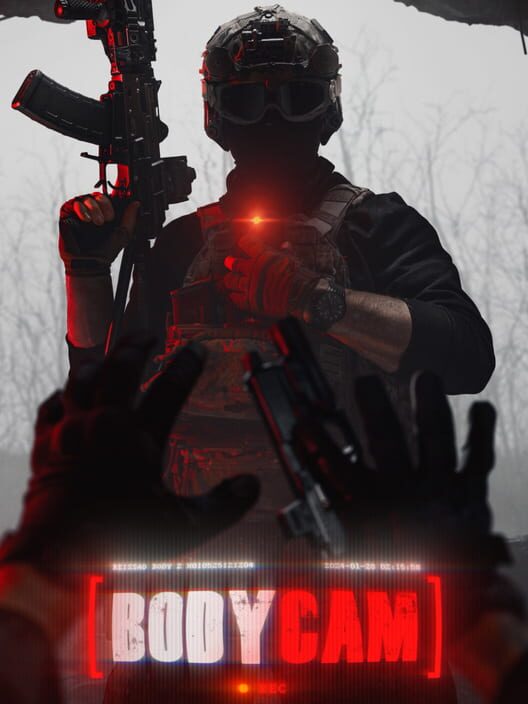
Powered by Unreal Engine 5.5, Bodycam serves as a staggering technical showcase for photorealistic rendering. The visual identity is completely defined by its meticulous replication of military body-worn cameras. The engine utilizes Nanite virtualized geometry and Lumen global illumination to render breathtaking environments, relying heavily on Virtual Texturing to stream massive assets. The developers apply heavy post-processing techniques, including dynamic fisheye lens distortion, harsh exposure clipping during sudden lighting transitions, and severe chromatic aberration. Crucially, optics utilize Picture-in-Picture (PiP) rendering, magnifying only the internal scope sightline while keeping peripheral vision unmagnified at a 1:1 scale, resulting in unparalleled visual authenticity that physically blurs the line between interactive video games and leaked real-world combat footage. |
| Audio & Soundtrack | |
| N/A |
Acoustic warfare is a foundational pillar of the gameplay loop, completely rebuilt for the v0.8 update to introduce the highly advanced 'Organic Reverb' system. The Unreal Engine calculates real-time geometric bounce and material density to generate authentic reverberation, ensuring a gunshot inside a concrete stairwell sounds vastly different than one fired in an open field. The engine accurately simulates acoustic pressure waves, allowing the sound of suppressed fire or grenade detonations to dynamically funnel through corridors and open windows. The lack of standard UI elements forces players to rely entirely on this directional audio and physical shockwave propagation to determine enemy proximity, weapon type, and tactical positioning. Music is virtually absent during gameplay, replaced entirely by the deafening soundscape of modern ballistic conflict. |
| User Interface (UI/UX) | |
| N/A |
The User Interface of Bodycam is deliberately abrasive and aggressively minimalist, completely abandoning traditional arcade gaming conventions. There are no static crosshairs, floating ammunition counters, or standard Heads-Up Displays (HUDs) on the screen. The UI strictly enforces 'visual friction,' forcing players to rely on their physical environment, counting their fired rounds, and listening to audio cues. To manage loadouts, settings, and matchmaking, players physically interact with a Tactical Tablet pulled up on the operator's screen within the immersive Shooting Range HUB, completely eliminating the need for immersion-breaking, full-screen static menus. The UI also brilliantly simulates authentic body-worn camera defects, including pixelated facial blurs, severe fisheye lens distortion, chromatic aberration, and blown-out exposure lighting. |
| Accessibility Options | |
| N/A |
Due to its extreme commitment to hyper-realistic tactical simulation and 'visual friction,' Bodycam is inherently hostile to traditional accessibility standards. The aggressive camera sway, fisheye lens distortion, procedural tumbling, and lack of crosshairs or UI elements can induce severe motion sickness and disorientation for some players. However, the game does offer robust keybinding customization and specific tuning options for piloting FPV drones, allowing players to adjust flight rates and throttle curves. Furthermore, the inclusion of the cooperative PvE Zombies mode and offline Shooting Range HUB provides a much lower-stakes environment for players to acclimate to the complex 'True Body' biomechanics, procedural recoil, and stress-based reloading systems without the punishing, immediate lethality associated with the highly competitive 2v2 PvP lobbies. |
| video_library Media Links | |
| Gameplay Video | |
| launchWatch | launchWatch |
| Walkthrough/Guide | |
| launchView | launchView |
| settings_applications System Requirements | |
| 1080p (Full HD) - Recommended (High Refresh Rate @ 1080p) (High Preset, 1080p resolution, aiming for a stable 144+ FPS.) CPU: A powerful CPU to consistently drive high framerates for competitive play. CPU (Laptop): A strong mobile CPU to maintain high FPS during intense firefights and destruction. GPU: Excellent desktop GPUs for a high-refresh-rate experience at 1080p with high settings. GPU (Laptop): A high-TGP RTX 3060 or any RTX 4060 laptop will provide a great 1080p competitive experience, especially with DLSS and Frame Generation. RAM: 16GB RAM is the official recommended amount. Storage: An SSD is required for this tier. | |
memoryCPU: Intel Core i7-11700K or AMD Ryzen 7 5700X developer_boardGPU: NVIDIA GeForce RTX 3060 (12GB) or AMD Radeon RX 6700 XT (12GB) laptop_macCPU (L): Intel Core i7-12700H / AMD Ryzen 7 6800H or better. laptop_windowsGPU (L): NVIDIA GeForce RTX 3060 Laptop (6GB), RTX 4060 Laptop (8GB). (Future-proof: RTX 5060 Laptop) layersRAM: 16 GB saveStorage (Tier): 90 GB SSD | — |
| 1080p (Full HD) - Minimum / Low Setting Preset (Low-Medium Settings, FSR/DLSS Balanced) CPU: Baseline required to calculate procedural physics, dynamic stumble mechanics, and organic reverb audio propagation. CPU (Laptop): Mobile architectures require at least 8 cores to handle the background load without massive frame stuttering in CQB environments. GPU: 8 GB of dedicated VRAM is the absolute minimum to handle the heavy post-processing pipeline and Virtual Texturing cache. GPU (Laptop): Entry-level RTX 3050 mobile cards struggle immensely; a 3060 with high TGP is the baseline for competitive 60 FPS target at low settings. RAM: A marvel of optimization, though players may experience some hitching. 16 GB is strongly advised even at the minimum tier. Storage: Standard SATA SSD is acceptable, though NVMe is preferred to prevent texture pop-in. | |
| — | memoryCPU: AMD Ryzen 7 3700X / Intel Core i7-9700K developer_boardGPU: AMD Radeon RX 5700 (8 GB) / NVIDIA GeForce RTX 2070 (8 GB) laptop_macCPU (L): Intel Core i7-11800H / AMD Ryzen 7 5800H laptop_windowsGPU (L): NVIDIA GeForce RTX 3060 Laptop GPU (115W+ TGP) layersRAM: 8 GB saveStorage (Tier): 50 GB SSD |
| 1080p (Full HD) - Minimum (Competitive Entry @ 1080p) (Low Preset, 1080p resolution, aiming for a stable 120+ FPS.) CPU: A solid 6-core processor to handle the game's logic and physics at high framerates. CPU (Laptop): A capable mobile CPU is needed to avoid bottlenecks in a competitive FPS. GPU: Capable GPUs for achieving high refresh rates at 1080p on competitive (low) settings. GPU (Laptop): An RTX-series laptop GPU is highly recommended to leverage DLSS for a more stable high-framerate experience. RAM: 16GB RAM is the expected minimum for modern AAA multiplayer titles. Storage: An SSD is officially required for minimum playability. | |
memoryCPU: Intel Core i5-9600K or AMD Ryzen 5 3600 developer_boardGPU: NVIDIA GeForce GTX 1660 Super (6GB) or AMD Radeon RX 5600 XT (6GB) laptop_macCPU (L): Intel Core i7-10750H / AMD Ryzen 7 4800H or better. laptop_windowsGPU (L): NVIDIA GeForce RTX 3050 Ti Laptop (4GB), RTX 4050 Laptop (6GB). (Future-proof: RTX 5050 Laptop) layersRAM: 16 GB saveStorage (Tier): 90 GB SSD | — |
| 1440p (QHD/2K) - Competitive (High Refresh Rate @ 1440p) (Medium/High Preset, 1440p resolution, aiming for 144+ FPS. Upscaling (DLSS/FSR Quality) is recommended.) CPU: A top-tier gaming CPU to prevent bottlenecks and ensure the highest possible framerates at 1440p. CPU (Laptop): High-performance laptop CPUs are essential for a consistent and smooth 1440p high-refresh-rate experience. GPU: Strong desktop GPUs for the 1440p competitive sweet spot, providing high framerates with great visual clarity. GPU (Laptop): A high-TGP RTX 4070 or RTX 3080 Laptop is the target for 1440p competitive play. A future RTX 5070 Laptop would excel here. RAM: While 16GB is sufficient, 32GB is recommended for the smoothest experience with background applications. Storage: A fast NVMe SSD is recommended for the best loading times and performance at 1440p. | |
memoryCPU: Intel Core i5-13600K or AMD Ryzen 7 7700X developer_boardGPU: NVIDIA GeForce RTX 4070 (12GB) or AMD Radeon RX 7800 XT (16GB) laptop_macCPU (L): Intel Core i7-13650HX / AMD Ryzen 7 7745HX or newer. laptop_windowsGPU (L): NVIDIA GeForce RTX 3080 Laptop (8GB), RTX 4070 Laptop (8GB). (Future-proof: RTX 5070 Laptop) layersRAM: 16 GB saveStorage (Tier): 90 GB NVMe SSD | — |
| 1440p (QHD/2K) - Recommended / High Setting Preset (High Settings, FSR/DLSS Quality) CPU: Provides necessary headroom to process complex drone flight physics and 400-attachment weapon statistics dynamically. CPU (Laptop): Strong single-core performance is needed to keep the GPU fed during intensive firefights on large maps like Trenches. GPU: 12 GB of VRAM ensures smooth streaming of photorealistic textures and stable frame pacing when utilizing PiP magnified optics. GPU (Laptop): Offers solid 1440p performance thanks to advanced architecture and frame generation capabilities. RAM: The sweet spot for completely eliminating memory-related stuttering during fast camera movements. Storage: Required to maintain instant load times and seamless texture streaming when rapidly switching tactical angles. | |
| — | memoryCPU: AMD Ryzen 7 3800X / Intel Core i7-10700K developer_boardGPU: AMD Radeon RX 6600 XT (8 GB) / NVIDIA GeForce RTX 3060 (12 GB) laptop_macCPU (L): Intel Core i7-12700H / AMD Ryzen 7 6800H laptop_windowsGPU (L): NVIDIA GeForce RTX 4060 Laptop GPU (140W TGP) layersRAM: 16 GB saveStorage (Tier): 50 GB NVMe Gen3 SSD |
| 2160p (UHD/4K) - Enthusiast / Epic Setting Preset (Epic Settings, Native Rendering / DLSS Quality) CPU: The massive L3 cache on X3D processors provides extraordinary benefits to minimum 1% lows, locking the framerate in chaotic environments. CPU (Laptop): Top-tier mobile silicon required to manage the intense thermal output while calculating maximum procedural physics. GPU: Massive rasterization power is required to render 4K Nanite geometry and real-time Lumen lighting without aggressive upscaling. GPU (Laptop): The only mobile GPU currently capable of driving Bodycam's uncompromising post-processing suite at 4K flawlessly. RAM: Ensures the system never bottlenecks during memory-intensive dynamic weather transitions on the Trenches map. Storage: Absolute peak storage speeds to handle extreme texture fetching requirements in 4K resolution. | |
| — | memoryCPU: AMD Ryzen 9 9950X3D / Intel Core i9-14900K developer_boardGPU: NVIDIA GeForce RTX 4080 / AMD Radeon RX 7900 XTX laptop_macCPU (L): Intel Core i9-13980HX / AMD Ryzen 9 7945HX laptop_windowsGPU (L): NVIDIA GeForce RTX 4090 Laptop GPU (175W TGP) layersRAM: 32 GB saveStorage (Tier): 50 GB NVMe Gen4 SSD |
| 2160p (UHD/4K) - 4K Ultra (Enthusiast @ 4K) (High/Ultra Preset, 2160p (4K) resolution, aiming for 120+ FPS. Upscaling (DLSS/FSR Performance) is essential.) CPU: A flagship desktop CPU is recommended to push the highest framerates possible at 4K. CPU (Laptop): The absolute best mobile CPUs are required to keep up with flagship GPUs for a 4K high-refresh-rate experience. GPU: High-end desktop GPUs are necessary for a 4K high-refresh-rate experience, relying heavily on upscaling. GPU (Laptop): Flagship laptop GPUs are required for a playable 4K high-framerate experience, which will be heavily dependent on upscaling and Frame Generation. RAM: 32GB of fast RAM is highly recommended to provide sufficient headroom and minimize stuttering at 4K. Storage: A fast NVMe SSD is essential for the best possible experience at 4K. | |
memoryCPU: Intel Core i7-14700K or AMD Ryzen 7 7800X3D developer_boardGPU: NVIDIA GeForce RTX 4080 (16GB) or AMD Radeon RX 7900 XTX (24GB) laptop_macCPU (L): Intel Core i9-13980HX / AMD Ryzen 9 7945HX or newer. laptop_windowsGPU (L): NVIDIA GeForce RTX 4080 Laptop (12GB), RTX 4090 Laptop (16GB). (Future-proof: RTX 5080 Laptop) layersRAM: 32 GB saveStorage (Tier): 90 GB NVMe SSD | — |
| save Overall Storage | |
Spec: 90 GB available space (SSD Required) Note: An SSD is listed as a mandatory requirement for all tiers. This is crucial for fast loading between rounds and streaming high-quality textures without causing in-game stutter. Type: SSD | Spec: 50 GB NVMe Gen4 SSD Note: While 50 GB is a highly optimized footprint due to Virtual Texturing, a high-speed SSD is absolutely mandatory to stream massive photorealistic assets into memory on demand. Type: NVMe |
| desktop_windows Operating System | |
Spec: Windows 10 / Windows 11 (64-bit Required) Explanation: A 64-bit version of Windows 10 is the minimum requirement. Windows 11 is recommended for optimal performance and to best utilize features like DirectStorage for faster map loading. | Spec: Windows 10 / 11 (64-bit) Explanation: Requires a modern 64-bit architecture to adequately allocate and manage memory for Virtual Texturing and Unreal Engine 5 background processes. |
| gamepad DirectX Version | |
| Spec: DirectX 12 Explanation: A next-generation engine would require DirectX 12 for its advanced rendering pipeline, enabling more complex environmental destruction and visual effects. | Spec: DirectX 12 Ultimate Explanation: Strictly required to fully leverage hardware-accelerated features associated with Unreal Engine 5.5, including Nanite and Lumen. |
| info_outline Other Game Notes | |
|
|
| build Optimization Details | |
|
|
| laptop Laptop Considerations | |
|
|

info_outline Feature details based on available data. System requirements and performance estimates may vary.
laptop_chromebook Laptop Recommendations
Common Recommendations (Handles All Compared Games)

- memory Intel Core i7-12700H
- developer_board NVIDIA GeForce RTX 3070
- layers 32GB DDR4-3200MHz
- track_changes Target GPU: NVIDIA GeForce RTX 3050 Ti Laptop (4GB), RTX 4050 Laptop (6GB). (Future-proof: RTX 5050 Laptop)

- memory Intel Core i9-13900H
- developer_board NVIDIA GeForce RTX 4060
- layers 16GB DDR5-5200MHz
- track_changes Target GPU: NVIDIA GeForce RTX 3050 Ti Laptop (4GB), RTX 4050 Laptop (6GB). (Future-proof: RTX 5050 Laptop)

- memory Intel Core i9-14900HX
- developer_board NVIDIA GeForce RTX 4060
- layers 32GB DDR5-5600MHz
- track_changes Target GPU: NVIDIA GeForce RTX 3050 Ti Laptop (4GB), RTX 4050 Laptop (6GB). (Future-proof: RTX 5050 Laptop)

- memory AMD Ryzen 7 7435HS
- developer_board NVIDIA GeForce RTX 3050
- layers 32GB DDR5-4800MHz
- track_changes Target GPU: NVIDIA GeForce RTX 3080 Laptop (8GB), RTX 4070 Laptop (8GB). (Future-proof: RTX 5070 Laptop)

- memory AMD Ryzen 7 6800H
- developer_board NVIDIA GeForce RTX 3060
- layers 16GB DDR5-4800MHz
- track_changes Target GPU: NVIDIA GeForce RTX 3080 Laptop (8GB), RTX 4070 Laptop (8GB). (Future-proof: RTX 5070 Laptop)

- memory Intel Core i7-14700HX
- developer_board NVIDIA GeForce RTX 4070
- layers 16GB DDR5-5600MHz
- track_changes Target GPU: NVIDIA GeForce RTX 3080 Laptop (8GB), RTX 4070 Laptop (8GB). (Future-proof: RTX 5070 Laptop)
- memory Intel Core i7-12700H
- developer_board NVIDIA GeForce RTX 3070
- layers 32GB DDR4-3200MHz
- track_changes Target GPU: NVIDIA GeForce RTX 4060 Laptop GPU (140W TGP)
- memory Intel Core i9-13900H
- developer_board NVIDIA GeForce RTX 4060
- layers 16GB DDR5-5200MHz
- track_changes Target GPU: NVIDIA GeForce RTX 4060 Laptop GPU (140W TGP)
- memory Intel Core i9-14900HX
- developer_board NVIDIA GeForce RTX 4060
- layers 32GB DDR5-5600MHz
- track_changes Target GPU: NVIDIA GeForce RTX 4060 Laptop GPU (140W TGP)

- memory Intel Core i9-14900HX
- developer_board NVIDIA GeForce RTX 4080 Laptop GPU
- layers 64 GB DDR5-5600MHz
- track_changes Target GPU: NVIDIA GeForce RTX 4080 Laptop (12GB), RTX 4090 Laptop (16GB). (Future-proof: RTX 5080 Laptop)

- memory Intel Core Ultra 9 Processor 275HX (Series 2)
- developer_board NVIDIA GeForce RTX 5070 Laptop GPU
- layers 32GB DDR5-5600MHz
- track_changes Target GPU: NVIDIA GeForce RTX 4080 Laptop (12GB), RTX 4090 Laptop (16GB). (Future-proof: RTX 5080 Laptop)

- memory Intel Core i9-14900HX Processor
- developer_board NVIDIA GeForce RTX 5070 Laptop GPU
- layers 32GB DDR5-5600MHz
- track_changes Target GPU: NVIDIA GeForce RTX 4080 Laptop (12GB), RTX 4090 Laptop (16GB). (Future-proof: RTX 5080 Laptop)

- memory Intel Core i9-14900HX
- developer_board NVIDIA GeForce RTX 4090
- layers 32GB DDR5-5600MHz
- track_changes Target GPU: NVIDIA GeForce RTX 4090 Laptop GPU (175W TGP)

- memory Intel Core Ultra 9 285H (Series 2) , 14 cores (6 Performance cores + 8 Efficient cores), 20 threads
- developer_board NVIDIA GeForce RTX 5050 Laptop GPU
- layers 32GB (2x16GB) DDR5 8400MHz SO-DIMM
- track_changes Target GPU: NVIDIA GeForce RTX 4090 Laptop GPU (175W TGP)

- memory Intel Core Ultra 9 285H
- developer_board NVIDIA GeForce RTX 5070
- layers 32GB (2x16GB) DDR5 4800MHz SO-DIMM
- track_changes Target GPU: NVIDIA GeForce RTX 4090 Laptop GPU (175W TGP)
For Rainbow Six Siege X Specifically
- memory Intel Core i7-12700H
- developer_board NVIDIA GeForce RTX 3070
- layers 32GB DDR4-3200MHz
- track_changes Target GPU: NVIDIA GeForce GTX 1660 Super (6GB) or AMD Radeon RX 5600 XT (6GB)
- memory Intel Core i9-13900H
- developer_board NVIDIA GeForce RTX 4060
- layers 16GB DDR5-5200MHz
- track_changes Target GPU: NVIDIA GeForce GTX 1660 Super (6GB) or AMD Radeon RX 5600 XT (6GB)
- memory Intel Core i9-14900HX
- developer_board NVIDIA GeForce RTX 4060
- layers 32GB DDR5-5600MHz
- track_changes Target GPU: NVIDIA GeForce GTX 1660 Super (6GB) or AMD Radeon RX 5600 XT (6GB)

- memory Intel Core i9-12900H
- developer_board NVIDIA GeForce RTX 3070 Ti
- layers 16GB DDR5-4800MHz
- track_changes Target GPU: NVIDIA GeForce GTX 1660 Super (6GB) or AMD Radeon RX 5600 XT (6GB)
- memory AMD Ryzen 7 7435HS
- developer_board NVIDIA GeForce RTX 3050
- layers 32GB DDR5-4800MHz
- track_changes Target GPU: NVIDIA GeForce GTX 1660 Super (6GB) or AMD Radeon RX 5600 XT (6GB)
- memory AMD Ryzen 7 6800H
- developer_board NVIDIA GeForce RTX 3060
- layers 16GB DDR5-4800MHz
- track_changes Target GPU: NVIDIA GeForce GTX 1660 Super (6GB) or AMD Radeon RX 5600 XT (6GB)

- memory AMD Ryzen 9 5900HS
- developer_board NVIDIA GeForce RTX 3080
- layers 16GB DDR4-3200MHz
- track_changes Target GPU: NVIDIA GeForce GTX 1660 Super (6GB) or AMD Radeon RX 5600 XT (6GB)

- memory Intel Core i7-13620H
- developer_board NVIDIA GeForce RTX 4070
- layers 16GB DDR5-4800MHz
- track_changes Target GPU: NVIDIA GeForce GTX 1660 Super (6GB) or AMD Radeon RX 5600 XT (6GB)
- memory Intel Core i7-14700HX
- developer_board NVIDIA GeForce RTX 4070
- layers 16GB DDR5-5600MHz
- track_changes Target GPU: NVIDIA GeForce GTX 1660 Super (6GB) or AMD Radeon RX 5600 XT (6GB)

- memory Intel Core i9-14900HX
- developer_board NVIDIA GeForce RTX 4070
- layers 32GB DDR5-5600MHz
- track_changes Target GPU: NVIDIA GeForce GTX 1660 Super (6GB) or AMD Radeon RX 5600 XT (6GB)

- memory Intel Core i9-14900HX
- developer_board NVIDIA GeForce RTX 4070
- layers 16GB DDR5-5600MHz
- track_changes Target GPU: NVIDIA GeForce RTX 3060 (12GB) or AMD Radeon RX 6700 XT (12GB)

- memory Intel Core Ultra 7 255H
- developer_board NVIDIA GeForce RTX 5060 Laptop GPU
- layers 16GB DDR5-5600MHz (Dual-Channel)
- track_changes Target GPU: NVIDIA GeForce RTX 3060 (12GB) or AMD Radeon RX 6700 XT (12GB)

- memory AMD Ryzen 9 8940HX Processor
- developer_board NVIDIA GeForce RTX 5060 Laptop GPU
- layers 32GB DDR5-5200MHz
- track_changes Target GPU: NVIDIA GeForce RTX 3060 (12GB) or AMD Radeon RX 6700 XT (12GB)

- memory Intel Core i9-12950HX
- developer_board NVIDIA GeForce RTX 3080 Ti
- layers 32GB DDR5-4800MHz
- track_changes Target GPU: NVIDIA GeForce RTX 3060 (12GB) or AMD Radeon RX 6700 XT (12GB)
- memory AMD Ryzen 7 7435HS
- developer_board NVIDIA GeForce RTX 3050
- layers 32GB DDR5-4800MHz
- track_changes Target GPU: NVIDIA GeForce RTX 4070 (12GB) or AMD Radeon RX 7800 XT (16GB)
- memory AMD Ryzen 7 6800H
- developer_board NVIDIA GeForce RTX 3060
- layers 16GB DDR5-4800MHz
- track_changes Target GPU: NVIDIA GeForce RTX 4070 (12GB) or AMD Radeon RX 7800 XT (16GB)
- memory Intel Core i7-14700HX
- developer_board NVIDIA GeForce RTX 4070
- layers 16GB DDR5-5600MHz
- track_changes Target GPU: NVIDIA GeForce RTX 4070 (12GB) or AMD Radeon RX 7800 XT (16GB)
- memory Intel Core i9-14900HX
- developer_board NVIDIA GeForce RTX 4070
- layers 32GB DDR5-5600MHz
- track_changes Target GPU: NVIDIA GeForce RTX 4070 (12GB) or AMD Radeon RX 7800 XT (16GB)
- memory Intel Core i9-14900HX
- developer_board NVIDIA GeForce RTX 4070
- layers 16GB DDR5-5600MHz
- track_changes Target GPU: NVIDIA GeForce RTX 4070 (12GB) or AMD Radeon RX 7800 XT (16GB)
- memory Intel Core Ultra 7 255H
- developer_board NVIDIA GeForce RTX 5060 Laptop GPU
- layers 16GB DDR5-5600MHz (Dual-Channel)
- track_changes Target GPU: NVIDIA GeForce RTX 4070 (12GB) or AMD Radeon RX 7800 XT (16GB)
- memory AMD Ryzen 9 8940HX Processor
- developer_board NVIDIA GeForce RTX 5060 Laptop GPU
- layers 32GB DDR5-5200MHz
- track_changes Target GPU: NVIDIA GeForce RTX 4070 (12GB) or AMD Radeon RX 7800 XT (16GB)
- memory Intel Core i9-12950HX
- developer_board NVIDIA GeForce RTX 3080 Ti
- layers 32GB DDR5-4800MHz
- track_changes Target GPU: NVIDIA GeForce RTX 4070 (12GB) or AMD Radeon RX 7800 XT (16GB)

- memory AMD Ryzen 7 7445HS
- developer_board NVIDIA GeForce RTX 4050
- layers 16GB (2x8GB) DDR5 5600MHz SO-DIMM
- track_changes Target GPU: NVIDIA GeForce RTX 4070 (12GB) or AMD Radeon RX 7800 XT (16GB)

- memory AMD Ryzen 7 7445HS
- developer_board NVIDIA GeForce RTX 4050
- layers 16GB DDR5 5600MHz SO-DIMM
- track_changes Target GPU: NVIDIA GeForce RTX 4070 (12GB) or AMD Radeon RX 7800 XT (16GB)
- memory Intel Core i9-14900HX
- developer_board NVIDIA GeForce RTX 4080 Laptop GPU
- layers 64 GB DDR5-5600MHz
- track_changes Target GPU: NVIDIA GeForce RTX 4080 (16GB) or AMD Radeon RX 7900 XTX (24GB)
- memory Intel Core Ultra 9 Processor 275HX (Series 2)
- developer_board NVIDIA GeForce RTX 5070 Laptop GPU
- layers 32GB DDR5-5600MHz
- track_changes Target GPU: NVIDIA GeForce RTX 4080 (16GB) or AMD Radeon RX 7900 XTX (24GB)
- memory Intel Core i9-14900HX Processor
- developer_board NVIDIA GeForce RTX 5070 Laptop GPU
- layers 32GB DDR5-5600MHz
- track_changes Target GPU: NVIDIA GeForce RTX 4080 (16GB) or AMD Radeon RX 7900 XTX (24GB)

- memory Intel Core i9-14900HX Processor
- developer_board NVIDIA GeForce RTX 5070 Laptop GPU
- layers 32GB DDR5-5600MHz
- track_changes Target GPU: NVIDIA GeForce RTX 4080 (16GB) or AMD Radeon RX 7900 XTX (24GB)

- memory Intel Core Ultra 9 285H (Arrow Lake-H)
- developer_board NVIDIA GeForce RTX 5070 Laptop GPU
- layers 64GB LPDDR5x-8533MT/s (LPCAMM2)
- track_changes Target GPU: NVIDIA GeForce RTX 4080 (16GB) or AMD Radeon RX 7900 XTX (24GB)

- memory Intel Core i9-14900HX
- developer_board NVIDIA GeForce RTX 4080
- layers 64GB DDR5-5600MHz
- track_changes Target GPU: NVIDIA GeForce RTX 4080 (16GB) or AMD Radeon RX 7900 XTX (24GB)

- memory Intel Core i9-14900HX
- developer_board NVIDIA GeForce RTX 4080
- layers 32GB DDR5-5600MHz
- track_changes Target GPU: NVIDIA GeForce RTX 4080 (16GB) or AMD Radeon RX 7900 XTX (24GB)

- memory Intel Core i9-14900HX
- developer_board NVIDIA GeForce RTX 4080
- layers 32GB DDR5-5600MHz
- track_changes Target GPU: NVIDIA GeForce RTX 4080 (16GB) or AMD Radeon RX 7900 XTX (24GB)

- memory Intel Core i9-14900HX
- developer_board NVIDIA GeForce RTX 4080
- layers 32GB DDR5-5600MHz
- track_changes Target GPU: NVIDIA GeForce RTX 4080 (16GB) or AMD Radeon RX 7900 XTX (24GB)

- memory AMD Ryzen 9 7845HX
- developer_board NVIDIA GeForce RTX 4080
- layers Up to 64GB DDR5
- track_changes Target GPU: NVIDIA GeForce RTX 4080 (16GB) or AMD Radeon RX 7900 XTX (24GB)
For Bodycam Specifically
- memory Intel Core i7-12700H
- developer_board NVIDIA GeForce RTX 3070
- layers 32GB DDR4-3200MHz
- track_changes Target GPU: AMD Radeon RX 5700 (8 GB) / NVIDIA GeForce RTX 2070 (8 GB)
- memory Intel Core i9-13900H
- developer_board NVIDIA GeForce RTX 4060
- layers 16GB DDR5-5200MHz
- track_changes Target GPU: AMD Radeon RX 5700 (8 GB) / NVIDIA GeForce RTX 2070 (8 GB)
- memory Intel Core i9-14900HX
- developer_board NVIDIA GeForce RTX 4060
- layers 32GB DDR5-5600MHz
- track_changes Target GPU: AMD Radeon RX 5700 (8 GB) / NVIDIA GeForce RTX 2070 (8 GB)
- memory Intel Core i9-12900H
- developer_board NVIDIA GeForce RTX 3070 Ti
- layers 16GB DDR5-4800MHz
- track_changes Target GPU: AMD Radeon RX 5700 (8 GB) / NVIDIA GeForce RTX 2070 (8 GB)
- memory AMD Ryzen 7 7435HS
- developer_board NVIDIA GeForce RTX 3050
- layers 32GB DDR5-4800MHz
- track_changes Target GPU: AMD Radeon RX 5700 (8 GB) / NVIDIA GeForce RTX 2070 (8 GB)
- memory AMD Ryzen 7 6800H
- developer_board NVIDIA GeForce RTX 3060
- layers 16GB DDR5-4800MHz
- track_changes Target GPU: AMD Radeon RX 5700 (8 GB) / NVIDIA GeForce RTX 2070 (8 GB)
- memory AMD Ryzen 9 5900HS
- developer_board NVIDIA GeForce RTX 3080
- layers 16GB DDR4-3200MHz
- track_changes Target GPU: AMD Radeon RX 5700 (8 GB) / NVIDIA GeForce RTX 2070 (8 GB)
- memory Intel Core i7-13620H
- developer_board NVIDIA GeForce RTX 4070
- layers 16GB DDR5-4800MHz
- track_changes Target GPU: AMD Radeon RX 5700 (8 GB) / NVIDIA GeForce RTX 2070 (8 GB)
- memory Intel Core i7-14700HX
- developer_board NVIDIA GeForce RTX 4070
- layers 16GB DDR5-5600MHz
- track_changes Target GPU: AMD Radeon RX 5700 (8 GB) / NVIDIA GeForce RTX 2070 (8 GB)
- memory Intel Core i9-14900HX
- developer_board NVIDIA GeForce RTX 4070
- layers 32GB DDR5-5600MHz
- track_changes Target GPU: AMD Radeon RX 5700 (8 GB) / NVIDIA GeForce RTX 2070 (8 GB)
- memory Intel Core i7-12700H
- developer_board NVIDIA GeForce RTX 3070
- layers 32GB DDR4-3200MHz
- track_changes Target GPU: AMD Radeon RX 6600 XT (8 GB) / NVIDIA GeForce RTX 3060 (12 GB)
- memory Intel Core i9-13900H
- developer_board NVIDIA GeForce RTX 4060
- layers 16GB DDR5-5200MHz
- track_changes Target GPU: AMD Radeon RX 6600 XT (8 GB) / NVIDIA GeForce RTX 3060 (12 GB)
- memory Intel Core i9-14900HX
- developer_board NVIDIA GeForce RTX 4060
- layers 32GB DDR5-5600MHz
- track_changes Target GPU: AMD Radeon RX 6600 XT (8 GB) / NVIDIA GeForce RTX 3060 (12 GB)
- memory Intel Core i9-12900H
- developer_board NVIDIA GeForce RTX 3070 Ti
- layers 16GB DDR5-4800MHz
- track_changes Target GPU: AMD Radeon RX 6600 XT (8 GB) / NVIDIA GeForce RTX 3060 (12 GB)
- memory AMD Ryzen 7 7435HS
- developer_board NVIDIA GeForce RTX 3050
- layers 32GB DDR5-4800MHz
- track_changes Target GPU: AMD Radeon RX 6600 XT (8 GB) / NVIDIA GeForce RTX 3060 (12 GB)
- memory Intel Core i9-14900HX
- developer_board NVIDIA GeForce RTX 4070
- layers 32GB DDR5-5600MHz
- track_changes Target GPU: AMD Radeon RX 6600 XT (8 GB) / NVIDIA GeForce RTX 3060 (12 GB)
- memory Intel Core i9-14900HX
- developer_board NVIDIA GeForce RTX 4070
- layers 16GB DDR5-5600MHz
- track_changes Target GPU: AMD Radeon RX 6600 XT (8 GB) / NVIDIA GeForce RTX 3060 (12 GB)
- memory Intel Core Ultra 7 255H
- developer_board NVIDIA GeForce RTX 5060 Laptop GPU
- layers 16GB DDR5-5600MHz (Dual-Channel)
- track_changes Target GPU: AMD Radeon RX 6600 XT (8 GB) / NVIDIA GeForce RTX 3060 (12 GB)
- memory AMD Ryzen 9 8940HX Processor
- developer_board NVIDIA GeForce RTX 5060 Laptop GPU
- layers 32GB DDR5-5200MHz
- track_changes Target GPU: AMD Radeon RX 6600 XT (8 GB) / NVIDIA GeForce RTX 3060 (12 GB)
- memory Intel Core i9-12950HX
- developer_board NVIDIA GeForce RTX 3080 Ti
- layers 32GB DDR5-4800MHz
- track_changes Target GPU: AMD Radeon RX 6600 XT (8 GB) / NVIDIA GeForce RTX 3060 (12 GB)
- memory Intel Core Ultra 9 285H (Series 2) , 14 cores (6 Performance cores + 8 Efficient cores), 20 threads
- developer_board NVIDIA GeForce RTX 5050 Laptop GPU
- layers 32GB (2x16GB) DDR5 8400MHz SO-DIMM
- track_changes Target GPU: NVIDIA GeForce RTX 4080 / AMD Radeon RX 7900 XTX
- memory Intel Core Ultra 9 285H
- developer_board NVIDIA GeForce RTX 5070
- layers 32GB (2x16GB) DDR5 4800MHz SO-DIMM
- track_changes Target GPU: NVIDIA GeForce RTX 4080 / AMD Radeon RX 7900 XTX

- memory Intel Core i9-14900HX Processor
- developer_board NVIDIA GeForce RTX 5070 Ti Laptop GPU
- layers 64GB DDR5-5600MHz (commonly listed as 4800MHz by some retailers, but 5600MHz is common for 14th Gen HX with DDR5)
- track_changes Target GPU: NVIDIA GeForce RTX 4080 / AMD Radeon RX 7900 XTX

- memory Intel Core Ultra 9 Processor 275HX
- developer_board NVIDIA GeForce RTX 5070 Ti Laptop GPU
- layers 64GB DDR5-6400MHz
- track_changes Target GPU: NVIDIA GeForce RTX 4080 / AMD Radeon RX 7900 XTX

- memory Intel Core Ultra 9 Processor 275HX (Series 2)
- developer_board NVIDIA GeForce RTX 5070 Ti Laptop GPU
- layers 32GB DDR5-5600MHz
- track_changes Target GPU: NVIDIA GeForce RTX 4080 / AMD Radeon RX 7900 XTX

- memory Intel Ultra 7 255HX
- developer_board NVIDIA GeForce RTX 5070 Ti
- layers 32GB DDR5 5600MHz
- track_changes Target GPU: NVIDIA GeForce RTX 4080 / AMD Radeon RX 7900 XTX
- memory Intel Core Ultra 7 240H
- developer_board NVIDIA GeForce RTX 5070 Ti Laptop GPU
- layers 32GB LPDDR5X 5600MHz
- track_changes Target GPU: NVIDIA GeForce RTX 4080 / AMD Radeon RX 7900 XTX

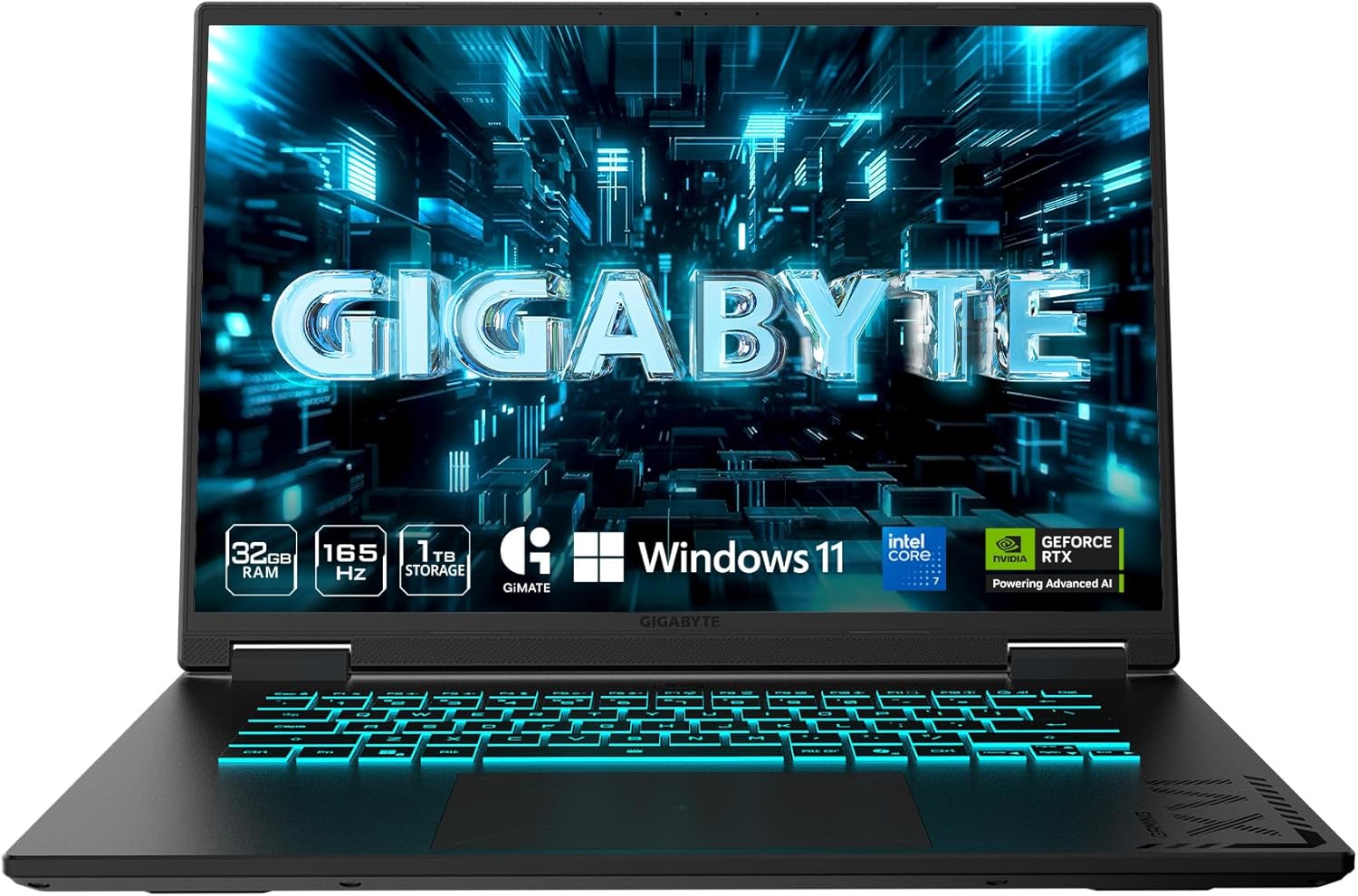
- memory Intel Core Ultra 9 275HX
- developer_board GeForce RTX 5070 Laptop Laptop GPU
- layers 64GB DDR5-6400MHz (Single-Channel)
- track_changes Target GPU: NVIDIA GeForce RTX 4080 / AMD Radeon RX 7900 XTX

- memory Intel Core Ultra 9 275HX
- developer_board NVIDIA GeForce RTX 5070 Ti
- layers 32GB
- track_changes Target GPU: NVIDIA GeForce RTX 4080 / AMD Radeon RX 7900 XTX

- memory Intel Core Ultra 9 275HX
- developer_board NVIDIA GeForce RTX 5070 Ti Laptop GPU
- layers 32 GB DDR5 6400MHz (2x16GB)
- track_changes Target GPU: NVIDIA GeForce RTX 4080 / AMD Radeon RX 7900 XTX
info_outline Laptop recommendations are estimates based on available component benchmarks and game requirements. Actual performance may vary depending on settings, drivers, cooling, power limits, etc. Prices and availability subject to change. As an Amazon Associate, we earn from qualifying purchases.