Select Games to Compare

search close
search close

Select up to 2 games to compare side-by-side.

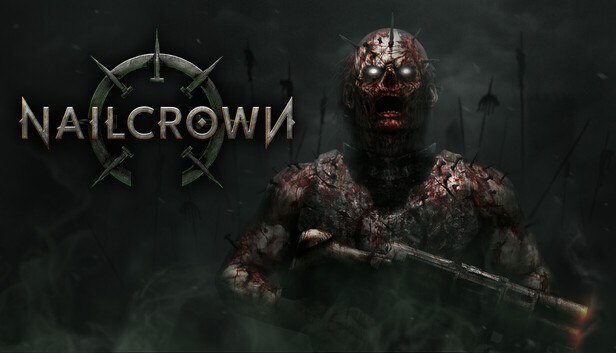
Nailcrown vs Diablo IV

close close
info General Information
Release Date
Mar 1, 2027 Jun 6, 2023
Developer
Destructive Creations Blizzard Entertainment (Team 3)
Publisher
Bohemia Interactive (Bohemia Incubator) Blizzard Entertainment
Genre(s)
Boomer Shooter / Dark-Fantasy FPS Action RPG, Hack and Slash, Dungeon Crawler, Open World (elements), Dark Fantasy
Engine
Unreal Engine Proprietary (Blizzard Engine, heavily updated)
stars Ratings & Price
Content Rating
Adults Only 18+ / M for Mature Mature 17+
Avg. User Rating
4.5 / 5.0 4.0 / 5.0
Current Price (USD)
$29.99 $69.99
tune Key Specs
Quick Highlights
  • Perspective: First-Person
  • DRM: Offline Single-Player Supported (No Always-Online)
  • Gore System: Dynamic, Procedural Dismemberment
  • Multiplayer Connectivity: Online and LAN Support
  • Perspective: Isometric (Top-Downish Third-Person)
  • Multiplayer: Online Co-op (up to 4 players), Shared World, PvP Zones (Fields of Hatred)
  • Setting: Sanctuary (Fractured Peaks, Scosglen, Dry Steppes, Kehjistan, Hawezar)
  • Platforms: PC (Windows), PlayStation 4, PlayStation 5, Xbox One, Xbox Series X|S
  • Unique Feature: Shared Open World Sanctuary, Deep Class Customization & Paragon System, Legendary Aspect Crafting, Dark Gothic Atmosphere, Seasonal Content Model.
sports_esports Gameplay & Mechanics
Companions/Followers
  • The Whispering Skull: Provides macabre lore and navigational hints from the Necromancer.
    Undead Artifact
  • Summoned Thrall: Temporarily acts as a meat shield during specific arena encounters.
    Undead Peasant
  • Necromancer Minions (Skeletons, Golem): The Necromancer class can summon and command various undead minions. Skeletal Warriors (Skirmishers, Defenders, Reapers), Skeletal Mages (Shadow, Cold, Bone), and a powerful Golem (Bone, Blood, Iron). These minions automatically attack enemies and can be customized and upgraded through the Book of the Dead and skill tree.
    Undead Construct
  • Druid Companions (Wolves, Ravens, Vine Creeper): The Druid class can summon animal companions. Wolves fight alongside the Druid. Ravens passively attack enemies and can apply Vulnerability. Vine Creepers poison enemies or provide active abilities. These companions are part of the Druid's skill set and can be enhanced.
    Animal / Plant Spirit
  • Sorcerer/Sorceress Conjurations (Hydra, Ice Blades, Lightning Spear - Temporary): While not persistent pets, Sorcerers can conjure temporary magical allies like Hydras that spit fire, Ice Blades that seek enemies, or Lightning Spears that zap foes. These are active spells with durations.
    Magical Construct
  • Online Co-op Party Members (Other Players): In online cooperative play, players can team up with up to three other players (forming a party of four). Teammates fight alongside each other, can revive downed allies, and synergize their class abilities to tackle challenging content like Dungeons, World Bosses, or Helltides. Trade is limited.
    Human (Player Characters - Various Classes)
  • Story-Specific NPC Allies (Temporary & Contextual): During certain main story quests or significant side quests, key NPC characters like Lorath Nahr or Donan will temporarily accompany the player character, providing combat support (though often less impactful than player companions) and crucial dialogue. Their presence is scripted for those mission segments.
    Human (e.g., Lorath Nahr, Donan, Neyrelle)
Key Collectibles
  • Shrine Offerings: Hidden behind destructible walls and secret pressure plate rooms.
  • Necromancer's Tomes: Scattered across the Catacombs and Castle libraries.
  • Legendary Items & Aspects: Dropped by enemies (especially Elites and Bosses), found in chests, obtained from gambling with Obols, or as rewards from events and quests. Legendary items have powerful unique Aspects that can be extracted at the Occultist and imprinted onto Rare or other Legendary items. Collecting and optimizing Aspects is key to build crafting.
  • Unique Items (Including Uber Uniques): Extremely rare and powerful items with fixed, often build-defining, unique properties that cannot be modified or extracted. Dropped from high-level content, specific bosses, or have very low drop rates. Uber Uniques are the rarest and most powerful items in the game.
  • Altars of Lilith: Hidden statues of Lilith scattered throughout all regions of Sanctuary. Interacting with each one for the first time grants a small, permanent stat boost (e.g., +Strength, +Dexterity, +Max Obols, +Paragon Point) to ALL characters on the player's account within that realm (Seasonal/Eternal). Also grants Renown.
  • Paragon Glyphs: Earned as drops, primarily from Nightmare Dungeons. These are socketed into Paragon Boards (unlocked after level 50) to provide powerful passive bonuses and stat increases within their radius. Glyphs can be leveled up by completing Nightmare Dungeons, increasing their power and radius.
  • Waypoints: Teleportation points found in towns, settlements, and key locations across Sanctuary. Activating them allows for fast travel between discovered waypoints.
  • Strongholds: Three per region. Heavily enemy-infested locations that, once conquered by defeating all enemies and a final boss/event, transform into friendly outposts, often unlocking new Waypoints, vendors, dungeons, or side quests.
  • Codex of Power (Aspects from Dungeons): Completing specific Dungeons for the first time unlocks a baseline version of a Legendary Aspect in the Codex of Power. These aspects always roll with their minimum values but can be imprinted onto gear an unlimited number of times (at a cost).
  • Side Quest Items & Lore Books/Notes: Various items required for completing side quests, or readable books, notes, and journals that provide lore about Sanctuary, its history, characters, and the ongoing conflict.
  • Mounts & Mount Armor (Cosmetic/Utility): Mounts are unlocked via a quest. Various cosmetic horse breeds and mount armor sets can be acquired as drops, from vendors, or through the in-game shop.
  • Titles & Emblems (Player Profile Customization): Unlocked by completing challenges, achievements, or progressing through the seasonal Battle Pass. Used to customize the player's visible profile.
Key Themes
  • Dark Fantasy
  • Gothic Horror
  • Extreme Violence
  • Occultism
  • Moral Ambiguity
  • Dark Fantasy & Gothic Horror
  • Demonic Invasion & Eternal Conflict (High Heavens vs. Burning Hells)
  • The Return of Lilith
  • Corruption & Despair
  • Ancient Evils
  • Cults & Fanaticism
  • Loot & Character Progression
  • Shared World Experience
  • Sanctuary's Lore
colorize Combat & Gear
Weapons Overview
  • Nailgun: Ranged / Projectile
    A rapid-fire kinetic projectile weapon serving as primary sustained-damage dealer. Requires calculating travel-time ballistics.
  • Shotgun: Ranged / Hitscan
    Delivers devastating short-to-medium-range burst damage. Tactically essential for crowd control and halting charging enemies.
  • Lightning-Infused Impaler: Ranged / Energy
    A high-damage supernatural weapon utilizing elemental electrical energy for area-of-effect chain-lightning and armor bypass.
  • Razor-Sharp Sword: Melee / Edged
    High-speed melee option for rapid decapitations and procedural dismemberment, prioritizing agility and lateral sweeps.
  • Skull-Crushing Warhammer: Melee / Blunt
    A slow, highly committal, high-impact weapon that shatters bones and crushes heavily armored elite units.
  • One-Handed Weapons (Swords, Axes, Maces, Daggers, Wands, Scepters): Melee / Caster
    Various one-handed weapons. Swords, axes, maces, and daggers are typically for melee classes (Barbarian, Rogue, Druid, Necromancer). Wands and scepters are often used by casters (Sorcerer, Necromancer) and can roll with spell-related affixes. Can be dual-wielded by Rogues or paired with an off-hand item/shield.
  • Two-Handed Weapons (Swords, Axes, Maces, Polearms, Staves, Scythes): Melee / Caster (Heavy)
    Larger weapons dealing higher base damage. Two-handed swords, axes, maces, and polearms are for melee classes. Staves are for Sorcerers. Scythes are iconic for Necromancers. Typically prevent the use of an off-hand item.
  • Ranged Weapons (Bows, Crossbows): Physical Ranged
    Used primarily by the Rogue class, but other classes might have specific builds or uniques that utilize them. Fire arrows or bolts.
  • Off-Hand Items (Shields, Foci, Tomes): Defensive / Caster Utility
    Shields provide blocking and defensive stats. Foci and Tomes are held by casters and can provide significant offensive or utility stats, cooldown reduction, or resource generation for spells.
  • Class-Specific Weapon Types (e.g., Totems for Druid, Scythes for Necromancer): Thematic / Unique
    Some weapon types are strongly associated with or exclusively usable by certain classes, often synergizing with their core skills and themes.
  • Magical Affixes & Legendary Aspects: Weapon Enhancements
    All weapons (except Common) roll with magical affixes (e.g., +Strength, +Critical Strike Chance, +Damage to Vulnerable). Legendary weapons also have a powerful Legendary Aspect that significantly alters a skill or provides a unique effect. These aspects can be extracted and imprinted onto other items.
  • Gems (Socketable): Weapon Augmentation
    Weapons can have sockets where gems (Rubies, Sapphires, Emeralds, Diamonds, Amethysts, Skulls, Topazes) can be inserted to provide specific offensive or utility bonuses (e.g., damage over time, crowd control duration, basic skill damage, ultimate damage, critical strike damage to crowd controlled enemies).
Armor / Gear Sets
  • Base Mercenary Garb: 0 Armor, 100 Base Health
  • Iron Cuirass Pickups: +50 Armor Rating, absorbs kinetic damage before health depletion.
  • Necrotic Shielding: +100 Armor Rating, acquired via shrine upgrades, offers elemental resistance.
  • Helms: Head armor. Provides Armor value and various magical affixes (e.g., +Max Life, +Cooldown Reduction, +Ranks to specific Skills, Resistances). Can have sockets for Gems.
  • Chest Armor: Body armor. Provides the highest base Armor value of all pieces and significant magical affixes (e.g., +Damage Reduction, +Total Armor, +Ranks to Skills, Thorns). Can have sockets.
  • Gloves: Hand armor. Provides Armor and magical affixes often related to offensive stats (e.g., +Attack Speed, +Critical Strike Chance, +Lucky Hit Chance, +Ranks to Skills). Can have sockets.
  • Pants: Leg armor. Provides Armor and magical affixes often focused on defensive or utility stats (e.g., +Damage Reduction from Close Enemies, +Potion Capacity, +Movement Speed after Elite Kill). Can have sockets.
  • Boots: Foot armor. Provides Armor and magical affixes typically related to movement and utility (e.g., +Movement Speed, +Evade Charges, +Damage Reduction while Injured). Can have sockets.
  • Amulets: Necklace slot. Does not provide Armor but offers powerful magical affixes (e.g., +Ranks to Passive Skills, +Critical Strike Damage, +Resource Generation, Movement Speed, Cooldown Reduction). Can have sockets.
  • Rings (x2): Finger slots (two can be equipped). Do not provide Armor but offer significant magical affixes (e.g., +Critical Strike Chance, +Vulnerable Damage, +Resource Cost Reduction, +Lucky Hit Chance). Can have sockets.
  • Legendary Aspects: Found on Legendary items (Orange rarity). These provide powerful, often class-specific or build-defining effects that can be extracted at the Occultist and imprinted onto Rare or other Legendary items (replacing their existing aspect). Key to build customization.
  • Unique Items: Gold/Brown rarity items with fixed, powerful, and often build-altering unique properties that cannot be modified or extracted. Some are class-specific. Uber Uniques are extremely rare and powerful versions.
  • Gems (Socketable): Can be socketed into gear with open sockets to provide specific defensive bonuses (e.g., Rubies for +Max Life in Armor, Sapphires for +Damage Reduction while Fortified in Armor, Skulls for +Armor).
Outfits/Customization
  • Blood-Soaked Tunic: None. Dynamic blood decals applied during combat.
  • Executioner's Hood: Cosmetic item potentially unlocked in the Deluxe Edition.
  • Armor Sets (Helms, Chest Armor, Gloves, Pants, Boots): Players equip five main pieces of armor that determine their defensive stats and often contribute significantly to their visual appearance. Armor sets often have a cohesive visual style (e.g., bone armor for Necromancers, heavy plate for Barbarians, leather for Rogues, robes for Sorcerers, nature-themed gear for Druids). Higher rarity items (Legendary, Unique) have distinct, often elaborate appearances.
  • Cosmetic Transmogrification (Wardrobe System): Diablo IV features a Wardrobe system that allows players to save the appearance of any armor piece they have collected. They can then transmogrify their currently equipped gear to look like any saved appearance, allowing for full fashion customization without sacrificing stats. This applies to all armor slots.
  • Weapon Appearances (Tied to Item & Transmog): The appearance of equipped weapons also changes based on the specific item. Like armor, weapon appearances can be saved and transmogrified onto other weapons of the same type.
  • Character Customization (Creation & In-Game Shop): At character creation, players can customize their character's face, hairstyle, hair color, skin tone, markings (tattoos, jewelry, makeup). Additional cosmetic items like character emotes, mount armor, town portal skins, and some armor appearances are available through the seasonal Battle Pass or purchasable from the in-game microtransaction shop (cosmetic only, no power advantages).
  • Mount Customization (Mount Armor, Trophies): Players can acquire various cosmetic armor sets for their horse mount, as well as trophies that hang from the saddle. These are unlocked through gameplay or purchased from the shop.
trending_up Progression & Upgrades
Skills & Progression

To break the potential monotony of continuous, hyper-violent combat, Nailcrown incorporates a robust progression and item economy system internally categorized as 'Evolve As You Go'. Players are heavily incentivized to meticulously scour their surroundings for hidden items, secrets, and specialized architectural nodes referred to as shrines. These shrines function as the primary upgrade mechanism, serving as interactive terminals where acquired resources are invested to improve baseline character statistics. More critically, exploration yields specific upgrade items for weaponry, introducing secondary alternate-fire modes, enhanced elemental damage such as chaining lightning, and improved statistical performance. This ensures the game's difficulty curve scales appropriately, matching exponentially increasing enemy volumes with devastating, highly customized player mechanics.

N/A
public World & Exploration
World & Level Design

The environmental architecture in Nailcrown is characterized by a deliberate and highly tuned juxtaposition of extreme claustrophobia and expansive, open-arena combat spaces, a hallmark of classic 1990s boomer shooters. The world is divided into distinct, labyrinthine regions such as ancient subterranean burial sites and brutal medieval prisons known as the Catacombs. These environments are not merely passive backdrops but active components of the gameplay loop, densely packed with architectural puzzles, hidden pathways, and lethal environmental hazards. The structural dichotomy controls psychological pacing: tight corridors induce tension and force close-quarters engagements, seamlessly opening into massive, cavernous spaces capable of accommodating the rendering of immense enemy hordes for high-velocity, momentum-driven arena combat.

N/A
Playable Vehicles
  • Corpse Cart: Environmental Hazard / Prop
    Used by the enemy forces to transport the endless tides of Undead Peasants; can be destroyed for explosive damage.
  • Necromancer's Chariot: Lore Vehicle
    The ominous transport used by your dark master, seen only during narrative transitions.
  • Mount (Horse - Various Breeds & Cosmetics): Primary Land Traversal
    Players unlock a horse mount by completing a specific priority quest in Act IV. Mounts significantly speed up travel across the vast open world of Sanctuary. Various horse breeds (cosmetic) and mount armor/trophies (cosmetic) can be acquired through gameplay, challenges, or the in-game shop. Mounts have a short dash ability and can perform a dismount attack.
  • Waypoints (Fast Travel Network): Map Traversal Mechanic
    Numerous Waypoints are located in towns, settlements, and key points of interest throughout Sanctuary. Once a Waypoint is discovered and activated, players can instantly travel to it from any other activated Waypoint or from the world map, greatly reducing travel time.
  • Town Portals (Scroll of Town Portal - Limited): Utility / Return Travel
    While not a vehicle, players can use a Town Portal (either via an unlimited hotkey with a cooldown, or historically via consumable scrolls in past games) to quickly return to the nearest major town/hub from anywhere in the open world or dungeons. This is essential for selling loot, repairing gear, and accessing services.
  • Traversal on Foot (Walking, Running, Evade/Dash): Player Locomotion
    Standard on-foot movement for exploring dungeons, navigating combat, and detailed areas. Characters can walk, run (no separate sprint button, movement speed is base), and use an Evade/Dash ability (with charges and cooldown) for quick repositioning or dodging attacks. Some classes have additional movement skills (e.g., Sorcerer's Teleport, Rogue's Dash).
Notable Fauna/Mounts
  • Plague Rats: Rodent
    Environmental detail; scurrying through the Catacombs, setting the grim atmosphere.
  • Undead Hounds: Canine (Undead)
    Fast-moving, low-health enemies that attempt to flank the player.
  • Carrion Crows: Avian
    Scavengers found in the plagued villages, reacting dynamically to gunfire.
N/A
book Story & Characters
Main Characters
  • The Protagonist: Player Character
    A blunt instrument of destruction tasked with annihilating curses and enemies.
  • The Ancient Necromancer: Master / Quest Giver
    The malevolent entity who commands the protagonist to reclaim power and uncover secrets.
  • Minotaur Elite: Heavy Enemy
    Massive mythological entities serving as elite heavy infantry, charging with immense force.
  • The Ghouls: Agile Enemy
    Undead prisoners found in subterranean environments; erratic, aggressive, and incredibly fast.
  • Player Character (Customizable Wanderer - Barbarian, Druid, Necromancer, Rogue, Sorcerer): Protagonist / Nephalem (Implied)
    A customizable character who becomes entangled in the events surrounding Lilith's return. Their journey involves confronting demonic forces, navigating faction politics, and potentially shaping the fate of Sanctuary. Each class offers a distinct playstyle and narrative flavor.
  • Lilith (Daughter of Hatred / Mother of Sanctuary): Main Antagonist / Creator Figure
    Daughter of Mephisto, Lord of Hatred, and co-creator of Sanctuary with the archangel Inarius. She is summoned back to Sanctuary and seeks to free humanity from the Eternal Conflict between Heaven and Hell, though her methods are extreme and manipulative. The primary driving force of the main story.
  • Inarius (Archangel): Antagonist Figure / Former Creator of Sanctuary
    A former archangel of the Angiris Council who, along with Lilith, created Sanctuary. He was exiled and imprisoned but returns with a fanatical desire to rejoin the High Heavens, viewing Lilith and her plans as an obstacle. Leads the Knights Penitent.
  • Lorath Nahr: Ally / Horadrim Scholar / Narrator
    One ofthe last surviving members of the Horadrim order. He is an elderly, wise scholar who guides the player character, providing historical context, lore, and assistance in understanding the threats facing Sanctuary. Acts as a key narrative voice.
  • Donan: Ally / Horadrim Scholar / Grieving Father
    A former Horadrim and friend of Lorath, now a reclusive figure living in Scosglen, grieving the loss of his son. He possesses crucial knowledge and resources that aid the player.
  • Neyrelle: Ally / Young Scholar
    A young, intelligent, and resourceful woman accompanying Lorath. She is skilled in research and seeks to understand the ancient evils threatening Sanctuary, though she is sometimes reckless.
  • Taissa: Ally / Druid of Scosglen (If player is Druid or interacts)
    A key figure within the Druid circles of Scosglen, involved in quests related to the region's spiritual imbalance and demonic corruption.
  • Prava: Antagonist Figure / Leader of the Cathedral of Light in Kyovashad
    The devout and stern leader of the Cathedral of Light in Kyovashad, representing the dominant faith in the Fractured Peaks. She is wary of Lilith's influence but also of outsiders like the player.
  • Elias (Pale Man): Antagonist / Follower of Lilith / Former Horadrim
    A former Horadrim scholar who becomes a key servant of Lilith, orchestrating events to aid her return and plans. A recurring antagonist.
  • Various other NPCs (Townsfolk, Faction Members, Quest Givers): Supporting Cast / World Flavor
    Sanctuary is populated by numerous other characters who provide quests, services, or contribute to the world's atmosphere and lore.
Example Missions
  • Descent into the Catacombs: Main Campaign
    Navigate tight corridors, survive the Ghoul ambush, and locate the first Upgrade Shrine.
  • The Castle Siege: Main Campaign
    Breach the medieval fortifications, neutralize the Minotaur elites, and secure the Necromancer's tome.
  • Purge the Plague Village: Main Campaign
    Eradicate the overwhelming swarms of Undead Peasants and slay the gargantuan Troll blocking the exit.
  • Main Campaign Questline (The Return of Lilith)
    A multi-act narrative following the player character's journey across Sanctuary to stop Lilith, Daughter of Hatred, and her plans. This involves investigating her influence, confronting her key followers (like Elias), allying with the Horadrim (Lorath Nahr, Donan), and ultimately facing Lilith herself. Features cinematic storytelling and major boss encounters.
  • Side Quests (Regional Stories & Character Vignettes)
    Numerous optional quests found throughout Sanctuary's five regions. These offer self-contained storylines, delve into local lore, explore the struggles of ordinary people, or provide more insight into the game's factions and history. Rewards typically include XP, gold, gear, and Renown.
  • Priority Quests (Class-Specific & Key Unlocks)
    Quests that unlock significant gameplay features or are specific to the player's chosen class. This includes quests to unlock mounts, class specializations (e.g., Barbarian's Arsenal System, Druid's Spirit Boons), or access to end-game systems like Nightmare Dungeons or the Occultist.
  • Dungeons (Standard & Nightmare Tiers)
    Explore and clear over 100 unique instanced dungeons scattered across Sanctuary. Each dungeon has specific objectives (e.g., slay all enemies, destroy structures, return Animus to a pedestal) and a final boss. Completing a dungeon for the first time often unlocks a Legendary Aspect in the Codex of Power. Nightmare Dungeons are empowered, higher-difficulty versions accessed via Nightmare Sigils, featuring challenging affixes and rewarding Paragon Glyph XP.
  • Strongholds
    Conquer three heavily enemy-infested locations in each of the five major regions. This involves defeating waves of enemies, a final boss or event, and then rekindling a Wanderer's Shrine. Liberating a Stronghold transforms it into a friendly outpost, often unlocking new Waypoints, vendors, dungeons, or side quests in the area. Also grants significant Renown.
  • World Bosses (Ashava the Pestilent, Avarice the Gold Cursed, Wandering Death, Death Given Life)
    Participate in timed, large-scale public encounters against massive bosses that spawn at specific locations in the open world. Requires multiple players to defeat within a time limit. Rewards include high-quality loot, Legendary items, and weekly bonus caches.
  • Legion Events (Gathering Legions)
    Timed public events where players must defend against waves of demons and defeat Overlords to earn rewards and Obols. Multiple players are typically needed for efficient completion.
  • Helltide Events
    Participate in region-wide demonic invasions that occur in World Tier 3 and above. Defeat empowered enemies to collect Aberrant Cinders, which are then used to open Tortured Gifts (special chests) scattered throughout the Helltide zone for a chance at targeted Legendary items, Forgotten Souls, and Fiend Roses.
  • Tree of Whispers (Grim Favors)
    An end-game system where players complete various bounties (Grim Favors) marked on the map (e.g., clear a specific dungeon, defeat enemies in an area, collect items from corpses). Earning 10 Grim Favors allows the player to return to the Tree of Whispers for a choice of reward caches containing gear and experience.
  • Seasonal Questlines & Activities
    Each new season introduces a unique storyline and associated gameplay mechanics or activities that players can engage with on their seasonal characters. Completing these progresses the seasonal journey and unlocks season-specific rewards and Battle Pass tiers.
people Multiplayer
Multiplayer Details

Nailcrown features a comprehensive suite of multiplayer options catering to cooperative players and the competitive arena shooter demographic, critically preserving an old-school ethos by not requiring an always-online connection for solo play. Modes include an Online and LAN Co-operative Campaign, allowing players to seamlessly team up with dynamically scaling difficulty. For competitive players, the game offers brutal Online and LAN Deathmatch and Team Deathmatch modes. These modes are designed to emulate classic 1990s arena dynamics, heavily relying on map control, weapon spawns, and momentum-driven movement tech, drawing intense favorable comparisons to Unreal Tournament within the community.

N/A
extension Editions & DLC
Available Editions

While specific retail tiers remain formally unannounced, industry trends and Bohemia Incubator's history suggest a Standard Edition encompassing the base single-player and multiplayer suites. A highly probable 'Necromancer's Deluxe Edition' is expected to include a digital artbook showcasing the gruesome dark-fantasy concept art, a digital copy of the game's heavy-metal inspired soundtrack, and potentially exclusive cosmetic weapon skins. Given the developer's commitment to old-school ethos, microtransactions are highly unlikely, meaning all editions will grant complete access to the fundamental gameplay loop without predatory monetization.

Available in Standard Edition, Digital Deluxe Edition (included early access to Open Beta, Light-Bearer Mount, Caparison of Faith Mount Armor, Inarius Wings & Murloc Pet in D3/WoW, Amalgam of Rage Mount in WoW, Umber Winged Darkness Cosmetic Set in DI, and Premium Seasonal Battle Pass Unlock), and Ultimate Edition (Deluxe content + Accelerated Seasonal Battle Pass Unlock with 20 Tier Skips and Wings of the Creator emote). Various pre-order bonuses were also offered.

Post-Launch Content / DLC

Based on the operational blueprint of Bohemia Interactive (evidenced by ongoing support for titles like DayZ), Nailcrown is projected to receive sustained post-launch support following its anticipated Q1 2027 release. Industry analysts project this content will manifest as premium expansion packs rather than live-service microtransactions. Potential DLCs could include new multiplayer arena maps, additional single-player campaign acts exploring different demonic realms or opposing necromancers, and further intricate weapon upgrade paths to continually refresh the dark-fantasy ecosystem.

Diablo IV follows a seasonal live-service model. Each season (typically lasting around 3 months) introduces new gameplay mechanics, questlines, a seasonal journey with objectives, a battle pass (free and premium tracks with cosmetic rewards and season boosts), new legendary aspects, unique items, and balance changes. The first major paid expansion, 'Vessel of Hatred,' is announced for late 2024, featuring a new region, class, and story continuation.

help_outline FAQ
Frequently Asked Questions
  • Q: Is an active internet connection required to play Nailcrown?
    A: No. Nailcrown preserves traditional PC gaming ethos by offering a fully offline single-player campaign without always-online DRM requirements. Local Area Network (LAN) support is also included for multiplayer.
  • Q: Why does the game require 32 GB of RAM for the recommended specifications?
    A: The high memory requirement is necessary to support the game's dynamic gore engine, which permanently tracks hundreds of physics objects (shattered bones, blood decals, dismembered limbs) in the environment, alongside uncompressed asset streaming for seamless, load-free navigation.
  • Q: What kind of multiplayer modes does Nailcrown offer?
    A: The game features a comprehensive multiplayer suite including an Online and LAN Co-operative Campaign, as well as highly competitive, high-speed PvP Deathmatch and Team Deathmatch modes inspired by classic 1990s arena shooters.
  • Q: How does the weapon upgrade system function?
    A: Players explore environments to find hidden 'shrines' and secret rooms. Resources gathered can be invested at these terminals to unlock devastating alternate-fire modes, elemental damage types (like chain lightning), and raw statistical boosts for the arsenal.
  • Q: Is there a way to censor the extreme gore or mature content?
    A: Yes. Destructive Creations has implemented a dedicated censor toggle within the settings menu. To protect content creators and streamers from accidental bans regarding the explicit character design of the Ghouls, this censor is toggled 'ON' by default.
  • Q: Is Diablo IV an always-online game?
    A: Yes, Diablo IV requires a persistent internet connection to play, even for solo content. This is due to its shared open world, seasonal structure, and online social features.
  • Q: How many playable classes are there in Diablo IV?
    A: At launch, Diablo IV features five playable classes: Barbarian, Druid, Necromancer, Rogue, and Sorcerer. A sixth class, the Spiritborn, will be introduced with the 'Vessel of Hatred' expansion.
  • Q: What is the Renown system?
    A: Renown is a progression system tied to exploring and completing activities within each of Sanctuary's five major regions. Earning Renown (by discovering areas, waypoints, strongholds, side quests, dungeons, Altars of Lilith) unlocks account-wide rewards for that realm (Seasonal/Eternal), such as extra skill points, potion charges, Paragon points, and Obol capacity.
  • Q: What are Helltides?
    A: Helltides are timed, region-wide events that occur in the end-game (World Tier 3 and above). During a Helltide, a specific region becomes more dangerous with stronger demons and environmental hazards. Players collect Aberrant Cinders from defeated enemies to open Tortured Gifts (special chests) that contain valuable loot, including crafting materials like Forgotten Souls and Fiend Roses, and have a higher chance for Legendary items.
  • Q: Are there PvP zones in Diablo IV?
    A: Yes, Diablo IV features designated PvPvE zones called Fields of Hatred. In these areas, players can attack each other. Defeating other players or monsters yields Seeds of Hatred, which must be purified at an Altar of Extraction to convert them into Red Dust. Red Dust is a currency used to purchase cosmetic rewards. Players carrying unpurified Seeds can be killed and looted by others.
  • Q: How does the seasonal content work?
    A: Diablo IV follows a seasonal model (typically lasting 3 months). Each season introduces new gameplay mechanics, a seasonal questline, new legendary aspects and unique items, a seasonal journey with objectives, and a Battle Pass with free and premium tracks offering cosmetic rewards and gameplay boosts (like Smoldering Ashes for XP/gold buffs). Players typically create a new seasonal character to participate, though some progress (like Altars of Lilith, map discovery) can carry over from the Eternal Realm.
  • Q: What is the end-game like in Diablo IV?
    A: The end-game primarily revolves around progressing through World Tiers (unlocking higher difficulties and better loot), farming Nightmare Dungeons to level up Paragon Glyphs, participating in Helltide events, defeating World Bosses, completing Whispers of the Dead bounties, engaging in PvP in the Fields of Hatred, and tackling seasonal content. The ultimate challenge is defeating Uber Lilith.
build Technical Details
Graphics & Visual Fidelity

Constructed upon the Unreal Engine, Nailcrown achieves a striking juxtaposition of retro-shooter spatial navigation and high-fidelity modern rendering. The visual centerpiece is the proprietary dynamic gore system, which allows for precise, location-based damage modeling including dynamic bone shattering, blood decals, and procedural dismemberment that persists in the environment. Despite a remarkably low storage footprint achieved through procedural texture generation, the game requires substantial system memory to process this carnage. Advanced DirectX 12 rendering pipelines provide the volumetric lighting and complex shaders necessary to bring the atmospheric dark dungeons and magical weapon particle effects to terrifying life.

Powered by a heavily updated Blizzard engine, Diablo IV showcases a dark, gritty, and highly detailed visual style, returning to the more gothic aesthetic of earlier Diablo games. Features realistic character models, gruesome enemy designs, detailed environments with dynamic weather and lighting, and impactful spell/ability effects. The game aims for a more grounded and visceral presentation of Sanctuary.

Audio & Soundtrack

The auditory experience in Nailcrown is crucial to the combat loop, providing vital spatial audio cues to track off-screen enemies like the erratic Ghouls or charging Minotaurs. The sound design is relentlessly visceral, with distinct, heavy impacts for the Warhammer and sharp, tearing audio profiles for the Sword, complementing the dynamic gore engine. While the specific composer has not been formally announced, the soundtrack is characterized by heavy, aggressive instrumentation—likely a fusion of dark ambient gothic tones and adrenaline-pumping industrial metal—designed to elevate the player's momentum and perfectly match the hyper-violent, run-and-gun gameplay.

Original score composed by Ted Reedy and Leo Kaliski, featuring dark, orchestral, and atmospheric themes that capture the grim and gothic tone of Sanctuary. Music is dynamic, building intensity during combat and creating a sense of dread or melancholy during exploration. Sound design emphasizes visceral combat impacts, distinct monster vocalizations, environmental ambience, and satisfying loot drop sounds.

User Interface (UI/UX)

The User Interface of Nailcrown strictly avoids modern cinematic clutter, opting instead for a highly functional, retro-inspired heads-up display (HUD). Essential information such as health, armor, and ammunition for the current weapon are prominently displayed using stylized, gothic fonts and distinct color coding for rapid peripheral reading during chaotic encounters. The UI eschews immersion-breaking waypoint systems or glowing objective markers, forcing players to actively navigate based on level geometry and environmental cues. Menus are streamlined, prioritizing rapid access to the extensive accessibility features, difficulty sliders, and the crucial visual censorship toggles.

Features a classic ARPG HUD displaying health and resource (e.g., Mana, Fury, Spirit) globes, an action bar for equipped skills, potion charges, and a mini-map. Inventory is grid-based. Skill tree, Paragon board, character sheet, map, and quest log are accessed via menus. Extensive tooltips explain skills, stats, and item properties.

Accessibility Options

Destructive Creations has integrated a comprehensive suite of modern accessibility and quality-of-life features directly into the core architecture. Gameplay accessibility includes adjustable difficulty scaling to manage horde density and lethality, alongside a consumer-friendly 'Save Anytime' feature that rejects punishing retro checkpoint systems. Visual accessibility includes granular contrast controls for low-light environments, vital camera comfort settings to reduce motion sickness, and robust subtitle options. Crucially, addressing the game's mature themes, a dedicated censor toggle is included and activated by default to obscure explicit anatomical details on certain enemy types, protecting content creators from platform bans while preserving the developer's uncompromising vision.

Offers a range of accessibility options, including extensive control remapping (PC), subtitle and text size customization, colorblind modes, options for screen shake reduction, persistent targeting options, skill toggle vs. hold options, button remapping for controllers, and audio cues for important gameplay elements like loot drops.

Gameplay Video
launchWatch launchWatch
Walkthrough/Guide
launchView launchView
settings_applications System Requirements
1080p (Full HD) - Recommended (High Settings, 120+ FPS)
CPU: Provides stable frame pacing during chaotic, multi-projectile arena fights.
CPU (Laptop): Ensures no CPU bottlenecking when processing heavy gore physics.
GPU: Ideal for maxing out volumetric lighting and particle effects.
GPU (Laptop): Delivers desktop-class 1080p performance with DLSS 3 support.
RAM: Recommended specification to allow the persistent rendering of shattered bones, blood decals, and limbs across the entire map.
Storage: Fastest possible asset loading to eliminate any loading screens.
memoryCPU: Intel Core i5-10400 or AMD Ryzen 5 3600
developer_boardGPU: NVIDIA GeForce RTX 3060 Ti or AMD Radeon RX 6750 XT
laptop_macCPU (L): Intel Core i7-12700H or AMD Ryzen 7 6800H
laptop_windowsGPU (L): NVIDIA RTX 4060 Laptop GPU (140W)
layersRAM: 32 GB
saveStorage (Tier): 15 GB NVMe SSD
1080p (Full HD) - High (1080p ~60 FPS, High Preset) (High graphics settings)
CPU: CPU for 1080p/60FPS High.
CPU (Laptop): High-end laptop CPU.
GPU: Desktop GPU for 1080p/60FPS High.
GPU (Laptop): High-end laptop GPUs. 6-8GB VRAM crucial.
RAM: 16GB RAM essential.
Storage: NVMe SSD required for best performance.
memoryCPU: Intel Core i7-8700K or AMD Ryzen 7 2700X
developer_boardGPU: NVIDIA GeForce RTX 2060 or AMD Radeon RX 5700 XT
laptop_macCPU (L): Intel Core i7-10750H / AMD Ryzen 7 4800H or better. **Modern i7/Ryzen 7 H/HX series.**
laptop_windowsGPU (L): NVIDIA GeForce RTX 3060 Mobile (6GB, High TGP) / RTX 4060 Mobile (8GB, High TGP). **An RTX 3070 Mobile or RTX 4070 Mobile would provide excellent performance.**
layersRAM: 16 GB
saveStorage (Tier): 90 GB NVMe SSD
1080p (Full HD) - Minimum (Low-Medium Settings, 60 FPS)
CPU: Baseline required for AI multi-agent pathfinding and baseline physics.
CPU (Laptop): Provides sufficient multi-core performance for enemy AI.
GPU: Capable of handling the base dynamic gore system at 1080p.
GPU (Laptop): Minimum required to maintain playable framerates during horde swarms.
RAM: Absolute minimum to support uncompressed asset streaming without traversal stuttering.
Storage: SSD is critical for streaming level geometry dynamically.
memoryCPU: Intel i5-9400F or AMD Ryzen 5 2600X
developer_boardGPU: NVIDIA GeForce GTX 1660 Super or AMD Radeon RX 6600 XT
laptop_macCPU (L): Intel Core i5-11400H or AMD Ryzen 5 5600H
laptop_windowsGPU (L): NVIDIA RTX 3050 Ti (85W) or RX 6600M
layersRAM: 16 GB
saveStorage (Tier): 15 GB SSD
1080p (Full HD) - Medium (1080p native, ~60 FPS, Medium Preset) (Medium graphics settings)
CPU: Recommended desktop CPU for 1080p/60FPS Medium settings.
CPU (Laptop): Estimated mid-range laptop CPUs.
GPU: Recommended desktop GPU for 1080p/60FPS Medium.
GPU (Laptop): Estimated performance-focused laptop GPUs. 6GB+ VRAM recommended.
RAM: 16GB RAM strongly recommended.
Storage: SSD strongly recommended.
memoryCPU: Intel Core i5-4670K or AMD Ryzen 3 1300X
developer_boardGPU: NVIDIA GeForce GTX 970 or AMD Radeon RX 470
laptop_macCPU (L): Intel Core i7-8750H / AMD Ryzen 5 3600 (Laptop equivalent) or better
laptop_windowsGPU (L): NVIDIA GeForce GTX 1070 Mobile (8GB) / RTX 2060 Mobile (6GB). **An RTX 3050 Ti Mobile or RTX 4050 Mobile (High TGP) is a good target for 1080p Medium/High.**
layersRAM: 16 GB
saveStorage (Tier): 90 GB SSD
1080p (Full HD) - Minimum (1080p native / 720p render resolution, ~30 FPS, Low Preset) (Low graphics settings)
CPU: Minimum desktop CPU for lower settings.
CPU (Laptop): Estimated laptop CPU equivalent.
GPU: Minimum desktop GPU for lower settings.
GPU (Laptop): Estimated laptop GPUs. Game is VRAM intensive for its detail.
RAM: 8GB absolute minimum, but 16GB is strongly stated as recommended by developers.
Storage: SSD is mandatory.
memoryCPU: Intel Core i5-2500K or AMD FX-8350
developer_boardGPU: NVIDIA GeForce GTX 660 or AMD Radeon R9 280
laptop_macCPU (L): Intel Core i5-7300HQ / AMD Ryzen 3 2200U equivalent or better. **A stronger quad-core H-series CPU is advisable.**
laptop_windowsGPU (L): NVIDIA GeForce MX350 / GTX 960M. **A GTX 1650 Mobile would be a more realistic minimum for a somewhat stable experience.**
layersRAM: 8 GB
saveStorage (Tier): 90 GB SSD
1440p (QHD/2K) - Recommended (Ultra Settings, 100+ FPS)
CPU: Excellent single and multi-core speeds for advanced Unreal Engine rendering.
CPU (Laptop): Top-tier mobile processors to handle complex AI and physics at higher resolutions.
GPU: Powers through 1440p resolution while maintaining the extreme framerates boomer shooters require.
GPU (Laptop): Provides massive VRAM and rasterization power for 1440p ultra.
RAM: Essential for 1440p high-resolution uncompressed textures.
Storage: Standard requirement.
memoryCPU: Intel Core i7-12700K or AMD Ryzen 7 5800X3D
developer_boardGPU: NVIDIA GeForce RTX 4070 or AMD Radeon RX 7800 XT
laptop_macCPU (L): Intel Core i9-13900HX or AMD Ryzen 9 7845HX
laptop_windowsGPU (L): NVIDIA RTX 4080 Laptop GPU (175W)
layersRAM: 32 GB
saveStorage (Tier): 15 GB NVMe SSD
2160p (UHD/4K) - Ultra/Enthusiast (Max Settings, 60-90 FPS)
CPU: The ultimate CPUs for eliminating any system bottlenecks.
CPU (Laptop): Maximum mobile processing power.
GPU: Required to brute-force 4K rendering while calculating thousands of dynamic gore physics objects.
GPU (Laptop): The only mobile GPU capable of sustained 4K performance in heavy particle scenarios.
RAM: Maximum required memory footprint.
Storage: Standard requirement.
memoryCPU: Intel Core i9-13900K or AMD Ryzen 7 7800X3D
developer_boardGPU: NVIDIA GeForce RTX 4080 / 4090 or AMD Radeon RX 7900 XTX
laptop_macCPU (L): Intel Core i9-14900HX or AMD Ryzen 9 7945HX3D
laptop_windowsGPU (L): NVIDIA RTX 4090 Laptop GPU (175W)
layersRAM: 32 GB
saveStorage (Tier): 15 GB NVMe SSD
2160p (UHD/4K) - Ultra (2160p/4K ~60 FPS, Ultra Preset, Upscaling likely needed) (Ultra graphics settings (Upscaling like DLSS/FSR Quality/Balanced may be needed))
CPU: Flagship CPU for attempting 4K/60FPS Ultra.
CPU (Laptop): Top-tier laptop CPUs for 4K.
GPU: Flagship desktop GPU for 4K Ultra, likely requiring upscaling.
GPU (Laptop): Flagship laptop GPUs. 12GB+ VRAM essential, upscaling highly probable.
RAM: 32GB RAM highly recommended for 4K Ultra.
Storage: NVMe SSD required.
memoryCPU: Intel Core i9-9900K or AMD Ryzen 7 3700X
developer_boardGPU: NVIDIA GeForce RTX 3080 or AMD Radeon RX 6800 XT
laptop_macCPU (L): Intel Core i7-11800H / AMD Ryzen 9 5900HS or better. **Modern flagship Intel/AMD HX series (e.g., 13900HX, 7945HX).**
laptop_windowsGPU (L): NVIDIA GeForce RTX 3080 Ti Mobile (16GB, Max TGP) / RTX 4080 Mobile (12GB, Max TGP). **An RTX 4090 Mobile would be better. A hypothetical next-gen flagship (RTX 50-series) would be targeted for more comfortable native 4K high framerates. (Highly Speculative)**
layersRAM: 32 GB
saveStorage (Tier): 90 GB NVMe SSD
save Overall Storage
Spec: 15 GB available space
Note: Remarkably low footprint achieved through procedural texture generation and efficient asset reuse. SSD strongly recommended for memory streaming.
Type: Unknown
Spec: 90 GB available space (SSD Required).
Note: An NVMe SSD is highly recommended for the best experience, drastically reducing load times and improving asset streaming in the large open world.
Type: SSD
desktop_windows Operating System
Spec: Windows 10 (64-bit)
Explanation: Required for DirectX 12 compatibility and advanced memory management.
Spec: Windows 10 64-bit (Version 1909 or newer)
Explanation: 64-bit Windows 10 (specified version or newer) or Windows 11 is required.
gamepad DirectX Version
Spec: Version 12
Explanation: Essential for rendering complex shaders, volumetric lighting, and particle effects for magical weaponry.
Spec: DirectX 12
Explanation: DirectX 12 API is required.
info_outline Other Game Notes
  • Nailcrown is highly optimized for GPU performance but requires massive amounts of system memory (RAM) due to uncompressed asset streaming and the persistent physics states of the dynamic gore engine.
  • Laptop Performance Note: Due to the relentless pacing and heavy particle effects, cooling and sustained clock speeds are critical. Use a cooling pad and ensure discrete GPU modes are active.
  • Laptop Consideration: G P U T G P: Require high TGP (115W+) RTX 3060/4060 or better to maintain the 60+ FPS required for boomer shooter spatial navigation.
  • Laptop Consideration: Cooling Thermals: Expect high CPU and GPU utilization; thermal throttling will directly impact the physics calculations of the dynamic gore engine.
  • Laptop Consideration: C P U Power Limits: Set power profiles to maximum performance to handle AI pathfinding for large hordes of Undead Peasants.
  • Laptop Consideration: M U X Switch Optimus: A MUX Switch is highly recommended to bypass integrated graphics, reducing input latency which is critical for high-speed arena combat.
  • Optimization Detail: Upscaling Tech: Supports NVIDIA DLSS and AMD FSR to maintain high framerates during intense horde encounters.
  • Optimization Detail: Key Settings Impact: Gore persistence and body count sliders will heavily impact RAM and CPU performance.
  • Game Name: Nailcrown
  • Official PC system requirements from Blizzard Entertainment. Performance can vary significantly depending on specific hardware, settings, areas in-game (especially with many enemies, particle effects, or in busy towns), and background applications. An SSD is MANDATORY. Higher settings and resolutions require powerful hardware.
  • Laptop Performance Note: Laptop models of listed desktop GPUs will require comparable performance, high TGP (Total Graphics Power), and excellent cooling. **Diablo IV is a demanding title, particularly at higher settings or resolutions, due to its detailed environments, numerous enemies, and complex visual effects.**
  • Laptop Consideration: G P U T G P: Maximum TGP is crucial for performance.
  • Laptop Consideration: Cooling Thermals: Robust cooling is essential for sustained performance during intense dungeon crawls or world boss fights.
  • Laptop Consideration: C P U Power Limits: A strong CPU is needed for managing numerous enemies, AI, physics, and online interactions.
  • Laptop Consideration: R A M Speed Dual Channel: Fast dual-channel RAM benefits performance significantly.
  • Laptop Consideration: M U X Switch Optimus: Using a MUX switch or NVIDIA Advanced Optimus is recommended.
  • Optimization Detail: Upscaling Tech: Supports NVIDIA DLSS (Super Resolution & Frame Generation - DLSS 3), AMD FSR 2, and Intel XeSS.
  • Optimization Detail: Key Settings Impact: Texture Quality, Shadow Quality, Shader Quality, SSAO, Fog Quality, Clutter Quality, Water Simulation, Anti-Aliasing, and Particle Effects heavily impact performance. Using upscaling is highly recommended for higher resolutions/settings.
  • Game Name: Diablo IV
build Optimization Details
  • Upscaling Tech: Supports NVIDIA DLSS and AMD FSR to maintain high framerates during intense horde encounters.
  • Key Settings Impact: Gore persistence and body count sliders will heavily impact RAM and CPU performance.
  • Upscaling Tech: Supports NVIDIA DLSS (Super Resolution & Frame Generation - DLSS 3), AMD FSR 2, and Intel XeSS.
  • Key Settings Impact: Texture Quality, Shadow Quality, Shader Quality, SSAO, Fog Quality, Clutter Quality, Water Simulation, Anti-Aliasing, and Particle Effects heavily impact performance. Using upscaling is highly recommended for higher resolutions/settings.
laptop Laptop Considerations
  • G P U T G P: Require high TGP (115W+) RTX 3060/4060 or better to maintain the 60+ FPS required for boomer shooter spatial navigation.
  • Cooling Thermals: Expect high CPU and GPU utilization; thermal throttling will directly impact the physics calculations of the dynamic gore engine.
  • C P U Power Limits: Set power profiles to maximum performance to handle AI pathfinding for large hordes of Undead Peasants.
  • M U X Switch Optimus: A MUX Switch is highly recommended to bypass integrated graphics, reducing input latency which is critical for high-speed arena combat.
  • G P U T G P: Maximum TGP is crucial for performance.
  • Cooling Thermals: Robust cooling is essential for sustained performance during intense dungeon crawls or world boss fights.
  • C P U Power Limits: A strong CPU is needed for managing numerous enemies, AI, physics, and online interactions.
  • R A M Speed Dual Channel: Fast dual-channel RAM benefits performance significantly.
  • M U X Switch Optimus: Using a MUX switch or NVIDIA Advanced Optimus is recommended.

info_outline Feature details based on available data. System requirements and performance estimates may vary.

laptop_chromebook Laptop Recommendations

Common Recommendations (Handles All Compared Games)

check_circle_outline Recommended based on listed requirements for Full HD (1080p).
MSI Pulse GL66 with RTX 3070 and i7 12th Gen
  • memory Intel Core i7-12700H
  • developer_board NVIDIA GeForce RTX 3070
  • layers 32GB DDR4-3200MHz
  • track_changes Target GPU: NVIDIA RTX 3050 Ti (85W) or RX 6600M

Acer Nitro V with RTX 4060 and i9 13th Gen
  • memory Intel Core i9-13900H
  • developer_board NVIDIA GeForce RTX 4060
  • layers 16GB DDR5-5200MHz
  • track_changes Target GPU: NVIDIA RTX 3050 Ti (85W) or RX 6600M
Lenovo Legion Pro 5i (i9-14900HX, RTX 4060)
  • memory Intel Core i9-14900HX
  • developer_board NVIDIA GeForce RTX 4060
  • layers 32GB DDR5-5600MHz
  • track_changes Target GPU: NVIDIA RTX 3050 Ti (85W) or RX 6600M
ASUS TUF A15 with RTX 3050 and Ryzen 7
  • memory AMD Ryzen 7 7435HS
  • developer_board NVIDIA GeForce RTX 3050
  • layers 32GB DDR5-4800MHz
  • track_changes Target GPU: NVIDIA RTX 4060 Laptop GPU (140W)
MSI Creator M16 HX with RTX 4070
  • memory Intel Core i9-14900HX
  • developer_board NVIDIA GeForce RTX 4070
  • layers 32GB DDR5-5600MHz
  • track_changes Target GPU: NVIDIA GeForce MX350 / GTX 960M. **A GTX 1650 Mobile would be a more realistic minimum for a somewhat stable experience.**
HP Omen 16 (RTX 5060 & Ryzen 9 8940HX)
  • memory AMD Ryzen 9 8940HX Processor
  • developer_board NVIDIA GeForce RTX 5060 Laptop GPU
  • layers 32GB DDR5-5200MHz
  • track_changes Target GPU: NVIDIA GeForce GTX 1070 Mobile (8GB) / RTX 2060 Mobile (6GB). **An RTX 3050 Ti Mobile or RTX 4050 Mobile (High TGP) is a good target for 1080p Medium/High.**

HP Victus 15 (RTX 4050 & Ryzen 7)
  • memory AMD Ryzen 7 7445HS
  • developer_board NVIDIA GeForce RTX 4050
  • layers 16GB (2x8GB) DDR5 5600MHz SO-DIMM
  • track_changes Target GPU: NVIDIA GeForce GTX 1070 Mobile (8GB) / RTX 2060 Mobile (6GB). **An RTX 3050 Ti Mobile or RTX 4050 Mobile (High TGP) is a good target for 1080p Medium/High.**
check_circle_outline Recommended based on listed requirements for QHD (1440p).
HP OMEN 16 with RTX 4080 and intel i9 14th Gen
  • memory Intel Core i9-14900HX
  • developer_board NVIDIA GeForce RTX 4080 Laptop GPU
  • layers 64 GB DDR5-5600MHz
  • track_changes Target GPU: NVIDIA RTX 4080 Laptop GPU (175W)
GIGABYTE AORUS Elite 16 (RTX 5070 & Intel Core Ultra 9 275HX)
  • memory Intel Core Ultra 9 Processor 275HX (Series 2)
  • developer_board NVIDIA GeForce RTX 5070 Laptop GPU
  • layers 32GB DDR5-5600MHz
  • track_changes Target GPU: NVIDIA RTX 4080 Laptop GPU (175W)
MSI Katana 15 HX (RTX 5070 & Intel i7 14th Gen)
  • memory Intel Core i9-14900HX Processor
  • developer_board NVIDIA GeForce RTX 5070 Laptop GPU
  • layers 32GB DDR5-5600MHz
  • track_changes Target GPU: NVIDIA RTX 4080 Laptop GPU (175W)
check_circle_outline Recommended based on listed requirements for UHD (4K).
LG Gram Pro 17 with RTX 5050
  • memory Intel Core Ultra 9 285H (Series 2) , 14 cores (6 Performance cores + 8 Efficient cores), 20 threads
  • developer_board NVIDIA GeForce RTX 5050 Laptop GPU
  • layers 32GB (2x16GB) DDR5 8400MHz SO-DIMM
  • track_changes Target GPU: NVIDIA RTX 4090 Laptop GPU (175W)
HP OMEN Ultra Slim 16 (RTX 5070 & Intel i9)
  • memory Intel Core Ultra 9 285H
  • developer_board NVIDIA GeForce RTX 5070
  • layers 32GB (2x16GB) DDR5 4800MHz SO-DIMM
  • track_changes Target GPU: NVIDIA RTX 4090 Laptop GPU (175W)
MSI Vector 16 HX with RTX 5070 Ti
  • memory Intel Ultra 7 255HX
  • developer_board NVIDIA GeForce RTX 5070 Ti
  • layers 32GB DDR5 5600MHz
  • track_changes Target GPU: NVIDIA RTX 4090 Laptop GPU (175W)
MSI Creator M16 HX with RTX 4070
  • memory Intel Core i9-14900HX
  • developer_board NVIDIA GeForce RTX 4070
  • layers 32GB DDR5-5600MHz
  • track_changes Target GPU: NVIDIA GeForce RTX 3080 Ti Mobile (16GB, Max TGP) / RTX 4080 Mobile (12GB, Max TGP). **An RTX 4090 Mobile would be better. A hypothetical next-gen flagship (RTX 50-series) would be targeted for more comfortable native 4K high framerates. (Highly Speculative)**
HP Omen 16 (RTX 5060 & Ryzen 9 8940HX)
  • memory AMD Ryzen 9 8940HX Processor
  • developer_board NVIDIA GeForce RTX 5060 Laptop GPU
  • layers 32GB DDR5-5200MHz
  • track_changes Target GPU: NVIDIA GeForce RTX 3080 Ti Mobile (16GB, Max TGP) / RTX 4080 Mobile (12GB, Max TGP). **An RTX 4090 Mobile would be better. A hypothetical next-gen flagship (RTX 50-series) would be targeted for more comfortable native 4K high framerates. (Highly Speculative)**
ASUS ROG Strix Scar 17 Se with RTX 3080 Ti  and i9
ASUS ROG Strix Scar 17 Se with RTX 3080 Ti and i9
  • memory Intel Core i9-12950HX
  • developer_board NVIDIA GeForce RTX 3080 Ti
  • layers 32GB DDR5-4800MHz
  • track_changes Target GPU: NVIDIA GeForce RTX 3080 Ti Mobile (16GB, Max TGP) / RTX 4080 Mobile (12GB, Max TGP). **An RTX 4090 Mobile would be better. A hypothetical next-gen flagship (RTX 50-series) would be targeted for more comfortable native 4K high framerates. (Highly Speculative)**

For Nailcrown Specifically

check_circle_outline Recommended based on listed requirements for Full HD (1080p).
MSI Pulse GL66 with RTX 3070 and i7 12th Gen
  • memory Intel Core i7-12700H
  • developer_board NVIDIA GeForce RTX 3070
  • layers 32GB DDR4-3200MHz
  • track_changes Target GPU: NVIDIA GeForce GTX 1660 Super or AMD Radeon RX 6600 XT
Acer Nitro V with RTX 4060 and i9 13th Gen
  • memory Intel Core i9-13900H
  • developer_board NVIDIA GeForce RTX 4060
  • layers 16GB DDR5-5200MHz
  • track_changes Target GPU: NVIDIA GeForce GTX 1660 Super or AMD Radeon RX 6600 XT
Lenovo Legion Pro 5i (i9-14900HX, RTX 4060)
  • memory Intel Core i9-14900HX
  • developer_board NVIDIA GeForce RTX 4060
  • layers 32GB DDR5-5600MHz
  • track_changes Target GPU: NVIDIA GeForce GTX 1660 Super or AMD Radeon RX 6600 XT

Asus Rog Strix Scar 15 with RTX 3070 Ti and i9 12th Gen
  • memory Intel Core i9-12900H
  • developer_board NVIDIA GeForce RTX 3070 Ti
  • layers 16GB DDR5-4800MHz
  • track_changes Target GPU: NVIDIA GeForce GTX 1660 Super or AMD Radeon RX 6600 XT
ASUS TUF A15 with RTX 3050 and Ryzen 7
  • memory AMD Ryzen 7 7435HS
  • developer_board NVIDIA GeForce RTX 3050
  • layers 32GB DDR5-4800MHz
  • track_changes Target GPU: NVIDIA GeForce GTX 1660 Super or AMD Radeon RX 6600 XT
ASUS ROG Strix G15 with RTX 3060 and Ryzen 7
  • memory AMD Ryzen 7 6800H
  • developer_board NVIDIA GeForce RTX 3060
  • layers 16GB DDR5-4800MHz
  • track_changes Target GPU: NVIDIA GeForce GTX 1660 Super or AMD Radeon RX 6600 XT
ASUS ROG Zephyrus G15 Ultra with RTX 3080 and Ryzen 9
  • memory AMD Ryzen 9 5900HS
  • developer_board NVIDIA GeForce RTX 3080
  • layers 16GB DDR4-3200MHz
  • track_changes Target GPU: NVIDIA GeForce GTX 1660 Super or AMD Radeon RX 6600 XT
MSI Katana 15 with RTX 4070
  • memory Intel Core i7-13620H
  • developer_board NVIDIA GeForce RTX 4070
  • layers 16GB DDR5-4800MHz
  • track_changes Target GPU: NVIDIA GeForce GTX 1660 Super or AMD Radeon RX 6600 XT
Alienware M18 with RTX 4070
  • memory Intel Core i7-14700HX
  • developer_board NVIDIA GeForce RTX 4070
  • layers 16GB DDR5-5600MHz
  • track_changes Target GPU: NVIDIA GeForce GTX 1660 Super or AMD Radeon RX 6600 XT
MSI Creator M16 HX with RTX 4070
  • memory Intel Core i9-14900HX
  • developer_board NVIDIA GeForce RTX 4070
  • layers 32GB DDR5-5600MHz
  • track_changes Target GPU: NVIDIA GeForce GTX 1660 Super or AMD Radeon RX 6600 XT
HP Omen 16 (RTX 5060 & Ryzen 9 8940HX)
  • memory AMD Ryzen 9 8940HX Processor
  • developer_board NVIDIA GeForce RTX 5060 Laptop GPU
  • layers 32GB DDR5-5200MHz
  • track_changes Target GPU: NVIDIA GeForce RTX 3060 Ti or AMD Radeon RX 6750 XT
ASUS ROG Strix Scar 17 Se with RTX 3080 Ti  and i9
ASUS ROG Strix Scar 17 Se with RTX 3080 Ti and i9
  • memory Intel Core i9-12950HX
  • developer_board NVIDIA GeForce RTX 3080 Ti
  • layers 32GB DDR5-4800MHz
  • track_changes Target GPU: NVIDIA GeForce RTX 3060 Ti or AMD Radeon RX 6750 XT
HP OMEN 16 with RTX 4080 and intel i9 14th Gen
  • memory Intel Core i9-14900HX
  • developer_board NVIDIA GeForce RTX 4080 Laptop GPU
  • layers 64 GB DDR5-5600MHz
  • track_changes Target GPU: NVIDIA GeForce RTX 3060 Ti or AMD Radeon RX 6750 XT
GIGABYTE AORUS Elite 16 (RTX 5070 & Intel Core Ultra 9 275HX)
  • memory Intel Core Ultra 9 Processor 275HX (Series 2)
  • developer_board NVIDIA GeForce RTX 5070 Laptop GPU
  • layers 32GB DDR5-5600MHz
  • track_changes Target GPU: NVIDIA GeForce RTX 3060 Ti or AMD Radeon RX 6750 XT
MSI Katana 15 HX (RTX 5070 & Intel i7 14th Gen)
  • memory Intel Core i9-14900HX Processor
  • developer_board NVIDIA GeForce RTX 5070 Laptop GPU
  • layers 32GB DDR5-5600MHz
  • track_changes Target GPU: NVIDIA GeForce RTX 3060 Ti or AMD Radeon RX 6750 XT
Dell Alienware 16X Aurora (RTX 5070 & Intel Core Ultra 9 275HX)
  • memory Intel Core i9-14900HX Processor
  • developer_board NVIDIA GeForce RTX 5070 Laptop GPU
  • layers 32GB DDR5-5600MHz
  • track_changes Target GPU: NVIDIA GeForce RTX 3060 Ti or AMD Radeon RX 6750 XT
check_circle_outline Recommended based on listed requirements for QHD (1440p).
HP OMEN 16 with RTX 4080 and intel i9 14th Gen
  • memory Intel Core i9-14900HX
  • developer_board NVIDIA GeForce RTX 4080 Laptop GPU
  • layers 64 GB DDR5-5600MHz
  • track_changes Target GPU: NVIDIA GeForce RTX 4070 or AMD Radeon RX 7800 XT
GIGABYTE AORUS Elite 16 (RTX 5070 & Intel Core Ultra 9 275HX)
  • memory Intel Core Ultra 9 Processor 275HX (Series 2)
  • developer_board NVIDIA GeForce RTX 5070 Laptop GPU
  • layers 32GB DDR5-5600MHz
  • track_changes Target GPU: NVIDIA GeForce RTX 4070 or AMD Radeon RX 7800 XT
MSI Katana 15 HX (RTX 5070 & Intel i7 14th Gen)
  • memory Intel Core i9-14900HX Processor
  • developer_board NVIDIA GeForce RTX 5070 Laptop GPU
  • layers 32GB DDR5-5600MHz
  • track_changes Target GPU: NVIDIA GeForce RTX 4070 or AMD Radeon RX 7800 XT
Dell Alienware 16X Aurora (RTX 5070 & Intel Core Ultra 9 275HX)
  • memory Intel Core i9-14900HX Processor
  • developer_board NVIDIA GeForce RTX 5070 Laptop GPU
  • layers 32GB DDR5-5600MHz
  • track_changes Target GPU: NVIDIA GeForce RTX 4070 or AMD Radeon RX 7800 XT
Lenovo Thinkpad T1G Gen 8 (RTX 5070 & Ultra 9)
  • memory Intel Core Ultra 9 285H (Arrow Lake-H)
  • developer_board NVIDIA GeForce RTX 5070 Laptop GPU
  • layers 64GB LPDDR5x-8533MT/s (LPCAMM2)
  • track_changes Target GPU: NVIDIA GeForce RTX 4070 or AMD Radeon RX 7800 XT
Acer Predator Helios Neo 18 2024 With Rtx 4080
  • memory Intel Core i9-14900HX
  • developer_board NVIDIA GeForce RTX 4080
  • layers 64GB DDR5-5600MHz
  • track_changes Target GPU: NVIDIA GeForce RTX 4070 or AMD Radeon RX 7800 XT
ASUS ROG Strix G18 with RTX 4080 and intel i9 14th Gen
  • memory Intel Core i9-14900HX
  • developer_board NVIDIA GeForce RTX 4080
  • layers 32GB DDR5-5600MHz
  • track_changes Target GPU: NVIDIA GeForce RTX 4070 or AMD Radeon RX 7800 XT
MSI Vector 17 HX with RTX 4080 in 2025
  • memory Intel Core i9-14900HX
  • developer_board NVIDIA GeForce RTX 4080
  • layers 32GB DDR5-5600MHz
  • track_changes Target GPU: NVIDIA GeForce RTX 4070 or AMD Radeon RX 7800 XT
ASUS ROG Strix Scar 18 Gaming Laptop with RTX 4080
  • memory Intel Core i9-14900HX
  • developer_board NVIDIA GeForce RTX 4080
  • layers 32GB DDR5-5600MHz
  • track_changes Target GPU: NVIDIA GeForce RTX 4070 or AMD Radeon RX 7800 XT
Dell Alienware M16 Gaming Laptop with RTX 4080
  • memory AMD Ryzen 9 7845HX
  • developer_board NVIDIA GeForce RTX 4080
  • layers Up to 64GB DDR5
  • track_changes Target GPU: NVIDIA GeForce RTX 4070 or AMD Radeon RX 7800 XT
check_circle_outline Recommended based on listed requirements for UHD (4K).
LG Gram Pro 17 with RTX 5050
  • memory Intel Core Ultra 9 285H (Series 2) , 14 cores (6 Performance cores + 8 Efficient cores), 20 threads
  • developer_board NVIDIA GeForce RTX 5050 Laptop GPU
  • layers 32GB (2x16GB) DDR5 8400MHz SO-DIMM
  • track_changes Target GPU: NVIDIA GeForce RTX 4080 / 4090 or AMD Radeon RX 7900 XTX

HP OMEN Ultra Slim 16 (RTX 5070 & Intel i9)
  • memory Intel Core Ultra 9 285H
  • developer_board NVIDIA GeForce RTX 5070
  • layers 32GB (2x16GB) DDR5 4800MHz SO-DIMM
  • track_changes Target GPU: NVIDIA GeForce RTX 4080 / 4090 or AMD Radeon RX 7900 XTX
MSI Vector 16 HX with RTX 5070 Ti
  • memory Intel Ultra 7 255HX
  • developer_board NVIDIA GeForce RTX 5070 Ti
  • layers 32GB DDR5 5600MHz
  • track_changes Target GPU: NVIDIA GeForce RTX 4080 / 4090 or AMD Radeon RX 7900 XTX
GIGABYTE A16 Pro (RTX 5070 Ti & Intel Core Ultra 7)
  • memory Intel Core Ultra 7 240H
  • developer_board NVIDIA GeForce RTX 5070 Ti Laptop GPU
  • layers 32GB LPDDR5X 5600MHz
  • track_changes Target GPU: NVIDIA GeForce RTX 4080 / 4090 or AMD Radeon RX 7900 XTX
XMG Fusion 16 (RTX 5070 & Ultra 9)
  • memory Intel Core Ultra 9 275HX
  • developer_board GeForce RTX 5070 Laptop Laptop GPU
  • layers 64GB DDR5-6400MHz (Single-Channel)
  • track_changes Target GPU: NVIDIA GeForce RTX 4080 / 4090 or AMD Radeon RX 7900 XTX

Lenovo Legion Pro 5i Gen 10 (RTX 5070 Ti & Intel Core Ultra 9 275HX)
  • memory Intel Core Ultra 9 275HX
  • developer_board NVIDIA GeForce RTX 5070 Ti
  • layers 32GB
  • track_changes Target GPU: NVIDIA GeForce RTX 4080 / 4090 or AMD Radeon RX 7900 XTX
Acer Predator Helios Neo 16S (RTX 5070 Ti & Intel Ultra 9 275HX)
  • memory Intel Core Ultra 9 275HX
  • developer_board NVIDIA GeForce RTX 5070 Ti Laptop GPU
  • layers 32 GB DDR5 6400MHz (2x16GB)
  • track_changes Target GPU: NVIDIA GeForce RTX 4080 / 4090 or AMD Radeon RX 7900 XTX
XMG Apex 16 Max (RTX 5070 Ti & Ryzen 9)
  • memory AMD Ryzen 9 9955HX
  • developer_board NVIDIA GeForce RTX 5070 Ti Laptop GPU
  • layers 64GB DDR5-5600MHz (Dual-Channel)
  • track_changes Target GPU: NVIDIA GeForce RTX 4080 / 4090 or AMD Radeon RX 7900 XTX
MSI Titan 18 HX AI (2025) with RTX 5080
  • memory Intel Core Ultra 9 285HX
  • developer_board NVIDIA GeForce RTX 5080
  • layers 64GB DDR5-5600MHz
  • track_changes Target GPU: NVIDIA GeForce RTX 4080 / 4090 or AMD Radeon RX 7900 XTX
Lenovo Legion Pro 7i (2025) with RTX 5080
  • memory Intel Core Ultra 9 275HX
  • developer_board NVIDIA GeForce RTX 5080
  • layers 32GB DDR5-6400MHz
  • track_changes Target GPU: NVIDIA GeForce RTX 4080 / 4090 or AMD Radeon RX 7900 XTX

For Diablo IV Specifically

check_circle_outline Recommended based on listed requirements for Full HD (1080p).
Lenovo Legion Pro 5i (i9-14900HX, RTX 4060)
  • memory Intel Core i9-14900HX
  • developer_board NVIDIA GeForce RTX 4060
  • layers 32GB DDR5-5600MHz
  • track_changes Target GPU: NVIDIA GeForce GTX 660 or AMD Radeon R9 280
ASUS TUF A15 with RTX 3050 and Ryzen 7
  • memory AMD Ryzen 7 7435HS
  • developer_board NVIDIA GeForce RTX 3050
  • layers 32GB DDR5-4800MHz
  • track_changes Target GPU: NVIDIA GeForce GTX 660 or AMD Radeon R9 280

MSI Creator M16 HX with RTX 4070
  • memory Intel Core i9-14900HX
  • developer_board NVIDIA GeForce RTX 4070
  • layers 32GB DDR5-5600MHz
  • track_changes Target GPU: NVIDIA GeForce GTX 660 or AMD Radeon R9 280
ASUS ROG Strix G16 with RTX 4070
  • memory Intel Core i9-14900HX
  • developer_board NVIDIA GeForce RTX 4070
  • layers 16GB DDR5-5600MHz
  • track_changes Target GPU: NVIDIA GeForce GTX 660 or AMD Radeon R9 280
MSI Cyborg 15 (RTX 5050 & Intel 7)
  • memory Intel Core Ultra 7 255H
  • developer_board NVIDIA GeForce RTX 5060 Laptop GPU
  • layers 16GB DDR5-5600MHz (Dual-Channel)
  • track_changes Target GPU: NVIDIA GeForce GTX 660 or AMD Radeon R9 280
HP Omen 16 (RTX 5060 & Ryzen 9 8940HX)
  • memory AMD Ryzen 9 8940HX Processor
  • developer_board NVIDIA GeForce RTX 5060 Laptop GPU
  • layers 32GB DDR5-5200MHz
  • track_changes Target GPU: NVIDIA GeForce GTX 660 or AMD Radeon R9 280
HP Victus 15 (RTX 4050 & Ryzen 7)
  • memory AMD Ryzen 7 7445HS
  • developer_board NVIDIA GeForce RTX 4050
  • layers 16GB (2x8GB) DDR5 5600MHz SO-DIMM
  • track_changes Target GPU: NVIDIA GeForce GTX 660 or AMD Radeon R9 280
ASUS TUF Gaming  A16 with RTX 4050
ASUS TUF Gaming A16 with RTX 4050
  • memory AMD Ryzen 7 7445HS
  • developer_board NVIDIA GeForce RTX 4050
  • layers 16GB DDR5 5600MHz SO-DIMM
  • track_changes Target GPU: NVIDIA GeForce GTX 660 or AMD Radeon R9 280
HP OMEN 16 with RTX 4080 and intel i9 14th Gen
  • memory Intel Core i9-14900HX
  • developer_board NVIDIA GeForce RTX 4080 Laptop GPU
  • layers 64 GB DDR5-5600MHz
  • track_changes Target GPU: NVIDIA GeForce GTX 660 or AMD Radeon R9 280
GIGABYTE AORUS Elite 16 (RTX 5070 & Intel Core Ultra 9 275HX)
  • memory Intel Core Ultra 9 Processor 275HX (Series 2)
  • developer_board NVIDIA GeForce RTX 5070 Laptop GPU
  • layers 32GB DDR5-5600MHz
  • track_changes Target GPU: NVIDIA GeForce GTX 660 or AMD Radeon R9 280
Lenovo Thinkpad T1G Gen 8 (RTX 5070 & Ultra 9)
  • memory Intel Core Ultra 9 285H (Arrow Lake-H)
  • developer_board NVIDIA GeForce RTX 5070 Laptop GPU
  • layers 64GB LPDDR5x-8533MT/s (LPCAMM2)
  • track_changes Target GPU: NVIDIA GeForce GTX 970 or AMD Radeon RX 470
Dell Alienware M16 Gaming Laptop with RTX 4080
  • memory AMD Ryzen 9 7845HX
  • developer_board NVIDIA GeForce RTX 4080
  • layers Up to 64GB DDR5
  • track_changes Target GPU: NVIDIA GeForce GTX 970 or AMD Radeon RX 470
LG Gram Pro 17 with RTX 5050
  • memory Intel Core Ultra 9 285H (Series 2) , 14 cores (6 Performance cores + 8 Efficient cores), 20 threads
  • developer_board NVIDIA GeForce RTX 5050 Laptop GPU
  • layers 32GB (2x16GB) DDR5 8400MHz SO-DIMM
  • track_changes Target GPU: NVIDIA GeForce GTX 970 or AMD Radeon RX 470
HP OMEN Ultra Slim 16 (RTX 5070 & Intel i9)
  • memory Intel Core Ultra 9 285H
  • developer_board NVIDIA GeForce RTX 5070
  • layers 32GB (2x16GB) DDR5 4800MHz SO-DIMM
  • track_changes Target GPU: NVIDIA GeForce GTX 970 or AMD Radeon RX 470
XMG Fusion 16 (RTX 5070 & Ultra 9)
  • memory Intel Core Ultra 9 275HX
  • developer_board GeForce RTX 5070 Laptop Laptop GPU
  • layers 64GB DDR5-6400MHz (Single-Channel)
  • track_changes Target GPU: NVIDIA GeForce GTX 970 or AMD Radeon RX 470
Lenovo Legion Pro 5i Gen 10 (RTX 5070 Ti & Intel Core Ultra 9 275HX)
  • memory Intel Core Ultra 9 275HX
  • developer_board NVIDIA GeForce RTX 5070 Ti
  • layers 32GB
  • track_changes Target GPU: NVIDIA GeForce GTX 970 or AMD Radeon RX 470
MSI Pulse GL66 with RTX 3070 and i7 12th Gen
  • memory Intel Core i7-12700H
  • developer_board NVIDIA GeForce RTX 3070
  • layers 32GB DDR4-3200MHz
  • track_changes Target GPU: NVIDIA GeForce RTX 2060 or AMD Radeon RX 5700 XT
Acer Nitro V with RTX 4060 and i9 13th Gen
  • memory Intel Core i9-13900H
  • developer_board NVIDIA GeForce RTX 4060
  • layers 16GB DDR5-5200MHz
  • track_changes Target GPU: NVIDIA GeForce RTX 2060 or AMD Radeon RX 5700 XT
Asus Rog Strix Scar 15 with RTX 3070 Ti and i9 12th Gen
  • memory Intel Core i9-12900H
  • developer_board NVIDIA GeForce RTX 3070 Ti
  • layers 16GB DDR5-4800MHz
  • track_changes Target GPU: NVIDIA GeForce RTX 2060 or AMD Radeon RX 5700 XT
ASUS ROG Strix G15 with RTX 3060 and Ryzen 7
  • memory AMD Ryzen 7 6800H
  • developer_board NVIDIA GeForce RTX 3060
  • layers 16GB DDR5-4800MHz
  • track_changes Target GPU: NVIDIA GeForce RTX 2060 or AMD Radeon RX 5700 XT
ASUS ROG Zephyrus G15 Ultra with RTX 3080 and Ryzen 9
  • memory AMD Ryzen 9 5900HS
  • developer_board NVIDIA GeForce RTX 3080
  • layers 16GB DDR4-3200MHz
  • track_changes Target GPU: NVIDIA GeForce RTX 2060 or AMD Radeon RX 5700 XT
MSI Katana 15 with RTX 4070
  • memory Intel Core i7-13620H
  • developer_board NVIDIA GeForce RTX 4070
  • layers 16GB DDR5-4800MHz
  • track_changes Target GPU: NVIDIA GeForce RTX 2060 or AMD Radeon RX 5700 XT
Alienware M18 with RTX 4070
  • memory Intel Core i7-14700HX
  • developer_board NVIDIA GeForce RTX 4070
  • layers 16GB DDR5-5600MHz
  • track_changes Target GPU: NVIDIA GeForce RTX 2060 or AMD Radeon RX 5700 XT
check_circle_outline Recommended based on listed requirements for UHD (4K).
MSI Creator M16 HX with RTX 4070
  • memory Intel Core i9-14900HX
  • developer_board NVIDIA GeForce RTX 4070
  • layers 32GB DDR5-5600MHz
  • track_changes Target GPU: NVIDIA GeForce RTX 3080 or AMD Radeon RX 6800 XT
HP Omen 16 (RTX 5060 & Ryzen 9 8940HX)
  • memory AMD Ryzen 9 8940HX Processor
  • developer_board NVIDIA GeForce RTX 5060 Laptop GPU
  • layers 32GB DDR5-5200MHz
  • track_changes Target GPU: NVIDIA GeForce RTX 3080 or AMD Radeon RX 6800 XT
ASUS ROG Strix Scar 17 Se with RTX 3080 Ti  and i9
ASUS ROG Strix Scar 17 Se with RTX 3080 Ti and i9
  • memory Intel Core i9-12950HX
  • developer_board NVIDIA GeForce RTX 3080 Ti
  • layers 32GB DDR5-4800MHz
  • track_changes Target GPU: NVIDIA GeForce RTX 3080 or AMD Radeon RX 6800 XT
HP OMEN 16 with RTX 4080 and intel i9 14th Gen
  • memory Intel Core i9-14900HX
  • developer_board NVIDIA GeForce RTX 4080 Laptop GPU
  • layers 64 GB DDR5-5600MHz
  • track_changes Target GPU: NVIDIA GeForce RTX 3080 or AMD Radeon RX 6800 XT
Thunderobot Storm 17 (RTX 5070 & i7 13th Gen)
  • memory Intel Core i7-13620H
  • developer_board NVIDIA GeForce RTX 5070 Laptop GPU
  • layers 64GB (2x32GB) DDR5 4800MHz SO-DIMM
  • track_changes Target GPU: NVIDIA GeForce RTX 3080 or AMD Radeon RX 6800 XT
GIGABYTE AORUS Elite 16 (RTX 5070 & Intel Core Ultra 9 275HX)
  • memory Intel Core Ultra 9 Processor 275HX (Series 2)
  • developer_board NVIDIA GeForce RTX 5070 Laptop GPU
  • layers 32GB DDR5-5600MHz
  • track_changes Target GPU: NVIDIA GeForce RTX 3080 or AMD Radeon RX 6800 XT
MSI Katana 15 HX (RTX 5070 & Intel i7 14th Gen)
  • memory Intel Core i9-14900HX Processor
  • developer_board NVIDIA GeForce RTX 5070 Laptop GPU
  • layers 32GB DDR5-5600MHz
  • track_changes Target GPU: NVIDIA GeForce RTX 3080 or AMD Radeon RX 6800 XT
Dell Alienware 16X Aurora (RTX 5070 & Intel Core Ultra 9 275HX)
  • memory Intel Core i9-14900HX Processor
  • developer_board NVIDIA GeForce RTX 5070 Laptop GPU
  • layers 32GB DDR5-5600MHz
  • track_changes Target GPU: NVIDIA GeForce RTX 3080 or AMD Radeon RX 6800 XT
Lenovo Thinkpad T1G Gen 8 (RTX 5070 & Ultra 9)
  • memory Intel Core Ultra 9 285H (Arrow Lake-H)
  • developer_board NVIDIA GeForce RTX 5070 Laptop GPU
  • layers 64GB LPDDR5x-8533MT/s (LPCAMM2)
  • track_changes Target GPU: NVIDIA GeForce RTX 3080 or AMD Radeon RX 6800 XT
Acer Predator Helios Neo 18 2024 With Rtx 4080
  • memory Intel Core i9-14900HX
  • developer_board NVIDIA GeForce RTX 4080
  • layers 64GB DDR5-5600MHz
  • track_changes Target GPU: NVIDIA GeForce RTX 3080 or AMD Radeon RX 6800 XT

info_outline Laptop recommendations are estimates based on available component benchmarks and game requirements. Actual performance may vary depending on settings, drivers, cooling, power limits, etc. Prices and availability subject to change. As an Amazon Associate, we earn from qualifying purchases.

Processing...