Select Games to Compare
Benchmark your exact mobile GPU wattage (TGP), battery throttling drops, and cooling pad requirements for these games.
Metro 2039 vs Dead Island 2
| close | close |
|---|---|
| shopping_cart Where to Buy | |
| info General Information | |
| Release Date | |
| Nov 15, 2026 | Apr 21, 2023 |
| Developer | |
| 4A Games | Dambuster Studios |
| Publisher | |
| Deep Silver | Deep Silver |
| Genre(s) | |
| First-Person Shooter / Survival Horror | Action RPG, Survival Horror, First-Person Melee Combat, Zombie |
| Engine | |
| 4A Engine | Unreal Engine 4 |
| stars Ratings & Price | |
| Content Rating | |
| M | Mature 17+ |
| Avg. User Rating | |
| 4.5 / 5.0 | 4.0 / 5.0 |
| Current Price (USD) | |
| $69.99 | $59.99 |
| tune Key Specs | |
| Quick Highlights | |
|
|
| sports_esports Gameplay & Mechanics | |
| Companions/Followers | |
|
|
| Key Collectibles | |
|
|
| Key Themes | |
|
|
| colorize Combat & Gear | |
| Weapons Overview | |
|
|
| Armor / Gear Sets | |
|
|
| Outfits/Customization | |
|
|
| trending_up Progression & Upgrades | |
| Skills & Progression | |
|
Progression in Metro 2039 eschews traditional RPG skill trees in favor of a highly tactile, diegetic equipment upgrade system that grounds the player in the desperate reality of the wasteland. The Stranger must scavenge raw materials, mechanical parts, and chemical components from the ruins to maintain and enhance his gear at makeshift workbenches scattered across the Metro. Every weapon can be stripped and rebuilt with various stocks, barrels, optics, and magazines, dynamically altering recoil, damage, and stealth viability. Gas masks can be reinforced with thicker glass or upgraded filter housings to extend surface survival time, while the signature bracer can be modified to include Geiger counters, compasses, or motion trackers. The game forces agonizing choices: do you spend your limited resources crafting precious military-grade ammunition for combat, or do you invest in sound-dampening materials for your boots to avoid detection by the terrifying new mutant variants patrolling the dark? |
N/A |
| public World & Exploration | |
| World & Level Design | |
|
Metro 2039 features a meticulously detailed, interconnected map structure that purposefully contrasts the claustrophobic, linear tunnels of the underground Metro with the somewhat more expansive, though utterly ruined, surface areas of Moscow. While explicitly stepping away from the fully open-world formula seen in Exodus to return to its roots, the regions are incredibly dense with environmental storytelling, hidden scavenger caches, and deadly radioactive anomalies. Players will carefully navigate through the heavily fortified infrastructure of the Novoreich strongholds, traverse irradiated surface ruins blanketed in dynamic, hazardous weather systems, and explore forgotten underground stations that have been completely reclaimed by aggressive mutant ecosystems. The newly emphasized verticality of the ruins adds a fresh layer to exploration, forcing players to obsessively manage their gas mask filters, pneumatic pressure, and ammunition reserves while plotting perilous routes through collapsed brutalist buildings, flooded subway lines, and treacherous, pitch-black mutant nests. |
Dead Island 2 features a semi-open world structure, divided into several distinct, large districts of Los Angeles rather than one single seamless map. These districts unlock progressively and are connected by loading screens. Iconic locations include Bel-Air, Beverly Hills, The Halperin Hotel, Monarch Studios, Venice Beach, Santa Monica Pier, Ocean Avenue, and Hollywood Boulevard. Each district is densely packed with detail, interiors to explore, and environmental storytelling. |
| Playable Vehicles | |
|
|
| Notable Fauna/Mounts | |
|
N/A |
| book Story & Characters | |
| Main Characters | |
|
|
| Example Missions | |
|
|
| people Multiplayer | |
| Multiplayer Details | |
|
Staying true to the core identity of the Metro franchise, Metro 2039 features zero multiplayer modes. The developers at 4A Games have stated that implementing multiplayer would compromise the isolated, claustrophobic, and highly curated psychological horror atmosphere that defines the single-player campaign. All development resources have been poured into perfecting the solitary narrative experience. |
Features a drop-in/drop-out online cooperative mode for up to 3 players. Players can team up to play through the main story campaign and side quests together. Loot and progression are handled on an individual basis for most items, while quest progression is tied to the host. There are no competitive multiplayer modes. |
| extension Editions & DLC | |
| Available Editions | |
|
Deep Silver has announced three distinct editions for Metro 2039. The Standard Edition includes the base game and a pre-order bonus 'Ranger Survival Pack' featuring extra medical supplies and an exclusive weapon skin. The 'Novoreich Infiltrator Edition' adds a steelbook case, a physical map of the new Metro layout, a digital artbook, and immediate access to the 'Silent Assassin' silenced weapon pack. Finally, the premium 'Spartan Collector's Edition' comes packaged in a custom-designed, weathered ammunition crate, featuring a highly detailed 12-inch resin statue of The Stranger fighting off a Nosalis, a wearable replica of the signature Spartan dog tags, a physical lore book penned by Dmitry Glukhovsky, and the Expansion Pass which guarantees access to two massive narrative-driven DLC expansions planned for 2027. |
Available in Standard Edition, Deluxe Edition (Golden Weapons Pack, Character Pack 1 & 2 - unique costumes/weapons), Gold Edition (Deluxe content + Expansion Pass for two major post-launch story expansions), and HELL-A Edition (physical collector's edition with Gold Edition content, SteelBook, Venice Beach travel map, character pins, patches, weapon pack). |
| Post-Launch Content / DLC | |
|
4A Games has outlined a robust post-launch roadmap focused purely on expanding the single-player narrative. The 'Wasteland Chronicles' Expansion Pass will deliver two major story DLCs. The first, 'Ghosts of the Past', will delve into the backstory of The Stranger before his exile, featuring entirely new tunnel networks. The second, 'Surface Tension', promises a grueling, high-difficulty surface expedition with new mutant threats. Additionally, free updates will add a 'Ranger Hardcore' mode and a photo mode at launch. |
An Expansion Pass is available, promising two major post-launch story expansions: 'Haus' (released October 2023, set in a Malibu techno-death cult billionaire's villa) and 'SoLA' (released April 2024, set during a Californian music festival). Various cosmetic packs and weapon packs have also been released. |
| help_outline FAQ | |
| Frequently Asked Questions | |
|
|
| build Technical Details | |
| Graphics & Visual Fidelity | |
|
Built on the heavily upgraded 4A Engine, Metro 2039 is a visual powerhouse. It features fully hardware-accelerated path tracing, delivering breathtakingly realistic global illumination, pixel-perfect reflections in subterranean puddles, and dense, physically simulated volumetric fog that reacts to light sources and player movement. Character models feature highly complex facial animations, and weapons dynamically show wear, dirt, and grime as you traverse the harsh environments. |
Developed on Unreal Engine 4, Dead Island 2 showcases a vibrant and gore-filled depiction of Los Angeles. It features detailed environments, realistic character models, and the proprietary 'FLESH' system, which allows for highly detailed and procedural dismemberment of zombies. The game balances sunny California aesthetics with gruesome horror elements. |
| Audio & Soundtrack | |
|
Audio design is a critical pillar of Metro 2039's horror. The game utilizes advanced 3D spatial audio to render the terrifying echoes of mutants scurrying through ventilation shafts and the heavy, ragged breathing of The Stranger inside his gas mask. The haunting original score, composed with scrap metal percussion and melancholic string arrangements, dynamically shifts from mournful ambient tracks to panic-inducing crescendos during intense combat scenarios. |
Features a dynamic soundtrack that blends intense action cues with atmospheric horror themes, often with a pulpy, B-movie vibe. Licensed tracks sometimes feature. Sound design emphasizes visceral gore effects (FLESH system), distinct zombie vocalizations, impactful weapon sounds, and the ambient sounds of a ruined Los Angeles. |
| User Interface (UI/UX) | |
|
The user interface in Metro 2039 is famously diegetic, meaning almost all HUD elements exist physically within the game world to maximize immersion. Ammunition count is checked by physically looking at the weapon's magazine. Gas mask filter timers are tracked via the analog watch on The Stranger's wrist. Objectives are viewed by pulling out a physical clipboard and lighter. This design philosophy forces players to keep their eyes on the terrifying environments rather than immersion-breaking menus. |
First-person HUD displaying health, stamina, Fury mode meter, equipped weapon/curveball, and objective markers. A compass aids navigation. Inventory, skill cards, crafting, and quest logs are accessed via menus. Weapon wheel for quick selection. Health and status effects are also indicated by screen effects. |
| Accessibility Options | |
|
Despite its grueling reputation, Metro 2039 includes a wide array of accessibility options. These include deep subtitle customization (size, background, speaker indicators), colorblind modes affecting laser sights and UI prompts, toggleable aiming and crouching, a 'Story Mode' difficulty that drastically reduces mutant aggression and increases resource drops, and customizable field of view (FOV) sliders to prevent motion sickness. |
Offers a range of accessibility options, including customizable controls (PC), subtitle and caption customization (size, background, speaker names), options for aim assist, options to change QTEs to holds, colorblind modes, options to reduce camera motion/head bob, and various audio/visual cues. |
| video_library Media Links | |
| Gameplay Video | |
| launchWatch | launchWatch |
| Walkthrough/Guide | |
| launchView | launchView |
| settings_applications System Requirements | |
| 1080p (Full HD) - Minimum (Low/Medium Preset, No Ray Tracing, 30 FPS) CPU: Sufficient for basic physics calculations and AI pathing in linear tunnel sections. CPU (Laptop): Adequate for entry-level performance at reduced visual fidelity. GPU: Provides enough VRAM and rasterization power for base settings. GPU (Laptop): Relies on Frame Generation to maintain a playable experience. RAM: The baseline for modern OS operations alongside the 4A Engine's memory footprint. Storage: Required to avoid extreme texture pop-in. | |
memoryCPU: Intel Core i5-10400 or AMD Ryzen 5 3600 developer_boardGPU: NVIDIA GeForce RTX 3060 6GB or AMD Radeon RX 6600 XT laptop_macCPU (L): Intel Core i7-11800H or AMD Ryzen 7 5800H laptop_windowsGPU (L): NVIDIA RTX 4050 (100W+) layersRAM: 16 GB saveStorage (Tier): 120GB PCIe Gen 3 SSD | — |
| 1080p (Full HD) - Recommended (1080p ~60 FPS, High Preset) (High Preset) CPU: Recommended desktop CPU for 1080p/60FPS High settings. CPU (Laptop): Estimated mid-range to high-end laptop CPUs. GPU: Recommended desktop GPU for 1080p/60FPS High. GPU (Laptop): Estimated performance-focused laptop GPUs. 8GB VRAM crucial. RAM: 16GB RAM strongly recommended. Storage: SSD strongly recommended. | |
| — | memoryCPU: Intel Core i9-9900K or AMD Ryzen 5 5600X developer_boardGPU: NVIDIA GeForce RTX 2070 Super (8GB) or AMD Radeon RX 6600 XT (8GB) laptop_macCPU (L): Intel Core i7-10870H / AMD Ryzen 7 4800H or better laptop_windowsGPU (L): NVIDIA GeForce RTX 2070 Mobile (8GB) / RTX 3060 Mobile (6GB, High TGP). **An RTX 3070 Mobile or RTX 4060 Mobile (High TGP) is a good target for 1080p High 60FPS.** layersRAM: 16 GB saveStorage (Tier): 70 GB SSD |
| 1080p (Full HD) - Minimum (1080p ~30 FPS, Low Preset) (Low Preset) CPU: Minimum desktop CPU for lower settings. CPU (Laptop): Estimated laptop CPU equivalent. Stronger quad-core or hex-core recommended. GPU: Minimum desktop GPU for lower settings. GPU (Laptop): Estimated laptop GPUs. 6GB VRAM recommended even for minimum. RAM: Minimum RAM requirement (higher than typical for minimum). Storage: HDD absolute minimum, SSD highly recommended. | |
| — | memoryCPU: Intel Core i7-7700HQ or AMD FX-9590 developer_boardGPU: NVIDIA GeForce GTX 1060 (6GB) or AMD Radeon RX 480 (8GB) laptop_macCPU (L): Intel Core i7-7700HQ / AMD Ryzen 5 2600H equivalent or better laptop_windowsGPU (L): NVIDIA GeForce GTX 1060 Mobile (6GB) / GTX 1650 Ti Mobile (4GB). **An RTX 3050 Mobile would be a much better starting point for a smoother experience.** layersRAM: 10 GB saveStorage (Tier): 70 GB HDD (SSD Strongly Recommended) |
| 1440p (QHD/2K) - Recommended (High Preset, Standard Ray Tracing, 60 FPS) CPU: Necessary for handling complex surface environments and dynamic weather. CPU (Laptop): High core counts help manage the heavy draw calls of the shattered Moscow ruins. GPU: Handles the dense global illumination and high-resolution textures comfortably. GPU (Laptop): A high-TGP laptop GPU is required to match desktop-class 1440p rendering. RAM: Allows maximum asset caching for seamless exploration. Storage: Ensures near-instant load times upon death. | |
memoryCPU: Intel Core i7-13700K or AMD Ryzen 7 7800X3D developer_boardGPU: NVIDIA GeForce RTX 4070 Ti or AMD Radeon RX 7900 XT laptop_macCPU (L): Intel Core i9-13900HX or AMD Ryzen 9 7945HX laptop_windowsGPU (L): NVIDIA RTX 4080 (175W) layersRAM: 32 GB saveStorage (Tier): 120GB PCIe Gen 4 SSD | — |
| 1440p (QHD/2K) - High Performance (Estimated 1440p ~60 FPS, Ultra Preset, Upscaling potentially needed) (Ultra Preset (FSR Quality/Balanced may be needed)) CPU: CPU for 1440p/60FPS Ultra. CPU (Laptop): High-end laptop CPU. GPU: Desktop GPU for 1440p/60FPS Ultra. Upscaling may be beneficial. GPU (Laptop): High-end laptop GPUs. 10GB+ VRAM highly recommended. RAM: 16GB RAM essential, 32GB beneficial for smoother experience. Storage: NVMe SSD required. | |
| — | memoryCPU: Intel Core i7-12700K or AMD Ryzen 7 5800X developer_boardGPU: NVIDIA GeForce RTX 3070 Ti (8GB) / RTX 4070 (12GB) or AMD Radeon RX 6800 (16GB) / RX 7700 XT (12GB) laptop_macCPU (L): Intel Core i7-12700H / AMD Ryzen 7 6800H or better laptop_windowsGPU (L): NVIDIA GeForce RTX 3080 Mobile (10GB/16GB, Max TGP) / RTX 4070 Mobile (8GB, Max TGP). **An RTX 4080 Mobile would be better for consistent 1440p Ultra performance.** layersRAM: 16 GB saveStorage (Tier): 70 GB NVMe SSD |
| 2160p (UHD/4K) - Ultra (Extreme Preset, Path Tracing Overdrive, 60 FPS (with Upscaling)) CPU: Ensures absolutely no bottlenecking occurs during physics-heavy mutant sieges. CPU (Laptop): The absolute peak of mobile processing power is required. GPU: Required for playable framerates with full path-traced lighting enabled. GPU (Laptop): Requires aggressive DLSS profiles to maintain 4K 60fps. RAM: Future-proofs the system for maximum texture resolution mods and headroom. Storage: Maximizes DirectStorage bandwidth. | |
memoryCPU: Intel Core i9-14900K or AMD Ryzen 9 7950X3D developer_boardGPU: NVIDIA GeForce RTX 5080 or NVIDIA GeForce RTX 4090 laptop_macCPU (L): Intel Core i9-14900HX laptop_windowsGPU (L): NVIDIA RTX 4090 (175W) layersRAM: 64 GB saveStorage (Tier): 120GB PCIe Gen 5 NVMe SSD | — |
| 2160p (UHD/4K) - Ultimate (Estimated 2160p/4K ~60 FPS, Ultra Preset, Aggressive Upscaling Required) (Ultra Preset, Upscaling (FSR Performance/Ultra Performance)) CPU: Flagship CPU for attempting 4K/60FPS Ultimate. CPU (Laptop): Absolute top-tier laptop CPUs. GPU: Flagship desktop GPU for 4K Ultimate, heavily reliant on upscaling. GPU (Laptop): The absolute best laptop GPUs, will be pushed to its limits for 4K Ultra. Upscaling mandatory. RAM: 32GB RAM highly recommended for 4K Ultimate. Storage: NVMe SSD required. | |
| — | memoryCPU: Intel Core i9-12900K or AMD Ryzen 9 5900X/7900X developer_boardGPU: NVIDIA GeForce RTX 3090 (24GB) / RTX 4080 (16GB) or AMD Radeon RX 6950 XT (16GB) / RX 7900 XTX (24GB) laptop_macCPU (L): Intel Core i9-13900HX / AMD Ryzen 9 7945HX or better laptop_windowsGPU (L): NVIDIA GeForce RTX 4090 Mobile (16GB, Max TGP). **Even this will require aggressive FSR settings for playable 4K Ultra at ~60FPS. A hypothetical next-gen flagship (e.g., RTX 5090 Mobile or AMD equivalent) would be needed for a more robust native-like experience. (Highly Speculative)** layersRAM: 16 GB saveStorage (Tier): 70 GB NVMe SSD |
| save Overall Storage | |
| Spec: 120GB NVMe SSD Note: SATA SSDs and HDDs are explicitly unsupported due to the asset streaming demands of the 4A Engine. Type: NVMe | Spec: 70 GB available space (SSD Recommended). Note: An SSD is highly recommended for faster loading times and smoother texture streaming. Type: SSD |
| desktop_windows Operating System | |
| Spec: Windows 11 64-bit Explanation: Required to leverage DirectStorage optimizations for seamless transitions between the Metro tunnels and surface ruins. | Spec: Windows 10 (64-bit) Explanation: 64-bit Windows 10 or Windows 11 is required. |
| gamepad DirectX Version | |
| Spec: DirectX 12 Ultimate Explanation: Mandatory for the game's bespoke hardware-accelerated ray-tracing and mesh shader implementations. | Spec: DirectX 12 Explanation: DirectX 12 API is required. |
| info_outline Other Game Notes | |
|
|
| build Optimization Details | |
|
|
| laptop Laptop Considerations | |
|
|


info_outline Feature details based on available data. System requirements and performance estimates may vary.
laptop_chromebook Laptop Recommendations
Common Recommendations (Handles All Compared Games)

- memory Intel Core i7-12700H
- developer_board NVIDIA GeForce RTX 3070
- layers 32GB DDR4-3200MHz
- track_changes Target GPU: NVIDIA GeForce GTX 1060 Mobile (6GB) / GTX 1650 Ti Mobile (4GB). **An RTX 3050 Mobile would be a much better starting point for a smoother experience.**

- memory Intel Core i9-13900H
- developer_board NVIDIA GeForce RTX 4060
- layers 16GB DDR5-5200MHz
- track_changes Target GPU: NVIDIA GeForce GTX 1060 Mobile (6GB) / GTX 1650 Ti Mobile (4GB). **An RTX 3050 Mobile would be a much better starting point for a smoother experience.**

- memory Intel Core i9-14900HX
- developer_board NVIDIA GeForce RTX 4060
- layers 32GB DDR5-5600MHz
- track_changes Target GPU: NVIDIA GeForce GTX 1060 Mobile (6GB) / GTX 1650 Ti Mobile (4GB). **An RTX 3050 Mobile would be a much better starting point for a smoother experience.**

- memory AMD Ryzen 7 7435HS
- developer_board NVIDIA GeForce RTX 3050
- layers 32GB DDR5-4800MHz
- track_changes Target GPU: NVIDIA GeForce RTX 3080 Mobile (10GB/16GB, Max TGP) / RTX 4070 Mobile (8GB, Max TGP). **An RTX 4080 Mobile would be better for consistent 1440p Ultra performance.**

- memory Intel Core i9-14900HX
- developer_board NVIDIA GeForce RTX 4070
- layers 32GB DDR5-5600MHz
- track_changes Target GPU: NVIDIA GeForce RTX 3080 Mobile (10GB/16GB, Max TGP) / RTX 4070 Mobile (8GB, Max TGP). **An RTX 4080 Mobile would be better for consistent 1440p Ultra performance.**

- memory Intel Core i9-14900HX
- developer_board NVIDIA GeForce RTX 4070
- layers 16GB DDR5-5600MHz
- track_changes Target GPU: NVIDIA GeForce RTX 3080 Mobile (10GB/16GB, Max TGP) / RTX 4070 Mobile (8GB, Max TGP). **An RTX 4080 Mobile would be better for consistent 1440p Ultra performance.**

- memory Intel Core i9-14900HX Processor
- developer_board NVIDIA GeForce RTX 5070 Ti Laptop GPU
- layers 64GB DDR5-5600MHz (commonly listed as 4800MHz by some retailers, but 5600MHz is common for 14th Gen HX with DDR5)
- track_changes Target GPU: NVIDIA RTX 4090 (175W)

- memory Intel Core Ultra 9 Processor 275HX
- developer_board NVIDIA GeForce RTX 5070 Ti Laptop GPU
- layers 64GB DDR5-6400MHz
- track_changes Target GPU: NVIDIA RTX 4090 (175W)

- memory Intel Core Ultra 9 275HX
- developer_board GeForce RTX 5070 Laptop Laptop GPU
- layers 64GB DDR5-6400MHz (Single-Channel)
- track_changes Target GPU: NVIDIA RTX 4090 (175W)

- memory Intel Core i9-14900HX
- developer_board NVIDIA GeForce RTX 4090
- layers 32GB DDR5-5600MHz
- track_changes Target GPU: NVIDIA GeForce RTX 4090 Mobile (16GB, Max TGP). **Even this will require aggressive FSR settings for playable 4K Ultra at ~60FPS. A hypothetical next-gen flagship (e.g., RTX 5090 Mobile or AMD equivalent) would be needed for a more robust native-like experience. (Highly Speculative)**

- memory Intel Core Ultra 9 285H (Series 2) , 14 cores (6 Performance cores + 8 Efficient cores), 20 threads
- developer_board NVIDIA GeForce RTX 5050 Laptop GPU
- layers 32GB (2x16GB) DDR5 8400MHz SO-DIMM
- track_changes Target GPU: NVIDIA GeForce RTX 4090 Mobile (16GB, Max TGP). **Even this will require aggressive FSR settings for playable 4K Ultra at ~60FPS. A hypothetical next-gen flagship (e.g., RTX 5090 Mobile or AMD equivalent) would be needed for a more robust native-like experience. (Highly Speculative)**

- memory Intel Core Ultra 9 285H
- developer_board NVIDIA GeForce RTX 5070
- layers 32GB (2x16GB) DDR5 4800MHz SO-DIMM
- track_changes Target GPU: NVIDIA GeForce RTX 4090 Mobile (16GB, Max TGP). **Even this will require aggressive FSR settings for playable 4K Ultra at ~60FPS. A hypothetical next-gen flagship (e.g., RTX 5090 Mobile or AMD equivalent) would be needed for a more robust native-like experience. (Highly Speculative)**
For Metro 2039 Specifically
- memory Intel Core i9-14900HX Processor
- developer_board NVIDIA GeForce RTX 5070 Ti Laptop GPU
- layers 64GB DDR5-5600MHz (commonly listed as 4800MHz by some retailers, but 5600MHz is common for 14th Gen HX with DDR5)
- track_changes Target GPU: NVIDIA GeForce RTX 5080 or NVIDIA GeForce RTX 4090
- memory Intel Core Ultra 9 Processor 275HX
- developer_board NVIDIA GeForce RTX 5070 Ti Laptop GPU
- layers 64GB DDR5-6400MHz
- track_changes Target GPU: NVIDIA GeForce RTX 5080 or NVIDIA GeForce RTX 4090
- memory Intel Core Ultra 9 275HX
- developer_board GeForce RTX 5070 Laptop Laptop GPU
- layers 64GB DDR5-6400MHz (Single-Channel)
- track_changes Target GPU: NVIDIA GeForce RTX 5080 or NVIDIA GeForce RTX 4090
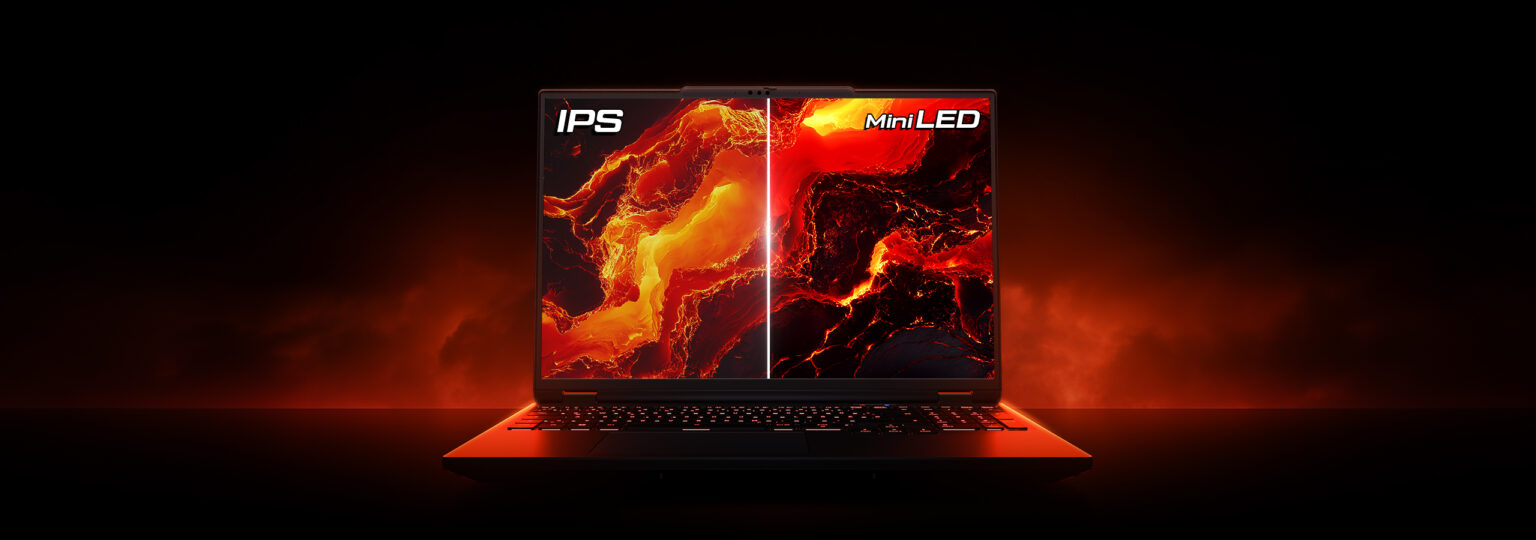
- memory AMD Ryzen 9 9955HX
- developer_board NVIDIA GeForce RTX 5070 Ti Laptop GPU
- layers 64GB DDR5-5600MHz (Dual-Channel)
- track_changes Target GPU: NVIDIA GeForce RTX 5080 or NVIDIA GeForce RTX 4090

- memory Intel Core Ultra 9 285HX
- developer_board NVIDIA GeForce RTX 5080
- layers 64GB DDR5-5600MHz
- track_changes Target GPU: NVIDIA GeForce RTX 5080 or NVIDIA GeForce RTX 4090

- memory Intel Core Ultra 9 285HX
- developer_board NVIDIA GeForce RTX 5090
- layers 64GB DDR5-6400MHz
- track_changes Target GPU: NVIDIA GeForce RTX 5080 or NVIDIA GeForce RTX 4090

- memory Intel Core i9-14900HX
- developer_board NVIDIA GeForce RTX 4080
- layers 64GB DDR5-5600MHz
- track_changes Target GPU: NVIDIA GeForce RTX 5080 or NVIDIA GeForce RTX 4090

- memory AMD Ryzen 9 7845HX
- developer_board NVIDIA GeForce RTX 4080
- layers Up to 64GB DDR5
- track_changes Target GPU: NVIDIA GeForce RTX 5080 or NVIDIA GeForce RTX 4090
For Dead Island 2 Specifically
- memory Intel Core i7-12700H
- developer_board NVIDIA GeForce RTX 3070
- layers 32GB DDR4-3200MHz
- track_changes Target GPU: NVIDIA GeForce GTX 1060 (6GB) or AMD Radeon RX 480 (8GB)
- memory Intel Core i9-13900H
- developer_board NVIDIA GeForce RTX 4060
- layers 16GB DDR5-5200MHz
- track_changes Target GPU: NVIDIA GeForce GTX 1060 (6GB) or AMD Radeon RX 480 (8GB)
- memory Intel Core i9-14900HX
- developer_board NVIDIA GeForce RTX 4060
- layers 32GB DDR5-5600MHz
- track_changes Target GPU: NVIDIA GeForce GTX 1060 (6GB) or AMD Radeon RX 480 (8GB)

- memory Intel Core i9-12900H
- developer_board NVIDIA GeForce RTX 3070 Ti
- layers 16GB DDR5-4800MHz
- track_changes Target GPU: NVIDIA GeForce GTX 1060 (6GB) or AMD Radeon RX 480 (8GB)

- memory Intel Core i5-12450H
- developer_board NVIDIA GeForce RTX 3050
- layers 16GB DDR4-3200MHz
- track_changes Target GPU: NVIDIA GeForce GTX 1060 (6GB) or AMD Radeon RX 480 (8GB)

- memory Intel Core i5-12500H
- developer_board NVIDIA GeForce RTX 3050 Ti
- layers 16GB DDR4-3200MHz
- track_changes Target GPU: NVIDIA GeForce GTX 1060 (6GB) or AMD Radeon RX 480 (8GB)
- memory AMD Ryzen 7 7435HS
- developer_board NVIDIA GeForce RTX 3050
- layers 32GB DDR5-4800MHz
- track_changes Target GPU: NVIDIA GeForce GTX 1060 (6GB) or AMD Radeon RX 480 (8GB)

- memory AMD Ryzen 7 6800H
- developer_board NVIDIA GeForce RTX 3060
- layers 16GB DDR5-4800MHz
- track_changes Target GPU: NVIDIA GeForce GTX 1060 (6GB) or AMD Radeon RX 480 (8GB)

- memory AMD Ryzen 9 5900HS
- developer_board NVIDIA GeForce RTX 3080
- layers 16GB DDR4-3200MHz
- track_changes Target GPU: NVIDIA GeForce GTX 1060 (6GB) or AMD Radeon RX 480 (8GB)

- memory Intel Core i7-13620H
- developer_board NVIDIA GeForce RTX 4070
- layers 16GB DDR5-4800MHz
- track_changes Target GPU: NVIDIA GeForce GTX 1060 (6GB) or AMD Radeon RX 480 (8GB)

- memory Intel Core i7-14700HX
- developer_board NVIDIA GeForce RTX 4070
- layers 16GB DDR5-5600MHz
- track_changes Target GPU: NVIDIA GeForce RTX 2070 Super (8GB) or AMD Radeon RX 6600 XT (8GB)
- memory Intel Core i9-14900HX
- developer_board NVIDIA GeForce RTX 4070
- layers 32GB DDR5-5600MHz
- track_changes Target GPU: NVIDIA GeForce RTX 2070 Super (8GB) or AMD Radeon RX 6600 XT (8GB)
- memory AMD Ryzen 7 7435HS
- developer_board NVIDIA GeForce RTX 3050
- layers 32GB DDR5-4800MHz
- track_changes Target GPU: NVIDIA GeForce RTX 3070 Ti (8GB) / RTX 4070 (12GB) or AMD Radeon RX 6800 (16GB) / RX 7700 XT (12GB)
- memory Intel Core i9-14900HX
- developer_board NVIDIA GeForce RTX 4070
- layers 32GB DDR5-5600MHz
- track_changes Target GPU: NVIDIA GeForce RTX 3070 Ti (8GB) / RTX 4070 (12GB) or AMD Radeon RX 6800 (16GB) / RX 7700 XT (12GB)
- memory Intel Core i9-14900HX
- developer_board NVIDIA GeForce RTX 4070
- layers 16GB DDR5-5600MHz
- track_changes Target GPU: NVIDIA GeForce RTX 3070 Ti (8GB) / RTX 4070 (12GB) or AMD Radeon RX 6800 (16GB) / RX 7700 XT (12GB)

- memory Intel Core Ultra 7 255H
- developer_board NVIDIA GeForce RTX 5060 Laptop GPU
- layers 16GB DDR5-5600MHz (Dual-Channel)
- track_changes Target GPU: NVIDIA GeForce RTX 3070 Ti (8GB) / RTX 4070 (12GB) or AMD Radeon RX 6800 (16GB) / RX 7700 XT (12GB)

- memory AMD Ryzen 9 8940HX Processor
- developer_board NVIDIA GeForce RTX 5060 Laptop GPU
- layers 32GB DDR5-5200MHz
- track_changes Target GPU: NVIDIA GeForce RTX 3070 Ti (8GB) / RTX 4070 (12GB) or AMD Radeon RX 6800 (16GB) / RX 7700 XT (12GB)

- memory Intel Core i9-12950HX
- developer_board NVIDIA GeForce RTX 3080 Ti
- layers 32GB DDR5-4800MHz
- track_changes Target GPU: NVIDIA GeForce RTX 3070 Ti (8GB) / RTX 4070 (12GB) or AMD Radeon RX 6800 (16GB) / RX 7700 XT (12GB)

- memory AMD Ryzen 7 7445HS
- developer_board NVIDIA GeForce RTX 4050
- layers 16GB (2x8GB) DDR5 5600MHz SO-DIMM
- track_changes Target GPU: NVIDIA GeForce RTX 3070 Ti (8GB) / RTX 4070 (12GB) or AMD Radeon RX 6800 (16GB) / RX 7700 XT (12GB)

- memory AMD Ryzen 7 7445HS
- developer_board NVIDIA GeForce RTX 4050
- layers 16GB DDR5 5600MHz SO-DIMM
- track_changes Target GPU: NVIDIA GeForce RTX 3070 Ti (8GB) / RTX 4070 (12GB) or AMD Radeon RX 6800 (16GB) / RX 7700 XT (12GB)

- memory Intel Core i9-14900HX
- developer_board NVIDIA GeForce RTX 4080 Laptop GPU
- layers 64 GB DDR5-5600MHz
- track_changes Target GPU: NVIDIA GeForce RTX 3070 Ti (8GB) / RTX 4070 (12GB) or AMD Radeon RX 6800 (16GB) / RX 7700 XT (12GB)

- memory Intel Core Ultra 9 Processor 275HX (Series 2)
- developer_board NVIDIA GeForce RTX 5070 Laptop GPU
- layers 32GB DDR5-5600MHz
- track_changes Target GPU: NVIDIA GeForce RTX 3070 Ti (8GB) / RTX 4070 (12GB) or AMD Radeon RX 6800 (16GB) / RX 7700 XT (12GB)
- memory Intel Core Ultra 9 285H (Series 2) , 14 cores (6 Performance cores + 8 Efficient cores), 20 threads
- developer_board NVIDIA GeForce RTX 5050 Laptop GPU
- layers 32GB (2x16GB) DDR5 8400MHz SO-DIMM
- track_changes Target GPU: NVIDIA GeForce RTX 3090 (24GB) / RTX 4080 (16GB) or AMD Radeon RX 6950 XT (16GB) / RX 7900 XTX (24GB)
- memory Intel Core Ultra 9 285H
- developer_board NVIDIA GeForce RTX 5070
- layers 32GB (2x16GB) DDR5 4800MHz SO-DIMM
- track_changes Target GPU: NVIDIA GeForce RTX 3090 (24GB) / RTX 4080 (16GB) or AMD Radeon RX 6950 XT (16GB) / RX 7900 XTX (24GB)
- memory Intel Core i9-14900HX Processor
- developer_board NVIDIA GeForce RTX 5070 Ti Laptop GPU
- layers 64GB DDR5-5600MHz (commonly listed as 4800MHz by some retailers, but 5600MHz is common for 14th Gen HX with DDR5)
- track_changes Target GPU: NVIDIA GeForce RTX 3090 (24GB) / RTX 4080 (16GB) or AMD Radeon RX 6950 XT (16GB) / RX 7900 XTX (24GB)
- memory Intel Core Ultra 9 Processor 275HX
- developer_board NVIDIA GeForce RTX 5070 Ti Laptop GPU
- layers 64GB DDR5-6400MHz
- track_changes Target GPU: NVIDIA GeForce RTX 3090 (24GB) / RTX 4080 (16GB) or AMD Radeon RX 6950 XT (16GB) / RX 7900 XTX (24GB)

- memory Intel Core Ultra 9 Processor 275HX (Series 2)
- developer_board NVIDIA GeForce RTX 5070 Ti Laptop GPU
- layers 32GB DDR5-5600MHz
- track_changes Target GPU: NVIDIA GeForce RTX 3090 (24GB) / RTX 4080 (16GB) or AMD Radeon RX 6950 XT (16GB) / RX 7900 XTX (24GB)

- memory Intel Ultra 7 255HX
- developer_board NVIDIA GeForce RTX 5070 Ti
- layers 32GB DDR5 5600MHz
- track_changes Target GPU: NVIDIA GeForce RTX 3090 (24GB) / RTX 4080 (16GB) or AMD Radeon RX 6950 XT (16GB) / RX 7900 XTX (24GB)
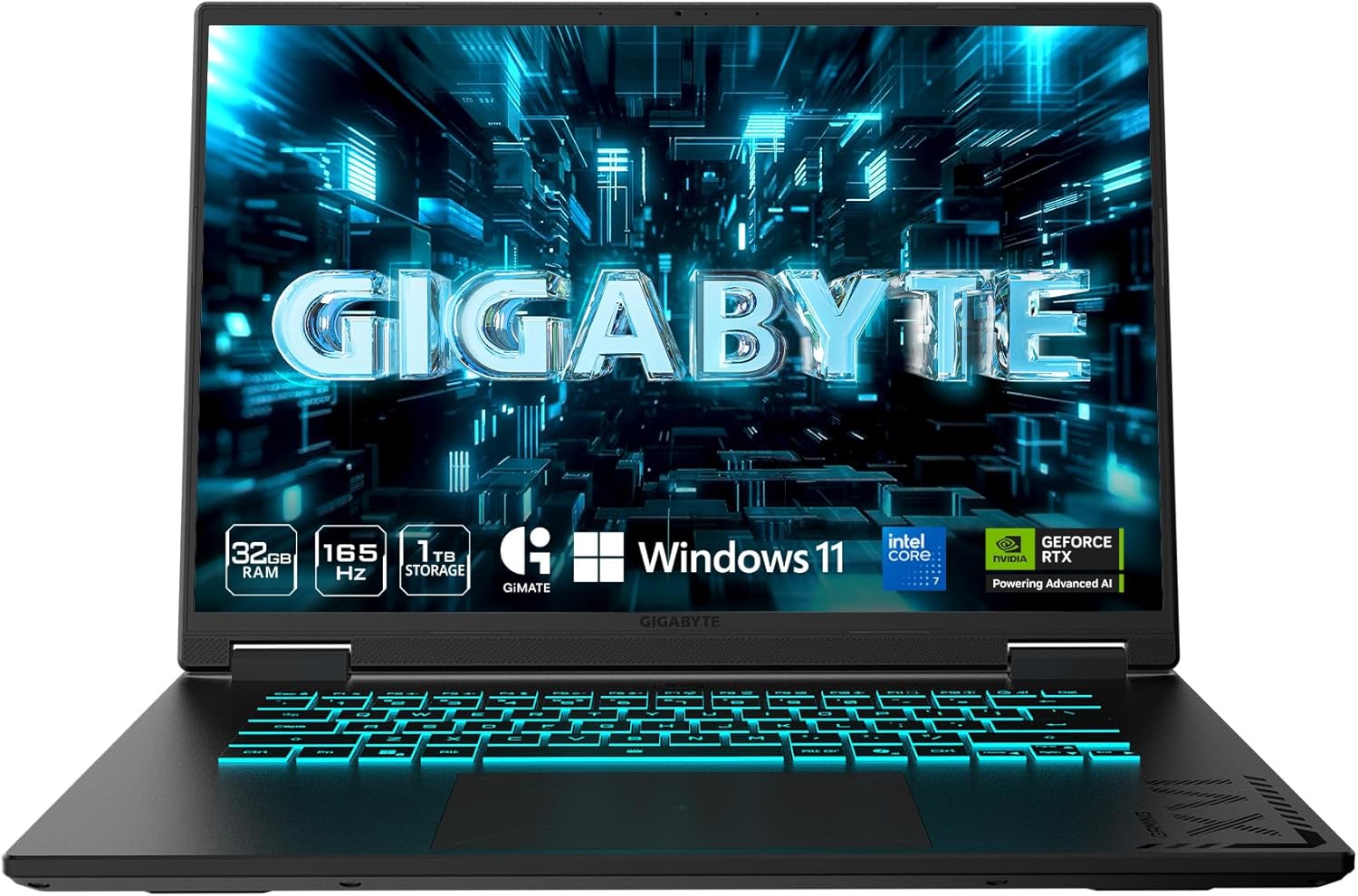
- memory Intel Core Ultra 7 240H
- developer_board NVIDIA GeForce RTX 5070 Ti Laptop GPU
- layers 32GB LPDDR5X 5600MHz
- track_changes Target GPU: NVIDIA GeForce RTX 3090 (24GB) / RTX 4080 (16GB) or AMD Radeon RX 6950 XT (16GB) / RX 7900 XTX (24GB)
- memory Intel Core Ultra 9 275HX
- developer_board GeForce RTX 5070 Laptop Laptop GPU
- layers 64GB DDR5-6400MHz (Single-Channel)
- track_changes Target GPU: NVIDIA GeForce RTX 3090 (24GB) / RTX 4080 (16GB) or AMD Radeon RX 6950 XT (16GB) / RX 7900 XTX (24GB)

- memory Intel Core Ultra 9 275HX
- developer_board NVIDIA GeForce RTX 5070 Ti
- layers 32GB
- track_changes Target GPU: NVIDIA GeForce RTX 3090 (24GB) / RTX 4080 (16GB) or AMD Radeon RX 6950 XT (16GB) / RX 7900 XTX (24GB)

- memory Intel Core Ultra 9 275HX
- developer_board NVIDIA GeForce RTX 5070 Ti Laptop GPU
- layers 32 GB DDR5 6400MHz (2x16GB)
- track_changes Target GPU: NVIDIA GeForce RTX 3090 (24GB) / RTX 4080 (16GB) or AMD Radeon RX 6950 XT (16GB) / RX 7900 XTX (24GB)
info_outline Laptop recommendations are estimates based on available component benchmarks and game requirements. Actual performance may vary depending on settings, drivers, cooling, power limits, etc. Prices and availability subject to change. As an Amazon Associate, we earn from qualifying purchases.