Select Games to Compare
Benchmark your exact mobile GPU wattage (TGP), battery throttling drops, and cooling pad requirements for these games.
Marvel Rivals vs DOOM Eternal
| close | close |
|---|---|
| shopping_cart Where to Buy | |
| info General Information | |
| Release Date | |
| Dec 1, 2024 | Mar 20, 2020 |
| Developer | |
| NetEase Games | id Software |
| Publisher | |
| Marvel Entertainment | Bethesda Softworks |
| Genre(s) | |
| Competitive Live-Service Hero Shooter | First-Person Shooter, Action, Platformer |
| Engine | |
| Unreal Engine 5 | id Tech 7 |
| stars Ratings & Price | |
| Content Rating | |
| T for Teen | Mature 17+ |
| Avg. User Rating | |
| 4.5 / 5.0 | 4.6 / 5.0 |
| Current Price (USD) | |
| Free | $39.99 |
| tune Key Specs | |
| Quick Highlights | |
|
|
| sports_esports Gameplay & Mechanics | |
| Companions/Followers | |
|
|
| Key Collectibles | |
|
|
| Key Themes | |
|
|
| colorize Combat & Gear | |
| Weapons Overview | |
|
|
| Armor / Gear Sets | |
|
|
| Outfits/Customization | |
|
|
| trending_up Progression & Upgrades | |
| Skills & Progression | |
|
Combat in Marvel Rivals is defined by an asymmetrical 6v6 framework built around strict role queues: Vanguards (tanks and space creators), Duelists (damage dealers and assassins), Strategists (healers and utility providers), and a singular Multi-Role operative (Deadpool). Rather than traditional loadouts, players master intricate character-specific kits. The definitive mechanical innovation of the game is the Team-Up Synergy framework. This system actively rewards drafting specific character pairings by granting them profound passive buffs or entirely new active abilities. In this dynamic, an 'Anchor' hero projects a buff to a 'Beneficiary' hero. Examples include Hulk executing the 'Fastball Special' by throwing Wolverine across the map, or Hela instantly reviving fallen Asgardian allies via 'Ragnarok Rebirth.' Because these synergies deactivate instantly if the Anchor is eliminated, it creates a deeply complex layer of secondary target prioritization and macro-strategy in high-tier competitive matches. |
N/A |
| public World & Exploration | |
| World & Level Design | |
|
The game features an impressive rotation of 25 distinct maps, heavily optimized for specific competitive objective types and unique environmental mechanics. Developed using Unreal Engine 5's Chaos physics, the map topologies are fundamentally designed around dynamic, massive-scale destruction, allowing coordinated teams to physically shatter structures, carve out new flanking routes, and permanently alter sightlines over the course of a match. Despite this extreme interactivity, the NetEase design philosophy ensures that essential blockade structures—such as primary load-bearing pillars, specific high-ground sniper roosts, and main objective perimeters—remain entirely indestructible. This guarantees that maps like the multi-tiered ancient Egyptian ruins of Thebes or the vertically complex Spider-Islands retain their core strategic chokepoints and navigational integrity, preventing late-game arenas from devolving into featureless, flattened wastelands while still rewarding environmental creativity. |
N/A |
| Playable Vehicles | |
|
|
| Notable Fauna/Mounts | |
|
N/A |
| book Story & Characters | |
| Main Characters | |
|
|
| Example Missions | |
|
|
| people Multiplayer | |
| Multiplayer Details | |
|
The competitive backbone of Marvel Rivals is split across three primary PvP formats taking place on specifically tailored maps. 'Convergence' is a hybrid format where attackers capture a static zone before escorting a payload to a terminus point. 'Convoy' operates as a pure escort mode, demanding constant proximity to a moving vehicle through destructible, heavily defended chokepoints like those found on the ancient ruins of Thebes. 'Domination' is a symmetrical King of the Hill brawl forcing both teams to clash over a single central objective, highly favoring area-denial characters. Beyond the standard ladder, players can engage in Arcade formats such as the frantic 'Doom Match' deathmatch, or massive 18v18 'Annihilation' skirmishes. Additionally, NetEase periodically introduces cooperative PvE modes, like the Blood Hunt event, tasking teams with surviving AI boss fights against formidable adversaries like Dracula and Kingpin. |
1. BATTLEMODE (2v1 PvP): An asymmetrical mode where two player-controlled demons team up against one fully-loaded Doom Slayer. Each demon has unique abilities and summons. 2. Invasion Mode (Canceled): A planned mode where players could invade another's campaign as a demon, which was ultimately canceled. Horde Mode was added as a single-player wave-based survival mode. |
| extension Editions & DLC | |
| Available Editions | |
|
Marvel Rivals completely eschews a premium retail price tag in favor of a robust, highly accessible free-to-play model supplemented by a deep, tiered microtransaction economy. Players interface with two primary digital currencies: 'Lattice,' a foundational premium currency acquired strictly through fiat money transactions (averaging about $0.99 for 100 Lattice), and 'Units,' which are utilized to directly acquire cosmetic items. The premier offering is the Luxury Battle Pass, priced at 990 Lattice, which provides sequential cosmetic unlocks fueled by gameplay-earned Chrono Tokens. Crucially, NetEase employs an incredibly consumer-friendly approach to the battle pass ecosystem by removing expiration dates. Players can purchase legacy passes from prior seasons at a slight markup (1,190 Lattice), completely eradicating traditional Fear of Missing Out (FOMO) mechanics and allowing late adopters to funnel their current-season progression into past cosmetic pools seamlessly. |
Available in Standard Edition and Deluxe Edition. Deluxe Edition included the Year One Pass (The Ancient Gods - Part One & Part Two DLCs), Demonic Slayer Skin, and Classic Weapon Sound Pack. A Collector's Edition included a wearable Doom Slayer Helmet replica, SteelBook, lore book, lithograph, and all Deluxe Edition digital content. |
| Post-Launch Content / DLC | |
|
NetEase drives player retention through an incredibly aggressive and consistent 'hero-per-month' content pipeline, injecting substantial DLC into the ecosystem at an unprecedented rate. Dataminers analyzing Unreal Engine GBuffer logs have unearthed extensive details regarding the impending Season 10 launch slated for September 11, 2026. This monumental update will introduce Gorr the God Butcher as an aggressive, frontline Duelist designed to counter stationary Vanguards, alongside Nightcrawler, who surprisingly debuts as a highly mobile Strategist capable of teleporting vulnerable allies. The extended roadmap indicates sweeping internal development shifts, prioritizing high-profile cinematic characters over obscure roster additions. Upcoming expansions will feature heavy hitters like Doctor Doom in Season 11, alongside confirmed models for Captain Marvel, Elsa Bloodstone, Black Cat, and Gambit, ensuring the meta undergoes continuous, radical transformations well into the late 2026 calendar. |
The main post-launch content was the two-part story expansion 'The Ancient Gods - Part One' and 'The Ancient Gods - Part Two,' which continue the Doom Slayer's story after the main campaign. Numerous free updates added Master Levels (remixed, harder campaign levels), new BATTLEMODE arenas and demons, cosmetic skins, and quality-of-life improvements like Horde Mode. |
| help_outline FAQ | |
| Frequently Asked Questions | |
|
|
| build Technical Details | |
| Graphics & Visual Fidelity | |
|
Transitioning from Unreal Engine 4 to Unreal Engine 5 was a necessary evolution for Marvel Rivals, allowing the integration of Lumen dynamic global illumination alongside massive Chaos physics interactions to realize the game's vibrant, dynamic comic-book aesthetic. NetEase engineers executed profound rendering optimizations to maintain stable multiplayer frame rates. The environmental destruction utilizes a highly advanced dual-layer fragmentation mechanism; core structural impacts are calculated on the CPU, while thousands of secondary, shattered geometric fragments are offloaded directly to the GPU via the Niagara visual effects system, dropping CPU rendering peaks from 10.4 milliseconds to a mere 0.2 milliseconds. Additionally, bespoke rendering pipelines were constructed for Doctor Strange's bi-directional spatial portals, employing a modified ViewPort split-screen protocol that seamlessly merges the GBuffer prior to post-processing, eliminating the massive GPU overhead traditionally associated with rendering overlapping dimensional spaces. |
Powered by id Tech 7, DOOM Eternal boasts incredible visual fidelity and performance. It features highly detailed environments, gruesome demon designs, spectacular particle effects, and smooth, fast-paced animations. The engine is known for its ability to handle intense action at high framerates. Ray-traced reflections were added post-launch, enhancing visual quality on supported hardware. |
| Audio & Soundtrack | |
|
Audio design in Marvel Rivals is an absolutely critical vector for competitive situational awareness, heavily prioritizing spatial 3D audio cues to navigate the chaos of 12-player engagements. Because the game emphasizes extreme verticality with characters like Iron Man, Storm, and Spider-Man, the sound engine meticulously maps vertical footstep signatures and flight thruster acoustics, allowing grounded players to track aerial flanking maneuvers without relying solely on visual confirmation. Distinct, high-decibel audio stingers and voice lines are intrinsically tied to ultimate abilities and the activation of Team-Up synergies, guaranteeing players can audibly parse critical threats amidst the cacophony of shattering environmental physics and overlapping explosions. Furthermore, dynamic musical suites dynamically escalate in tempo and intensity during crucial match phases, such as the final meters of a Convoy push or the overtime brawl on a Domination point, heightening competitive tension. |
Iconic heavy metal soundtrack composed by Mick Gordon (main game) and Andrew Hulshult & David Levy (DLCs). The music is dynamic, intensifying with combat and perfectly complementing the aggressive gameplay. Sound design is visceral, with powerful weapon effects, distinct demonic roars, and satisfying feedback for Glory Kills and resource pickups. |
| User Interface (UI/UX) | |
|
The competitive matchmaking user interface in Marvel Rivals is highly detailed, mapping player progression across an extensive 23-division ladder that scales through nine primary ranks, culminating in the hyper-elite Celestial, Eternity, and One Above All brackets. The UI transparently communicates critical progression metrics, including the underlying Matchmaking Rating (MMR) that influences point gains and the protective 'Chrono Shield' anti-demotion buffer. A defining feature of the high-level interface is the Hero Ban phase, unlocking exclusively for Gold III lobbies and above. This intricate voting screen utilizes a probabilistic algorithm, allowing teams to nominate bans to execute meta eradication or dismantle highly coordinated enemy synergies. The asymmetrical nature of this ban interface explicitly punishes one-trick players, demanding that users interface with multiple character loadouts and role proficiencies to successfully ascend the competitive ladder. |
Fast-paced and clear HUD displaying health, armor, ammo, Rad Suit/Oxygen levels, Equipment Launcher charges, Blood Punch/Flame Belch cooldowns, and available Chainsaw pips. Weapon wheel for selection. Codex entries provide extensive lore. Brightly colored pickups (health, ammo, armor) are easily identifiable in combat. |
| Accessibility Options | |
|
To ensure maximum competitive viability across a diverse global player base, Marvel Rivals implements a robust suite of accessibility options deeply integrated into the client settings. Recognizing the visual chaos generated by multiple overlapping superpowers and explosive environmental destruction, the game offers comprehensive colorblind filters tailored for Protanopia, Deuteranopia, and Tritanopia. These filters dynamically adjust the intense color palettes of enemy outlines, ability telegraphs, and user interface elements to ensure critical combat information remains parsable. Players have access to highly granular control mapping, including toggle-to-hold options for sustained abilities like Magneto's defensive shields, reducing mechanical strain. Furthermore, the inherent third-person perspective inherently expands the player's field of view compared to traditional first-person shooters, significantly mitigating motion sickness, while dedicated visual indicators clearly map the directionality of incoming damage and critical sound cues. |
Includes a range of accessibility options: customizable controls (full remapping on PC), subtitle customization (size, background, speaker names), colorblind modes (Protanopia, Deuteranopia, Tritanopia), options to reduce camera shake and motion blur, adjustable UI opacity, and options for hit marker visuals and sound cues. |
| video_library Media Links | |
| Gameplay Video | |
| launchWatch | launchWatch |
| Walkthrough/Guide | |
| launchView | launchView |
| settings_applications System Requirements | |
| 1080p (Full HD) - Recommended (High Preset, 60+ FPS target) CPU: Modern mid-range CPUs efficiently manage the 10.4ms CPU peak processing overhead before Niagara GPU handoffs. CPU (Laptop): Ensures stable physics generation during massive map destruction events like Yggdrasill reconstructions. GPU: Allows for the baseline activation of Lumen global illumination and stable 60Hz local rendering. GPU (Laptop): High TGP required to ensure the ViewPort split-screen rendering for Doctor Strange portals does not drop frames. RAM: Allows for seamless caching of complex character models and ability textures. Storage: Ensures instantaneous asset loading for mid-match character swaps. | |
memoryCPU: Intel Core i5-10400 / AMD Ryzen 5 5600X developer_boardGPU: NVIDIA RTX 2060 Super / AMD RX 5700 XT / Arc A750 laptop_macCPU (L): Intel Core i7-11800H / AMD Ryzen 7 5800H laptop_windowsGPU (L): NVIDIA RTX 3060 Mobile (115W) / RTX 4050 Mobile layersRAM: 16 GB saveStorage (Tier): 70 GB SSD | — |
| 1080p (Full HD) - Minimum (1080p ~60 FPS, Low Video Settings, Ray Tracing ON) (Low Preset, Ray Tracing ON (Hardware RT support mandatory), Target 1080p @ 60 FPS) CPU: A modern 8-core/16-thread CPU from the specified generations or newer is the baseline. Game performance can be CPU-bound in certain situations. CPU (Laptop): Estimated laptop CPU class. Performance will vary based on specific SKU, power limits, and cooling. Ensure it meets the 8-core/16-thread guidance. GPU: Minimum desktop GPU requires hardware ray tracing support and 8GB of VRAM. These GPUs represent the entry point for 1080p/60FPS at low settings. GPU (Laptop): Estimated laptop GPUs. Hardware ray tracing capability and at least 8GB VRAM are essential. Performance heavily depends on TGP and cooling. RAM: 16GB of system RAM is the minimum requirement, dual-channel configuration is strongly recommended for optimal performance. Storage: NVMe SSD is mandatory for installation and gameplay. | |
| — | memoryCPU: AMD Ryzen 7 3700X (Zen 2, 8 cores/16 threads @3.2GHz or better) or Intel Core i7-10700K (10th Gen, 8 cores/16 threads @3.2GHz or better) developer_boardGPU: NVIDIA GeForce RTX 2060 Super (8GB VRAM) or AMD Radeon RX 6600 (8GB VRAM) laptop_macCPU (L): AMD Ryzen 7 4800H/HS series or Intel Core i7-10870H/10875H series equivalent or better (8-core/16-thread mobile CPUs). laptop_windowsGPU (L): NVIDIA GeForce RTX 2060 Super Mobile (Full TGP), RTX 3050 Ti Mobile (8GB VRAM if available, may struggle) / RTX 4050 Mobile (6GB, may be borderline, 8GB variant preferred) or AMD Radeon RX 6600M (8GB). layersRAM: 16 GB saveStorage (Tier): 100 GB NVMe SSD |
| 1080p (Full HD) - Minimum (Low Preset, 60 FPS target) CPU: Baseline 4-core/6-core processors required to handle core server synchronization and basic client-side physics interpolation. CPU (Laptop): Mobile variants with comparable single-core boost clocks to handle the 60Hz server tick rate. GPU: Entry-level hardware capable of rendering the dynamic comic style without Lumen features enabled. GPU (Laptop): Sufficient for 60 frames per second on low settings, though heavy destruction may cause 1% lows to dip. RAM: Strictly required; 8GB configurations will crash during GBuffer merging of multi-layered effects. Storage: SSD required to prevent micro-stutters during level streaming. | |
memoryCPU: Intel Core i5-6600K / AMD Ryzen 5 1600X developer_boardGPU: NVIDIA GTX 1060 / AMD RX 580 / Intel Arc A380 laptop_macCPU (L): Intel Core i5-9300H / AMD Ryzen 5 3550H laptop_windowsGPU (L): NVIDIA GTX 1650 Mobile / RTX 3050 (40W) layersRAM: 16 GB saveStorage (Tier): 70 GB SSD | — |
| 1440p (QHD/2K) - Enthusiast (Epic Preset, 120 FPS target) CPU: High single-core performance essential for pushing high refresh rates in a heavily CPU-bound multiplayer title. CPU (Laptop): Top-tier mobile CPUs required to prevent severe bottlenecking when aiming for 120+ FPS. GPU: Provides the raw rasterization and VRAM required for high-resolution Lumen tracking. GPU (Laptop): High TGP flagship laptop cards are mandatory for stable 1440p at competitive frame rates. RAM: Highly recommended for maintaining system stability while multitasking or streaming gameplay. Storage: Maximizes Unreal Engine 5's asset streaming efficiency. | |
memoryCPU: Intel Core i5-13600K / AMD Ryzen 7 7800X3D developer_boardGPU: NVIDIA RTX 4070 / AMD RX 7800 XT laptop_macCPU (L): Intel Core i9-13900HX / AMD Ryzen 9 7945HX laptop_windowsGPU (L): NVIDIA RTX 4080 Mobile (150W) layersRAM: 32 GB saveStorage (Tier): 70 GB Gen4 NVMe SSD | — |
| 1440p (QHD/2K) - Recommended (1440p ~60 FPS, High Video Settings, Ray Tracing ON) (High Preset, Ray Tracing ON, Target 1440p @ 60 FPS) CPU: Recommended desktop CPU for a solid 1440p/60FPS experience with high settings. Strong multi-core performance needed. CPU (Laptop): High-performance laptop CPUs. Ensure good cooling and power delivery to maintain boost clocks for these demanding processors. GPU: Recommended desktop GPU for 1440p/60FPS at high settings. 10GB+ VRAM is specified as ideal for this target. GPU (Laptop): High-end laptop GPUs with substantial VRAM (10GB+ ideally) and high TGP are needed for 1440p high settings. Upscaling will be beneficial. RAM: 32GB of system RAM is recommended for a smoother experience at higher settings and resolutions, especially with background applications. Storage: NVMe SSD is mandatory. More available space on a larger capacity drive (e.g., 512GB+) might offer more consistent performance as drives fill up. | |
| — | memoryCPU: AMD Ryzen 7 5700X (Zen 3, 8 cores/16 threads @3.2GHz or better) or Intel Core i7-12700K (12th Gen, 8 P-cores + 4 E-cores / 20 threads @3.2GHz relevant core speed or better) developer_boardGPU: NVIDIA GeForce RTX 3080 (10GB VRAM) or AMD Radeon RX 6800 (16GB VRAM, though 10GB+ target from Bethesda) laptop_macCPU (L): AMD Ryzen 7 5800H/HS series or Intel Core i7-12700H series equivalent or better. laptop_windowsGPU (L): NVIDIA GeForce RTX 3080 Mobile (High TGP, 8GB/10GB/16GB variants) / RTX 4070 Mobile (8GB, High TGP) or AMD Radeon RX 6800M (12GB) / RX 6850M XT (12GB). layersRAM: 32 GB saveStorage (Tier): 100 GB NVMe SSD |
| 2160p (UHD/4K) - Ultra Competitive (Epic Preset, 144+ FPS target) CPU: The absolute pinnacle of consumer CPUs to guarantee 1% lows never drop below competitive thresholds. CPU (Laptop): Mobile equivalent, though thermal throttling must be aggressively managed. GPU: Necessary for uncompromised 4K visual fidelity alongside 240Hz monitor saturation. GPU (Laptop): The only mobile GPU capable of sustaining native 4K output without aggressive upscaling compromises. RAM: High bandwidth memory minimizes frame time variance. Storage: Required for instantaneous pipeline execution. | |
memoryCPU: Intel Core i9-14900K / AMD Ryzen 9 7950X3D developer_boardGPU: NVIDIA RTX 4090 / AMD RX 7900 XTX laptop_macCPU (L): Intel Core i9-14900HX laptop_windowsGPU (L): NVIDIA RTX 4090 Mobile (175W) layersRAM: 32 GB saveStorage (Tier): 70 GB Gen4 NVMe SSD | — |
| 2160p (UHD/4K) - Ultra 4K (2160p/4K ~60 FPS, Ultra Video Settings, Ray Tracing ON) (Ultra Preset, Ray Tracing ON, Target 2160p @ 60 FPS (Upscaling likely essential)) CPU: While the official CPU spec is the same as 'Recommended', for a consistent 4K/60FPS Ultra experience, a high-end modern CPU (e.g., Ryzen 7 5800X3D/7800X3D, Intel Core i7-13700K/i9-12900K or newer) is advisable. CPU (Laptop): Flagship tier laptop CPUs are necessary to avoid bottlenecks for 4K gaming, paired with top-tier mobile GPUs. GPU: Top-tier desktop GPUs with 16GB+ VRAM are required for attempting 4K/60FPS on Ultra settings. Heavy reliance on DLSS/FSR Performance/Ultra Performance modes is expected. GPU (Laptop): The absolute best laptop GPUs available. Will heavily rely on aggressive DLSS/FSR (Performance/Ultra Performance modes) and potentially some settings compromises for a stable 4K/60FPS experience. Max TGP and excellent cooling are critical. RAM: 32GB RAM is essential for 4K gaming with Ultra settings to handle large textures and assets smoothly. Storage: NVMe SSD is mandatory. A high-speed Gen4 or Gen5 NVMe SSD could offer marginal benefits at this tier for loading and texture streaming. | |
| — | memoryCPU: AMD Ryzen 7 5700X (Zen 3) or Intel Core i7-12700K (12th Gen) or better (Same as Recommended CPU, but higher frequency variants or newer generations like Ryzen 7000/Intel 13th/14th Gen would be beneficial) developer_boardGPU: NVIDIA GeForce RTX 4080 (16GB VRAM) or AMD Radeon RX 7900 XT (20GB VRAM) / RX 7900 XTX (24GB VRAM) laptop_macCPU (L): AMD Ryzen 9 5900HX/HS series / Ryzen 7 6800H series or Intel Core i9-12900H/HK series / Core i7-13700H series equivalent or better. laptop_windowsGPU (L): NVIDIA GeForce RTX 4080 Mobile (12GB, Max TGP) / RTX 4090 Mobile (16GB, Max TGP). layersRAM: 32 GB saveStorage (Tier): 100 GB NVMe SSD |
| save Overall Storage | |
Spec: 70 GB (48.4 GB compressed download) Note: An NVMe SSD is strongly recommended to maintain texture streaming speeds and handle high-speed spatial transitions like Doctor Strange's portals. Type: Unknown | Spec: 100 GB available space (NVMe SSD Mandatory). Some official sources specify a 512GB or higher capacity NVMe SSD, with 100GB free. Note: An NVMe SSD is required for all settings tiers. This is likely due to the fast asset streaming demands of the idTech 8 engine, large game environments, and to minimize loading times. Ensure at least 100GB of free space on an NVMe drive. Type: NVMe |
| desktop_windows Operating System | |
Spec: Windows 10 64-bit (1909 or newer) Explanation: Required for DirectX 12 integration and compatibility with NetEase's proprietary ACE Anti-Cheat, which currently experiences severe friction with Linux/Proton layers. | Spec: Windows 10 (64-bit versions only, latest update recommended) or Windows 11 (64-bit) Explanation: A 64-bit version of Windows 10 (latest update) or Windows 11 is required. Keeping the OS updated is recommended for best performance and compatibility. |
| gamepad DirectX Version | |
| Spec: Version 12 Explanation: Mandatory for Unreal Engine 5's Lumen dynamic global illumination and Chaos Physics Geometry Collections. | Spec: DirectX 12 Ultimate or Vulkan (with hardware ray tracing support) Explanation: Hardware-accelerated ray tracing is a minimum requirement for DOOM: The Dark Ages, necessitating a modern graphics API like DirectX 12 Ultimate or Vulkan with the appropriate ray tracing extensions. Ensure drivers are up to date. |
| info_outline Other Game Notes | |
|
|
| build Optimization Details | |
|
|
| laptop Laptop Considerations | |
|
|


info_outline Feature details based on available data. System requirements and performance estimates may vary.
laptop_chromebook Laptop Recommendations
Common Recommendations (Handles All Compared Games)

- memory Intel Core i7-12700H
- developer_board NVIDIA GeForce RTX 3070
- layers 32GB DDR4-3200MHz
- track_changes Target GPU: NVIDIA GTX 1650 Mobile / RTX 3050 (40W)

- memory Intel Core i9-13900H
- developer_board NVIDIA GeForce RTX 4060
- layers 16GB DDR5-5200MHz
- track_changes Target GPU: NVIDIA GTX 1650 Mobile / RTX 3050 (40W)

- memory Intel Core i9-14900HX
- developer_board NVIDIA GeForce RTX 4060
- layers 32GB DDR5-5600MHz
- track_changes Target GPU: NVIDIA GTX 1650 Mobile / RTX 3050 (40W)

- memory Intel Core i9-14900HX
- developer_board NVIDIA GeForce RTX 4080 Laptop GPU
- layers 64 GB DDR5-5600MHz
- track_changes Target GPU: NVIDIA RTX 4080 Mobile (150W)

- memory Intel Core Ultra 9 Processor 275HX (Series 2)
- developer_board NVIDIA GeForce RTX 5070 Laptop GPU
- layers 32GB DDR5-5600MHz
- track_changes Target GPU: NVIDIA RTX 4080 Mobile (150W)

- memory Intel Core i9-14900HX Processor
- developer_board NVIDIA GeForce RTX 5070 Laptop GPU
- layers 32GB DDR5-5600MHz
- track_changes Target GPU: NVIDIA RTX 4080 Mobile (150W)

- memory Intel Core i9-14900HX
- developer_board NVIDIA GeForce RTX 4090
- layers 32GB DDR5-5600MHz
- track_changes Target GPU: NVIDIA RTX 4090 Mobile (175W)

- memory Intel Core Ultra 9 285H (Series 2) , 14 cores (6 Performance cores + 8 Efficient cores), 20 threads
- developer_board NVIDIA GeForce RTX 5050 Laptop GPU
- layers 32GB (2x16GB) DDR5 8400MHz SO-DIMM
- track_changes Target GPU: NVIDIA RTX 4090 Mobile (175W)

- memory Intel Core Ultra 9 285H
- developer_board NVIDIA GeForce RTX 5070
- layers 32GB (2x16GB) DDR5 4800MHz SO-DIMM
- track_changes Target GPU: NVIDIA RTX 4090 Mobile (175W)
For Marvel Rivals Specifically
- memory Intel Core i7-12700H
- developer_board NVIDIA GeForce RTX 3070
- layers 32GB DDR4-3200MHz
- track_changes Target GPU: NVIDIA GTX 1060 / AMD RX 580 / Intel Arc A380
- memory Intel Core i9-13900H
- developer_board NVIDIA GeForce RTX 4060
- layers 16GB DDR5-5200MHz
- track_changes Target GPU: NVIDIA GTX 1060 / AMD RX 580 / Intel Arc A380
- memory Intel Core i9-14900HX
- developer_board NVIDIA GeForce RTX 4060
- layers 32GB DDR5-5600MHz
- track_changes Target GPU: NVIDIA GTX 1060 / AMD RX 580 / Intel Arc A380

- memory Intel Core i9-12900H
- developer_board NVIDIA GeForce RTX 3070 Ti
- layers 16GB DDR5-4800MHz
- track_changes Target GPU: NVIDIA GTX 1060 / AMD RX 580 / Intel Arc A380

- memory Intel Core i5-12450H
- developer_board NVIDIA GeForce RTX 3050
- layers 16GB DDR4-3200MHz
- track_changes Target GPU: NVIDIA GTX 1060 / AMD RX 580 / Intel Arc A380

- memory Intel Core i5-12500H
- developer_board NVIDIA GeForce RTX 3050 Ti
- layers 16GB DDR4-3200MHz
- track_changes Target GPU: NVIDIA GTX 1060 / AMD RX 580 / Intel Arc A380

- memory AMD Ryzen 7 7435HS
- developer_board NVIDIA GeForce RTX 3050
- layers 32GB DDR5-4800MHz
- track_changes Target GPU: NVIDIA GTX 1060 / AMD RX 580 / Intel Arc A380

- memory AMD Ryzen 7 6800H
- developer_board NVIDIA GeForce RTX 3060
- layers 16GB DDR5-4800MHz
- track_changes Target GPU: NVIDIA GTX 1060 / AMD RX 580 / Intel Arc A380

- memory AMD Ryzen 9 5900HS
- developer_board NVIDIA GeForce RTX 3080
- layers 16GB DDR4-3200MHz
- track_changes Target GPU: NVIDIA GTX 1060 / AMD RX 580 / Intel Arc A380

- memory Intel Core i7-13620H
- developer_board NVIDIA GeForce RTX 4070
- layers 16GB DDR5-4800MHz
- track_changes Target GPU: NVIDIA GTX 1060 / AMD RX 580 / Intel Arc A380

- memory Intel Core i7-14700HX
- developer_board NVIDIA GeForce RTX 4070
- layers 16GB DDR5-5600MHz
- track_changes Target GPU: NVIDIA RTX 2060 Super / AMD RX 5700 XT / Arc A750

- memory Intel Core i9-14900HX
- developer_board NVIDIA GeForce RTX 4070
- layers 32GB DDR5-5600MHz
- track_changes Target GPU: NVIDIA RTX 2060 Super / AMD RX 5700 XT / Arc A750
- memory Intel Core i9-14900HX
- developer_board NVIDIA GeForce RTX 4080 Laptop GPU
- layers 64 GB DDR5-5600MHz
- track_changes Target GPU: NVIDIA RTX 4070 / AMD RX 7800 XT
- memory Intel Core Ultra 9 Processor 275HX (Series 2)
- developer_board NVIDIA GeForce RTX 5070 Laptop GPU
- layers 32GB DDR5-5600MHz
- track_changes Target GPU: NVIDIA RTX 4070 / AMD RX 7800 XT
- memory Intel Core i9-14900HX Processor
- developer_board NVIDIA GeForce RTX 5070 Laptop GPU
- layers 32GB DDR5-5600MHz
- track_changes Target GPU: NVIDIA RTX 4070 / AMD RX 7800 XT

- memory Intel Core i9-14900HX Processor
- developer_board NVIDIA GeForce RTX 5070 Laptop GPU
- layers 32GB DDR5-5600MHz
- track_changes Target GPU: NVIDIA RTX 4070 / AMD RX 7800 XT

- memory Intel Core Ultra 9 285H (Arrow Lake-H)
- developer_board NVIDIA GeForce RTX 5070 Laptop GPU
- layers 64GB LPDDR5x-8533MT/s (LPCAMM2)
- track_changes Target GPU: NVIDIA RTX 4070 / AMD RX 7800 XT

- memory Intel Core i9-14900HX
- developer_board NVIDIA GeForce RTX 4080
- layers 64GB DDR5-5600MHz
- track_changes Target GPU: NVIDIA RTX 4070 / AMD RX 7800 XT

- memory Intel Core i9-14900HX
- developer_board NVIDIA GeForce RTX 4080
- layers 32GB DDR5-5600MHz
- track_changes Target GPU: NVIDIA RTX 4070 / AMD RX 7800 XT

- memory Intel Core i9-14900HX
- developer_board NVIDIA GeForce RTX 4080
- layers 32GB DDR5-5600MHz
- track_changes Target GPU: NVIDIA RTX 4070 / AMD RX 7800 XT

- memory Intel Core i9-14900HX
- developer_board NVIDIA GeForce RTX 4080
- layers 32GB DDR5-5600MHz
- track_changes Target GPU: NVIDIA RTX 4070 / AMD RX 7800 XT

- memory AMD Ryzen 9 7845HX
- developer_board NVIDIA GeForce RTX 4080
- layers Up to 64GB DDR5
- track_changes Target GPU: NVIDIA RTX 4070 / AMD RX 7800 XT
- memory Intel Core Ultra 9 285H (Series 2) , 14 cores (6 Performance cores + 8 Efficient cores), 20 threads
- developer_board NVIDIA GeForce RTX 5050 Laptop GPU
- layers 32GB (2x16GB) DDR5 8400MHz SO-DIMM
- track_changes Target GPU: NVIDIA RTX 4090 / AMD RX 7900 XTX
- memory Intel Core Ultra 9 285H
- developer_board NVIDIA GeForce RTX 5070
- layers 32GB (2x16GB) DDR5 4800MHz SO-DIMM
- track_changes Target GPU: NVIDIA RTX 4090 / AMD RX 7900 XTX

- memory Intel Core i9-14900HX Processor
- developer_board NVIDIA GeForce RTX 5070 Ti Laptop GPU
- layers 64GB DDR5-5600MHz (commonly listed as 4800MHz by some retailers, but 5600MHz is common for 14th Gen HX with DDR5)
- track_changes Target GPU: NVIDIA RTX 4090 / AMD RX 7900 XTX

- memory Intel Core Ultra 9 Processor 275HX
- developer_board NVIDIA GeForce RTX 5070 Ti Laptop GPU
- layers 64GB DDR5-6400MHz
- track_changes Target GPU: NVIDIA RTX 4090 / AMD RX 7900 XTX

- memory Intel Core Ultra 9 Processor 275HX (Series 2)
- developer_board NVIDIA GeForce RTX 5070 Ti Laptop GPU
- layers 32GB DDR5-5600MHz
- track_changes Target GPU: NVIDIA RTX 4090 / AMD RX 7900 XTX

- memory Intel Ultra 7 255HX
- developer_board NVIDIA GeForce RTX 5070 Ti
- layers 32GB DDR5 5600MHz
- track_changes Target GPU: NVIDIA RTX 4090 / AMD RX 7900 XTX
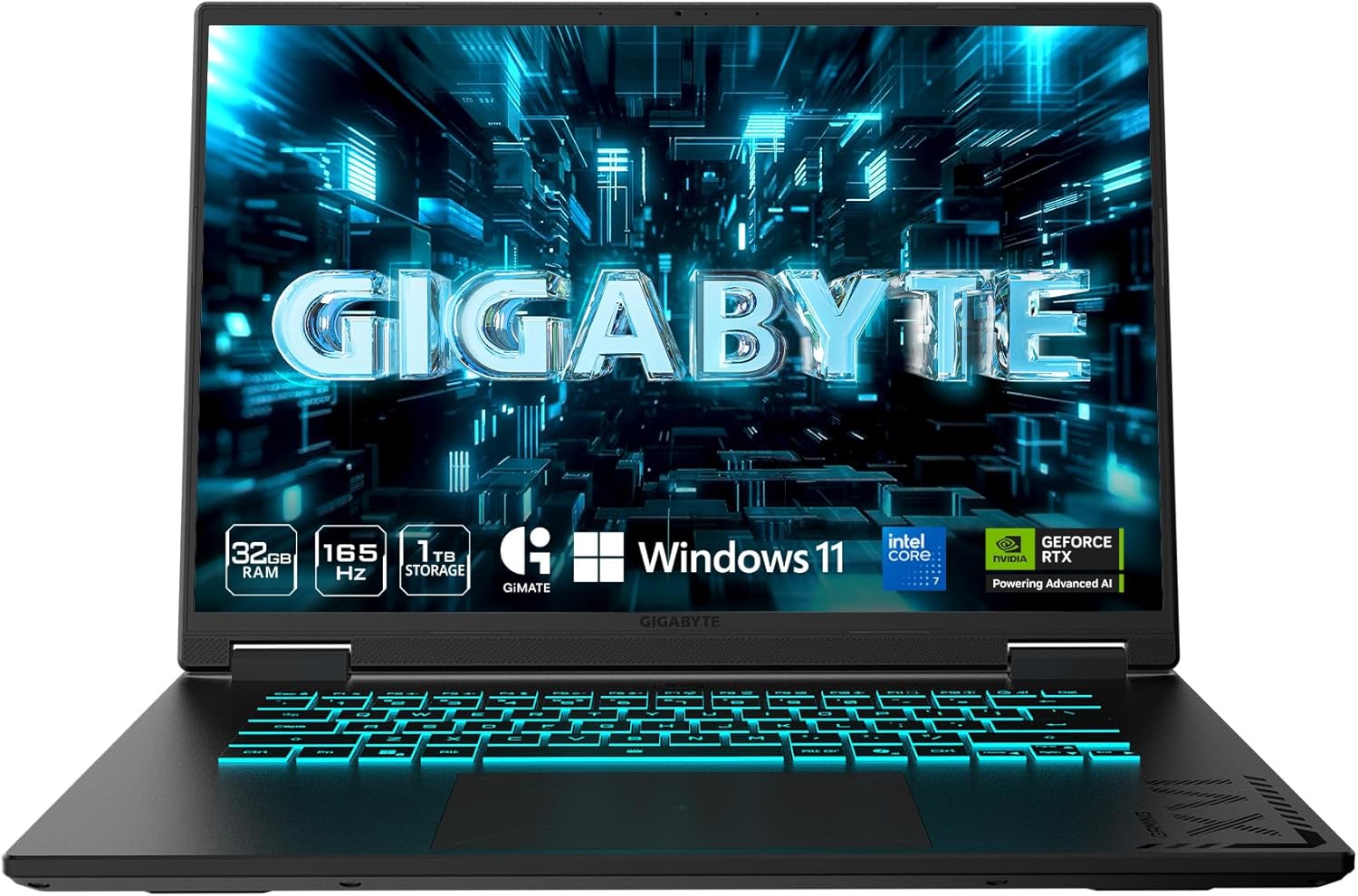
- memory Intel Core Ultra 7 240H
- developer_board NVIDIA GeForce RTX 5070 Ti Laptop GPU
- layers 32GB LPDDR5X 5600MHz
- track_changes Target GPU: NVIDIA RTX 4090 / AMD RX 7900 XTX

- memory Intel Core Ultra 9 275HX
- developer_board GeForce RTX 5070 Laptop Laptop GPU
- layers 64GB DDR5-6400MHz (Single-Channel)
- track_changes Target GPU: NVIDIA RTX 4090 / AMD RX 7900 XTX

- memory Intel Core Ultra 9 275HX
- developer_board NVIDIA GeForce RTX 5070 Ti
- layers 32GB
- track_changes Target GPU: NVIDIA RTX 4090 / AMD RX 7900 XTX

- memory Intel Core Ultra 9 275HX
- developer_board NVIDIA GeForce RTX 5070 Ti Laptop GPU
- layers 32 GB DDR5 6400MHz (2x16GB)
- track_changes Target GPU: NVIDIA RTX 4090 / AMD RX 7900 XTX
info_outline Laptop recommendations are estimates based on available component benchmarks and game requirements. Actual performance may vary depending on settings, drivers, cooling, power limits, etc. Prices and availability subject to change. As an Amazon Associate, we earn from qualifying purchases.