Select Games to Compare

search close
search close

Select up to 2 games to compare side-by-side.

💻
Mobile Hardware & Thermal Intelligence (2026)
Gaming on a Laptop? Check Real-World Compatibility

Benchmark your exact mobile GPU wattage (TGP), battery throttling drops, and cooling pad requirements for these games.

Test Laptop Specs → ⚖️ Compare Laptops

Guns of Eschaton vs Halo Infinite

close close
info General Information
Release Date
Oct 27, 2026 Dec 8, 2021
Developer
Eschatology Entertainment 343 Industries, SkyBox Labs (Multiplayer), Sperasoft (Campaign Co-op/Forge - assistance), Certain Affinity (Multiplayer/Forge - assistance)
Publisher
4Divinity Xbox Game Studios
Genre(s)
First-Person Shooter / Soulslike First-Person Shooter, Open World (elements), Sci-Fi
Engine
Unreal Engine 5 Slipspace Engine
stars Ratings & Price
Content Rating
Mature 17+ Teen
Avg. User Rating
4.5 / 5.0 4.2 / 5.0
Current Price (USD)
$59.99 $59.99
tune Key Specs
Quick Highlights
  • Art Direction: Brutalist 19th-Century Americana / Occult Horror (Viktor Antonov)
  • Combat Pacing: Manual Weapon Actions, Cylinder Timeline Ammunition Management
  • Core Gameplay Loop: Reactive FPS Combat, Sequence Shooting, Spectral Parrying
  • Engine Technology: Unreal Engine 5 (Nanite, Lumen)
  • Multiplayer Support: 2-3 Player Co-op (Shared Progression), PvP Invasions
  • Perspective: First-Person
  • Multiplayer: Free-to-Play (Arena 4v4, Big Team Battle 12v12, Ranked, Custom Games, Forge)
  • Setting: Zeta Halo (Installation 07), Year 2560
  • Platforms: PC (Windows), Xbox One, Xbox Series X|S
  • Unique Feature: Grappleshot Traversal & Combat, Semi-Open World Campaign on Zeta Halo, Free-to-Play Multiplayer with Seasonal Content, Forge Mode (Extensive Map/Mode Editor).
sports_esports Gameplay & Mechanics
Companions/Followers
  • Cooperative Phantoms: Allows 2-3 real players to seamlessly join a session with fully shared progression, offering tactical squad-based support.
    Human (Multiplayer)
  • Spectral Summons: Temporary supernatural entities conjured via the 'Sacramental Paths' to distract enemies or manipulate the battlefield.
    Occult Magic
  • The Weapon (UNSC AI - CTN 0452-9): Master Chief's primary companion throughout the campaign. She interfaces with Forerunner and UNSC systems, provides tactical information, mission objectives, backstory, and emotional support. She can hack terminals, open doors, analyze data, and her developing relationship with Chief is a core narrative element. Not a direct combatant but crucial for progression and understanding the world.
    Artificial Intelligence
  • Echo-216 ('The Pilot' - Fernando Esparza): Rescues Master Chief and pilots the Pelican dropship, serving as his primary means of transport between major landmasses on Zeta Halo (though not directly controllable by the player for free flight). He provides emotional commentary, narrative exposition, and represents the perspective of an ordinary human caught in the conflict. He does not participate directly in combat with Chief.
    Human (UNSC Contractor)
  • UNSC Marines (Rescued Squads / FOB Support): Master Chief can rescue squads of captured UNSC Marines across Zeta Halo. Once rescued, they may assist in local skirmishes or can be called in as AI fireteam support (with varying weapon loadouts based on Valor progression) when Chief assaults Banished outposts or requests aid at a Forward Operating Base (FOB). Their effectiveness varies, but they can provide covering fire and draw enemy attention.
    Human (UNSC Soldiers)
Key Collectibles
  • Cherokee Codex Pages: Hidden across ruined pioneer settlements, unlocking crucial real-time anatomical Sequence Shooting data.
  • Fallen Gunslinger Techniques: Found on the corpses of legendary gunslingers, granting the player new active and passive abilities.
  • Spartan Cores: Found in distinct silver UNSC or Banished crates scattered across Zeta Halo, often in hidden areas or as rewards for minor encounters. Used by Master Chief to upgrade his five core pieces of equipment: Grappleshot, Shield Core, Threat Sensor, Drop Wall, and Thruster.
  • Mjolnir Armor Lockers: Green UNSC lockers found throughout Zeta Halo. Each locker contains a unique cosmetic item (e.g., armor coating, emblem, weapon charm, AI color, stance) for use in Halo Infinite's multiplayer customization.
  • UNSC Audio Logs: Data pads left behind by UNSC personnel before or during the Banished attack. These provide personal stories, tactical information, and lore about the UNSC's final stand on Zeta Halo and the events leading up to Master Chief's arrival.
  • Banished Audio Logs: Data pads from Banished forces (Grunts, Brutes, Elites, Escharum himself). These offer insight into Banished culture, their motivations for being on Zeta Halo, internal conflicts, and their perspective on the war and Master Chief.
  • Forerunner Artifacts (Rings / Archives): Mysterious Forerunner structures or data archives found across Zeta Halo. Interacting with them provides glimpses into Forerunner history, their conflict with the Flood and The Endless, and the purpose of the Halo rings. Unlocks entries in the Database.
  • Skulls: Well-hidden collectibles, a staple of the Halo series. Each Skull, when activated for a new playthrough or mission replay, enables a gameplay modifier that typically increases difficulty or adds a humorous effect (e.g., Grunts explode into confetti, enemies have more health, no HUD).
  • Propaganda Towers (Banished): Banished communication towers broadcasting propaganda across Zeta Halo. Destroying these towers (by disabling their power source) silences the broadcasts, earns Valor, and reveals nearby points of interest. Not a traditional 'collectible' but a clearable map icon.
Key Themes
  • Apocalyptic 19th-century American West
  • Occult Horror
  • Metaphysical Calamity
  • Hermetic Alchemy
  • Broken Mythology
  • Revenge
  • Brutalist Architecture
  • Hope & Perseverance
  • The Legacy of Cortana
  • AI & Rampancy
  • Ancient Mysteries (Forerunners
  • The Endless)
  • Humanity's Struggle for Survival
  • Warfare Against The Banished
  • Redemption
  • The Burden of a Hero
  • Found Family (Chief
  • Weapon
  • Pilot)
colorize Combat & Gear
Weapons Overview
  • Single-Action Revolver: Handgun
    A classic 19th-century sidearm requiring intense mechanical discipline; the player must manually cock the hammer prior to every individual trigger pull.
  • Lever-Action Rifle: Long Gun
    A powerful, medium-to-long range firearm ideal for executing precise, anatomical Sequence Shooting against elite threats like the Severed Lawman.
  • Demon-Action Firearm: Occult Hybrid
    A highly fictionalized, supernatural weapon discovered deeper in the campaign that fuses traditional gunpowder mechanics with dark, eldritch magic.
  • The Pre-Loaded Bandolier: Tactical Equipment
    Allows the player to bypass agonizingly slow reload times by physically drawing a new, fully loaded weapon custom-packed with bespoke ammunition sequences.
  • UNSC Ballistic Weapons (MA40 AR, BR75 Battle Rifle, VK78 Commando, CQS48 Bulldog, S7 Sniper, MK50 Sidekick): Human Firearms (Kinetic)
    Standard UNSC firearms. Assault Rifle for general use, Battle Rifle for mid-range precision, Commando for versatile auto/semi-auto fire, Bulldog shotgun for close quarters, Sniper Rifle for long range, Sidekick pistol as a reliable backup.
  • UNSC Power Weapons (M41 SPNKr Rocket Launcher, Skewer, Hydra): Human Heavy/Explosive Firearms
    SPNKr for anti-vehicle/large groups. Skewer is a Banished anti-vehicle spike launcher adopted by UNSC. Hydra fires lock-on micro-missiles.
  • Banished Plasma Weapons (Pulse Carbine, Plasma Pistol, Ravager, Stalker Rifle): Covenant/Banished Energy Weapons (Plasma)
    Energy-based weapons favored by the Banished. Pulse Carbine fires tracking plasma bolts. Plasma Pistol can charge an EMP shot. Ravager fires bouncing AoE plasma. Stalker Rifle is a mid-to-long range precision plasma weapon.
  • Banished Power Weapons (Gravity Hammer, Energy Sword, Shock Rifle, Disruptor, Mangler): Covenant/Banished Heavy/Special Weapons
    Gravity Hammer for devastating melee AoE. Energy Sword for lethal melee lunges. Shock Rifle fires an electrical beam that can chain between targets. Disruptor deals damage over time with shock. Mangler is a powerful spike-firing revolver.
  • Forerunner/Sentinel Weapons (Heatwave, Sentinel Beam, Cindershot): Alien Energy Weapons (Hardlight/Incendiary)
    Advanced Forerunner or Sentinel technology. Heatwave fires ricocheting hardlight projectiles (horizontal or vertical spread). Sentinel Beam is a continuous laser. Cindershot launches bouncing explosive projectiles.
  • Grenades (Frag, Plasma, Spike, Dynamo): Throwable Explosives/Utility
    Frag for standard explosions. Plasma sticks to targets. Spike fires damaging flechettes. Dynamo creates an electrical field that damages and stuns.
  • Equipment (Grappleshot, Threat Sensor, Drop Wall, Thruster, Repulsor - Multiplayer): Utility/Traversal/Defensive Gear
    Player-activated abilities with cooldowns. Grappleshot for traversal/combat. Threat Sensor reveals enemies. Drop Wall provides temporary cover. Thruster for quick directional dashes. Repulsor (MP) deflects projectiles/pushes enemies.
Armor / Gear Sets
  • Frontier Duster & Talismans: Armor is governed by a strict encumbrance system. Heavier sets increase physical/magical resistance but severely throttle stamina recovery and dash distance.
  • Mjolnir Powered Assault Armor (Mark VI [GEN3] - Master Chief's Suit): Master Chief's advanced powered armor. Provides energy shielding (recharges), health (underneath shields), and integrates his equipment (Grappleshot, Shield Core, Threat Sensor, Drop Wall, Thruster). Shield strength can be upgraded using Spartan Cores. Does not have swappable armor pieces for stat changes in campaign; visual customization is for multiplayer.
  • Shield Core Upgrades: Using Spartan Cores, Master Chief can upgrade his Mjolnir armor's shield generator, increasing the total number of shield segments (effectively more shield health) and potentially shield recharge rate or resilience.
  • Multiplayer Armor Customization (Cores, Helmets, Chests, Shoulders, Knees, Visors, Coatings, Emblems, etc.): In Halo Infinite's free-to-play multiplayer, players can extensively customize their Spartan's appearance. Armor is based on 'Cores' (e.g., Mark VII, Mark V [B], Yoroi, Rakshasa, Eaglestrike) which act as a base. Players then equip various helmets, chest pieces, shoulder pads, knee pads, visors, apply armor coatings (color schemes), and emblems. These are primarily cosmetic and do not affect gameplay stats, promoting a balanced playing field.
Outfits/Customization
  • Archetype Loadouts: Clothing options range from traditional monster-hunter garb to esoteric occult robes, directly tied to the five distinct starting archetypes.
  • Master Chief's Mjolnir Armor (Mark VI GEN3): In the single-player campaign, Master Chief's Mjolnir armor has a fixed appearance reflecting its latest generation. There are no options to change its visual design or color scheme within the campaign itself. Upgrades are functional (Shield Core, Equipment) rather than cosmetic.
  • Multiplayer Spartan Armor Customization: Halo Infinite's free-to-play multiplayer features an extensive armor customization system. Players customize their personal Spartan using: - **Armor Cores:** Base armor models (e.g., Mark VII, Mark V [B] from Reach, Yoroi samurai-themed, Rakshasa, Eaglestrike). - **Helmets:** Various helmet designs for each core. - **Visors:** Different colors and patterns for the helmet's visor. - **Chest Attachments:** Additional armor plating or gear for the chest. - **Shoulder Pads:** Left and right shoulder armor pieces. - **Knee Pads:** Protective gear for the knees. - **Gloves:** Different glove designs. - **Wrist Attachments:** Utility items or cosmetic pieces for the wrist. - **Utility/Hip Attachments:** Pouches or gear attached to the hip/thigh. - **Armor Coatings:** Overall color schemes and material finishes for the armor. - **Armor Emblems:** Decals that can be applied to armor pieces. - **Armor Effects:** Special visual effects like flames or energy auras (often from events or store). - **Mythic Effect Sets:** Themed sets that can change helmet, armor, and death effects. These are unlocked through the Battle Pass, in-game events, challenges, or purchased from the store. They are purely cosmetic.
  • Weapon Coatings & Charms (Multiplayer): In multiplayer, players can apply cosmetic coatings (skins) to their weapons and attach small weapon charms for personalization.
  • Vehicle Coatings & Emblems (Multiplayer): Multiplayer vehicles can also be customized with different paint jobs (coatings) and emblems.
trending_up Progression & Upgrades
Skills & Progression

The role-playing systems in Guns of Eschaton are incredibly deep, accommodating five distinct character archetypes that range from traditional monster-hunters to esoteric magic users. At the core of the progression system is the Cherokee Codex, a hand-drawn journal that dictates specific anatomical 'Sequence Shooting' requirements for each enemy type. As players progress, they unlock active and passive abilities by discovering and learning from legendary, fallen gunslingers scattered across the environment. Beyond standard skill trees, players engage deeply with the 'Sacramental Paths', an occult magic system divided into religious prayers and dark curses, allowing for hybrid spell-shooter builds. The upgrade economy is heavily tied to an encumbrance system, where the weight of armor and firearms directly throttles combat mobility and stamina regeneration, demanding careful build optimization.

N/A
public World & Exploration
World & Level Design

Eschatology Entertainment has crafted a sprawling, interconnected world that subverts traditional linear shooter level design. The game's map traces a desperate eastward trajectory across a dying American continent. The environments vary wildly from dust-choked, ruined pioneer settlements to entirely impossible, gravity-defying geometries like massive floating rock formations suspended in a fractured sky. Because the game completely omits a traditional jump function, traversal requires meticulous stamina management, using horizontal dashes to navigate environmental hazards and massive gaps. This design choice forces the player to engage intimately with the topography, treating the very landscape as an active, hostile antagonist. Exploring these detailed, interconnected regions yields crucial hidden lore, dormant campfires for progression saving, and encounters with twisted factions that have claimed various territories across the wasteland.

N/A
Playable Vehicles
  • No Vehicles (On Foot Traversal): Traversal Mechanic
    Due to the ruined state of the world and complex geographies like floating rocks, traversal is strictly on foot, requiring intense stamina management for horizontal dashing.
  • UNSC Warthog (M12 LRV, M12R Rocket Hog, M12G1 Gauss Hog): Light Reconnaissance Vehicle / Light Attack Vehicle
    The iconic UNSC ground vehicle. Standard variant has a chain gun turret. Rocket Hog variant has rocket launchers. Gauss Hog variant has a powerful Gauss cannon. Fast and versatile for traversing Zeta Halo. Can be called in at FOBs.
  • UNSC Mongoose (M290 ATV): Ultra-Light All-Terrain Vehicle
    A fast and agile ATV, primarily for quick transport of one or two Spartans. No inherent weaponry but passengers can fire their own weapons. Can be called in at FOBs.
  • UNSC Scorpion (M808 Main Battle Tank): Main Battle Tank
    A heavily armored and powerfully armed UNSC tank. Features a main cannon and a coaxial machine gun. Slow but devastating. Can be called in at FOBs (later in Valor progression).
  • UNSC Gungoose (M290-M ATV with Grenade Launchers): Armed Ultra-Light All-Terrain Vehicle
    A Mongoose variant equipped with front-mounted grenade launchers, providing light offensive capabilities.
  • UNSC Wasp (AV-49 VTOL): Vertical Take-Off and Landing Air Vehicle
    A nimble UNSC aerial vehicle equipped with machine guns and missiles. Excellent for air support and traversing large vertical distances or across islands on Zeta Halo. Can be called in at FOBs (later in Valor progression).
  • UNSC Pelican (D77-TC / D79-TC - Primarily for Transport/Support): Dropship / Gunship (AI Controlled for Player)
    The Pelican piloted by Echo-216 serves as Master Chief's primary means of fast travel between major discovered locations/FOBs and for specific mission deployments/extractions. Not directly pilotable by the player in free roam campaign.
  • Banished Ghost (Type-32 Rapid Assault Vehicle): Light Scout/Attack Hovercraft
    A fast, agile Banished hovercraft armed with twin plasma cannons. Can be hijacked and piloted by Master Chief.
  • Banished Chopper (Type-25 Brute Prowler): Ground Assault Cycle
    A heavily armored Banished ground vehicle with a large front wheel that can shred obstacles and enemies, armed with autocannons. Can be hijacked.
  • Banished Wraith (Type-26 Assault Gun Carriage): Armored Mortar Tank
    A Banished hover tank armed with a powerful plasma mortar and a secondary plasma turret. Slow but heavily armored. Can be hijacked.
  • Banished Banshee (Type-26 Ground Support Aircraft): Aerial Attack/Support Craft
    An agile Banished atmospheric fighter armed with plasma cannons and a fuel rod cannon. Can be hijacked for aerial combat.
  • Banished Phantom (Type-57 Dropship - Enemy Transport): Dropship / Gunship (AI Controlled Enemy)
    Banished dropship used for deploying troops and providing air support. Generally an enemy target rather than a pilotable vehicle for the player.
Notable Fauna/Mounts
  • The Serviteur: Corrupted Humanoid
    Standard enemy mob; rapidly eliminated via a Left Leg to Right Leg Sequence Shot.
  • Doomed Lawman: Undead Authority
    Pistol-wielding threat wrapped in bandages; requires a Right Leg to Head sequence to inflict heavy stagger.
  • Promethean Creature: Alchemical Amalgamation
    Monstrous, fleshy abominations created by the twisted alchemical experiments of factions like V.I.T.R.I.O.L. Co.
  • Biblical Angels (Ophanim): Metaphysical Entity
    Terrifying clusters of massive flying eyeballs acting as highly dangerous, explosive aerial threats.
  • Ghouls: Supernatural Undead
    Fast-moving entities whose severed fingers are harvested by the player to be used as a macabre trade currency.
N/A
book Story & Characters
Main Characters
  • The Gunslinger with No Name: Protagonist
    A hardened survivor undertaking a desperate, Odyssey-like journey across the apocalyptic American continent.
  • The Widow: Primary Antagonist
    The obsessed leader of V.I.T.R.I.O.L. Co. who radically reformed her society around Hermetic alchemy to achieve immortality.
  • The Glutton: Boss/Elite Hunter
    A grotesque, relentless corrupted priest who dynamically hunts the player across the wastes.
  • Master Chief Petty Officer John-117: Protagonist / Spartan-II Super-Soldier
    The legendary Spartan hero. After being defeated by Escharum and presumed lost, he is rescued and embarks on a mission to stop the Banished on Zeta Halo and uncover the secrets of The Endless, while grappling with the legacy of Cortana.
  • The Weapon (UNSC AI - Serial Number CTN 0452-9): Ally / AI Companion
    A new 'smart' AI created as a copy of Cortana, designed to infiltrate Zeta Halo's systems and capture Cortana for deletion. She becomes Master Chief's primary AI companion, providing tactical information, hacking assistance, and undergoing significant character development.
  • Echo-216 (Fernando Esparza - 'The Pilot'): Ally / UNSC Pelican Pilot
    A civilian UNSC contractor pilot who rescues Master Chief. Initially terrified and wanting to escape Zeta Halo, he becomes a reluctant but crucial ally, providing transportation and emotional grounding for the Chief.
  • Escharum: Main Antagonist / War Chief of the Banished on Zeta Halo
    The aging but still formidable Jiralhanae (Brute) War Chief leading the Banished forces on Installation 07. He is Atriox's mentor and seeks a glorious final battle against Master Chief, viewing him as a worthy adversary.
  • The Harbinger: Antagonist / Emissary of The Endless
    A mysterious and powerful alien entity allied with the Banished. She seeks to unleash The Endless, an ancient species imprisoned by the Forerunners on Zeta Halo. Serves as a major antagonist with unique abilities.
  • Atriox (Mentioned / Flashbacks - Leader of The Banished): Overarching Antagonist Figure
    The supreme leader of the Banished. While not directly fought in the main campaign, his presence and past actions (defeating Cortana, taking Zeta Halo) are a driving force behind the conflict. Appears in logs and cutscenes.
  • Jega 'Rdomnai: Antagonist / Banished Blademaster / Spartan Killer
    An elite Sangheili (Elite) Blademaster serving Escharum, known for his stealth, cybernetic enhancements, and prowess in hunting Spartans. A recurring boss character.
  • Tremonius, Chak 'Lok, Bassus (Banished High-Value Targets / Bosses): Antagonists / Banished Commanders
    High-ranking Banished officers that Master Chief confronts as mini-bosses or key targets during the campaign. Each has unique weaponry and combat styles.
  • Cortana (Flashbacks / Echoes): Former AI Companion / Antagonist (Halo 5) / Key Lore Figure
    Master Chief's former AI partner. Her actions in Halo 5 and her subsequent destruction by Atriox are central to the backstory and The Weapon's creation. She appears through flashbacks and data echoes.
  • Various UNSC Marines & Survivors: Allies (Contextual)
    Scattered UNSC Marine forces that Master Chief can rescue on Zeta Halo. Once rescued, they may assist in local skirmishes or can be called in as support at liberated FOBs.
Example Missions
  • The Eastward Pilgrimage: Main Campaign Arc
    Survive the grueling journey from the ruined West Coast toward the East to find a way home.
  • The Fall of the World Engine: Faction Assault
    Infiltrate V.I.T.R.I.O.L. Co. and destroy the alchemical machinery to stop the Widow from achieving the Magnum Opus.
  • Surviving the Glutton: Boss Encounter
    Evade and eventually defeat a relentless, corrupted priest who dynamically stalks the player.
  • Main Story Missions (Campaign)
    A series of linear narrative missions that advance the primary storyline of Master Chief fighting the Banished on Zeta Halo, uncovering the mystery of The Endless, and his evolving relationship with 'The Weapon' and 'The Pilot'. These missions often take place in specific Forerunner structures, Banished fortresses, or unique environmental set pieces within the larger open world zones.
  • Forward Operating Base (FOB) Liberation
    Capture Banished-controlled Forward Operating Bases scattered across Zeta Halo. This typically involves defeating all Banished forces at the location. Liberating a FOB reveals nearby points of interest on the Tac-Map (world map), provides a fast travel point, and allows Chief to spend Valor to call in weapons, vehicles, and Marine support.
  • Banished Outpost Destruction
    Assault and destroy larger Banished facilities and strongholds (distinct from FOBs). These often involve multiple objectives like sabotaging key structures, eliminating commanders, or rescuing captured UNSC personnel. Rewards Valor and clears a significant Banished presence from an area.
  • High-Value Target (HVT) Elimination
    Track down and eliminate specific named Banished leaders or elite warriors designated as High-Value Targets. These are optional mini-boss encounters found in the open world, often with unique weapon variants or abilities. Defeating them rewards Valor and unlocks their modified weapon at FOBs.
  • UNSC Marine Rescue
    Locate and rescue squads of UNSC Marines captured by the Banished or pinned down by enemy forces. Successfully rescuing them rewards Valor and often adds those Marines as temporary AI allies in the immediate vicinity or to FOB garrisons.
  • Propaganda Tower Destruction
    Find and destroy Banished propaganda towers broadcasting messages across Zeta Halo. This involves disabling their power source, often requiring some platforming or combat. Rewards Valor.
  • Exploring Forerunner Structures & Archives
    Discover and investigate ancient Forerunner installations, spires, and data archives to uncover lore about Zeta Halo, the Forerunners, the Flood, and The Endless. Often involves light puzzle-solving or navigating complex environments.
  • Collecting Spartan Cores, Mjolnir Lockers, Audio Logs, Skulls
    Systematically explore Zeta Halo to find all hidden collectibles. Spartan Cores for suit upgrades, Mjolnir Lockers for multiplayer cosmetics, Audio Logs for lore, and Skulls for gameplay modifiers.
people Multiplayer
Multiplayer Details

The multiplayer ecosystem operates on a dual axis of deep cooperation and sudden, violent hostility. The core campaign can be experienced entirely in a seamless, two to three-player cooperative mode featuring highly sought-after shared progression. This transforms the punishing, isolating Soulslike gameplay loop into a high-tension, squad-based tactical shooter where players can synergize complementary character archetypes and Sacramental spells. Conversely, the game features a brutal Player-Versus-Player (PvP) invasion system. Hostile players can breach another session, dynamically turning into an elite threat. Unlike traditional melee Soulslike invasions, these encounters become terrifying, long-range sniper duels and tactical manhunts across the ruined settlements, with invaders utilizing NPC mobs as cover and deploying specialized ammunition to crack the host's defensive talismans. Solo players can disable this feature entirely.

Halo Infinite's free-to-play multiplayer offers a wide range of modes: Arena (4v4 competitive modes like Slayer, Capture the Flag, Oddball, King of the Hill on smaller maps), Big Team Battle (12v12 objective-based modes like Slayer, CTF, Total Control, Stockpile on larger maps with vehicles), Ranked Arena, Bot Bootcamp (vs AI), Custom Games, and limited-time event playlists. Forge mode allows for extensive user-created maps and game modes.

extension Editions & DLC
Available Editions

While official storefront listings are still solidifying ahead of the late 2026 launch, the massive capital backing from GCL Global Holdings and ADATA Technology strongly indicates a multi-tiered release strategy. A Standard Edition will include the base game, but given the heavy lore and unique art direction, a Deluxe Edition is practically guaranteed, likely featuring a digital artbook celebrating Viktor Antonov’s final works, the official atmospheric soundtrack, and exclusive early-game talismans. Furthermore, ADATA's heavy involvement and XPG gaming brand sponsorship during Gamescom 2026 suggests the potential for exclusive hardware bundle tie-ins or branded in-game cosmetic weapon skins for the PC market. A Collector’s Edition is also highly anticipated, potentially including physical replicas of the diegetic Cherokee Codex or detailed statuettes of the horrifying Biblical Angel enemies.

The Halo Infinite Campaign was sold as a standalone purchase or included with Xbox Game Pass. The Multiplayer component is free-to-play. A Collector's Edition was available with physical items like a SteelBook case, art prints, plasma pistol bottle opener, and in-game bonuses. Various cosmetic bundles are sold in the multiplayer store.

Post-Launch Content / DLC

Although a formal Season Pass roadmap has not been definitively announced by 4Divinity, the highly modular nature of the game’s core mechanics heavily implies a robust post-launch lifecycle. The diegetic Cherokee Codex system provides the perfect framework for seamless DLC integration; developers can easily patch in new notebook pages to introduce entirely new bestiaries and required anatomical shooting sequences. Geographically, the core campaign focuses on a journey from the West Coast toward the East. Future expansion packs will likely continue this pilgrimage, opening up devastated, apocalyptic visions of the 19th-century Eastern Seaboard, such as a grim-dark interpretation of Victorian Boston or industrial New York. Additionally, with seven factions present in the base game, expansions could easily introduce an eighth or ninth faction, injecting new weapons, spells, and narrative conflict into the frontier.

The multiplayer component has received ongoing support through seasonal content updates, including new maps, modes, weapons, armor customization, battle passes, and limited-time events. Campaign co-op (up to 4 players online) and Forge mode (map editor) were added in major post-launch updates. No major paid story expansions for the campaign have been released as of mid-2024, but 343i has mentioned future 'story drops'.

help_outline FAQ
Frequently Asked Questions
  • Q: Is Guns of Eschaton a traditional run-and-gun FPS?
    A: No. The game utilizes a reactive, 'Soulslike' design philosophy. You must observe enemy attack patterns, parry incoming bullets, and carefully manage resources rather than blindly charging into combat.
  • Q: How does the Sequence Shooting mechanic work?
    A: Players use a diegetic journal called the Cherokee Codex to learn an enemy's anatomy. To kill or stagger them effectively, you must shoot specific body parts in a precise sequential order (e.g., Left Leg, then Right Arm, then Head).
  • Q: Can I play the entire game with my friends?
    A: Yes! The game supports seamless 2-3 player online cooperative play. Uniquely for the genre, it features 'shared progression', meaning summoned players advance their own stories alongside the host.
  • Q: Are there PvP invasions like in Dark Souls?
    A: Yes, hostile players can invade your session to hunt you down. However, in an FPS setting, these encounters play out more like tense, long-range sniper duels. Players who prefer a solo experience can completely disable invasions.
  • Q: Is there crossplay between PlayStation, Xbox, and PC?
    A: Currently, crossplay is restricted. While Xbox consoles support cross-generational play within their own ecosystem, there is no cross-platform connectivity linking PC players with console players.
  • Q: Is Halo Infinite's campaign open world?
    A: Halo Infinite's campaign features a 'semi-open world' or 'wide-linear' design for a large portion of Zeta Halo. Players can freely explore large, interconnected regions, tackle main missions, and engage in numerous side activities like liberating FOBs, destroying Banished strongholds, and hunting High-Value Targets. However, it's not a fully seamless single open world; progression to new major landmasses is often tied to story advancement.
  • Q: Is Halo Infinite's multiplayer free-to-play?
    A: Yes, the multiplayer component of Halo Infinite is entirely free-to-play on Xbox consoles and PC. The campaign is a separate purchase or included with Xbox Game Pass.
  • Q: What is the Grappleshot?
    A: The Grappleshot is a new piece of equipment for Master Chief in Halo Infinite. It's a wrist-mounted grappling hook that allows him to quickly pull himself towards surfaces, enemies, or objects. It can be used for traversal, stunning unshielded enemies, grabbing weapons or fusion coils, and even hijacking vehicles. It can be upgraded with Spartan Cores.
  • Q: Does Halo Infinite have campaign co-op?
    A: Yes, online campaign co-op for up to 4 players was added to Halo Infinite in a post-launch update. Players can experience the main story together, with shared progression for the host.
  • Q: What is Forge mode in Halo Infinite?
    A: Forge is a powerful map and game mode editor that allows players to create and share their own custom Halo experiences. It was added to Halo Infinite in a major post-launch update, offering extensive tools for building unique environments, scripting game logic, and designing new modes.
  • Q: Who are The Banished?
    A: The Banished are a mercenary faction, primarily composed of Jiralhanae (Brutes), but also including other former Covenant species like Sangheili, Unggoy, and Kig-Yar. They splintered from the Covenant Empire and are led by Atriox (though Escharum leads their forces on Zeta Halo in Infinite). They are known for their brutal tactics and salvaged, heavily modified weaponry.
  • Q: What are Spartan Cores used for?
    A: Spartan Cores are collectibles found in the Halo Infinite campaign. They are used to upgrade Master Chief's five equipment abilities: Grappleshot (e.g., reduced cooldown, electrification), Shield Core (e.g., increased shield strength), Threat Sensor (e.g., increased radius), Drop Wall (e.g., increased strength), and Thruster (e.g., reduced cooldown).
build Technical Details
Graphics & Visual Fidelity

Built entirely on Epic Games' Unreal Engine 5, Guns of Eschaton is a visual powerhouse that leverages the engine's most advanced proprietary systems. The world utilizes Nanite virtualized micro-polygon geometry, allowing the developers to render the decaying grandeur of the 19th-century ruins and the grotesque anatomy of the Promethean enemies without compromising performance or introducing texture pop-in. The Lumen global illumination system casts oppressive, dynamic shadows that react flawlessly to the muzzle flashes of the supernatural arsenal. Most importantly, the game stands as a digital monument to the late Viktor Antonov. His signature brutalist linework, mutated by occult horror and dust-choked color palettes, defines every frame. The visual identity successfully forces a horrific collision between the romanticized imagery of the Wild West and the grim inevitability of a supernatural Industrial Revolution.

Developed on the new Slipspace Engine, Halo Infinite showcases detailed environments on Zeta Halo, from lush forests and Forerunner structures to Banished fortifications. It features dynamic lighting, weather effects, and detailed character/weapon models. While the initial campaign visuals received mixed reactions, subsequent updates and the multiplayer's art style have been generally well-received. Ray tracing for sun shadows was added to PC and Xbox Series X post-launch.

Audio & Soundtrack

The audio engineering in Guns of Eschaton transcends mere atmospheric world-building; it is a critical, life-or-death gameplay mechanic. The entire defensive framework of the 'Spectral Parry' system relies almost entirely on auditory cues. Enemy firearms emit a distinct, sharp mechanical 'chambering' sound a fraction of a second before discharging. Mastering the rhythm of these metallic clicks is the only way to successfully trigger bullet deflections and survive multi-target encounters. Beyond combat, the soundscape emphasizes the oppressive desolation of 'The Burning'. The soundtrack features haunting, discordant Western motifs layered with industrial, metallic grinding—a direct auditory reflection of V.I.T.R.I.O.L. Co.'s obsession with alchemical machinery. Players are heavily advised to play with high-quality headphones, taking full advantage of the game's discrete surround sound balancing to pinpoint threats.

Original score composed by Gareth Coker, Curtis Schweitzer, and Joel Corelitz, featuring a blend of classic Halo orchestral themes with new, more atmospheric and emotional pieces that reflect the open-world setting and narrative tone. Sound design includes iconic Halo weapon sounds, distinct alien vocalizations (Banished taunts, Grunt screams), vehicle effects, and immersive environmental audio. The classic Halo 'monk chant' theme is prominently featured.

User Interface (UI/UX)

The user interface (UI) in Guns of Eschaton is a masterclass in diegetic design, meticulously crafted to keep the player immersed in the grim reality of the apocalyptic frontier. The game entirely removes immersion-breaking Quick Time Events (QTEs). Instead, the most vital piece of the UI is a physical object: the Cherokee Codex. Players must literally raise this hand-drawn journal into their field of view during real-time combat to verify the correct Sequence Shooting targets. Ammunition tracking is similarly organic; the revolver's cylinder acts as a visual timeline, forcing the player to physically track which bespoke bullet is queued next based on the cylinder's rotation. Health and stamina meters remain minimalist, ensuring that the player's attention is solely focused on enemy telemetry and the environmental hazards crafted by the art team.

Classic Halo first-person HUD displaying shields, health (when shields are down), ammo count, grenade count, equipped weapon, and radar (motion tracker). Objective markers and threat indicators are present. Menus for multiplayer customization, campaign map (Tac-Map), upgrades, and database (lore) are accessible. The Tac-Map in campaign is crucial for navigating Zeta Halo.

Accessibility Options

Despite its intentionally grueling Soulslike difficulty and steep learning curve, Eschatology Entertainment has implemented several baseline accessibility features to accommodate a wider audience. Recognizing that the game relies heavily on the 'Spectral Parry', which demands intense reflex precision, the complete removal of rapid-button-mashing Quick Time Events (QTEs) greatly relieves motor fatigue. The crucial auditory 'chambering' cues for enemy attacks can be isolated and emphasized through granular, custom volume controls and discrete stereo balancing, heavily benefiting players who struggle with visual clutter during chaotic firefights. Furthermore, the decision to allow players to entirely disable the PvP invasion mechanics ensures that gamers who suffer from extreme anxiety regarding adversarial multiplayer can experience the sweeping narrative and challenging boss fights in a strictly controlled, solo environment without unwanted disruption.

Offers a range of accessibility options, including full controller and keyboard/mouse remapping, extensive subtitle and caption customization (size, background, speaker names), colorblind modes, options for aim assist strength, options to change hold actions to toggles, UI narration, text-to-speech and speech-to-text for chat, and various visual/audio adjustments.

Gameplay Video
launchWatch launchWatch
Walkthrough/Guide
launchView launchView
settings_applications System Requirements
1080p (Full HD) - Recommended (High Preset, 60 FPS)
CPU: Ensures smooth frame pacing during intense multi-enemy engagements and PvP invasions.
CPU (Laptop): Modern eight-core mobile CPUs easily handle the engine's background logic.
GPU: Provides enough rasterization overhead to utilize high-quality Lumen global illumination.
GPU (Laptop): Guarantees a flawless 60 FPS experience with DLSS Quality mode enabled.
RAM: Dual-channel memory configurations dramatically improve frame consistency.
Storage: Faster read speeds benefit the dimensional shift mechanics and co-op summoning.
memoryCPU: Intel Core i7-9700K / AMD Ryzen 7 3700X
developer_boardGPU: NVIDIA GeForce RTX 3070 (8GB) / AMD Radeon RX 6700 XT (12GB)
laptop_macCPU (L): Intel Core i7-11800H / AMD Ryzen 7 5800H
laptop_windowsGPU (L): NVIDIA RTX 3080 Mobile / RTX 4070 Mobile
layersRAM: 16 GB
saveStorage (Tier): 45 GB NVMe SSD
1080p (Full HD) - Recommended (Targets 1080p, High settings, ~60 FPS) (High Preset, 1080p resolution, Ray Tracing Low/Medium (if enabled))
CPU: Official recommended desktop CPU for a good 1080p/High experience.
CPU (Laptop): Estimated mid-to-high range laptop CPUs for solid 1080p performance.
GPU: Official recommended desktop GPU for 1080p High settings. 8GB VRAM is important.
GPU (Laptop): Performance-focused laptop GPUs. Ensure high TGP for RTX 30/40 series. RTX 50 series mention is speculative.
RAM: 16GB RAM is recommended for a smoother experience at high settings.
Storage: SSD is strongly recommended for this tier.
memoryCPU: AMD Ryzen 7 3700X or Intel Core i7-9700K
developer_boardGPU: AMD Radeon RX 5700 XT (8GB) or NVIDIA GeForce RTX 2070 (8GB)
laptop_macCPU (L): AMD Ryzen 7 4800H / Intel Core i7-10750H equivalent or better.
laptop_windowsGPU (L): NVIDIA GeForce RTX 3060 Laptop GPU (6GB, High TGP), RTX 3070 Laptop GPU (8GB), RTX 4050 Laptop GPU (6GB, High TGP), RTX 4060 Laptop GPU (8GB). (A hypothetical future RTX 5050/5060 Laptop GPU would comfortably handle this).
layersRAM: 16 GB
saveStorage (Tier): 50 GB SSD
1080p (Full HD) - Minimum (Low/Medium Preset, 60 FPS)
CPU: Provides the baseline multi-threaded performance necessary for enemy AI tracking and physics calculations.
CPU (Laptop): Six-core mobile processors are the absolute floor for preventing severe engine bottlenecking.
GPU: Adequate for rendering the base level of environmental detail without advanced lighting features.
GPU (Laptop): Requires a high-TGP model to compensate for mobile thermal constraints.
RAM: Unreal Engine 5 demands heavy memory allocation for texture streaming.
Storage: Hard disk drives (HDDs) are completely unsupported and will cause game-breaking stutters.
memoryCPU: Intel Core i5-8600K / AMD Ryzen 5 2600X
developer_boardGPU: NVIDIA GeForce GTX 1070 (8GB) / AMD Radeon RX Vega 56
laptop_macCPU (L): Intel Core i7-9750H / AMD Ryzen 7 4800H
laptop_windowsGPU (L): NVIDIA RTX 3060 Mobile (115W)
layersRAM: 16 GB
saveStorage (Tier): 45 GB SSD
1080p (Full HD) - Minimum (Targets 1080p, Low/Medium settings) (Low/Medium Preset, 1080p resolution, Ray Tracing OFF (or low if supported by GPU))
CPU: Official minimum desktop CPU for Halo Infinite.
CPU (Laptop): Estimated laptop CPU equivalent for minimum playability. Modern 4-core/8-thread or 6-core CPUs are preferable.
GPU: Official minimum desktop GPU. 4GB VRAM is essential.
GPU (Laptop): Estimated laptop GPUs. Ensure TGP allows performance comparable to desktop counterparts. RTX 50 series mention is speculative.
RAM: 8GB RAM is the minimum. Dual-channel configuration improves performance.
Storage: HDD is absolute minimum; expect long load times. SSD is highly recommended.
memoryCPU: AMD Ryzen 5 1600 or Intel Core i5-4440
developer_boardGPU: AMD Radeon RX 570 (4GB) or NVIDIA GeForce GTX 1050 Ti (4GB)
laptop_macCPU (L): AMD Ryzen 5 2500U / Intel Core i5-8250U (for very low settings) or Ryzen 5 3550H / Intel Core i5-9300H for a more stable experience.
laptop_windowsGPU (L): NVIDIA GeForce GTX 1650 Mobile (4GB), RTX 3050 Laptop GPU (4GB/6GB, ensure adequate TGP), RTX 4050 Laptop GPU (6GB). (A hypothetical future entry-level RTX 50 series laptop GPU would also significantly exceed this).
layersRAM: 8 GB
saveStorage (Tier): 50 GB HDD (SSD Recommended)
1440p (QHD/2K) - High (High/Epic Preset, 60 FPS)
CPU: A high IPC processor is required to feed complex draw calls to the GPU at higher resolutions.
CPU (Laptop): Enthusiast-tier mobile processors prevent bottlenecking top-end mobile GPUs.
GPU: Exceptional capability for high-resolution texture rendering and complex volumetric effects.
GPU (Laptop): Top-tier TGP is required to push native 1440p without extreme upscaling.
RAM: Provides immense overhead, allowing the game to cache massive amounts of world geometry.
Storage: Maximizes asset streaming speeds, virtually eliminating loading screens.
memoryCPU: Intel Core i5-13600K / AMD Ryzen 5 7600X
developer_boardGPU: NVIDIA GeForce RTX 4070 / AMD Radeon RX 7800 XT
laptop_macCPU (L): Intel Core i9-12900H / AMD Ryzen 9 6900HX
laptop_windowsGPU (L): NVIDIA RTX 4080 Mobile (175W)
layersRAM: 32 GB
saveStorage (Tier): 45 GB PCIe Gen4 NVMe SSD
1440p (QHD/2K) - High (Targets 1440p, High/Ultra settings, ~60 FPS) (High/Ultra Preset, 1440p resolution, Ray Tracing Medium/High (if enabled))
CPU: Strong desktop CPU for 1440p gaming, ensuring smooth framerates.
CPU (Laptop): High-performance laptop CPUs needed to avoid bottlenecks at 1440p.
GPU: Desktop GPU capable of delivering a solid 1440p experience at high settings. 8GB+ VRAM essential, 12GB+ ideal.
GPU (Laptop): Upper mid-range to high-end laptop GPUs. Max TGP versions are crucial. RTX 50 series mention is speculative.
RAM: 16GB is generally fine, but 32GB is recommended for very high settings, ray tracing, and multitasking.
Storage: NVMe SSD recommended for best loading and streaming performance at 1440p.
memoryCPU: AMD Ryzen 7 5800X or Intel Core i7-11700K / Core i5-12600K
developer_boardGPU: AMD Radeon RX 6800 (16GB) or NVIDIA GeForce RTX 3070 Ti (8GB) / RTX 4070 (12GB)
laptop_macCPU (L): AMD Ryzen 9 5900HX / Intel Core i7-12700H equivalent or better.
laptop_windowsGPU (L): NVIDIA GeForce RTX 3070 Ti Laptop GPU (8GB), RTX 3080 Laptop GPU (8GB/16GB), RTX 4070 Laptop GPU (8GB), RTX 4080 Laptop GPU (12GB). (A hypothetical future RTX 5060 Ti/5070 Laptop GPU would target this performance).
layersRAM: 16 GB
saveStorage (Tier): 50 GB NVMe SSD
2160p (UHD/4K) - Ultra (Epic Preset, 60+ FPS)
CPU: The absolute pinnacle of gaming CPUs ensures the engine is entirely GPU-bound.
CPU (Laptop): Only desktop-replacement laptops can push this tier comfortably.
GPU: Required to brute-force UE5's Nanite and Lumen technologies at 4K resolution.
GPU (Laptop): The strongest available mobile GPU is necessary for an uncompromising 4K experience.
RAM: High-bandwidth DDR5 significantly accelerates memory-intensive engine operations.
Storage: Mandatory for seamless traversal across the high-fidelity apocalyptic wasteland.
memoryCPU: Intel Core i7-14700K / AMD Ryzen 7 7800X3D
developer_boardGPU: NVIDIA GeForce RTX 4080 / AMD Radeon RX 7900 XTX
laptop_macCPU (L): Intel Core i9-13980HX / AMD Ryzen 9 7945HX3D
laptop_windowsGPU (L): NVIDIA RTX 4090 Mobile (175W)
layersRAM: 32 GB
saveStorage (Tier): 45 GB PCIe Gen4 NVMe SSD
2160p (UHD/4K) - Ultra (Targets 2160p/4K, High/Ultra settings, ~60 FPS with potential upscaling) (High/Ultra Preset, 2160p (4K) resolution (Upscaling like FSR may be needed for 60FPS), Ray Tracing Medium/High)
CPU: High-end desktop CPU to support 4K gaming and minimize bottlenecks.
CPU (Laptop): Flagship laptop CPUs required for attempting 4K on a laptop.
GPU: Top-tier desktop GPUs. 12GB+ VRAM is critical, 16GB+ ideal for 4K Ultra. Significant GPU power needed, especially with ray tracing.
GPU (Laptop): The most powerful current (RTX 40 series) laptop GPUs are needed; even then, 4K Ultra at 60FPS might require compromises or upscaling. Hypothetical RTX 50 series laptop GPUs are speculative for future improvements.
RAM: 32GB RAM is strongly recommended for a smooth 4K gaming experience, especially with high texture settings and ray tracing.
Storage: A fast NVMe SSD (PCIe Gen4 or better) is highly recommended to handle the demands of 4K textures and fast loading.
memoryCPU: AMD Ryzen 9 5900X / Ryzen 7 7700X or Intel Core i9-12900K / Core i7-13700K
developer_boardGPU: AMD Radeon RX 6900 XT (16GB) / RX 7900 XT (20GB) or NVIDIA GeForce RTX 3080 Ti (12GB) / RTX 4080 (16GB) / RTX 4090 (24GB)
laptop_macCPU (L): AMD Ryzen 9 6900HX / Ryzen 9 7940HS or Intel Core i9-12900HX / Core i9-13900HX
laptop_windowsGPU (L): NVIDIA GeForce RTX 4080 Laptop GPU (12GB), RTX 4090 Laptop GPU (16GB, Max TGP). **(A hypothetical future flagship NVIDIA GeForce RTX 5080/5090 Laptop GPU would be targeted for a more comfortable 4K experience on laptops.)**
layersRAM: 16 GB
saveStorage (Tier): 50 GB NVMe SSD (High-speed Gen4 recommended)
save Overall Storage
Spec: 45 GB NVMe SSD
Note: Solid State Drives are strictly enforced at the engine level to facilitate immediate loading of complex environments and seamless cooperative multiplayer instances.
Type: NVMe
Spec: 50 GB available space (SSD Highly Recommended, NVMe for best experience)
Note: An SSD is strongly recommended for all tiers for faster loading times and smoother texture streaming. An NVMe SSD is ideal for the best performance. Required space may increase with updates.
Type: NVMe
desktop_windows Operating System
Spec: Windows 10 64-bit
Explanation: Required to handle Unreal Engine 5's massive memory address spaces.
Spec: Windows 10 (October 2018 Update or newer) or Windows 11 (64-bit versions only)
Explanation: A 64-bit version of Windows 10 (RS5/1809 or later) or Windows 11 is required.
gamepad DirectX Version
Spec: DirectX 12
Explanation: Mandatory for hardware-accelerated rendering and advanced visual features.
Spec: DirectX 12 Ultimate
Explanation: DirectX 12 is required. DX12 Ultimate support is beneficial for features like ray tracing (e.g., for sun shadows, ambient occlusion) and Variable Rate Shading (VRS).
info_outline Other Game Notes
  • Guns of Eschaton is highly dependent on SSD speeds for real-time asset streaming, dimensional shifts, and seamless cooperative joining.
  • Laptop Performance Note: Laptop gamers must ensure their systems have adequate cooling and sustained power limits. The heavy use of Nanite geometry and Lumen global illumination will severely throttle underpowered mobile components.
  • Laptop Consideration: G P U T G P: A minimum Total Graphics Power (TGP) of 130W for an RTX 3070 Mobile or RTX 4060 Mobile is heavily recommended to maintain stable framerates.
  • Laptop Consideration: Cooling Thermals: Thermal throttling will result in severe micro-stutters during Sequence Shooting. Aggressive fan curves are mandatory.
  • Laptop Consideration: C P U Power Limits: Unreal Engine 5 requires high sustained multi-core performance. Ensure your laptop's PL1 limits remain above 45W.
  • Laptop Consideration: M U X Switch Optimus: A hardware MUX switch is vital to bypass the integrated GPU and eliminate latency during high-stakes Spectral Parries.
  • Optimization Detail: Upscaling Tech: Supports DLSS 3.0, FSR 3.0, and Intel XeSS.
  • Optimization Detail: Key Settings Impact: Lowering Volumetric Lighting and Shadow Resolution can yield a 20-30% performance increase during chaotic occult firefights.
  • Game Name: Guns of Eschaton
  • OFFICIAL AND EXTRAPOLATED SYSTEM REQUIREMENTS for Halo Infinite. This information is based on official minimum/recommended specs and common hardware targets for higher resolutions, adapted to the provided JSON structure. Laptop GPU mentions for RTX 50 series are speculative as of May 2025.
  • Laptop Performance Note: Laptop models of listed desktop GPUs require comparable performance, which is heavily dependent on TGP (Total Graphics Power) and cooling. Halo Infinite can be demanding, especially at higher settings and with ray tracing enabled.
  • Laptop Consideration: G P U T G P: Maximum TGP for the laptop GPU is critical for achieving target framerates.
  • Laptop Consideration: Cooling Thermals: Robust cooling is essential for sustained performance and to prevent thermal throttling during extended Halo Infinite sessions.
  • Laptop Consideration: C P U Power Limits: High sustained CPU power limits are beneficial, especially for maintaining stable minimum framerates.
  • Laptop Consideration: M U X Switch Optimus: A MUX switch or NVIDIA Advanced Optimus is highly recommended for optimal performance by reducing latency and ensuring the dedicated GPU drives the display directly.
  • Optimization Detail: Upscaling Tech: Supports AMD FidelityFX Super Resolution (FSR 2.2 reported). Features an in-game dynamic resolution scaler ('Minimum Framerate' setting). Support for other technologies like DLSS or XeSS is not officially confirmed but could be implemented by this date.
  • Optimization Detail: Key Settings Impact: Texture Quality, Shadow Quality (especially Ray-Traced Sun Shadows), Ambient Occlusion, Geometry Detail, Reflections, Volumetric Fog, and Anti-Aliasing significantly impact performance. Using the dynamic resolution scaler or FSR is recommended for balancing visual quality and framerates, especially at higher resolutions or with ray tracing.
  • Game Name: Halo Infinite
build Optimization Details
  • Upscaling Tech: Supports DLSS 3.0, FSR 3.0, and Intel XeSS.
  • Key Settings Impact: Lowering Volumetric Lighting and Shadow Resolution can yield a 20-30% performance increase during chaotic occult firefights.
  • Upscaling Tech: Supports AMD FidelityFX Super Resolution (FSR 2.2 reported). Features an in-game dynamic resolution scaler ('Minimum Framerate' setting). Support for other technologies like DLSS or XeSS is not officially confirmed but could be implemented by this date.
  • Key Settings Impact: Texture Quality, Shadow Quality (especially Ray-Traced Sun Shadows), Ambient Occlusion, Geometry Detail, Reflections, Volumetric Fog, and Anti-Aliasing significantly impact performance. Using the dynamic resolution scaler or FSR is recommended for balancing visual quality and framerates, especially at higher resolutions or with ray tracing.
laptop Laptop Considerations
  • G P U T G P: A minimum Total Graphics Power (TGP) of 130W for an RTX 3070 Mobile or RTX 4060 Mobile is heavily recommended to maintain stable framerates.
  • Cooling Thermals: Thermal throttling will result in severe micro-stutters during Sequence Shooting. Aggressive fan curves are mandatory.
  • C P U Power Limits: Unreal Engine 5 requires high sustained multi-core performance. Ensure your laptop's PL1 limits remain above 45W.
  • M U X Switch Optimus: A hardware MUX switch is vital to bypass the integrated GPU and eliminate latency during high-stakes Spectral Parries.
  • G P U T G P: Maximum TGP for the laptop GPU is critical for achieving target framerates.
  • Cooling Thermals: Robust cooling is essential for sustained performance and to prevent thermal throttling during extended Halo Infinite sessions.
  • C P U Power Limits: High sustained CPU power limits are beneficial, especially for maintaining stable minimum framerates.
  • M U X Switch Optimus: A MUX switch or NVIDIA Advanced Optimus is highly recommended for optimal performance by reducing latency and ensuring the dedicated GPU drives the display directly.

info_outline Feature details based on available data. System requirements and performance estimates may vary.

laptop_chromebook Laptop Recommendations

Common Recommendations (Handles All Compared Games)

check_circle_outline Recommended based on listed requirements for Full HD (1080p).
ASUS TUF A15 with RTX 3050 and Ryzen 7
  • memory AMD Ryzen 7 7435HS
  • developer_board NVIDIA GeForce RTX 3050
  • layers 32GB DDR5-4800MHz
  • track_changes Target GPU: NVIDIA RTX 3060 Mobile (115W)
HP Omen 16 (RTX 5060 & Ryzen 9 8940HX)
  • memory AMD Ryzen 9 8940HX Processor
  • developer_board NVIDIA GeForce RTX 5060 Laptop GPU
  • layers 32GB DDR5-5200MHz
  • track_changes Target GPU: NVIDIA RTX 3060 Mobile (115W)

HP Victus 15 (RTX 4050 & Ryzen 7)
  • memory AMD Ryzen 7 7445HS
  • developer_board NVIDIA GeForce RTX 4050
  • layers 16GB (2x8GB) DDR5 5600MHz SO-DIMM
  • track_changes Target GPU: NVIDIA RTX 3060 Mobile (115W)

ASUS ROG Zephyrus G15 Ultra with RTX 3080 and Ryzen 9
  • memory AMD Ryzen 9 5900HS
  • developer_board NVIDIA GeForce RTX 3080
  • layers 16GB DDR4-3200MHz
  • track_changes Target GPU: NVIDIA RTX 3080 Mobile / RTX 4070 Mobile
MSI Katana 15 with RTX 4070
  • memory Intel Core i7-13620H
  • developer_board NVIDIA GeForce RTX 4070
  • layers 16GB DDR5-4800MHz
  • track_changes Target GPU: NVIDIA RTX 3080 Mobile / RTX 4070 Mobile
Alienware M18 with RTX 4070
  • memory Intel Core i7-14700HX
  • developer_board NVIDIA GeForce RTX 4070
  • layers 16GB DDR5-5600MHz
  • track_changes Target GPU: NVIDIA RTX 3080 Mobile / RTX 4070 Mobile
check_circle_outline Recommended based on listed requirements for QHD (1440p).
HP OMEN 16 with RTX 4080 and intel i9 14th Gen
  • memory Intel Core i9-14900HX
  • developer_board NVIDIA GeForce RTX 4080 Laptop GPU
  • layers 64 GB DDR5-5600MHz
  • track_changes Target GPU: NVIDIA RTX 4080 Mobile (175W)
GIGABYTE AORUS Elite 16 (RTX 5070 & Intel Core Ultra 9 275HX)
  • memory Intel Core Ultra 9 Processor 275HX (Series 2)
  • developer_board NVIDIA GeForce RTX 5070 Laptop GPU
  • layers 32GB DDR5-5600MHz
  • track_changes Target GPU: NVIDIA RTX 4080 Mobile (175W)
MSI Katana 15 HX (RTX 5070 & Intel i7 14th Gen)
  • memory Intel Core i9-14900HX Processor
  • developer_board NVIDIA GeForce RTX 5070 Laptop GPU
  • layers 32GB DDR5-5600MHz
  • track_changes Target GPU: NVIDIA RTX 4080 Mobile (175W)
check_circle_outline Recommended based on listed requirements for UHD (4K).
Lenovo Legion Pro 7 16IRX9H with RTX 4090
  • memory Intel Core i9-14900HX
  • developer_board NVIDIA GeForce RTX 4090
  • layers 32GB DDR5-5600MHz
  • track_changes Target GPU: NVIDIA RTX 4090 Mobile (175W)
LG Gram Pro 17 with RTX 5050
  • memory Intel Core Ultra 9 285H (Series 2) , 14 cores (6 Performance cores + 8 Efficient cores), 20 threads
  • developer_board NVIDIA GeForce RTX 5050 Laptop GPU
  • layers 32GB (2x16GB) DDR5 8400MHz SO-DIMM
  • track_changes Target GPU: NVIDIA RTX 4090 Mobile (175W)
HP OMEN Ultra Slim 16 (RTX 5070 & Intel i9)
  • memory Intel Core Ultra 9 285H
  • developer_board NVIDIA GeForce RTX 5070
  • layers 32GB (2x16GB) DDR5 4800MHz SO-DIMM
  • track_changes Target GPU: NVIDIA RTX 4090 Mobile (175W)

For Guns of Eschaton Specifically

check_circle_outline Recommended based on listed requirements for Full HD (1080p).
ASUS TUF A15 with RTX 3050 and Ryzen 7
  • memory AMD Ryzen 7 7435HS
  • developer_board NVIDIA GeForce RTX 3050
  • layers 32GB DDR5-4800MHz
  • track_changes Target GPU: NVIDIA GeForce GTX 1070 (8GB) / AMD Radeon RX Vega 56
HP Omen 16 (RTX 5060 & Ryzen 9 8940HX)
  • memory AMD Ryzen 9 8940HX Processor
  • developer_board NVIDIA GeForce RTX 5060 Laptop GPU
  • layers 32GB DDR5-5200MHz
  • track_changes Target GPU: NVIDIA GeForce GTX 1070 (8GB) / AMD Radeon RX Vega 56
HP Victus 15 (RTX 4050 & Ryzen 7)
  • memory AMD Ryzen 7 7445HS
  • developer_board NVIDIA GeForce RTX 4050
  • layers 16GB (2x8GB) DDR5 5600MHz SO-DIMM
  • track_changes Target GPU: NVIDIA GeForce GTX 1070 (8GB) / AMD Radeon RX Vega 56
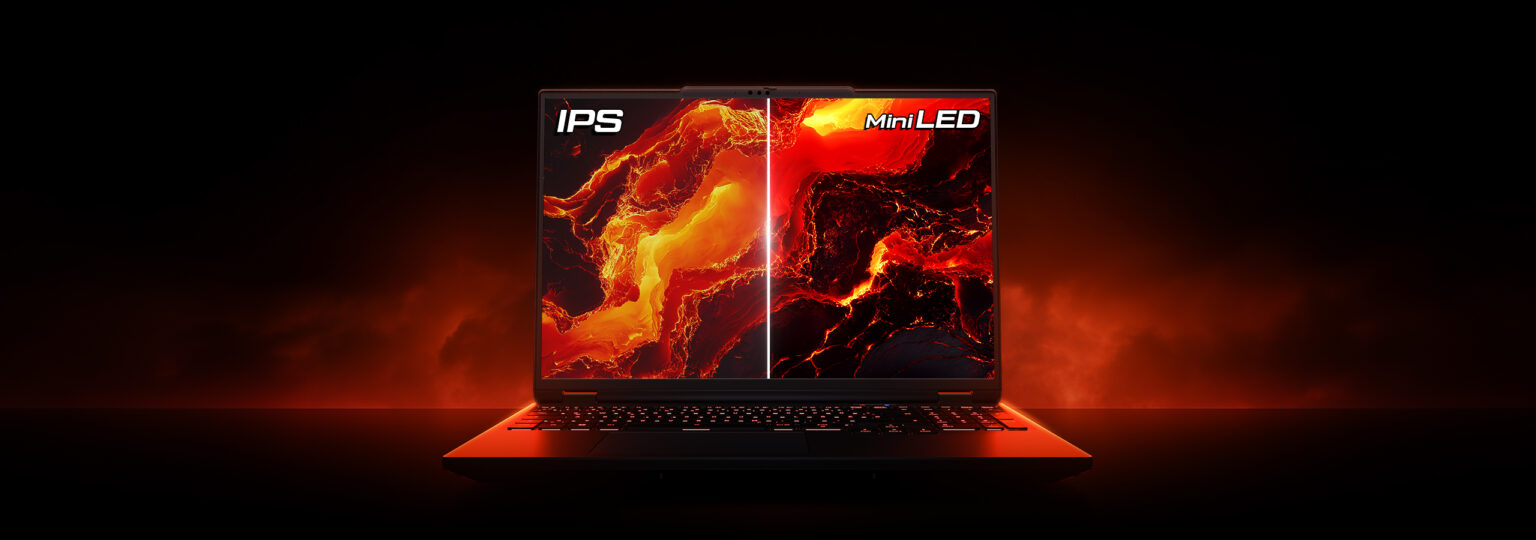
ASUS TUF Gaming  A16 with RTX 4050
ASUS TUF Gaming A16 with RTX 4050
  • memory AMD Ryzen 7 7445HS
  • developer_board NVIDIA GeForce RTX 4050
  • layers 16GB DDR5 5600MHz SO-DIMM
  • track_changes Target GPU: NVIDIA GeForce GTX 1070 (8GB) / AMD Radeon RX Vega 56
Dell Alienware M16 Gaming Laptop with RTX 4080
  • memory AMD Ryzen 9 7845HX
  • developer_board NVIDIA GeForce RTX 4080
  • layers Up to 64GB DDR5
  • track_changes Target GPU: NVIDIA GeForce GTX 1070 (8GB) / AMD Radeon RX Vega 56
XMG Apex 16 Max (RTX 5070 Ti & Ryzen 9)
  • memory AMD Ryzen 9 9955HX
  • developer_board NVIDIA GeForce RTX 5070 Ti Laptop GPU
  • layers 64GB DDR5-5600MHz (Dual-Channel)
  • track_changes Target GPU: NVIDIA GeForce GTX 1070 (8GB) / AMD Radeon RX Vega 56
ASUS ROG Zephyrus G15 Ultra with RTX 3080 and Ryzen 9
  • memory AMD Ryzen 9 5900HS
  • developer_board NVIDIA GeForce RTX 3080
  • layers 16GB DDR4-3200MHz
  • track_changes Target GPU: NVIDIA GeForce RTX 3070 (8GB) / AMD Radeon RX 6700 XT (12GB)
MSI Katana 15 with RTX 4070
  • memory Intel Core i7-13620H
  • developer_board NVIDIA GeForce RTX 4070
  • layers 16GB DDR5-4800MHz
  • track_changes Target GPU: NVIDIA GeForce RTX 3070 (8GB) / AMD Radeon RX 6700 XT (12GB)
Alienware M18 with RTX 4070
  • memory Intel Core i7-14700HX
  • developer_board NVIDIA GeForce RTX 4070
  • layers 16GB DDR5-5600MHz
  • track_changes Target GPU: NVIDIA GeForce RTX 3070 (8GB) / AMD Radeon RX 6700 XT (12GB)

MSI Creator M16 HX with RTX 4070
  • memory Intel Core i9-14900HX
  • developer_board NVIDIA GeForce RTX 4070
  • layers 32GB DDR5-5600MHz
  • track_changes Target GPU: NVIDIA GeForce RTX 3070 (8GB) / AMD Radeon RX 6700 XT (12GB)
ASUS ROG Strix G16 with RTX 4070
  • memory Intel Core i9-14900HX
  • developer_board NVIDIA GeForce RTX 4070
  • layers 16GB DDR5-5600MHz
  • track_changes Target GPU: NVIDIA GeForce RTX 3070 (8GB) / AMD Radeon RX 6700 XT (12GB)
MSI Cyborg 15 (RTX 5050 & Intel 7)
  • memory Intel Core Ultra 7 255H
  • developer_board NVIDIA GeForce RTX 5060 Laptop GPU
  • layers 16GB DDR5-5600MHz (Dual-Channel)
  • track_changes Target GPU: NVIDIA GeForce RTX 3070 (8GB) / AMD Radeon RX 6700 XT (12GB)
ASUS ROG Strix Scar 17 Se with RTX 3080 Ti  and i9
ASUS ROG Strix Scar 17 Se with RTX 3080 Ti and i9
  • memory Intel Core i9-12950HX
  • developer_board NVIDIA GeForce RTX 3080 Ti
  • layers 32GB DDR5-4800MHz
  • track_changes Target GPU: NVIDIA GeForce RTX 3070 (8GB) / AMD Radeon RX 6700 XT (12GB)
check_circle_outline Recommended based on listed requirements for QHD (1440p).
HP OMEN 16 with RTX 4080 and intel i9 14th Gen
  • memory Intel Core i9-14900HX
  • developer_board NVIDIA GeForce RTX 4080 Laptop GPU
  • layers 64 GB DDR5-5600MHz
  • track_changes Target GPU: NVIDIA GeForce RTX 4070 / AMD Radeon RX 7800 XT
GIGABYTE AORUS Elite 16 (RTX 5070 & Intel Core Ultra 9 275HX)
  • memory Intel Core Ultra 9 Processor 275HX (Series 2)
  • developer_board NVIDIA GeForce RTX 5070 Laptop GPU
  • layers 32GB DDR5-5600MHz
  • track_changes Target GPU: NVIDIA GeForce RTX 4070 / AMD Radeon RX 7800 XT
MSI Katana 15 HX (RTX 5070 & Intel i7 14th Gen)
  • memory Intel Core i9-14900HX Processor
  • developer_board NVIDIA GeForce RTX 5070 Laptop GPU
  • layers 32GB DDR5-5600MHz
  • track_changes Target GPU: NVIDIA GeForce RTX 4070 / AMD Radeon RX 7800 XT
Dell Alienware 16X Aurora (RTX 5070 & Intel Core Ultra 9 275HX)
  • memory Intel Core i9-14900HX Processor
  • developer_board NVIDIA GeForce RTX 5070 Laptop GPU
  • layers 32GB DDR5-5600MHz
  • track_changes Target GPU: NVIDIA GeForce RTX 4070 / AMD Radeon RX 7800 XT
Lenovo Thinkpad T1G Gen 8 (RTX 5070 & Ultra 9)
  • memory Intel Core Ultra 9 285H (Arrow Lake-H)
  • developer_board NVIDIA GeForce RTX 5070 Laptop GPU
  • layers 64GB LPDDR5x-8533MT/s (LPCAMM2)
  • track_changes Target GPU: NVIDIA GeForce RTX 4070 / AMD Radeon RX 7800 XT
Acer Predator Helios Neo 18 2024 With Rtx 4080
  • memory Intel Core i9-14900HX
  • developer_board NVIDIA GeForce RTX 4080
  • layers 64GB DDR5-5600MHz
  • track_changes Target GPU: NVIDIA GeForce RTX 4070 / AMD Radeon RX 7800 XT
ASUS ROG Strix G18 with RTX 4080 and intel i9 14th Gen
  • memory Intel Core i9-14900HX
  • developer_board NVIDIA GeForce RTX 4080
  • layers 32GB DDR5-5600MHz
  • track_changes Target GPU: NVIDIA GeForce RTX 4070 / AMD Radeon RX 7800 XT
MSI Vector 17 HX with RTX 4080 in 2025
  • memory Intel Core i9-14900HX
  • developer_board NVIDIA GeForce RTX 4080
  • layers 32GB DDR5-5600MHz
  • track_changes Target GPU: NVIDIA GeForce RTX 4070 / AMD Radeon RX 7800 XT
ASUS ROG Strix Scar 18 Gaming Laptop with RTX 4080
  • memory Intel Core i9-14900HX
  • developer_board NVIDIA GeForce RTX 4080
  • layers 32GB DDR5-5600MHz
  • track_changes Target GPU: NVIDIA GeForce RTX 4070 / AMD Radeon RX 7800 XT
Dell Alienware M16 Gaming Laptop with RTX 4080
  • memory AMD Ryzen 9 7845HX
  • developer_board NVIDIA GeForce RTX 4080
  • layers Up to 64GB DDR5
  • track_changes Target GPU: NVIDIA GeForce RTX 4070 / AMD Radeon RX 7800 XT
check_circle_outline Recommended based on listed requirements for UHD (4K).
LG Gram Pro 17 with RTX 5050
  • memory Intel Core Ultra 9 285H (Series 2) , 14 cores (6 Performance cores + 8 Efficient cores), 20 threads
  • developer_board NVIDIA GeForce RTX 5050 Laptop GPU
  • layers 32GB (2x16GB) DDR5 8400MHz SO-DIMM
  • track_changes Target GPU: NVIDIA GeForce RTX 4080 / AMD Radeon RX 7900 XTX
HP OMEN Ultra Slim 16 (RTX 5070 & Intel i9)
  • memory Intel Core Ultra 9 285H
  • developer_board NVIDIA GeForce RTX 5070
  • layers 32GB (2x16GB) DDR5 4800MHz SO-DIMM
  • track_changes Target GPU: NVIDIA GeForce RTX 4080 / AMD Radeon RX 7900 XTX
Thunderobot Radiant 16 (RTX 5070 Ti & Intel i9 14th Gen)
  • memory Intel Core i9-14900HX Processor
  • developer_board NVIDIA GeForce RTX 5070 Ti Laptop GPU
  • layers 64GB DDR5-5600MHz (commonly listed as 4800MHz by some retailers, but 5600MHz is common for 14th Gen HX with DDR5)
  • track_changes Target GPU: NVIDIA GeForce RTX 4080 / AMD Radeon RX 7900 XTX
Lenovo Legion Pro 7i Gen 10 with RTX 5070 Ti
  • memory Intel Core Ultra 9 Processor 275HX
  • developer_board NVIDIA GeForce RTX 5070 Ti Laptop GPU
  • layers 64GB DDR5-6400MHz
  • track_changes Target GPU: NVIDIA GeForce RTX 4080 / AMD Radeon RX 7900 XTX
GIGABYTE AORUS Master 16 (RTX 5070 Ti & Intel Core Ultra 9 275HX)
  • memory Intel Core Ultra 9 Processor 275HX (Series 2)
  • developer_board NVIDIA GeForce RTX 5070 Ti Laptop GPU
  • layers 32GB DDR5-5600MHz
  • track_changes Target GPU: NVIDIA GeForce RTX 4080 / AMD Radeon RX 7900 XTX

MSI Vector 16 HX with RTX 5070 Ti
  • memory Intel Ultra 7 255HX
  • developer_board NVIDIA GeForce RTX 5070 Ti
  • layers 32GB DDR5 5600MHz
  • track_changes Target GPU: NVIDIA GeForce RTX 4080 / AMD Radeon RX 7900 XTX
GIGABYTE A16 Pro (RTX 5070 Ti & Intel Core Ultra 7)
  • memory Intel Core Ultra 7 240H
  • developer_board NVIDIA GeForce RTX 5070 Ti Laptop GPU
  • layers 32GB LPDDR5X 5600MHz
  • track_changes Target GPU: NVIDIA GeForce RTX 4080 / AMD Radeon RX 7900 XTX
XMG Fusion 16 (RTX 5070 & Ultra 9)
  • memory Intel Core Ultra 9 275HX
  • developer_board GeForce RTX 5070 Laptop Laptop GPU
  • layers 64GB DDR5-6400MHz (Single-Channel)
  • track_changes Target GPU: NVIDIA GeForce RTX 4080 / AMD Radeon RX 7900 XTX
Lenovo Legion Pro 5i Gen 10 (RTX 5070 Ti & Intel Core Ultra 9 275HX)
  • memory Intel Core Ultra 9 275HX
  • developer_board NVIDIA GeForce RTX 5070 Ti
  • layers 32GB
  • track_changes Target GPU: NVIDIA GeForce RTX 4080 / AMD Radeon RX 7900 XTX
Acer Predator Helios Neo 16S (RTX 5070 Ti & Intel Ultra 9 275HX)
  • memory Intel Core Ultra 9 275HX
  • developer_board NVIDIA GeForce RTX 5070 Ti Laptop GPU
  • layers 32 GB DDR5 6400MHz (2x16GB)
  • track_changes Target GPU: NVIDIA GeForce RTX 4080 / AMD Radeon RX 7900 XTX

info_outline Laptop recommendations are estimates based on available component benchmarks and game requirements. Actual performance may vary depending on settings, drivers, cooling, power limits, etc. Prices and availability subject to change. As an Amazon Associate, we earn from qualifying purchases.

Processing...