Select Games to Compare
Benchmark your exact mobile GPU wattage (TGP), battery throttling drops, and cooling pad requirements for these games.
Game of Thrones: War for Westeros vs John Wick Game
| close | close |
|---|---|
| shopping_cart Where to Buy | |
| info General Information | |
| Release Date | |
| Mar 1, 2027 | Nov 20, 2027 |
| Developer | |
| PlaySide Studios | Saber Interactive |
| Publisher | |
| Warner Bros. Interactive Entertainment / HBO | Lionsgate Games |
| Genre(s) | |
| Real-Time Strategy (RTS) | Single-player Third-Person Action / Shooter / Brawler |
| Engine | |
| Proprietary Combat Engine | Saber3D Engine (Next-Gen Evolution) |
| stars Ratings & Price | |
| Content Rating | |
| Mature (Estimated) | M (Mature 17+) |
| Avg. User Rating | |
| 4.5 / 5.0 | 4.8 / 5.0 |
| Current Price (USD) | |
| $59.99 | $69.99 |
| tune Key Specs | |
| Quick Highlights | |
|
|
| sports_esports Gameplay & Mechanics | |
| Companions/Followers | |
|
N/A |
| Key Collectibles | |
|
|
| Key Themes | |
|
|
| colorize Combat & Gear | |
| Weapons Overview | |
|
|
| Armor / Gear Sets | |
|
|
| Outfits/Customization | |
|
|
| trending_up Progression & Upgrades | |
| Skills & Progression | |
|
Progression and upgrading in War for Westeros are deeply tied to a streamlined, aggressive macroeconomic system governed by two primary resource pillars: Gold and Influence. Gold functions as the foundational currency used for basic infrastructure, standard infantry recruitment, and low-level technological upgrades. Influence is a secondary, higher-tier strategic resource strictly required for advanced architectural structures, elite late-game units, and triggering massive faction-wide command abilities. For instance, the Lannisters possess a unique skill allowing them to go into strategic debt, instantly trading Gold for Influence to secure an early-game advantage. Additionally, individual Hero units feature their own specific RPG-lite upgrade paths. As heroes like Jon Snow or Arya Stark participate in active combat, they accumulate experience points, level up, and unlock increasingly devastating active and passive abilities. If a hero falls in combat, their skills are not permanently lost; they can be re-recruited at the primary stronghold, though with escalating resource costs and prolonged respawn timers. |
Players can upgrade John's Gun-Fu efficiency through a 'Tactical Mastery' tree, unlocking new disarms, environmental finishers, and driving skills. Gear customization focuses on weapon modifications and tailoring bespoke 'tactical suits' that offer varying defensive stats. |
| public World & Exploration | |
| World & Level Design | |
|
The strategic maps in War for Westeros are intricately designed to force constant, aggressive territorial conflict rather than passive defensive play. The macroscopic map of the Seven Kingdoms is systematically segmented into distinct, capturable regions. To expand their logistical network and economy, players must project military force outward from their localized 'seat of power' to isolate and capture a region's central control tower. Once secured, workers can construct resource-generating infrastructure within this newly claimed territory. Furthermore, the map generation algorithm dynamically seeds specific regions with highly contested, resource-rich strategic chokepoints that allow for advanced, high-yield production structures. Further complicating map control is the inclusion of neutral ecosystems; maps are populated with hostile mobs ranging from wild beasts to unaffiliated raiders. Engaging and defeating these neutral encampments rewards immediate localized gold bounties, forcing players to fight a multi-front war to secure these secondary economic lifelines while simultaneously holding regional control towers. |
The game opts for dense, detailed, semi-linear levels over a sprawling open world. This 'Wide-Linear' approach ensures the claustrophobic and intense pacing of the film's action scenes is maintained in areas like The Continental (NY), underground catacombs, and high-stakes clubs. |
| Playable Vehicles | |
|
|
| Notable Fauna/Mounts | |
|
|
| book Story & Characters | |
| Main Characters | |
|
|
| Example Missions | |
|
|
| people Multiplayer | |
| Multiplayer Details | |
|
To sustain a vibrant and long-term player base, PlaySide Studios has developed a robust competitive ecology that caters to both hardcore RTS veterans and casual cooperative players. The premier competitive mode is the 1v1 Skirmish, an intense duel where early-game economic harassment, build-order optimization, and the aggressive farming of neutral camps dictate the match's tempo. For players seeking a collaborative experience, the 2v2 Cooperative mode allows teams to face off against either human opponents or AI bots, functioning as a low-stress PvE environment perfect for experimenting with cross-faction synergies (like combining Stark defensive walls with Lannister Wildfire). The 4-Player Free-For-All (FFA) mode captures the true, treacherous geopolitical essence of Westeros, actively encouraging fleeting alliances and devastating betrayals to secure victory. Additionally, Custom Lobbies permit players to heavily configure specific game settings, resource generation rates, and specialized win conditions. While currently capped at four players to maintain engine performance, developers are actively exploring larger 3v3 or 4v4 conflicts post-launch. |
Currently marketed as a single-player epic. However, leaks suggest an asynchronous 'Bounty Board' where players can compete for high scores on global assassination leaderboards. |
| extension Editions & DLC | |
| Available Editions | |
|
As the title approaches its early 2027 release window on the Steam platform, Warner Bros. Interactive Entertainment and PlaySide Studios are expected to offer multiple purchasing tiers standard for premium PC strategy titles. The Standard Edition will include the base game, featuring the four core launch factions (Stark, Lannister, Targaryen, and White Walkers), the dynamic sandbox campaign, and access to all core multiplayer modes. Given the immense popularity of the intellectual property, a Digital Deluxe or Collector's Edition is highly probable, potentially offering exclusive cosmetic skins for iconic Hero units, a digital art book detailing the translation of HBO's visual assets into a proprietary RTS engine, and the official orchestral soundtrack. Currently, engaged consumers can register for an upcoming Closed Beta via the official website, which acts as a preliminary early-access tier for testing server infrastructure and faction balance. Post-launch DLC expansions are heavily speculated to introduce new factions like House Baratheon or Tyrell. |
Standard Edition ($69.99): Base game. Assassin Edition ($89.99): Includes 'Gold Coins' (currency), early weapon unlocks, and the 'Vintage Mustang' vehicle skin. High Table Edition ($199.99): Includes a physical replica Blood Oath Marker and the 'Continental' digital artbook. |
| Post-Launch Content / DLC | |
|
The post-launch roadmap and DLC pipeline for War for Westeros is highly anticipated, though PlaySide Studios has adopted a notoriously conservative public communications strategy regarding future expansions. During Gamescom 2026, Game Director Ryan McMahon explicitly stated that the development team's immediate priority is strictly balancing and polishing the four core launch factions (Stark, Lannister, Targaryen, and White Walkers). Consequently, official announcements regarding the inclusion of other major Westerosi powers—such as House Baratheon, House Tyrell, House Martell, or House Greyjoy—remain tightly embargoed. However, the game's modular faction architecture makes the integration of these Houses via paid DLC expansions a near certainty for the title's long-term monetization. Currently, the studio has managed to maintain exceptional data security, successfully avoiding the massive datamining leaks that plague the modern industry. This security will face its ultimate test when the encrypted Closed Beta client is distributed to the public, at which point dataminers will likely uncover the structural foundations of future DLC factions. |
Saber plans to release 'Contract Packs' post-launch, featuring new standalone hits. Rumors suggest a 'High Table' wave-based survival mode will be added shortly after release. |
| help_outline FAQ | |
| Frequently Asked Questions | |
|
|
| build Technical Details | |
| Graphics & Visual Fidelity | |
|
Powered by a proprietary combat engine, the visual fidelity of War for Westeros represents a massive technical leap for the Real-Time Strategy genre. The engine is explicitly engineered to render massive scale, comfortably supporting between 600 and 700 individual, fully animated units on the battlefield simultaneously during late-game clashes. This scale permits the authentic visual representation of medieval tactics, from disciplined shield walls to devastating heavy cavalry pincer movements. The game features dynamic, physics-based structural destruction; timber buildings will catch fire and dynamically crumble under the sustained assault of flaming arrows and siege engines. The asymmetrical faction design is brilliantly reflected in the visual aesthetics: Stark forces wear heavy fur capes and cold-weather armor set against resilient grey stone, while Lannister armies boast opulent, polished plate mail. The engine excels in projecting complex volumetric particle effects, most notably the mesmerizing, emerald-green explosions of Wildfire and the persistent, ground-scorching dragon breath that fundamentally alters the battlefield's physical appearance. |
Utilizes Saber's proprietary tech to render high-fidelity characters and neo-noir lighting. Jaw-dropping camerawork mimics the long-take choreography seen in the films. |
| Audio & Soundtrack | |
|
The auditory soundscape of Game of Thrones: War for Westeros is designed to be as sweeping, brutal, and emotionally resonant as the legendary HBO television series it adapts. While specific composers have not been detailed, the game fundamentally relies on the iconic, sweeping orchestral motifs that defined the franchise, utilizing thunderous strings, massive percussion, and haunting choral arrangements to underscore the gravity of geopolitical warfare. The sound design team is tasked with bringing the visceral brutality of medieval combat to life. The audio engine actively tracks the chaos of the battlefield, dynamically mixing the deafening roar of Targaryen dragons, the horrifying shattering of ice associated with White Walker magic, and the volatile, explosive hissing of Lannister Wildfire. Hero units are fully voice-acted, delivering localized barks and commanding shouts that rise above the din of combat to signal the activation of crucial abilities, ensuring that the soundscape acts as both an atmospheric enhancer and a vital gameplay telemetry tool. |
The game features a high-energy score inspired by the films' synth-industrial style. Keanu Reeves provides the full voice and performance capture for John Wick. |
| User Interface (UI/UX) | |
|
The User Interface (UI) of War for Westeros is currently undergoing critical revisions following extensive feedback gathered during the August 2026 Gamescom preview events. Technical analysts pointed out several areas where the UI failed to adequately communicate complex systemic information to the player. For instance, the on-screen tooltips were criticized as being far too sparse, particularly regarding the specific mathematical bonuses and resource yields gained when a worker unit is garrisoned inside a faction's production building. Furthermore, the visual UI indicators designed to show which direction a selected infantry squad is facing are currently too small and frequently obscured by the map's high-density foliage, dynamic shadows, and intricate terrain details. Most critically, previewers noted that the game's camera mechanics feature an artificially restrictive maximum zoom-out distance. In a title featuring massive multi-front engagements, this restrictive camera severely limits macro-level battlefield awareness, forcing players to constantly pan across the map instead of observing the holistic flow of tactical combat. |
Minimalist HUD that prioritizes the cinematic view. Health and ammo are indicated via subtle suit damage and tactical cues rather than traditional bright bars. |
| Accessibility Options | |
|
Recognizing the inherent complexity and high actions-per-minute (APM) demands of the Real-Time Strategy genre, PlaySide Studios is expected to integrate a comprehensive suite of accessibility features to ensure War for Westeros is approachable for a broad audience of franchise fans. To combat the visual clutter of 700-unit battles, the game will likely include robust color-blindness modes that clearly distinguish allied, enemy, and neutral health bars, as well as distinct UI borders for capturable map regions. For players with motor or cognitive fatigue, the game's extensive sandbox campaign is expected to feature highly customizable difficulty settings, allowing users to decrease AI aggression, slow down the pacing of enemy attacks, or boost their passive resource generation. Furthermore, full UI scaling and customizable hotkey mapping will allow players to completely remap complex keyboard commands to specialized adaptive controllers or multi-button mice, ensuring that the intricate micro-management of hero abilities and faction macro-economics remains physically accessible to all aspiring commanders of Westeros. |
Includes 'Focus Mode' for simplified Gun-Fu timing, high-contrast subtitles, full button remapping, and audio descriptions for cinematic sequences. |
| video_library Media Links | |
| Gameplay Video | |
| launchWatch | launchWatch |
| Walkthrough/Guide | |
| launchView | launchView |
| settings_applications System Requirements | |
| 1080p (Full HD) - Recommended (60 FPS / High) (High Preset) CPU: Ensures the frame rate remains stable during chaotic hand-to-hand transitions. CPU (Laptop): High-performance mobile 8-core CPUs. GPU: Allows for high-bitrate textures and smooth Gun-Fu animations. GPU (Laptop): Utilizes Frame Gen to exceed 60 FPS target. RAM: Optimal for modern AAA memory management. Storage: Required for asset streaming speed. | |
| — | memoryCPU: Intel i7-11700K / Ryzen 7 5800X developer_boardGPU: RTX 3070 / RX 6700 XT laptop_macCPU (L): Intel i7-12700H / Ryzen 7 6800H laptop_windowsGPU (L): RTX 4060 Mobile (105W) layersRAM: 16 GB saveStorage (Tier): 100 GB NVMe SSD |
| 1080p (Full HD) - Recommended (1080p / 60 FPS / High Settings) (High Preset, DLSS/FSR Quality) CPU: High clock speeds and 8 cores ensure smooth frame pacing when the maximum 250 supply cap is reached per player. CPU (Laptop): Provides the necessary multi-threading overhead to manage physics-based structural destruction calculations. GPU: Easily handles the dense volumetric particle effects of Wildfire and Dragon's breath at a stable 60fps. GPU (Laptop): A high-TGP 3060 is required to maintain clock speeds during heavy GPU utilization. RAM: Standard operating requirement for modern strategy titles. Storage: Faster loading times into massive 4-player FFA matches. | |
memoryCPU: Intel Core i7-10700K / AMD Ryzen 7 5800X developer_boardGPU: NVIDIA GeForce RTX 3060 / AMD Radeon RX 6600 XT laptop_macCPU (L): Intel Core i7-11800H / AMD Ryzen 7 5800H laptop_windowsGPU (L): NVIDIA GeForce RTX 3060 Mobile (115W+) layersRAM: 16 GB saveStorage (Tier): NVMe Gen 3 SSD | — |
| 1080p (Full HD) - Minimum (1080p / 30 FPS / Low Settings) (Low Preset, 30 FPS Lock) CPU: A modern 6-core processor is the absolute minimum to handle the underlying pathfinding and AI logistics of the battlefield. CPU (Laptop): Quad-core mobile CPUs will struggle heavily in the late game; 6-core variants are strongly advised. GPU: Adequate for rendering the base level of environmental detail and smaller early-game skirmishes. GPU (Laptop): Provides sufficient rasterization power for 1080p low-medium settings. RAM: 16GB is mandatory to prevent system paging when the engine caches hundreds of distinct unit animations. Storage: An SSD is required to ensure smooth scrolling and panning across the macroscopic map. | |
memoryCPU: Intel Core i5-8400 / AMD Ryzen 5 2600 developer_boardGPU: NVIDIA GeForce GTX 1060 (6GB) / AMD Radeon RX 580 laptop_macCPU (L): Intel Core i5-10300H / AMD Ryzen 5 4600H laptop_windowsGPU (L): NVIDIA GeForce GTX 1660 Ti Mobile layersRAM: 16 GB saveStorage (Tier): SATA SSD | — |
| 1440p (QHD/2K) - Ultra (60+ FPS) (Ultra Preset / RT On) CPU: Necessary for handling ray-tracing calculations and crowd AI. CPU (Laptop): Top-tier mobile workstation chips. GPU: Raw power for high-resolution neo-noir visuals. GPU (Laptop): Enthusiast mobile performance. RAM: Recommended for Ultra asset caching. Storage: Ensures near-zero load times. | |
| — | memoryCPU: Intel i7-13700K / Ryzen 7 7700X developer_boardGPU: RTX 4070 Ti / RX 7900 XT laptop_macCPU (L): Intel i9-13980HX / Ryzen 9 7945HX laptop_windowsGPU (L): RTX 4080 Mobile (150W) layersRAM: 32 GB saveStorage (Tier): 100 GB Gen4 SSD |
| 1440p (QHD/2K) - High (1440p / 60 FPS / Epic Settings) (Epic Preset, DLSS/FSR Quality) CPU: The massive L3 cache on X3D chips dramatically improves the 1% low framerates when massive armies collide. CPU (Laptop): Top-tier mobile processors prevent bottlenecking when feeding draw calls to high-end mobile GPUs. GPU: Provides massive VRAM and rasterization power to render high-fidelity armor textures on hundreds of units at 1440p. GPU (Laptop): Desktop-class mobile GPU power required to maintain 60fps during maximum density combat. RAM: Highly recommended to comfortably cache the immense scale of the dynamic environments and neutral ecosystems. Storage: Maximum bandwidth for immediate map loading. | |
memoryCPU: Intel Core i5-13600K / AMD Ryzen 7 7800X3D developer_boardGPU: NVIDIA GeForce RTX 4070 / AMD Radeon RX 7800 XT laptop_macCPU (L): Intel Core i9-12900H / AMD Ryzen 9 6900HX laptop_windowsGPU (L): NVIDIA GeForce RTX 4080 Mobile (150W+) layersRAM: 32 GB saveStorage (Tier): NVMe Gen 4 SSD | — |
| 2160p (UHD/4K) - Epic (4K / Native) (Maximum / Path Tracing) CPU: Highest performance for maximum immersion. CPU (Laptop): Flagship mobile power for 4K rendering. GPU: The gold standard for 4K cinematic action. GPU (Laptop): Recommended for thermal stability at 4K. RAM: Standard for 4K enthusiast gaming. Storage: Maximum bandwidth for asset decompression. | |
| — | memoryCPU: Intel i9-14900K / Ryzen 9 7950X3D developer_boardGPU: RTX 4090 / RX 7900 XTX laptop_macCPU (L): RTX 4090 Mobile (175W) laptop_windowsGPU (L): eGPU RTX 4090 layersRAM: 32 GB saveStorage (Tier): 100 GB Gen5 SSD |
| 2160p (UHD/4K) - Ultra (4K / 60 FPS / Max Settings) (Max Preset, DLSS/FSR Performance) CPU: The pinnacle of desktop computing ensures zero CPU bottlenecks during the most chaotic 4-player late-game scenarios. CPU (Laptop): Only extreme desktop-replacement laptops can handle this tier without thermal throttling. GPU: Uncompromised 4K rendering demands massive computational power for shadows, physics, and volumetric lighting. GPU (Laptop): The highest available mobile silicon is required to push a native 4K RTS experience. RAM: High-bandwidth DDR5 significantly accelerates entity processing and engine overhead. Storage: Essential for seamless texture streaming at 4K resolution. | |
memoryCPU: Intel Core i9-14900K / AMD Ryzen 9 7950X3D developer_boardGPU: NVIDIA GeForce RTX 4080 Super / AMD Radeon RX 7900 XTX laptop_macCPU (L): Intel Core i9-14900HX laptop_windowsGPU (L): NVIDIA GeForce RTX 4090 Mobile (175W) layersRAM: 32 GB saveStorage (Tier): NVMe Gen 4 SSD | — |
| save Overall Storage | |
| Spec: 60 GB NVMe SSD Note: Solid State Drives are crucial for rapidly loading large sandbox map regions and dense unit asset pools without severe stuttering. Type: NVMe | Spec: 100 GB NVMe SSD Note: High-speed storage is mandatory for seamless cinematic-to-gameplay transitions. Type: NVMe |
| desktop_windows Operating System | |
| Spec: Windows 10 / 11 64-bit Explanation: Required to support the heavy memory addressing capabilities necessary for massive RTS entity tracking. | Spec: Windows 10/11 64-bit (Version 21H2+) Explanation: Required for DirectStorage support to eliminate loading screens between missions. |
| gamepad DirectX Version | |
| Spec: DirectX 12 Explanation: Mandatory for advanced volumetric lighting, particle effects, and multi-threaded CPU rendering. | Spec: Version 12 Ultimate Explanation: Enables the cinematic global illumination and shadows seen in the reveal trailer. |
| info_outline Other Game Notes | |
|
|
| build Optimization Details | |
|
|
| laptop Laptop Considerations | |
|
|


info_outline Feature details based on available data. System requirements and performance estimates may vary.
laptop_chromebook Laptop Recommendations
Common Recommendations (Handles All Compared Games)

- memory Intel Core i7-12700H
- developer_board NVIDIA GeForce RTX 3070
- layers 32GB DDR4-3200MHz
- track_changes Target GPU: NVIDIA GeForce GTX 1660 Ti Mobile

- memory Intel Core i9-13900H
- developer_board NVIDIA GeForce RTX 4060
- layers 16GB DDR5-5200MHz
- track_changes Target GPU: NVIDIA GeForce GTX 1660 Ti Mobile

- memory Intel Core i9-14900HX
- developer_board NVIDIA GeForce RTX 4060
- layers 32GB DDR5-5600MHz
- track_changes Target GPU: NVIDIA GeForce GTX 1660 Ti Mobile

- memory Intel Core i9-14900HX
- developer_board NVIDIA GeForce RTX 4080 Laptop GPU
- layers 64 GB DDR5-5600MHz
- track_changes Target GPU: NVIDIA GeForce RTX 4080 Mobile (150W+)

- memory Intel Core Ultra 9 Processor 275HX (Series 2)
- developer_board NVIDIA GeForce RTX 5070 Laptop GPU
- layers 32GB DDR5-5600MHz
- track_changes Target GPU: NVIDIA GeForce RTX 4080 Mobile (150W+)

- memory Intel Core i9-14900HX Processor
- developer_board NVIDIA GeForce RTX 5070 Laptop GPU
- layers 32GB DDR5-5600MHz
- track_changes Target GPU: NVIDIA GeForce RTX 4080 Mobile (150W+)

- memory Intel Core i9-14900HX
- developer_board NVIDIA GeForce RTX 4090
- layers 32GB DDR5-5600MHz
- track_changes Target GPU: NVIDIA GeForce RTX 4090 Mobile (175W)

- memory Intel Core Ultra 9 285H (Series 2) , 14 cores (6 Performance cores + 8 Efficient cores), 20 threads
- developer_board NVIDIA GeForce RTX 5050 Laptop GPU
- layers 32GB (2x16GB) DDR5 8400MHz SO-DIMM
- track_changes Target GPU: NVIDIA GeForce RTX 4090 Mobile (175W)

- memory Intel Core Ultra 9 285H
- developer_board NVIDIA GeForce RTX 5070
- layers 32GB (2x16GB) DDR5 4800MHz SO-DIMM
- track_changes Target GPU: NVIDIA GeForce RTX 4090 Mobile (175W)

- memory AMD Ryzen 7 5800X
- developer_board NVIDIA GeForce RTX 5050
- layers 32GB (2x16GB) DDR5 4800MHz SO-DIMM
- track_changes Target GPU: eGPU RTX 4090
For Game of Thrones: War for Westeros Specifically
- memory Intel Core i7-12700H
- developer_board NVIDIA GeForce RTX 3070
- layers 32GB DDR4-3200MHz
- track_changes Target GPU: NVIDIA GeForce GTX 1060 (6GB) / AMD Radeon RX 580
- memory Intel Core i9-13900H
- developer_board NVIDIA GeForce RTX 4060
- layers 16GB DDR5-5200MHz
- track_changes Target GPU: NVIDIA GeForce GTX 1060 (6GB) / AMD Radeon RX 580
- memory Intel Core i9-14900HX
- developer_board NVIDIA GeForce RTX 4060
- layers 32GB DDR5-5600MHz
- track_changes Target GPU: NVIDIA GeForce GTX 1060 (6GB) / AMD Radeon RX 580

- memory Intel Core i9-12900H
- developer_board NVIDIA GeForce RTX 3070 Ti
- layers 16GB DDR5-4800MHz
- track_changes Target GPU: NVIDIA GeForce GTX 1060 (6GB) / AMD Radeon RX 580

- memory Intel Core i5-12450H
- developer_board NVIDIA GeForce RTX 3050
- layers 16GB DDR4-3200MHz
- track_changes Target GPU: NVIDIA GeForce GTX 1060 (6GB) / AMD Radeon RX 580

- memory Intel Core i5-12500H
- developer_board NVIDIA GeForce RTX 3050 Ti
- layers 16GB DDR4-3200MHz
- track_changes Target GPU: NVIDIA GeForce GTX 1060 (6GB) / AMD Radeon RX 580

- memory AMD Ryzen 7 7435HS
- developer_board NVIDIA GeForce RTX 3050
- layers 32GB DDR5-4800MHz
- track_changes Target GPU: NVIDIA GeForce GTX 1060 (6GB) / AMD Radeon RX 580

- memory AMD Ryzen 7 6800H
- developer_board NVIDIA GeForce RTX 3060
- layers 16GB DDR5-4800MHz
- track_changes Target GPU: NVIDIA GeForce GTX 1060 (6GB) / AMD Radeon RX 580

- memory AMD Ryzen 9 5900HS
- developer_board NVIDIA GeForce RTX 3080
- layers 16GB DDR4-3200MHz
- track_changes Target GPU: NVIDIA GeForce GTX 1060 (6GB) / AMD Radeon RX 580

- memory Intel Core i7-13620H
- developer_board NVIDIA GeForce RTX 4070
- layers 16GB DDR5-4800MHz
- track_changes Target GPU: NVIDIA GeForce GTX 1060 (6GB) / AMD Radeon RX 580

- memory Intel Core i7-14700HX
- developer_board NVIDIA GeForce RTX 4070
- layers 16GB DDR5-5600MHz
- track_changes Target GPU: NVIDIA GeForce RTX 3060 / AMD Radeon RX 6600 XT

- memory Intel Core i9-14900HX
- developer_board NVIDIA GeForce RTX 4070
- layers 32GB DDR5-5600MHz
- track_changes Target GPU: NVIDIA GeForce RTX 3060 / AMD Radeon RX 6600 XT
- memory Intel Core i9-14900HX
- developer_board NVIDIA GeForce RTX 4080 Laptop GPU
- layers 64 GB DDR5-5600MHz
- track_changes Target GPU: NVIDIA GeForce RTX 4070 / AMD Radeon RX 7800 XT
- memory Intel Core Ultra 9 Processor 275HX (Series 2)
- developer_board NVIDIA GeForce RTX 5070 Laptop GPU
- layers 32GB DDR5-5600MHz
- track_changes Target GPU: NVIDIA GeForce RTX 4070 / AMD Radeon RX 7800 XT
- memory Intel Core i9-14900HX Processor
- developer_board NVIDIA GeForce RTX 5070 Laptop GPU
- layers 32GB DDR5-5600MHz
- track_changes Target GPU: NVIDIA GeForce RTX 4070 / AMD Radeon RX 7800 XT

- memory Intel Core i9-14900HX Processor
- developer_board NVIDIA GeForce RTX 5070 Laptop GPU
- layers 32GB DDR5-5600MHz
- track_changes Target GPU: NVIDIA GeForce RTX 4070 / AMD Radeon RX 7800 XT

- memory Intel Core Ultra 9 285H (Arrow Lake-H)
- developer_board NVIDIA GeForce RTX 5070 Laptop GPU
- layers 64GB LPDDR5x-8533MT/s (LPCAMM2)
- track_changes Target GPU: NVIDIA GeForce RTX 4070 / AMD Radeon RX 7800 XT

- memory Intel Core i9-14900HX
- developer_board NVIDIA GeForce RTX 4080
- layers 64GB DDR5-5600MHz
- track_changes Target GPU: NVIDIA GeForce RTX 4070 / AMD Radeon RX 7800 XT

- memory Intel Core i9-14900HX
- developer_board NVIDIA GeForce RTX 4080
- layers 32GB DDR5-5600MHz
- track_changes Target GPU: NVIDIA GeForce RTX 4070 / AMD Radeon RX 7800 XT

- memory Intel Core i9-14900HX
- developer_board NVIDIA GeForce RTX 4080
- layers 32GB DDR5-5600MHz
- track_changes Target GPU: NVIDIA GeForce RTX 4070 / AMD Radeon RX 7800 XT

- memory Intel Core i9-14900HX
- developer_board NVIDIA GeForce RTX 4080
- layers 32GB DDR5-5600MHz
- track_changes Target GPU: NVIDIA GeForce RTX 4070 / AMD Radeon RX 7800 XT

- memory AMD Ryzen 9 7845HX
- developer_board NVIDIA GeForce RTX 4080
- layers Up to 64GB DDR5
- track_changes Target GPU: NVIDIA GeForce RTX 4070 / AMD Radeon RX 7800 XT
- memory Intel Core Ultra 9 285H (Series 2) , 14 cores (6 Performance cores + 8 Efficient cores), 20 threads
- developer_board NVIDIA GeForce RTX 5050 Laptop GPU
- layers 32GB (2x16GB) DDR5 8400MHz SO-DIMM
- track_changes Target GPU: NVIDIA GeForce RTX 4080 Super / AMD Radeon RX 7900 XTX
- memory Intel Core Ultra 9 285H
- developer_board NVIDIA GeForce RTX 5070
- layers 32GB (2x16GB) DDR5 4800MHz SO-DIMM
- track_changes Target GPU: NVIDIA GeForce RTX 4080 Super / AMD Radeon RX 7900 XTX

- memory Intel Core i9-14900HX Processor
- developer_board NVIDIA GeForce RTX 5070 Ti Laptop GPU
- layers 64GB DDR5-5600MHz (commonly listed as 4800MHz by some retailers, but 5600MHz is common for 14th Gen HX with DDR5)
- track_changes Target GPU: NVIDIA GeForce RTX 4080 Super / AMD Radeon RX 7900 XTX

- memory Intel Core Ultra 9 Processor 275HX
- developer_board NVIDIA GeForce RTX 5070 Ti Laptop GPU
- layers 64GB DDR5-6400MHz
- track_changes Target GPU: NVIDIA GeForce RTX 4080 Super / AMD Radeon RX 7900 XTX

- memory Intel Core Ultra 9 Processor 275HX (Series 2)
- developer_board NVIDIA GeForce RTX 5070 Ti Laptop GPU
- layers 32GB DDR5-5600MHz
- track_changes Target GPU: NVIDIA GeForce RTX 4080 Super / AMD Radeon RX 7900 XTX

- memory Intel Ultra 7 255HX
- developer_board NVIDIA GeForce RTX 5070 Ti
- layers 32GB DDR5 5600MHz
- track_changes Target GPU: NVIDIA GeForce RTX 4080 Super / AMD Radeon RX 7900 XTX

- memory Intel Core Ultra 7 240H
- developer_board NVIDIA GeForce RTX 5070 Ti Laptop GPU
- layers 32GB LPDDR5X 5600MHz
- track_changes Target GPU: NVIDIA GeForce RTX 4080 Super / AMD Radeon RX 7900 XTX

- memory Intel Core Ultra 9 275HX
- developer_board GeForce RTX 5070 Laptop Laptop GPU
- layers 64GB DDR5-6400MHz (Single-Channel)
- track_changes Target GPU: NVIDIA GeForce RTX 4080 Super / AMD Radeon RX 7900 XTX

- memory Intel Core Ultra 9 275HX
- developer_board NVIDIA GeForce RTX 5070 Ti
- layers 32GB
- track_changes Target GPU: NVIDIA GeForce RTX 4080 Super / AMD Radeon RX 7900 XTX

- memory Intel Core Ultra 9 275HX
- developer_board NVIDIA GeForce RTX 5070 Ti Laptop GPU
- layers 32 GB DDR5 6400MHz (2x16GB)
- track_changes Target GPU: NVIDIA GeForce RTX 4080 Super / AMD Radeon RX 7900 XTX
For John Wick Game Specifically
- memory Intel Core i7-12700H
- developer_board NVIDIA GeForce RTX 3070
- layers 32GB DDR4-3200MHz
- track_changes Target GPU: RTX 3070 / RX 6700 XT
- memory Intel Core i9-13900H
- developer_board NVIDIA GeForce RTX 4060
- layers 16GB DDR5-5200MHz
- track_changes Target GPU: RTX 3070 / RX 6700 XT
- memory Intel Core i9-14900HX
- developer_board NVIDIA GeForce RTX 4060
- layers 32GB DDR5-5600MHz
- track_changes Target GPU: RTX 3070 / RX 6700 XT
- memory Intel Core i9-12900H
- developer_board NVIDIA GeForce RTX 3070 Ti
- layers 16GB DDR5-4800MHz
- track_changes Target GPU: RTX 3070 / RX 6700 XT
- memory AMD Ryzen 7 7435HS
- developer_board NVIDIA GeForce RTX 3050
- layers 32GB DDR5-4800MHz
- track_changes Target GPU: RTX 3070 / RX 6700 XT
- memory AMD Ryzen 7 6800H
- developer_board NVIDIA GeForce RTX 3060
- layers 16GB DDR5-4800MHz
- track_changes Target GPU: RTX 3070 / RX 6700 XT
- memory Intel Core i7-13620H
- developer_board NVIDIA GeForce RTX 4070
- layers 16GB DDR5-4800MHz
- track_changes Target GPU: RTX 3070 / RX 6700 XT
- memory Intel Core i7-14700HX
- developer_board NVIDIA GeForce RTX 4070
- layers 16GB DDR5-5600MHz
- track_changes Target GPU: RTX 3070 / RX 6700 XT
- memory Intel Core i9-14900HX
- developer_board NVIDIA GeForce RTX 4070
- layers 32GB DDR5-5600MHz
- track_changes Target GPU: RTX 3070 / RX 6700 XT

- memory Intel Core i9-14900HX
- developer_board NVIDIA GeForce RTX 4070
- layers 16GB DDR5-5600MHz
- track_changes Target GPU: RTX 3070 / RX 6700 XT
- memory Intel Core i9-14900HX
- developer_board NVIDIA GeForce RTX 4090
- layers 32GB DDR5-5600MHz
- track_changes Target GPU: RTX 4090 / RX 7900 XTX
- memory AMD Ryzen 7 5800X
- developer_board NVIDIA GeForce RTX 5050
- layers 32GB (2x16GB) DDR5 4800MHz SO-DIMM
- track_changes Target GPU: RTX 4090 / RX 7900 XTX
- memory Intel Core Ultra 9 285H (Series 2) , 14 cores (6 Performance cores + 8 Efficient cores), 20 threads
- developer_board NVIDIA GeForce RTX 5050 Laptop GPU
- layers 32GB (2x16GB) DDR5 8400MHz SO-DIMM
- track_changes Target GPU: RTX 4090 / RX 7900 XTX
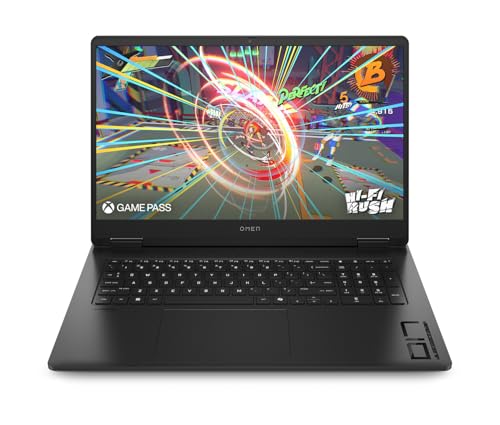
- memory AMD Ryzen AI 7 3500
- developer_board NVIDIA GeForce RTX 5070
- layers 64GB (2x32GB) DDR5 5600MHz SO-DIMM
- track_changes Target GPU: RTX 4090 / RX 7900 XTX

- memory AMD Ryzen AI 9 3650
- developer_board NVIDIA GeForce RTX 5070
- layers 32GB (2x16GB) LPDDR5X 8000MHz
- track_changes Target GPU: RTX 4090 / RX 7900 XTX
- memory Intel Core Ultra 9 285H
- developer_board NVIDIA GeForce RTX 5070
- layers 32GB (2x16GB) DDR5 4800MHz SO-DIMM
- track_changes Target GPU: RTX 4090 / RX 7900 XTX

- memory AMD Ryzen AI 9 365
- developer_board NVIDIA GeForce RTX 5070 Ti Laptop GPU
- layers 32GB DDR5
- track_changes Target GPU: RTX 4090 / RX 7900 XTX
- memory Intel Core i9-14900HX Processor
- developer_board NVIDIA GeForce RTX 5070 Ti Laptop GPU
- layers 64GB DDR5-5600MHz (commonly listed as 4800MHz by some retailers, but 5600MHz is common for 14th Gen HX with DDR5)
- track_changes Target GPU: RTX 4090 / RX 7900 XTX
- memory Intel Core Ultra 9 Processor 275HX
- developer_board NVIDIA GeForce RTX 5070 Ti Laptop GPU
- layers 64GB DDR5-6400MHz
- track_changes Target GPU: RTX 4090 / RX 7900 XTX
- memory Intel Core Ultra 9 Processor 275HX (Series 2)
- developer_board NVIDIA GeForce RTX 5070 Ti Laptop GPU
- layers 32GB DDR5-5600MHz
- track_changes Target GPU: RTX 4090 / RX 7900 XTX
info_outline Laptop recommendations are estimates based on available component benchmarks and game requirements. Actual performance may vary depending on settings, drivers, cooling, power limits, etc. Prices and availability subject to change. As an Amazon Associate, we earn from qualifying purchases.