Select Games to Compare
Benchmark your exact mobile GPU wattage (TGP), battery throttling drops, and cooling pad requirements for these games.
Arizona Sunshine Remake vs The Last of Us Part II
| close | close |
|---|---|
| shopping_cart Where to Buy | |
| info General Information | |
| Release Date | |
| Oct 1, 2024 | Jun 19, 2020 |
| Developer | |
| Vertigo Games | Naughty Dog |
| Publisher | |
| Vertigo Games (Embracer Group) | Sony Interactive Entertainment |
| Genre(s) | |
| VR Survival Shooter / Action | Action-Adventure, Survival Horror, Third-Person Shooter, Stealth |
| Engine | |
| Unity Engine | Naughty Dog Game Engine (Proprietary, evolved from The Last of Us Part I) |
| stars Ratings & Price | |
| Content Rating | |
| Mature 17+ (M) | Mature 17+ |
| Avg. User Rating | |
| 4.4 / 5.0 | 4.7 / 5.0 |
| Current Price (USD) | |
| $39.99 | $49.99 |
| tune Key Specs | |
| Quick Highlights | |
| N/A |
|
| sports_esports Gameplay & Mechanics | |
| Companions/Followers | |
|
|
| Key Collectibles | |
|
|
| Key Themes | |
|
|
| colorize Combat & Gear | |
| Weapons Overview | |
|
|
| Armor / Gear Sets | |
|
|
| Outfits/Customization | |
|
|
| trending_up Progression & Upgrades | |
| Skills & Progression | |
|
Progression in the Arizona Sunshine franchise eschews traditional numerical skill trees in favor of profound mechanical mastery and spatial resource management. The core mechanic is the proprietary 'GORE-geous' mutilation physics system, which allows players to procedurally dismember enemies, altering tactics by severing arms to prevent grapples or destroying kneecaps to slow advancing crowds. Combat effectiveness relies entirely on the player developing physical muscle memory for the complex, multi-step manual reload sequences required for different firearms under intense pressure. The sequel introduces a dynamic crafting economy; players must scavenge environments for distinct resources like metal scrap and alcohol. These components are combined at physical workstations to synthesize critical explosives like fragmentation grenades and Molotov cocktails. Furthermore, the inclusion of Buddy the dog introduces a tactical companion mechanic; Buddy wears a specialized vest acting as a secondary inventory, expanding the player's spatial loadout capabilities during frantic firefights. |
N/A |
| public World & Exploration | |
| World & Level Design | |
|
The environmental design philosophy across the franchise charts a course from expansive natural landscapes to claustrophobic urban decay. The original campaign and its Remake are structured across eight distinct linear levels: beginning in the Base and Bridge areas, moving through the deep ravines of the Canyon, plunging into the pitch-black, flashlight-dependent Caves, and escalating through vertical Traintracks and a massive Refinery. It culminates in a frantic Trailerpark and the final stand in Sunshine Village. Arizona Sunshine 2 vastly expands this architecture, ballooning the campaign to 19 distinct chapters. The sequel shifts the topographical focus toward highly varied urban and subterranean settings, forcing players to navigate dangerous sewers, abandoned shopping malls, ruined airports, and desolate train stations. The pacing is meticulously crafted, oscillating between quiet, atmospheric scavenging phases and massive 'horde chokepoints' where players are locked into arenas and must survive intense waves of the undead. |
N/A |
| Playable Vehicles | |
|
|
| Notable Fauna/Mounts | |
|
N/A |
| book Story & Characters | |
| Main Characters | |
|
|
| Example Missions | |
|
|
| people Multiplayer | |
| Multiplayer Details | |
|
Multiplayer is a cornerstone of the Arizona Sunshine experience, designed to alleviate the crushing isolation of the single-player narrative. The entire primary campaign is playable via two-player online co-op. This mode requires profound physical teamwork, as players must verbally coordinate their spatial inventories, share scavenged ammunition, and physically protect each other while performing complex manual reloads under duress. For players seeking sustained, arcade-style combat, the game offers a robust Horde Mode supporting up to four players simultaneously. In this mode, squads are dropped into static, fortified arenas and tasked with surviving endless, escalating waves of specialized undead variants. Success requires meticulous resource rationing and establishing designated choke points. With the upcoming flat-screen adaptation confirmed for 2026, the multiplayer suite is expanding to include traditional split-screen couch co-op, marking a massive evolution in how the franchise's cooperative mechanics are delivered to the consumer market. |
A standalone multiplayer game set in The Last of Us universe (reportedly titled 'The Last of Us Online') was in development but was later announced to be canceled or significantly re-evaluated by Naughty Dog. The Last of Us Part II itself is a purely single-player experience. |
| extension Editions & DLC | |
| Available Editions | |
|
As the franchise has evolved to accommodate new hardware, its release editions have diversified significantly. The standard Arizona Sunshine Remake package encompasses the fully graphically overhauled base campaign along with the integrated 'Dead Man' and 'The Damned' narrative expansions. A Deluxe Edition traditionally offers digital bonuses, including exclusive cosmetic skins for weapons and unique aesthetic options for the companion, such as the fan-favorite Corgi reskin for Buddy introduced during the Season of Chaos. Looking ahead to late 2026, massive industry leaks indicate the imminent release of a groundbreaking flat-screen, third-person adaptation slated for the PlayStation 5, Xbox Series X/S, and PC. This unprecedented edition is heavily marketed around accessibility for non-VR users, promising to translate the visceral combat, complex reloading mechanics, and companion interactions to standard controllers while introducing a highly requested local split-screen 'couch co-op' feature. |
Available in Standard Edition, Special Edition (SteelBook, art book), Collector's Edition (Ellie statue, bracelet, art book, lithograph, pins, stickers, digital content), and Ellie Edition (Collector's content + Ellie's backpack replica, soundtrack vinyl). A PS5 remaster, 'The Last of Us Part II Remastered,' was released in January 2024, including graphical enhancements, new modes like 'No Return' (roguelike survival), Guitar Free Play, Lost Levels with developer commentary, and DualSense integration. |
| Post-Launch Content / DLC | |
|
The franchise boasts a strong legacy of supporting its titles with substantial, high-quality post-launch content. The original game featured two highly acclaimed premium narrative expansions, now natively integrated into the modern Remake. The 'Dead Man' DLC operates as a punishingly difficult prequel, casting the player as a US Army Special Forces operative tasked with fighting through claustrophobic corridors to launch a nuclear warhead to contain the initial outbreak. 'The Damned' DLC pushes the vertical limits of the engine, sending players to restore power to a massive, overrun hydroelectric dam. For Arizona Sunshine 2, Vertigo Games executed the 'Season of Chaos' roadmap throughout early 2024. This initiative provided players with free, monthly content drops, continuously expanding the Horde Mode with dynamic new arenas such as the Old Mine and the Trailer Park, alongside charming cosmetic additions like the Corgi dog companion skin. |
No major story DLC was released for The Last of Us Part II. The primary post-launch addition was the 'No Return' roguelike survival mode, new skins, and Lost Levels included in 'The Last of Us Part II Remastered'. The original game received updates for difficulty modes (Grounded) and accessibility. |
| help_outline FAQ | |
| Frequently Asked Questions | |
|
|
| build Technical Details | |
| Graphics & Visual Fidelity | |
|
Built on the robust foundation of the Unity Engine, the Arizona Sunshine franchise has continuously pushed the graphical boundaries of virtual reality. The modern Remake and sequel mandate massive processing power to render volumetric lighting, high-fidelity 4K textures, and the procedurally generated gore of the mutilation physics engine. Vertigo Games heavily leverages proprietary hardware features to maximize visual performance; on the PlayStation VR2, the game natively utilizes eye-tracking technology to execute foveated rendering. This advanced technique concentrates maximum graphical fidelity precisely at the center of the player's vision while dynamically lowering the resolution in the peripheral vision to conserve critical GPU cycles. Aesthetically, the game is renowned for subverting the traditional grim, dark tropes of the zombie genre, forcing players to confront the grotesque, hyper-detailed body horror of the undead under the unforgiving, bright sunlight of the American Southwest. |
Powered by an advanced version of Naughty Dog's proprietary engine, The Last of Us Part II is renowned for its groundbreaking graphics, particularly its incredibly detailed character models, lifelike animations (especially facial animations), and meticulously crafted, dense environments. Features advanced lighting, realistic weather effects, and a stunning level of environmental detail and decay. The PS5 Remastered version offers enhanced fidelity, native 4K, and higher framerate options. |
| Audio & Soundtrack | |
|
The auditory landscape of the franchise, originally composed by Jonathan van den Wijngaarden, is critical for establishing spatial awareness and tone in VR. The sound design masterfully juxtaposes the desolate, quiet ambient dread of the abandoned desert with intense, high-tempo combat tracks that dynamically trigger during horde encounters. The groans and shuffling footsteps of the 'Freds' serve as essential 3D audio cues, allowing players to instinctively locate threats outside their field of vision. The most defining auditory feature, however, is the voice acting of Sky Soleil as the unnamed protagonist. His incessant, profanity-laced monologue of wisecracks and dad jokes serves dual purposes: mechanically, it acts as an organic, immersive guidance system highlighting puzzle solutions without relying on glowing UI markers; psychologically, it exposes a deeply traumatized individual using humor as a desperate coping mechanism against profound, apocalyptic isolation. |
Original score composed by Gustavo Santaolalla (returning from Part I) with contributions from Mac Quayle for more intense combat/Abby segments. The music is deeply emotional, often melancholic, featuring acoustic guitar, strings, and ambient textures that perfectly underscore the game's tone. Sound design is incredibly realistic and impactful, crucial for stealth (enemy callouts, footsteps), combat (visceral weapon sounds, infected screeches), and environmental immersion. |
| User Interface (UI/UX) | |
|
Traditional flat-screen menus are notoriously immersion-breaking in virtual reality; therefore, Arizona Sunshine relies almost entirely on an intuitive spatial inventory system anchored directly to the player's physical body. Players are strictly limited to three primary firearm slots: two holsters located on the virtual hips reserved exclusively for handguns or submachine guns, and a single, high-value slot situated over the shoulder for long-arms like shotguns or sniper rifles. Scavenged consumable items, such as health-replenishing burgers and crafted explosives, are stored in specialized 'glove pockets' located on the back of the player's virtual wrists. This extreme spatial limitation forces agonizing tactical decisions mid-combat, such as abandoning empty, high-tier rifles to grab loaded floor loot. Buddy the dog acts as a vital mobile UI extension; his tactical vest allows him to carry two additional weapons, requiring the player to physically interact with the canine to swap loadouts. |
Features an immersive and minimalistic HUD. Health is often indicated by screen effects and character animations rather than a persistent bar (though one can be enabled). Ammo count and equipped items are displayed contextually. Crafting and upgrade menus are accessed through Ellie's/Abby's backpack. Listen Mode highlights enemies through walls. The UI is designed to keep players immersed in the world. |
| Accessibility Options | |
|
Mitigating visually induced motion sickness (VIMS) is paramount in VR development, and the franchise offers a sophisticated, highly granular suite of vestibular accommodation and comfort settings. Players can choose between smooth continuous locomotion for maximum immersion or node-based teleportation, which entirely circumvents motion sickness by instantly updating coordinates. During continuous movement, the engine can deploy dynamic vignetting (tunneling), which darkens the peripheral vision to prevent the brain from registering nauseating optical flow. Turning mechanics are equally customizable, offering both smooth rotation and discrete snap-turning in degree increments. Furthermore, players can decouple their movement vector from their gaze, utilizing hand-relative orientation tracking. This critical tactical feature allows a player to physically look over their shoulder and fire blindly behind them while maintaining a straight, backward retreat path, ensuring combat remains fluid regardless of physiological tolerances. |
Naughty Dog set a new industry standard for accessibility with Part II, offering over 60 options. These include comprehensive control remapping, extensive subtitle/caption customization, options for visual aids (high contrast mode, screen magnifier, traversal/combat audio cues), navigation and traversal assistance, options to skip puzzles, combat accessibility (invisible while prone, reduced enemy perception/accuracy, auto-pickup), and text-to-speech/speech-to-text features. |
| video_library Media Links | |
| Gameplay Video | |
| launchWatch | launchWatch |
| Walkthrough/Guide | |
| launchView | launchView |
| settings_applications System Requirements | |
| 1080p (Full HD) - Recommended (Estimated 1080p ~60 FPS, High Preset, Upscaling often needed) (High Preset, Upscaling (DLSS/FSR Quality/Balanced)) CPU: Estimated recommended desktop CPU for 1080p/60FPS High. CPU (Laptop): High-end laptop CPUs. GPU: Estimated recommended desktop GPU for 1080p/60FPS High. GPU (Laptop): High-end laptop GPUs. 8GB+ VRAM critical. RAM: 16GB minimum, 32GB strongly recommended. Storage: NVMe SSD strongly recommended. | |
| — | memoryCPU: Intel Core i7-9700K or AMD Ryzen 7 3700X (Estimated) developer_boardGPU: NVIDIA GeForce RTX 2080 Super (8GB) / RTX 3070 (8GB) or AMD Radeon RX 6800 (16GB) (Estimated) laptop_macCPU (L): Intel Core i7-10875H / AMD Ryzen 7 5800H or better. **Modern Intel Core i7/i9 H/HX / AMD Ryzen 7/9 H/HX series.** laptop_windowsGPU (L): NVIDIA GeForce RTX 3070 Ti Mobile (8GB, Max TGP) / RTX 4070 Mobile (8GB, Max TGP). **An RTX 3080 Mobile or RTX 4080 Mobile would provide a more consistent experience.** layersRAM: 16 GB saveStorage (Tier): 100 GB NVMe SSD |
| 1080p (Full HD) - Minimum (Standard VR) (Low-Medium Preset, 90Hz) CPU: The mandate for modern i7 architecture reflects the intense CPU overhead required for advanced enemy pathfinding and physics. CPU (Laptop): Required to handle the multi-threaded physics calculations of the GORE-geous mutilation system. GPU: An 8GB VRAM pool accommodates the 4K texture packs and dynamic lighting required for modern VR displays. GPU (Laptop): Must possess at least 6GB VRAM and high wattage to render stereoscopic images without stuttering. RAM: Increased memory overhead is vital for seamlessly loading complex level geometry and preventing micro-stutters. | |
memoryCPU: Intel Core i7-9700K equivalent developer_boardGPU: NVIDIA GeForce RTX 2070 (8GB VRAM) laptop_macCPU (L): Intel Core i7-10750H laptop_windowsGPU (L): NVIDIA RTX 3060 Laptop GPU (High TGP) layersRAM: 16 GB saveStorage (Tier): 50 GB (SSD Strictly Required) | — |
| 1080p (Full HD) - Minimum (Estimated 1080p ~30 FPS, Medium Preset, Upscaling likely needed) (Medium Preset, Upscaling (DLSS/FSR Quality)) CPU: Estimated minimum desktop CPU for a stable experience. CPU (Laptop): Estimated mid-range to high-end laptop CPU. GPU: Estimated minimum desktop GPU. GPU (Laptop): Estimated capable laptop GPUs. 8GB VRAM strongly recommended. RAM: 16GB RAM would be essential. Storage: NVMe SSD mandatory. | |
| — | memoryCPU: Intel Core i7-7700K or AMD Ryzen 5 3600 (Estimated) developer_boardGPU: NVIDIA GeForce GTX 1070 (8GB) / RTX 2060 (6GB) or AMD Radeon RX 5700 (8GB) (Estimated) laptop_macCPU (L): Intel Core i7-9750H / AMD Ryzen 7 4800H equivalent or better (Estimated) laptop_windowsGPU (L): NVIDIA GeForce RTX 2070 Mobile (8GB) / RTX 3060 Mobile (6GB, High TGP). **An RTX 3070 Mobile or RTX 4060 Mobile would be a better target.** layersRAM: 16 GB saveStorage (Tier): 100 GB NVMe SSD |
| 1440p (QHD/2K) - High Performance (Estimated 1440p ~60 FPS, High/Ultra Preset, Upscaling crucial) (High/Ultra Preset, Upscaling (DLSS/FSR Quality/Balanced)) CPU: CPU for 1440p/60FPS High/Ultra. CPU (Laptop): Top-tier laptop CPU. GPU: Desktop GPU for 1440p/60FPS High/Ultra. Upscaling essential. GPU (Laptop): Flagship laptop GPUs. 12GB+ VRAM critical. RAM: 32GB RAM essential for smoother 1440p high settings. Storage: NVMe SSD required. | |
| — | memoryCPU: Intel Core i9-9900K or AMD Ryzen 7 5800X3D (Estimated) developer_boardGPU: NVIDIA GeForce RTX 3080 (10GB) / RTX 4070 Ti (12GB) or AMD Radeon RX 6900 XT (16GB) / RX 7900 XT (20GB) (Estimated) laptop_macCPU (L): Intel Core i9-11980HK / AMD Ryzen 9 5900HX or better. **Modern flagship Intel/AMD HX series.** laptop_windowsGPU (L): NVIDIA GeForce RTX 3080 Ti Mobile (16GB, Max TGP) / RTX 4080 Mobile (12GB, Max TGP). **An RTX 4090 Mobile would be better.** layersRAM: 16 GB saveStorage (Tier): 100 GB NVMe SSD |
| 1440p (QHD/2K) - Recommended (High-Fidelity VR) (High Preset, 90Hz - 120Hz) CPU: Ensures absolute stability for physics interactions and large horde encounters without frame-time spikes. CPU (Laptop): Provides robust single-core performance essential for high-refresh-rate VR gaming. GPU: Allows players to increase super-sampling (render resolution) for vastly improved image clarity inside the headset. GPU (Laptop): High bandwidth and VRAM capacity needed for rendering high-resolution textures across dual displays. RAM: Standard baseline to avoid page-filing during heavy asset streaming. | |
memoryCPU: Intel Core i7-10700K / AMD Ryzen 7 5800X developer_boardGPU: NVIDIA GeForce RTX 3070 Ti / AMD RX 6800 XT laptop_macCPU (L): Intel Core i7-12700H laptop_windowsGPU (L): NVIDIA RTX 3080 Laptop GPU layersRAM: 16 GB saveStorage (Tier): 50 GB (SSD Strictly Required) | — |
| 2160p (UHD/4K) - Ultimate (Estimated 2160p/4K ~60 FPS, High/Ultra Preset, Aggressive Upscaling Required) (High/Ultra Preset, Upscaling (DLSS/FSR Performance/Ultra Performance + Frame Generation if available)) CPU: Flagship CPU for attempting 4K/60FPS Ultimate. CPU (Laptop): Absolute flagship laptop CPUs. GPU: Flagship desktop GPU for 4K Ultimate, heavily reliant on DLSS/FSR with Frame Generation. GPU (Laptop): The absolute best laptop GPU, will be pushed to its absolute limits. Aggressive upscaling mandatory. RAM: 32GB RAM highly recommended for 4K Ultimate. Storage: NVMe SSD required. | |
| — | memoryCPU: Intel Core i9-13900K or AMD Ryzen 9 7950X3D (Estimated) developer_boardGPU: NVIDIA GeForce RTX 4090 (24GB) or AMD Radeon RX 7900 XTX (24GB) (Estimated) laptop_macCPU (L): Intel Core i9-13980HX/14900HX / AMD Ryzen 9 7945HX3D (Estimated) laptop_windowsGPU (L): NVIDIA GeForce RTX 4090 Mobile (16GB, Max TGP). **Even this will be extremely challenged. A hypothetical next-gen flagship (e.g., RTX 5090 Mobile or AMD equivalent) would be the target for a more comfortable 4K experience with high settings. (Highly Speculative)** layersRAM: 32 GB saveStorage (Tier): 100 GB NVMe SSD |
| 2160p (UHD/4K) - Ultra (Enthusiast VR / 4K Flat-Screen Target) (Ultra Preset, 120Hz / 144Hz) CPU: Necessary for driving enthusiast PCVR headsets at their maximum refresh rates while maintaining maximum physics calculations. CPU (Laptop): The pinnacle of mobile processing required for uncompromising physics and frame rates. GPU: Required to max out super-sampling on extreme resolution headsets like the Valve Index or Pimax, providing flawless visual clarity. GPU (Laptop): Provides desktop-class performance necessary for peak VR visual fidelity without thermal throttling. RAM: Guarantees zero memory bottlenecks during extended multiplayer sessions in complex environments. | |
memoryCPU: Intel Core i9-12900K / AMD Ryzen 9 7900X developer_boardGPU: NVIDIA GeForce RTX 4080 / AMD RX 7900 XTX laptop_macCPU (L): Intel Core i9-13900HX laptop_windowsGPU (L): NVIDIA RTX 4080 Laptop GPU (175W) layersRAM: 32 GB saveStorage (Tier): 50 GB (SSD Strictly Required) | — |
| save Overall Storage | |
Spec: 50 GB (SSD Strictly Required) Note: Solid State Drives are a fundamental design mandate. Texture pop-in and asset streaming latency immediately break immersion and cause vestibular disconnect in VR. Type: SSD | Spec: 100 GB available space (NVMe SSD Required) (Speculative). Note: An NVMe SSD would be mandatory for the best experience due to extreme asset detail and streaming demands. Type: NVMe |
| desktop_windows Operating System | |
| Spec: Windows 10 (64-bit) Explanation: Legacy DirectX pipelines are deprecated; modern VR APIs strictly require Windows 10/11 64-bit architectures. | Spec: Windows 10 64-bit (Version 1909 or newer) / Windows 11 (Speculative) Explanation: 64-bit Windows 10/11 would be required. |
| gamepad DirectX Version | |
| Spec: DirectX 12 Explanation: Required for optimal multi-threading and advanced rendering techniques utilized by the updated Unity Engine. | Spec: DirectX 12 (Speculative) Explanation: DirectX 12 API would likely be required. |
| info_outline Other Game Notes | |
|
|
| build Optimization Details | |
|
|
| laptop Laptop Considerations | |
|
|

info_outline Feature details based on available data. System requirements and performance estimates may vary.
laptop_chromebook Laptop Recommendations
Common Recommendations (Handles All Compared Games)

- memory Intel Core i7-12700H
- developer_board NVIDIA GeForce RTX 3070
- layers 32GB DDR4-3200MHz
- track_changes Target GPU: NVIDIA RTX 3060 Laptop GPU (High TGP)

- memory Intel Core i9-13900H
- developer_board NVIDIA GeForce RTX 4060
- layers 16GB DDR5-5200MHz
- track_changes Target GPU: NVIDIA RTX 3060 Laptop GPU (High TGP)

- memory Intel Core i9-14900HX
- developer_board NVIDIA GeForce RTX 4060
- layers 32GB DDR5-5600MHz
- track_changes Target GPU: NVIDIA RTX 3060 Laptop GPU (High TGP)

- memory AMD Ryzen 7 7435HS
- developer_board NVIDIA GeForce RTX 3050
- layers 32GB DDR5-4800MHz
- track_changes Target GPU: NVIDIA GeForce RTX 2070 Mobile (8GB) / RTX 3060 Mobile (6GB, High TGP). **An RTX 3070 Mobile or RTX 4060 Mobile would be a better target.**

- memory AMD Ryzen 9 8940HX Processor
- developer_board NVIDIA GeForce RTX 5060 Laptop GPU
- layers 32GB DDR5-5200MHz
- track_changes Target GPU: NVIDIA GeForce RTX 2070 Mobile (8GB) / RTX 3060 Mobile (6GB, High TGP). **An RTX 3070 Mobile or RTX 4060 Mobile would be a better target.**

- memory AMD Ryzen 7 7445HS
- developer_board NVIDIA GeForce RTX 4050
- layers 16GB (2x8GB) DDR5 5600MHz SO-DIMM
- track_changes Target GPU: NVIDIA GeForce RTX 2070 Mobile (8GB) / RTX 3060 Mobile (6GB, High TGP). **An RTX 3070 Mobile or RTX 4060 Mobile would be a better target.**

- memory Intel Core i9-12900H
- developer_board NVIDIA GeForce RTX 3070 Ti
- layers 16GB DDR5-4800MHz
- track_changes Target GPU: NVIDIA GeForce RTX 3070 Ti Mobile (8GB, Max TGP) / RTX 4070 Mobile (8GB, Max TGP). **An RTX 3080 Mobile or RTX 4080 Mobile would provide a more consistent experience.**

- memory AMD Ryzen 7 6800H
- developer_board NVIDIA GeForce RTX 3060
- layers 16GB DDR5-4800MHz
- track_changes Target GPU: NVIDIA GeForce RTX 3070 Ti Mobile (8GB, Max TGP) / RTX 4070 Mobile (8GB, Max TGP). **An RTX 3080 Mobile or RTX 4080 Mobile would provide a more consistent experience.**

- memory Intel Core i9-14900HX
- developer_board NVIDIA GeForce RTX 4070
- layers 32GB DDR5-5600MHz
- track_changes Target GPU: NVIDIA RTX 3080 Laptop GPU

- memory Intel Core i9-14900HX
- developer_board NVIDIA GeForce RTX 4070
- layers 16GB DDR5-5600MHz
- track_changes Target GPU: NVIDIA RTX 3080 Laptop GPU

- memory Intel Core Ultra 7 255H
- developer_board NVIDIA GeForce RTX 5060 Laptop GPU
- layers 16GB DDR5-5600MHz (Dual-Channel)
- track_changes Target GPU: NVIDIA RTX 3080 Laptop GPU

- memory Intel Core i9-14900HX
- developer_board NVIDIA GeForce RTX 4080 Laptop GPU
- layers 64 GB DDR5-5600MHz
- track_changes Target GPU: NVIDIA RTX 4080 Laptop GPU (175W)

- memory Intel Core Ultra 9 Processor 275HX (Series 2)
- developer_board NVIDIA GeForce RTX 5070 Laptop GPU
- layers 32GB DDR5-5600MHz
- track_changes Target GPU: NVIDIA RTX 4080 Laptop GPU (175W)

- memory Intel Core i9-14900HX Processor
- developer_board NVIDIA GeForce RTX 5070 Laptop GPU
- layers 32GB DDR5-5600MHz
- track_changes Target GPU: NVIDIA RTX 4080 Laptop GPU (175W)

- memory Intel Core i9-14900HX
- developer_board NVIDIA GeForce RTX 4090
- layers 32GB DDR5-5600MHz
- track_changes Target GPU: NVIDIA GeForce RTX 4090 Mobile (16GB, Max TGP). **Even this will be extremely challenged. A hypothetical next-gen flagship (e.g., RTX 5090 Mobile or AMD equivalent) would be the target for a more comfortable 4K experience with high settings. (Highly Speculative)**

- memory Intel Core Ultra 9 285H (Series 2) , 14 cores (6 Performance cores + 8 Efficient cores), 20 threads
- developer_board NVIDIA GeForce RTX 5050 Laptop GPU
- layers 32GB (2x16GB) DDR5 8400MHz SO-DIMM
- track_changes Target GPU: NVIDIA GeForce RTX 4090 Mobile (16GB, Max TGP). **Even this will be extremely challenged. A hypothetical next-gen flagship (e.g., RTX 5090 Mobile or AMD equivalent) would be the target for a more comfortable 4K experience with high settings. (Highly Speculative)**

- memory Intel Core Ultra 9 285H
- developer_board NVIDIA GeForce RTX 5070
- layers 32GB (2x16GB) DDR5 4800MHz SO-DIMM
- track_changes Target GPU: NVIDIA GeForce RTX 4090 Mobile (16GB, Max TGP). **Even this will be extremely challenged. A hypothetical next-gen flagship (e.g., RTX 5090 Mobile or AMD equivalent) would be the target for a more comfortable 4K experience with high settings. (Highly Speculative)**
For Arizona Sunshine Remake Specifically
- memory Intel Core i7-12700H
- developer_board NVIDIA GeForce RTX 3070
- layers 32GB DDR4-3200MHz
- track_changes Target GPU: NVIDIA GeForce RTX 2070 (8GB VRAM)
- memory Intel Core i9-13900H
- developer_board NVIDIA GeForce RTX 4060
- layers 16GB DDR5-5200MHz
- track_changes Target GPU: NVIDIA GeForce RTX 2070 (8GB VRAM)
- memory Intel Core i9-14900HX
- developer_board NVIDIA GeForce RTX 4060
- layers 32GB DDR5-5600MHz
- track_changes Target GPU: NVIDIA GeForce RTX 2070 (8GB VRAM)
- memory Intel Core i9-12900H
- developer_board NVIDIA GeForce RTX 3070 Ti
- layers 16GB DDR5-4800MHz
- track_changes Target GPU: NVIDIA GeForce RTX 2070 (8GB VRAM)
- memory AMD Ryzen 7 7435HS
- developer_board NVIDIA GeForce RTX 3050
- layers 32GB DDR5-4800MHz
- track_changes Target GPU: NVIDIA GeForce RTX 2070 (8GB VRAM)
- memory AMD Ryzen 7 6800H
- developer_board NVIDIA GeForce RTX 3060
- layers 16GB DDR5-4800MHz
- track_changes Target GPU: NVIDIA GeForce RTX 2070 (8GB VRAM)

- memory AMD Ryzen 9 5900HS
- developer_board NVIDIA GeForce RTX 3080
- layers 16GB DDR4-3200MHz
- track_changes Target GPU: NVIDIA GeForce RTX 2070 (8GB VRAM)

- memory Intel Core i7-13620H
- developer_board NVIDIA GeForce RTX 4070
- layers 16GB DDR5-4800MHz
- track_changes Target GPU: NVIDIA GeForce RTX 2070 (8GB VRAM)

- memory Intel Core i7-14700HX
- developer_board NVIDIA GeForce RTX 4070
- layers 16GB DDR5-5600MHz
- track_changes Target GPU: NVIDIA GeForce RTX 2070 (8GB VRAM)
- memory Intel Core i9-14900HX
- developer_board NVIDIA GeForce RTX 4070
- layers 32GB DDR5-5600MHz
- track_changes Target GPU: NVIDIA GeForce RTX 2070 (8GB VRAM)
- memory Intel Core i9-14900HX
- developer_board NVIDIA GeForce RTX 4070
- layers 32GB DDR5-5600MHz
- track_changes Target GPU: NVIDIA GeForce RTX 3070 Ti / AMD RX 6800 XT
- memory Intel Core i9-14900HX
- developer_board NVIDIA GeForce RTX 4070
- layers 16GB DDR5-5600MHz
- track_changes Target GPU: NVIDIA GeForce RTX 3070 Ti / AMD RX 6800 XT
- memory Intel Core Ultra 7 255H
- developer_board NVIDIA GeForce RTX 5060 Laptop GPU
- layers 16GB DDR5-5600MHz (Dual-Channel)
- track_changes Target GPU: NVIDIA GeForce RTX 3070 Ti / AMD RX 6800 XT
- memory AMD Ryzen 9 8940HX Processor
- developer_board NVIDIA GeForce RTX 5060 Laptop GPU
- layers 32GB DDR5-5200MHz
- track_changes Target GPU: NVIDIA GeForce RTX 3070 Ti / AMD RX 6800 XT

- memory Intel Core i9-12950HX
- developer_board NVIDIA GeForce RTX 3080 Ti
- layers 32GB DDR5-4800MHz
- track_changes Target GPU: NVIDIA GeForce RTX 3070 Ti / AMD RX 6800 XT
- memory AMD Ryzen 7 7445HS
- developer_board NVIDIA GeForce RTX 4050
- layers 16GB (2x8GB) DDR5 5600MHz SO-DIMM
- track_changes Target GPU: NVIDIA GeForce RTX 3070 Ti / AMD RX 6800 XT

- memory AMD Ryzen 7 7445HS
- developer_board NVIDIA GeForce RTX 4050
- layers 16GB DDR5 5600MHz SO-DIMM
- track_changes Target GPU: NVIDIA GeForce RTX 3070 Ti / AMD RX 6800 XT
- memory Intel Core i9-14900HX
- developer_board NVIDIA GeForce RTX 4080 Laptop GPU
- layers 64 GB DDR5-5600MHz
- track_changes Target GPU: NVIDIA GeForce RTX 3070 Ti / AMD RX 6800 XT
- memory Intel Core Ultra 9 Processor 275HX (Series 2)
- developer_board NVIDIA GeForce RTX 5070 Laptop GPU
- layers 32GB DDR5-5600MHz
- track_changes Target GPU: NVIDIA GeForce RTX 3070 Ti / AMD RX 6800 XT
- memory Intel Core i9-14900HX Processor
- developer_board NVIDIA GeForce RTX 5070 Laptop GPU
- layers 32GB DDR5-5600MHz
- track_changes Target GPU: NVIDIA GeForce RTX 3070 Ti / AMD RX 6800 XT
- memory Intel Core i9-14900HX
- developer_board NVIDIA GeForce RTX 4080 Laptop GPU
- layers 64 GB DDR5-5600MHz
- track_changes Target GPU: NVIDIA GeForce RTX 4080 / AMD RX 7900 XTX
- memory Intel Core Ultra 9 Processor 275HX (Series 2)
- developer_board NVIDIA GeForce RTX 5070 Laptop GPU
- layers 32GB DDR5-5600MHz
- track_changes Target GPU: NVIDIA GeForce RTX 4080 / AMD RX 7900 XTX
- memory Intel Core i9-14900HX Processor
- developer_board NVIDIA GeForce RTX 5070 Laptop GPU
- layers 32GB DDR5-5600MHz
- track_changes Target GPU: NVIDIA GeForce RTX 4080 / AMD RX 7900 XTX

- memory Intel Core i9-14900HX Processor
- developer_board NVIDIA GeForce RTX 5070 Laptop GPU
- layers 32GB DDR5-5600MHz
- track_changes Target GPU: NVIDIA GeForce RTX 4080 / AMD RX 7900 XTX

- memory Intel Core Ultra 9 285H (Arrow Lake-H)
- developer_board NVIDIA GeForce RTX 5070 Laptop GPU
- layers 64GB LPDDR5x-8533MT/s (LPCAMM2)
- track_changes Target GPU: NVIDIA GeForce RTX 4080 / AMD RX 7900 XTX

- memory AMD Ryzen 9 7945HX
- developer_board NVIDIA GeForce RTX 4080
- layers 32GB DDR5
- track_changes Target GPU: NVIDIA GeForce RTX 4080 / AMD RX 7900 XTX

- memory Intel Core i9-14900HX
- developer_board NVIDIA GeForce RTX 4080
- layers 64GB DDR5-5600MHz
- track_changes Target GPU: NVIDIA GeForce RTX 4080 / AMD RX 7900 XTX

- memory Intel Core i9-14900HX
- developer_board NVIDIA GeForce RTX 4080
- layers 32GB DDR5-5600MHz
- track_changes Target GPU: NVIDIA GeForce RTX 4080 / AMD RX 7900 XTX

- memory Intel Core i9-14900HX
- developer_board NVIDIA GeForce RTX 4080
- layers 32GB DDR5-5600MHz
- track_changes Target GPU: NVIDIA GeForce RTX 4080 / AMD RX 7900 XTX

- memory Intel Core i9-14900HX
- developer_board NVIDIA GeForce RTX 4080
- layers 32GB DDR5-5600MHz
- track_changes Target GPU: NVIDIA GeForce RTX 4080 / AMD RX 7900 XTX
For The Last of Us Part II Specifically
- memory AMD Ryzen 7 7435HS
- developer_board NVIDIA GeForce RTX 3050
- layers 32GB DDR5-4800MHz
- track_changes Target GPU: NVIDIA GeForce GTX 1070 (8GB) / RTX 2060 (6GB) or AMD Radeon RX 5700 (8GB) (Estimated)
- memory AMD Ryzen 9 8940HX Processor
- developer_board NVIDIA GeForce RTX 5060 Laptop GPU
- layers 32GB DDR5-5200MHz
- track_changes Target GPU: NVIDIA GeForce GTX 1070 (8GB) / RTX 2060 (6GB) or AMD Radeon RX 5700 (8GB) (Estimated)
- memory AMD Ryzen 7 7445HS
- developer_board NVIDIA GeForce RTX 4050
- layers 16GB (2x8GB) DDR5 5600MHz SO-DIMM
- track_changes Target GPU: NVIDIA GeForce GTX 1070 (8GB) / RTX 2060 (6GB) or AMD Radeon RX 5700 (8GB) (Estimated)
- memory AMD Ryzen 7 7445HS
- developer_board NVIDIA GeForce RTX 4050
- layers 16GB DDR5 5600MHz SO-DIMM
- track_changes Target GPU: NVIDIA GeForce GTX 1070 (8GB) / RTX 2060 (6GB) or AMD Radeon RX 5700 (8GB) (Estimated)

- memory AMD Ryzen 9 7845HX
- developer_board NVIDIA GeForce RTX 4080
- layers Up to 64GB DDR5
- track_changes Target GPU: NVIDIA GeForce GTX 1070 (8GB) / RTX 2060 (6GB) or AMD Radeon RX 5700 (8GB) (Estimated)
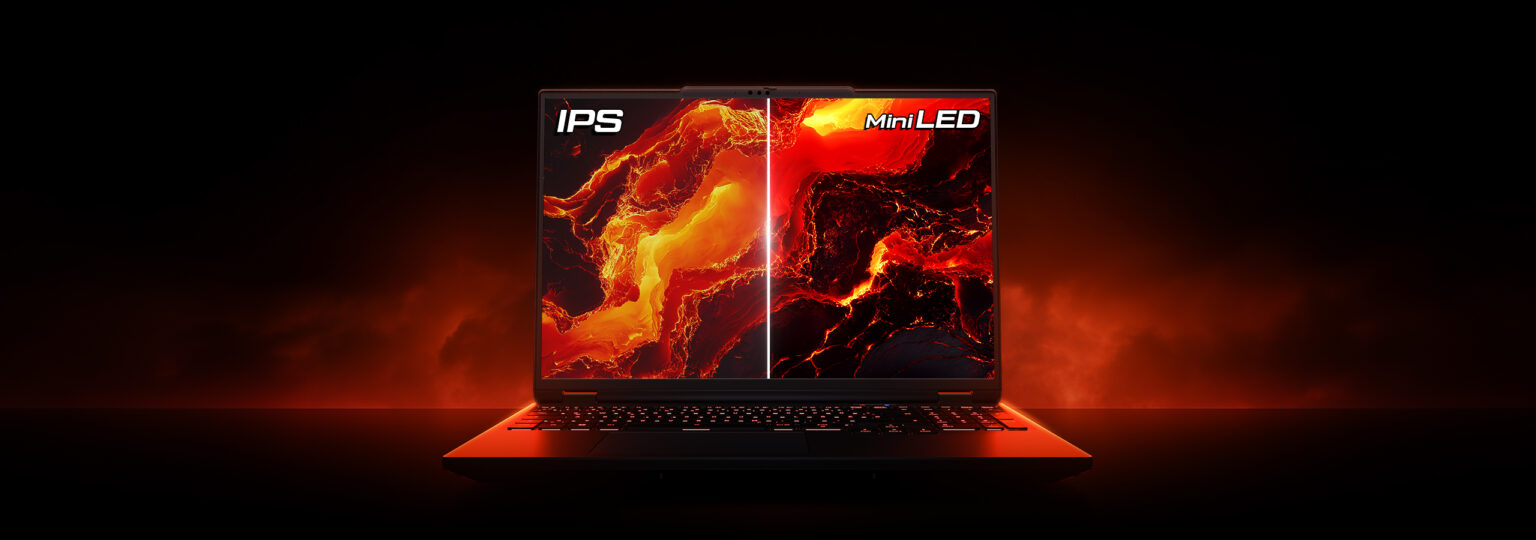
- memory AMD Ryzen 9 9955HX
- developer_board NVIDIA GeForce RTX 5070 Ti Laptop GPU
- layers 64GB DDR5-5600MHz (Dual-Channel)
- track_changes Target GPU: NVIDIA GeForce GTX 1070 (8GB) / RTX 2060 (6GB) or AMD Radeon RX 5700 (8GB) (Estimated)
- memory Intel Core i9-12900H
- developer_board NVIDIA GeForce RTX 3070 Ti
- layers 16GB DDR5-4800MHz
- track_changes Target GPU: NVIDIA GeForce RTX 2080 Super (8GB) / RTX 3070 (8GB) or AMD Radeon RX 6800 (16GB) (Estimated)
- memory AMD Ryzen 7 6800H
- developer_board NVIDIA GeForce RTX 3060
- layers 16GB DDR5-4800MHz
- track_changes Target GPU: NVIDIA GeForce RTX 2080 Super (8GB) / RTX 3070 (8GB) or AMD Radeon RX 6800 (16GB) (Estimated)
- memory AMD Ryzen 9 5900HS
- developer_board NVIDIA GeForce RTX 3080
- layers 16GB DDR4-3200MHz
- track_changes Target GPU: NVIDIA GeForce RTX 2080 Super (8GB) / RTX 3070 (8GB) or AMD Radeon RX 6800 (16GB) (Estimated)
- memory Intel Core i7-13620H
- developer_board NVIDIA GeForce RTX 4070
- layers 16GB DDR5-4800MHz
- track_changes Target GPU: NVIDIA GeForce RTX 2080 Super (8GB) / RTX 3070 (8GB) or AMD Radeon RX 6800 (16GB) (Estimated)
- memory Intel Core i7-14700HX
- developer_board NVIDIA GeForce RTX 4070
- layers 16GB DDR5-5600MHz
- track_changes Target GPU: NVIDIA GeForce RTX 2080 Super (8GB) / RTX 3070 (8GB) or AMD Radeon RX 6800 (16GB) (Estimated)
- memory Intel Core i9-14900HX
- developer_board NVIDIA GeForce RTX 4070
- layers 32GB DDR5-5600MHz
- track_changes Target GPU: NVIDIA GeForce RTX 2080 Super (8GB) / RTX 3070 (8GB) or AMD Radeon RX 6800 (16GB) (Estimated)
- memory Intel Core i9-14900HX
- developer_board NVIDIA GeForce RTX 4070
- layers 16GB DDR5-5600MHz
- track_changes Target GPU: NVIDIA GeForce RTX 2080 Super (8GB) / RTX 3070 (8GB) or AMD Radeon RX 6800 (16GB) (Estimated)
- memory Intel Core Ultra 7 255H
- developer_board NVIDIA GeForce RTX 5060 Laptop GPU
- layers 16GB DDR5-5600MHz (Dual-Channel)
- track_changes Target GPU: NVIDIA GeForce RTX 2080 Super (8GB) / RTX 3070 (8GB) or AMD Radeon RX 6800 (16GB) (Estimated)
- memory Intel Core i9-14900HX
- developer_board NVIDIA GeForce RTX 4070
- layers 32GB DDR5-5600MHz
- track_changes Target GPU: NVIDIA GeForce RTX 3080 (10GB) / RTX 4070 Ti (12GB) or AMD Radeon RX 6900 XT (16GB) / RX 7900 XT (20GB) (Estimated)
- memory Intel Core i9-14900HX
- developer_board NVIDIA GeForce RTX 4070
- layers 16GB DDR5-5600MHz
- track_changes Target GPU: NVIDIA GeForce RTX 3080 (10GB) / RTX 4070 Ti (12GB) or AMD Radeon RX 6900 XT (16GB) / RX 7900 XT (20GB) (Estimated)
- memory Intel Core Ultra 7 255H
- developer_board NVIDIA GeForce RTX 5060 Laptop GPU
- layers 16GB DDR5-5600MHz (Dual-Channel)
- track_changes Target GPU: NVIDIA GeForce RTX 3080 (10GB) / RTX 4070 Ti (12GB) or AMD Radeon RX 6900 XT (16GB) / RX 7900 XT (20GB) (Estimated)
- memory AMD Ryzen 9 8940HX Processor
- developer_board NVIDIA GeForce RTX 5060 Laptop GPU
- layers 32GB DDR5-5200MHz
- track_changes Target GPU: NVIDIA GeForce RTX 3080 (10GB) / RTX 4070 Ti (12GB) or AMD Radeon RX 6900 XT (16GB) / RX 7900 XT (20GB) (Estimated)
- memory Intel Core i9-12950HX
- developer_board NVIDIA GeForce RTX 3080 Ti
- layers 32GB DDR5-4800MHz
- track_changes Target GPU: NVIDIA GeForce RTX 3080 (10GB) / RTX 4070 Ti (12GB) or AMD Radeon RX 6900 XT (16GB) / RX 7900 XT (20GB) (Estimated)
- memory AMD Ryzen 7 7445HS
- developer_board NVIDIA GeForce RTX 4050
- layers 16GB (2x8GB) DDR5 5600MHz SO-DIMM
- track_changes Target GPU: NVIDIA GeForce RTX 3080 (10GB) / RTX 4070 Ti (12GB) or AMD Radeon RX 6900 XT (16GB) / RX 7900 XT (20GB) (Estimated)
- memory AMD Ryzen 7 7445HS
- developer_board NVIDIA GeForce RTX 4050
- layers 16GB DDR5 5600MHz SO-DIMM
- track_changes Target GPU: NVIDIA GeForce RTX 3080 (10GB) / RTX 4070 Ti (12GB) or AMD Radeon RX 6900 XT (16GB) / RX 7900 XT (20GB) (Estimated)
- memory Intel Core i9-14900HX
- developer_board NVIDIA GeForce RTX 4080 Laptop GPU
- layers 64 GB DDR5-5600MHz
- track_changes Target GPU: NVIDIA GeForce RTX 3080 (10GB) / RTX 4070 Ti (12GB) or AMD Radeon RX 6900 XT (16GB) / RX 7900 XT (20GB) (Estimated)
- memory Intel Core Ultra 9 Processor 275HX (Series 2)
- developer_board NVIDIA GeForce RTX 5070 Laptop GPU
- layers 32GB DDR5-5600MHz
- track_changes Target GPU: NVIDIA GeForce RTX 3080 (10GB) / RTX 4070 Ti (12GB) or AMD Radeon RX 6900 XT (16GB) / RX 7900 XT (20GB) (Estimated)
- memory Intel Core i9-14900HX Processor
- developer_board NVIDIA GeForce RTX 5070 Laptop GPU
- layers 32GB DDR5-5600MHz
- track_changes Target GPU: NVIDIA GeForce RTX 3080 (10GB) / RTX 4070 Ti (12GB) or AMD Radeon RX 6900 XT (16GB) / RX 7900 XT (20GB) (Estimated)
- memory Intel Core Ultra 9 285H (Series 2) , 14 cores (6 Performance cores + 8 Efficient cores), 20 threads
- developer_board NVIDIA GeForce RTX 5050 Laptop GPU
- layers 32GB (2x16GB) DDR5 8400MHz SO-DIMM
- track_changes Target GPU: NVIDIA GeForce RTX 4090 (24GB) or AMD Radeon RX 7900 XTX (24GB) (Estimated)
- memory Intel Core Ultra 9 285H
- developer_board NVIDIA GeForce RTX 5070
- layers 32GB (2x16GB) DDR5 4800MHz SO-DIMM
- track_changes Target GPU: NVIDIA GeForce RTX 4090 (24GB) or AMD Radeon RX 7900 XTX (24GB) (Estimated)

- memory Intel Core i9-14900HX Processor
- developer_board NVIDIA GeForce RTX 5070 Ti Laptop GPU
- layers 64GB DDR5-5600MHz (commonly listed as 4800MHz by some retailers, but 5600MHz is common for 14th Gen HX with DDR5)
- track_changes Target GPU: NVIDIA GeForce RTX 4090 (24GB) or AMD Radeon RX 7900 XTX (24GB) (Estimated)

- memory Intel Core Ultra 9 Processor 275HX
- developer_board NVIDIA GeForce RTX 5070 Ti Laptop GPU
- layers 64GB DDR5-6400MHz
- track_changes Target GPU: NVIDIA GeForce RTX 4090 (24GB) or AMD Radeon RX 7900 XTX (24GB) (Estimated)

- memory Intel Core Ultra 9 Processor 275HX (Series 2)
- developer_board NVIDIA GeForce RTX 5070 Ti Laptop GPU
- layers 32GB DDR5-5600MHz
- track_changes Target GPU: NVIDIA GeForce RTX 4090 (24GB) or AMD Radeon RX 7900 XTX (24GB) (Estimated)

- memory Intel Ultra 7 255HX
- developer_board NVIDIA GeForce RTX 5070 Ti
- layers 32GB DDR5 5600MHz
- track_changes Target GPU: NVIDIA GeForce RTX 4090 (24GB) or AMD Radeon RX 7900 XTX (24GB) (Estimated)

- memory Intel Core Ultra 7 240H
- developer_board NVIDIA GeForce RTX 5070 Ti Laptop GPU
- layers 32GB LPDDR5X 5600MHz
- track_changes Target GPU: NVIDIA GeForce RTX 4090 (24GB) or AMD Radeon RX 7900 XTX (24GB) (Estimated)

- memory Intel Core Ultra 9 275HX
- developer_board GeForce RTX 5070 Laptop Laptop GPU
- layers 64GB DDR5-6400MHz (Single-Channel)
- track_changes Target GPU: NVIDIA GeForce RTX 4090 (24GB) or AMD Radeon RX 7900 XTX (24GB) (Estimated)

- memory Intel Core Ultra 9 275HX
- developer_board NVIDIA GeForce RTX 5070 Ti
- layers 32GB
- track_changes Target GPU: NVIDIA GeForce RTX 4090 (24GB) or AMD Radeon RX 7900 XTX (24GB) (Estimated)

- memory Intel Core Ultra 9 275HX
- developer_board NVIDIA GeForce RTX 5070 Ti Laptop GPU
- layers 32 GB DDR5 6400MHz (2x16GB)
- track_changes Target GPU: NVIDIA GeForce RTX 4090 (24GB) or AMD Radeon RX 7900 XTX (24GB) (Estimated)
info_outline Laptop recommendations are estimates based on available component benchmarks and game requirements. Actual performance may vary depending on settings, drivers, cooling, power limits, etc. Prices and availability subject to change. As an Amazon Associate, we earn from qualifying purchases.