Select Games to Compare
Benchmark your exact mobile GPU wattage (TGP), battery throttling drops, and cooling pad requirements for these games.
Void Soul Awakening vs REMNANT II
| close | close |
|---|---|
| shopping_cart Where to Buy | |
| info General Information | |
| Release Date | |
| Apr 15, 2027 | Jul 25, 2023 |
| Developer | |
| VisRay Studios | Gunfire Games |
| Publisher | |
| VisRay Studios | Arc Games (formerly Gearbox Publishing) |
| Genre(s) | |
| Action Roguelite, Hack and Slash, Third-Person Shooter, Character Action RPG | Action RPG, Third-Person Shooter, Soulslike, Co-op Looter Shooter |
| Engine | |
| Unreal Engine 5 | Unreal Engine 4 |
| stars Ratings & Price | |
| Content Rating | |
| Mature | M (Mature 17+) - ESRB Descriptors: Blood and Gore, |
| Avg. User Rating | |
| 4.5 / 5.0 | 4.1 / 5.0 |
| Current Price (USD) | |
| $19.99 | $49.99 |
| tune Key Specs | |
| Quick Highlights | |
|
|
| sports_esports Gameplay & Mechanics | |
| Companions/Followers | |
|
|
| Key Collectibles | |
|
|
| Key Themes | |
|
|
| colorize Combat & Gear | |
| Weapons Overview | |
|
|
| Armor / Gear Sets | |
|
|
| Outfits/Customization | |
|
|
| trending_up Progression & Upgrades | |
| Skills & Progression | |
|
Progression is built around the Soul Energy System, Echo Matrix, and Void Sorceries. Players manage Soul Energy, an active combat gauge consumed by shooting and casting spells, which can only be recharged by landing precise melee strikes. Equipping Echoes of fallen warriors fundamentally alters player classes, passive perks, and mobility skills (such as aerial dashes, phase teleports, and kinetic deflects), while Sorceries allow players to cast black-hole singularities, spectral lightning storms, and blood-sacrifice damage surges. |
N/A |
| public World & Exploration | |
| World & Level Design | |
|
The Abyssal Cube is divided into four non-linear, procedural sectors that shift in architecture with every run: Sector I: The Obsidian Bastion (towering neo-gothic battlements and clockwork crushing corridors), Sector II: The Sunken Core (submerged crystal caverns filled with void cataracts and toxic spires), Sector III: The Shattered Crucible (fractured floating platforms suspended over gravity wells requiring grappling hooks and wall-runs), and Sector IV: The Keeper's Sanctum (a mind-bending metaphysical nexus where gravity and geometry warp in real time). |
N/A |
| Playable Vehicles | |
|
|
| Notable Fauna/Mounts | |
|
N/A |
| book Story & Characters | |
| Main Characters | |
|
|
| Example Missions | |
|
|
| people Multiplayer | |
| Multiplayer Details | |
|
The core game delivers a pure, focused single-player character action roguelite experience. Asynchronous competitive elements are integrated through Global Leaderboards for speedrun clears, highest combo style ratings, and weekly seeded dungeon runs where all players compete using the exact same room layouts and gear drops. |
The core gameplay is designed for up to 3-player online co-operative PvE. Players can join friends or use matchmaking to tackle the campaign, explore worlds, and fight bosses together. The game's difficulty scales with the number of players. Loot is instanced per player. |
| extension Editions & DLC | |
| Available Editions | |
|
Void Soul Awakening is scheduled for release on Steam in 2027 at a base price of $19.99 USD. A Deluxe Supporter Edition will be available for $29.99 USD, bundling the complete digital soundtrack composed of industrial synth-metal tracks, an interactive digital art book detailing the monster design of the 80+ enemy variants, and exclusive void-infused weapon skins and Echo visual trails. |
Released in several editions: Standard Edition (base game). Deluxe Edition (included three armor sets: Elder, Radiant, Void). Ultimate Edition (included Deluxe Edition content, Survival Pack with consumables, and early access to 'The Awakened King,' 'The Forgotten Kingdom,' and 'The Dark Horizon' DLCs, which form the DLC Bundle). |
| Post-Launch Content / DLC | |
|
The development roadmap outlines extensive post-launch support, including an endless Boss Rush arena mode, an Ascension difficulty modifier system allowing players to custom-tune enemy aggression and hazard modifiers for greater rewards, and seasonal content updates introducing new Echoes, weapons, and biome variants. |
REMNANT II has a DLC Bundle featuring three major expansions: 1. 'The Awakened King' (released November 2023): New storyline in Losomn focusing on the One True King, new Archetype (The Ritualist), new dungeons, bosses, items, and weapons. 2. 'The Forgotten Kingdom' (released April 2024): New storyline in Yaesha exploring a lost tribe and a vengeful stone spirit Lydusa, new Archetype (The Invoker), new dungeons, bosses, items, and weapons. 3. 'The Dark Horizon' (released September 2024): New storyline in N'Erud, new Archetype (The Warden), new dungeons, bosses, items, weapons, and a new Glider Traversal System for N'Erud. |
| help_outline FAQ | |
| Frequently Asked Questions | |
|
|
| build Technical Details | |
| Graphics & Visual Fidelity | |
|
Crafted in Unreal Engine 5, Void Soul Awakening boasts a striking visual style that marries dark fantasy architecture with vivid neon-purple and crimson void VFX. High-speed chromatic aberration, dynamic motion blur, physics-based cloth simulations, and volumetric light shafts streaming through the prison's iron grates deliver an overwhelming sense of kinetic spectacle. |
Developed using Unreal Engine 4 (despite some early UE5 speculation), REMNANT II features detailed environments with distinct visual themes for each world, impressive enemy and boss designs, and a dark, gritty art style consistent with its post-apocalyptic and cosmic horror themes. |
| Audio & Soundtrack | |
|
The soundscape is driven by an energetic, adrenaline-pumping blend of aggressive heavy metal guitars, industrial synths, and dark ambient choral voices that dynamically intensify as the Style Meter climbs. Weapon impacts resonate with bone-crunching clarity, complemented by spatial 3D audio cues for projectile parries and off-screen teleporting enemies. |
Atmospheric sound design enhances the distinct feel of each world and the impact of combat. The musical score adapts to gameplay, building intensity during boss fights and creating an eerie ambience during exploration. |
| User Interface (UI/UX) | |
|
Features a slick, high-contrast cyber-gothic HUD displaying real-time health, Soul Energy reserves, active weapon heat, and an adrenaline-fueled dynamic Style Meter (ranging from D to SSS) inspired by classic character-action games. A quick-swap weapon wheel and intuitive spell-binding menu allow seamless mid-combo transitions without interrupting combat momentum. |
Features a clear UI displaying health, stamina, mod power, skill cooldowns, ammo, and equipped items. Inventory management involves weapons, armor, mods, mutators, rings, amulets, and consumables. A minimap aids navigation through the procedurally generated environments. |
| Accessibility Options | |
|
Includes an extensive accessibility suite: full controller remapping with adaptive trigger support on DualSense, configurable input buffering and auto-combo toggles, toggleable screen shake and flashing effects, scalable UI elements up to 200%, colorblind visual presets, and adjustable game speed sliders (from 70% to 100%) to assist players with reaction time barriers. |
Includes options such as subtitles (though initially not highly customizable, patches may have improved), separate volume controls for voice, SFX, and music, remappable keybindings, gamepad support with auto-snap to enemies, adjustable video effects, and sensitivity customization for aiming, mouse, and camera (including X/Y inversion). An option to auto-equip picked-up items is also available. |
| video_library Media Links | |
| Gameplay Video | |
| launchWatch | launchWatch |
| Walkthrough/Guide | |
| launchView | launchView |
| settings_applications System Requirements | |
| 1080p (Full HD) - Recommended (High/Ultra Preset, 1080p (90-120+ FPS)) CPU: High single-core IPC processor ensuring high frame rates during chaotic 80+ enemy screen clears. CPU (Laptop): High-efficiency 8-core mobile CPU keeping frame pacing locked during screen-filling sorcery bursts. GPU: Enables ray-traced reflections and steady 1080p 90+ FPS on maximum graphical settings. GPU (Laptop): Delivers smooth 100+ FPS on high-refresh-rate 1080p laptop displays with DLSS enabled. RAM: Optimal memory bandwidth ensuring instant weapon swap responsiveness and fluid combo chains. Storage: Virtually eliminates load screens when transitioning between Abyssal Cube sectors. | |
memoryCPU: Intel Core i5-10400 / AMD Ryzen 5 3600 developer_boardGPU: NVIDIA GeForce RTX 2060 (6GB) / AMD Radeon RX 6600 (8GB) laptop_macCPU (L): Intel Core i7-11800H / AMD Ryzen 7 5800H laptop_windowsGPU (L): NVIDIA GeForce RTX 3060 Mobile (95W+) / RTX 4050 Mobile (85W+) layersRAM: 16 GB saveStorage (Tier): 20 GB NVMe M.2 SSD | — |
| 1080p (Full HD) - Recommended (Targets 1080p, Medium/High settings, ~60 FPS with Upscaling Quality/Balanced) (Medium/High Preset, 1080p resolution with DLSS/FSR/XeSS Quality or Balanced.) CPU: Official recommended desktop CPU for a better 1080p experience. CPU (Laptop): Stronger laptop CPUs for more consistent 1080p/60fps. GPU: Official recommended desktop GPU for 1080p. 6GB VRAM minimum, 8GB ideal. GPU (Laptop): Capable laptop GPUs. High TGP and effective use of DLSS/FSR are very important. (A hypothetical future RTX 5050/5060 Laptop GPU). RAM: 16GB RAM officially recommended. Storage: NVMe SSD recommended for better overall experience. | |
| — | memoryCPU: Intel Core i5-10600K or AMD Ryzen 5 3600 developer_boardGPU: NVIDIA GeForce RTX 2060 (6GB) or AMD Radeon RX 5700 (8GB) laptop_macCPU (L): Intel Core i7-10750H / AMD Ryzen 7 4800H or newer high-performance 6-core or 8-core CPUs. laptop_windowsGPU (L): NVIDIA GeForce RTX 2060 Mobile (6GB, High TGP), RTX 3060 Laptop GPU (6GB, High TGP), RTX 4050 Laptop GPU (6GB, High TGP), RTX 4060 Laptop GPU (8GB). layersRAM: 16 GB saveStorage (Tier): 80 GB NVMe SSD |
| 1080p (Full HD) - Minimum (Medium Preset, 1080p (45-60 FPS)) CPU: Standard hexa-core processor providing adequate clock speeds to handle enemy wave spawning, physics ragdolls, and projectile tracking. CPU (Laptop): Entry-level quad/hexa-core mobile processor capable of running base 1080p dungeons with stable frame pacing. GPU: Baseline graphics card capable of maintaining 45-60 FPS on medium settings with temporal upscaling enabled. GPU (Laptop): Provides playable 1080p performance across standard procedural chambers. RAM: Required memory capacity to prevent pagefile stuttering when allocating high-speed projectile pools. Storage: Standard drive space for game installation and procedural layout caches. | |
memoryCPU: Intel Core i5-8400 / AMD Ryzen 5 2600 developer_boardGPU: NVIDIA GeForce GTX 1060 (6GB) / AMD Radeon RX 580 (8GB) laptop_macCPU (L): Intel Core i5-10300H / AMD Ryzen 5 4600H laptop_windowsGPU (L): NVIDIA GeForce GTX 1660 Ti Mobile (6GB) / RTX 3050 Mobile (6GB, 60W+) layersRAM: 16 GB saveStorage (Tier): 20 GB SATA SSD / HDD | — |
| 1080p (Full HD) - Minimum (Targets 1080p, Low/Medium settings, ~30-60 FPS with Upscaling) (Low/Medium Preset, 1080p resolution with DLSS/FSR/XeSS Performance/Balanced.) CPU: Official minimum desktop CPU. Game can be CPU intensive. CPU (Laptop): Estimated laptop CPU. A modern 6-core CPU is advisable for a smoother experience. GPU: Official minimum desktop GPU. 4GB VRAM is the absolute floor; 8GB (like RX 590) is better. GPU (Laptop): Estimated laptop GPUs. Performance heavily depends on TGP and upscaling. (Hypothetical future entry-level RTX 50 series laptop GPUs would exceed this). RAM: 16GB RAM is the official minimum. Storage: SSD is highly recommended as per official notes. | |
| — | memoryCPU: Intel Core i5-7600 or AMD Ryzen 5 2600 developer_boardGPU: NVIDIA GeForce GTX 1650 (4GB) or AMD Radeon RX 590 (8GB) laptop_macCPU (L): Intel Core i7-8750H / AMD Ryzen 5 3600H equivalent or better. laptop_windowsGPU (L): NVIDIA GeForce GTX 1650 Ti Mobile (4GB), RTX 3050 Laptop GPU (4GB/6GB, ensure good TGP). RTX 4050 Laptop GPU (6GB) would be a more comfortable modern minimum, relying on upscaling. layersRAM: 16 GB saveStorage (Tier): 80 GB SSD |
| 1440p (QHD/2K) - Enthusiast (Ultra Preset, 1440p (100-144 FPS)) CPU: High-cache desktop processor eliminating CPU bottlenecks during intense multi-phase Archon boss encounters. CPU (Laptop): Enthusiast mobile CPU delivering desktop-tier performance on native 1440p QHD screens. GPU: High-bandwidth compute architecture powering native 1440p at extreme frame rates with full volumetric lighting. GPU (Laptop): Maintains locked 100+ FPS on 1440p laptop panels with DLSS 3 Frame Generation. RAM: Ensures zero frame hitching during extended multi-hour survival marathon runs. Storage: Instant level regeneration upon death and rebirth cycles. | |
memoryCPU: Intel Core i7-12700K / AMD Ryzen 7 5800X3D developer_boardGPU: NVIDIA GeForce RTX 4070 (12GB) / AMD Radeon RX 7800 XT (16GB) laptop_macCPU (L): Intel Core i7-13700HX / AMD Ryzen 7 7840HS laptop_windowsGPU (L): NVIDIA GeForce RTX 4070 Mobile (140W) / RTX 3080 Mobile (130W) layersRAM: 32 GB saveStorage (Tier): 20 GB High-Speed PCIe Gen4 NVMe SSD | — |
| 1440p (QHD/2K) - High (Targets 1440p, High settings, ~60 FPS with DLSS/FSR Quality + potentially Frame Gen) (High Preset, 1440p resolution with DLSS/FSR Quality. Frame Generation (DLSS 3/FSR 3) highly recommended if available/supported by GPU.) CPU: Powerful desktop CPU to handle 1440p and reduce CPU bottlenecks, especially if using Frame Generation. CPU (Laptop): High-performance laptop CPUs essential for smooth 1440p, particularly with Frame Generation. GPU: Strong GPUs for 1440p/60fps. DLSS/FSR Quality is essential. For consistent 60FPS+ with high settings, Frame Generation is a significant help. GPU (Laptop): High-end laptop GPUs with max TGP. DLSS/FSR (Quality/Balanced) + Frame Generation are key. (A hypothetical future RTX 5060 Ti/5070 Laptop GPU). RAM: 32GB RAM is strongly recommended for 1440p high settings to ensure smooth performance. Storage: NVMe SSD mandatory for optimal performance. | |
| — | memoryCPU: Intel Core i7-11700K / AMD Ryzen 7 5800X or newer (e.g., Intel Core i5-13600K / AMD Ryzen 5 7600X) developer_boardGPU: NVIDIA GeForce RTX 3070 (8GB) / RTX 4060 Ti (8GB/16GB) / RTX 4070 (12GB) or AMD Radeon RX 6700 XT (12GB) / RX 6800 (16GB) / RX 7700 XT (12GB) laptop_macCPU (L): Intel Core i7-12700H / AMD Ryzen 7 6800H or Intel Core i9-12900H / AMD Ryzen 9 6900HS and above. laptop_windowsGPU (L): NVIDIA GeForce RTX 3070 Ti Laptop GPU (8GB), RTX 3080 Laptop GPU (8GB/16GB), RTX 4070 Laptop GPU (8GB, High TGP), RTX 4080 Laptop GPU (12GB). layersRAM: 16 GB saveStorage (Tier): 80 GB NVMe SSD |
| 2160p (UHD/4K) - Ultra (Max Preset, 4K (60-120 FPS with DLSS/FSR)) CPU: Top-tier gaming processor ensuring uncompromising draw-call execution during massive bullet-hell encounters. CPU (Laptop): Desktop-replacement class processor driving external 4K monitors with maximum visual fidelity. GPU: Uncompromised 4K rendering power delivering crisp particle bursts, void magic tessellation, and ray-traced shadows. GPU (Laptop): Top-of-the-line mobile GPU delivering native 4K 60-90+ FPS performance. RAM: Provides expansive memory overhead for ultra 4K textures and high-bitrate spatial audio streams. Storage: Peak sequential transfer speeds for instantaneous asset streaming and checkpoint recovery. | |
memoryCPU: Intel Core i7-14700K / AMD Ryzen 7 7800X3D developer_boardGPU: NVIDIA GeForce RTX 4080 (16GB) / AMD Radeon RX 7900 XTX (24GB) laptop_macCPU (L): Intel Core i9-14900HX / AMD Ryzen 9 7945HX laptop_windowsGPU (L): NVIDIA GeForce RTX 4090 Mobile (175W) layersRAM: 32 GB saveStorage (Tier): 20 GB PCIe Gen4 M.2 NVMe SSD | — |
| 2160p (UHD/4K) - Ultra (Targets 2160p/4K, Medium/High settings, ~60 FPS with DLSS/FSR Performance + Frame Gen) (Medium/High Preset, 2160p (4K) resolution using DLSS/FSR Performance + Frame Generation.) CPU: Top-tier desktop CPU to support 4K gaming and minimize CPU bottlenecks, especially with Frame Generation. CPU (Laptop): Absolute flagship laptop CPUs required. GPU: Flagship desktop GPUs required for 4K. Heavily reliant on DLSS/FSR Performance and Frame Generation (for NVIDIA RTX 40 series / AMD FSR 3 compatible cards) to achieve ~60 FPS. GPU (Laptop): The most powerful current (RTX 40 series) laptop GPUs. DLSS/FSR (Performance/Ultra Performance) with Frame Generation is essential. Hypothetical RTX 50 series laptop GPUs are speculative. RAM: 32GB of high-speed RAM is strongly recommended for optimal 4K gaming. Storage: A very fast NVMe SSD (PCIe Gen4 or better) is highly recommended for 4K textures and loading. | |
| — | memoryCPU: Intel Core i9-12900K / AMD Ryzen 9 5900X or newer (e.g., Intel Core i7-13700K / AMD Ryzen 7 7800X3D) developer_boardGPU: NVIDIA GeForce RTX 3080 (10GB/12GB) / RTX 4070 Ti (12GB) / RTX 4080 (16GB) or AMD Radeon RX 6800 XT (16GB) / RX 7900 XT (20GB) / RX 7900 XTX (24GB) laptop_macCPU (L): Intel Core i9-13900HX / Core i9-14900HX or AMD Ryzen 9 7945HX / 7945HX3D. laptop_windowsGPU (L): NVIDIA GeForce RTX 4080 Laptop GPU (12GB, Max TGP), RTX 4090 Laptop GPU (16GB, Max TGP). **(A hypothetical future flagship NVIDIA GeForce RTX 5080/5090 Laptop GPU would aim to improve this experience further.)** layersRAM: 32 GB saveStorage (Tier): 80 GB NVMe SSD (High-speed Gen4 or Gen5 recommended) |
| save Overall Storage | |
Spec: 20 GB available space (Solid State Drive Strongly Recommended) Note: SSD storage is essential for instant procedural chamber loading and zero-stutter asset streaming during high-speed traversal. Type: SSD | Spec: 80 GB available space (SSD Highly Recommended, NVMe for best experience) Note: An SSD (preferably NVMe) with at least 80 GB of free space is strongly recommended for optimal performance, significantly faster loading times, and smoother asset streaming. Requirement may increase with DLCs/updates. Type: NVMe |
| desktop_windows Operating System | |
| Spec: Windows 10 64-bit / Windows 11 64-bit Explanation: Requires a 64-bit Windows environment to support DirectX 12 Agility SDK features and low-level multi-threaded hardware scheduling. | Spec: Windows 10 (64-bit, latest update) or Windows 11 (64-bit, latest update) Explanation: A 64-bit version of Windows 10 (latest updates) or Windows 11 (latest update) is required. Windows 11 is generally recommended for newer UE5 titles for features like DirectStorage and optimal CPU scheduling. |
| gamepad DirectX Version | |
| Spec: DirectX 12 Explanation: Utilizes DirectX 12 for multi-threaded draw calls, dynamic mesh streaming, and hardware ray tracing support. | Spec: DirectX 12 Explanation: DirectX 12 is required. Remnant II is an Unreal Engine 5 title, which leverages DX12 features. Ray tracing is not a primary feature of the game; performance is demanding even without it. |
| info_outline Other Game Notes | |
|
|
| build Optimization Details | |
|
|
| laptop Laptop Considerations | |
|
|


info_outline Feature details based on available data. System requirements and performance estimates may vary.
laptop_chromebook Laptop Recommendations
Common Recommendations (Handles All Compared Games)

- memory Intel Core i7-12700H
- developer_board NVIDIA GeForce RTX 3070
- layers 32GB DDR4-3200MHz
- track_changes Target GPU: NVIDIA GeForce GTX 1660 Ti Mobile (6GB) / RTX 3050 Mobile (6GB, 60W+)

- memory Intel Core i9-13900H
- developer_board NVIDIA GeForce RTX 4060
- layers 16GB DDR5-5200MHz
- track_changes Target GPU: NVIDIA GeForce GTX 1660 Ti Mobile (6GB) / RTX 3050 Mobile (6GB, 60W+)

- memory Intel Core i9-14900HX
- developer_board NVIDIA GeForce RTX 4060
- layers 32GB DDR5-5600MHz
- track_changes Target GPU: NVIDIA GeForce GTX 1660 Ti Mobile (6GB) / RTX 3050 Mobile (6GB, 60W+)

- memory AMD Ryzen 7 7435HS
- developer_board NVIDIA GeForce RTX 3050
- layers 32GB DDR5-4800MHz
- track_changes Target GPU: NVIDIA GeForce GTX 1650 Ti Mobile (4GB), RTX 3050 Laptop GPU (4GB/6GB, ensure good TGP). RTX 4050 Laptop GPU (6GB) would be a more comfortable modern minimum, relying on upscaling.

- memory AMD Ryzen 9 8940HX Processor
- developer_board NVIDIA GeForce RTX 5060 Laptop GPU
- layers 32GB DDR5-5200MHz
- track_changes Target GPU: NVIDIA GeForce GTX 1650 Ti Mobile (4GB), RTX 3050 Laptop GPU (4GB/6GB, ensure good TGP). RTX 4050 Laptop GPU (6GB) would be a more comfortable modern minimum, relying on upscaling.
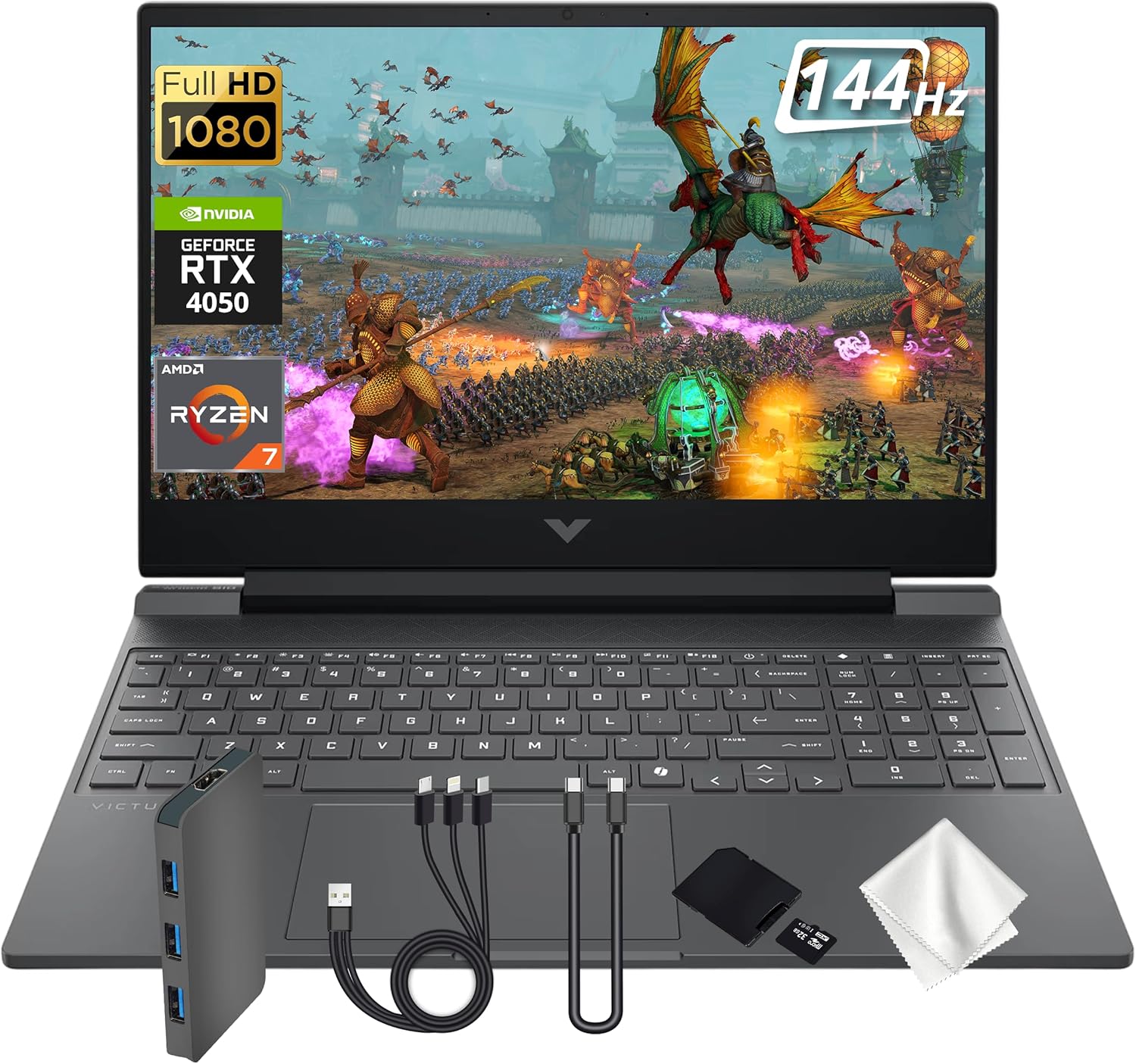
- memory AMD Ryzen 7 7445HS
- developer_board NVIDIA GeForce RTX 4050
- layers 16GB (2x8GB) DDR5 5600MHz SO-DIMM
- track_changes Target GPU: NVIDIA GeForce GTX 1650 Ti Mobile (4GB), RTX 3050 Laptop GPU (4GB/6GB, ensure good TGP). RTX 4050 Laptop GPU (6GB) would be a more comfortable modern minimum, relying on upscaling.

- memory Intel Core i9-14900HX
- developer_board NVIDIA GeForce RTX 4070
- layers 32GB DDR5-5600MHz
- track_changes Target GPU: NVIDIA GeForce RTX 4070 Mobile (140W) / RTX 3080 Mobile (130W)
- memory AMD Ryzen 9 8940HX Processor
- developer_board NVIDIA GeForce RTX 5060 Laptop GPU
- layers 32GB DDR5-5200MHz
- track_changes Target GPU: NVIDIA GeForce RTX 4070 Mobile (140W) / RTX 3080 Mobile (130W)

- memory Intel Core i9-12950HX
- developer_board NVIDIA GeForce RTX 3080 Ti
- layers 32GB DDR5-4800MHz
- track_changes Target GPU: NVIDIA GeForce RTX 4070 Mobile (140W) / RTX 3080 Mobile (130W)

- memory Intel Core i9-14900HX
- developer_board NVIDIA GeForce RTX 4090
- layers 32GB DDR5-5600MHz
- track_changes Target GPU: NVIDIA GeForce RTX 4090 Mobile (175W)

- memory Intel Core Ultra 9 285H (Series 2) , 14 cores (6 Performance cores + 8 Efficient cores), 20 threads
- developer_board NVIDIA GeForce RTX 5050 Laptop GPU
- layers 32GB (2x16GB) DDR5 8400MHz SO-DIMM
- track_changes Target GPU: NVIDIA GeForce RTX 4090 Mobile (175W)

- memory Intel Core Ultra 9 285H
- developer_board NVIDIA GeForce RTX 5070
- layers 32GB (2x16GB) DDR5 4800MHz SO-DIMM
- track_changes Target GPU: NVIDIA GeForce RTX 4090 Mobile (175W)

- memory Intel Core i9-14900HX
- developer_board NVIDIA GeForce RTX 4080 Laptop GPU
- layers 64 GB DDR5-5600MHz
- track_changes Target GPU: NVIDIA GeForce RTX 4080 Laptop GPU (12GB, Max TGP), RTX 4090 Laptop GPU (16GB, Max TGP). **(A hypothetical future flagship NVIDIA GeForce RTX 5080/5090 Laptop GPU would aim to improve this experience further.)**

- memory Intel Core Ultra 9 Processor 275HX (Series 2)
- developer_board NVIDIA GeForce RTX 5070 Laptop GPU
- layers 32GB DDR5-5600MHz
- track_changes Target GPU: NVIDIA GeForce RTX 4080 Laptop GPU (12GB, Max TGP), RTX 4090 Laptop GPU (16GB, Max TGP). **(A hypothetical future flagship NVIDIA GeForce RTX 5080/5090 Laptop GPU would aim to improve this experience further.)**

- memory Intel Core i9-14900HX Processor
- developer_board NVIDIA GeForce RTX 5070 Laptop GPU
- layers 32GB DDR5-5600MHz
- track_changes Target GPU: NVIDIA GeForce RTX 4080 Laptop GPU (12GB, Max TGP), RTX 4090 Laptop GPU (16GB, Max TGP). **(A hypothetical future flagship NVIDIA GeForce RTX 5080/5090 Laptop GPU would aim to improve this experience further.)**
For Void Soul Awakening Specifically
- memory Intel Core i7-12700H
- developer_board NVIDIA GeForce RTX 3070
- layers 32GB DDR4-3200MHz
- track_changes Target GPU: NVIDIA GeForce GTX 1060 (6GB) / AMD Radeon RX 580 (8GB)
- memory Intel Core i9-13900H
- developer_board NVIDIA GeForce RTX 4060
- layers 16GB DDR5-5200MHz
- track_changes Target GPU: NVIDIA GeForce GTX 1060 (6GB) / AMD Radeon RX 580 (8GB)
- memory Intel Core i9-14900HX
- developer_board NVIDIA GeForce RTX 4060
- layers 32GB DDR5-5600MHz
- track_changes Target GPU: NVIDIA GeForce GTX 1060 (6GB) / AMD Radeon RX 580 (8GB)

- memory Intel Core i9-12900H
- developer_board NVIDIA GeForce RTX 3070 Ti
- layers 16GB DDR5-4800MHz
- track_changes Target GPU: NVIDIA GeForce GTX 1060 (6GB) / AMD Radeon RX 580 (8GB)

- memory Intel Core i5-12450H
- developer_board NVIDIA GeForce RTX 3050
- layers 16GB DDR4-3200MHz
- track_changes Target GPU: NVIDIA GeForce GTX 1060 (6GB) / AMD Radeon RX 580 (8GB)
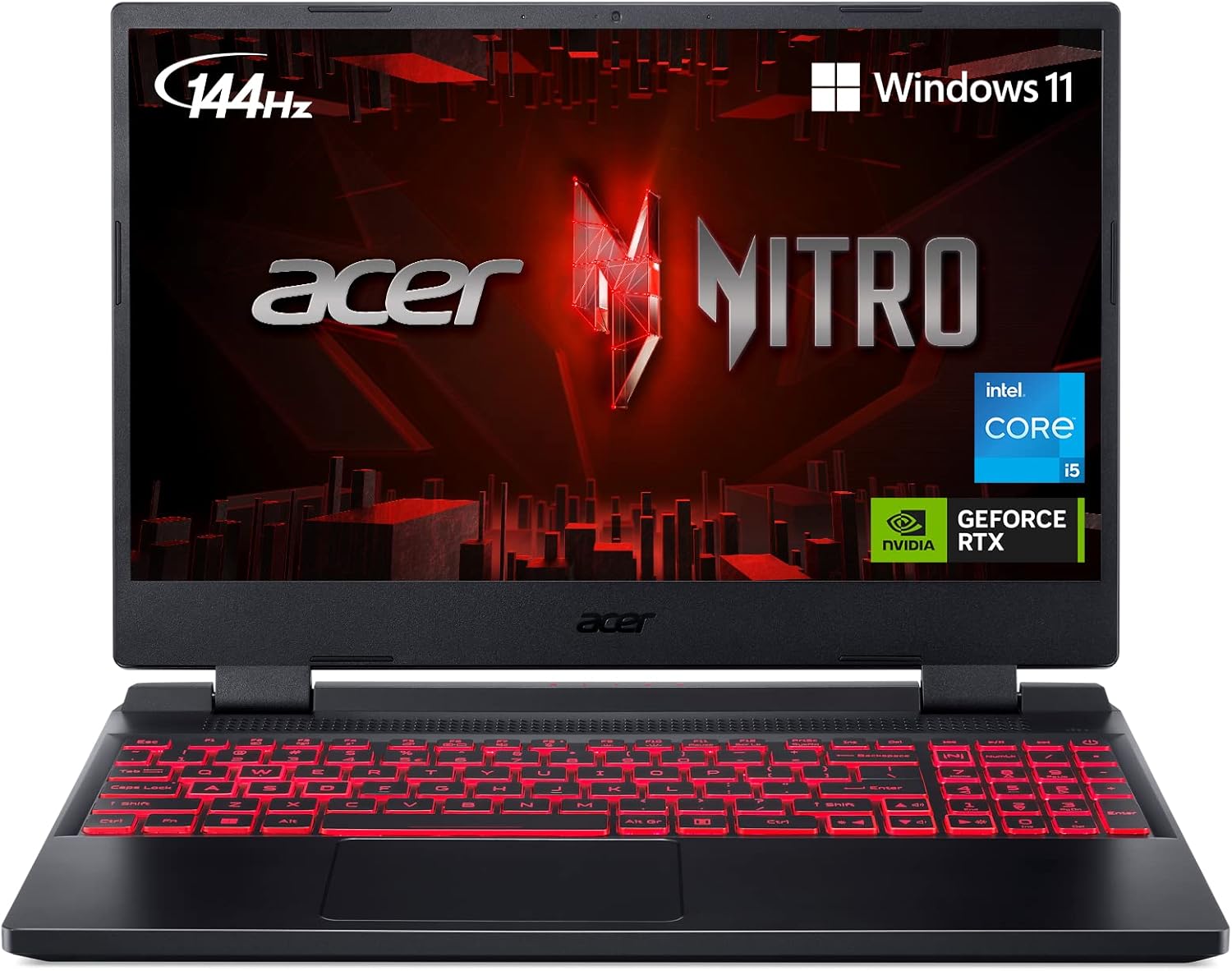
- memory Intel Core i5-12500H
- developer_board NVIDIA GeForce RTX 3050 Ti
- layers 16GB DDR4-3200MHz
- track_changes Target GPU: NVIDIA GeForce GTX 1060 (6GB) / AMD Radeon RX 580 (8GB)
- memory AMD Ryzen 7 7435HS
- developer_board NVIDIA GeForce RTX 3050
- layers 32GB DDR5-4800MHz
- track_changes Target GPU: NVIDIA GeForce GTX 1060 (6GB) / AMD Radeon RX 580 (8GB)

- memory AMD Ryzen 7 6800H
- developer_board NVIDIA GeForce RTX 3060
- layers 16GB DDR5-4800MHz
- track_changes Target GPU: NVIDIA GeForce GTX 1060 (6GB) / AMD Radeon RX 580 (8GB)

- memory AMD Ryzen 9 5900HS
- developer_board NVIDIA GeForce RTX 3080
- layers 16GB DDR4-3200MHz
- track_changes Target GPU: NVIDIA GeForce GTX 1060 (6GB) / AMD Radeon RX 580 (8GB)

- memory Intel Core i7-13620H
- developer_board NVIDIA GeForce RTX 4070
- layers 16GB DDR5-4800MHz
- track_changes Target GPU: NVIDIA GeForce GTX 1060 (6GB) / AMD Radeon RX 580 (8GB)

- memory Intel Core i7-14700HX
- developer_board NVIDIA GeForce RTX 4070
- layers 16GB DDR5-5600MHz
- track_changes Target GPU: NVIDIA GeForce RTX 2060 (6GB) / AMD Radeon RX 6600 (8GB)
- memory Intel Core i9-14900HX
- developer_board NVIDIA GeForce RTX 4070
- layers 32GB DDR5-5600MHz
- track_changes Target GPU: NVIDIA GeForce RTX 2060 (6GB) / AMD Radeon RX 6600 (8GB)
- memory Intel Core i9-14900HX
- developer_board NVIDIA GeForce RTX 4070
- layers 32GB DDR5-5600MHz
- track_changes Target GPU: NVIDIA GeForce RTX 4070 (12GB) / AMD Radeon RX 7800 XT (16GB)
- memory AMD Ryzen 9 8940HX Processor
- developer_board NVIDIA GeForce RTX 5060 Laptop GPU
- layers 32GB DDR5-5200MHz
- track_changes Target GPU: NVIDIA GeForce RTX 4070 (12GB) / AMD Radeon RX 7800 XT (16GB)
- memory Intel Core i9-12950HX
- developer_board NVIDIA GeForce RTX 3080 Ti
- layers 32GB DDR5-4800MHz
- track_changes Target GPU: NVIDIA GeForce RTX 4070 (12GB) / AMD Radeon RX 7800 XT (16GB)
- memory Intel Core i9-14900HX
- developer_board NVIDIA GeForce RTX 4080 Laptop GPU
- layers 64 GB DDR5-5600MHz
- track_changes Target GPU: NVIDIA GeForce RTX 4070 (12GB) / AMD Radeon RX 7800 XT (16GB)
- memory Intel Core Ultra 9 Processor 275HX (Series 2)
- developer_board NVIDIA GeForce RTX 5070 Laptop GPU
- layers 32GB DDR5-5600MHz
- track_changes Target GPU: NVIDIA GeForce RTX 4070 (12GB) / AMD Radeon RX 7800 XT (16GB)
- memory Intel Core i9-14900HX Processor
- developer_board NVIDIA GeForce RTX 5070 Laptop GPU
- layers 32GB DDR5-5600MHz
- track_changes Target GPU: NVIDIA GeForce RTX 4070 (12GB) / AMD Radeon RX 7800 XT (16GB)

- memory Intel Core i9-14900HX Processor
- developer_board NVIDIA GeForce RTX 5070 Laptop GPU
- layers 32GB DDR5-5600MHz
- track_changes Target GPU: NVIDIA GeForce RTX 4070 (12GB) / AMD Radeon RX 7800 XT (16GB)

- memory Intel Core Ultra 9 285H (Arrow Lake-H)
- developer_board NVIDIA GeForce RTX 5070 Laptop GPU
- layers 64GB LPDDR5x-8533MT/s (LPCAMM2)
- track_changes Target GPU: NVIDIA GeForce RTX 4070 (12GB) / AMD Radeon RX 7800 XT (16GB)

- memory Intel Core i9-14900HX
- developer_board NVIDIA GeForce RTX 4080
- layers 64GB DDR5-5600MHz
- track_changes Target GPU: NVIDIA GeForce RTX 4070 (12GB) / AMD Radeon RX 7800 XT (16GB)

- memory Intel Core i9-14900HX
- developer_board NVIDIA GeForce RTX 4080
- layers 32GB DDR5-5600MHz
- track_changes Target GPU: NVIDIA GeForce RTX 4070 (12GB) / AMD Radeon RX 7800 XT (16GB)
- memory Intel Core Ultra 9 285H (Series 2) , 14 cores (6 Performance cores + 8 Efficient cores), 20 threads
- developer_board NVIDIA GeForce RTX 5050 Laptop GPU
- layers 32GB (2x16GB) DDR5 8400MHz SO-DIMM
- track_changes Target GPU: NVIDIA GeForce RTX 4080 (16GB) / AMD Radeon RX 7900 XTX (24GB)
- memory Intel Core Ultra 9 285H
- developer_board NVIDIA GeForce RTX 5070
- layers 32GB (2x16GB) DDR5 4800MHz SO-DIMM
- track_changes Target GPU: NVIDIA GeForce RTX 4080 (16GB) / AMD Radeon RX 7900 XTX (24GB)

- memory Intel Core i9-14900HX Processor
- developer_board NVIDIA GeForce RTX 5070 Ti Laptop GPU
- layers 64GB DDR5-5600MHz (commonly listed as 4800MHz by some retailers, but 5600MHz is common for 14th Gen HX with DDR5)
- track_changes Target GPU: NVIDIA GeForce RTX 4080 (16GB) / AMD Radeon RX 7900 XTX (24GB)

- memory Intel Core Ultra 9 Processor 275HX
- developer_board NVIDIA GeForce RTX 5070 Ti Laptop GPU
- layers 64GB DDR5-6400MHz
- track_changes Target GPU: NVIDIA GeForce RTX 4080 (16GB) / AMD Radeon RX 7900 XTX (24GB)

- memory Intel Core Ultra 9 Processor 275HX (Series 2)
- developer_board NVIDIA GeForce RTX 5070 Ti Laptop GPU
- layers 32GB DDR5-5600MHz
- track_changes Target GPU: NVIDIA GeForce RTX 4080 (16GB) / AMD Radeon RX 7900 XTX (24GB)

- memory Intel Ultra 7 255HX
- developer_board NVIDIA GeForce RTX 5070 Ti
- layers 32GB DDR5 5600MHz
- track_changes Target GPU: NVIDIA GeForce RTX 4080 (16GB) / AMD Radeon RX 7900 XTX (24GB)
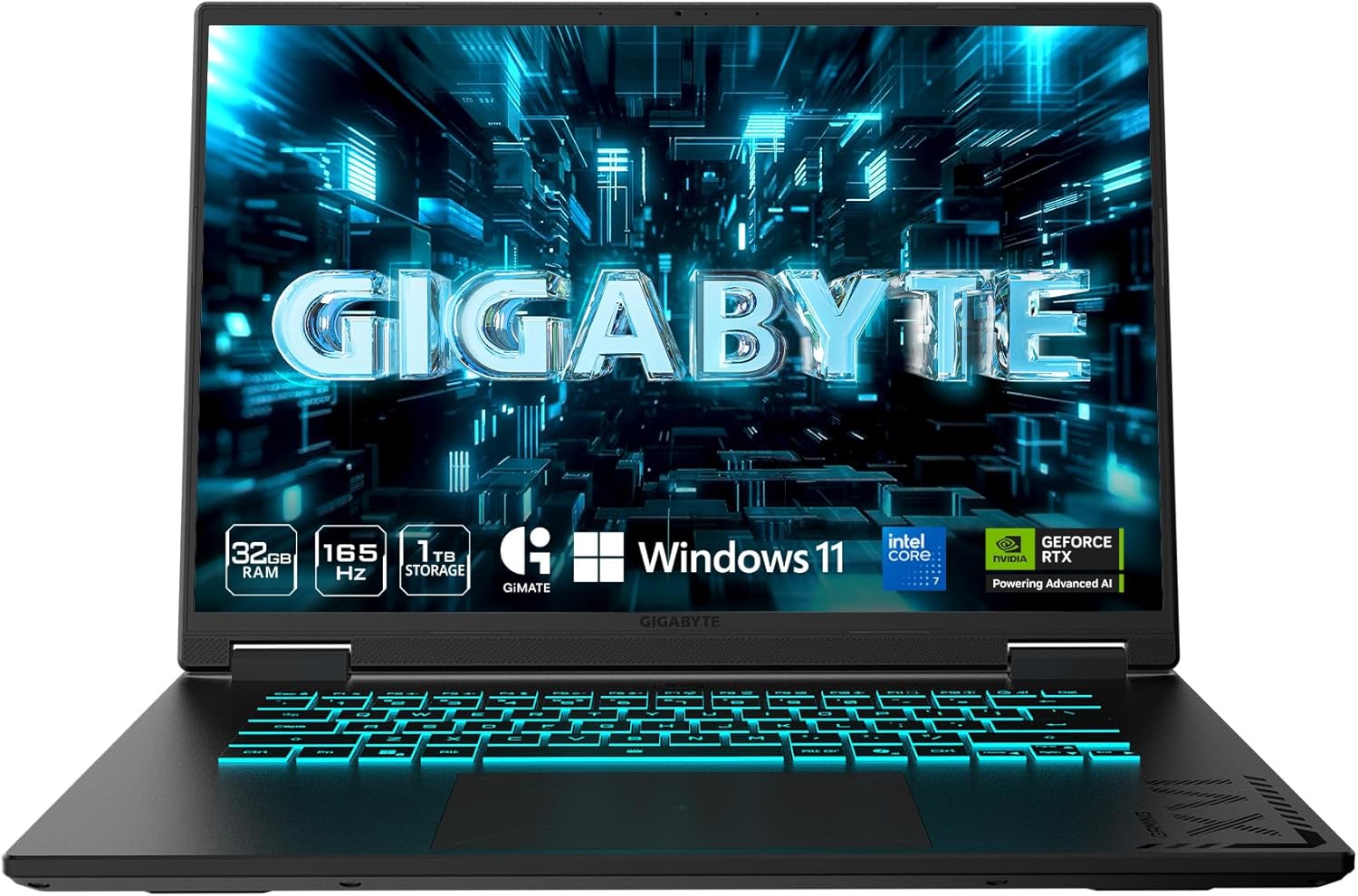
- memory Intel Core Ultra 7 240H
- developer_board NVIDIA GeForce RTX 5070 Ti Laptop GPU
- layers 32GB LPDDR5X 5600MHz
- track_changes Target GPU: NVIDIA GeForce RTX 4080 (16GB) / AMD Radeon RX 7900 XTX (24GB)

- memory Intel Core Ultra 9 275HX
- developer_board GeForce RTX 5070 Laptop Laptop GPU
- layers 64GB DDR5-6400MHz (Single-Channel)
- track_changes Target GPU: NVIDIA GeForce RTX 4080 (16GB) / AMD Radeon RX 7900 XTX (24GB)

- memory Intel Core Ultra 9 275HX
- developer_board NVIDIA GeForce RTX 5070 Ti
- layers 32GB
- track_changes Target GPU: NVIDIA GeForce RTX 4080 (16GB) / AMD Radeon RX 7900 XTX (24GB)

- memory Intel Core Ultra 9 275HX
- developer_board NVIDIA GeForce RTX 5070 Ti Laptop GPU
- layers 32 GB DDR5 6400MHz (2x16GB)
- track_changes Target GPU: NVIDIA GeForce RTX 4080 (16GB) / AMD Radeon RX 7900 XTX (24GB)
For REMNANT II Specifically
- memory AMD Ryzen 7 7435HS
- developer_board NVIDIA GeForce RTX 3050
- layers 32GB DDR5-4800MHz
- track_changes Target GPU: NVIDIA GeForce GTX 1650 (4GB) or AMD Radeon RX 590 (8GB)
- memory AMD Ryzen 9 8940HX Processor
- developer_board NVIDIA GeForce RTX 5060 Laptop GPU
- layers 32GB DDR5-5200MHz
- track_changes Target GPU: NVIDIA GeForce GTX 1650 (4GB) or AMD Radeon RX 590 (8GB)
- memory AMD Ryzen 7 7445HS
- developer_board NVIDIA GeForce RTX 4050
- layers 16GB (2x8GB) DDR5 5600MHz SO-DIMM
- track_changes Target GPU: NVIDIA GeForce GTX 1650 (4GB) or AMD Radeon RX 590 (8GB)

- memory AMD Ryzen 7 7445HS
- developer_board NVIDIA GeForce RTX 4050
- layers 16GB DDR5 5600MHz SO-DIMM
- track_changes Target GPU: NVIDIA GeForce GTX 1650 (4GB) or AMD Radeon RX 590 (8GB)
- memory Intel Core Ultra 9 285H (Arrow Lake-H)
- developer_board NVIDIA GeForce RTX 5070 Laptop GPU
- layers 64GB LPDDR5x-8533MT/s (LPCAMM2)
- track_changes Target GPU: NVIDIA GeForce GTX 1650 (4GB) or AMD Radeon RX 590 (8GB)

- memory AMD Ryzen 9 7845HX
- developer_board NVIDIA GeForce RTX 4080
- layers Up to 64GB DDR5
- track_changes Target GPU: NVIDIA GeForce GTX 1650 (4GB) or AMD Radeon RX 590 (8GB)
- memory Intel Core Ultra 9 285H (Series 2) , 14 cores (6 Performance cores + 8 Efficient cores), 20 threads
- developer_board NVIDIA GeForce RTX 5050 Laptop GPU
- layers 32GB (2x16GB) DDR5 8400MHz SO-DIMM
- track_changes Target GPU: NVIDIA GeForce GTX 1650 (4GB) or AMD Radeon RX 590 (8GB)
- memory Intel Core Ultra 9 285H
- developer_board NVIDIA GeForce RTX 5070
- layers 32GB (2x16GB) DDR5 4800MHz SO-DIMM
- track_changes Target GPU: NVIDIA GeForce GTX 1650 (4GB) or AMD Radeon RX 590 (8GB)
- memory Intel Core Ultra 9 275HX
- developer_board GeForce RTX 5070 Laptop Laptop GPU
- layers 64GB DDR5-6400MHz (Single-Channel)
- track_changes Target GPU: NVIDIA GeForce GTX 1650 (4GB) or AMD Radeon RX 590 (8GB)
- memory Intel Core Ultra 9 275HX
- developer_board NVIDIA GeForce RTX 5070 Ti
- layers 32GB
- track_changes Target GPU: NVIDIA GeForce GTX 1650 (4GB) or AMD Radeon RX 590 (8GB)
- memory Intel Core i7-12700H
- developer_board NVIDIA GeForce RTX 3070
- layers 32GB DDR4-3200MHz
- track_changes Target GPU: NVIDIA GeForce RTX 2060 (6GB) or AMD Radeon RX 5700 (8GB)
- memory Intel Core i9-13900H
- developer_board NVIDIA GeForce RTX 4060
- layers 16GB DDR5-5200MHz
- track_changes Target GPU: NVIDIA GeForce RTX 2060 (6GB) or AMD Radeon RX 5700 (8GB)
- memory Intel Core i9-14900HX
- developer_board NVIDIA GeForce RTX 4060
- layers 32GB DDR5-5600MHz
- track_changes Target GPU: NVIDIA GeForce RTX 2060 (6GB) or AMD Radeon RX 5700 (8GB)
- memory Intel Core i9-12900H
- developer_board NVIDIA GeForce RTX 3070 Ti
- layers 16GB DDR5-4800MHz
- track_changes Target GPU: NVIDIA GeForce RTX 2060 (6GB) or AMD Radeon RX 5700 (8GB)
- memory AMD Ryzen 7 6800H
- developer_board NVIDIA GeForce RTX 3060
- layers 16GB DDR5-4800MHz
- track_changes Target GPU: NVIDIA GeForce RTX 2060 (6GB) or AMD Radeon RX 5700 (8GB)
- memory AMD Ryzen 9 5900HS
- developer_board NVIDIA GeForce RTX 3080
- layers 16GB DDR4-3200MHz
- track_changes Target GPU: NVIDIA GeForce RTX 2060 (6GB) or AMD Radeon RX 5700 (8GB)
- memory Intel Core i7-13620H
- developer_board NVIDIA GeForce RTX 4070
- layers 16GB DDR5-4800MHz
- track_changes Target GPU: NVIDIA GeForce RTX 2060 (6GB) or AMD Radeon RX 5700 (8GB)
- memory Intel Core i7-14700HX
- developer_board NVIDIA GeForce RTX 4070
- layers 16GB DDR5-5600MHz
- track_changes Target GPU: NVIDIA GeForce RTX 2060 (6GB) or AMD Radeon RX 5700 (8GB)
- memory Intel Core i9-14900HX
- developer_board NVIDIA GeForce RTX 4070
- layers 32GB DDR5-5600MHz
- track_changes Target GPU: NVIDIA GeForce RTX 2060 (6GB) or AMD Radeon RX 5700 (8GB)
- memory Intel Core i9-14900HX
- developer_board NVIDIA GeForce RTX 4080 Laptop GPU
- layers 64 GB DDR5-5600MHz
- track_changes Target GPU: NVIDIA GeForce RTX 3080 (10GB/12GB) / RTX 4070 Ti (12GB) / RTX 4080 (16GB) or AMD Radeon RX 6800 XT (16GB) / RX 7900 XT (20GB) / RX 7900 XTX (24GB)
- memory Intel Core Ultra 9 Processor 275HX (Series 2)
- developer_board NVIDIA GeForce RTX 5070 Laptop GPU
- layers 32GB DDR5-5600MHz
- track_changes Target GPU: NVIDIA GeForce RTX 3080 (10GB/12GB) / RTX 4070 Ti (12GB) / RTX 4080 (16GB) or AMD Radeon RX 6800 XT (16GB) / RX 7900 XT (20GB) / RX 7900 XTX (24GB)
- memory Intel Core i9-14900HX Processor
- developer_board NVIDIA GeForce RTX 5070 Laptop GPU
- layers 32GB DDR5-5600MHz
- track_changes Target GPU: NVIDIA GeForce RTX 3080 (10GB/12GB) / RTX 4070 Ti (12GB) / RTX 4080 (16GB) or AMD Radeon RX 6800 XT (16GB) / RX 7900 XT (20GB) / RX 7900 XTX (24GB)
- memory Intel Core i9-14900HX Processor
- developer_board NVIDIA GeForce RTX 5070 Laptop GPU
- layers 32GB DDR5-5600MHz
- track_changes Target GPU: NVIDIA GeForce RTX 3080 (10GB/12GB) / RTX 4070 Ti (12GB) / RTX 4080 (16GB) or AMD Radeon RX 6800 XT (16GB) / RX 7900 XT (20GB) / RX 7900 XTX (24GB)
- memory Intel Core Ultra 9 285H (Arrow Lake-H)
- developer_board NVIDIA GeForce RTX 5070 Laptop GPU
- layers 64GB LPDDR5x-8533MT/s (LPCAMM2)
- track_changes Target GPU: NVIDIA GeForce RTX 3080 (10GB/12GB) / RTX 4070 Ti (12GB) / RTX 4080 (16GB) or AMD Radeon RX 6800 XT (16GB) / RX 7900 XT (20GB) / RX 7900 XTX (24GB)
- memory Intel Core i9-14900HX
- developer_board NVIDIA GeForce RTX 4080
- layers 64GB DDR5-5600MHz
- track_changes Target GPU: NVIDIA GeForce RTX 3080 (10GB/12GB) / RTX 4070 Ti (12GB) / RTX 4080 (16GB) or AMD Radeon RX 6800 XT (16GB) / RX 7900 XT (20GB) / RX 7900 XTX (24GB)
- memory Intel Core i9-14900HX
- developer_board NVIDIA GeForce RTX 4080
- layers 32GB DDR5-5600MHz
- track_changes Target GPU: NVIDIA GeForce RTX 3080 (10GB/12GB) / RTX 4070 Ti (12GB) / RTX 4080 (16GB) or AMD Radeon RX 6800 XT (16GB) / RX 7900 XT (20GB) / RX 7900 XTX (24GB)

- memory Intel Core i9-14900HX
- developer_board NVIDIA GeForce RTX 4080
- layers 32GB DDR5-5600MHz
- track_changes Target GPU: NVIDIA GeForce RTX 3080 (10GB/12GB) / RTX 4070 Ti (12GB) / RTX 4080 (16GB) or AMD Radeon RX 6800 XT (16GB) / RX 7900 XT (20GB) / RX 7900 XTX (24GB)

- memory Intel Core i9-14900HX
- developer_board NVIDIA GeForce RTX 4080
- layers 32GB DDR5-5600MHz
- track_changes Target GPU: NVIDIA GeForce RTX 3080 (10GB/12GB) / RTX 4070 Ti (12GB) / RTX 4080 (16GB) or AMD Radeon RX 6800 XT (16GB) / RX 7900 XT (20GB) / RX 7900 XTX (24GB)
- memory AMD Ryzen 9 7845HX
- developer_board NVIDIA GeForce RTX 4080
- layers Up to 64GB DDR5
- track_changes Target GPU: NVIDIA GeForce RTX 3080 (10GB/12GB) / RTX 4070 Ti (12GB) / RTX 4080 (16GB) or AMD Radeon RX 6800 XT (16GB) / RX 7900 XT (20GB) / RX 7900 XTX (24GB)
info_outline Laptop recommendations are estimates based on available component benchmarks and game requirements. Actual performance may vary depending on settings, drivers, cooling, power limits, etc. Prices and availability subject to change. As an Amazon Associate, we earn from qualifying purchases.