Select Games to Compare
The Witcher 3: Wild Hunt — Remastered vs Starfield
| close | close |
|---|---|
| shopping_cart Where to Buy | |
| info General Information | |
| Release Date | |
| Sep 29, 2026 | Sep 6, 2023 |
| Developer | |
| CD PROJEKT RED, Yigsoft, Fool's Theory | Bethesda Game Studios |
| Publisher | |
| CD PROJEKT RED | Bethesda Softworks |
| Genre(s) | |
| Action-RPG | Action RPG, Open World, Sci-Fi, Space Exploration |
| Engine | |
| REDengine (Heavily Upgraded, Native DX12) | Creation Engine 2 |
| stars Ratings & Price | |
| Content Rating | |
| Mature | Mature 17+ |
| Avg. User Rating | |
| 4.9 / 5.0 | 3.7 / 5.0 |
| Current Price (USD) | |
| $49.99 | $69.99 |
| tune Key Specs | |
| Quick Highlights | |
|
|
| sports_esports Gameplay & Mechanics | |
| Companions/Followers | |
|
|
| Key Collectibles | |
|
|
| Key Themes | |
|
|
| colorize Combat & Gear | |
| Weapons Overview | |
|
|
| Armor / Gear Sets | |
|
|
| Outfits/Customization | |
|
|
| trending_up Progression & Upgrades | |
| Skills & Progression | |
|
The RPG progression systems have been fundamentally reconstructed from the ground up to reflect modern design paradigms. Players are introduced to a comprehensive Skill Tree Revamp that discards the older, linear progression paths in favor of deeply interlocking branches. This structural change offers unprecedented flexibility, fundamentally altering how players theorize, plan, and construct their late-game character builds. Complementing this is the integration of brand-new mutagens and Witcher Sign magic abilities specifically designed to synergize with the new Silver Chain weapon mechanics. Furthermore, the inclusion of a highly requested Transmogrification system allows players to separate their armor's statistical values from its cosmetic appearance, ensuring that Geralt can maintain optimized combat efficacy without sacrificing a cohesive visual style during cutscenes or exploration. |
Player progression uses a skill system divided into five trees: Physical, Social, Combat, Science, and Tech. Each skill has multiple ranks that are unlocked by spending skill points (earned by leveling up) and then completing in-game challenges related to that skill. Research projects at workbenches unlock new crafting recipes for weapon mods, suit/pack/helmet mods, outpost components, and chems/food. Powers, akin to space magic, are unlocked by finding and interacting with alien temples. |
| public World & Exploration | |
| World & Level Design | |
|
The Remastered edition retains the colossal scale of the original game's landmasses—including Velen, Novigrad, Skellige, and Toussaint—but heavily upgrades their navigational flow with completely revamped mount handling and pathfinding for Roach. The most significant addition arrives with the 2027 'Songs of the Past' expansion, which introduces the entirely new region of Letten. Located in Northern Redania, Letten is described as a lush, idyllic green valley hidden within a formidable mountain range. Its geographical footprint and content density are fully comparable to the massive Toussaint region from Blood and Wine. Letten features sprawling mahogany manors like the central Lettenhove estate, vibrant fields of wild violets, and the deeply corrupted Garden of Thorns, serving as a massive open-world playground offering approximately 30 hours of dense, narrative-driven exploration. |
N/A |
| Playable Vehicles | |
|
|
| Notable Fauna/Mounts | |
|
|
| book Story & Characters | |
| Main Characters | |
|
|
| Example Missions | |
|
|
| people Multiplayer | |
| Multiplayer Details | |
|
The Witcher 3: Wild Hunt — Remastered remains a strictly single-player, narrative-driven action RPG. There are no cooperative or competitive multiplayer modes included. |
Starfield is a single-player only experience. It does not feature any cooperative or competitive multiplayer modes. |
| extension Editions & DLC | |
| Available Editions | |
|
The Remastered upgrade is entirely free for existing owners of the game on Steam, GOG, Epic Games Store, PlayStation 5, and Xbox Series X|S. Furthermore, CD PROJEKT RED has made the unprecedented decision to gift the massive Hearts of Stone and Blood and Wine expansions for free to all base game owners, unifying the player base into a definitive 'Complete Edition.' For entirely new purchasers, the game retails at $49.99 USD. The upcoming 'Songs of the Past' expansion in 2027 will be sold separately as a premium paid DLC. |
Available in Standard Edition, Premium Edition (included 'Shattered Space' story expansion upon release, Constellation Skin Pack, digital artbook & soundtrack, and 5 days early access), and the Constellation Edition (physical collector's edition with a SteelBook display case, Constellation patch, Chronomark watch & case, credit stick with game code, and all Premium Edition digital content). |
| Post-Launch Content / DLC | |
|
The immediate post-launch roadmap focuses on the highly anticipated 'Songs of the Past' expansion set for 2027. It will add 30 hours of narrative content, the new region of Letten, 20 new Gwent cards, and the Silver Chain weapon mechanics. Beyond official expansions, the official REDkit modding tools guarantee years of user-generated quests, weapons, and total conversions. |
The first major story expansion, 'Shattered Space,' is confirmed and included in the Premium/Constellation Editions, expected in Fall 2024. Bethesda has also stated plans for ongoing support with new content, features, and official mod support (Creations). |
| help_outline FAQ | |
| Frequently Asked Questions | |
|
|
| build Technical Details | |
| Graphics & Visual Fidelity | |
|
This version introduces a true technological paradigm shift by completely depreciating legacy DirectX 11 in favor of a native, highly parallelized DirectX 12 architecture. For high-end PC users, the game now features full Path Tracing, unifying shadows, reflections, and global illumination under a single physically accurate lighting simulation, stabilized by NVIDIA's DLSS 4.5 Ray Reconstruction. Ray-Traced Hair completely replaces the archaic HairWorks system, allowing for stunningly realistic character models. Even on lower-end setups and consoles, the baseline rasterized lighting has been completely overhauled with a new Shading Model, Ground Truth Ambient Occlusion (GTAO), and Subsurface Scattering for vastly more lifelike NPC skin textures. A newly implemented HDR tone mapper ensures that lighting transitions and sunsets viewed during the new real-time Immersive Meditation system look breathtakingly photorealistic without color banding. |
Developed on Creation Engine 2, Starfield showcases Bethesda's 'NASA-Punk' art style, blending realistic near-future technology with rugged, functional designs. It features detailed planetary surfaces, diverse biomes, impressive lighting (especially in space and during sunrises/sets on planets), and detailed character/ship models. The scale of the universe and seamless transitions from space to planet (with a loading screen) are key visual aspects. |
| Audio & Soundtrack | |
|
The remaster preserves the iconic, multi-award-winning soundtrack composed by Marcin Przybyłowicz, Mikolai Stroinski, and Percival. 'Songs of the Past' will introduce brand new tracks leaning heavily into Nordic midsummer and Slavic choral traditions. Note: Generative AI voice cloning of official voice actors by modders is strictly prohibited by CDPR's Fan Content Guidelines. |
Original score composed by Inon Zur, featuring sweeping orchestral themes that evoke a sense of wonder, exploration, and epic adventure. Music is dynamic and adapts to gameplay situations. Sound design focuses on realistic weapon effects, spaceship sounds (engines, grav jumps, combat), and diverse alien creature vocalizations and environmental ambiances. |
| User Interface (UI/UX) | |
|
The UI has received a total decluttering pass to increase immersion. Quest tracking is drastically improved, and menus are much more responsive. A new 'Immersive Meditation' UI allows players to watch time pass in real-time within the world engine rather than staring at a static menu screen. |
Features a clean, sci-fi 'NASA-Punk' aesthetic HUD displaying health, oxygen, ammo, and a compass. Menus for inventory (grid-based), skills, ship management, starmap, and missions are navigated through a wrist-mounted device interface. Scanning mode highlights resources, flora, fauna, and points of interest. |
| Accessibility Options | |
|
The game incorporates modern accessibility standards, including scalable UI text, colorblind modes, toggleable motion blur, reduced camera shake, simplified quick-time events, and customizable subtitle backgrounds for better readability during dense dialogue. |
Includes options for subtitle customization (size, background, speaker names), control remapping (PC), adjustable text size, aim assist toggle, options to change hold-to-activate to a toggle, large menu fonts, and various gameplay settings to tweak difficulty and visual effects like motion blur and film grain. |
| video_library Media Links | |
| Gameplay Video | |
| launchWatch | launchWatch |
| Walkthrough/Guide | |
| launchView | launchView |
| settings_applications System Requirements | |
| 1080p (Full HD) - Minimum (Low-Medium Settings, 1080p, 30-60 FPS) CPU: Required to handle the base level of concurrent rendering threads and updated AI routines. CPU (Laptop): Mobile equivalent needed to sustain the minimum required core counts without thermal throttling. GPU: Provides baseline rasterization for the new shading models without ray tracing. GPU (Laptop): High-TGP entry-level mobile GPUs are required to match desktop GTX 1660 performance. RAM: Required to handle increased asset sizes and the removal of HDD streaming buffers. Storage: Required for rapid loading of seamless open-world cells. | |
memoryCPU: Intel Core i5-8400 / AMD Ryzen 5 2600 developer_boardGPU: NVIDIA GTX 1660 / AMD RX 5500 XT / Intel Arc A580 (6GB VRAM) laptop_macCPU (L): Intel Core i7-9750H / AMD Ryzen 7 4800H laptop_windowsGPU (L): NVIDIA RTX 3050 Ti (85W+) / RTX 4050 (75W+) layersRAM: 12 GB saveStorage (Tier): 70 GB NVMe or SATA SSD | — |
| 1080p (Full HD) - Recommended (1080p ~60 FPS, High Preset, likely with FSR/DLSS Quality) (High Preset (FSR/DLSS Quality often needed for 60 FPS)) CPU: Recommended desktop CPU for 1080p at 60 FPS. CPU (Laptop): Estimated mid-range to high-end laptop CPUs due to CPU intensity. GPU: Recommended desktop GPU for 1080p at 60 FPS on High, often with upscaling. GPU (Laptop): Estimated performance-focused laptop GPUs. 8GB VRAM is crucial. RAM: 16GB RAM strongly recommended. Storage: NVMe SSD strongly recommended. | |
| — | memoryCPU: AMD Ryzen 5 3600X or Intel Core i5-10600K developer_boardGPU: AMD Radeon RX 6800 XT (16GB) or NVIDIA GeForce RTX 2080 (8GB) / RTX 3060 Ti (8GB) laptop_macCPU (L): AMD Ryzen 7 5800H / Intel Core i7-11800H equivalent or better. **Modern Ryzen 7/9 HS/HX series or Intel Core i7/i9 H/HX series are ideal.** laptop_windowsGPU (L): NVIDIA GeForce RTX 3070 Mobile (8GB, High TGP) / RTX 4060 Mobile (8GB, High TGP) or AMD Radeon RX 6700M/6800S. **An RTX 3070 Ti Mobile or RTX 4070 Mobile would offer a more consistent 60 FPS+ at 1080p High.** layersRAM: 16 GB saveStorage (Tier): 125 GB NVMe SSD |
| 1080p (Full HD) - Minimum (1080p ~30 FPS, Low Preset) (Low Preset) CPU: Minimum desktop CPU for 1080p at lower settings. CPU (Laptop): Estimated laptop CPU equivalent. Game is very CPU heavy. GPU: Minimum desktop GPU for 1080p at lower settings. GPU (Laptop): Estimated laptop GPUs. 6GB+ VRAM highly recommended even at 1080p. RAM: Minimum RAM requirement. Storage: SSD is mandatory. | |
| — | memoryCPU: AMD Ryzen 5 2600X or Intel Core i7-6800K developer_boardGPU: AMD Radeon RX 5700 (8GB) or NVIDIA GeForce GTX 1070 Ti (8GB) laptop_macCPU (L): AMD Ryzen 5 4600H / Intel Core i5-10500H equivalent or better. **A Ryzen 5 5600H / i5-11400H would be a more realistic minimum due to CPU demands.** laptop_windowsGPU (L): NVIDIA GeForce RTX 2060 Mobile (6GB) / RTX 3050 Ti Mobile (4GB, High TGP) or AMD Radeon RX 6600M. **An RTX 3060 Mobile or RTX 4050 Mobile (High TGP) is strongly advised for a more stable 1080p Low/Medium experience.** layersRAM: 16 GB saveStorage (Tier): 125 GB SSD |
| 1440p (QHD/2K) - Recommended (High Settings, 1440p, 60 FPS (Upscaled via DLSS/FSR)) CPU: Higher single-core clocks and robust multi-threading needed for dense crowds and stable 60 fps pacing. CPU (Laptop): Modern high-end mobile CPUs needed to match desktop i7-8700K throughput in sustained workloads. GPU: Baseline for enabling basic hardware ray tracing or high-fidelity rasterized rendering at 1440p. GPU (Laptop): Full wattage mid-range mobile GPUs are necessary to achieve 60 fps at 1440p with AI upscaling. RAM: Standard capacity to prevent memory paging during long play sessions. Storage: Faster asset throughput for instant loading during fast travel. | |
memoryCPU: Intel Core i7-8700K / AMD Ryzen 5 3600X developer_boardGPU: NVIDIA RTX 2060 SUPER / AMD RX 6600 XT / Intel Arc B580 (8GB VRAM) laptop_macCPU (L): Intel Core i7-12700H / AMD Ryzen 7 6800H laptop_windowsGPU (L): NVIDIA RTX 3060 (130W) / RTX 4060 (100W+) layersRAM: 16 GB saveStorage (Tier): 70 GB NVMe Gen 3 SSD | — |
| 1440p (QHD/2K) - High (1440p ~60 FPS, High/Ultra Preset with FSR/DLSS Quality/Balanced) (High/Ultra Preset (FSR/DLSS Quality or Balanced recommended)) CPU: Desktop CPU for 1440p at 60 FPS. CPU (Laptop): Estimated high-end laptop CPUs. GPU: Desktop GPU for 1440p at 60 FPS, upscaling is key. GPU (Laptop): Estimated high-performance laptop GPUs. 10GB+ VRAM strongly recommended, 8GB is absolute minimum with aggressive upscaling. RAM: 16GB RAM required, 32GB strongly recommended for smoother 1440p. Storage: NVMe SSD strongly recommended. | |
| — | memoryCPU: AMD Ryzen 7 5800X or Intel Core i7-12700K developer_boardGPU: AMD Radeon RX 6800 XT (16GB) / RX 7800 XT (16GB) or NVIDIA GeForce RTX 3080 (10GB) / RTX 4070 (12GB) laptop_macCPU (L): AMD Ryzen 7 6800HS/HX / Intel Core i7-12700H or better. **Modern Ryzen 9 HS/HX series or Intel Core i9 H/HX series are optimal.** laptop_windowsGPU (L): NVIDIA GeForce RTX 3080 Mobile (10GB/16GB, High TGP) / RTX 4070 Mobile (8GB, High TGP) or AMD Radeon RX 6800M/6850M XT. **An RTX 3080 Ti Mobile or RTX 4080 Mobile (12GB+) would provide a much smoother 1440p High/Ultra experience.** layersRAM: 16 GB saveStorage (Tier): 125 GB NVMe SSD |
| 2160p (UHD/4K) - Path Tracing Ultra (Ultra Settings, 4K (2160p), 60 FPS, Full Path Tracing (DLSS/FSR required)) CPU: Top-tier CPUs required to feed BVH data to the GPU for full scene path tracing without bottlenecking. CPU (Laptop): Flagship enthusiast mobile CPUs are strictly required to push Path Tracing without severe CPU binds. GPU: Massive computational throughput required to calculate physically accurate light bounces across the entire scene. GPU (Laptop): Only the absolute highest tier of mobile silicon can run full Path Tracing at 4K internal resolutions. RAM: Provides ample headroom for massive texture pools and background OS tasks. Storage: Maximum bandwidth required for instantaneous texture streaming in 4K environments. | |
memoryCPU: Intel Core i5-13600K / AMD Ryzen 7 7800X3D developer_boardGPU: NVIDIA RTX 4080 / AMD RX 7900 XTX laptop_macCPU (L): Intel Core i9-13980HX / AMD Ryzen 9 7945HX3D laptop_windowsGPU (L): NVIDIA RTX 4090 Mobile (175W) layersRAM: 32 GB saveStorage (Tier): 70 GB NVMe Gen 4 SSD | — |
| 2160p (UHD/4K) - Ultra (2160p/4K ~30-60 FPS, Medium/High Preset with FSR/DLSS Performance/Balanced) (Medium/High Preset, FSR/DLSS Performance/Balanced (Native 4K Ultra 60FPS is exceptionally demanding)) CPU: Desktop CPU recommendation for 4K. CPU (Laptop): Top-tier laptop CPUs essential. GPU: Desktop GPU recommendation for a playable 4K experience, heavily reliant on upscaling. GPU (Laptop): Flagship laptop GPUs essential. 12GB+ VRAM absolutely critical, 16GB ideal. RAM: 32GB RAM very strongly recommended for 4K. Storage: NVMe SSD required. | |
| — | memoryCPU: AMD Ryzen 7 7800X3D or Intel Core i9-12900K/13700K developer_boardGPU: AMD Radeon RX 7900 XT (20GB) or NVIDIA GeForce RTX 4070 Ti SUPER (16GB) / RTX 4080 (16GB) laptop_macCPU (L): AMD Ryzen 9 7940HS/HX / Intel Core i9-13900HX or better. **Flagship Intel Core i9 HX / AMD Ryzen 9 HX series (e.g., 14900HX, 7945HX3D) required.** laptop_windowsGPU (L): NVIDIA GeForce RTX 4080 Mobile (12GB, Max TGP) / RTX 4090 Mobile (16GB, Max TGP). **Even the RTX 4090 Mobile will rely heavily on DLSS (Performance/Ultra Performance) for 4K High settings at ~60FPS. A hypothetical next-gen flagship (e.g., RTX 5080/5090 Mobile or AMD equivalent) would be targeted for a more comfortable native 4K experience or higher framerates with advanced features. (Highly Speculative)** layersRAM: 16 GB saveStorage (Tier): 125 GB NVMe SSD |
| save Overall Storage | |
| Spec: 70 GB SSD Note: Solid State Drives are strictly mandatory. Mechanical HDDs cannot stream the new high-fidelity assets fast enough, which would lead to game-breaking stutters. Type: SSD | Spec: 125 GB available space (SSD Required). Note: An NVMe SSD is strongly recommended for the best experience due to asset streaming and load times. Type: SSD |
| desktop_windows Operating System | |
Spec: Windows 11 (64-bit) strict requirement Explanation: Microsoft's impending cessation of Windows 10 support and the game's heavy reliance on advanced DirectX 12 Ultimate threading necessitates Windows 11. | Spec: Windows 10 version 21H1 (10.0.19043) or Windows 11 Explanation: 64-bit Windows 10 (specified version or newer) or Windows 11 required. |
| gamepad DirectX Version | |
| Spec: DirectX 12 (Native) Explanation: DirectX 11 has been entirely removed to allow rendering parallelization across multiple CPU cores, drastically reducing CPU bottlenecks. | Spec: DirectX 12 Explanation: DirectX 12 API is required. |
| info_outline Other Game Notes | |
|
|
| build Optimization Details | |
|
|
| laptop Laptop Considerations | |
|
|


info_outline Feature details based on available data. System requirements and performance estimates may vary.
laptop_chromebook Laptop Recommendations
Common Recommendations (Handles All Compared Games)
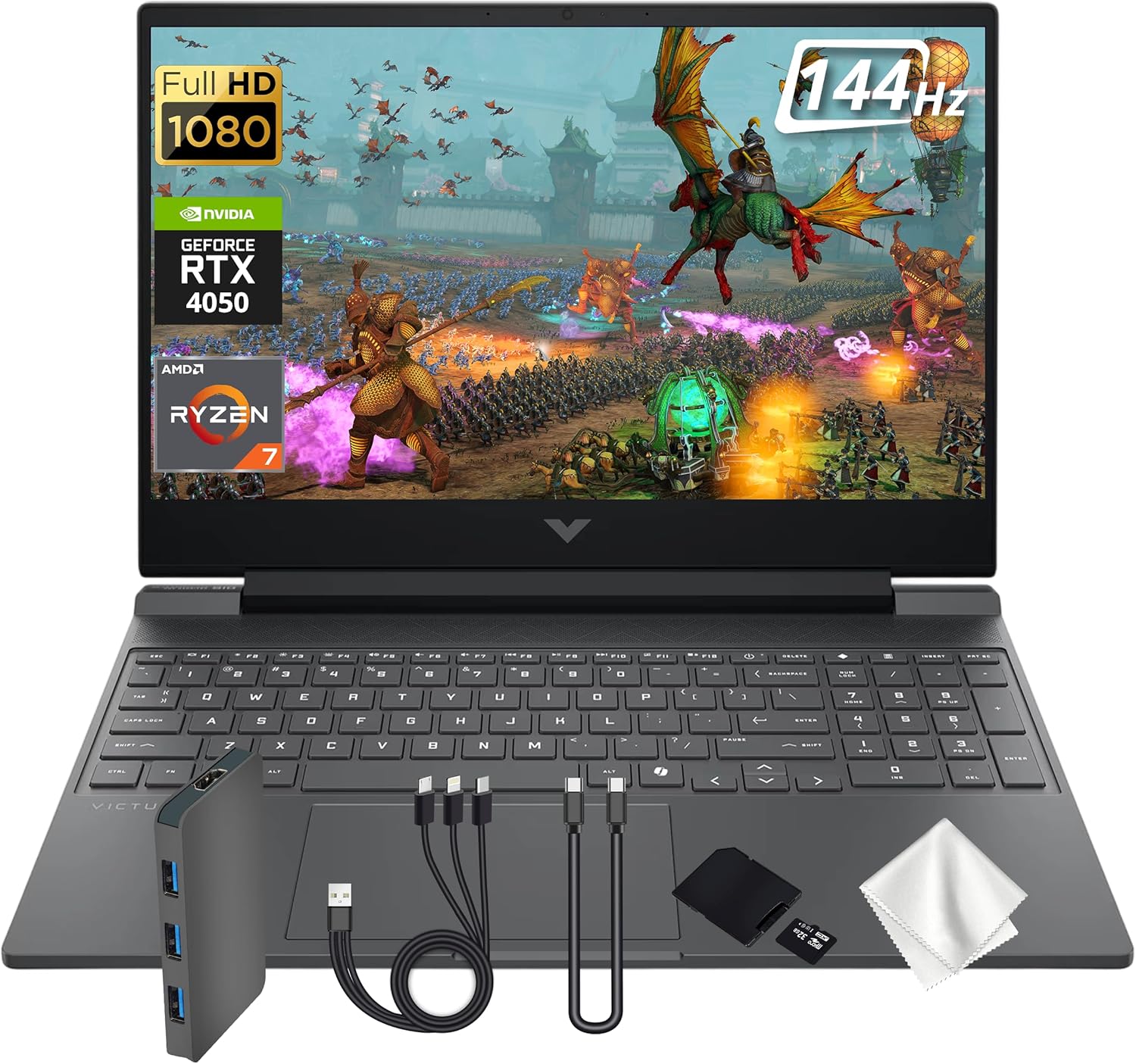
- memory AMD Ryzen 7 7445HS
- developer_board NVIDIA GeForce RTX 4050
- layers 16GB (2x8GB) DDR5 5600MHz SO-DIMM
- track_changes Target GPU: NVIDIA RTX 3050 Ti (85W+) / RTX 4050 (75W+)

- memory AMD Ryzen 7 7445HS
- developer_board NVIDIA GeForce RTX 4050
- layers 16GB DDR5 5600MHz SO-DIMM
- track_changes Target GPU: NVIDIA RTX 3050 Ti (85W+) / RTX 4050 (75W+)

- memory AMD Ryzen 9 7845HX
- developer_board NVIDIA GeForce RTX 4080
- layers Up to 64GB DDR5
- track_changes Target GPU: NVIDIA RTX 3050 Ti (85W+) / RTX 4050 (75W+)

- memory Intel Core i7-12700H
- developer_board NVIDIA GeForce RTX 3070
- layers 32GB DDR4-3200MHz
- track_changes Target GPU: NVIDIA GeForce RTX 2060 Mobile (6GB) / RTX 3050 Ti Mobile (4GB, High TGP) or AMD Radeon RX 6600M. **An RTX 3060 Mobile or RTX 4050 Mobile (High TGP) is strongly advised for a more stable 1080p Low/Medium experience.**

- memory Intel Core i9-13900H
- developer_board NVIDIA GeForce RTX 4060
- layers 16GB DDR5-5200MHz
- track_changes Target GPU: NVIDIA GeForce RTX 2060 Mobile (6GB) / RTX 3050 Ti Mobile (4GB, High TGP) or AMD Radeon RX 6600M. **An RTX 3060 Mobile or RTX 4050 Mobile (High TGP) is strongly advised for a more stable 1080p Low/Medium experience.**

- memory Intel Core i9-14900HX
- developer_board NVIDIA GeForce RTX 4060
- layers 32GB DDR5-5600MHz
- track_changes Target GPU: NVIDIA GeForce RTX 2060 Mobile (6GB) / RTX 3050 Ti Mobile (4GB, High TGP) or AMD Radeon RX 6600M. **An RTX 3060 Mobile or RTX 4050 Mobile (High TGP) is strongly advised for a more stable 1080p Low/Medium experience.**
- memory AMD Ryzen 7 7445HS
- developer_board NVIDIA GeForce RTX 4050
- layers 16GB (2x8GB) DDR5 5600MHz SO-DIMM
- track_changes Target GPU: NVIDIA RTX 3060 (130W) / RTX 4060 (100W+)
- memory AMD Ryzen 7 7445HS
- developer_board NVIDIA GeForce RTX 4050
- layers 16GB DDR5 5600MHz SO-DIMM
- track_changes Target GPU: NVIDIA RTX 3060 (130W) / RTX 4060 (100W+)

- memory Intel Core i9-14900HX
- developer_board NVIDIA GeForce RTX 4080 Laptop GPU
- layers 64 GB DDR5-5600MHz
- track_changes Target GPU: NVIDIA RTX 3060 (130W) / RTX 4060 (100W+)

- memory AMD Ryzen 7 7435HS
- developer_board NVIDIA GeForce RTX 3050
- layers 32GB DDR5-4800MHz
- track_changes Target GPU: NVIDIA GeForce RTX 3080 Mobile (10GB/16GB, High TGP) / RTX 4070 Mobile (8GB, High TGP) or AMD Radeon RX 6800M/6850M XT. **An RTX 3080 Ti Mobile or RTX 4080 Mobile (12GB+) would provide a much smoother 1440p High/Ultra experience.**

- memory AMD Ryzen 7 6800H
- developer_board NVIDIA GeForce RTX 3060
- layers 16GB DDR5-4800MHz
- track_changes Target GPU: NVIDIA GeForce RTX 3080 Mobile (10GB/16GB, High TGP) / RTX 4070 Mobile (8GB, High TGP) or AMD Radeon RX 6800M/6850M XT. **An RTX 3080 Ti Mobile or RTX 4080 Mobile (12GB+) would provide a much smoother 1440p High/Ultra experience.**

- memory Intel Core i9-14900HX
- developer_board NVIDIA GeForce RTX 4070
- layers 32GB DDR5-5600MHz
- track_changes Target GPU: NVIDIA GeForce RTX 3080 Mobile (10GB/16GB, High TGP) / RTX 4070 Mobile (8GB, High TGP) or AMD Radeon RX 6800M/6850M XT. **An RTX 3080 Ti Mobile or RTX 4080 Mobile (12GB+) would provide a much smoother 1440p High/Ultra experience.**

- memory Intel Core i9-14900HX
- developer_board NVIDIA GeForce RTX 4090
- layers 32GB DDR5-5600MHz
- track_changes Target GPU: NVIDIA RTX 4090 Mobile (175W)

- memory Intel Core Ultra 9 285H (Series 2) , 14 cores (6 Performance cores + 8 Efficient cores), 20 threads
- developer_board NVIDIA GeForce RTX 5050 Laptop GPU
- layers 32GB (2x16GB) DDR5 8400MHz SO-DIMM
- track_changes Target GPU: NVIDIA RTX 4090 Mobile (175W)

- memory Intel Core Ultra 9 285H
- developer_board NVIDIA GeForce RTX 5070
- layers 32GB (2x16GB) DDR5 4800MHz SO-DIMM
- track_changes Target GPU: NVIDIA RTX 4090 Mobile (175W)
- memory Intel Core i9-14900HX
- developer_board NVIDIA GeForce RTX 4080 Laptop GPU
- layers 64 GB DDR5-5600MHz
- track_changes Target GPU: NVIDIA GeForce RTX 4080 Mobile (12GB, Max TGP) / RTX 4090 Mobile (16GB, Max TGP). **Even the RTX 4090 Mobile will rely heavily on DLSS (Performance/Ultra Performance) for 4K High settings at ~60FPS. A hypothetical next-gen flagship (e.g., RTX 5080/5090 Mobile or AMD equivalent) would be targeted for a more comfortable native 4K experience or higher framerates with advanced features. (Highly Speculative)**

- memory Intel Core Ultra 9 Processor 275HX (Series 2)
- developer_board NVIDIA GeForce RTX 5070 Laptop GPU
- layers 32GB DDR5-5600MHz
- track_changes Target GPU: NVIDIA GeForce RTX 4080 Mobile (12GB, Max TGP) / RTX 4090 Mobile (16GB, Max TGP). **Even the RTX 4090 Mobile will rely heavily on DLSS (Performance/Ultra Performance) for 4K High settings at ~60FPS. A hypothetical next-gen flagship (e.g., RTX 5080/5090 Mobile or AMD equivalent) would be targeted for a more comfortable native 4K experience or higher framerates with advanced features. (Highly Speculative)**

- memory Intel Core i9-14900HX Processor
- developer_board NVIDIA GeForce RTX 5070 Laptop GPU
- layers 32GB DDR5-5600MHz
- track_changes Target GPU: NVIDIA GeForce RTX 4080 Mobile (12GB, Max TGP) / RTX 4090 Mobile (16GB, Max TGP). **Even the RTX 4090 Mobile will rely heavily on DLSS (Performance/Ultra Performance) for 4K High settings at ~60FPS. A hypothetical next-gen flagship (e.g., RTX 5080/5090 Mobile or AMD equivalent) would be targeted for a more comfortable native 4K experience or higher framerates with advanced features. (Highly Speculative)**
For The Witcher 3: Wild Hunt — Remastered Specifically
- memory AMD Ryzen 7 7445HS
- developer_board NVIDIA GeForce RTX 4050
- layers 16GB (2x8GB) DDR5 5600MHz SO-DIMM
- track_changes Target GPU: NVIDIA GTX 1660 / AMD RX 5500 XT / Intel Arc A580 (6GB VRAM)
- memory AMD Ryzen 7 7445HS
- developer_board NVIDIA GeForce RTX 4050
- layers 16GB DDR5 5600MHz SO-DIMM
- track_changes Target GPU: NVIDIA GTX 1660 / AMD RX 5500 XT / Intel Arc A580 (6GB VRAM)
- memory AMD Ryzen 9 7845HX
- developer_board NVIDIA GeForce RTX 4080
- layers Up to 64GB DDR5
- track_changes Target GPU: NVIDIA GTX 1660 / AMD RX 5500 XT / Intel Arc A580 (6GB VRAM)
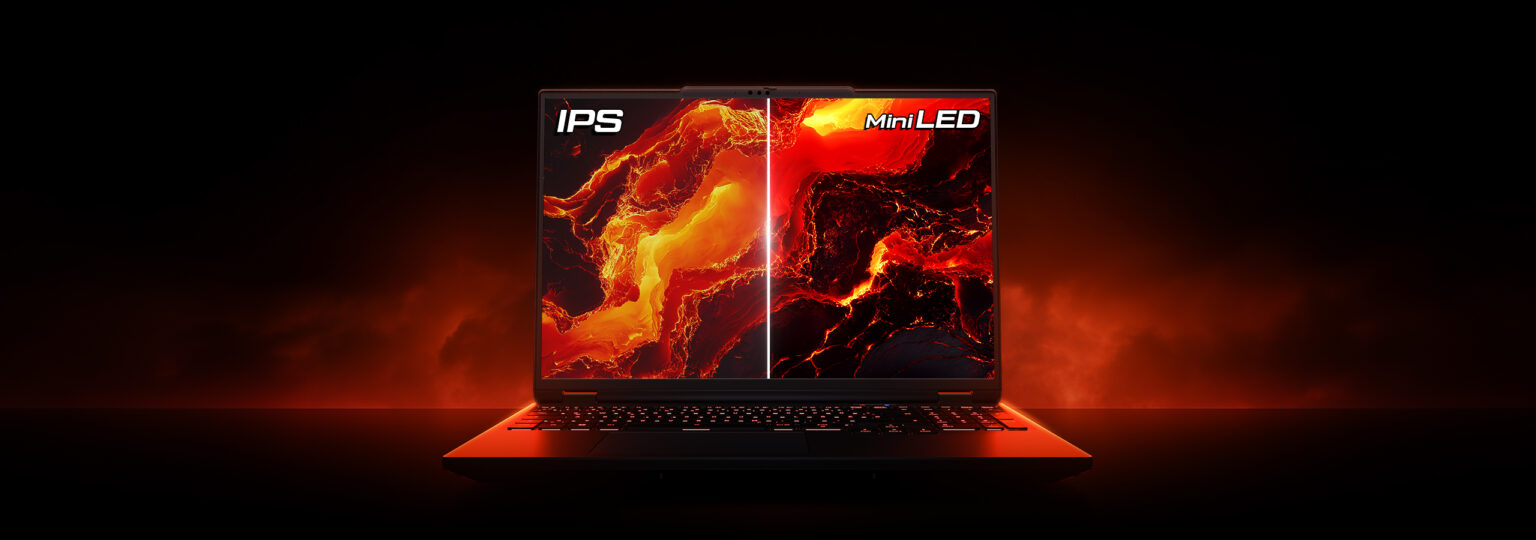
- memory AMD Ryzen 9 9955HX
- developer_board NVIDIA GeForce RTX 5070 Ti Laptop GPU
- layers 64GB DDR5-5600MHz (Dual-Channel)
- track_changes Target GPU: NVIDIA GTX 1660 / AMD RX 5500 XT / Intel Arc A580 (6GB VRAM)
- memory AMD Ryzen 7 7445HS
- developer_board NVIDIA GeForce RTX 4050
- layers 16GB (2x8GB) DDR5 5600MHz SO-DIMM
- track_changes Target GPU: NVIDIA RTX 2060 SUPER / AMD RX 6600 XT / Intel Arc B580 (8GB VRAM)
- memory AMD Ryzen 7 7445HS
- developer_board NVIDIA GeForce RTX 4050
- layers 16GB DDR5 5600MHz SO-DIMM
- track_changes Target GPU: NVIDIA RTX 2060 SUPER / AMD RX 6600 XT / Intel Arc B580 (8GB VRAM)
- memory Intel Core i9-14900HX
- developer_board NVIDIA GeForce RTX 4080 Laptop GPU
- layers 64 GB DDR5-5600MHz
- track_changes Target GPU: NVIDIA RTX 2060 SUPER / AMD RX 6600 XT / Intel Arc B580 (8GB VRAM)
- memory Intel Core Ultra 9 Processor 275HX (Series 2)
- developer_board NVIDIA GeForce RTX 5070 Laptop GPU
- layers 32GB DDR5-5600MHz
- track_changes Target GPU: NVIDIA RTX 2060 SUPER / AMD RX 6600 XT / Intel Arc B580 (8GB VRAM)
- memory Intel Core i9-14900HX Processor
- developer_board NVIDIA GeForce RTX 5070 Laptop GPU
- layers 32GB DDR5-5600MHz
- track_changes Target GPU: NVIDIA RTX 2060 SUPER / AMD RX 6600 XT / Intel Arc B580 (8GB VRAM)

- memory Intel Core i9-14900HX Processor
- developer_board NVIDIA GeForce RTX 5070 Laptop GPU
- layers 32GB DDR5-5600MHz
- track_changes Target GPU: NVIDIA RTX 2060 SUPER / AMD RX 6600 XT / Intel Arc B580 (8GB VRAM)

- memory Intel Core Ultra 9 Processor 285H
- developer_board NVIDIA GeForce RTX 5070 Laptop GPU
- layers 16GB DDR5-5600MHz
- track_changes Target GPU: NVIDIA RTX 2060 SUPER / AMD RX 6600 XT / Intel Arc B580 (8GB VRAM)

- memory Intel Core Ultra 9 285H (Arrow Lake-H)
- developer_board NVIDIA GeForce RTX 5070 Laptop GPU
- layers 64GB LPDDR5x-8533MT/s (LPCAMM2)
- track_changes Target GPU: NVIDIA RTX 2060 SUPER / AMD RX 6600 XT / Intel Arc B580 (8GB VRAM)

- memory Intel Core i9-14900HX
- developer_board NVIDIA GeForce RTX 4080
- layers 64GB DDR5-5600MHz
- track_changes Target GPU: NVIDIA RTX 2060 SUPER / AMD RX 6600 XT / Intel Arc B580 (8GB VRAM)

- memory Intel Core i9-14900HX
- developer_board NVIDIA GeForce RTX 4080
- layers 32GB DDR5-5600MHz
- track_changes Target GPU: NVIDIA RTX 2060 SUPER / AMD RX 6600 XT / Intel Arc B580 (8GB VRAM)
- memory Intel Core Ultra 9 285H (Series 2) , 14 cores (6 Performance cores + 8 Efficient cores), 20 threads
- developer_board NVIDIA GeForce RTX 5050 Laptop GPU
- layers 32GB (2x16GB) DDR5 8400MHz SO-DIMM
- track_changes Target GPU: NVIDIA RTX 4080 / AMD RX 7900 XTX
- memory Intel Core Ultra 9 285H
- developer_board NVIDIA GeForce RTX 5070
- layers 32GB (2x16GB) DDR5 4800MHz SO-DIMM
- track_changes Target GPU: NVIDIA RTX 4080 / AMD RX 7900 XTX

- memory Intel Core i9-14900HX Processor
- developer_board NVIDIA GeForce RTX 5070 Ti Laptop GPU
- layers 64GB DDR5-5600MHz (commonly listed as 4800MHz by some retailers, but 5600MHz is common for 14th Gen HX with DDR5)
- track_changes Target GPU: NVIDIA RTX 4080 / AMD RX 7900 XTX

- memory Intel Core Ultra 9 Processor 275HX
- developer_board NVIDIA GeForce RTX 5070 Ti Laptop GPU
- layers 64GB DDR5-6400MHz
- track_changes Target GPU: NVIDIA RTX 4080 / AMD RX 7900 XTX

- memory Intel Core Ultra 9 Processor 275HX (Series 2)
- developer_board NVIDIA GeForce RTX 5070 Ti Laptop GPU
- layers 32GB DDR5-5600MHz
- track_changes Target GPU: NVIDIA RTX 4080 / AMD RX 7900 XTX

- memory Intel Ultra 7 255HX
- developer_board NVIDIA GeForce RTX 5070 Ti
- layers 32GB DDR5 5600MHz
- track_changes Target GPU: NVIDIA RTX 4080 / AMD RX 7900 XTX
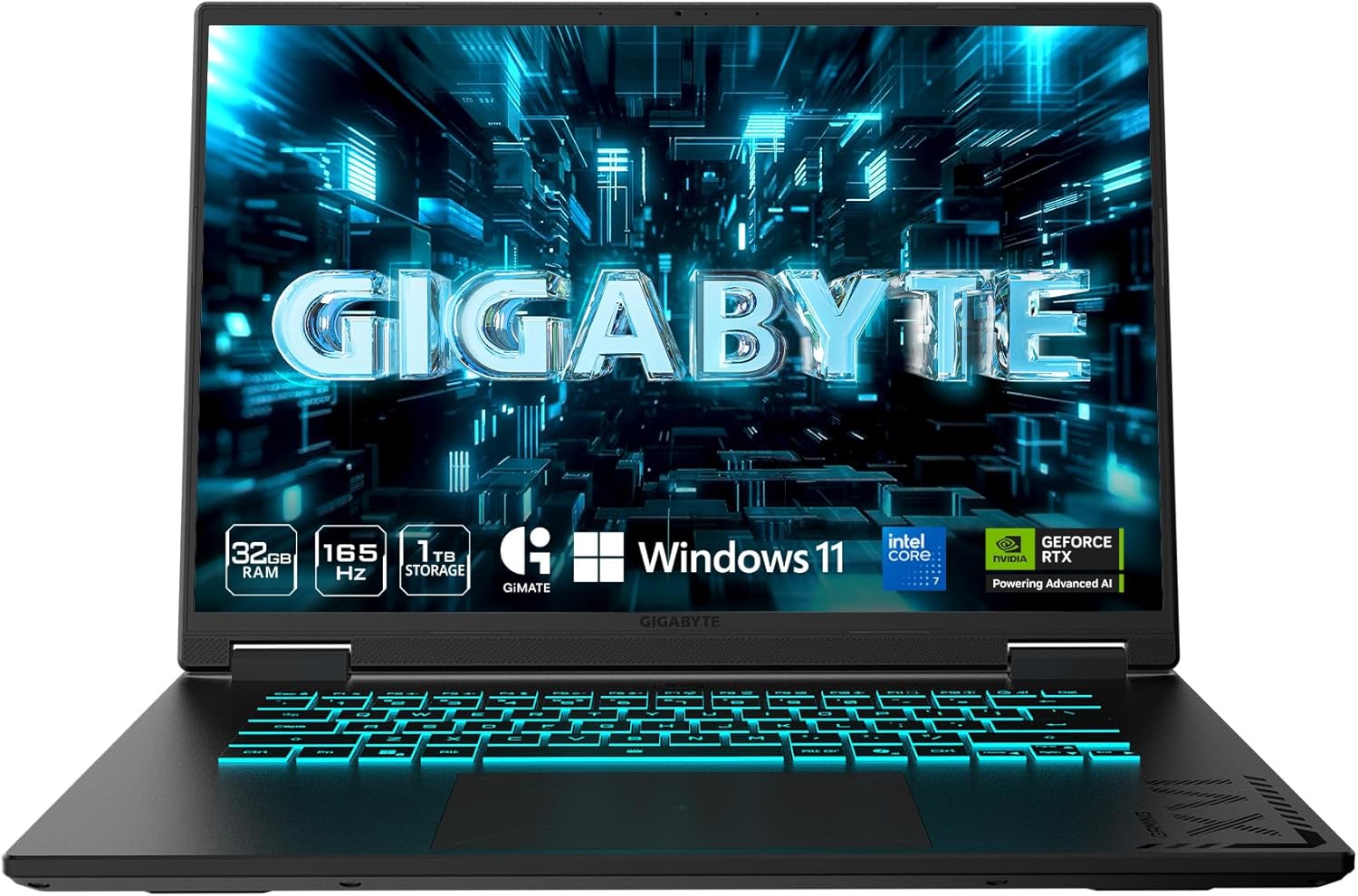
- memory Intel Core Ultra 7 240H
- developer_board NVIDIA GeForce RTX 5070 Ti Laptop GPU
- layers 32GB LPDDR5X 5600MHz
- track_changes Target GPU: NVIDIA RTX 4080 / AMD RX 7900 XTX

- memory Intel Core Ultra 9 275HX
- developer_board GeForce RTX 5070 Laptop Laptop GPU
- layers 64GB DDR5-6400MHz (Single-Channel)
- track_changes Target GPU: NVIDIA RTX 4080 / AMD RX 7900 XTX

- memory Intel Core Ultra 9 275HX
- developer_board NVIDIA GeForce RTX 5070 Ti
- layers 32GB
- track_changes Target GPU: NVIDIA RTX 4080 / AMD RX 7900 XTX

- memory Intel Core Ultra 9 275HX
- developer_board NVIDIA GeForce RTX 5070 Ti Laptop GPU
- layers 32 GB DDR5 6400MHz (2x16GB)
- track_changes Target GPU: NVIDIA RTX 4080 / AMD RX 7900 XTX
For Starfield Specifically
- memory Intel Core i7-12700H
- developer_board NVIDIA GeForce RTX 3070
- layers 32GB DDR4-3200MHz
- track_changes Target GPU: AMD Radeon RX 5700 (8GB) or NVIDIA GeForce GTX 1070 Ti (8GB)
- memory Intel Core i9-13900H
- developer_board NVIDIA GeForce RTX 4060
- layers 16GB DDR5-5200MHz
- track_changes Target GPU: AMD Radeon RX 5700 (8GB) or NVIDIA GeForce GTX 1070 Ti (8GB)
- memory Intel Core i9-14900HX
- developer_board NVIDIA GeForce RTX 4060
- layers 32GB DDR5-5600MHz
- track_changes Target GPU: AMD Radeon RX 5700 (8GB) or NVIDIA GeForce GTX 1070 Ti (8GB)

- memory Intel Core i9-12900H
- developer_board NVIDIA GeForce RTX 3070 Ti
- layers 16GB DDR5-4800MHz
- track_changes Target GPU: AMD Radeon RX 5700 (8GB) or NVIDIA GeForce GTX 1070 Ti (8GB)
- memory AMD Ryzen 7 7435HS
- developer_board NVIDIA GeForce RTX 3050
- layers 32GB DDR5-4800MHz
- track_changes Target GPU: AMD Radeon RX 5700 (8GB) or NVIDIA GeForce GTX 1070 Ti (8GB)
- memory AMD Ryzen 7 6800H
- developer_board NVIDIA GeForce RTX 3060
- layers 16GB DDR5-4800MHz
- track_changes Target GPU: AMD Radeon RX 5700 (8GB) or NVIDIA GeForce GTX 1070 Ti (8GB)

- memory AMD Ryzen 9 5900HS
- developer_board NVIDIA GeForce RTX 3080
- layers 16GB DDR4-3200MHz
- track_changes Target GPU: AMD Radeon RX 5700 (8GB) or NVIDIA GeForce GTX 1070 Ti (8GB)

- memory Intel Core i7-13620H
- developer_board NVIDIA GeForce RTX 4070
- layers 16GB DDR5-4800MHz
- track_changes Target GPU: AMD Radeon RX 5700 (8GB) or NVIDIA GeForce GTX 1070 Ti (8GB)

- memory Intel Core i7-14700HX
- developer_board NVIDIA GeForce RTX 4070
- layers 16GB DDR5-5600MHz
- track_changes Target GPU: AMD Radeon RX 5700 (8GB) or NVIDIA GeForce GTX 1070 Ti (8GB)
- memory Intel Core i9-14900HX
- developer_board NVIDIA GeForce RTX 4070
- layers 32GB DDR5-5600MHz
- track_changes Target GPU: AMD Radeon RX 5700 (8GB) or NVIDIA GeForce GTX 1070 Ti (8GB)
- memory AMD Ryzen 7 7435HS
- developer_board NVIDIA GeForce RTX 3050
- layers 32GB DDR5-4800MHz
- track_changes Target GPU: AMD Radeon RX 6800 XT (16GB) / RX 7800 XT (16GB) or NVIDIA GeForce RTX 3080 (10GB) / RTX 4070 (12GB)
- memory AMD Ryzen 7 6800H
- developer_board NVIDIA GeForce RTX 3060
- layers 16GB DDR5-4800MHz
- track_changes Target GPU: AMD Radeon RX 6800 XT (16GB) / RX 7800 XT (16GB) or NVIDIA GeForce RTX 3080 (10GB) / RTX 4070 (12GB)
- memory Intel Core i9-14900HX
- developer_board NVIDIA GeForce RTX 4070
- layers 32GB DDR5-5600MHz
- track_changes Target GPU: AMD Radeon RX 6800 XT (16GB) / RX 7800 XT (16GB) or NVIDIA GeForce RTX 3080 (10GB) / RTX 4070 (12GB)

- memory Intel Core i9-14900HX
- developer_board NVIDIA GeForce RTX 4070
- layers 16GB DDR5-5600MHz
- track_changes Target GPU: AMD Radeon RX 6800 XT (16GB) / RX 7800 XT (16GB) or NVIDIA GeForce RTX 3080 (10GB) / RTX 4070 (12GB)
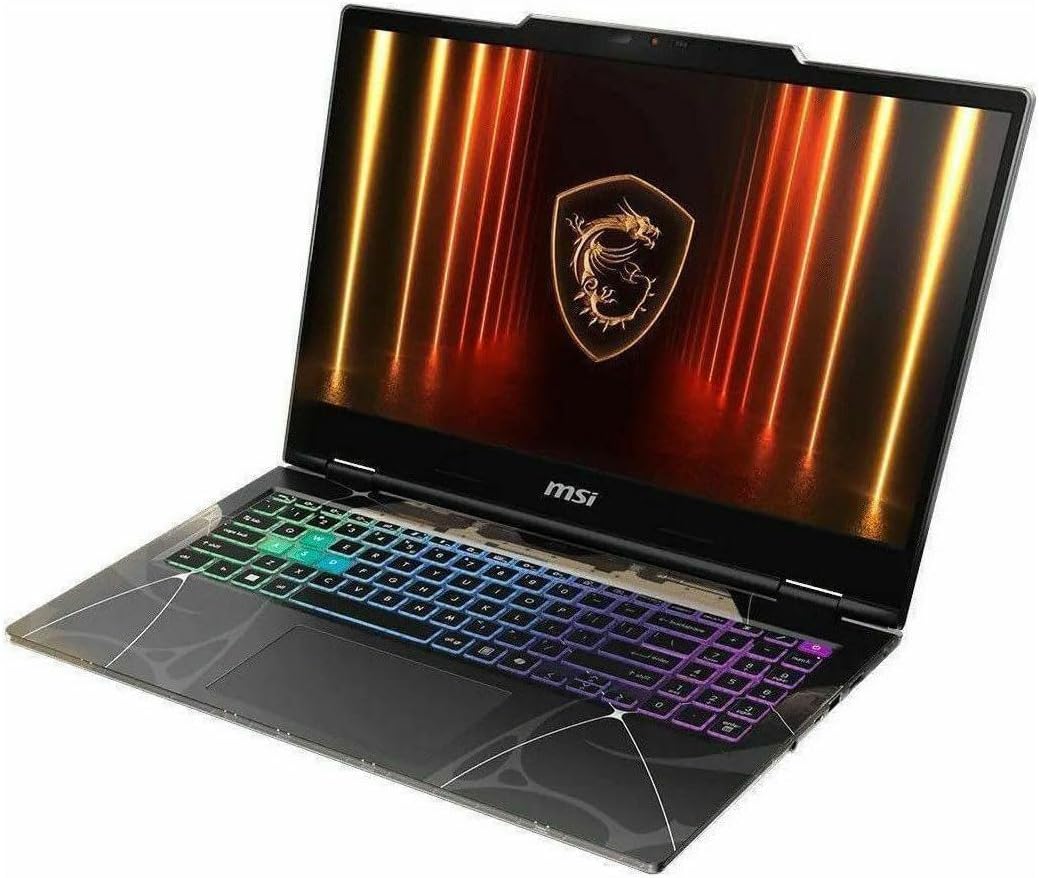
- memory Intel Core Ultra 7 255H
- developer_board NVIDIA GeForce RTX 5060 Laptop GPU
- layers 16GB DDR5-5600MHz (Dual-Channel)
- track_changes Target GPU: AMD Radeon RX 6800 XT (16GB) / RX 7800 XT (16GB) or NVIDIA GeForce RTX 3080 (10GB) / RTX 4070 (12GB)

- memory AMD Ryzen 9 8940HX Processor
- developer_board NVIDIA GeForce RTX 5060 Laptop GPU
- layers 32GB DDR5-5200MHz
- track_changes Target GPU: AMD Radeon RX 6800 XT (16GB) / RX 7800 XT (16GB) or NVIDIA GeForce RTX 3080 (10GB) / RTX 4070 (12GB)

- memory Intel Core i9-12950HX
- developer_board NVIDIA GeForce RTX 3080 Ti
- layers 32GB DDR5-4800MHz
- track_changes Target GPU: AMD Radeon RX 6800 XT (16GB) / RX 7800 XT (16GB) or NVIDIA GeForce RTX 3080 (10GB) / RTX 4070 (12GB)
- memory AMD Ryzen 7 7445HS
- developer_board NVIDIA GeForce RTX 4050
- layers 16GB (2x8GB) DDR5 5600MHz SO-DIMM
- track_changes Target GPU: AMD Radeon RX 6800 XT (16GB) / RX 7800 XT (16GB) or NVIDIA GeForce RTX 3080 (10GB) / RTX 4070 (12GB)
- memory AMD Ryzen 7 7445HS
- developer_board NVIDIA GeForce RTX 4050
- layers 16GB DDR5 5600MHz SO-DIMM
- track_changes Target GPU: AMD Radeon RX 6800 XT (16GB) / RX 7800 XT (16GB) or NVIDIA GeForce RTX 3080 (10GB) / RTX 4070 (12GB)
- memory Intel Core i9-14900HX
- developer_board NVIDIA GeForce RTX 4080 Laptop GPU
- layers 64 GB DDR5-5600MHz
- track_changes Target GPU: AMD Radeon RX 6800 XT (16GB) / RX 7800 XT (16GB) or NVIDIA GeForce RTX 3080 (10GB) / RTX 4070 (12GB)
- memory Intel Core i9-14900HX
- developer_board NVIDIA GeForce RTX 4080 Laptop GPU
- layers 64 GB DDR5-5600MHz
- track_changes Target GPU: AMD Radeon RX 7900 XT (20GB) or NVIDIA GeForce RTX 4070 Ti SUPER (16GB) / RTX 4080 (16GB)
- memory Intel Core Ultra 9 Processor 275HX (Series 2)
- developer_board NVIDIA GeForce RTX 5070 Laptop GPU
- layers 32GB DDR5-5600MHz
- track_changes Target GPU: AMD Radeon RX 7900 XT (20GB) or NVIDIA GeForce RTX 4070 Ti SUPER (16GB) / RTX 4080 (16GB)
- memory Intel Core i9-14900HX Processor
- developer_board NVIDIA GeForce RTX 5070 Laptop GPU
- layers 32GB DDR5-5600MHz
- track_changes Target GPU: AMD Radeon RX 7900 XT (20GB) or NVIDIA GeForce RTX 4070 Ti SUPER (16GB) / RTX 4080 (16GB)
- memory Intel Core i9-14900HX Processor
- developer_board NVIDIA GeForce RTX 5070 Laptop GPU
- layers 32GB DDR5-5600MHz
- track_changes Target GPU: AMD Radeon RX 7900 XT (20GB) or NVIDIA GeForce RTX 4070 Ti SUPER (16GB) / RTX 4080 (16GB)
- memory Intel Core Ultra 9 Processor 285H
- developer_board NVIDIA GeForce RTX 5070 Laptop GPU
- layers 16GB DDR5-5600MHz
- track_changes Target GPU: AMD Radeon RX 7900 XT (20GB) or NVIDIA GeForce RTX 4070 Ti SUPER (16GB) / RTX 4080 (16GB)
- memory Intel Core Ultra 9 285H (Arrow Lake-H)
- developer_board NVIDIA GeForce RTX 5070 Laptop GPU
- layers 64GB LPDDR5x-8533MT/s (LPCAMM2)
- track_changes Target GPU: AMD Radeon RX 7900 XT (20GB) or NVIDIA GeForce RTX 4070 Ti SUPER (16GB) / RTX 4080 (16GB)
- memory Intel Core i9-14900HX
- developer_board NVIDIA GeForce RTX 4080
- layers 64GB DDR5-5600MHz
- track_changes Target GPU: AMD Radeon RX 7900 XT (20GB) or NVIDIA GeForce RTX 4070 Ti SUPER (16GB) / RTX 4080 (16GB)
- memory Intel Core i9-14900HX
- developer_board NVIDIA GeForce RTX 4080
- layers 32GB DDR5-5600MHz
- track_changes Target GPU: AMD Radeon RX 7900 XT (20GB) or NVIDIA GeForce RTX 4070 Ti SUPER (16GB) / RTX 4080 (16GB)

- memory Intel Core i9-14900HX
- developer_board NVIDIA GeForce RTX 4080
- layers 32GB DDR5-5600MHz
- track_changes Target GPU: AMD Radeon RX 7900 XT (20GB) or NVIDIA GeForce RTX 4070 Ti SUPER (16GB) / RTX 4080 (16GB)

- memory Intel Core i9-14900HX
- developer_board NVIDIA GeForce RTX 4080
- layers 32GB DDR5-5600MHz
- track_changes Target GPU: AMD Radeon RX 7900 XT (20GB) or NVIDIA GeForce RTX 4070 Ti SUPER (16GB) / RTX 4080 (16GB)
info_outline Laptop recommendations are estimates based on available component benchmarks and game requirements. Actual performance may vary depending on settings, drivers, cooling, power limits, etc. Prices and availability subject to change. As an Amazon Associate, we earn from qualifying purchases.