Select Games to Compare
Benchmark your exact mobile GPU wattage (TGP), battery throttling drops, and cooling pad requirements for these games.
The Blood of Dawnwalker vs Tainted Grail: The Fall of Avalon
| close | close |
|---|---|
| shopping_cart Where to Buy | |
| info General Information | |
| Release Date | |
| Sep 3, 2026 | May 23, 2025 |
| Developer | |
| Rebel Wolves | Questline |
| Publisher | |
| Bandai Namco Entertainment | Awaken Realms |
| Genre(s) | |
| Action Role-Playing Game (RPG) | Action Role-Playing (Action RPG), Open World, Survival, Dark Fantasy |
| Engine | |
| Unreal Engine 5 | Unity 6 |
| stars Ratings & Price | |
| Content Rating | |
| Mature (M) / PEGI 18 | M (Mature 17+) |
| Avg. User Rating | |
| 4.2 / 5.0 | 4.1 / 5.0 |
| Current Price (USD) | |
| $69.99 | $39.99 |
| tune Key Specs | |
| Quick Highlights | |
|
|
| sports_esports Gameplay & Mechanics | |
| Companions/Followers | |
|
|
| Key Collectibles | |
|
|
| Key Themes | |
|
|
| colorize Combat & Gear | |
| Weapons Overview | |
|
|
| Armor / Gear Sets | |
|
|
| Outfits/Customization | |
|
|
| trending_up Progression & Upgrades | |
| Skills & Progression | |
|
Character progression caps at level 50 and is profoundly intertwined with the game's bimodal day/night cycle and 30-day temporal economy. Players invest in a foundational Shared Tree for baseline survival, then branch into Swordmastery, Witchcraft, and Vampirism. Swordmastery and Witchcraft govern daytime human combat, focusing on directional parries, stamina management, and occult hexes fueled by Coen's own health. Unlocking these abilities requires finding manuals in the world and sacrificing precious time segments to 'study' them. Conversely, the nighttime Vampirism tree completely shifts combat to hyper-aggressive, high-mobility claw attacks and shadow teleportation. Vampirism is not learned from books; it is governed by a Corruption system where players must consistently feed on human combatants or wildlife to manage Coen's Blood Hunger, fueling devastating ultimates like Rebound Death and Lethal Crescendo. |
The game features a classless progression system. Instead of picking a class, your character's abilities are defined by the skills you use. Using a one-handed sword levels up your One-Handed skill, casting fire magic improves Pyromancy, etc. Players spend points on a constellation-like skill tree to unlock new active and passive abilities related to combat, survival, and crafting. |
| public World & Exploration | |
| World & Level Design | |
|
The geographic footprint of Vale Sangora spans approximately 10 square kilometers (measuring about 4 kilometers vertically by 3 kilometers horizontally). While mathematically smaller than sprawling modern open worlds, the space is meticulously dense, comparable to the highly acclaimed Blood and Wine expansion for The Witcher 3. The landmass is subdivided into ten distinct geographical biomes that deeply impact gameplay and economy. These include Laslea Glen (a dense rural starting zone), the treacherous Briar Sloughs wetlands concealing ancient ruins, the heavily forested Maragir Wealds, the mountainous Boar's Back requiring advanced traversal, the heavily patrolled Svartrau Outskirts, and the economic powerhouse of Svartrau City. Exploring the map relies entirely on foot travel and advanced vampiric parkour skills like Planeshift and Shadow Walk, with limited fast travel via Shrines, resulting in highly deliberate and intimate geographic navigation. |
The game features a large open world divided into three main zones, including the starting island, the swampy region of the Forlorn Swords, and the lands surrounding the capital city of Cuanacht. The world is filled with distinct biomes, ruins, and settlements to discover. |
| Playable Vehicles | |
|
|
| Notable Fauna/Mounts | |
|
N/A |
| book Story & Characters | |
| Main Characters | |
|
|
| Example Missions | |
|
|
| people Multiplayer | |
| Multiplayer Details | |
|
There are absolutely no multiplayer modes in The Blood of Dawnwalker. Studio leadership, comprised heavily of veterans from CD Projekt Red, has maintained a rigid development philosophy focused entirely on crafting a premium, solitary narrative experience. They have aggressively counter-programmed against the modern gaming industry's obsession with live-service titles. Consequently, the game features zero co-op campaigns, no player-versus-player (PvP) arenas, no multiplayer hubs, no battle passes, and no in-game premium currency storefronts. Every piece of content, legendary weapon, and cosmetic armor set is unlocked purely through single-player exploration, narrative progression, and mastering the game's complex bimodal combat and temporal mechanics. |
The game is a strictly single-player experience and does not have any multiplayer or co-operative modes. |
| extension Editions & DLC | |
| Available Editions | |
|
Bandai Namco has structured the release into four comprehensive tiers. The Standard Edition, priced at $69.99 (Rs. 3,999 in India), includes the base game and a digital pre-order bonus—the Sangoran Wayfarer's Armor Set, providing early-game physical defense and balanced stamina regeneration. The Eclipse Edition ($79.99) is a digital upgrade bundling the base game, armor, a Digital World Compendium, Digital Comic Book, and the Digital Soundtrack. The Day 1 Edition mirrors the Standard tier but in physical format, including a Steelbook and a World Map. The ultimate Collector's Edition ($199.99) is a premium physical package that upgrades the map to a 33x40cm print, adds a 60-page hardcover Physical World Compendium, a Gold-Laminated Sticker Set, and features a centerpiece 23cm Purearts Coen Figurine housed in a custom Collector Box. |
N/A |
| Post-Launch Content / DLC | |
|
Rebel Wolves has outlined a structured, player-friendly post-launch roadmap focused initially on smaller, free downloadable content (DLC) drops designed to sustain community engagement and player goodwill without nickel-and-diming the audience. The early phases concentrate on technical stability and complex gameplay balancing for the bimodal combat system. Subsequent free updates will inject minor content additions directly into the Vale Sangora sandbox, including new cosmetic outfits, historical weapon variations, localized world events, expanded companion dialogue, and a highly requested New Game Plus (NG+) mode to encourage replayability. Major, paid expansion packs remain a possibility, but studio leadership has confirmed they are directly contingent upon the game’s financial performance in the launch quarter. |
N/A |
| help_outline FAQ | |
| Frequently Asked Questions | |
|
|
| build Technical Details | |
| Graphics & Visual Fidelity | |
|
Built on Epic Games' Unreal Engine 5, the visual architecture of The Blood of Dawnwalker is a massive leap over previous generation RPGs. The implementation of Nanite technology allows for incredibly dense medieval settlements, highly detailed Gothic architecture, and lush vegetation without crippling performance. Lumen global illumination is critical to the game's core day-night mechanics, offering dynamic, real-time lighting that starkly alters the atmosphere and visibility during Coen’s transition from human to Dawnwalker. On current-generation consoles (PS5, Xbox Series X), the game offers specific visual modes, prioritizing either high-resolution fidelity (Quality) or responsive 60 FPS gameplay (Performance Mode), which dynamically scales texture resolutions to maintain stability in dense regions like Svartrau City. |
Developed in Unity 6, the game boasts a visually stunning and bleak world. The art style is a gritty, grounded take on dark fantasy, with grotesque creature designs and beautiful, decaying landscapes. |
| Audio & Soundtrack | |
|
The audio landscape of Vale Sangora is as critical to the immersion as its visual fidelity. The ambient sound design shifts violently between day and night; daytime exploration in regions like the Tantari Woods is filled with natural flora and fauna noises, while nighttime brings terrifying environmental cues from nocturnal predators and the supernatural horrors of the Vrakhiri. The original soundtrack deeply integrates traditional Eastern European and Balkan instrumentation, emphasizing the regional folklore that heavily inspired the game. Comprehensive audio customization is available in the menus, allowing players to meticulously balance dialogue, sound effects, and music. The Digital Soundtrack is officially included as part of the premium Eclipse and Collector's Edition packages. |
The game features a grim and atmospheric soundtrack that enhances the feeling of dread and isolation in the world of Avalon. It has full voice acting for its over 250 NPCs, contributing to its deep narrative focus. |
| User Interface (UI/UX) | |
|
The game's UI is designed to be highly diegetic and informational, critically supporting the 'Narrative Sandbox'. The most vital element is the hourglass interface, which continually warns players of the time cost associated with interacting with major quest items, learning from skill manuals, or resting. This ensures players are always aware of how their actions deplete the overarching 30-day temporal economy. Additionally, the combat UI changes based on the time of day and the player's settings. By default, a directional indicator assists with the high-skill ceiling physics-based parrying system. However, for accessibility, an 'Omni Combat' toggle simplifies the UI and inputs into automated single button presses for attacking and blocking, allowing narrative-focused players to bypass the steepest mechanical learning curves. |
The UI is designed to be immersive, with minimal elements on screen during exploration. It features a compass, health/stamina/mana bars, and a quick-select menu for items and spells. The skill tree is represented as a star constellation, and a sketchbook journaling system allows for a unique 'photo mode'. |
| Accessibility Options | |
|
Recognizing the punishing nature of its 30-day temporal economy and complex physics-based directional combat, Rebel Wolves implemented robust accessibility features to ensure a wider audience can experience the narrative. The standout feature is the 'Omni Combat' toggle, which automates strike directions and blocking into single button presses, lowering the skill floor significantly (albeit at the cost of higher stamina consumption). The game features four distinct difficulty tiers that can be adjusted on the fly, allowing players to tailor the friction of combat encounters. Furthermore, the game includes immediate 'save anytime' functionality—rejecting strict checkpoint systems—and offers comprehensive audio and subtitle customization, ensuring maximum player comfort and accessibility throughout the intense 50-70 hour campaign. |
N/A |
| video_library Media Links | |
| Gameplay Video | |
| launchWatch | launchWatch |
| Walkthrough/Guide | |
| launchView | launchView |
| settings_applications System Requirements | |
| 1080p (Full HD) - Minimum (Low-Medium Preset, 30 FPS) CPU: Capable of handling the baseline physics and NPC scheduling algorithms without severe frametime spikes. CPU (Laptop): Sufficient for 30 FPS lock; ensure aggressive cooling profiles are enabled. GPU: The absolute baseline required to process Unreal Engine 5's basic lighting matrices. GPU (Laptop): Use FSR/DLSS on Balanced to maintain playable framerates during heavy combat. RAM: Mandatory minimum to accommodate heavy asset streaming in open-world environments. Storage: NVMe preferred to prevent stuttering while moving between major map regions. | |
memoryCPU: Intel Core i5-11400F / AMD Ryzen 7 2700X developer_boardGPU: NVIDIA GTX 1060 (6GB) / Radeon RX 580 (8GB) laptop_macCPU (L): Intel Core i5-11400H / AMD Ryzen 5 5600H laptop_windowsGPU (L): NVIDIA RTX 3050 Ti (6GB) / Radeon RX 6500M layersRAM: 16 GB saveStorage (Tier): 60 GB SSD | — |
| 1080p (Full HD) - Recommended (High Preset, 60 FPS) CPU: Provides optimal thread counts for managing complex crowd density in Svartrau City and calculating directional combat physics. CPU (Laptop): Ideal for maintaining 60 FPS with overhead for background processes. GPU: 8GB of VRAM allows for high-resolution textures and smooth performance utilizing DLSS Frame Generation or FSR 3. GPU (Laptop): Ensure maximum TGP is available via control center software. RAM: Sufficient overhead for memory-intensive UE5 features. Storage: Required for instantaneous loading during Planeshift and Shadowstep traversal mechanics. | |
memoryCPU: Intel Core i7-11700K / AMD Ryzen 7 5700X developer_boardGPU: NVIDIA RTX 4060 / Radeon RX 7600 XT / Intel Arc B580 laptop_macCPU (L): Intel Core i7-12700H / AMD Ryzen 7 6800H laptop_windowsGPU (L): NVIDIA RTX 4060 (115W+) / Radeon RX 7600S layersRAM: 16 GB saveStorage (Tier): 60 GB NVMe SSD | — |
| 1080p (Full HD) - Recommended (Targets 1080p, Ultra settings, ~60 FPS) (Ultra Preset, 1080p resolution, targeting 60 FPS.) CPU: Official recommended desktop CPU for a high-end 1080p/60FPS experience. This is a significant jump from the minimum spec. CPU (Laptop): High-performance laptop CPUs are recommended to match the powerful desktop recommendation. GPU: Official recommended desktop GPU for 1080p Ultra settings, targeting 60 FPS. GPU (Laptop): Good laptop GPUs for 1080p Ultra at 60 FPS. The RTX 4050 Laptop with DLSS is an excellent modern choice. RAM: 16GB RAM is officially recommended. Dual-channel configuration is strongly advised. Storage: An SSD is strongly recommended for this tier. | |
| — | memoryCPU: Intel Core i7 13th gen developer_boardGPU: NVIDIA GeForce RTX 2070 Super (8GB) laptop_macCPU (L): Intel Core i7-12700H / AMD Ryzen 7 6800H or better. laptop_windowsGPU (L): NVIDIA GeForce RTX 3060 Laptop (6GB, High TGP), RTX 4050 Laptop (6GB). layersRAM: 16 GB saveStorage (Tier): 15 GB SSD |
| 1080p (Full HD) - Minimum (Targets 1080p, Low settings, ~30 FPS) (Low Preset, 1080p resolution, targeting 30 FPS.) CPU: Official minimum desktop CPU for Tainted Grail: The Fall of Avalon. CPU (Laptop): Estimated entry-level laptop CPUs for minimum playability. GPU: Official minimum desktop GPU, requiring 6GB of VRAM. GPU (Laptop): Estimated laptop GPUs for minimum settings. The GTX 1060 Mobile should closely match the desktop counterpart. RAM: 12GB RAM is the official minimum requirement, which is higher than the old standard of 8GB. Storage: An SSD is officially listed as strongly recommended for the minimum experience. | |
| — | memoryCPU: Intel Core i5 8th gen or AMD equivalent developer_boardGPU: NVIDIA GeForce GTX 1060 (6GB) or AMD equivalent laptop_macCPU (L): Intel Core i5-8250U / AMD Ryzen 5 2500U or better. laptop_windowsGPU (L): NVIDIA GeForce GTX 1650 Mobile (4GB) / GTX 1060 Mobile (6GB). layersRAM: 12 GB saveStorage (Tier): 15 GB (SSD Strongly Recommended) |
| 1440p (QHD/2K) - Recommended / High (High-Ultra Preset, 60 FPS) CPU: Excellent single-core performance ensures the GPU is fully fed at 1440p resolutions. CPU (Laptop): Desktop-class laptop CPUs provide the necessary processing power for complex physics. GPU: 12GB VRAM is highly recommended to comfortably load high-fidelity Nanite meshes without pop-in at 1440p. GPU (Laptop): Necessary hardware tier to overcome laptop thermal limitations at this resolution. RAM: Highly recommended to eliminate micro-stutters during rapid nighttime traversal. Storage: Maximizes asset streaming speeds for completely seamless exploration. | |
memoryCPU: Intel Core i5-13600K / AMD Ryzen 5 7600X developer_boardGPU: NVIDIA RTX 4070 / Radeon RX 7800 XT laptop_macCPU (L): Intel Core i7-13700HX / AMD Ryzen 9 7845HX laptop_windowsGPU (L): NVIDIA RTX 4080 (150W+) / Radeon RX 7900M layersRAM: 32 GB saveStorage (Tier): 60 GB PCIe Gen 4 NVMe SSD | — |
| 1440p (QHD/2K) - High (Targets 1440p, High/Ultra settings, ~60 FPS) (High/Ultra Preset, 1440p resolution, aiming for 60 FPS. DLSS is recommended.) CPU: A powerful modern CPU is recommended to prevent bottlenecks and ensure smooth performance at 1440p. CPU (Laptop): High-performance laptop CPUs are essential for a consistent 1440p experience. GPU: Desktop GPUs capable of a strong 1440p/60FPS experience, especially with DLSS. A hypothetical RTX 5060 would be ideal for this tier. GPU (Laptop): Strong laptop GPUs for 1440p. A high-TGP RTX 4060 Laptop is a great choice. A future RTX 5060 Laptop would likely be very comfortable at this resolution. RAM: 16GB RAM is recommended for smooth 1440p gaming. Storage: A fast NVMe SSD is recommended for the best loading times at 1440p. | |
| — | memoryCPU: Intel Core i7 13th gen or AMD Ryzen 7 7700X developer_boardGPU: NVIDIA GeForce RTX 3070 (8GB) / RTX 4060 Ti (8GB). (Future-proof: RTX 5060) laptop_macCPU (L): Intel Core i7-13650HX / AMD Ryzen 7 7745HX or newer. laptop_windowsGPU (L): NVIDIA GeForce RTX 3070 Ti Laptop (8GB), RTX 4060 Laptop (8GB). (Future-proof: RTX 5060 Laptop) layersRAM: 16 GB saveStorage (Tier): 15 GB NVMe SSD |
| 2160p (UHD/4K) - Ultra / 4K (Ultra Preset, 60 FPS) CPU: Top-tier gaming processors required to guarantee absolute frame stability under maximum graphical loads. CPU (Laptop): Only the absolute highest end mobile processors will avoid bottlenecks at 4K Ultra. GPU: 16GB+ VRAM required for uncompromised 4K texture buffers and maximum Lumen ray-bounce configurations. GPU (Laptop): The only mobile GPU capable of driving this game at native 4K with acceptable framerates. RAM: Essential for handling 4K texture packages alongside underlying game logic. Storage: Critical to prevent engine stalls while loading massive high-res environmental blocks. | |
memoryCPU: Intel Core i7-14700K / AMD Ryzen 7 7800X3D developer_boardGPU: NVIDIA RTX 4080 Super / Radeon RX 7900 XTX laptop_macCPU (L): Intel Core i9-14900HX / AMD Ryzen 9 7945HX3D laptop_windowsGPU (L): NVIDIA RTX 4090 (175W) layersRAM: 32 GB saveStorage (Tier): 60 GB PCIe Gen 4 NVMe SSD | — |
| 2160p (UHD/4K) - 4K Ultra Settings (Targets 2160p/4K, High/Ultra settings, ~60 FPS) (High/Ultra Preset, 2160p (4K) resolution, aiming for 60 FPS. DLSS is considered essential.) CPU: A top-tier desktop CPU is recommended to support high-framerate 4K gaming and minimize any potential stutters. CPU (Laptop): The highest-end laptop CPUs are needed to pair with flagship GPUs for a smooth 4K experience. GPU: High-end 40-series desktop GPUs are needed for a 4K/60FPS experience, relying on DLSS Performance/Ultra Performance mode. Future RTX 50-series cards are expected to handle this resolution more comfortably. GPU (Laptop): Flagship laptop GPUs are required for a playable 4K experience, which will be heavily dependent on DLSS. A future RTX 5070 Laptop would be a prime target for 4K mobile gaming. RAM: 16GB is the official recommendation, but 32GB provides more headroom for 4K textures and reduces potential issues. Storage: A fast NVMe SSD is highly recommended for the best 4K gaming experience. | |
| — | memoryCPU: Intel Core i7 14700K / AMD Ryzen 7 7800X3D or newer developer_boardGPU: NVIDIA GeForce RTX 4070 Ti SUPER (16GB) / RTX 4080 (16GB). (Future-proof: RTX 5070 / RTX 5080) laptop_macCPU (L): Intel Core i9-13900HX / AMD Ryzen 9 7945HX or newer. laptop_windowsGPU (L): NVIDIA GeForce RTX 4080 Laptop (12GB) / RTX 4090 Laptop (16GB). (Future-proof: RTX 5070 Laptop) layersRAM: 16 GB saveStorage (Tier): 15 GB NVMe SSD |
| save Overall Storage | |
Spec: 60 GB SSD Note: Solid State Drive is absolutely mandatory. Installing on an HDD will result in severe texture streaming issues and infinite load times during fast travel via Shrines. Type: SSD | Spec: 15 GB available space (SSD Strongly Recommended) Note: An SSD is strongly recommended for both minimum and recommended tiers to ensure fast loading of the open world. Ensure at least 15 GB of free space, which is a very modest requirement for a modern RPG. Type: SSD |
| desktop_windows Operating System | |
| Spec: Windows 10 / Windows 11 (64-bit) Explanation: Mandatory for DirectX 12 Ultimate feature support, which is strictly required for Unreal Engine 5's advanced rendering pipelines. | Spec: Windows 10 (64-bit) for Minimum, Windows 11 (64-bit) for Recommended and above Explanation: A 64-bit version of Windows 10 is required. Windows 11 is listed for the official recommended spec and is generally advised for newer titles and hardware released in 2025. |
| gamepad DirectX Version | |
| Spec: DirectX 12 Explanation: Required to leverage asynchronous compute and hardware-accelerated ray tracing where applicable. | Spec: DirectX 11 Explanation: The official requirement is DirectX 11. While the game files hint at a possible DirectX 12 implementation, community testing suggests it is not officially supported or stable. Users should rely on DX11 for the best experience. |
| info_outline Other Game Notes | |
|
|
| build Optimization Details | |
|
|
| laptop Laptop Considerations | |
|
|


info_outline Feature details based on available data. System requirements and performance estimates may vary.
laptop_chromebook Laptop Recommendations
Common Recommendations (Handles All Compared Games)

- memory Intel Core i5-12450H
- developer_board NVIDIA GeForce RTX 3050
- layers 16GB DDR4-3200MHz
- track_changes Target GPU: NVIDIA RTX 3050 Ti (6GB) / Radeon RX 6500M

- memory Intel Core i5-12500H
- developer_board NVIDIA GeForce RTX 3050 Ti
- layers 16GB DDR4-3200MHz
- track_changes Target GPU: NVIDIA RTX 3050 Ti (6GB) / Radeon RX 6500M

- memory AMD Ryzen 7 7435HS
- developer_board NVIDIA GeForce RTX 3050
- layers 32GB DDR5-4800MHz
- track_changes Target GPU: NVIDIA RTX 3050 Ti (6GB) / Radeon RX 6500M

- memory Intel Core i9-13900H
- developer_board NVIDIA GeForce RTX 4060
- layers 16GB DDR5-5200MHz
- track_changes Target GPU: NVIDIA RTX 4060 (115W+) / Radeon RX 7600S

- memory Intel Core i9-14900HX
- developer_board NVIDIA GeForce RTX 4060
- layers 32GB DDR5-5600MHz
- track_changes Target GPU: NVIDIA RTX 4060 (115W+) / Radeon RX 7600S

- memory Intel Core i9-12900H
- developer_board NVIDIA GeForce RTX 3070 Ti
- layers 16GB DDR5-4800MHz
- track_changes Target GPU: NVIDIA RTX 4060 (115W+) / Radeon RX 7600S

- memory Intel Core i7-12700H
- developer_board NVIDIA GeForce RTX 3070
- layers 32GB DDR4-3200MHz
- track_changes Target GPU: NVIDIA GeForce RTX 3060 Laptop (6GB, High TGP), RTX 4050 Laptop (6GB).

- memory AMD Ryzen 9 7945HX
- developer_board NVIDIA GeForce RTX 4080
- layers 32GB DDR5
- track_changes Target GPU: NVIDIA RTX 4080 (150W+) / Radeon RX 7900M

- memory Intel Core i9-14900HX
- developer_board NVIDIA GeForce RTX 4080
- layers 64GB DDR5-5600MHz
- track_changes Target GPU: NVIDIA RTX 4080 (150W+) / Radeon RX 7900M

- memory Intel Core i9-14900HX
- developer_board NVIDIA GeForce RTX 4080
- layers 32GB DDR5-5600MHz
- track_changes Target GPU: NVIDIA RTX 4080 (150W+) / Radeon RX 7900M
- memory Intel Core i9-12900H
- developer_board NVIDIA GeForce RTX 3070 Ti
- layers 16GB DDR5-4800MHz
- track_changes Target GPU: NVIDIA GeForce RTX 3070 Ti Laptop (8GB), RTX 4060 Laptop (8GB). (Future-proof: RTX 5060 Laptop)
- memory AMD Ryzen 7 7435HS
- developer_board NVIDIA GeForce RTX 3050
- layers 32GB DDR5-4800MHz
- track_changes Target GPU: NVIDIA GeForce RTX 3070 Ti Laptop (8GB), RTX 4060 Laptop (8GB). (Future-proof: RTX 5060 Laptop)

- memory AMD Ryzen 7 6800H
- developer_board NVIDIA GeForce RTX 3060
- layers 16GB DDR5-4800MHz
- track_changes Target GPU: NVIDIA GeForce RTX 3070 Ti Laptop (8GB), RTX 4060 Laptop (8GB). (Future-proof: RTX 5060 Laptop)

- memory Intel Core i9-14900HX
- developer_board NVIDIA GeForce RTX 4090
- layers 32GB DDR5-5600MHz
- track_changes Target GPU: NVIDIA RTX 4090 (175W)

- memory Intel Core Ultra 9 285H (Series 2) , 14 cores (6 Performance cores + 8 Efficient cores), 20 threads
- developer_board NVIDIA GeForce RTX 5050 Laptop GPU
- layers 32GB (2x16GB) DDR5 8400MHz SO-DIMM
- track_changes Target GPU: NVIDIA RTX 4090 (175W)

- memory Intel Core Ultra 9 285H
- developer_board NVIDIA GeForce RTX 5070
- layers 32GB (2x16GB) DDR5 4800MHz SO-DIMM
- track_changes Target GPU: NVIDIA RTX 4090 (175W)

- memory Intel Core i9-14900HX
- developer_board NVIDIA GeForce RTX 4080 Laptop GPU
- layers 64 GB DDR5-5600MHz
- track_changes Target GPU: NVIDIA GeForce RTX 4080 Laptop (12GB) / RTX 4090 Laptop (16GB). (Future-proof: RTX 5070 Laptop)

- memory Intel Core Ultra 9 Processor 275HX (Series 2)
- developer_board NVIDIA GeForce RTX 5070 Laptop GPU
- layers 32GB DDR5-5600MHz
- track_changes Target GPU: NVIDIA GeForce RTX 4080 Laptop (12GB) / RTX 4090 Laptop (16GB). (Future-proof: RTX 5070 Laptop)

- memory Intel Core i9-14900HX Processor
- developer_board NVIDIA GeForce RTX 5070 Laptop GPU
- layers 32GB DDR5-5600MHz
- track_changes Target GPU: NVIDIA GeForce RTX 4080 Laptop (12GB) / RTX 4090 Laptop (16GB). (Future-proof: RTX 5070 Laptop)
For The Blood of Dawnwalker Specifically
- memory Intel Core i5-12450H
- developer_board NVIDIA GeForce RTX 3050
- layers 16GB DDR4-3200MHz
- track_changes Target GPU: NVIDIA GTX 1060 (6GB) / Radeon RX 580 (8GB)
- memory Intel Core i5-12500H
- developer_board NVIDIA GeForce RTX 3050 Ti
- layers 16GB DDR4-3200MHz
- track_changes Target GPU: NVIDIA GTX 1060 (6GB) / Radeon RX 580 (8GB)
- memory AMD Ryzen 7 7435HS
- developer_board NVIDIA GeForce RTX 3050
- layers 32GB DDR5-4800MHz
- track_changes Target GPU: NVIDIA GTX 1060 (6GB) / Radeon RX 580 (8GB)
- memory AMD Ryzen 7 6800H
- developer_board NVIDIA GeForce RTX 3060
- layers 16GB DDR5-4800MHz
- track_changes Target GPU: NVIDIA GTX 1060 (6GB) / Radeon RX 580 (8GB)

- memory AMD Ryzen 9 5900HS
- developer_board NVIDIA GeForce RTX 3080
- layers 16GB DDR4-3200MHz
- track_changes Target GPU: NVIDIA GTX 1060 (6GB) / Radeon RX 580 (8GB)

- memory Intel Core i7-13620H
- developer_board NVIDIA GeForce RTX 4070
- layers 16GB DDR5-4800MHz
- track_changes Target GPU: NVIDIA GTX 1060 (6GB) / Radeon RX 580 (8GB)

- memory Intel Core i7-14700HX
- developer_board NVIDIA GeForce RTX 4070
- layers 16GB DDR5-5600MHz
- track_changes Target GPU: NVIDIA GTX 1060 (6GB) / Radeon RX 580 (8GB)

- memory Intel Core i9-14900HX
- developer_board NVIDIA GeForce RTX 4070
- layers 32GB DDR5-5600MHz
- track_changes Target GPU: NVIDIA GTX 1060 (6GB) / Radeon RX 580 (8GB)

- memory Intel Core i9-14900HX
- developer_board NVIDIA GeForce RTX 4070
- layers 16GB DDR5-5600MHz
- track_changes Target GPU: NVIDIA GTX 1060 (6GB) / Radeon RX 580 (8GB)

- memory Intel Core i7 Processor 14650HX
- developer_board NVIDIA GeForce RTX 5060 Laptop GPU
- layers 16GB DDR5-5600MHz
- track_changes Target GPU: NVIDIA GTX 1060 (6GB) / Radeon RX 580 (8GB)
- memory Intel Core i9-13900H
- developer_board NVIDIA GeForce RTX 4060
- layers 16GB DDR5-5200MHz
- track_changes Target GPU: NVIDIA RTX 4060 / Radeon RX 7600 XT / Intel Arc B580
- memory Intel Core i9-14900HX
- developer_board NVIDIA GeForce RTX 4060
- layers 32GB DDR5-5600MHz
- track_changes Target GPU: NVIDIA RTX 4060 / Radeon RX 7600 XT / Intel Arc B580
- memory Intel Core i9-12900H
- developer_board NVIDIA GeForce RTX 3070 Ti
- layers 16GB DDR5-4800MHz
- track_changes Target GPU: NVIDIA RTX 4060 / Radeon RX 7600 XT / Intel Arc B580

- memory Intel Core Ultra 7 255H
- developer_board NVIDIA GeForce RTX 5060 Laptop GPU
- layers 16GB DDR5-5600MHz (Dual-Channel)
- track_changes Target GPU: NVIDIA RTX 4060 / Radeon RX 7600 XT / Intel Arc B580

- memory AMD Ryzen 9 8940HX Processor
- developer_board NVIDIA GeForce RTX 5060 Laptop GPU
- layers 32GB DDR5-5200MHz
- track_changes Target GPU: NVIDIA RTX 4060 / Radeon RX 7600 XT / Intel Arc B580

- memory Intel Core i9-12950HX
- developer_board NVIDIA GeForce RTX 3080 Ti
- layers 32GB DDR5-4800MHz
- track_changes Target GPU: NVIDIA RTX 4060 / Radeon RX 7600 XT / Intel Arc B580

- memory AMD Ryzen 7 7445HS
- developer_board NVIDIA GeForce RTX 4050
- layers 16GB (2x8GB) DDR5 5600MHz SO-DIMM
- track_changes Target GPU: NVIDIA RTX 4060 / Radeon RX 7600 XT / Intel Arc B580
- memory Intel Core i9-14900HX
- developer_board NVIDIA GeForce RTX 4080
- layers 64GB DDR5-5600MHz
- track_changes Target GPU: NVIDIA RTX 4070 / Radeon RX 7800 XT
- memory Intel Core i9-14900HX
- developer_board NVIDIA GeForce RTX 4080
- layers 32GB DDR5-5600MHz
- track_changes Target GPU: NVIDIA RTX 4070 / Radeon RX 7800 XT

- memory Intel Core i9-14900HX
- developer_board NVIDIA GeForce RTX 4080
- layers 32GB DDR5-5600MHz
- track_changes Target GPU: NVIDIA RTX 4070 / Radeon RX 7800 XT

- memory Intel Core i9-14900HX
- developer_board NVIDIA GeForce RTX 4080
- layers 32GB DDR5-5600MHz
- track_changes Target GPU: NVIDIA RTX 4070 / Radeon RX 7800 XT

- memory AMD Ryzen 9 7845HX
- developer_board NVIDIA GeForce RTX 4080
- layers Up to 64GB DDR5
- track_changes Target GPU: NVIDIA RTX 4070 / Radeon RX 7800 XT
- memory Intel Core Ultra 9 285H (Series 2) , 14 cores (6 Performance cores + 8 Efficient cores), 20 threads
- developer_board NVIDIA GeForce RTX 5050 Laptop GPU
- layers 32GB (2x16GB) DDR5 8400MHz SO-DIMM
- track_changes Target GPU: NVIDIA RTX 4070 / Radeon RX 7800 XT
- memory Intel Core Ultra 9 285H
- developer_board NVIDIA GeForce RTX 5070
- layers 32GB (2x16GB) DDR5 4800MHz SO-DIMM
- track_changes Target GPU: NVIDIA RTX 4070 / Radeon RX 7800 XT

- memory Intel Core i9-14900HX Processor
- developer_board NVIDIA GeForce RTX 5070 Ti Laptop GPU
- layers 64GB DDR5-5600MHz (commonly listed as 4800MHz by some retailers, but 5600MHz is common for 14th Gen HX with DDR5)
- track_changes Target GPU: NVIDIA RTX 4070 / Radeon RX 7800 XT

- memory Intel Core Ultra 9 Processor 275HX
- developer_board NVIDIA GeForce RTX 5070 Ti Laptop GPU
- layers 64GB DDR5-6400MHz
- track_changes Target GPU: NVIDIA RTX 4070 / Radeon RX 7800 XT

- memory Intel Core Ultra 9 Processor 275HX (Series 2)
- developer_board NVIDIA GeForce RTX 5070 Ti Laptop GPU
- layers 32GB DDR5-5600MHz
- track_changes Target GPU: NVIDIA RTX 4070 / Radeon RX 7800 XT
- memory Intel Core Ultra 9 285H (Series 2) , 14 cores (6 Performance cores + 8 Efficient cores), 20 threads
- developer_board NVIDIA GeForce RTX 5050 Laptop GPU
- layers 32GB (2x16GB) DDR5 8400MHz SO-DIMM
- track_changes Target GPU: NVIDIA RTX 4080 Super / Radeon RX 7900 XTX
- memory Intel Core Ultra 9 285H
- developer_board NVIDIA GeForce RTX 5070
- layers 32GB (2x16GB) DDR5 4800MHz SO-DIMM
- track_changes Target GPU: NVIDIA RTX 4080 Super / Radeon RX 7900 XTX
- memory Intel Core i9-14900HX Processor
- developer_board NVIDIA GeForce RTX 5070 Ti Laptop GPU
- layers 64GB DDR5-5600MHz (commonly listed as 4800MHz by some retailers, but 5600MHz is common for 14th Gen HX with DDR5)
- track_changes Target GPU: NVIDIA RTX 4080 Super / Radeon RX 7900 XTX
- memory Intel Core Ultra 9 Processor 275HX
- developer_board NVIDIA GeForce RTX 5070 Ti Laptop GPU
- layers 64GB DDR5-6400MHz
- track_changes Target GPU: NVIDIA RTX 4080 Super / Radeon RX 7900 XTX
- memory Intel Core Ultra 9 Processor 275HX (Series 2)
- developer_board NVIDIA GeForce RTX 5070 Ti Laptop GPU
- layers 32GB DDR5-5600MHz
- track_changes Target GPU: NVIDIA RTX 4080 Super / Radeon RX 7900 XTX

- memory Intel Ultra 7 255HX
- developer_board NVIDIA GeForce RTX 5070 Ti
- layers 32GB DDR5 5600MHz
- track_changes Target GPU: NVIDIA RTX 4080 Super / Radeon RX 7900 XTX
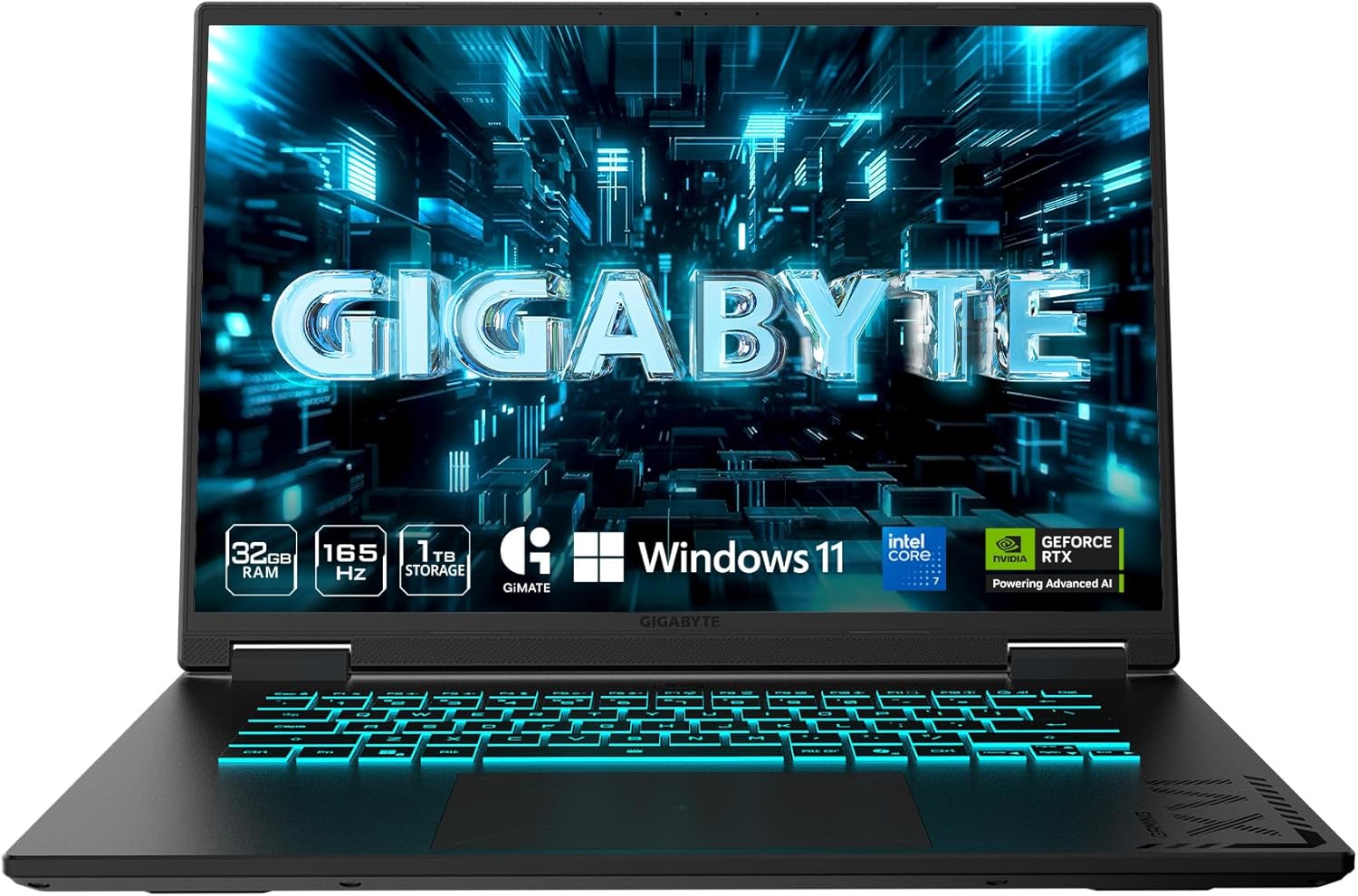
- memory Intel Core Ultra 7 240H
- developer_board NVIDIA GeForce RTX 5070 Ti Laptop GPU
- layers 32GB LPDDR5X 5600MHz
- track_changes Target GPU: NVIDIA RTX 4080 Super / Radeon RX 7900 XTX

- memory Intel Core Ultra 9 275HX
- developer_board GeForce RTX 5070 Laptop Laptop GPU
- layers 64GB DDR5-6400MHz (Single-Channel)
- track_changes Target GPU: NVIDIA RTX 4080 Super / Radeon RX 7900 XTX

- memory Intel Core Ultra 9 275HX
- developer_board NVIDIA GeForce RTX 5070 Ti
- layers 32GB
- track_changes Target GPU: NVIDIA RTX 4080 Super / Radeon RX 7900 XTX

- memory Intel Core Ultra 9 275HX
- developer_board NVIDIA GeForce RTX 5070 Ti Laptop GPU
- layers 32 GB DDR5 6400MHz (2x16GB)
- track_changes Target GPU: NVIDIA RTX 4080 Super / Radeon RX 7900 XTX
For Tainted Grail: The Fall of Avalon Specifically
- memory Intel Core i9-13900H
- developer_board NVIDIA GeForce RTX 4060
- layers 16GB DDR5-5200MHz
- track_changes Target GPU: NVIDIA GeForce GTX 1060 (6GB) or AMD equivalent
- memory Intel Core i9-14900HX
- developer_board NVIDIA GeForce RTX 4060
- layers 32GB DDR5-5600MHz
- track_changes Target GPU: NVIDIA GeForce GTX 1060 (6GB) or AMD equivalent
- memory Intel Core i9-12900H
- developer_board NVIDIA GeForce RTX 3070 Ti
- layers 16GB DDR5-4800MHz
- track_changes Target GPU: NVIDIA GeForce GTX 1060 (6GB) or AMD equivalent
- memory AMD Ryzen 7 7435HS
- developer_board NVIDIA GeForce RTX 3050
- layers 32GB DDR5-4800MHz
- track_changes Target GPU: NVIDIA GeForce GTX 1060 (6GB) or AMD equivalent
- memory Intel Core i9-14900HX
- developer_board NVIDIA GeForce RTX 4070
- layers 32GB DDR5-5600MHz
- track_changes Target GPU: NVIDIA GeForce GTX 1060 (6GB) or AMD equivalent
- memory Intel Core i9-14900HX
- developer_board NVIDIA GeForce RTX 4070
- layers 16GB DDR5-5600MHz
- track_changes Target GPU: NVIDIA GeForce GTX 1060 (6GB) or AMD equivalent
- memory Intel Core Ultra 7 255H
- developer_board NVIDIA GeForce RTX 5060 Laptop GPU
- layers 16GB DDR5-5600MHz (Dual-Channel)
- track_changes Target GPU: NVIDIA GeForce GTX 1060 (6GB) or AMD equivalent
- memory AMD Ryzen 9 8940HX Processor
- developer_board NVIDIA GeForce RTX 5060 Laptop GPU
- layers 32GB DDR5-5200MHz
- track_changes Target GPU: NVIDIA GeForce GTX 1060 (6GB) or AMD equivalent
- memory Intel Core i9-12950HX
- developer_board NVIDIA GeForce RTX 3080 Ti
- layers 32GB DDR5-4800MHz
- track_changes Target GPU: NVIDIA GeForce GTX 1060 (6GB) or AMD equivalent
- memory AMD Ryzen 7 7445HS
- developer_board NVIDIA GeForce RTX 4050
- layers 16GB (2x8GB) DDR5 5600MHz SO-DIMM
- track_changes Target GPU: NVIDIA GeForce GTX 1060 (6GB) or AMD equivalent
- memory Intel Core i7-12700H
- developer_board NVIDIA GeForce RTX 3070
- layers 32GB DDR4-3200MHz
- track_changes Target GPU: NVIDIA GeForce RTX 2070 Super (8GB)
- memory Intel Core i9-12900H
- developer_board NVIDIA GeForce RTX 3070 Ti
- layers 16GB DDR5-4800MHz
- track_changes Target GPU: NVIDIA GeForce RTX 3070 (8GB) / RTX 4060 Ti (8GB). (Future-proof: RTX 5060)
- memory AMD Ryzen 7 7435HS
- developer_board NVIDIA GeForce RTX 3050
- layers 32GB DDR5-4800MHz
- track_changes Target GPU: NVIDIA GeForce RTX 3070 (8GB) / RTX 4060 Ti (8GB). (Future-proof: RTX 5060)
- memory AMD Ryzen 7 6800H
- developer_board NVIDIA GeForce RTX 3060
- layers 16GB DDR5-4800MHz
- track_changes Target GPU: NVIDIA GeForce RTX 3070 (8GB) / RTX 4060 Ti (8GB). (Future-proof: RTX 5060)
- memory Intel Core i7-14700HX
- developer_board NVIDIA GeForce RTX 4070
- layers 16GB DDR5-5600MHz
- track_changes Target GPU: NVIDIA GeForce RTX 3070 (8GB) / RTX 4060 Ti (8GB). (Future-proof: RTX 5060)
- memory Intel Core i9-14900HX
- developer_board NVIDIA GeForce RTX 4070
- layers 32GB DDR5-5600MHz
- track_changes Target GPU: NVIDIA GeForce RTX 3070 (8GB) / RTX 4060 Ti (8GB). (Future-proof: RTX 5060)
- memory Intel Core i9-14900HX
- developer_board NVIDIA GeForce RTX 4070
- layers 16GB DDR5-5600MHz
- track_changes Target GPU: NVIDIA GeForce RTX 3070 (8GB) / RTX 4060 Ti (8GB). (Future-proof: RTX 5060)
- memory Intel Core Ultra 7 255H
- developer_board NVIDIA GeForce RTX 5060 Laptop GPU
- layers 16GB DDR5-5600MHz (Dual-Channel)
- track_changes Target GPU: NVIDIA GeForce RTX 3070 (8GB) / RTX 4060 Ti (8GB). (Future-proof: RTX 5060)
- memory AMD Ryzen 9 8940HX Processor
- developer_board NVIDIA GeForce RTX 5060 Laptop GPU
- layers 32GB DDR5-5200MHz
- track_changes Target GPU: NVIDIA GeForce RTX 3070 (8GB) / RTX 4060 Ti (8GB). (Future-proof: RTX 5060)
- memory Intel Core i9-12950HX
- developer_board NVIDIA GeForce RTX 3080 Ti
- layers 32GB DDR5-4800MHz
- track_changes Target GPU: NVIDIA GeForce RTX 3070 (8GB) / RTX 4060 Ti (8GB). (Future-proof: RTX 5060)
- memory AMD Ryzen 7 7445HS
- developer_board NVIDIA GeForce RTX 4050
- layers 16GB (2x8GB) DDR5 5600MHz SO-DIMM
- track_changes Target GPU: NVIDIA GeForce RTX 3070 (8GB) / RTX 4060 Ti (8GB). (Future-proof: RTX 5060)
- memory Intel Core i9-14900HX
- developer_board NVIDIA GeForce RTX 4080 Laptop GPU
- layers 64 GB DDR5-5600MHz
- track_changes Target GPU: NVIDIA GeForce RTX 4070 Ti SUPER (16GB) / RTX 4080 (16GB). (Future-proof: RTX 5070 / RTX 5080)
- memory Intel Core Ultra 9 Processor 275HX (Series 2)
- developer_board NVIDIA GeForce RTX 5070 Laptop GPU
- layers 32GB DDR5-5600MHz
- track_changes Target GPU: NVIDIA GeForce RTX 4070 Ti SUPER (16GB) / RTX 4080 (16GB). (Future-proof: RTX 5070 / RTX 5080)
- memory Intel Core i9-14900HX Processor
- developer_board NVIDIA GeForce RTX 5070 Laptop GPU
- layers 32GB DDR5-5600MHz
- track_changes Target GPU: NVIDIA GeForce RTX 4070 Ti SUPER (16GB) / RTX 4080 (16GB). (Future-proof: RTX 5070 / RTX 5080)

- memory Intel Core i9-14900HX Processor
- developer_board NVIDIA GeForce RTX 5070 Laptop GPU
- layers 32GB DDR5-5600MHz
- track_changes Target GPU: NVIDIA GeForce RTX 4070 Ti SUPER (16GB) / RTX 4080 (16GB). (Future-proof: RTX 5070 / RTX 5080)

- memory Intel Core Ultra 9 Processor 285H
- developer_board NVIDIA GeForce RTX 5070 Laptop GPU
- layers 16GB DDR5-5600MHz
- track_changes Target GPU: NVIDIA GeForce RTX 4070 Ti SUPER (16GB) / RTX 4080 (16GB). (Future-proof: RTX 5070 / RTX 5080)

- memory Intel Core Ultra 9 285H (Arrow Lake-H)
- developer_board NVIDIA GeForce RTX 5070 Laptop GPU
- layers 64GB LPDDR5x-8533MT/s (LPCAMM2)
- track_changes Target GPU: NVIDIA GeForce RTX 4070 Ti SUPER (16GB) / RTX 4080 (16GB). (Future-proof: RTX 5070 / RTX 5080)
- memory Intel Core i9-14900HX
- developer_board NVIDIA GeForce RTX 4080
- layers 64GB DDR5-5600MHz
- track_changes Target GPU: NVIDIA GeForce RTX 4070 Ti SUPER (16GB) / RTX 4080 (16GB). (Future-proof: RTX 5070 / RTX 5080)
- memory Intel Core i9-14900HX
- developer_board NVIDIA GeForce RTX 4080
- layers 32GB DDR5-5600MHz
- track_changes Target GPU: NVIDIA GeForce RTX 4070 Ti SUPER (16GB) / RTX 4080 (16GB). (Future-proof: RTX 5070 / RTX 5080)
- memory Intel Core i9-14900HX
- developer_board NVIDIA GeForce RTX 4080
- layers 32GB DDR5-5600MHz
- track_changes Target GPU: NVIDIA GeForce RTX 4070 Ti SUPER (16GB) / RTX 4080 (16GB). (Future-proof: RTX 5070 / RTX 5080)
- memory Intel Core i9-14900HX
- developer_board NVIDIA GeForce RTX 4080
- layers 32GB DDR5-5600MHz
- track_changes Target GPU: NVIDIA GeForce RTX 4070 Ti SUPER (16GB) / RTX 4080 (16GB). (Future-proof: RTX 5070 / RTX 5080)
info_outline Laptop recommendations are estimates based on available component benchmarks and game requirements. Actual performance may vary depending on settings, drivers, cooling, power limits, etc. Prices and availability subject to change. As an Amazon Associate, we earn from qualifying purchases.