Select Games to Compare
Benchmark your exact mobile GPU wattage (TGP), battery throttling drops, and cooling pad requirements for these games.
The Blood of Dawnwalker vs Monster Hunter Wilds
| close | close |
|---|---|
| shopping_cart Where to Buy | |
| info General Information | |
| Release Date | |
| Sep 3, 2026 | Feb 28, 2025 |
| Developer | |
| Rebel Wolves | Capcom |
| Publisher | |
| Bandai Namco Entertainment | Capcom |
| Genre(s) | |
| Action Role-Playing Game (RPG) | Cooperative Action Role-Playing Game |
| Engine | |
| Unreal Engine 5 | RE Engine |
| stars Ratings & Price | |
| Content Rating | |
| Mature (M) / PEGI 18 | T (Teen 13+) |
| Avg. User Rating | |
| 4.2 / 5.0 | 4.8 / 5.0 |
| Current Price (USD) | |
| $69.99 | $69.99 |
| tune Key Specs | |
| Quick Highlights | |
|
|
| sports_esports Gameplay & Mechanics | |
| Companions/Followers | |
|
|
| Key Collectibles | |
|
|
| Key Themes | |
|
|
| colorize Combat & Gear | |
| Weapons Overview | |
|
|
| Armor / Gear Sets | |
|
|
| Outfits/Customization | |
|
|
| trending_up Progression & Upgrades | |
| Skills & Progression | |
|
Character progression caps at level 50 and is profoundly intertwined with the game's bimodal day/night cycle and 30-day temporal economy. Players invest in a foundational Shared Tree for baseline survival, then branch into Swordmastery, Witchcraft, and Vampirism. Swordmastery and Witchcraft govern daytime human combat, focusing on directional parries, stamina management, and occult hexes fueled by Coen's own health. Unlocking these abilities requires finding manuals in the world and sacrificing precious time segments to 'study' them. Conversely, the nighttime Vampirism tree completely shifts combat to hyper-aggressive, high-mobility claw attacks and shadow teleportation. Vampirism is not learned from books; it is governed by a Corruption system where players must consistently feed on human combatants or wildlife to manage Coen's Blood Hunger, fueling devastating ultimates like Rebound Death and Lethal Crescendo. |
Character progression is entirely tied to crafting increasingly powerful weapons and armor from defeated monsters. The armor skill system is robust, allowing hunters to mix and match pieces to activate offensive (e.g., Attack Boost, Critical Eye) and defensive (e.g., Evade Window, Health Boost) skills. The introduction of Focus Mode adds a mechanical layer, allowing precise targeting of monster wounds for devastating Focus Strikes. The upcoming Ascendance expansion will introduce the Boost Bracer, a radical new mechanic that charges through relentless offensive pressure, granting weapons temporary 'Boosted Actions' such as perfect guards, instant charge times, and entirely new offensive combos, drastically altering the endgame skill ceiling. |
| public World & Exploration | |
| World & Level Design | |
|
The geographic footprint of Vale Sangora spans approximately 10 square kilometers (measuring about 4 kilometers vertically by 3 kilometers horizontally). While mathematically smaller than sprawling modern open worlds, the space is meticulously dense, comparable to the highly acclaimed Blood and Wine expansion for The Witcher 3. The landmass is subdivided into ten distinct geographical biomes that deeply impact gameplay and economy. These include Laslea Glen (a dense rural starting zone), the treacherous Briar Sloughs wetlands concealing ancient ruins, the heavily forested Maragir Wealds, the mountainous Boar's Back requiring advanced traversal, the heavily patrolled Svartrau Outskirts, and the economic powerhouse of Svartrau City. Exploring the map relies entirely on foot travel and advanced vampiric parkour skills like Planeshift and Shadow Walk, with limited fast travel via Shrines, resulting in highly deliberate and intimate geographic navigation. |
The Forbidden Lands are divided into five massive, distinct terrestrial biomes that are seamlessly interconnected, requiring no loading screens. 1. Windward Plains: Arid deserts and grasslands battered by the Sandtide lightning storms. 2. Scarlet Forest: A dense, humid jungle flooded by torrential Downpours. 3. Oilwell Basin: A treacherous landscape of volatile tar pits and subterranean gases that ignite during the Firespring. 4. Iceshard Cliffs: A frozen, vertical environment relentlessly battered by blizzards. 5. Ruins of Wyveria: A mysterious, artificial biome harboring ancient Guardian constructs. The 2027 Ascendance expansion will introduce the Skybound Eyrie, a sprawling airborne biome relying on extreme verticality and environmental updrafts for traversal. |
| Playable Vehicles | |
|
|
| Notable Fauna/Mounts | |
|
|
| book Story & Characters | |
| Main Characters | |
|
|
| Example Missions | |
|
|
| people Multiplayer | |
| Multiplayer Details | |
|
There are absolutely no multiplayer modes in The Blood of Dawnwalker. Studio leadership, comprised heavily of veterans from CD Projekt Red, has maintained a rigid development philosophy focused entirely on crafting a premium, solitary narrative experience. They have aggressively counter-programmed against the modern gaming industry's obsession with live-service titles. Consequently, the game features zero co-op campaigns, no player-versus-player (PvP) arenas, no multiplayer hubs, no battle passes, and no in-game premium currency storefronts. Every piece of content, legendary weapon, and cosmetic armor set is unlocked purely through single-player exploration, narrative progression, and mastering the game's complex bimodal combat and temporal mechanics. |
The core of Monster Hunter Wilds is its 4-player cooperative multiplayer, accessible seamlessly via the in-game SOS Flare system or by joining dedicated lobbies. The game scales monster health dynamically based on the number of active participants. If human players are unavailable or disconnect, highly competent AI Support Hunters seamlessly fill the empty slots, allowing players to tackle even the most daunting endgame challenges, like the Omega Planetes crossover, entirely solo if they prefer. Specific siege events require coordination among larger groups, often split across multiple 4-player instances contributing to a shared objective. |
| extension Editions & DLC | |
| Available Editions | |
|
Bandai Namco has structured the release into four comprehensive tiers. The Standard Edition, priced at $69.99 (Rs. 3,999 in India), includes the base game and a digital pre-order bonus—the Sangoran Wayfarer's Armor Set, providing early-game physical defense and balanced stamina regeneration. The Eclipse Edition ($79.99) is a digital upgrade bundling the base game, armor, a Digital World Compendium, Digital Comic Book, and the Digital Soundtrack. The Day 1 Edition mirrors the Standard tier but in physical format, including a Steelbook and a World Map. The ultimate Collector's Edition ($199.99) is a premium physical package that upgrades the map to a 33x40cm print, adds a 60-page hardcover Physical World Compendium, a Gold-Laminated Sticker Set, and features a centerpiece 23cm Purearts Coen Figurine housed in a custom Collector Box. |
Monster Hunter Wilds launched with Standard and Gold Editions. The Deluxe Pack (available as an upgrade) flooded the player's inventory with extensive cosmetic overrides, including the Feudal Soldier Layered Armor Set, Oni Horns Wig, and various Seikret caparisons. Pre-order bonuses included the Guild Knight Set and Hope Charm Talisman. Post-launch monetization focused heavily on Cosmetic Passes (Flamefete and Blossomdance DLC Packs) offering purely aesthetic layered armor and pendants. The upcoming Ascendance expansion (2027) will be a massive paid DLC required to access Master Rank content, new biomes, and the Boost Bracer mechanics. |
| Post-Launch Content / DLC | |
|
Rebel Wolves has outlined a structured, player-friendly post-launch roadmap focused initially on smaller, free downloadable content (DLC) drops designed to sustain community engagement and player goodwill without nickel-and-diming the audience. The early phases concentrate on technical stability and complex gameplay balancing for the bimodal combat system. Subsequent free updates will inject minor content additions directly into the Vale Sangora sandbox, including new cosmetic outfits, historical weapon variations, localized world events, expanded companion dialogue, and a highly requested New Game Plus (NG+) mode to encourage replayability. Major, paid expansion packs remain a possibility, but studio leadership has confirmed they are directly contingent upon the game’s financial performance in the launch quarter. |
Post-launch support has been robust, delivering free Title Updates that introduced Arch-Tempered (AT) investigations for apex monsters (like Uth Duna and Rey Dau) and collaborative events, most notably the highly challenging Final Fantasy XIV Online crossover featuring the MMO-style Omega Planetes encounter. Title Update 3 reintroduced the colossal Gogmazios for large-scale siege warfare. The primary focus is now the massive 2027 paid expansion, Ascendance, which will introduce Master Rank difficulty, the Skybound Eyrie biome, returning Elder Dragons like Kushala Daora and potentially Lao-Shan Lung, and the revolutionary Boost Bracer combat mechanic. |
| help_outline FAQ | |
| Frequently Asked Questions | |
|
|
| build Technical Details | |
| Graphics & Visual Fidelity | |
|
Built on Epic Games' Unreal Engine 5, the visual architecture of The Blood of Dawnwalker is a massive leap over previous generation RPGs. The implementation of Nanite technology allows for incredibly dense medieval settlements, highly detailed Gothic architecture, and lush vegetation without crippling performance. Lumen global illumination is critical to the game's core day-night mechanics, offering dynamic, real-time lighting that starkly alters the atmosphere and visibility during Coen’s transition from human to Dawnwalker. On current-generation consoles (PS5, Xbox Series X), the game offers specific visual modes, prioritizing either high-resolution fidelity (Quality) or responsive 60 FPS gameplay (Performance Mode), which dynamically scales texture resolutions to maintain stability in dense regions like Svartrau City. |
Powered by a heavily upgraded RE Engine, Monster Hunter Wilds delivers breathtaking, photorealistic environments that react dynamically to extreme weather anomalies. The seamless transition from a vibrant, sunlit ecosystem to a terrifying, lightning-filled Sandtide is a staggering technical achievement requiring direct SSD streaming. The monster models are incredibly detailed, featuring realistic muscle deformation, procedural damage scarring via the Wound system, and distinct behavioral animations for turf wars. The game relies heavily on advanced volumetric fog and high-resolution particle effects to sell the immersion of its extreme environments. |
| Audio & Soundtrack | |
|
The audio landscape of Vale Sangora is as critical to the immersion as its visual fidelity. The ambient sound design shifts violently between day and night; daytime exploration in regions like the Tantari Woods is filled with natural flora and fauna noises, while nighttime brings terrifying environmental cues from nocturnal predators and the supernatural horrors of the Vrakhiri. The original soundtrack deeply integrates traditional Eastern European and Balkan instrumentation, emphasizing the regional folklore that heavily inspired the game. Comprehensive audio customization is available in the menus, allowing players to meticulously balance dialogue, sound effects, and music. The Digital Soundtrack is officially included as part of the premium Eclipse and Collector's Edition packages. |
The audio design is a critical component of both atmosphere and gameplay. The dynamic weather systems completely alter the soundscape; the deafening roar of the Sandtide masks approaching footsteps, while the torrential Downpour creates a constant, oppressive ambient noise. Monster roars require the Earplugs skill to ignore, and specific audio cues often precede devastating attacks, rewarding attentive hunters. The musical score is grand and orchestral, featuring iconic themes like 'Proof of a Hero' during critical, tide-turning moments in a hunt, alongside unique, culturally diverse combat tracks for each specific biome and apex predator. |
| User Interface (UI/UX) | |
|
The game's UI is designed to be highly diegetic and informational, critically supporting the 'Narrative Sandbox'. The most vital element is the hourglass interface, which continually warns players of the time cost associated with interacting with major quest items, learning from skill manuals, or resting. This ensures players are always aware of how their actions deplete the overarching 30-day temporal economy. Additionally, the combat UI changes based on the time of day and the player's settings. By default, a directional indicator assists with the high-skill ceiling physics-based parrying system. However, for accessibility, an 'Omni Combat' toggle simplifies the UI and inputs into automated single button presses for attacking and blocking, allowing narrative-focused players to bypass the steepest mechanical learning curves. |
The User Interface is highly customizable, providing vital information on weapon sharpness, stamina, health, and complex weapon-specific gauges (like the Charge Blade's phials or the Dual Blades' Demon Gauge). The introduction of Focus Mode highlights structural weaknesses on the monster's anatomy (White Gash, Open Wound, Black Scarring) specifically when activated, guiding players toward optimal attack vectors without cluttering the screen permanently. The Ascendance expansion will add an Active Gauge for the Boost Bracer, requiring players to monitor their stored charges and the rapidly draining timer of the Boosted state. |
| Accessibility Options | |
|
Recognizing the punishing nature of its 30-day temporal economy and complex physics-based directional combat, Rebel Wolves implemented robust accessibility features to ensure a wider audience can experience the narrative. The standout feature is the 'Omni Combat' toggle, which automates strike directions and blocking into single button presses, lowering the skill floor significantly (albeit at the cost of higher stamina consumption). The game features four distinct difficulty tiers that can be adjusted on the fly, allowing players to tailor the friction of combat encounters. Furthermore, the game includes immediate 'save anytime' functionality—rejecting strict checkpoint systems—and offers comprehensive audio and subtitle customization, ensuring maximum player comfort and accessibility throughout the intense 50-70 hour campaign. |
A core design pillar for Wilds was flattening the initial friction point for newcomers. The implementation of Focus Mode serves as the ultimate accessibility tool, providing real-time targeting assist that forces the player's attacks to align with the camera perspective, drastically reducing frustration with complex monster hitboxes. The Seikret mount streamlines tracking, automatically guiding players to their target. Furthermore, the inclusion of highly competent AI Support Hunters ensures that players who cannot or prefer not to engage in online multiplayer can still experience the entirety of the game's cooperative content without facing insurmountable difficulty walls. |
| video_library Media Links | |
| Gameplay Video | |
| launchWatch | launchWatch |
| Walkthrough/Guide | |
| launchView | launchView |
| settings_applications System Requirements | |
| 1080p (Full HD) - Recommended (High Preset, 60 FPS) CPU: Provides optimal thread counts for managing complex crowd density in Svartrau City and calculating directional combat physics. CPU (Laptop): Ideal for maintaining 60 FPS with overhead for background processes. GPU: 8GB of VRAM allows for high-resolution textures and smooth performance utilizing DLSS Frame Generation or FSR 3. GPU (Laptop): Ensure maximum TGP is available via control center software. RAM: Sufficient overhead for memory-intensive UE5 features. Storage: Required for instantaneous loading during Planeshift and Shadowstep traversal mechanics. | |
memoryCPU: Intel Core i7-11700K / AMD Ryzen 7 5700X developer_boardGPU: NVIDIA RTX 4060 / Radeon RX 7600 XT / Intel Arc B580 laptop_macCPU (L): Intel Core i7-12700H / AMD Ryzen 7 6800H laptop_windowsGPU (L): NVIDIA RTX 4060 (115W+) / Radeon RX 7600S layersRAM: 16 GB saveStorage (Tier): 60 GB NVMe SSD | memoryCPU: Intel Core i5-11600K / AMD Ryzen 5 3600X developer_boardGPU: NVIDIA GeForce RTX 2060 Super (8GB) / AMD Radeon RX 6600 (8GB) laptop_macCPU (L): Intel Core i7-12700H / AMD Ryzen 7 6800H laptop_windowsGPU (L): NVIDIA GeForce RTX 4060 Laptop GPU (115W+ TGP) layersRAM: 16 GB saveStorage (Tier): NVMe Gen3 SSD |
| 1080p (Full HD) - Minimum (Low-Medium Preset, 30 FPS) CPU: Capable of handling the baseline physics and NPC scheduling algorithms without severe frametime spikes. CPU (Laptop): Sufficient for 30 FPS lock; ensure aggressive cooling profiles are enabled. GPU: The absolute baseline required to process Unreal Engine 5's basic lighting matrices. GPU (Laptop): Use FSR/DLSS on Balanced to maintain playable framerates during heavy combat. RAM: Mandatory minimum to accommodate heavy asset streaming in open-world environments. Storage: NVMe preferred to prevent stuttering while moving between major map regions. | |
memoryCPU: Intel Core i5-11400F / AMD Ryzen 7 2700X developer_boardGPU: NVIDIA GTX 1060 (6GB) / Radeon RX 580 (8GB) laptop_macCPU (L): Intel Core i5-11400H / AMD Ryzen 5 5600H laptop_windowsGPU (L): NVIDIA RTX 3050 Ti (6GB) / Radeon RX 6500M layersRAM: 16 GB saveStorage (Tier): 60 GB SSD | memoryCPU: Intel Core i5-10400 / i3-12100 or AMD Ryzen 5 3600 developer_boardGPU: NVIDIA GeForce GTX 1660 (6GB) / AMD Radeon RX 5500 XT (8GB) laptop_macCPU (L): Intel Core i7-11800H / AMD Ryzen 7 5800H laptop_windowsGPU (L): NVIDIA GeForce RTX 3050 Ti Laptop GPU (High TGP) layersRAM: 16 GB saveStorage (Tier): SSD required (NVMe strongly recommended) |
| 1440p (QHD/2K) - Recommended / High (High-Ultra Preset, 60 FPS) CPU: Excellent single-core performance ensures the GPU is fully fed at 1440p resolutions. CPU (Laptop): Desktop-class laptop CPUs provide the necessary processing power for complex physics. GPU: 12GB VRAM is highly recommended to comfortably load high-fidelity Nanite meshes without pop-in at 1440p. GPU (Laptop): Necessary hardware tier to overcome laptop thermal limitations at this resolution. RAM: Highly recommended to eliminate micro-stutters during rapid nighttime traversal. Storage: Maximizes asset streaming speeds for completely seamless exploration. | |
memoryCPU: Intel Core i5-13600K / AMD Ryzen 5 7600X developer_boardGPU: NVIDIA RTX 4070 / Radeon RX 7800 XT laptop_macCPU (L): Intel Core i7-13700HX / AMD Ryzen 9 7845HX laptop_windowsGPU (L): NVIDIA RTX 4080 (150W+) / Radeon RX 7900M layersRAM: 32 GB saveStorage (Tier): 60 GB PCIe Gen 4 NVMe SSD | — |
| 1440p (QHD/2K) - High (High Preset, 1440p Native or DLSS Quality (Frame Generation Required for 60+ FPS)) CPU: The massive L3 cache on X3D processors provides extraordinary benefits to minimum 1% lows, locking the framerate in chaotic engagements. CPU (Laptop): Top-tier mobile processors are necessary to ensure the GPU is fully fed during CPU-intensive physics calculations at higher resolutions. GPU: Delivers the necessary rasterization overhead to manage the complex volumetric effects while maintaining a high framerate. GPU (Laptop): Required to maintain high frame rates at 1440p on laptops without drastically reducing visual fidelity. RAM: Highly recommended to prevent any memory-related bottlenecks and ensure perfectly smooth gameplay over multi-hour sessions. Storage: Prevents traversal stutters when operating rapid mobility platforms like the Seikret across massive zones. | |
| — | memoryCPU: Intel Core i7-13700K / AMD Ryzen 7 7800X3D developer_boardGPU: NVIDIA GeForce RTX 4070 / AMD Radeon RX 7800 XT laptop_macCPU (L): Intel Core i9-13900HX / AMD Ryzen 9 7945HX laptop_windowsGPU (L): NVIDIA GeForce RTX 4080 Laptop GPU (175W TGP) layersRAM: 32 GB saveStorage (Tier): NVMe Gen4 SSD |
| 2160p (UHD/4K) - Ultra / 4K (Ultra Preset, 60 FPS) CPU: Top-tier gaming processors required to guarantee absolute frame stability under maximum graphical loads. CPU (Laptop): Only the absolute highest end mobile processors will avoid bottlenecks at 4K Ultra. GPU: 16GB+ VRAM required for uncompromised 4K texture buffers and maximum Lumen ray-bounce configurations. GPU (Laptop): The only mobile GPU capable of driving this game at native 4K with acceptable framerates. RAM: Essential for handling 4K texture packages alongside underlying game logic. Storage: Critical to prevent engine stalls while loading massive high-res environmental blocks. | |
memoryCPU: Intel Core i7-14700K / AMD Ryzen 7 7800X3D developer_boardGPU: NVIDIA RTX 4080 Super / Radeon RX 7900 XTX laptop_macCPU (L): Intel Core i9-14900HX / AMD Ryzen 9 7945HX3D laptop_windowsGPU (L): NVIDIA RTX 4090 (175W) layersRAM: 32 GB saveStorage (Tier): 60 GB PCIe Gen 4 NVMe SSD | — |
| 2160p (UHD/4K) - Ultra / Enthusiast (Max Preset, 4K DLSS Quality / Native (Frame Generation Required)) CPU: Eliminates all system bottlenecks, ensuring that every planetary environment is rendered flawlessly with maximum simulation complexity. CPU (Laptop): The absolute pinnacle of mobile processing power required to drive ultra-high-resolution textures and RE Engine calculations. GPU: Massive rasterization and VRAM capacity required to render 4K textures and handle the intense volumetric fog and particle systems native to the severe weather events. GPU (Laptop): Essential for attempting 4K gaming on a mobile platform, relying heavily on DLSS upscaling and Frame Generation to maintain fluid motion. RAM: Ensures the system never bottlenecks during maximum memory saturation events. Storage: Provides instantaneous asset loading and flawless data streaming, critical for preserving the immersion of the continuous simulation. | |
| — | memoryCPU: Intel Core i9-14900K / AMD Ryzen 9 7950X3D developer_boardGPU: NVIDIA GeForce RTX 4080 Super / NVIDIA GeForce RTX 4090 laptop_macCPU (L): Intel Core i9-14900HX laptop_windowsGPU (L): NVIDIA GeForce RTX 4090 Laptop GPU (175W TGP) layersRAM: 32 GB saveStorage (Tier): NVMe SSD Gen5 |
| save Overall Storage | |
Spec: 60 GB SSD Note: Solid State Drive is absolutely mandatory. Installing on an HDD will result in severe texture streaming issues and infinite load times during fast travel via Shrines. Type: SSD | Spec: 100 GB NVMe Gen4 SSD (DirectStorage Compatible) Note: Traditional HDDs are completely unsupported. High-speed NVMe is mandatory to stream massive environmental assets and monster data instantly during dynamic weather shifts. Type: NVMe |
| desktop_windows Operating System | |
| Spec: Windows 10 / Windows 11 (64-bit) Explanation: Mandatory for DirectX 12 Ultimate feature support, which is strictly required for Unreal Engine 5's advanced rendering pipelines. | Spec: Windows 10/11 (64-bit Required) Explanation: Requires a modern 64-bit architecture to adequately allocate and manage memory for the seamless, open-world ecosystem and DirectStorage functionality. |
| gamepad DirectX Version | |
| Spec: DirectX 12 Explanation: Required to leverage asynchronous compute and hardware-accelerated ray tracing where applicable. | Spec: DirectX 12 Ultimate Explanation: Strictly required to fully leverage hardware-accelerated features and advanced rendering techniques within the upgraded RE Engine. |
| info_outline Other Game Notes | |
|
|
| build Optimization Details | |
|
|
| laptop Laptop Considerations | |
|
|


info_outline Feature details based on available data. System requirements and performance estimates may vary.
laptop_chromebook Laptop Recommendations
Common Recommendations (Handles All Compared Games)

- memory Intel Core i5-12450H
- developer_board NVIDIA GeForce RTX 3050
- layers 16GB DDR4-3200MHz
- track_changes Target GPU: NVIDIA RTX 3050 Ti (6GB) / Radeon RX 6500M / NVIDIA GeForce RTX 3050 Ti Laptop GPU (High TGP)

- memory Intel Core i5-12500H
- developer_board NVIDIA GeForce RTX 3050 Ti
- layers 16GB DDR4-3200MHz
- track_changes Target GPU: NVIDIA RTX 3050 Ti (6GB) / Radeon RX 6500M / NVIDIA GeForce RTX 3050 Ti Laptop GPU (High TGP)

- memory AMD Ryzen 7 7435HS
- developer_board NVIDIA GeForce RTX 3050
- layers 32GB DDR5-4800MHz
- track_changes Target GPU: NVIDIA RTX 3050 Ti (6GB) / Radeon RX 6500M / NVIDIA GeForce RTX 3050 Ti Laptop GPU (High TGP)

- memory Intel Core i9-13900H
- developer_board NVIDIA GeForce RTX 4060
- layers 16GB DDR5-5200MHz
- track_changes Target GPU: NVIDIA RTX 4060 (115W+) / Radeon RX 7600S / NVIDIA GeForce RTX 4060 Laptop GPU (115W+ TGP)

- memory Intel Core i9-14900HX
- developer_board NVIDIA GeForce RTX 4060
- layers 32GB DDR5-5600MHz
- track_changes Target GPU: NVIDIA RTX 4060 (115W+) / Radeon RX 7600S / NVIDIA GeForce RTX 4060 Laptop GPU (115W+ TGP)

- memory Intel Core i9-12900H
- developer_board NVIDIA GeForce RTX 3070 Ti
- layers 16GB DDR5-4800MHz
- track_changes Target GPU: NVIDIA RTX 4060 (115W+) / Radeon RX 7600S / NVIDIA GeForce RTX 4060 Laptop GPU (115W+ TGP)

- memory AMD Ryzen 9 7945HX
- developer_board NVIDIA GeForce RTX 4080
- layers 32GB DDR5
- track_changes Target GPU: NVIDIA RTX 4080 (150W+) / Radeon RX 7900M

- memory Intel Core i9-14900HX
- developer_board NVIDIA GeForce RTX 4080
- layers 64GB DDR5-5600MHz
- track_changes Target GPU: NVIDIA RTX 4080 (150W+) / Radeon RX 7900M

- memory Intel Core i9-14900HX
- developer_board NVIDIA GeForce RTX 4080
- layers 32GB DDR5-5600MHz
- track_changes Target GPU: NVIDIA RTX 4080 (150W+) / Radeon RX 7900M

- memory Intel Core i9-14900HX
- developer_board NVIDIA GeForce RTX 4080 Laptop GPU
- layers 64 GB DDR5-5600MHz
- track_changes Target GPU: NVIDIA GeForce RTX 4080 Laptop GPU (175W TGP)

- memory Intel Core Ultra 9 Processor 275HX (Series 2)
- developer_board NVIDIA GeForce RTX 5070 Laptop GPU
- layers 32GB DDR5-5600MHz
- track_changes Target GPU: NVIDIA GeForce RTX 4080 Laptop GPU (175W TGP)

- memory Intel Core i9-14900HX Processor
- developer_board NVIDIA GeForce RTX 5070 Laptop GPU
- layers 32GB DDR5-5600MHz
- track_changes Target GPU: NVIDIA GeForce RTX 4080 Laptop GPU (175W TGP)

- memory Intel Core i9-14900HX
- developer_board NVIDIA GeForce RTX 4090
- layers 32GB DDR5-5600MHz
- track_changes Target GPU: NVIDIA RTX 4090 (175W)

- memory Intel Core Ultra 9 285H (Series 2) , 14 cores (6 Performance cores + 8 Efficient cores), 20 threads
- developer_board NVIDIA GeForce RTX 5050 Laptop GPU
- layers 32GB (2x16GB) DDR5 8400MHz SO-DIMM
- track_changes Target GPU: NVIDIA RTX 4090 (175W)

- memory Intel Core Ultra 9 285H
- developer_board NVIDIA GeForce RTX 5070
- layers 32GB (2x16GB) DDR5 4800MHz SO-DIMM
- track_changes Target GPU: NVIDIA RTX 4090 (175W)
For The Blood of Dawnwalker Specifically
- memory Intel Core i5-12450H
- developer_board NVIDIA GeForce RTX 3050
- layers 16GB DDR4-3200MHz
- track_changes Target GPU: NVIDIA GTX 1060 (6GB) / Radeon RX 580 (8GB)
- memory Intel Core i5-12500H
- developer_board NVIDIA GeForce RTX 3050 Ti
- layers 16GB DDR4-3200MHz
- track_changes Target GPU: NVIDIA GTX 1060 (6GB) / Radeon RX 580 (8GB)
- memory AMD Ryzen 7 7435HS
- developer_board NVIDIA GeForce RTX 3050
- layers 32GB DDR5-4800MHz
- track_changes Target GPU: NVIDIA GTX 1060 (6GB) / Radeon RX 580 (8GB)

- memory AMD Ryzen 7 6800H
- developer_board NVIDIA GeForce RTX 3060
- layers 16GB DDR5-4800MHz
- track_changes Target GPU: NVIDIA GTX 1060 (6GB) / Radeon RX 580 (8GB)

- memory AMD Ryzen 9 5900HS
- developer_board NVIDIA GeForce RTX 3080
- layers 16GB DDR4-3200MHz
- track_changes Target GPU: NVIDIA GTX 1060 (6GB) / Radeon RX 580 (8GB)

- memory Intel Core i7-13620H
- developer_board NVIDIA GeForce RTX 4070
- layers 16GB DDR5-4800MHz
- track_changes Target GPU: NVIDIA GTX 1060 (6GB) / Radeon RX 580 (8GB)

- memory Intel Core i7-14700HX
- developer_board NVIDIA GeForce RTX 4070
- layers 16GB DDR5-5600MHz
- track_changes Target GPU: NVIDIA GTX 1060 (6GB) / Radeon RX 580 (8GB)

- memory Intel Core i9-14900HX
- developer_board NVIDIA GeForce RTX 4070
- layers 32GB DDR5-5600MHz
- track_changes Target GPU: NVIDIA GTX 1060 (6GB) / Radeon RX 580 (8GB)

- memory Intel Core i9-14900HX
- developer_board NVIDIA GeForce RTX 4070
- layers 16GB DDR5-5600MHz
- track_changes Target GPU: NVIDIA GTX 1060 (6GB) / Radeon RX 580 (8GB)

- memory Intel Core i7 Processor 14650HX
- developer_board NVIDIA GeForce RTX 5060 Laptop GPU
- layers 16GB DDR5-5600MHz
- track_changes Target GPU: NVIDIA GTX 1060 (6GB) / Radeon RX 580 (8GB)
- memory Intel Core i9-13900H
- developer_board NVIDIA GeForce RTX 4060
- layers 16GB DDR5-5200MHz
- track_changes Target GPU: NVIDIA RTX 4060 / Radeon RX 7600 XT / Intel Arc B580
- memory Intel Core i9-14900HX
- developer_board NVIDIA GeForce RTX 4060
- layers 32GB DDR5-5600MHz
- track_changes Target GPU: NVIDIA RTX 4060 / Radeon RX 7600 XT / Intel Arc B580
- memory Intel Core i9-12900H
- developer_board NVIDIA GeForce RTX 3070 Ti
- layers 16GB DDR5-4800MHz
- track_changes Target GPU: NVIDIA RTX 4060 / Radeon RX 7600 XT / Intel Arc B580

- memory Intel Core Ultra 7 255H
- developer_board NVIDIA GeForce RTX 5060 Laptop GPU
- layers 16GB DDR5-5600MHz (Dual-Channel)
- track_changes Target GPU: NVIDIA RTX 4060 / Radeon RX 7600 XT / Intel Arc B580

- memory AMD Ryzen 9 8940HX Processor
- developer_board NVIDIA GeForce RTX 5060 Laptop GPU
- layers 32GB DDR5-5200MHz
- track_changes Target GPU: NVIDIA RTX 4060 / Radeon RX 7600 XT / Intel Arc B580

- memory Intel Core i9-12950HX
- developer_board NVIDIA GeForce RTX 3080 Ti
- layers 32GB DDR5-4800MHz
- track_changes Target GPU: NVIDIA RTX 4060 / Radeon RX 7600 XT / Intel Arc B580

- memory AMD Ryzen 7 7445HS
- developer_board NVIDIA GeForce RTX 4050
- layers 16GB (2x8GB) DDR5 5600MHz SO-DIMM
- track_changes Target GPU: NVIDIA RTX 4060 / Radeon RX 7600 XT / Intel Arc B580
- memory Intel Core i9-14900HX
- developer_board NVIDIA GeForce RTX 4080
- layers 64GB DDR5-5600MHz
- track_changes Target GPU: NVIDIA RTX 4070 / Radeon RX 7800 XT
- memory Intel Core i9-14900HX
- developer_board NVIDIA GeForce RTX 4080
- layers 32GB DDR5-5600MHz
- track_changes Target GPU: NVIDIA RTX 4070 / Radeon RX 7800 XT

- memory Intel Core i9-14900HX
- developer_board NVIDIA GeForce RTX 4080
- layers 32GB DDR5-5600MHz
- track_changes Target GPU: NVIDIA RTX 4070 / Radeon RX 7800 XT

- memory Intel Core i9-14900HX
- developer_board NVIDIA GeForce RTX 4080
- layers 32GB DDR5-5600MHz
- track_changes Target GPU: NVIDIA RTX 4070 / Radeon RX 7800 XT

- memory AMD Ryzen 9 7845HX
- developer_board NVIDIA GeForce RTX 4080
- layers Up to 64GB DDR5
- track_changes Target GPU: NVIDIA RTX 4070 / Radeon RX 7800 XT
- memory Intel Core Ultra 9 285H (Series 2) , 14 cores (6 Performance cores + 8 Efficient cores), 20 threads
- developer_board NVIDIA GeForce RTX 5050 Laptop GPU
- layers 32GB (2x16GB) DDR5 8400MHz SO-DIMM
- track_changes Target GPU: NVIDIA RTX 4070 / Radeon RX 7800 XT
- memory Intel Core Ultra 9 285H
- developer_board NVIDIA GeForce RTX 5070
- layers 32GB (2x16GB) DDR5 4800MHz SO-DIMM
- track_changes Target GPU: NVIDIA RTX 4070 / Radeon RX 7800 XT

- memory Intel Core i9-14900HX Processor
- developer_board NVIDIA GeForce RTX 5070 Ti Laptop GPU
- layers 64GB DDR5-5600MHz (commonly listed as 4800MHz by some retailers, but 5600MHz is common for 14th Gen HX with DDR5)
- track_changes Target GPU: NVIDIA RTX 4070 / Radeon RX 7800 XT

- memory Intel Core Ultra 9 Processor 275HX
- developer_board NVIDIA GeForce RTX 5070 Ti Laptop GPU
- layers 64GB DDR5-6400MHz
- track_changes Target GPU: NVIDIA RTX 4070 / Radeon RX 7800 XT

- memory Intel Core Ultra 9 Processor 275HX (Series 2)
- developer_board NVIDIA GeForce RTX 5070 Ti Laptop GPU
- layers 32GB DDR5-5600MHz
- track_changes Target GPU: NVIDIA RTX 4070 / Radeon RX 7800 XT
- memory Intel Core Ultra 9 285H (Series 2) , 14 cores (6 Performance cores + 8 Efficient cores), 20 threads
- developer_board NVIDIA GeForce RTX 5050 Laptop GPU
- layers 32GB (2x16GB) DDR5 8400MHz SO-DIMM
- track_changes Target GPU: NVIDIA RTX 4080 Super / Radeon RX 7900 XTX
- memory Intel Core Ultra 9 285H
- developer_board NVIDIA GeForce RTX 5070
- layers 32GB (2x16GB) DDR5 4800MHz SO-DIMM
- track_changes Target GPU: NVIDIA RTX 4080 Super / Radeon RX 7900 XTX
- memory Intel Core i9-14900HX Processor
- developer_board NVIDIA GeForce RTX 5070 Ti Laptop GPU
- layers 64GB DDR5-5600MHz (commonly listed as 4800MHz by some retailers, but 5600MHz is common for 14th Gen HX with DDR5)
- track_changes Target GPU: NVIDIA RTX 4080 Super / Radeon RX 7900 XTX
- memory Intel Core Ultra 9 Processor 275HX
- developer_board NVIDIA GeForce RTX 5070 Ti Laptop GPU
- layers 64GB DDR5-6400MHz
- track_changes Target GPU: NVIDIA RTX 4080 Super / Radeon RX 7900 XTX
- memory Intel Core Ultra 9 Processor 275HX (Series 2)
- developer_board NVIDIA GeForce RTX 5070 Ti Laptop GPU
- layers 32GB DDR5-5600MHz
- track_changes Target GPU: NVIDIA RTX 4080 Super / Radeon RX 7900 XTX

- memory Intel Ultra 7 255HX
- developer_board NVIDIA GeForce RTX 5070 Ti
- layers 32GB DDR5 5600MHz
- track_changes Target GPU: NVIDIA RTX 4080 Super / Radeon RX 7900 XTX
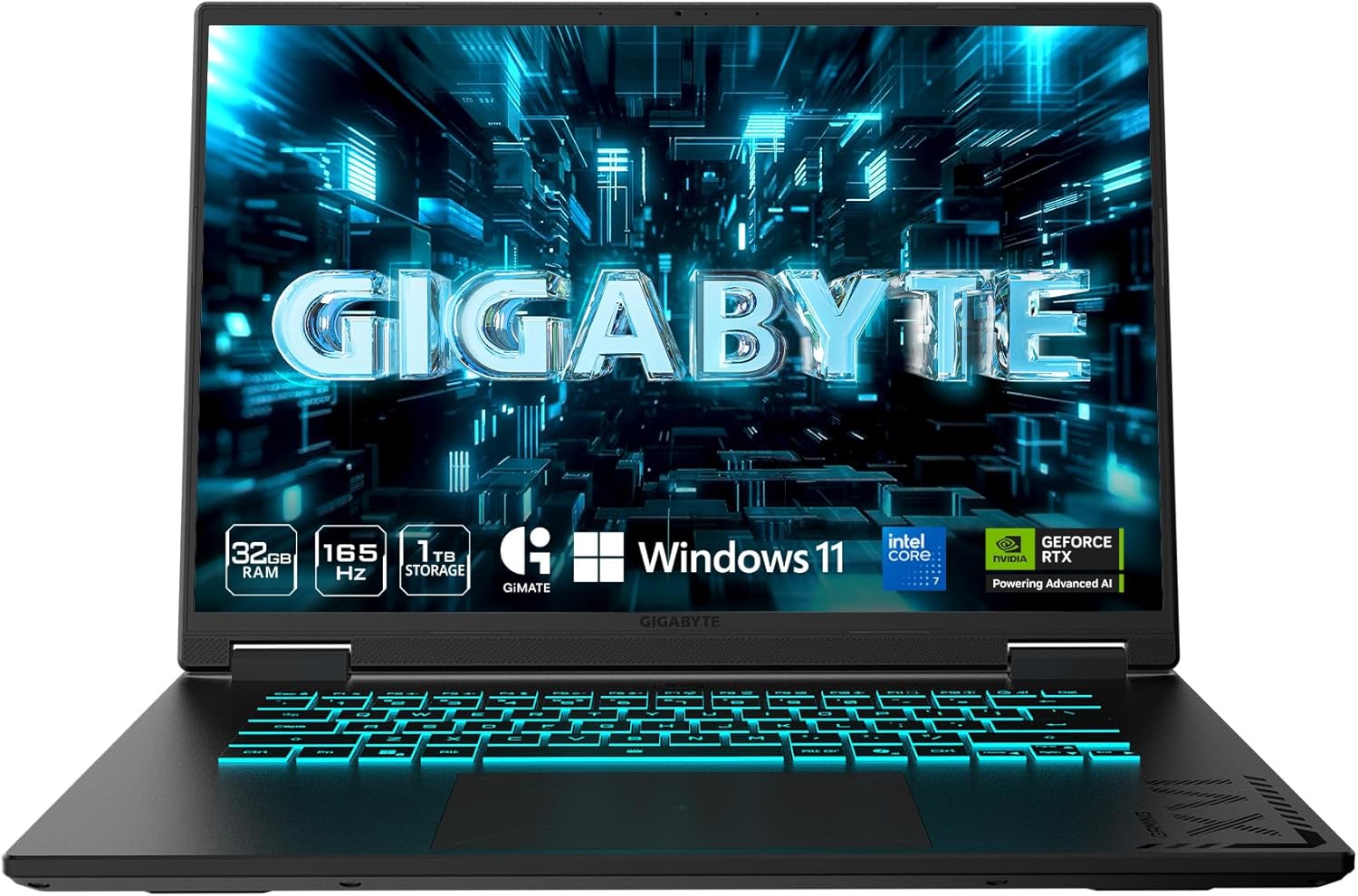
- memory Intel Core Ultra 7 240H
- developer_board NVIDIA GeForce RTX 5070 Ti Laptop GPU
- layers 32GB LPDDR5X 5600MHz
- track_changes Target GPU: NVIDIA RTX 4080 Super / Radeon RX 7900 XTX

- memory Intel Core Ultra 9 275HX
- developer_board GeForce RTX 5070 Laptop Laptop GPU
- layers 64GB DDR5-6400MHz (Single-Channel)
- track_changes Target GPU: NVIDIA RTX 4080 Super / Radeon RX 7900 XTX

- memory Intel Core Ultra 9 275HX
- developer_board NVIDIA GeForce RTX 5070 Ti
- layers 32GB
- track_changes Target GPU: NVIDIA RTX 4080 Super / Radeon RX 7900 XTX

- memory Intel Core Ultra 9 275HX
- developer_board NVIDIA GeForce RTX 5070 Ti Laptop GPU
- layers 32 GB DDR5 6400MHz (2x16GB)
- track_changes Target GPU: NVIDIA RTX 4080 Super / Radeon RX 7900 XTX
For Monster Hunter Wilds Specifically

- memory Intel Core i7-12700H
- developer_board NVIDIA GeForce RTX 3070
- layers 32GB DDR4-3200MHz
- track_changes Target GPU: NVIDIA GeForce GTX 1660 (6GB) / AMD Radeon RX 5500 XT (8GB)
- memory Intel Core i9-13900H
- developer_board NVIDIA GeForce RTX 4060
- layers 16GB DDR5-5200MHz
- track_changes Target GPU: NVIDIA GeForce GTX 1660 (6GB) / AMD Radeon RX 5500 XT (8GB)
- memory Intel Core i9-14900HX
- developer_board NVIDIA GeForce RTX 4060
- layers 32GB DDR5-5600MHz
- track_changes Target GPU: NVIDIA GeForce GTX 1660 (6GB) / AMD Radeon RX 5500 XT (8GB)
- memory Intel Core i9-12900H
- developer_board NVIDIA GeForce RTX 3070 Ti
- layers 16GB DDR5-4800MHz
- track_changes Target GPU: NVIDIA GeForce GTX 1660 (6GB) / AMD Radeon RX 5500 XT (8GB)
- memory AMD Ryzen 7 7435HS
- developer_board NVIDIA GeForce RTX 3050
- layers 32GB DDR5-4800MHz
- track_changes Target GPU: NVIDIA GeForce GTX 1660 (6GB) / AMD Radeon RX 5500 XT (8GB)
- memory AMD Ryzen 7 6800H
- developer_board NVIDIA GeForce RTX 3060
- layers 16GB DDR5-4800MHz
- track_changes Target GPU: NVIDIA GeForce GTX 1660 (6GB) / AMD Radeon RX 5500 XT (8GB)
- memory AMD Ryzen 9 5900HS
- developer_board NVIDIA GeForce RTX 3080
- layers 16GB DDR4-3200MHz
- track_changes Target GPU: NVIDIA GeForce GTX 1660 (6GB) / AMD Radeon RX 5500 XT (8GB)
- memory Intel Core i7-13620H
- developer_board NVIDIA GeForce RTX 4070
- layers 16GB DDR5-4800MHz
- track_changes Target GPU: NVIDIA GeForce GTX 1660 (6GB) / AMD Radeon RX 5500 XT (8GB)
- memory Intel Core i7-14700HX
- developer_board NVIDIA GeForce RTX 4070
- layers 16GB DDR5-5600MHz
- track_changes Target GPU: NVIDIA GeForce GTX 1660 (6GB) / AMD Radeon RX 5500 XT (8GB)
- memory Intel Core i9-14900HX
- developer_board NVIDIA GeForce RTX 4070
- layers 32GB DDR5-5600MHz
- track_changes Target GPU: NVIDIA GeForce GTX 1660 (6GB) / AMD Radeon RX 5500 XT (8GB)
- memory Intel Core i9-14900HX
- developer_board NVIDIA GeForce RTX 4070
- layers 16GB DDR5-5600MHz
- track_changes Target GPU: NVIDIA GeForce RTX 2060 Super (8GB) / AMD Radeon RX 6600 (8GB)
- memory Intel Core Ultra 7 255H
- developer_board NVIDIA GeForce RTX 5060 Laptop GPU
- layers 16GB DDR5-5600MHz (Dual-Channel)
- track_changes Target GPU: NVIDIA GeForce RTX 2060 Super (8GB) / AMD Radeon RX 6600 (8GB)
- memory AMD Ryzen 9 8940HX Processor
- developer_board NVIDIA GeForce RTX 5060 Laptop GPU
- layers 32GB DDR5-5200MHz
- track_changes Target GPU: NVIDIA GeForce RTX 2060 Super (8GB) / AMD Radeon RX 6600 (8GB)
- memory Intel Core i9-12950HX
- developer_board NVIDIA GeForce RTX 3080 Ti
- layers 32GB DDR5-4800MHz
- track_changes Target GPU: NVIDIA GeForce RTX 2060 Super (8GB) / AMD Radeon RX 6600 (8GB)
- memory Intel Core i9-14900HX
- developer_board NVIDIA GeForce RTX 4080 Laptop GPU
- layers 64 GB DDR5-5600MHz
- track_changes Target GPU: NVIDIA GeForce RTX 4070 / AMD Radeon RX 7800 XT
- memory Intel Core Ultra 9 Processor 275HX (Series 2)
- developer_board NVIDIA GeForce RTX 5070 Laptop GPU
- layers 32GB DDR5-5600MHz
- track_changes Target GPU: NVIDIA GeForce RTX 4070 / AMD Radeon RX 7800 XT
- memory Intel Core i9-14900HX Processor
- developer_board NVIDIA GeForce RTX 5070 Laptop GPU
- layers 32GB DDR5-5600MHz
- track_changes Target GPU: NVIDIA GeForce RTX 4070 / AMD Radeon RX 7800 XT

- memory Intel Core i9-14900HX Processor
- developer_board NVIDIA GeForce RTX 5070 Laptop GPU
- layers 32GB DDR5-5600MHz
- track_changes Target GPU: NVIDIA GeForce RTX 4070 / AMD Radeon RX 7800 XT

- memory Intel Core Ultra 9 285H (Arrow Lake-H)
- developer_board NVIDIA GeForce RTX 5070 Laptop GPU
- layers 64GB LPDDR5x-8533MT/s (LPCAMM2)
- track_changes Target GPU: NVIDIA GeForce RTX 4070 / AMD Radeon RX 7800 XT
- memory Intel Core i9-14900HX
- developer_board NVIDIA GeForce RTX 4080
- layers 64GB DDR5-5600MHz
- track_changes Target GPU: NVIDIA GeForce RTX 4070 / AMD Radeon RX 7800 XT
- memory Intel Core i9-14900HX
- developer_board NVIDIA GeForce RTX 4080
- layers 32GB DDR5-5600MHz
- track_changes Target GPU: NVIDIA GeForce RTX 4070 / AMD Radeon RX 7800 XT
- memory Intel Core i9-14900HX
- developer_board NVIDIA GeForce RTX 4080
- layers 32GB DDR5-5600MHz
- track_changes Target GPU: NVIDIA GeForce RTX 4070 / AMD Radeon RX 7800 XT
- memory Intel Core i9-14900HX
- developer_board NVIDIA GeForce RTX 4080
- layers 32GB DDR5-5600MHz
- track_changes Target GPU: NVIDIA GeForce RTX 4070 / AMD Radeon RX 7800 XT
- memory AMD Ryzen 9 7845HX
- developer_board NVIDIA GeForce RTX 4080
- layers Up to 64GB DDR5
- track_changes Target GPU: NVIDIA GeForce RTX 4070 / AMD Radeon RX 7800 XT
- memory Intel Core Ultra 9 285H (Series 2) , 14 cores (6 Performance cores + 8 Efficient cores), 20 threads
- developer_board NVIDIA GeForce RTX 5050 Laptop GPU
- layers 32GB (2x16GB) DDR5 8400MHz SO-DIMM
- track_changes Target GPU: NVIDIA GeForce RTX 4080 Super / NVIDIA GeForce RTX 4090
- memory Intel Core Ultra 9 285H
- developer_board NVIDIA GeForce RTX 5070
- layers 32GB (2x16GB) DDR5 4800MHz SO-DIMM
- track_changes Target GPU: NVIDIA GeForce RTX 4080 Super / NVIDIA GeForce RTX 4090
- memory Intel Core i9-14900HX Processor
- developer_board NVIDIA GeForce RTX 5070 Ti Laptop GPU
- layers 64GB DDR5-5600MHz (commonly listed as 4800MHz by some retailers, but 5600MHz is common for 14th Gen HX with DDR5)
- track_changes Target GPU: NVIDIA GeForce RTX 4080 Super / NVIDIA GeForce RTX 4090
- memory Intel Core Ultra 9 Processor 275HX
- developer_board NVIDIA GeForce RTX 5070 Ti Laptop GPU
- layers 64GB DDR5-6400MHz
- track_changes Target GPU: NVIDIA GeForce RTX 4080 Super / NVIDIA GeForce RTX 4090
- memory Intel Core Ultra 9 Processor 275HX (Series 2)
- developer_board NVIDIA GeForce RTX 5070 Ti Laptop GPU
- layers 32GB DDR5-5600MHz
- track_changes Target GPU: NVIDIA GeForce RTX 4080 Super / NVIDIA GeForce RTX 4090
- memory Intel Ultra 7 255HX
- developer_board NVIDIA GeForce RTX 5070 Ti
- layers 32GB DDR5 5600MHz
- track_changes Target GPU: NVIDIA GeForce RTX 4080 Super / NVIDIA GeForce RTX 4090
- memory Intel Core Ultra 7 240H
- developer_board NVIDIA GeForce RTX 5070 Ti Laptop GPU
- layers 32GB LPDDR5X 5600MHz
- track_changes Target GPU: NVIDIA GeForce RTX 4080 Super / NVIDIA GeForce RTX 4090
- memory Intel Core Ultra 9 275HX
- developer_board GeForce RTX 5070 Laptop Laptop GPU
- layers 64GB DDR5-6400MHz (Single-Channel)
- track_changes Target GPU: NVIDIA GeForce RTX 4080 Super / NVIDIA GeForce RTX 4090
- memory Intel Core Ultra 9 275HX
- developer_board NVIDIA GeForce RTX 5070 Ti
- layers 32GB
- track_changes Target GPU: NVIDIA GeForce RTX 4080 Super / NVIDIA GeForce RTX 4090
- memory Intel Core Ultra 9 275HX
- developer_board NVIDIA GeForce RTX 5070 Ti Laptop GPU
- layers 32 GB DDR5 6400MHz (2x16GB)
- track_changes Target GPU: NVIDIA GeForce RTX 4080 Super / NVIDIA GeForce RTX 4090
info_outline Laptop recommendations are estimates based on available component benchmarks and game requirements. Actual performance may vary depending on settings, drivers, cooling, power limits, etc. Prices and availability subject to change. As an Amazon Associate, we earn from qualifying purchases.