Select Games to Compare
Benchmark your exact mobile GPU wattage (TGP), battery throttling drops, and cooling pad requirements for these games.
STAR WARS: Galactic Racer vs STAR WARS Jedi: Survivor
| close | close |
|---|---|
| shopping_cart Where to Buy | |
| info General Information | |
| Release Date | |
| Oct 6, 2026 | Apr 28, 2023 |
| Developer | |
| Fuse Games | Respawn Entertainment |
| Publisher | |
| Secret Mode, Lucasfilm Games | Electronic Arts |
| Genre(s) | |
| High-Stakes Combat Racing, Roguelite Action Adventure | Action-Adventure, Souls-like (elements), Metroidvania, Third-Person |
| Engine | |
| Unreal Engine 5 | Unreal Engine 4 |
| stars Ratings & Price | |
| Content Rating | |
| Teen | Teen |
| Avg. User Rating | |
| 4.5 / 5.0 | 4.6 / 5.0 |
| Current Price (USD) | |
| $59.99 | $69.99 |
| tune Key Specs | |
| Quick Highlights | |
|
|
| sports_esports Gameplay & Mechanics | |
| Companions/Followers | |
|
|
| Key Collectibles | |
|
|
| Key Themes | |
|
|
| colorize Combat & Gear | |
| Weapons Overview | |
|
|
| Armor / Gear Sets | |
|
|
| Outfits/Customization | |
|
|
| trending_up Progression & Upgrades | |
| Skills & Progression | |
|
Progression is built around a comprehensive roguelite garage economy. Players accumulate Credits and Scrap from race placements, rival takedowns, and side bets to invest in modular upgrades across five mechanical systems: Repulsor Coils (handling, lateral drift stability, ceiling adhesion), Thruster Manifolds (top speed, acceleration curve, boost efficiency), Hull Plating (impact absorption, ramming mass, EMP deflection), Heat Sinks (cooling dissipation, overcharge threshold), and Combat Hardpoints (countermeasure deployment, seismic mines, disruptor bursts). Over a million distinct configuration permutations let players tailor their craft as light agile speeders or armored battering rams. |
N/A |
| public World & Exploration | |
| World & Level Design | |
|
Tracks span six distinct, hyper-detailed Star Wars planetary environments designed with dynamic branching paths, hazardous terrain, and verticality. Locales include the rusted industrial scrap shipyards of Corellia, the treacherous crimson salt-flats and crystalline ravines of Crait, the dense canopy and root tunnels of Kashyyyk, the cloud-city atmospheric exhaust pylons of Bespin, the volcanic magma tubes of Sullust, and the neon-lit casino city outskirts and canyon rifts of Canto Bight. Dynamic track events such as seismic sandstorms, falling Imperial wreckage, and native fauna stampedes force pilots to adjust their racing lines in real time. |
N/A |
| Playable Vehicles | |
|
|
| Notable Fauna/Mounts | |
|
N/A |
| book Story & Characters | |
| Main Characters | |
|
|
| Example Missions | |
|
|
| people Multiplayer | |
| Multiplayer Details | |
|
Features 12-player online competitive multiplayer across multiple game types: Standard Grand Prix (high-speed circuit racing), Eliminator (last-place pilot eliminated every lap), Syndicate Wars (team-based escort and tactical ramming matches), and High-Roller Bounty (players wager credits on rival pilot takedowns before green light). Also includes full offline single-player roguelite career mode and two-player split-screen on consoles. |
STAR WARS Jedi: Survivor is a purely single-player experience. There are no multiplayer modes. |
| extension Editions & DLC | |
| Available Editions | |
|
Available in three tiers launching worldwide on October 6, 2026: Standard Edition ($59.99 USD) contains the complete base game and the 'Outer Rim Drifter' pre-order cosmetic pack. Deluxe Edition ($79.99 USD) includes the base game, three exclusive licensed bonus repulsorcraft (including a Naboo N-1 Starfighter modified racer and an Imperial TIE-vessel hybrid), exclusive arcade challenge modes, the Digital Artbook, and 48-hour early access. The physical Collector's Edition ($159.99 USD) includes a premium 1:18 scale die-cast replica of Shade's signature repulsorcraft with working LED thrusters, an embossed steelbook, syndicate challenge coins, and all digital deluxe content. |
Available in Standard Edition and Deluxe Edition. Deluxe Edition included cosmetic items: 'Galactic Hero' Cosmetic Pack (Scoundrel outfit, Rugged BD-1 skin, DL-44 Blaster set) and 'New Hero' Cosmetic Pack (Rebel Hero outfit, BD-Astro BD-1 skin, Rebel Hero Lightsaber set). Pre-order bonuses often included 'Jedi Survival' Cosmetic Pack. |
| Post-Launch Content / DLC | |
|
Fuse Games and Secret Mode have outlined a multi-season post-launch roadmap without pay-to-win microtransactions. Upcoming seasonal updates will introduce new planetary circuits (including Tatooine Podracing relics and Nar Shaddaa sky-tracks), seasonal syndicate sponsorship contracts, new vehicle chassis classes, and limited-time community bounty hunts. |
As of mid-2024, no major story DLC or expansions have been announced. Post-launch support has focused on patches for performance improvements, bug fixes, and adding features like New Game+ and accessibility options. |
| help_outline FAQ | |
| Frequently Asked Questions | |
|
|
| build Technical Details | |
| Graphics & Visual Fidelity | |
|
Leveraging Unreal Engine 5's Nanite and Lumen systems, the game delivers photorealistic sci-fi racing fidelity. Visual highlights include dynamic dust clouds kicked up by repulsor downdrafts, red-hot glowing turbine exhaust manifolds, real-time vehicle deformation with tearing metal panels, and ray-traced reflections on chrome chassis and rain-soaked tracks. |
Developed on Unreal Engine 4, the game showcases stunning visuals with highly detailed character models, diverse and lush planetary environments, advanced lighting, and spectacular Force effects. Features significant improvements in scope and fidelity over Fallen Order. Ray tracing options are available on PC and current-gen consoles, enhancing reflections and shadows. |
| Audio & Soundtrack | |
|
Features an authentic Star Wars soundscape combining the iconic sound design of Ben Burtt with aggressive modern industrial electronic rock and orchestral brass. Thrusters howl with deep resonant thrumming, repulsors whine when scraping tarmac, and collisions deliver thunderous metallic crunches. The dynamic score reacts dynamically to race position, surging into frantic orchestral crescendos when drafting in first place or surviving critical hull damage. |
Original score composed by Stephen Barton and Gordy Haab, featuring epic orchestral themes in the classic Star Wars tradition, with motifs for characters, locations, and emotional beats. Sound design is immersive, with iconic lightsaber sounds, blaster effects, distinct creature vocalizations, and rich environmental audio. |
| User Interface (UI/UX) | |
|
Utilizes a crisp, immersive in-cockpit and chase-camera diegetic HUD designed to emulate Star Wars aerospace instrumentation. Features Aurebesh-inspired velocity meters, turbine heat gauges, real-time hull integrity wireframes, drafting slipstream vectors, and syndicate sponsor bounty pop-ups. Fully customizable UI elements allow toggling speedometer units and disabling overlays for cinematic capture. |
Features a third-person HUD displaying health, Force meter, stim canister count, and equipped lightsaber stance. Enemy health and stagger bars are shown. BD-1 provides a holographic map and access to menus for skills, customization, database, and objectives. Navigation often relies on environmental cues and BD-1's map. |
| Accessibility Options | |
|
Includes extensive motor and visual accessibility options: one-touch auto-acceleration and steering assist, customizable collision bounce-back margins, full controller and keyboard remapping, colorblind visual filters for racing lines and hazard markers, screen shake and motion blur sliders, high-contrast UI modes, and scalable subtitles with speaker identification. |
Offers a robust suite of accessibility options, including customizable controls (full remapping on PC), extensive subtitle and caption customization, options to simplify QTEs and button holds, navigation assist (ping system), combat accessibility (slow-motion during combat puzzles, auto-target), colorblind modes, audio cues, and various gameplay difficulty modifiers. |
| video_library Media Links | |
| Gameplay Video | |
| launchWatch | launchWatch |
| Walkthrough/Guide | |
| launchView | launchView |
| settings_applications System Requirements | |
| 1080p (Full HD) - Recommended (1080p ~60 FPS, High Preset, FSR/DLSS Quality likely needed) (High Preset (FSR/DLSS Quality often needed for consistent 60 FPS)) CPU: Recommended desktop CPU for 1080p/60FPS High settings. CPU (Laptop): High-end laptop CPUs due to CPU intensity and open areas. GPU: Recommended desktop GPU for 1080p/60FPS High. GPU (Laptop): Performance-focused laptop GPUs. 8GB VRAM crucial. RAM: 16GB RAM strongly recommended. Storage: NVMe SSD strongly recommended. | |
| — | memoryCPU: Intel Core i5-11600K (6 core/12 thread) or AMD Ryzen 5 5600X (6 core/12 thread) developer_boardGPU: NVIDIA GeForce RTX 2070 (8GB) or AMD Radeon RX 6700 XT (12GB) laptop_macCPU (L): Intel Core i7-11800H / AMD Ryzen 7 5800H or better. **Modern Intel Core i7/i9 H/HX / AMD Ryzen 7/9 HS/HX series are ideal.** laptop_windowsGPU (L): NVIDIA GeForce RTX 3070 Mobile (8GB, High TGP) / RTX 4060 Mobile (8GB, High TGP). **An RTX 3070 Ti Mobile or RTX 4070 Mobile would offer a more consistent experience.** layersRAM: 16 GB saveStorage (Tier): 155 GB NVMe SSD |
| 1080p (Full HD) - Recommended (High Preset, 1080p (60+ FPS)) CPU: Eight-core desktop CPU capable of managing 12-racer grid AI trajectories and real-time scrap physics. CPU (Laptop): High-performance mobile CPU delivering locked 60 FPS under intensive competitive conditions. GPU: High shader throughput powers maximum particle sparks, volumetric thruster plumes, and reflections. GPU (Laptop): Delivers flawless 1080p 60-90+ FPS gaming with quiet thermals and DLSS Quality upscaling. RAM: Standard optimal system memory for modern AAA racing titles. Storage: Ensures near-instant respawns and seamless sector transitions. | |
memoryCPU: Intel Core i7-10700 / AMD Ryzen 7 3700X developer_boardGPU: NVIDIA GeForce RTX 3070 (8GB) / AMD Radeon RX 6700 XT (12GB) laptop_macCPU (L): Intel Core i7-11800H / AMD Ryzen 7 5800H laptop_windowsGPU (L): NVIDIA GeForce RTX 3070 Mobile (115W+) / RTX 4060 Mobile (105W+) layersRAM: 16 GB saveStorage (Tier): 50 GB NVMe SSD | — |
| 1080p (Full HD) - Minimum (Low/Medium Preset, 1080p (30-60 FPS)) CPU: Hexa-core processor capable of handling vehicle collision calculations and baseline physics simulations. CPU (Laptop): Entry-level gaming laptop processors capable of delivering stable 30-45+ FPS during baseline races. GPU: Baseline 6GB VRAM provides adequate memory for 1080p medium textures and basic shader pipelines. GPU (Laptop): Maintains playable 1080p frame rates with FSR or DLSS performance mode enabled. RAM: Essential minimum capacity to handle rapid background asset caching and OS background tasks. Storage: Solid-state drive required to prevent texture pop-in during high-speed repulsor travel. | |
memoryCPU: Intel Core i5-8400 / AMD Ryzen 5 2600 developer_boardGPU: NVIDIA GeForce RTX 2060 (6GB) / AMD Radeon RX 5600 XT (6GB) / Intel Arc A380 laptop_macCPU (L): Intel Core i5-10300H / AMD Ryzen 5 4600H laptop_windowsGPU (L): NVIDIA GeForce RTX 3050 Mobile (6GB) / GTX 1660 Ti Mobile layersRAM: 12 GB saveStorage (Tier): 50 GB SATA SSD | — |
| 1080p (Full HD) - Minimum (1080p ~30 FPS, Low Preset, FSR may be needed) (Low Preset, FSR possibly needed) CPU: Minimum desktop CPU for lower settings. CPU (Laptop): Estimated laptop CPU equivalent. Stronger CPU recommended. GPU: Minimum desktop GPU for lower settings. GPU (Laptop): Estimated laptop GPUs. 8GB VRAM is ideal even for minimum. RAM: 8GB absolute minimum, but 16GB strongly stated as recommended by developers. Storage: SSD is mandatory. | |
| — | memoryCPU: Intel Core i7-7700 (4 core/8 thread) or AMD Ryzen 5 1400 (4 core/8 thread) developer_boardGPU: NVIDIA GeForce GTX 1070 (8GB) or AMD Radeon RX 580 (8GB) laptop_macCPU (L): Intel Core i7-8750H / AMD Ryzen 5 3600 (Laptop equivalent) or better laptop_windowsGPU (L): NVIDIA GeForce GTX 1660 Ti Mobile (6GB) / RTX 2060 Mobile (6GB). **An RTX 3050 Ti Mobile or RTX 4050 Mobile (High TGP) would be a better starting point.** layersRAM: 8 GB saveStorage (Tier): 155 GB SSD |
| 1440p (QHD/2K) - High Performance (Estimated 1440p ~60 FPS, High/Ultra Preset, No RT, Upscaling Quality/Balanced) (High/Ultra Preset, Ray Tracing OFF, Upscaling Quality or Balanced) CPU: CPU for 1440p/60FPS High/Ultra without RT. CPU (Laptop): Top-tier laptop CPU. GPU: Desktop GPU for 1440p/60FPS High/Ultra. Upscaling essential. GPU (Laptop): Flagship laptop GPUs. 12GB+ VRAM critical. RAM: 32GB RAM essential for smoother 1440p high settings. Storage: NVMe SSD required. | |
| — | memoryCPU: Intel Core i7-12700K or AMD Ryzen 7 5800X3D (Estimated) developer_boardGPU: NVIDIA GeForce RTX 3080 (10GB) / RTX 4070 Ti (12GB) or AMD Radeon RX 6800 XT (16GB) / RX 7900 XT (20GB) (Estimated) laptop_macCPU (L): Intel Core i9-12900H / AMD Ryzen 9 6900HS/HX or better (Estimated) laptop_windowsGPU (L): NVIDIA GeForce RTX 3080 Ti Mobile (16GB, Max TGP) / RTX 4080 Mobile (12GB, Max TGP). **An RTX 4090 Mobile would be better.** layersRAM: 16 GB saveStorage (Tier): 155 GB NVMe SSD |
| 1440p (QHD/2K) - Enthusiast (Ultra Preset, 1440p (90-120 FPS)) CPU: Strong single-core and multi-threaded IPC eliminates CPU limits at high refresh rates. CPU (Laptop): Enthusiast mobile architecture driving native QHD 1440p laptop screens. GPU: Generous high-speed VRAM buffer and tensor cores enable ultra-crisp 1440p visuals with DLSS/FSR. GPU (Laptop): Powers native 1440p displays with high visual fidelity and low input lag. RAM: Ample headroom for background recording, streaming, and uncompressed texture streaming. Storage: Guarantees instantaneous asset decompression during track generation. | |
memoryCPU: Intel Core i5-13600K / AMD Ryzen 7 7700X developer_boardGPU: NVIDIA GeForce RTX 4070 (12GB) / AMD Radeon RX 7800 XT (16GB) laptop_macCPU (L): Intel Core i7-13700HX / AMD Ryzen 7 7745HX laptop_windowsGPU (L): NVIDIA GeForce RTX 4070 Mobile (140W) / RTX 3080 Ti Mobile (150W) layersRAM: 32 GB saveStorage (Tier): 50 GB High-Speed NVMe M.2 SSD | — |
| 2160p (UHD/4K) - Ultra (Max Preset, 4K (60-120 FPS with Frame Generation)) CPU: Top-tier gaming processor ensuring unmatched frame pacing across crowded starting grids. CPU (Laptop): Desktop-replacement class processor driving external 4K high-refresh displays. GPU: Uncompromised 4K rendering muscle delivering breathtaking photorealistic planetscapes. GPU (Laptop): Top-tier mobile flagship delivering native 4K ray-traced racing. RAM: Prevents memory contention during 4K ultra texture asset allocation. Storage: Blazing fast read throughput for zero hitching across complex courses. | |
memoryCPU: Intel Core i7-14700K / AMD Ryzen 7 7800X3D developer_boardGPU: NVIDIA GeForce RTX 4080 (16GB) / AMD Radeon RX 7900 XTX (24GB) laptop_macCPU (L): Intel Core i9-13980HX / AMD Ryzen 9 7945HX laptop_windowsGPU (L): NVIDIA GeForce RTX 4090 Mobile (175W) layersRAM: 32 GB saveStorage (Tier): 50 GB PCIe Gen4 NVMe SSD | — |
| 2160p (UHD/4K) - Ultimate RT (Estimated 2160p/4K ~60 FPS, High/Ultra Preset, RT On, Aggressive Upscaling + Frame Gen Required) (High/Ultra Preset, Ray Tracing ON, Upscaling (DLSS/FSR Performance/Ultra Performance + Frame Generation)) CPU: Flagship CPU for attempting 4K/60FPS Ultimate RT. CPU (Laptop): Absolute flagship laptop CPUs. GPU: Flagship desktop GPU for 4K Ultimate RT, heavily reliant on DLSS/FSR with Frame Generation. GPU (Laptop): The absolute best laptop GPU, will be pushed to its limits. Aggressive upscaling mandatory. RAM: 32GB RAM highly recommended for 4K Ultimate RT. Storage: NVMe SSD required. | |
| — | memoryCPU: Intel Core i9-13900K or AMD Ryzen 9 7950X3D (Estimated) developer_boardGPU: NVIDIA GeForce RTX 4080 (16GB) / RTX 4090 (24GB) or AMD Radeon RX 7900 XTX (24GB) (Estimated) laptop_macCPU (L): Intel Core i9-13980HX/14900HX / AMD Ryzen 9 7945HX3D (Estimated) laptop_windowsGPU (L): NVIDIA GeForce RTX 4090 Mobile (16GB, Max TGP). **Even this will be extremely challenged. A hypothetical next-gen flagship (e.g., RTX 5090 Mobile or AMD equivalent) would be the target for a more comfortable 4K experience with high RT settings. (Highly Speculative)** layersRAM: 32 GB saveStorage (Tier): 155 GB NVMe SSD |
| save Overall Storage | |
| Spec: 50 GB available space (SSD required) Note: Solid State Drive (SSD) is strictly required for high-velocity streaming of photorealistic planetary track geometry and debris physics. Type: SSD | Spec: 155 GB available space (SSD Required). Note: An NVMe SSD is strongly recommended for the best experience, minimizing load times and improving asset streaming in the large, detailed worlds. Type: SSD |
| desktop_windows Operating System | |
| Spec: Windows 10 (64-bit) / Windows 11 Explanation: Requires a 64-bit operating system with modern DirectX 12 Agility SDK support. | Spec: Windows 10 64-bit Explanation: 64-bit Windows 10 or Windows 11 is required. |
| gamepad DirectX Version | |
| Spec: DirectX 12 Explanation: DirectX 12 is mandatory for hardware-accelerated ray tracing, asynchronous compute, and modern shader models. | Spec: DirectX 12 Explanation: DirectX 12 API is required. |
| info_outline Other Game Notes | |
|
|
| build Optimization Details | |
|
|
| laptop Laptop Considerations | |
|
|


info_outline Feature details based on available data. System requirements and performance estimates may vary.
laptop_chromebook Laptop Recommendations
Common Recommendations (Handles All Compared Games)

- memory Intel Core i5-12450H
- developer_board NVIDIA GeForce RTX 3050
- layers 16GB DDR4-3200MHz
- track_changes Target GPU: NVIDIA GeForce RTX 3050 Mobile (6GB) / GTX 1660 Ti Mobile

- memory Intel Core i5-12500H
- developer_board NVIDIA GeForce RTX 3050 Ti
- layers 16GB DDR4-3200MHz
- track_changes Target GPU: NVIDIA GeForce RTX 3050 Mobile (6GB) / GTX 1660 Ti Mobile

- memory AMD Ryzen 7 7435HS
- developer_board NVIDIA GeForce RTX 3050
- layers 32GB DDR5-4800MHz
- track_changes Target GPU: NVIDIA GeForce RTX 3050 Mobile (6GB) / GTX 1660 Ti Mobile

- memory Intel Core i7-12700H
- developer_board NVIDIA GeForce RTX 3070
- layers 32GB DDR4-3200MHz
- track_changes Target GPU: NVIDIA GeForce RTX 3070 Mobile (115W+) / RTX 4060 Mobile (105W+)

- memory Intel Core i9-13900H
- developer_board NVIDIA GeForce RTX 4060
- layers 16GB DDR5-5200MHz
- track_changes Target GPU: NVIDIA GeForce RTX 3070 Mobile (115W+) / RTX 4060 Mobile (105W+)

- memory Intel Core i9-14900HX
- developer_board NVIDIA GeForce RTX 4060
- layers 32GB DDR5-5600MHz
- track_changes Target GPU: NVIDIA GeForce RTX 3070 Mobile (115W+) / RTX 4060 Mobile (105W+)

- memory AMD Ryzen 9 8940HX Processor
- developer_board NVIDIA GeForce RTX 5060 Laptop GPU
- layers 32GB DDR5-5200MHz
- track_changes Target GPU: NVIDIA GeForce GTX 1660 Ti Mobile (6GB) / RTX 2060 Mobile (6GB). **An RTX 3050 Ti Mobile or RTX 4050 Mobile (High TGP) would be a better starting point.**

- memory AMD Ryzen 7 7445HS
- developer_board NVIDIA GeForce RTX 4050
- layers 16GB (2x8GB) DDR5 5600MHz SO-DIMM
- track_changes Target GPU: NVIDIA GeForce GTX 1660 Ti Mobile (6GB) / RTX 2060 Mobile (6GB). **An RTX 3050 Ti Mobile or RTX 4050 Mobile (High TGP) would be a better starting point.**

- memory Intel Core i9-14900HX
- developer_board NVIDIA GeForce RTX 4070
- layers 32GB DDR5-5600MHz
- track_changes Target GPU: NVIDIA GeForce RTX 4070 Mobile (140W) / RTX 3080 Ti Mobile (150W)
- memory AMD Ryzen 9 8940HX Processor
- developer_board NVIDIA GeForce RTX 5060 Laptop GPU
- layers 32GB DDR5-5200MHz
- track_changes Target GPU: NVIDIA GeForce RTX 4070 Mobile (140W) / RTX 3080 Ti Mobile (150W)

- memory Intel Core i9-12950HX
- developer_board NVIDIA GeForce RTX 3080 Ti
- layers 32GB DDR5-4800MHz
- track_changes Target GPU: NVIDIA GeForce RTX 4070 Mobile (140W) / RTX 3080 Ti Mobile (150W)

- memory Intel Core i9-14900HX
- developer_board NVIDIA GeForce RTX 4090
- layers 32GB DDR5-5600MHz
- track_changes Target GPU: NVIDIA GeForce RTX 4090 Mobile (175W)

- memory Intel Core Ultra 9 285H (Series 2) , 14 cores (6 Performance cores + 8 Efficient cores), 20 threads
- developer_board NVIDIA GeForce RTX 5050 Laptop GPU
- layers 32GB (2x16GB) DDR5 8400MHz SO-DIMM
- track_changes Target GPU: NVIDIA GeForce RTX 4090 Mobile (175W)

- memory Intel Core Ultra 9 285H
- developer_board NVIDIA GeForce RTX 5070
- layers 32GB (2x16GB) DDR5 4800MHz SO-DIMM
- track_changes Target GPU: NVIDIA GeForce RTX 4090 Mobile (175W)
For STAR WARS: Galactic Racer Specifically
- memory Intel Core i5-12450H
- developer_board NVIDIA GeForce RTX 3050
- layers 16GB DDR4-3200MHz
- track_changes Target GPU: NVIDIA GeForce RTX 2060 (6GB) / AMD Radeon RX 5600 XT (6GB) / Intel Arc A380
- memory Intel Core i5-12500H
- developer_board NVIDIA GeForce RTX 3050 Ti
- layers 16GB DDR4-3200MHz
- track_changes Target GPU: NVIDIA GeForce RTX 2060 (6GB) / AMD Radeon RX 5600 XT (6GB) / Intel Arc A380
- memory AMD Ryzen 7 7435HS
- developer_board NVIDIA GeForce RTX 3050
- layers 32GB DDR5-4800MHz
- track_changes Target GPU: NVIDIA GeForce RTX 2060 (6GB) / AMD Radeon RX 5600 XT (6GB) / Intel Arc A380

- memory AMD Ryzen 7 6800H
- developer_board NVIDIA GeForce RTX 3060
- layers 16GB DDR5-4800MHz
- track_changes Target GPU: NVIDIA GeForce RTX 2060 (6GB) / AMD Radeon RX 5600 XT (6GB) / Intel Arc A380

- memory AMD Ryzen 9 5900HS
- developer_board NVIDIA GeForce RTX 3080
- layers 16GB DDR4-3200MHz
- track_changes Target GPU: NVIDIA GeForce RTX 2060 (6GB) / AMD Radeon RX 5600 XT (6GB) / Intel Arc A380

- memory Intel Core i7-13620H
- developer_board NVIDIA GeForce RTX 4070
- layers 16GB DDR5-4800MHz
- track_changes Target GPU: NVIDIA GeForce RTX 2060 (6GB) / AMD Radeon RX 5600 XT (6GB) / Intel Arc A380

- memory Intel Core i7-14700HX
- developer_board NVIDIA GeForce RTX 4070
- layers 16GB DDR5-5600MHz
- track_changes Target GPU: NVIDIA GeForce RTX 2060 (6GB) / AMD Radeon RX 5600 XT (6GB) / Intel Arc A380
- memory Intel Core i9-14900HX
- developer_board NVIDIA GeForce RTX 4070
- layers 32GB DDR5-5600MHz
- track_changes Target GPU: NVIDIA GeForce RTX 2060 (6GB) / AMD Radeon RX 5600 XT (6GB) / Intel Arc A380

- memory Intel Core i9-14900HX
- developer_board NVIDIA GeForce RTX 4070
- layers 16GB DDR5-5600MHz
- track_changes Target GPU: NVIDIA GeForce RTX 2060 (6GB) / AMD Radeon RX 5600 XT (6GB) / Intel Arc A380

- memory Intel Core i7 Processor 14650HX
- developer_board NVIDIA GeForce RTX 5060 Laptop GPU
- layers 16GB DDR5-5600MHz
- track_changes Target GPU: NVIDIA GeForce RTX 2060 (6GB) / AMD Radeon RX 5600 XT (6GB) / Intel Arc A380
- memory Intel Core i7-12700H
- developer_board NVIDIA GeForce RTX 3070
- layers 32GB DDR4-3200MHz
- track_changes Target GPU: NVIDIA GeForce RTX 3070 (8GB) / AMD Radeon RX 6700 XT (12GB)
- memory Intel Core i9-13900H
- developer_board NVIDIA GeForce RTX 4060
- layers 16GB DDR5-5200MHz
- track_changes Target GPU: NVIDIA GeForce RTX 3070 (8GB) / AMD Radeon RX 6700 XT (12GB)
- memory Intel Core i9-14900HX
- developer_board NVIDIA GeForce RTX 4060
- layers 32GB DDR5-5600MHz
- track_changes Target GPU: NVIDIA GeForce RTX 3070 (8GB) / AMD Radeon RX 6700 XT (12GB)

- memory Intel Core i9-12900H
- developer_board NVIDIA GeForce RTX 3070 Ti
- layers 16GB DDR5-4800MHz
- track_changes Target GPU: NVIDIA GeForce RTX 3070 (8GB) / AMD Radeon RX 6700 XT (12GB)
- memory Intel Core i9-14900HX
- developer_board NVIDIA GeForce RTX 4070
- layers 32GB DDR5-5600MHz
- track_changes Target GPU: NVIDIA GeForce RTX 4070 (12GB) / AMD Radeon RX 7800 XT (16GB)
- memory AMD Ryzen 9 8940HX Processor
- developer_board NVIDIA GeForce RTX 5060 Laptop GPU
- layers 32GB DDR5-5200MHz
- track_changes Target GPU: NVIDIA GeForce RTX 4070 (12GB) / AMD Radeon RX 7800 XT (16GB)
- memory Intel Core i9-12950HX
- developer_board NVIDIA GeForce RTX 3080 Ti
- layers 32GB DDR5-4800MHz
- track_changes Target GPU: NVIDIA GeForce RTX 4070 (12GB) / AMD Radeon RX 7800 XT (16GB)

- memory Intel Core i9-14900HX
- developer_board NVIDIA GeForce RTX 4080 Laptop GPU
- layers 64 GB DDR5-5600MHz
- track_changes Target GPU: NVIDIA GeForce RTX 4070 (12GB) / AMD Radeon RX 7800 XT (16GB)

- memory Intel Core Ultra 9 Processor 275HX (Series 2)
- developer_board NVIDIA GeForce RTX 5070 Laptop GPU
- layers 32GB DDR5-5600MHz
- track_changes Target GPU: NVIDIA GeForce RTX 4070 (12GB) / AMD Radeon RX 7800 XT (16GB)

- memory Intel Core i9-14900HX Processor
- developer_board NVIDIA GeForce RTX 5070 Laptop GPU
- layers 32GB DDR5-5600MHz
- track_changes Target GPU: NVIDIA GeForce RTX 4070 (12GB) / AMD Radeon RX 7800 XT (16GB)

- memory Intel Core i9-14900HX Processor
- developer_board NVIDIA GeForce RTX 5070 Laptop GPU
- layers 32GB DDR5-5600MHz
- track_changes Target GPU: NVIDIA GeForce RTX 4070 (12GB) / AMD Radeon RX 7800 XT (16GB)

- memory Intel Core Ultra 9 285H (Arrow Lake-H)
- developer_board NVIDIA GeForce RTX 5070 Laptop GPU
- layers 64GB LPDDR5x-8533MT/s (LPCAMM2)
- track_changes Target GPU: NVIDIA GeForce RTX 4070 (12GB) / AMD Radeon RX 7800 XT (16GB)

- memory Intel Core i9-14900HX
- developer_board NVIDIA GeForce RTX 4080
- layers 64GB DDR5-5600MHz
- track_changes Target GPU: NVIDIA GeForce RTX 4070 (12GB) / AMD Radeon RX 7800 XT (16GB)

- memory Intel Core i9-14900HX
- developer_board NVIDIA GeForce RTX 4080
- layers 32GB DDR5-5600MHz
- track_changes Target GPU: NVIDIA GeForce RTX 4070 (12GB) / AMD Radeon RX 7800 XT (16GB)
- memory Intel Core Ultra 9 285H (Series 2) , 14 cores (6 Performance cores + 8 Efficient cores), 20 threads
- developer_board NVIDIA GeForce RTX 5050 Laptop GPU
- layers 32GB (2x16GB) DDR5 8400MHz SO-DIMM
- track_changes Target GPU: NVIDIA GeForce RTX 4080 (16GB) / AMD Radeon RX 7900 XTX (24GB)
- memory Intel Core Ultra 9 285H
- developer_board NVIDIA GeForce RTX 5070
- layers 32GB (2x16GB) DDR5 4800MHz SO-DIMM
- track_changes Target GPU: NVIDIA GeForce RTX 4080 (16GB) / AMD Radeon RX 7900 XTX (24GB)

- memory Intel Core i9-14900HX Processor
- developer_board NVIDIA GeForce RTX 5070 Ti Laptop GPU
- layers 64GB DDR5-5600MHz (commonly listed as 4800MHz by some retailers, but 5600MHz is common for 14th Gen HX with DDR5)
- track_changes Target GPU: NVIDIA GeForce RTX 4080 (16GB) / AMD Radeon RX 7900 XTX (24GB)

- memory Intel Core Ultra 9 Processor 275HX
- developer_board NVIDIA GeForce RTX 5070 Ti Laptop GPU
- layers 64GB DDR5-6400MHz
- track_changes Target GPU: NVIDIA GeForce RTX 4080 (16GB) / AMD Radeon RX 7900 XTX (24GB)

- memory Intel Core Ultra 9 Processor 275HX (Series 2)
- developer_board NVIDIA GeForce RTX 5070 Ti Laptop GPU
- layers 32GB DDR5-5600MHz
- track_changes Target GPU: NVIDIA GeForce RTX 4080 (16GB) / AMD Radeon RX 7900 XTX (24GB)

- memory Intel Ultra 7 255HX
- developer_board NVIDIA GeForce RTX 5070 Ti
- layers 32GB DDR5 5600MHz
- track_changes Target GPU: NVIDIA GeForce RTX 4080 (16GB) / AMD Radeon RX 7900 XTX (24GB)
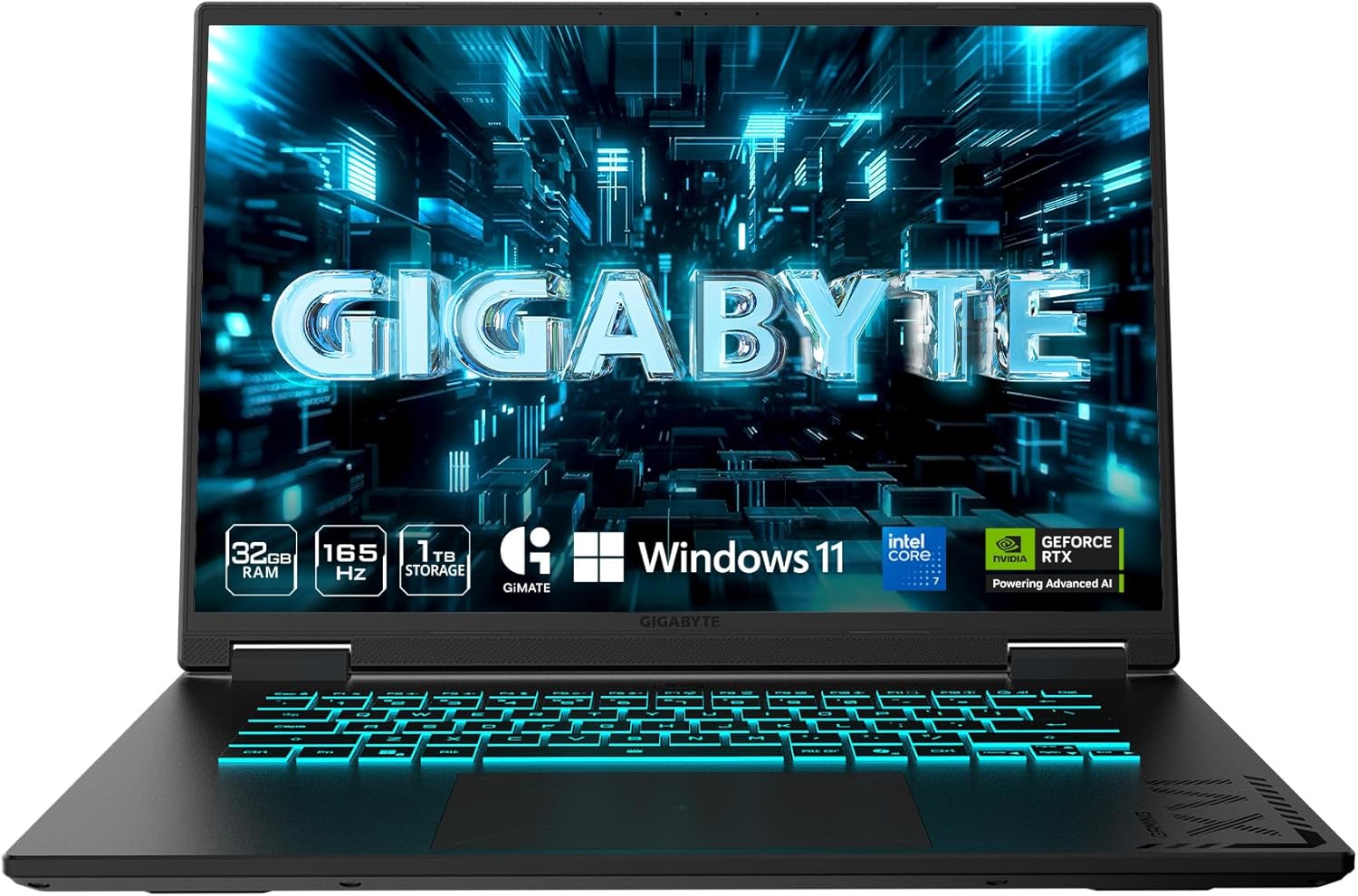
- memory Intel Core Ultra 7 240H
- developer_board NVIDIA GeForce RTX 5070 Ti Laptop GPU
- layers 32GB LPDDR5X 5600MHz
- track_changes Target GPU: NVIDIA GeForce RTX 4080 (16GB) / AMD Radeon RX 7900 XTX (24GB)

- memory Intel Core Ultra 9 275HX
- developer_board GeForce RTX 5070 Laptop Laptop GPU
- layers 64GB DDR5-6400MHz (Single-Channel)
- track_changes Target GPU: NVIDIA GeForce RTX 4080 (16GB) / AMD Radeon RX 7900 XTX (24GB)

- memory Intel Core Ultra 9 275HX
- developer_board NVIDIA GeForce RTX 5070 Ti
- layers 32GB
- track_changes Target GPU: NVIDIA GeForce RTX 4080 (16GB) / AMD Radeon RX 7900 XTX (24GB)

- memory Intel Core Ultra 9 275HX
- developer_board NVIDIA GeForce RTX 5070 Ti Laptop GPU
- layers 32 GB DDR5 6400MHz (2x16GB)
- track_changes Target GPU: NVIDIA GeForce RTX 4080 (16GB) / AMD Radeon RX 7900 XTX (24GB)
For STAR WARS Jedi: Survivor Specifically
- memory AMD Ryzen 7 7435HS
- developer_board NVIDIA GeForce RTX 3050
- layers 32GB DDR5-4800MHz
- track_changes Target GPU: NVIDIA GeForce GTX 1070 (8GB) or AMD Radeon RX 580 (8GB)
- memory AMD Ryzen 9 8940HX Processor
- developer_board NVIDIA GeForce RTX 5060 Laptop GPU
- layers 32GB DDR5-5200MHz
- track_changes Target GPU: NVIDIA GeForce GTX 1070 (8GB) or AMD Radeon RX 580 (8GB)
- memory AMD Ryzen 7 7445HS
- developer_board NVIDIA GeForce RTX 4050
- layers 16GB (2x8GB) DDR5 5600MHz SO-DIMM
- track_changes Target GPU: NVIDIA GeForce GTX 1070 (8GB) or AMD Radeon RX 580 (8GB)

- memory AMD Ryzen 7 7445HS
- developer_board NVIDIA GeForce RTX 4050
- layers 16GB DDR5 5600MHz SO-DIMM
- track_changes Target GPU: NVIDIA GeForce GTX 1070 (8GB) or AMD Radeon RX 580 (8GB)
- memory Intel Core Ultra 9 285H (Arrow Lake-H)
- developer_board NVIDIA GeForce RTX 5070 Laptop GPU
- layers 64GB LPDDR5x-8533MT/s (LPCAMM2)
- track_changes Target GPU: NVIDIA GeForce GTX 1070 (8GB) or AMD Radeon RX 580 (8GB)

- memory AMD Ryzen 9 7845HX
- developer_board NVIDIA GeForce RTX 4080
- layers Up to 64GB DDR5
- track_changes Target GPU: NVIDIA GeForce GTX 1070 (8GB) or AMD Radeon RX 580 (8GB)
- memory Intel Core Ultra 9 285H (Series 2) , 14 cores (6 Performance cores + 8 Efficient cores), 20 threads
- developer_board NVIDIA GeForce RTX 5050 Laptop GPU
- layers 32GB (2x16GB) DDR5 8400MHz SO-DIMM
- track_changes Target GPU: NVIDIA GeForce GTX 1070 (8GB) or AMD Radeon RX 580 (8GB)
- memory Intel Core Ultra 9 285H
- developer_board NVIDIA GeForce RTX 5070
- layers 32GB (2x16GB) DDR5 4800MHz SO-DIMM
- track_changes Target GPU: NVIDIA GeForce GTX 1070 (8GB) or AMD Radeon RX 580 (8GB)
- memory Intel Core Ultra 9 275HX
- developer_board GeForce RTX 5070 Laptop Laptop GPU
- layers 64GB DDR5-6400MHz (Single-Channel)
- track_changes Target GPU: NVIDIA GeForce GTX 1070 (8GB) or AMD Radeon RX 580 (8GB)
- memory Intel Core Ultra 9 275HX
- developer_board NVIDIA GeForce RTX 5070 Ti
- layers 32GB
- track_changes Target GPU: NVIDIA GeForce GTX 1070 (8GB) or AMD Radeon RX 580 (8GB)
- memory Intel Core i7-12700H
- developer_board NVIDIA GeForce RTX 3070
- layers 32GB DDR4-3200MHz
- track_changes Target GPU: NVIDIA GeForce RTX 2070 (8GB) or AMD Radeon RX 6700 XT (12GB)
- memory Intel Core i9-13900H
- developer_board NVIDIA GeForce RTX 4060
- layers 16GB DDR5-5200MHz
- track_changes Target GPU: NVIDIA GeForce RTX 2070 (8GB) or AMD Radeon RX 6700 XT (12GB)
- memory Intel Core i9-14900HX
- developer_board NVIDIA GeForce RTX 4060
- layers 32GB DDR5-5600MHz
- track_changes Target GPU: NVIDIA GeForce RTX 2070 (8GB) or AMD Radeon RX 6700 XT (12GB)
- memory Intel Core i9-12900H
- developer_board NVIDIA GeForce RTX 3070 Ti
- layers 16GB DDR5-4800MHz
- track_changes Target GPU: NVIDIA GeForce RTX 2070 (8GB) or AMD Radeon RX 6700 XT (12GB)
- memory AMD Ryzen 7 6800H
- developer_board NVIDIA GeForce RTX 3060
- layers 16GB DDR5-4800MHz
- track_changes Target GPU: NVIDIA GeForce RTX 2070 (8GB) or AMD Radeon RX 6700 XT (12GB)
- memory AMD Ryzen 9 5900HS
- developer_board NVIDIA GeForce RTX 3080
- layers 16GB DDR4-3200MHz
- track_changes Target GPU: NVIDIA GeForce RTX 2070 (8GB) or AMD Radeon RX 6700 XT (12GB)
- memory Intel Core i7-13620H
- developer_board NVIDIA GeForce RTX 4070
- layers 16GB DDR5-4800MHz
- track_changes Target GPU: NVIDIA GeForce RTX 2070 (8GB) or AMD Radeon RX 6700 XT (12GB)
- memory Intel Core i7-14700HX
- developer_board NVIDIA GeForce RTX 4070
- layers 16GB DDR5-5600MHz
- track_changes Target GPU: NVIDIA GeForce RTX 2070 (8GB) or AMD Radeon RX 6700 XT (12GB)
- memory Intel Core i9-14900HX
- developer_board NVIDIA GeForce RTX 4070
- layers 32GB DDR5-5600MHz
- track_changes Target GPU: NVIDIA GeForce RTX 2070 (8GB) or AMD Radeon RX 6700 XT (12GB)
info_outline Laptop recommendations are estimates based on available component benchmarks and game requirements. Actual performance may vary depending on settings, drivers, cooling, power limits, etc. Prices and availability subject to change. As an Amazon Associate, we earn from qualifying purchases.