Select Games to Compare
Benchmark your exact mobile GPU wattage (TGP), battery throttling drops, and cooling pad requirements for these games.
Star Trek: Voyager - Across the Unknown vs The Alters
| close | close |
|---|---|
| shopping_cart Where to Buy | |
| info General Information | |
| Release Date | |
| Feb 18, 2026 | Jun 13, 2025 |
| Developer | |
| Gamexcite | 11 bit studios |
| Publisher | |
| Daedalic Entertainment | 11 bit studios |
| Genre(s) | |
| Rogue-lite Survival Strategy, Sci-Fi Starship Simulator, Tactical Management, Narrative RPG | Sci-Fi Survival, Base Building, Adventure, Psychological Drama |
| Engine | |
| Unreal Engine 5 | Unreal Engine |
| stars Ratings & Price | |
| Content Rating | |
| Teen | T (Teen) - ESRB Descriptors: Language, Use of Alco |
| Avg. User Rating | |
| 4.1 / 5.0 | 4.2 / 5.0 |
| Current Price (USD) | |
| $39.99 | $34.99 |
| tune Key Specs | |
| Quick Highlights | |
|
|
| sports_esports Gameplay & Mechanics | |
| Companions/Followers | |
|
|
| Key Collectibles | |
|
|
| Key Themes | |
|
|
| colorize Combat & Gear | |
| Weapons Overview | |
|
|
| Armor / Gear Sets | |
|
|
| Outfits/Customization | |
|
|
| trending_up Progression & Upgrades | |
| Skills & Progression | |
|
Progression is split between crew specialization and starship engineering. Voyager's interior functions as a multi-deck cross-section where players clear debris, construct specialized rooms (Hydroponics, Astrometrics, Sickbay Bio-Beds, Torpedo Fabrication Bays, and Holodecks), and assign crew members based on their engineering, medical, tactical, and science proficiencies. Crew members possess unique Hero abilities: Janeway boosts tactical morale and command resolve, Tuvok grants precision targeting on sub-systems, B'Elanna Torres supercharges warp core efficiency and repairs hull breaches on the fly, Seven of Nine integrates Borg nanite upgrades for adaptive shields, and The Doctor deploys emergency medical protocols. Starship upgrades include regenerative shielding, bio-neural circuitry, quantum torpedo launchers, and ablative hull armor. |
Progression is tied to base expansion and research. Creating Alters with specific skills (e.g., Scientist, Technician, Miner) unlocks new capabilities. The Scientist Alter can work in the Research Lab to unlock new technologies, base modules, and crafting recipes. The Technician can repair the base more efficiently. Upgrades focus on improving the base's efficiency, resource production, and survivability against environmental threats. |
| public World & Exploration | |
| World & Level Design | |
|
The campaign takes place across 12 expansive, procedurally generated sectors spanning the Delta Quadrant. Major regions include the Badlands Border (where plasma cyclones and spatial rifts first stranded the ship), the Kazon Expanse (a barren, resource-depleted territory dominated by warring Kazon-Ogla and Kazon-Nistrim sects), the Vidiian Necro-Space (a grim expanse haunted by Vidiian Phage harvesters), the Hirogen Hunting Grounds (vast asteroid belts and sensor-blind nebulas used as hunting preserves), the Malon Void (a toxic expanse polluted by theta-radiation waste transports), and the dread Borg Space (a horrifying sector dominated by transwarp conduits, assimilation stations, and Borg Cubes). |
The game is structured across several large, distinct maps that Jan must traverse in sequence. Each map represents a different biome of the alien planet, presenting unique environmental hazards, resources, and exploration challenges. The gameplay is not a seamless open world but a series of large, explorable zones that the mobile base travels between. |
| Playable Vehicles | |
|
|
| Notable Fauna/Mounts | |
|
N/A |
| book Story & Characters | |
| Main Characters | |
|
|
| Example Missions | |
|
|
| people Multiplayer | |
| Multiplayer Details | |
|
The game is intentionally designed as a purely single-player strategic survival simulator. Focus on solo play enables deep narrative branching, paused tactical decision-making, granular starship power management, and high-stakes ethical dilemmas where every crew member's life or death carries lasting emotional and operational weight throughout the 75-year journey. |
The Alters does not feature any multiplayer or co-operative modes. |
| extension Editions & DLC | |
| Available Editions | |
|
The game is available in two main editions: The Standard Edition ($39.99 USD) contains the complete base campaign across 12 sectors, standard away missions, and the free 'Q Trials' roguelite update. The Deluxe Edition ($44.99 USD) bundles the base game with the 'Original Soundtrack' composed by Florian Bodenschatz, the digital concept art book, and unique bridge cosmetics. An Expansion Pass ($19.99 USD) grants access to all post-launch content, including the newly released 'Equinox DLC' ($9.99 USD standalone), which allows players to command Captain Rudolph Ransom's doomed Nova-class science vessel U.S.S. Equinox in Q Trials. |
The game was released with a Standard Edition and a Deluxe Edition. The Deluxe Edition includes the base game, a digital artbook, and the original soundtrack. A physical Signature Edition with collectibles like a 'Pierogi Press' was also available from specific retailers. |
| Post-Launch Content / DLC | |
|
Gamexcite and Daedalic have supported the game with continuous post-launch content. Released on October 1, 2026, the free 'Q Trials' update introduced a fast-paced, run-based roguelite mode featuring John de Lancie's Q, complete with meta-progression, customizable modifiers, and procedural challenges. Alongside it, the 'Equinox DLC' added the playable Nova-class U.S.S. Equinox, its crew (Captain Rudolph Ransom, Maxwell Burke, and Noah Lessing), and the exclusive 'Spirits of Good Fortune' narrative questline. Further planned DLC packs will explore alternate quadrant factions and experimental drive technologies. |
The Deluxe Edition includes one planned paid DLC to be released post-launch. Details about the content of this DLC have not yet been announced by 11 bit studios. |
| help_outline FAQ | |
| Frequently Asked Questions | |
|
|
| build Technical Details | |
| Graphics & Visual Fidelity | |
|
Built in Unreal Engine 5, the game renders the exterior of the U.S.S. Voyager and surrounding starships with exquisite fidelity. Hull plating displays realistic scuffs, scorch marks, and physical hull breaches following torpedo strikes. Dynamic lighting illuminates planetary rings, glowing plasma storms, and the eerie green hue of Borg vessels. Inside, the cutaway deck view provides charming animated dioramas of crew members working, sleeping in quarters, eating in the mess hall, or tending to injured officers in sickbay. |
Built on Unreal Engine, the game features a distinct visual style with a striking, alien planet filled with bizarre, physics-defying anomalies and beautiful yet menacing landscapes. The mobile base is highly detailed, with a modular, industrial aesthetic. |
| Audio & Soundtrack | |
|
The game features an evocative musical score composed by Florian Bodenschatz, paying tribute to Jerry Goldsmith's triumphant Voyager theme while weaving somber, atmospheric synth chords reflecting the isolation of the Delta Quadrant. Sound effects are meticulously authentic to the franchise: the gentle low-frequency hum of the warp core, the iconic red alert sirens, chirp badges, transporter dematerialization hums, and thunderous phaser beam discharges. Official voice acting brings Captain Janeway and the bridge crew to life during key narrative cutscenes. |
The game features a full voice cast for Jan and all his Alters, with the same actor (Alex Jordan) delivering nuanced performances for each personality. The soundtrack is atmospheric and emotional, emphasizing the themes of isolation and introspection. The launch trailer notably featured the song 'We Might Be Dead by Tomorrow' by Soko. |
| User Interface (UI/UX) | |
|
The user interface masterfully replicates the beloved LCARS (Library Computer Access and Retrieval System) aesthetic of 24th-century Star Trek. Featuring iconic curved color-blocked layouts in pastel oranges, purples, and blues, players navigate star systems, power distribution schematics, and personnel rosters with intuitive keyboard, mouse, or gamepad radial wheels. Clear warning indicators alert the bridge to hull breaches, plasma coolant leaks, crew exhaustion, and shield-facing depletion during real-time tactical combat. |
The UI features a time bar at the top of the screen, indicating the safe daylight hours for exploration. Menus on the left side show the status and mood of each Alter and current tasks. A resource counter is displayed at the bottom. The interface is designed to provide critical survival and management information at a glance. |
| Accessibility Options | |
|
Gamexcite has implemented extensive accessibility options: multiple gameplay difficulty presets (ranging from an easy narrative-focused 'Cadet' mode to the unforgiving 'Fleet Captain' survival challenge), fully rebindable controls, adjustable text scaling and high-contrast LCARS colorblind themes (Protanopia, Deuteranopia, Tritanopia), toggleable active-pause during space combat, and comprehensive subtitle customization with speaker labels. |
Includes standard accessibility options such as customizable subtitles, difficulty settings (particularly for the economy and survival elements), and remappable controls on PC. |
| video_library Media Links | |
| Gameplay Video | |
| launchWatch | launchWatch |
| Walkthrough/Guide | |
| launchView | launchView |
| settings_applications System Requirements | |
| 1080p (Full HD) - Recommended (High Preset, 1080p (60-90 FPS Target)) CPU: Official recommended high-IPC desktop processors delivering fluid 60+ FPS during dense multi-vessel fleet skirmishes. CPU (Laptop): High-performance mobile CPU sustaining locked 60+ FPS across all tactical combat scenarios. GPU: Official recommended graphics cards delivering smooth 60-90 FPS at 1080p on High visual presets. GPU (Laptop): Delivers fluid 60-75 FPS on 1080p high-refresh laptop panels. RAM: Optimal memory bandwidth preventing micro-stutter when navigating complex multi-deck views. Storage: Near-instantaneous sector generation and mission loading. | |
memoryCPU: AMD Ryzen 7 7800X3D / Intel Core i5-14600K developer_boardGPU: NVIDIA GeForce RTX 3060 (12GB) / AMD Radeon RX 5700 XT (8GB) laptop_macCPU (L): Intel Core i7-12700H / AMD Ryzen 7 6800H laptop_windowsGPU (L): NVIDIA GeForce RTX 3060 Mobile (85W+) / RTX 4050 Mobile (75W+) layersRAM: 16 GB saveStorage (Tier): 11 GB NVMe M.2 SSD | — |
| 1080p (Full HD) - Recommended (Targets 1080p, High settings, ~60 FPS) (High settings at 1080p resolution, aiming for a consistent 60 FPS.) CPU: The official recommended desktop CPUs for a smooth 1080p experience. CPU (Laptop): Mid-range to high-end laptop CPUs that should deliver a solid 60 FPS at 1080p. GPU: Official recommended GPUs for high settings at 1080p. The RTX 4060 is a strong alternative, especially with DLSS 3 Frame Generation support. GPU (Laptop): The RTX 4050 Laptop provides excellent 1080p performance with DLSS 3. The RTX 3060 Laptop is also a very capable option. A hypothetical RTX 5050 Laptop would be a great future choice for this tier. RAM: 16GB of RAM is recommended, and running it in dual-channel mode will improve performance. Storage: An SSD is strongly recommended for this tier to ensure fast loading and asset streaming. | |
| — | memoryCPU: Intel Core i7-8700K or AMD Ryzen 7 5800X developer_boardGPU: NVIDIA GeForce RTX 2070 (8GB) / RTX 4060 (8GB) or AMD Radeon RX 6600 XT (8GB) or Intel Arc A770 laptop_macCPU (L): Intel Core i7-10750H / AMD Ryzen 7 4800H or better. laptop_windowsGPU (L): NVIDIA GeForce RTX 3060 Laptop (6GB) / RTX 4050 Laptop (6GB). (Future-proof: RTX 5050 Laptop) layersRAM: 16 GB saveStorage (Tier): 50 GB SSD |
| 1080p (Full HD) - Minimum (Low/Medium Preset, 1080p (30-45 FPS Target with Upscaling)) CPU: Official baseline hexa-core desktop processors handling core starship simulation routines and background crew schedules. CPU (Laptop): Entry-level quad-core mobile CPU delivering acceptable 30-40 FPS gameplay in standard sector navigation. GPU: Official minimum dedicated 6GB+ VRAM graphics cards providing stable 1080p rendering on low-to-medium presets. GPU (Laptop): Maintains playable 35-45 FPS on 1080p laptop displays with temporal upscaling enabled. RAM: Official minimum system memory required to hold high-resolution starship assets and procedural sector data. Storage: Solid-state drive required to prevent sector transition delays and stuttering. | |
memoryCPU: AMD Ryzen 5 2600 / Intel Core i5-8500 developer_boardGPU: NVIDIA GeForce GTX 1060 (6GB) / AMD Radeon RX 580 (8GB) laptop_macCPU (L): Intel Core i5-9300H / AMD Ryzen 5 3550H laptop_windowsGPU (L): NVIDIA GeForce GTX 1660 Ti Mobile (6GB) / RTX 3050 Mobile (6GB, 60W+) layersRAM: 16 GB saveStorage (Tier): 11 GB available space (SATA SSD) | — |
| 1080p (Full HD) - Minimum (Targets 1080p, Low/Medium settings, ~30-60 FPS) (Low to Medium settings at 1080p resolution.) CPU: These are the official minimum desktop CPUs required to play the game. CPU (Laptop): Estimated laptop CPUs that should provide a playable experience at lower settings. GPU: The official minimum desktop GPUs. A GPU with at least 6GB of VRAM is specified. GPU (Laptop): Estimated laptop GPUs for a minimum playable experience. The RTX 3050 offers DLSS support for better performance. RAM: 16GB of RAM is the official minimum requirement. Storage: An SSD is highly recommended for better loading times. | |
| — | memoryCPU: Intel Core i7-6700 or AMD Ryzen 5 1600 developer_boardGPU: NVIDIA GeForce GTX 1060 (6GB) or AMD Radeon RX 570 (8GB) or Intel Arc A570 laptop_macCPU (L): Intel Core i7-7700HQ / AMD Ryzen 5 3550H or equivalent. laptop_windowsGPU (L): NVIDIA GeForce RTX 3050 Laptop (4GB/6GB) or NVIDIA GeForce GTX 1650 Ti Mobile. layersRAM: 16 GB saveStorage (Tier): 50 GB HDD/SSD (SSD Recommended) |
| 1440p (QHD/2K) - Enthusiast (Epic Preset, 1440p (90-120 FPS Target)) CPU: High L3-cache processor ensuring silky-smooth frame pacing during particle-heavy nebula anomalies. CPU (Laptop): High-end mobile processor maintaining 90+ FPS on QHD laptop panels. GPU: Powers crisp 1440p resolution with maximum volumetric nebulae, shield bubble refractions, and dynamic ship shadow maps. GPU (Laptop): Maintains locked 85-110 FPS on 1440p native laptop displays. RAM: Extensive memory headroom for uncompressed audio banks and multi-application multitasking. Storage: Instantaneous map transitions and zero texture streaming latency. | |
memoryCPU: AMD Ryzen 7 5800X3D / Intel Core i7-12700K developer_boardGPU: NVIDIA GeForce RTX 4070 (12GB) / AMD Radeon RX 7800 XT (16GB) laptop_macCPU (L): Intel Core i7-13700HX / AMD Ryzen 7 7840HS laptop_windowsGPU (L): NVIDIA GeForce RTX 4070 Mobile (115W+) / RTX 3080 Mobile (130W) layersRAM: 32 GB saveStorage (Tier): 11 GB PCIe Gen4 NVMe M.2 SSD | — |
| 1440p (QHD/2K) - High (Targets 1440p, High settings, ~60 FPS) (High settings at 1440p resolution with a target of 60 FPS.) CPU: A strong desktop CPU is recommended to maintain a smooth 60 FPS at 1440p. CPU (Laptop): High-performance laptop CPUs are recommended for a consistent 1440p experience. GPU: Desktop GPUs capable of delivering a solid 1440p/60FPS experience. The RTX 4060 Ti offers similar rasterization to the RTX 3070 with the benefit of DLSS 3. A future RTX 5060 would be ideal here. GPU (Laptop): Powerful laptop GPUs are needed for a smooth 1440p experience. The RTX 4060 Laptop is a great choice with DLSS 3. A future RTX 5060 Laptop would likely excel at this resolution. RAM: 16GB of RAM in dual-channel is recommended for smooth 1440p gaming. Storage: An NVMe SSD is recommended for the best loading times at 1440p. | |
| — | memoryCPU: Intel Core i7-8700K / AMD Ryzen 7 5800X or newer. developer_boardGPU: NVIDIA GeForce RTX 3070 (8GB) / RTX 4060 Ti (8GB) or AMD Radeon RX 6700 XT (12GB). (Future-proof: RTX 5060) laptop_macCPU (L): Intel Core i7-11800H / AMD Ryzen 7 5800H or newer. laptop_windowsGPU (L): NVIDIA GeForce RTX 3070 Laptop (8GB) / RTX 4060 Laptop (8GB). (Future-proof: RTX 5060 Laptop) layersRAM: 16 GB saveStorage (Tier): 50 GB NVMe SSD |
| 2160p (UHD/4K) - Ultra (Max Epic Preset, 4K (60-120 FPS with DLSS/FSR Quality)) CPU: Class-leading gaming CPU driving 4K high refresh rate monitors with zero frame pacing jitter. CPU (Laptop): Desktop-replacement mobile processor delivering uncompromised 4K external output. GPU: Flagship 4K graphics rendering the intricate hull plating of Voyager, Borg Cubes, and cosmic phenomena in razor-sharp Ultra HD. GPU (Laptop): Premier mobile flagship GPU delivering locked 4K 60-90 FPS with Frame Generation. RAM: Ultra-fast memory bandwidth eliminating all hardware bottlenecks. Storage: Peak NVMe transfer speeds ensuring instant game launch and map loading. | |
memoryCPU: AMD Ryzen 7 7800X3D / Intel Core i7-14700K developer_boardGPU: NVIDIA GeForce RTX 4080 (16GB) / AMD Radeon RX 7900 XTX (24GB) laptop_macCPU (L): Intel Core i9-14900HX / AMD Ryzen 9 7945HX laptop_windowsGPU (L): NVIDIA GeForce RTX 4090 Mobile (175W) layersRAM: 32 GB saveStorage (Tier): 11 GB PCIe Gen4/Gen5 NVMe SSD | — |
| 2160p (UHD/4K) - Ultra (Targets 2160p/4K, High/Ultra settings, ~60 FPS) (High to Ultra settings at 2160p (4K) resolution, aiming for 60 FPS. Upscaling technology is highly recommended.) CPU: A high-end desktop CPU, as per official recommendations for Ultra settings, is needed to avoid bottlenecks when gaming at 4K. CPU (Laptop): Top-tier laptop CPUs are necessary to pair with a powerful GPU for 4K gaming. GPU: Official recommendations point to the RTX 4080 Super for 4K Ultra. An RTX 4070 Ti SUPER is also a strong 4K contender. Future cards like the RTX 5070 or RTX 5080 would provide a more comfortable 4K/60+ FPS experience. GPU (Laptop): High-end laptop GPUs from the 40-series can achieve playable 4K with DLSS 3. An RTX 4080 Laptop is recommended for a better experience. A future RTX 5070 Laptop should be a very capable 4K mobile solution. RAM: 32GB of RAM is officially recommended for the smoothest 4K Ultra experience. Storage: A fast NVMe SSD is required to minimize loading times and support asset streaming at 4K. | |
| — | memoryCPU: Intel Core i7-12700K / AMD Ryzen 9 5900X or newer. developer_boardGPU: NVIDIA GeForce RTX 4070 Ti SUPER (16GB) / RTX 4080 SUPER (16GB) or AMD Radeon RX 7900 XTX (24GB). (Future-proof: RTX 5070 / RTX 5080) laptop_macCPU (L): Intel Core i9-12900H / AMD Ryzen 9 6900HX or newer. laptop_windowsGPU (L): NVIDIA GeForce RTX 4070 Laptop (8GB, High TGP) / RTX 4080 Laptop (12GB). (Future-proof: RTX 5070 Laptop) layersRAM: 32 GB saveStorage (Tier): 50 GB NVMe SSD |
| save Overall Storage | |
Spec: 11 GB available space (Solid State Drive Recommended) Note: Solid-state storage is recommended to minimize loading times when transitioning between the stellar sector map, internal deck cross-sections, and away missions. Type: SSD | Spec: 50 GB available space (SSD Recommended) Note: An SSD is strongly recommended for faster loading times and a smoother overall experience. Ensure at least 50 GB of free space on your drive. Type: SSD |
| desktop_windows Operating System | |
| Spec: Windows 11 64-bit Explanation: Requires Windows 11 64-bit operating system supporting low-level DirectX 12 Agility SDK command execution and modern thread scheduling. | Spec: Windows 10 (64-bit) or Windows 11 (64-bit) Explanation: A 64-bit version of Windows 10 is the minimum requirement. Windows 11 is also fully supported and recommended for newer hardware like the 40 and 50 series GPUs to take full advantage of features like DirectStorage. |
| gamepad DirectX Version | |
| Spec: DirectX 12 Explanation: Utilizes DirectX 12 for efficient multi-threaded GPU draw calls, dynamic ship lighting, and realistic phaser/torpedo particle scattering. | Spec: DirectX 12 Explanation: The game requires a DirectX 12 compatible GPU. This is a common requirement for modern games, enabling features like ray tracing and mesh shaders. |
| info_outline Other Game Notes | |
|
|
| build Optimization Details | |
|
|
| laptop Laptop Considerations | |
|
|


info_outline Feature details based on available data. System requirements and performance estimates may vary.
laptop_chromebook Laptop Recommendations
Common Recommendations (Handles All Compared Games)

- memory Intel Core i7-12700H
- developer_board NVIDIA GeForce RTX 3070
- layers 32GB DDR4-3200MHz
- track_changes Target GPU: NVIDIA GeForce GTX 1660 Ti Mobile (6GB) / RTX 3050 Mobile (6GB, 60W+)

- memory Intel Core i9-13900H
- developer_board NVIDIA GeForce RTX 4060
- layers 16GB DDR5-5200MHz
- track_changes Target GPU: NVIDIA GeForce GTX 1660 Ti Mobile (6GB) / RTX 3050 Mobile (6GB, 60W+)

- memory Intel Core i9-14900HX
- developer_board NVIDIA GeForce RTX 4060
- layers 32GB DDR5-5600MHz
- track_changes Target GPU: NVIDIA GeForce GTX 1660 Ti Mobile (6GB) / RTX 3050 Mobile (6GB, 60W+)

- memory Intel Core i9-14900HX
- developer_board NVIDIA GeForce RTX 4070
- layers 32GB DDR5-5600MHz
- track_changes Target GPU: NVIDIA GeForce RTX 4070 Mobile (115W+) / RTX 3080 Mobile (130W)

- memory AMD Ryzen 9 8940HX Processor
- developer_board NVIDIA GeForce RTX 5060 Laptop GPU
- layers 32GB DDR5-5200MHz
- track_changes Target GPU: NVIDIA GeForce RTX 4070 Mobile (115W+) / RTX 3080 Mobile (130W)

- memory Intel Core i9-12950HX
- developer_board NVIDIA GeForce RTX 3080 Ti
- layers 32GB DDR5-4800MHz
- track_changes Target GPU: NVIDIA GeForce RTX 4070 Mobile (115W+) / RTX 3080 Mobile (130W)
- memory Intel Core i7-12700H
- developer_board NVIDIA GeForce RTX 3070
- layers 32GB DDR4-3200MHz
- track_changes Target GPU: NVIDIA GeForce RTX 3070 Laptop (8GB) / RTX 4060 Laptop (8GB). (Future-proof: RTX 5060 Laptop)
- memory Intel Core i9-13900H
- developer_board NVIDIA GeForce RTX 4060
- layers 16GB DDR5-5200MHz
- track_changes Target GPU: NVIDIA GeForce RTX 3070 Laptop (8GB) / RTX 4060 Laptop (8GB). (Future-proof: RTX 5060 Laptop)
- memory Intel Core i9-14900HX
- developer_board NVIDIA GeForce RTX 4060
- layers 32GB DDR5-5600MHz
- track_changes Target GPU: NVIDIA GeForce RTX 3070 Laptop (8GB) / RTX 4060 Laptop (8GB). (Future-proof: RTX 5060 Laptop)

- memory Intel Core i9-14900HX
- developer_board NVIDIA GeForce RTX 4090
- layers 32GB DDR5-5600MHz
- track_changes Target GPU: NVIDIA GeForce RTX 4090 Mobile (175W)

- memory Intel Core Ultra 9 285H (Series 2) , 14 cores (6 Performance cores + 8 Efficient cores), 20 threads
- developer_board NVIDIA GeForce RTX 5050 Laptop GPU
- layers 32GB (2x16GB) DDR5 8400MHz SO-DIMM
- track_changes Target GPU: NVIDIA GeForce RTX 4090 Mobile (175W)

- memory Intel Core Ultra 9 285H
- developer_board NVIDIA GeForce RTX 5070
- layers 32GB (2x16GB) DDR5 4800MHz SO-DIMM
- track_changes Target GPU: NVIDIA GeForce RTX 4090 Mobile (175W)
- memory Intel Core i9-14900HX
- developer_board NVIDIA GeForce RTX 4070
- layers 32GB DDR5-5600MHz
- track_changes Target GPU: NVIDIA GeForce RTX 4070 Laptop (8GB, High TGP) / RTX 4080 Laptop (12GB). (Future-proof: RTX 5070 Laptop)
- memory AMD Ryzen 9 8940HX Processor
- developer_board NVIDIA GeForce RTX 5060 Laptop GPU
- layers 32GB DDR5-5200MHz
- track_changes Target GPU: NVIDIA GeForce RTX 4070 Laptop (8GB, High TGP) / RTX 4080 Laptop (12GB). (Future-proof: RTX 5070 Laptop)
- memory Intel Core i9-12950HX
- developer_board NVIDIA GeForce RTX 3080 Ti
- layers 32GB DDR5-4800MHz
- track_changes Target GPU: NVIDIA GeForce RTX 4070 Laptop (8GB, High TGP) / RTX 4080 Laptop (12GB). (Future-proof: RTX 5070 Laptop)
For Star Trek: Voyager - Across the Unknown Specifically
- memory Intel Core i7-12700H
- developer_board NVIDIA GeForce RTX 3070
- layers 32GB DDR4-3200MHz
- track_changes Target GPU: NVIDIA GeForce GTX 1060 (6GB) / AMD Radeon RX 580 (8GB)
- memory Intel Core i9-13900H
- developer_board NVIDIA GeForce RTX 4060
- layers 16GB DDR5-5200MHz
- track_changes Target GPU: NVIDIA GeForce GTX 1060 (6GB) / AMD Radeon RX 580 (8GB)
- memory Intel Core i9-14900HX
- developer_board NVIDIA GeForce RTX 4060
- layers 32GB DDR5-5600MHz
- track_changes Target GPU: NVIDIA GeForce GTX 1060 (6GB) / AMD Radeon RX 580 (8GB)

- memory Intel Core i9-12900H
- developer_board NVIDIA GeForce RTX 3070 Ti
- layers 16GB DDR5-4800MHz
- track_changes Target GPU: NVIDIA GeForce GTX 1060 (6GB) / AMD Radeon RX 580 (8GB)

- memory Intel Core i5-12450H
- developer_board NVIDIA GeForce RTX 3050
- layers 16GB DDR4-3200MHz
- track_changes Target GPU: NVIDIA GeForce GTX 1060 (6GB) / AMD Radeon RX 580 (8GB)

- memory Intel Core i5-12500H
- developer_board NVIDIA GeForce RTX 3050 Ti
- layers 16GB DDR4-3200MHz
- track_changes Target GPU: NVIDIA GeForce GTX 1060 (6GB) / AMD Radeon RX 580 (8GB)

- memory AMD Ryzen 7 7435HS
- developer_board NVIDIA GeForce RTX 3050
- layers 32GB DDR5-4800MHz
- track_changes Target GPU: NVIDIA GeForce GTX 1060 (6GB) / AMD Radeon RX 580 (8GB)

- memory AMD Ryzen 7 6800H
- developer_board NVIDIA GeForce RTX 3060
- layers 16GB DDR5-4800MHz
- track_changes Target GPU: NVIDIA GeForce GTX 1060 (6GB) / AMD Radeon RX 580 (8GB)

- memory AMD Ryzen 9 5900HS
- developer_board NVIDIA GeForce RTX 3080
- layers 16GB DDR4-3200MHz
- track_changes Target GPU: NVIDIA GeForce GTX 1060 (6GB) / AMD Radeon RX 580 (8GB)

- memory Intel Core i7-13620H
- developer_board NVIDIA GeForce RTX 4070
- layers 16GB DDR5-4800MHz
- track_changes Target GPU: NVIDIA GeForce GTX 1060 (6GB) / AMD Radeon RX 580 (8GB)
- memory Intel Core i9-14900HX
- developer_board NVIDIA GeForce RTX 4070
- layers 32GB DDR5-5600MHz
- track_changes Target GPU: NVIDIA GeForce RTX 3060 (12GB) / AMD Radeon RX 5700 XT (8GB)

- memory Intel Core i9-14900HX
- developer_board NVIDIA GeForce RTX 4070
- layers 16GB DDR5-5600MHz
- track_changes Target GPU: NVIDIA GeForce RTX 3060 (12GB) / AMD Radeon RX 5700 XT (8GB)

- memory Intel Core Ultra 7 255H
- developer_board NVIDIA GeForce RTX 5060 Laptop GPU
- layers 16GB DDR5-5600MHz (Dual-Channel)
- track_changes Target GPU: NVIDIA GeForce RTX 3060 (12GB) / AMD Radeon RX 5700 XT (8GB)
- memory AMD Ryzen 9 8940HX Processor
- developer_board NVIDIA GeForce RTX 5060 Laptop GPU
- layers 32GB DDR5-5200MHz
- track_changes Target GPU: NVIDIA GeForce RTX 3060 (12GB) / AMD Radeon RX 5700 XT (8GB)
- memory Intel Core i9-12950HX
- developer_board NVIDIA GeForce RTX 3080 Ti
- layers 32GB DDR5-4800MHz
- track_changes Target GPU: NVIDIA GeForce RTX 3060 (12GB) / AMD Radeon RX 5700 XT (8GB)
- memory Intel Core i9-14900HX
- developer_board NVIDIA GeForce RTX 4070
- layers 32GB DDR5-5600MHz
- track_changes Target GPU: NVIDIA GeForce RTX 4070 (12GB) / AMD Radeon RX 7800 XT (16GB)
- memory AMD Ryzen 9 8940HX Processor
- developer_board NVIDIA GeForce RTX 5060 Laptop GPU
- layers 32GB DDR5-5200MHz
- track_changes Target GPU: NVIDIA GeForce RTX 4070 (12GB) / AMD Radeon RX 7800 XT (16GB)
- memory Intel Core i9-12950HX
- developer_board NVIDIA GeForce RTX 3080 Ti
- layers 32GB DDR5-4800MHz
- track_changes Target GPU: NVIDIA GeForce RTX 4070 (12GB) / AMD Radeon RX 7800 XT (16GB)

- memory Intel Core i9-14900HX
- developer_board NVIDIA GeForce RTX 4080 Laptop GPU
- layers 64 GB DDR5-5600MHz
- track_changes Target GPU: NVIDIA GeForce RTX 4070 (12GB) / AMD Radeon RX 7800 XT (16GB)

- memory Intel Core Ultra 9 Processor 275HX (Series 2)
- developer_board NVIDIA GeForce RTX 5070 Laptop GPU
- layers 32GB DDR5-5600MHz
- track_changes Target GPU: NVIDIA GeForce RTX 4070 (12GB) / AMD Radeon RX 7800 XT (16GB)

- memory Intel Core i9-14900HX Processor
- developer_board NVIDIA GeForce RTX 5070 Laptop GPU
- layers 32GB DDR5-5600MHz
- track_changes Target GPU: NVIDIA GeForce RTX 4070 (12GB) / AMD Radeon RX 7800 XT (16GB)

- memory Intel Core i9-14900HX Processor
- developer_board NVIDIA GeForce RTX 5070 Laptop GPU
- layers 32GB DDR5-5600MHz
- track_changes Target GPU: NVIDIA GeForce RTX 4070 (12GB) / AMD Radeon RX 7800 XT (16GB)

- memory Intel Core Ultra 9 285H (Arrow Lake-H)
- developer_board NVIDIA GeForce RTX 5070 Laptop GPU
- layers 64GB LPDDR5x-8533MT/s (LPCAMM2)
- track_changes Target GPU: NVIDIA GeForce RTX 4070 (12GB) / AMD Radeon RX 7800 XT (16GB)

- memory Intel Core i9-14900HX
- developer_board NVIDIA GeForce RTX 4080
- layers 64GB DDR5-5600MHz
- track_changes Target GPU: NVIDIA GeForce RTX 4070 (12GB) / AMD Radeon RX 7800 XT (16GB)

- memory Intel Core i9-14900HX
- developer_board NVIDIA GeForce RTX 4080
- layers 32GB DDR5-5600MHz
- track_changes Target GPU: NVIDIA GeForce RTX 4070 (12GB) / AMD Radeon RX 7800 XT (16GB)
- memory Intel Core Ultra 9 285H (Series 2) , 14 cores (6 Performance cores + 8 Efficient cores), 20 threads
- developer_board NVIDIA GeForce RTX 5050 Laptop GPU
- layers 32GB (2x16GB) DDR5 8400MHz SO-DIMM
- track_changes Target GPU: NVIDIA GeForce RTX 4080 (16GB) / AMD Radeon RX 7900 XTX (24GB)
- memory Intel Core Ultra 9 285H
- developer_board NVIDIA GeForce RTX 5070
- layers 32GB (2x16GB) DDR5 4800MHz SO-DIMM
- track_changes Target GPU: NVIDIA GeForce RTX 4080 (16GB) / AMD Radeon RX 7900 XTX (24GB)

- memory Intel Core i9-14900HX Processor
- developer_board NVIDIA GeForce RTX 5070 Ti Laptop GPU
- layers 64GB DDR5-5600MHz (commonly listed as 4800MHz by some retailers, but 5600MHz is common for 14th Gen HX with DDR5)
- track_changes Target GPU: NVIDIA GeForce RTX 4080 (16GB) / AMD Radeon RX 7900 XTX (24GB)

- memory Intel Core Ultra 9 Processor 275HX
- developer_board NVIDIA GeForce RTX 5070 Ti Laptop GPU
- layers 64GB DDR5-6400MHz
- track_changes Target GPU: NVIDIA GeForce RTX 4080 (16GB) / AMD Radeon RX 7900 XTX (24GB)

- memory Intel Core Ultra 9 Processor 275HX (Series 2)
- developer_board NVIDIA GeForce RTX 5070 Ti Laptop GPU
- layers 32GB DDR5-5600MHz
- track_changes Target GPU: NVIDIA GeForce RTX 4080 (16GB) / AMD Radeon RX 7900 XTX (24GB)

- memory Intel Ultra 7 255HX
- developer_board NVIDIA GeForce RTX 5070 Ti
- layers 32GB DDR5 5600MHz
- track_changes Target GPU: NVIDIA GeForce RTX 4080 (16GB) / AMD Radeon RX 7900 XTX (24GB)
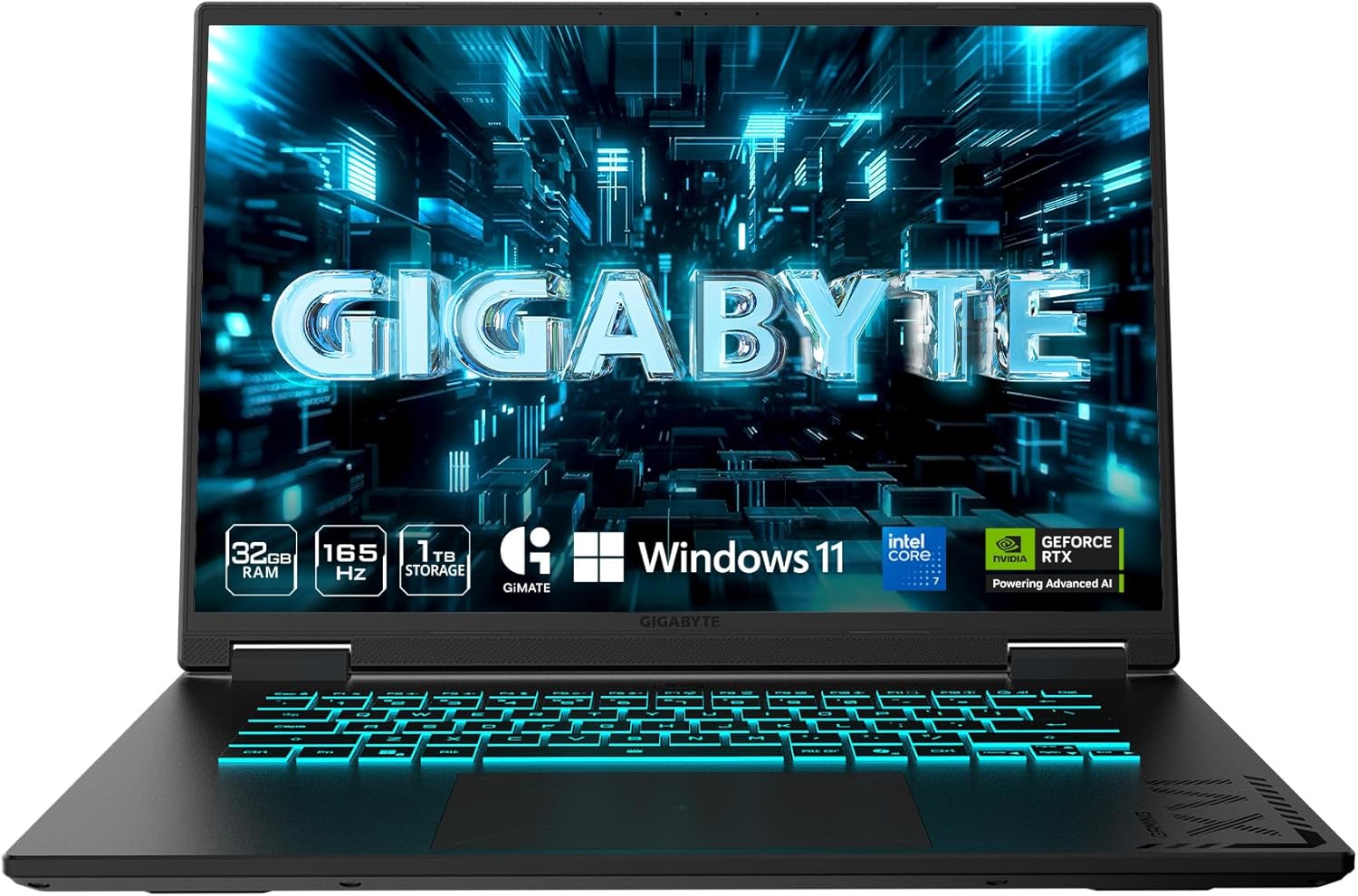
- memory Intel Core Ultra 7 240H
- developer_board NVIDIA GeForce RTX 5070 Ti Laptop GPU
- layers 32GB LPDDR5X 5600MHz
- track_changes Target GPU: NVIDIA GeForce RTX 4080 (16GB) / AMD Radeon RX 7900 XTX (24GB)

- memory Intel Core Ultra 9 275HX
- developer_board GeForce RTX 5070 Laptop Laptop GPU
- layers 64GB DDR5-6400MHz (Single-Channel)
- track_changes Target GPU: NVIDIA GeForce RTX 4080 (16GB) / AMD Radeon RX 7900 XTX (24GB)

- memory Intel Core Ultra 9 275HX
- developer_board NVIDIA GeForce RTX 5070 Ti
- layers 32GB
- track_changes Target GPU: NVIDIA GeForce RTX 4080 (16GB) / AMD Radeon RX 7900 XTX (24GB)

- memory Intel Core Ultra 9 275HX
- developer_board NVIDIA GeForce RTX 5070 Ti Laptop GPU
- layers 32 GB DDR5 6400MHz (2x16GB)
- track_changes Target GPU: NVIDIA GeForce RTX 4080 (16GB) / AMD Radeon RX 7900 XTX (24GB)
For The Alters Specifically
- memory Intel Core i7-12700H
- developer_board NVIDIA GeForce RTX 3070
- layers 32GB DDR4-3200MHz
- track_changes Target GPU: NVIDIA GeForce GTX 1060 (6GB) or AMD Radeon RX 570 (8GB) or Intel Arc A570
- memory Intel Core i9-13900H
- developer_board NVIDIA GeForce RTX 4060
- layers 16GB DDR5-5200MHz
- track_changes Target GPU: NVIDIA GeForce GTX 1060 (6GB) or AMD Radeon RX 570 (8GB) or Intel Arc A570
- memory Intel Core i9-14900HX
- developer_board NVIDIA GeForce RTX 4060
- layers 32GB DDR5-5600MHz
- track_changes Target GPU: NVIDIA GeForce GTX 1060 (6GB) or AMD Radeon RX 570 (8GB) or Intel Arc A570
- memory Intel Core i9-12900H
- developer_board NVIDIA GeForce RTX 3070 Ti
- layers 16GB DDR5-4800MHz
- track_changes Target GPU: NVIDIA GeForce GTX 1060 (6GB) or AMD Radeon RX 570 (8GB) or Intel Arc A570
- memory Intel Core i5-12450H
- developer_board NVIDIA GeForce RTX 3050
- layers 16GB DDR4-3200MHz
- track_changes Target GPU: NVIDIA GeForce GTX 1060 (6GB) or AMD Radeon RX 570 (8GB) or Intel Arc A570
- memory Intel Core i5-12500H
- developer_board NVIDIA GeForce RTX 3050 Ti
- layers 16GB DDR4-3200MHz
- track_changes Target GPU: NVIDIA GeForce GTX 1060 (6GB) or AMD Radeon RX 570 (8GB) or Intel Arc A570
- memory AMD Ryzen 7 7435HS
- developer_board NVIDIA GeForce RTX 3050
- layers 32GB DDR5-4800MHz
- track_changes Target GPU: NVIDIA GeForce GTX 1060 (6GB) or AMD Radeon RX 570 (8GB) or Intel Arc A570
- memory AMD Ryzen 7 6800H
- developer_board NVIDIA GeForce RTX 3060
- layers 16GB DDR5-4800MHz
- track_changes Target GPU: NVIDIA GeForce GTX 1060 (6GB) or AMD Radeon RX 570 (8GB) or Intel Arc A570
- memory AMD Ryzen 9 5900HS
- developer_board NVIDIA GeForce RTX 3080
- layers 16GB DDR4-3200MHz
- track_changes Target GPU: NVIDIA GeForce GTX 1060 (6GB) or AMD Radeon RX 570 (8GB) or Intel Arc A570
- memory Intel Core i7-13620H
- developer_board NVIDIA GeForce RTX 4070
- layers 16GB DDR5-4800MHz
- track_changes Target GPU: NVIDIA GeForce GTX 1060 (6GB) or AMD Radeon RX 570 (8GB) or Intel Arc A570

- memory Intel Core i7-14700HX
- developer_board NVIDIA GeForce RTX 4070
- layers 16GB DDR5-5600MHz
- track_changes Target GPU: NVIDIA GeForce RTX 2070 (8GB) / RTX 4060 (8GB) or AMD Radeon RX 6600 XT (8GB) or Intel Arc A770
- memory Intel Core i9-14900HX
- developer_board NVIDIA GeForce RTX 4070
- layers 32GB DDR5-5600MHz
- track_changes Target GPU: NVIDIA GeForce RTX 2070 (8GB) / RTX 4060 (8GB) or AMD Radeon RX 6600 XT (8GB) or Intel Arc A770
- memory Intel Core i7-12700H
- developer_board NVIDIA GeForce RTX 3070
- layers 32GB DDR4-3200MHz
- track_changes Target GPU: NVIDIA GeForce RTX 3070 (8GB) / RTX 4060 Ti (8GB) or AMD Radeon RX 6700 XT (12GB). (Future-proof: RTX 5060)
- memory Intel Core i9-13900H
- developer_board NVIDIA GeForce RTX 4060
- layers 16GB DDR5-5200MHz
- track_changes Target GPU: NVIDIA GeForce RTX 3070 (8GB) / RTX 4060 Ti (8GB) or AMD Radeon RX 6700 XT (12GB). (Future-proof: RTX 5060)
- memory Intel Core i9-14900HX
- developer_board NVIDIA GeForce RTX 4060
- layers 32GB DDR5-5600MHz
- track_changes Target GPU: NVIDIA GeForce RTX 3070 (8GB) / RTX 4060 Ti (8GB) or AMD Radeon RX 6700 XT (12GB). (Future-proof: RTX 5060)
- memory Intel Core i9-12900H
- developer_board NVIDIA GeForce RTX 3070 Ti
- layers 16GB DDR5-4800MHz
- track_changes Target GPU: NVIDIA GeForce RTX 3070 (8GB) / RTX 4060 Ti (8GB) or AMD Radeon RX 6700 XT (12GB). (Future-proof: RTX 5060)
- memory AMD Ryzen 7 7435HS
- developer_board NVIDIA GeForce RTX 3050
- layers 32GB DDR5-4800MHz
- track_changes Target GPU: NVIDIA GeForce RTX 3070 (8GB) / RTX 4060 Ti (8GB) or AMD Radeon RX 6700 XT (12GB). (Future-proof: RTX 5060)
- memory AMD Ryzen 7 6800H
- developer_board NVIDIA GeForce RTX 3060
- layers 16GB DDR5-4800MHz
- track_changes Target GPU: NVIDIA GeForce RTX 3070 (8GB) / RTX 4060 Ti (8GB) or AMD Radeon RX 6700 XT (12GB). (Future-proof: RTX 5060)
- memory AMD Ryzen 9 5900HS
- developer_board NVIDIA GeForce RTX 3080
- layers 16GB DDR4-3200MHz
- track_changes Target GPU: NVIDIA GeForce RTX 3070 (8GB) / RTX 4060 Ti (8GB) or AMD Radeon RX 6700 XT (12GB). (Future-proof: RTX 5060)
- memory Intel Core i7-13620H
- developer_board NVIDIA GeForce RTX 4070
- layers 16GB DDR5-4800MHz
- track_changes Target GPU: NVIDIA GeForce RTX 3070 (8GB) / RTX 4060 Ti (8GB) or AMD Radeon RX 6700 XT (12GB). (Future-proof: RTX 5060)
- memory Intel Core i7-14700HX
- developer_board NVIDIA GeForce RTX 4070
- layers 16GB DDR5-5600MHz
- track_changes Target GPU: NVIDIA GeForce RTX 3070 (8GB) / RTX 4060 Ti (8GB) or AMD Radeon RX 6700 XT (12GB). (Future-proof: RTX 5060)
- memory Intel Core i9-14900HX
- developer_board NVIDIA GeForce RTX 4070
- layers 32GB DDR5-5600MHz
- track_changes Target GPU: NVIDIA GeForce RTX 3070 (8GB) / RTX 4060 Ti (8GB) or AMD Radeon RX 6700 XT (12GB). (Future-proof: RTX 5060)
- memory Intel Core i9-14900HX
- developer_board NVIDIA GeForce RTX 4070
- layers 32GB DDR5-5600MHz
- track_changes Target GPU: NVIDIA GeForce RTX 4070 Ti SUPER (16GB) / RTX 4080 SUPER (16GB) or AMD Radeon RX 7900 XTX (24GB). (Future-proof: RTX 5070 / RTX 5080)
- memory AMD Ryzen 9 8940HX Processor
- developer_board NVIDIA GeForce RTX 5060 Laptop GPU
- layers 32GB DDR5-5200MHz
- track_changes Target GPU: NVIDIA GeForce RTX 4070 Ti SUPER (16GB) / RTX 4080 SUPER (16GB) or AMD Radeon RX 7900 XTX (24GB). (Future-proof: RTX 5070 / RTX 5080)
- memory Intel Core i9-12950HX
- developer_board NVIDIA GeForce RTX 3080 Ti
- layers 32GB DDR5-4800MHz
- track_changes Target GPU: NVIDIA GeForce RTX 4070 Ti SUPER (16GB) / RTX 4080 SUPER (16GB) or AMD Radeon RX 7900 XTX (24GB). (Future-proof: RTX 5070 / RTX 5080)
- memory Intel Core i9-14900HX
- developer_board NVIDIA GeForce RTX 4080 Laptop GPU
- layers 64 GB DDR5-5600MHz
- track_changes Target GPU: NVIDIA GeForce RTX 4070 Ti SUPER (16GB) / RTX 4080 SUPER (16GB) or AMD Radeon RX 7900 XTX (24GB). (Future-proof: RTX 5070 / RTX 5080)
- memory Intel Core Ultra 9 Processor 275HX (Series 2)
- developer_board NVIDIA GeForce RTX 5070 Laptop GPU
- layers 32GB DDR5-5600MHz
- track_changes Target GPU: NVIDIA GeForce RTX 4070 Ti SUPER (16GB) / RTX 4080 SUPER (16GB) or AMD Radeon RX 7900 XTX (24GB). (Future-proof: RTX 5070 / RTX 5080)
- memory Intel Core i9-14900HX Processor
- developer_board NVIDIA GeForce RTX 5070 Laptop GPU
- layers 32GB DDR5-5600MHz
- track_changes Target GPU: NVIDIA GeForce RTX 4070 Ti SUPER (16GB) / RTX 4080 SUPER (16GB) or AMD Radeon RX 7900 XTX (24GB). (Future-proof: RTX 5070 / RTX 5080)
- memory Intel Core i9-14900HX Processor
- developer_board NVIDIA GeForce RTX 5070 Laptop GPU
- layers 32GB DDR5-5600MHz
- track_changes Target GPU: NVIDIA GeForce RTX 4070 Ti SUPER (16GB) / RTX 4080 SUPER (16GB) or AMD Radeon RX 7900 XTX (24GB). (Future-proof: RTX 5070 / RTX 5080)
- memory Intel Core Ultra 9 285H (Arrow Lake-H)
- developer_board NVIDIA GeForce RTX 5070 Laptop GPU
- layers 64GB LPDDR5x-8533MT/s (LPCAMM2)
- track_changes Target GPU: NVIDIA GeForce RTX 4070 Ti SUPER (16GB) / RTX 4080 SUPER (16GB) or AMD Radeon RX 7900 XTX (24GB). (Future-proof: RTX 5070 / RTX 5080)
- memory Intel Core i9-14900HX
- developer_board NVIDIA GeForce RTX 4080
- layers 64GB DDR5-5600MHz
- track_changes Target GPU: NVIDIA GeForce RTX 4070 Ti SUPER (16GB) / RTX 4080 SUPER (16GB) or AMD Radeon RX 7900 XTX (24GB). (Future-proof: RTX 5070 / RTX 5080)
- memory Intel Core i9-14900HX
- developer_board NVIDIA GeForce RTX 4080
- layers 32GB DDR5-5600MHz
- track_changes Target GPU: NVIDIA GeForce RTX 4070 Ti SUPER (16GB) / RTX 4080 SUPER (16GB) or AMD Radeon RX 7900 XTX (24GB). (Future-proof: RTX 5070 / RTX 5080)
info_outline Laptop recommendations are estimates based on available component benchmarks and game requirements. Actual performance may vary depending on settings, drivers, cooling, power limits, etc. Prices and availability subject to change. As an Amazon Associate, we earn from qualifying purchases.