Select Games to Compare
Benchmark your exact mobile GPU wattage (TGP), battery throttling drops, and cooling pad requirements for these games.
S.T.A.L.K.E.R. 2: Cost of Hope vs Killing Floor 3
| close | close |
|---|---|
| shopping_cart Where to Buy | |
| info General Information | |
| Release Date | |
| Aug 20, 2026 | Jul 24, 2025 |
| Developer | |
| GSC Game World | Tripwire Interactive |
| Publisher | |
| GSC Game World | Tripwire Interactive |
| Genre(s) | |
| First-Person Shooter / Survival Horror | First-Person Shooter, Co-op, Survival Horror, Action |
| Engine | |
| Unreal Engine 5.5.4 | Unreal Engine 5 |
| stars Ratings & Price | |
| Content Rating | |
| M for Mature | M (Mature 17+) |
| Avg. User Rating | |
| 4.2 / 5.0 | 4.5 / 5.0 |
| Current Price (USD) | |
| $29.99 | $49.99 |
| tune Key Specs | |
| Quick Highlights | |
|
|
| sports_esports Gameplay & Mechanics | |
| Companions/Followers | |
|
|
| Key Collectibles | |
|
|
| Key Themes | |
|
|
| colorize Combat & Gear | |
| Weapons Overview | |
|
|
| Armor / Gear Sets | |
|
|
| Outfits/Customization | |
|
|
| trending_up Progression & Upgrades | |
| Skills & Progression | |
|
While the franchise traditionally avoids standard RPG skill trees, progression in S.T.A.L.K.E.R. 2 is intrinsically tied to equipment, artifact integration, and economic mastery. The Cost of Hope expansion heavily refines the artifact hunting mechanics, requiring a meticulous combination of automatic hazard warnings, handheld artifact detectors (ranging from the basic 'Echo' to the advanced 'Veles'), and physical spatial probing with bolts. Each artifact presents a complex risk-reward matrix; for instance, artifacts that drastically increase physical protection invariably emit high levels of lethal radiation, forcing the player to dedicate suit upgrade slots to lead-lined radiation shielding. The Update 2.0 overhaul also refines the shared loot economy, ensuring that players utilize Miklukha's fiat currency 'coupons' efficiently to repair degrading firearms and purchase top-tier suit upgrades from faction mechanics, rather than relying strictly on tedious RNG-based enemy drops for basic survival. |
The classic Perk system returns but has been expanded. Each Specialist (class) has a unique skill tree, allowing for deep customization of abilities and playstyles. A new weapon upgrade system allows players to enhance their favorite guns with new attachments and properties. The in-match economy of earning 'Dosh' to buy better weapons from the Trader pod remains a core part of the gameplay loop. |
| public World & Exploration | |
| World & Level Design | |
|
The Cost of Hope expansion drastically increases the playable footprint of the Exclusion Zone, introducing two massive, distinct macro-regions and extensively overhauling several legacy locations. The design philosophy observed in these newly unsealed sectors marks a deliberate pivot from the open-ended traversal of the base game to highly directed, atmospheric survival horror. The Chornobyl Nuclear Power Plant (CNPP) serves as the forbidden epicenter, presenting a megalophobia-inducing landscape of towering industrial tombs, massive cooling towers, and the gnarled, radioactive wreckage of Reactor Number Four. A critical sub-location is the Water Treatment Facility, housing a massive impassable anomaly. Additionally, the Iron Forest has been expanded into a vast territorial region characterized by twisted, rusted metal structures, highly volatile electrical deathtraps, and dense functional fog that alters gameplay. The expansion also integrates the lost town of Lymansk and the Scientific Institute for Research of the Chornobyl Anomalous Area (SIRCAA), forcing players into focused survival horror gauntlets. |
The game features a variety of battlegrounds, from claustrophobic urban environments to sprawling industrial complexes. Maps are designed with the series' signature focus on choke points, verticality, and strategic locations for welding doors and holding out against the horde. The move to Unreal Engine 5 allows for more detailed and destructible environments. |
| Playable Vehicles | |
|
|
| Notable Fauna/Mounts | |
|
N/A |
| book Story & Characters | |
| Main Characters | |
|
|
| Example Missions | |
|
|
| people Multiplayer | |
| Multiplayer Details | |
|
While the base game was originally marketed with promises of eventual multiplayer integration, the Cost of Hope expansion and Update 2.0 focus entirely and aggressively on perfecting the single-player immersive simulation. The developers channeled their resources into overhauling the proprietary A-Life system, which simulates the autonomous behaviors of non-player characters and mutants. This ensures the Zone feels like a massive, dynamic multiplayer server even when playing entirely offline. A-Life updates include dynamic contesting, where roaming stalker squads and mutant packs actively fight over territory, and off-screen looting, where NPCs will scavenge corpses and artifacts even if the player is not present in the rendering cell. While Freedom has monetized the Arena in Rostok—featuring commentary by Mavka—this remains a challenging single-player combat gauntlet rather than a traditional PvP multiplayer mode. |
The game is built around 6-player online co-op. The primary modes are the classic wave-based Survival and the more structured Objective Mode. A new 'Endless Mode' was added in the first post-launch update. |
| extension Editions & DLC | |
| Available Editions | |
|
From a fiscal standpoint, the Cost of Hope expansion is priced uniformly at $29.99 USD across all primary digital storefronts, including Steam, the Epic Games Store, Xbox Live, and the PlayStation Network. Consumers who previously purchased the Heart of Chornobyl Ultimate Edition (MSRP $109.99) or the Standard-to-Ultimate Upgrade ($54.99) receive the expansion automatically at no additional cost. In international markets, pricing normalization presents varied acquisition costs. For example, in the Indian market (INR), the standard Steam retail price sits at 1649.00₹. However, aggressive market tracking indicates that third-party digital key vendors are offering the expansion for significantly less, and consumers can leverage localized promotional codes to further undercut the official MSRP. The expansion launched concurrently with the free Update 2.0, meaning base game owners still benefit from engine overhauls without purchasing the DLC. |
N/A |
| Post-Launch Content / DLC | |
|
Cost of Hope serves as the inaugural premium narrative expansion for S.T.A.L.K.E.R. 2, fulfilling the promises made to Ultimate Edition purchasers. However, the post-launch trajectory indicates massive continued support. The simultaneous deployment of the Update 2.0 framework represents a masterclass in post-launch software development, completely migrating the game to Unreal Engine 5.5.4 to solve lingering technical issues from the original launch. Furthermore, data-miners have already begun uncovering traces of future content within the Update 2.0 file structures. Significant data leaks indicate that the development pipeline includes further massive map expansions pushing deeper into the northern, highly irradiated sectors of the Exclusion Zone. Additionally, code strings reference undocumented, highly lethal mutant variants that were not activated in the current build, confirming that GSC Game World intends to treat the game as a continually evolving platform well into 2027. |
N/A |
| help_outline FAQ | |
| Frequently Asked Questions | |
|
|
| build Technical Details | |
| Graphics & Visual Fidelity | |
|
The core technical achievement of Update 2.0 and the expansion is a complete engine migration to Unreal Engine 5.5.4, resulting in staggering graphical improvements over the launch build. This architectural transition facilitates vastly improved software Lumen lighting, eliminating the severe visual artifacting and noisy shadows that plagued earlier versions. The dense geometry of the Zone is stabilized using refined Nanite algorithms, rendering the towering industrial tombs of the CNPP with terrifying realism and zero geometry pop-in. The most heavily touted feature is the implementation of 'Functional Fog'. Unlike the purely aesthetic weather of the base game, this dense volumetric fog mathematically reduces the vision cones and auditory detection radii of both the player character and enemy AI, fundamentally altering the gameplay loop and creating incredibly tense, claustrophobic visual encounters in regions like the Iron Forest. |
N/A |
| Audio & Soundtrack | |
|
The auditory landscape of the Chornobyl Exclusion Zone is as lethal and informative as its visual hazards. The Cost of Hope expansion leans heavily into psychological horror through its sound design, particularly within the expanded Iron Forest region. Here, the environment is deeply unsettling; lingering, anomalous radio signals transmit the final, agonizing words of deceased stalkers directly into the player's headset. Sound is also mechanically crucial for survival; players must meticulously monitor the automatic anomaly warning system, which provides specific auditory cues (like crackling air, humming, or buzzing) as invisible hazards draw near. Furthermore, with the A-Life 2.0 overhaul, distant gunfire is no longer ambient background noise; it is a literal representation of AI factions clashing dynamically in the open world, signaling to observant players that high-tier loot might be available to scavenge if they follow the sound. |
N/A |
| User Interface (UI/UX) | |
|
The User Interface in S.T.A.L.K.E.R. 2 has received a massive overhaul via Update 2.0, prioritizing both immersion and statistical depth. The PDA has been significantly upgraded to include a comprehensive statistics page, allowing players to track granular metrics such as total kills, anomaly triggers, specific weapon usage, and distance traveled. For accessibility and gameplay customization, a new 'Custom Rules' suite has been added to the main menu, allowing players to granularly adjust parameters such as mutant lethality, human enemy accuracy, global loot abundance, and environmental hazard severity. On the HUD level, players must manually equip and operate various handheld artifact detectors (like the Echo or Veles), which overlay vital spatial data and proximity flashing frequencies directly onto the player's screen. A universally applicable offset aiming toggle was also added, removing the UI friction of previously requiring specialized night vision gear. |
N/A |
| Accessibility Options | |
|
Catering to diverse player skill levels and accessibility needs, Update 2.0 introduces a comprehensive 'Custom Rules' suite that completely opens up the sandbox. Recognizing that the brutal survival mechanics are not for everyone, players can granularly adjust parameters such as mutant lethality, human enemy accuracy, global loot abundance, and environmental hazard severity to tailor the friction of the Zone to their liking. Furthermore, the auditory design acts as a massive accessibility aid for visually impaired players, providing distinct, locational audio cues for invisible anomalies and mutant proximity. The developers also implemented a universally applicable offset aiming toggle, removing the frustration of cumbersome night-vision restrictions. Finally, the DLC allows players to utilize a 'Skip Ahead' feature, offering an 'Early Start' or 'Advanced Start' to immediately access the new narrative content without having to replay the grueling base game campaign. |
N/A |
| video_library Media Links | |
| Gameplay Video | |
| launchWatch | launchWatch |
| Walkthrough/Guide | |
| launchView | launchView |
| settings_applications System Requirements | |
| 1080p (Full HD) - Minimum (Low Preset, 30 FPS) CPU: The absolute baseline required to run the foundational physics and updated A-Life NPC simulation without game-breaking stutter. CPU (Laptop): Adequate for 30 FPS targeting, provided thermal limits are not reached during intense mutant skirmishes. GPU: Required to process base-level Lumen lighting and geometry without crashing. GPU (Laptop): Utilize TSR or FSR upscaling on Balanced to maintain playable framerates during Functional Fog weather events. RAM: Minimum necessary memory to prevent hitching while moving between major map sectors. Storage: SSD is mandatory; HDD installations will suffer from infinite loads and severe visual artifacting. | |
memoryCPU: Intel Core i7-7700K / AMD Ryzen 5 1600X developer_boardGPU: Nvidia GTX 1060 (6GB) / AMD RX 580 (8GB) / Intel Arc A750 laptop_macCPU (L): Intel Core i7-9750H / AMD Ryzen 5 4600H laptop_windowsGPU (L): Nvidia RTX 3050 Ti (6GB) / Radeon RX 6500M layersRAM: 16 GB saveStorage (Tier): 160 GB SSD | — |
| 1080p (Full HD) - Recommended (Targets 1080p, High settings, ~60 FPS) (This tier is extrapolated for a high-quality 1080p experience without relying on upscaling as heavily as the official 1440p recommendation.) CPU: The official recommended CPUs are very powerful, suggesting the game is highly CPU-intensive at higher settings. CPU (Laptop): A strong mobile CPU is needed to handle the game's processing demands and maintain a stable framerate. GPU: Official recommended desktop GPUs. There is a notable performance difference between these two cards, with the RX 6750 XT being significantly stronger. GPU (Laptop): Good laptop GPUs for a solid 1080p experience. The RTX 4050 Laptop is a great choice with access to DLSS 3 Frame Generation. RAM: 16GB RAM is officially recommended. Dual-channel configuration is strongly advised. Storage: An SSD is officially required for the recommended experience. | |
| — | memoryCPU: Intel Core i7-9700K or AMD Ryzen 7 7700X developer_boardGPU: NVIDIA GeForce RTX 3060 or AMD Radeon RX 6750 XT laptop_macCPU (L): Intel Core i7-11800H / AMD Ryzen 7 5800H or better. laptop_windowsGPU (L): NVIDIA GeForce RTX 3060 Laptop (6GB, High TGP), RTX 4050 Laptop (6GB). layersRAM: 16 GB saveStorage (Tier): 20 GB SSD |
| 1080p (Full HD) - Minimum (Targets 1080p, Low settings, ~30 FPS with Upscaling) (Low Preset, 1080p resolution with upscaling, targeting 30 FPS using traditional lighting, as per official notes.) CPU: Official minimum desktop CPU. The Intel requirement is quite old, while the AMD one is more recent. CPU (Laptop): Estimated entry-level laptop CPUs for minimum playability. GPU: Official minimum desktop GPU. GPU (Laptop): Estimated laptop GPUs for minimum settings. The GTX 1060 Mobile should provide a comparable experience. RAM: 16GB RAM is the official minimum requirement, a high baseline for a minimum spec. Storage: An SSD is officially required for minimum playability. | |
| — | memoryCPU: Intel Core i7-4790 or AMD Ryzen 5 2600 developer_boardGPU: NVIDIA GeForce GTX 1060 or AMD Radeon RX 480 laptop_macCPU (L): Intel Core i7-7700HQ / AMD Ryzen 5 3550H or better. laptop_windowsGPU (L): NVIDIA GeForce GTX 1060 Mobile (6GB) / GTX 1650 Ti Mobile (4GB). layersRAM: 16 GB saveStorage (Tier): 20 GB SSD |
| 1440p (QHD/2K) - Recommended (High Preset, 60 FPS) CPU: Provides the necessary overhead to smoothly run dynamic contesting logic for A-Life squads across the map. CPU (Laptop): Desktop-class mobile CPUs ensure the GPU isn't bottlenecked during intense firefights in Lymansk. GPU: Capable of pushing high-fidelity Nanite meshes and high-resolution shadow mapping at a stable 60 FPS. GPU (Laptop): Ensures fluid combat and visual fidelity while utilizing DLSS Frame Generation. RAM: Highly recommended to eliminate micro-stutters during rapid transitions in and out of underground laboratories. Storage: Maximizes asset streaming speeds for completely seamless open-world exploration. | |
memoryCPU: Intel Core i7-11700 / AMD Ryzen 7 5800X developer_boardGPU: Nvidia RTX 3070 Ti / Nvidia RTX 4070 / AMD RX 6800 XT laptop_macCPU (L): Intel Core i7-12700H / AMD Ryzen 7 6800H laptop_windowsGPU (L): Nvidia RTX 4070 (115W+) / Radeon RX 7600M XT layersRAM: 32 GB saveStorage (Tier): 160 GB NVMe SSD | — |
| 1440p (QHD/2K) - Official Recommended (Targets 1440p, Med/High settings, ~60 FPS with Upscaling) (Medium to High Preset, 1440p resolution with upscaling, targeting 60 FPS with Lumen GI and Reflections enabled, as per official notes.) CPU: Official recommended desktop CPU. The powerful Ryzen 7 7700X suggests high CPU demand for 60 FPS targets. CPU (Laptop): High-performance laptop CPUs are essential for a consistent 1440p experience, especially with Lumen enabled. GPU: Official recommended desktop GPUs for a 1440p upscaled experience. The RX 6750 XT is better suited for this target. GPU (Laptop): A high-TGP RTX 4060 or RTX 3070 Laptop is the ideal target for 1440p. A future RTX 5060 Laptop would offer an even better experience. RAM: 16GB RAM is the official recommendation for this tier. Storage: A fast NVMe SSD is recommended for the best loading times at 1440p. | |
| — | memoryCPU: Intel Core i7-9700K or AMD Ryzen 7 7700X developer_boardGPU: NVIDIA GeForce RTX 3060 or AMD Radeon RX 6750 XT laptop_macCPU (L): Intel Core i9-10980HK / AMD Ryzen 9 5900HX or newer. laptop_windowsGPU (L): NVIDIA GeForce RTX 3070 Laptop (8GB) / RTX 4060 Laptop (8GB). (Future-proof: RTX 5060 Laptop) layersRAM: 16 GB saveStorage (Tier): 20 GB NVMe SSD |
| 2160p (UHD/4K) - Ultra (Ultra Preset, 60 FPS) CPU: Top-tier processors required to guarantee absolute frame stability under maximum graphical and A-Life simulation loads. CPU (Laptop): Only the absolute highest end mobile processors will avoid severe bottlenecks at 4K Ultra. GPU: Massive VRAM and rasterization power needed to render flawless volumetric fog and full-res Lumen global illumination natively. GPU (Laptop): The only mobile GPU capable of driving this game at native 4K with acceptable framerates. RAM: Essential for handling 4K texture packages alongside underlying game logic. Storage: Critical to prevent engine stalls while loading massive high-res environmental blocks in the CNPP. | |
memoryCPU: Intel Core i9-13900K / AMD Ryzen 7 7800X3D developer_boardGPU: Nvidia RTX 4080 Super / AMD Radeon RX 7900 XTX laptop_macCPU (L): Intel Core i9-13980HX / AMD Ryzen 9 7945HX3D laptop_windowsGPU (L): Nvidia RTX 4090 Mobile (175W) layersRAM: 32 GB saveStorage (Tier): 160 GB PCIe Gen 4 NVMe SSD | — |
| 2160p (UHD/4K) - 4K Ultra Settings (Targets 2160p/4K, High/Ultra settings, ~60 FPS with Upscaling) (High/Ultra Preset, 2160p (4K) resolution, aiming for 60 FPS. Upscaling (DLSS/FSR Performance) is essential.) CPU: A top-tier desktop CPU is recommended to support high-framerate 4K gaming and minimize CPU bottlenecks. CPU (Laptop): The highest-end laptop CPUs are needed to pair with flagship GPUs for a smooth 4K experience. GPU: High-end 40-series desktop GPUs are needed for a 4K/60FPS experience, relying heavily on DLSS/FSR Performance mode. A future RTX 5070 would be a better target for high-framerate 4K. GPU (Laptop): Flagship laptop GPUs are required for a playable 4K experience, which will be heavily dependent on upscaling technologies. RAM: While 16GB is the official recommendation, 32GB provides more headroom for 4K textures and reduces potential issues. Storage: A fast NVMe SSD is highly recommended for the best 4K gaming experience. | |
| — | memoryCPU: Intel Core i7-13700K or AMD Ryzen 7 7800X3D developer_boardGPU: NVIDIA GeForce RTX 4070 Ti (12GB) or AMD Radeon RX 7900 XT (20GB). (Future-proof: RTX 5070) laptop_macCPU (L): Intel Core i9-13900HX / AMD Ryzen 9 7945HX or newer. laptop_windowsGPU (L): NVIDIA GeForce RTX 4080 Laptop (12GB) / RTX 4090 Laptop (16GB). layersRAM: 16 GB saveStorage (Tier): 20 GB NVMe SSD |
| save Overall Storage | |
| Spec: 160 GB SSD Note: A Solid State Drive is strictly mandatory to eliminate geometry pop-in and handle massive data streaming across macro-regions. Type: SSD | Spec: 20 GB available space (SSD Required) Note: An SSD is listed as a mandatory requirement for both minimum and recommended tiers. The relatively small 20GB install size suggests efficient asset packaging. Type: SSD |
| desktop_windows Operating System | |
| Spec: Windows 10 x64 / Windows 11 x64 Explanation: Mandatory for DirectX 12 Ultimate API support, which is strictly required for Unreal Engine 5.5.4 rendering features. | Spec: Windows 10 for Minimum, Windows 11 for Recommended Explanation: A 64-bit version of Windows 10 is required. Windows 11 is officially recommended for the higher spec tier. |
| gamepad DirectX Version | |
| Spec: DirectX 12 Explanation: Required to execute advanced volumetric rendering, Functional Fog, and Lumen lighting calculations. | Spec: DirectX 12 Explanation: The official requirement is DirectX 12. As an Unreal Engine 5 title, it relies on DX12 for its advanced rendering features like Lumen. |
| info_outline Other Game Notes | |
|
|
| build Optimization Details | |
|
|
| laptop Laptop Considerations | |
|
|


info_outline Feature details based on available data. System requirements and performance estimates may vary.
laptop_chromebook Laptop Recommendations
Common Recommendations (Handles All Compared Games)

- memory AMD Ryzen 7 7435HS
- developer_board NVIDIA GeForce RTX 3050
- layers 32GB DDR5-4800MHz
- track_changes Target GPU: Nvidia RTX 3050 Ti (6GB) / Radeon RX 6500M

- memory AMD Ryzen 9 8940HX Processor
- developer_board NVIDIA GeForce RTX 5060 Laptop GPU
- layers 32GB DDR5-5200MHz
- track_changes Target GPU: Nvidia RTX 3050 Ti (6GB) / Radeon RX 6500M

- memory AMD Ryzen 7 7445HS
- developer_board NVIDIA GeForce RTX 4050
- layers 16GB (2x8GB) DDR5 5600MHz SO-DIMM
- track_changes Target GPU: Nvidia RTX 3050 Ti (6GB) / Radeon RX 6500M

- memory Intel Core i7-12700H
- developer_board NVIDIA GeForce RTX 3070
- layers 32GB DDR4-3200MHz
- track_changes Target GPU: NVIDIA GeForce GTX 1060 Mobile (6GB) / GTX 1650 Ti Mobile (4GB).

- memory Intel Core i9-13900H
- developer_board NVIDIA GeForce RTX 4060
- layers 16GB DDR5-5200MHz
- track_changes Target GPU: NVIDIA GeForce GTX 1060 Mobile (6GB) / GTX 1650 Ti Mobile (4GB).

- memory Intel Core i9-14900HX
- developer_board NVIDIA GeForce RTX 4060
- layers 32GB DDR5-5600MHz
- track_changes Target GPU: NVIDIA GeForce GTX 1060 Mobile (6GB) / GTX 1650 Ti Mobile (4GB).

- memory Intel Core i9-14900HX
- developer_board NVIDIA GeForce RTX 4070
- layers 32GB DDR5-5600MHz
- track_changes Target GPU: Nvidia RTX 4070 (115W+) / Radeon RX 7600M XT
- memory AMD Ryzen 9 8940HX Processor
- developer_board NVIDIA GeForce RTX 5060 Laptop GPU
- layers 32GB DDR5-5200MHz
- track_changes Target GPU: Nvidia RTX 4070 (115W+) / Radeon RX 7600M XT

- memory Intel Core i9-12950HX
- developer_board NVIDIA GeForce RTX 3080 Ti
- layers 32GB DDR5-4800MHz
- track_changes Target GPU: Nvidia RTX 4070 (115W+) / Radeon RX 7600M XT
- memory Intel Core i7-12700H
- developer_board NVIDIA GeForce RTX 3070
- layers 32GB DDR4-3200MHz
- track_changes Target GPU: NVIDIA GeForce RTX 3060 Laptop (6GB, High TGP), RTX 4050 Laptop (6GB).
- memory Intel Core i9-13900H
- developer_board NVIDIA GeForce RTX 4060
- layers 16GB DDR5-5200MHz
- track_changes Target GPU: NVIDIA GeForce RTX 3060 Laptop (6GB, High TGP), RTX 4050 Laptop (6GB).
- memory Intel Core i9-14900HX
- developer_board NVIDIA GeForce RTX 4060
- layers 32GB DDR5-5600MHz
- track_changes Target GPU: NVIDIA GeForce RTX 3060 Laptop (6GB, High TGP), RTX 4050 Laptop (6GB).

- memory Intel Core i9-14900HX
- developer_board NVIDIA GeForce RTX 4090
- layers 32GB DDR5-5600MHz
- track_changes Target GPU: Nvidia RTX 4090 Mobile (175W)

- memory Intel Core Ultra 9 285H (Series 2) , 14 cores (6 Performance cores + 8 Efficient cores), 20 threads
- developer_board NVIDIA GeForce RTX 5050 Laptop GPU
- layers 32GB (2x16GB) DDR5 8400MHz SO-DIMM
- track_changes Target GPU: Nvidia RTX 4090 Mobile (175W)

- memory Intel Core Ultra 9 285H
- developer_board NVIDIA GeForce RTX 5070
- layers 32GB (2x16GB) DDR5 4800MHz SO-DIMM
- track_changes Target GPU: Nvidia RTX 4090 Mobile (175W)

- memory Intel Core i9-14900HX
- developer_board NVIDIA GeForce RTX 4080 Laptop GPU
- layers 64 GB DDR5-5600MHz
- track_changes Target GPU: NVIDIA GeForce RTX 4080 Laptop (12GB) / RTX 4090 Laptop (16GB).

- memory Intel Core Ultra 9 Processor 275HX (Series 2)
- developer_board NVIDIA GeForce RTX 5070 Laptop GPU
- layers 32GB DDR5-5600MHz
- track_changes Target GPU: NVIDIA GeForce RTX 4080 Laptop (12GB) / RTX 4090 Laptop (16GB).

- memory Intel Core i9-14900HX Processor
- developer_board NVIDIA GeForce RTX 5070 Laptop GPU
- layers 32GB DDR5-5600MHz
- track_changes Target GPU: NVIDIA GeForce RTX 4080 Laptop (12GB) / RTX 4090 Laptop (16GB).
For S.T.A.L.K.E.R. 2: Cost of Hope Specifically
- memory AMD Ryzen 7 7435HS
- developer_board NVIDIA GeForce RTX 3050
- layers 32GB DDR5-4800MHz
- track_changes Target GPU: Nvidia GTX 1060 (6GB) / AMD RX 580 (8GB) / Intel Arc A750
- memory AMD Ryzen 9 8940HX Processor
- developer_board NVIDIA GeForce RTX 5060 Laptop GPU
- layers 32GB DDR5-5200MHz
- track_changes Target GPU: Nvidia GTX 1060 (6GB) / AMD RX 580 (8GB) / Intel Arc A750
- memory AMD Ryzen 7 7445HS
- developer_board NVIDIA GeForce RTX 4050
- layers 16GB (2x8GB) DDR5 5600MHz SO-DIMM
- track_changes Target GPU: Nvidia GTX 1060 (6GB) / AMD RX 580 (8GB) / Intel Arc A750

- memory AMD Ryzen 7 7445HS
- developer_board NVIDIA GeForce RTX 4050
- layers 16GB DDR5 5600MHz SO-DIMM
- track_changes Target GPU: Nvidia GTX 1060 (6GB) / AMD RX 580 (8GB) / Intel Arc A750

- memory AMD Ryzen 9 7845HX
- developer_board NVIDIA GeForce RTX 4080
- layers Up to 64GB DDR5
- track_changes Target GPU: Nvidia GTX 1060 (6GB) / AMD RX 580 (8GB) / Intel Arc A750
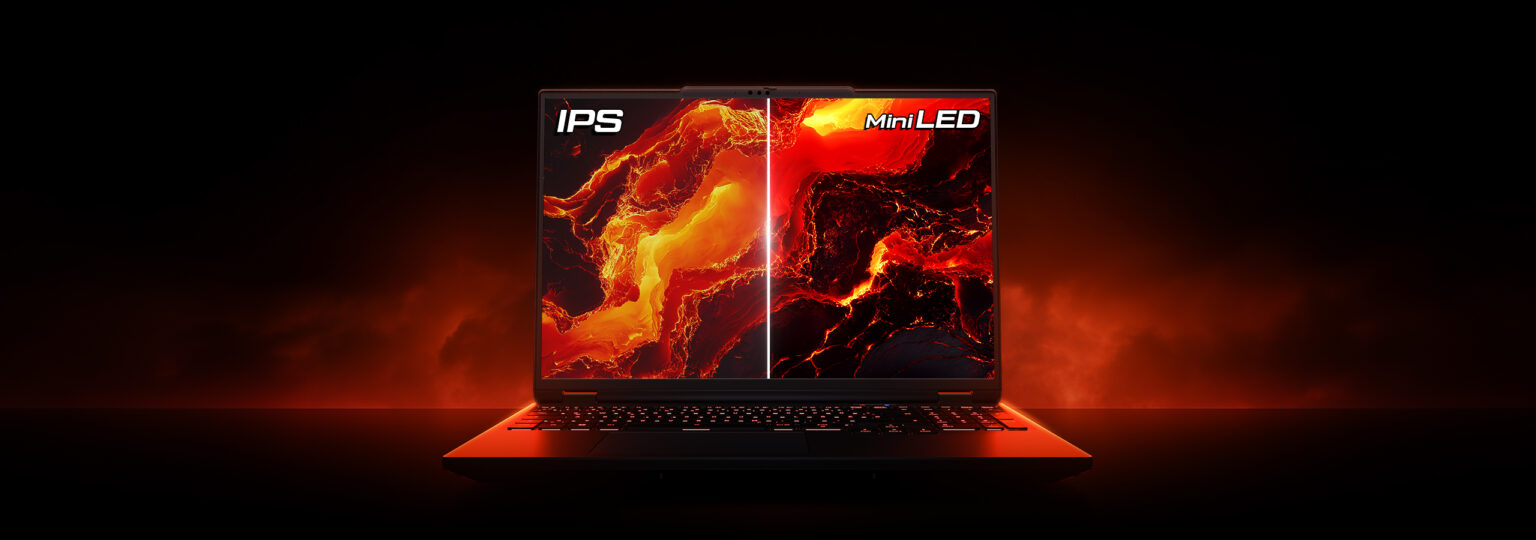
- memory AMD Ryzen 9 9955HX
- developer_board NVIDIA GeForce RTX 5070 Ti Laptop GPU
- layers 64GB DDR5-5600MHz (Dual-Channel)
- track_changes Target GPU: Nvidia GTX 1060 (6GB) / AMD RX 580 (8GB) / Intel Arc A750
- memory Intel Core i9-14900HX
- developer_board NVIDIA GeForce RTX 4070
- layers 32GB DDR5-5600MHz
- track_changes Target GPU: Nvidia RTX 3070 Ti / Nvidia RTX 4070 / AMD RX 6800 XT
- memory AMD Ryzen 9 8940HX Processor
- developer_board NVIDIA GeForce RTX 5060 Laptop GPU
- layers 32GB DDR5-5200MHz
- track_changes Target GPU: Nvidia RTX 3070 Ti / Nvidia RTX 4070 / AMD RX 6800 XT
- memory Intel Core i9-12950HX
- developer_board NVIDIA GeForce RTX 3080 Ti
- layers 32GB DDR5-4800MHz
- track_changes Target GPU: Nvidia RTX 3070 Ti / Nvidia RTX 4070 / AMD RX 6800 XT
- memory Intel Core i9-14900HX
- developer_board NVIDIA GeForce RTX 4080 Laptop GPU
- layers 64 GB DDR5-5600MHz
- track_changes Target GPU: Nvidia RTX 3070 Ti / Nvidia RTX 4070 / AMD RX 6800 XT
- memory Intel Core Ultra 9 Processor 275HX (Series 2)
- developer_board NVIDIA GeForce RTX 5070 Laptop GPU
- layers 32GB DDR5-5600MHz
- track_changes Target GPU: Nvidia RTX 3070 Ti / Nvidia RTX 4070 / AMD RX 6800 XT
- memory Intel Core i9-14900HX Processor
- developer_board NVIDIA GeForce RTX 5070 Laptop GPU
- layers 32GB DDR5-5600MHz
- track_changes Target GPU: Nvidia RTX 3070 Ti / Nvidia RTX 4070 / AMD RX 6800 XT

- memory Intel Core i9-14900HX Processor
- developer_board NVIDIA GeForce RTX 5070 Laptop GPU
- layers 32GB DDR5-5600MHz
- track_changes Target GPU: Nvidia RTX 3070 Ti / Nvidia RTX 4070 / AMD RX 6800 XT

- memory Intel Core Ultra 9 285H (Arrow Lake-H)
- developer_board NVIDIA GeForce RTX 5070 Laptop GPU
- layers 64GB LPDDR5x-8533MT/s (LPCAMM2)
- track_changes Target GPU: Nvidia RTX 3070 Ti / Nvidia RTX 4070 / AMD RX 6800 XT

- memory Intel Core i9-14900HX
- developer_board NVIDIA GeForce RTX 4080
- layers 64GB DDR5-5600MHz
- track_changes Target GPU: Nvidia RTX 3070 Ti / Nvidia RTX 4070 / AMD RX 6800 XT

- memory Intel Core i9-14900HX
- developer_board NVIDIA GeForce RTX 4080
- layers 32GB DDR5-5600MHz
- track_changes Target GPU: Nvidia RTX 3070 Ti / Nvidia RTX 4070 / AMD RX 6800 XT
- memory Intel Core Ultra 9 285H (Series 2) , 14 cores (6 Performance cores + 8 Efficient cores), 20 threads
- developer_board NVIDIA GeForce RTX 5050 Laptop GPU
- layers 32GB (2x16GB) DDR5 8400MHz SO-DIMM
- track_changes Target GPU: Nvidia RTX 4080 Super / AMD Radeon RX 7900 XTX
- memory Intel Core Ultra 9 285H
- developer_board NVIDIA GeForce RTX 5070
- layers 32GB (2x16GB) DDR5 4800MHz SO-DIMM
- track_changes Target GPU: Nvidia RTX 4080 Super / AMD Radeon RX 7900 XTX

- memory Intel Core i9-14900HX Processor
- developer_board NVIDIA GeForce RTX 5070 Ti Laptop GPU
- layers 64GB DDR5-5600MHz (commonly listed as 4800MHz by some retailers, but 5600MHz is common for 14th Gen HX with DDR5)
- track_changes Target GPU: Nvidia RTX 4080 Super / AMD Radeon RX 7900 XTX

- memory Intel Core Ultra 9 Processor 275HX
- developer_board NVIDIA GeForce RTX 5070 Ti Laptop GPU
- layers 64GB DDR5-6400MHz
- track_changes Target GPU: Nvidia RTX 4080 Super / AMD Radeon RX 7900 XTX

- memory Intel Core Ultra 9 Processor 275HX (Series 2)
- developer_board NVIDIA GeForce RTX 5070 Ti Laptop GPU
- layers 32GB DDR5-5600MHz
- track_changes Target GPU: Nvidia RTX 4080 Super / AMD Radeon RX 7900 XTX

- memory Intel Ultra 7 255HX
- developer_board NVIDIA GeForce RTX 5070 Ti
- layers 32GB DDR5 5600MHz
- track_changes Target GPU: Nvidia RTX 4080 Super / AMD Radeon RX 7900 XTX

- memory Intel Core Ultra 7 240H
- developer_board NVIDIA GeForce RTX 5070 Ti Laptop GPU
- layers 32GB LPDDR5X 5600MHz
- track_changes Target GPU: Nvidia RTX 4080 Super / AMD Radeon RX 7900 XTX

- memory Intel Core Ultra 9 275HX
- developer_board GeForce RTX 5070 Laptop Laptop GPU
- layers 64GB DDR5-6400MHz (Single-Channel)
- track_changes Target GPU: Nvidia RTX 4080 Super / AMD Radeon RX 7900 XTX

- memory Intel Core Ultra 9 275HX
- developer_board NVIDIA GeForce RTX 5070 Ti
- layers 32GB
- track_changes Target GPU: Nvidia RTX 4080 Super / AMD Radeon RX 7900 XTX

- memory Intel Core Ultra 9 275HX
- developer_board NVIDIA GeForce RTX 5070 Ti Laptop GPU
- layers 32 GB DDR5 6400MHz (2x16GB)
- track_changes Target GPU: Nvidia RTX 4080 Super / AMD Radeon RX 7900 XTX
For Killing Floor 3 Specifically
- memory Intel Core i7-12700H
- developer_board NVIDIA GeForce RTX 3070
- layers 32GB DDR4-3200MHz
- track_changes Target GPU: NVIDIA GeForce GTX 1060 or AMD Radeon RX 480
- memory Intel Core i9-13900H
- developer_board NVIDIA GeForce RTX 4060
- layers 16GB DDR5-5200MHz
- track_changes Target GPU: NVIDIA GeForce GTX 1060 or AMD Radeon RX 480
- memory Intel Core i9-14900HX
- developer_board NVIDIA GeForce RTX 4060
- layers 32GB DDR5-5600MHz
- track_changes Target GPU: NVIDIA GeForce GTX 1060 or AMD Radeon RX 480

- memory Intel Core i9-12900H
- developer_board NVIDIA GeForce RTX 3070 Ti
- layers 16GB DDR5-4800MHz
- track_changes Target GPU: NVIDIA GeForce GTX 1060 or AMD Radeon RX 480

- memory Intel Core i5-12450H
- developer_board NVIDIA GeForce RTX 3050
- layers 16GB DDR4-3200MHz
- track_changes Target GPU: NVIDIA GeForce GTX 1060 or AMD Radeon RX 480
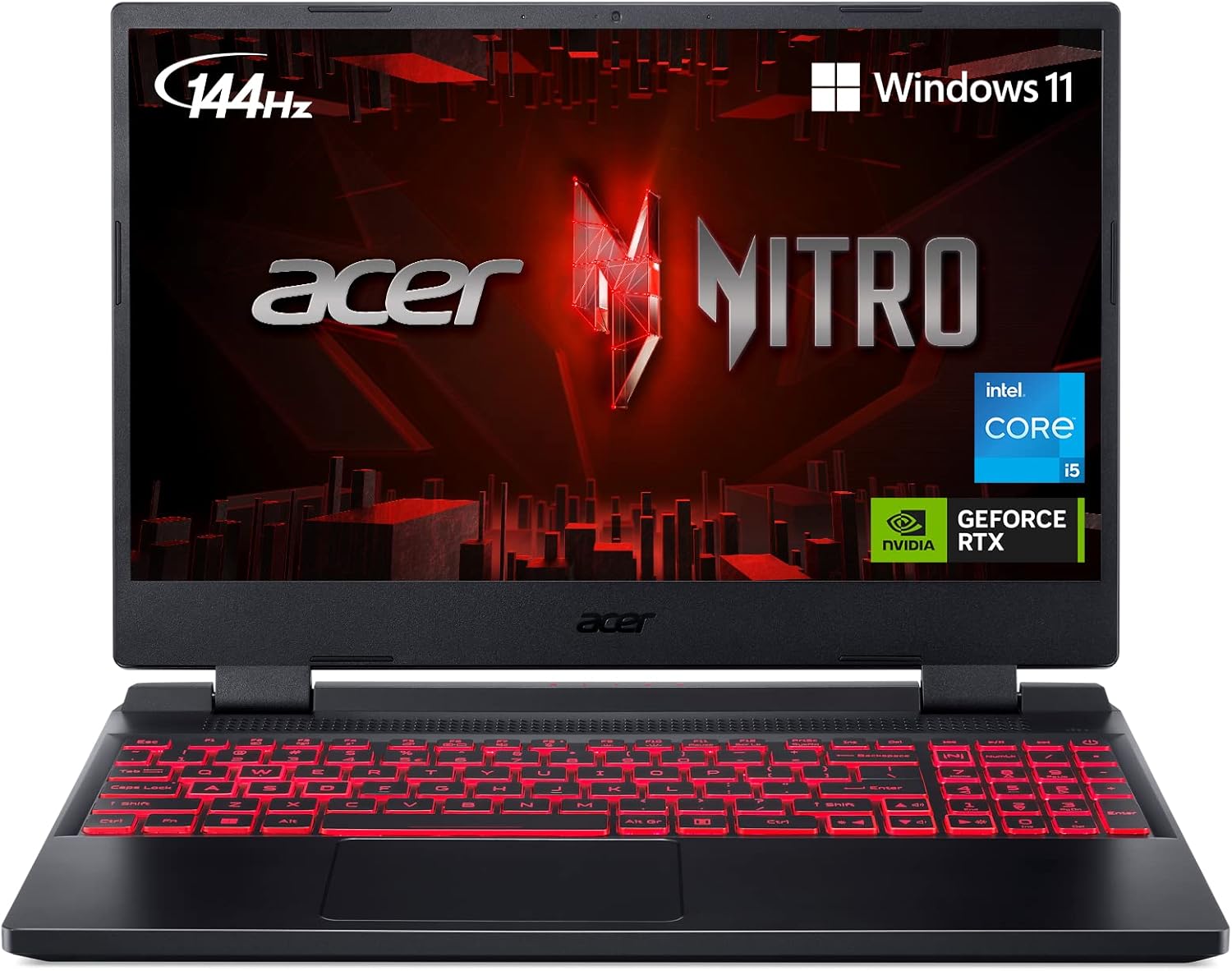
- memory Intel Core i5-12500H
- developer_board NVIDIA GeForce RTX 3050 Ti
- layers 16GB DDR4-3200MHz
- track_changes Target GPU: NVIDIA GeForce GTX 1060 or AMD Radeon RX 480
- memory AMD Ryzen 7 7435HS
- developer_board NVIDIA GeForce RTX 3050
- layers 32GB DDR5-4800MHz
- track_changes Target GPU: NVIDIA GeForce GTX 1060 or AMD Radeon RX 480

- memory AMD Ryzen 7 6800H
- developer_board NVIDIA GeForce RTX 3060
- layers 16GB DDR5-4800MHz
- track_changes Target GPU: NVIDIA GeForce GTX 1060 or AMD Radeon RX 480

- memory AMD Ryzen 9 5900HS
- developer_board NVIDIA GeForce RTX 3080
- layers 16GB DDR4-3200MHz
- track_changes Target GPU: NVIDIA GeForce GTX 1060 or AMD Radeon RX 480

- memory Intel Core i7-13620H
- developer_board NVIDIA GeForce RTX 4070
- layers 16GB DDR5-4800MHz
- track_changes Target GPU: NVIDIA GeForce GTX 1060 or AMD Radeon RX 480
- memory Intel Core i7-12700H
- developer_board NVIDIA GeForce RTX 3070
- layers 32GB DDR4-3200MHz
- track_changes Target GPU: NVIDIA GeForce RTX 3060 or AMD Radeon RX 6750 XT
- memory Intel Core i9-13900H
- developer_board NVIDIA GeForce RTX 4060
- layers 16GB DDR5-5200MHz
- track_changes Target GPU: NVIDIA GeForce RTX 3060 or AMD Radeon RX 6750 XT
- memory Intel Core i9-14900HX
- developer_board NVIDIA GeForce RTX 4060
- layers 32GB DDR5-5600MHz
- track_changes Target GPU: NVIDIA GeForce RTX 3060 or AMD Radeon RX 6750 XT
- memory Intel Core i9-12900H
- developer_board NVIDIA GeForce RTX 3070 Ti
- layers 16GB DDR5-4800MHz
- track_changes Target GPU: NVIDIA GeForce RTX 3060 or AMD Radeon RX 6750 XT
- memory AMD Ryzen 7 7435HS
- developer_board NVIDIA GeForce RTX 3050
- layers 32GB DDR5-4800MHz
- track_changes Target GPU: NVIDIA GeForce RTX 3060 or AMD Radeon RX 6750 XT
- memory AMD Ryzen 7 6800H
- developer_board NVIDIA GeForce RTX 3060
- layers 16GB DDR5-4800MHz
- track_changes Target GPU: NVIDIA GeForce RTX 3060 or AMD Radeon RX 6750 XT
- memory AMD Ryzen 9 5900HS
- developer_board NVIDIA GeForce RTX 3080
- layers 16GB DDR4-3200MHz
- track_changes Target GPU: NVIDIA GeForce RTX 3060 or AMD Radeon RX 6750 XT
- memory Intel Core i7-13620H
- developer_board NVIDIA GeForce RTX 4070
- layers 16GB DDR5-4800MHz
- track_changes Target GPU: NVIDIA GeForce RTX 3060 or AMD Radeon RX 6750 XT

- memory Intel Core i7-14700HX
- developer_board NVIDIA GeForce RTX 4070
- layers 16GB DDR5-5600MHz
- track_changes Target GPU: NVIDIA GeForce RTX 3060 or AMD Radeon RX 6750 XT
- memory Intel Core i9-14900HX
- developer_board NVIDIA GeForce RTX 4070
- layers 32GB DDR5-5600MHz
- track_changes Target GPU: NVIDIA GeForce RTX 3060 or AMD Radeon RX 6750 XT
- memory Intel Core i9-14900HX
- developer_board NVIDIA GeForce RTX 4080 Laptop GPU
- layers 64 GB DDR5-5600MHz
- track_changes Target GPU: NVIDIA GeForce RTX 4070 Ti (12GB) or AMD Radeon RX 7900 XT (20GB). (Future-proof: RTX 5070)
- memory Intel Core Ultra 9 Processor 275HX (Series 2)
- developer_board NVIDIA GeForce RTX 5070 Laptop GPU
- layers 32GB DDR5-5600MHz
- track_changes Target GPU: NVIDIA GeForce RTX 4070 Ti (12GB) or AMD Radeon RX 7900 XT (20GB). (Future-proof: RTX 5070)
- memory Intel Core i9-14900HX Processor
- developer_board NVIDIA GeForce RTX 5070 Laptop GPU
- layers 32GB DDR5-5600MHz
- track_changes Target GPU: NVIDIA GeForce RTX 4070 Ti (12GB) or AMD Radeon RX 7900 XT (20GB). (Future-proof: RTX 5070)
- memory Intel Core i9-14900HX Processor
- developer_board NVIDIA GeForce RTX 5070 Laptop GPU
- layers 32GB DDR5-5600MHz
- track_changes Target GPU: NVIDIA GeForce RTX 4070 Ti (12GB) or AMD Radeon RX 7900 XT (20GB). (Future-proof: RTX 5070)

- memory Intel Core Ultra 9 Processor 285H
- developer_board NVIDIA GeForce RTX 5070 Laptop GPU
- layers 16GB DDR5-5600MHz
- track_changes Target GPU: NVIDIA GeForce RTX 4070 Ti (12GB) or AMD Radeon RX 7900 XT (20GB). (Future-proof: RTX 5070)
- memory Intel Core Ultra 9 285H (Arrow Lake-H)
- developer_board NVIDIA GeForce RTX 5070 Laptop GPU
- layers 64GB LPDDR5x-8533MT/s (LPCAMM2)
- track_changes Target GPU: NVIDIA GeForce RTX 4070 Ti (12GB) or AMD Radeon RX 7900 XT (20GB). (Future-proof: RTX 5070)
- memory Intel Core i9-14900HX
- developer_board NVIDIA GeForce RTX 4080
- layers 64GB DDR5-5600MHz
- track_changes Target GPU: NVIDIA GeForce RTX 4070 Ti (12GB) or AMD Radeon RX 7900 XT (20GB). (Future-proof: RTX 5070)
- memory Intel Core i9-14900HX
- developer_board NVIDIA GeForce RTX 4080
- layers 32GB DDR5-5600MHz
- track_changes Target GPU: NVIDIA GeForce RTX 4070 Ti (12GB) or AMD Radeon RX 7900 XT (20GB). (Future-proof: RTX 5070)

- memory Intel Core i9-14900HX
- developer_board NVIDIA GeForce RTX 4080
- layers 32GB DDR5-5600MHz
- track_changes Target GPU: NVIDIA GeForce RTX 4070 Ti (12GB) or AMD Radeon RX 7900 XT (20GB). (Future-proof: RTX 5070)

- memory Intel Core i9-14900HX
- developer_board NVIDIA GeForce RTX 4080
- layers 32GB DDR5-5600MHz
- track_changes Target GPU: NVIDIA GeForce RTX 4070 Ti (12GB) or AMD Radeon RX 7900 XT (20GB). (Future-proof: RTX 5070)
info_outline Laptop recommendations are estimates based on available component benchmarks and game requirements. Actual performance may vary depending on settings, drivers, cooling, power limits, etc. Prices and availability subject to change. As an Amazon Associate, we earn from qualifying purchases.