Select Games to Compare
Benchmark your exact mobile GPU wattage (TGP), battery throttling drops, and cooling pad requirements for these games.
SPINE vs Uncharted 4: A Thief End
| close | close |
|---|---|
| shopping_cart Where to Buy | |
| info General Information | |
| Release Date | |
| Jul 15, 2027 | May 10, 2016 |
| Developer | |
| Nekki | Naughty Dog, Iron Galaxy (PC Port for Legacy of Thieves Collection) |
| Publisher | |
| Nekki | Sony Interactive Entertainment |
| Genre(s) | |
| Gun-Fu Hyper Brawler / Action-Adventure | Action-Adventure, Third-Person Shooter, Platformer, Stealth |
| Engine | |
| Unreal Engine 5 & Cascadeur | Naughty Dog Game Engine (Proprietary) |
| stars Ratings & Price | |
| Content Rating | |
| M | Teen |
| Avg. User Rating | |
| 4.8 / 5.0 | 4.8 / 5.0 |
| Current Price (USD) | |
| $69.99 | $49.99 |
| tune Key Specs | |
| Quick Highlights | |
|
|
| sports_esports Gameplay & Mechanics | |
| Companions/Followers | |
|
|
| Key Collectibles | |
|
|
| Key Themes | |
|
|
| colorize Combat & Gear | |
| Weapons Overview | |
|
|
| Armor / Gear Sets | |
|
|
| Outfits/Customization | |
|
|
| trending_up Progression & Upgrades | |
| Skills & Progression | |
|
The skill progression in SPINE fundamentally breaks away from the traditional RPG model of seeking out NPC trainers or allocating generic stat points. Instead, the acquisition of new skills is framed entirely diegetically through the strengthening of the neural link between Redline and her sentient combat implant, Spine. As their symbiotic synchronization improves throughout the narrative, Spine unlocks higher-tier reflex capabilities and allocates ability points. The combat relies on a rhythm-and-counter Freeflow framework, demanding that players seamlessly transition between dodging ballistic threats and parrying melee strikes. As players invest points, they unlock increasingly complex Freeflow maneuvers, environmental takedowns, and weapon-snatching techniques. For veterans seeking the ultimate test of reflexes, SPINE introduces a punishing 'Hardcore Mode'. In this setting, players must complete the game's missions without taking a single hit, transforming the experience into a grueling, high-stakes puzzle of perfect evasion, flawless timing, and absolute mastery over the AI-assisted physics animation system. |
Uncharted 4 does not feature a traditional RPG skill tree or extensive character stat upgrades for Nathan Drake. Progression is primarily through acquiring new weapons and gear found in levels or dropped by enemies. There are no craftable upgrades for Nate's personal abilities. Gameplay mastery comes from improving player skill in combat, stealth, platforming, and puzzle-solving. Some weapon 'upgrades' are simply finding more powerful versions or attachments. The grappling hook is a key new tool that enhances traversal and combat options. |
| public World & Exploration | |
| World & Level Design | |
|
Fundamentally rejecting the modern industry trend of sprawling, bloated open worlds, SPINE features a highly curated, linear mission structure consisting of approximately twenty distinct levels. This deliberate scope constraint allows the developers to craft incredibly dense, bespoke arenas where every architectural element facilitates the game's kinetic combat loop. Players will navigate the stark socio-economic disparities of Tensor City, moving from tangled, claustrophobic underground laboratories and gritty neon-lit bars in the lower levels, to the opulent, heavily guarded cliffs of the City's Greenhouse in the upper echelons. One confirmed major set-piece involves a high-speed battle atop a rushing transit train, emphasizing verticality and spatial management. To capture the Gun-Fu aesthetic perfectly across these varied environments, the game employs an intelligent, dynamic cinematic camera system. This engine calculates optimal viewing angles frame-by-frame, preventing geometric clipping in tight corridors and dynamically pushing in for extreme close-ups during visceral finishers to emphasize the architectural beauty and combat impact. |
N/A |
| Playable Vehicles | |
|
|
| Notable Fauna/Mounts | |
|
N/A |
| book Story & Characters | |
| Main Characters | |
|
|
| Example Missions | |
|
|
| people Multiplayer | |
| Multiplayer Details | |
|
SPINE features absolutely zero multiplayer modes, co-op campaigns, or online competitive elements. This represents a defining, highly calculated pivot for developer Nekki. When the game was first revealed to the public, it was pitched as a team-based, PvP combat game. However, recognizing the severe market fatigue associated with live-service games and the difficulty of balancing hyper-kinetic, physics-based melee combat over internet latency, the studio entirely scrapped the multiplayer framework. Transitioning to a purely single-player, narrative-focused experience allowed the developers to dedicate 100% of the Unreal Engine 5 processing power and CPU overhead to the proprietary Cascadeur animation system and complex enemy artificial intelligence. Without the constraints of netcode optimization and player synchronization, SPINE can deliver the flawlessly fluid, cinematic John Wick-style combat choreography that serves as the core selling point of the entire intellectual property. |
N/A |
| extension Editions & DLC | |
| Available Editions | |
|
While Nekki has kept the exact retail SKU details under wraps ahead of the Summer 2027 release window, industry precedents and transmedia ambitions suggest a multi-tiered release strategy. A standard launch edition will provide the complete, uncompromised 20-mission narrative campaign. However, given the game's heavy emphasis on music and lore, a premium or 'Deluxe Edition' is highly anticipated. This premium tier is expected to include the official, adrenaline-pumping soundtrack composed by Le Castle Vania, digital artbooks detailing the meticulous world-building of Tensor City, and integrated digital access to the prequel webtoon, 'SPINE: Bullet Dancers'. Crucially, the developers have explicitly marketed SPINE as a complete, out-of-the-box cinematic experience, aggressively differentiating it from its competitors by completely rejecting live-service models, microtransactions, and seasonal battle passes. This consumer-friendly approach ensures that whichever edition players purchase, they are guaranteed a cohesive, finite product free from predatory monetization. |
Available in Standard Edition, Special Edition (SteelBook, artbook, Naughty Dog points), Libertalia Collector's Edition (12" Nathan Drake statue, SteelBook, artbook, Naughty Dog points, sticker sheet, multiplayer outfits/weapon skins). Later released as part of the 'Uncharted: Legacy of Thieves Collection' for PS5 and PC, which also includes 'Uncharted: The Lost Legacy' and features enhanced graphics and performance options. |
| Post-Launch Content / DLC | |
|
Nekki has taken a refreshingly traditional and highly strategic stance regarding post-launch content for SPINE. By explicitly rejecting the modern live-service framing, always-online requirements, and piecemeal cosmetic microtransactions, the studio guarantees a holistic, satisfying narrative conclusion upon the initial purchase. While traditional, meaty narrative expansions or challenging combat arena DLCs remain a distinct possibility for post-launch support, Nekki's primary method for expanding the franchise relies on a massive transmedia strategy rather than endless in-game monetization. This includes the already released nine-episode prequel webtoon, 'SPINE: Bullet Dancers', and a major partnership with production company Story Kitchen to develop high-budget television and film adaptations of the Tensor City universe. By expanding the lore through external media and physical merchandise, such as planned board games, the developers ensure that the core video game remains an uncompromised, focused character-action title that respects the player's time and financial investment. |
The primary post-launch content was the standalone story expansion 'Uncharted: The Lost Legacy' (starring Chloe Frazer and Nadine Ross), which was also included in the 'Legacy of Thieves Collection'. The original PS4 version of Uncharted 4 received numerous free updates for its multiplayer mode, including new maps, modes, weapons, and cosmetic items. No single-player story DLC directly for Nathan Drake's Uncharted 4 story was released. |
| help_outline FAQ | |
| Frequently Asked Questions | |
|
|
| build Technical Details | |
| Graphics & Visual Fidelity | |
|
Visually, SPINE is a technological powerhouse built on the foundations of Unreal Engine 5, fully supporting advanced rendering frameworks like NVIDIA's DLSS 3 to ensure blisteringly fast frame rates. However, the defining visual pillar of the game is Nekki's proprietary 3D animation software, Cascadeur. Moving beyond traditional keyframing or standard motion capture, Cascadeur utilizes deep learning neural networks to provide AI-assisted, physics-based character animation. Features like 'AutoPhysics' evaluate the trajectory, center of mass, and ballistic curves of Redline in real-time, automatically adjusting her animations to ensure physically accurate momentum and impact. This allows the protagonist to instantly transition from a high-speed sprint into a slide, parry a strike, and fire dual pistols without breaking the visual laws of physics or causing animation stutter. Coupled with a dynamic digital cinematographer camera that calculates optimal viewing angles frame-by-frame, SPINE establishes a new mechanical and visual benchmark for cinematic combat choreography. |
Powered by Naughty Dog's proprietary engine, Uncharted 4 is renowned for its groundbreaking visuals, especially at the time of its PS4 release. It features incredibly detailed character models with realistic animations and facial expressions, breathtaking and diverse environments, advanced lighting and shadow effects, and spectacular cinematic set pieces. The level of environmental detail, from foliage and water effects to material textures, is exceptional. The PS5 and PC versions in the 'Legacy of Thieves Collection' offer enhanced resolutions, frame rates, and graphical settings. |
| Audio & Soundtrack | |
|
The auditory presentation of SPINE is engineered to be just as kinetic and vital as its visual fidelity. To match the frantic, neon-drenched gunplay, Nekki secured the talents of renowned electronic music producer Le Castle Vania, famous for his iconic contributions to the John Wick film franchise. His original compositions for the game feature heavy, pumping electronica and synthwave beats that are meticulously designed to drive the player's aggressive momentum forward. Tracks like the revealed 'SPINE Breaker' set a rhythmic tempo that subconsciously aids the player in timing their dodges and parries to the beat of the music, creating a transcendent flow state. Complementing this driving score is a hyper-kinetic sound design philosophy. The deafening report of the dual pistols, the shattering of environmental glass, and the visceral, bone-crunching impact of martial arts strikes are mixed to sound exceptionally sharp, adding a vital layer of tactile auditory feedback to every successful combo. |
Original score composed by Henry Jackman, featuring sweeping orchestral themes, adventurous melodies, and emotionally resonant pieces that underscore the narrative's highs and lows. The music dynamically adapts to gameplay, building tension during combat and enhancing the sense of wonder during exploration. Sound design is top-notch, with impactful weapon sounds, detailed environmental ambiances, and stellar voice acting. |
| User Interface (UI/UX) | |
|
Recognizing that a cluttered, traditional video game HUD would severely detract from the cinematic flow of the Gun-Fu combat, Nekki engineered a brilliant, fully diegetic interface concept termed 'Spine Vision'. Because the sentient Spine implant interfaces directly with Redline's optical nerves and brain, all on-screen elements—including health metrics, ammunition counts, target markers, and parry indicators—are framed as augmented reality projections generated in real-time by the hardware. Brilliantly, the evolution of this interface mirrors the game's narrative progression. Initially, owing to the implant's origins within the Tensor military apparatus, the HUD appears rigid, dull, and highly militaristic. However, as the symbiotic bond between Redline and the AI deepens, the predictive algorithm adapts to its host's impulsive personality. The UI progressively morphs, incorporating vibrant street-art aesthetics, neon colors, and graffiti-style markers, maintaining vital visual clarity while implicitly narrating the deepening emotional connection between the protagonist and her neural companion. |
Features a minimalistic and cinematic HUD, displaying ammo count, equipped weapon, and contextual prompts for interactions, stealth, and combat. A simple objective marker guides players. No traditional mini-map during gameplay to enhance immersion; players rely on environmental cues and Nate's journal. The journal contains sketches, notes, and puzzle solutions. |
| Accessibility Options | |
|
While SPINE is inherently a fast-paced, high-lethality action game demanding quick reflexes, Nekki has implemented robust, highly readable telegraphing systems to ensure accessibility across various skill levels. The diegetic 'Spine Vision' HUD provides unmistakable, color-coded visual indicators alerting the player to incoming threats, explicitly differentiating between melee attacks that must be parried and ballistic threats that require an acrobatic dodge. Furthermore, the game’s exceptional sound design and rhythmic electronic soundtrack provide subconscious auditory cues, allowing players to feel the timing of the combat loop even if visual processing becomes overwhelming amid the particle effects. For players who find the standard rhythm-and-counter combat too demanding, standard difficulty scaling is expected, acting as a counterbalance to the grueling, one-hit-kill 'Hardcore Mode' designed specifically for veteran character-action enthusiasts seeking the ultimate test of their digital martial arts prowess. |
Naughty Dog has been a leader in accessibility. Uncharted 4 (especially in the Legacy of Thieves Collection) offers a wide array of options: extensive control remapping, subtitle and caption customization (size, color, background, speaker names), options for motion blur/camera shake, aim assist lock-on, options for QTEs (hold vs. tap), high contrast modes, audio cues for collectibles and combat, navigation assistance, and more. |
| video_library Media Links | |
| Gameplay Video | |
| launchWatch | launchWatch |
| Walkthrough/Guide | |
| launchView | launchView |
| settings_applications System Requirements | |
| 720p (HD) - Minimum (720p ~30 FPS, Medium Preset) (Medium Preset) CPU: Minimum desktop CPU for lower settings. CPU (Laptop): Estimated laptop CPU equivalent. Modern i5/Ryzen 5 U or H series better. GPU: Minimum desktop GPU for lower settings. GPU (Laptop): Estimated laptop GPUs. 4GB VRAM is absolute minimum. RAM: 8GB minimum, but 16GB strongly recommended by developers for a smoother experience. Storage: HDD absolute minimum, SSD highly recommended. | |
| — | memoryCPU: Intel Core i5-4430 or AMD Ryzen 3 1200 developer_boardGPU: NVIDIA GeForce GTX 960 (4GB) or AMD Radeon R9 290X (4GB) laptop_macCPU (L): Intel Core i5-7300HQ / AMD Ryzen 3 3200U equivalent or better laptop_windowsGPU (L): NVIDIA GeForce GTX 1050 Mobile (4GB) / GTX 1650 Mobile (4GB). **An RTX 3050 Mobile would be a significantly better starting point.** layersRAM: 8 GB saveStorage (Tier): 126 GB HDD (SSD Recommended) |
| 1080p (Full HD) - Recommended (High (60 FPS) with DLSS/FSR set to Quality) CPU: Provides sufficient overhead for complex neural network animation blending without frame drops. CPU (Laptop): 8 cores provide excellent stability for physics calculations and background OS tasks. GPU: Allows for high-fidelity textures and fluid rendering of the dynamic cinematic camera system. GPU (Laptop): Offers the necessary VRAM and rasterization power for sustained 60 FPS gameplay. RAM: Ensures completely smooth asset streaming and AI caching. Storage: Fast read speeds ensure no geometric clipping or texture pop-in during fast camera pans. | |
memoryCPU: Intel Core i7-8700 / AMD Ryzen 5 3600 developer_boardGPU: NVIDIA GeForce RTX 2070 / AMD Radeon RX 5700 XT laptop_macCPU (L): Intel Core i7-11800H / AMD Ryzen 7 5800H laptop_windowsGPU (L): NVIDIA RTX 3060 Mobile (115W+) layersRAM: 16 GB saveStorage (Tier): 30 GB NVMe SSD | — |
| 1080p (Full HD) - Performance (1080p ~60 FPS, High Preset using Performance Upscaling/Settings) (High Preset (Tweaked for performance, DLSS/FSR Performance may be needed)) CPU: CPU for 1080p/60FPS High. CPU (Laptop): High-end laptop CPU. GPU: Recommended desktop GPU for 1080p/60FPS High. GPU (Laptop): Performance laptop GPUs. 8GB VRAM ideal. RAM: 16GB RAM recommended. Storage: NVMe SSD strongly recommended. | |
| — | memoryCPU: Intel Core i7-7700K or AMD Ryzen 7 3700X developer_boardGPU: NVIDIA GeForce RTX 2070 (8GB) or AMD Radeon RX 5700 XT (8GB) laptop_macCPU (L): Intel Core i7-9750H / AMD Ryzen 7 4800H or better laptop_windowsGPU (L): NVIDIA GeForce RTX 2070 Super Mobile (8GB) / RTX 3060 Mobile (6GB, High TGP). **An RTX 3070 Mobile or RTX 4060 Mobile (High TGP) will provide excellent 1080p High performance.** layersRAM: 16 GB saveStorage (Tier): 126 GB NVMe SSD |
| 1080p (Full HD) - Minimum (Low (60 FPS) with DLSS/FSR set to Performance) CPU: The absolute minimum required to process Cascadeur's AutoPhysics system and basic enemy behavior trees. CPU (Laptop): Requires a baseline 4-core/8-thread mobile CPU to prevent severe bottlenecking during multi-enemy brawls. GPU: Entry-level requirement to render Tensor City's neon-lit environments and handle basic UE5 pipelines. GPU (Laptop): Adequate for 1080p low settings if relying heavily on DLSS. RAM: Minimum required, though background applications must be closed to prevent memory paging stutters. Storage: Solid-state drive is mandatory to load the cinematic finishers dynamically. | |
memoryCPU: Intel Core i5-6400 / AMD Ryzen 5 1500X developer_boardGPU: NVIDIA GeForce GTX 1070 / AMD Radeon RX Vega 56 laptop_macCPU (L): Intel Core i5-10300H / AMD Ryzen 5 4600H laptop_windowsGPU (L): NVIDIA RTX 3050 Ti Mobile (85W+) layersRAM: 8 GB saveStorage (Tier): 30 GB SSD | — |
| 1080p (Full HD) - Recommended (1080p ~30 FPS, High Preset) (High Preset) CPU: Recommended desktop CPU for 1080p/30FPS High settings. CPU (Laptop): Estimated mid-range laptop CPUs. GPU: Recommended desktop GPU for 1080p/30FPS High. GPU (Laptop): Estimated performance-focused laptop GPUs. 6GB VRAM recommended. RAM: 16GB RAM strongly recommended. Storage: SSD strongly recommended. | |
| — | memoryCPU: Intel Core i7-4770 or AMD Ryzen 5 1500X developer_boardGPU: NVIDIA GeForce GTX 1060 (6GB) or AMD Radeon RX 570 (4GB) laptop_macCPU (L): Intel Core i7-7700HQ / AMD Ryzen 5 3550H equivalent or better laptop_windowsGPU (L): NVIDIA GeForce GTX 1660 Ti Mobile (6GB) / RTX 2060 Mobile (6GB). **An RTX 3060 Mobile or RTX 4050 Mobile (High TGP) is a good target for 1080p High.** layersRAM: 16 GB saveStorage (Tier): 126 GB SSD |
| 1440p (QHD/2K) - Recommended (Ultra (60+ FPS) with DLSS/FSR set to Balanced) CPU: High single-core IPC ensures that the game logic and animation physics remain perfectly synchronized with the higher resolution rendering. CPU (Laptop): Modern architecture required to keep the GPU fed with frame data at 1440p. GPU: Provides the raw power needed to render volumetric lighting, advanced particle effects, and high-resolution textures in Tensor City. GPU (Laptop): Requires a premium tier mobile GPU to maintain fluid action without dipping below 60 FPS. RAM: High-speed memory reduces latency in CPU-bound AI calculations. Storage: Rapid load times for seamless transitions between cinematic cutscenes and active gameplay. | |
memoryCPU: Intel Core i5-12400F / AMD Ryzen 5 5600X developer_boardGPU: NVIDIA GeForce RTX 3070 Ti / AMD Radeon RX 6800 laptop_macCPU (L): Intel Core i7-12700H / AMD Ryzen 7 6800H laptop_windowsGPU (L): NVIDIA RTX 3080 Mobile / RTX 4070 Mobile layersRAM: 16 GB saveStorage (Tier): 30 GB Gen3 NVMe SSD | — |
| 1440p (QHD/2K) - Ultra (1440p ~60 FPS, Ultra Preset, DLSS/FSR Quality/Balanced) (Ultra Preset (DLSS/FSR Quality or Balanced recommended)) CPU: CPU for 1440p/60FPS Ultra. CPU (Laptop): High-end laptop CPU. GPU: Desktop GPU for 1440p/60FPS Ultra. GPU (Laptop): High-end laptop GPUs. 10GB+ VRAM critical. RAM: 16GB RAM essential, 32GB beneficial. Storage: NVMe SSD required. | |
| — | memoryCPU: Intel Core i7-9700K or AMD Ryzen 7 3800X developer_boardGPU: NVIDIA GeForce RTX 3080 (10GB) or AMD Radeon RX 6800 (16GB) laptop_macCPU (L): Intel Core i7-10875H / AMD Ryzen 7 5800H or better. **Modern i7/Ryzen 7 H/HX series.** laptop_windowsGPU (L): NVIDIA GeForce RTX 3080 Mobile (10GB/16GB, Max TGP) / RTX 4070 Mobile (8GB, Max TGP). **An RTX 4080 Mobile would be better for consistent 1440p Ultra performance.** layersRAM: 16 GB saveStorage (Tier): 126 GB NVMe SSD |
| 2160p (UHD/4K) - Enthusiast (Ultra (60+ FPS) with DLSS/FSR set to Performance) CPU: The massive L3 cache on the 7800X3D or the sheer core count of the 13700K guarantees flawless 1% low frame rates during intense Gun-Fu set-pieces. CPU (Laptop): Desktop-class mobile CPUs are necessary to drive 4K gaming in a physics-heavy Unreal Engine 5 title. GPU: Required to brute-force 4K rendering alongside advanced hardware-accelerated ray tracing and cinematic depth of field. GPU (Laptop): The only mobile GPU class capable of delivering a compromised-free 4K experience for this title. RAM: DDR5 bandwidth vastly improves the streaming of 4K assets and real-time Cascadeur physics generation. Storage: Maximum bandwidth required to load ultra-high resolution assets instantly. | |
memoryCPU: Intel Core i7-13700K / AMD Ryzen 7 7800X3D developer_boardGPU: NVIDIA GeForce RTX 4080 / AMD Radeon RX 7900 XTX laptop_macCPU (L): Intel Core i9-13900HX / AMD Ryzen 9 7945HX laptop_windowsGPU (L): NVIDIA RTX 4090 Mobile (175W) layersRAM: 32 GB saveStorage (Tier): 30 GB Gen4 NVMe SSD | — |
| 2160p (UHD/4K) - Ultimate (2160p/4K ~60 FPS, Ultra Preset, DLSS/FSR Balanced/Performance) (Ultra Preset, DLSS/FSR Balanced or Performance) CPU: Flagship CPU for attempting 4K/60FPS Ultimate. CPU (Laptop): Absolute top-tier laptop CPUs. GPU: Flagship desktop GPU for 4K Ultimate, heavily reliant on DLSS/FSR. GPU (Laptop): The absolute best laptop GPUs, will still need upscaling for smooth 4K Ultra. RAM: 32GB RAM highly recommended for 4K Ultimate. Storage: NVMe SSD required. | |
| — | memoryCPU: Intel Core i9-9900K or AMD Ryzen 9 3950X developer_boardGPU: NVIDIA GeForce RTX 4080 (16GB) or AMD Radeon RX 7900 XTX (24GB) laptop_macCPU (L): Intel Core i9-11980HK / AMD Ryzen 9 5900HX or better. **Modern flagship Intel/AMD HX series (e.g., 13980HX, 7945HX).** laptop_windowsGPU (L): NVIDIA GeForce RTX 4090 Mobile (16GB, Max TGP). **Even this will require DLSS Performance for stable 4K Ultra at ~60FPS. A hypothetical next-gen flagship (e.g., RTX 5090 Mobile or AMD equivalent) would be targeted for a more comfortable native experience. (Highly Speculative)** layersRAM: 16 GB saveStorage (Tier): 126 GB NVMe SSD |
| save Overall Storage | |
Spec: 30 GB NVMe SSD Note: The remarkably small 30 GB footprint suggests highly optimized asset compression. An NVMe SSD is strictly required for seamless mission loading and texture streaming. Type: NVMe | Spec: 126 GB available space (SSD Recommended). Note: An NVMe SSD is highly recommended for the best experience, minimizing load times and improving texture streaming in detailed environments. Type: SSD |
| desktop_windows Operating System | |
| Spec: Windows 10 64-bit Explanation: Required to support the DirectX APIs utilized by Unreal Engine 5 and Cascadeur's deep learning neural networks. | Spec: Windows 10 (64-bit, version 1909 or newer) Explanation: 64-bit Windows 10 (specified version or newer) or Windows 11 is required. |
| gamepad DirectX Version | |
| Spec: DirectX 12 Explanation: Mandatory for optimal performance, efficient CPU multi-threading, and hardware-accelerated ray tracing features. | Spec: DirectX 12 Explanation: DirectX 12 API is required. |
| info_outline Other Game Notes | |
|
|
| build Optimization Details | |
|
|
| laptop Laptop Considerations | |
|
|


info_outline Feature details based on available data. System requirements and performance estimates may vary.
laptop_chromebook Laptop Recommendations
Common Recommendations (Handles All Compared Games)

- memory Intel Core i9-14900HX
- developer_board NVIDIA GeForce RTX 4060
- layers 32GB DDR5-5600MHz
- track_changes Target GPU: NVIDIA GeForce GTX 1050 Mobile (4GB) / GTX 1650 Mobile (4GB). **An RTX 3050 Mobile would be a significantly better starting point.**

- memory AMD Ryzen 7 7435HS
- developer_board NVIDIA GeForce RTX 3050
- layers 32GB DDR5-4800MHz
- track_changes Target GPU: NVIDIA GeForce GTX 1050 Mobile (4GB) / GTX 1650 Mobile (4GB). **An RTX 3050 Mobile would be a significantly better starting point.**

- memory Intel Core i9-14900HX
- developer_board NVIDIA GeForce RTX 4070
- layers 32GB DDR5-5600MHz
- track_changes Target GPU: NVIDIA GeForce GTX 1050 Mobile (4GB) / GTX 1650 Mobile (4GB). **An RTX 3050 Mobile would be a significantly better starting point.**

- memory Intel Core i5-11400H
- developer_board NVIDIA GeForce RTX 2050
- layers 8GB DDR4-3200MHz
- track_changes Target GPU: NVIDIA RTX 3050 Ti Mobile (85W+)

- memory Intel Core i7-12700H
- developer_board NVIDIA GeForce RTX 3070
- layers 32GB DDR4-3200MHz
- track_changes Target GPU: NVIDIA RTX 3050 Ti Mobile (85W+)

- memory Intel Core i9-13900H
- developer_board NVIDIA GeForce RTX 4060
- layers 16GB DDR5-5200MHz
- track_changes Target GPU: NVIDIA RTX 3050 Ti Mobile (85W+)
- memory Intel Core i9-14900HX
- developer_board NVIDIA GeForce RTX 4060
- layers 32GB DDR5-5600MHz
- track_changes Target GPU: NVIDIA RTX 3060 Mobile (115W+)
- memory AMD Ryzen 7 7435HS
- developer_board NVIDIA GeForce RTX 3050
- layers 32GB DDR5-4800MHz
- track_changes Target GPU: NVIDIA GeForce RTX 2070 Super Mobile (8GB) / RTX 3060 Mobile (6GB, High TGP). **An RTX 3070 Mobile or RTX 4060 Mobile (High TGP) will provide excellent 1080p High performance.**

- memory AMD Ryzen 9 8940HX Processor
- developer_board NVIDIA GeForce RTX 5060 Laptop GPU
- layers 32GB DDR5-5200MHz
- track_changes Target GPU: NVIDIA GeForce RTX 2070 Super Mobile (8GB) / RTX 3060 Mobile (6GB, High TGP). **An RTX 3070 Mobile or RTX 4060 Mobile (High TGP) will provide excellent 1080p High performance.**

- memory AMD Ryzen 7 7445HS
- developer_board NVIDIA GeForce RTX 4050
- layers 16GB (2x8GB) DDR5 5600MHz SO-DIMM
- track_changes Target GPU: NVIDIA GeForce RTX 2070 Super Mobile (8GB) / RTX 3060 Mobile (6GB, High TGP). **An RTX 3070 Mobile or RTX 4060 Mobile (High TGP) will provide excellent 1080p High performance.**
- memory Intel Core i9-14900HX
- developer_board NVIDIA GeForce RTX 4070
- layers 32GB DDR5-5600MHz
- track_changes Target GPU: NVIDIA RTX 3080 Mobile / RTX 4070 Mobile

- memory Intel Core i9-14900HX
- developer_board NVIDIA GeForce RTX 4070
- layers 16GB DDR5-5600MHz
- track_changes Target GPU: NVIDIA RTX 3080 Mobile / RTX 4070 Mobile

- memory Intel Core Ultra 7 255H
- developer_board NVIDIA GeForce RTX 5060 Laptop GPU
- layers 16GB DDR5-5600MHz (Dual-Channel)
- track_changes Target GPU: NVIDIA RTX 3080 Mobile / RTX 4070 Mobile
- memory AMD Ryzen 7 7435HS
- developer_board NVIDIA GeForce RTX 3050
- layers 32GB DDR5-4800MHz
- track_changes Target GPU: NVIDIA GeForce RTX 3080 Mobile (10GB/16GB, Max TGP) / RTX 4070 Mobile (8GB, Max TGP). **An RTX 4080 Mobile would be better for consistent 1440p Ultra performance.**

- memory AMD Ryzen 7 6800H
- developer_board NVIDIA GeForce RTX 3060
- layers 16GB DDR5-4800MHz
- track_changes Target GPU: NVIDIA GeForce RTX 3080 Mobile (10GB/16GB, Max TGP) / RTX 4070 Mobile (8GB, Max TGP). **An RTX 4080 Mobile would be better for consistent 1440p Ultra performance.**

- memory AMD Ryzen 9 5900HS
- developer_board NVIDIA GeForce RTX 3080
- layers 16GB DDR4-3200MHz
- track_changes Target GPU: NVIDIA GeForce RTX 3080 Mobile (10GB/16GB, Max TGP) / RTX 4070 Mobile (8GB, Max TGP). **An RTX 4080 Mobile would be better for consistent 1440p Ultra performance.**

- memory Intel Core i9-14900HX
- developer_board NVIDIA GeForce RTX 4090
- layers 32GB DDR5-5600MHz
- track_changes Target GPU: NVIDIA RTX 4090 Mobile (175W)

- memory Intel Core Ultra 9 285H (Series 2) , 14 cores (6 Performance cores + 8 Efficient cores), 20 threads
- developer_board NVIDIA GeForce RTX 5050 Laptop GPU
- layers 32GB (2x16GB) DDR5 8400MHz SO-DIMM
- track_changes Target GPU: NVIDIA RTX 4090 Mobile (175W)

- memory Intel Core Ultra 9 285H
- developer_board NVIDIA GeForce RTX 5070
- layers 32GB (2x16GB) DDR5 4800MHz SO-DIMM
- track_changes Target GPU: NVIDIA RTX 4090 Mobile (175W)
For SPINE Specifically
- memory Intel Core i5-11400H
- developer_board NVIDIA GeForce RTX 2050
- layers 8GB DDR4-3200MHz
- track_changes Target GPU: NVIDIA GeForce GTX 1070 / AMD Radeon RX Vega 56
- memory Intel Core i7-12700H
- developer_board NVIDIA GeForce RTX 3070
- layers 32GB DDR4-3200MHz
- track_changes Target GPU: NVIDIA GeForce GTX 1070 / AMD Radeon RX Vega 56
- memory Intel Core i9-13900H
- developer_board NVIDIA GeForce RTX 4060
- layers 16GB DDR5-5200MHz
- track_changes Target GPU: NVIDIA GeForce GTX 1070 / AMD Radeon RX Vega 56
- memory Intel Core i9-14900HX
- developer_board NVIDIA GeForce RTX 4060
- layers 32GB DDR5-5600MHz
- track_changes Target GPU: NVIDIA GeForce GTX 1070 / AMD Radeon RX Vega 56

- memory Intel Core i9-12900H
- developer_board NVIDIA GeForce RTX 3070 Ti
- layers 16GB DDR5-4800MHz
- track_changes Target GPU: NVIDIA GeForce GTX 1070 / AMD Radeon RX Vega 56

- memory Intel Core i5-12450H
- developer_board NVIDIA GeForce RTX 3050
- layers 16GB DDR4-3200MHz
- track_changes Target GPU: NVIDIA GeForce GTX 1070 / AMD Radeon RX Vega 56

- memory Intel Core i5-12500H
- developer_board NVIDIA GeForce RTX 3050 Ti
- layers 16GB DDR4-3200MHz
- track_changes Target GPU: NVIDIA GeForce GTX 1070 / AMD Radeon RX Vega 56
- memory AMD Ryzen 7 7435HS
- developer_board NVIDIA GeForce RTX 3050
- layers 32GB DDR5-4800MHz
- track_changes Target GPU: NVIDIA GeForce GTX 1070 / AMD Radeon RX Vega 56
- memory AMD Ryzen 7 6800H
- developer_board NVIDIA GeForce RTX 3060
- layers 16GB DDR5-4800MHz
- track_changes Target GPU: NVIDIA GeForce GTX 1070 / AMD Radeon RX Vega 56
- memory AMD Ryzen 9 5900HS
- developer_board NVIDIA GeForce RTX 3080
- layers 16GB DDR4-3200MHz
- track_changes Target GPU: NVIDIA GeForce GTX 1070 / AMD Radeon RX Vega 56

- memory Intel Core i7-13620H
- developer_board NVIDIA GeForce RTX 4070
- layers 16GB DDR5-4800MHz
- track_changes Target GPU: NVIDIA GeForce RTX 2070 / AMD Radeon RX 5700 XT

- memory Intel Core i7-14700HX
- developer_board NVIDIA GeForce RTX 4070
- layers 16GB DDR5-5600MHz
- track_changes Target GPU: NVIDIA GeForce RTX 2070 / AMD Radeon RX 5700 XT
- memory Intel Core i9-14900HX
- developer_board NVIDIA GeForce RTX 4070
- layers 32GB DDR5-5600MHz
- track_changes Target GPU: NVIDIA GeForce RTX 2070 / AMD Radeon RX 5700 XT
- memory Intel Core i9-14900HX
- developer_board NVIDIA GeForce RTX 4070
- layers 32GB DDR5-5600MHz
- track_changes Target GPU: NVIDIA GeForce RTX 3070 Ti / AMD Radeon RX 6800
- memory Intel Core i9-14900HX
- developer_board NVIDIA GeForce RTX 4070
- layers 16GB DDR5-5600MHz
- track_changes Target GPU: NVIDIA GeForce RTX 3070 Ti / AMD Radeon RX 6800
- memory Intel Core Ultra 7 255H
- developer_board NVIDIA GeForce RTX 5060 Laptop GPU
- layers 16GB DDR5-5600MHz (Dual-Channel)
- track_changes Target GPU: NVIDIA GeForce RTX 3070 Ti / AMD Radeon RX 6800
- memory AMD Ryzen 9 8940HX Processor
- developer_board NVIDIA GeForce RTX 5060 Laptop GPU
- layers 32GB DDR5-5200MHz
- track_changes Target GPU: NVIDIA GeForce RTX 3070 Ti / AMD Radeon RX 6800

- memory Intel Core i9-12950HX
- developer_board NVIDIA GeForce RTX 3080 Ti
- layers 32GB DDR5-4800MHz
- track_changes Target GPU: NVIDIA GeForce RTX 3070 Ti / AMD Radeon RX 6800
- memory AMD Ryzen 7 7445HS
- developer_board NVIDIA GeForce RTX 4050
- layers 16GB (2x8GB) DDR5 5600MHz SO-DIMM
- track_changes Target GPU: NVIDIA GeForce RTX 3070 Ti / AMD Radeon RX 6800

- memory AMD Ryzen 7 7445HS
- developer_board NVIDIA GeForce RTX 4050
- layers 16GB DDR5 5600MHz SO-DIMM
- track_changes Target GPU: NVIDIA GeForce RTX 3070 Ti / AMD Radeon RX 6800

- memory Intel Core i9-14900HX
- developer_board NVIDIA GeForce RTX 4080 Laptop GPU
- layers 64 GB DDR5-5600MHz
- track_changes Target GPU: NVIDIA GeForce RTX 3070 Ti / AMD Radeon RX 6800

- memory Intel Core Ultra 9 Processor 275HX (Series 2)
- developer_board NVIDIA GeForce RTX 5070 Laptop GPU
- layers 32GB DDR5-5600MHz
- track_changes Target GPU: NVIDIA GeForce RTX 3070 Ti / AMD Radeon RX 6800

- memory Intel Core i9-14900HX Processor
- developer_board NVIDIA GeForce RTX 5070 Laptop GPU
- layers 32GB DDR5-5600MHz
- track_changes Target GPU: NVIDIA GeForce RTX 3070 Ti / AMD Radeon RX 6800
- memory Intel Core Ultra 9 285H (Series 2) , 14 cores (6 Performance cores + 8 Efficient cores), 20 threads
- developer_board NVIDIA GeForce RTX 5050 Laptop GPU
- layers 32GB (2x16GB) DDR5 8400MHz SO-DIMM
- track_changes Target GPU: NVIDIA GeForce RTX 4080 / AMD Radeon RX 7900 XTX
- memory Intel Core Ultra 9 285H
- developer_board NVIDIA GeForce RTX 5070
- layers 32GB (2x16GB) DDR5 4800MHz SO-DIMM
- track_changes Target GPU: NVIDIA GeForce RTX 4080 / AMD Radeon RX 7900 XTX

- memory Intel Core i9-14900HX Processor
- developer_board NVIDIA GeForce RTX 5070 Ti Laptop GPU
- layers 64GB DDR5-5600MHz (commonly listed as 4800MHz by some retailers, but 5600MHz is common for 14th Gen HX with DDR5)
- track_changes Target GPU: NVIDIA GeForce RTX 4080 / AMD Radeon RX 7900 XTX

- memory Intel Core Ultra 9 Processor 275HX
- developer_board NVIDIA GeForce RTX 5070 Ti Laptop GPU
- layers 64GB DDR5-6400MHz
- track_changes Target GPU: NVIDIA GeForce RTX 4080 / AMD Radeon RX 7900 XTX

- memory Intel Core Ultra 9 Processor 275HX (Series 2)
- developer_board NVIDIA GeForce RTX 5070 Ti Laptop GPU
- layers 32GB DDR5-5600MHz
- track_changes Target GPU: NVIDIA GeForce RTX 4080 / AMD Radeon RX 7900 XTX

- memory Intel Ultra 7 255HX
- developer_board NVIDIA GeForce RTX 5070 Ti
- layers 32GB DDR5 5600MHz
- track_changes Target GPU: NVIDIA GeForce RTX 4080 / AMD Radeon RX 7900 XTX
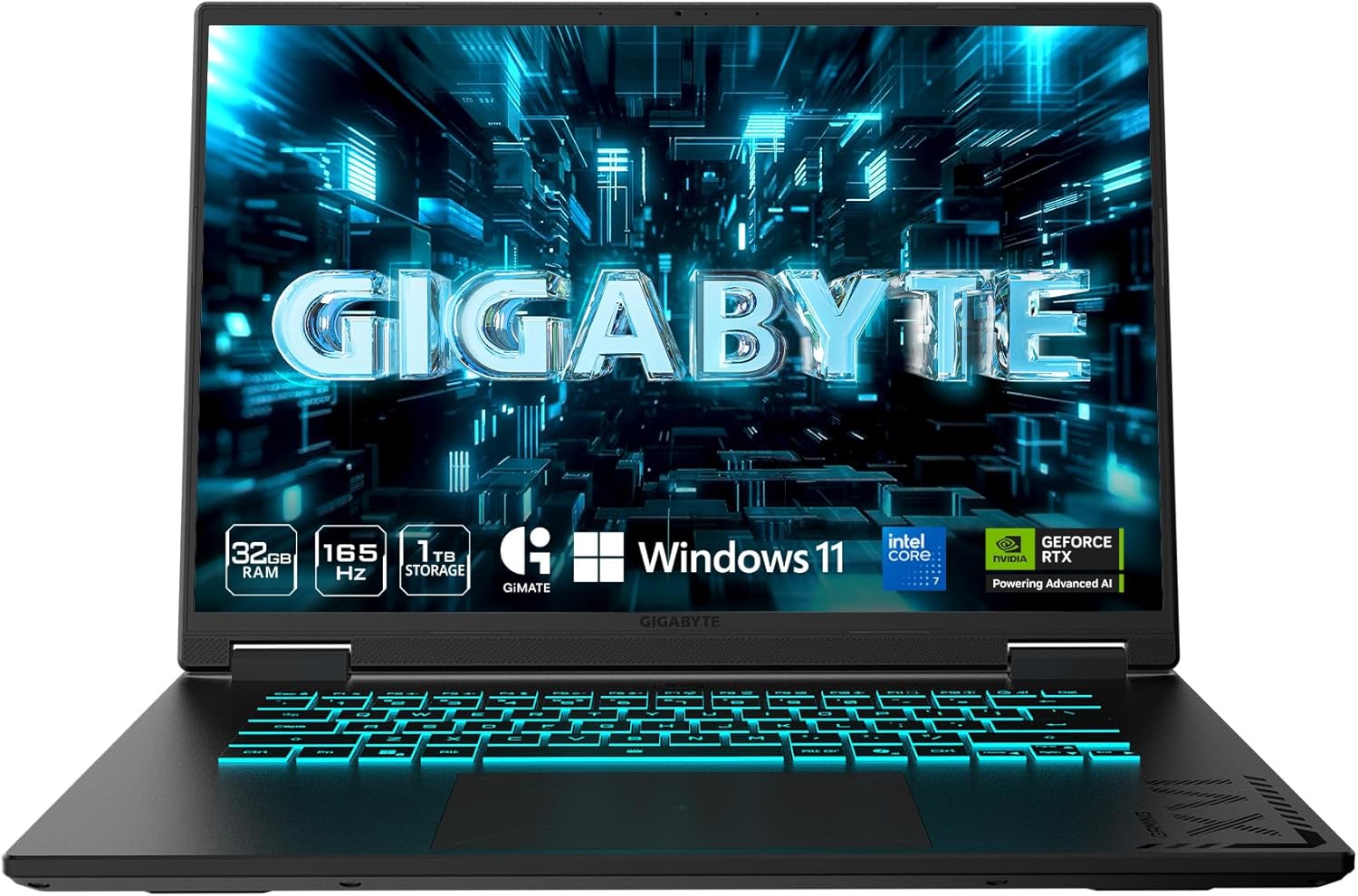
- memory Intel Core Ultra 7 240H
- developer_board NVIDIA GeForce RTX 5070 Ti Laptop GPU
- layers 32GB LPDDR5X 5600MHz
- track_changes Target GPU: NVIDIA GeForce RTX 4080 / AMD Radeon RX 7900 XTX

- memory Intel Core Ultra 9 275HX
- developer_board GeForce RTX 5070 Laptop Laptop GPU
- layers 64GB DDR5-6400MHz (Single-Channel)
- track_changes Target GPU: NVIDIA GeForce RTX 4080 / AMD Radeon RX 7900 XTX

- memory Intel Core Ultra 9 275HX
- developer_board NVIDIA GeForce RTX 5070 Ti
- layers 32GB
- track_changes Target GPU: NVIDIA GeForce RTX 4080 / AMD Radeon RX 7900 XTX

- memory Intel Core Ultra 9 275HX
- developer_board NVIDIA GeForce RTX 5070 Ti Laptop GPU
- layers 32 GB DDR5 6400MHz (2x16GB)
- track_changes Target GPU: NVIDIA GeForce RTX 4080 / AMD Radeon RX 7900 XTX
For Uncharted 4: A Thief End Specifically
- memory Intel Core i9-14900HX
- developer_board NVIDIA GeForce RTX 4060
- layers 32GB DDR5-5600MHz
- track_changes Target GPU: NVIDIA GeForce GTX 960 (4GB) or AMD Radeon R9 290X (4GB)
- memory AMD Ryzen 7 7435HS
- developer_board NVIDIA GeForce RTX 3050
- layers 32GB DDR5-4800MHz
- track_changes Target GPU: NVIDIA GeForce GTX 960 (4GB) or AMD Radeon R9 290X (4GB)
- memory Intel Core i9-14900HX
- developer_board NVIDIA GeForce RTX 4070
- layers 32GB DDR5-5600MHz
- track_changes Target GPU: NVIDIA GeForce GTX 960 (4GB) or AMD Radeon R9 290X (4GB)
- memory Intel Core i9-14900HX
- developer_board NVIDIA GeForce RTX 4070
- layers 16GB DDR5-5600MHz
- track_changes Target GPU: NVIDIA GeForce GTX 960 (4GB) or AMD Radeon R9 290X (4GB)
- memory Intel Core Ultra 7 255H
- developer_board NVIDIA GeForce RTX 5060 Laptop GPU
- layers 16GB DDR5-5600MHz (Dual-Channel)
- track_changes Target GPU: NVIDIA GeForce GTX 960 (4GB) or AMD Radeon R9 290X (4GB)
- memory AMD Ryzen 9 8940HX Processor
- developer_board NVIDIA GeForce RTX 5060 Laptop GPU
- layers 32GB DDR5-5200MHz
- track_changes Target GPU: NVIDIA GeForce GTX 960 (4GB) or AMD Radeon R9 290X (4GB)
- memory AMD Ryzen 7 7445HS
- developer_board NVIDIA GeForce RTX 4050
- layers 16GB (2x8GB) DDR5 5600MHz SO-DIMM
- track_changes Target GPU: NVIDIA GeForce GTX 960 (4GB) or AMD Radeon R9 290X (4GB)
- memory AMD Ryzen 7 7445HS
- developer_board NVIDIA GeForce RTX 4050
- layers 16GB DDR5 5600MHz SO-DIMM
- track_changes Target GPU: NVIDIA GeForce GTX 960 (4GB) or AMD Radeon R9 290X (4GB)
- memory Intel Core i9-14900HX
- developer_board NVIDIA GeForce RTX 4080 Laptop GPU
- layers 64 GB DDR5-5600MHz
- track_changes Target GPU: NVIDIA GeForce GTX 960 (4GB) or AMD Radeon R9 290X (4GB)
- memory Intel Core Ultra 9 Processor 275HX (Series 2)
- developer_board NVIDIA GeForce RTX 5070 Laptop GPU
- layers 32GB DDR5-5600MHz
- track_changes Target GPU: NVIDIA GeForce GTX 960 (4GB) or AMD Radeon R9 290X (4GB)
- memory Intel Core i7-12700H
- developer_board NVIDIA GeForce RTX 3070
- layers 32GB DDR4-3200MHz
- track_changes Target GPU: NVIDIA GeForce GTX 1060 (6GB) or AMD Radeon RX 570 (4GB)
- memory Intel Core i9-13900H
- developer_board NVIDIA GeForce RTX 4060
- layers 16GB DDR5-5200MHz
- track_changes Target GPU: NVIDIA GeForce GTX 1060 (6GB) or AMD Radeon RX 570 (4GB)
- memory Intel Core i9-14900HX
- developer_board NVIDIA GeForce RTX 4060
- layers 32GB DDR5-5600MHz
- track_changes Target GPU: NVIDIA GeForce GTX 1060 (6GB) or AMD Radeon RX 570 (4GB)
- memory Intel Core i9-12900H
- developer_board NVIDIA GeForce RTX 3070 Ti
- layers 16GB DDR5-4800MHz
- track_changes Target GPU: NVIDIA GeForce GTX 1060 (6GB) or AMD Radeon RX 570 (4GB)
- memory Intel Core i5-12450H
- developer_board NVIDIA GeForce RTX 3050
- layers 16GB DDR4-3200MHz
- track_changes Target GPU: NVIDIA GeForce GTX 1060 (6GB) or AMD Radeon RX 570 (4GB)
- memory Intel Core i5-12500H
- developer_board NVIDIA GeForce RTX 3050 Ti
- layers 16GB DDR4-3200MHz
- track_changes Target GPU: NVIDIA GeForce GTX 1060 (6GB) or AMD Radeon RX 570 (4GB)
- memory AMD Ryzen 7 7435HS
- developer_board NVIDIA GeForce RTX 3050
- layers 32GB DDR5-4800MHz
- track_changes Target GPU: NVIDIA GeForce GTX 1060 (6GB) or AMD Radeon RX 570 (4GB)
- memory AMD Ryzen 7 6800H
- developer_board NVIDIA GeForce RTX 3060
- layers 16GB DDR5-4800MHz
- track_changes Target GPU: NVIDIA GeForce GTX 1060 (6GB) or AMD Radeon RX 570 (4GB)
- memory AMD Ryzen 9 5900HS
- developer_board NVIDIA GeForce RTX 3080
- layers 16GB DDR4-3200MHz
- track_changes Target GPU: NVIDIA GeForce GTX 1060 (6GB) or AMD Radeon RX 570 (4GB)
- memory Intel Core i7-13620H
- developer_board NVIDIA GeForce RTX 4070
- layers 16GB DDR5-4800MHz
- track_changes Target GPU: NVIDIA GeForce GTX 1060 (6GB) or AMD Radeon RX 570 (4GB)
- memory AMD Ryzen 9 8940HX Processor
- developer_board NVIDIA GeForce RTX 5060 Laptop GPU
- layers 32GB DDR5-5200MHz
- track_changes Target GPU: NVIDIA GeForce RTX 2070 (8GB) or AMD Radeon RX 5700 XT (8GB)
- memory AMD Ryzen 7 7445HS
- developer_board NVIDIA GeForce RTX 4050
- layers 16GB (2x8GB) DDR5 5600MHz SO-DIMM
- track_changes Target GPU: NVIDIA GeForce RTX 2070 (8GB) or AMD Radeon RX 5700 XT (8GB)
- memory AMD Ryzen 7 7445HS
- developer_board NVIDIA GeForce RTX 4050
- layers 16GB DDR5 5600MHz SO-DIMM
- track_changes Target GPU: NVIDIA GeForce RTX 2070 (8GB) or AMD Radeon RX 5700 XT (8GB)

- memory AMD Ryzen 9 7845HX
- developer_board NVIDIA GeForce RTX 4080
- layers Up to 64GB DDR5
- track_changes Target GPU: NVIDIA GeForce RTX 2070 (8GB) or AMD Radeon RX 5700 XT (8GB)
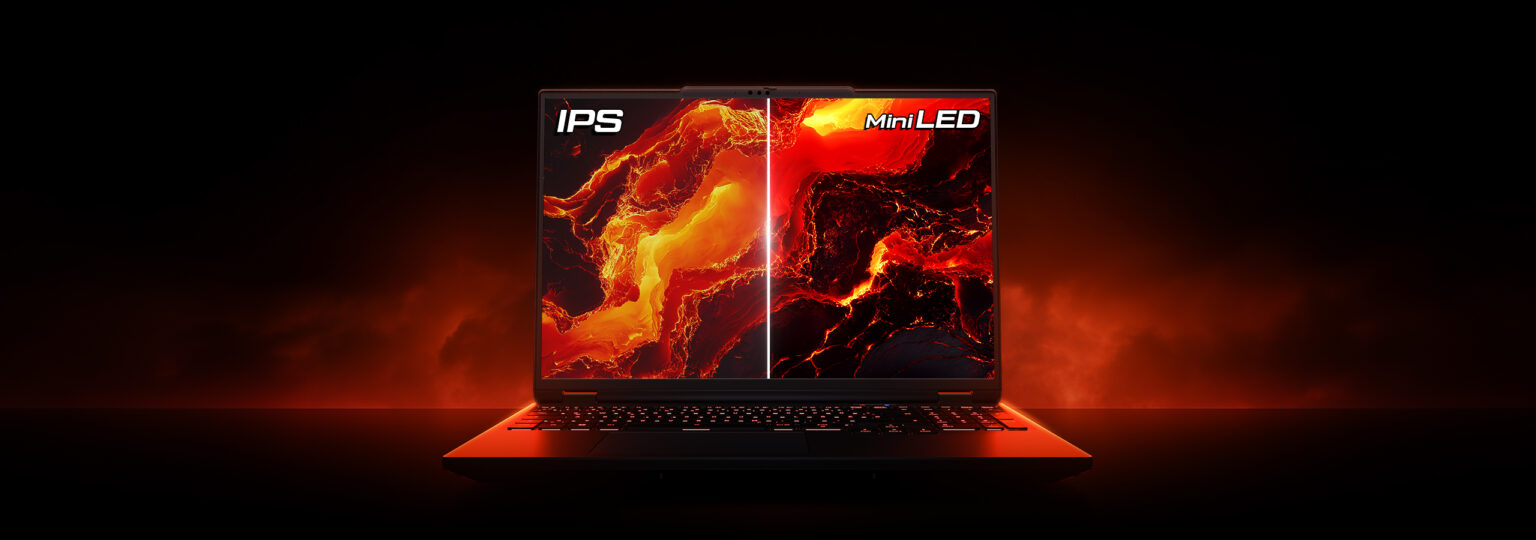
- memory AMD Ryzen 9 9955HX
- developer_board NVIDIA GeForce RTX 5070 Ti Laptop GPU
- layers 64GB DDR5-5600MHz (Dual-Channel)
- track_changes Target GPU: NVIDIA GeForce RTX 2070 (8GB) or AMD Radeon RX 5700 XT (8GB)
- memory AMD Ryzen 7 7435HS
- developer_board NVIDIA GeForce RTX 3050
- layers 32GB DDR5-4800MHz
- track_changes Target GPU: NVIDIA GeForce RTX 3080 (10GB) or AMD Radeon RX 6800 (16GB)
- memory AMD Ryzen 7 6800H
- developer_board NVIDIA GeForce RTX 3060
- layers 16GB DDR5-4800MHz
- track_changes Target GPU: NVIDIA GeForce RTX 3080 (10GB) or AMD Radeon RX 6800 (16GB)
- memory AMD Ryzen 9 5900HS
- developer_board NVIDIA GeForce RTX 3080
- layers 16GB DDR4-3200MHz
- track_changes Target GPU: NVIDIA GeForce RTX 3080 (10GB) or AMD Radeon RX 6800 (16GB)
- memory Intel Core i7-13620H
- developer_board NVIDIA GeForce RTX 4070
- layers 16GB DDR5-4800MHz
- track_changes Target GPU: NVIDIA GeForce RTX 3080 (10GB) or AMD Radeon RX 6800 (16GB)
- memory Intel Core i7-14700HX
- developer_board NVIDIA GeForce RTX 4070
- layers 16GB DDR5-5600MHz
- track_changes Target GPU: NVIDIA GeForce RTX 3080 (10GB) or AMD Radeon RX 6800 (16GB)
- memory Intel Core i9-14900HX
- developer_board NVIDIA GeForce RTX 4070
- layers 32GB DDR5-5600MHz
- track_changes Target GPU: NVIDIA GeForce RTX 3080 (10GB) or AMD Radeon RX 6800 (16GB)
- memory Intel Core i9-14900HX
- developer_board NVIDIA GeForce RTX 4070
- layers 16GB DDR5-5600MHz
- track_changes Target GPU: NVIDIA GeForce RTX 3080 (10GB) or AMD Radeon RX 6800 (16GB)
- memory Intel Core Ultra 7 255H
- developer_board NVIDIA GeForce RTX 5060 Laptop GPU
- layers 16GB DDR5-5600MHz (Dual-Channel)
- track_changes Target GPU: NVIDIA GeForce RTX 3080 (10GB) or AMD Radeon RX 6800 (16GB)
- memory AMD Ryzen 9 8940HX Processor
- developer_board NVIDIA GeForce RTX 5060 Laptop GPU
- layers 32GB DDR5-5200MHz
- track_changes Target GPU: NVIDIA GeForce RTX 3080 (10GB) or AMD Radeon RX 6800 (16GB)
- memory Intel Core i9-12950HX
- developer_board NVIDIA GeForce RTX 3080 Ti
- layers 32GB DDR5-4800MHz
- track_changes Target GPU: NVIDIA GeForce RTX 3080 (10GB) or AMD Radeon RX 6800 (16GB)
- memory Intel Core Ultra 9 285H (Series 2) , 14 cores (6 Performance cores + 8 Efficient cores), 20 threads
- developer_board NVIDIA GeForce RTX 5050 Laptop GPU
- layers 32GB (2x16GB) DDR5 8400MHz SO-DIMM
- track_changes Target GPU: NVIDIA GeForce RTX 4080 (16GB) or AMD Radeon RX 7900 XTX (24GB)
- memory Intel Core Ultra 9 285H
- developer_board NVIDIA GeForce RTX 5070
- layers 32GB (2x16GB) DDR5 4800MHz SO-DIMM
- track_changes Target GPU: NVIDIA GeForce RTX 4080 (16GB) or AMD Radeon RX 7900 XTX (24GB)
- memory Intel Core i9-14900HX Processor
- developer_board NVIDIA GeForce RTX 5070 Ti Laptop GPU
- layers 64GB DDR5-5600MHz (commonly listed as 4800MHz by some retailers, but 5600MHz is common for 14th Gen HX with DDR5)
- track_changes Target GPU: NVIDIA GeForce RTX 4080 (16GB) or AMD Radeon RX 7900 XTX (24GB)
- memory Intel Core Ultra 9 Processor 275HX
- developer_board NVIDIA GeForce RTX 5070 Ti Laptop GPU
- layers 64GB DDR5-6400MHz
- track_changes Target GPU: NVIDIA GeForce RTX 4080 (16GB) or AMD Radeon RX 7900 XTX (24GB)
- memory Intel Core Ultra 9 Processor 275HX (Series 2)
- developer_board NVIDIA GeForce RTX 5070 Ti Laptop GPU
- layers 32GB DDR5-5600MHz
- track_changes Target GPU: NVIDIA GeForce RTX 4080 (16GB) or AMD Radeon RX 7900 XTX (24GB)
- memory Intel Ultra 7 255HX
- developer_board NVIDIA GeForce RTX 5070 Ti
- layers 32GB DDR5 5600MHz
- track_changes Target GPU: NVIDIA GeForce RTX 4080 (16GB) or AMD Radeon RX 7900 XTX (24GB)
- memory Intel Core Ultra 7 240H
- developer_board NVIDIA GeForce RTX 5070 Ti Laptop GPU
- layers 32GB LPDDR5X 5600MHz
- track_changes Target GPU: NVIDIA GeForce RTX 4080 (16GB) or AMD Radeon RX 7900 XTX (24GB)
- memory Intel Core Ultra 9 275HX
- developer_board GeForce RTX 5070 Laptop Laptop GPU
- layers 64GB DDR5-6400MHz (Single-Channel)
- track_changes Target GPU: NVIDIA GeForce RTX 4080 (16GB) or AMD Radeon RX 7900 XTX (24GB)
- memory Intel Core Ultra 9 275HX
- developer_board NVIDIA GeForce RTX 5070 Ti
- layers 32GB
- track_changes Target GPU: NVIDIA GeForce RTX 4080 (16GB) or AMD Radeon RX 7900 XTX (24GB)
- memory Intel Core Ultra 9 275HX
- developer_board NVIDIA GeForce RTX 5070 Ti Laptop GPU
- layers 32 GB DDR5 6400MHz (2x16GB)
- track_changes Target GPU: NVIDIA GeForce RTX 4080 (16GB) or AMD Radeon RX 7900 XTX (24GB)
info_outline Laptop recommendations are estimates based on available component benchmarks and game requirements. Actual performance may vary depending on settings, drivers, cooling, power limits, etc. Prices and availability subject to change. As an Amazon Associate, we earn from qualifying purchases.