Select Games to Compare
Benchmark your exact mobile GPU wattage (TGP), battery throttling drops, and cooling pad requirements for these games.
Son of Thanjai vs The Last of Us Part II
| close | close |
|---|---|
| shopping_cart Where to Buy | |
| info General Information | |
| Release Date | |
| Apr 15, 2027 | Jun 19, 2020 |
| Developer | |
| Ayelet Studio | Naughty Dog |
| Publisher | |
| Ayelet Studio | Sony Interactive Entertainment |
| Genre(s) | |
| Cinematic Action-Adventure | Action-Adventure, Survival Horror, Third-Person Shooter, Stealth |
| Engine | |
| Unreal Engine 5 | Naughty Dog Game Engine (Proprietary, evolved from The Last of Us Part I) |
| stars Ratings & Price | |
| Content Rating | |
| M | Mature 17+ |
| Avg. User Rating | |
| 4.8 / 5.0 | 4.7 / 5.0 |
| Current Price (USD) | |
| $69.99 | $49.99 |
| tune Key Specs | |
| Quick Highlights | |
|
|
| sports_esports Gameplay & Mechanics | |
| Companions/Followers | |
|
|
| Key Collectibles | |
|
|
| Key Themes | |
|
|
| colorize Combat & Gear | |
| Weapons Overview | |
|
|
| Armor / Gear Sets | |
|
|
| Outfits/Customization | |
|
|
| trending_up Progression & Upgrades | |
| Skills & Progression | |
|
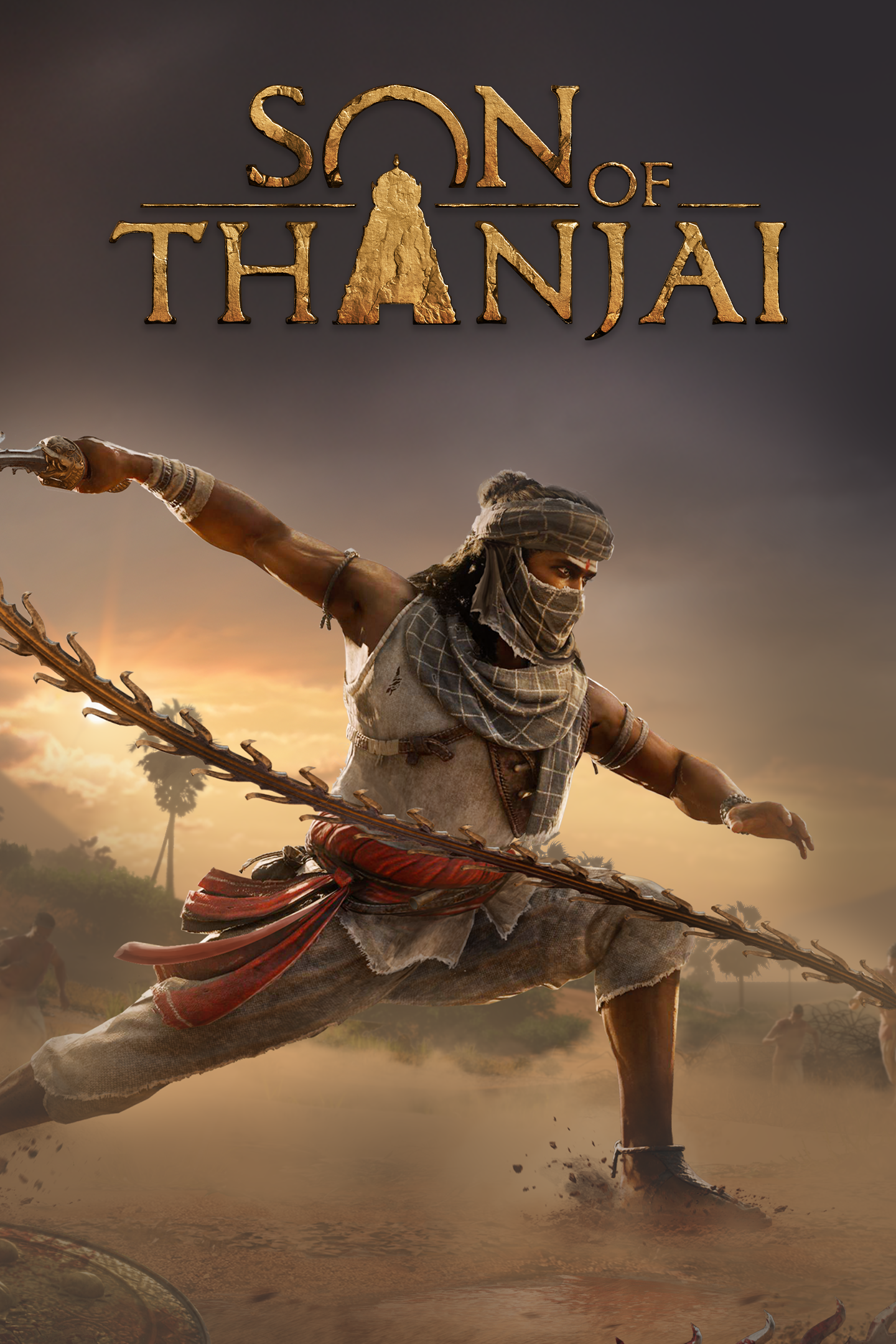
Character progression in Son of Thanjai subverts traditional skill trees by prioritizing psychological dominance, tactical intelligence, and fear weaponization over mere physical stat boosts. The core of the upgrade system revolves around mastering Kalaripayattu-inspired martial arts and the Surul Vaal flexible whip-sword. Instead of just increasing damage, players unlock abilities to manipulate the innovative 'Fear System.' Skill upgrades allow Vinnendhiran to execute brutal takedowns that instantly shatter enemy morale, causing veteran soldiers to break formation and flee. Additionally, players can invest in espionage and social stealth skills, improving their ability to eavesdrop, steal passwords, and utilize disguises. The 'Mindmap' upgrade paths enhance the player's capacity to connect geopolitical clues and turn rival factions against one another. |
N/A |
| public World & Exploration | |
| World & Level Design | |
|
The game's open-world cartography is deeply influenced by the ancient Tamil literary concept of 'Tinai,' linking geographic landscapes to specific human emotions and cultural identities. The world is segmented into five massive macro-regions: Thanjai, the bustling and densely congested capital city ideal for social stealth; The Kaveri Farmlands, featuring fertile river plains and sweeping monsoon rains for horseback exploration; The Open Road, dangerous frontier pathways teeming with bandit ambushes; The Paalai, an arid desert waste presenting severe survival challenges; and Temples & Ruins, half-ruined ancient structures deep in the hills offering complex vertical exploration. Utilizing advanced photogrammetry of real Thanjavur artifacts, the world feels dynamically alive with NPCs pursuing independent daily routines, from dawn prayers to evening markets. |
N/A |
| Playable Vehicles | |
|
|
| Notable Fauna/Mounts | |
|
N/A |
| book Story & Characters | |
| Main Characters | |
|
|
| Example Missions | |
|
|
| people Multiplayer | |
| Multiplayer Details | |
|
Son of Thanjai is an uncompromising, single-player cinematic action-adventure game, and it does not feature any multiplayer, co-op, or competitive online modes. Ayelet Studio’s 'Craft Over Clout' manifesto dictated a laser focus on delivering a deeply personal, high-fidelity narrative experience. The intricate 'Fear System' and Kalaripayattu combat mechanics are meticulously balanced around a solitary protagonist facing overwhelming odds. Introducing cooperative or competitive multiplayer would fundamentally undermine the psychological tension, stealth espionage, and narrative isolation of Vinnendhiran's exile. By omitting multiplayer, the studio redirected all engineering resources toward polishing the Unreal Engine 5 environment and branching narrative. |
A standalone multiplayer game set in The Last of Us universe (reportedly titled 'The Last of Us Online') was in development but was later announced to be canceled or significantly re-evaluated by Naughty Dog. The Last of Us Part II itself is a purely single-player experience. |
| extension Editions & DLC | |
| Available Editions | |
|
Ayelet Studio and Microsoft have orchestrated a highly strategic launch plan, confirming that Son of Thanjai will be available on Day One via Xbox Game Pass and PC Cloud. This completely removes the traditional $70 premium barrier for millions of players. However, datamined backend leaks from the Epic Games Store reveal that standard premium purchases will be accompanied by robust Deluxe and Ultimate Editions. Players investing in the premium Deluxe Edition can expect exclusive digital and tangible incentives, including legacy Chola armor cosmetic skins, an ornate Surul Vaal variant, a digital art book highlighting the team's intricate photogrammetry process, and the original Kosai Nagaran soundtrack. These tiered editions are designed to maximize revenue and reward dedicated fans. |
Available in Standard Edition, Special Edition (SteelBook, art book), Collector's Edition (Ellie statue, bracelet, art book, lithograph, pins, stickers, digital content), and Ellie Edition (Collector's content + Ellie's backpack replica, soundtrack vinyl). A PS5 remaster, 'The Last of Us Part II Remastered,' was released in January 2024, including graphical enhancements, new modes like 'No Return' (roguelike survival), Guitar Free Play, Lost Levels with developer commentary, and DualSense integration. |
| Post-Launch Content / DLC | |
|
The post-launch lifecycle for Son of Thanjai looks exceptionally robust, indicating Ayelet Studio's long-term commitment to the intellectual property. Backend leaks from the Epic Games Store roadmap for 2027 strongly suggest the presence of a 'Season Pass' or expansion DLC framework. Industry analysts project that this post-launch support will stretch well into 2028, potentially introducing entirely new regional maps extending beyond the Kaveri Farmlands, extensive narrative side-quests involving rival empires, and new weapon archetypes. This expansion strategy mirrors successful AAA titles, providing significant post-campaign content that delves deeper into the intricate political landscape and alternate history of the Chola dynasty without relying on live-service microtransactions. |
No major story DLC was released for The Last of Us Part II. The primary post-launch addition was the 'No Return' roguelike survival mode, new skins, and Lost Levels included in 'The Last of Us Part II Remastered'. The original game received updates for difficulty modes (Grounded) and accessibility. |
| help_outline FAQ | |
| Frequently Asked Questions | |
|
|
| build Technical Details | |
| Graphics & Visual Fidelity | |
|
Built natively on Epic Games' Unreal Engine 5, Son of Thanjai pushes the boundaries of photorealism and historical recreation. Ayelet Studio utilized the engine's proprietary Nanite virtualized geometry and Lumen global illumination to render the crumbling ruins and dense jungles of the Chola Empire with staggering detail. The studio employed advanced photogrammetry, physically scanning 11th-century sculptures and architecture in modern Thanjavur to ensure absolute historical accuracy. Character animations are incredibly fluid, captured at the in-house 'Ayelet Labs' using OptiTrack PrimeX 13 cameras with real Kalaripayattu martial artists. On PlayStation 5 Pro, the game leverages PSSR AI upscaling and hardware-accelerated ray tracing to deliver a rock-solid 60fps at 4K Ultra HD. |
Powered by an advanced version of Naughty Dog's proprietary engine, The Last of Us Part II is renowned for its groundbreaking graphics, particularly its incredibly detailed character models, lifelike animations (especially facial animations), and meticulously crafted, dense environments. Features advanced lighting, realistic weather effects, and a stunning level of environmental detail and decay. The PS5 Remastered version offers enhanced fidelity, native 4K, and higher framerate options. |
| Audio & Soundtrack | |
|
The acoustic landscape of Son of Thanjai is a masterclass in cultural authenticity and linguistic sovereignty. The game features full Tamil audio as its primary language track, preserving the historical idioms and emotional resonance of the 11th-century Chola Empire. The original score is composed in collaboration with Kosai Nagaran, a collective dedicated to preserving ancient Tamil instruments. Recorded at The Mystic's Room studio in Chennai, the soundtrack eschews generic Western orchestral swells for percussive, period-accurate instrumentation. Additionally, the game utilizes advanced 3D spatial audio (including Dolby Atmos support), which is crucial for the demanding stealth mechanics, allowing players to precisely locate off-screen guard patrols and ambient environmental cues. |
Original score composed by Gustavo Santaolalla (returning from Part I) with contributions from Mac Quayle for more intense combat/Abby segments. The music is deeply emotional, often melancholic, featuring acoustic guitar, strings, and ambient textures that perfectly underscore the game's tone. Sound design is incredibly realistic and impactful, crucial for stealth (enemy callouts, footsteps), combat (visceral weapon sounds, infected screeches), and environmental immersion. |
| User Interface (UI/UX) | |
|
The User Interface of Son of Thanjai is highly minimalist and grounded, deliberately omitting standard action-game crutches. There are no magical instincts, glowing enemy outlines, or automated objective markers guiding the player. Tactical information must be actively earned through observation, eavesdropping, and interrogation. The centerpiece of the UI is the 'Mindmap' mechanic. This interface allows players to pause time to review collected clues and connect geopolitical dots, but it strictly restricts itself to information the player has organically discovered in the world. Health and stamina meters dynamically fade during exploration to maximize immersion in the Chola Empire, ensuring that the breathtaking photogrammetric environments remain the absolute focus of the player's screen. |
Features an immersive and minimalistic HUD. Health is often indicated by screen effects and character animations rather than a persistent bar (though one can be enabled). Ammo count and equipped items are displayed contextually. Crafting and upgrade menus are accessed through Ellie's/Abby's backpack. Listen Mode highlights enemies through walls. The UI is designed to keep players immersed in the world. |
| Accessibility Options | |
|
Ayelet Studio has implemented a comprehensive suite of accessibility options to ensure the punishing psychological combat remains inclusive. The game features nine core accessibility pillars, including 'Clear Text' for enhanced UI contrast and 'Visual Comfort' toggles to disable screen shake and motion blur, preventing motion sickness. Auditory options include granular volume controls, 'Mono Audio' for players with unilateral hearing loss, and full '3D Audio' for spatial awareness. The game is entirely playable without subtitles via strong visual cues, but also offers highly legible standardized subtitles. Finally, an 'Adjustable Difficulty' setting allows players to tweak enemy aggression and parry timing windows to suit their individual cognitive and motor needs. |
Naughty Dog set a new industry standard for accessibility with Part II, offering over 60 options. These include comprehensive control remapping, extensive subtitle/caption customization, options for visual aids (high contrast mode, screen magnifier, traversal/combat audio cues), navigation and traversal assistance, options to skip puzzles, combat accessibility (invisible while prone, reduced enemy perception/accuracy, auto-pickup), and text-to-speech/speech-to-text features. |
| video_library Media Links | |
| Gameplay Video | |
| launchWatch | launchWatch |
| Walkthrough/Guide | |
| launchView | launchView |
| settings_applications System Requirements | |
| 1080p (Full HD) - Minimum (Low-Medium Preset, 30 FPS) CPU: Baseline 6-core processor required for the systemic AI routines and dense NPC crowds. CPU (Laptop): Capable of handling basic physics calculations but may struggle in highly congested areas. GPU: Provides baseline hardware support for UE5's rendering pipeline when paired with upscaling. GPU (Laptop): Entry-level ray tracing capabilities; heavily reliant on DLSS Performance mode. RAM: Mandatory to prevent stuttering while the game loads massive uncompressed textures into memory. Storage: SATA SSD is acceptable, though PCIe NVMe is preferred. | |
memoryCPU: Intel Core i5-10400 / AMD Ryzen 5 3600 developer_boardGPU: NVIDIA GeForce RTX 2060 / AMD Radeon RX 5600 XT laptop_macCPU (L): Intel Core i5-11400H / AMD Ryzen 5 5600H laptop_windowsGPU (L): NVIDIA GeForce RTX 3050 Ti (High TGP) layersRAM: 16 GB saveStorage (Tier): 50 GB SSD | — |
| 1080p (Full HD) - Recommended (Estimated 1080p ~60 FPS, High Preset, Upscaling often needed) (High Preset, Upscaling (DLSS/FSR Quality/Balanced)) CPU: Estimated recommended desktop CPU for 1080p/60FPS High. CPU (Laptop): High-end laptop CPUs. GPU: Estimated recommended desktop GPU for 1080p/60FPS High. GPU (Laptop): High-end laptop GPUs. 8GB+ VRAM critical. RAM: 16GB minimum, 32GB strongly recommended. Storage: NVMe SSD strongly recommended. | |
| — | memoryCPU: Intel Core i7-9700K or AMD Ryzen 7 3700X (Estimated) developer_boardGPU: NVIDIA GeForce RTX 2080 Super (8GB) / RTX 3070 (8GB) or AMD Radeon RX 6800 (16GB) (Estimated) laptop_macCPU (L): Intel Core i7-10875H / AMD Ryzen 7 5800H or better. **Modern Intel Core i7/i9 H/HX / AMD Ryzen 7/9 H/HX series.** laptop_windowsGPU (L): NVIDIA GeForce RTX 3070 Ti Mobile (8GB, Max TGP) / RTX 4070 Mobile (8GB, Max TGP). **An RTX 3080 Mobile or RTX 4080 Mobile would provide a more consistent experience.** layersRAM: 16 GB saveStorage (Tier): 100 GB NVMe SSD |
| 1080p (Full HD) - Minimum (Estimated 1080p ~30 FPS, Medium Preset, Upscaling likely needed) (Medium Preset, Upscaling (DLSS/FSR Quality)) CPU: Estimated minimum desktop CPU for a stable experience. CPU (Laptop): Estimated mid-range to high-end laptop CPU. GPU: Estimated minimum desktop GPU. GPU (Laptop): Estimated capable laptop GPUs. 8GB VRAM strongly recommended. RAM: 16GB RAM would be essential. Storage: NVMe SSD mandatory. | |
| — | memoryCPU: Intel Core i7-7700K or AMD Ryzen 5 3600 (Estimated) developer_boardGPU: NVIDIA GeForce GTX 1070 (8GB) / RTX 2060 (6GB) or AMD Radeon RX 5700 (8GB) (Estimated) laptop_macCPU (L): Intel Core i7-9750H / AMD Ryzen 7 4800H equivalent or better (Estimated) laptop_windowsGPU (L): NVIDIA GeForce RTX 2070 Mobile (8GB) / RTX 3060 Mobile (6GB, High TGP). **An RTX 3070 Mobile or RTX 4060 Mobile would be a better target.** layersRAM: 16 GB saveStorage (Tier): 100 GB NVMe SSD |
| 1440p (QHD/2K) - High Performance (Estimated 1440p ~60 FPS, High/Ultra Preset, Upscaling crucial) (High/Ultra Preset, Upscaling (DLSS/FSR Quality/Balanced)) CPU: CPU for 1440p/60FPS High/Ultra. CPU (Laptop): Top-tier laptop CPU. GPU: Desktop GPU for 1440p/60FPS High/Ultra. Upscaling essential. GPU (Laptop): Flagship laptop GPUs. 12GB+ VRAM critical. RAM: 32GB RAM essential for smoother 1440p high settings. Storage: NVMe SSD required. | |
| — | memoryCPU: Intel Core i9-9900K or AMD Ryzen 7 5800X3D (Estimated) developer_boardGPU: NVIDIA GeForce RTX 3080 (10GB) / RTX 4070 Ti (12GB) or AMD Radeon RX 6900 XT (16GB) / RX 7900 XT (20GB) (Estimated) laptop_macCPU (L): Intel Core i9-11980HK / AMD Ryzen 9 5900HX or better. **Modern flagship Intel/AMD HX series.** laptop_windowsGPU (L): NVIDIA GeForce RTX 3080 Ti Mobile (16GB, Max TGP) / RTX 4080 Mobile (12GB, Max TGP). **An RTX 4090 Mobile would be better.** layersRAM: 16 GB saveStorage (Tier): 100 GB NVMe SSD |
| 1440p (QHD/2K) - Recommended (High Preset, 60 FPS (DLSS/FSR Balanced)) CPU: High single-core performance ensures smooth frame pacing during complex Kalaripayattu combat animations. CPU (Laptop): Robust multi-threading keeps up with the demanding Chaos physics engine during monsoon weather. GPU: Ample VRAM and raw rasterization power to drive Lumen reflections and high-res textures. GPU (Laptop): Provides excellent 1440p performance with DLSS set to Quality or Balanced. RAM: Standard requirement for stable memory pooling. Storage: Essential for high-speed asset streaming during rapid horseback traversal. | |
memoryCPU: Intel Core i7-12700K / AMD Ryzen 7 5800X developer_boardGPU: NVIDIA GeForce RTX 3070 / AMD Radeon RX 6700 XT laptop_macCPU (L): Intel Core i7-12700H / AMD Ryzen 7 6800H laptop_windowsGPU (L): NVIDIA GeForce RTX 3080 Laptop GPU layersRAM: 16 GB saveStorage (Tier): 50 GB NVMe SSD | — |
| 2160p (UHD/4K) - Ultra (Epic Preset, 60 FPS (DLSS/FSR Quality)) CPU: Ensures zero bottlenecking, allowing the GPU to fully focus on 4K Nanite rendering. CPU (Laptop): Desktop-grade performance in a mobile chassis handles peak AI and physics loads flawlessly. GPU: Powers uncompromising 4K visuals, full ray-tracing, and cinematic post-processing. GPU (Laptop): The only mobile tier capable of raw 4K UE5 performance at maximum settings. RAM: Provides massive headroom for high-resolution texture caches and background OS processes. Storage: Maximum read speeds completely eliminate pop-in and ensure instantaneous transitions. | |
memoryCPU: Intel Core i9-13900K / AMD Ryzen 9 7900X developer_boardGPU: NVIDIA GeForce RTX 4080 / AMD Radeon RX 7900 XTX laptop_macCPU (L): Intel Core i9-13980HX / AMD Ryzen 9 7945HX laptop_windowsGPU (L): NVIDIA GeForce RTX 4090 Laptop GPU layersRAM: 32 GB saveStorage (Tier): 50 GB Gen4 NVMe SSD | — |
| 2160p (UHD/4K) - Ultimate (Estimated 2160p/4K ~60 FPS, High/Ultra Preset, Aggressive Upscaling Required) (High/Ultra Preset, Upscaling (DLSS/FSR Performance/Ultra Performance + Frame Generation if available)) CPU: Flagship CPU for attempting 4K/60FPS Ultimate. CPU (Laptop): Absolute flagship laptop CPUs. GPU: Flagship desktop GPU for 4K Ultimate, heavily reliant on DLSS/FSR with Frame Generation. GPU (Laptop): The absolute best laptop GPU, will be pushed to its absolute limits. Aggressive upscaling mandatory. RAM: 32GB RAM highly recommended for 4K Ultimate. Storage: NVMe SSD required. | |
| — | memoryCPU: Intel Core i9-13900K or AMD Ryzen 9 7950X3D (Estimated) developer_boardGPU: NVIDIA GeForce RTX 4090 (24GB) or AMD Radeon RX 7900 XTX (24GB) (Estimated) laptop_macCPU (L): Intel Core i9-13980HX/14900HX / AMD Ryzen 9 7945HX3D (Estimated) laptop_windowsGPU (L): NVIDIA GeForce RTX 4090 Mobile (16GB, Max TGP). **Even this will be extremely challenged. A hypothetical next-gen flagship (e.g., RTX 5090 Mobile or AMD equivalent) would be the target for a more comfortable 4K experience with high settings. (Highly Speculative)** layersRAM: 32 GB saveStorage (Tier): 100 GB NVMe SSD |
| save Overall Storage | |
Spec: 50 GB available space (SSD highly recommended) Note: Fast NVMe SSD is crucial for streaming high-fidelity photogrammetry assets and eliminating load screens between Tinai regions. Type: SSD | Spec: 100 GB available space (NVMe SSD Required) (Speculative). Note: An NVMe SSD would be mandatory for the best experience due to extreme asset detail and streaming demands. Type: NVMe |
| desktop_windows Operating System | |
| Spec: Windows 11 (64-bit required) Explanation: Ensures full compatibility with DirectX 12 Ultimate and advanced memory management for seamless open-world streaming. | Spec: Windows 10 64-bit (Version 1909 or newer) / Windows 11 (Speculative) Explanation: 64-bit Windows 10/11 would be required. |
| gamepad DirectX Version | |
| Spec: DirectX 12 Explanation: Required for hardware-accelerated ray tracing, Lumen global illumination, and efficient Nanite rendering. | Spec: DirectX 12 (Speculative) Explanation: DirectX 12 API would likely be required. |
| info_outline Other Game Notes | |
|
|
| build Optimization Details | |
|
|
| laptop Laptop Considerations | |
|
|

info_outline Feature details based on available data. System requirements and performance estimates may vary.
laptop_chromebook Laptop Recommendations
Common Recommendations (Handles All Compared Games)

- memory AMD Ryzen 9 5900HS
- developer_board NVIDIA GeForce RTX 3080
- layers 16GB DDR4-3200MHz
- track_changes Target GPU: NVIDIA GeForce RTX 3050 Ti (High TGP)

- memory Intel Core i7-13620H
- developer_board NVIDIA GeForce RTX 4070
- layers 16GB DDR5-4800MHz
- track_changes Target GPU: NVIDIA GeForce RTX 3050 Ti (High TGP)

- memory Intel Core i7-14700HX
- developer_board NVIDIA GeForce RTX 4070
- layers 16GB DDR5-5600MHz
- track_changes Target GPU: NVIDIA GeForce RTX 3050 Ti (High TGP)

- memory AMD Ryzen 7 7435HS
- developer_board NVIDIA GeForce RTX 3050
- layers 32GB DDR5-4800MHz
- track_changes Target GPU: NVIDIA GeForce RTX 2070 Mobile (8GB) / RTX 3060 Mobile (6GB, High TGP). **An RTX 3070 Mobile or RTX 4060 Mobile would be a better target.**

- memory AMD Ryzen 9 8940HX Processor
- developer_board NVIDIA GeForce RTX 5060 Laptop GPU
- layers 32GB DDR5-5200MHz
- track_changes Target GPU: NVIDIA GeForce RTX 2070 Mobile (8GB) / RTX 3060 Mobile (6GB, High TGP). **An RTX 3070 Mobile or RTX 4060 Mobile would be a better target.**

- memory AMD Ryzen 7 7445HS
- developer_board NVIDIA GeForce RTX 4050
- layers 16GB (2x8GB) DDR5 5600MHz SO-DIMM
- track_changes Target GPU: NVIDIA GeForce RTX 2070 Mobile (8GB) / RTX 3060 Mobile (6GB, High TGP). **An RTX 3070 Mobile or RTX 4060 Mobile would be a better target.**

- memory Intel Core i9-12900H
- developer_board NVIDIA GeForce RTX 3070 Ti
- layers 16GB DDR5-4800MHz
- track_changes Target GPU: NVIDIA GeForce RTX 3070 Ti Mobile (8GB, Max TGP) / RTX 4070 Mobile (8GB, Max TGP). **An RTX 3080 Mobile or RTX 4080 Mobile would provide a more consistent experience.**

- memory AMD Ryzen 7 6800H
- developer_board NVIDIA GeForce RTX 3060
- layers 16GB DDR5-4800MHz
- track_changes Target GPU: NVIDIA GeForce RTX 3070 Ti Mobile (8GB, Max TGP) / RTX 4070 Mobile (8GB, Max TGP). **An RTX 3080 Mobile or RTX 4080 Mobile would provide a more consistent experience.**

- memory Intel Core i9-14900HX
- developer_board NVIDIA GeForce RTX 4070
- layers 32GB DDR5-5600MHz
- track_changes Target GPU: NVIDIA GeForce RTX 3080 Laptop GPU

- memory Intel Core i9-14900HX
- developer_board NVIDIA GeForce RTX 4070
- layers 16GB DDR5-5600MHz
- track_changes Target GPU: NVIDIA GeForce RTX 3080 Laptop GPU

- memory Intel Core Ultra 7 255H
- developer_board NVIDIA GeForce RTX 5060 Laptop GPU
- layers 16GB DDR5-5600MHz (Dual-Channel)
- track_changes Target GPU: NVIDIA GeForce RTX 3080 Laptop GPU

- memory Intel Core i9-14900HX
- developer_board NVIDIA GeForce RTX 4090
- layers 32GB DDR5-5600MHz
- track_changes Target GPU: NVIDIA GeForce RTX 4090 Laptop GPU

- memory Intel Core Ultra 9 285H (Series 2) , 14 cores (6 Performance cores + 8 Efficient cores), 20 threads
- developer_board NVIDIA GeForce RTX 5050 Laptop GPU
- layers 32GB (2x16GB) DDR5 8400MHz SO-DIMM
- track_changes Target GPU: NVIDIA GeForce RTX 4090 Laptop GPU

- memory Intel Core Ultra 9 285H
- developer_board NVIDIA GeForce RTX 5070
- layers 32GB (2x16GB) DDR5 4800MHz SO-DIMM
- track_changes Target GPU: NVIDIA GeForce RTX 4090 Laptop GPU
For Son of Thanjai Specifically
- memory AMD Ryzen 9 5900HS
- developer_board NVIDIA GeForce RTX 3080
- layers 16GB DDR4-3200MHz
- track_changes Target GPU: NVIDIA GeForce RTX 2060 / AMD Radeon RX 5600 XT
- memory Intel Core i7-13620H
- developer_board NVIDIA GeForce RTX 4070
- layers 16GB DDR5-4800MHz
- track_changes Target GPU: NVIDIA GeForce RTX 2060 / AMD Radeon RX 5600 XT
- memory Intel Core i7-14700HX
- developer_board NVIDIA GeForce RTX 4070
- layers 16GB DDR5-5600MHz
- track_changes Target GPU: NVIDIA GeForce RTX 2060 / AMD Radeon RX 5600 XT
- memory Intel Core i9-14900HX
- developer_board NVIDIA GeForce RTX 4070
- layers 32GB DDR5-5600MHz
- track_changes Target GPU: NVIDIA GeForce RTX 2060 / AMD Radeon RX 5600 XT
- memory Intel Core i9-14900HX
- developer_board NVIDIA GeForce RTX 4070
- layers 16GB DDR5-5600MHz
- track_changes Target GPU: NVIDIA GeForce RTX 2060 / AMD Radeon RX 5600 XT

- memory Intel Core i7 Processor 14650HX
- developer_board NVIDIA GeForce RTX 5060 Laptop GPU
- layers 16GB DDR5-5600MHz
- track_changes Target GPU: NVIDIA GeForce RTX 2060 / AMD Radeon RX 5600 XT

- memory AMD Ryzen 7 260
- developer_board NVIDIA GeForce RTX 5060 Laptop GPU
- layers 32GB DDR5-5600MHz
- track_changes Target GPU: NVIDIA GeForce RTX 2060 / AMD Radeon RX 5600 XT
- memory Intel Core Ultra 7 255H
- developer_board NVIDIA GeForce RTX 5060 Laptop GPU
- layers 16GB DDR5-5600MHz (Dual-Channel)
- track_changes Target GPU: NVIDIA GeForce RTX 2060 / AMD Radeon RX 5600 XT
- memory AMD Ryzen 9 8940HX Processor
- developer_board NVIDIA GeForce RTX 5060 Laptop GPU
- layers 32GB DDR5-5200MHz
- track_changes Target GPU: NVIDIA GeForce RTX 2060 / AMD Radeon RX 5600 XT

- memory Intel Core i9-12950HX
- developer_board NVIDIA GeForce RTX 3080 Ti
- layers 32GB DDR5-4800MHz
- track_changes Target GPU: NVIDIA GeForce RTX 2060 / AMD Radeon RX 5600 XT
- memory Intel Core i9-14900HX
- developer_board NVIDIA GeForce RTX 4070
- layers 32GB DDR5-5600MHz
- track_changes Target GPU: NVIDIA GeForce RTX 3070 / AMD Radeon RX 6700 XT
- memory Intel Core i9-14900HX
- developer_board NVIDIA GeForce RTX 4070
- layers 16GB DDR5-5600MHz
- track_changes Target GPU: NVIDIA GeForce RTX 3070 / AMD Radeon RX 6700 XT
- memory Intel Core Ultra 7 255H
- developer_board NVIDIA GeForce RTX 5060 Laptop GPU
- layers 16GB DDR5-5600MHz (Dual-Channel)
- track_changes Target GPU: NVIDIA GeForce RTX 3070 / AMD Radeon RX 6700 XT
- memory AMD Ryzen 9 8940HX Processor
- developer_board NVIDIA GeForce RTX 5060 Laptop GPU
- layers 32GB DDR5-5200MHz
- track_changes Target GPU: NVIDIA GeForce RTX 3070 / AMD Radeon RX 6700 XT
- memory Intel Core i9-12950HX
- developer_board NVIDIA GeForce RTX 3080 Ti
- layers 32GB DDR5-4800MHz
- track_changes Target GPU: NVIDIA GeForce RTX 3070 / AMD Radeon RX 6700 XT
- memory AMD Ryzen 7 7445HS
- developer_board NVIDIA GeForce RTX 4050
- layers 16GB (2x8GB) DDR5 5600MHz SO-DIMM
- track_changes Target GPU: NVIDIA GeForce RTX 3070 / AMD Radeon RX 6700 XT

- memory AMD Ryzen 7 7445HS
- developer_board NVIDIA GeForce RTX 4050
- layers 16GB DDR5 5600MHz SO-DIMM
- track_changes Target GPU: NVIDIA GeForce RTX 3070 / AMD Radeon RX 6700 XT

- memory Intel Core i9-14900HX
- developer_board NVIDIA GeForce RTX 4080 Laptop GPU
- layers 64 GB DDR5-5600MHz
- track_changes Target GPU: NVIDIA GeForce RTX 3070 / AMD Radeon RX 6700 XT

- memory Intel Core Ultra 9 Processor 275HX (Series 2)
- developer_board NVIDIA GeForce RTX 5070 Laptop GPU
- layers 32GB DDR5-5600MHz
- track_changes Target GPU: NVIDIA GeForce RTX 3070 / AMD Radeon RX 6700 XT

- memory Intel Core i9-14900HX Processor
- developer_board NVIDIA GeForce RTX 5070 Laptop GPU
- layers 32GB DDR5-5600MHz
- track_changes Target GPU: NVIDIA GeForce RTX 3070 / AMD Radeon RX 6700 XT
- memory Intel Core Ultra 9 285H (Series 2) , 14 cores (6 Performance cores + 8 Efficient cores), 20 threads
- developer_board NVIDIA GeForce RTX 5050 Laptop GPU
- layers 32GB (2x16GB) DDR5 8400MHz SO-DIMM
- track_changes Target GPU: NVIDIA GeForce RTX 4080 / AMD Radeon RX 7900 XTX
- memory Intel Core Ultra 9 285H
- developer_board NVIDIA GeForce RTX 5070
- layers 32GB (2x16GB) DDR5 4800MHz SO-DIMM
- track_changes Target GPU: NVIDIA GeForce RTX 4080 / AMD Radeon RX 7900 XTX

- memory Intel Core i9-14900HX Processor
- developer_board NVIDIA GeForce RTX 5070 Ti Laptop GPU
- layers 64GB DDR5-5600MHz (commonly listed as 4800MHz by some retailers, but 5600MHz is common for 14th Gen HX with DDR5)
- track_changes Target GPU: NVIDIA GeForce RTX 4080 / AMD Radeon RX 7900 XTX

- memory Intel Core Ultra 9 Processor 275HX
- developer_board NVIDIA GeForce RTX 5070 Ti Laptop GPU
- layers 64GB DDR5-6400MHz
- track_changes Target GPU: NVIDIA GeForce RTX 4080 / AMD Radeon RX 7900 XTX

- memory Intel Core Ultra 9 Processor 275HX (Series 2)
- developer_board NVIDIA GeForce RTX 5070 Ti Laptop GPU
- layers 32GB DDR5-5600MHz
- track_changes Target GPU: NVIDIA GeForce RTX 4080 / AMD Radeon RX 7900 XTX

- memory Intel Ultra 7 255HX
- developer_board NVIDIA GeForce RTX 5070 Ti
- layers 32GB DDR5 5600MHz
- track_changes Target GPU: NVIDIA GeForce RTX 4080 / AMD Radeon RX 7900 XTX

- memory Intel Core Ultra 7 240H
- developer_board NVIDIA GeForce RTX 5070 Ti Laptop GPU
- layers 32GB LPDDR5X 5600MHz
- track_changes Target GPU: NVIDIA GeForce RTX 4080 / AMD Radeon RX 7900 XTX

- memory Intel Core Ultra 9 275HX
- developer_board GeForce RTX 5070 Laptop Laptop GPU
- layers 64GB DDR5-6400MHz (Single-Channel)
- track_changes Target GPU: NVIDIA GeForce RTX 4080 / AMD Radeon RX 7900 XTX

- memory Intel Core Ultra 9 275HX
- developer_board NVIDIA GeForce RTX 5070 Ti
- layers 32GB
- track_changes Target GPU: NVIDIA GeForce RTX 4080 / AMD Radeon RX 7900 XTX

- memory Intel Core Ultra 9 275HX
- developer_board NVIDIA GeForce RTX 5070 Ti Laptop GPU
- layers 32 GB DDR5 6400MHz (2x16GB)
- track_changes Target GPU: NVIDIA GeForce RTX 4080 / AMD Radeon RX 7900 XTX
For The Last of Us Part II Specifically
- memory AMD Ryzen 7 7435HS
- developer_board NVIDIA GeForce RTX 3050
- layers 32GB DDR5-4800MHz
- track_changes Target GPU: NVIDIA GeForce GTX 1070 (8GB) / RTX 2060 (6GB) or AMD Radeon RX 5700 (8GB) (Estimated)
- memory AMD Ryzen 9 8940HX Processor
- developer_board NVIDIA GeForce RTX 5060 Laptop GPU
- layers 32GB DDR5-5200MHz
- track_changes Target GPU: NVIDIA GeForce GTX 1070 (8GB) / RTX 2060 (6GB) or AMD Radeon RX 5700 (8GB) (Estimated)
- memory AMD Ryzen 7 7445HS
- developer_board NVIDIA GeForce RTX 4050
- layers 16GB (2x8GB) DDR5 5600MHz SO-DIMM
- track_changes Target GPU: NVIDIA GeForce GTX 1070 (8GB) / RTX 2060 (6GB) or AMD Radeon RX 5700 (8GB) (Estimated)
- memory AMD Ryzen 7 7445HS
- developer_board NVIDIA GeForce RTX 4050
- layers 16GB DDR5 5600MHz SO-DIMM
- track_changes Target GPU: NVIDIA GeForce GTX 1070 (8GB) / RTX 2060 (6GB) or AMD Radeon RX 5700 (8GB) (Estimated)

- memory AMD Ryzen 9 7845HX
- developer_board NVIDIA GeForce RTX 4080
- layers Up to 64GB DDR5
- track_changes Target GPU: NVIDIA GeForce GTX 1070 (8GB) / RTX 2060 (6GB) or AMD Radeon RX 5700 (8GB) (Estimated)
- memory AMD Ryzen 9 9955HX
- developer_board NVIDIA GeForce RTX 5070 Ti Laptop GPU
- layers 64GB DDR5-5600MHz (Dual-Channel)
- track_changes Target GPU: NVIDIA GeForce GTX 1070 (8GB) / RTX 2060 (6GB) or AMD Radeon RX 5700 (8GB) (Estimated)
- memory Intel Core i9-12900H
- developer_board NVIDIA GeForce RTX 3070 Ti
- layers 16GB DDR5-4800MHz
- track_changes Target GPU: NVIDIA GeForce RTX 2080 Super (8GB) / RTX 3070 (8GB) or AMD Radeon RX 6800 (16GB) (Estimated)
- memory AMD Ryzen 7 6800H
- developer_board NVIDIA GeForce RTX 3060
- layers 16GB DDR5-4800MHz
- track_changes Target GPU: NVIDIA GeForce RTX 2080 Super (8GB) / RTX 3070 (8GB) or AMD Radeon RX 6800 (16GB) (Estimated)
- memory AMD Ryzen 9 5900HS
- developer_board NVIDIA GeForce RTX 3080
- layers 16GB DDR4-3200MHz
- track_changes Target GPU: NVIDIA GeForce RTX 2080 Super (8GB) / RTX 3070 (8GB) or AMD Radeon RX 6800 (16GB) (Estimated)
- memory Intel Core i7-13620H
- developer_board NVIDIA GeForce RTX 4070
- layers 16GB DDR5-4800MHz
- track_changes Target GPU: NVIDIA GeForce RTX 2080 Super (8GB) / RTX 3070 (8GB) or AMD Radeon RX 6800 (16GB) (Estimated)
- memory Intel Core i7-14700HX
- developer_board NVIDIA GeForce RTX 4070
- layers 16GB DDR5-5600MHz
- track_changes Target GPU: NVIDIA GeForce RTX 2080 Super (8GB) / RTX 3070 (8GB) or AMD Radeon RX 6800 (16GB) (Estimated)
- memory Intel Core i9-14900HX
- developer_board NVIDIA GeForce RTX 4070
- layers 32GB DDR5-5600MHz
- track_changes Target GPU: NVIDIA GeForce RTX 2080 Super (8GB) / RTX 3070 (8GB) or AMD Radeon RX 6800 (16GB) (Estimated)
- memory Intel Core i9-14900HX
- developer_board NVIDIA GeForce RTX 4070
- layers 16GB DDR5-5600MHz
- track_changes Target GPU: NVIDIA GeForce RTX 2080 Super (8GB) / RTX 3070 (8GB) or AMD Radeon RX 6800 (16GB) (Estimated)
- memory Intel Core Ultra 7 255H
- developer_board NVIDIA GeForce RTX 5060 Laptop GPU
- layers 16GB DDR5-5600MHz (Dual-Channel)
- track_changes Target GPU: NVIDIA GeForce RTX 2080 Super (8GB) / RTX 3070 (8GB) or AMD Radeon RX 6800 (16GB) (Estimated)
- memory Intel Core i9-14900HX
- developer_board NVIDIA GeForce RTX 4070
- layers 32GB DDR5-5600MHz
- track_changes Target GPU: NVIDIA GeForce RTX 3080 (10GB) / RTX 4070 Ti (12GB) or AMD Radeon RX 6900 XT (16GB) / RX 7900 XT (20GB) (Estimated)
- memory Intel Core i9-14900HX
- developer_board NVIDIA GeForce RTX 4070
- layers 16GB DDR5-5600MHz
- track_changes Target GPU: NVIDIA GeForce RTX 3080 (10GB) / RTX 4070 Ti (12GB) or AMD Radeon RX 6900 XT (16GB) / RX 7900 XT (20GB) (Estimated)
- memory Intel Core Ultra 7 255H
- developer_board NVIDIA GeForce RTX 5060 Laptop GPU
- layers 16GB DDR5-5600MHz (Dual-Channel)
- track_changes Target GPU: NVIDIA GeForce RTX 3080 (10GB) / RTX 4070 Ti (12GB) or AMD Radeon RX 6900 XT (16GB) / RX 7900 XT (20GB) (Estimated)
- memory AMD Ryzen 9 8940HX Processor
- developer_board NVIDIA GeForce RTX 5060 Laptop GPU
- layers 32GB DDR5-5200MHz
- track_changes Target GPU: NVIDIA GeForce RTX 3080 (10GB) / RTX 4070 Ti (12GB) or AMD Radeon RX 6900 XT (16GB) / RX 7900 XT (20GB) (Estimated)
- memory Intel Core i9-12950HX
- developer_board NVIDIA GeForce RTX 3080 Ti
- layers 32GB DDR5-4800MHz
- track_changes Target GPU: NVIDIA GeForce RTX 3080 (10GB) / RTX 4070 Ti (12GB) or AMD Radeon RX 6900 XT (16GB) / RX 7900 XT (20GB) (Estimated)
- memory AMD Ryzen 7 7445HS
- developer_board NVIDIA GeForce RTX 4050
- layers 16GB (2x8GB) DDR5 5600MHz SO-DIMM
- track_changes Target GPU: NVIDIA GeForce RTX 3080 (10GB) / RTX 4070 Ti (12GB) or AMD Radeon RX 6900 XT (16GB) / RX 7900 XT (20GB) (Estimated)
- memory AMD Ryzen 7 7445HS
- developer_board NVIDIA GeForce RTX 4050
- layers 16GB DDR5 5600MHz SO-DIMM
- track_changes Target GPU: NVIDIA GeForce RTX 3080 (10GB) / RTX 4070 Ti (12GB) or AMD Radeon RX 6900 XT (16GB) / RX 7900 XT (20GB) (Estimated)
- memory Intel Core i9-14900HX
- developer_board NVIDIA GeForce RTX 4080 Laptop GPU
- layers 64 GB DDR5-5600MHz
- track_changes Target GPU: NVIDIA GeForce RTX 3080 (10GB) / RTX 4070 Ti (12GB) or AMD Radeon RX 6900 XT (16GB) / RX 7900 XT (20GB) (Estimated)
- memory Intel Core Ultra 9 Processor 275HX (Series 2)
- developer_board NVIDIA GeForce RTX 5070 Laptop GPU
- layers 32GB DDR5-5600MHz
- track_changes Target GPU: NVIDIA GeForce RTX 3080 (10GB) / RTX 4070 Ti (12GB) or AMD Radeon RX 6900 XT (16GB) / RX 7900 XT (20GB) (Estimated)
- memory Intel Core i9-14900HX Processor
- developer_board NVIDIA GeForce RTX 5070 Laptop GPU
- layers 32GB DDR5-5600MHz
- track_changes Target GPU: NVIDIA GeForce RTX 3080 (10GB) / RTX 4070 Ti (12GB) or AMD Radeon RX 6900 XT (16GB) / RX 7900 XT (20GB) (Estimated)
- memory Intel Core Ultra 9 285H (Series 2) , 14 cores (6 Performance cores + 8 Efficient cores), 20 threads
- developer_board NVIDIA GeForce RTX 5050 Laptop GPU
- layers 32GB (2x16GB) DDR5 8400MHz SO-DIMM
- track_changes Target GPU: NVIDIA GeForce RTX 4090 (24GB) or AMD Radeon RX 7900 XTX (24GB) (Estimated)
- memory Intel Core Ultra 9 285H
- developer_board NVIDIA GeForce RTX 5070
- layers 32GB (2x16GB) DDR5 4800MHz SO-DIMM
- track_changes Target GPU: NVIDIA GeForce RTX 4090 (24GB) or AMD Radeon RX 7900 XTX (24GB) (Estimated)
- memory Intel Core i9-14900HX Processor
- developer_board NVIDIA GeForce RTX 5070 Ti Laptop GPU
- layers 64GB DDR5-5600MHz (commonly listed as 4800MHz by some retailers, but 5600MHz is common for 14th Gen HX with DDR5)
- track_changes Target GPU: NVIDIA GeForce RTX 4090 (24GB) or AMD Radeon RX 7900 XTX (24GB) (Estimated)
- memory Intel Core Ultra 9 Processor 275HX
- developer_board NVIDIA GeForce RTX 5070 Ti Laptop GPU
- layers 64GB DDR5-6400MHz
- track_changes Target GPU: NVIDIA GeForce RTX 4090 (24GB) or AMD Radeon RX 7900 XTX (24GB) (Estimated)
- memory Intel Core Ultra 9 Processor 275HX (Series 2)
- developer_board NVIDIA GeForce RTX 5070 Ti Laptop GPU
- layers 32GB DDR5-5600MHz
- track_changes Target GPU: NVIDIA GeForce RTX 4090 (24GB) or AMD Radeon RX 7900 XTX (24GB) (Estimated)
- memory Intel Ultra 7 255HX
- developer_board NVIDIA GeForce RTX 5070 Ti
- layers 32GB DDR5 5600MHz
- track_changes Target GPU: NVIDIA GeForce RTX 4090 (24GB) or AMD Radeon RX 7900 XTX (24GB) (Estimated)
- memory Intel Core Ultra 7 240H
- developer_board NVIDIA GeForce RTX 5070 Ti Laptop GPU
- layers 32GB LPDDR5X 5600MHz
- track_changes Target GPU: NVIDIA GeForce RTX 4090 (24GB) or AMD Radeon RX 7900 XTX (24GB) (Estimated)
- memory Intel Core Ultra 9 275HX
- developer_board GeForce RTX 5070 Laptop Laptop GPU
- layers 64GB DDR5-6400MHz (Single-Channel)
- track_changes Target GPU: NVIDIA GeForce RTX 4090 (24GB) or AMD Radeon RX 7900 XTX (24GB) (Estimated)
- memory Intel Core Ultra 9 275HX
- developer_board NVIDIA GeForce RTX 5070 Ti
- layers 32GB
- track_changes Target GPU: NVIDIA GeForce RTX 4090 (24GB) or AMD Radeon RX 7900 XTX (24GB) (Estimated)
- memory Intel Core Ultra 9 275HX
- developer_board NVIDIA GeForce RTX 5070 Ti Laptop GPU
- layers 32 GB DDR5 6400MHz (2x16GB)
- track_changes Target GPU: NVIDIA GeForce RTX 4090 (24GB) or AMD Radeon RX 7900 XTX (24GB) (Estimated)
info_outline Laptop recommendations are estimates based on available component benchmarks and game requirements. Actual performance may vary depending on settings, drivers, cooling, power limits, etc. Prices and availability subject to change. As an Amazon Associate, we earn from qualifying purchases.