Select Games to Compare
Slay the Spire 2 vs Project Windless
| close | close |
|---|---|
| shopping_cart Where to Buy | |
| info General Information | |
| Release Date | |
| Mar 5, 2026 | Jun 15, 2027 |
| Developer | |
| Mega Crit | Krafton Montréal Studio |
| Publisher | |
| Mega Crit | Krafton |
| Genre(s) | |
| Roguelike Deckbuilder | Open-World Action RPG |
| Engine | |
| Godot | Unreal Engine 5 |
| stars Ratings & Price | |
| Content Rating | |
| E10+ for Everyone 10+ | M (Mature 17+) |
| Avg. User Rating | |
| 4.9 / 5.0 | 4.9 / 5.0 |
| Current Price (USD) | |
| $24.99 | $69.99 |
|
|
|
| tune Key Specs | |
| Quick Highlights | |
|
|
| sports_esports Gameplay & Mechanics | |
| Companions/Followers | |
|
|
| Key Collectibles | |
|
|
| Key Themes | |
|
|
| colorize Combat & Gear | |
| Weapons Overview | |
|
|
| Armor / Gear Sets | |
|
|
| Outfits/Customization | |
|
N/A |
| trending_up Progression & Upgrades | |
| Skills & Progression | |
|
The game introduces character-specific resource pools. The Regent manages 'Stars' to power high-impact royal commands, while the Necrobinder uses 'Souls' to interact with her graveyard and empower her minion, Osty. The original cast also sees new keywords like 'Sly' for the Silent, rewarding tactical discard play with immediate combat bonuses. |
Progression revolves around the 'Calling' (Aspiration). Players define their Rekon's life goal, which unlocks specialized Stariron combat arts. Mastery of fire-based synergy with Tokkebi allies provides crowd-control options against the heartless Nhaga. |
| public World & Exploration | |
| World & Level Design | |
|
The map has been completely redesigned for more branching paths. Act 1 is split into 'Overgrowth' and 'Underdocks,' leading into Act 2's 'Hive' and Act 3's 'Glory.' The new 'Timeline' screen allows players to track their progress and unlock 'Epochs,' which act as permanent meta-progression modifiers or alternative starting conditions for future runs. |
A seamless open world featuring the snowy North, the 'Line of Limit' climatic boundary, and the labyrinthine Kiboren Jungle. The world scale is approximately 140km², designed without 'hand-holding' markers to encourage organic discovery. |
| Playable Vehicles | |
|
N/A |
| Notable Fauna/Mounts | |
|
|
|
|
|
| book Story & Characters | |
| Main Characters | |
|
|
| Example Missions | |
|
|
| people Multiplayer | |
| Multiplayer Details | |
|
The centerpiece is a 4-player synchronous Co-Op mode. Players share the same map but encounter their own combat screens. Team-based 'Multiplayer Cards' allow players to buff allies or debuff enemies across different screens. Bosses scale health and mechanics (like the 'Vantom' requiring dual-shield breaks) based on the number of players. |
N/A - Strictly a single-player Action RPG. Features an asynchronous 'Call to the Goddess' system where players can see the locations of other players' fallen Rekon. |
| extension Editions & DLC | |
| Available Editions | |
|
Currently in Early Access, the game is available as a single Standard Edition for $24.99. Mega Crit has confirmed that the price may increase upon the full 1.0 release. All Early Access buyers will receive the full game and any future content updates within the base game price. |
Standard Edition ($69.99). 'Stariron' Collector's Edition ($249.99): Includes a life-size Rekon talon replica, 'Crossing the Latitude' art book, and exclusive in-game Hero King regalia armor. |
| Post-Launch Content / DLC | |
|
Mega Crit has committed to an extensive Early Access roadmap including 'The Merchant' as a potential playable character, new biomes, and 'Daily Climb' modifiers. Steam Workshop support is planned to allow the modding community to recreate the massive expansion-scale content seen in the original game's life cycle. |
Krafton has announced 'The Bird That Drinks Blood' expansion cycle for 2028, which will bridge the gap between the prequel game and the main novel trilogy. |
| help_outline FAQ | |
| Frequently Asked Questions | |
|
|
| build Technical Details | |
| Graphics & Visual Fidelity | |
|
The shift to Godot enables Spine2D animations, giving characters and enemies fluid, skeletal movements rather than the static puppets of the first game. Visual effects like 'Doom' and 'Stars' have distinct particle systems that make the tactical state of the board clear at a glance. |
High-fidelity Unreal Engine 5 visuals. Character designs by Iain McCaig. Features realistic feather physics and 'Snow Deformation' in northern biomes. |
| Audio & Soundtrack | |
|
Composed by Clark Aboud, the soundtrack evolves the original's chamber-orchestra feel with more industrial and synth-infused elements for the newer districts. Each character now has a unique musical motif that blends into the background track depending on who is taking the lead in combat. |
Orchestral score utilizing traditional Korean instruments (Gayageum, Daegeum) mixed with aggressive industrial tones. Features full voice acting in Korean and English. |
| User Interface (UI/UX) | |
|
The UI has been rebuilt in the Godot engine, offering significantly smoother transitions and higher-fidelity assets. It retains the iconic card-centric layout but adds a 'Detective-style' status overlay to help players track complex interactions between multiple allies in the new 4-player multiplayer mode. |
Minimalist and diegetic. Damage is represented by feather loss and blood splatter rather than health bars. Combat focus is on reading enemy posture in massive crowds. |
| Accessibility Options | |
|
Introduced in the March 2026 update, 'Phobia Mode' allows players to replace certain insectoid or arachnid enemy designs. The game also includes high-contrast text modes, fully remappable controls, and 'Simplified Visuals' to reduce screen clutter during chaotic 4-player runs. |
Includes 'Hydrophobia Assist' (visual warnings near water), fully rebindable controls, high-contrast mode for 'silent' Nhaga Nireum speech, and multiple combat difficulty presets. |
| video_library Media Links | |
| Gameplay Video | |
| launchWatch | launchWatch |
| Walkthrough/Guide | |
| launchView | launchView |
| settings_applications System Requirements | |
| 1080p (Full HD) - Recommended (60 FPS) (High) CPU: X3D V-Cache significantly stabilizes frame times during mass combat. CPU (Laptop): Strong single-core and multi-core mobile performance. GPU: VRAM capacity is essential for the diverse race assets on screen. GPU (Laptop): Target High settings with DLSS Quality enabled. RAM: Sufficient for base asset caching. Storage: Required for seamless travel. | |
| — | memoryCPU: Intel i7-12700K / Ryzen 7 5800X3D developer_boardGPU: RTX 3070 / RX 6800 laptop_macCPU (L): Intel i7-13700H / Ryzen 7 7745HX laptop_windowsGPU (L): RTX 4060 Mobile (115W) layersRAM: 16 GB saveStorage (Tier): 150 GB NVMe SSD |
| 1080p (Full HD) - Recommended (Ultra, 60 FPS) CPU: Provides ample overhead for the new 4-player networking sync. CPU (Laptop): Standard mobile quad-core is more than enough for solo or co-op play. GPU: Ensures all new Spine2D animations and particle effects remain fluid. GPU (Laptop): Modern integrated graphics handle the game at native 1080p without issue. RAM: Sufficient for the game and background Discord/Browser usage. Storage: SSD is preferred for 'The Timeline' transitions. | |
memoryCPU: Intel Core i5-6600K | AMD Ryzen 5 1600 developer_boardGPU: NVIDIA GTX 1050 Ti | AMD RX 560 laptop_macCPU (L): Intel Core i5-10300H | AMD Ryzen 5 4600H laptop_windowsGPU (L): Intel Iris Xe | AMD Radeon 680M layersRAM: 8 GB saveStorage (Tier): 2 GB SSD | — |
| 1440p (QHD/2K) - Ultra (60+ FPS) (Maximum) CPU: Handles maximum AI density without bottlenecking. CPU (Laptop): The pinnacle of mobile processing power. GPU: Maintains 1440p clarity with Ray Tracing enabled. GPU (Laptop): Enthusiast-level mobile performance. RAM: Recommended for the high-poly Rekon models and 4K assets. Storage: Essential for zero-stutter world streaming. | |
| — | memoryCPU: Intel i9-13900K / Ryzen 9 7950X developer_boardGPU: RTX 4080 / RX 7900 XTX laptop_macCPU (L): Intel i9-13980HX / Ryzen 9 7945HX laptop_windowsGPU (L): RTX 4080 Mobile (175W) layersRAM: 32 GB saveStorage (Tier): 150 GB Gen4 SSD |
| 1440p (QHD/2K) - Ultra (Max, 144+ FPS) CPU: High clock speeds benefit high-refresh rate UI responsiveness. CPU (Laptop): Standard gaming laptop CPU for high-refresh Spire climbing. GPU: Overkill for 1440p, ensuring no frame drops even during 4-player chaos. GPU (Laptop): Maintains cool temperatures while delivering max settings. RAM: Recommended for stable performance during long multiplayer sessions. Storage: Optimal for instantaneous asset loading. | |
memoryCPU: Intel Core i5-12400 | AMD Ryzen 5 5600 developer_boardGPU: NVIDIA RTX 2060 | AMD RX 6600 laptop_macCPU (L): Intel Core i7-11800H | AMD Ryzen 7 5800H laptop_windowsGPU (L): NVIDIA RTX 3050 Laptop GPU layersRAM: 16 GB saveStorage (Tier): 2 GB NVMe | — |
| 2160p (UHD/4K) - Epic (4K Native) (Maximum / Path Tracing) CPU: Peak multi-core performance for 4K simulation. CPU (Laptop): Only flagship laptops with max TGP can sustain 4K. GPU: Handles path-traced lighting and thousands of AI units. GPU (Laptop): Recommended for consistent 4K thermal stability. RAM: Overkill, but ensures no hitches in urban centers. Storage: Maximum bandwidth for 4K texture streaming. | |
| — | memoryCPU: Intel Core Ultra 9 285K / Ryzen 9 9950X developer_boardGPU: RTX 4090 (24GB VRAM) laptop_macCPU (L): RTX 4090 Mobile (175W) laptop_windowsGPU (L): eGPU RTX 4090 layersRAM: 64 GB saveStorage (Tier): 150 GB Gen5 SSD |
| 2160p (UHD/4K) - Ultra 4K (Max) CPU: Top-tier performance for 4K asset streaming. CPU (Laptop): Ensures 4K output to external monitors remains perfectly smooth. GPU: Smooth 4K performance for the detailed high-res Art Deco UI. GPU (Laptop): Highly efficient 4K play with minimal fan noise. RAM: Standard for 4K gaming in 2026. Storage: Standard fast storage. | |
memoryCPU: Intel Core i7-12700K | AMD Ryzen 7 7700X developer_boardGPU: NVIDIA RTX 3070 | AMD RX 6700 XT laptop_macCPU (L): Intel Core i9-12900H laptop_windowsGPU (L): NVIDIA RTX 4060 (90W+) layersRAM: 16 GB saveStorage (Tier): 2 GB NVMe | — |
| save Overall Storage | |
| Spec: 2 GB available space Note: Fast SSD recommended for near-instant level transitions, though HDD is supported. Type: Unknown | Spec: 150 GB NVMe SSD Note: Massive file size due to high-fidelity 'Visual Concept' art assets and uncompressed audio. Type: NVMe |
| desktop_windows Operating System | |
| Spec: Windows 10/11 64-bit Explanation: Required for modern Godot 4.x vulkan/directx backends. | Spec: Windows 11 64-bit Explanation: Leverages DirectStorage 1.2 for instant asset decompression of Rekon Stariron textures. |
| gamepad DirectX Version | |
| Spec: Version 12 Explanation: Utilized for advanced lighting and fluid UI transitions. | Spec: Version 12 Ultimate Explanation: Necessary for hardware-accelerated Ray Tracing and Mesh Shading. |
| info_outline Other Game Notes | |
|
|
| build Optimization Details | |
|
|
| laptop Laptop Considerations | |
|
|

info_outline Feature details based on available data. System requirements and performance estimates may vary.
laptop_chromebook Laptop Recommendations
Common Recommendations (Handles All Compared Games)

- memory Intel Core i7-12700H
- developer_board NVIDIA GeForce RTX 3070
- layers 32GB DDR4-3200MHz
- track_changes Target GPU: Intel Iris Xe | AMD Radeon 680M

- memory Intel Core i9-13900H
- developer_board NVIDIA GeForce RTX 4060
- layers 16GB DDR5-5200MHz
- track_changes Target GPU: Intel Iris Xe | AMD Radeon 680M

- memory Intel Core i9-14900HX
- developer_board NVIDIA GeForce RTX 4060
- layers 32GB DDR5-5600MHz
- track_changes Target GPU: Intel Iris Xe | AMD Radeon 680M
- memory Intel Core i7-12700H
- developer_board NVIDIA GeForce RTX 3070
- layers 32GB DDR4-3200MHz
- track_changes Target GPU: NVIDIA RTX 3050 Laptop GPU
- memory Intel Core i9-13900H
- developer_board NVIDIA GeForce RTX 4060
- layers 16GB DDR5-5200MHz
- track_changes Target GPU: NVIDIA RTX 3050 Laptop GPU
- memory Intel Core i9-14900HX
- developer_board NVIDIA GeForce RTX 4060
- layers 32GB DDR5-5600MHz
- track_changes Target GPU: NVIDIA RTX 3050 Laptop GPU

- memory Intel Core i9-14900HX
- developer_board NVIDIA GeForce RTX 4080 Laptop GPU
- layers 64 GB DDR5-5600MHz
- track_changes Target GPU: RTX 4080 Mobile (175W)

- memory Intel Core Ultra 9 Processor 275HX (Series 2)
- developer_board NVIDIA GeForce RTX 5070 Laptop GPU
- layers 32GB DDR5-5600MHz
- track_changes Target GPU: RTX 4080 Mobile (175W)

- memory Intel Core i9-14900HX Processor
- developer_board NVIDIA GeForce RTX 5070 Laptop GPU
- layers 32GB DDR5-5600MHz
- track_changes Target GPU: RTX 4080 Mobile (175W)
- memory Intel Core i9-13900H
- developer_board NVIDIA GeForce RTX 4060
- layers 16GB DDR5-5200MHz
- track_changes Target GPU: NVIDIA RTX 4060 (90W+)
- memory Intel Core i9-14900HX
- developer_board NVIDIA GeForce RTX 4060
- layers 32GB DDR5-5600MHz
- track_changes Target GPU: NVIDIA RTX 4060 (90W+)

- memory Intel Core i9-12900H
- developer_board NVIDIA GeForce RTX 3070 Ti
- layers 16GB DDR5-4800MHz
- track_changes Target GPU: NVIDIA RTX 4060 (90W+)
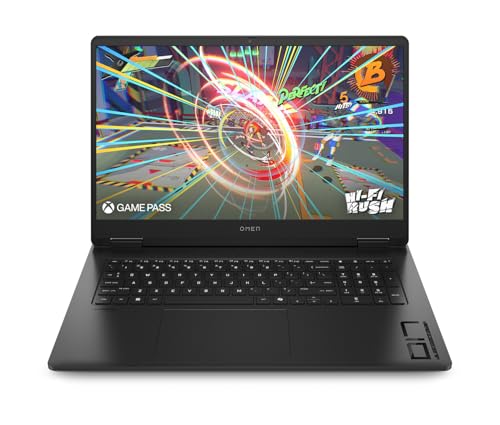
- memory AMD Ryzen AI 7 3500
- developer_board NVIDIA GeForce RTX 5070
- layers 64GB (2x32GB) DDR5 5600MHz SO-DIMM
- track_changes Target GPU: eGPU RTX 4090

- memory Intel Core i9-14900HX Processor
- developer_board NVIDIA GeForce RTX 5070 Ti Laptop GPU
- layers 64GB DDR5-5600MHz (commonly listed as 4800MHz by some retailers, but 5600MHz is common for 14th Gen HX with DDR5)
- track_changes Target GPU: eGPU RTX 4090

- memory Intel Core Ultra 9 Processor 275HX
- developer_board NVIDIA GeForce RTX 5070 Ti Laptop GPU
- layers 64GB DDR5-6400MHz
- track_changes Target GPU: eGPU RTX 4090
For Slay the Spire 2 Specifically
- memory Intel Core i7-12700H
- developer_board NVIDIA GeForce RTX 3070
- layers 32GB DDR4-3200MHz
- track_changes Target GPU: NVIDIA GTX 1050 Ti | AMD RX 560
- memory Intel Core i9-13900H
- developer_board NVIDIA GeForce RTX 4060
- layers 16GB DDR5-5200MHz
- track_changes Target GPU: NVIDIA GTX 1050 Ti | AMD RX 560
- memory Intel Core i9-14900HX
- developer_board NVIDIA GeForce RTX 4060
- layers 32GB DDR5-5600MHz
- track_changes Target GPU: NVIDIA GTX 1050 Ti | AMD RX 560
- memory Intel Core i9-12900H
- developer_board NVIDIA GeForce RTX 3070 Ti
- layers 16GB DDR5-4800MHz
- track_changes Target GPU: NVIDIA GTX 1050 Ti | AMD RX 560

- memory AMD Ryzen 7 7435HS
- developer_board NVIDIA GeForce RTX 3050
- layers 32GB DDR5-4800MHz
- track_changes Target GPU: NVIDIA GTX 1050 Ti | AMD RX 560

- memory AMD Ryzen 7 6800H
- developer_board NVIDIA GeForce RTX 3060
- layers 16GB DDR5-4800MHz
- track_changes Target GPU: NVIDIA GTX 1050 Ti | AMD RX 560

- memory AMD Ryzen 9 5900HS
- developer_board NVIDIA GeForce RTX 3080
- layers 16GB DDR4-3200MHz
- track_changes Target GPU: NVIDIA GTX 1050 Ti | AMD RX 560

- memory Intel Core i7-13620H
- developer_board NVIDIA GeForce RTX 4070
- layers 16GB DDR5-4800MHz
- track_changes Target GPU: NVIDIA GTX 1050 Ti | AMD RX 560

- memory Intel Core i7-14700HX
- developer_board NVIDIA GeForce RTX 4070
- layers 16GB DDR5-5600MHz
- track_changes Target GPU: NVIDIA GTX 1050 Ti | AMD RX 560

- memory Intel Core i9-14900HX
- developer_board NVIDIA GeForce RTX 4070
- layers 32GB DDR5-5600MHz
- track_changes Target GPU: NVIDIA GTX 1050 Ti | AMD RX 560
- memory Intel Core i7-12700H
- developer_board NVIDIA GeForce RTX 3070
- layers 32GB DDR4-3200MHz
- track_changes Target GPU: NVIDIA RTX 2060 | AMD RX 6600
- memory Intel Core i9-13900H
- developer_board NVIDIA GeForce RTX 4060
- layers 16GB DDR5-5200MHz
- track_changes Target GPU: NVIDIA RTX 2060 | AMD RX 6600
- memory Intel Core i9-14900HX
- developer_board NVIDIA GeForce RTX 4060
- layers 32GB DDR5-5600MHz
- track_changes Target GPU: NVIDIA RTX 2060 | AMD RX 6600
- memory Intel Core i9-12900H
- developer_board NVIDIA GeForce RTX 3070 Ti
- layers 16GB DDR5-4800MHz
- track_changes Target GPU: NVIDIA RTX 2060 | AMD RX 6600
- memory AMD Ryzen 7 7435HS
- developer_board NVIDIA GeForce RTX 3050
- layers 32GB DDR5-4800MHz
- track_changes Target GPU: NVIDIA RTX 2060 | AMD RX 6600
- memory AMD Ryzen 7 6800H
- developer_board NVIDIA GeForce RTX 3060
- layers 16GB DDR5-4800MHz
- track_changes Target GPU: NVIDIA RTX 2060 | AMD RX 6600
- memory AMD Ryzen 9 5900HS
- developer_board NVIDIA GeForce RTX 3080
- layers 16GB DDR4-3200MHz
- track_changes Target GPU: NVIDIA RTX 2060 | AMD RX 6600
- memory Intel Core i7-13620H
- developer_board NVIDIA GeForce RTX 4070
- layers 16GB DDR5-4800MHz
- track_changes Target GPU: NVIDIA RTX 2060 | AMD RX 6600
- memory Intel Core i7-14700HX
- developer_board NVIDIA GeForce RTX 4070
- layers 16GB DDR5-5600MHz
- track_changes Target GPU: NVIDIA RTX 2060 | AMD RX 6600
- memory Intel Core i9-14900HX
- developer_board NVIDIA GeForce RTX 4070
- layers 32GB DDR5-5600MHz
- track_changes Target GPU: NVIDIA RTX 2060 | AMD RX 6600
- memory Intel Core i9-13900H
- developer_board NVIDIA GeForce RTX 4060
- layers 16GB DDR5-5200MHz
- track_changes Target GPU: NVIDIA RTX 3070 | AMD RX 6700 XT
- memory Intel Core i9-14900HX
- developer_board NVIDIA GeForce RTX 4060
- layers 32GB DDR5-5600MHz
- track_changes Target GPU: NVIDIA RTX 3070 | AMD RX 6700 XT
- memory Intel Core i9-12900H
- developer_board NVIDIA GeForce RTX 3070 Ti
- layers 16GB DDR5-4800MHz
- track_changes Target GPU: NVIDIA RTX 3070 | AMD RX 6700 XT
- memory AMD Ryzen 7 7435HS
- developer_board NVIDIA GeForce RTX 3050
- layers 32GB DDR5-4800MHz
- track_changes Target GPU: NVIDIA RTX 3070 | AMD RX 6700 XT
- memory Intel Core i9-14900HX
- developer_board NVIDIA GeForce RTX 4070
- layers 32GB DDR5-5600MHz
- track_changes Target GPU: NVIDIA RTX 3070 | AMD RX 6700 XT

- memory Intel Core i9-14900HX
- developer_board NVIDIA GeForce RTX 4070
- layers 16GB DDR5-5600MHz
- track_changes Target GPU: NVIDIA RTX 3070 | AMD RX 6700 XT
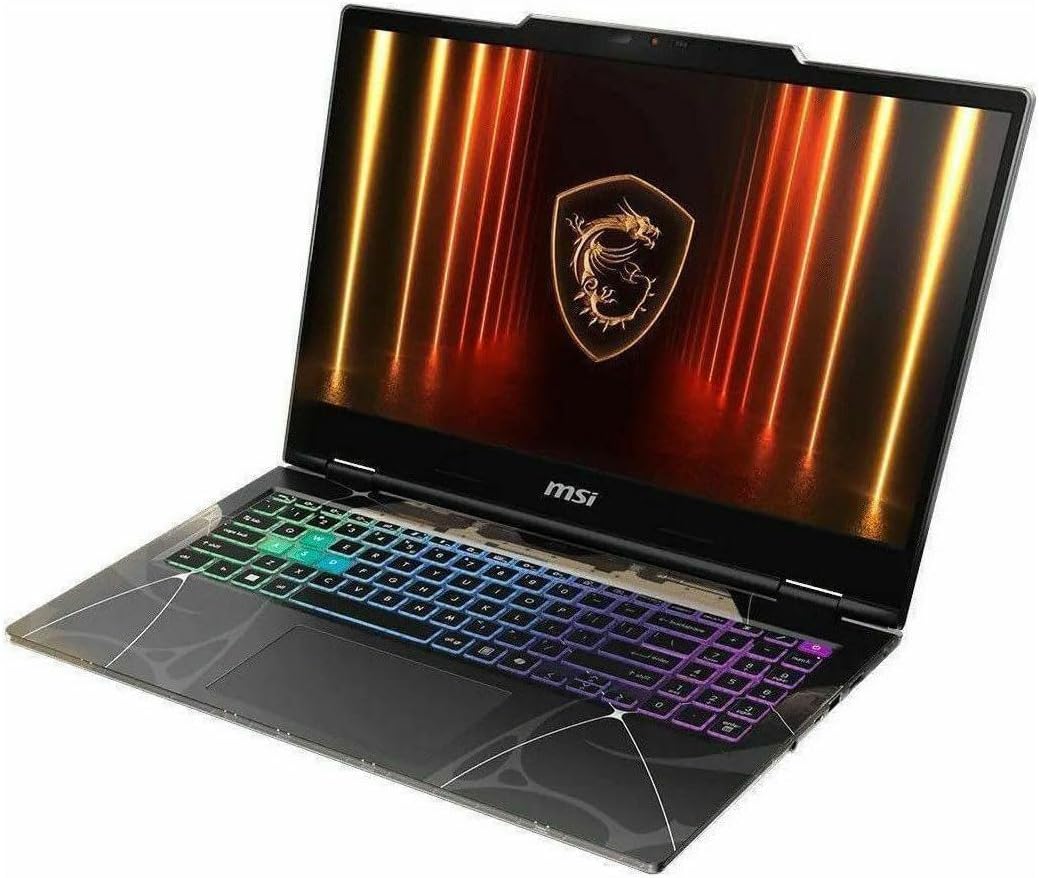
- memory Intel Core Ultra 7 255H
- developer_board NVIDIA GeForce RTX 5060 Laptop GPU
- layers 16GB DDR5-5600MHz (Dual-Channel)
- track_changes Target GPU: NVIDIA RTX 3070 | AMD RX 6700 XT

- memory AMD Ryzen 9 8940HX Processor
- developer_board NVIDIA GeForce RTX 5060 Laptop GPU
- layers 32GB DDR5-5200MHz
- track_changes Target GPU: NVIDIA RTX 3070 | AMD RX 6700 XT

- memory Intel Core i9-12950HX
- developer_board NVIDIA GeForce RTX 3080 Ti
- layers 32GB DDR5-4800MHz
- track_changes Target GPU: NVIDIA RTX 3070 | AMD RX 6700 XT
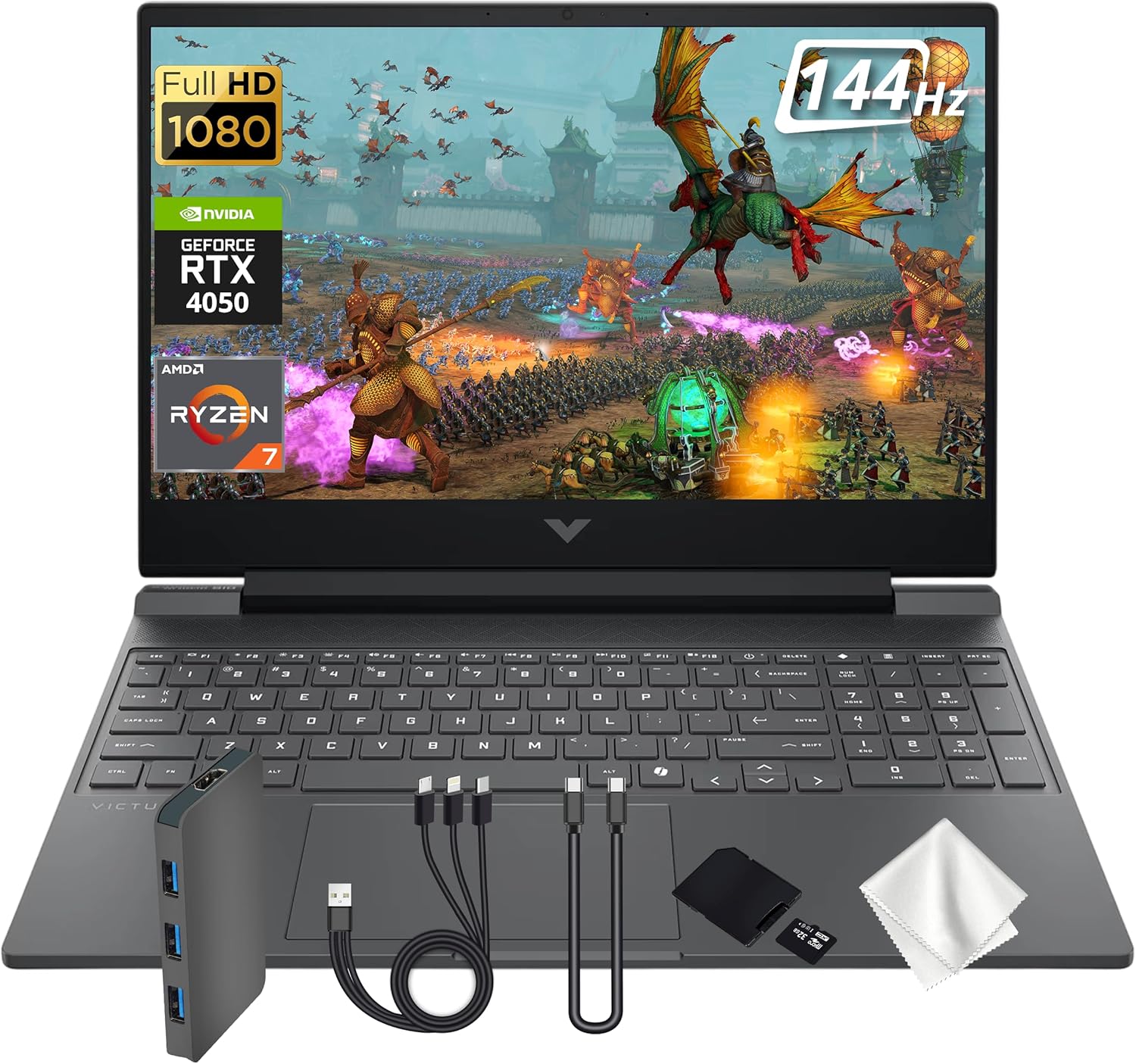
- memory AMD Ryzen 7 7445HS
- developer_board NVIDIA GeForce RTX 4050
- layers 16GB (2x8GB) DDR5 5600MHz SO-DIMM
- track_changes Target GPU: NVIDIA RTX 3070 | AMD RX 6700 XT
For Project Windless Specifically
- memory Intel Core i7-12700H
- developer_board NVIDIA GeForce RTX 3070
- layers 32GB DDR4-3200MHz
- track_changes Target GPU: RTX 3070 / RX 6800
- memory Intel Core i9-13900H
- developer_board NVIDIA GeForce RTX 4060
- layers 16GB DDR5-5200MHz
- track_changes Target GPU: RTX 3070 / RX 6800
- memory Intel Core i9-14900HX
- developer_board NVIDIA GeForce RTX 4060
- layers 32GB DDR5-5600MHz
- track_changes Target GPU: RTX 3070 / RX 6800
- memory Intel Core i9-12900H
- developer_board NVIDIA GeForce RTX 3070 Ti
- layers 16GB DDR5-4800MHz
- track_changes Target GPU: RTX 3070 / RX 6800
- memory AMD Ryzen 7 7435HS
- developer_board NVIDIA GeForce RTX 3050
- layers 32GB DDR5-4800MHz
- track_changes Target GPU: RTX 3070 / RX 6800
- memory AMD Ryzen 7 6800H
- developer_board NVIDIA GeForce RTX 3060
- layers 16GB DDR5-4800MHz
- track_changes Target GPU: RTX 3070 / RX 6800
- memory Intel Core i7-14700HX
- developer_board NVIDIA GeForce RTX 4070
- layers 16GB DDR5-5600MHz
- track_changes Target GPU: RTX 3070 / RX 6800
- memory Intel Core i9-14900HX
- developer_board NVIDIA GeForce RTX 4070
- layers 32GB DDR5-5600MHz
- track_changes Target GPU: RTX 3070 / RX 6800
- memory Intel Core i9-14900HX
- developer_board NVIDIA GeForce RTX 4070
- layers 16GB DDR5-5600MHz
- track_changes Target GPU: RTX 3070 / RX 6800
- memory Intel Core Ultra 7 255H
- developer_board NVIDIA GeForce RTX 5060 Laptop GPU
- layers 16GB DDR5-5600MHz (Dual-Channel)
- track_changes Target GPU: RTX 3070 / RX 6800
- memory Intel Core i9-14900HX
- developer_board NVIDIA GeForce RTX 4080 Laptop GPU
- layers 64 GB DDR5-5600MHz
- track_changes Target GPU: RTX 4080 / RX 7900 XTX
- memory Intel Core Ultra 9 Processor 275HX (Series 2)
- developer_board NVIDIA GeForce RTX 5070 Laptop GPU
- layers 32GB DDR5-5600MHz
- track_changes Target GPU: RTX 4080 / RX 7900 XTX
- memory Intel Core i9-14900HX Processor
- developer_board NVIDIA GeForce RTX 5070 Laptop GPU
- layers 32GB DDR5-5600MHz
- track_changes Target GPU: RTX 4080 / RX 7900 XTX

- memory Intel Core i9-14900HX Processor
- developer_board NVIDIA GeForce RTX 5070 Laptop GPU
- layers 32GB DDR5-5600MHz
- track_changes Target GPU: RTX 4080 / RX 7900 XTX

- memory Intel Core Ultra 9 285H (Arrow Lake-H)
- developer_board NVIDIA GeForce RTX 5070 Laptop GPU
- layers 64GB LPDDR5x-8533MT/s (LPCAMM2)
- track_changes Target GPU: RTX 4080 / RX 7900 XTX

- memory AMD Ryzen 9 7945HX
- developer_board NVIDIA GeForce RTX 4080
- layers 32GB DDR5
- track_changes Target GPU: RTX 4080 / RX 7900 XTX

- memory Intel Core i9-14900HX
- developer_board NVIDIA GeForce RTX 4080
- layers 64GB DDR5-5600MHz
- track_changes Target GPU: RTX 4080 / RX 7900 XTX

- memory Intel Core i9-14900HX
- developer_board NVIDIA GeForce RTX 4080
- layers 32GB DDR5-5600MHz
- track_changes Target GPU: RTX 4080 / RX 7900 XTX

- memory Intel Core i9-14900HX
- developer_board NVIDIA GeForce RTX 4080
- layers 32GB DDR5-5600MHz
- track_changes Target GPU: RTX 4080 / RX 7900 XTX

- memory Intel Core i9-14900HX
- developer_board NVIDIA GeForce RTX 4080
- layers 32GB DDR5-5600MHz
- track_changes Target GPU: RTX 4080 / RX 7900 XTX
- memory AMD Ryzen AI 7 3500
- developer_board NVIDIA GeForce RTX 5070
- layers 64GB (2x32GB) DDR5 5600MHz SO-DIMM
- track_changes Target GPU: RTX 4090 (24GB VRAM)
- memory Intel Core i9-14900HX Processor
- developer_board NVIDIA GeForce RTX 5070 Ti Laptop GPU
- layers 64GB DDR5-5600MHz (commonly listed as 4800MHz by some retailers, but 5600MHz is common for 14th Gen HX with DDR5)
- track_changes Target GPU: RTX 4090 (24GB VRAM)
- memory Intel Core Ultra 9 Processor 275HX
- developer_board NVIDIA GeForce RTX 5070 Ti Laptop GPU
- layers 64GB DDR5-6400MHz
- track_changes Target GPU: RTX 4090 (24GB VRAM)

- memory Intel Core Ultra 9 275HX
- developer_board GeForce RTX 5070 Laptop Laptop GPU
- layers 64GB DDR5-6400MHz (Single-Channel)
- track_changes Target GPU: RTX 4090 (24GB VRAM)
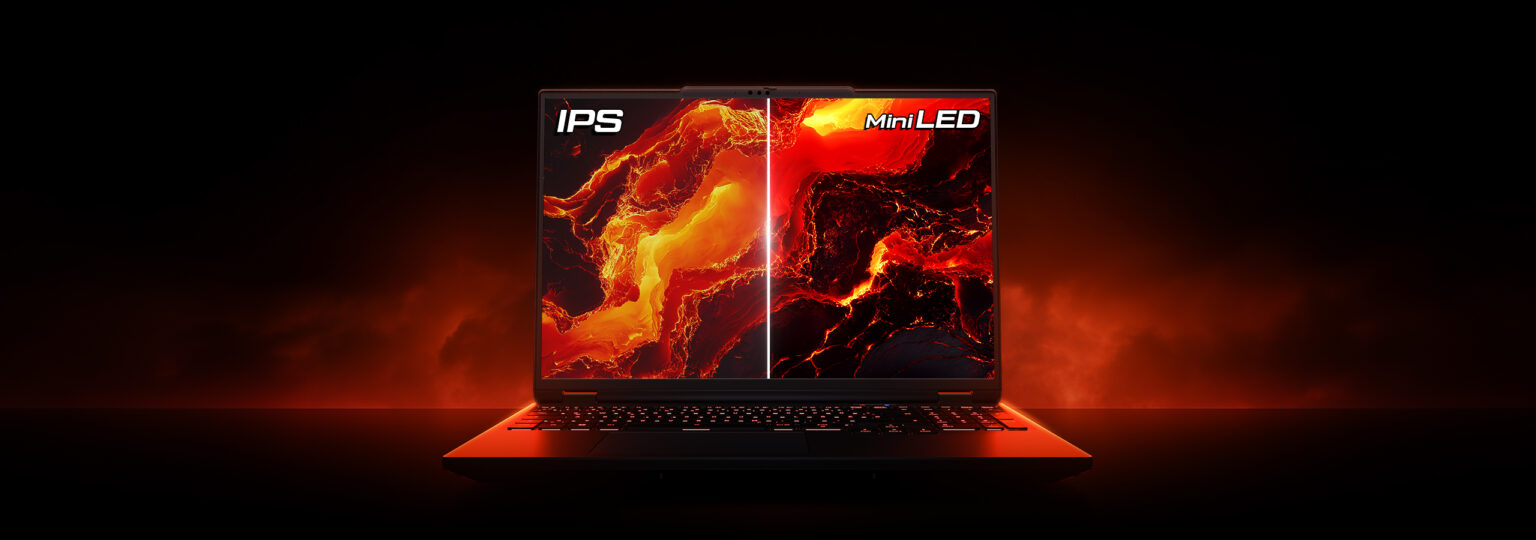
- memory AMD Ryzen 9 9955HX
- developer_board NVIDIA GeForce RTX 5070 Ti Laptop GPU
- layers 64GB DDR5-5600MHz (Dual-Channel)
- track_changes Target GPU: RTX 4090 (24GB VRAM)

- memory Intel Core Ultra 9 285HX
- developer_board NVIDIA GeForce RTX 5080
- layers 64GB DDR5-5600MHz
- track_changes Target GPU: RTX 4090 (24GB VRAM)

- memory Intel Core Ultra 9 285HX
- developer_board NVIDIA GeForce RTX 5090
- layers 64GB DDR5-6400MHz
- track_changes Target GPU: RTX 4090 (24GB VRAM)

- memory Intel Core Ultra 9 275HX
- developer_board NVIDIA GeForce RTX 5090
- layers 64GB DDR5
- track_changes Target GPU: RTX 4090 (24GB VRAM)
- memory Intel Core i9-14900HX
- developer_board NVIDIA GeForce RTX 4080
- layers 64GB DDR5-5600MHz
- track_changes Target GPU: RTX 4090 (24GB VRAM)

- memory AMD Ryzen 9 7845HX
- developer_board NVIDIA GeForce RTX 4080
- layers Up to 64GB DDR5
- track_changes Target GPU: RTX 4090 (24GB VRAM)
info_outline Laptop recommendations are estimates based on available component benchmarks and game requirements. Actual performance may vary depending on settings, drivers, cooling, power limits, etc. Prices and availability subject to change. As an Amazon Associate, we earn from qualifying purchases.