Select Games to Compare
Benchmark your exact mobile GPU wattage (TGP), battery throttling drops, and cooling pad requirements for these games.
SILENT HILL: Townfall vs Bleak Faith: Forsaken
| close | close |
|---|---|
| shopping_cart Where to Buy | |
| info General Information | |
| Release Date | |
| Sep 24, 2026 | Mar 10, 2023 |
| Developer | |
| Screen Burn Interactive | Archangel Studios |
| Publisher | |
| Konami Digital Entertainment / Annapurna Interactive | Archangel Studios, Perp Games (Console) |
| Genre(s) | |
| Survival Horror | Action RPG, Survival Horror, Souls-like |
| Engine | |
| Unreal Engine 5 | Unreal Engine 4 |
| stars Ratings & Price | |
| Content Rating | |
| M (Mature 17+) | M |
| Avg. User Rating | |
| 4.5 / 5.0 | 4.1 / 5.0 |
| Current Price (USD) | |
| $49.99 | $29.99 |
| tune Key Specs | |
| Quick Highlights | |
|
|
| sports_esports Gameplay & Mechanics | |
| Companions/Followers | |
|
N/A |
| Key Collectibles | |
|
|
| Key Themes | |
|
|
| colorize Combat & Gear | |
| Weapons Overview | |
|
|
| Armor / Gear Sets | |
|
|
| Outfits/Customization | |
|
|
| trending_up Progression & Upgrades | |
| Skills & Progression | |
|
Progression in Townfall completely avoids traditional skill trees, focusing instead on grueling medical resource management and the mastery of the CRTV device. Players do not 'level up'; they merely survive. Simon must scavenge raw ingredients from the environment to craft rudimentary healing items, including localized blood bags. Applying these items requires a visceral, diegetic animation where the player physically connects the bag to an IV cannula in Simon's hand. Skill progression revolves around learning to effectively utilize the CRTV as a rudimentary X-ray scanner to detect monsters through walls without exposing oneself. Furthermore, players must master a contextual 'peek' mechanic and a punishing, stamina-draining block-and-counter melee system, ensuring that evasion and tactical stealth always remain the primary methods of overcoming St. Amelia's threats. |
The game uses a class-based system (Vanguard, Jaeger, etc.) that determines starting stats and perks. Progression involves gathering 'Essence' to level up stats (Constitution, Strength, Agility, Intellect). 'Perks' and 'Abilities' are unlocked via items found in the world rather than a traditional skill tree. Equipment can be upgraded using crafting materials, and 'Crystals' can be socketed into gear to provide passive buffs. |
| public World & Exploration | |
| World & Level Design | |
|
The game world features a 'wide linear' cartographic design that contrasts the oppressive, hyper-realistic surface of St. Amelia with the terrifying depths of the Otherworld. The surface town is cloaked in the franchise's signature volumetric fog, consisting of localized neighborhoods, rocky shorelines, and abandoned industrial docks. However, the true terror lies in the dimensional shifts. Bypassing the classic rust-and-chainlink aesthetic, Townfall introduces an Otherworld dominated by a brutal, blood-red and pitch-black industrial palette. Players will traverse waterlogged subterranean passages, impossible brutalist bunkers, and massive metallic pipes that violently extrude through standard Scottish architecture. This dimensional duality forces players to constantly adapt their spatial awareness, as familiar streets dynamically corrupt into hostile, maze-like labyrinths filled with lurking psychological manifestations. |
The map is a singular, interconnected open world with no loading screens between zones (aside from fast travel). It features extreme verticality, with regions ranging from the flooded 'Rain District' and the industrial 'Machinarium' to the gothic 'Monastery' and the surreal 'Desert'. The design focuses on vertical exploration, utilizing ladders, elevators, and parkour. |
| Playable Vehicles | |
|
N/A |
| Notable Fauna/Mounts | |
|
|
| book Story & Characters | |
| Main Characters | |
|
|
| Example Missions | |
|
|
| people Multiplayer | |
| Multiplayer Details | |
|
SILENT HILL: Townfall is a strictly solitary, single-player narrative experience, containing absolutely zero multiplayer, co-op, or online competitive modes. This design choice is fundamental to the psychological integrity of the game. The sheer terror of St. Amelia relies heavily on profound isolation, technological vulnerability, and the deeply personal journey of the amnesiac protagonist, Simon Ordell. Introducing another player into the environment would immediately shatter the meticulously crafted tension, diluting the claustrophobic dread and rendering the delicate stealth mechanics obsolete. By keeping the player completely alone against the manifestations and the decaying 1996 Scottish architecture, Screen Burn Interactive ensures that the feelings of helplessness, paranoia, and psychological degradation remain entirely uncompromised from the opening cinematic to the final credits. |
None. Bleak Faith: Forsaken is a strictly single-player offline adventure. It does not feature co-op or PvP invasions. |
| extension Editions & DLC | |
| Available Editions | |
|
Konami has strategically priced SILENT HILL: Townfall to appeal to a broad consumer base fatigued by premium pricing models. The Standard Edition retails for an aggressive $49.99 and includes the base game on PC and PS5, along with exclusive pre-order cosmetic skins for the CRTV ('Rusted' and 'Beach Edition'). For highly invested fans, the Digital Deluxe Edition is available for $59.99. This premium tier includes the base game, all pre-order CRTV skins, an alternate outfit for Simon, and a robust Bonus Application featuring a digital interactive artbook and the haunting official soundtrack composed by Pilotpriest. Most crucially, the Digital Deluxe Edition grants players a highly coveted 48-Hour Early Access period, allowing them to descend into the nightmare of St. Amelia starting September 22, 2026. |
Standard Edition is the primary release. No Deluxe or Gold editions with season passes exist, as the developers have released content updates for free to the base game. A soundtrack is available separately. |
| Post-Launch Content / DLC | |
|
While Konami and developer Screen Burn Interactive have not officially confirmed narrative DLC expansions, there is an overwhelming, highly vocal community petition for the implementation of a dedicated PlayStation VR2 mode post-launch. The game’s fundamental architectural shifts—specifically the transition to a claustrophobic first-person perspective, the reliance on leaning and peeking around physical corners, and the tactile, device-in-hand mechanics of the diegetic CRTV—are perfectly aligned with the virtual reality ecosystem. Industry analysts widely speculate that an official VR expansion would act as a massive post-launch catalyst for the title, elevating the visceral terror of St. Amelia by fully immersing the player's physical senses into the oppressive, fog-drenched Scottish environment and its bloody Otherworld counterparts. |
Since its 2023 launch, the game has received massive free updates improving stability, adding controller support, refining combat animations (adding blocking/parrying fluidity), and introducing new bosses and areas. No paid DLC expansions have been released; all content has been patched into the base game. |
| help_outline FAQ | |
| Frequently Asked Questions | |
|
|
| build Technical Details | |
| Graphics & Visual Fidelity | |
|
Built natively on Unreal Engine 5, Townfall delivers an uncompromising, hyper-realistic visual experience that absolutely pushes current-generation hardware to its limits. The game makes extensive use of Nanite virtualized geometry to render the intricate cobblestones and dense, cluttered interiors of 1990s Scotland without visible level-of-detail pop-in. The Lumen global illumination system dynamically handles the terrifying interplay of light and shadow, particularly during the violent, seamless transitions into the blood-red, brutalist architecture of the Otherworld. The franchise's trademark volumetric fog is rendered with terrifying density, obscuring threats and heavily interacting with physical light sources. This extreme graphical fidelity is why the PC specifications demand hardware compatible with DirectX 12 Ultimate, advanced mesh shading, and a staggering 32 GB of RAM for 4K resolutions. |
Built on Unreal Engine 4, the game is praised for its art direction which blends 'BLAME!' manga aesthetics with Dark Souls architecture. It features large-scale brutalist structures, volumetric fog, and dramatic lighting. However, it is an indie title, so some assets and animations may lack AAA polish. |
| Audio & Soundtrack | |
|
The auditory landscape of Townfall initiates a massive franchise paradigm shift, passing the musical mantle from Akira Yamaoka to Canadian electronic artist and horror filmmaker Anthony Scott Burns (Pilotpriest). Abandoning trip-hop influences, Pilotpriest’s dynamic score utilizes warbly ethereal drones, stark industrial percussion, and melancholic piano to perfectly complement the cold, Scottish maritime setting. Furthermore, the environmental soundscape is engineered by Audio Director Byron Bullock, renowned for his paranoia-inducing work on Alien: Isolation. Because the first-person camera heavily restricts peripheral vision, directional audio is a critical survival mechanic. Players must navigate by interpreting the terrifying industrial groans, distant screams, ringing 1990s landlines, and heavy, squelching footsteps just outside their field of view, creating an atmosphere of relentless, suffocating psychological pressure. |
Features a haunting, atmospheric orchestral soundtrack mixed with industrial ambient noise. The sound design emphasizes the vastness of the Omnistructure, with echoing footsteps and distant mechanical groans. Combat music is dynamic and intense. |
| User Interface (UI/UX) | |
|
Townfall revolutionizes survival horror UI by completely eliminating traditional on-screen Heads-Up Displays (HUDs) like health bars, ammo counters, or mini-maps. Instead, it relies on a masterful implementation of diegetic interface design centered around the handheld CRTV. To glean crucial survival information or detect enemies, the player must physically raise the CRTV within their first-person viewport. This ingenious mechanic forces players to divide their visual attention, drawing focus away from the immediate, threatening physical environment to stare at a tiny, static-filled screen in their hands. Combined with the necessity of utilizing DualSense gyroscope controls to manually tune analog frequencies, the UI itself becomes a primary source of anxiety, making the simple act of checking for threats a highly dangerous and terrifying undertaking. |
Minimalist UI that fades when not in combat. It features a health/stamina/mana bar in the corner, a quick-item slot display, and a compass. The inventory system is grid-based, reminiscent of classic RPGs. |
| Accessibility Options | |
|
While delivering a punishing survival horror experience, Townfall incorporates several mechanical features that serve double duty as accessibility options. The deep integration of the DualSense controller's gyroscope allows players to utilize motion controls for minute, stress-induced aiming adjustments, assisting those who struggle with traditional analog stick precision during frantic combat. The central CRTV mechanic acts as a vital visual aid for the hearing impaired; because the device translates nearby anomalies and invisible threats into visual static and color-coded X-ray signals on the screen, deaf or hard-of-hearing players are not entirely reliant on the game's directional audio cues to detect incoming monsters. Additionally, the heavy emphasis on stealth and evasion allows players to bypass the game's clunky, stamina-draining melee combat entirely if they prefer. |
Includes rebindable controls (keyboard and controller), subtitle size options, and audio volume sliders. It does not feature difficulty sliders, adhering to the 'Souls-like' philosophy of fixed difficulty. |
| video_library Media Links | |
| Gameplay Video | |
| launchWatch | launchWatch |
| Walkthrough/Guide | |
| launchView | launchView |
| settings_applications System Requirements | |
| 1080p (Full HD) - Minimum (Low Preset, 30fps (Upscaling set to Quality)) CPU: Baseline 6-core processing required to handle environmental physics and AI behavior patterns. CPU (Laptop): Adequate for managing the baseline engine load, though 1% low frametimes may dip during heavy fog rendering. GPU: Provides the minimum required VRAM and API support for baseline UE5 features at 1080p. GPU (Laptop): Requires heavily utilizing DLSS/FSR to maintain a playable 30fps due to the severe lighting demands. RAM: Absolute minimum to prevent system pagefile thrashing while streaming Otherworld assets. Storage: Ensures assets are streamed into memory fast enough to prevent visual stutters during movement. | |
memoryCPU: AMD Ryzen 5 3600 / Intel Core i7-8700K developer_boardGPU: NVIDIA GeForce RTX 2060 Super / AMD Radeon RX 6600 laptop_macCPU (L): AMD Ryzen 5 5600H / Intel Core i7-10750H laptop_windowsGPU (L): NVIDIA GeForce RTX 4050 (High TGP) / RTX 3060 layersRAM: 16 GB saveStorage (Tier): 75 GB NVMe SSD | — |
| 1080p (Full HD) - Recommended (1080p ~60 FPS, High Settings) (High Preset) CPU: Mid-range CPUs with good multi-threading. CPU (Laptop): Standard gaming laptop CPUs from 2020+. GPU: Solid 1080p performance cards. GPU (Laptop): Modern mid-range mobile GPUs. RAM: Strongly recommended for smooth traversal. Storage: NVMe reduces load times. | |
| — | memoryCPU: Intel Core i7-4770K or AMD Ryzen 5 1600 developer_boardGPU: NVIDIA GeForce GTX 1070 (8GB) or AMD Radeon RX Vega 56 (8GB) laptop_macCPU (L): Intel Core i7-10750H / AMD Ryzen 7 4800H laptop_windowsGPU (L): NVIDIA GeForce RTX 3060 Mobile (6GB) / RTX 4050 Mobile (6GB). **Ensure the laptop is plugged in and set to Performance mode.** layersRAM: 16 GB saveStorage (Tier): 20 GB NVMe SSD |
| 1080p (Full HD) - Minimum (1080p ~30 FPS, Low Settings) (Low Preset) CPU: Entry-level dual-core/quad-core CPUs. CPU (Laptop): Older gaming laptop CPUs may struggle with sector loading stutters. GPU: Absolute minimum legacy GPUs. GPU (Laptop): Entry-level mobile GPUs. RAM: Minimum required memory. Storage: HDD will cause freezing. | |
| — | memoryCPU: Intel Core i3-6100 or AMD FX-6300 developer_boardGPU: NVIDIA GeForce GTX 750 Ti (2GB) or AMD Radeon R7 265 (2GB) laptop_macCPU (L): Intel Core i5-8300H / AMD Ryzen 5 3550H laptop_windowsGPU (L): NVIDIA GeForce GTX 1050 Mobile (4GB) / GTX 960M. **VRAM limitations (2GB) will cause severe texture pop-in; 4GB models are the practical minimum.** layersRAM: 8 GB saveStorage (Tier): 20 GB SSD |
| 1440p (QHD/2K) - Recommended High (High Preset, 30fps (DLSS/FSR set to Balanced)) CPU: Increased single-core performance helps smooth out frame pacing during frantic melee combat and evasion sequences. CPU (Laptop): Delivers the necessary multi-threading capabilities to juggle audio processing, AI, and geometry generation seamlessly. GPU: Ample VRAM and compute overhead to handle high-resolution textures and dense volumetric fog at 1440p. GPU (Laptop): A modern 40-series mobile GPU with Frame Generation capabilities will greatly assist in maintaining stable performance. RAM: Provides a comfortable buffer to keep massive world partitions loaded into active memory. Storage: Gen4 speeds drastically reduce texture loading times when moving quickly through tight corridors. | |
memoryCPU: AMD Ryzen 5 5600X / Intel Core i5-11600K developer_boardGPU: NVIDIA GeForce RTX 3070 / AMD Radeon RX 6700 XT laptop_macCPU (L): AMD Ryzen 7 6800H / Intel Core i7-12700H laptop_windowsGPU (L): NVIDIA GeForce RTX 4070 Laptop GPU layersRAM: 24 GB saveStorage (Tier): 75 GB NVMe Gen4 SSD | — |
| 1440p (QHD/2K) - Enthusiast (1440p ~60 FPS, Epic Settings) (Epic Preset) CPU: High clock speeds needed for draw distance. CPU (Laptop): High-end mobile CPUs. GPU: Capable 1440p cards. GPU (Laptop): High-TGP mobile GPUs. RAM: Standard requirement. Storage: Required. | |
| — | memoryCPU: Intel Core i7-10700K or AMD Ryzen 7 3700X developer_boardGPU: NVIDIA GeForce RTX 2070 Super or AMD Radeon RX 6700 XT laptop_macCPU (L): Intel Core i7-12700H / AMD Ryzen 9 6900HX laptop_windowsGPU (L): NVIDIA GeForce RTX 3070 Ti Mobile (8GB) / RTX 4070 Mobile (8GB). **DLSS/FSR Quality mode recommended to maintain locked 60 FPS.** layersRAM: 16 GB saveStorage (Tier): 20 GB NVMe SSD |
| 2160p (UHD/4K) - Ultra 4K (Epic Preset, 30fps (DLSS/FSR set to Balanced)) CPU: Strong multicore architecture prevents the CPU from bottlenecking the massive amount of draw calls generated by Nanite at 4K. CPU (Laptop): Desktop-class mobile processors are strictly required to drive enthusiast-tier mobile GPUs at ultra-high resolutions. GPU: The sheer computational power and wide memory bus of these cards are mandatory to render 4K UE5 graphics, even at 30fps. GPU (Laptop): Only the absolute highest tier of mobile GPUs can handle the immense strain of 4K Lumen lighting and Nanite geometry without severe visual compromises. RAM: A hard requirement from the developers. 32 GB is essential for caching the massive 4K asset pools required by the engine. Storage: Provides the absolute maximum bandwidth for instantaneous data streaming, ensuring perfect immersion. | |
memoryCPU: AMD Ryzen 7 5700X / Intel Core i7-9700K developer_boardGPU: NVIDIA GeForce RTX 3080 / AMD Radeon RX 7800 XT laptop_macCPU (L): AMD Ryzen 9 7945HX / Intel Core i9-13900HX laptop_windowsGPU (L): NVIDIA GeForce RTX 4080 or RTX 4090 Laptop GPU (175W) layersRAM: 32 GB saveStorage (Tier): 75 GB NVMe Gen4/Gen5 SSD | — |
| 2160p (UHD/4K) - Ultra (4K ~60 FPS, Epic Settings, DLSS/FSR) (Epic Preset, DLSS/FSR Balanced) CPU: Top-tier CPU to prevent bottlenecks. CPU (Laptop): Desktop-replacement class laptop CPUs. GPU: 4K capable GPUs. GPU (Laptop): Enthusiast class mobile GPUs. RAM: Recommended for 4K textures and caching. Storage: Required. | |
| — | memoryCPU: Intel Core i9-12900K or AMD Ryzen 9 5900X developer_boardGPU: NVIDIA GeForce RTX 3080 Ti (12GB) or AMD Radeon RX 6900 XT laptop_macCPU (L): Intel Core i9-13980HX / AMD Ryzen 9 7945HX laptop_windowsGPU (L): NVIDIA GeForce RTX 4080 Mobile / RTX 4090 Mobile. **Native 4K is extremely demanding on mobile; Frame Generation is highly recommended.** layersRAM: 32 GB saveStorage (Tier): 20 GB NVMe SSD |
| save Overall Storage | |
Spec: 75 GB Solid State Drive (SSD) strictly required Note: Traditional HDDs will result in catastrophic texture pop-in and fatal loading freezes due to the game's seamless, loading-screen-free design. Type: SSD | Spec: 20 GB available space (SSD Required) Note: Fast storage is critical for streaming the seamless open world. Type: SSD |
| desktop_windows Operating System | |
| Spec: Windows 11 (64-bit) Explanation: Mandatory for optimal DirectX 12 Ultimate integration, DirectStorage support, and efficient memory management required by UE5. | Spec: Windows 10, Windows 11 (64-bit) Explanation: Windows 7 was originally listed but is no longer supported by Steam clients. |
| gamepad DirectX Version | |
| Spec: DirectX 12 Ultimate Explanation: Strictly required for hardware-accelerated ray tracing, Variable Rate Shading (VRS), and advanced mesh shading. DX11 hardware is entirely incompatible. | Spec: DirectX 11 / DirectX 12 Explanation: DX12 recommended for modern hardware; DX11 available for compatibility. |
| info_outline Other Game Notes | |
|
|
| build Optimization Details | |
|
|
| laptop Laptop Considerations | |
|
|


info_outline Feature details based on available data. System requirements and performance estimates may vary.
laptop_chromebook Laptop Recommendations
Common Recommendations (Handles All Compared Games)

- memory Intel Core i9-14900HX
- developer_board NVIDIA GeForce RTX 4080 Laptop GPU
- layers 64 GB DDR5-5600MHz
- track_changes Target GPU: NVIDIA GeForce RTX 4050 (High TGP) / RTX 3060

- memory Intel Core i9 Processor 14900HX
- developer_board NVIDIA GeForce RTX 5070 Laptop GPU
- layers 32GB DDR5-5600MHz
- track_changes Target GPU: NVIDIA GeForce RTX 4050 (High TGP) / RTX 3060

- memory Intel Core i7-13620H
- developer_board NVIDIA GeForce RTX 5070 Laptop GPU
- layers 64GB (2x32GB) DDR5 4800MHz SO-DIMM
- track_changes Target GPU: NVIDIA GeForce RTX 4050 (High TGP) / RTX 3060

- memory Intel Core i7-12700H
- developer_board NVIDIA GeForce RTX 3070
- layers 32GB DDR4-3200MHz
- track_changes Target GPU: NVIDIA GeForce GTX 1050 Mobile (4GB) / GTX 960M. **VRAM limitations (2GB) will cause severe texture pop-in; 4GB models are the practical minimum.**

- memory Intel Core i9-13900H
- developer_board NVIDIA GeForce RTX 4060
- layers 16GB DDR5-5200MHz
- track_changes Target GPU: NVIDIA GeForce GTX 1050 Mobile (4GB) / GTX 960M. **VRAM limitations (2GB) will cause severe texture pop-in; 4GB models are the practical minimum.**

- memory Intel Core i9-14900HX
- developer_board NVIDIA GeForce RTX 4060
- layers 32GB DDR5-5600MHz
- track_changes Target GPU: NVIDIA GeForce GTX 1050 Mobile (4GB) / GTX 960M. **VRAM limitations (2GB) will cause severe texture pop-in; 4GB models are the practical minimum.**

- memory Intel Core i9-14900HX
- developer_board NVIDIA GeForce RTX 4070
- layers 32GB DDR5-5600MHz
- track_changes Target GPU: NVIDIA GeForce RTX 4070 Laptop GPU

- memory AMD Ryzen 9 8940HX Processor
- developer_board NVIDIA GeForce RTX 5060 Laptop GPU
- layers 32GB DDR5-5200MHz
- track_changes Target GPU: NVIDIA GeForce RTX 4070 Laptop GPU

- memory Intel Core i9-12950HX
- developer_board NVIDIA GeForce RTX 3080 Ti
- layers 32GB DDR5-4800MHz
- track_changes Target GPU: NVIDIA GeForce RTX 4070 Laptop GPU

- memory Intel Core i9-12900H
- developer_board NVIDIA GeForce RTX 3070 Ti
- layers 16GB DDR5-4800MHz
- track_changes Target GPU: NVIDIA GeForce RTX 3070 Ti Mobile (8GB) / RTX 4070 Mobile (8GB). **DLSS/FSR Quality mode recommended to maintain locked 60 FPS.**

- memory AMD Ryzen 7 7435HS
- developer_board NVIDIA GeForce RTX 3050
- layers 32GB DDR5-4800MHz
- track_changes Target GPU: NVIDIA GeForce RTX 3070 Ti Mobile (8GB) / RTX 4070 Mobile (8GB). **DLSS/FSR Quality mode recommended to maintain locked 60 FPS.**

- memory Intel Core i9-14900HX
- developer_board NVIDIA GeForce RTX 4090
- layers 32GB DDR5-5600MHz
- track_changes Target GPU: NVIDIA GeForce RTX 4080 or RTX 4090 Laptop GPU (175W)

- memory Intel Core Ultra 9 285H (Series 2) , 14 cores (6 Performance cores + 8 Efficient cores), 20 threads
- developer_board NVIDIA GeForce RTX 5050 Laptop GPU
- layers 32GB (2x16GB) DDR5 8400MHz SO-DIMM
- track_changes Target GPU: NVIDIA GeForce RTX 4080 or RTX 4090 Laptop GPU (175W)

- memory Intel Core Ultra 9 285H
- developer_board NVIDIA GeForce RTX 5070
- layers 32GB (2x16GB) DDR5 4800MHz SO-DIMM
- track_changes Target GPU: NVIDIA GeForce RTX 4080 or RTX 4090 Laptop GPU (175W)
- memory Intel Core i9-14900HX
- developer_board NVIDIA GeForce RTX 4080 Laptop GPU
- layers 64 GB DDR5-5600MHz
- track_changes Target GPU: NVIDIA GeForce RTX 4080 Mobile / RTX 4090 Mobile. **Native 4K is extremely demanding on mobile; Frame Generation is highly recommended.**

- memory Intel Core Ultra 9 Processor 275HX (Series 2)
- developer_board NVIDIA GeForce RTX 5070 Laptop GPU
- layers 32GB DDR5-5600MHz
- track_changes Target GPU: NVIDIA GeForce RTX 4080 Mobile / RTX 4090 Mobile. **Native 4K is extremely demanding on mobile; Frame Generation is highly recommended.**

- memory Intel Core i9-14900HX Processor
- developer_board NVIDIA GeForce RTX 5070 Laptop GPU
- layers 32GB DDR5-5600MHz
- track_changes Target GPU: NVIDIA GeForce RTX 4080 Mobile / RTX 4090 Mobile. **Native 4K is extremely demanding on mobile; Frame Generation is highly recommended.**
For SILENT HILL: Townfall Specifically
- memory Intel Core i9-14900HX
- developer_board NVIDIA GeForce RTX 4080 Laptop GPU
- layers 64 GB DDR5-5600MHz
- track_changes Target GPU: NVIDIA GeForce RTX 2060 Super / AMD Radeon RX 6600
- memory Intel Core i9 Processor 14900HX
- developer_board NVIDIA GeForce RTX 5070 Laptop GPU
- layers 32GB DDR5-5600MHz
- track_changes Target GPU: NVIDIA GeForce RTX 2060 Super / AMD Radeon RX 6600
- memory Intel Core i7-13620H
- developer_board NVIDIA GeForce RTX 5070 Laptop GPU
- layers 64GB (2x32GB) DDR5 4800MHz SO-DIMM
- track_changes Target GPU: NVIDIA GeForce RTX 2060 Super / AMD Radeon RX 6600

- memory AMD Ryzen 7 6800HS
- developer_board NVIDIA GeForce RTX 5070 Laptop GPU
- layers 16GB (2x8GB) DDR4 4800MHz SO-DIMM
- track_changes Target GPU: NVIDIA GeForce RTX 2060 Super / AMD Radeon RX 6600
- memory Intel Core Ultra 9 Processor 275HX (Series 2)
- developer_board NVIDIA GeForce RTX 5070 Laptop GPU
- layers 32GB DDR5-5600MHz
- track_changes Target GPU: NVIDIA GeForce RTX 2060 Super / AMD Radeon RX 6600
- memory Intel Core i9-14900HX Processor
- developer_board NVIDIA GeForce RTX 5070 Laptop GPU
- layers 32GB DDR5-5600MHz
- track_changes Target GPU: NVIDIA GeForce RTX 2060 Super / AMD Radeon RX 6600

- memory Intel Core i9-14900HX Processor
- developer_board NVIDIA GeForce RTX 5070 Laptop GPU
- layers 32GB DDR5-5600MHz
- track_changes Target GPU: NVIDIA GeForce RTX 2060 Super / AMD Radeon RX 6600

- memory Intel Core Ultra 9 Processor 285H
- developer_board NVIDIA GeForce RTX 5070 Laptop GPU
- layers 16GB DDR5-5600MHz
- track_changes Target GPU: NVIDIA GeForce RTX 2060 Super / AMD Radeon RX 6600

- memory Intel Core Ultra 9 285H (Arrow Lake-H)
- developer_board NVIDIA GeForce RTX 5070 Laptop GPU
- layers 64GB LPDDR5x-8533MT/s (LPCAMM2)
- track_changes Target GPU: NVIDIA GeForce RTX 2060 Super / AMD Radeon RX 6600

- memory Intel Core i9-14900HX
- developer_board NVIDIA GeForce RTX 4080
- layers 64GB DDR5-5600MHz
- track_changes Target GPU: NVIDIA GeForce RTX 2060 Super / AMD Radeon RX 6600
- memory Intel Core i9-14900HX
- developer_board NVIDIA GeForce RTX 4070
- layers 32GB DDR5-5600MHz
- track_changes Target GPU: NVIDIA GeForce RTX 3070 / AMD Radeon RX 6700 XT
- memory AMD Ryzen 9 8940HX Processor
- developer_board NVIDIA GeForce RTX 5060 Laptop GPU
- layers 32GB DDR5-5200MHz
- track_changes Target GPU: NVIDIA GeForce RTX 3070 / AMD Radeon RX 6700 XT
- memory Intel Core i9-12950HX
- developer_board NVIDIA GeForce RTX 3080 Ti
- layers 32GB DDR5-4800MHz
- track_changes Target GPU: NVIDIA GeForce RTX 3070 / AMD Radeon RX 6700 XT
- memory Intel Core i9-14900HX
- developer_board NVIDIA GeForce RTX 4080 Laptop GPU
- layers 64 GB DDR5-5600MHz
- track_changes Target GPU: NVIDIA GeForce RTX 3070 / AMD Radeon RX 6700 XT
- memory Intel Core Ultra 9 Processor 275HX (Series 2)
- developer_board NVIDIA GeForce RTX 5070 Laptop GPU
- layers 32GB DDR5-5600MHz
- track_changes Target GPU: NVIDIA GeForce RTX 3070 / AMD Radeon RX 6700 XT
- memory Intel Core i9-14900HX Processor
- developer_board NVIDIA GeForce RTX 5070 Laptop GPU
- layers 32GB DDR5-5600MHz
- track_changes Target GPU: NVIDIA GeForce RTX 3070 / AMD Radeon RX 6700 XT
- memory Intel Core i9-14900HX Processor
- developer_board NVIDIA GeForce RTX 5070 Laptop GPU
- layers 32GB DDR5-5600MHz
- track_changes Target GPU: NVIDIA GeForce RTX 3070 / AMD Radeon RX 6700 XT
- memory Intel Core Ultra 9 285H (Arrow Lake-H)
- developer_board NVIDIA GeForce RTX 5070 Laptop GPU
- layers 64GB LPDDR5x-8533MT/s (LPCAMM2)
- track_changes Target GPU: NVIDIA GeForce RTX 3070 / AMD Radeon RX 6700 XT
- memory Intel Core i9-14900HX
- developer_board NVIDIA GeForce RTX 4080
- layers 64GB DDR5-5600MHz
- track_changes Target GPU: NVIDIA GeForce RTX 3070 / AMD Radeon RX 6700 XT

- memory Intel Core i9-14900HX
- developer_board NVIDIA GeForce RTX 4080
- layers 32GB DDR5-5600MHz
- track_changes Target GPU: NVIDIA GeForce RTX 3070 / AMD Radeon RX 6700 XT
- memory Intel Core Ultra 9 285H (Series 2) , 14 cores (6 Performance cores + 8 Efficient cores), 20 threads
- developer_board NVIDIA GeForce RTX 5050 Laptop GPU
- layers 32GB (2x16GB) DDR5 8400MHz SO-DIMM
- track_changes Target GPU: NVIDIA GeForce RTX 3080 / AMD Radeon RX 7800 XT
- memory Intel Core Ultra 9 285H
- developer_board NVIDIA GeForce RTX 5070
- layers 32GB (2x16GB) DDR5 4800MHz SO-DIMM
- track_changes Target GPU: NVIDIA GeForce RTX 3080 / AMD Radeon RX 7800 XT

- memory Intel Core i9-14900HX Processor
- developer_board NVIDIA GeForce RTX 5070 Ti Laptop GPU
- layers 64GB DDR5-5600MHz (commonly listed as 4800MHz by some retailers, but 5600MHz is common for 14th Gen HX with DDR5)
- track_changes Target GPU: NVIDIA GeForce RTX 3080 / AMD Radeon RX 7800 XT

- memory Intel Core Ultra 9 Processor 275HX
- developer_board NVIDIA GeForce RTX 5070 Ti Laptop GPU
- layers 64GB DDR5-6400MHz
- track_changes Target GPU: NVIDIA GeForce RTX 3080 / AMD Radeon RX 7800 XT

- memory Intel Core Ultra 9 Processor 275HX (Series 2)
- developer_board NVIDIA GeForce RTX 5070 Ti Laptop GPU
- layers 32GB DDR5-5600MHz
- track_changes Target GPU: NVIDIA GeForce RTX 3080 / AMD Radeon RX 7800 XT

- memory Intel Ultra 7 255HX
- developer_board NVIDIA GeForce RTX 5070 Ti
- layers 32GB DDR5 5600MHz
- track_changes Target GPU: NVIDIA GeForce RTX 3080 / AMD Radeon RX 7800 XT
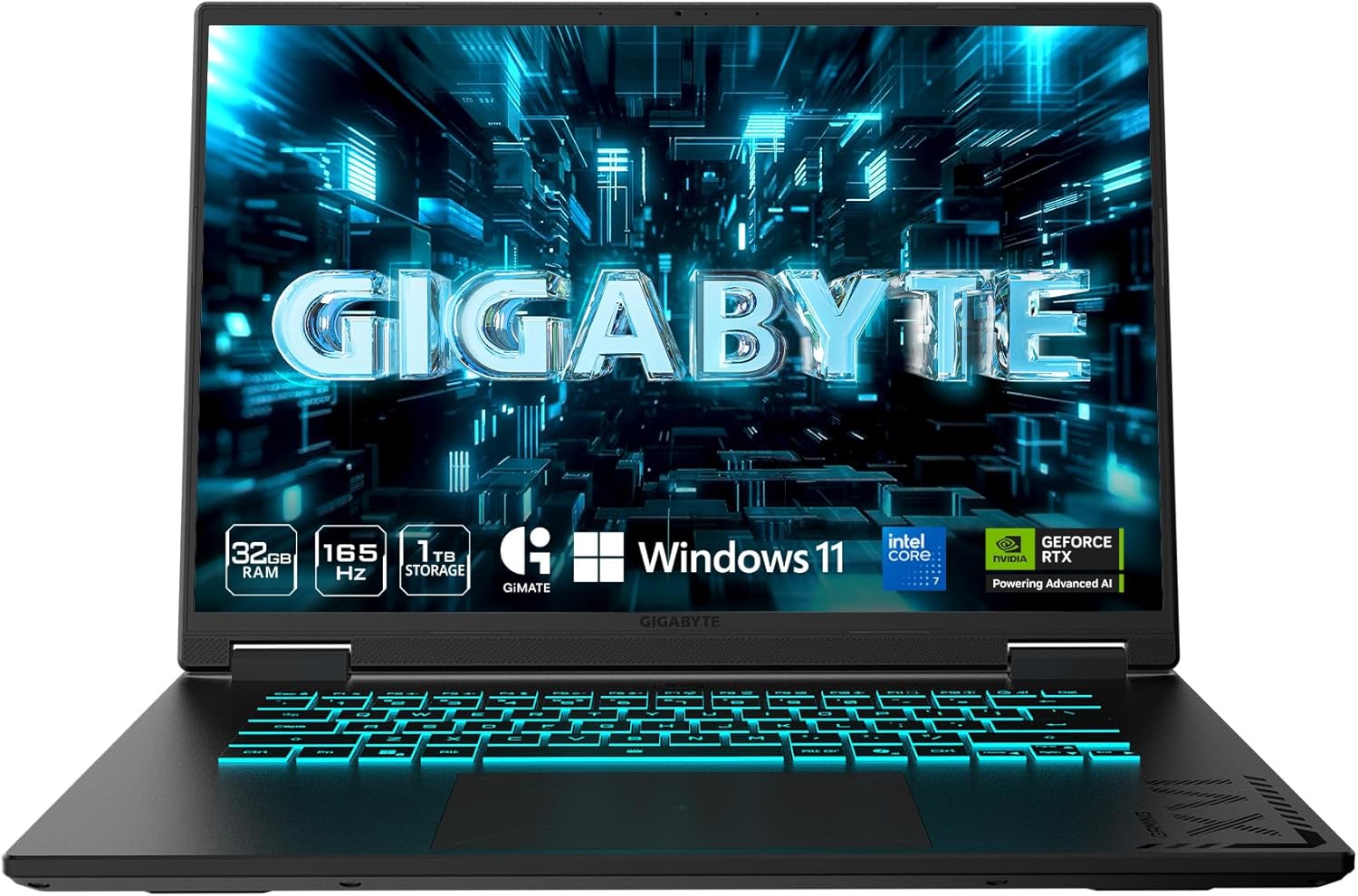
- memory Intel Core Ultra 7 240H
- developer_board NVIDIA GeForce RTX 5070 Ti Laptop GPU
- layers 32GB LPDDR5X 5600MHz
- track_changes Target GPU: NVIDIA GeForce RTX 3080 / AMD Radeon RX 7800 XT

- memory Intel Core Ultra 9 275HX
- developer_board GeForce RTX 5070 Laptop Laptop GPU
- layers 64GB DDR5-6400MHz (Single-Channel)
- track_changes Target GPU: NVIDIA GeForce RTX 3080 / AMD Radeon RX 7800 XT

- memory Intel Core Ultra 9 275HX
- developer_board NVIDIA GeForce RTX 5070 Ti
- layers 32GB
- track_changes Target GPU: NVIDIA GeForce RTX 3080 / AMD Radeon RX 7800 XT

- memory Intel Core Ultra 9 275HX
- developer_board NVIDIA GeForce RTX 5070 Ti Laptop GPU
- layers 32 GB DDR5 6400MHz (2x16GB)
- track_changes Target GPU: NVIDIA GeForce RTX 3080 / AMD Radeon RX 7800 XT
For Bleak Faith: Forsaken Specifically
- memory Intel Core i7-12700H
- developer_board NVIDIA GeForce RTX 3070
- layers 32GB DDR4-3200MHz
- track_changes Target GPU: NVIDIA GeForce GTX 750 Ti (2GB) or AMD Radeon R7 265 (2GB)
- memory Intel Core i9-13900H
- developer_board NVIDIA GeForce RTX 4060
- layers 16GB DDR5-5200MHz
- track_changes Target GPU: NVIDIA GeForce GTX 750 Ti (2GB) or AMD Radeon R7 265 (2GB)
- memory Intel Core i9-14900HX
- developer_board NVIDIA GeForce RTX 4060
- layers 32GB DDR5-5600MHz
- track_changes Target GPU: NVIDIA GeForce GTX 750 Ti (2GB) or AMD Radeon R7 265 (2GB)
- memory Intel Core i9-12900H
- developer_board NVIDIA GeForce RTX 3070 Ti
- layers 16GB DDR5-4800MHz
- track_changes Target GPU: NVIDIA GeForce GTX 750 Ti (2GB) or AMD Radeon R7 265 (2GB)

- memory Intel Core i5-12450H
- developer_board NVIDIA GeForce RTX 3050
- layers 16GB DDR4-3200MHz
- track_changes Target GPU: NVIDIA GeForce GTX 750 Ti (2GB) or AMD Radeon R7 265 (2GB)

- memory Intel Core i5-12500H
- developer_board NVIDIA GeForce RTX 3050 Ti
- layers 16GB DDR4-3200MHz
- track_changes Target GPU: NVIDIA GeForce GTX 750 Ti (2GB) or AMD Radeon R7 265 (2GB)
- memory AMD Ryzen 7 7435HS
- developer_board NVIDIA GeForce RTX 3050
- layers 32GB DDR5-4800MHz
- track_changes Target GPU: NVIDIA GeForce GTX 750 Ti (2GB) or AMD Radeon R7 265 (2GB)

- memory AMD Ryzen 7 6800H
- developer_board NVIDIA GeForce RTX 3060
- layers 16GB DDR5-4800MHz
- track_changes Target GPU: NVIDIA GeForce GTX 750 Ti (2GB) or AMD Radeon R7 265 (2GB)

- memory AMD Ryzen 9 5900HS
- developer_board NVIDIA GeForce RTX 3080
- layers 16GB DDR4-3200MHz
- track_changes Target GPU: NVIDIA GeForce GTX 750 Ti (2GB) or AMD Radeon R7 265 (2GB)

- memory Intel Core i7-13620H
- developer_board NVIDIA GeForce RTX 4070
- layers 16GB DDR5-4800MHz
- track_changes Target GPU: NVIDIA GeForce GTX 750 Ti (2GB) or AMD Radeon R7 265 (2GB)

- memory Intel Core i7-14700HX
- developer_board NVIDIA GeForce RTX 4070
- layers 16GB DDR5-5600MHz
- track_changes Target GPU: NVIDIA GeForce GTX 1070 (8GB) or AMD Radeon RX Vega 56 (8GB)
- memory Intel Core i9-14900HX
- developer_board NVIDIA GeForce RTX 4070
- layers 32GB DDR5-5600MHz
- track_changes Target GPU: NVIDIA GeForce GTX 1070 (8GB) or AMD Radeon RX Vega 56 (8GB)
- memory Intel Core i9-12900H
- developer_board NVIDIA GeForce RTX 3070 Ti
- layers 16GB DDR5-4800MHz
- track_changes Target GPU: NVIDIA GeForce RTX 2070 Super or AMD Radeon RX 6700 XT
- memory AMD Ryzen 7 7435HS
- developer_board NVIDIA GeForce RTX 3050
- layers 32GB DDR5-4800MHz
- track_changes Target GPU: NVIDIA GeForce RTX 2070 Super or AMD Radeon RX 6700 XT
- memory Intel Core i9-14900HX
- developer_board NVIDIA GeForce RTX 4070
- layers 32GB DDR5-5600MHz
- track_changes Target GPU: NVIDIA GeForce RTX 2070 Super or AMD Radeon RX 6700 XT

- memory Intel Core i9-14900HX
- developer_board NVIDIA GeForce RTX 4070
- layers 16GB DDR5-5600MHz
- track_changes Target GPU: NVIDIA GeForce RTX 2070 Super or AMD Radeon RX 6700 XT

- memory Intel Core Ultra 7 255H
- developer_board NVIDIA GeForce RTX 5060 Laptop GPU
- layers 16GB DDR5-5600MHz (Dual-Channel)
- track_changes Target GPU: NVIDIA GeForce RTX 2070 Super or AMD Radeon RX 6700 XT
- memory AMD Ryzen 9 8940HX Processor
- developer_board NVIDIA GeForce RTX 5060 Laptop GPU
- layers 32GB DDR5-5200MHz
- track_changes Target GPU: NVIDIA GeForce RTX 2070 Super or AMD Radeon RX 6700 XT
- memory Intel Core i9-12950HX
- developer_board NVIDIA GeForce RTX 3080 Ti
- layers 32GB DDR5-4800MHz
- track_changes Target GPU: NVIDIA GeForce RTX 2070 Super or AMD Radeon RX 6700 XT

- memory AMD Ryzen 7 7445HS
- developer_board NVIDIA GeForce RTX 4050
- layers 16GB (2x8GB) DDR5 5600MHz SO-DIMM
- track_changes Target GPU: NVIDIA GeForce RTX 2070 Super or AMD Radeon RX 6700 XT

- memory AMD Ryzen 7 7445HS
- developer_board NVIDIA GeForce RTX 4050
- layers 16GB DDR5 5600MHz SO-DIMM
- track_changes Target GPU: NVIDIA GeForce RTX 2070 Super or AMD Radeon RX 6700 XT
- memory Intel Core i9-14900HX
- developer_board NVIDIA GeForce RTX 4080 Laptop GPU
- layers 64 GB DDR5-5600MHz
- track_changes Target GPU: NVIDIA GeForce RTX 2070 Super or AMD Radeon RX 6700 XT
- memory Intel Core i9-14900HX
- developer_board NVIDIA GeForce RTX 4080 Laptop GPU
- layers 64 GB DDR5-5600MHz
- track_changes Target GPU: NVIDIA GeForce RTX 3080 Ti (12GB) or AMD Radeon RX 6900 XT
- memory Intel Core Ultra 9 Processor 275HX (Series 2)
- developer_board NVIDIA GeForce RTX 5070 Laptop GPU
- layers 32GB DDR5-5600MHz
- track_changes Target GPU: NVIDIA GeForce RTX 3080 Ti (12GB) or AMD Radeon RX 6900 XT
- memory Intel Core i9-14900HX Processor
- developer_board NVIDIA GeForce RTX 5070 Laptop GPU
- layers 32GB DDR5-5600MHz
- track_changes Target GPU: NVIDIA GeForce RTX 3080 Ti (12GB) or AMD Radeon RX 6900 XT
- memory Intel Core i9-14900HX Processor
- developer_board NVIDIA GeForce RTX 5070 Laptop GPU
- layers 32GB DDR5-5600MHz
- track_changes Target GPU: NVIDIA GeForce RTX 3080 Ti (12GB) or AMD Radeon RX 6900 XT
- memory Intel Core Ultra 9 285H (Arrow Lake-H)
- developer_board NVIDIA GeForce RTX 5070 Laptop GPU
- layers 64GB LPDDR5x-8533MT/s (LPCAMM2)
- track_changes Target GPU: NVIDIA GeForce RTX 3080 Ti (12GB) or AMD Radeon RX 6900 XT
- memory Intel Core i9-14900HX
- developer_board NVIDIA GeForce RTX 4080
- layers 64GB DDR5-5600MHz
- track_changes Target GPU: NVIDIA GeForce RTX 3080 Ti (12GB) or AMD Radeon RX 6900 XT
- memory Intel Core i9-14900HX
- developer_board NVIDIA GeForce RTX 4080
- layers 32GB DDR5-5600MHz
- track_changes Target GPU: NVIDIA GeForce RTX 3080 Ti (12GB) or AMD Radeon RX 6900 XT

- memory Intel Core i9-14900HX
- developer_board NVIDIA GeForce RTX 4080
- layers 32GB DDR5-5600MHz
- track_changes Target GPU: NVIDIA GeForce RTX 3080 Ti (12GB) or AMD Radeon RX 6900 XT

- memory Intel Core i9-14900HX
- developer_board NVIDIA GeForce RTX 4080
- layers 32GB DDR5-5600MHz
- track_changes Target GPU: NVIDIA GeForce RTX 3080 Ti (12GB) or AMD Radeon RX 6900 XT

- memory AMD Ryzen 9 7845HX
- developer_board NVIDIA GeForce RTX 4080
- layers Up to 64GB DDR5
- track_changes Target GPU: NVIDIA GeForce RTX 3080 Ti (12GB) or AMD Radeon RX 6900 XT
info_outline Laptop recommendations are estimates based on available component benchmarks and game requirements. Actual performance may vary depending on settings, drivers, cooling, power limits, etc. Prices and availability subject to change. As an Amazon Associate, we earn from qualifying purchases.