Select Games to Compare
SAROS vs Marvel Rivals
| close | close |
|---|---|
| shopping_cart Where to Buy | |
| info General Information | |
| Release Date | |
| Apr 30, 2026 | Dec 6, 2024 |
| Developer | |
| Housemarque | NetEase Games |
| Publisher | |
| Sony Interactive Entertainment | NetEase Games |
| Genre(s) | |
| Third-Person Roguelike Action-Shooter | Hero Shooter, Third-Person Shooter, Multiplayer, Action |
| Engine | |
| Unreal Engine 5 | Unreal Engine 5 |
| stars Ratings & Price | |
| Content Rating | |
| M (Mature 17+) | T (Teen) |
| Avg. User Rating | |
| 4.9 / 5.0 | 4.5 / 5.0 |
| Current Price (USD) | |
| $69.99 | Free |
|
|
|
| tune Key Specs | |
| Quick Highlights | |
|
|
| sports_esports Gameplay & Mechanics | |
| Companions/Followers | |
| N/A |
|
| Key Collectibles | |
|
|
| Key Themes | |
|
|
| colorize Combat & Gear | |
| Weapons Overview | |
|
|
| Armor / Gear Sets | |
|
|
| Outfits/Customization | |
| N/A |
|
| trending_up Progression & Upgrades | |
| Skills & Progression | |
|
Permanent progression is managed via the 'Armor Matrix.' Using resources like Lucenite and Halcyon, players can upgrade Shield Duration, Armor Integrity, and the 'Second Chance' revival ability. Combat evolves through the absorption of projectiles, which fuels 'Carcosan Power Weapons'. |
Progression is cosmetic and skill-based. Players level up their account and individual heroes to unlock cosmetic rewards. The core gameplay is not based on stat upgrades but on player skill and mastery of each hero's unique abilities. Each hero has a primary fire, several cooldown-based abilities, and a powerful ultimate ability. |
| public World & Exploration | |
| World & Level Design | |
|
The game features a modular, procedurally influenced map centered around 'The Passage,' a safe hub. Biomes include the Blighted Marsh (reactive environments), the Lost Ancient City (Neoclassical-Futurist architecture), and the Abyssal Void. Each death reconfigures these regions, though major shortcuts remain unlocked. |
The game features a variety of arena-style maps designed for 6v6 combat. These are not open worlds but are highly detailed, multi-layered environments based on famous Marvel locations. Examples include Yggsgard (a fusion of Asgard and Yggdrasil), Tokyo 2099, the Royal Palace of Wakanda, and Krakoa. Many maps feature destructible elements that can alter sightlines and cover. |
| Playable Vehicles | |
| N/A |
|
| Notable Fauna/Mounts | |
|
N/A |
|
|
|
| book Story & Characters | |
| Main Characters | |
|
|
| Example Missions | |
|
|
| people Multiplayer | |
| Multiplayer Details | |
|
Single-player only. However, 'Asynchronous Ghost' features return, allowing players to find logs and gear left by other fallen Enforcers. |
The game is built around 6v6 online multiplayer. It features a casual 'Quick Match' playlist and a ranked 'Competitive' mode. Limited-time event modes are also introduced with seasonal updates. |
| extension Editions & DLC | |
| Available Editions | |
|
Standard Edition ($69.99): Base game + Pre-order 'Hands of Shore' Armor. Digital Deluxe Edition ($79.99): 48-hour Early Access, Digital Soundtrack (Sam Slater), Artbook, and Crossover Armor Sets (ASTRA, Midgard, Onryo). |
N/A |
| Post-Launch Content / DLC | |
|
Housemarque has teased 'Eclipse Rituals'—a series of free post-launch challenge rooms. A major story expansion tentatively titled 'The First Soltari' is rumored for late 2026. |
The game follows a seasonal model. Each season introduces new playable heroes, maps, game modes, and a themed Battle Pass with cosmetic rewards. For example, Season 1 introduced the Fantastic Four, and Season 2 introduced Emma Frost and Ultron. |
| help_outline FAQ | |
| Frequently Asked Questions | |
|
|
| build Technical Details | |
| Graphics & Visual Fidelity | |
|
Unreal Engine 5 utilizing Nanite and Lumen. Features complex 'Tentacle Tech' simulation and a particle-based rigid body destruction system where enemies shatter realistically. |
N/A |
| Audio & Soundtrack | |
|
Original score by Sam Slater (Joker, Chernobyl), featuring dark electronic drones and guitars. The audio distorts dynamically as the Eclipse reaches maximum corruption. |
N/A |
| User Interface (UI/UX) | |
|
Clean, diegetic HUD that pulses with the Eclipse. The World Dial map allows for instant teleportation to any previously cleared biome, reducing 'marathon' runs. |
N/A |
| Accessibility Options | |
|
Includes 'Carcosan Modifiers' (Protections and Trials) to customize difficulty, full DualSense haptic toggles, 3D spatial audio visualizers, and rebindable controls. |
N/A |
| video_library Media Links | |
| Gameplay Video | |
| launchWatch | launchWatch |
| Walkthrough/Guide | |
| launchView | launchView |
| settings_applications System Requirements | |
| 1080p (Full HD) - Standard (PS5 Base) (4K Upscaled / 60 FPS) CPU: Handles AI and high-speed asset streaming. CPU (Laptop): Balanced mobile equivalent. GPU: Delivers 'Bullet Ballet' at high framerates. GPU (Laptop): Target High settings. RAM: Unified memory architecture. Storage: Required for instant loading. | |
memoryCPU: Custom 8-core AMD Zen 2 developer_boardGPU: Custom AMD RDNA 2 laptop_macCPU (L): Ryzen 7 5800H laptop_windowsGPU (L): RTX 3070 Mobile (100W) layersRAM: 16 GB saveStorage (Tier): 825 GB SSD (Available) | — |
| 1080p (Full HD) - Recommended (Targets 1080p, High settings, ~60+ FPS) (High Preset, 1080p resolution, aiming for a consistent 60 FPS or higher in multiplayer.) CPU: Official recommended desktop CPU for a solid high-framerate experience. CPU (Laptop): A strong mobile CPU is needed to maintain high framerates during intense team fights. GPU: Official recommended desktop GPUs for a high-quality 1080p experience. GPU (Laptop): Good laptop GPUs for a solid 1080p experience. The RTX 4060 Laptop with DLSS 3 would be an excellent choice for high refresh rates. RAM: 16GB RAM is officially recommended. Dual-channel configuration is strongly advised. Storage: An SSD is strongly recommended for this tier to ensure fast loading. | |
| — | memoryCPU: Intel Core i5-10400 or AMD Ryzen 5 5600X developer_boardGPU: NVIDIA GeForce RTX 2060 Super (8GB) / AMD RX 5700 XT (8GB) / Intel Arc A750 laptop_macCPU (L): Intel Core i7-10750H / AMD Ryzen 7 5800H or better. laptop_windowsGPU (L): NVIDIA GeForce RTX 3060 Laptop (6GB, High TGP), RTX 4060 Laptop (8GB). (Future-proof: RTX 5060 Laptop) layersRAM: 16 GB saveStorage (Tier): 70 GB SSD |
| 1080p (Full HD) - Minimum (Targets 1080p, Low settings, ~60 FPS) (Low Preset, 1080p resolution. This tier aims for a baseline playable framerate for competitive multiplayer.) CPU: Official minimum desktop CPU requirement. CPU (Laptop): Estimated entry-level laptop CPUs for minimum playability. GPU: Official minimum desktop GPUs. These cards represent a fairly accessible entry point for modern gaming. GPU (Laptop): Estimated laptop GPUs for minimum settings. An RTX 3050 or better is recommended for access to DLSS. RAM: 16GB RAM is the official minimum requirement, a notable step up from the older 8GB standard. Storage: Minimum storage requirement. An SSD is highly recommended. | |
| — | memoryCPU: Intel Core i5-6600K or AMD Ryzen 5 1600X developer_boardGPU: NVIDIA GeForce GTX 1060 (6GB) / AMD RX 580 (8GB) / Intel Arc A380 laptop_macCPU (L): Intel Core i7-7700HQ / AMD Ryzen 5 2500U or better. laptop_windowsGPU (L): NVIDIA GeForce RTX 3050 Laptop (4GB), RTX 4050 Laptop (6GB). (Future-proof: RTX 5050 Laptop) layersRAM: 16 GB saveStorage (Tier): 70 GB |
| 1440p (QHD/2K) - Pro Enhanced (Native 4K / 60 FPS / RT On) CPU: Improved clock speeds for stable frame times. CPU (Laptop): Enthusiast mobile power. GPU: Uses AI upscaling for superior image quality. GPU (Laptop): Enables Max settings with DLSS. RAM: Additional system RAM on Pro models. Storage: Standard Pro storage. | |
memoryCPU: Enhanced Zen 2 (Boosted) developer_boardGPU: PS5 Pro GPU (PSSR Enabled) laptop_macCPU (L): Intel i9-13900HK laptop_windowsGPU (L): RTX 4080 Mobile layersRAM: 16 GB saveStorage (Tier): 2 TB SSD | — |
| 1440p (QHD/2K) - High / Competitive (Targets 1440p, High settings, ~144 FPS) (High Preset, 1440p resolution, aiming for high refresh rate gameplay. Upscaling (DLSS/FSR Quality) is recommended.) CPU: A powerful modern CPU with strong gaming performance is crucial to avoid bottlenecks and maintain high framerates at 1440p. CPU (Laptop): High-performance laptop CPUs are essential for a consistent high-refresh-rate 1440p experience. GPU: Desktop GPUs capable of a strong 1440p/144FPS experience, especially with upscaling. A future RTX 5060 Ti would be very well-suited for this tier. GPU (Laptop): A high-TGP RTX 4070 or RTX 3080 Laptop is the ideal target for 1440p competitive play. A future RTX 5070 Laptop would likely offer excellent performance here. RAM: 16GB RAM is sufficient, but 32GB can help reduce stutters in demanding situations and with background applications running. Storage: A fast NVMe SSD is recommended for the best loading times and performance at 1440p. | |
| — | memoryCPU: Intel Core i5-13600K or AMD Ryzen 7 5800X3D developer_boardGPU: NVIDIA GeForce RTX 4070 (12GB) or AMD Radeon RX 7800 XT (16GB). (Future-proof: RTX 5060 Ti) laptop_macCPU (L): Intel Core i7-13650HX / AMD Ryzen 7 7745HX or newer. laptop_windowsGPU (L): NVIDIA GeForce RTX 3080 Laptop (8GB), RTX 4070 Laptop (8GB). (Future-proof: RTX 5070 Laptop) layersRAM: 16 GB saveStorage (Tier): 70 GB NVMe SSD |
| 2160p (UHD/4K) - Enthusiast (PC Spec Target) (Epic / Native 4K) CPU: Large L3 cache for physics simulations. CPU (Laptop): The only mobile GPU for native 4K 60FPS. GPU: Handles max particle and tentacle tech. GPU (Laptop): Recommended for consistent 4K. RAM: Headroom for high-res texture packs. Storage: Ultimate asset streaming speed. | |
memoryCPU: Ryzen 9 7950X3D developer_boardGPU: RTX 4090 (24GB VRAM) laptop_macCPU (L): RTX 4090 Mobile laptop_windowsGPU (L): eGPU RTX 4090 layersRAM: 32 GB saveStorage (Tier): Gen5 NVMe SSD | — |
| 2160p (UHD/4K) - 4K Ultra Settings (Targets 2160p/4K, High settings, ~60+ FPS) (High Preset, 2160p (4K) resolution, aiming for 60 FPS or higher. Upscaling (DLSS/FSR Performance) is highly recommended.) CPU: A top-tier desktop CPU with the best possible gaming performance is recommended to minimize CPU bottlenecks at 4K. CPU (Laptop): The highest-end laptop CPUs are needed to pair with flagship GPUs for the most stable 4K experience possible. GPU: High-end 40-series desktop GPUs are needed for a chance at a stable 4K/60FPS experience, especially when using DLSS. A future RTX 5080 would be a much better target. GPU (Laptop): Flagship laptop GPUs are required for a playable 4K experience, but users should still expect to rely on upscaling for a consistent 60 FPS. RAM: 32GB of fast RAM is highly recommended to provide sufficient headroom and minimize stuttering at 4K. Storage: A fast NVMe SSD is essential for the best possible experience at 4K. | |
| — | memoryCPU: Intel Core i7-13700K or AMD Ryzen 7 7800X3D developer_boardGPU: NVIDIA GeForce RTX 4070 Ti SUPER (16GB) or AMD Radeon RX 7900 XTX (24GB). (Future-proof: RTX 5080) laptop_macCPU (L): Intel Core i9-13900HX / AMD Ryzen 9 7945HX or newer. laptop_windowsGPU (L): NVIDIA GeForce RTX 3080 Ti Laptop (16GB), RTX 4080 Laptop (12GB), RTX 4090 Laptop (16GB). (Future-proof: RTX 5080 Laptop) layersRAM: 32 GB saveStorage (Tier): 70 GB NVMe SSD |
| save Overall Storage | |
| Spec: 75 GB SSD Note: Fast read speeds facilitate the 'World Dial' teleportation system. Type: SSD | Spec: 70 GB available space (SSD Recommended) Note: While an HDD will work, an SSD is strongly recommended by the developers for a better experience, ensuring faster loading into matches and quicker texture streaming. Type: SSD |
| desktop_windows Operating System | |
| Spec: Windows 10/11 64-bit Explanation: Required for DX12 Ultimate features. | Spec: Windows 10 / Windows 11 (64-bit Required) Explanation: A 64-bit version of Windows 10 (version 1909 or newer) is the minimum requirement. Windows 11 is fully supported. |
| gamepad DirectX Version | |
| Spec: Version 12 Explanation: Powers advanced particle lighting and haptic API. | Spec: DirectX 12 Explanation: The official requirement is DirectX 12. The game is built on Unreal Engine 5 and relies on the DX12 API. |
| info_outline Other Game Notes | |
|
|
| build Optimization Details | |
|
|
| laptop Laptop Considerations | |
|
|


info_outline Feature details based on available data. System requirements and performance estimates may vary.
laptop_chromebook Laptop Recommendations
Common Recommendations (Handles All Compared Games)

- memory Intel Core i7-12700H
- developer_board NVIDIA GeForce RTX 3070
- layers 32GB DDR4-3200MHz
- track_changes Target GPU: NVIDIA GeForce RTX 3050 Laptop (4GB), RTX 4050 Laptop (6GB). (Future-proof: RTX 5050 Laptop)

- memory Intel Core i9-13900H
- developer_board NVIDIA GeForce RTX 4060
- layers 16GB DDR5-5200MHz
- track_changes Target GPU: NVIDIA GeForce RTX 3050 Laptop (4GB), RTX 4050 Laptop (6GB). (Future-proof: RTX 5050 Laptop)

- memory Intel Core i9-14900HX
- developer_board NVIDIA GeForce RTX 4060
- layers 32GB DDR5-5600MHz
- track_changes Target GPU: NVIDIA GeForce RTX 3050 Laptop (4GB), RTX 4050 Laptop (6GB). (Future-proof: RTX 5050 Laptop)

- memory AMD Ryzen 7 7435HS
- developer_board NVIDIA GeForce RTX 3050
- layers 32GB DDR5-4800MHz
- track_changes Target GPU: NVIDIA GeForce RTX 3080 Laptop (8GB), RTX 4070 Laptop (8GB). (Future-proof: RTX 5070 Laptop)

- memory AMD Ryzen 7 6800H
- developer_board NVIDIA GeForce RTX 3060
- layers 16GB DDR5-4800MHz
- track_changes Target GPU: NVIDIA GeForce RTX 3080 Laptop (8GB), RTX 4070 Laptop (8GB). (Future-proof: RTX 5070 Laptop)

- memory Intel Core i7-14700HX
- developer_board NVIDIA GeForce RTX 4070
- layers 16GB DDR5-5600MHz
- track_changes Target GPU: NVIDIA GeForce RTX 3080 Laptop (8GB), RTX 4070 Laptop (8GB). (Future-proof: RTX 5070 Laptop)
- memory Intel Core i7-12700H
- developer_board NVIDIA GeForce RTX 3070
- layers 32GB DDR4-3200MHz
- track_changes Target GPU: RTX 3070 Mobile (100W)
- memory Intel Core i9-14900HX
- developer_board NVIDIA GeForce RTX 4060
- layers 32GB DDR5-5600MHz
- track_changes Target GPU: RTX 3070 Mobile (100W)

- memory Intel Core i9-12900H
- developer_board NVIDIA GeForce RTX 3070 Ti
- layers 16GB DDR5-4800MHz
- track_changes Target GPU: RTX 3070 Mobile (100W)

- memory Intel Core i9-14900HX
- developer_board NVIDIA GeForce RTX 4090
- layers 32GB DDR5-5600MHz
- track_changes Target GPU: eGPU RTX 4090

- memory AMD Ryzen 7 5800X
- developer_board NVIDIA GeForce RTX 5050
- layers 32GB (2x16GB) DDR5 4800MHz SO-DIMM
- track_changes Target GPU: eGPU RTX 4090

- memory Intel Core Ultra 9 285H (Series 2) , 14 cores (6 Performance cores + 8 Efficient cores), 20 threads
- developer_board NVIDIA GeForce RTX 5050 Laptop GPU
- layers 32GB (2x16GB) DDR5 8400MHz SO-DIMM
- track_changes Target GPU: eGPU RTX 4090

- memory Intel Core i9-14900HX
- developer_board NVIDIA GeForce RTX 4070
- layers 32GB DDR5-5600MHz
- track_changes Target GPU: NVIDIA GeForce RTX 3080 Ti Laptop (16GB), RTX 4080 Laptop (12GB), RTX 4090 Laptop (16GB). (Future-proof: RTX 5080 Laptop)

- memory AMD Ryzen 9 8940HX Processor
- developer_board NVIDIA GeForce RTX 5060 Laptop GPU
- layers 32GB DDR5-5200MHz
- track_changes Target GPU: NVIDIA GeForce RTX 3080 Ti Laptop (16GB), RTX 4080 Laptop (12GB), RTX 4090 Laptop (16GB). (Future-proof: RTX 5080 Laptop)

- memory Intel Core i9-14900HX
- developer_board NVIDIA GeForce RTX 4080 Laptop GPU
- layers 64 GB DDR5-5600MHz
- track_changes Target GPU: NVIDIA GeForce RTX 3080 Ti Laptop (16GB), RTX 4080 Laptop (12GB), RTX 4090 Laptop (16GB). (Future-proof: RTX 5080 Laptop)
For SAROS Specifically
- memory Intel Core i7-12700H
- developer_board NVIDIA GeForce RTX 3070
- layers 32GB DDR4-3200MHz
- track_changes Target GPU: Custom AMD RDNA 2
- memory Intel Core i9-14900HX
- developer_board NVIDIA GeForce RTX 4060
- layers 32GB DDR5-5600MHz
- track_changes Target GPU: Custom AMD RDNA 2
- memory Intel Core i9-12900H
- developer_board NVIDIA GeForce RTX 3070 Ti
- layers 16GB DDR5-4800MHz
- track_changes Target GPU: Custom AMD RDNA 2
- memory AMD Ryzen 7 7435HS
- developer_board NVIDIA GeForce RTX 3050
- layers 32GB DDR5-4800MHz
- track_changes Target GPU: Custom AMD RDNA 2
- memory AMD Ryzen 7 6800H
- developer_board NVIDIA GeForce RTX 3060
- layers 16GB DDR5-4800MHz
- track_changes Target GPU: Custom AMD RDNA 2

- memory AMD Ryzen 9 5900HS
- developer_board NVIDIA GeForce RTX 3080
- layers 16GB DDR4-3200MHz
- track_changes Target GPU: Custom AMD RDNA 2

- memory Intel Core i7-13620H
- developer_board NVIDIA GeForce RTX 4070
- layers 16GB DDR5-4800MHz
- track_changes Target GPU: Custom AMD RDNA 2
- memory Intel Core i7-14700HX
- developer_board NVIDIA GeForce RTX 4070
- layers 16GB DDR5-5600MHz
- track_changes Target GPU: Custom AMD RDNA 2
- memory Intel Core i9-14900HX
- developer_board NVIDIA GeForce RTX 4070
- layers 32GB DDR5-5600MHz
- track_changes Target GPU: Custom AMD RDNA 2

- memory Intel Core i9-14900HX
- developer_board NVIDIA GeForce RTX 4070
- layers 16GB DDR5-5600MHz
- track_changes Target GPU: Custom AMD RDNA 2
- memory AMD Ryzen 7 5800X
- developer_board NVIDIA GeForce RTX 5050
- layers 32GB (2x16GB) DDR5 4800MHz SO-DIMM
- track_changes Target GPU: RTX 4090 (24GB VRAM)
- memory Intel Core Ultra 9 285H (Series 2) , 14 cores (6 Performance cores + 8 Efficient cores), 20 threads
- developer_board NVIDIA GeForce RTX 5050 Laptop GPU
- layers 32GB (2x16GB) DDR5 8400MHz SO-DIMM
- track_changes Target GPU: RTX 4090 (24GB VRAM)
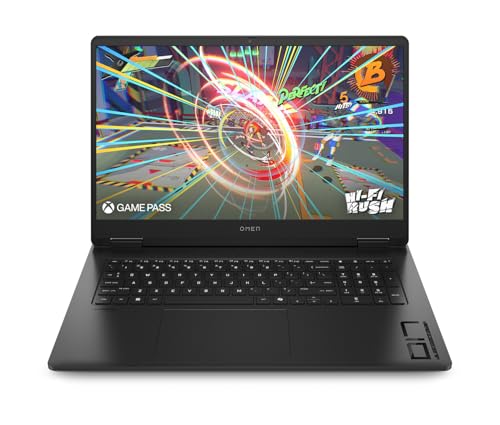
- memory AMD Ryzen AI 7 3500
- developer_board NVIDIA GeForce RTX 5070
- layers 64GB (2x32GB) DDR5 5600MHz SO-DIMM
- track_changes Target GPU: RTX 4090 (24GB VRAM)

- memory AMD Ryzen AI 9 3650
- developer_board NVIDIA GeForce RTX 5070
- layers 32GB (2x16GB) LPDDR5X 8000MHz
- track_changes Target GPU: RTX 4090 (24GB VRAM)

- memory Intel Core Ultra 9 285H
- developer_board NVIDIA GeForce RTX 5070
- layers 32GB (2x16GB) DDR5 4800MHz SO-DIMM
- track_changes Target GPU: RTX 4090 (24GB VRAM)

- memory Intel Core i9-14900HX Processor
- developer_board NVIDIA GeForce RTX 5070 Ti Laptop GPU
- layers 64GB DDR5-5600MHz (commonly listed as 4800MHz by some retailers, but 5600MHz is common for 14th Gen HX with DDR5)
- track_changes Target GPU: RTX 4090 (24GB VRAM)

- memory Intel Core Ultra 9 Processor 275HX
- developer_board NVIDIA GeForce RTX 5070 Ti Laptop GPU
- layers 64GB DDR5-6400MHz
- track_changes Target GPU: RTX 4090 (24GB VRAM)

- memory Intel Core Ultra 9 Processor 275HX (Series 2)
- developer_board NVIDIA GeForce RTX 5070 Ti Laptop GPU
- layers 32GB DDR5-5600MHz
- track_changes Target GPU: RTX 4090 (24GB VRAM)

- memory Intel Ultra 7 255HX
- developer_board NVIDIA GeForce RTX 5070 Ti
- layers 32GB DDR5 5600MHz
- track_changes Target GPU: RTX 4090 (24GB VRAM)

- memory Intel Core Ultra 7 240H
- developer_board NVIDIA GeForce RTX 5070 Ti Laptop GPU
- layers 32GB LPDDR5X 5600MHz
- track_changes Target GPU: RTX 4090 (24GB VRAM)
For Marvel Rivals Specifically
- memory Intel Core i7-12700H
- developer_board NVIDIA GeForce RTX 3070
- layers 32GB DDR4-3200MHz
- track_changes Target GPU: NVIDIA GeForce GTX 1060 (6GB) / AMD RX 580 (8GB) / Intel Arc A380
- memory Intel Core i9-13900H
- developer_board NVIDIA GeForce RTX 4060
- layers 16GB DDR5-5200MHz
- track_changes Target GPU: NVIDIA GeForce GTX 1060 (6GB) / AMD RX 580 (8GB) / Intel Arc A380
- memory Intel Core i9-14900HX
- developer_board NVIDIA GeForce RTX 4060
- layers 32GB DDR5-5600MHz
- track_changes Target GPU: NVIDIA GeForce GTX 1060 (6GB) / AMD RX 580 (8GB) / Intel Arc A380
- memory Intel Core i9-12900H
- developer_board NVIDIA GeForce RTX 3070 Ti
- layers 16GB DDR5-4800MHz
- track_changes Target GPU: NVIDIA GeForce GTX 1060 (6GB) / AMD RX 580 (8GB) / Intel Arc A380

- memory Intel Core i5-12450H
- developer_board NVIDIA GeForce RTX 3050
- layers 16GB DDR4-3200MHz
- track_changes Target GPU: NVIDIA GeForce GTX 1060 (6GB) / AMD RX 580 (8GB) / Intel Arc A380

- memory Intel Core i5-12500H
- developer_board NVIDIA GeForce RTX 3050 Ti
- layers 16GB DDR4-3200MHz
- track_changes Target GPU: NVIDIA GeForce GTX 1060 (6GB) / AMD RX 580 (8GB) / Intel Arc A380
- memory AMD Ryzen 7 7435HS
- developer_board NVIDIA GeForce RTX 3050
- layers 32GB DDR5-4800MHz
- track_changes Target GPU: NVIDIA GeForce GTX 1060 (6GB) / AMD RX 580 (8GB) / Intel Arc A380
- memory AMD Ryzen 7 6800H
- developer_board NVIDIA GeForce RTX 3060
- layers 16GB DDR5-4800MHz
- track_changes Target GPU: NVIDIA GeForce GTX 1060 (6GB) / AMD RX 580 (8GB) / Intel Arc A380
- memory AMD Ryzen 9 5900HS
- developer_board NVIDIA GeForce RTX 3080
- layers 16GB DDR4-3200MHz
- track_changes Target GPU: NVIDIA GeForce GTX 1060 (6GB) / AMD RX 580 (8GB) / Intel Arc A380
- memory Intel Core i7-13620H
- developer_board NVIDIA GeForce RTX 4070
- layers 16GB DDR5-4800MHz
- track_changes Target GPU: NVIDIA GeForce GTX 1060 (6GB) / AMD RX 580 (8GB) / Intel Arc A380
- memory Intel Core i7-14700HX
- developer_board NVIDIA GeForce RTX 4070
- layers 16GB DDR5-5600MHz
- track_changes Target GPU: NVIDIA GeForce RTX 2060 Super (8GB) / AMD RX 5700 XT (8GB) / Intel Arc A750
- memory Intel Core i9-14900HX
- developer_board NVIDIA GeForce RTX 4070
- layers 32GB DDR5-5600MHz
- track_changes Target GPU: NVIDIA GeForce RTX 2060 Super (8GB) / AMD RX 5700 XT (8GB) / Intel Arc A750
- memory AMD Ryzen 7 7435HS
- developer_board NVIDIA GeForce RTX 3050
- layers 32GB DDR5-4800MHz
- track_changes Target GPU: NVIDIA GeForce RTX 4070 (12GB) or AMD Radeon RX 7800 XT (16GB). (Future-proof: RTX 5060 Ti)
- memory AMD Ryzen 7 6800H
- developer_board NVIDIA GeForce RTX 3060
- layers 16GB DDR5-4800MHz
- track_changes Target GPU: NVIDIA GeForce RTX 4070 (12GB) or AMD Radeon RX 7800 XT (16GB). (Future-proof: RTX 5060 Ti)
- memory Intel Core i7-14700HX
- developer_board NVIDIA GeForce RTX 4070
- layers 16GB DDR5-5600MHz
- track_changes Target GPU: NVIDIA GeForce RTX 4070 (12GB) or AMD Radeon RX 7800 XT (16GB). (Future-proof: RTX 5060 Ti)
- memory Intel Core i9-14900HX
- developer_board NVIDIA GeForce RTX 4070
- layers 32GB DDR5-5600MHz
- track_changes Target GPU: NVIDIA GeForce RTX 4070 (12GB) or AMD Radeon RX 7800 XT (16GB). (Future-proof: RTX 5060 Ti)
- memory Intel Core i9-14900HX
- developer_board NVIDIA GeForce RTX 4070
- layers 16GB DDR5-5600MHz
- track_changes Target GPU: NVIDIA GeForce RTX 4070 (12GB) or AMD Radeon RX 7800 XT (16GB). (Future-proof: RTX 5060 Ti)

- memory Intel Core Ultra 7 255H
- developer_board NVIDIA GeForce RTX 5060 Laptop GPU
- layers 16GB DDR5-5600MHz (Dual-Channel)
- track_changes Target GPU: NVIDIA GeForce RTX 4070 (12GB) or AMD Radeon RX 7800 XT (16GB). (Future-proof: RTX 5060 Ti)
- memory AMD Ryzen 9 8940HX Processor
- developer_board NVIDIA GeForce RTX 5060 Laptop GPU
- layers 32GB DDR5-5200MHz
- track_changes Target GPU: NVIDIA GeForce RTX 4070 (12GB) or AMD Radeon RX 7800 XT (16GB). (Future-proof: RTX 5060 Ti)

- memory Intel Core i9-12950HX
- developer_board NVIDIA GeForce RTX 3080 Ti
- layers 32GB DDR5-4800MHz
- track_changes Target GPU: NVIDIA GeForce RTX 4070 (12GB) or AMD Radeon RX 7800 XT (16GB). (Future-proof: RTX 5060 Ti)

- memory AMD Ryzen 7 7445HS
- developer_board NVIDIA GeForce RTX 4050
- layers 16GB (2x8GB) DDR5 5600MHz SO-DIMM
- track_changes Target GPU: NVIDIA GeForce RTX 4070 (12GB) or AMD Radeon RX 7800 XT (16GB). (Future-proof: RTX 5060 Ti)

- memory AMD Ryzen 7 7445HS
- developer_board NVIDIA GeForce RTX 4050
- layers 16GB DDR5 5600MHz SO-DIMM
- track_changes Target GPU: NVIDIA GeForce RTX 4070 (12GB) or AMD Radeon RX 7800 XT (16GB). (Future-proof: RTX 5060 Ti)
- memory Intel Core i9-14900HX
- developer_board NVIDIA GeForce RTX 4070
- layers 32GB DDR5-5600MHz
- track_changes Target GPU: NVIDIA GeForce RTX 4070 Ti SUPER (16GB) or AMD Radeon RX 7900 XTX (24GB). (Future-proof: RTX 5080)
- memory AMD Ryzen 9 8940HX Processor
- developer_board NVIDIA GeForce RTX 5060 Laptop GPU
- layers 32GB DDR5-5200MHz
- track_changes Target GPU: NVIDIA GeForce RTX 4070 Ti SUPER (16GB) or AMD Radeon RX 7900 XTX (24GB). (Future-proof: RTX 5080)
- memory Intel Core i9-14900HX
- developer_board NVIDIA GeForce RTX 4080 Laptop GPU
- layers 64 GB DDR5-5600MHz
- track_changes Target GPU: NVIDIA GeForce RTX 4070 Ti SUPER (16GB) or AMD Radeon RX 7900 XTX (24GB). (Future-proof: RTX 5080)

- memory Intel Core Ultra 9 Processor 275HX (Series 2)
- developer_board NVIDIA GeForce RTX 5070 Laptop GPU
- layers 32GB DDR5-5600MHz
- track_changes Target GPU: NVIDIA GeForce RTX 4070 Ti SUPER (16GB) or AMD Radeon RX 7900 XTX (24GB). (Future-proof: RTX 5080)

- memory Intel Core i9-14900HX Processor
- developer_board NVIDIA GeForce RTX 5070 Laptop GPU
- layers 32GB DDR5-5600MHz
- track_changes Target GPU: NVIDIA GeForce RTX 4070 Ti SUPER (16GB) or AMD Radeon RX 7900 XTX (24GB). (Future-proof: RTX 5080)

- memory Intel Core i9-14900HX Processor
- developer_board NVIDIA GeForce RTX 5070 Laptop GPU
- layers 32GB DDR5-5600MHz
- track_changes Target GPU: NVIDIA GeForce RTX 4070 Ti SUPER (16GB) or AMD Radeon RX 7900 XTX (24GB). (Future-proof: RTX 5080)

- memory Intel Core Ultra 9 285H (Arrow Lake-H)
- developer_board NVIDIA GeForce RTX 5070 Laptop GPU
- layers 64GB LPDDR5x-8533MT/s (LPCAMM2)
- track_changes Target GPU: NVIDIA GeForce RTX 4070 Ti SUPER (16GB) or AMD Radeon RX 7900 XTX (24GB). (Future-proof: RTX 5080)

- memory Intel Core i9-14900HX
- developer_board NVIDIA GeForce RTX 4080
- layers 64GB DDR5-5600MHz
- track_changes Target GPU: NVIDIA GeForce RTX 4070 Ti SUPER (16GB) or AMD Radeon RX 7900 XTX (24GB). (Future-proof: RTX 5080)

- memory Intel Core i9-14900HX
- developer_board NVIDIA GeForce RTX 4080
- layers 32GB DDR5-5600MHz
- track_changes Target GPU: NVIDIA GeForce RTX 4070 Ti SUPER (16GB) or AMD Radeon RX 7900 XTX (24GB). (Future-proof: RTX 5080)

- memory Intel Core i9-14900HX
- developer_board NVIDIA GeForce RTX 4080
- layers 32GB DDR5-5600MHz
- track_changes Target GPU: NVIDIA GeForce RTX 4070 Ti SUPER (16GB) or AMD Radeon RX 7900 XTX (24GB). (Future-proof: RTX 5080)
info_outline Laptop recommendations are estimates based on available component benchmarks and game requirements. Actual performance may vary depending on settings, drivers, cooling, power limits, etc. Prices and availability subject to change. As an Amazon Associate, we earn from qualifying purchases.