Select Games to Compare
Benchmark your exact mobile GPU wattage (TGP), battery throttling drops, and cooling pad requirements for these games.
RuneScape: Dragonwilds vs Far Cry Primal
| close | close |
|---|---|
| shopping_cart Where to Buy | |
| info General Information | |
| Release Date | |
| Sep 15, 2026 | Feb 23, 2016 |
| Developer | |
| Jagex | Ubisoft Montreal, Ubisoft Toronto, Ubisoft Kyiv, Ubisoft Shanghai |
| Publisher | |
| Jagex | Ubisoft |
| Genre(s) | |
| Cooperative Open-World Survival | Action-Adventure, Open World, Survival, Prehistoric |
| Engine | |
| Unreal Engine 5 | Dunia Engine 2 (Modified CryEngine) |
| stars Ratings & Price | |
| Content Rating | |
| T for Teen (Estimated) | Mature 17+ |
| Avg. User Rating | |
| 4.5 / 5.0 | 3.9 / 5.0 |
| Current Price (USD) | |
| $29.99 | $49.99 |
| tune Key Specs | |
| Quick Highlights | |
|
|
| sports_esports Gameplay & Mechanics | |
| Companions/Followers | |
|
|
| Key Collectibles | |
|
|
| Key Themes | |
|
|
| colorize Combat & Gear | |
| Weapons Overview | |
|
|
| Armor / Gear Sets | |
|
|
| Outfits/Customization | |
|
|
| trending_up Progression & Upgrades | |
| Skills & Progression | |
|
Eschewing traditional survival-game tech trees, Dragonwilds ports the granular 99-level progression system directly from its MMORPG roots. Skills like Woodcutting, Mining, and Agility are leveled organically through continuous action. Rather than rewarding players with mere passive numerical buffs, achieving level milestones unlocks game-changing 'Skill Spells' driven by a complex rune economy. For example, high-level woodcutters can cast Axtral Projection to instantaneously fell entire groves, while agility masters unlock Windstep to dash across massive chasms. The Artisan skill drastically overhauls base building, introducing critical quality-of-life logistics like the Storage Ledger, which automatically sorts loot into categorized chests, completely mitigating the inventory-management friction typically found in the survival crafting genre. This deeply intertwined skill ecosystem makes every action feel permanently rewarding. |
Takkar's progression involves earning skill points by gaining XP (from missions, hunting, exploration, capturing objectives). Skills are divided into categories like Survival, Hunting, Gathering, Fighting, Crafting, and Beast Master abilities. Key skills include taming different tiers of beasts, improving combat prowess with various primitive weapons, crafting more effective tools and consumables (health, buffs), and enhancing stealth capabilities. The Wenja village also serves as a progression hub; recruiting specialists (Sayla the Gatherer, Tensay the Shaman, Wogah the Crafter, Karoosh the Warrior, Jayma the Hunter, Dah the Udam, Roshani the Izila) and upgrading their huts unlocks new skills, crafting recipes, gear upgrades, and village population bonuses. |
| public World & Exploration | |
| World & Level Design | |
|
Unlike traditional survival titles that rely on algorithmic procedural generation, Dragonwilds features the statically handcrafted continent of Ashenfall. This deliberate topographical design creates strict environmental gating and tightly curated discovery. Players initiate their journey in the temperate Fractured Plains before expanding into the densely forested verticality of Brynmoor and Ghornfell. The difficulty spikes aggressively in Fellhollow, a region defined by decaying, corrupted environments and sunken cemeteries overflowing with undead. Late-game progression forces players into the Umbral Sands, a vast desert enforcing severe heat and hydration mechanics. The absolute pinnacle of the map is the Scorned Wilderness, a 1.0 endgame raid environment featuring floating islands, toxic waterfalls, and crumbled cathedrals that can only be navigated utilizing advanced agility mechanics and magic, offering a fundamentally different scale of environmental challenge. |
Oros is a large and diverse open world featuring distinct biomes. These include temperate forests, marshy swamps, icy northern glaciers and caves, and volcanic southern regions. Each area presents unique environmental challenges, resources, and wildlife. The verticality of the terrain, with cliffs, caves, and high plateaus, encourages exploration. There are no traditional 'regions' to liberate in the same way as other Far Cry games, but rather areas dominated by Udam or Izila presence, with outposts and bonfires to capture. |
| Playable Vehicles | |
|
|
| Notable Fauna/Mounts | |
|
|
| book Story & Characters | |
| Main Characters | |
|
|
| Example Missions | |
|
|
| people Multiplayer | |
| Multiplayer Details | |
|
Multiplayer functionality completely abandons peer-to-peer architecture in favor of robust dedicated servers. This allows up to six players (with plans to expand this cap) to occupy a single persistent world. The persistence ensures that massive time-gated activities—such as crop cultivation, automated smelting via Artisan upgrades, and base structural integrity—continue evolving even when players are offline. The 1.0 update also solidifies cooperative raid mechanics, explicitly demanding tight party synergy to survive the Scorned Wilderness. While the core experience is entirely cooperative PvE, the game also offers a low-stress Creative Mode with unrestricted building and deactivated enemy aggression, catering to architectural enthusiasts who wish to bypass the grueling combat and material refinement loops. |
Far Cry Primal does not have any multiplayer modes. It is a purely single-player game focused on Takkar's story and survival in Oros. |
| extension Editions & DLC | |
| Available Editions | |
|
Jagex has positioned RuneScape: Dragonwilds aggressively in the market with a baseline digital edition priced at $29.99 across Steam, Epic Games Store, PlayStation Network, and Xbox Live. For enthusiasts, a $9.99 Deluxe Edition Upgrade is available, offering exclusive cosmetic base-building decor and the highly sought-after Gilded Paladin armor set. Physical media collectors can purchase a premium Physical Deluxe Edition for consoles, which includes a collectible Steelbook case, three embroidered patches representing the core Melee, Magic, and Ranged combat triangles, a physical cloth map of the Ashenfall continent, and an exclusive Gold Trim Rune Armour figurine produced in partnership with Youtooz. To ensure massive day-one server populations, the game is also accessible via major subscription platforms like Xbox Game Pass Ultimate and PlayStation Plus Extra. |
Far Cry Primal was released in a Standard Edition and a Digital Apex Edition. The Apex Edition included: 'Legend of the Mammoth' missions (play as a mammoth), a new weapon (Blood Shasti Club), and four enhancement packs (Sabretooth Pack, Owl Pack, Mammoth Pack, Bomb Pack) offering early access to resources, skins, or minor perks. A Collector's Edition was also available with physical items like a steelbook, map, soundtrack, and Wenja phrasebook. |
| Post-Launch Content / DLC | |
|
The version 1.0 release is explicitly designated as the conclusion of the introductory narrative, with a vast, multi-year roadmap already formalized. The first major content drop is the free 'Luminance Update' slated for Winter 2026. This expansion will introduce the highly anticipated Prayer skill, functioning as a hybrid support mechanic where players bury bones and construct altars to toggle powerful passive buffs that drain a new Prayer point resource. Looking further ahead to 2027, Jagex has confirmed the 'Shadows of Ashenfall' expansion, which will introduce entirely new corrupted biomes and story content. Furthermore, the development team is actively iterating on a highly requested Hardcore Mode, which will implement permanent death and aggressive enemy scaling to fundamentally alter the survival calculus for veteran players. |
The main post-launch content was the 'Wenja Pack,' which was part of the Digital Apex Edition and also sold separately. This included the 'Legend of the Mammoth' missions, the Blood Shasti Club, and the four enhancement packs. A Survivor Mode was added post-launch as a free update, offering a more challenging experience with permadeath options and increased difficulty. Other minor DLCs were typically cosmetic or resource packs. |
| help_outline FAQ | |
| Frequently Asked Questions | |
|
|
| build Technical Details | |
| Graphics & Visual Fidelity | |
|
Powered by Unreal Engine 5, Dragonwilds boasts dense environmental geometry, dynamic volumetric lighting via Lumen, and complex atmospheric effects that elevate the survival genre's visual standards. On high-end PCs, the game renders incredibly detailed armor textures—like the metallic sheen of a Dragon Kiteshield—and lush, wind-reactive foliage. However, this high visual ceiling necessitates heavy optimization scaling on weaker hardware. The Nintendo Switch 2 version has faced significant scrutiny; to maintain a locked 30 FPS, the game renders at a native 540p resolution heavily upscaled to 1080p using DLSS, resulting in noticeable texture compression, blurred visuals, and an over-reliance on bloom lighting. Despite these handheld compromises, the core visual art direction masterfully blends the high-fantasy aesthetic of Gielinor with the gritty, grounded reality of a survival sandbox. |
Powered by the Dunia Engine 2, Far Cry Primal presents a lush and visually striking depiction of the Mesolithic era. Oros is characterized by dense forests, misty swamps, icy northern wastes, and volcanic landscapes, all teeming with detailed prehistoric flora and fauna. Animal models are particularly well-crafted, showcasing realistic movement and behavior. The game features dynamic weather, a day-night cycle, and impressive lighting that enhances the primeval atmosphere. |
| Audio & Soundtrack | |
|
Audio design plays a critical role in both immersion and combat execution. The 1.0 combat overhaul introduced vital audio cues for the new parry mechanics; successfully executing a visceral parry triggers a distinct, heavy metallic resonance that serves as an immediate auditory reward and signals the burst-damage window. Environmentally, the soundscape transitions seamlessly from the serene, wind-swept ambiance of the Fractured Plains to the oppressive, echoing groans of the Fellhollow cemeteries. Musically, Jagex has masterfully re-orchestrated classic Old School RuneScape MIDI tracks into sweeping, cinematic orchestral arrangements tailored for Unreal Engine 5. The iconic 'Sea Shanty 2' and 'Harmony' themes return as dynamic ambient tracks that swell during base-building moments and seamlessly transition into high-tempo battle anthems when hostile entities initiate combat. |
The original score by Jason Graves heavily features primitive instrumentation, tribal drums, bone flutes, and guttural vocals, creating a unique and atmospheric soundscape fitting the Stone Age. The game features three fully developed fictional languages for the Wenja, Udam, and Izila tribes, created by linguists based on Proto-Indo-European roots. Sound design is crucial for gameplay, with distinct animal calls indicating presence and threat levels, and environmental sounds providing clues for hunting and survival. |
| User Interface (UI/UX) | |
|
The User Interface in Dragonwilds has been meticulously designed to handle the complex logistical demands of both an MMORPG and a survival crafter. A defining UI triumph is the integration of the Artisan 'Storage Ledger.' Instead of manually opening dozens of individual chests to deposit loot after a long expedition, players can interact with a central ledger UI that automatically siphons corresponding materials from their inventory into designated, pre-sorted containers. The combat UI has been streamlined to clearly telegraph stamina pools, special attack meters, and elemental buildup debuffs without obscuring the action. On portable devices like the Steam Deck and Switch 2, the UI utilizes dynamic scaling to ensure text readability and inventory management remain perfectly legible despite the smaller screen real estate. |
The UI is designed to be immersive and relatively minimalistic to fit the prehistoric setting. Health is represented by a segmented bar. Weapon selection is via a radial menu. Important information is often conveyed through environmental cues, animal behavior, and Takkar's own senses (Hunter Vision). A simplified compass and objective markers guide the player. The game features a fully developed fictional Wenja language (with subtitles) spoken by characters, enhancing immersion. |
| Accessibility Options | |
|
Jagex has implemented profound accessibility features primarily centered around reducing cognitive load and mechanical friction. The Artisan skill's 'Storage Ledger' automates inventory management, significantly aiding players who struggle with spatial organization or find manual sorting physically fatiguing. The new combat system's 'animation cancelling' allows players to abort attacks mid-swing to block, removing the punishing, lock-in animations that typically alienate players with slower reaction times. The game features full cross-platform invite codes, entirely bypassing complex account linking or third-party friend systems. Furthermore, customizable UI scaling, extensive subtitle options with directional indicators, and the inclusion of a Creative Mode ensure that players of all mechanical skill levels can engage with the world of Ashenfall without being overwhelmed by punishing survival mechanics. |
Standard Ubisoft accessibility options are present, including customizable controls (key remapping, sensitivity), aim assist (though less relevant for melee-focused combat), adjustable difficulty levels, and extensive subtitle customization (size, background, speaker names). Hunter Vision helps highlight important objects, enemies, and tracks. |
| video_library Media Links | |
| Gameplay Video | |
| launchWatch | launchWatch |
| Walkthrough/Guide | |
| launchView | launchView |
| settings_applications System Requirements | |
| 1080p (Full HD) - Minimum (Likely 720p/Low or 1080p/Low ~30 FPS) (Low Preset) CPU: Minimum desktop CPU for playable framerates. CPU (Laptop): Estimated laptop CPU equivalent for minimum performance. Modern entry-level laptop CPUs will easily surpass this. GPU: Minimum desktop GPU. GPU (Laptop): Estimated laptop GPUs for minimum performance targets. Modern entry-level dedicated GPUs are significantly more powerful. RAM: Minimum RAM requirement. Storage: HDD is minimum. | |
| — | memoryCPU: Intel Core i3-550 @ 3.2 GHz or AMD Phenom II X4 955 @ 3.2 GHz developer_boardGPU: NVIDIA GeForce GTX 460 (1GB VRAM) or AMD Radeon HD 5770 (1GB VRAM) laptop_macCPU (L): Intel Core i5-2410M / AMD A8-4500M equivalent or better laptop_windowsGPU (L): NVIDIA GeForce GT 740M (1GB) / AMD Radeon HD 8670M equivalent or better. **An NVIDIA GeForce RTX 3050 Mobile or RTX 4050 Mobile will run this game at 1080p Ultra settings with very high framerates.** layersRAM: 4 GB saveStorage (Tier): 20 GB HDD |
| 1080p (Full HD) - Recommended (High Preset, 60 FPS) CPU: Provides the necessary multi-core performance for smooth base rendering and complex enemy AI swarms. CPU (Laptop): Ensures background tasks and the game's server logic do not interrupt frame pacing. GPU: Allows for high-quality textures and enables DLSS/FSR for a stable 60 FPS experience. GPU (Laptop): Delivers excellent 1080p performance utilizing hardware upscaling technologies. RAM: Provides a massive buffer for Unreal Engine 5's streaming assets, resulting in a completely stutter-free experience. Storage: Optimizes load times heavily for rapid fast-travel via the Home Teleport spell. | |
memoryCPU: Intel Core i5-10600 / AMD Ryzen 5 3600 developer_boardGPU: NVIDIA RTX 2070 (6GB) / AMD RX 5700 XT (8GB) laptop_macCPU (L): Intel Core i7-11800H / AMD Ryzen 7 5800H laptop_windowsGPU (L): NVIDIA RTX 3060 (Mobile) / AMD RX 6600M layersRAM: 16 GB saveStorage (Tier): 25 GB NVMe SSD | — |
| 1080p (Full HD) - Minimum (Low Preset, 30 FPS) CPU: Provides baseline physics calculations and handles basic AI routines for low-density combat encounters. CPU (Laptop): Equivalent mobile processors that can maintain base game logic without severe bottlenecking. GPU: Entry-level GPUs capable of rendering UE5 at 1080p with heavy upscaling assistance. GPU (Laptop): Sufficient VRAM to prevent texture pop-in on the lowest graphical settings. RAM: Absolute minimum to load the game and OS, though page-file swapping may occur during intense sequences. Storage: Fast storage ensures textures load before the player physically enters a new biome. | |
memoryCPU: Intel Core i3-8100 / AMD Ryzen 5 1600 developer_boardGPU: NVIDIA GTX 1060 (6GB) / AMD RX 5600XT / Intel Arc A750 laptop_macCPU (L): Intel Core i5-10300H / AMD Ryzen 5 4600H laptop_windowsGPU (L): NVIDIA GTX 1650 Ti / RTX 3050 (Mobile) layersRAM: 8 GB saveStorage (Tier): 25 GB SSD | — |
| 1080p (Full HD) - Recommended (1080p ~60 FPS, High Preset) (High Preset) CPU: Recommended desktop CPU for 1080p at 60 FPS. CPU (Laptop): Estimated mid-range laptop CPUs for smoother 1080p gameplay. GPU: Recommended desktop GPU for 1080p at 60 FPS on high settings. GPU (Laptop): Estimated performance-focused laptop GPUs for recommended 1080p. RAM: Recommended RAM for smoother performance (16GB is standard for modern gaming). Storage: SSD strongly recommended. | |
| — | memoryCPU: Intel Core i7-2600K @ 3.4 GHz or AMD FX-8350 @ 4.0 GHz or better developer_boardGPU: NVIDIA GeForce GTX 780 (3GB VRAM) or AMD Radeon R9 280X (3GB VRAM) or better laptop_macCPU (L): Intel Core i7-3630QM / AMD Ryzen 3 1300X (Desktop equivalent in laptop) or better. **Modern laptop CPUs like Intel Core i5 10th gen+ / AMD Ryzen 5 3000 series+ will handle this effortlessly.** laptop_windowsGPU (L): NVIDIA GeForce GTX 960M (2GB/4GB) / GTX 870M (3GB) / AMD Radeon R9 M390X equivalent or better. **Modern laptop GPUs like the NVIDIA GeForce RTX 3050 Mobile, RTX 4050 Mobile, and above will achieve extremely high framerates at 1080p Ultra. An RTX 3060 Mobile or RTX 4060 Mobile is massively overkill for 1080p but excellent for higher resolutions.** layersRAM: 8 GB saveStorage (Tier): 20 GB HDD (SSD Recommended) |
| 1440p (QHD/2K) - High Performance (Ultra Preset, 60 FPS) CPU: Tackles heavy base-building object counts and massive enemy wave spawns without dropping frames. CPU (Laptop): Top-tier mobile CPUs required to sustain 1440p geometry rendering. GPU: Pushes native 1440p textures beautifully while handling complex volumetric lighting. GPU (Laptop): High TGP required to manage the thermal load of rendering UE5 at 1440p. RAM: Ideal for running background tasks, discord, and maintaining a localized dedicated server for friends. Storage: Maximum bandwidth for instant texture streaming and zero LOD pop-in. | |
memoryCPU: Intel Core i7-12700K / AMD Ryzen 7 5800X3D developer_boardGPU: NVIDIA RTX 3080 / AMD Radeon RX 6800 XT laptop_macCPU (L): Intel Core i9-12900H / AMD Ryzen 9 6900HX laptop_windowsGPU (L): NVIDIA RTX 3080 Ti (Mobile) / RTX 4070 (Mobile) layersRAM: 32 GB saveStorage (Tier): 25 GB PCIe Gen 4 SSD | — |
| 1440p (QHD/2K) - High (1440p ~60 FPS, High/Ultra Preset) (High/Ultra Preset) CPU: Desktop CPU for 1440p at 60 FPS. CPU (Laptop): Estimated high-end laptop CPUs suitable for 1440p. GPU: Desktop GPU for 1440p at 60 FPS. GPU (Laptop): Estimated performance laptop GPUs for 1440p. RAM: 16GB RAM recommended for smoother 1440p. Storage: SSD recommended. | |
| — | memoryCPU: Intel Core i7-3770K @ 3.5 GHz or AMD FX-8350 Wraith @ 4.0 GHz or better developer_boardGPU: NVIDIA GeForce GTX 970 (4GB) or AMD Radeon R9 390 (8GB) laptop_macCPU (L): Intel Core i7-4710HQ / AMD Ryzen 5 3550H or better. **Modern laptop CPUs like Intel Core i7 10th gen+ / AMD Ryzen 7 3000 series+ are more than sufficient.** laptop_windowsGPU (L): NVIDIA GeForce GTX 980M (4GB/8GB) / GTX 1060 Mobile (6GB) or AMD Radeon RX 480 Mobile equivalent. **NVIDIA GeForce RTX 3060 Mobile, RTX 4060 Mobile, and above will deliver excellent, high-framerate performance at 1440p Ultra settings. An RTX 3070 Mobile or RTX 4070 Mobile will ensure consistently high FPS.** layersRAM: 8 GB saveStorage (Tier): 20 GB SSD. |
| 2160p (UHD/4K) - Enthusiast (Epic Preset, 60 FPS) CPU: Absolute peak processing power to ensure 1% lows never drop below 60fps during intense boss encounters. CPU (Laptop): Desktop replacement CPUs capable of maintaining immense processing throughput. GPU: Mandatory hardware for 4K rendering with frame generation and maximum lighting fidelity. GPU (Laptop): The only mobile GPU class capable of rendering UE5 at 4K resolution at acceptable frame rates. RAM: Prevents any memory bottlenecks at extreme resolutions. Storage: Provides instantaneous asset streaming required for 4K textures. | |
memoryCPU: Intel Core i9-13900K / AMD Ryzen 7 7800X3D developer_boardGPU: NVIDIA RTX 4080 / AMD Radeon RX 7900 XTX laptop_macCPU (L): Intel Core i9-13980HX / AMD Ryzen 9 7945HX laptop_windowsGPU (L): NVIDIA RTX 4090 (Mobile) layersRAM: 32 GB saveStorage (Tier): 25 GB PCIe Gen 4/5 SSD | — |
| 2160p (UHD/4K) - Ultra 4K (~30-60 FPS, High/Ultra Preset) (High/Ultra Preset (May require adjustments for consistent 60 FPS on older top-tier cards)) CPU: Desktop CPU recommendation for 4K. CPU (Laptop): Estimated top-tier laptop CPUs for 4K, GPU is primary factor. GPU: Desktop GPU recommendation for 4K. Consistent 60 FPS at Ultra often required top-tier single cards of the era or SLI/Crossfire. GPU (Laptop): Highest-end laptop GPUs (for the era) for 4K. Modern high-end laptop GPUs offer significantly better 4K performance for this title. RAM: 16GB RAM strongly recommended for 4K. Storage: SSD required for optimal 4K experience. | |
| — | memoryCPU: Intel Core i7-4790K @ 4.0 GHz or AMD Ryzen 5 1600X @ 3.6 GHz or better developer_boardGPU: NVIDIA GeForce GTX 980 Ti (6GB) / GTX 1070 (8GB) or AMD Radeon R9 Fury X (4GB) / RX 480 (8GB Crossfire for higher FPS) laptop_macCPU (L): Intel Core i7-6700HQ / AMD Ryzen 7 3750H or better. **Modern high-performance laptop CPUs (Intel Core i7/i9 H/HX-series, AMD Ryzen 7/9 HS/HX-series) are recommended for 4K gaming.** laptop_windowsGPU (L): NVIDIA GeForce GTX 1070 Mobile (8GB) or higher. **NVIDIA GeForce RTX 3070 Mobile (High TGP), RTX 4070 Mobile, and higher (e.g., RTX 3080/Ti Mobile, RTX 4080/4090 Mobile) will run the game at 4K Ultra settings with high framerates. An RTX 3060 Mobile (High TGP) or RTX 4060 Mobile can achieve playable 4K at adjusted settings.** layersRAM: 8 GB saveStorage (Tier): 20 GB SSD. |
| save Overall Storage | |
| Spec: 25 GB Solid State Drive (SSD) Note: An SSD is strictly required to prevent traversal stuttering when crossing regional boundaries and to load high-fidelity assets instantly. Type: SSD | Spec: 20 GB available space (SSD Recommended). Note: SSD is recommended for faster load times and smoother world streaming. Type: SSD |
| desktop_windows Operating System | |
| Spec: Windows 10 (64-bit) Explanation: A 64-bit OS is required to address memory efficiently due to the massive open-world map and high-resolution textures. | Spec: Windows 7, Windows 8.1, Windows 10 (64-bit versions only) Explanation: Only 64-bit Windows 7 or newer is supported. Windows 10/11 64-bit recommended for modern hardware. |
| gamepad DirectX Version | |
| Spec: DirectX 12 Explanation: DX12 is mandatory for Unreal Engine 5 features such as Lumen dynamic lighting and Nanite virtualized geometry. | Spec: DirectX 11 Explanation: DirectX 11 is required. |
| info_outline Other Game Notes | |
|
|
| build Optimization Details | |
|
|
| laptop Laptop Considerations | |
|
|


info_outline Feature details based on available data. System requirements and performance estimates may vary.
laptop_chromebook Laptop Recommendations
Common Recommendations (Handles All Compared Games)

- memory Intel Core i5-11400H
- developer_board NVIDIA GeForce RTX 2050
- layers 8GB DDR4-3200MHz
- track_changes Target GPU: NVIDIA GTX 1650 Ti / RTX 3050 (Mobile)

- memory Intel Core i7-12700H
- developer_board NVIDIA GeForce RTX 3070
- layers 32GB DDR4-3200MHz
- track_changes Target GPU: NVIDIA GTX 1650 Ti / RTX 3050 (Mobile)

- memory Intel Core i9-13900H
- developer_board NVIDIA GeForce RTX 4060
- layers 16GB DDR5-5200MHz
- track_changes Target GPU: NVIDIA GTX 1650 Ti / RTX 3050 (Mobile)

- memory AMD Ryzen 7 6800H
- developer_board NVIDIA GeForce RTX 3060
- layers 16GB DDR5-4800MHz
- track_changes Target GPU: NVIDIA RTX 3060 (Mobile) / AMD RX 6600M

- memory AMD Ryzen 9 5900HS
- developer_board NVIDIA GeForce RTX 3080
- layers 16GB DDR4-3200MHz
- track_changes Target GPU: NVIDIA RTX 3060 (Mobile) / AMD RX 6600M

- memory Intel Core i7-13620H
- developer_board NVIDIA GeForce RTX 4070
- layers 16GB DDR5-4800MHz
- track_changes Target GPU: NVIDIA RTX 3060 (Mobile) / AMD RX 6600M

- memory Intel Core i9-14900HX
- developer_board NVIDIA GeForce RTX 4060
- layers 32GB DDR5-5600MHz
- track_changes Target GPU: NVIDIA GeForce GT 740M (1GB) / AMD Radeon HD 8670M equivalent or better. **An NVIDIA GeForce RTX 3050 Mobile or RTX 4050 Mobile will run this game at 1080p Ultra settings with very high framerates.**

- memory AMD Ryzen 7 7435HS
- developer_board NVIDIA GeForce RTX 3050
- layers 32GB DDR5-4800MHz
- track_changes Target GPU: NVIDIA GeForce GTX 960M (2GB/4GB) / GTX 870M (3GB) / AMD Radeon R9 M390X equivalent or better. **Modern laptop GPUs like the NVIDIA GeForce RTX 3050 Mobile, RTX 4050 Mobile, and above will achieve extremely high framerates at 1080p Ultra. An RTX 3060 Mobile or RTX 4060 Mobile is massively overkill for 1080p but excellent for higher resolutions.**

- memory Intel Core i9-14900HX
- developer_board NVIDIA GeForce RTX 4070
- layers 32GB DDR5-5600MHz
- track_changes Target GPU: NVIDIA GeForce GTX 960M (2GB/4GB) / GTX 870M (3GB) / AMD Radeon R9 M390X equivalent or better. **Modern laptop GPUs like the NVIDIA GeForce RTX 3050 Mobile, RTX 4050 Mobile, and above will achieve extremely high framerates at 1080p Ultra. An RTX 3060 Mobile or RTX 4060 Mobile is massively overkill for 1080p but excellent for higher resolutions.**
- memory Intel Core i9-14900HX
- developer_board NVIDIA GeForce RTX 4070
- layers 32GB DDR5-5600MHz
- track_changes Target GPU: NVIDIA RTX 3080 Ti (Mobile) / RTX 4070 (Mobile)

- memory AMD Ryzen 9 8940HX Processor
- developer_board NVIDIA GeForce RTX 5060 Laptop GPU
- layers 32GB DDR5-5200MHz
- track_changes Target GPU: NVIDIA RTX 3080 Ti (Mobile) / RTX 4070 (Mobile)

- memory Intel Core i9-12950HX
- developer_board NVIDIA GeForce RTX 3080 Ti
- layers 32GB DDR5-4800MHz
- track_changes Target GPU: NVIDIA RTX 3080 Ti (Mobile) / RTX 4070 (Mobile)
- memory Intel Core i9-14900HX
- developer_board NVIDIA GeForce RTX 4060
- layers 32GB DDR5-5600MHz
- track_changes Target GPU: NVIDIA GeForce GTX 980M (4GB/8GB) / GTX 1060 Mobile (6GB) or AMD Radeon RX 480 Mobile equivalent. **NVIDIA GeForce RTX 3060 Mobile, RTX 4060 Mobile, and above will deliver excellent, high-framerate performance at 1440p Ultra settings. An RTX 3070 Mobile or RTX 4070 Mobile will ensure consistently high FPS.**
- memory AMD Ryzen 7 7435HS
- developer_board NVIDIA GeForce RTX 3050
- layers 32GB DDR5-4800MHz
- track_changes Target GPU: NVIDIA GeForce GTX 980M (4GB/8GB) / GTX 1060 Mobile (6GB) or AMD Radeon RX 480 Mobile equivalent. **NVIDIA GeForce RTX 3060 Mobile, RTX 4060 Mobile, and above will deliver excellent, high-framerate performance at 1440p Ultra settings. An RTX 3070 Mobile or RTX 4070 Mobile will ensure consistently high FPS.**

- memory Intel Core i9-14900HX
- developer_board NVIDIA GeForce RTX 4090
- layers 32GB DDR5-5600MHz
- track_changes Target GPU: NVIDIA RTX 4090 (Mobile)

- memory Intel Core Ultra 9 285H (Series 2) , 14 cores (6 Performance cores + 8 Efficient cores), 20 threads
- developer_board NVIDIA GeForce RTX 5050 Laptop GPU
- layers 32GB (2x16GB) DDR5 8400MHz SO-DIMM
- track_changes Target GPU: NVIDIA RTX 4090 (Mobile)

- memory Intel Core Ultra 9 285H
- developer_board NVIDIA GeForce RTX 5070
- layers 32GB (2x16GB) DDR5 4800MHz SO-DIMM
- track_changes Target GPU: NVIDIA RTX 4090 (Mobile)
- memory Intel Core i7-12700H
- developer_board NVIDIA GeForce RTX 3070
- layers 32GB DDR4-3200MHz
- track_changes Target GPU: NVIDIA GeForce GTX 1070 Mobile (8GB) or higher. **NVIDIA GeForce RTX 3070 Mobile (High TGP), RTX 4070 Mobile, and higher (e.g., RTX 3080/Ti Mobile, RTX 4080/4090 Mobile) will run the game at 4K Ultra settings with high framerates. An RTX 3060 Mobile (High TGP) or RTX 4060 Mobile can achieve playable 4K at adjusted settings.**
- memory Intel Core i9-13900H
- developer_board NVIDIA GeForce RTX 4060
- layers 16GB DDR5-5200MHz
- track_changes Target GPU: NVIDIA GeForce GTX 1070 Mobile (8GB) or higher. **NVIDIA GeForce RTX 3070 Mobile (High TGP), RTX 4070 Mobile, and higher (e.g., RTX 3080/Ti Mobile, RTX 4080/4090 Mobile) will run the game at 4K Ultra settings with high framerates. An RTX 3060 Mobile (High TGP) or RTX 4060 Mobile can achieve playable 4K at adjusted settings.**
- memory Intel Core i9-14900HX
- developer_board NVIDIA GeForce RTX 4060
- layers 32GB DDR5-5600MHz
- track_changes Target GPU: NVIDIA GeForce GTX 1070 Mobile (8GB) or higher. **NVIDIA GeForce RTX 3070 Mobile (High TGP), RTX 4070 Mobile, and higher (e.g., RTX 3080/Ti Mobile, RTX 4080/4090 Mobile) will run the game at 4K Ultra settings with high framerates. An RTX 3060 Mobile (High TGP) or RTX 4060 Mobile can achieve playable 4K at adjusted settings.**
For RuneScape: Dragonwilds Specifically
- memory Intel Core i5-11400H
- developer_board NVIDIA GeForce RTX 2050
- layers 8GB DDR4-3200MHz
- track_changes Target GPU: NVIDIA GTX 1060 (6GB) / AMD RX 5600XT / Intel Arc A750
- memory Intel Core i7-12700H
- developer_board NVIDIA GeForce RTX 3070
- layers 32GB DDR4-3200MHz
- track_changes Target GPU: NVIDIA GTX 1060 (6GB) / AMD RX 5600XT / Intel Arc A750
- memory Intel Core i9-13900H
- developer_board NVIDIA GeForce RTX 4060
- layers 16GB DDR5-5200MHz
- track_changes Target GPU: NVIDIA GTX 1060 (6GB) / AMD RX 5600XT / Intel Arc A750
- memory Intel Core i9-14900HX
- developer_board NVIDIA GeForce RTX 4060
- layers 32GB DDR5-5600MHz
- track_changes Target GPU: NVIDIA GTX 1060 (6GB) / AMD RX 5600XT / Intel Arc A750

- memory Intel Core i9-12900H
- developer_board NVIDIA GeForce RTX 3070 Ti
- layers 16GB DDR5-4800MHz
- track_changes Target GPU: NVIDIA GTX 1060 (6GB) / AMD RX 5600XT / Intel Arc A750

- memory Intel Core i5-12450H
- developer_board NVIDIA GeForce RTX 3050
- layers 16GB DDR4-3200MHz
- track_changes Target GPU: NVIDIA GTX 1060 (6GB) / AMD RX 5600XT / Intel Arc A750

- memory Intel Core i5-12500H
- developer_board NVIDIA GeForce RTX 3050 Ti
- layers 16GB DDR4-3200MHz
- track_changes Target GPU: NVIDIA GTX 1060 (6GB) / AMD RX 5600XT / Intel Arc A750
- memory AMD Ryzen 7 7435HS
- developer_board NVIDIA GeForce RTX 3050
- layers 32GB DDR5-4800MHz
- track_changes Target GPU: NVIDIA GTX 1060 (6GB) / AMD RX 5600XT / Intel Arc A750
- memory AMD Ryzen 7 6800H
- developer_board NVIDIA GeForce RTX 3060
- layers 16GB DDR5-4800MHz
- track_changes Target GPU: NVIDIA GTX 1060 (6GB) / AMD RX 5600XT / Intel Arc A750
- memory AMD Ryzen 9 5900HS
- developer_board NVIDIA GeForce RTX 3080
- layers 16GB DDR4-3200MHz
- track_changes Target GPU: NVIDIA GTX 1060 (6GB) / AMD RX 5600XT / Intel Arc A750
- memory Intel Core i7-13620H
- developer_board NVIDIA GeForce RTX 4070
- layers 16GB DDR5-4800MHz
- track_changes Target GPU: NVIDIA RTX 2070 (6GB) / AMD RX 5700 XT (8GB)

- memory Intel Core i7-14700HX
- developer_board NVIDIA GeForce RTX 4070
- layers 16GB DDR5-5600MHz
- track_changes Target GPU: NVIDIA RTX 2070 (6GB) / AMD RX 5700 XT (8GB)
- memory Intel Core i9-14900HX
- developer_board NVIDIA GeForce RTX 4070
- layers 32GB DDR5-5600MHz
- track_changes Target GPU: NVIDIA RTX 2070 (6GB) / AMD RX 5700 XT (8GB)

- memory Intel Core i9-14900HX
- developer_board NVIDIA GeForce RTX 4070
- layers 16GB DDR5-5600MHz
- track_changes Target GPU: NVIDIA RTX 2070 (6GB) / AMD RX 5700 XT (8GB)

- memory Intel Core Ultra 7 255H
- developer_board NVIDIA GeForce RTX 5060 Laptop GPU
- layers 16GB DDR5-5600MHz (Dual-Channel)
- track_changes Target GPU: NVIDIA RTX 2070 (6GB) / AMD RX 5700 XT (8GB)
- memory AMD Ryzen 9 8940HX Processor
- developer_board NVIDIA GeForce RTX 5060 Laptop GPU
- layers 32GB DDR5-5200MHz
- track_changes Target GPU: NVIDIA RTX 2070 (6GB) / AMD RX 5700 XT (8GB)
- memory Intel Core i9-12950HX
- developer_board NVIDIA GeForce RTX 3080 Ti
- layers 32GB DDR5-4800MHz
- track_changes Target GPU: NVIDIA RTX 2070 (6GB) / AMD RX 5700 XT (8GB)

- memory AMD Ryzen 7 7445HS
- developer_board NVIDIA GeForce RTX 4050
- layers 16GB (2x8GB) DDR5 5600MHz SO-DIMM
- track_changes Target GPU: NVIDIA RTX 2070 (6GB) / AMD RX 5700 XT (8GB)
- memory Intel Core i9-14900HX
- developer_board NVIDIA GeForce RTX 4070
- layers 32GB DDR5-5600MHz
- track_changes Target GPU: NVIDIA RTX 3080 / AMD Radeon RX 6800 XT
- memory AMD Ryzen 9 8940HX Processor
- developer_board NVIDIA GeForce RTX 5060 Laptop GPU
- layers 32GB DDR5-5200MHz
- track_changes Target GPU: NVIDIA RTX 3080 / AMD Radeon RX 6800 XT
- memory Intel Core i9-12950HX
- developer_board NVIDIA GeForce RTX 3080 Ti
- layers 32GB DDR5-4800MHz
- track_changes Target GPU: NVIDIA RTX 3080 / AMD Radeon RX 6800 XT

- memory Intel Core i9-14900HX
- developer_board NVIDIA GeForce RTX 4080 Laptop GPU
- layers 64 GB DDR5-5600MHz
- track_changes Target GPU: NVIDIA RTX 3080 / AMD Radeon RX 6800 XT

- memory Intel Core Ultra 9 Processor 275HX (Series 2)
- developer_board NVIDIA GeForce RTX 5070 Laptop GPU
- layers 32GB DDR5-5600MHz
- track_changes Target GPU: NVIDIA RTX 3080 / AMD Radeon RX 6800 XT

- memory Intel Core i9-14900HX Processor
- developer_board NVIDIA GeForce RTX 5070 Laptop GPU
- layers 32GB DDR5-5600MHz
- track_changes Target GPU: NVIDIA RTX 3080 / AMD Radeon RX 6800 XT

- memory Intel Core i9-14900HX Processor
- developer_board NVIDIA GeForce RTX 5070 Laptop GPU
- layers 32GB DDR5-5600MHz
- track_changes Target GPU: NVIDIA RTX 3080 / AMD Radeon RX 6800 XT

- memory Intel Core Ultra 9 285H (Arrow Lake-H)
- developer_board NVIDIA GeForce RTX 5070 Laptop GPU
- layers 64GB LPDDR5x-8533MT/s (LPCAMM2)
- track_changes Target GPU: NVIDIA RTX 3080 / AMD Radeon RX 6800 XT

- memory Intel Core i9-14900HX
- developer_board NVIDIA GeForce RTX 4080
- layers 64GB DDR5-5600MHz
- track_changes Target GPU: NVIDIA RTX 3080 / AMD Radeon RX 6800 XT

- memory Intel Core i9-14900HX
- developer_board NVIDIA GeForce RTX 4080
- layers 32GB DDR5-5600MHz
- track_changes Target GPU: NVIDIA RTX 3080 / AMD Radeon RX 6800 XT
- memory Intel Core Ultra 9 285H (Series 2) , 14 cores (6 Performance cores + 8 Efficient cores), 20 threads
- developer_board NVIDIA GeForce RTX 5050 Laptop GPU
- layers 32GB (2x16GB) DDR5 8400MHz SO-DIMM
- track_changes Target GPU: NVIDIA RTX 4080 / AMD Radeon RX 7900 XTX
- memory Intel Core Ultra 9 285H
- developer_board NVIDIA GeForce RTX 5070
- layers 32GB (2x16GB) DDR5 4800MHz SO-DIMM
- track_changes Target GPU: NVIDIA RTX 4080 / AMD Radeon RX 7900 XTX

- memory Intel Core i9-14900HX Processor
- developer_board NVIDIA GeForce RTX 5070 Ti Laptop GPU
- layers 64GB DDR5-5600MHz (commonly listed as 4800MHz by some retailers, but 5600MHz is common for 14th Gen HX with DDR5)
- track_changes Target GPU: NVIDIA RTX 4080 / AMD Radeon RX 7900 XTX

- memory Intel Core Ultra 9 Processor 275HX
- developer_board NVIDIA GeForce RTX 5070 Ti Laptop GPU
- layers 64GB DDR5-6400MHz
- track_changes Target GPU: NVIDIA RTX 4080 / AMD Radeon RX 7900 XTX

- memory Intel Core Ultra 9 Processor 275HX (Series 2)
- developer_board NVIDIA GeForce RTX 5070 Ti Laptop GPU
- layers 32GB DDR5-5600MHz
- track_changes Target GPU: NVIDIA RTX 4080 / AMD Radeon RX 7900 XTX

- memory Intel Ultra 7 255HX
- developer_board NVIDIA GeForce RTX 5070 Ti
- layers 32GB DDR5 5600MHz
- track_changes Target GPU: NVIDIA RTX 4080 / AMD Radeon RX 7900 XTX
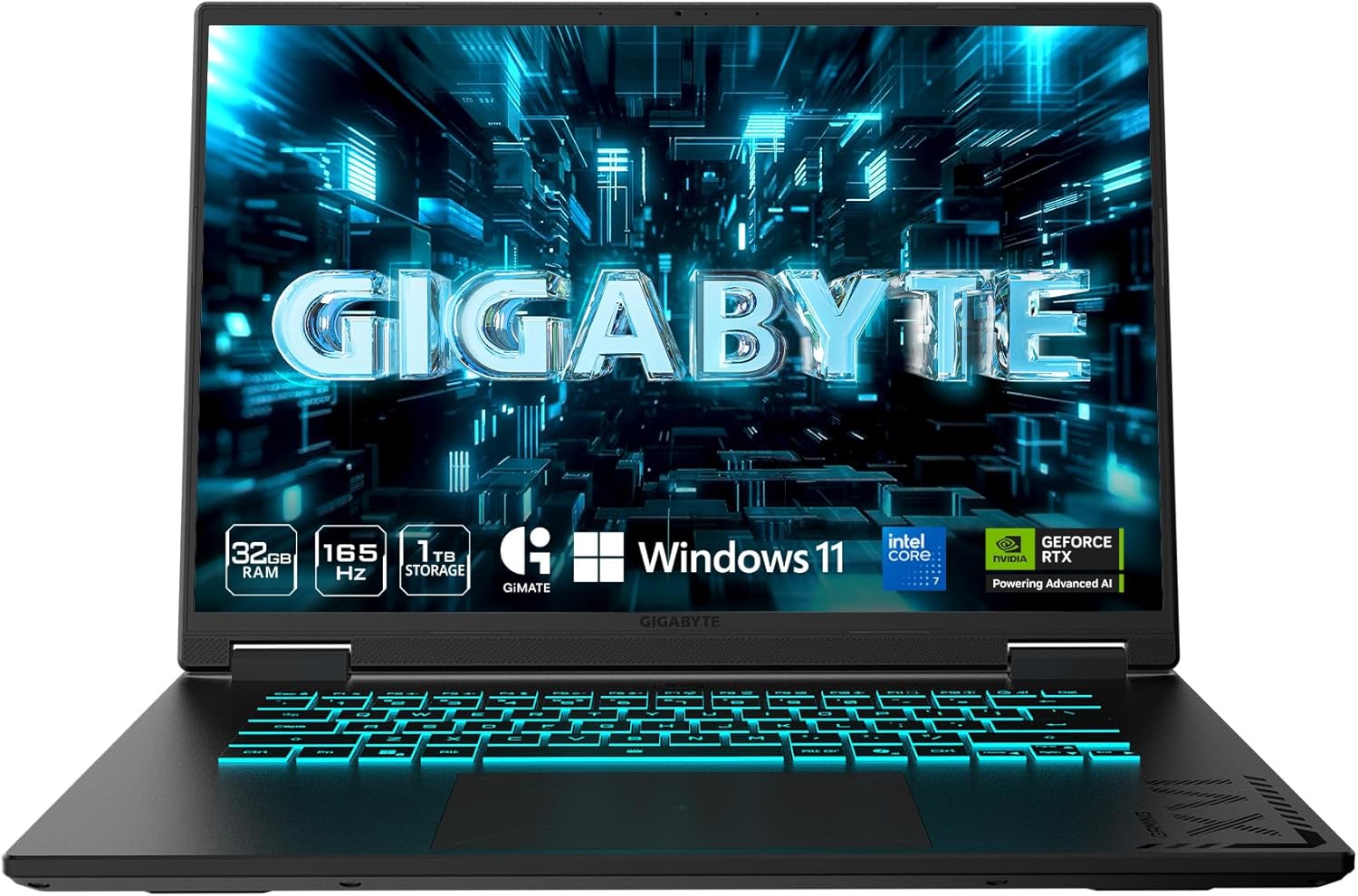
- memory Intel Core Ultra 7 240H
- developer_board NVIDIA GeForce RTX 5070 Ti Laptop GPU
- layers 32GB LPDDR5X 5600MHz
- track_changes Target GPU: NVIDIA RTX 4080 / AMD Radeon RX 7900 XTX

- memory Intel Core Ultra 9 275HX
- developer_board GeForce RTX 5070 Laptop Laptop GPU
- layers 64GB DDR5-6400MHz (Single-Channel)
- track_changes Target GPU: NVIDIA RTX 4080 / AMD Radeon RX 7900 XTX

- memory Intel Core Ultra 9 275HX
- developer_board NVIDIA GeForce RTX 5070 Ti
- layers 32GB
- track_changes Target GPU: NVIDIA RTX 4080 / AMD Radeon RX 7900 XTX

- memory Intel Core Ultra 9 275HX
- developer_board NVIDIA GeForce RTX 5070 Ti Laptop GPU
- layers 32 GB DDR5 6400MHz (2x16GB)
- track_changes Target GPU: NVIDIA RTX 4080 / AMD Radeon RX 7900 XTX
For Far Cry Primal Specifically
- memory Intel Core i7-12700H
- developer_board NVIDIA GeForce RTX 3070
- layers 32GB DDR4-3200MHz
- track_changes Target GPU: NVIDIA GeForce GTX 460 (1GB VRAM) or AMD Radeon HD 5770 (1GB VRAM)
- memory Intel Core i9-13900H
- developer_board NVIDIA GeForce RTX 4060
- layers 16GB DDR5-5200MHz
- track_changes Target GPU: NVIDIA GeForce GTX 460 (1GB VRAM) or AMD Radeon HD 5770 (1GB VRAM)
- memory Intel Core i9-14900HX
- developer_board NVIDIA GeForce RTX 4060
- layers 32GB DDR5-5600MHz
- track_changes Target GPU: NVIDIA GeForce GTX 460 (1GB VRAM) or AMD Radeon HD 5770 (1GB VRAM)
- memory Intel Core i9-12900H
- developer_board NVIDIA GeForce RTX 3070 Ti
- layers 16GB DDR5-4800MHz
- track_changes Target GPU: NVIDIA GeForce GTX 460 (1GB VRAM) or AMD Radeon HD 5770 (1GB VRAM)
- memory AMD Ryzen 7 7435HS
- developer_board NVIDIA GeForce RTX 3050
- layers 32GB DDR5-4800MHz
- track_changes Target GPU: NVIDIA GeForce GTX 460 (1GB VRAM) or AMD Radeon HD 5770 (1GB VRAM)
- memory AMD Ryzen 7 6800H
- developer_board NVIDIA GeForce RTX 3060
- layers 16GB DDR5-4800MHz
- track_changes Target GPU: NVIDIA GeForce GTX 460 (1GB VRAM) or AMD Radeon HD 5770 (1GB VRAM)
- memory AMD Ryzen 9 5900HS
- developer_board NVIDIA GeForce RTX 3080
- layers 16GB DDR4-3200MHz
- track_changes Target GPU: NVIDIA GeForce GTX 460 (1GB VRAM) or AMD Radeon HD 5770 (1GB VRAM)
- memory Intel Core i7-13620H
- developer_board NVIDIA GeForce RTX 4070
- layers 16GB DDR5-4800MHz
- track_changes Target GPU: NVIDIA GeForce GTX 460 (1GB VRAM) or AMD Radeon HD 5770 (1GB VRAM)
- memory Intel Core i7-14700HX
- developer_board NVIDIA GeForce RTX 4070
- layers 16GB DDR5-5600MHz
- track_changes Target GPU: NVIDIA GeForce GTX 460 (1GB VRAM) or AMD Radeon HD 5770 (1GB VRAM)
- memory Intel Core i9-14900HX
- developer_board NVIDIA GeForce RTX 4070
- layers 32GB DDR5-5600MHz
- track_changes Target GPU: NVIDIA GeForce GTX 460 (1GB VRAM) or AMD Radeon HD 5770 (1GB VRAM)
- memory Intel Core i9-14900HX
- developer_board NVIDIA GeForce RTX 4070
- layers 16GB DDR5-5600MHz
- track_changes Target GPU: NVIDIA GeForce GTX 780 (3GB VRAM) or AMD Radeon R9 280X (3GB VRAM) or better
- memory Intel Core Ultra 7 255H
- developer_board NVIDIA GeForce RTX 5060 Laptop GPU
- layers 16GB DDR5-5600MHz (Dual-Channel)
- track_changes Target GPU: NVIDIA GeForce GTX 780 (3GB VRAM) or AMD Radeon R9 280X (3GB VRAM) or better
- memory AMD Ryzen 9 8940HX Processor
- developer_board NVIDIA GeForce RTX 5060 Laptop GPU
- layers 32GB DDR5-5200MHz
- track_changes Target GPU: NVIDIA GeForce GTX 780 (3GB VRAM) or AMD Radeon R9 280X (3GB VRAM) or better
- memory AMD Ryzen 7 7445HS
- developer_board NVIDIA GeForce RTX 4050
- layers 16GB (2x8GB) DDR5 5600MHz SO-DIMM
- track_changes Target GPU: NVIDIA GeForce GTX 780 (3GB VRAM) or AMD Radeon R9 280X (3GB VRAM) or better

- memory AMD Ryzen 7 7445HS
- developer_board NVIDIA GeForce RTX 4050
- layers 16GB DDR5 5600MHz SO-DIMM
- track_changes Target GPU: NVIDIA GeForce GTX 780 (3GB VRAM) or AMD Radeon R9 280X (3GB VRAM) or better
- memory Intel Core i9-14900HX
- developer_board NVIDIA GeForce RTX 4080 Laptop GPU
- layers 64 GB DDR5-5600MHz
- track_changes Target GPU: NVIDIA GeForce GTX 780 (3GB VRAM) or AMD Radeon R9 280X (3GB VRAM) or better
- memory Intel Core Ultra 9 Processor 275HX (Series 2)
- developer_board NVIDIA GeForce RTX 5070 Laptop GPU
- layers 32GB DDR5-5600MHz
- track_changes Target GPU: NVIDIA GeForce GTX 780 (3GB VRAM) or AMD Radeon R9 280X (3GB VRAM) or better
- memory Intel Core i9-14900HX
- developer_board NVIDIA GeForce RTX 4060
- layers 32GB DDR5-5600MHz
- track_changes Target GPU: NVIDIA GeForce GTX 970 (4GB) or AMD Radeon R9 390 (8GB)
- memory AMD Ryzen 7 7435HS
- developer_board NVIDIA GeForce RTX 3050
- layers 32GB DDR5-4800MHz
- track_changes Target GPU: NVIDIA GeForce GTX 970 (4GB) or AMD Radeon R9 390 (8GB)
- memory Intel Core i9-14900HX
- developer_board NVIDIA GeForce RTX 4070
- layers 32GB DDR5-5600MHz
- track_changes Target GPU: NVIDIA GeForce GTX 970 (4GB) or AMD Radeon R9 390 (8GB)
- memory Intel Core i9-14900HX
- developer_board NVIDIA GeForce RTX 4070
- layers 16GB DDR5-5600MHz
- track_changes Target GPU: NVIDIA GeForce GTX 970 (4GB) or AMD Radeon R9 390 (8GB)
- memory Intel Core Ultra 7 255H
- developer_board NVIDIA GeForce RTX 5060 Laptop GPU
- layers 16GB DDR5-5600MHz (Dual-Channel)
- track_changes Target GPU: NVIDIA GeForce GTX 970 (4GB) or AMD Radeon R9 390 (8GB)
- memory AMD Ryzen 9 8940HX Processor
- developer_board NVIDIA GeForce RTX 5060 Laptop GPU
- layers 32GB DDR5-5200MHz
- track_changes Target GPU: NVIDIA GeForce GTX 970 (4GB) or AMD Radeon R9 390 (8GB)
- memory AMD Ryzen 7 7445HS
- developer_board NVIDIA GeForce RTX 4050
- layers 16GB (2x8GB) DDR5 5600MHz SO-DIMM
- track_changes Target GPU: NVIDIA GeForce GTX 970 (4GB) or AMD Radeon R9 390 (8GB)
- memory AMD Ryzen 7 7445HS
- developer_board NVIDIA GeForce RTX 4050
- layers 16GB DDR5 5600MHz SO-DIMM
- track_changes Target GPU: NVIDIA GeForce GTX 970 (4GB) or AMD Radeon R9 390 (8GB)
- memory Intel Core i9-14900HX
- developer_board NVIDIA GeForce RTX 4080 Laptop GPU
- layers 64 GB DDR5-5600MHz
- track_changes Target GPU: NVIDIA GeForce GTX 970 (4GB) or AMD Radeon R9 390 (8GB)
- memory Intel Core Ultra 9 Processor 275HX (Series 2)
- developer_board NVIDIA GeForce RTX 5070 Laptop GPU
- layers 32GB DDR5-5600MHz
- track_changes Target GPU: NVIDIA GeForce GTX 970 (4GB) or AMD Radeon R9 390 (8GB)
- memory Intel Core i7-12700H
- developer_board NVIDIA GeForce RTX 3070
- layers 32GB DDR4-3200MHz
- track_changes Target GPU: NVIDIA GeForce GTX 980 Ti (6GB) / GTX 1070 (8GB) or AMD Radeon R9 Fury X (4GB) / RX 480 (8GB Crossfire for higher FPS)
- memory Intel Core i9-13900H
- developer_board NVIDIA GeForce RTX 4060
- layers 16GB DDR5-5200MHz
- track_changes Target GPU: NVIDIA GeForce GTX 980 Ti (6GB) / GTX 1070 (8GB) or AMD Radeon R9 Fury X (4GB) / RX 480 (8GB Crossfire for higher FPS)
- memory Intel Core i9-14900HX
- developer_board NVIDIA GeForce RTX 4060
- layers 32GB DDR5-5600MHz
- track_changes Target GPU: NVIDIA GeForce GTX 980 Ti (6GB) / GTX 1070 (8GB) or AMD Radeon R9 Fury X (4GB) / RX 480 (8GB Crossfire for higher FPS)
- memory Intel Core i9-12900H
- developer_board NVIDIA GeForce RTX 3070 Ti
- layers 16GB DDR5-4800MHz
- track_changes Target GPU: NVIDIA GeForce GTX 980 Ti (6GB) / GTX 1070 (8GB) or AMD Radeon R9 Fury X (4GB) / RX 480 (8GB Crossfire for higher FPS)
- memory Intel Core i5-12500H
- developer_board NVIDIA GeForce RTX 3050 Ti
- layers 16GB DDR4-3200MHz
- track_changes Target GPU: NVIDIA GeForce GTX 980 Ti (6GB) / GTX 1070 (8GB) or AMD Radeon R9 Fury X (4GB) / RX 480 (8GB Crossfire for higher FPS)
- memory AMD Ryzen 7 7435HS
- developer_board NVIDIA GeForce RTX 3050
- layers 32GB DDR5-4800MHz
- track_changes Target GPU: NVIDIA GeForce GTX 980 Ti (6GB) / GTX 1070 (8GB) or AMD Radeon R9 Fury X (4GB) / RX 480 (8GB Crossfire for higher FPS)
- memory AMD Ryzen 7 6800H
- developer_board NVIDIA GeForce RTX 3060
- layers 16GB DDR5-4800MHz
- track_changes Target GPU: NVIDIA GeForce GTX 980 Ti (6GB) / GTX 1070 (8GB) or AMD Radeon R9 Fury X (4GB) / RX 480 (8GB Crossfire for higher FPS)
- memory AMD Ryzen 9 5900HS
- developer_board NVIDIA GeForce RTX 3080
- layers 16GB DDR4-3200MHz
- track_changes Target GPU: NVIDIA GeForce GTX 980 Ti (6GB) / GTX 1070 (8GB) or AMD Radeon R9 Fury X (4GB) / RX 480 (8GB Crossfire for higher FPS)
- memory Intel Core i7-13620H
- developer_board NVIDIA GeForce RTX 4070
- layers 16GB DDR5-4800MHz
- track_changes Target GPU: NVIDIA GeForce GTX 980 Ti (6GB) / GTX 1070 (8GB) or AMD Radeon R9 Fury X (4GB) / RX 480 (8GB Crossfire for higher FPS)
- memory Intel Core i7-14700HX
- developer_board NVIDIA GeForce RTX 4070
- layers 16GB DDR5-5600MHz
- track_changes Target GPU: NVIDIA GeForce GTX 980 Ti (6GB) / GTX 1070 (8GB) or AMD Radeon R9 Fury X (4GB) / RX 480 (8GB Crossfire for higher FPS)
info_outline Laptop recommendations are estimates based on available component benchmarks and game requirements. Actual performance may vary depending on settings, drivers, cooling, power limits, etc. Prices and availability subject to change. As an Amazon Associate, we earn from qualifying purchases.