Select Games to Compare
Benchmark your exact mobile GPU wattage (TGP), battery throttling drops, and cooling pad requirements for these games.
R.E.P.O. vs Dead Island 2
| close | close |
|---|---|
| shopping_cart Where to Buy | |
| info General Information | |
| Release Date | |
| Feb 26, 2025 | Apr 21, 2023 |
| Developer | |
| semiwork | Dambuster Studios |
| Publisher | |
| semiwork | Deep Silver |
| Genre(s) | |
| Online Co-Op, Survival Horror, Comedy, Physics-based Action, Sandbox | Action RPG, Survival Horror, First-Person Melee Combat, Zombie |
| Engine | |
| Unity | Unreal Engine 4 |
| stars Ratings & Price | |
| Content Rating | |
| Teen (Anticipated) | Mature 17+ |
| Avg. User Rating | |
| 4.8 / 5.0 | 4.0 / 5.0 |
| Current Price (USD) | |
| $8.00 | $59.99 |
| tune Key Specs | |
| Quick Highlights | |
|
|
| sports_esports Gameplay & Mechanics | |
| Companions/Followers | |
|
|
| Key Collectibles | |
|
|
| Key Themes | |
|
|
| colorize Combat & Gear | |
| Weapons Overview | |
|
|
| Armor / Gear Sets | |
|
|
| Outfits/Customization | |
|
|
| trending_up Progression & Upgrades | |
| Skills & Progression | |
|
Rather than leveling up with XP, progression in R.E.P.O. is entirely economy-based. Players earn cash—referred to as SURPLUS—by successfully extracting items. This SURPLUS is spent at the Service Station to acquire permanent robotic upgrades, improving jump height, carry weight, or sprint speed. Additionally, players must buy consumable resources like health packs, energy cells for tools, weapons, and explosives. Balancing the budget between surviving the next run and investing in long-term permanent enhancements is a core gameplay loop. |
N/A |
| public World & Exploration | |
| World & Level Design | |
|
The game features procedurally generated indoor environments, ensuring that no two extraction runs are identical. These maps range from dark, claustrophobic industrial hallways and flooded basements to bizarre, surreal storage facilities. The physical layout forces players to navigate choke points while carrying massive, physics-based objects like grand pianos, making spatial awareness and navigation critical. Between runs, players retreat to the 'Service Station', a safe-zone hub where they can walk around, test equipment, and purchase upgrades. |
Dead Island 2 features a semi-open world structure, divided into several distinct, large districts of Los Angeles rather than one single seamless map. These districts unlock progressively and are connected by loading screens. Iconic locations include Bel-Air, Beverly Hills, The Halperin Hotel, Monarch Studios, Venice Beach, Santa Monica Pier, Ocean Avenue, and Hollywood Boulevard. Each district is densely packed with detail, interiors to explore, and environmental storytelling. |
| Playable Vehicles | |
|
|
| Notable Fauna/Mounts | |
|
N/A |
| book Story & Characters | |
| Main Characters | |
|
|
| Example Missions | |
|
|
| people Multiplayer | |
| Multiplayer Details | |
|
R.E.P.O. is strictly an online cooperative multiplayer game, accommodating lobbies of up to 6 players. The chaos scales with the player count, as more players mean more bodies bumping into physics objects, blocking doorways, and screaming in proximity chat. The developers utilize the Photon Engine to handle the complex network syncing of hundreds of dynamic physics objects across 6 different clients simultaneously. |
Features a drop-in/drop-out online cooperative mode for up to 3 players. Players can team up to play through the main story campaign and side quests together. Loot and progression are handled on an individual basis for most items, while quest progression is tied to the host. There are no competitive multiplayer modes. |
| extension Editions & DLC | |
| Available Editions | |
|
R.E.P.O. launched into Steam Early Access on February 26, 2025, developed by the small Swedish team at semiwork. The game became a massive viral hit, priced incredibly affordably at just $8 USD. Its success was so profound that it won the Golden Joystick award for Best Early Access Game in November 2025. It is currently only available digitally on PC via Steam. |
Available in Standard Edition, Deluxe Edition (Golden Weapons Pack, Character Pack 1 & 2 - unique costumes/weapons), Gold Edition (Deluxe content + Expansion Pass for two major post-launch story expansions), and HELL-A Edition (physical collector's edition with Gold Edition content, SteelBook, Venice Beach travel map, character pins, patches, weapon pack). |
| Post-Launch Content / DLC | |
|
The game has received numerous free updates throughout its Early Access period, adding new monsters, items, and map variations. In a massive crossover event reflecting its viral popularity, the Semibots (the player characters from R.E.P.O.) were actually added as purchasable outfits in Fortnite: Battle Royale during the 'Fortnitemares' Halloween event in October 2025. |
An Expansion Pass is available, promising two major post-launch story expansions: 'Haus' (released October 2023, set in a Malibu techno-death cult billionaire's villa) and 'SoLA' (released April 2024, set during a Californian music festival). Various cosmetic packs and weapon packs have also been released. |
| help_outline FAQ | |
| Frequently Asked Questions | |
|
|
| build Technical Details | |
| Graphics & Visual Fidelity | |
|
The game sports a distinct, slightly retro, low-poly 3D aesthetic similar to late PS1 or early PS2 titles, typical of the modern indie co-op horror genre. This art style is highly optimized, allowing the Unity engine to dedicate maximum resources to the complex physics calculations. The lighting is dark and moody, requiring flashlights, which contrasts sharply with the goofy, colorful designs of the Semibots and the absurd items they are retrieving. |
Developed on Unreal Engine 4, Dead Island 2 showcases a vibrant and gore-filled depiction of Los Angeles. It features detailed environments, realistic character models, and the proprietary 'FLESH' system, which allows for highly detailed and procedural dismemberment of zombies. The game balances sunny California aesthetics with gruesome horror elements. |
| Audio & Soundtrack | |
|
Sound design is the backbone of the R.E.P.O. experience. The game relies on 3D spatial audio and proximity voice chat, meaning you can hear the muffled screams of your teammates getting ambushed down a hallway. Monsters emit terrifying, often bizarre audio cues (like honking clowns or aggressive ducklings). The game features custom volume controls and stereo sound settings, emphasizing the eerie silence of the abandoned facilities before chaos erupts. |
Features a dynamic soundtrack that blends intense action cues with atmospheric horror themes, often with a pulpy, B-movie vibe. Licensed tracks sometimes feature. Sound design emphasizes visceral gore effects (FLESH system), distinct zombie vocalizations, impactful weapon sounds, and the ambient sounds of a ruined Los Angeles. |
| User Interface (UI/UX) | |
|
The UI is clean and diegetic, keeping the screen relatively clear to focus on the horror and physical comedy. The most important elements are the reticle for the physics grabbing tool and the dynamic weight indicators that show how heavy an object is before lifting it. Proximity voice chat icons appear when allies are speaking, and a shared quota/SURPLUS tracker is visible to keep the team focused on their financial goals. |
First-person HUD displaying health, stamina, Fury mode meter, equipped weapon/curveball, and objective markers. A compass aids navigation. Inventory, skill cards, crafting, and quest logs are accessed via menus. Weapon wheel for quick selection. Health and status effects are also indicated by screen effects. |
| Accessibility Options | |
|
The developers have included several notable accessibility features. The game is fully playable without Quick Time Events (QTEs), relying instead on continuous physics manipulation. It offers custom volume controls for balancing proximity chat against scary monster noises, and supports basic control remapping to accommodate different playstyles. |
Offers a range of accessibility options, including customizable controls (PC), subtitle and caption customization (size, background, speaker names), options for aim assist, options to change QTEs to holds, colorblind modes, options to reduce camera motion/head bob, and various audio/visual cues. |
| video_library Media Links | |
| Gameplay Video | |
| launchWatch | launchWatch |
| Walkthrough/Guide | |
| launchView | launchView |
| settings_applications System Requirements | |
| 1080p (Full HD) - Recommended (High Preset, 1080p (120+ FPS Target)) CPU: A 6-core/12-thread CPU provides plenty of overhead to ensure physics calculations never interrupt the rendering pipeline. CPU (Laptop): Ensures absolutely locked frame rates for a smooth, motion-sickness-free first-person experience. GPU: Easily maxes out the game's visual settings, providing pristine image quality and stable shadows. GPU (Laptop): Overkill for this specific title, but guarantees high refresh rate gaming. RAM: The game is incredibly memory efficient. Storage: SSD recommended for faster lobby loading. | |
memoryCPU: Intel Core i7-8700 developer_boardGPU: NVIDIA GeForce GTX 1070 laptop_macCPU (L): Intel Core i7-10750H / AMD Ryzen 7 4800H laptop_windowsGPU (L): NVIDIA GeForce RTX 3060 Mobile layersRAM: 8 GB saveStorage (Tier): 1 GB available space | — |
| 1080p (Full HD) - Recommended (1080p ~60 FPS, High Preset) (High Preset) CPU: Recommended desktop CPU for 1080p/60FPS High settings. CPU (Laptop): Estimated mid-range to high-end laptop CPUs. GPU: Recommended desktop GPU for 1080p/60FPS High. GPU (Laptop): Estimated performance-focused laptop GPUs. 8GB VRAM crucial. RAM: 16GB RAM strongly recommended. Storage: SSD strongly recommended. | |
| — | memoryCPU: Intel Core i9-9900K or AMD Ryzen 5 5600X developer_boardGPU: NVIDIA GeForce RTX 2070 Super (8GB) or AMD Radeon RX 6600 XT (8GB) laptop_macCPU (L): Intel Core i7-10870H / AMD Ryzen 7 4800H or better laptop_windowsGPU (L): NVIDIA GeForce RTX 2070 Mobile (8GB) / RTX 3060 Mobile (6GB, High TGP). **An RTX 3070 Mobile or RTX 4060 Mobile (High TGP) is a good target for 1080p High 60FPS.** layersRAM: 16 GB saveStorage (Tier): 70 GB SSD |
| 1080p (Full HD) - Minimum (1080p ~30 FPS, Low Preset) (Low Preset) CPU: Minimum desktop CPU for lower settings. CPU (Laptop): Estimated laptop CPU equivalent. Stronger quad-core or hex-core recommended. GPU: Minimum desktop GPU for lower settings. GPU (Laptop): Estimated laptop GPUs. 6GB VRAM recommended even for minimum. RAM: Minimum RAM requirement (higher than typical for minimum). Storage: HDD absolute minimum, SSD highly recommended. | |
| — | memoryCPU: Intel Core i7-7700HQ or AMD FX-9590 developer_boardGPU: NVIDIA GeForce GTX 1060 (6GB) or AMD Radeon RX 480 (8GB) laptop_macCPU (L): Intel Core i7-7700HQ / AMD Ryzen 5 2600H equivalent or better laptop_windowsGPU (L): NVIDIA GeForce GTX 1060 Mobile (6GB) / GTX 1650 Ti Mobile (4GB). **An RTX 3050 Mobile would be a much better starting point for a smoother experience.** layersRAM: 10 GB saveStorage (Tier): 70 GB HDD (SSD Strongly Recommended) |
| 1080p (Full HD) - Minimum (Low/Medium Preset, 1080p (60 FPS Target)) CPU: A solid quad-core processor is the absolute minimum to handle the continuous physics updates and proximity chat without causing lobby lag. CPU (Laptop): Entry-level mobile processors can handle the game, but expect frame drops during massive explosive chain reactions. GPU: Provides ample VRAM and rasterization power for the game's stylized, low-poly aesthetic. GPU (Laptop): More than capable of running the game flawlessly at 1080p native. RAM: Required to store procedural level data and physics object states. Storage: Any standard HDD or SSD. | |
memoryCPU: Intel Core i5-6600 developer_boardGPU: NVIDIA GeForce GTX 970 laptop_macCPU (L): Intel Core i5-8300H / AMD Ryzen 5 3550H laptop_windowsGPU (L): NVIDIA GeForce GTX 1650 Mobile / RTX 3050 Mobile layersRAM: 8 GB saveStorage (Tier): 1 GB available space | — |
| 1440p (QHD/2K) - High Performance (Estimated 1440p ~60 FPS, Ultra Preset, Upscaling potentially needed) (Ultra Preset (FSR Quality/Balanced may be needed)) CPU: CPU for 1440p/60FPS Ultra. CPU (Laptop): High-end laptop CPU. GPU: Desktop GPU for 1440p/60FPS Ultra. Upscaling may be beneficial. GPU (Laptop): High-end laptop GPUs. 10GB+ VRAM highly recommended. RAM: 16GB RAM essential, 32GB beneficial for smoother experience. Storage: NVMe SSD required. | |
| — | memoryCPU: Intel Core i7-12700K or AMD Ryzen 7 5800X developer_boardGPU: NVIDIA GeForce RTX 3070 Ti (8GB) / RTX 4070 (12GB) or AMD Radeon RX 6800 (16GB) / RX 7700 XT (12GB) laptop_macCPU (L): Intel Core i7-12700H / AMD Ryzen 7 6800H or better laptop_windowsGPU (L): NVIDIA GeForce RTX 3080 Mobile (10GB/16GB, Max TGP) / RTX 4070 Mobile (8GB, Max TGP). **An RTX 4080 Mobile would be better for consistent 1440p Ultra performance.** layersRAM: 16 GB saveStorage (Tier): 70 GB NVMe SSD |
| 1440p (QHD/2K) - Enthusiast (Ultra Preset, 1440p (120+ FPS)) CPU: Modern mid-range CPUs will chew through the game's physics logic effortlessly. CPU (Laptop): Provides massive overhead for background tasks like Discord streaming. GPU: Handles 1440p resolution natively without breaking a sweat. GPU (Laptop): Delivers a flawless QHD experience. RAM: Standard for modern enthusiast systems, though R.E.P.O. will use a fraction of it. Storage: NVMe SSD. | |
memoryCPU: Intel Core i5-12400 / AMD Ryzen 5 5600X developer_boardGPU: NVIDIA GeForce RTX 3060 Ti / AMD Radeon RX 6700 XT laptop_macCPU (L): Intel Core i7-12700H / AMD Ryzen 7 6800H laptop_windowsGPU (L): NVIDIA GeForce RTX 4060 Mobile layersRAM: 16 GB saveStorage (Tier): 1 GB available space | — |
| 2160p (UHD/4K) - Ultimate (Estimated 2160p/4K ~60 FPS, Ultra Preset, Aggressive Upscaling Required) (Ultra Preset, Upscaling (FSR Performance/Ultra Performance)) CPU: Flagship CPU for attempting 4K/60FPS Ultimate. CPU (Laptop): Absolute top-tier laptop CPUs. GPU: Flagship desktop GPU for 4K Ultimate, heavily reliant on upscaling. GPU (Laptop): The absolute best laptop GPUs, will be pushed to its limits for 4K Ultra. Upscaling mandatory. RAM: 32GB RAM highly recommended for 4K Ultimate. Storage: NVMe SSD required. | |
| — | memoryCPU: Intel Core i9-12900K or AMD Ryzen 9 5900X/7900X developer_boardGPU: NVIDIA GeForce RTX 3090 (24GB) / RTX 4080 (16GB) or AMD Radeon RX 6950 XT (16GB) / RX 7900 XTX (24GB) laptop_macCPU (L): Intel Core i9-13900HX / AMD Ryzen 9 7945HX or better laptop_windowsGPU (L): NVIDIA GeForce RTX 4090 Mobile (16GB, Max TGP). **Even this will require aggressive FSR settings for playable 4K Ultra at ~60FPS. A hypothetical next-gen flagship (e.g., RTX 5090 Mobile or AMD equivalent) would be needed for a more robust native-like experience. (Highly Speculative)** layersRAM: 16 GB saveStorage (Tier): 70 GB NVMe SSD |
| 2160p (UHD/4K) - Ultra (Max Preset, 4K (120 FPS)) CPU: Top-tier physics processing for maximum hilarious chaos. CPU (Laptop): Maximum mobile processing. GPU: More than enough to render the game's simple textures at crisp 4K resolution. GPU (Laptop): Runs the game natively at 4K on external displays easily. RAM: Plenty of headroom. Storage: Gen4 NVMe SSD. | |
memoryCPU: Intel Core i5-13600K / AMD Ryzen 7 7800X3D developer_boardGPU: NVIDIA GeForce RTX 4070 / AMD Radeon RX 7800 XT laptop_macCPU (L): Intel Core i9-13900HX laptop_windowsGPU (L): NVIDIA GeForce RTX 4080 Mobile layersRAM: 16 GB saveStorage (Tier): 1 GB available space | — |
| save Overall Storage | |
| Spec: 1 GB available space Note: Incredibly small install size due to optimized textures and procedural level design. Type: Unknown | Spec: 70 GB available space (SSD Recommended). Note: An SSD is highly recommended for faster loading times and smoother texture streaming. Type: SSD |
| desktop_windows Operating System | |
| Spec: Windows 10 / Windows 11 (64-bit) Explanation: Required for proper memory addressing and modern network protocols handling 6-player voice lobbies. | Spec: Windows 10 (64-bit) Explanation: 64-bit Windows 10 or Windows 11 is required. |
| gamepad DirectX Version | |
| Spec: DirectX 10 minimum, DirectX 12 recommended Explanation: DX12 provides better multi-threading support which helps alleviate CPU bottlenecks caused by physics interactions. | Spec: DirectX 12 Explanation: DirectX 12 API is required. |
| info_outline Other Game Notes | |
|
|
| build Optimization Details | |
|
|
| laptop Laptop Considerations | |
|
|


info_outline Feature details based on available data. System requirements and performance estimates may vary.
laptop_chromebook Laptop Recommendations
Common Recommendations (Handles All Compared Games)

- memory Intel Core i7-12700H
- developer_board NVIDIA GeForce RTX 3070
- layers 32GB DDR4-3200MHz
- track_changes Target GPU: NVIDIA GeForce GTX 1650 Mobile / RTX 3050 Mobile

- memory Intel Core i9-13900H
- developer_board NVIDIA GeForce RTX 4060
- layers 16GB DDR5-5200MHz
- track_changes Target GPU: NVIDIA GeForce GTX 1650 Mobile / RTX 3050 Mobile

- memory Intel Core i9-14900HX
- developer_board NVIDIA GeForce RTX 4060
- layers 32GB DDR5-5600MHz
- track_changes Target GPU: NVIDIA GeForce GTX 1650 Mobile / RTX 3050 Mobile
- memory Intel Core i7-12700H
- developer_board NVIDIA GeForce RTX 3070
- layers 32GB DDR4-3200MHz
- track_changes Target GPU: NVIDIA GeForce RTX 4060 Mobile
- memory Intel Core i9-13900H
- developer_board NVIDIA GeForce RTX 4060
- layers 16GB DDR5-5200MHz
- track_changes Target GPU: NVIDIA GeForce RTX 4060 Mobile
- memory Intel Core i9-14900HX
- developer_board NVIDIA GeForce RTX 4060
- layers 32GB DDR5-5600MHz
- track_changes Target GPU: NVIDIA GeForce RTX 4060 Mobile

- memory AMD Ryzen 7 7435HS
- developer_board NVIDIA GeForce RTX 3050
- layers 32GB DDR5-4800MHz
- track_changes Target GPU: NVIDIA GeForce RTX 3080 Mobile (10GB/16GB, Max TGP) / RTX 4070 Mobile (8GB, Max TGP). **An RTX 4080 Mobile would be better for consistent 1440p Ultra performance.**

- memory Intel Core i9-14900HX
- developer_board NVIDIA GeForce RTX 4070
- layers 32GB DDR5-5600MHz
- track_changes Target GPU: NVIDIA GeForce RTX 3080 Mobile (10GB/16GB, Max TGP) / RTX 4070 Mobile (8GB, Max TGP). **An RTX 4080 Mobile would be better for consistent 1440p Ultra performance.**

- memory Intel Core i9-14900HX
- developer_board NVIDIA GeForce RTX 4070
- layers 16GB DDR5-5600MHz
- track_changes Target GPU: NVIDIA GeForce RTX 3080 Mobile (10GB/16GB, Max TGP) / RTX 4070 Mobile (8GB, Max TGP). **An RTX 4080 Mobile would be better for consistent 1440p Ultra performance.**

- memory Intel Core i9-14900HX
- developer_board NVIDIA GeForce RTX 4080 Laptop GPU
- layers 64 GB DDR5-5600MHz
- track_changes Target GPU: NVIDIA GeForce RTX 4080 Mobile

- memory Intel Core Ultra 9 Processor 275HX (Series 2)
- developer_board NVIDIA GeForce RTX 5070 Laptop GPU
- layers 32GB DDR5-5600MHz
- track_changes Target GPU: NVIDIA GeForce RTX 4080 Mobile

- memory Intel Core i9-14900HX Processor
- developer_board NVIDIA GeForce RTX 5070 Laptop GPU
- layers 32GB DDR5-5600MHz
- track_changes Target GPU: NVIDIA GeForce RTX 4080 Mobile

- memory Intel Core i9-14900HX
- developer_board NVIDIA GeForce RTX 4090
- layers 32GB DDR5-5600MHz
- track_changes Target GPU: NVIDIA GeForce RTX 4090 Mobile (16GB, Max TGP). **Even this will require aggressive FSR settings for playable 4K Ultra at ~60FPS. A hypothetical next-gen flagship (e.g., RTX 5090 Mobile or AMD equivalent) would be needed for a more robust native-like experience. (Highly Speculative)**

- memory Intel Core Ultra 9 285H (Series 2) , 14 cores (6 Performance cores + 8 Efficient cores), 20 threads
- developer_board NVIDIA GeForce RTX 5050 Laptop GPU
- layers 32GB (2x16GB) DDR5 8400MHz SO-DIMM
- track_changes Target GPU: NVIDIA GeForce RTX 4090 Mobile (16GB, Max TGP). **Even this will require aggressive FSR settings for playable 4K Ultra at ~60FPS. A hypothetical next-gen flagship (e.g., RTX 5090 Mobile or AMD equivalent) would be needed for a more robust native-like experience. (Highly Speculative)**

- memory Intel Core Ultra 9 285H
- developer_board NVIDIA GeForce RTX 5070
- layers 32GB (2x16GB) DDR5 4800MHz SO-DIMM
- track_changes Target GPU: NVIDIA GeForce RTX 4090 Mobile (16GB, Max TGP). **Even this will require aggressive FSR settings for playable 4K Ultra at ~60FPS. A hypothetical next-gen flagship (e.g., RTX 5090 Mobile or AMD equivalent) would be needed for a more robust native-like experience. (Highly Speculative)**
For R.E.P.O. Specifically
- memory Intel Core i7-12700H
- developer_board NVIDIA GeForce RTX 3070
- layers 32GB DDR4-3200MHz
- track_changes Target GPU: NVIDIA GeForce GTX 970
- memory Intel Core i9-13900H
- developer_board NVIDIA GeForce RTX 4060
- layers 16GB DDR5-5200MHz
- track_changes Target GPU: NVIDIA GeForce GTX 970
- memory Intel Core i9-14900HX
- developer_board NVIDIA GeForce RTX 4060
- layers 32GB DDR5-5600MHz
- track_changes Target GPU: NVIDIA GeForce GTX 970

- memory Intel Core i9-12900H
- developer_board NVIDIA GeForce RTX 3070 Ti
- layers 16GB DDR5-4800MHz
- track_changes Target GPU: NVIDIA GeForce GTX 970

- memory Intel Core i5-12450H
- developer_board NVIDIA GeForce RTX 3050
- layers 16GB DDR4-3200MHz
- track_changes Target GPU: NVIDIA GeForce GTX 970
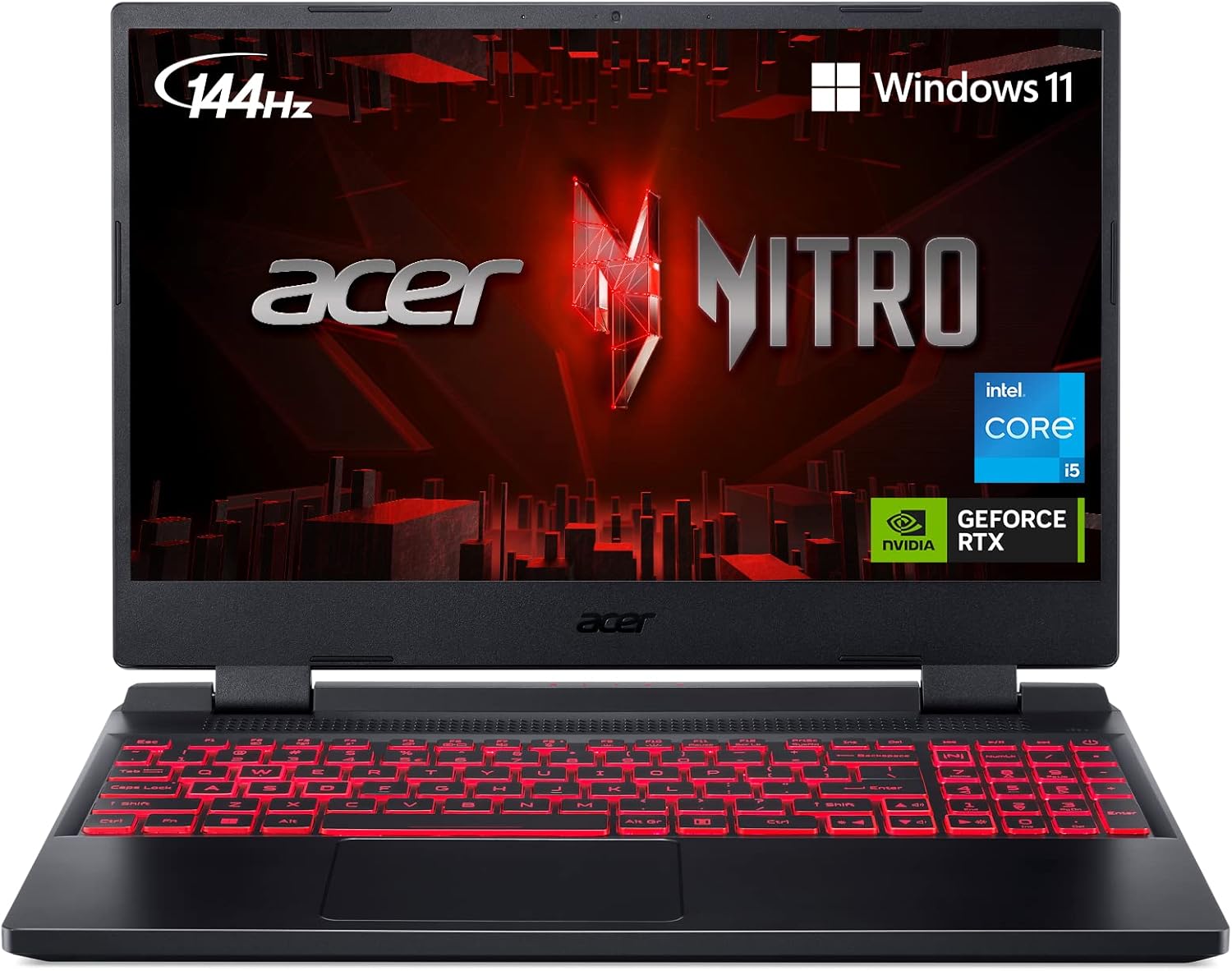
- memory Intel Core i5-12500H
- developer_board NVIDIA GeForce RTX 3050 Ti
- layers 16GB DDR4-3200MHz
- track_changes Target GPU: NVIDIA GeForce GTX 970
- memory AMD Ryzen 7 7435HS
- developer_board NVIDIA GeForce RTX 3050
- layers 32GB DDR5-4800MHz
- track_changes Target GPU: NVIDIA GeForce GTX 970

- memory AMD Ryzen 7 6800H
- developer_board NVIDIA GeForce RTX 3060
- layers 16GB DDR5-4800MHz
- track_changes Target GPU: NVIDIA GeForce GTX 970

- memory AMD Ryzen 9 5900HS
- developer_board NVIDIA GeForce RTX 3080
- layers 16GB DDR4-3200MHz
- track_changes Target GPU: NVIDIA GeForce GTX 970

- memory Intel Core i7-13620H
- developer_board NVIDIA GeForce RTX 4070
- layers 16GB DDR5-4800MHz
- track_changes Target GPU: NVIDIA GeForce GTX 970

- memory Intel Core i7-14700HX
- developer_board NVIDIA GeForce RTX 4070
- layers 16GB DDR5-5600MHz
- track_changes Target GPU: NVIDIA GeForce GTX 1070
- memory Intel Core i9-14900HX
- developer_board NVIDIA GeForce RTX 4070
- layers 32GB DDR5-5600MHz
- track_changes Target GPU: NVIDIA GeForce GTX 1070
- memory Intel Core i7-12700H
- developer_board NVIDIA GeForce RTX 3070
- layers 32GB DDR4-3200MHz
- track_changes Target GPU: NVIDIA GeForce RTX 3060 Ti / AMD Radeon RX 6700 XT
- memory Intel Core i9-13900H
- developer_board NVIDIA GeForce RTX 4060
- layers 16GB DDR5-5200MHz
- track_changes Target GPU: NVIDIA GeForce RTX 3060 Ti / AMD Radeon RX 6700 XT
- memory Intel Core i9-14900HX
- developer_board NVIDIA GeForce RTX 4060
- layers 32GB DDR5-5600MHz
- track_changes Target GPU: NVIDIA GeForce RTX 3060 Ti / AMD Radeon RX 6700 XT
- memory Intel Core i9-12900H
- developer_board NVIDIA GeForce RTX 3070 Ti
- layers 16GB DDR5-4800MHz
- track_changes Target GPU: NVIDIA GeForce RTX 3060 Ti / AMD Radeon RX 6700 XT
- memory AMD Ryzen 7 7435HS
- developer_board NVIDIA GeForce RTX 3050
- layers 32GB DDR5-4800MHz
- track_changes Target GPU: NVIDIA GeForce RTX 3060 Ti / AMD Radeon RX 6700 XT
- memory Intel Core i9-14900HX
- developer_board NVIDIA GeForce RTX 4070
- layers 32GB DDR5-5600MHz
- track_changes Target GPU: NVIDIA GeForce RTX 3060 Ti / AMD Radeon RX 6700 XT
- memory Intel Core i9-14900HX
- developer_board NVIDIA GeForce RTX 4070
- layers 16GB DDR5-5600MHz
- track_changes Target GPU: NVIDIA GeForce RTX 3060 Ti / AMD Radeon RX 6700 XT

- memory Intel Core Ultra 7 255H
- developer_board NVIDIA GeForce RTX 5060 Laptop GPU
- layers 16GB DDR5-5600MHz (Dual-Channel)
- track_changes Target GPU: NVIDIA GeForce RTX 3060 Ti / AMD Radeon RX 6700 XT

- memory AMD Ryzen 9 8940HX Processor
- developer_board NVIDIA GeForce RTX 5060 Laptop GPU
- layers 32GB DDR5-5200MHz
- track_changes Target GPU: NVIDIA GeForce RTX 3060 Ti / AMD Radeon RX 6700 XT

- memory Intel Core i9-12950HX
- developer_board NVIDIA GeForce RTX 3080 Ti
- layers 32GB DDR5-4800MHz
- track_changes Target GPU: NVIDIA GeForce RTX 3060 Ti / AMD Radeon RX 6700 XT
- memory Intel Core i9-14900HX
- developer_board NVIDIA GeForce RTX 4080 Laptop GPU
- layers 64 GB DDR5-5600MHz
- track_changes Target GPU: NVIDIA GeForce RTX 4070 / AMD Radeon RX 7800 XT
- memory Intel Core Ultra 9 Processor 275HX (Series 2)
- developer_board NVIDIA GeForce RTX 5070 Laptop GPU
- layers 32GB DDR5-5600MHz
- track_changes Target GPU: NVIDIA GeForce RTX 4070 / AMD Radeon RX 7800 XT
- memory Intel Core i9-14900HX Processor
- developer_board NVIDIA GeForce RTX 5070 Laptop GPU
- layers 32GB DDR5-5600MHz
- track_changes Target GPU: NVIDIA GeForce RTX 4070 / AMD Radeon RX 7800 XT

- memory Intel Core i9-14900HX Processor
- developer_board NVIDIA GeForce RTX 5070 Laptop GPU
- layers 32GB DDR5-5600MHz
- track_changes Target GPU: NVIDIA GeForce RTX 4070 / AMD Radeon RX 7800 XT

- memory Intel Core Ultra 9 Processor 285H
- developer_board NVIDIA GeForce RTX 5070 Laptop GPU
- layers 16GB DDR5-5600MHz
- track_changes Target GPU: NVIDIA GeForce RTX 4070 / AMD Radeon RX 7800 XT

- memory Intel Core Ultra 9 285H (Arrow Lake-H)
- developer_board NVIDIA GeForce RTX 5070 Laptop GPU
- layers 64GB LPDDR5x-8533MT/s (LPCAMM2)
- track_changes Target GPU: NVIDIA GeForce RTX 4070 / AMD Radeon RX 7800 XT

- memory AMD Ryzen 9 7945HX
- developer_board NVIDIA GeForce RTX 4080
- layers 32GB DDR5
- track_changes Target GPU: NVIDIA GeForce RTX 4070 / AMD Radeon RX 7800 XT

- memory Intel Core i9-14900HX
- developer_board NVIDIA GeForce RTX 4080
- layers 64GB DDR5-5600MHz
- track_changes Target GPU: NVIDIA GeForce RTX 4070 / AMD Radeon RX 7800 XT

- memory Intel Core i9-14900HX
- developer_board NVIDIA GeForce RTX 4080
- layers 32GB DDR5-5600MHz
- track_changes Target GPU: NVIDIA GeForce RTX 4070 / AMD Radeon RX 7800 XT

- memory Intel Core i9-14900HX
- developer_board NVIDIA GeForce RTX 4080
- layers 32GB DDR5-5600MHz
- track_changes Target GPU: NVIDIA GeForce RTX 4070 / AMD Radeon RX 7800 XT
For Dead Island 2 Specifically
- memory Intel Core i7-12700H
- developer_board NVIDIA GeForce RTX 3070
- layers 32GB DDR4-3200MHz
- track_changes Target GPU: NVIDIA GeForce GTX 1060 (6GB) or AMD Radeon RX 480 (8GB)
- memory Intel Core i9-13900H
- developer_board NVIDIA GeForce RTX 4060
- layers 16GB DDR5-5200MHz
- track_changes Target GPU: NVIDIA GeForce GTX 1060 (6GB) or AMD Radeon RX 480 (8GB)
- memory Intel Core i9-14900HX
- developer_board NVIDIA GeForce RTX 4060
- layers 32GB DDR5-5600MHz
- track_changes Target GPU: NVIDIA GeForce GTX 1060 (6GB) or AMD Radeon RX 480 (8GB)
- memory Intel Core i9-12900H
- developer_board NVIDIA GeForce RTX 3070 Ti
- layers 16GB DDR5-4800MHz
- track_changes Target GPU: NVIDIA GeForce GTX 1060 (6GB) or AMD Radeon RX 480 (8GB)
- memory Intel Core i5-12450H
- developer_board NVIDIA GeForce RTX 3050
- layers 16GB DDR4-3200MHz
- track_changes Target GPU: NVIDIA GeForce GTX 1060 (6GB) or AMD Radeon RX 480 (8GB)
- memory Intel Core i5-12500H
- developer_board NVIDIA GeForce RTX 3050 Ti
- layers 16GB DDR4-3200MHz
- track_changes Target GPU: NVIDIA GeForce GTX 1060 (6GB) or AMD Radeon RX 480 (8GB)
- memory AMD Ryzen 7 7435HS
- developer_board NVIDIA GeForce RTX 3050
- layers 32GB DDR5-4800MHz
- track_changes Target GPU: NVIDIA GeForce GTX 1060 (6GB) or AMD Radeon RX 480 (8GB)
- memory AMD Ryzen 7 6800H
- developer_board NVIDIA GeForce RTX 3060
- layers 16GB DDR5-4800MHz
- track_changes Target GPU: NVIDIA GeForce GTX 1060 (6GB) or AMD Radeon RX 480 (8GB)
- memory AMD Ryzen 9 5900HS
- developer_board NVIDIA GeForce RTX 3080
- layers 16GB DDR4-3200MHz
- track_changes Target GPU: NVIDIA GeForce GTX 1060 (6GB) or AMD Radeon RX 480 (8GB)
- memory Intel Core i7-13620H
- developer_board NVIDIA GeForce RTX 4070
- layers 16GB DDR5-4800MHz
- track_changes Target GPU: NVIDIA GeForce GTX 1060 (6GB) or AMD Radeon RX 480 (8GB)
- memory Intel Core i7-14700HX
- developer_board NVIDIA GeForce RTX 4070
- layers 16GB DDR5-5600MHz
- track_changes Target GPU: NVIDIA GeForce RTX 2070 Super (8GB) or AMD Radeon RX 6600 XT (8GB)
- memory Intel Core i9-14900HX
- developer_board NVIDIA GeForce RTX 4070
- layers 32GB DDR5-5600MHz
- track_changes Target GPU: NVIDIA GeForce RTX 2070 Super (8GB) or AMD Radeon RX 6600 XT (8GB)
- memory AMD Ryzen 7 7435HS
- developer_board NVIDIA GeForce RTX 3050
- layers 32GB DDR5-4800MHz
- track_changes Target GPU: NVIDIA GeForce RTX 3070 Ti (8GB) / RTX 4070 (12GB) or AMD Radeon RX 6800 (16GB) / RX 7700 XT (12GB)
- memory Intel Core i9-14900HX
- developer_board NVIDIA GeForce RTX 4070
- layers 32GB DDR5-5600MHz
- track_changes Target GPU: NVIDIA GeForce RTX 3070 Ti (8GB) / RTX 4070 (12GB) or AMD Radeon RX 6800 (16GB) / RX 7700 XT (12GB)
- memory Intel Core i9-14900HX
- developer_board NVIDIA GeForce RTX 4070
- layers 16GB DDR5-5600MHz
- track_changes Target GPU: NVIDIA GeForce RTX 3070 Ti (8GB) / RTX 4070 (12GB) or AMD Radeon RX 6800 (16GB) / RX 7700 XT (12GB)
- memory Intel Core Ultra 7 255H
- developer_board NVIDIA GeForce RTX 5060 Laptop GPU
- layers 16GB DDR5-5600MHz (Dual-Channel)
- track_changes Target GPU: NVIDIA GeForce RTX 3070 Ti (8GB) / RTX 4070 (12GB) or AMD Radeon RX 6800 (16GB) / RX 7700 XT (12GB)
- memory AMD Ryzen 9 8940HX Processor
- developer_board NVIDIA GeForce RTX 5060 Laptop GPU
- layers 32GB DDR5-5200MHz
- track_changes Target GPU: NVIDIA GeForce RTX 3070 Ti (8GB) / RTX 4070 (12GB) or AMD Radeon RX 6800 (16GB) / RX 7700 XT (12GB)
- memory Intel Core i9-12950HX
- developer_board NVIDIA GeForce RTX 3080 Ti
- layers 32GB DDR5-4800MHz
- track_changes Target GPU: NVIDIA GeForce RTX 3070 Ti (8GB) / RTX 4070 (12GB) or AMD Radeon RX 6800 (16GB) / RX 7700 XT (12GB)

- memory AMD Ryzen 7 7445HS
- developer_board NVIDIA GeForce RTX 4050
- layers 16GB (2x8GB) DDR5 5600MHz SO-DIMM
- track_changes Target GPU: NVIDIA GeForce RTX 3070 Ti (8GB) / RTX 4070 (12GB) or AMD Radeon RX 6800 (16GB) / RX 7700 XT (12GB)

- memory AMD Ryzen 7 7445HS
- developer_board NVIDIA GeForce RTX 4050
- layers 16GB DDR5 5600MHz SO-DIMM
- track_changes Target GPU: NVIDIA GeForce RTX 3070 Ti (8GB) / RTX 4070 (12GB) or AMD Radeon RX 6800 (16GB) / RX 7700 XT (12GB)
- memory Intel Core i9-14900HX
- developer_board NVIDIA GeForce RTX 4080 Laptop GPU
- layers 64 GB DDR5-5600MHz
- track_changes Target GPU: NVIDIA GeForce RTX 3070 Ti (8GB) / RTX 4070 (12GB) or AMD Radeon RX 6800 (16GB) / RX 7700 XT (12GB)
- memory Intel Core Ultra 9 Processor 275HX (Series 2)
- developer_board NVIDIA GeForce RTX 5070 Laptop GPU
- layers 32GB DDR5-5600MHz
- track_changes Target GPU: NVIDIA GeForce RTX 3070 Ti (8GB) / RTX 4070 (12GB) or AMD Radeon RX 6800 (16GB) / RX 7700 XT (12GB)
- memory Intel Core Ultra 9 285H (Series 2) , 14 cores (6 Performance cores + 8 Efficient cores), 20 threads
- developer_board NVIDIA GeForce RTX 5050 Laptop GPU
- layers 32GB (2x16GB) DDR5 8400MHz SO-DIMM
- track_changes Target GPU: NVIDIA GeForce RTX 3090 (24GB) / RTX 4080 (16GB) or AMD Radeon RX 6950 XT (16GB) / RX 7900 XTX (24GB)
- memory Intel Core Ultra 9 285H
- developer_board NVIDIA GeForce RTX 5070
- layers 32GB (2x16GB) DDR5 4800MHz SO-DIMM
- track_changes Target GPU: NVIDIA GeForce RTX 3090 (24GB) / RTX 4080 (16GB) or AMD Radeon RX 6950 XT (16GB) / RX 7900 XTX (24GB)

- memory Intel Core i9-14900HX Processor
- developer_board NVIDIA GeForce RTX 5070 Ti Laptop GPU
- layers 64GB DDR5-5600MHz (commonly listed as 4800MHz by some retailers, but 5600MHz is common for 14th Gen HX with DDR5)
- track_changes Target GPU: NVIDIA GeForce RTX 3090 (24GB) / RTX 4080 (16GB) or AMD Radeon RX 6950 XT (16GB) / RX 7900 XTX (24GB)

- memory Intel Core Ultra 9 Processor 275HX
- developer_board NVIDIA GeForce RTX 5070 Ti Laptop GPU
- layers 64GB DDR5-6400MHz
- track_changes Target GPU: NVIDIA GeForce RTX 3090 (24GB) / RTX 4080 (16GB) or AMD Radeon RX 6950 XT (16GB) / RX 7900 XTX (24GB)

- memory Intel Core Ultra 9 Processor 275HX (Series 2)
- developer_board NVIDIA GeForce RTX 5070 Ti Laptop GPU
- layers 32GB DDR5-5600MHz
- track_changes Target GPU: NVIDIA GeForce RTX 3090 (24GB) / RTX 4080 (16GB) or AMD Radeon RX 6950 XT (16GB) / RX 7900 XTX (24GB)

- memory Intel Ultra 7 255HX
- developer_board NVIDIA GeForce RTX 5070 Ti
- layers 32GB DDR5 5600MHz
- track_changes Target GPU: NVIDIA GeForce RTX 3090 (24GB) / RTX 4080 (16GB) or AMD Radeon RX 6950 XT (16GB) / RX 7900 XTX (24GB)
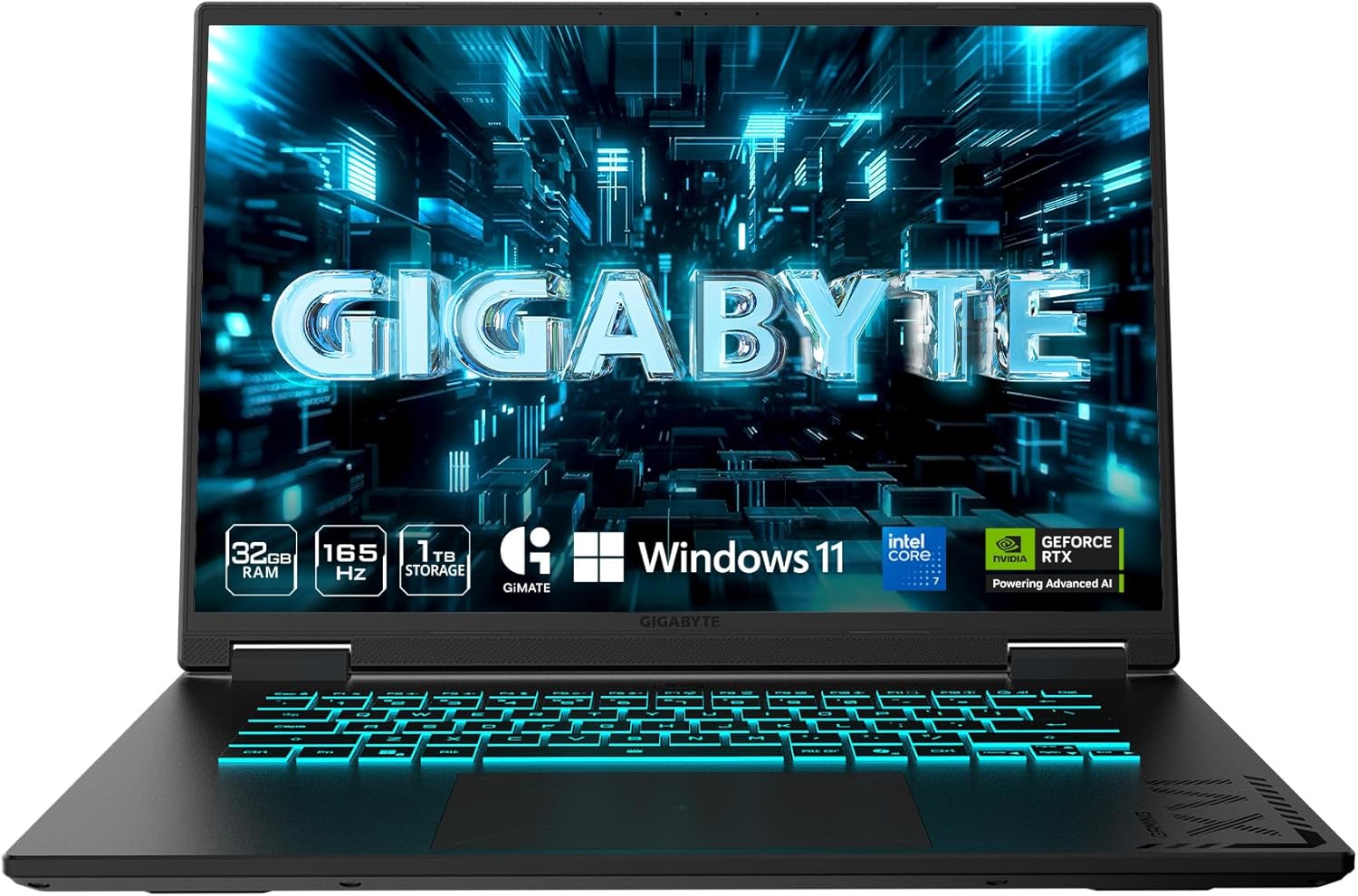
- memory Intel Core Ultra 7 240H
- developer_board NVIDIA GeForce RTX 5070 Ti Laptop GPU
- layers 32GB LPDDR5X 5600MHz
- track_changes Target GPU: NVIDIA GeForce RTX 3090 (24GB) / RTX 4080 (16GB) or AMD Radeon RX 6950 XT (16GB) / RX 7900 XTX (24GB)

- memory Intel Core Ultra 9 275HX
- developer_board GeForce RTX 5070 Laptop Laptop GPU
- layers 64GB DDR5-6400MHz (Single-Channel)
- track_changes Target GPU: NVIDIA GeForce RTX 3090 (24GB) / RTX 4080 (16GB) or AMD Radeon RX 6950 XT (16GB) / RX 7900 XTX (24GB)

- memory Intel Core Ultra 9 275HX
- developer_board NVIDIA GeForce RTX 5070 Ti
- layers 32GB
- track_changes Target GPU: NVIDIA GeForce RTX 3090 (24GB) / RTX 4080 (16GB) or AMD Radeon RX 6950 XT (16GB) / RX 7900 XTX (24GB)

- memory Intel Core Ultra 9 275HX
- developer_board NVIDIA GeForce RTX 5070 Ti Laptop GPU
- layers 32 GB DDR5 6400MHz (2x16GB)
- track_changes Target GPU: NVIDIA GeForce RTX 3090 (24GB) / RTX 4080 (16GB) or AMD Radeon RX 6950 XT (16GB) / RX 7900 XTX (24GB)
info_outline Laptop recommendations are estimates based on available component benchmarks and game requirements. Actual performance may vary depending on settings, drivers, cooling, power limits, etc. Prices and availability subject to change. As an Amazon Associate, we earn from qualifying purchases.