Select Games to Compare
Benchmark your exact mobile GPU wattage (TGP), battery throttling drops, and cooling pad requirements for these games.
PUBG: Battlegrounds vs GreedFall: The Dying World
| close | close |
|---|---|
| shopping_cart Where to Buy | |
| info General Information | |
| Release Date | |
| Dec 20, 2017 | Mar 10, 2026 |
| Developer | |
| Krafton | Spiders |
| Publisher | |
| Krafton | Nacon |
| Genre(s) | |
| Tactical Battle Royale | Tactical Action RPG |
| Engine | |
| Unreal Engine 5 (In Transition) | Silk Engine (Proprietary) |
| stars Ratings & Price | |
| Content Rating | |
| Mature 17+ | M for Mature |
| Avg. User Rating | |
| 4.2 / 5.0 | 3.5 / 5.0 |
| Current Price (USD) | |
| Free | $59.99 |
| tune Key Specs | |
| Quick Highlights | |
|
|
| sports_esports Gameplay & Mechanics | |
| Companions/Followers | |
|
|
| Key Collectibles | |
|
|
| Key Themes | |
|
|
| colorize Combat & Gear | |
| Weapons Overview | |
|
|
| Armor / Gear Sets | |
|
|
| Outfits/Customization | |
|
|
| trending_up Progression & Upgrades | |
| Skills & Progression | |
|
In PUBG: Battlegrounds, progression is not tied to intrinsic character skills or magical abilities; instead, survival relies entirely on mechanical mastery, situational awareness, and in-match loot acquisition. The 2026 meta emphasizes strategic adaptability through the Blue Chip Recall System, which effectively acts as a squad-level upgrade, allowing teams to resurrect fallen members via Blue Chip Towers or rare Transmitters. Furthermore, players 'upgrade' their combat effectiveness by meticulously gathering weapon attachments, upgrading basic red dots to Hybrid Scopes, and managing high-tier loot obtained from Airdrops or Secret Rooms. The overarching meta rotation, updated every four months by Krafton, continuously shifts the hierarchy of viable weapons. Mastery over the newly buffed LMG class, such as the RPD, or managing the punishing horizontal recoil of the Beryl M762, constitutes the primary skill progression vector for competitive and casual players alike. |
A classless progression system allows for deep customization. Players invest in Attributes like Strength, Willpower, and Focus (for action points) and Skill Trees such as Protector (Tank), Hunter (Ranged), and Doneigad (Magic). Talents like Diplomacy, Stealth, and Alchemy offer non-combat solutions to quests, allowing players to talk, sneak, or bribe their way through obstacles. A robust crafting system at workbenches allows for visual and statistical upgrades to gear, which can even help players blend into specific social circles. |
| public World & Exploration | |
| World & Level Design | |
|
The map ecosystem in PUBG: Battlegrounds is expansive, dictating a rigorous Map Service Rotation system to maintain queue health across different global regions. In 2026, the Normal Match pool was aggressively contracted to a '1 Fixed Map + 2 Rotating Maps' structure to ensure high lobby density, with Erangel frequently serving as the fixed anchor due to its universal popularity. Ranked mode features a balanced 25% probability split across the large-scale, 8x8 km environments of Erangel, Miramar, Taego, and Rondo. The maps range from dense urban centers in Deston, featuring high-rise buildings and security-locked rooms, to smaller, more chaotic 2x2 km arenas like Karakin and Haven, which support intense close-quarters skirmishes and PvE elements. The diverse regional rotations respect cultural gameplay preferences, heavily influencing how players interact with the varying topographical challenges. |
The game features several large, interconnected semi-open regions rather than one continuous landmass. Key locations include Olima (the City of Stars), Uxantis (the Nauts' capital), and the war-torn Deutan Empire. Each region is distinct, ranging from dense urban centers with cobblestone streets to treacherous mountain passes and coastal shipyards. Players use a Travel Interface to move between these locations, which are populated with unique fauna, secret paths, and faction-specific settlements that react to the player's presence. |
| Playable Vehicles | |
|
|
| Notable Fauna/Mounts | |
|
|
| book Story & Characters | |
| Main Characters | |
|
|
| Example Missions | |
|
|
| people Multiplayer | |
| Multiplayer Details | |
|
The multiplayer offerings in 2026 have expanded significantly beyond the traditional 100-player Battle Royale format. While Normal Matches offer a slightly more relaxed environment with the inclusion of AI bots to fill lobbies, the Ranked mode remains the hyper-competitive core, heavily penalizing early deaths and rewarding late-game positioning. Beyond standard BR, the August 2026 launch of PUBG: Playgrounds revolutionized the multiplayer suite. Partnering with Overwolf’s CurseForge, this User-Generated Content (UGC) hub allows players to browse, matchmake, and participate in community-created game modes. These modes are divided into distinct combat, survival, and creative categories, offering diverse experiences ranging from fast-paced Team Deathmatches and sniper-only arenas to cooperative PvE wave defenses and non-combat parkour courses. This UGC integration provides a crucial, low-stress alternative for the player base, ensuring longevity through community-driven creativity. |
There are no multiplayer modes. The game is designed as a narrative-driven, single-player RPG focusing on party management of AI companions. The developers chose to focus entirely on the tactical Real-Time with Pause systems and branching dialogue trees, ensuring that the solo experience remained the core priority without the balance complications of cooperative or competitive play. |
| extension Editions & DLC | |
| Available Editions | |
|
As of January 2022, PUBG transitioned into a free-to-play model, massively lowering the barrier to entry for the general populace. However, the 2026 monetization and edition ecosystem heavily revolves around the BATTLEGROUNDS Plus upgrade, a one-time DLC purchase priced at $12.99 USD. This premium edition bifurcates the player base and acts as a strict gateway to the game's core competitive features. Upgrading to Plus is mandatory for queuing into Ranked Matchmaking and creating Custom Matches in the PUBG: Playgrounds User-Generated Content hub. Additionally, it grants permanent +100% Survival XP boosts, access to the Career Medal tab, Clan creation tools, and exclusive cosmetics like the Captain's Camo Hat. This paywall system acts not just as a monetization tool, but as a primary deterrent against smurfing and the proliferation of cheats in high-stakes competitive environments. |
The 'Standard Edition' includes the base game. The 'Doneigad Edition' features the 'Vows of the Ancestors' DLC, a digital artbook, and the orchestral soundtrack. A 'Grand Master's Physical Collection' includes a resin statue of Vriden Gerr, a cloth map of Gacane, and a Steelbook case. Early Access participants received the 'Explorer's Garb' cosmetic set and a unique starting weapon, the 'Root-Carved Blade', as a thank-you for their support during the development phase. |
| Post-Launch Content / DLC | |
|
The 2026 live-service model for PUBG thrives on a continuous pipeline of post-launch content, seasonal passes, and sweeping architectural updates. A major highlight is the implementation of destructible terrain and interactive smoke dynamics, powered by the ongoing transition to Unreal Engine 5. Monetization has moved away from controversial 'Double Gacha' systems to the more transparent Black Market 2026 event and Cargo systems, offering returning Progressive weapon skins like the Chroma M416. High-profile IP collaborations serve as massive content injections, featuring properties like Jujutsu Kaisen and the PAYDAY heist crossovers, which introduced unique PvE modes. Furthermore, the future of the franchise is heavily tied to Project Black Budget, a confirmed standalone PvPvE extraction shooter spin-off that will capitalize on high-stakes looting mechanics and persistent inventory management, acting as a massive expansion to the overarching PUBG universe. |
Initial post-launch support focuses on 'The De Vespe Conspiracy' expansion, which delves into the internal power struggle of the Congregation of Merchants. Free updates have introduced 'New Game Plus' mode and a 'Photo Mode'. The developers have also committed to 'The Gacane Chronicles', a series of free community-driven updates that add new side quests and legendary monsters based on player feedback and statistical data from the first six months of release. |
| help_outline FAQ | |
| Frequently Asked Questions | |
|
|
| build Technical Details | |
| Graphics & Visual Fidelity | |
|
As PUBG navigates a highly ambitious transition towards Unreal Engine 5 in 2026, the visual fidelity and physics simulations have seen massive upgrades. The implementation of destructible terrain introduces real-time physical deformation to the environment, allowing explosives like C4 and Mortars to blast highly detailed, volumetric craters into the earth. Interactive Smoke dynamics mean that smoke clouds now behave as physical entities, reacting violently to explosions or vehicles driving through them. Despite these high-end additions, the developers have maintained the ability to scale down the graphics significantly, ensuring that legacy hardware can still render the game by sacrificing visual clarity and view distance. For those with enthusiast-grade hardware, particularly running 4K ultra settings, the lighting, atmospheric scattering, and high-resolution textures of the diverse map biomes are incredibly immersive, though competitive players often lower these settings specifically to maximize frame rates. |
Utilizing an evolved version of the Silk Engine, the game employs a 'Golden Era' aesthetic inspired by 17th-century paintings. This results in dramatic lighting, deep shadows, and high-contrast environments. While environmental detail is high, facial animations have been criticized for reuse of assets from the 2019 title. The game supports Ray-Traced Global Illumination on PC and high-end consoles, enhancing the atmosphere of the foggy Gacane streets. |
| Audio & Soundtrack | |
|
Audio design in PUBG: Battlegrounds is one of the most critical components of its tactical gameplay loop. Since the game lacks built-in radar or heavy visual indicators for enemy fire, players must rely entirely on directional acoustic cues to locate opponents, pinpoint gunfire distances, and identify specific weapon types. The 2026 update further refined this auditory landscape. For instance, the mechanical sound of switching magnifications on the new Hybrid Scope was deliberately increased, adding an auditory tell that observant enemies can exploit in close-quarters combat. Furthermore, the deployment of Blue Chip Towers emits loud, localized sirens that act as psychological warfare, broadcasting a team's exact position to the surrounding area. The background music in menus and lobbies is frequently updated to reflect ongoing seasonal themes or high-profile collaborations, providing an energetic contrast to the tension-filled silence of an active match. |
The score is composed by Olivier Derivière, featuring a live orchestra and traditional instruments to blend the 'Old World' industrial sounds with 'Teer Fradee' tribal melodies. The sound design emphasizes the environment, with the creaking of wooden ships in Uxantis and the mechanical hum of Bridge Alliance laboratories. Voice acting is fully localized in several languages, with a unique fictional native tongue created specifically for the indigenous tribes. |
| User Interface (UI/UX) | |
|
Update 42.3 deployed a massive, much-needed modernization to the PUBG User Experience and Interface, heavily prioritizing player agency and accessibility. The settings menu was entirely restructured with discrete tabs for Interface, Audio, Spectate, and Observer functions. A critical mechanical addition is the widespread implementation of granular 'Toggle' versus 'Hold' configurations, allowing players to individually map actuation behaviors for inventory management, the throwable weapon wheel, healing items, and radio messages. Additionally, the Crosshair Customization tool offers absolute control over weapon reticles across multiple categories. Players can finely tune the style, length, thickness, opacity, angle, and RGB color values of their crosshairs. This allows for the creation of high-visibility, neon-outlined reticles tailored specifically to contrast against blinding map biomes like Vikendi's snow or Miramar's desert, heavily impacting competitive visibility and overall quality of life. |
The UI features a 'Tracking Vision' mode which highlights environmental clues and enemies in a greyscale filter. The tactical menu is a sleek, minimalist overlay that appears when the game is paused, showing cooldowns, action queues, and status effects clearly. The inventory management follows a grid-based system, categorized by gear type, with a dedicated tab for quest items and documents. Some critics have noted that the UI can feel cluttered during complex 4-vs-10 combat encounters. |
| Accessibility Options | |
|
While PUBG remains a notoriously hardcore, high-skill-ceiling shooter, the 2026 updates introduced several quality-of-life adjustments that function as accessibility enhancements. The comprehensive UI overhaul allows for deep customization of control schemes, notably the ability to seamlessly swap between 'Toggle' and 'Hold' actuation for crucial actions like aiming, healing, and map navigation. This significantly reduces sustained physical strain on the hands during prolonged play sessions. The advanced Crosshair Customization tool also serves as a major accessibility win for players with visual impairments or color blindness, permitting the creation of thick, high-contrast, custom-colored reticles that will not blend into the game's varied terrain. Furthermore, the game features robust localized text and voice communication options, alongside the highly effective ping and radio message system, which allows players to communicate complex tactical information without ever needing to rely on a microphone. |
The game includes a 'Story Mode' with an 'Infinite Health' toggle, allowing players to skip combat entirely. Other features include highly customizable subtitle sizes, colorblind modes (Protanopia, Deuteranopia, Tritanopia), and a 'Tactical Slowdown' option that replaces the full pause with a 90% speed reduction for those who want a more dynamic but manageable pace. Camera shake and motion blur can be completely disabled to assist players with motion sickness. |
| video_library Media Links | |
| Gameplay Video | |
| launchWatch | launchWatch |
| Walkthrough/Guide | |
| launchView | launchView |
| settings_applications System Requirements | |
| 1080p (Full HD) - Recommended (Medium (Targeting 60 FPS)) CPU: Six-core processing overhead allows for smoother asset streaming when rapidly driving vehicles across the map. CPU (Laptop): Comfortably handles medium density drops without severe CPU bottlenecking. GPU: Provides enough rasterization power to render mid-range draw distances and shadows adequately. GPU (Laptop): A solid workhorse GPU that can handle 60 FPS natively without relying on heavy upscaling. RAM: The practical minimum for smooth gameplay, eliminating OS-level page file swapping. Storage: SSD is critical to ensure buildings are fully loaded before the player's parachute hits the ground. | |
memoryCPU: Intel Core i5-6600K / AMD Ryzen 5 1600 developer_boardGPU: NVIDIA GeForce GTX 1060 3GB / AMD Radeon RX 580 4GB laptop_macCPU (L): Intel Core i5-10300H laptop_windowsGPU (L): NVIDIA GeForce GTX 1660 Ti Mobile layersRAM: 16 GB saveStorage (Tier): 50 GB SSD | memoryCPU: Intel Core i7-10700K / AMD Ryzen 7 3700X developer_boardGPU: NVIDIA RTX 3060 Ti / AMD RX 6700 XT laptop_macCPU (L): Intel Core i7-12700H laptop_windowsGPU (L): NVIDIA RTX 4060 Laptop layersRAM: 16 GB saveStorage (Tier): 65 GB NVMe SSD |
| 1080p (Full HD) - Minimum (Very Low) CPU: Provides just enough computational throughput to launch the client and handle base game logic, though frame pacing will be erratic. CPU (Laptop): Quad-core mobile processor sufficient to sustain 30-40 FPS in non-combat scenarios. GPU: Absolute minimum VRAM required to load lowest-resolution textures without crashing the engine. GPU (Laptop): Provides entry-level rendering but struggles heavily with smoke grenades and destructible terrain events. RAM: Expect intense micro-stutters when background OS tasks run concurrently with the game client. Storage: Minimum footprint for the base game client without high-res texture packs. | |
memoryCPU: Intel Core i5-4430 / AMD FX-6300 developer_boardGPU: NVIDIA GeForce GTX 960 2GB / AMD Radeon R7 370 2GB laptop_macCPU (L): Intel Core i5-8300H laptop_windowsGPU (L): NVIDIA GeForce GTX 1050 Mobile layersRAM: 8 GB saveStorage (Tier): 40 GB | memoryCPU: Intel Core i5-8400 / AMD Ryzen 5 2600 developer_boardGPU: NVIDIA GTX 1060 (6GB) / AMD RX 580 laptop_macCPU (L): Intel Core i5-10300H laptop_windowsGPU (L): NVIDIA RTX 3050 Laptop (4GB) layersRAM: 16 GB saveStorage (Tier): 65 GB SSD |
| 1440p (QHD/2K) - High Refresh (Ultra) CPU: Maintains high minimum frame rates during intense spell effects. CPU (Laptop): Desktop-class performance for high-end gaming laptops. GPU: Native 1440p performance; 80+ FPS possible. GPU (Laptop): Perfect for 1440p Ultra with DLSS Quality. RAM: Eliminates stuttering during long play sessions. Storage: Optimal for rapid fast travel. | |
| — | memoryCPU: Intel Core i5-13600K / AMD Ryzen 7 7700X developer_boardGPU: NVIDIA RTX 4070 / AMD RX 7800 XT laptop_macCPU (L): AMD Ryzen 9 7945HX laptop_windowsGPU (L): NVIDIA RTX 4080 Laptop layersRAM: 32 GB saveStorage (Tier): 65 GB NVMe SSD |
| 1440p (QHD/2K) - Competitive (144Hz+) (Custom (Textures/AA Ultra, Everything Else Very Low)) CPU: High core clocks are mandatory to push maximum frames to high refresh rate monitors during intense, physics-heavy late game circles. CPU (Laptop): Top-tier mobile processor capable of preventing CPU bottlenecks at 1440p. GPU: When paired with optimized esports graphical settings, provides reliable 144+ FPS for twitch-reaction sniping. GPU (Laptop): Requires a high TGP variant to sustain high refresh rates in 1440p competitive scenarios. RAM: Provides massive headroom for background recording software, Discord, and memory-heavy UE5 environments. Storage: Ultra-fast read speeds prevent any hitching during rapid vehicle rotations through dense urban areas like Deston. | |
memoryCPU: Intel Core i9-9900K / AMD Ryzen 7 3800X developer_boardGPU: NVIDIA GeForce RTX 2060 Super / AMD Radeon RX 5700 laptop_macCPU (L): AMD Ryzen 9 5900HX laptop_windowsGPU (L): NVIDIA GeForce RTX 3070 Mobile (130W+) layersRAM: 32 GB saveStorage (Tier): 50 GB NVMe SSD | — |
| 2160p (UHD/4K) - Ultra UHD (4K) (Ultra) CPU: The massive L3 V-Cache completely eliminates CPU-bound stuttering, offering perfect 1% lows at 4K resolution. CPU (Laptop): The highest tier desktop-replacement CPU needed to feed 4K rendering workloads on the go. GPU: Brute-forces the engine to deliver stunning 4K visuals, easily handling the volumetric smoke and destructible terrain shaders. GPU (Laptop): The absolute peak of mobile rendering power, utilizing DLSS 3 to smooth out 4K frame pacing. RAM: High-bandwidth DDR5 ensures the massive 4K texture files are streamed flawlessly to the GPU VRAM. Storage: Necessary to handle the massive data throughput of 4K texture streaming without causing LOD pop-in. | |
memoryCPU: AMD Ryzen 7 9800X3D developer_boardGPU: NVIDIA GeForce RTX 5080 laptop_macCPU (L): Intel Core i9-13980HX laptop_windowsGPU (L): NVIDIA GeForce RTX 4090 Mobile (175W) layersRAM: 32 GB saveStorage (Tier): 50 GB Gen4 NVMe SSD | — |
| 2160p (UHD/4K) - Ultra 4K (Ultra) CPU: Top-tier CPUs are needed to push 4K frames. CPU (Laptop): Peak mobile performance. GPU: Maintains 60 FPS at native 4K; Frame Gen recommended for 100+. GPU (Laptop): The only mobile chip capable of consistent 4K Ultra. RAM: Future-proofs against memory leaks in early builds. Storage: Fastest possible asset decompression. | |
| — | memoryCPU: Intel Core i9-14900K / AMD Ryzen 7 7800X3D developer_boardGPU: NVIDIA RTX 4080 / AMD RX 7900 XTX laptop_macCPU (L): Intel Core i9-13980HX laptop_windowsGPU (L): NVIDIA RTX 4090 Laptop layersRAM: 32 GB saveStorage (Tier): 65 GB Gen4 NVMe SSD |
| save Overall Storage | |
| Spec: 50 GB Solid State Drive (SSD) Note: Playing on an HDD will result in severe asset-streaming failures (play-doh buildings) and disadvantageous late drops from the plane. Type: SSD | Spec: 65 GB available space Note: High-resolution textures for 'Rembrandt-style' visuals require significant throughput. Type: Unknown |
| desktop_windows Operating System | |
| Spec: 64-bit Windows 10/11 Explanation: Required to run the deeply integrated, kernel-level proprietary anti-cheat driver and DirectX 12 render paths. | Spec: Windows 10/11 64-bit Explanation: Utilizes DirectX 12 Agility SDK features for modern shader execution. |
| gamepad DirectX Version | |
| Spec: DirectX 12 Explanation: Essential for effectively utilizing the Unreal Engine 5 pipeline, particularly for interactive volumetric smoke and terrain deformation. | Spec: Version 12 Explanation: Required for advanced lighting and shadows consistent with the game's art style. |
| info_outline Other Game Notes | |
|
|
| build Optimization Details | |
|
|
| laptop Laptop Considerations | |
|
|


info_outline Feature details based on available data. System requirements and performance estimates may vary.
laptop_chromebook Laptop Recommendations
Common Recommendations (Handles All Compared Games)

- memory Intel Core i7-12700H
- developer_board NVIDIA GeForce RTX 3070
- layers 32GB DDR4-3200MHz
- track_changes Target GPU: NVIDIA GeForce GTX 1050 Mobile / NVIDIA RTX 3050 Laptop (4GB)

- memory Intel Core i9-13900H
- developer_board NVIDIA GeForce RTX 4060
- layers 16GB DDR5-5200MHz
- track_changes Target GPU: NVIDIA GeForce GTX 1050 Mobile / NVIDIA RTX 3050 Laptop (4GB)

- memory Intel Core i9-14900HX
- developer_board NVIDIA GeForce RTX 4060
- layers 32GB DDR5-5600MHz
- track_changes Target GPU: NVIDIA GeForce GTX 1050 Mobile / NVIDIA RTX 3050 Laptop (4GB)
- memory Intel Core i7-12700H
- developer_board NVIDIA GeForce RTX 3070
- layers 32GB DDR4-3200MHz
- track_changes Target GPU: NVIDIA GeForce RTX 3070 Mobile (130W+)
- memory Intel Core i9-14900HX
- developer_board NVIDIA GeForce RTX 4060
- layers 32GB DDR5-5600MHz
- track_changes Target GPU: NVIDIA GeForce RTX 3070 Mobile (130W+)

- memory AMD Ryzen 7 7435HS
- developer_board NVIDIA GeForce RTX 3050
- layers 32GB DDR5-4800MHz
- track_changes Target GPU: NVIDIA GeForce RTX 3070 Mobile (130W+)

- memory Intel Core i9-14900HX
- developer_board NVIDIA GeForce RTX 4080 Laptop GPU
- layers 64 GB DDR5-5600MHz
- track_changes Target GPU: NVIDIA RTX 4080 Laptop

- memory Intel Core Ultra 9 Processor 275HX (Series 2)
- developer_board NVIDIA GeForce RTX 5070 Laptop GPU
- layers 32GB DDR5-5600MHz
- track_changes Target GPU: NVIDIA RTX 4080 Laptop

- memory Intel Core i9-14900HX Processor
- developer_board NVIDIA GeForce RTX 5070 Laptop GPU
- layers 32GB DDR5-5600MHz
- track_changes Target GPU: NVIDIA RTX 4080 Laptop

- memory Intel Core i9-14900HX
- developer_board NVIDIA GeForce RTX 4090
- layers 32GB DDR5-5600MHz
- track_changes Target GPU: NVIDIA GeForce RTX 4090 Mobile (175W)

- memory Intel Core Ultra 9 285H (Series 2) , 14 cores (6 Performance cores + 8 Efficient cores), 20 threads
- developer_board NVIDIA GeForce RTX 5050 Laptop GPU
- layers 32GB (2x16GB) DDR5 8400MHz SO-DIMM
- track_changes Target GPU: NVIDIA GeForce RTX 4090 Mobile (175W)

- memory Intel Core Ultra 9 285H
- developer_board NVIDIA GeForce RTX 5070
- layers 32GB (2x16GB) DDR5 4800MHz SO-DIMM
- track_changes Target GPU: NVIDIA GeForce RTX 4090 Mobile (175W)
For PUBG: Battlegrounds Specifically
- memory Intel Core i7-12700H
- developer_board NVIDIA GeForce RTX 3070
- layers 32GB DDR4-3200MHz
- track_changes Target GPU: NVIDIA GeForce GTX 960 2GB / AMD Radeon R7 370 2GB
- memory Intel Core i9-13900H
- developer_board NVIDIA GeForce RTX 4060
- layers 16GB DDR5-5200MHz
- track_changes Target GPU: NVIDIA GeForce GTX 960 2GB / AMD Radeon R7 370 2GB
- memory Intel Core i9-14900HX
- developer_board NVIDIA GeForce RTX 4060
- layers 32GB DDR5-5600MHz
- track_changes Target GPU: NVIDIA GeForce GTX 960 2GB / AMD Radeon R7 370 2GB

- memory Intel Core i9-12900H
- developer_board NVIDIA GeForce RTX 3070 Ti
- layers 16GB DDR5-4800MHz
- track_changes Target GPU: NVIDIA GeForce GTX 960 2GB / AMD Radeon R7 370 2GB

- memory Intel Core i5-12450H
- developer_board NVIDIA GeForce RTX 3050
- layers 16GB DDR4-3200MHz
- track_changes Target GPU: NVIDIA GeForce GTX 960 2GB / AMD Radeon R7 370 2GB

- memory Intel Core i5-12500H
- developer_board NVIDIA GeForce RTX 3050 Ti
- layers 16GB DDR4-3200MHz
- track_changes Target GPU: NVIDIA GeForce GTX 960 2GB / AMD Radeon R7 370 2GB
- memory AMD Ryzen 7 7435HS
- developer_board NVIDIA GeForce RTX 3050
- layers 32GB DDR5-4800MHz
- track_changes Target GPU: NVIDIA GeForce GTX 960 2GB / AMD Radeon R7 370 2GB

- memory AMD Ryzen 7 6800H
- developer_board NVIDIA GeForce RTX 3060
- layers 16GB DDR5-4800MHz
- track_changes Target GPU: NVIDIA GeForce GTX 960 2GB / AMD Radeon R7 370 2GB

- memory AMD Ryzen 9 5900HS
- developer_board NVIDIA GeForce RTX 3080
- layers 16GB DDR4-3200MHz
- track_changes Target GPU: NVIDIA GeForce GTX 960 2GB / AMD Radeon R7 370 2GB

- memory Intel Core i7-13620H
- developer_board NVIDIA GeForce RTX 4070
- layers 16GB DDR5-4800MHz
- track_changes Target GPU: NVIDIA GeForce GTX 960 2GB / AMD Radeon R7 370 2GB
- memory Intel Core i7-12700H
- developer_board NVIDIA GeForce RTX 3070
- layers 32GB DDR4-3200MHz
- track_changes Target GPU: NVIDIA GeForce RTX 2060 Super / AMD Radeon RX 5700
- memory Intel Core i9-14900HX
- developer_board NVIDIA GeForce RTX 4060
- layers 32GB DDR5-5600MHz
- track_changes Target GPU: NVIDIA GeForce RTX 2060 Super / AMD Radeon RX 5700
- memory AMD Ryzen 7 7435HS
- developer_board NVIDIA GeForce RTX 3050
- layers 32GB DDR5-4800MHz
- track_changes Target GPU: NVIDIA GeForce RTX 2060 Super / AMD Radeon RX 5700

- memory Intel Core i9-14900HX
- developer_board NVIDIA GeForce RTX 4070
- layers 32GB DDR5-5600MHz
- track_changes Target GPU: NVIDIA GeForce RTX 2060 Super / AMD Radeon RX 5700

- memory AMD Ryzen 9 8940HX Processor
- developer_board NVIDIA GeForce RTX 5060 Laptop GPU
- layers 32GB DDR5-5200MHz
- track_changes Target GPU: NVIDIA GeForce RTX 2060 Super / AMD Radeon RX 5700

- memory Intel Core i9-12950HX
- developer_board NVIDIA GeForce RTX 3080 Ti
- layers 32GB DDR5-4800MHz
- track_changes Target GPU: NVIDIA GeForce RTX 2060 Super / AMD Radeon RX 5700
- memory Intel Core i9-14900HX
- developer_board NVIDIA GeForce RTX 4080 Laptop GPU
- layers 64 GB DDR5-5600MHz
- track_changes Target GPU: NVIDIA GeForce RTX 2060 Super / AMD Radeon RX 5700

- memory Intel Core i7-13620H
- developer_board NVIDIA GeForce RTX 5070 Laptop GPU
- layers 64GB (2x32GB) DDR5 4800MHz SO-DIMM
- track_changes Target GPU: NVIDIA GeForce RTX 2060 Super / AMD Radeon RX 5700
- memory Intel Core Ultra 9 Processor 275HX (Series 2)
- developer_board NVIDIA GeForce RTX 5070 Laptop GPU
- layers 32GB DDR5-5600MHz
- track_changes Target GPU: NVIDIA GeForce RTX 2060 Super / AMD Radeon RX 5700
- memory Intel Core i9-14900HX Processor
- developer_board NVIDIA GeForce RTX 5070 Laptop GPU
- layers 32GB DDR5-5600MHz
- track_changes Target GPU: NVIDIA GeForce RTX 2060 Super / AMD Radeon RX 5700
- memory Intel Core Ultra 9 285H (Series 2) , 14 cores (6 Performance cores + 8 Efficient cores), 20 threads
- developer_board NVIDIA GeForce RTX 5050 Laptop GPU
- layers 32GB (2x16GB) DDR5 8400MHz SO-DIMM
- track_changes Target GPU: NVIDIA GeForce RTX 5080
- memory Intel Core Ultra 9 285H
- developer_board NVIDIA GeForce RTX 5070
- layers 32GB (2x16GB) DDR5 4800MHz SO-DIMM
- track_changes Target GPU: NVIDIA GeForce RTX 5080

- memory Intel Core i9-14900HX Processor
- developer_board NVIDIA GeForce RTX 5070 Ti Laptop GPU
- layers 64GB DDR5-5600MHz (commonly listed as 4800MHz by some retailers, but 5600MHz is common for 14th Gen HX with DDR5)
- track_changes Target GPU: NVIDIA GeForce RTX 5080

- memory Intel Core Ultra 9 Processor 275HX
- developer_board NVIDIA GeForce RTX 5070 Ti Laptop GPU
- layers 64GB DDR5-6400MHz
- track_changes Target GPU: NVIDIA GeForce RTX 5080

- memory Intel Core Ultra 9 Processor 275HX (Series 2)
- developer_board NVIDIA GeForce RTX 5070 Ti Laptop GPU
- layers 32GB DDR5-5600MHz
- track_changes Target GPU: NVIDIA GeForce RTX 5080

- memory Intel Ultra 7 255HX
- developer_board NVIDIA GeForce RTX 5070 Ti
- layers 32GB DDR5 5600MHz
- track_changes Target GPU: NVIDIA GeForce RTX 5080
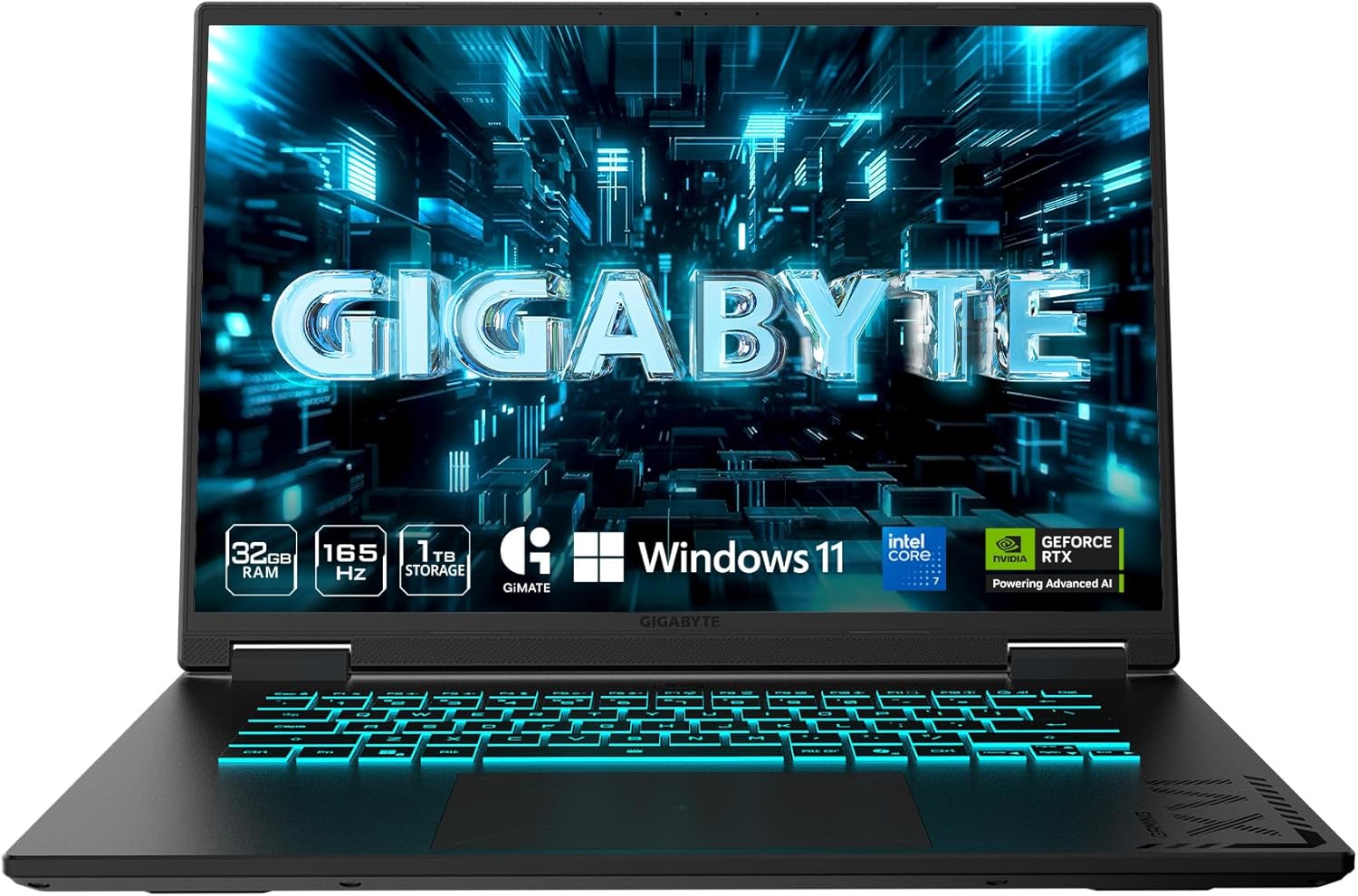
- memory Intel Core Ultra 7 240H
- developer_board NVIDIA GeForce RTX 5070 Ti Laptop GPU
- layers 32GB LPDDR5X 5600MHz
- track_changes Target GPU: NVIDIA GeForce RTX 5080

- memory Intel Core Ultra 9 275HX
- developer_board GeForce RTX 5070 Laptop Laptop GPU
- layers 64GB DDR5-6400MHz (Single-Channel)
- track_changes Target GPU: NVIDIA GeForce RTX 5080

- memory Intel Core Ultra 9 275HX
- developer_board NVIDIA GeForce RTX 5070 Ti
- layers 32GB
- track_changes Target GPU: NVIDIA GeForce RTX 5080

- memory Intel Core Ultra 9 275HX
- developer_board NVIDIA GeForce RTX 5070 Ti Laptop GPU
- layers 32 GB DDR5 6400MHz (2x16GB)
- track_changes Target GPU: NVIDIA GeForce RTX 5080
For GreedFall: The Dying World Specifically
- memory Intel Core i7-12700H
- developer_board NVIDIA GeForce RTX 3070
- layers 32GB DDR4-3200MHz
- track_changes Target GPU: NVIDIA GTX 1060 (6GB) / AMD RX 580
- memory Intel Core i9-13900H
- developer_board NVIDIA GeForce RTX 4060
- layers 16GB DDR5-5200MHz
- track_changes Target GPU: NVIDIA GTX 1060 (6GB) / AMD RX 580
- memory Intel Core i9-14900HX
- developer_board NVIDIA GeForce RTX 4060
- layers 32GB DDR5-5600MHz
- track_changes Target GPU: NVIDIA GTX 1060 (6GB) / AMD RX 580
- memory Intel Core i9-12900H
- developer_board NVIDIA GeForce RTX 3070 Ti
- layers 16GB DDR5-4800MHz
- track_changes Target GPU: NVIDIA GTX 1060 (6GB) / AMD RX 580
- memory Intel Core i5-12450H
- developer_board NVIDIA GeForce RTX 3050
- layers 16GB DDR4-3200MHz
- track_changes Target GPU: NVIDIA GTX 1060 (6GB) / AMD RX 580
- memory Intel Core i5-12500H
- developer_board NVIDIA GeForce RTX 3050 Ti
- layers 16GB DDR4-3200MHz
- track_changes Target GPU: NVIDIA GTX 1060 (6GB) / AMD RX 580
- memory AMD Ryzen 7 7435HS
- developer_board NVIDIA GeForce RTX 3050
- layers 32GB DDR5-4800MHz
- track_changes Target GPU: NVIDIA GTX 1060 (6GB) / AMD RX 580
- memory AMD Ryzen 7 6800H
- developer_board NVIDIA GeForce RTX 3060
- layers 16GB DDR5-4800MHz
- track_changes Target GPU: NVIDIA GTX 1060 (6GB) / AMD RX 580
- memory AMD Ryzen 9 5900HS
- developer_board NVIDIA GeForce RTX 3080
- layers 16GB DDR4-3200MHz
- track_changes Target GPU: NVIDIA GTX 1060 (6GB) / AMD RX 580
- memory Intel Core i7-13620H
- developer_board NVIDIA GeForce RTX 4070
- layers 16GB DDR5-4800MHz
- track_changes Target GPU: NVIDIA GTX 1060 (6GB) / AMD RX 580
- memory Intel Core i9-14900HX
- developer_board NVIDIA GeForce RTX 4070
- layers 32GB DDR5-5600MHz
- track_changes Target GPU: NVIDIA RTX 3060 Ti / AMD RX 6700 XT

- memory Intel Core i9-14900HX
- developer_board NVIDIA GeForce RTX 4070
- layers 16GB DDR5-5600MHz
- track_changes Target GPU: NVIDIA RTX 3060 Ti / AMD RX 6700 XT

- memory Intel Core Ultra 7 255H
- developer_board NVIDIA GeForce RTX 5060 Laptop GPU
- layers 16GB DDR5-5600MHz (Dual-Channel)
- track_changes Target GPU: NVIDIA RTX 3060 Ti / AMD RX 6700 XT
- memory AMD Ryzen 9 8940HX Processor
- developer_board NVIDIA GeForce RTX 5060 Laptop GPU
- layers 32GB DDR5-5200MHz
- track_changes Target GPU: NVIDIA RTX 3060 Ti / AMD RX 6700 XT
- memory Intel Core i9-12950HX
- developer_board NVIDIA GeForce RTX 3080 Ti
- layers 32GB DDR5-4800MHz
- track_changes Target GPU: NVIDIA RTX 3060 Ti / AMD RX 6700 XT
- memory Intel Core i9-14900HX
- developer_board NVIDIA GeForce RTX 4080 Laptop GPU
- layers 64 GB DDR5-5600MHz
- track_changes Target GPU: NVIDIA RTX 4070 / AMD RX 7800 XT
- memory Intel Core Ultra 9 Processor 275HX (Series 2)
- developer_board NVIDIA GeForce RTX 5070 Laptop GPU
- layers 32GB DDR5-5600MHz
- track_changes Target GPU: NVIDIA RTX 4070 / AMD RX 7800 XT
- memory Intel Core i9-14900HX Processor
- developer_board NVIDIA GeForce RTX 5070 Laptop GPU
- layers 32GB DDR5-5600MHz
- track_changes Target GPU: NVIDIA RTX 4070 / AMD RX 7800 XT

- memory Intel Core i9-14900HX Processor
- developer_board NVIDIA GeForce RTX 5070 Laptop GPU
- layers 32GB DDR5-5600MHz
- track_changes Target GPU: NVIDIA RTX 4070 / AMD RX 7800 XT

- memory Intel Core Ultra 9 285H (Arrow Lake-H)
- developer_board NVIDIA GeForce RTX 5070 Laptop GPU
- layers 64GB LPDDR5x-8533MT/s (LPCAMM2)
- track_changes Target GPU: NVIDIA RTX 4070 / AMD RX 7800 XT

- memory Intel Core i9-14900HX
- developer_board NVIDIA GeForce RTX 4080
- layers 64GB DDR5-5600MHz
- track_changes Target GPU: NVIDIA RTX 4070 / AMD RX 7800 XT

- memory Intel Core i9-14900HX
- developer_board NVIDIA GeForce RTX 4080
- layers 32GB DDR5-5600MHz
- track_changes Target GPU: NVIDIA RTX 4070 / AMD RX 7800 XT

- memory Intel Core i9-14900HX
- developer_board NVIDIA GeForce RTX 4080
- layers 32GB DDR5-5600MHz
- track_changes Target GPU: NVIDIA RTX 4070 / AMD RX 7800 XT

- memory Intel Core i9-14900HX
- developer_board NVIDIA GeForce RTX 4080
- layers 32GB DDR5-5600MHz
- track_changes Target GPU: NVIDIA RTX 4070 / AMD RX 7800 XT

- memory AMD Ryzen 9 7845HX
- developer_board NVIDIA GeForce RTX 4080
- layers Up to 64GB DDR5
- track_changes Target GPU: NVIDIA RTX 4070 / AMD RX 7800 XT
- memory Intel Core Ultra 9 285H (Series 2) , 14 cores (6 Performance cores + 8 Efficient cores), 20 threads
- developer_board NVIDIA GeForce RTX 5050 Laptop GPU
- layers 32GB (2x16GB) DDR5 8400MHz SO-DIMM
- track_changes Target GPU: NVIDIA RTX 4080 / AMD RX 7900 XTX
- memory Intel Core Ultra 9 285H
- developer_board NVIDIA GeForce RTX 5070
- layers 32GB (2x16GB) DDR5 4800MHz SO-DIMM
- track_changes Target GPU: NVIDIA RTX 4080 / AMD RX 7900 XTX
- memory Intel Core i9-14900HX Processor
- developer_board NVIDIA GeForce RTX 5070 Ti Laptop GPU
- layers 64GB DDR5-5600MHz (commonly listed as 4800MHz by some retailers, but 5600MHz is common for 14th Gen HX with DDR5)
- track_changes Target GPU: NVIDIA RTX 4080 / AMD RX 7900 XTX
- memory Intel Core Ultra 9 Processor 275HX
- developer_board NVIDIA GeForce RTX 5070 Ti Laptop GPU
- layers 64GB DDR5-6400MHz
- track_changes Target GPU: NVIDIA RTX 4080 / AMD RX 7900 XTX
- memory Intel Core Ultra 9 Processor 275HX (Series 2)
- developer_board NVIDIA GeForce RTX 5070 Ti Laptop GPU
- layers 32GB DDR5-5600MHz
- track_changes Target GPU: NVIDIA RTX 4080 / AMD RX 7900 XTX
- memory Intel Ultra 7 255HX
- developer_board NVIDIA GeForce RTX 5070 Ti
- layers 32GB DDR5 5600MHz
- track_changes Target GPU: NVIDIA RTX 4080 / AMD RX 7900 XTX
- memory Intel Core Ultra 7 240H
- developer_board NVIDIA GeForce RTX 5070 Ti Laptop GPU
- layers 32GB LPDDR5X 5600MHz
- track_changes Target GPU: NVIDIA RTX 4080 / AMD RX 7900 XTX
- memory Intel Core Ultra 9 275HX
- developer_board GeForce RTX 5070 Laptop Laptop GPU
- layers 64GB DDR5-6400MHz (Single-Channel)
- track_changes Target GPU: NVIDIA RTX 4080 / AMD RX 7900 XTX
- memory Intel Core Ultra 9 275HX
- developer_board NVIDIA GeForce RTX 5070 Ti
- layers 32GB
- track_changes Target GPU: NVIDIA RTX 4080 / AMD RX 7900 XTX
- memory Intel Core Ultra 9 275HX
- developer_board NVIDIA GeForce RTX 5070 Ti Laptop GPU
- layers 32 GB DDR5 6400MHz (2x16GB)
- track_changes Target GPU: NVIDIA RTX 4080 / AMD RX 7900 XTX
info_outline Laptop recommendations are estimates based on available component benchmarks and game requirements. Actual performance may vary depending on settings, drivers, cooling, power limits, etc. Prices and availability subject to change. As an Amazon Associate, we earn from qualifying purchases.