Select Games to Compare

search close
search close

Select up to 2 games to compare side-by-side.

Project Windless vs Dying Light 2 Stay Human

close close
info General Information
Release Date
Jun 15, 2027 Feb 4, 2022
Developer
Krafton Montréal Studio Techland
Publisher
Krafton Techland Publishing
Genre(s)
Open-World Action RPG Action RPG, Open World, Survival Horror, Parkour, First-Person
Engine
Unreal Engine 5 C-Engine (Techland's in-house engine)
stars Ratings & Price
Content Rating
M (Mature 17+) Mature 17+
Avg. User Rating
4.9 / 5.0 4.0 / 5.0
Current Price (USD)
$69.99 $59.99
tune Key Specs
Quick Highlights
  • Combat Pacing: 1 vs. 100 (Mass Technology)
  • Development Studio: Krafton Montréal (est. 2022)
  • Lead Artist: Iain McCaig (Star Wars)
  • Novel Sales: Over 5 Million (Global Series)
  • Target Hardware: PS5 Pro Enhanced
  • Perspective: First-Person
  • Multiplayer: Cooperative (4 players online for entire campaign)
  • Setting: Villedor ('The City'), Post-Apocalyptic Europe, 20+ years after Harran Virus outbreak
  • Platforms: PC, PlayStation 4, PlayStation 5, Xbox One, Xbox Series X|S, Nintendo Switch (Cloud Version)
  • Unique Feature: Advanced Parkour System, Day/Night Cycle Impacting Gameplay, Branching Narrative with Faction Choices, Melee-Focused Combat, Infection Management.
sports_esports Gameplay & Mechanics
Companions/Followers
  • Tokkebi Fire-Spirit: Pyromancy and Illusion
    Tokkebi
  • Co-op Players (Online): Up to 3 other players can join the host's game in online co-op. They control their own Aiden characters with their respective progression. Teammates can revive each other, combine combat efforts, and assist in completing quests and exploring The City. Loot is generally instanced or shared fairly.
    Human (Other Players' Aidens)
  • Story-Specific AI Companions (Temporary): During certain main story missions or side quests, key NPC characters will temporarily accompany Aiden, providing combat support and unique dialogue. They are AI-controlled and their presence is scripted for those specific mission segments. They are not persistent, commandable companions.
    Human (Key NPCs like Lawan, Hakon)
Key Collectibles
  • Stariron Ore: Found in meteor impact sites across the North
  • Inhibitors (GRE Crates): Found in GRE Quarantine Buildings, Military Convoys, Airdrops, and other high-risk locations. Essential for upgrading Aiden's maximum Health and Stamina, which in turn unlocks access to higher-tier Combat and Parkour skills.
  • Mementos (Notes, Recordings, Dog Tags, Newspapers, etc.): Lore items scattered throughout Villedor that provide backstory about the world, The Fall, key characters, and the daily struggles of survivors. Found in buildings, safe zones, and quest locations.
  • Graffiti Tags (Street Art): Collectible pieces of street art created by various artists in The City. Often found in hard-to-reach parkour locations, requiring skilled traversal to find and collect.
  • Tapes (Music & Story): Audio tapes that can be played on Aiden's cassette player. Some are music tracks, while others contain story segments, interviews, or personal logs providing more lore.
  • Blueprints: Recipes for crafting weapon mods, consumables (medkits, boosters), throwables, and arrows/bolts. Found in the world, as quest rewards, or purchased from Craftmasters.
Key Themes
  • Korean Mythology
  • Military Conquest
  • Racial Conflict
  • Immortal Horror
  • High Fantasy
  • Post-Apocalypse
  • Zombie Outbreak
  • Survival
  • Moral Choices & Consequences
  • Faction Warfare
  • Parkour & Freedom of Movement
  • Hope vs. Despair
  • Humanity's Struggle
  • Infection & Transformation
  • Scavenging & Crafting
colorize Combat & Gear
Weapons Overview
  • Stariron Twin Blades: Greatsword
    Indestructible blades forged from meteorite metal; too heavy for humans to lift.
  • Melee Weapons (One-Handed & Two-Handed): Various (Axes, Maces, Swords, Machetes, Hammers, Knives, Pipes, Bats, Knuckledusters)
    The primary combat tools. Weapons have rarity tiers (Common to Artifact), durability, and can be enhanced with craftable mods (e.g., adding elemental damage like fire/shock, increasing impact, critical chance, or durability). Different weapon types have varying attack speeds, damage, and special properties (e.g., blunt weapons good against armor, slashing against unarmored).
  • Bows & Crossbows: Ranged (Silent, Precision)
    Silent ranged weapons ideal for stealth and taking out enemies from a distance. Various arrow/bolt types can be crafted (standard, fire, shock, explosive, poison, UV). The PK Crossbow is a powerful late-game reward.
  • Throwables: Tactical/Explosive/Utility
    Craftable items like Molotov Cocktails, DIY Grenades, UV Bars (temporary UV light source), Decoys (to distract infected), Mines, C4, Throwing Knives.
  • Gear & Consumables (Boosters): Utility/Buffs
    Boosters provide temporary enhancements to combat, parkour, health regeneration, or resistances. Medkits are essential for healing. Craftable using herbs and other resources.
  • UV Flashlight: Defensive Tool
    An essential tool, especially at night. Its UV light weakens and repels Volatiles and other light-sensitive infected, creating temporary safe opportunities. Can be upgraded for intensity and duration.
  • Firearms (Limited): Ranged (Ballistic - Rare)
    While the game is primarily melee-focused due to ammo scarcity in The City, some limited firearms like makeshift pistols or shotguns (e.g., 'Boomstick') can be found or crafted, but ammo is extremely rare and they are generally less sustainable than melee or bows.
Armor / Gear Sets
  • Arajit Plate: Unbreakable; +50% Physical Resistance, -20% Movement Speed
  • Gear Pieces (Head, Chest, Gloves, Bracers, Pants, Shoes): Players equip six pieces of gear, each belonging to a specific class (Tank, Brawler, Medic, Ranger) that provides bonuses tailored to that playstyle (e.g., Tank gear offers more damage resistance, Brawler gear more melee damage). Gear has rarity tiers (Common to Artifact) and provides stats like armor, damage resistance, and specific perks (e.g., +% damage at night, reduced stamina cost for parkour). Gear can be found, bought, or earned as quest rewards.
  • Cosmetic Outfits (Transmog): A transmogrification system allows players to change the appearance of their equipped gear to look like any other gear piece they have collected, without altering its stats. Many full cosmetic outfits are also available through events, DLC, or store purchases.
Outfits/Customization
N/A
  • Gear Sets (Tank, Brawler, Medic, Ranger): Players equip six pieces of gear (Head, Torso, Gloves, Wrists, Legs, Feet). Each piece belongs to a class (Tank, Brawler, Medic, Ranger) providing specific gameplay bonuses (e.g., damage reduction, melee damage, healing effectiveness, ranged damage). Gear has visual variety based on its class, rarity, and faction origin (PK, Survivor, Renegade aesthetic). A transmog system allows players to change equipped gear's appearance to any owned style.
  • Cosmetic Outfits & Skins: Full cosmetic outfits that change Aiden's entire appearance without affecting stats are available through game progression, events, DLC, or store purchases (e.g., Nightrunner outfit, Peacekeeper outfit, various themed bundles).
  • Weapon Charms: Small cosmetic charms that can be attached to melee weapons for personalization.
trending_up Progression & Upgrades
Skills & Progression

Progression revolves around the 'Calling' (Aspiration). Players define their Rekon's life goal, which unlocks specialized Stariron combat arts. Mastery of fire-based synergy with Tokkebi allies provides crowd-control options against the heartless Nhaga.

Aiden has two main skill trees: Combat (unlocking new melee moves, weapon proficiency, and toughness) and Parkour (unlocking advanced traversal abilities like wall runs, slides, and improved jumps). Skill points are earned by performing combat actions and parkour maneuvers respectively. Inhibitors, found in GRE containers, are used to upgrade Health and Stamina, which also gate access to higher-tier skills. Crafting allows Aiden to create weapon mods, consumables (medkits, boosters), and throwable items using scavenged resources. Blueprints for crafting are found or earned.

public World & Exploration
World & Level Design

A seamless open world featuring the snowy North, the 'Line of Limit' climatic boundary, and the labyrinthine Kiboren Jungle. The world scale is approximately 140km², designed without 'hand-holding' markers to encourage organic discovery.

The City of Villedor is significantly larger than Harran from the first game, divided into two main districts: Old Villedor (a more classic European-style area with smaller buildings, easier for early parkour) and the Central Loop (a modern downtown area with skyscrapers, requiring advanced parkour tools like the grappling hook and paraglider). There are also surrounding areas, GRE Quarantines, and Dark Hollows. The map is dense with verticality, encouraging rooftop traversal.

Playable Vehicles
N/A
  • Paraglider: Personal Traversal Gear (Aerial)
    An essential tool unlocked progression, allowing Aiden to glide from high places, cover large distances quickly, and navigate the verticality of the Central Loop. Can be upgraded for better maneuverability and features like a UV light attachment.
  • Grappling Hook: Personal Traversal Gear (Utility)
    A versatile tool used to swing across gaps, pull Aiden towards anchor points, and aid in climbing. It functions more like a physics-based swing rather than a point-and-zip line in some games. Upgradable for range and functionality.
  • Traversal on Foot (Parkour): Player Locomotion
    The primary mode of movement. Dying Light 2 features an advanced and fluid parkour system, allowing Aiden to run, jump, climb, slide, wall-run, and use various environmental elements to navigate The City's rooftops and streets with agility.
Notable Fauna/Mounts
  • Rekon: Humanoid Bird
    Playable Race / Warrior
  • Nhaga: Reptilian Humanoid
    Antagonist / Cold-blooded threat
  • Infected Humans (Various Stages & Types - Virals, Biters, Goons, Demolishers, Volatiles, etc.): Homo sapiens infectus (Harran Virus)
    Primary Antagonistic Force, Ranging from common fodder to elite/boss-level threats.
  • Dogs (Feral/Infected - Howlers): Canis familiaris (Infected)
    Hostile, Howlers alert other infected to Aiden's presence.
  • Rats & Crows: Rodentia / Corvidae
    Ambient wildlife, can sometimes indicate nearby loot or danger, generally non-hostile but can be startled.
  • Deer (Mentioned/Implied in hunting for resources, but not live interactive animals typically): Cervidae
    Primarily a source for crafting resources (leather, bones) through looting or specific contexts rather than live hunting encounters in the city.
book Story & Characters
Main Characters
  • The Hero King: Protagonist
    The Rekon legendary figure tasked with founding the first unified kingdom.
  • Patrik Méthé: Studio Head
    Visionary leader behind the transition from mobile to AAA console.
  • Aiden Caldwell: Protagonist (Pilgrim)
    An infected survivor with exceptional parkour and combat abilities. He travels to The City searching for his sister, Mia, from whom he was separated during GRE experiments as a child. Aiden is resourceful, determined, and his choices shape the fate of Villedor.
  • Lawan: Ally / Potential Romantic Interest
    A strong, independent, and cynical survivor in The City, driven by a desire for revenge against Colonel Waltz. She becomes a crucial ally to Aiden and is skilled in combat and parkour. Voiced and motion-captured by Rosario Dawson.
  • Hakon: Ally / Nightrunner
    An experienced Nightrunner who helps Aiden navigate The City early in his journey. He is knowledgeable about survival and the city's factions but has his own hidden agenda and complex allegiances.
  • Colonel Lucas Waltz: Main Antagonist (Former GRE Scientist / Renegade Leader)
    A brilliant but ruthless scientist formerly with the GRE, now the leader of the Renegades. He is obsessed with finding a cure for his own condition and is connected to Aiden and Mia's past experiments. He possesses superhuman abilities due to self-experimentation.
  • Frank Marwey: Supporting Character / Former Nightrunner Leader
    The former leader of the Nightrunners, now a disillusioned and alcoholic owner of the Fish Eye Canteen. He possesses valuable information and contacts within The City.
  • Major Jack Matt: Faction Leader (Peacekeepers)
    The stern and militaristic commander of the Peacekeepers in the Central Loop. He seeks to impose order and security through strict control and military might.
  • Sophie: Faction Figure (Survivors - Old Villedor)
    A key figure among the Survivors in the Bazaar in Old Villedor, trying to protect her community. Her brother, Barney, often causes trouble.
  • Carl: Faction Figure (Survivors - Central Loop)
    One of the leaders of the Survivors faction operating from the PK Floating Fortress in the Central Loop, advocating for a more communal and less authoritarian approach.
  • Various other supporting characters: Quest Givers, Faction Members, Survivors
    Numerous other characters populate The City, offering quests, information, and representing the diverse struggles of those living in the post-apocalypse.
Example Missions
  • The Nhaga Eater: Campaign
    Hunt down the Nhaga Matriarch in the Kiboren Jungle.
  • Main Story Quests (Aiden's Search for Mia)
    A series of narrative-driven missions that follow Aiden Caldwell's journey to find his sister Mia, unravel his past with the GRE experiments, and navigate the faction conflicts within Villedor. These missions involve critical choices that shape the city and its inhabitants.
  • Side Quests (Citizen Requests & Stories)
    Numerous optional quests given by various NPCs throughout The City. These offer diverse scenarios, from helping survivors with personal problems and investigating mysteries to undertaking dangerous tasks for factions or individuals. They provide XP, rewards, and further insight into the world.
  • Facility Assignment Missions (Water Towers & Electrical Stations)
    Key missions where Aiden must secure and assign control of vital city infrastructure (Water Towers, Electrical Stations) to either the Peacekeepers or the Survivors. This choice permanently alters the zone, adding faction-specific parkour aids (e.g., PK traps, Survivor ziplines/airbags) and changing NPC presence.
  • GRE Anomaly Fights (Revenants)
    Night-time boss encounters against powerful, unique infected called Revenants found at specific GRE Anomaly sites. Defeating them rewards Combat XP, valuable loot, and often Inhibitors.
  • GRE Quarantine Buildings & Dark Hollows
    Daytime-infested or night-time high-risk indoor locations that contain valuable loot, crafting materials, and Inhibitors. GRE Quarantines are multi-level challenges, while Dark Hollows are smaller but often guarded by Volatiles at night.
  • Windmills & Metro Stations (Safe Zone Activation)
    Activate windmills by completing parkour challenges to power them up, creating new Survivor safe zones. Clear out infected and restore power to Metro Stations to unlock them as fast travel points and larger safe zones.
  • Airdrops & Military Convoys
    Locate and loot valuable supplies from GRE airdrops (often on rooftops or in dangerous areas) and abandoned military convoys. These contain high-tier gear, crafting parts, and Inhibitors.
  • Parkour Challenges & Combat Challenges
    Timed challenges that test Aiden's parkour skills (reaching checkpoints within a time limit) or combat abilities (defeating waves of enemies). Award medals and XP based on performance.
  • Story DLC Missions (e.g., 'Bloody Ties')
    Self-contained narrative expansions with new storylines, characters, locations, and rewards. 'Bloody Ties' focuses on a brutal arena tournament.
people Multiplayer
Multiplayer Details

N/A - Strictly a single-player Action RPG. Features an asynchronous 'Call to the Goddess' system where players can see the locations of other players' fallen Rekon.

Features a 4-player online cooperative mode, allowing players to experience the entire main story campaign and most side activities together. Players can join a host's game, and progression is largely tied to the host, though players retain their character progression and inventory. Co-op enhances combat and exploration with team tactics.

extension Editions & DLC
Available Editions

Standard Edition ($69.99). 'Stariron' Collector's Edition ($249.99): Includes a life-size Rekon talon replica, 'Crossing the Latitude' art book, and exclusive in-game Hero King regalia armor.

Available in Standard, Deluxe, and Ultimate Editions. Deluxe Edition included digital artbook, soundtrack, exclusive weapon charms, wallpapers, comic, and the first story DLC ('Bloody Ties'). Ultimate Edition included all Deluxe content, plus the second story DLC (yet to be released as of mid-2024), 2h Night XP Boost, crafting items, and two more outfit/weapon skin packs. A Collector's Edition with physical items was also available.

Post-Launch Content / DLC

Krafton has announced 'The Bird That Drinks Blood' expansion cycle for 2028, which will bridge the gap between the prequel game and the main novel trilogy.

Techland has committed to 5+ years of post-launch support. The first story DLC, 'Bloody Ties' (arena combat themed), has been released. A second major story DLC is planned. Numerous free updates have added new content, features (like transmog, new parkour challenges, graphics options), seasonal events, and cosmetic packs (Chapter Agents, skin bundles).

help_outline FAQ
Frequently Asked Questions
  • Q: Why is the protagonist a 'chicken'?
    A: He is a Rekon—a 7-foot bird warrior with overwhelming strength, a lore-accurate choice for 'one-versus-many' combat.
  • Q: What is the Rekon's weakness?
    A: Severe hydrophobia. Rekons sink in water and have a psychological terror of it, which acts as an environmental barrier.
  • Q: Is this a Korean exclusive game?
    A: No, Krafton Montréal is developing it as a global AAA title for the worldwide market.
  • Q: How many enemies can appear on screen?
    A: Krafton's 'Mass Technology' allows for thousands of AI units to engage in real-time without significant performance drops.
  • Q: Is it based on the books?
    A: It is a prequel set 1,500 years before the books, during the 'Great Expansion War' between Nhaga and the North.
  • Q: Is Dying Light 2 a direct sequel to the first Dying Light?
    A: Yes, Dying Light 2 Stay Human is set approximately 20 years after the events of the original Dying Light and its 'The Following' expansion. While it features a new protagonist (Aiden) and setting (The City of Villedor), it exists in the same universe and references past events and characters like Spike.
  • Q: How important are choices in Dying Light 2?
    A: Choices are a significant gameplay mechanic. Aiden's decisions during main quests and some side quests can have major consequences, affecting faction control over city districts (which changes the environment with faction-specific parkour tools or traps), the fate of characters, and the overall narrative outcome. The game features multiple ending variations.
  • Q: What is the Day/Night cycle like?
    A: The Day/Night cycle is a core feature. Daytime is generally safer for exploration and completing objectives, with fewer aggressive infected. Night-time is extremely dangerous, with more powerful infected like Volatiles roaming the streets. However, night offers increased XP gain and access to specific locations (like Dark Hollows and Forsaken Stores) that contain valuable loot but are heavily infested during the day.
  • Q: How does the infection mechanic work for Aiden?
    A: Aiden is infected with the Harran Virus. He wears a biomarker that tracks his immunity levels. When in darkness or away from UV light sources for too long, his immunity drops, and if it reaches zero, he will turn into a Viral. Players must manage this by using UV lamps, UV shrooms, inhibitors, or returning to safe zones before turning.
  • Q: Are there firearms in Dying Light 2?
    A: The base game is heavily focused on melee combat and bows due to a story premise that firearms and ammunition became extremely scarce after The Fall. While some makeshift firearms like the 'Boomstick' (a craftable shotgun) exist, and more traditional firearms were added in later updates (like the 'Firearms Update' in early 2024), melee remains the primary combat style.
build Technical Details
Graphics & Visual Fidelity

High-fidelity Unreal Engine 5 visuals. Character designs by Iain McCaig. Features realistic feather physics and 'Snow Deformation' in northern biomes.

Powered by Techland's C-Engine, the game showcases a detailed and dilapidated urban environment. It features advanced lighting, dense geometry, volumetric fog, and detailed character/infected models. Ray tracing options (Global Illumination, Shadows, Reflections, Ambient Occlusion) are available on PC and current-gen consoles, significantly enhancing visual fidelity but also being very demanding.

Audio & Soundtrack

Orchestral score utilizing traditional Korean instruments (Gayageum, Daegeum) mixed with aggressive industrial tones. Features full voice acting in Korean and English.

Original score composed by Olivier Deriviere, featuring a dynamic system that adapts the music to gameplay intensity and player actions (e.g., during parkour sequences or intense combat). Sound design emphasizes visceral melee impacts, distinct infected vocalizations, and the atmospheric tension of night-time exploration. The Biomarker's ticking sound adds to the infection mechanic's urgency.

User Interface (UI/UX)

Minimalist and diegetic. Damage is represented by feather loss and blood splatter rather than health bars. Combat focus is on reading enemy posture in massive crowds.

First-person HUD displaying health, stamina, infection timer (biomarker), equipped weapon/tool, and objective markers. A compass aids navigation. Crafting and inventory menus are accessible. Skill trees are visually represented. The day-night cycle and infection status are prominent UI elements.

Accessibility Options

Includes 'Hydrophobia Assist' (visual warnings near water), fully rebindable controls, high-contrast mode for 'silent' Nhaga Nireum speech, and multiple combat difficulty presets.

Offers a range of accessibility options: customizable controls (key remapping on PC), subtitle customization (size, background, speaker names), colorblind modes, options to change QTEs from taps to holds, aim assist, adjustable FOV (PC), motion blur toggle, head bob toggle, and various audio/visual cues.

Gameplay Video
launchWatch launchWatch
Walkthrough/Guide
launchView launchView
settings_applications System Requirements
1080p (Full HD) - Recommended RT (1080p ~60 FPS, High RT Preset) (Ray Tracing High Preset (likely with DLSS/FSR Quality/Performance))
CPU: CPU for 1080p/60FPS with RT.
CPU (Laptop): High-end laptop CPUs.
GPU: Recommended desktop GPU for 1080p/60FPS with High RT.
GPU (Laptop): High-end RT capable laptop GPUs. 8GB+ VRAM crucial, upscaling vital.
RAM: 16GB RAM required.
Storage: NVMe SSD strongly recommended.
memoryCPU: Intel Core i7-9700K or AMD Ryzen 7 3700X
developer_boardGPU: NVIDIA GeForce RTX 3080 (10GB)
laptop_macCPU (L): Intel Core i7-11800H / AMD Ryzen 7 5800H or better
laptop_windowsGPU (L): NVIDIA GeForce RTX 3070 Ti Mobile (8GB, Max TGP) / RTX 4070 Mobile (8GB, Max TGP). **An RTX 3080 Mobile or RTX 4080 Mobile would provide a more stable high RT experience.**
layersRAM: 16 GB
saveStorage (Tier): 60 GB NVMe SSD
1080p (Full HD) - Recommended (60 FPS) (High)
CPU: X3D V-Cache significantly stabilizes frame times during mass combat.
CPU (Laptop): Strong single-core and multi-core mobile performance.
GPU: VRAM capacity is essential for the diverse race assets on screen.
GPU (Laptop): Target High settings with DLSS Quality enabled.
RAM: Sufficient for base asset caching.
Storage: Required for seamless travel.
memoryCPU: Intel i7-12700K / Ryzen 7 5800X3D
developer_boardGPU: RTX 3070 / RX 6800
laptop_macCPU (L): Intel i7-13700H / Ryzen 7 7745HX
laptop_windowsGPU (L): RTX 4060 Mobile (115W)
layersRAM: 16 GB
saveStorage (Tier): 150 GB NVMe SSD
1080p (Full HD) - Minimum RT (1080p ~30 FPS, Low RT Preset) (Ray Tracing Low Preset (likely with DLSS/FSR Quality/Balanced))
CPU: CPU for 1080p/30FPS with RT.
CPU (Laptop): Mid-to-high range laptop CPU.
GPU: Minimum desktop GPU for 1080p/30FPS with RT.
GPU (Laptop): Entry-level RT capable laptop GPUs. Upscaling essential.
RAM: 16GB RAM required.
Storage: SSD required.
memoryCPU: Intel Core i5-8600K or AMD Ryzen 5 3600X
developer_boardGPU: NVIDIA GeForce RTX 2070 (8GB)
laptop_macCPU (L): Intel Core i7-10750H / AMD Ryzen 7 4800H or better
laptop_windowsGPU (L): NVIDIA GeForce RTX 3060 Mobile (6GB, High TGP) / RTX 4050 Mobile (6GB, High TGP). **An RTX 3070 Mobile or RTX 4060 Mobile would be significantly better for RT.**
layersRAM: 16 GB
saveStorage (Tier): 60 GB SSD
1080p (Full HD) - Recommended (1080p ~60 FPS, High Preset, No Ray Tracing) (High Preset, Ray Tracing OFF)
CPU: Recommended desktop CPU for 1080p/60FPS without RT.
CPU (Laptop): Estimated mid-range to high-end laptop CPUs.
GPU: Recommended desktop GPU for 1080p/60FPS High without RT.
GPU (Laptop): Estimated performance-focused laptop GPUs. 6GB+ VRAM crucial.
RAM: 16GB RAM strongly recommended.
Storage: SSD strongly recommended.
memoryCPU: Intel Core i5-8600K or AMD Ryzen 5 3600X
developer_boardGPU: NVIDIA GeForce RTX 2060 (6GB) or AMD Radeon RX Vega 56 (8GB)
laptop_macCPU (L): Intel Core i7-9750H / AMD Ryzen 7 4800H equivalent or better
laptop_windowsGPU (L): NVIDIA GeForce RTX 2060 Mobile (6GB, High TGP) / RTX 3060 Mobile (6GB, High TGP) or AMD Radeon RX 6600M. **An RTX 3060 Mobile (High TGP) or RTX 4060 Mobile is a good target for 1080p High 60FPS.**
layersRAM: 16 GB
saveStorage (Tier): 60 GB SSD
1080p (Full HD) - Minimum (1080p ~30 FPS, Low Preset, No Ray Tracing) (Low Preset, Ray Tracing OFF)
CPU: Minimum desktop CPU for 1080p at lower settings without RT.
CPU (Laptop): Estimated laptop CPU equivalent. Newer i5/Ryzen 5 H-series recommended.
GPU: Minimum desktop GPU for 1080p at lower settings without RT.
GPU (Laptop): Estimated laptop GPUs. 4GB VRAM is absolute minimum.
RAM: Minimum RAM requirement.
Storage: HDD is absolute minimum, expect long load times.
memoryCPU: Intel Core i3-9100 or AMD Ryzen 3 2300X
developer_boardGPU: NVIDIA GeForce GTX 1050 Ti (4GB) or AMD Radeon RX 560 (4GB)
laptop_macCPU (L): Intel Core i5-9300H / AMD Ryzen 5 3550H equivalent or better
laptop_windowsGPU (L): NVIDIA GeForce GTX 1650 Mobile (4GB) or AMD Radeon RX 5500M. **An RTX 3050 Mobile or RTX 4050 Mobile would be a much better entry point for stable 1080p Low/Medium.**
layersRAM: 8 GB
saveStorage (Tier): 60 GB HDD
1440p (QHD/2K) - Ultra (60+ FPS) (Maximum)
CPU: Handles maximum AI density without bottlenecking.
CPU (Laptop): The pinnacle of mobile processing power.
GPU: Maintains 1440p clarity with Ray Tracing enabled.
GPU (Laptop): Enthusiast-level mobile performance.
RAM: Recommended for the high-poly Rekon models and 4K assets.
Storage: Essential for zero-stutter world streaming.
memoryCPU: Intel i9-13900K / Ryzen 9 7950X
developer_boardGPU: RTX 4080 / RX 7900 XTX
laptop_macCPU (L): Intel i9-13980HX / Ryzen 9 7945HX
laptop_windowsGPU (L): RTX 4080 Mobile (175W)
layersRAM: 32 GB
saveStorage (Tier): 150 GB Gen4 SSD
1440p (QHD/2K) - High RT (1440p ~60 FPS, High RT Preset with DLSS/FSR Performance) (Ray Tracing High Preset, DLSS/FSR Performance)
CPU: Desktop CPU for 1440p/60FPS with RT.
CPU (Laptop): Top-tier laptop CPUs.
GPU: Desktop GPU for 1440p/60FPS with High RT.
GPU (Laptop): Flagship laptop GPUs needed. 12GB+ VRAM essential.
RAM: 32GB RAM strongly recommended.
Storage: NVMe SSD required.
memoryCPU: Intel Core i7-11700K or AMD Ryzen 9 5900X
developer_boardGPU: NVIDIA GeForce RTX 3080 Ti (12GB) / RTX 4070 Ti (12GB)
laptop_macCPU (L): Intel Core i9-12900H / AMD Ryzen 9 6900HX or better
laptop_windowsGPU (L): NVIDIA GeForce RTX 4080 Mobile (12GB, Max TGP). **An RTX 4090 Mobile would be better. Even then, fine-tuning settings and upscaling will be essential.**
layersRAM: 16 GB
saveStorage (Tier): 60 GB NVMe SSD
2160p (UHD/4K) - Epic (4K Native) (Maximum / Path Tracing)
CPU: Peak multi-core performance for 4K simulation.
CPU (Laptop): Only flagship laptops with max TGP can sustain 4K.
GPU: Handles path-traced lighting and thousands of AI units.
GPU (Laptop): Recommended for consistent 4K thermal stability.
RAM: Overkill, but ensures no hitches in urban centers.
Storage: Maximum bandwidth for 4K texture streaming.
memoryCPU: Intel Core Ultra 9 285K / Ryzen 9 9950X
developer_boardGPU: RTX 4090 (24GB VRAM)
laptop_macCPU (L): RTX 4090 Mobile (175W)
laptop_windowsGPU (L): eGPU RTX 4090
layersRAM: 64 GB
saveStorage (Tier): 150 GB Gen5 SSD
2160p (UHD/4K) - Ultra RT (2160p/4K ~60 FPS, Medium/High RT Preset with DLSS/FSR Ultra Performance) (Ray Tracing Medium/High, DLSS/FSR Ultra Performance)
CPU: Desktop CPU for 4K/60FPS with RT.
CPU (Laptop): Flagship laptop CPUs absolute necessity.
GPU: Top-tier desktop GPU for attempting 4K/60FPS with RT, heavily reliant on upscaling.
GPU (Laptop): The absolute best laptop GPU available, and will still struggle without aggressive upscaling and optimized RT settings.
RAM: 32GB RAM essential.
Storage: NVMe SSD required.
memoryCPU: Intel Core i9-12900K or AMD Ryzen 9 7900X
developer_boardGPU: NVIDIA GeForce RTX 4090 (24GB)
laptop_macCPU (L): Intel Core i9-13900HX / AMD Ryzen 9 7945HX or better
laptop_windowsGPU (L): NVIDIA GeForce RTX 4090 Mobile (16GB, Max TGP). **Achieving stable 4K/60FPS with high ray tracing settings on a laptop is extremely challenging. A hypothetical next-gen flagship (e.g., RTX 5090 Mobile or AMD equivalent) would be required for a more comfortable experience at this level. (Highly Speculative)**
layersRAM: 32 GB
saveStorage (Tier): 60 GB NVMe SSD
save Overall Storage
Spec: 150 GB NVMe SSD
Note: Massive file size due to high-fidelity 'Visual Concept' art assets and uncompressed audio.
Type: NVMe
Spec: 60 GB available space (SSD Recommended).
Note: An NVMe SSD is recommended for the best experience due to asset streaming and fast loading.
Type: SSD
desktop_windows Operating System
Spec: Windows 11 64-bit
Explanation: Leverages DirectStorage 1.2 for instant asset decompression of Rekon Stariron textures.
Spec: Windows 7 (No longer officially supported post-launch updates), Windows 10, Windows 11 (64-bit versions only)
Explanation: 64-bit Windows 10 or Windows 11 is recommended for ongoing support and best performance.
gamepad DirectX Version
Spec: Version 12 Ultimate
Explanation: Necessary for hardware-accelerated Ray Tracing and Mesh Shading.
Spec: DirectX 11 (DirectX 12 recommended for ray tracing and potentially better performance on compatible hardware)
Explanation: DX11 is minimum, DX12 offers advanced features.
info_outline Other Game Notes
  • Requires an SSD with at least 5000MB/s read speeds to support the 'Mass Technology' crowd simulation and seamless world streaming.
  • Laptop Performance Note: High CPU core counts are critical for simulating the 1,000+ AI units in field battles. Target a laptop with at least 8 high-performance cores.
  • Laptop Consideration: G P U T G P: Minimum 105W (Mid-range) / Recommended 140W (Flagship)
  • Laptop Consideration: Cooling Thermals: Crucial for preventing throttling during 'Mass AI' sequences which spike CPU temps.
  • Laptop Consideration: C P U Power Limits: PL2 limits should be sustained at 45W+ to avoid frame drops in kiboren jungle biomes.
  • Laptop Consideration: M U X Switch Optimus: Dedicated GPU mode is essential for the low-latency parry windows required in boss duels.
  • Optimization Detail: Upscaling Tech: DLSS 3.5 (Frame Gen), FSR 3.1, and PSSR (PlayStation Spectral Super Resolution) supported.
  • Optimization Detail: Key Settings Impact: Crowd Density and Foliage Simulation are the primary performance killers.
  • Game Name: Project Windless
  • Official system requirements from Techland. Performance can vary significantly depending on specific hardware, settings, areas in-game (especially dense city areas), and background applications. An SSD is strongly recommended.
  • Laptop Performance Note: Laptop models of listed desktop GPUs may work if their performance is comparable, but TGP (Total Graphics Power) and cooling are extremely critical. **Dying Light 2 is a demanding title, especially with ray tracing enabled. High-end laptop hardware is necessary for higher settings and resolutions.**
  • Laptop Consideration: G P U T G P: Maximum TGP is crucial for performance.
  • Laptop Consideration: Cooling Thermals: Excellent cooling is essential to prevent severe thermal throttling.
  • Laptop Consideration: C P U Power Limits: Laptops with sustained high CPU power limits will perform better.
  • Laptop Consideration: R A M Speed Dual Channel: Fast dual-channel RAM benefits performance.
  • Laptop Consideration: M U X Switch Optimus: Using a MUX switch or NVIDIA Advanced Optimus is highly recommended for optimal framerates.
  • Optimization Detail: Upscaling Tech: Supports NVIDIA DLSS, AMD FSR (1.0 and 2.0), and Intel XeSS.
  • Optimization Detail: Key Settings Impact: Ray Tracing Quality (Global Illumination, Shadows, Reflections, Ambient Occlusion), Shadow Quality, Contact Shadows, Fog Quality, Particle Quality, and Texture Quality heavily impact performance. Using upscaling is highly recommended for higher settings/resolutions, especially with ray tracing.
  • Game Name: Dying Light 2 Stay Human
build Optimization Details
  • Upscaling Tech: DLSS 3.5 (Frame Gen), FSR 3.1, and PSSR (PlayStation Spectral Super Resolution) supported.
  • Key Settings Impact: Crowd Density and Foliage Simulation are the primary performance killers.
  • Upscaling Tech: Supports NVIDIA DLSS, AMD FSR (1.0 and 2.0), and Intel XeSS.
  • Key Settings Impact: Ray Tracing Quality (Global Illumination, Shadows, Reflections, Ambient Occlusion), Shadow Quality, Contact Shadows, Fog Quality, Particle Quality, and Texture Quality heavily impact performance. Using upscaling is highly recommended for higher settings/resolutions, especially with ray tracing.
laptop Laptop Considerations
  • G P U T G P: Minimum 105W (Mid-range) / Recommended 140W (Flagship)
  • Cooling Thermals: Crucial for preventing throttling during 'Mass AI' sequences which spike CPU temps.
  • C P U Power Limits: PL2 limits should be sustained at 45W+ to avoid frame drops in kiboren jungle biomes.
  • M U X Switch Optimus: Dedicated GPU mode is essential for the low-latency parry windows required in boss duels.
  • G P U T G P: Maximum TGP is crucial for performance.
  • Cooling Thermals: Excellent cooling is essential to prevent severe thermal throttling.
  • C P U Power Limits: Laptops with sustained high CPU power limits will perform better.
  • R A M Speed Dual Channel: Fast dual-channel RAM benefits performance.
  • M U X Switch Optimus: Using a MUX switch or NVIDIA Advanced Optimus is highly recommended for optimal framerates.

info_outline Feature details based on available data. System requirements and performance estimates may vary.

laptop_chromebook Laptop Recommendations

Common Recommendations (Handles All Compared Games)

check_circle_outline Recommended based on listed requirements for Full HD (1080p).
MSI Pulse GL66 with RTX 3070 and i7 12th Gen
  • memory Intel Core i7-12700H
  • developer_board NVIDIA GeForce RTX 3070
  • layers 32GB DDR4-3200MHz
  • track_changes Target GPU: RTX 4060 Mobile (115W)

Acer Nitro V with RTX 4060 and i9 13th Gen
  • memory Intel Core i9-13900H
  • developer_board NVIDIA GeForce RTX 4060
  • layers 16GB DDR5-5200MHz
  • track_changes Target GPU: RTX 4060 Mobile (115W)
Lenovo Legion Pro 5i (i9-14900HX, RTX 4060)
  • memory Intel Core i9-14900HX
  • developer_board NVIDIA GeForce RTX 4060
  • layers 32GB DDR5-5600MHz
  • track_changes Target GPU: RTX 4060 Mobile (115W)
check_circle_outline Recommended based on listed requirements for QHD (1440p).
HP OMEN 16 with RTX 4080 and intel i9 14th Gen
  • memory Intel Core i9-14900HX
  • developer_board NVIDIA GeForce RTX 4080 Laptop GPU
  • layers 64 GB DDR5-5600MHz
  • track_changes Target GPU: RTX 4080 Mobile (175W)
GIGABYTE AORUS Elite 16 (RTX 5070 & Intel Core Ultra 9 275HX)
  • memory Intel Core Ultra 9 Processor 275HX (Series 2)
  • developer_board NVIDIA GeForce RTX 5070 Laptop GPU
  • layers 32GB DDR5-5600MHz
  • track_changes Target GPU: RTX 4080 Mobile (175W)
MSI Katana 15 HX (RTX 5070 & Intel i7 14th Gen)
  • memory Intel Core i9-14900HX Processor
  • developer_board NVIDIA GeForce RTX 5070 Laptop GPU
  • layers 32GB DDR5-5600MHz
  • track_changes Target GPU: RTX 4080 Mobile (175W)
check_circle_outline Recommended based on listed requirements for UHD (4K).
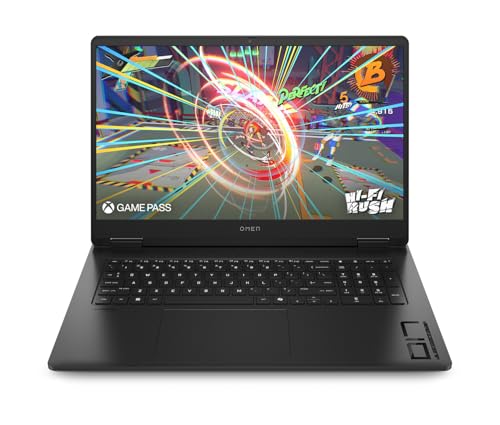
HP Omen 17 RTX 5070 & Ryzen AI 7
  • memory AMD Ryzen AI 7 3500
  • developer_board NVIDIA GeForce RTX 5070
  • layers 64GB (2x32GB) DDR5 5600MHz SO-DIMM
  • track_changes Target GPU: eGPU RTX 4090
Thunderobot Radiant 16 (RTX 5070 Ti & Intel i9 14th Gen)
  • memory Intel Core i9-14900HX Processor
  • developer_board NVIDIA GeForce RTX 5070 Ti Laptop GPU
  • layers 64GB DDR5-5600MHz (commonly listed as 4800MHz by some retailers, but 5600MHz is common for 14th Gen HX with DDR5)
  • track_changes Target GPU: eGPU RTX 4090
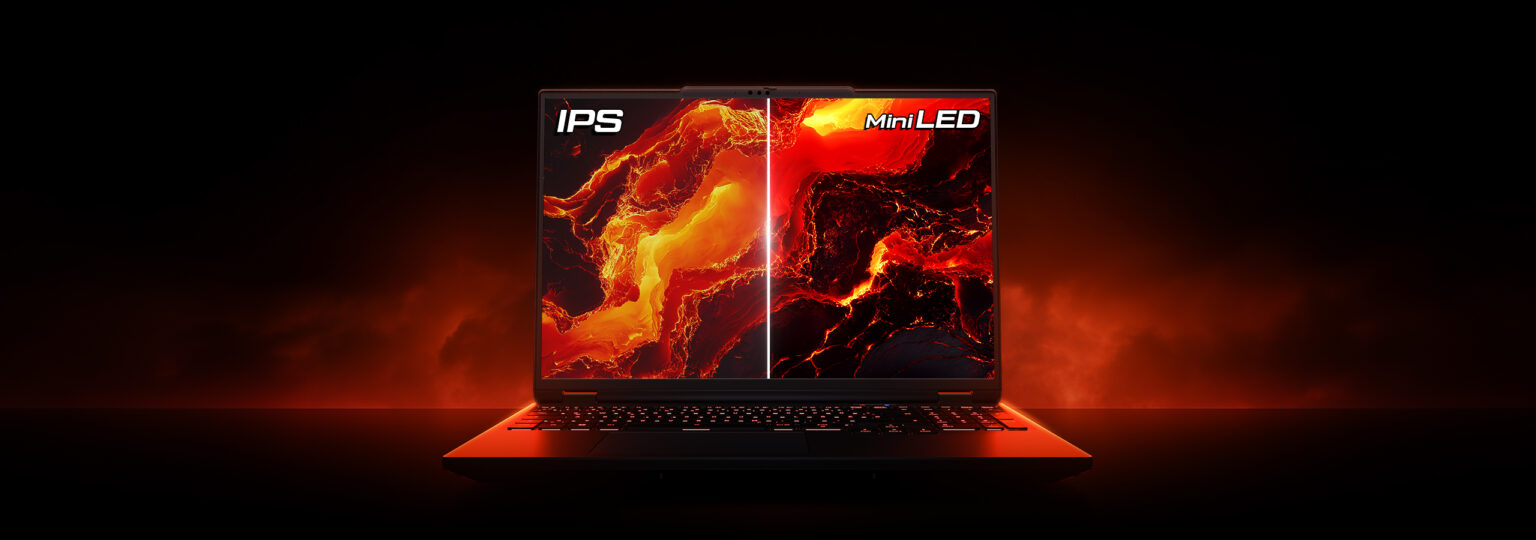
Lenovo Legion Pro 7i Gen 10 with RTX 5070 Ti
  • memory Intel Core Ultra 9 Processor 275HX
  • developer_board NVIDIA GeForce RTX 5070 Ti Laptop GPU
  • layers 64GB DDR5-6400MHz
  • track_changes Target GPU: eGPU RTX 4090

For Project Windless Specifically

check_circle_outline Recommended based on listed requirements for Full HD (1080p).
MSI Pulse GL66 with RTX 3070 and i7 12th Gen
  • memory Intel Core i7-12700H
  • developer_board NVIDIA GeForce RTX 3070
  • layers 32GB DDR4-3200MHz
  • track_changes Target GPU: RTX 3070 / RX 6800
Acer Nitro V with RTX 4060 and i9 13th Gen
  • memory Intel Core i9-13900H
  • developer_board NVIDIA GeForce RTX 4060
  • layers 16GB DDR5-5200MHz
  • track_changes Target GPU: RTX 3070 / RX 6800
Lenovo Legion Pro 5i (i9-14900HX, RTX 4060)
  • memory Intel Core i9-14900HX
  • developer_board NVIDIA GeForce RTX 4060
  • layers 32GB DDR5-5600MHz
  • track_changes Target GPU: RTX 3070 / RX 6800
Asus Rog Strix Scar 15 with RTX 3070 Ti and i9 12th Gen
  • memory Intel Core i9-12900H
  • developer_board NVIDIA GeForce RTX 3070 Ti
  • layers 16GB DDR5-4800MHz
  • track_changes Target GPU: RTX 3070 / RX 6800
ASUS TUF A15 with RTX 3050 and Ryzen 7
  • memory AMD Ryzen 7 7435HS
  • developer_board NVIDIA GeForce RTX 3050
  • layers 32GB DDR5-4800MHz
  • track_changes Target GPU: RTX 3070 / RX 6800
ASUS ROG Strix G15 with RTX 3060 and Ryzen 7
  • memory AMD Ryzen 7 6800H
  • developer_board NVIDIA GeForce RTX 3060
  • layers 16GB DDR5-4800MHz
  • track_changes Target GPU: RTX 3070 / RX 6800
Alienware M18 with RTX 4070
  • memory Intel Core i7-14700HX
  • developer_board NVIDIA GeForce RTX 4070
  • layers 16GB DDR5-5600MHz
  • track_changes Target GPU: RTX 3070 / RX 6800

MSI Creator M16 HX with RTX 4070
  • memory Intel Core i9-14900HX
  • developer_board NVIDIA GeForce RTX 4070
  • layers 32GB DDR5-5600MHz
  • track_changes Target GPU: RTX 3070 / RX 6800
ASUS ROG Strix G16 with RTX 4070
  • memory Intel Core i9-14900HX
  • developer_board NVIDIA GeForce RTX 4070
  • layers 16GB DDR5-5600MHz
  • track_changes Target GPU: RTX 3070 / RX 6800
MSI Cyborg 15 (RTX 5050 & Intel 7)
  • memory Intel Core Ultra 7 255H
  • developer_board NVIDIA GeForce RTX 5060 Laptop GPU
  • layers 16GB DDR5-5600MHz (Dual-Channel)
  • track_changes Target GPU: RTX 3070 / RX 6800
check_circle_outline Recommended based on listed requirements for QHD (1440p).
HP OMEN 16 with RTX 4080 and intel i9 14th Gen
  • memory Intel Core i9-14900HX
  • developer_board NVIDIA GeForce RTX 4080 Laptop GPU
  • layers 64 GB DDR5-5600MHz
  • track_changes Target GPU: RTX 4080 / RX 7900 XTX
GIGABYTE AORUS Elite 16 (RTX 5070 & Intel Core Ultra 9 275HX)
  • memory Intel Core Ultra 9 Processor 275HX (Series 2)
  • developer_board NVIDIA GeForce RTX 5070 Laptop GPU
  • layers 32GB DDR5-5600MHz
  • track_changes Target GPU: RTX 4080 / RX 7900 XTX
MSI Katana 15 HX (RTX 5070 & Intel i7 14th Gen)
  • memory Intel Core i9-14900HX Processor
  • developer_board NVIDIA GeForce RTX 5070 Laptop GPU
  • layers 32GB DDR5-5600MHz
  • track_changes Target GPU: RTX 4080 / RX 7900 XTX
Dell Alienware 16X Aurora (RTX 5070 & Intel Core Ultra 9 275HX)
  • memory Intel Core i9-14900HX Processor
  • developer_board NVIDIA GeForce RTX 5070 Laptop GPU
  • layers 32GB DDR5-5600MHz
  • track_changes Target GPU: RTX 4080 / RX 7900 XTX
Lenovo Thinkpad T1G Gen 8 (RTX 5070 & Ultra 9)
  • memory Intel Core Ultra 9 285H (Arrow Lake-H)
  • developer_board NVIDIA GeForce RTX 5070 Laptop GPU
  • layers 64GB LPDDR5x-8533MT/s (LPCAMM2)
  • track_changes Target GPU: RTX 4080 / RX 7900 XTX
Lenovo Legion Pro 7 Gaming Laptop with RTX 4080 and Ryzen 9
  • memory AMD Ryzen 9 7945HX
  • developer_board NVIDIA GeForce RTX 4080
  • layers 32GB DDR5
  • track_changes Target GPU: RTX 4080 / RX 7900 XTX
Acer Predator Helios Neo 18 2024 With Rtx 4080
  • memory Intel Core i9-14900HX
  • developer_board NVIDIA GeForce RTX 4080
  • layers 64GB DDR5-5600MHz
  • track_changes Target GPU: RTX 4080 / RX 7900 XTX
ASUS ROG Strix G18 with RTX 4080 and intel i9 14th Gen
  • memory Intel Core i9-14900HX
  • developer_board NVIDIA GeForce RTX 4080
  • layers 32GB DDR5-5600MHz
  • track_changes Target GPU: RTX 4080 / RX 7900 XTX
MSI Vector 17 HX with RTX 4080 in 2025
  • memory Intel Core i9-14900HX
  • developer_board NVIDIA GeForce RTX 4080
  • layers 32GB DDR5-5600MHz
  • track_changes Target GPU: RTX 4080 / RX 7900 XTX
ASUS ROG Strix Scar 18 Gaming Laptop with RTX 4080
  • memory Intel Core i9-14900HX
  • developer_board NVIDIA GeForce RTX 4080
  • layers 32GB DDR5-5600MHz
  • track_changes Target GPU: RTX 4080 / RX 7900 XTX
check_circle_outline Recommended based on listed requirements for UHD (4K).
HP Omen 17 RTX 5070 & Ryzen AI 7
  • memory AMD Ryzen AI 7 3500
  • developer_board NVIDIA GeForce RTX 5070
  • layers 64GB (2x32GB) DDR5 5600MHz SO-DIMM
  • track_changes Target GPU: RTX 4090 (24GB VRAM)
Thunderobot Radiant 16 (RTX 5070 Ti & Intel i9 14th Gen)
  • memory Intel Core i9-14900HX Processor
  • developer_board NVIDIA GeForce RTX 5070 Ti Laptop GPU
  • layers 64GB DDR5-5600MHz (commonly listed as 4800MHz by some retailers, but 5600MHz is common for 14th Gen HX with DDR5)
  • track_changes Target GPU: RTX 4090 (24GB VRAM)
Lenovo Legion Pro 7i Gen 10 with RTX 5070 Ti
  • memory Intel Core Ultra 9 Processor 275HX
  • developer_board NVIDIA GeForce RTX 5070 Ti Laptop GPU
  • layers 64GB DDR5-6400MHz
  • track_changes Target GPU: RTX 4090 (24GB VRAM)
XMG Fusion 16 (RTX 5070 & Ultra 9)
  • memory Intel Core Ultra 9 275HX
  • developer_board GeForce RTX 5070 Laptop Laptop GPU
  • layers 64GB DDR5-6400MHz (Single-Channel)
  • track_changes Target GPU: RTX 4090 (24GB VRAM)
XMG Apex 16 Max (RTX 5070 Ti & Ryzen 9)
  • memory AMD Ryzen 9 9955HX
  • developer_board NVIDIA GeForce RTX 5070 Ti Laptop GPU
  • layers 64GB DDR5-5600MHz (Dual-Channel)
  • track_changes Target GPU: RTX 4090 (24GB VRAM)
MSI Titan 18 HX AI (2025) with RTX 5080
  • memory Intel Core Ultra 9 285HX
  • developer_board NVIDIA GeForce RTX 5080
  • layers 64GB DDR5-5600MHz
  • track_changes Target GPU: RTX 4090 (24GB VRAM)
MSI Raider 18 HX AI with RTX 5090 and Intel U9-285HX
  • memory Intel Core Ultra 9 285HX
  • developer_board NVIDIA GeForce RTX 5090
  • layers 64GB DDR5-6400MHz
  • track_changes Target GPU: RTX 4090 (24GB VRAM)
ASUS ROG Strix Scar 18 G835 (RTX 5090 & Intel Ultra 9 275HX)
  • memory Intel Core Ultra 9 275HX
  • developer_board NVIDIA GeForce RTX 5090
  • layers 64GB DDR5
  • track_changes Target GPU: RTX 4090 (24GB VRAM)
Acer Predator Helios Neo 18 2024 With Rtx 4080
  • memory Intel Core i9-14900HX
  • developer_board NVIDIA GeForce RTX 4080
  • layers 64GB DDR5-5600MHz
  • track_changes Target GPU: RTX 4090 (24GB VRAM)
Dell Alienware M16 Gaming Laptop with RTX 4080
  • memory AMD Ryzen 9 7845HX
  • developer_board NVIDIA GeForce RTX 4080
  • layers Up to 64GB DDR5
  • track_changes Target GPU: RTX 4090 (24GB VRAM)

info_outline Laptop recommendations are estimates based on available component benchmarks and game requirements. Actual performance may vary depending on settings, drivers, cooling, power limits, etc. Prices and availability subject to change. As an Amazon Associate, we earn from qualifying purchases.

Processing...