Select Games to Compare
Benchmark your exact mobile GPU wattage (TGP), battery throttling drops, and cooling pad requirements for these games.
Nodus Fall vs Starfield
| close | close |
|---|---|
| shopping_cart Where to Buy | |
| info General Information | |
| Release Date | |
| Aug 25, 2027 | Sep 6, 2023 |
| Developer | |
| miHoYo | Bethesda Game Studios |
| Publisher | |
| HoYoverse | Bethesda Softworks |
| Genre(s) | |
| Cooperative Action RPG | Action RPG, Open World, Sci-Fi, Space Exploration |
| Engine | |
| Unreal Engine 5 | Creation Engine 2 |
| stars Ratings & Price | |
| Content Rating | |
| Mature 17+ (Estimated) | Mature 17+ |
| Avg. User Rating | |
| 4.8 / 5.0 | 3.7 / 5.0 |
| Current Price (USD) | |
| Free | $69.99 |
| tune Key Specs | |
| Quick Highlights | |
|
|
| sports_esports Gameplay & Mechanics | |
| Companions/Followers | |
|
|
| Key Collectibles | |
|
|
| Key Themes | |
|
|
| colorize Combat & Gear | |
| Weapons Overview | |
|
|
| Armor / Gear Sets | |
|
|
| Outfits/Customization | |
|
|
| trending_up Progression & Upgrades | |
| Skills & Progression | |
|
Progression and combat in Nodusfall are driven by the game's innovative mechanics, prominently featuring the 'Clash' system. This mechanic requires players to perfectly time charged heavy attacks to negate incoming damage and heavily stagger enemies, directly feeding into the boss's Stagger Meter. Once staggered, teams can execute highly cinematic 'Joint Executions' for monumental burst damage. Players equip four distinct active skills alongside a powerful, long-cooldown 'Divine Skill' ultimate. Crucially, the game abandons traditional character gacha for upgrades. Instead, upgrades are tied to defeating Dreadnodi; players harvest the stolen divine power from these fallen bosses to forge new weapons, enhance their loadouts, and evolve their Divine Skills, ensuring that gameplay and skill directly drive character progression. |
Player progression uses a skill system divided into five trees: Physical, Social, Combat, Science, and Tech. Each skill has multiple ranks that are unlocked by spending skill points (earned by leveling up) and then completing in-game challenges related to that skill. Research projects at workbenches unlock new crafting recipes for weapon mods, suit/pack/helmet mods, outpost components, and chems/food. Powers, akin to space magic, are unlocked by finding and interacting with alien temples. |
| public World & Exploration | |
| World & Level Design | |
|
Departing from the massive, seamless open worlds typically associated with HoYoverse titles like Genshin Impact, Nodusfall adopts a tightly focused, instanced map architecture tailored for cooperative monster hunting. The core experience is anchored by a centralized player hub—a social and logistical nexus where Weavers can congregate, upgrade their forged equipment, rest in hot springs, and accept new hunting contracts. From this hub, players deploy into vast, highly diverse instanced outdoor arenas. These environments deeply reflect the game’s multi-mythology fusion, featuring biomes such as golden hills, fiery skies, dreary moors, misty forests, dusty deserts, gargantuan canyons, and eerie underground caverns, all meticulously designed to accommodate large-scale monster tracking, mount traversal, and multi-phase combat. |
N/A |
| Playable Vehicles | |
|
|
| Notable Fauna/Mounts | |
|
|
| book Story & Characters | |
| Main Characters | |
|
|
| Example Missions | |
|
|
| people Multiplayer | |
| Multiplayer Details | |
|
Nodusfall fundamentally redesigns HoYoverse’s multiplayer approach by locking players into a single character per encounter and strictly enforcing an MMO 'Trinity' system: Tank, DPS, and Healer. The primary multiplayer mode revolves around four-player cooperative squads deploying from a central hub to hunt colossal Dreadnodi in instanced arenas. The combat necessitates extreme coordination; players must sync 'Joint Executions' during boss stagger windows and communicate constantly during multi-phase raids, like the Maldrake encounter. While solo play is technically supported, it severely handicaps the player by removing vital mechanics like party-wide heals and instant revives. Future multiplayer updates will introduce asymmetrical PvPvE modes, pitting a player-controlled boss against a coordinated squad of Weavers. |
Starfield is a single-player only experience. It does not feature any cooperative or competitive multiplayer modes. |
| extension Editions & DLC | |
| Available Editions | |
|
As a title that fundamentally disrupts HoYoverse's traditional monetization strategy by completely removing randomized character gacha, Nodusfall is positioned as a free-to-play live-service experience. While official retail or digital editions have not been fully detailed, the pivot towards a cosmetic-driven economy strongly suggests the availability of premium starter packs, battle passes, or 'Deluxe Editions.' These editions will likely bundle exclusive, high-tier cosmetic items such as intricate hairstyles, specialized 'fits' (outfits), and unique weapon skins. Furthermore, industry analysts heavily speculate on the potential inclusion of premium tracks or specialized bundles that offer limited forge blueprints or accelerated resource acquisition, catering to players willing to invest financially to bypass the standard material farming loops. |
Available in Standard Edition, Premium Edition (included 'Shattered Space' story expansion upon release, Constellation Skin Pack, digital artbook & soundtrack, and 5 days early access), and the Constellation Edition (physical collector's edition with a SteelBook display case, Constellation patch, Chronomark watch & case, credit stick with game code, and all Premium Edition digital content). |
| Post-Launch Content / DLC | |
|
As a flagship live-service game, Nodusfall promises a robust and continuous stream of post-launch downloadable content (DLC). While the base game launches as a strictly Player-vs-Environment (PvE) boss-rush experience, the development team has officially confirmed the active development of highly anticipated PvP and PvPvE game modes. To circumvent the inherent balancing issues of asymmetrical action classes, these modes will uniquely allow players to assume control of the colossal Dreadnodi bosses to fight against a squad of player-controlled Weavers. Beyond competitive modes, the long-term DLC roadmap guarantees the continuous expansion of the game's mythological universe, introducing entirely new cultural regions, a continuously expanding roster of legendary beasts, and entirely new weapon families over years of operation. |
The first major story expansion, 'Shattered Space,' is confirmed and included in the Premium/Constellation Editions, expected in Fall 2024. Bethesda has also stated plans for ongoing support with new content, features, and official mod support (Creations). |
| help_outline FAQ | |
| Frequently Asked Questions | |
|
|
| build Technical Details | |
| Graphics & Visual Fidelity | |
|
Representing a massive visual paradigm shift for miHoYo, Nodusfall abandons vibrant anime cel-shading to harness the cutting-edge photorealistic capabilities of Unreal Engine 5. The game establishes a gritty, realistic dark fantasy aesthetic characterized by advanced global illumination, dynamic volumetric fog, and incredibly dense micro-polygon geometry. The visual fidelity of the Dreadnodi bosses is a primary focus, featuring highly complex fur shading, shifting scales, and dynamically destructible armor plating that reacts to sustained player damage. Because the developers have prioritized this AAA visual parity over mobile-friendly optimization, the game requires substantial computational overhead, utilizing UE5's proprietary rendering systems to create sprawling, breathtaking environmental biomes ranging from fiery skies to misty, atmospheric forests. |
Developed on Creation Engine 2, Starfield showcases Bethesda's 'NASA-Punk' art style, blending realistic near-future technology with rugged, functional designs. It features detailed planetary surfaces, diverse biomes, impressive lighting (especially in space and during sunrises/sets on planets), and detailed character/ship models. The scale of the universe and seamless transitions from space to planet (with a loading screen) are key visual aspects. |
| Audio & Soundtrack | |
|
The audio direction for Nodusfall abandons the lighthearted, upbeat tracks of previous HoYoverse games in favor of a bombastic, heavy orchestral score that perfectly complements its dark fantasy setting. The musical composition dynamically scales with the intensity of the boss encounters, reaching chaotic crescendos during deadly phase transitions. Sound design is critical for combat survival; the crisp, distinct sound effects of magical blasts, environmental destruction, and heavy weapon clashes serve as vital auditory telegraphs. Specifically, the game's signature 'Clash' mechanic relies heavily on acute audio-visual feedback, providing a resounding, satisfying crack when a player successfully parries a colossal boss swing, signaling to the entire squad that the enemy’s stagger threshold has been heavily impacted. |
Original score composed by Inon Zur, featuring sweeping orchestral themes that evoke a sense of wonder, exploration, and epic adventure. Music is dynamic and adapts to gameplay situations. Sound design focuses on realistic weapon effects, spaceship sounds (engines, grav jumps, combat), and diverse alien creature vocalizations and environmental ambiances. |
| User Interface (UI/UX) | |
|
The User Interface in Nodusfall is meticulously engineered to provide critical combat telemetry without cluttering the dark, photorealistic aesthetic of Unreal Engine 5. Boss health is dynamically represented by multiple bars and distinct red pips on the HUD, which clearly telegraph hard phase transitions that alter enemy mechanics. A segmented Stagger Meter is prominently displayed, allowing squads to track their progress toward triggering cinematic Joint Executions. For the player, the UI highlights a four-skill active cooldown system, mapped intuitively to modifier bumpers and face buttons on controllers. Additionally, class-specific UI elements, such as the Hexsworn's 'empowered stack' indicators or the Suixi's 'arrow gauge,' provide real-time feedback on vital resource loops necessary for sustained DPS and healing. |
Features a clean, sci-fi 'NASA-Punk' aesthetic HUD displaying health, oxygen, ammo, and a compass. Menus for inventory (grid-based), skills, ship management, starmap, and missions are navigated through a wrist-mounted device interface. Scanning mode highlights resources, flora, fauna, and points of interest. |
| Accessibility Options | |
|
While Nodusfall is an inherently demanding, high-skill action game centered around precise timing windows and punishing boss mechanics, it incorporates accessibility primarily through its class design and social structures. The implementation of the MMO Trinity system allows players with varying mechanical skill levels to participate fully; those who struggle with the split-second timing of the 'Clash' mechanic can opt for ranged DPS or dedicated healing roles (like the Hexsworn), which focus more on positioning and resource management than frontline twitch-reflexes. Furthermore, the game’s social philosophy emphasizes 'light interaction.' By operating out of a central hub and not forcing players into highly pressurized, hyper-social guild mandates, the game accommodates players with social anxiety while still fostering a cooperative environment. |
Includes options for subtitle customization (size, background, speaker names), control remapping (PC), adjustable text size, aim assist toggle, options to change hold-to-activate to a toggle, large menu fonts, and various gameplay settings to tweak difficulty and visual effects like motion blur and film grain. |
| video_library Media Links | |
| Gameplay Video | |
| launchWatch | launchWatch |
| Walkthrough/Guide | |
| launchView | launchView |
| settings_applications System Requirements | |
| 1080p (Full HD) - Minimum (Low-Medium Preset, 60fps (Upscaling Enabled)) CPU: Provides the essential baseline threading required to handle boss AI and cooperative network synchronization without dropping inputs. CPU (Laptop): Strong mobile multi-core performance is needed to mitigate the heavy physics calculations during multi-phase fights. GPU: The developer’s stated minimum. Required to render baseline UE5 features while maintaining the framerate necessary for precision action combat. GPU (Laptop): A high-wattage mobile 4060 is required to prevent severe dynamic resolution drops when massive particle effects are triggered. RAM: Establishes a high floor for memory caching; anything less will cause fatal pagefile thrashing during high-speed mount pursuits. Storage: Crucial for loading instanced arenas quickly and preventing desynchronization with squad members upon deployment. | |
memoryCPU: Intel Core i5-12400F / AMD Ryzen 5 5600 developer_boardGPU: NVIDIA GeForce RTX 4060 / AMD Radeon RX 7600 XT laptop_macCPU (L): Intel Core i7-12700H / AMD Ryzen 7 5800H laptop_windowsGPU (L): NVIDIA GeForce RTX 4060 Laptop GPU (100W+) layersRAM: 16 GB saveStorage (Tier): 100 GB SSD | — |
| 1080p (Full HD) - Recommended (1080p ~60 FPS, High Preset, likely with FSR/DLSS Quality) (High Preset (FSR/DLSS Quality often needed for 60 FPS)) CPU: Recommended desktop CPU for 1080p at 60 FPS. CPU (Laptop): Estimated mid-range to high-end laptop CPUs due to CPU intensity. GPU: Recommended desktop GPU for 1080p at 60 FPS on High, often with upscaling. GPU (Laptop): Estimated performance-focused laptop GPUs. 8GB VRAM is crucial. RAM: 16GB RAM strongly recommended. Storage: NVMe SSD strongly recommended. | |
| — | memoryCPU: AMD Ryzen 5 3600X or Intel Core i5-10600K developer_boardGPU: AMD Radeon RX 6800 XT (16GB) or NVIDIA GeForce RTX 2080 (8GB) / RTX 3060 Ti (8GB) laptop_macCPU (L): AMD Ryzen 7 5800H / Intel Core i7-11800H equivalent or better. **Modern Ryzen 7/9 HS/HX series or Intel Core i7/i9 H/HX series are ideal.** laptop_windowsGPU (L): NVIDIA GeForce RTX 3070 Mobile (8GB, High TGP) / RTX 4060 Mobile (8GB, High TGP) or AMD Radeon RX 6700M/6800S. **An RTX 3070 Ti Mobile or RTX 4070 Mobile would offer a more consistent 60 FPS+ at 1080p High.** layersRAM: 16 GB saveStorage (Tier): 125 GB NVMe SSD |
| 1080p (Full HD) - Minimum (1080p ~30 FPS, Low Preset) (Low Preset) CPU: Minimum desktop CPU for 1080p at lower settings. CPU (Laptop): Estimated laptop CPU equivalent. Game is very CPU heavy. GPU: Minimum desktop GPU for 1080p at lower settings. GPU (Laptop): Estimated laptop GPUs. 6GB+ VRAM highly recommended even at 1080p. RAM: Minimum RAM requirement. Storage: SSD is mandatory. | |
| — | memoryCPU: AMD Ryzen 5 2600X or Intel Core i7-6800K developer_boardGPU: AMD Radeon RX 5700 (8GB) or NVIDIA GeForce GTX 1070 Ti (8GB) laptop_macCPU (L): AMD Ryzen 5 4600H / Intel Core i5-10500H equivalent or better. **A Ryzen 5 5600H / i5-11400H would be a more realistic minimum due to CPU demands.** laptop_windowsGPU (L): NVIDIA GeForce RTX 2060 Mobile (6GB) / RTX 3050 Ti Mobile (4GB, High TGP) or AMD Radeon RX 6600M. **An RTX 3060 Mobile or RTX 4050 Mobile (High TGP) is strongly advised for a more stable 1080p Low/Medium experience.** layersRAM: 16 GB saveStorage (Tier): 125 GB SSD |
| 1440p (QHD/2K) - Recommended (High Preset, 60fps (Native or Quality Upscaling)) CPU: Ensures zero CPU bottlenecking, allowing the GPU to fully process the complex destructible armor plating of the Dreadnodi. CPU (Laptop): Enthusiast-tier laptop processors are required to push 1440p without thermal-induced frame pacing issues. GPU: Provides the raw rasterization power needed to render the dense micro-polygon geometry and shifting scales of colossal bosses at 1440p. GPU (Laptop): Due to laptop GPU scaling, an RTX 4080 mobile is recommended to comfortably clear 60fps at high visual settings in this engine. RAM: Highly recommended for seamless asset streaming and minimizing 1% low frame dips during cinematic Joint Executions. Storage: Maximizes loading speeds for the massive audio files and photorealistic texture maps. | |
memoryCPU: Intel Core i5-13600K / AMD Ryzen 7 7700X developer_boardGPU: NVIDIA GeForce RTX 4070 / AMD Radeon RX 7800 XT laptop_macCPU (L): Intel Core i9-13900H / AMD Ryzen 9 7940HS laptop_windowsGPU (L): NVIDIA GeForce RTX 4080 Laptop GPU (150W) layersRAM: 32 GB saveStorage (Tier): 100 GB NVMe Gen4 SSD | — |
| 1440p (QHD/2K) - High (1440p ~60 FPS, High/Ultra Preset with FSR/DLSS Quality/Balanced) (High/Ultra Preset (FSR/DLSS Quality or Balanced recommended)) CPU: Desktop CPU for 1440p at 60 FPS. CPU (Laptop): Estimated high-end laptop CPUs. GPU: Desktop GPU for 1440p at 60 FPS, upscaling is key. GPU (Laptop): Estimated high-performance laptop GPUs. 10GB+ VRAM strongly recommended, 8GB is absolute minimum with aggressive upscaling. RAM: 16GB RAM required, 32GB strongly recommended for smoother 1440p. Storage: NVMe SSD strongly recommended. | |
| — | memoryCPU: AMD Ryzen 7 5800X or Intel Core i7-12700K developer_boardGPU: AMD Radeon RX 6800 XT (16GB) / RX 7800 XT (16GB) or NVIDIA GeForce RTX 3080 (10GB) / RTX 4070 (12GB) laptop_macCPU (L): AMD Ryzen 7 6800HS/HX / Intel Core i7-12700H or better. **Modern Ryzen 9 HS/HX series or Intel Core i9 H/HX series are optimal.** laptop_windowsGPU (L): NVIDIA GeForce RTX 3080 Mobile (10GB/16GB, High TGP) / RTX 4070 Mobile (8GB, High TGP) or AMD Radeon RX 6800M/6850M XT. **An RTX 3080 Ti Mobile or RTX 4080 Mobile (12GB+) would provide a much smoother 1440p High/Ultra experience.** layersRAM: 16 GB saveStorage (Tier): 125 GB NVMe SSD |
| 2160p (UHD/4K) - Ultra / 4K (Epic Preset, 60fps (DLSS/FSR Balanced)) CPU: The massive L3 cache on the 7800X3D will drastically improve frame stability during visually overwhelming raid encounters like Maldrake. CPU (Laptop): Desktop-class laptop CPUs are strictly necessary to feed the GPU at 4K resolution without stuttering. GPU: Mandatory for pushing Unreal Engine 5's photorealistic lighting, volumetric fog, and heavy post-processing effects natively at 4K. GPU (Laptop): Only the absolute highest-tier flagship laptop GPU can manage Nodusfall's maximum visual fidelity at a stable, playable framerate. RAM: Essential for holding maximum resolution textures in memory without offloading to storage. Storage: Provides the absolute maximum bandwidth for Unreal Engine 5's asset streaming pipelines. | |
memoryCPU: Intel Core i7-14700K / AMD Ryzen 7 7800X3D developer_boardGPU: NVIDIA GeForce RTX 4080 / AMD Radeon RX 7900 XTX laptop_macCPU (L): Intel Core i9-14900HX / AMD Ryzen 9 7945HX laptop_windowsGPU (L): NVIDIA GeForce RTX 4090 Laptop GPU (175W) layersRAM: 32 GB saveStorage (Tier): 100 GB NVMe Gen4/Gen5 SSD | — |
| 2160p (UHD/4K) - Ultra (2160p/4K ~30-60 FPS, Medium/High Preset with FSR/DLSS Performance/Balanced) (Medium/High Preset, FSR/DLSS Performance/Balanced (Native 4K Ultra 60FPS is exceptionally demanding)) CPU: Desktop CPU recommendation for 4K. CPU (Laptop): Top-tier laptop CPUs essential. GPU: Desktop GPU recommendation for a playable 4K experience, heavily reliant on upscaling. GPU (Laptop): Flagship laptop GPUs essential. 12GB+ VRAM absolutely critical, 16GB ideal. RAM: 32GB RAM very strongly recommended for 4K. Storage: NVMe SSD required. | |
| — | memoryCPU: AMD Ryzen 7 7800X3D or Intel Core i9-12900K/13700K developer_boardGPU: AMD Radeon RX 7900 XT (20GB) or NVIDIA GeForce RTX 4070 Ti SUPER (16GB) / RTX 4080 (16GB) laptop_macCPU (L): AMD Ryzen 9 7940HS/HX / Intel Core i9-13900HX or better. **Flagship Intel Core i9 HX / AMD Ryzen 9 HX series (e.g., 14900HX, 7945HX3D) required.** laptop_windowsGPU (L): NVIDIA GeForce RTX 4080 Mobile (12GB, Max TGP) / RTX 4090 Mobile (16GB, Max TGP). **Even the RTX 4090 Mobile will rely heavily on DLSS (Performance/Ultra Performance) for 4K High settings at ~60FPS. A hypothetical next-gen flagship (e.g., RTX 5080/5090 Mobile or AMD equivalent) would be targeted for a more comfortable native 4K experience or higher framerates with advanced features. (Highly Speculative)** layersRAM: 16 GB saveStorage (Tier): 125 GB NVMe SSD |
| save Overall Storage | |
Spec: 100 GB available space (NVMe SSD Required) Note: The game utilizes massive, uncompressed high-resolution textures. Installing on a traditional HDD will result in severe engine streaming stutter and failed asset loads. Type: NVMe | Spec: 125 GB available space (SSD Required). Note: An NVMe SSD is strongly recommended for the best experience due to asset streaming and load times. Type: SSD |
| desktop_windows Operating System | |
| Spec: Windows 10 64-bit Explanation: Mandatory for DirectX 12 Ultimate architecture integration, which is heavily relied upon by Unreal Engine 5's feature sets. | Spec: Windows 10 version 21H1 (10.0.19043) or Windows 11 Explanation: 64-bit Windows 10 (specified version or newer) or Windows 11 required. |
| gamepad DirectX Version | |
| Spec: DirectX 12 Ultimate Explanation: Required to process advanced global illumination, micro-polygon geometry, and complex dynamic volumetric fog effects. | Spec: DirectX 12 Explanation: DirectX 12 API is required. |
| info_outline Other Game Notes | |
|
|
| build Optimization Details | |
|
|
| laptop Laptop Considerations | |
|
|

info_outline Feature details based on available data. System requirements and performance estimates may vary.
laptop_chromebook Laptop Recommendations
Common Recommendations (Handles All Compared Games)

- memory Intel Core i7-12700H
- developer_board NVIDIA GeForce RTX 3070
- layers 32GB DDR4-3200MHz
- track_changes Target GPU: NVIDIA GeForce RTX 4060 Laptop GPU (100W+)

- memory Intel Core i9-13900H
- developer_board NVIDIA GeForce RTX 4060
- layers 16GB DDR5-5200MHz
- track_changes Target GPU: NVIDIA GeForce RTX 4060 Laptop GPU (100W+)

- memory Intel Core i9-14900HX
- developer_board NVIDIA GeForce RTX 4060
- layers 32GB DDR5-5600MHz
- track_changes Target GPU: NVIDIA GeForce RTX 4060 Laptop GPU (100W+)

- memory Intel Core i9-14900HX
- developer_board NVIDIA GeForce RTX 4080 Laptop GPU
- layers 64 GB DDR5-5600MHz
- track_changes Target GPU: NVIDIA GeForce RTX 4080 Laptop GPU (150W)

- memory Intel Core Ultra 9 Processor 275HX (Series 2)
- developer_board NVIDIA GeForce RTX 5070 Laptop GPU
- layers 32GB DDR5-5600MHz
- track_changes Target GPU: NVIDIA GeForce RTX 4080 Laptop GPU (150W)

- memory Intel Core i9-14900HX Processor
- developer_board NVIDIA GeForce RTX 5070 Laptop GPU
- layers 32GB DDR5-5600MHz
- track_changes Target GPU: NVIDIA GeForce RTX 4080 Laptop GPU (150W)

- memory AMD Ryzen 7 7435HS
- developer_board NVIDIA GeForce RTX 3050
- layers 32GB DDR5-4800MHz
- track_changes Target GPU: NVIDIA GeForce RTX 3080 Mobile (10GB/16GB, High TGP) / RTX 4070 Mobile (8GB, High TGP) or AMD Radeon RX 6800M/6850M XT. **An RTX 3080 Ti Mobile or RTX 4080 Mobile (12GB+) would provide a much smoother 1440p High/Ultra experience.**

- memory AMD Ryzen 7 6800H
- developer_board NVIDIA GeForce RTX 3060
- layers 16GB DDR5-4800MHz
- track_changes Target GPU: NVIDIA GeForce RTX 3080 Mobile (10GB/16GB, High TGP) / RTX 4070 Mobile (8GB, High TGP) or AMD Radeon RX 6800M/6850M XT. **An RTX 3080 Ti Mobile or RTX 4080 Mobile (12GB+) would provide a much smoother 1440p High/Ultra experience.**

- memory Intel Core i9-14900HX
- developer_board NVIDIA GeForce RTX 4070
- layers 32GB DDR5-5600MHz
- track_changes Target GPU: NVIDIA GeForce RTX 3080 Mobile (10GB/16GB, High TGP) / RTX 4070 Mobile (8GB, High TGP) or AMD Radeon RX 6800M/6850M XT. **An RTX 3080 Ti Mobile or RTX 4080 Mobile (12GB+) would provide a much smoother 1440p High/Ultra experience.**

- memory Intel Core i9-14900HX
- developer_board NVIDIA GeForce RTX 4090
- layers 32GB DDR5-5600MHz
- track_changes Target GPU: NVIDIA GeForce RTX 4090 Laptop GPU (175W)

- memory Intel Core Ultra 9 285H (Series 2) , 14 cores (6 Performance cores + 8 Efficient cores), 20 threads
- developer_board NVIDIA GeForce RTX 5050 Laptop GPU
- layers 32GB (2x16GB) DDR5 8400MHz SO-DIMM
- track_changes Target GPU: NVIDIA GeForce RTX 4090 Laptop GPU (175W)

- memory Intel Core Ultra 9 285H
- developer_board NVIDIA GeForce RTX 5070
- layers 32GB (2x16GB) DDR5 4800MHz SO-DIMM
- track_changes Target GPU: NVIDIA GeForce RTX 4090 Laptop GPU (175W)
- memory Intel Core i9-14900HX
- developer_board NVIDIA GeForce RTX 4080 Laptop GPU
- layers 64 GB DDR5-5600MHz
- track_changes Target GPU: NVIDIA GeForce RTX 4080 Mobile (12GB, Max TGP) / RTX 4090 Mobile (16GB, Max TGP). **Even the RTX 4090 Mobile will rely heavily on DLSS (Performance/Ultra Performance) for 4K High settings at ~60FPS. A hypothetical next-gen flagship (e.g., RTX 5080/5090 Mobile or AMD equivalent) would be targeted for a more comfortable native 4K experience or higher framerates with advanced features. (Highly Speculative)**
- memory Intel Core Ultra 9 Processor 275HX (Series 2)
- developer_board NVIDIA GeForce RTX 5070 Laptop GPU
- layers 32GB DDR5-5600MHz
- track_changes Target GPU: NVIDIA GeForce RTX 4080 Mobile (12GB, Max TGP) / RTX 4090 Mobile (16GB, Max TGP). **Even the RTX 4090 Mobile will rely heavily on DLSS (Performance/Ultra Performance) for 4K High settings at ~60FPS. A hypothetical next-gen flagship (e.g., RTX 5080/5090 Mobile or AMD equivalent) would be targeted for a more comfortable native 4K experience or higher framerates with advanced features. (Highly Speculative)**
- memory Intel Core i9-14900HX Processor
- developer_board NVIDIA GeForce RTX 5070 Laptop GPU
- layers 32GB DDR5-5600MHz
- track_changes Target GPU: NVIDIA GeForce RTX 4080 Mobile (12GB, Max TGP) / RTX 4090 Mobile (16GB, Max TGP). **Even the RTX 4090 Mobile will rely heavily on DLSS (Performance/Ultra Performance) for 4K High settings at ~60FPS. A hypothetical next-gen flagship (e.g., RTX 5080/5090 Mobile or AMD equivalent) would be targeted for a more comfortable native 4K experience or higher framerates with advanced features. (Highly Speculative)**
For Nodus Fall Specifically
- memory Intel Core i7-12700H
- developer_board NVIDIA GeForce RTX 3070
- layers 32GB DDR4-3200MHz
- track_changes Target GPU: NVIDIA GeForce RTX 4060 / AMD Radeon RX 7600 XT
- memory Intel Core i9-13900H
- developer_board NVIDIA GeForce RTX 4060
- layers 16GB DDR5-5200MHz
- track_changes Target GPU: NVIDIA GeForce RTX 4060 / AMD Radeon RX 7600 XT
- memory Intel Core i9-14900HX
- developer_board NVIDIA GeForce RTX 4060
- layers 32GB DDR5-5600MHz
- track_changes Target GPU: NVIDIA GeForce RTX 4060 / AMD Radeon RX 7600 XT

- memory Intel Core i9-12900H
- developer_board NVIDIA GeForce RTX 3070 Ti
- layers 16GB DDR5-4800MHz
- track_changes Target GPU: NVIDIA GeForce RTX 4060 / AMD Radeon RX 7600 XT
- memory AMD Ryzen 7 7435HS
- developer_board NVIDIA GeForce RTX 3050
- layers 32GB DDR5-4800MHz
- track_changes Target GPU: NVIDIA GeForce RTX 4060 / AMD Radeon RX 7600 XT
- memory Intel Core i9-14900HX
- developer_board NVIDIA GeForce RTX 4070
- layers 32GB DDR5-5600MHz
- track_changes Target GPU: NVIDIA GeForce RTX 4060 / AMD Radeon RX 7600 XT

- memory Intel Core i9-14900HX
- developer_board NVIDIA GeForce RTX 4070
- layers 16GB DDR5-5600MHz
- track_changes Target GPU: NVIDIA GeForce RTX 4060 / AMD Radeon RX 7600 XT

- memory Intel Core Ultra 7 255H
- developer_board NVIDIA GeForce RTX 5060 Laptop GPU
- layers 16GB DDR5-5600MHz (Dual-Channel)
- track_changes Target GPU: NVIDIA GeForce RTX 4060 / AMD Radeon RX 7600 XT

- memory AMD Ryzen 9 8940HX Processor
- developer_board NVIDIA GeForce RTX 5060 Laptop GPU
- layers 32GB DDR5-5200MHz
- track_changes Target GPU: NVIDIA GeForce RTX 4060 / AMD Radeon RX 7600 XT

- memory Intel Core i9-12950HX
- developer_board NVIDIA GeForce RTX 3080 Ti
- layers 32GB DDR5-4800MHz
- track_changes Target GPU: NVIDIA GeForce RTX 4060 / AMD Radeon RX 7600 XT
- memory Intel Core i9-14900HX
- developer_board NVIDIA GeForce RTX 4080 Laptop GPU
- layers 64 GB DDR5-5600MHz
- track_changes Target GPU: NVIDIA GeForce RTX 4070 / AMD Radeon RX 7800 XT
- memory Intel Core Ultra 9 Processor 275HX (Series 2)
- developer_board NVIDIA GeForce RTX 5070 Laptop GPU
- layers 32GB DDR5-5600MHz
- track_changes Target GPU: NVIDIA GeForce RTX 4070 / AMD Radeon RX 7800 XT
- memory Intel Core i9-14900HX Processor
- developer_board NVIDIA GeForce RTX 5070 Laptop GPU
- layers 32GB DDR5-5600MHz
- track_changes Target GPU: NVIDIA GeForce RTX 4070 / AMD Radeon RX 7800 XT

- memory Intel Core i9-14900HX Processor
- developer_board NVIDIA GeForce RTX 5070 Laptop GPU
- layers 32GB DDR5-5600MHz
- track_changes Target GPU: NVIDIA GeForce RTX 4070 / AMD Radeon RX 7800 XT

- memory Intel Core Ultra 9 285H (Arrow Lake-H)
- developer_board NVIDIA GeForce RTX 5070 Laptop GPU
- layers 64GB LPDDR5x-8533MT/s (LPCAMM2)
- track_changes Target GPU: NVIDIA GeForce RTX 4070 / AMD Radeon RX 7800 XT

- memory Intel Core i9-14900HX
- developer_board NVIDIA GeForce RTX 4080
- layers 64GB DDR5-5600MHz
- track_changes Target GPU: NVIDIA GeForce RTX 4070 / AMD Radeon RX 7800 XT

- memory Intel Core i9-14900HX
- developer_board NVIDIA GeForce RTX 4080
- layers 32GB DDR5-5600MHz
- track_changes Target GPU: NVIDIA GeForce RTX 4070 / AMD Radeon RX 7800 XT

- memory Intel Core i9-14900HX
- developer_board NVIDIA GeForce RTX 4080
- layers 32GB DDR5-5600MHz
- track_changes Target GPU: NVIDIA GeForce RTX 4070 / AMD Radeon RX 7800 XT

- memory Intel Core i9-14900HX
- developer_board NVIDIA GeForce RTX 4080
- layers 32GB DDR5-5600MHz
- track_changes Target GPU: NVIDIA GeForce RTX 4070 / AMD Radeon RX 7800 XT

- memory AMD Ryzen 9 7845HX
- developer_board NVIDIA GeForce RTX 4080
- layers Up to 64GB DDR5
- track_changes Target GPU: NVIDIA GeForce RTX 4070 / AMD Radeon RX 7800 XT
- memory Intel Core Ultra 9 285H (Series 2) , 14 cores (6 Performance cores + 8 Efficient cores), 20 threads
- developer_board NVIDIA GeForce RTX 5050 Laptop GPU
- layers 32GB (2x16GB) DDR5 8400MHz SO-DIMM
- track_changes Target GPU: NVIDIA GeForce RTX 4080 / AMD Radeon RX 7900 XTX
- memory Intel Core Ultra 9 285H
- developer_board NVIDIA GeForce RTX 5070
- layers 32GB (2x16GB) DDR5 4800MHz SO-DIMM
- track_changes Target GPU: NVIDIA GeForce RTX 4080 / AMD Radeon RX 7900 XTX

- memory Intel Core i9-14900HX Processor
- developer_board NVIDIA GeForce RTX 5070 Ti Laptop GPU
- layers 64GB DDR5-5600MHz (commonly listed as 4800MHz by some retailers, but 5600MHz is common for 14th Gen HX with DDR5)
- track_changes Target GPU: NVIDIA GeForce RTX 4080 / AMD Radeon RX 7900 XTX

- memory Intel Core Ultra 9 Processor 275HX
- developer_board NVIDIA GeForce RTX 5070 Ti Laptop GPU
- layers 64GB DDR5-6400MHz
- track_changes Target GPU: NVIDIA GeForce RTX 4080 / AMD Radeon RX 7900 XTX

- memory Intel Core Ultra 9 Processor 275HX (Series 2)
- developer_board NVIDIA GeForce RTX 5070 Ti Laptop GPU
- layers 32GB DDR5-5600MHz
- track_changes Target GPU: NVIDIA GeForce RTX 4080 / AMD Radeon RX 7900 XTX

- memory Intel Ultra 7 255HX
- developer_board NVIDIA GeForce RTX 5070 Ti
- layers 32GB DDR5 5600MHz
- track_changes Target GPU: NVIDIA GeForce RTX 4080 / AMD Radeon RX 7900 XTX
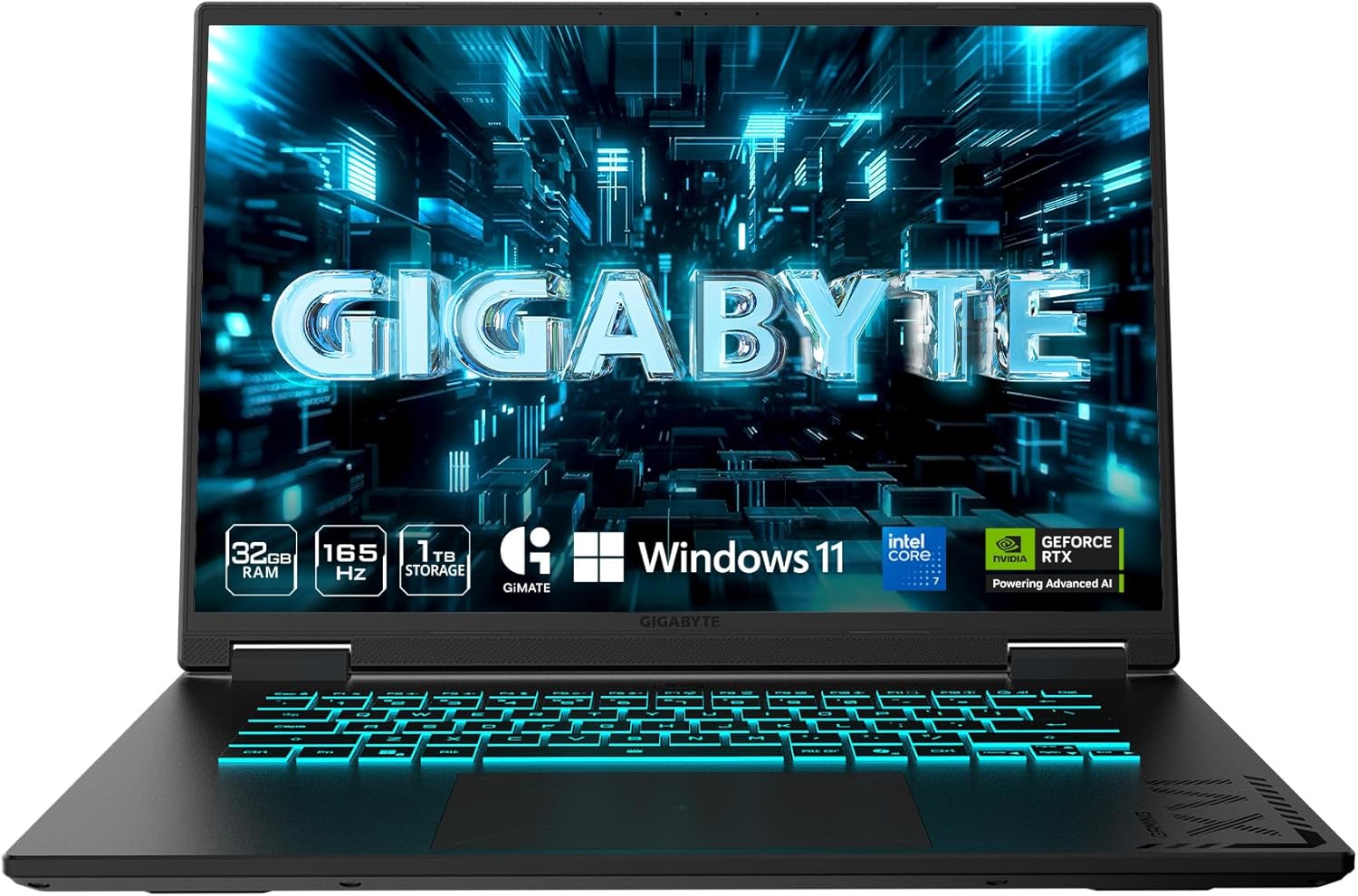
- memory Intel Core Ultra 7 240H
- developer_board NVIDIA GeForce RTX 5070 Ti Laptop GPU
- layers 32GB LPDDR5X 5600MHz
- track_changes Target GPU: NVIDIA GeForce RTX 4080 / AMD Radeon RX 7900 XTX

- memory Intel Core Ultra 9 275HX
- developer_board GeForce RTX 5070 Laptop Laptop GPU
- layers 64GB DDR5-6400MHz (Single-Channel)
- track_changes Target GPU: NVIDIA GeForce RTX 4080 / AMD Radeon RX 7900 XTX

- memory Intel Core Ultra 9 275HX
- developer_board NVIDIA GeForce RTX 5070 Ti
- layers 32GB
- track_changes Target GPU: NVIDIA GeForce RTX 4080 / AMD Radeon RX 7900 XTX

- memory Intel Core Ultra 9 275HX
- developer_board NVIDIA GeForce RTX 5070 Ti Laptop GPU
- layers 32 GB DDR5 6400MHz (2x16GB)
- track_changes Target GPU: NVIDIA GeForce RTX 4080 / AMD Radeon RX 7900 XTX
For Starfield Specifically
- memory Intel Core i7-12700H
- developer_board NVIDIA GeForce RTX 3070
- layers 32GB DDR4-3200MHz
- track_changes Target GPU: AMD Radeon RX 5700 (8GB) or NVIDIA GeForce GTX 1070 Ti (8GB)
- memory Intel Core i9-13900H
- developer_board NVIDIA GeForce RTX 4060
- layers 16GB DDR5-5200MHz
- track_changes Target GPU: AMD Radeon RX 5700 (8GB) or NVIDIA GeForce GTX 1070 Ti (8GB)
- memory Intel Core i9-14900HX
- developer_board NVIDIA GeForce RTX 4060
- layers 32GB DDR5-5600MHz
- track_changes Target GPU: AMD Radeon RX 5700 (8GB) or NVIDIA GeForce GTX 1070 Ti (8GB)
- memory Intel Core i9-12900H
- developer_board NVIDIA GeForce RTX 3070 Ti
- layers 16GB DDR5-4800MHz
- track_changes Target GPU: AMD Radeon RX 5700 (8GB) or NVIDIA GeForce GTX 1070 Ti (8GB)
- memory AMD Ryzen 7 7435HS
- developer_board NVIDIA GeForce RTX 3050
- layers 32GB DDR5-4800MHz
- track_changes Target GPU: AMD Radeon RX 5700 (8GB) or NVIDIA GeForce GTX 1070 Ti (8GB)
- memory AMD Ryzen 7 6800H
- developer_board NVIDIA GeForce RTX 3060
- layers 16GB DDR5-4800MHz
- track_changes Target GPU: AMD Radeon RX 5700 (8GB) or NVIDIA GeForce GTX 1070 Ti (8GB)

- memory AMD Ryzen 9 5900HS
- developer_board NVIDIA GeForce RTX 3080
- layers 16GB DDR4-3200MHz
- track_changes Target GPU: AMD Radeon RX 5700 (8GB) or NVIDIA GeForce GTX 1070 Ti (8GB)

- memory Intel Core i7-13620H
- developer_board NVIDIA GeForce RTX 4070
- layers 16GB DDR5-4800MHz
- track_changes Target GPU: AMD Radeon RX 5700 (8GB) or NVIDIA GeForce GTX 1070 Ti (8GB)

- memory Intel Core i7-14700HX
- developer_board NVIDIA GeForce RTX 4070
- layers 16GB DDR5-5600MHz
- track_changes Target GPU: AMD Radeon RX 5700 (8GB) or NVIDIA GeForce GTX 1070 Ti (8GB)
- memory Intel Core i9-14900HX
- developer_board NVIDIA GeForce RTX 4070
- layers 32GB DDR5-5600MHz
- track_changes Target GPU: AMD Radeon RX 5700 (8GB) or NVIDIA GeForce GTX 1070 Ti (8GB)
- memory AMD Ryzen 7 7435HS
- developer_board NVIDIA GeForce RTX 3050
- layers 32GB DDR5-4800MHz
- track_changes Target GPU: AMD Radeon RX 6800 XT (16GB) / RX 7800 XT (16GB) or NVIDIA GeForce RTX 3080 (10GB) / RTX 4070 (12GB)
- memory AMD Ryzen 7 6800H
- developer_board NVIDIA GeForce RTX 3060
- layers 16GB DDR5-4800MHz
- track_changes Target GPU: AMD Radeon RX 6800 XT (16GB) / RX 7800 XT (16GB) or NVIDIA GeForce RTX 3080 (10GB) / RTX 4070 (12GB)
- memory Intel Core i9-14900HX
- developer_board NVIDIA GeForce RTX 4070
- layers 32GB DDR5-5600MHz
- track_changes Target GPU: AMD Radeon RX 6800 XT (16GB) / RX 7800 XT (16GB) or NVIDIA GeForce RTX 3080 (10GB) / RTX 4070 (12GB)
- memory Intel Core i9-14900HX
- developer_board NVIDIA GeForce RTX 4070
- layers 16GB DDR5-5600MHz
- track_changes Target GPU: AMD Radeon RX 6800 XT (16GB) / RX 7800 XT (16GB) or NVIDIA GeForce RTX 3080 (10GB) / RTX 4070 (12GB)
- memory Intel Core Ultra 7 255H
- developer_board NVIDIA GeForce RTX 5060 Laptop GPU
- layers 16GB DDR5-5600MHz (Dual-Channel)
- track_changes Target GPU: AMD Radeon RX 6800 XT (16GB) / RX 7800 XT (16GB) or NVIDIA GeForce RTX 3080 (10GB) / RTX 4070 (12GB)
- memory AMD Ryzen 9 8940HX Processor
- developer_board NVIDIA GeForce RTX 5060 Laptop GPU
- layers 32GB DDR5-5200MHz
- track_changes Target GPU: AMD Radeon RX 6800 XT (16GB) / RX 7800 XT (16GB) or NVIDIA GeForce RTX 3080 (10GB) / RTX 4070 (12GB)
- memory Intel Core i9-12950HX
- developer_board NVIDIA GeForce RTX 3080 Ti
- layers 32GB DDR5-4800MHz
- track_changes Target GPU: AMD Radeon RX 6800 XT (16GB) / RX 7800 XT (16GB) or NVIDIA GeForce RTX 3080 (10GB) / RTX 4070 (12GB)

- memory AMD Ryzen 7 7445HS
- developer_board NVIDIA GeForce RTX 4050
- layers 16GB (2x8GB) DDR5 5600MHz SO-DIMM
- track_changes Target GPU: AMD Radeon RX 6800 XT (16GB) / RX 7800 XT (16GB) or NVIDIA GeForce RTX 3080 (10GB) / RTX 4070 (12GB)

- memory AMD Ryzen 7 7445HS
- developer_board NVIDIA GeForce RTX 4050
- layers 16GB DDR5 5600MHz SO-DIMM
- track_changes Target GPU: AMD Radeon RX 6800 XT (16GB) / RX 7800 XT (16GB) or NVIDIA GeForce RTX 3080 (10GB) / RTX 4070 (12GB)
- memory Intel Core i9-14900HX
- developer_board NVIDIA GeForce RTX 4080 Laptop GPU
- layers 64 GB DDR5-5600MHz
- track_changes Target GPU: AMD Radeon RX 6800 XT (16GB) / RX 7800 XT (16GB) or NVIDIA GeForce RTX 3080 (10GB) / RTX 4070 (12GB)
- memory Intel Core i9-14900HX
- developer_board NVIDIA GeForce RTX 4080 Laptop GPU
- layers 64 GB DDR5-5600MHz
- track_changes Target GPU: AMD Radeon RX 7900 XT (20GB) or NVIDIA GeForce RTX 4070 Ti SUPER (16GB) / RTX 4080 (16GB)
- memory Intel Core Ultra 9 Processor 275HX (Series 2)
- developer_board NVIDIA GeForce RTX 5070 Laptop GPU
- layers 32GB DDR5-5600MHz
- track_changes Target GPU: AMD Radeon RX 7900 XT (20GB) or NVIDIA GeForce RTX 4070 Ti SUPER (16GB) / RTX 4080 (16GB)
- memory Intel Core i9-14900HX Processor
- developer_board NVIDIA GeForce RTX 5070 Laptop GPU
- layers 32GB DDR5-5600MHz
- track_changes Target GPU: AMD Radeon RX 7900 XT (20GB) or NVIDIA GeForce RTX 4070 Ti SUPER (16GB) / RTX 4080 (16GB)
- memory Intel Core i9-14900HX Processor
- developer_board NVIDIA GeForce RTX 5070 Laptop GPU
- layers 32GB DDR5-5600MHz
- track_changes Target GPU: AMD Radeon RX 7900 XT (20GB) or NVIDIA GeForce RTX 4070 Ti SUPER (16GB) / RTX 4080 (16GB)

- memory Intel Core Ultra 9 Processor 285H
- developer_board NVIDIA GeForce RTX 5070 Laptop GPU
- layers 16GB DDR5-5600MHz
- track_changes Target GPU: AMD Radeon RX 7900 XT (20GB) or NVIDIA GeForce RTX 4070 Ti SUPER (16GB) / RTX 4080 (16GB)
- memory Intel Core Ultra 9 285H (Arrow Lake-H)
- developer_board NVIDIA GeForce RTX 5070 Laptop GPU
- layers 64GB LPDDR5x-8533MT/s (LPCAMM2)
- track_changes Target GPU: AMD Radeon RX 7900 XT (20GB) or NVIDIA GeForce RTX 4070 Ti SUPER (16GB) / RTX 4080 (16GB)
- memory Intel Core i9-14900HX
- developer_board NVIDIA GeForce RTX 4080
- layers 64GB DDR5-5600MHz
- track_changes Target GPU: AMD Radeon RX 7900 XT (20GB) or NVIDIA GeForce RTX 4070 Ti SUPER (16GB) / RTX 4080 (16GB)
- memory Intel Core i9-14900HX
- developer_board NVIDIA GeForce RTX 4080
- layers 32GB DDR5-5600MHz
- track_changes Target GPU: AMD Radeon RX 7900 XT (20GB) or NVIDIA GeForce RTX 4070 Ti SUPER (16GB) / RTX 4080 (16GB)
- memory Intel Core i9-14900HX
- developer_board NVIDIA GeForce RTX 4080
- layers 32GB DDR5-5600MHz
- track_changes Target GPU: AMD Radeon RX 7900 XT (20GB) or NVIDIA GeForce RTX 4070 Ti SUPER (16GB) / RTX 4080 (16GB)
- memory Intel Core i9-14900HX
- developer_board NVIDIA GeForce RTX 4080
- layers 32GB DDR5-5600MHz
- track_changes Target GPU: AMD Radeon RX 7900 XT (20GB) or NVIDIA GeForce RTX 4070 Ti SUPER (16GB) / RTX 4080 (16GB)
info_outline Laptop recommendations are estimates based on available component benchmarks and game requirements. Actual performance may vary depending on settings, drivers, cooling, power limits, etc. Prices and availability subject to change. As an Amazon Associate, we earn from qualifying purchases.