Select Games to Compare
Benchmark your exact mobile GPU wattage (TGP), battery throttling drops, and cooling pad requirements for these games.
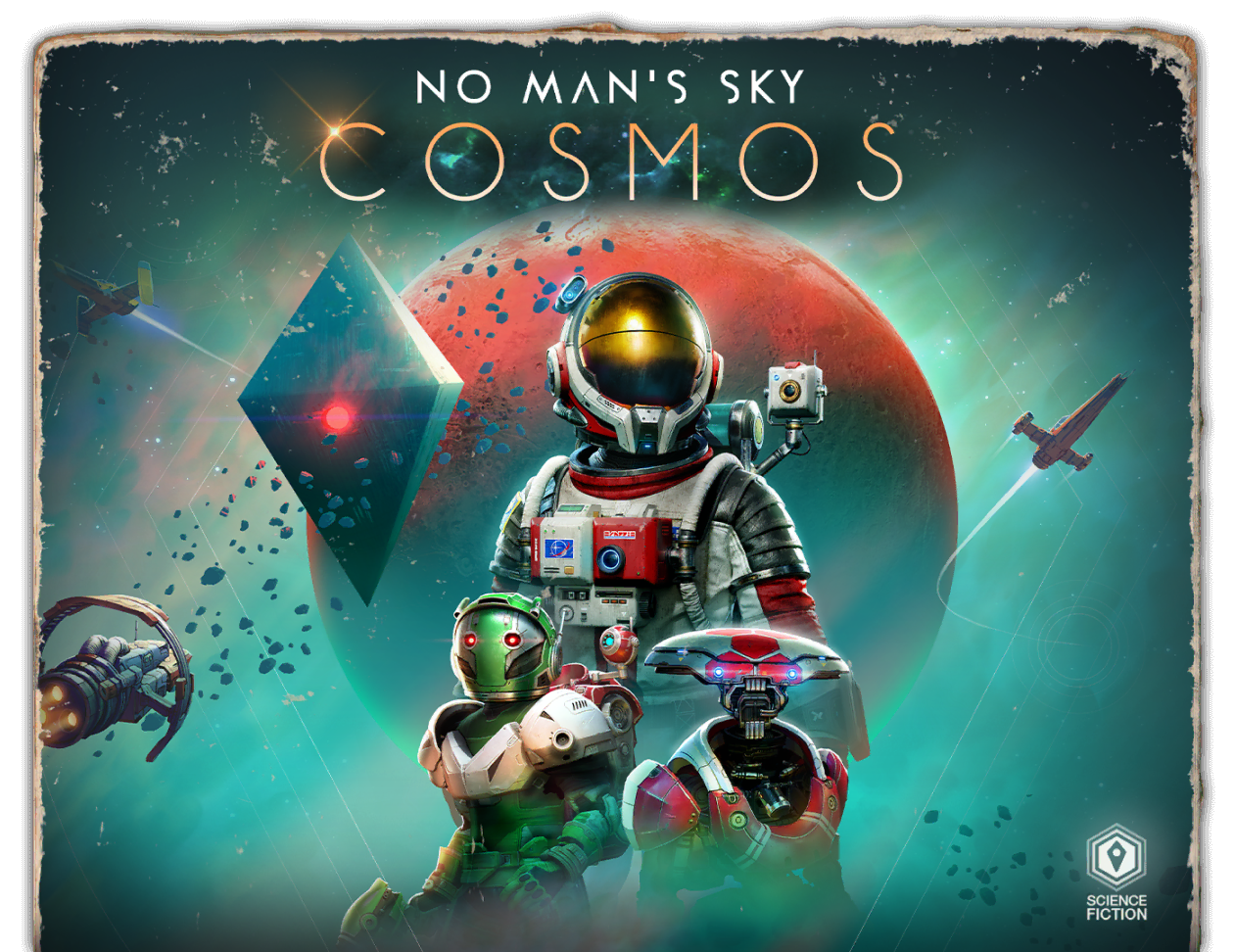
No Mans Sky: Cosmos vs Ferocious
| close | close |
|---|---|
| shopping_cart Where to Buy | |
| info General Information | |
| Release Date | |
| Aug 9, 2016 | Mar 12, 2026 |
| Developer | |
| Hello Games | OMYOG |
| Publisher | |
| Hello Games | tinyBuild |
| Genre(s) | |
| Action-adventure survival | First-Person Shooter, Survival, Action-Adventure, Open World |
| Engine | |
| Proprietary Procedural Engine | Unity |
| stars Ratings & Price | |
| Content Rating | |
| Teen | Rating Pending (Expected M - Mature 17+) |
| Avg. User Rating | |
| 4.8 / 5.0 | 0.0 / 5.0 |
| Current Price (USD) | |
| $59.99 | $49.99 |
| tune Key Specs | |
| Quick Highlights | |
|
|
| sports_esports Gameplay & Mechanics | |
| Companions/Followers | |
|
|
| Key Collectibles | |
|
|
| Key Themes | |
|
|
| colorize Combat & Gear | |
| Weapons Overview | |
|
|
| Armor / Gear Sets | |
|
|
| Outfits/Customization | |
|
|
| trending_up Progression & Upgrades | |
| Skills & Progression | |
|
Player progression in No Man's Sky relies on deeply integrated technological upgrades rather than traditional skill trees. The Traveller's exosuit, starship, and multi-tool require extensive modular enhancements fueled by refined resources and Nanites. The Cosmos update expanded utility systems with the introduction of a physics-based gravity gun and an associated starship tractor beam, specifically designed for industrial salvage operations in zero-gravity. Players must carefully balance upgrade modules to maximize hazard protection, jetpack stamina, and combat efficiency. Additionally, the new Corvette class ships introduce an entirely new layer of progression, requiring players to painstakingly unlock and build modular components—ranging from Titan-class reactors to Medusa-class thrusters—to customize fleet capabilities for deep-space exploration and combat. |
Progression is tied to survival and crafting. Players scavenge resources to upgrade weapons with custom parts like suppressors and scopes, and craft a variety of traps and gadgets. There are no traditional skill trees; instead, progression is based on acquiring better gear and unlocking new tools that open up new areas and tactical options. |
| public World & Exploration | |
| World & Level Design | |
|
With a procedurally generated map containing over 18 quintillion full-scale planets, No Man's Sky features the largest playable area in video game history. However, the true innovation of the 2026 Cosmos update lies in how the previously empty interstellar void is utilized. The Galaxy Map has been overhauled with a heavily reworked, three-dimensional Star System Map, allowing for granular intra-system cartography. Warping into a sector triggers a localized scan, pinpointing Space Hulks, Bio-Wrecks, and asteroid fields. Furthermore, the star at the center of every solar system is now a fully rendered, physical entity that players can actually reach. Dense asteroid belts now support free-floating orbital bases, turning regions of dead space into highly lucrative, exploitable territories. |
The game features large, interconnected zones with a 'Metroidvania' design philosophy rather than a single seamless open world. The island is comprised of diverse biomes, including lush jungles, sprawling beaches, treacherous cliffs, deep swamps, and ancient ruins. |
| Playable Vehicles | |
|
|
| Notable Fauna/Mounts | |
|
N/A |
| book Story & Characters | |
| Main Characters | |
|
|
| Example Missions | |
|
|
| people Multiplayer | |
| Multiplayer Details | |
|
Multiplayer has evolved from an asynchronous afterthought to the core pillar of the endgame experience. The Cosmos update enables the foundation of Galactic Alliances, where players who purchase Space Stations can invite tens of thousands of members to establish territorial sovereignty over entire sectors of the galaxy. Players collaborate asynchronously by manipulating the simulated galactic economy, crashing local markets for profit, or building massive trade hubs. Synchronous multiplayer is showcased aboard the multi-crew Corvette class ships, where squads of up to 32 players can man turrets, refine goods, or skydive from orbit together. Furthermore, the Xeno Arena update facilitates intense PVP holo-arena tournaments where players test genetically modified fauna against rivals. |
The game is a strictly single-player experience and does not have any multiplayer or co-operative modes at launch. |
| extension Editions & DLC | |
| Available Editions | |
|
Over the course of its extraordinary ten-year lifespan, No Man's Sky has eschewed traditional paid downloadable content or fractured editions in favor of a unified, constantly updating single package. The baseline game automatically updates to the massive version 7.0 Cosmos iteration for free across all platforms. During the 2025-2026 cycle, players experienced time-limited archival game modes through Expeditions like Adrift, Titan, Breach, and The Cursed. The current monumental release is accompanied by Expedition 013301, 'Our Journey Continues', serving as a playable museum that rolls back mechanical features to emulate the past 40 major patches. Completion of this anniversary expedition rewards veteran players with iconic, nostalgic items such as the Golden Rasamama S36 and the Vintage Interceptor. |
Details on different game editions are yet to be announced. A playable demo has been available on Steam since June 2025. |
| Post-Launch Content / DLC | |
|
The game’s post-launch support is a legendary industry case study, consisting of over forty massive, entirely free updates. Between 2025 and 2026 alone, Hello Games shipped several foundational patches. 'Relics' introduced procedural paleontology and skeletal companions. 'Voyagers' added the massive, multi-crew, custom-built Corvette class ships. 'Xeno Arena' implemented a deep, genetic creature-battling mechanic via holo-arenas. 'The Swarm' brought colossal, orchestrated fleet battles against the Hive of Glass superweapon. Finally, the 10th-anniversary 'Cosmos' update completely restructured deep space, adding space station sovereignty, galactic alliances, zero-g EVA salvage, and physical solar bodies. This relentless cadence ensures that every facet of the simulation—from macro-economics to biological pet breeding—remains endlessly deep and engaging. |
N/A |
| help_outline FAQ | |
| Frequently Asked Questions | |
|
|
| build Technical Details | |
| Graphics & Visual Fidelity | |
|
The proprietary procedural engine has been aggressively optimized to serve as a premier benchmark title for late-2026 hardware. On the PlayStation 5 Pro, the game implements PSSR to deliver razor-sharp 4K output at a flawless 60 frames per second, and is one of the few flagship titles to support a native 8K resolution mode (capped at 30fps). It features ultra-quality reflections, superior ambient occlusion, and vastly improved volumetric particle lighting. PC VR ecosystems benefit immensely from eye-tracked foveated rendering, reclaiming massive GPU overhead. On portable systems, the Nintendo Switch 2 utilizes NVIDIA DLSS upscaling to maintain handheld visual fidelity previously thought impossible, slashing warp load times and dramatically enhancing geometric draw distances. |
N/A |
| Audio & Soundtrack | |
|
The auditory landscape of No Man's Sky is largely driven by a critically acclaimed, procedurally generated soundtrack composed by 65daysofstatic, which algorithmically adapts to the player's immediate environment and level of danger. In 2026, the audio engine was upgraded to fully leverage Tempest 3D AudioTech, providing highly accurate spatial sound positioning vital for dogfighting in dense asteroid fields. The Cosmos update further expanded the soundscape through Expedition 013301, 'Our Journey Continues', integrating in-game audio logs featuring actual developer commentary and behind-the-scenes trivia from Hello Games. The immersive haptic feedback mapped through dual-sense controllers complements the thunderous roar of the Arcadia Heavy Booster engines and the eerie, isolated silence of spacewalking near a derelict bio-wreck. |
N/A |
| User Interface (UI/UX) | |
|
The User Interface of No Man's Sky has been iteratively streamlined over a decade to handle immensely complex data sets without overwhelming the player. The most significant recent enhancement is the localized 3D Star System Map. Replacing the ambiguity of the older Galaxy Map, this new navigational interface charts fixed points of interest, planetary orbits, anomalous signals, and local trading outposts. Inventory management remains vital, utilizing a grid-based system divided between the exosuit, multi-tool, starship, and freighter. The UI effectively conveys macro-economic indicators at Galactic Trade Terminals, allowing savvy players to calculate supply and demand elasticity for market crashing loops. A dedicated Twitch Drops interface also seamlessly tracks and distributes accumulated cosmetic rewards. |
N/A |
| Accessibility Options | |
|
Hello Games has prioritized an inclusive design philosophy, allowing users to deeply customize their gameplay experience. The game features highly granular difficulty settings, enabling players to independently toggle survival hazard rates, combat lethality, fuel consumption, and resource acquisition. A popular 'Relaxed Mode' bypasses the grinding loops, catering directly to explorers and base builders who wish to focus on architectural creativity without threat of starvation. Visually, the UI elements are scalable, with dedicated colorblind modes and customizable subtitle backgrounds. Motion sickness mitigations are highly robust, offering customizable field-of-view sliders, the option to lock horizons during flight, and specialized comfort vignetting applied directly to all supported Virtual Reality platforms. |
N/A |
| video_library Media Links | |
| Gameplay Video | |
| launchWatch | launchWatch |
| Walkthrough/Guide | |
| launchView | launchView |
| settings_applications System Requirements | |
| 1080p (Full HD) - Recommended (Targets 1080p, High settings, ~60+ FPS) (High Preset, 1080p resolution, aiming for a consistent 60 FPS or higher.) CPU: Official recommended desktop CPU for a solid 60 FPS experience. CPU (Laptop): A strong mobile CPU is needed to maintain a stable framerate during intense firefights. GPU: Official recommended desktop GPUs for a high-quality 1080p experience. GPU (Laptop): Good laptop GPUs for a solid 1080p high-refresh-rate experience. RAM: 16GB RAM is officially recommended. Storage: An SSD is recommended for this tier to ensure fast loading. | |
| — | memoryCPU: Intel Core i7 or AMD Ryzen 5 3600 and up developer_boardGPU: NVIDIA GeForce RTX 2060 or AMD Radeon RX 5600 laptop_macCPU (L): Intel Core i7-10750H / AMD Ryzen 7 4800H or better. laptop_windowsGPU (L): NVIDIA GeForce RTX 3060 Laptop (6GB), RTX 4060 Laptop (8GB). (Future-proof: RTX 5060 Laptop) layersRAM: 16 GB saveStorage (Tier): 25 GB SSD |
| 1080p (Full HD) - Minimum (Targets 1080p, Low/Medium settings, ~30-60 FPS) (Low to Medium Preset, 1080p resolution. This tier aims for a baseline playable framerate.) CPU: Official minimum desktop CPU requirement. This is an older processor, making the game accessible. CPU (Laptop): Estimated entry-level laptop CPUs for minimum playability. GPU: Official minimum desktop GPUs. GPU (Laptop): Estimated laptop GPUs for minimum settings. An RTX 3050 or better is strongly recommended for a much smoother experience. RAM: 12GB RAM is the official minimum requirement, an unusual amount suggesting 8GB may struggle. Storage: An HDD is technically sufficient for the minimum spec, but an SSD is recommended. | |
| — | memoryCPU: Intel Core i5 (4th Gen) or AMD equivalent developer_boardGPU: NVIDIA GeForce GTX 1060 or AMD Radeon RX 580 laptop_macCPU (L): Intel Core i7-7700HQ / AMD Ryzen 5 2500U or better. laptop_windowsGPU (L): NVIDIA GeForce GTX 1650 Ti Mobile (4GB), RTX 3050 Laptop (4GB), RTX 4050 Laptop (6GB). (Future-proof: RTX 5050 Laptop) layersRAM: 12 GB saveStorage (Tier): 25 GB HDD |
| 1080p (Full HD) - Minimum (Low-Medium Settings, 30-60 FPS) CPU: Required to handle baseline planetary generation math. CPU (Laptop): Mobile quad-cores are sufficient for low-stress sectors. GPU: Entry-level hardware for rendering standard planetary surfaces without advanced volumetric lighting. GPU (Laptop): Allows basic 1080p rendering with upscaling enabled. RAM: Minimum allocation to prevent catastrophic memory leaks during interstellar warping. Storage: Solid-state drive highly recommended over HDD for seamless loading. | |
memoryCPU: Intel Core i3 or AMD Ryzen 3 equivalent developer_boardGPU: Nvidia GTX 1060 (3GB) / AMD RX 470 (4GB) laptop_macCPU (L): Intel Core i5-10300H or Ryzen 5 4600H laptop_windowsGPU (L): GTX 1650 Mobile layersRAM: 8 GB saveStorage (Tier): 15 GB SSD | — |
| 1440p (QHD/2K) - Recommended (High Settings, 60 FPS) CPU: Six cores are optimal for smoothing out frame pacing during ground vehicle traversal. CPU (Laptop): Provides necessary thermal and thread headroom for stable 1440p. GPU: Handles the dense geometric complexity of the new massive Space Hulks and orbital bases. GPU (Laptop): Needs a minimum of 8GB VRAM for high-resolution textures and base rendering. RAM: Standard for running heavy multiplayer instances and massive player-built Corvette ships. Storage: Ensures near-instant teleportation across galactic quadrants. | |
memoryCPU: Intel Core i5-12400F / AMD Ryzen 5 5600X developer_boardGPU: NVIDIA RTX 3060 Ti / AMD RX 6700 XT laptop_macCPU (L): Intel Core i7-12700H / Ryzen 7 5800H laptop_windowsGPU (L): RTX 3070 Ti Mobile (High TGP) layersRAM: 16 GB saveStorage (Tier): 15 GB NVMe SSD | — |
| 1440p (QHD/2K) - High (Targets 1440p, High settings, ~60+ FPS) (High Preset, 1440p resolution, aiming for high refresh rate gameplay.) CPU: A powerful modern CPU is crucial to avoid bottlenecks and maintain high framerates at 1440p. CPU (Laptop): High-performance laptop CPUs are essential for a consistent high-refresh-rate 1440p experience. GPU: Desktop GPUs capable of a strong 1440p/60FPS experience. A modern card like the RTX 4060 Ti would be ideal. GPU (Laptop): A high-TGP RTX 4060 or RTX 3070 Laptop is the ideal target for 1440p. A future RTX 5060 Laptop would offer an even better experience. RAM: 16GB RAM is recommended for smooth 1440p gaming; 32GB can help reduce stutters in demanding situations. Storage: A fast NVMe SSD is recommended for the best loading times and performance at 1440p. | |
| — | memoryCPU: Intel Core i5-12600K or AMD Ryzen 5 5600X developer_boardGPU: NVIDIA GeForce RTX 3060 Ti (8GB) or AMD Radeon RX 6700 XT (12GB). (Future-proof: RTX 4060 Ti) laptop_macCPU (L): Intel Core i7-12700H / AMD Ryzen 7 6800H or newer. laptop_windowsGPU (L): NVIDIA GeForce RTX 3070 Laptop (8GB), RTX 4060 Laptop (8GB). (Future-proof: RTX 5060 Laptop) layersRAM: 16 GB saveStorage (Tier): 25 GB NVMe SSD |
| 2160p (UHD/4K) - Ultra / VR Tier (Ultra Settings, 60+ FPS or PC VR foveated rendering) CPU: The massive L3 cache on X3D chips dramatically improves 1% lows when rendering dense flora and massive fleet battles. CPU (Laptop): Desktop-class mobile CPUs required for 4K VR rendering. GPU: Provides extreme horsepower for native 4K or high-refresh PC VR with eye-tracked foveated rendering. GPU (Laptop): The absolute pinnacle of mobile GPUs is necessary for maxed-out 4K with complex lighting algorithms. RAM: Eliminates all hitching during extreme scenarios like The Swarm large-scale fleet engagements. Storage: Maximizes data streaming bandwidth for the engine's deferred node unloading system. | |
memoryCPU: Intel Core i7-13700K / AMD Ryzen 7 7800X3D developer_boardGPU: NVIDIA RTX 4080 / AMD RX 7900 XTX laptop_macCPU (L): Intel Core i9-13980HX / Ryzen 9 7945HX laptop_windowsGPU (L): RTX 4090 Mobile layersRAM: 32 GB saveStorage (Tier): 15 GB PCIe 4.0 NVMe SSD | — |
| 2160p (UHD/4K) - 4K Ultra Settings (Targets 2160p/4K, High settings, ~60+ FPS) (High Preset, 2160p (4K) resolution, aiming for 60 FPS or higher.) CPU: A top-tier desktop CPU with the best possible gaming performance is recommended to minimize CPU bottlenecks at 4K. CPU (Laptop): The highest-end laptop CPUs are needed to pair with flagship GPUs for the most stable 4K experience possible. GPU: High-end 40-series desktop GPUs are needed for a chance at a stable 4K/60FPS experience. A future RTX 5070 would be a much better target. GPU (Laptop): Flagship laptop GPUs are required for a playable 4K experience, but users should still expect to rely on upscaling for a consistent 60 FPS. RAM: 32GB of fast RAM is highly recommended to provide sufficient headroom and minimize stuttering at 4K. Storage: A fast NVMe SSD is essential for the best possible experience at 4K. | |
| — | memoryCPU: Intel Core i7-13700K or AMD Ryzen 7 7800X3D developer_boardGPU: NVIDIA GeForce RTX 4070 Ti (12GB) or AMD Radeon RX 7900 XT (20GB). (Future-proof: RTX 5070) laptop_macCPU (L): Intel Core i9-13900HX / AMD Ryzen 9 7945HX or newer. laptop_windowsGPU (L): NVIDIA GeForce RTX 3080 Ti Laptop (16GB), RTX 4080 Laptop (12GB), RTX 4090 Laptop (16GB). (Future-proof: RTX 5080 Laptop) layersRAM: 32 GB saveStorage (Tier): 25 GB NVMe SSD |
| save Overall Storage | |
| Spec: 15 GB SSD Note: While the install size is incredibly small due to procedural generation, an NVMe SSD is strictly necessary to prevent pop-in during fast travel. Type: SSD | Spec: 25 GB available space (SSD Recommended) Note: The game requires a modest 25 GB of storage space. An SSD is recommended for faster loading times and to prevent asset streaming stutter while exploring the island. Type: SSD |
| desktop_windows Operating System | |
| Spec: Windows 10/11 (64-bit) or macOS Monterey 12.3 Explanation: Requires modern OS architectures to handle massive asynchronous procedural generation and multithreading. | Spec: Windows 10 / Windows 11 (64-bit Required) Explanation: A 64-bit version of Windows 10 is the minimum requirement. Windows 11 is fully supported. |
| gamepad DirectX Version | |
| Spec: Vulkan / DirectX 12 Explanation: Heavily reliant on low-level APIs to minimize CPU overhead when rendering thousands of procedural assets. | Spec: DirectX 11 Explanation: The official requirement is DirectX 11. The game is built on the Unity Engine, which primarily utilizes this API for the title. |
| info_outline Other Game Notes | |
|
|
| build Optimization Details | |
|
|
| laptop Laptop Considerations | |
|
|

info_outline Feature details based on available data. System requirements and performance estimates may vary.
laptop_chromebook Laptop Recommendations
Common Recommendations (Handles All Compared Games)

- memory Intel Core i5-11400H
- developer_board NVIDIA GeForce RTX 2050
- layers 8GB DDR4-3200MHz
- track_changes Target GPU: GTX 1650 Mobile

- memory Intel Core i7-12700H
- developer_board NVIDIA GeForce RTX 3070
- layers 32GB DDR4-3200MHz
- track_changes Target GPU: GTX 1650 Mobile

- memory Intel Core i9-13900H
- developer_board NVIDIA GeForce RTX 4060
- layers 16GB DDR5-5200MHz
- track_changes Target GPU: GTX 1650 Mobile

- memory Intel Core i9-14900HX
- developer_board NVIDIA GeForce RTX 4060
- layers 32GB DDR5-5600MHz
- track_changes Target GPU: NVIDIA GeForce GTX 1650 Ti Mobile (4GB), RTX 3050 Laptop (4GB), RTX 4050 Laptop (6GB). (Future-proof: RTX 5050 Laptop)

- memory Intel Core i9-12900H
- developer_board NVIDIA GeForce RTX 3070 Ti
- layers 16GB DDR5-4800MHz
- track_changes Target GPU: RTX 3070 Ti Mobile (High TGP)

- memory AMD Ryzen 7 7435HS
- developer_board NVIDIA GeForce RTX 3050
- layers 32GB DDR5-4800MHz
- track_changes Target GPU: RTX 3070 Ti Mobile (High TGP)

- memory Intel Core i9-14900HX
- developer_board NVIDIA GeForce RTX 4070
- layers 32GB DDR5-5600MHz
- track_changes Target GPU: RTX 3070 Ti Mobile (High TGP)
- memory Intel Core i7-12700H
- developer_board NVIDIA GeForce RTX 3070
- layers 32GB DDR4-3200MHz
- track_changes Target GPU: NVIDIA GeForce RTX 3070 Laptop (8GB), RTX 4060 Laptop (8GB). (Future-proof: RTX 5060 Laptop)
- memory Intel Core i9-13900H
- developer_board NVIDIA GeForce RTX 4060
- layers 16GB DDR5-5200MHz
- track_changes Target GPU: NVIDIA GeForce RTX 3070 Laptop (8GB), RTX 4060 Laptop (8GB). (Future-proof: RTX 5060 Laptop)
- memory Intel Core i9-14900HX
- developer_board NVIDIA GeForce RTX 4060
- layers 32GB DDR5-5600MHz
- track_changes Target GPU: NVIDIA GeForce RTX 3070 Laptop (8GB), RTX 4060 Laptop (8GB). (Future-proof: RTX 5060 Laptop)

- memory Intel Core i9-14900HX
- developer_board NVIDIA GeForce RTX 4090
- layers 32GB DDR5-5600MHz
- track_changes Target GPU: RTX 4090 Mobile

- memory Intel Core Ultra 9 285H (Series 2) , 14 cores (6 Performance cores + 8 Efficient cores), 20 threads
- developer_board NVIDIA GeForce RTX 5050 Laptop GPU
- layers 32GB (2x16GB) DDR5 8400MHz SO-DIMM
- track_changes Target GPU: RTX 4090 Mobile

- memory Intel Core Ultra 9 285H
- developer_board NVIDIA GeForce RTX 5070
- layers 32GB (2x16GB) DDR5 4800MHz SO-DIMM
- track_changes Target GPU: RTX 4090 Mobile
- memory Intel Core i9-14900HX
- developer_board NVIDIA GeForce RTX 4070
- layers 32GB DDR5-5600MHz
- track_changes Target GPU: NVIDIA GeForce RTX 3080 Ti Laptop (16GB), RTX 4080 Laptop (12GB), RTX 4090 Laptop (16GB). (Future-proof: RTX 5080 Laptop)

- memory AMD Ryzen 9 8940HX Processor
- developer_board NVIDIA GeForce RTX 5060 Laptop GPU
- layers 32GB DDR5-5200MHz
- track_changes Target GPU: NVIDIA GeForce RTX 3080 Ti Laptop (16GB), RTX 4080 Laptop (12GB), RTX 4090 Laptop (16GB). (Future-proof: RTX 5080 Laptop)

- memory Intel Core i9-14900HX
- developer_board NVIDIA GeForce RTX 4080 Laptop GPU
- layers 64 GB DDR5-5600MHz
- track_changes Target GPU: NVIDIA GeForce RTX 3080 Ti Laptop (16GB), RTX 4080 Laptop (12GB), RTX 4090 Laptop (16GB). (Future-proof: RTX 5080 Laptop)
For No Mans Sky: Cosmos Specifically
- memory Intel Core i5-11400H
- developer_board NVIDIA GeForce RTX 2050
- layers 8GB DDR4-3200MHz
- track_changes Target GPU: Nvidia GTX 1060 (3GB) / AMD RX 470 (4GB)
- memory Intel Core i7-12700H
- developer_board NVIDIA GeForce RTX 3070
- layers 32GB DDR4-3200MHz
- track_changes Target GPU: Nvidia GTX 1060 (3GB) / AMD RX 470 (4GB)
- memory Intel Core i9-13900H
- developer_board NVIDIA GeForce RTX 4060
- layers 16GB DDR5-5200MHz
- track_changes Target GPU: Nvidia GTX 1060 (3GB) / AMD RX 470 (4GB)
- memory Intel Core i9-14900HX
- developer_board NVIDIA GeForce RTX 4060
- layers 32GB DDR5-5600MHz
- track_changes Target GPU: Nvidia GTX 1060 (3GB) / AMD RX 470 (4GB)
- memory Intel Core i9-12900H
- developer_board NVIDIA GeForce RTX 3070 Ti
- layers 16GB DDR5-4800MHz
- track_changes Target GPU: Nvidia GTX 1060 (3GB) / AMD RX 470 (4GB)

- memory Intel Core i5-12450H
- developer_board NVIDIA GeForce RTX 3050
- layers 16GB DDR4-3200MHz
- track_changes Target GPU: Nvidia GTX 1060 (3GB) / AMD RX 470 (4GB)

- memory Intel Core i5-12500H
- developer_board NVIDIA GeForce RTX 3050 Ti
- layers 16GB DDR4-3200MHz
- track_changes Target GPU: Nvidia GTX 1060 (3GB) / AMD RX 470 (4GB)
- memory AMD Ryzen 7 7435HS
- developer_board NVIDIA GeForce RTX 3050
- layers 32GB DDR5-4800MHz
- track_changes Target GPU: Nvidia GTX 1060 (3GB) / AMD RX 470 (4GB)

- memory AMD Ryzen 7 6800H
- developer_board NVIDIA GeForce RTX 3060
- layers 16GB DDR5-4800MHz
- track_changes Target GPU: Nvidia GTX 1060 (3GB) / AMD RX 470 (4GB)

- memory AMD Ryzen 9 5900HS
- developer_board NVIDIA GeForce RTX 3080
- layers 16GB DDR4-3200MHz
- track_changes Target GPU: Nvidia GTX 1060 (3GB) / AMD RX 470 (4GB)
- memory Intel Core i9-12900H
- developer_board NVIDIA GeForce RTX 3070 Ti
- layers 16GB DDR5-4800MHz
- track_changes Target GPU: NVIDIA RTX 3060 Ti / AMD RX 6700 XT
- memory AMD Ryzen 7 7435HS
- developer_board NVIDIA GeForce RTX 3050
- layers 32GB DDR5-4800MHz
- track_changes Target GPU: NVIDIA RTX 3060 Ti / AMD RX 6700 XT
- memory Intel Core i9-14900HX
- developer_board NVIDIA GeForce RTX 4070
- layers 32GB DDR5-5600MHz
- track_changes Target GPU: NVIDIA RTX 3060 Ti / AMD RX 6700 XT

- memory Intel Core i9-14900HX
- developer_board NVIDIA GeForce RTX 4070
- layers 16GB DDR5-5600MHz
- track_changes Target GPU: NVIDIA RTX 3060 Ti / AMD RX 6700 XT

- memory Intel Core Ultra 7 255H
- developer_board NVIDIA GeForce RTX 5060 Laptop GPU
- layers 16GB DDR5-5600MHz (Dual-Channel)
- track_changes Target GPU: NVIDIA RTX 3060 Ti / AMD RX 6700 XT
- memory AMD Ryzen 9 8940HX Processor
- developer_board NVIDIA GeForce RTX 5060 Laptop GPU
- layers 32GB DDR5-5200MHz
- track_changes Target GPU: NVIDIA RTX 3060 Ti / AMD RX 6700 XT

- memory Intel Core i9-12950HX
- developer_board NVIDIA GeForce RTX 3080 Ti
- layers 32GB DDR5-4800MHz
- track_changes Target GPU: NVIDIA RTX 3060 Ti / AMD RX 6700 XT

- memory AMD Ryzen 7 7445HS
- developer_board NVIDIA GeForce RTX 4050
- layers 16GB (2x8GB) DDR5 5600MHz SO-DIMM
- track_changes Target GPU: NVIDIA RTX 3060 Ti / AMD RX 6700 XT

- memory AMD Ryzen 7 7445HS
- developer_board NVIDIA GeForce RTX 4050
- layers 16GB DDR5 5600MHz SO-DIMM
- track_changes Target GPU: NVIDIA RTX 3060 Ti / AMD RX 6700 XT
- memory Intel Core i9-14900HX
- developer_board NVIDIA GeForce RTX 4080 Laptop GPU
- layers 64 GB DDR5-5600MHz
- track_changes Target GPU: NVIDIA RTX 3060 Ti / AMD RX 6700 XT
- memory Intel Core Ultra 9 285H (Series 2) , 14 cores (6 Performance cores + 8 Efficient cores), 20 threads
- developer_board NVIDIA GeForce RTX 5050 Laptop GPU
- layers 32GB (2x16GB) DDR5 8400MHz SO-DIMM
- track_changes Target GPU: NVIDIA RTX 4080 / AMD RX 7900 XTX
- memory Intel Core Ultra 9 285H
- developer_board NVIDIA GeForce RTX 5070
- layers 32GB (2x16GB) DDR5 4800MHz SO-DIMM
- track_changes Target GPU: NVIDIA RTX 4080 / AMD RX 7900 XTX

- memory Intel Core i9-14900HX Processor
- developer_board NVIDIA GeForce RTX 5070 Ti Laptop GPU
- layers 64GB DDR5-5600MHz (commonly listed as 4800MHz by some retailers, but 5600MHz is common for 14th Gen HX with DDR5)
- track_changes Target GPU: NVIDIA RTX 4080 / AMD RX 7900 XTX

- memory Intel Core Ultra 9 Processor 275HX
- developer_board NVIDIA GeForce RTX 5070 Ti Laptop GPU
- layers 64GB DDR5-6400MHz
- track_changes Target GPU: NVIDIA RTX 4080 / AMD RX 7900 XTX

- memory Intel Core Ultra 9 Processor 275HX (Series 2)
- developer_board NVIDIA GeForce RTX 5070 Ti Laptop GPU
- layers 32GB DDR5-5600MHz
- track_changes Target GPU: NVIDIA RTX 4080 / AMD RX 7900 XTX

- memory Intel Ultra 7 255HX
- developer_board NVIDIA GeForce RTX 5070 Ti
- layers 32GB DDR5 5600MHz
- track_changes Target GPU: NVIDIA RTX 4080 / AMD RX 7900 XTX
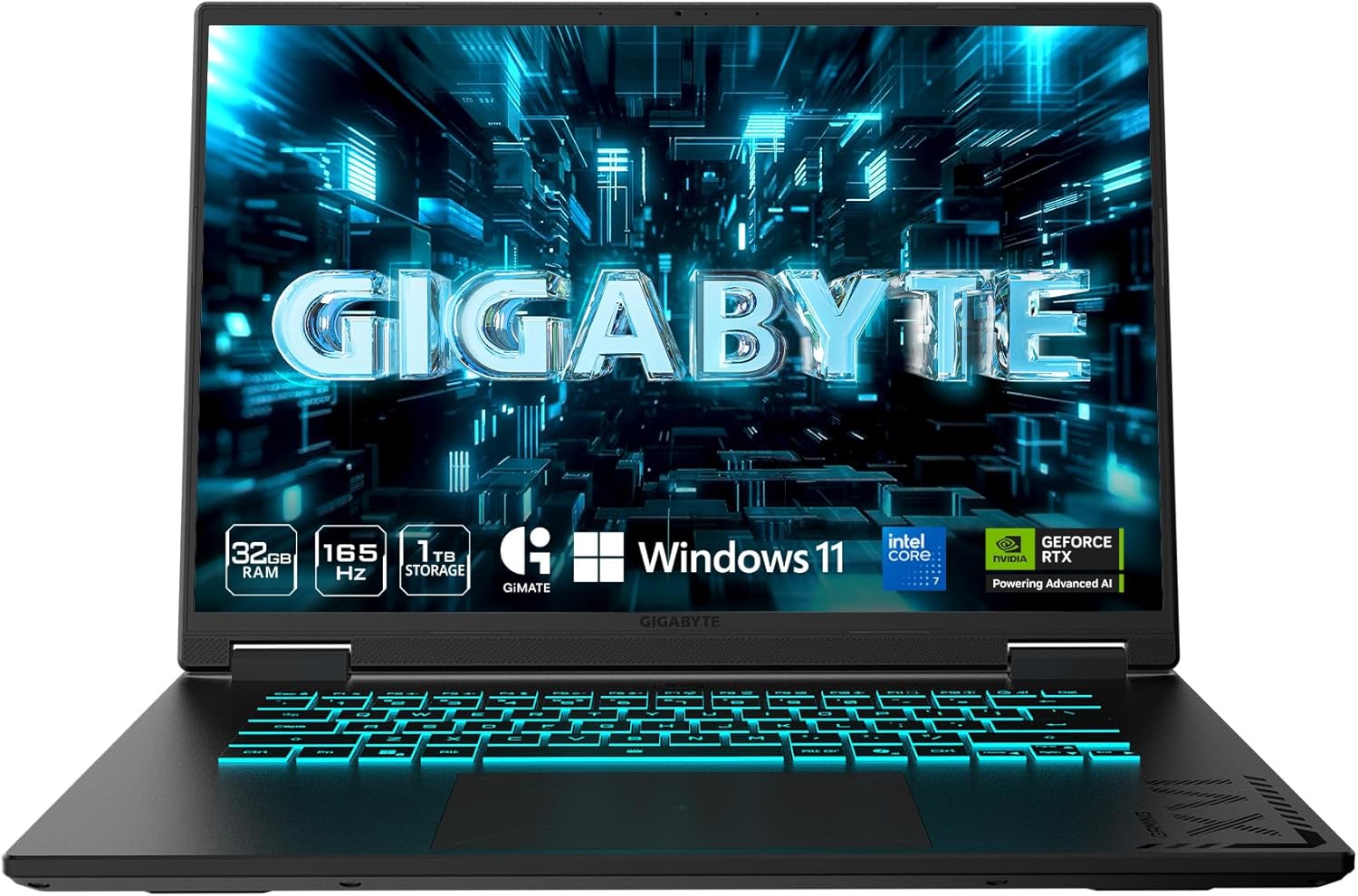
- memory Intel Core Ultra 7 240H
- developer_board NVIDIA GeForce RTX 5070 Ti Laptop GPU
- layers 32GB LPDDR5X 5600MHz
- track_changes Target GPU: NVIDIA RTX 4080 / AMD RX 7900 XTX

- memory Intel Core Ultra 9 275HX
- developer_board GeForce RTX 5070 Laptop Laptop GPU
- layers 64GB DDR5-6400MHz (Single-Channel)
- track_changes Target GPU: NVIDIA RTX 4080 / AMD RX 7900 XTX

- memory Intel Core Ultra 9 275HX
- developer_board NVIDIA GeForce RTX 5070 Ti
- layers 32GB
- track_changes Target GPU: NVIDIA RTX 4080 / AMD RX 7900 XTX

- memory Intel Core Ultra 9 275HX
- developer_board NVIDIA GeForce RTX 5070 Ti Laptop GPU
- layers 32 GB DDR5 6400MHz (2x16GB)
- track_changes Target GPU: NVIDIA RTX 4080 / AMD RX 7900 XTX
For Ferocious Specifically
- memory Intel Core i7-12700H
- developer_board NVIDIA GeForce RTX 3070
- layers 32GB DDR4-3200MHz
- track_changes Target GPU: NVIDIA GeForce GTX 1060 or AMD Radeon RX 580
- memory Intel Core i9-13900H
- developer_board NVIDIA GeForce RTX 4060
- layers 16GB DDR5-5200MHz
- track_changes Target GPU: NVIDIA GeForce GTX 1060 or AMD Radeon RX 580
- memory Intel Core i9-14900HX
- developer_board NVIDIA GeForce RTX 4060
- layers 32GB DDR5-5600MHz
- track_changes Target GPU: NVIDIA GeForce GTX 1060 or AMD Radeon RX 580
- memory Intel Core i9-12900H
- developer_board NVIDIA GeForce RTX 3070 Ti
- layers 16GB DDR5-4800MHz
- track_changes Target GPU: NVIDIA GeForce GTX 1060 or AMD Radeon RX 580
- memory Intel Core i5-12450H
- developer_board NVIDIA GeForce RTX 3050
- layers 16GB DDR4-3200MHz
- track_changes Target GPU: NVIDIA GeForce GTX 1060 or AMD Radeon RX 580
- memory Intel Core i5-12500H
- developer_board NVIDIA GeForce RTX 3050 Ti
- layers 16GB DDR4-3200MHz
- track_changes Target GPU: NVIDIA GeForce GTX 1060 or AMD Radeon RX 580
- memory AMD Ryzen 7 7435HS
- developer_board NVIDIA GeForce RTX 3050
- layers 32GB DDR5-4800MHz
- track_changes Target GPU: NVIDIA GeForce GTX 1060 or AMD Radeon RX 580
- memory AMD Ryzen 7 6800H
- developer_board NVIDIA GeForce RTX 3060
- layers 16GB DDR5-4800MHz
- track_changes Target GPU: NVIDIA GeForce GTX 1060 or AMD Radeon RX 580
- memory AMD Ryzen 9 5900HS
- developer_board NVIDIA GeForce RTX 3080
- layers 16GB DDR4-3200MHz
- track_changes Target GPU: NVIDIA GeForce GTX 1060 or AMD Radeon RX 580

- memory Intel Core i7-13620H
- developer_board NVIDIA GeForce RTX 4070
- layers 16GB DDR5-4800MHz
- track_changes Target GPU: NVIDIA GeForce GTX 1060 or AMD Radeon RX 580

- memory Intel Core i7-14700HX
- developer_board NVIDIA GeForce RTX 4070
- layers 16GB DDR5-5600MHz
- track_changes Target GPU: NVIDIA GeForce RTX 2060 or AMD Radeon RX 5600
- memory Intel Core i9-14900HX
- developer_board NVIDIA GeForce RTX 4070
- layers 32GB DDR5-5600MHz
- track_changes Target GPU: NVIDIA GeForce RTX 2060 or AMD Radeon RX 5600
- memory Intel Core i7-12700H
- developer_board NVIDIA GeForce RTX 3070
- layers 32GB DDR4-3200MHz
- track_changes Target GPU: NVIDIA GeForce RTX 3060 Ti (8GB) or AMD Radeon RX 6700 XT (12GB). (Future-proof: RTX 4060 Ti)
- memory Intel Core i9-13900H
- developer_board NVIDIA GeForce RTX 4060
- layers 16GB DDR5-5200MHz
- track_changes Target GPU: NVIDIA GeForce RTX 3060 Ti (8GB) or AMD Radeon RX 6700 XT (12GB). (Future-proof: RTX 4060 Ti)
- memory Intel Core i9-14900HX
- developer_board NVIDIA GeForce RTX 4060
- layers 32GB DDR5-5600MHz
- track_changes Target GPU: NVIDIA GeForce RTX 3060 Ti (8GB) or AMD Radeon RX 6700 XT (12GB). (Future-proof: RTX 4060 Ti)
- memory Intel Core i9-12900H
- developer_board NVIDIA GeForce RTX 3070 Ti
- layers 16GB DDR5-4800MHz
- track_changes Target GPU: NVIDIA GeForce RTX 3060 Ti (8GB) or AMD Radeon RX 6700 XT (12GB). (Future-proof: RTX 4060 Ti)
- memory AMD Ryzen 7 7435HS
- developer_board NVIDIA GeForce RTX 3050
- layers 32GB DDR5-4800MHz
- track_changes Target GPU: NVIDIA GeForce RTX 3060 Ti (8GB) or AMD Radeon RX 6700 XT (12GB). (Future-proof: RTX 4060 Ti)
- memory Intel Core i9-14900HX
- developer_board NVIDIA GeForce RTX 4070
- layers 32GB DDR5-5600MHz
- track_changes Target GPU: NVIDIA GeForce RTX 3060 Ti (8GB) or AMD Radeon RX 6700 XT (12GB). (Future-proof: RTX 4060 Ti)
- memory Intel Core i9-14900HX
- developer_board NVIDIA GeForce RTX 4070
- layers 16GB DDR5-5600MHz
- track_changes Target GPU: NVIDIA GeForce RTX 3060 Ti (8GB) or AMD Radeon RX 6700 XT (12GB). (Future-proof: RTX 4060 Ti)
- memory Intel Core Ultra 7 255H
- developer_board NVIDIA GeForce RTX 5060 Laptop GPU
- layers 16GB DDR5-5600MHz (Dual-Channel)
- track_changes Target GPU: NVIDIA GeForce RTX 3060 Ti (8GB) or AMD Radeon RX 6700 XT (12GB). (Future-proof: RTX 4060 Ti)
- memory AMD Ryzen 9 8940HX Processor
- developer_board NVIDIA GeForce RTX 5060 Laptop GPU
- layers 32GB DDR5-5200MHz
- track_changes Target GPU: NVIDIA GeForce RTX 3060 Ti (8GB) or AMD Radeon RX 6700 XT (12GB). (Future-proof: RTX 4060 Ti)
- memory Intel Core i9-12950HX
- developer_board NVIDIA GeForce RTX 3080 Ti
- layers 32GB DDR5-4800MHz
- track_changes Target GPU: NVIDIA GeForce RTX 3060 Ti (8GB) or AMD Radeon RX 6700 XT (12GB). (Future-proof: RTX 4060 Ti)
- memory Intel Core i9-14900HX
- developer_board NVIDIA GeForce RTX 4070
- layers 32GB DDR5-5600MHz
- track_changes Target GPU: NVIDIA GeForce RTX 4070 Ti (12GB) or AMD Radeon RX 7900 XT (20GB). (Future-proof: RTX 5070)
- memory AMD Ryzen 9 8940HX Processor
- developer_board NVIDIA GeForce RTX 5060 Laptop GPU
- layers 32GB DDR5-5200MHz
- track_changes Target GPU: NVIDIA GeForce RTX 4070 Ti (12GB) or AMD Radeon RX 7900 XT (20GB). (Future-proof: RTX 5070)
- memory Intel Core i9-14900HX
- developer_board NVIDIA GeForce RTX 4080 Laptop GPU
- layers 64 GB DDR5-5600MHz
- track_changes Target GPU: NVIDIA GeForce RTX 4070 Ti (12GB) or AMD Radeon RX 7900 XT (20GB). (Future-proof: RTX 5070)

- memory Intel Core Ultra 9 Processor 275HX (Series 2)
- developer_board NVIDIA GeForce RTX 5070 Laptop GPU
- layers 32GB DDR5-5600MHz
- track_changes Target GPU: NVIDIA GeForce RTX 4070 Ti (12GB) or AMD Radeon RX 7900 XT (20GB). (Future-proof: RTX 5070)

- memory Intel Core i9-14900HX Processor
- developer_board NVIDIA GeForce RTX 5070 Laptop GPU
- layers 32GB DDR5-5600MHz
- track_changes Target GPU: NVIDIA GeForce RTX 4070 Ti (12GB) or AMD Radeon RX 7900 XT (20GB). (Future-proof: RTX 5070)

- memory Intel Core i9-14900HX Processor
- developer_board NVIDIA GeForce RTX 5070 Laptop GPU
- layers 32GB DDR5-5600MHz
- track_changes Target GPU: NVIDIA GeForce RTX 4070 Ti (12GB) or AMD Radeon RX 7900 XT (20GB). (Future-proof: RTX 5070)

- memory Intel Core Ultra 9 285H (Arrow Lake-H)
- developer_board NVIDIA GeForce RTX 5070 Laptop GPU
- layers 64GB LPDDR5x-8533MT/s (LPCAMM2)
- track_changes Target GPU: NVIDIA GeForce RTX 4070 Ti (12GB) or AMD Radeon RX 7900 XT (20GB). (Future-proof: RTX 5070)

- memory Intel Core i9-14900HX
- developer_board NVIDIA GeForce RTX 4080
- layers 64GB DDR5-5600MHz
- track_changes Target GPU: NVIDIA GeForce RTX 4070 Ti (12GB) or AMD Radeon RX 7900 XT (20GB). (Future-proof: RTX 5070)

- memory Intel Core i9-14900HX
- developer_board NVIDIA GeForce RTX 4080
- layers 32GB DDR5-5600MHz
- track_changes Target GPU: NVIDIA GeForce RTX 4070 Ti (12GB) or AMD Radeon RX 7900 XT (20GB). (Future-proof: RTX 5070)

- memory Intel Core i9-14900HX
- developer_board NVIDIA GeForce RTX 4080
- layers 32GB DDR5-5600MHz
- track_changes Target GPU: NVIDIA GeForce RTX 4070 Ti (12GB) or AMD Radeon RX 7900 XT (20GB). (Future-proof: RTX 5070)
info_outline Laptop recommendations are estimates based on available component benchmarks and game requirements. Actual performance may vary depending on settings, drivers, cooling, power limits, etc. Prices and availability subject to change. As an Amazon Associate, we earn from qualifying purchases.