Select Games to Compare
Monster Hunter Wilds vs S.T.A.L.K.E.R. 2: Heart of Chornobyl
| close | close |
|---|---|
| shopping_cart Where to Buy | |
| info General Information | |
| Release Date | |
| Feb 28, 2025 | Sep 5, 2024 |
| Developer | |
| Capcom | GSC Game World |
| Publisher | |
| Capcom | GSC Game World |
| Genre(s) | |
| Action Role-Playing (Action RPG), Open World, Hunting | First-Person Shooter, Survival Horror, Open World, Post-Apocalyptic, RPG-lite |
| Engine | |
| RE Engine | Unreal Engine 5 |
| stars Ratings & Price | |
| Content Rating | |
| T (Teen) - ESRB Descriptors: Blood, Crude Humor, V | Mature 17+ (Expected) |
| Avg. User Rating | |
| 4.2 / 5.0 | 0.0 / 5.0 |
| Current Price (USD) | |
| $69.99 | $59.99 |
|
|
|
| tune Key Specs | |
| Quick Highlights | |
|
|
| sports_esports Gameplay & Mechanics | |
| Companions/Followers | |
|
|
| Key Collectibles | |
|
|
| Key Themes | |
|
|
| colorize Combat & Gear | |
| Weapons Overview | |
|
|
| Armor / Gear Sets | |
|
|
| Outfits/Customization | |
|
|
| trending_up Progression & Upgrades | |
| Skills & Progression | |
|
The core progression of hunting monsters to craft stronger gear returns. A new 'Wounding' system allows players to create temporary weak spots on monsters by repeatedly attacking a specific part. The new 'Focus Mode' helps in targeting these wounds for massive damage. All 14 signature weapon types return, each with new moves and abilities. A 'Dual Weapon' system allows players to carry a secondary weapon on their Seikret mount. |
N/A |
| public World & Exploration | |
| World & Level Design | |
|
Monster Hunter Wilds features fully seamless open-world maps that are approximately twice the size of those in previous titles. Known regions include the Windward Plains (savanna/desert), the Scarlet Forest (dense jungle), the Oilwell Basin (vertical caves/swamps/volcanoes), and the Iceshard Cliffs. These zones have dynamic weather and seasons that alter terrain and monster ecology. |
S.T.A.L.K.E.R. 2 will feature a seamless open world of approximately 64 sq km, one of the largest in gaming. It will encompass iconic locations from previous games (e.g., Pripyat, Chornobyl NPP, Red Forest, Cordon - TBD if all are present or reimagined) as well as new, unexplored territories within the Exclusion Zone. The world will be dynamic, with the A-Life 2.0 system simulating life for factions and mutants independently of the player. Expect diverse biomes from irradiated wastelands and dense forests to underground laboratories and abandoned urban areas. |
| Playable Vehicles | |
|
|
|
|
|
| book Story & Characters | |
| Main Characters | |
|
|
| Example Missions | |
|
|
| people Multiplayer | |
| Multiplayer Details | |
|
The game supports online co-operative multiplayer for up to four players. The new 'drop-in' system allows players to join hunts that are already in progress more easily than in previous titles. |
A free multiplayer update is planned for release after the main game. Details are scarce, but it's expected to include PvP modes. Co-operative elements or a standalone mode like the once-planned S.T.A.L.K.E.R. Online (focused on raids) are speculative but possible. |
| extension Editions & DLC | |
| Available Editions | |
|
The game was released with a Standard Edition ($69.99), a Deluxe Edition ($89.99, includes a cosmetic 'Deluxe Pack'), and a Premium Deluxe Edition ($109.99, includes Deluxe content and two future 'Cosmetic DLC Packs'). |
Multiple editions have been announced: Standard, Deluxe (digital artbook, soundtrack, extra side quests, costumes/weapon skins), Ultimate (Deluxe content + Season Pass with future DLCs, more costumes/weapon skins), and physical Collector's Edition (Ultimate content + SteelBook, artbook, stalker figurine, letter, map, patches, keychain, etc.). |
| Post-Launch Content / DLC | |
|
Capcom has announced a robust roadmap of free Title Updates. Title Update 1 (April 2025) added the Mizutsune, a new social hub, and Arch-Tempered monsters. Title Update 2 (Summer 2025) is confirmed to add the Lagiacrus and Seregios. Seasonal events like the 'Festival of Accord: Blossomdance' also provide limited-time quests and cosmetic gear. |
A Season Pass is confirmed for higher editions, indicating plans for multiple DLCs, likely including story expansions, new areas, weapons, and potentially game modes. A free multiplayer update is also planned after release. |
| help_outline FAQ | |
| Frequently Asked Questions | |
|
|
| build Technical Details | |
| Graphics & Visual Fidelity | |
| N/A |
Developed on Unreal Engine 5, S.T.A.L.K.E.R. 2 aims for cutting-edge photorealistic visuals. It will leverage UE5 features like Nanite (virtualized micropolygon geometry for extreme detail) and Lumen (fully dynamic global illumination and reflections). Expect highly detailed environments, realistic weather systems, advanced lighting, and detailed character/mutant models. Motion capture and photogrammetry are being used extensively. |
| Audio & Soundtrack | |
| N/A |
Expected to feature an atmospheric and melancholic soundtrack, possibly by MoozE (composer for previous S.T.A.L.K.E.R. games) or similar artists, blending ambient electronic, industrial, and folk elements. Immersive sound design is a hallmark, with distinct anomaly sounds, mutant roars, weapon effects, and the oppressive ambience of the Zone (wind, Geiger counter clicks, distant gunfire). |
| User Interface (UI/UX) | |
| N/A |
Expected to be immersive and diegetic where possible, fitting the S.T.A.L.K.E.R. aesthetic. HUD will likely display health, stamina, radiation levels, ammo, equipped detectors, and time. PDA will be crucial for map, inventory, quests, and information. Dynamic indicators for hunger, thirst, sleep, and bleeding are staples of the series. |
| Accessibility Options | |
| N/A |
To Be Determined (TBD). Modern AAA games typically include a range of accessibility options, so it's likely S.T.A.L.K.E.R. 2 will offer features like customizable controls, subtitle options, UI scaling, and potentially gameplay modifiers, though specifics are unconfirmed. |
| video_library Media Links | |
| Gameplay Video | |
| launchWatch | launchWatch |
| Walkthrough/Guide | |
| launchView | N/A |
| settings_applications System Requirements | |
| 1080p (Full HD) - Recommended (1080p ~60 FPS, High Preset) (High Preset) CPU: Recommended desktop CPU for 1080p/60FPS High settings. CPU (Laptop): High-end laptop CPUs needed due to UE5 and A-Life 2.0. GPU: Recommended desktop GPU for 1080p/60FPS High. GPU (Laptop): Performance-focused laptop GPUs. 8GB+ VRAM crucial. RAM: 16GB RAM strongly recommended. Storage: NVMe SSD strongly recommended. | |
| — | memoryCPU: Intel Core i7-9700K or AMD Ryzen 7 3700X developer_boardGPU: NVIDIA GeForce RTX 2070 Super (8GB) / RTX 3060 Ti (8GB) or AMD Radeon RX 5700 XT (8GB) / RX 6700 XT (12GB) laptop_macCPU (L): Intel Core i7-10875H / AMD Ryzen 7 5800H or better (Estimated) laptop_windowsGPU (L): NVIDIA GeForce RTX 3070 Mobile (8GB, High TGP) / RTX 4060 Mobile (8GB, High TGP). **An RTX 3070 Ti Mobile or RTX 4070 Mobile would provide a more consistent experience.** layersRAM: 16 GB saveStorage (Tier): 150 GB SSD |
| 1080p (Full HD) - Recommended (Targets 1080p, Medium settings, ~60 FPS) (Medium Preset, 1080p resolution, targeting 60 FPS (with Frame Generation enabled) as per official notes.) CPU: Official recommended desktop CPU for a 1080p/60FPS experience. CPU (Laptop): Mid-range to high-performance laptop CPUs are recommended for a stable 60 FPS experience. GPU: Official recommended desktop GPUs. The inclusion of the RTX 4060 highlights the importance of Frame Generation for this performance target. GPU (Laptop): Strong laptop GPUs for 1080p at 60 FPS. The RTX 4060 Laptop is an ideal choice, fully utilizing DLSS 3 Frame Generation. RAM: 16GB RAM is officially recommended. Dual-channel configuration is strongly advised. Storage: An SSD is officially required for the recommended experience. | |
memoryCPU: Intel Core i5-11600K or Intel Core i5-12400 or AMD Ryzen 5 3600X or AMD Ryzen 5 5500 developer_boardGPU: NVIDIA GeForce RTX 2070 Super (8GB) or NVIDIA GeForce RTX 4060 (8GB) or AMD Radeon RX 6700 XT (12GB) laptop_macCPU (L): Intel Core i5-12500H / AMD Ryzen 5 5600H or better. laptop_windowsGPU (L): NVIDIA GeForce RTX 3060 Laptop (6GB, High TGP), RTX 4060 Laptop (8GB). layersRAM: 16 GB saveStorage (Tier): 140 GB SSD | — |
| 1080p (Full HD) - Minimum (Targets 1080p, Lowest settings, ~30 FPS) (Lowest Preset, 1080p resolution (upscaled from 720p), targeting 30 FPS as per official notes.) CPU: Official minimum desktop CPU from Capcom. CPU (Laptop): Estimated mid-range laptop CPUs for minimum playability. GPU: Official minimum desktop GPU. A card with at least 6GB of VRAM is required. GPU (Laptop): Estimated laptop GPUs for minimum settings. The RTX 2060 Mobile provides access to DLSS, which is highly beneficial. RAM: 16GB RAM is the official minimum requirement. Storage: An SSD is officially required for minimum playability. | |
memoryCPU: Intel Core i5-10600 or Intel Core i3-12100F or AMD Ryzen 5 3600 developer_boardGPU: NVIDIA GeForce GTX 1660 Super (6GB) or AMD Radeon RX 5600 XT (6GB) laptop_macCPU (L): Intel Core i7-10750H / AMD Ryzen 5 4600H or better. laptop_windowsGPU (L): NVIDIA GeForce RTX 2060 Mobile (6GB) / GTX 1660 Ti Mobile (6GB). layersRAM: 16 GB saveStorage (Tier): 140 GB SSD | — |
| 1080p (Full HD) - Minimum (1080p ~30 FPS, Low Preset) (Low Preset) CPU: Minimum desktop CPU for lower settings. CPU (Laptop): Estimated laptop CPU. A-Life 2.0 might push this higher. GPU: Minimum desktop GPU for lower settings. GPU (Laptop): Estimated laptop GPUs. 6GB VRAM crucial. RAM: 8GB absolute minimum, but 16GB stated as highly recommended even for minimum. Storage: SSD is mandatory. | |
| — | memoryCPU: Intel Core i5-7600K or AMD Ryzen 5 1600X developer_boardGPU: NVIDIA GeForce GTX 1060 (6GB) or AMD Radeon RX 580 (8GB) laptop_macCPU (L): Intel Core i7-8750H / AMD Ryzen 5 3600 (Laptop equivalent) or better (Estimated) laptop_windowsGPU (L): NVIDIA GeForce GTX 1660 Ti Mobile (6GB) / RTX 2060 Mobile (6GB). **An RTX 3050 Ti Mobile or RTX 4050 Mobile (High TGP) would be a more realistic minimum for a stable experience.** layersRAM: 8 GB saveStorage (Tier): 150 GB SSD |
| 1440p (QHD/2K) - High Performance (Estimated 1440p ~60 FPS, High/Ultra Preset, Upscaling likely needed) (High/Ultra Preset, Upscaling (DLSS/FSR Quality/Balanced)) CPU: CPU for 1440p/60FPS High/Ultra. CPU (Laptop): Top-tier laptop CPU. GPU: Desktop GPU for 1440p/60FPS High/Ultra. Upscaling essential. GPU (Laptop): Flagship laptop GPUs. 12GB+ VRAM critical. RAM: 32GB RAM essential for smoother 1440p high settings. Storage: NVMe SSD required. | |
| — | memoryCPU: Intel Core i7-12700K or AMD Ryzen 7 5800X3D (Estimated) developer_boardGPU: NVIDIA GeForce RTX 3080 (10GB) / RTX 4070 Ti (12GB) or AMD Radeon RX 6800 XT (16GB) / RX 7900 XT (20GB) (Estimated) laptop_macCPU (L): Intel Core i9-12900H / AMD Ryzen 9 6900HS/HX or better (Estimated) laptop_windowsGPU (L): NVIDIA GeForce RTX 3080 Ti Mobile (16GB, Max TGP) / RTX 4080 Mobile (12GB, Max TGP). **An RTX 4090 Mobile would be better.** layersRAM: 16 GB saveStorage (Tier): 150 GB NVMe SSD |
| 1440p (QHD/2K) - High (Targets 1440p, High settings, ~60 FPS) (High Preset, 1440p resolution, aiming for 60 FPS. Upscaling (DLSS/FSR Quality/Balanced) is recommended.) CPU: A powerful modern CPU is recommended to prevent bottlenecks and ensure smooth performance at 1440p. CPU (Laptop): High-performance laptop CPUs are essential for a consistent 1440p experience. GPU: Desktop GPUs capable of a strong 1440p/60FPS experience, especially with upscaling. A future RTX 5060 Ti would likely be very well-suited for this tier. GPU (Laptop): A high-TGP RTX 4070 Laptop is the ideal target for 1440p. A future RTX 5060 Laptop would likely offer excellent performance here. RAM: While 16GB is the official recommendation, 32GB is advised for a smoother experience with less stutter at higher resolutions. Storage: A fast NVMe SSD is recommended for the best loading times at 1440p. | |
memoryCPU: Intel Core i5-13600K or AMD Ryzen 5 7600X developer_boardGPU: NVIDIA GeForce RTX 4070 (12GB) or AMD Radeon RX 7800 XT (16GB). (Future-proof: RTX 5060 Ti) laptop_macCPU (L): Intel Core i7-13650HX / AMD Ryzen 7 7745HX or newer. laptop_windowsGPU (L): NVIDIA GeForce RTX 4070 Laptop (8GB). (Future-proof: RTX 5060 Laptop) layersRAM: 16 GB saveStorage (Tier): 140 GB NVMe SSD | — |
| 2160p (UHD/4K) - Ultimate (Estimated 2160p/4K ~60 FPS, High/Ultra Preset, Aggressive Upscaling + Frame Gen Required) (High/Ultra Preset, Upscaling (DLSS/FSR Performance/Ultra Performance + Frame Generation)) CPU: Flagship CPU for attempting 4K/60FPS Ultimate. CPU (Laptop): Absolute flagship laptop CPUs. GPU: Flagship desktop GPU for 4K Ultimate, heavily reliant on DLSS/FSR with Frame Generation. GPU (Laptop): The absolute best laptop GPU, will be pushed to its limits. Aggressive upscaling mandatory. RAM: 32GB RAM highly recommended for 4K Ultimate. Storage: NVMe SSD required. | |
| — | memoryCPU: Intel Core i9-13900K or AMD Ryzen 9 7950X3D (Estimated) developer_boardGPU: NVIDIA GeForce RTX 4090 (24GB) or AMD Radeon RX 7900 XTX (24GB) (Estimated) laptop_macCPU (L): Intel Core i9-13980HX/14900HX / AMD Ryzen 9 7945HX3D (Estimated) laptop_windowsGPU (L): NVIDIA GeForce RTX 4090 Mobile (16GB, Max TGP). **This will be the target. A hypothetical next-gen flagship (e.g., RTX 5090 Mobile or AMD equivalent) would be needed for a more comfortable experience with less reliance on aggressive upscaling. (Highly Speculative)** layersRAM: 32 GB saveStorage (Tier): 150 GB NVMe SSD |
| 2160p (UHD/4K) - 4K Ultra Settings (Targets 2160p/4K, High/Ultra settings, ~60 FPS) (High/Ultra Preset, 2160p (4K) resolution, aiming for 60 FPS. Upscaling (DLSS/FSR Performance) is essential.) CPU: A top-tier desktop CPU is recommended to support high-framerate 4K gaming and minimize any potential stutters. CPU (Laptop): The highest-end laptop CPUs are needed to pair with flagship GPUs for a smooth 4K experience. GPU: High-end 40-series desktop GPUs are needed for a 4K/60FPS experience, relying heavily on DLSS/FSR Performance mode. A future RTX 5080 is expected to handle this resolution with more ease. GPU (Laptop): Flagship laptop GPUs are required for a playable 4K experience, which will be heavily dependent on DLSS. A future RTX 5070 Ti Laptop would be a prime target for 4K mobile gaming. RAM: 32GB of fast RAM is highly recommended to provide sufficient headroom for 4K assets and system processes. Storage: A fast NVMe SSD is highly recommended for the best 4K gaming experience, minimizing texture pop-in. | |
memoryCPU: Intel Core i7-13700K or AMD Ryzen 7 7800X3D developer_boardGPU: NVIDIA GeForce RTX 4070 Ti SUPER (16GB) or AMD Radeon RX 7900 XT (20GB). (Future-proof: RTX 5080) laptop_macCPU (L): Intel Core i9-13900HX / AMD Ryzen 9 7945HX or newer. laptop_windowsGPU (L): NVIDIA GeForce RTX 4080 Laptop (12GB) / RTX 4090 Laptop (16GB). (Future-proof: RTX 5070 Ti Laptop) layersRAM: 32 GB saveStorage (Tier): 140 GB NVMe SSD | — |
| save Overall Storage | |
Spec: 140 GB available space (SSD Required) Note: An SSD is listed as a mandatory requirement for both minimum and recommended tiers. This is critical for loading the large, seamless open-world environments and minimizing asset streaming stutter. Type: SSD | Spec: 150 GB available space (SSD Required). Note: An NVMe SSD is mandatory for the intended experience due to the seamless open world and UE5's asset streaming capabilities (Nanite). Type: SSD |
| desktop_windows Operating System | |
Spec: Windows 10 / Windows 11 (64-bit Required) Explanation: A 64-bit version of Windows 10 is the minimum requirement. Windows 11 is fully supported and recommended for newer hardware to best utilize features like DirectStorage. | Spec: Windows 10, Windows 11 (64-bit) Explanation: 64-bit Windows 10 or Windows 11 is required. |
| gamepad DirectX Version | |
| Spec: DirectX 12 Explanation: The official requirement is DirectX 12. The game's RE Engine is built to leverage the DX12 API for its rendering features. | Spec: DirectX 12 Ultimate (Expected for full feature set) Explanation: DirectX 12 is listed, Ultimate likely needed for features like advanced ray tracing (if implemented beyond Lumen) or mesh shaders. |
| info_outline Other Game Notes | |
|
|
| build Optimization Details | |
|
|
| laptop Laptop Considerations | |
|
|


info_outline Feature details based on available data. System requirements and performance estimates may vary.
laptop_chromebook Laptop Recommendations
Common Recommendations (Handles All Compared Games)

- memory Intel Core i7-12700H
- developer_board NVIDIA GeForce RTX 3070
- layers 32GB DDR4-3200MHz
- track_changes Target GPU: NVIDIA GeForce RTX 2060 Mobile (6GB) / GTX 1660 Ti Mobile (6GB).

- memory Intel Core i9-13900H
- developer_board NVIDIA GeForce RTX 4060
- layers 16GB DDR5-5200MHz
- track_changes Target GPU: NVIDIA GeForce RTX 2060 Mobile (6GB) / GTX 1660 Ti Mobile (6GB).

- memory Intel Core i9-14900HX
- developer_board NVIDIA GeForce RTX 4060
- layers 32GB DDR5-5600MHz
- track_changes Target GPU: NVIDIA GeForce RTX 2060 Mobile (6GB) / GTX 1660 Ti Mobile (6GB).

- memory AMD Ryzen 7 7435HS
- developer_board NVIDIA GeForce RTX 3050
- layers 32GB DDR5-4800MHz
- track_changes Target GPU: NVIDIA GeForce GTX 1660 Ti Mobile (6GB) / RTX 2060 Mobile (6GB). **An RTX 3050 Ti Mobile or RTX 4050 Mobile (High TGP) would be a more realistic minimum for a stable experience.**

- memory AMD Ryzen 9 8940HX Processor
- developer_board NVIDIA GeForce RTX 5060 Laptop GPU
- layers 32GB DDR5-5200MHz
- track_changes Target GPU: NVIDIA GeForce GTX 1660 Ti Mobile (6GB) / RTX 2060 Mobile (6GB). **An RTX 3050 Ti Mobile or RTX 4050 Mobile (High TGP) would be a more realistic minimum for a stable experience.**

- memory AMD Ryzen 7 7445HS
- developer_board NVIDIA GeForce RTX 4050
- layers 16GB (2x8GB) DDR5 5600MHz SO-DIMM
- track_changes Target GPU: NVIDIA GeForce GTX 1660 Ti Mobile (6GB) / RTX 2060 Mobile (6GB). **An RTX 3050 Ti Mobile or RTX 4050 Mobile (High TGP) would be a more realistic minimum for a stable experience.**

- memory Intel Core i7-14700HX
- developer_board NVIDIA GeForce RTX 4070
- layers 16GB DDR5-5600MHz
- track_changes Target GPU: NVIDIA GeForce RTX 4070 Laptop (8GB). (Future-proof: RTX 5060 Laptop)

- memory Intel Core i9-14900HX
- developer_board NVIDIA GeForce RTX 4070
- layers 32GB DDR5-5600MHz
- track_changes Target GPU: NVIDIA GeForce RTX 4070 Laptop (8GB). (Future-proof: RTX 5060 Laptop)

- memory Intel Core i9-14900HX
- developer_board NVIDIA GeForce RTX 4070
- layers 16GB DDR5-5600MHz
- track_changes Target GPU: NVIDIA GeForce RTX 4070 Laptop (8GB). (Future-proof: RTX 5060 Laptop)

- memory Intel Core Ultra 7 255H
- developer_board NVIDIA GeForce RTX 5060 Laptop GPU
- layers 16GB DDR5-5600MHz (Dual-Channel)
- track_changes Target GPU: NVIDIA GeForce RTX 3080 Ti Mobile (16GB, Max TGP) / RTX 4080 Mobile (12GB, Max TGP). **An RTX 4090 Mobile would be better.**

- memory Intel Core i9-14900HX
- developer_board NVIDIA GeForce RTX 4080 Laptop GPU
- layers 64 GB DDR5-5600MHz
- track_changes Target GPU: NVIDIA GeForce RTX 4080 Laptop (12GB) / RTX 4090 Laptop (16GB). (Future-proof: RTX 5070 Ti Laptop)

- memory Intel Core Ultra 9 Processor 275HX (Series 2)
- developer_board NVIDIA GeForce RTX 5070 Laptop GPU
- layers 32GB DDR5-5600MHz
- track_changes Target GPU: NVIDIA GeForce RTX 4080 Laptop (12GB) / RTX 4090 Laptop (16GB). (Future-proof: RTX 5070 Ti Laptop)

- memory Intel Core i9-14900HX Processor
- developer_board NVIDIA GeForce RTX 5070 Laptop GPU
- layers 32GB DDR5-5600MHz
- track_changes Target GPU: NVIDIA GeForce RTX 4080 Laptop (12GB) / RTX 4090 Laptop (16GB). (Future-proof: RTX 5070 Ti Laptop)

- memory Intel Core i9-14900HX
- developer_board NVIDIA GeForce RTX 4090
- layers 32GB DDR5-5600MHz
- track_changes Target GPU: NVIDIA GeForce RTX 4090 Mobile (16GB, Max TGP). **This will be the target. A hypothetical next-gen flagship (e.g., RTX 5090 Mobile or AMD equivalent) would be needed for a more comfortable experience with less reliance on aggressive upscaling. (Highly Speculative)**

- memory Intel Core Ultra 9 285H (Series 2) , 14 cores (6 Performance cores + 8 Efficient cores), 20 threads
- developer_board NVIDIA GeForce RTX 5050 Laptop GPU
- layers 32GB (2x16GB) DDR5 8400MHz SO-DIMM
- track_changes Target GPU: NVIDIA GeForce RTX 4090 Mobile (16GB, Max TGP). **This will be the target. A hypothetical next-gen flagship (e.g., RTX 5090 Mobile or AMD equivalent) would be needed for a more comfortable experience with less reliance on aggressive upscaling. (Highly Speculative)**

- memory Intel Core Ultra 9 285H
- developer_board NVIDIA GeForce RTX 5070
- layers 32GB (2x16GB) DDR5 4800MHz SO-DIMM
- track_changes Target GPU: NVIDIA GeForce RTX 4090 Mobile (16GB, Max TGP). **This will be the target. A hypothetical next-gen flagship (e.g., RTX 5090 Mobile or AMD equivalent) would be needed for a more comfortable experience with less reliance on aggressive upscaling. (Highly Speculative)**
For Monster Hunter Wilds Specifically
- memory Intel Core i7-12700H
- developer_board NVIDIA GeForce RTX 3070
- layers 32GB DDR4-3200MHz
- track_changes Target GPU: NVIDIA GeForce GTX 1660 Super (6GB) or AMD Radeon RX 5600 XT (6GB)
- memory Intel Core i9-13900H
- developer_board NVIDIA GeForce RTX 4060
- layers 16GB DDR5-5200MHz
- track_changes Target GPU: NVIDIA GeForce GTX 1660 Super (6GB) or AMD Radeon RX 5600 XT (6GB)
- memory Intel Core i9-14900HX
- developer_board NVIDIA GeForce RTX 4060
- layers 32GB DDR5-5600MHz
- track_changes Target GPU: NVIDIA GeForce GTX 1660 Super (6GB) or AMD Radeon RX 5600 XT (6GB)

- memory Intel Core i9-12900H
- developer_board NVIDIA GeForce RTX 3070 Ti
- layers 16GB DDR5-4800MHz
- track_changes Target GPU: NVIDIA GeForce GTX 1660 Super (6GB) or AMD Radeon RX 5600 XT (6GB)
- memory AMD Ryzen 7 7435HS
- developer_board NVIDIA GeForce RTX 3050
- layers 32GB DDR5-4800MHz
- track_changes Target GPU: NVIDIA GeForce GTX 1660 Super (6GB) or AMD Radeon RX 5600 XT (6GB)

- memory AMD Ryzen 7 6800H
- developer_board NVIDIA GeForce RTX 3060
- layers 16GB DDR5-4800MHz
- track_changes Target GPU: NVIDIA GeForce GTX 1660 Super (6GB) or AMD Radeon RX 5600 XT (6GB)

- memory AMD Ryzen 9 5900HS
- developer_board NVIDIA GeForce RTX 3080
- layers 16GB DDR4-3200MHz
- track_changes Target GPU: NVIDIA GeForce GTX 1660 Super (6GB) or AMD Radeon RX 5600 XT (6GB)

- memory Intel Core i7-13620H
- developer_board NVIDIA GeForce RTX 4070
- layers 16GB DDR5-4800MHz
- track_changes Target GPU: NVIDIA GeForce GTX 1660 Super (6GB) or AMD Radeon RX 5600 XT (6GB)
- memory Intel Core i7-14700HX
- developer_board NVIDIA GeForce RTX 4070
- layers 16GB DDR5-5600MHz
- track_changes Target GPU: NVIDIA GeForce GTX 1660 Super (6GB) or AMD Radeon RX 5600 XT (6GB)
- memory Intel Core i9-14900HX
- developer_board NVIDIA GeForce RTX 4070
- layers 32GB DDR5-5600MHz
- track_changes Target GPU: NVIDIA GeForce GTX 1660 Super (6GB) or AMD Radeon RX 5600 XT (6GB)

- memory Intel Core i5-12500H
- developer_board NVIDIA GeForce RTX 3050 Ti
- layers 16GB DDR4-3200MHz
- track_changes Target GPU: NVIDIA GeForce RTX 2070 Super (8GB) or NVIDIA GeForce RTX 4060 (8GB) or AMD Radeon RX 6700 XT (12GB)
- memory Intel Core i7-14700HX
- developer_board NVIDIA GeForce RTX 4070
- layers 16GB DDR5-5600MHz
- track_changes Target GPU: NVIDIA GeForce RTX 4070 (12GB) or AMD Radeon RX 7800 XT (16GB). (Future-proof: RTX 5060 Ti)
- memory Intel Core i9-14900HX
- developer_board NVIDIA GeForce RTX 4070
- layers 32GB DDR5-5600MHz
- track_changes Target GPU: NVIDIA GeForce RTX 4070 (12GB) or AMD Radeon RX 7800 XT (16GB). (Future-proof: RTX 5060 Ti)
- memory Intel Core i9-14900HX
- developer_board NVIDIA GeForce RTX 4070
- layers 16GB DDR5-5600MHz
- track_changes Target GPU: NVIDIA GeForce RTX 4070 (12GB) or AMD Radeon RX 7800 XT (16GB). (Future-proof: RTX 5060 Ti)
- memory Intel Core Ultra 7 255H
- developer_board NVIDIA GeForce RTX 5060 Laptop GPU
- layers 16GB DDR5-5600MHz (Dual-Channel)
- track_changes Target GPU: NVIDIA GeForce RTX 4070 (12GB) or AMD Radeon RX 7800 XT (16GB). (Future-proof: RTX 5060 Ti)
- memory AMD Ryzen 9 8940HX Processor
- developer_board NVIDIA GeForce RTX 5060 Laptop GPU
- layers 32GB DDR5-5200MHz
- track_changes Target GPU: NVIDIA GeForce RTX 4070 (12GB) or AMD Radeon RX 7800 XT (16GB). (Future-proof: RTX 5060 Ti)

- memory Intel Core i9-12950HX
- developer_board NVIDIA GeForce RTX 3080 Ti
- layers 32GB DDR5-4800MHz
- track_changes Target GPU: NVIDIA GeForce RTX 4070 (12GB) or AMD Radeon RX 7800 XT (16GB). (Future-proof: RTX 5060 Ti)
- memory AMD Ryzen 7 7445HS
- developer_board NVIDIA GeForce RTX 4050
- layers 16GB (2x8GB) DDR5 5600MHz SO-DIMM
- track_changes Target GPU: NVIDIA GeForce RTX 4070 (12GB) or AMD Radeon RX 7800 XT (16GB). (Future-proof: RTX 5060 Ti)

- memory AMD Ryzen 7 7445HS
- developer_board NVIDIA GeForce RTX 4050
- layers 16GB DDR5 5600MHz SO-DIMM
- track_changes Target GPU: NVIDIA GeForce RTX 4070 (12GB) or AMD Radeon RX 7800 XT (16GB). (Future-proof: RTX 5060 Ti)
- memory Intel Core i9-14900HX
- developer_board NVIDIA GeForce RTX 4080 Laptop GPU
- layers 64 GB DDR5-5600MHz
- track_changes Target GPU: NVIDIA GeForce RTX 4070 (12GB) or AMD Radeon RX 7800 XT (16GB). (Future-proof: RTX 5060 Ti)

- memory AMD Ryzen 7 6800HS
- developer_board NVIDIA GeForce RTX 5070 Laptop GPU
- layers 16GB (2x8GB) DDR4 4800MHz SO-DIMM
- track_changes Target GPU: NVIDIA GeForce RTX 4070 (12GB) or AMD Radeon RX 7800 XT (16GB). (Future-proof: RTX 5060 Ti)
- memory Intel Core i9-14900HX
- developer_board NVIDIA GeForce RTX 4080 Laptop GPU
- layers 64 GB DDR5-5600MHz
- track_changes Target GPU: NVIDIA GeForce RTX 4070 Ti SUPER (16GB) or AMD Radeon RX 7900 XT (20GB). (Future-proof: RTX 5080)
- memory Intel Core Ultra 9 Processor 275HX (Series 2)
- developer_board NVIDIA GeForce RTX 5070 Laptop GPU
- layers 32GB DDR5-5600MHz
- track_changes Target GPU: NVIDIA GeForce RTX 4070 Ti SUPER (16GB) or AMD Radeon RX 7900 XT (20GB). (Future-proof: RTX 5080)
- memory Intel Core i9-14900HX Processor
- developer_board NVIDIA GeForce RTX 5070 Laptop GPU
- layers 32GB DDR5-5600MHz
- track_changes Target GPU: NVIDIA GeForce RTX 4070 Ti SUPER (16GB) or AMD Radeon RX 7900 XT (20GB). (Future-proof: RTX 5080)

- memory Intel Core i9-14900HX Processor
- developer_board NVIDIA GeForce RTX 5070 Laptop GPU
- layers 32GB DDR5-5600MHz
- track_changes Target GPU: NVIDIA GeForce RTX 4070 Ti SUPER (16GB) or AMD Radeon RX 7900 XT (20GB). (Future-proof: RTX 5080)

- memory Intel Core Ultra 9 285H (Arrow Lake-H)
- developer_board NVIDIA GeForce RTX 5070 Laptop GPU
- layers 64GB LPDDR5x-8533MT/s (LPCAMM2)
- track_changes Target GPU: NVIDIA GeForce RTX 4070 Ti SUPER (16GB) or AMD Radeon RX 7900 XT (20GB). (Future-proof: RTX 5080)

- memory Intel Core i9-14900HX
- developer_board NVIDIA GeForce RTX 4080
- layers 64GB DDR5-5600MHz
- track_changes Target GPU: NVIDIA GeForce RTX 4070 Ti SUPER (16GB) or AMD Radeon RX 7900 XT (20GB). (Future-proof: RTX 5080)

- memory Intel Core i9-14900HX
- developer_board NVIDIA GeForce RTX 4080
- layers 32GB DDR5-5600MHz
- track_changes Target GPU: NVIDIA GeForce RTX 4070 Ti SUPER (16GB) or AMD Radeon RX 7900 XT (20GB). (Future-proof: RTX 5080)

- memory Intel Core i9-14900HX
- developer_board NVIDIA GeForce RTX 4080
- layers 32GB DDR5-5600MHz
- track_changes Target GPU: NVIDIA GeForce RTX 4070 Ti SUPER (16GB) or AMD Radeon RX 7900 XT (20GB). (Future-proof: RTX 5080)

- memory Intel Core i9-14900HX
- developer_board NVIDIA GeForce RTX 4080
- layers 32GB DDR5-5600MHz
- track_changes Target GPU: NVIDIA GeForce RTX 4070 Ti SUPER (16GB) or AMD Radeon RX 7900 XT (20GB). (Future-proof: RTX 5080)

- memory AMD Ryzen 9 7845HX
- developer_board NVIDIA GeForce RTX 4080
- layers Up to 64GB DDR5
- track_changes Target GPU: NVIDIA GeForce RTX 4070 Ti SUPER (16GB) or AMD Radeon RX 7900 XT (20GB). (Future-proof: RTX 5080)
For S.T.A.L.K.E.R. 2: Heart of Chornobyl Specifically
- memory AMD Ryzen 7 7435HS
- developer_board NVIDIA GeForce RTX 3050
- layers 32GB DDR5-4800MHz
- track_changes Target GPU: NVIDIA GeForce GTX 1060 (6GB) or AMD Radeon RX 580 (8GB)
- memory AMD Ryzen 9 8940HX Processor
- developer_board NVIDIA GeForce RTX 5060 Laptop GPU
- layers 32GB DDR5-5200MHz
- track_changes Target GPU: NVIDIA GeForce GTX 1060 (6GB) or AMD Radeon RX 580 (8GB)
- memory AMD Ryzen 7 7445HS
- developer_board NVIDIA GeForce RTX 4050
- layers 16GB (2x8GB) DDR5 5600MHz SO-DIMM
- track_changes Target GPU: NVIDIA GeForce GTX 1060 (6GB) or AMD Radeon RX 580 (8GB)
- memory AMD Ryzen 7 7445HS
- developer_board NVIDIA GeForce RTX 4050
- layers 16GB DDR5 5600MHz SO-DIMM
- track_changes Target GPU: NVIDIA GeForce GTX 1060 (6GB) or AMD Radeon RX 580 (8GB)
- memory Intel Core Ultra 9 285H (Arrow Lake-H)
- developer_board NVIDIA GeForce RTX 5070 Laptop GPU
- layers 64GB LPDDR5x-8533MT/s (LPCAMM2)
- track_changes Target GPU: NVIDIA GeForce GTX 1060 (6GB) or AMD Radeon RX 580 (8GB)
- memory AMD Ryzen 9 7845HX
- developer_board NVIDIA GeForce RTX 4080
- layers Up to 64GB DDR5
- track_changes Target GPU: NVIDIA GeForce GTX 1060 (6GB) or AMD Radeon RX 580 (8GB)
- memory Intel Core Ultra 9 285H (Series 2) , 14 cores (6 Performance cores + 8 Efficient cores), 20 threads
- developer_board NVIDIA GeForce RTX 5050 Laptop GPU
- layers 32GB (2x16GB) DDR5 8400MHz SO-DIMM
- track_changes Target GPU: NVIDIA GeForce GTX 1060 (6GB) or AMD Radeon RX 580 (8GB)
- memory Intel Core Ultra 9 285H
- developer_board NVIDIA GeForce RTX 5070
- layers 32GB (2x16GB) DDR5 4800MHz SO-DIMM
- track_changes Target GPU: NVIDIA GeForce GTX 1060 (6GB) or AMD Radeon RX 580 (8GB)

- memory Intel Core Ultra 9 275HX
- developer_board GeForce RTX 5070 Laptop Laptop GPU
- layers 64GB DDR5-6400MHz (Single-Channel)
- track_changes Target GPU: NVIDIA GeForce GTX 1060 (6GB) or AMD Radeon RX 580 (8GB)

- memory Intel Core Ultra 9 275HX
- developer_board NVIDIA GeForce RTX 5070 Ti
- layers 32GB
- track_changes Target GPU: NVIDIA GeForce GTX 1060 (6GB) or AMD Radeon RX 580 (8GB)
- memory Intel Core i7-12700H
- developer_board NVIDIA GeForce RTX 3070
- layers 32GB DDR4-3200MHz
- track_changes Target GPU: NVIDIA GeForce RTX 2070 Super (8GB) / RTX 3060 Ti (8GB) or AMD Radeon RX 5700 XT (8GB) / RX 6700 XT (12GB)
- memory Intel Core i9-13900H
- developer_board NVIDIA GeForce RTX 4060
- layers 16GB DDR5-5200MHz
- track_changes Target GPU: NVIDIA GeForce RTX 2070 Super (8GB) / RTX 3060 Ti (8GB) or AMD Radeon RX 5700 XT (8GB) / RX 6700 XT (12GB)
- memory Intel Core i9-14900HX
- developer_board NVIDIA GeForce RTX 4060
- layers 32GB DDR5-5600MHz
- track_changes Target GPU: NVIDIA GeForce RTX 2070 Super (8GB) / RTX 3060 Ti (8GB) or AMD Radeon RX 5700 XT (8GB) / RX 6700 XT (12GB)
- memory Intel Core i9-12900H
- developer_board NVIDIA GeForce RTX 3070 Ti
- layers 16GB DDR5-4800MHz
- track_changes Target GPU: NVIDIA GeForce RTX 2070 Super (8GB) / RTX 3060 Ti (8GB) or AMD Radeon RX 5700 XT (8GB) / RX 6700 XT (12GB)
- memory AMD Ryzen 7 6800H
- developer_board NVIDIA GeForce RTX 3060
- layers 16GB DDR5-4800MHz
- track_changes Target GPU: NVIDIA GeForce RTX 2070 Super (8GB) / RTX 3060 Ti (8GB) or AMD Radeon RX 5700 XT (8GB) / RX 6700 XT (12GB)
- memory AMD Ryzen 9 5900HS
- developer_board NVIDIA GeForce RTX 3080
- layers 16GB DDR4-3200MHz
- track_changes Target GPU: NVIDIA GeForce RTX 2070 Super (8GB) / RTX 3060 Ti (8GB) or AMD Radeon RX 5700 XT (8GB) / RX 6700 XT (12GB)
- memory Intel Core i7-13620H
- developer_board NVIDIA GeForce RTX 4070
- layers 16GB DDR5-4800MHz
- track_changes Target GPU: NVIDIA GeForce RTX 2070 Super (8GB) / RTX 3060 Ti (8GB) or AMD Radeon RX 5700 XT (8GB) / RX 6700 XT (12GB)
- memory Intel Core i7-14700HX
- developer_board NVIDIA GeForce RTX 4070
- layers 16GB DDR5-5600MHz
- track_changes Target GPU: NVIDIA GeForce RTX 2070 Super (8GB) / RTX 3060 Ti (8GB) or AMD Radeon RX 5700 XT (8GB) / RX 6700 XT (12GB)
- memory Intel Core i9-14900HX
- developer_board NVIDIA GeForce RTX 4070
- layers 32GB DDR5-5600MHz
- track_changes Target GPU: NVIDIA GeForce RTX 2070 Super (8GB) / RTX 3060 Ti (8GB) or AMD Radeon RX 5700 XT (8GB) / RX 6700 XT (12GB)
- memory Intel Core i9-14900HX
- developer_board NVIDIA GeForce RTX 4070
- layers 32GB DDR5-5600MHz
- track_changes Target GPU: NVIDIA GeForce RTX 3080 (10GB) / RTX 4070 Ti (12GB) or AMD Radeon RX 6800 XT (16GB) / RX 7900 XT (20GB) (Estimated)
- memory Intel Core i9-14900HX
- developer_board NVIDIA GeForce RTX 4070
- layers 16GB DDR5-5600MHz
- track_changes Target GPU: NVIDIA GeForce RTX 3080 (10GB) / RTX 4070 Ti (12GB) or AMD Radeon RX 6800 XT (16GB) / RX 7900 XT (20GB) (Estimated)
- memory Intel Core Ultra 7 255H
- developer_board NVIDIA GeForce RTX 5060 Laptop GPU
- layers 16GB DDR5-5600MHz (Dual-Channel)
- track_changes Target GPU: NVIDIA GeForce RTX 3080 (10GB) / RTX 4070 Ti (12GB) or AMD Radeon RX 6800 XT (16GB) / RX 7900 XT (20GB) (Estimated)
- memory AMD Ryzen 9 8940HX Processor
- developer_board NVIDIA GeForce RTX 5060 Laptop GPU
- layers 32GB DDR5-5200MHz
- track_changes Target GPU: NVIDIA GeForce RTX 3080 (10GB) / RTX 4070 Ti (12GB) or AMD Radeon RX 6800 XT (16GB) / RX 7900 XT (20GB) (Estimated)
- memory Intel Core i9-12950HX
- developer_board NVIDIA GeForce RTX 3080 Ti
- layers 32GB DDR5-4800MHz
- track_changes Target GPU: NVIDIA GeForce RTX 3080 (10GB) / RTX 4070 Ti (12GB) or AMD Radeon RX 6800 XT (16GB) / RX 7900 XT (20GB) (Estimated)
- memory AMD Ryzen 7 7445HS
- developer_board NVIDIA GeForce RTX 4050
- layers 16GB (2x8GB) DDR5 5600MHz SO-DIMM
- track_changes Target GPU: NVIDIA GeForce RTX 3080 (10GB) / RTX 4070 Ti (12GB) or AMD Radeon RX 6800 XT (16GB) / RX 7900 XT (20GB) (Estimated)
- memory AMD Ryzen 7 7445HS
- developer_board NVIDIA GeForce RTX 4050
- layers 16GB DDR5 5600MHz SO-DIMM
- track_changes Target GPU: NVIDIA GeForce RTX 3080 (10GB) / RTX 4070 Ti (12GB) or AMD Radeon RX 6800 XT (16GB) / RX 7900 XT (20GB) (Estimated)
- memory Intel Core i9-14900HX
- developer_board NVIDIA GeForce RTX 4080 Laptop GPU
- layers 64 GB DDR5-5600MHz
- track_changes Target GPU: NVIDIA GeForce RTX 3080 (10GB) / RTX 4070 Ti (12GB) or AMD Radeon RX 6800 XT (16GB) / RX 7900 XT (20GB) (Estimated)
- memory Intel Core Ultra 9 Processor 275HX (Series 2)
- developer_board NVIDIA GeForce RTX 5070 Laptop GPU
- layers 32GB DDR5-5600MHz
- track_changes Target GPU: NVIDIA GeForce RTX 3080 (10GB) / RTX 4070 Ti (12GB) or AMD Radeon RX 6800 XT (16GB) / RX 7900 XT (20GB) (Estimated)
- memory Intel Core i9-14900HX Processor
- developer_board NVIDIA GeForce RTX 5070 Laptop GPU
- layers 32GB DDR5-5600MHz
- track_changes Target GPU: NVIDIA GeForce RTX 3080 (10GB) / RTX 4070 Ti (12GB) or AMD Radeon RX 6800 XT (16GB) / RX 7900 XT (20GB) (Estimated)
- memory Intel Core Ultra 9 285H (Series 2) , 14 cores (6 Performance cores + 8 Efficient cores), 20 threads
- developer_board NVIDIA GeForce RTX 5050 Laptop GPU
- layers 32GB (2x16GB) DDR5 8400MHz SO-DIMM
- track_changes Target GPU: NVIDIA GeForce RTX 4090 (24GB) or AMD Radeon RX 7900 XTX (24GB) (Estimated)
- memory Intel Core Ultra 9 285H
- developer_board NVIDIA GeForce RTX 5070
- layers 32GB (2x16GB) DDR5 4800MHz SO-DIMM
- track_changes Target GPU: NVIDIA GeForce RTX 4090 (24GB) or AMD Radeon RX 7900 XTX (24GB) (Estimated)

- memory Intel Core i9-14900HX Processor
- developer_board NVIDIA GeForce RTX 5070 Ti Laptop GPU
- layers 64GB DDR5-5600MHz (commonly listed as 4800MHz by some retailers, but 5600MHz is common for 14th Gen HX with DDR5)
- track_changes Target GPU: NVIDIA GeForce RTX 4090 (24GB) or AMD Radeon RX 7900 XTX (24GB) (Estimated)

- memory Intel Core Ultra 9 Processor 275HX
- developer_board NVIDIA GeForce RTX 5070 Ti Laptop GPU
- layers 64GB DDR5-6400MHz
- track_changes Target GPU: NVIDIA GeForce RTX 4090 (24GB) or AMD Radeon RX 7900 XTX (24GB) (Estimated)

- memory Intel Core Ultra 9 Processor 275HX (Series 2)
- developer_board NVIDIA GeForce RTX 5070 Ti Laptop GPU
- layers 32GB DDR5-5600MHz
- track_changes Target GPU: NVIDIA GeForce RTX 4090 (24GB) or AMD Radeon RX 7900 XTX (24GB) (Estimated)

- memory Intel Ultra 7 255HX
- developer_board NVIDIA GeForce RTX 5070 Ti
- layers 32GB DDR5 5600MHz
- track_changes Target GPU: NVIDIA GeForce RTX 4090 (24GB) or AMD Radeon RX 7900 XTX (24GB) (Estimated)
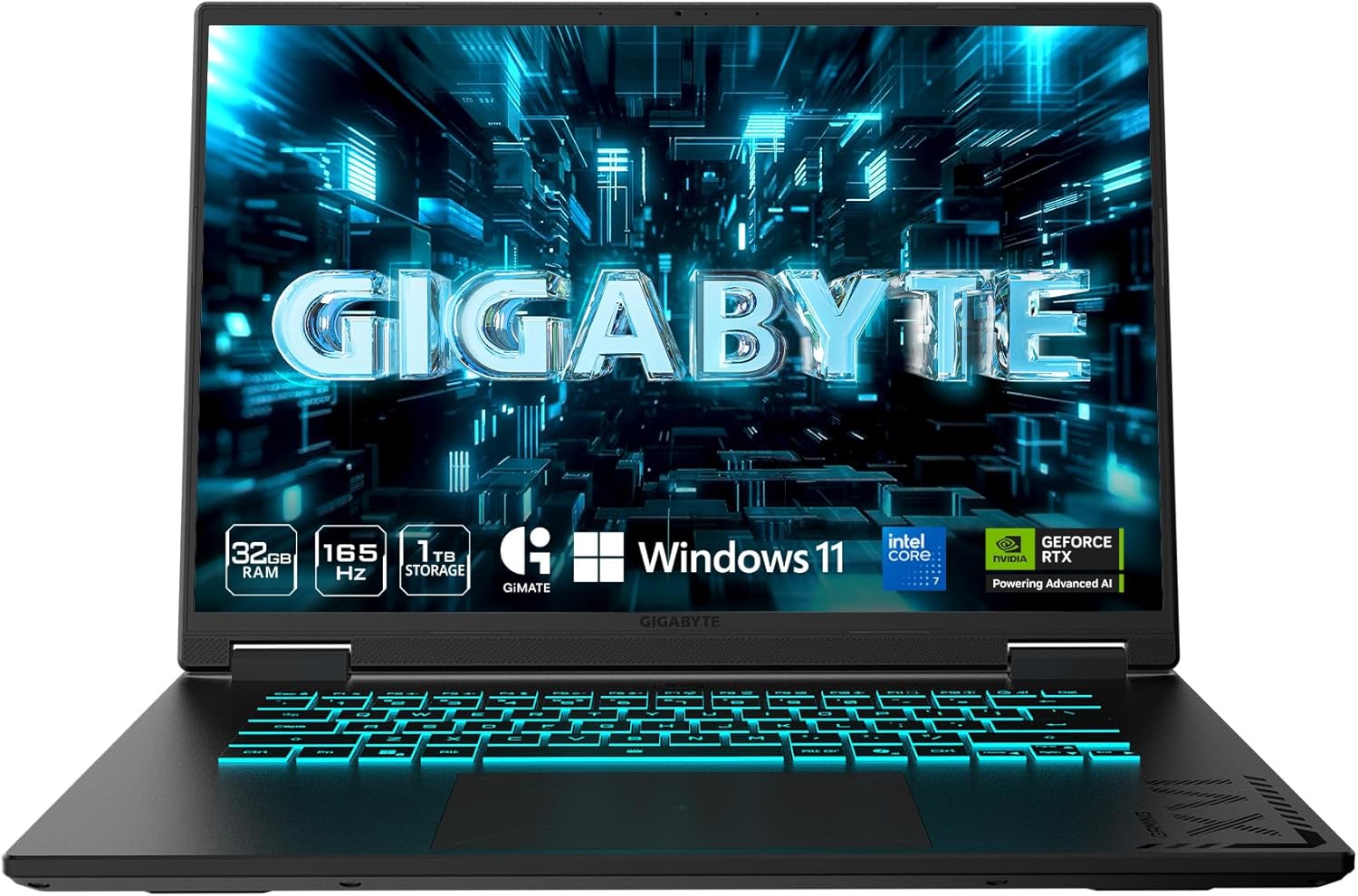
- memory Intel Core Ultra 7 240H
- developer_board NVIDIA GeForce RTX 5070 Ti Laptop GPU
- layers 32GB LPDDR5X 5600MHz
- track_changes Target GPU: NVIDIA GeForce RTX 4090 (24GB) or AMD Radeon RX 7900 XTX (24GB) (Estimated)
- memory Intel Core Ultra 9 275HX
- developer_board GeForce RTX 5070 Laptop Laptop GPU
- layers 64GB DDR5-6400MHz (Single-Channel)
- track_changes Target GPU: NVIDIA GeForce RTX 4090 (24GB) or AMD Radeon RX 7900 XTX (24GB) (Estimated)
- memory Intel Core Ultra 9 275HX
- developer_board NVIDIA GeForce RTX 5070 Ti
- layers 32GB
- track_changes Target GPU: NVIDIA GeForce RTX 4090 (24GB) or AMD Radeon RX 7900 XTX (24GB) (Estimated)

- memory Intel Core Ultra 9 275HX
- developer_board NVIDIA GeForce RTX 5070 Ti Laptop GPU
- layers 32 GB DDR5 6400MHz (2x16GB)
- track_changes Target GPU: NVIDIA GeForce RTX 4090 (24GB) or AMD Radeon RX 7900 XTX (24GB) (Estimated)
info_outline Laptop recommendations are estimates based on available component benchmarks and game requirements. Actual performance may vary depending on settings, drivers, cooling, power limits, etc. Prices and availability subject to change. As an Amazon Associate, we earn from qualifying purchases.