Select Games to Compare
Benchmark your exact mobile GPU wattage (TGP), battery throttling drops, and cooling pad requirements for these games.
James Cameron's Avatar: The Game vs Project Retrograde: The Becoming
| close | close |
|---|---|
| shopping_cart Where to Buy | |
| info General Information | |
| Release Date | |
| Dec 1, 2009 | Oct 22, 2026 |
| Developer | |
| Ubisoft Montreal, Ubisoft Shanghai (DS), Gameloft (Mobile) | Invercity Game Works |
| Publisher | |
| Ubisoft | Invercity Game Works |
| Genre(s) | |
| Action-Adventure, Third-Person Shooter | Action-Adventure, Survival, Third-Person Shooter, Action RPG |
| Engine | |
| Dunia Engine | Unreal Engine 5 |
| stars Ratings & Price | |
| Content Rating | |
| Teen | Rating Pending (Expected M - Mature 17+) |
| Avg. User Rating | |
| 3.0 / 5.0 | 0.0 / 5.0 |
| Current Price (USD) | |
| Free | $69.99 |
| tune Key Specs | |
| Quick Highlights | |
|
|
| sports_esports Gameplay & Mechanics | |
| Companions/Followers | |
|
|
| Key Collectibles | |
|
|
| Key Themes | |
|
|
| colorize Combat & Gear | |
| Weapons Overview | |
|
|
| Armor / Gear Sets | |
|
|
| Outfits/Customization | |
|
|
| trending_up Progression & Upgrades | |
| Skills & Progression | |
|
A linear progression system where players earn EXP to level up, unlocking upgraded armor sets and active skills. Both RDA and Na’vi factions have four active skill slots for abilities like Invisibility (Na'vi), Speed Boosts, Airstrikes (RDA), and Summoning Pandoran fauna. |
Progression is driven by the unique 'Parasitic Combat' system. The protagonist can absorb combat memories from other hosts to unlock new parasitic abilities and master entirely new fighting styles, such as a fluid Kung Fu master or a ruthless, axe-wielding 'Baba Yaga'. Players must also manage their parasite infection level to prevent overload. |
| public World & Exploration | |
| World & Level Design | |
|
Pandora is represented via segmented mission zones rather than a seamless open world. Iconic locales include the RDA's Forward Edge of the Battle Area (FEBA), Grave's Bog, the Tipani village, and the sacred Well of Souls. Zones are unlocked linearly through campaign progression. |
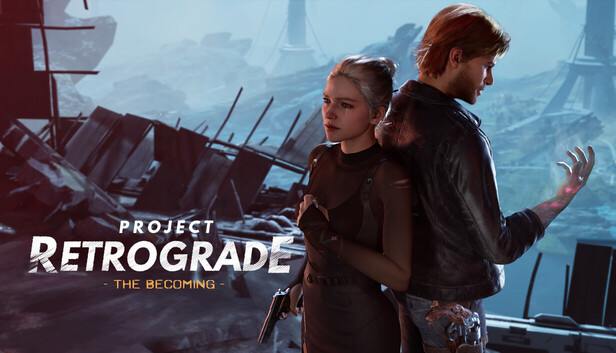
The game features a semi-open world structure. Players will explore the shattered, retro-futuristic underground cities and mysterious towers of the post-apocalyptic realm. |
| Playable Vehicles | |
|
|
| Notable Fauna/Mounts | |
|
N/A |
| book Story & Characters | |
| Main Characters | |
|
|
| Example Missions | |
|
|
| people Multiplayer | |
| Multiplayer Details | |
|
Formerly supported 16-player modes like TDM and CTF. Included a unique 'Conquest' strategy minigame where players captured territories on a map of Pandora to gain passive buffs for the single-player campaign. |
The game is a strictly single-player experience and does not have any multiplayer or co-operative modes. |
| extension Editions & DLC | |
| Available Editions | |
|
Released in Standard and Limited Editions. Different versions existed for specific hardware: PC/PS3/Xbox 360 (Main Branching Story), Wii/PSP (Rai'uk's Revenge Story), DS (Top-down Adventure), and Mobile (Action-focused). |
Details on different game editions have not yet been announced. |
| Post-Launch Content / DLC | |
|
The game received minimal post-launch content, primarily focusing on technical updates for stereoscopic 3D support and bug fixes before being delisted from stores. |
N/A |
| help_outline FAQ | |
| Frequently Asked Questions | |
|
|
| video_library Media Links | |
| Gameplay Video | |
| launchWatch | launchWatch |
| Walkthrough/Guide | |
| launchView | launchView |
| settings_applications System Requirements | |
| 1080p (Full HD) - Minimum (Speculative - Target: 1080p, 60 FPS, Low/Medium Preset) (Low/Medium Preset, Upscaling (DLSS/FSR 'Performance') likely required.) CPU: Hypothetical minimum CPU for a next-gen, CPU-heavy title. CPU (Laptop): A modern performance-tier laptop CPU would be the minimum. GPU: A GPU with a large VRAM buffer would be necessary even at minimum settings. GPU (Laptop): A solid mid-range laptop GPU from the current generation. RAM: 16GB would be the absolute minimum RAM requirement. Storage: A fast NVMe SSD would be required. | |
| — | memoryCPU: Intel Core i5-12600K or AMD Ryzen 5 7600 developer_boardGPU: NVIDIA GeForce RTX 3060 Ti (8GB) or AMD Radeon RX 6700 XT (12GB) laptop_macCPU (L): Intel Core i7-12700H / AMD Ryzen 7 6800H or better. laptop_windowsGPU (L): NVIDIA GeForce RTX 4060 Laptop (8GB, High TGP). layersRAM: 16 GB saveStorage (Tier): 100 GB NVMe SSD |
| 1080p (Full HD) - Minimum (Low Preset, 1080p) CPU: Original 2009 baseline requirements. CPU (Laptop): Modern entry-level chips are significantly more powerful. GPU: Baseline for the Dunia engine's initial release. GPU (Laptop): Modern integrated graphics handle this easily. RAM: Standard memory requirement for the Vista/7 era. Storage: Standard HDD. | |
memoryCPU: Pentium 4 3.2 Ghz / Athlon 64 3500+ developer_boardGPU: NVIDIA 8600 GTS / ATI HD2600 XT (256 MB) laptop_macCPU (L): Any Core i3 / Ryzen 3 mobile processor. laptop_windowsGPU (L): Intel UHD / Iris Xe / Radeon Vega Graphics. layersRAM: 2 GB saveStorage (Tier): 4 GB HDD | — |
| 1440p (QHD/2K) - Recommended (Speculative - Target: 1440p, 60+ FPS, High Preset) (High Preset, Upscaling (DLSS/FSR 'Quality' or 'Balanced') recommended.) CPU: A powerful modern CPU would be recommended for a stable high-framerate experience. CPU (Laptop): A high-end enthusiast laptop CPU would be needed for this tier. GPU: A high-end current-gen GPU would be the likely recommendation. GPU (Laptop): A high-end laptop GPU would be necessary for a quality 1440p experience. RAM: 32GB RAM is expected to be the recommendation for future AAA titles. Storage: A fast NVMe SSD is recommended for this tier. | |
| — | memoryCPU: Intel Core i7-13700K or AMD Ryzen 7 7800X3D developer_boardGPU: NVIDIA GeForce RTX 4070 Ti (12GB) or AMD Radeon RX 7900 XT (20GB) laptop_macCPU (L): Intel Core i9-13900HX / AMD Ryzen 9 7945HX or better. laptop_windowsGPU (L): NVIDIA GeForce RTX 4080 Laptop (12GB, High TGP). layersRAM: 32 GB saveStorage (Tier): 100 GB NVMe SSD |
| save Overall Storage | |
| Spec: 4 GB available space Note: Legacy storage footprint. Type: Unknown | Spec: 100 GB available space (NVMe SSD Required) Note: A fast NVMe SSD would be mandatory to handle the increased asset quality and the streaming of detailed environments. Type: NVMe |
| desktop_windows Operating System | |
| Spec: Windows XP, Vista, 7 Explanation: Requires 'Compatibility Mode' and Administrator privileges on modern Windows. | Spec: Windows 10 / 11 64-bit Explanation: A modern 64-bit OS would be a firm requirement. |
| gamepad DirectX Version | |
| Spec: DirectX 9.0c / DirectX 10 Explanation: DirectX 10 mode enables advanced lighting but can cause bugs with modern drivers. | Spec: DirectX 12 Ultimate Explanation: DirectX 12 Ultimate would be required for next-gen features. |
| info_outline Other Game Notes | |
|
|
| build Optimization Details | |
| N/A |
| laptop Laptop Considerations | |
|
|

info_outline Feature details based on available data. System requirements and performance estimates may vary.
laptop_chromebook Laptop Recommendations
Common Recommendations (Handles All Compared Games)

- memory Intel Core i5-11400H
- developer_board NVIDIA GeForce RTX 2050
- layers 8GB DDR4-3200MHz
- track_changes Target GPU: Intel UHD / Iris Xe / Radeon Vega Graphics.

- memory Intel Core i7-12700H
- developer_board NVIDIA GeForce RTX 3070
- layers 32GB DDR4-3200MHz
- track_changes Target GPU: Intel UHD / Iris Xe / Radeon Vega Graphics.

- memory Intel Core i9-13900H
- developer_board NVIDIA GeForce RTX 4060
- layers 16GB DDR5-5200MHz
- track_changes Target GPU: Intel UHD / Iris Xe / Radeon Vega Graphics.

- memory Intel Core i9-14900HX
- developer_board NVIDIA GeForce RTX 4060
- layers 32GB DDR5-5600MHz
- track_changes Target GPU: NVIDIA GeForce RTX 4060 Laptop (8GB, High TGP).

- memory Intel Core i9-14900HX
- developer_board NVIDIA GeForce RTX 4080 Laptop GPU
- layers 64 GB DDR5-5600MHz
- track_changes Target GPU: NVIDIA GeForce RTX 4080 Laptop (12GB, High TGP).

- memory Intel Core Ultra 9 Processor 275HX (Series 2)
- developer_board NVIDIA GeForce RTX 5070 Laptop GPU
- layers 32GB DDR5-5600MHz
- track_changes Target GPU: NVIDIA GeForce RTX 4080 Laptop (12GB, High TGP).

- memory Intel Core i9-14900HX Processor
- developer_board NVIDIA GeForce RTX 5070 Laptop GPU
- layers 32GB DDR5-5600MHz
- track_changes Target GPU: NVIDIA GeForce RTX 4080 Laptop (12GB, High TGP).
For James Cameron's Avatar: The Game Specifically
- memory Intel Core i5-11400H
- developer_board NVIDIA GeForce RTX 2050
- layers 8GB DDR4-3200MHz
- track_changes Target GPU: NVIDIA 8600 GTS / ATI HD2600 XT (256 MB)
- memory Intel Core i7-12700H
- developer_board NVIDIA GeForce RTX 3070
- layers 32GB DDR4-3200MHz
- track_changes Target GPU: NVIDIA 8600 GTS / ATI HD2600 XT (256 MB)
- memory Intel Core i9-13900H
- developer_board NVIDIA GeForce RTX 4060
- layers 16GB DDR5-5200MHz
- track_changes Target GPU: NVIDIA 8600 GTS / ATI HD2600 XT (256 MB)
- memory Intel Core i9-14900HX
- developer_board NVIDIA GeForce RTX 4060
- layers 32GB DDR5-5600MHz
- track_changes Target GPU: NVIDIA 8600 GTS / ATI HD2600 XT (256 MB)

- memory Intel Core i9-12900H
- developer_board NVIDIA GeForce RTX 3070 Ti
- layers 16GB DDR5-4800MHz
- track_changes Target GPU: NVIDIA 8600 GTS / ATI HD2600 XT (256 MB)

- memory Intel Core i5-12450H
- developer_board NVIDIA GeForce RTX 3050
- layers 16GB DDR4-3200MHz
- track_changes Target GPU: NVIDIA 8600 GTS / ATI HD2600 XT (256 MB)

- memory Intel Core i5-12500H
- developer_board NVIDIA GeForce RTX 3050 Ti
- layers 16GB DDR4-3200MHz
- track_changes Target GPU: NVIDIA 8600 GTS / ATI HD2600 XT (256 MB)

- memory AMD Ryzen 7 7435HS
- developer_board NVIDIA GeForce RTX 3050
- layers 32GB DDR5-4800MHz
- track_changes Target GPU: NVIDIA 8600 GTS / ATI HD2600 XT (256 MB)

- memory AMD Ryzen 7 6800H
- developer_board NVIDIA GeForce RTX 3060
- layers 16GB DDR5-4800MHz
- track_changes Target GPU: NVIDIA 8600 GTS / ATI HD2600 XT (256 MB)

- memory AMD Ryzen 9 5900HS
- developer_board NVIDIA GeForce RTX 3080
- layers 16GB DDR4-3200MHz
- track_changes Target GPU: NVIDIA 8600 GTS / ATI HD2600 XT (256 MB)
For Project Retrograde: The Becoming Specifically
- memory Intel Core i7-12700H
- developer_board NVIDIA GeForce RTX 3070
- layers 32GB DDR4-3200MHz
- track_changes Target GPU: NVIDIA GeForce RTX 3060 Ti (8GB) or AMD Radeon RX 6700 XT (12GB)
- memory Intel Core i9-13900H
- developer_board NVIDIA GeForce RTX 4060
- layers 16GB DDR5-5200MHz
- track_changes Target GPU: NVIDIA GeForce RTX 3060 Ti (8GB) or AMD Radeon RX 6700 XT (12GB)
- memory Intel Core i9-14900HX
- developer_board NVIDIA GeForce RTX 4060
- layers 32GB DDR5-5600MHz
- track_changes Target GPU: NVIDIA GeForce RTX 3060 Ti (8GB) or AMD Radeon RX 6700 XT (12GB)
- memory Intel Core i9-12900H
- developer_board NVIDIA GeForce RTX 3070 Ti
- layers 16GB DDR5-4800MHz
- track_changes Target GPU: NVIDIA GeForce RTX 3060 Ti (8GB) or AMD Radeon RX 6700 XT (12GB)
- memory AMD Ryzen 7 7435HS
- developer_board NVIDIA GeForce RTX 3050
- layers 32GB DDR5-4800MHz
- track_changes Target GPU: NVIDIA GeForce RTX 3060 Ti (8GB) or AMD Radeon RX 6700 XT (12GB)

- memory Intel Core i9-14900HX
- developer_board NVIDIA GeForce RTX 4070
- layers 32GB DDR5-5600MHz
- track_changes Target GPU: NVIDIA GeForce RTX 3060 Ti (8GB) or AMD Radeon RX 6700 XT (12GB)

- memory Intel Core i9-14900HX
- developer_board NVIDIA GeForce RTX 4070
- layers 16GB DDR5-5600MHz
- track_changes Target GPU: NVIDIA GeForce RTX 3060 Ti (8GB) or AMD Radeon RX 6700 XT (12GB)

- memory Intel Core Ultra 7 255H
- developer_board NVIDIA GeForce RTX 5060 Laptop GPU
- layers 16GB DDR5-5600MHz (Dual-Channel)
- track_changes Target GPU: NVIDIA GeForce RTX 3060 Ti (8GB) or AMD Radeon RX 6700 XT (12GB)

- memory AMD Ryzen 9 8940HX Processor
- developer_board NVIDIA GeForce RTX 5060 Laptop GPU
- layers 32GB DDR5-5200MHz
- track_changes Target GPU: NVIDIA GeForce RTX 3060 Ti (8GB) or AMD Radeon RX 6700 XT (12GB)

- memory Intel Core i9-12950HX
- developer_board NVIDIA GeForce RTX 3080 Ti
- layers 32GB DDR5-4800MHz
- track_changes Target GPU: NVIDIA GeForce RTX 3060 Ti (8GB) or AMD Radeon RX 6700 XT (12GB)
- memory Intel Core i9-14900HX
- developer_board NVIDIA GeForce RTX 4080 Laptop GPU
- layers 64 GB DDR5-5600MHz
- track_changes Target GPU: NVIDIA GeForce RTX 4070 Ti (12GB) or AMD Radeon RX 7900 XT (20GB)
- memory Intel Core Ultra 9 Processor 275HX (Series 2)
- developer_board NVIDIA GeForce RTX 5070 Laptop GPU
- layers 32GB DDR5-5600MHz
- track_changes Target GPU: NVIDIA GeForce RTX 4070 Ti (12GB) or AMD Radeon RX 7900 XT (20GB)
- memory Intel Core i9-14900HX Processor
- developer_board NVIDIA GeForce RTX 5070 Laptop GPU
- layers 32GB DDR5-5600MHz
- track_changes Target GPU: NVIDIA GeForce RTX 4070 Ti (12GB) or AMD Radeon RX 7900 XT (20GB)

- memory Intel Core i9-14900HX Processor
- developer_board NVIDIA GeForce RTX 5070 Laptop GPU
- layers 32GB DDR5-5600MHz
- track_changes Target GPU: NVIDIA GeForce RTX 4070 Ti (12GB) or AMD Radeon RX 7900 XT (20GB)

- memory Intel Core Ultra 9 285H (Arrow Lake-H)
- developer_board NVIDIA GeForce RTX 5070 Laptop GPU
- layers 64GB LPDDR5x-8533MT/s (LPCAMM2)
- track_changes Target GPU: NVIDIA GeForce RTX 4070 Ti (12GB) or AMD Radeon RX 7900 XT (20GB)

- memory Intel Core i9-14900HX
- developer_board NVIDIA GeForce RTX 4080
- layers 64GB DDR5-5600MHz
- track_changes Target GPU: NVIDIA GeForce RTX 4070 Ti (12GB) or AMD Radeon RX 7900 XT (20GB)

- memory Intel Core i9-14900HX
- developer_board NVIDIA GeForce RTX 4080
- layers 32GB DDR5-5600MHz
- track_changes Target GPU: NVIDIA GeForce RTX 4070 Ti (12GB) or AMD Radeon RX 7900 XT (20GB)

- memory Intel Core i9-14900HX
- developer_board NVIDIA GeForce RTX 4080
- layers 32GB DDR5-5600MHz
- track_changes Target GPU: NVIDIA GeForce RTX 4070 Ti (12GB) or AMD Radeon RX 7900 XT (20GB)

- memory Intel Core i9-14900HX
- developer_board NVIDIA GeForce RTX 4080
- layers 32GB DDR5-5600MHz
- track_changes Target GPU: NVIDIA GeForce RTX 4070 Ti (12GB) or AMD Radeon RX 7900 XT (20GB)

- memory AMD Ryzen 9 7845HX
- developer_board NVIDIA GeForce RTX 4080
- layers Up to 64GB DDR5
- track_changes Target GPU: NVIDIA GeForce RTX 4070 Ti (12GB) or AMD Radeon RX 7900 XT (20GB)
info_outline Laptop recommendations are estimates based on available component benchmarks and game requirements. Actual performance may vary depending on settings, drivers, cooling, power limits, etc. Prices and availability subject to change. As an Amazon Associate, we earn from qualifying purchases.