Select Games to Compare
Benchmark your exact mobile GPU wattage (TGP), battery throttling drops, and cooling pad requirements for these games.
Helldivers 2 vs REMNANT II
| close | close |
|---|---|
| shopping_cart Where to Buy | |
| info General Information | |
| Release Date | |
| Feb 8, 2024 | Jul 25, 2023 |
| Developer | |
| Arrowhead Game Studios | Gunfire Games |
| Publisher | |
| Sony Interactive Entertainment | Arc Games (formerly Gearbox Publishing) |
| Genre(s) | |
| Cooperative Extraction Shooter / Third-Person Shooter | Action RPG, Third-Person Shooter, Soulslike, Co-op Looter Shooter |
| Engine | |
| Proprietary Engine | Unreal Engine 4 |
| stars Ratings & Price | |
| Content Rating | |
| Mature 17+ | M (Mature 17+) - ESRB Descriptors: Blood and Gore, |
| Avg. User Rating | |
| 4.5 / 5.0 | 4.1 / 5.0 |
| Current Price (USD) | |
| $39.99 | $49.99 |
| tune Key Specs | |
| Quick Highlights | |
|
|
| sports_esports Gameplay & Mechanics | |
| Companions/Followers | |
|
|
| Key Collectibles | |
|
|
| Key Themes | |
|
|
| colorize Combat & Gear | |
| Weapons Overview | |
|
|
| Armor / Gear Sets | |
|
|
| Outfits/Customization | |
|
|
| trending_up Progression & Upgrades | |
| Skills & Progression | |
|
Progression in Helldivers 2 entirely bypasses traditional character skill trees in favor of a complex horizontal progression system driven by Warbonds and Ship Modules. Players enhance their combat effectiveness by unlocking new primary weapons, secondary sidearms, and deployable stratagems. A critical component of player upgrades is the Ship Module system, which permanently enhances the capabilities of the orbiting Super Destroyer. By extracting Common, Rare, and Super Samples from the battlefield, players can purchase modules like the Targeting Software Upgrade to reduce orbital deployment times, or Synthetic Supplementation to reduce sentry cooldowns by 10%. Additionally, armor selection acts as a surrogate skill system. Each armor piece provides distinct passive traits such as 'Democracy Protects' (a 50% chance to survive lethal damage) or 'Electrical Conduit' (granting 95% resistance to arc damage). Understanding the intricate Durable Damage paradigm and properly equipping armor traits that synergize with specific environments or enemy factions are the true measures of a player's strategic skill. |
N/A |
| public World & Exploration | |
| World & Level Design | |
|
Helldivers 2 abandons static maps in favor of expansive, procedurally generated combat zones set across diverse planetary biomes. Each mission drops players into vast operational areas that span several square kilometers, offering a highly dynamic topographical experience. These regions are populated with randomized enemy outposts, tactical objectives, and points of interest that encourage thorough exploration. The terrain itself is highly malleable; real-time terrain deformation allows orbital bombardments and explosives to blast permanent craters into the environment, fundamentally altering the battlefield layout. Planetary conditions heavily dictate map traversability. For example, some regions feature dense jungle foliage that blocks line-of-sight and physically impedes movement speed, while others consist of frozen tundras that affect weapon heat management. The sheer size of these procedural maps requires strategic navigation, as players must manage their stamina, utilize the topography for physical cover, and meticulously plan their extraction routes while avoiding massive roaming patrols of Terminids or Automatons. |
N/A |
| Playable Vehicles | |
|
|
| Notable Fauna/Mounts | |
|
N/A |
| book Story & Characters | |
| Main Characters | |
|
|
| Example Missions | |
|
|
| people Multiplayer | |
| Multiplayer Details | |
|
Helldivers 2 is fundamentally a dedicated cooperative multiplayer experience, entirely eschewing competitive Player versus Player (PvP) modes in favor of a unified Player versus Environment (PvE) extraction shooter format. The core gameplay loop involves squads of up to four Helldivers deploying onto procedurally generated planetary surfaces to complete a variety of high-stakes objectives. While the game does not feature distinct "modes" in the traditional sense, the mission variety serves the same purpose. Players can engage in massive, 40-minute strategic operations requiring the destruction of enemy infrastructure and the launch of ICBMs, or participate in frantic, 12-minute blitz extractions and localized eradication defense missions. The entire multiplayer ecosystem is tied into the Galactic War metagame, meaning every successful mission completion contributes to a global planetary liberation percentage. While players can set their matchmaking lobbies to "Private" to attempt solo operations, the punishing difficulty scaling, lack of AI teammates, and complex enemy armor mechanics heavily incentivize active four-player cooperative multiplayer. |
The core gameplay is designed for up to 3-player online co-operative PvE. Players can join friends or use matchmaking to tackle the campaign, explore worlds, and fight bosses together. The game's difficulty scales with the number of players. Loot is instanced per player. |
| extension Editions & DLC | |
| Available Editions | |
|
Helldivers 2 eschews the standard array of confusing, fragmented game editions, offering a straightforward entry point that is supplemented by an expansive, permanent DLC economy known as Warbonds. Unlike contemporary live-service titles that rely on FOMO (Fear Of Missing Out) and expiring seasonal battle passes, the Warbonds in Helldivers 2 are permanent procurement catalogs that can be unlocked at any time. The baseline progression path, 'Helldivers Mobilize', is included for all players. Additional content is categorized into Premium (requiring 1,000 Super Credits) and Legendary tiers. These premium Warbonds—such as Steeled Veterans, Democratic Detonation, and Viper Commandos—introduce specialized armaments, unique armor passives, and specific strategic utility. Because Super Credits can be scavenged during regular gameplay, players have the option to unlock these "editions" of content purely through dedicated playtime. This horizontal progression system ensures that new players can access the same mechanical tools and specialized gear as veterans without being locked out of past seasonal content. |
Released in several editions: Standard Edition (base game). Deluxe Edition (included three armor sets: Elder, Radiant, Void). Ultimate Edition (included Deluxe Edition content, Survival Pack with consumables, and early access to 'The Awakened King,' 'The Forgotten Kingdom,' and 'The Dark Horizon' DLCs, which form the DLC Bundle). |
| Post-Launch Content / DLC | |
|
The post-launch content strategy for Helldivers 2 is aggressively expansive, driven entirely by the continuous rollout of new Warbonds and massive, free systemic updates dictated by the unfolding Galactic War. The game features over a dozen distinct Warbonds, including Premium offerings like Cutting Edge, Polar Patriots, Truth Enforcers, and the Legendary-tier Servants of Freedom. These DLC packages introduce new primary weapons, sidearms, passive armor traits, and boosters. Beyond paid Warbonds, Arrowhead Game Studios continuously injects major narrative and mechanical updates. The "Escalation of Freedom" update introduced gargantuan enemy outposts, new environmental hazards, and unprecedented difficulty tiers. Furthermore, community-driven objectives have unlocked entirely new gameplay mechanics, such as the permanent integration of Exosuit mechanized warfare (Exo-45 Patriot, Exo-59 Emancipator). Ongoing data leaks and in-game environmental anomalies strongly suggest the imminent, free addition of a highly anticipated third enemy faction, the Illuminate, which will drastically alter the strategic landscape of the entire game. |
REMNANT II has a DLC Bundle featuring three major expansions: 1. 'The Awakened King' (released November 2023): New storyline in Losomn focusing on the One True King, new Archetype (The Ritualist), new dungeons, bosses, items, and weapons. 2. 'The Forgotten Kingdom' (released April 2024): New storyline in Yaesha exploring a lost tribe and a vengeful stone spirit Lydusa, new Archetype (The Invoker), new dungeons, bosses, items, and weapons. 3. 'The Dark Horizon' (released September 2024): New storyline in N'Erud, new Archetype (The Warden), new dungeons, bosses, items, weapons, and a new Glider Traversal System for N'Erud. |
| help_outline FAQ | |
| Frequently Asked Questions | |
|
|
| build Technical Details | |
| Graphics & Visual Fidelity | |
|
Powered by a highly customized proprietary engine, Helldivers 2 delivers an absolutely stunning visual experience that pushes the boundaries of real-time physical simulation and particle effects. The transition to a third-person perspective allows for breathtaking environmental rendering across diverse, procedurally generated terraformed biomes. The game's visual identity is defined by its incredible volumetric lighting, dynamic weather systems, and massive-scale destruction. Orbital bombardments do not merely create visual explosions; they violently deform the terrain, blasting permanent, physically simulated craters into the ground. Armor and weaponry feature incredibly high-fidelity textures, showcasing scratches, mud, and the visceral viscera of defeated enemies accumulating over the course of a mission. The visual effects associated with energy weapons, atmospheric re-entry of hellpods, and the cascading fireballs of the 500KG bomb are spectacular, though they demand significant GPU power. To maintain this fidelity, enthusiast hardware relies on rapid asset streaming from high-speed SSDs to prevent stuttering during chaotic, particle-heavy engagements. |
Developed using Unreal Engine 4 (despite some early UE5 speculation), REMNANT II features detailed environments with distinct visual themes for each world, impressive enemy and boss designs, and a dark, gritty art style consistent with its post-apocalyptic and cosmic horror themes. |
| Audio & Soundtrack | |
|
The audio design in Helldivers 2 is a critical component of both its immersive atmosphere and its tactical gameplay. The soundscape is intensely chaotic, perfectly capturing the overwhelming sensory overload of an active warzone. Weapon reports are incredibly punchy and distinct, allowing players to instantly identify which armaments their squadmates are firing. More importantly, audio cues are essential for survival. The horrifying shrieks of Terminid Stalkers, the heavy, metallic stomping of Automaton Hulks, and the distinct hum of charging energy weapons provide critical situational awareness in scenarios where visual line-of-sight is obstructed by weather or terrain. The musical score is equally impactful, featuring sweeping, bombastic orchestral arrangements that evoke feelings of militant patriotism and desperate heroism. The soundtrack dynamically shifts based on the combat intensity, seamlessly transitioning from tense, brooding atmospheric tracks during stealthy exploration to triumphant, brass-heavy anthems during frantic extraction phases, perfectly complementing the satirical, over-the-top tone of the Super Earth propaganda machine. |
Atmospheric sound design enhances the distinct feel of each world and the impact of combat. The musical score adapts to gameplay, building intensity during boss fights and creating an eerie ambience during exploration. |
| User Interface (UI/UX) | |
|
The User Interface (UI) in Helldivers 2 is a masterclass in diegetic design and deliberate obfuscation, requiring players to actively decipher complex combat scenarios rather than relying on overwhelming on-screen statistics. Crucially, the game hides the intricate mechanics governing its combat. Enemies do not feature traditional health bars; instead, players must rely on visual and auditory cues—such as deflecting blue sparks, glancing white hitmarkers, or penetrating red hitmarkers—to determine if their weapon's Armor Penetration value is effectively overcoming the target's Armor Value. Furthermore, the UI completely obfuscates the critical "Durable Damage" mechanic, displaying only a weapon's standard damage output while hiding its efficiency against massive, non-vital tissue structures. When piloting Exosuits, players are similarly deprived of a health bar, forced to assess their vehicle's integrity based purely on visual indicators like internal fires and billowing smoke. This minimalist, immersive UI approach significantly heightens the tension and demands a deeper, more analytical understanding of the game’s underlying mathematical systems. |
Features a clear UI displaying health, stamina, mod power, skill cooldowns, ammo, and equipped items. Inventory management involves weapons, armor, mods, mutators, rings, amulets, and consumables. A minimap aids navigation through the procedurally generated environments. |
| Accessibility Options | |
|
While Helldivers 2 is renowned for its punishing difficulty and uncompromising cooperative mechanics, it incorporates several crucial accessibility features and strategic tools that accommodate diverse playstyles. The game offers fully remappable controls across both keyboard/mouse and gamepads, alongside adjustable UI scaling, text-to-speech functionality, and various colorblind filters to assist players with visual impairments. From a mechanical standpoint, the diverse array of Warbonds and Ship Modules allows players to tailor their loadouts to offset specific physical or reflex-based limitations. For example, players who struggle with precise twitch-aiming can utilize the ARC-12 Blitzer, which automatically chains lightning to targets, or deploy heavily armored Exosuits that provide massive firepower and protection without requiring intricate movement mechanics. Additionally, passive armor traits like 'Electrical Conduit' or 'Democracy Protects' offer substantial safety nets against friendly fire and sudden lethal damage, allowing players to actively mitigate the game's more frustrating, instant-death mechanics through deliberate loadout customization rather than raw mechanical skill. |
Includes options such as subtitles (though initially not highly customizable, patches may have improved), separate volume controls for voice, SFX, and music, remappable keybindings, gamepad support with auto-snap to enemies, adjustable video effects, and sensitivity customization for aiming, mouse, and camera (including X/Y inversion). An option to auto-equip picked-up items is also available. |
| video_library Media Links | |
| Gameplay Video | |
| launchWatch | launchWatch |
| Walkthrough/Guide | |
| launchView | launchView |
| settings_applications System Requirements | |
| 1080p (Full HD) - Recommended (Medium) CPU: Provides stable 60 FPS processing during moderate combat engagements. CPU (Laptop): Solid performance for medium settings targeting 60 FPS. GPU: Handles 1080p 60 FPS comfortably with standard lighting effects. GPU (Laptop): High TGP variant needed to sustain stable performance. RAM: Prevents memory-related stuttering during asset streaming. Storage: Required for smooth, hitch-free gameplay. | |
memoryCPU: Intel Core i7-9700K / AMD Ryzen 7 3700X developer_boardGPU: NVIDIA RTX 2060 / AMD Radeon RX 6600 XT laptop_macCPU (L): AMD Ryzen 7 5800H laptop_windowsGPU (L): NVIDIA RTX 3060 Mobile layersRAM: 16 GB saveStorage (Tier): 100GB SSD | — |
| 1080p (Full HD) - Recommended (Targets 1080p, Medium/High settings, ~60 FPS with Upscaling Quality/Balanced) (Medium/High Preset, 1080p resolution with DLSS/FSR/XeSS Quality or Balanced.) CPU: Official recommended desktop CPU for a better 1080p experience. CPU (Laptop): Stronger laptop CPUs for more consistent 1080p/60fps. GPU: Official recommended desktop GPU for 1080p. 6GB VRAM minimum, 8GB ideal. GPU (Laptop): Capable laptop GPUs. High TGP and effective use of DLSS/FSR are very important. (A hypothetical future RTX 5050/5060 Laptop GPU). RAM: 16GB RAM officially recommended. Storage: NVMe SSD recommended for better overall experience. | |
| — | memoryCPU: Intel Core i5-10600K or AMD Ryzen 5 3600 developer_boardGPU: NVIDIA GeForce RTX 2060 (6GB) or AMD Radeon RX 5700 (8GB) laptop_macCPU (L): Intel Core i7-10750H / AMD Ryzen 7 4800H or newer high-performance 6-core or 8-core CPUs. laptop_windowsGPU (L): NVIDIA GeForce RTX 2060 Mobile (6GB, High TGP), RTX 3060 Laptop GPU (6GB, High TGP), RTX 4050 Laptop GPU (6GB, High TGP), RTX 4060 Laptop GPU (8GB). layersRAM: 16 GB saveStorage (Tier): 80 GB NVMe SSD |
| 1080p (Full HD) - Minimum (Low) CPU: Handles baseline physics calculations but may struggle during massive bug breaches. CPU (Laptop): Requires stringent thermal management to prevent massive frame drops. GPU: Entry-level hardware capable of 30 FPS on minimal visual settings. GPU (Laptop): Must utilize low settings to maintain playable frame rates. RAM: Absolute minimum to boot the application; severe multitasking issues. Storage: HDD will cause severe stuttering; SSD is massively preferred. | |
memoryCPU: Intel Core i7-4790K / AMD Ryzen 5 1500X developer_boardGPU: NVIDIA GTX 1050 Ti / AMD Radeon RX 470 laptop_macCPU (L): Intel Core i7-9750H laptop_windowsGPU (L): NVIDIA GTX 1650 Mobile layersRAM: 8 GB saveStorage (Tier): 100GB HDD | — |
| 1080p (Full HD) - Minimum (Targets 1080p, Low/Medium settings, ~30-60 FPS with Upscaling) (Low/Medium Preset, 1080p resolution with DLSS/FSR/XeSS Performance/Balanced.) CPU: Official minimum desktop CPU. Game can be CPU intensive. CPU (Laptop): Estimated laptop CPU. A modern 6-core CPU is advisable for a smoother experience. GPU: Official minimum desktop GPU. 4GB VRAM is the absolute floor; 8GB (like RX 590) is better. GPU (Laptop): Estimated laptop GPUs. Performance heavily depends on TGP and upscaling. (Hypothetical future entry-level RTX 50 series laptop GPUs would exceed this). RAM: 16GB RAM is the official minimum. Storage: SSD is highly recommended as per official notes. | |
| — | memoryCPU: Intel Core i5-7600 or AMD Ryzen 5 2600 developer_boardGPU: NVIDIA GeForce GTX 1650 (4GB) or AMD Radeon RX 590 (8GB) laptop_macCPU (L): Intel Core i7-8750H / AMD Ryzen 5 3600H equivalent or better. laptop_windowsGPU (L): NVIDIA GeForce GTX 1650 Ti Mobile (4GB), RTX 3050 Laptop GPU (4GB/6GB, ensure good TGP). RTX 4050 Laptop GPU (6GB) would be a more comfortable modern minimum, relying on upscaling. layersRAM: 16 GB saveStorage (Tier): 80 GB SSD |
| 1440p (QHD/2K) - High (Targets 1440p, High settings, ~60 FPS with DLSS/FSR Quality + potentially Frame Gen) (High Preset, 1440p resolution with DLSS/FSR Quality. Frame Generation (DLSS 3/FSR 3) highly recommended if available/supported by GPU.) CPU: Powerful desktop CPU to handle 1440p and reduce CPU bottlenecks, especially if using Frame Generation. CPU (Laptop): High-performance laptop CPUs essential for smooth 1440p, particularly with Frame Generation. GPU: Strong GPUs for 1440p/60fps. DLSS/FSR Quality is essential. For consistent 60FPS+ with high settings, Frame Generation is a significant help. GPU (Laptop): High-end laptop GPUs with max TGP. DLSS/FSR (Quality/Balanced) + Frame Generation are key. (A hypothetical future RTX 5060 Ti/5070 Laptop GPU). RAM: 32GB RAM is strongly recommended for 1440p high settings to ensure smooth performance. Storage: NVMe SSD mandatory for optimal performance. | |
| — | memoryCPU: Intel Core i7-11700K / AMD Ryzen 7 5800X or newer (e.g., Intel Core i5-13600K / AMD Ryzen 5 7600X) developer_boardGPU: NVIDIA GeForce RTX 3070 (8GB) / RTX 4060 Ti (8GB/16GB) / RTX 4070 (12GB) or AMD Radeon RX 6700 XT (12GB) / RX 6800 (16GB) / RX 7700 XT (12GB) laptop_macCPU (L): Intel Core i7-12700H / AMD Ryzen 7 6800H or Intel Core i9-12900H / AMD Ryzen 9 6900HS and above. laptop_windowsGPU (L): NVIDIA GeForce RTX 3070 Ti Laptop GPU (8GB), RTX 3080 Laptop GPU (8GB/16GB), RTX 4070 Laptop GPU (8GB, High TGP), RTX 4080 Laptop GPU (12GB). layersRAM: 16 GB saveStorage (Tier): 80 GB NVMe SSD |
| 1440p (QHD/2K) - Performance (High) CPU: High IPC required for complex physics at higher framerates. CPU (Laptop): Sufficient for 1440p when paired with a robust GPU. GPU: Targets a stable 1440p 60 FPS with high particle and volumetric settings. GPU (Laptop): Maintains frame pacing under heavy graphical load. RAM: Standard requirement for high-fidelity asset caching. Storage: Crucial for rapid texture loading. | |
memoryCPU: Intel Core i5-12600K / AMD Ryzen 5 5800X3D developer_boardGPU: NVIDIA RTX 3070 / AMD Radeon RX 6800 laptop_macCPU (L): Intel Core i7-12700H laptop_windowsGPU (L): NVIDIA RTX 3070 Ti Mobile layersRAM: 16 GB saveStorage (Tier): 100GB SSD | — |
| 2160p (UHD/4K) - Ultra (Very High) CPU: Avoids CPU bottlenecks to allow the GPU to process 4K rendering. CPU (Laptop): Desktop-replacement class processor required. GPU: Powers 4K 60 FPS rendering with maximum visual fidelity and destruction effects. GPU (Laptop): Maximum mobile power necessary to push 4K resolution. RAM: Sufficient, though 32GB is recommended for enthusiast overhead. Storage: Fast NVMe SSD recommended for massive 4K asset streaming. | |
memoryCPU: Intel Core i5-12600K / AMD Ryzen 7 5800X3D developer_boardGPU: NVIDIA RTX 4070 Ti / AMD Radeon RX 7900 XTX laptop_macCPU (L): Intel Core i9-13900HX laptop_windowsGPU (L): NVIDIA RTX 4090 Mobile layersRAM: 16 GB saveStorage (Tier): 100GB SSD | — |
| 2160p (UHD/4K) - Ultra (Targets 2160p/4K, Medium/High settings, ~60 FPS with DLSS/FSR Performance + Frame Gen) (Medium/High Preset, 2160p (4K) resolution using DLSS/FSR Performance + Frame Generation.) CPU: Top-tier desktop CPU to support 4K gaming and minimize CPU bottlenecks, especially with Frame Generation. CPU (Laptop): Absolute flagship laptop CPUs required. GPU: Flagship desktop GPUs required for 4K. Heavily reliant on DLSS/FSR Performance and Frame Generation (for NVIDIA RTX 40 series / AMD FSR 3 compatible cards) to achieve ~60 FPS. GPU (Laptop): The most powerful current (RTX 40 series) laptop GPUs. DLSS/FSR (Performance/Ultra Performance) with Frame Generation is essential. Hypothetical RTX 50 series laptop GPUs are speculative. RAM: 32GB of high-speed RAM is strongly recommended for optimal 4K gaming. Storage: A very fast NVMe SSD (PCIe Gen4 or better) is highly recommended for 4K textures and loading. | |
| — | memoryCPU: Intel Core i9-12900K / AMD Ryzen 9 5900X or newer (e.g., Intel Core i7-13700K / AMD Ryzen 7 7800X3D) developer_boardGPU: NVIDIA GeForce RTX 3080 (10GB/12GB) / RTX 4070 Ti (12GB) / RTX 4080 (16GB) or AMD Radeon RX 6800 XT (16GB) / RX 7900 XT (20GB) / RX 7900 XTX (24GB) laptop_macCPU (L): Intel Core i9-13900HX / Core i9-14900HX or AMD Ryzen 9 7945HX / 7945HX3D. laptop_windowsGPU (L): NVIDIA GeForce RTX 4080 Laptop GPU (12GB, Max TGP), RTX 4090 Laptop GPU (16GB, Max TGP). **(A hypothetical future flagship NVIDIA GeForce RTX 5080/5090 Laptop GPU would aim to improve this experience further.)** layersRAM: 32 GB saveStorage (Tier): 80 GB NVMe SSD (High-speed Gen4 or Gen5 recommended) |
| save Overall Storage | |
| Spec: 100GB Solid State Drive (SSD) Note: SSD is strictly required to eliminate frame hitching and stuttering during real-time asset streaming. Type: SSD | Spec: 80 GB available space (SSD Highly Recommended, NVMe for best experience) Note: An SSD (preferably NVMe) with at least 80 GB of free space is strongly recommended for optimal performance, significantly faster loading times, and smoother asset streaming. Requirement may increase with DLCs/updates. Type: NVMe |
| desktop_windows Operating System | |
| Spec: Windows 10 64-bit Explanation: Required for DirectX 12 API support and nProtect GameGuard kernel-level execution. | Spec: Windows 10 (64-bit, latest update) or Windows 11 (64-bit, latest update) Explanation: A 64-bit version of Windows 10 (latest updates) or Windows 11 (latest update) is required. Windows 11 is generally recommended for newer UE5 titles for features like DirectStorage and optimal CPU scheduling. |
| gamepad DirectX Version | |
| Spec: DirectX 12 Explanation: Essential for rendering volumetric lighting, particle effects, and advanced terrain deformation. | Spec: DirectX 12 Explanation: DirectX 12 is required. Remnant II is an Unreal Engine 5 title, which leverages DX12 features. Ray tracing is not a primary feature of the game; performance is demanding even without it. |
| info_outline Other Game Notes | |
|
|
| build Optimization Details | |
|
|
| laptop Laptop Considerations | |
|
|


info_outline Feature details based on available data. System requirements and performance estimates may vary.
laptop_chromebook Laptop Recommendations
Common Recommendations (Handles All Compared Games)

- memory AMD Ryzen 7 7435HS
- developer_board NVIDIA GeForce RTX 3050
- layers 32GB DDR5-4800MHz
- track_changes Target GPU: NVIDIA GTX 1650 Mobile

- memory AMD Ryzen 9 8940HX Processor
- developer_board NVIDIA GeForce RTX 5060 Laptop GPU
- layers 32GB DDR5-5200MHz
- track_changes Target GPU: NVIDIA GTX 1650 Mobile

- memory AMD Ryzen 7 7445HS
- developer_board NVIDIA GeForce RTX 4050
- layers 16GB (2x8GB) DDR5 5600MHz SO-DIMM
- track_changes Target GPU: NVIDIA GTX 1650 Mobile

- memory Intel Core i7-12700H
- developer_board NVIDIA GeForce RTX 3070
- layers 32GB DDR4-3200MHz
- track_changes Target GPU: NVIDIA RTX 3060 Mobile

- memory Intel Core i9-13900H
- developer_board NVIDIA GeForce RTX 4060
- layers 16GB DDR5-5200MHz
- track_changes Target GPU: NVIDIA RTX 3060 Mobile

- memory Intel Core i9-14900HX
- developer_board NVIDIA GeForce RTX 4060
- layers 32GB DDR5-5600MHz
- track_changes Target GPU: NVIDIA RTX 3060 Mobile

- memory Intel Core i9-12900H
- developer_board NVIDIA GeForce RTX 3070 Ti
- layers 16GB DDR5-4800MHz
- track_changes Target GPU: NVIDIA RTX 3070 Ti Mobile
- memory AMD Ryzen 7 7435HS
- developer_board NVIDIA GeForce RTX 3050
- layers 32GB DDR5-4800MHz
- track_changes Target GPU: NVIDIA RTX 3070 Ti Mobile

- memory Intel Core i9-14900HX
- developer_board NVIDIA GeForce RTX 4070
- layers 32GB DDR5-5600MHz
- track_changes Target GPU: NVIDIA RTX 3070 Ti Mobile

- memory Intel Core i9-14900HX
- developer_board NVIDIA GeForce RTX 4090
- layers 32GB DDR5-5600MHz
- track_changes Target GPU: NVIDIA RTX 4090 Mobile

- memory Intel Core Ultra 9 285H (Series 2) , 14 cores (6 Performance cores + 8 Efficient cores), 20 threads
- developer_board NVIDIA GeForce RTX 5050 Laptop GPU
- layers 32GB (2x16GB) DDR5 8400MHz SO-DIMM
- track_changes Target GPU: NVIDIA RTX 4090 Mobile

- memory Intel Core Ultra 9 285H
- developer_board NVIDIA GeForce RTX 5070
- layers 32GB (2x16GB) DDR5 4800MHz SO-DIMM
- track_changes Target GPU: NVIDIA RTX 4090 Mobile

- memory Intel Core i9-14900HX
- developer_board NVIDIA GeForce RTX 4080 Laptop GPU
- layers 64 GB DDR5-5600MHz
- track_changes Target GPU: NVIDIA GeForce RTX 4080 Laptop GPU (12GB, Max TGP), RTX 4090 Laptop GPU (16GB, Max TGP). **(A hypothetical future flagship NVIDIA GeForce RTX 5080/5090 Laptop GPU would aim to improve this experience further.)**

- memory Intel Core Ultra 9 Processor 275HX (Series 2)
- developer_board NVIDIA GeForce RTX 5070 Laptop GPU
- layers 32GB DDR5-5600MHz
- track_changes Target GPU: NVIDIA GeForce RTX 4080 Laptop GPU (12GB, Max TGP), RTX 4090 Laptop GPU (16GB, Max TGP). **(A hypothetical future flagship NVIDIA GeForce RTX 5080/5090 Laptop GPU would aim to improve this experience further.)**

- memory Intel Core i9-14900HX Processor
- developer_board NVIDIA GeForce RTX 5070 Laptop GPU
- layers 32GB DDR5-5600MHz
- track_changes Target GPU: NVIDIA GeForce RTX 4080 Laptop GPU (12GB, Max TGP), RTX 4090 Laptop GPU (16GB, Max TGP). **(A hypothetical future flagship NVIDIA GeForce RTX 5080/5090 Laptop GPU would aim to improve this experience further.)**
For Helldivers 2 Specifically
- memory AMD Ryzen 7 7435HS
- developer_board NVIDIA GeForce RTX 3050
- layers 32GB DDR5-4800MHz
- track_changes Target GPU: NVIDIA GTX 1050 Ti / AMD Radeon RX 470
- memory AMD Ryzen 9 8940HX Processor
- developer_board NVIDIA GeForce RTX 5060 Laptop GPU
- layers 32GB DDR5-5200MHz
- track_changes Target GPU: NVIDIA GTX 1050 Ti / AMD Radeon RX 470
- memory AMD Ryzen 7 7445HS
- developer_board NVIDIA GeForce RTX 4050
- layers 16GB (2x8GB) DDR5 5600MHz SO-DIMM
- track_changes Target GPU: NVIDIA GTX 1050 Ti / AMD Radeon RX 470

- memory AMD Ryzen 7 7445HS
- developer_board NVIDIA GeForce RTX 4050
- layers 16GB DDR5 5600MHz SO-DIMM
- track_changes Target GPU: NVIDIA GTX 1050 Ti / AMD Radeon RX 470

- memory AMD Ryzen 9 7845HX
- developer_board NVIDIA GeForce RTX 4080
- layers Up to 64GB DDR5
- track_changes Target GPU: NVIDIA GTX 1050 Ti / AMD Radeon RX 470
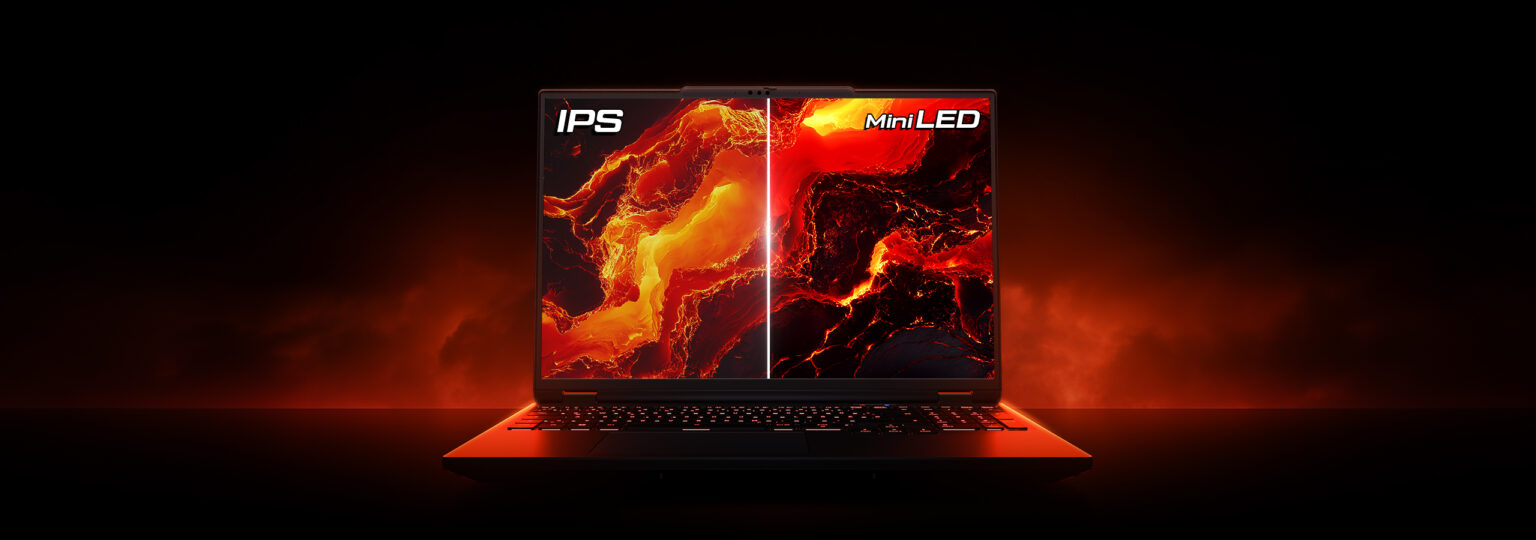
- memory AMD Ryzen 9 9955HX
- developer_board NVIDIA GeForce RTX 5070 Ti Laptop GPU
- layers 64GB DDR5-5600MHz (Dual-Channel)
- track_changes Target GPU: NVIDIA GTX 1050 Ti / AMD Radeon RX 470
- memory Intel Core i7-12700H
- developer_board NVIDIA GeForce RTX 3070
- layers 32GB DDR4-3200MHz
- track_changes Target GPU: NVIDIA RTX 2060 / AMD Radeon RX 6600 XT
- memory Intel Core i9-13900H
- developer_board NVIDIA GeForce RTX 4060
- layers 16GB DDR5-5200MHz
- track_changes Target GPU: NVIDIA RTX 2060 / AMD Radeon RX 6600 XT
- memory Intel Core i9-14900HX
- developer_board NVIDIA GeForce RTX 4060
- layers 32GB DDR5-5600MHz
- track_changes Target GPU: NVIDIA RTX 2060 / AMD Radeon RX 6600 XT
- memory Intel Core i9-12900H
- developer_board NVIDIA GeForce RTX 3070 Ti
- layers 16GB DDR5-4800MHz
- track_changes Target GPU: NVIDIA RTX 2060 / AMD Radeon RX 6600 XT

- memory AMD Ryzen 7 6800H
- developer_board NVIDIA GeForce RTX 3060
- layers 16GB DDR5-4800MHz
- track_changes Target GPU: NVIDIA RTX 2060 / AMD Radeon RX 6600 XT

- memory AMD Ryzen 9 5900HS
- developer_board NVIDIA GeForce RTX 3080
- layers 16GB DDR4-3200MHz
- track_changes Target GPU: NVIDIA RTX 2060 / AMD Radeon RX 6600 XT

- memory Intel Core i7-13620H
- developer_board NVIDIA GeForce RTX 4070
- layers 16GB DDR5-4800MHz
- track_changes Target GPU: NVIDIA RTX 2060 / AMD Radeon RX 6600 XT

- memory Intel Core i7-14700HX
- developer_board NVIDIA GeForce RTX 4070
- layers 16GB DDR5-5600MHz
- track_changes Target GPU: NVIDIA RTX 2060 / AMD Radeon RX 6600 XT
- memory Intel Core i9-14900HX
- developer_board NVIDIA GeForce RTX 4070
- layers 32GB DDR5-5600MHz
- track_changes Target GPU: NVIDIA RTX 2060 / AMD Radeon RX 6600 XT
- memory Intel Core i9-12900H
- developer_board NVIDIA GeForce RTX 3070 Ti
- layers 16GB DDR5-4800MHz
- track_changes Target GPU: NVIDIA RTX 3070 / AMD Radeon RX 6800
- memory AMD Ryzen 7 7435HS
- developer_board NVIDIA GeForce RTX 3050
- layers 32GB DDR5-4800MHz
- track_changes Target GPU: NVIDIA RTX 3070 / AMD Radeon RX 6800
- memory Intel Core i9-14900HX
- developer_board NVIDIA GeForce RTX 4070
- layers 32GB DDR5-5600MHz
- track_changes Target GPU: NVIDIA RTX 3070 / AMD Radeon RX 6800

- memory Intel Core i9-14900HX
- developer_board NVIDIA GeForce RTX 4070
- layers 16GB DDR5-5600MHz
- track_changes Target GPU: NVIDIA RTX 3070 / AMD Radeon RX 6800

- memory Intel Core Ultra 7 255H
- developer_board NVIDIA GeForce RTX 5060 Laptop GPU
- layers 16GB DDR5-5600MHz (Dual-Channel)
- track_changes Target GPU: NVIDIA RTX 3070 / AMD Radeon RX 6800
- memory AMD Ryzen 9 8940HX Processor
- developer_board NVIDIA GeForce RTX 5060 Laptop GPU
- layers 32GB DDR5-5200MHz
- track_changes Target GPU: NVIDIA RTX 3070 / AMD Radeon RX 6800

- memory Intel Core i9-12950HX
- developer_board NVIDIA GeForce RTX 3080 Ti
- layers 32GB DDR5-4800MHz
- track_changes Target GPU: NVIDIA RTX 3070 / AMD Radeon RX 6800
- memory AMD Ryzen 7 7445HS
- developer_board NVIDIA GeForce RTX 4050
- layers 16GB (2x8GB) DDR5 5600MHz SO-DIMM
- track_changes Target GPU: NVIDIA RTX 3070 / AMD Radeon RX 6800
- memory AMD Ryzen 7 7445HS
- developer_board NVIDIA GeForce RTX 4050
- layers 16GB DDR5 5600MHz SO-DIMM
- track_changes Target GPU: NVIDIA RTX 3070 / AMD Radeon RX 6800
- memory Intel Core i9-14900HX
- developer_board NVIDIA GeForce RTX 4080 Laptop GPU
- layers 64 GB DDR5-5600MHz
- track_changes Target GPU: NVIDIA RTX 3070 / AMD Radeon RX 6800
- memory Intel Core i9-14900HX
- developer_board NVIDIA GeForce RTX 4090
- layers 32GB DDR5-5600MHz
- track_changes Target GPU: NVIDIA RTX 4070 Ti / AMD Radeon RX 7900 XTX
- memory Intel Core Ultra 9 285H (Series 2) , 14 cores (6 Performance cores + 8 Efficient cores), 20 threads
- developer_board NVIDIA GeForce RTX 5050 Laptop GPU
- layers 32GB (2x16GB) DDR5 8400MHz SO-DIMM
- track_changes Target GPU: NVIDIA RTX 4070 Ti / AMD Radeon RX 7900 XTX
- memory Intel Core Ultra 9 285H
- developer_board NVIDIA GeForce RTX 5070
- layers 32GB (2x16GB) DDR5 4800MHz SO-DIMM
- track_changes Target GPU: NVIDIA RTX 4070 Ti / AMD Radeon RX 7900 XTX

- memory Intel Core i9-14900HX Processor
- developer_board NVIDIA GeForce RTX 5070 Ti Laptop GPU
- layers 64GB DDR5-5600MHz (commonly listed as 4800MHz by some retailers, but 5600MHz is common for 14th Gen HX with DDR5)
- track_changes Target GPU: NVIDIA RTX 4070 Ti / AMD Radeon RX 7900 XTX

- memory Intel Core Ultra 9 Processor 275HX
- developer_board NVIDIA GeForce RTX 5070 Ti Laptop GPU
- layers 64GB DDR5-6400MHz
- track_changes Target GPU: NVIDIA RTX 4070 Ti / AMD Radeon RX 7900 XTX

- memory Intel Core Ultra 9 Processor 275HX (Series 2)
- developer_board NVIDIA GeForce RTX 5070 Ti Laptop GPU
- layers 32GB DDR5-5600MHz
- track_changes Target GPU: NVIDIA RTX 4070 Ti / AMD Radeon RX 7900 XTX

- memory Intel Ultra 7 255HX
- developer_board NVIDIA GeForce RTX 5070 Ti
- layers 32GB DDR5 5600MHz
- track_changes Target GPU: NVIDIA RTX 4070 Ti / AMD Radeon RX 7900 XTX
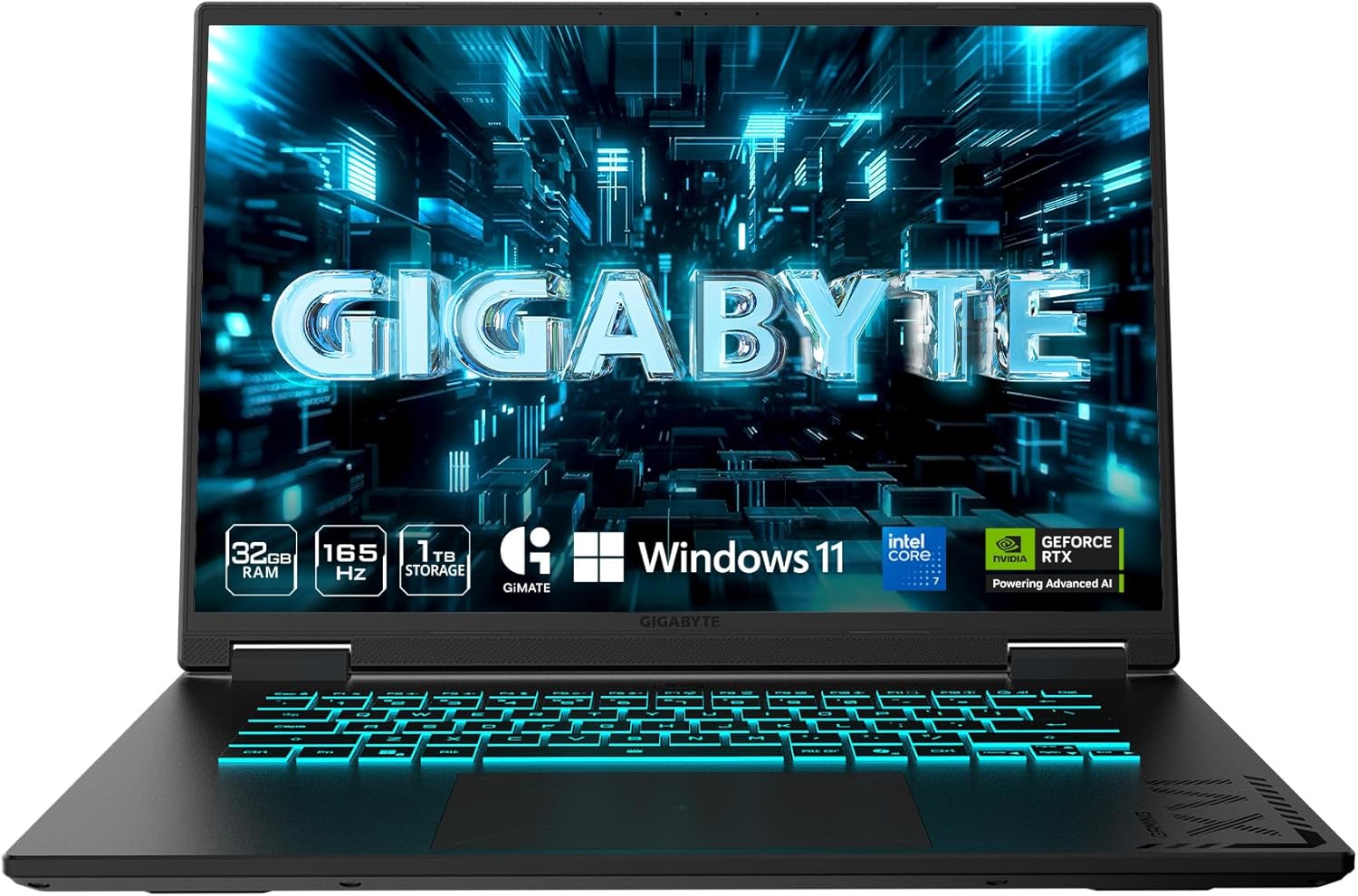
- memory Intel Core Ultra 7 240H
- developer_board NVIDIA GeForce RTX 5070 Ti Laptop GPU
- layers 32GB LPDDR5X 5600MHz
- track_changes Target GPU: NVIDIA RTX 4070 Ti / AMD Radeon RX 7900 XTX

- memory Intel Core Ultra 9 275HX
- developer_board GeForce RTX 5070 Laptop Laptop GPU
- layers 64GB DDR5-6400MHz (Single-Channel)
- track_changes Target GPU: NVIDIA RTX 4070 Ti / AMD Radeon RX 7900 XTX

- memory Intel Core Ultra 9 275HX
- developer_board NVIDIA GeForce RTX 5070 Ti
- layers 32GB
- track_changes Target GPU: NVIDIA RTX 4070 Ti / AMD Radeon RX 7900 XTX
For REMNANT II Specifically
- memory AMD Ryzen 7 7435HS
- developer_board NVIDIA GeForce RTX 3050
- layers 32GB DDR5-4800MHz
- track_changes Target GPU: NVIDIA GeForce GTX 1650 (4GB) or AMD Radeon RX 590 (8GB)
- memory AMD Ryzen 9 8940HX Processor
- developer_board NVIDIA GeForce RTX 5060 Laptop GPU
- layers 32GB DDR5-5200MHz
- track_changes Target GPU: NVIDIA GeForce GTX 1650 (4GB) or AMD Radeon RX 590 (8GB)
- memory AMD Ryzen 7 7445HS
- developer_board NVIDIA GeForce RTX 4050
- layers 16GB (2x8GB) DDR5 5600MHz SO-DIMM
- track_changes Target GPU: NVIDIA GeForce GTX 1650 (4GB) or AMD Radeon RX 590 (8GB)
- memory AMD Ryzen 7 7445HS
- developer_board NVIDIA GeForce RTX 4050
- layers 16GB DDR5 5600MHz SO-DIMM
- track_changes Target GPU: NVIDIA GeForce GTX 1650 (4GB) or AMD Radeon RX 590 (8GB)

- memory Intel Core Ultra 9 285H (Arrow Lake-H)
- developer_board NVIDIA GeForce RTX 5070 Laptop GPU
- layers 64GB LPDDR5x-8533MT/s (LPCAMM2)
- track_changes Target GPU: NVIDIA GeForce GTX 1650 (4GB) or AMD Radeon RX 590 (8GB)
- memory AMD Ryzen 9 7845HX
- developer_board NVIDIA GeForce RTX 4080
- layers Up to 64GB DDR5
- track_changes Target GPU: NVIDIA GeForce GTX 1650 (4GB) or AMD Radeon RX 590 (8GB)
- memory Intel Core Ultra 9 285H (Series 2) , 14 cores (6 Performance cores + 8 Efficient cores), 20 threads
- developer_board NVIDIA GeForce RTX 5050 Laptop GPU
- layers 32GB (2x16GB) DDR5 8400MHz SO-DIMM
- track_changes Target GPU: NVIDIA GeForce GTX 1650 (4GB) or AMD Radeon RX 590 (8GB)
- memory Intel Core Ultra 9 285H
- developer_board NVIDIA GeForce RTX 5070
- layers 32GB (2x16GB) DDR5 4800MHz SO-DIMM
- track_changes Target GPU: NVIDIA GeForce GTX 1650 (4GB) or AMD Radeon RX 590 (8GB)
- memory Intel Core Ultra 9 275HX
- developer_board GeForce RTX 5070 Laptop Laptop GPU
- layers 64GB DDR5-6400MHz (Single-Channel)
- track_changes Target GPU: NVIDIA GeForce GTX 1650 (4GB) or AMD Radeon RX 590 (8GB)
- memory Intel Core Ultra 9 275HX
- developer_board NVIDIA GeForce RTX 5070 Ti
- layers 32GB
- track_changes Target GPU: NVIDIA GeForce GTX 1650 (4GB) or AMD Radeon RX 590 (8GB)
- memory Intel Core i7-12700H
- developer_board NVIDIA GeForce RTX 3070
- layers 32GB DDR4-3200MHz
- track_changes Target GPU: NVIDIA GeForce RTX 2060 (6GB) or AMD Radeon RX 5700 (8GB)
- memory Intel Core i9-13900H
- developer_board NVIDIA GeForce RTX 4060
- layers 16GB DDR5-5200MHz
- track_changes Target GPU: NVIDIA GeForce RTX 2060 (6GB) or AMD Radeon RX 5700 (8GB)
- memory Intel Core i9-14900HX
- developer_board NVIDIA GeForce RTX 4060
- layers 32GB DDR5-5600MHz
- track_changes Target GPU: NVIDIA GeForce RTX 2060 (6GB) or AMD Radeon RX 5700 (8GB)
- memory Intel Core i9-12900H
- developer_board NVIDIA GeForce RTX 3070 Ti
- layers 16GB DDR5-4800MHz
- track_changes Target GPU: NVIDIA GeForce RTX 2060 (6GB) or AMD Radeon RX 5700 (8GB)
- memory AMD Ryzen 7 6800H
- developer_board NVIDIA GeForce RTX 3060
- layers 16GB DDR5-4800MHz
- track_changes Target GPU: NVIDIA GeForce RTX 2060 (6GB) or AMD Radeon RX 5700 (8GB)
- memory AMD Ryzen 9 5900HS
- developer_board NVIDIA GeForce RTX 3080
- layers 16GB DDR4-3200MHz
- track_changes Target GPU: NVIDIA GeForce RTX 2060 (6GB) or AMD Radeon RX 5700 (8GB)
- memory Intel Core i7-13620H
- developer_board NVIDIA GeForce RTX 4070
- layers 16GB DDR5-4800MHz
- track_changes Target GPU: NVIDIA GeForce RTX 2060 (6GB) or AMD Radeon RX 5700 (8GB)
- memory Intel Core i7-14700HX
- developer_board NVIDIA GeForce RTX 4070
- layers 16GB DDR5-5600MHz
- track_changes Target GPU: NVIDIA GeForce RTX 2060 (6GB) or AMD Radeon RX 5700 (8GB)
- memory Intel Core i9-14900HX
- developer_board NVIDIA GeForce RTX 4070
- layers 32GB DDR5-5600MHz
- track_changes Target GPU: NVIDIA GeForce RTX 2060 (6GB) or AMD Radeon RX 5700 (8GB)
- memory Intel Core i9-14900HX
- developer_board NVIDIA GeForce RTX 4080 Laptop GPU
- layers 64 GB DDR5-5600MHz
- track_changes Target GPU: NVIDIA GeForce RTX 3080 (10GB/12GB) / RTX 4070 Ti (12GB) / RTX 4080 (16GB) or AMD Radeon RX 6800 XT (16GB) / RX 7900 XT (20GB) / RX 7900 XTX (24GB)
- memory Intel Core Ultra 9 Processor 275HX (Series 2)
- developer_board NVIDIA GeForce RTX 5070 Laptop GPU
- layers 32GB DDR5-5600MHz
- track_changes Target GPU: NVIDIA GeForce RTX 3080 (10GB/12GB) / RTX 4070 Ti (12GB) / RTX 4080 (16GB) or AMD Radeon RX 6800 XT (16GB) / RX 7900 XT (20GB) / RX 7900 XTX (24GB)
- memory Intel Core i9-14900HX Processor
- developer_board NVIDIA GeForce RTX 5070 Laptop GPU
- layers 32GB DDR5-5600MHz
- track_changes Target GPU: NVIDIA GeForce RTX 3080 (10GB/12GB) / RTX 4070 Ti (12GB) / RTX 4080 (16GB) or AMD Radeon RX 6800 XT (16GB) / RX 7900 XT (20GB) / RX 7900 XTX (24GB)

- memory Intel Core i9-14900HX Processor
- developer_board NVIDIA GeForce RTX 5070 Laptop GPU
- layers 32GB DDR5-5600MHz
- track_changes Target GPU: NVIDIA GeForce RTX 3080 (10GB/12GB) / RTX 4070 Ti (12GB) / RTX 4080 (16GB) or AMD Radeon RX 6800 XT (16GB) / RX 7900 XT (20GB) / RX 7900 XTX (24GB)
- memory Intel Core Ultra 9 285H (Arrow Lake-H)
- developer_board NVIDIA GeForce RTX 5070 Laptop GPU
- layers 64GB LPDDR5x-8533MT/s (LPCAMM2)
- track_changes Target GPU: NVIDIA GeForce RTX 3080 (10GB/12GB) / RTX 4070 Ti (12GB) / RTX 4080 (16GB) or AMD Radeon RX 6800 XT (16GB) / RX 7900 XT (20GB) / RX 7900 XTX (24GB)

- memory Intel Core i9-14900HX
- developer_board NVIDIA GeForce RTX 4080
- layers 64GB DDR5-5600MHz
- track_changes Target GPU: NVIDIA GeForce RTX 3080 (10GB/12GB) / RTX 4070 Ti (12GB) / RTX 4080 (16GB) or AMD Radeon RX 6800 XT (16GB) / RX 7900 XT (20GB) / RX 7900 XTX (24GB)

- memory Intel Core i9-14900HX
- developer_board NVIDIA GeForce RTX 4080
- layers 32GB DDR5-5600MHz
- track_changes Target GPU: NVIDIA GeForce RTX 3080 (10GB/12GB) / RTX 4070 Ti (12GB) / RTX 4080 (16GB) or AMD Radeon RX 6800 XT (16GB) / RX 7900 XT (20GB) / RX 7900 XTX (24GB)

- memory Intel Core i9-14900HX
- developer_board NVIDIA GeForce RTX 4080
- layers 32GB DDR5-5600MHz
- track_changes Target GPU: NVIDIA GeForce RTX 3080 (10GB/12GB) / RTX 4070 Ti (12GB) / RTX 4080 (16GB) or AMD Radeon RX 6800 XT (16GB) / RX 7900 XT (20GB) / RX 7900 XTX (24GB)

- memory Intel Core i9-14900HX
- developer_board NVIDIA GeForce RTX 4080
- layers 32GB DDR5-5600MHz
- track_changes Target GPU: NVIDIA GeForce RTX 3080 (10GB/12GB) / RTX 4070 Ti (12GB) / RTX 4080 (16GB) or AMD Radeon RX 6800 XT (16GB) / RX 7900 XT (20GB) / RX 7900 XTX (24GB)
- memory AMD Ryzen 9 7845HX
- developer_board NVIDIA GeForce RTX 4080
- layers Up to 64GB DDR5
- track_changes Target GPU: NVIDIA GeForce RTX 3080 (10GB/12GB) / RTX 4070 Ti (12GB) / RTX 4080 (16GB) or AMD Radeon RX 6800 XT (16GB) / RX 7900 XT (20GB) / RX 7900 XTX (24GB)
info_outline Laptop recommendations are estimates based on available component benchmarks and game requirements. Actual performance may vary depending on settings, drivers, cooling, power limits, etc. Prices and availability subject to change. As an Amazon Associate, we earn from qualifying purchases.