Select Games to Compare

search close
search close

Select up to 2 games to compare side-by-side.

💻
Mobile Hardware & Thermal Intelligence (2026)
Gaming on a Laptop? Check Real-World Compatibility

Benchmark your exact mobile GPU wattage (TGP), battery throttling drops, and cooling pad requirements for these games.

Test Laptop Specs → ⚖️ Compare Laptops

Helldivers 2 vs Hitman 3

close close
info General Information
Release Date
Feb 8, 2024 Jan 20, 2021
Developer
Arrowhead Game Studios IO Interactive
Publisher
Sony Interactive Entertainment IO Interactive
Genre(s)
Cooperative Extraction Shooter / Third-Person Shooter Stealth, Action-Adventure, Third-Person Shooter, Sandbox, Puzzle
Engine
Proprietary Engine Glacier Engine
stars Ratings & Price
Content Rating
Mature 17+ Mature 17+
Avg. User Rating
4.5 / 5.0 4.7 / 5.0
Current Price (USD)
$39.99 $59.99
tune Key Specs
Quick Highlights
  • Anti-Cheat: nProtect GameGuard (Kernel-level rootkit)
  • Monetization: Permanent Warbonds via Super Credits
  • Network Architecture: Peer-to-Peer (P2P) with Cloud Meta-server
  • Requirement: Always-Online Mandatory; PSN Account Linking for PC
  • Perspective: Third-Person (with first-person aiming option)
  • Multiplayer: None (Primary Game). Ghost Mode was a 1v1 competitive mode in Hitman 2, not carried over directly. Sniper Assassin had co-op. Freelancer is single-player.
  • Setting: Various Global Locations (Dubai, Dartmoor, Berlin, Chongqing, Mendoza, Carpathian Mountains + Hitman 1 & 2 locations)
  • Platforms: PC (Windows), PlayStation 4, PlayStation 5, Xbox One, Xbox Series X|S, Nintendo Switch (Cloud Version), Google Stadia (discontinued)
  • Unique Feature: World of Assassination Platform (integrates H1/H2), Deep Sandbox Levels, Mission Stories & Creative Kills, Disguise System, Location Mastery & Unlocks, Freelancer Roguelike Mode.
sports_esports Gameplay & Mechanics
Companions/Followers
  • Pelican-2: Provides devastating autocannon air support during extraction loiter times.
    Vehicle/AI Support
  • Diana Burnwood (Via Comms / Narrative): Agent 47's primary handler. She provides mission briefings, intelligence on targets and locations, real-time updates during missions, and exfiltration guidance via radio communication. She is a crucial narrative and gameplay support figure but does not physically accompany 47 on missions.
    Human
  • Lucas Grey (Temporary AI / Narrative): During certain story missions in Hitman 2 and the beginning of Hitman 3, Lucas Grey fights alongside Agent 47 as an AI-controlled companion or coordinates actions with him. His presence is scripted for specific narrative sequences.
    Human (Fellow Clone)
  • Olivia Hall (Via Comms / Narrative): A skilled hacker allied with Lucas Grey and later 47. She provides technical support, hacking assistance, and intelligence via radio communication during certain missions.
    Human
  • No Persistent Gameplay Companions: Agent 47 is a lone operative by nature. The core gameplay loop focuses on his individual skills in stealth, disguise, and assassination. He does not have persistent AI companions that follow him or can be commanded during missions.
Key Collectibles
  • Super Credits: Found in crashed pods, bunkers, and shipping containers across procedural maps.
  • Medals: Awarded upon successful mission extraction and completing Galactic War orders.
  • Samples (Common, Rare, Super): Scattered around enemy outposts and tactical objectives; must be physically extracted.
  • Location Mastery Unlocks (Starting Locations, Agency Pickups, Gear, Suits): Earned by gaining XP and leveling up Mastery for each specific mission location (up to Level 20). Unlocks new starting points within the level, allows smuggling items via Agency Pickups, and grants new weapons, gadgets, and cosmetic suits for use in any mission.
  • Challenges (Assassination, Discovery, Feats, Targets): A vast list of specific tasks and objectives to complete within each mission, categorized by type. Completing challenges grants XP towards Location Mastery and sometimes unlocks specific items or achievements/trophies. Examples include eliminating a target in a specific way, finding all disguises, or completing a mission with a Silent Assassin rating.
  • Intel & Mission Stories: Clues, documents, overheard conversations, or environmental interactions that reveal 'Mission Stories' – guided opportunities for often elaborate, unique, and sometimes humorous ways to assassinate targets. Following these stories can lead to unique kills and easier access.
  • Disguises: Found by incapacitating NPCs. While not 'collected' in a persistent inventory (except for starting suit selection), discovering and utilizing all available disguises in a level is often a tracked challenge and key to unlocking all areas and opportunities.
  • Items & Weapons (Found in Level / Unlocked): Numerous melee weapons, firearms, tools, and environmental objects can be found and used within each mission. Unlocking weapons and gear through Mastery allows them to be selected for loadouts or smuggled in.
  • Shortcuts & Keys: Persistent shortcuts (e.g., permanently unlocked doors, ladders) can be opened within levels, making subsequent playthroughs or different approaches easier. Keys or keycards grant access to restricted areas.
  • Freelancer Mode - Merces & Gear Collection: In Freelancer mode, players earn Merces (currency) to purchase weapons, gear, and tools from suppliers for their campaigns. Successfully completing campaigns allows them to add collected high-tier weapons to their permanent Safehouse collection. Failure can result in losing non-Safehouse gear.
Key Themes
  • Cooperative
  • Sci-Fi
  • Extraction Shooter
  • Mechanized Warfare
  • Galactic War
  • Satire
  • Assassination & Espionage
  • Global Conspiracy
  • Shadow Organizations (Providence
  • ICA)
  • Moral Ambiguity
  • Identity & Purpose (Agent 47)
  • Precision & Professionalism
  • Disguise & Deception
  • Environmental Storytelling
  • Player Freedom & Creativity
colorize Combat & Gear
Weapons Overview
  • AR-23 Liberator: Assault Rifle
    Standard issue light penetration rifle dealing 55 Normal Damage and 15 Durable Damage.
  • AR-23P Liberator Penetrator: Assault Rifle
    Medium armor penetration variant sacrificing raw normal damage for increased viability against armored targets.
  • SG-8S Slugger: Shotgun
    A high-damage shotgun utilizing a rounds-reload system, providing 280 Normal Damage.
  • SG-225IE Breaker Incendiary: Shotgun
    Applies an armor-ignoring Damage Over Time (DoT) fire effect, dominating light Terminid swarms.
  • SG-8P Punisher Plasma: Shotgun
    An explosive AOE weapon featuring a massive 110 Durable Damage profile.
  • Pistols (Silenced & Unsilenced - e.g., ICA19, Krugermeier, HWK21): Handgun (Ballistic)
    Agent 47's signature sidearms. Essential for stealthy takedowns (silenced variants) or as a backup combat weapon. Various models with different stats (accuracy, damage, suppression level, magazine size).
  • Submachine Guns (e.g., TAC-SMG, HX-10): Automatic Firearm (Close Quarters)
    Rapid-firing weapons effective at close range if stealth is broken. Can be found in levels or unlocked via mastery. Often available in silenced versions.
  • Assault Rifles (e.g., Fusil G2, Shashka A33): Automatic/Semi-Auto Firearm (Mid Range)
    Powerful automatic rifles, generally less suited for stealth but highly effective in open combat. Found on guards or in specific locations.
  • Shotguns (e.g., Bartoli 12G, Enram HV): Firearm (Close Quarters, High Damage)
    Devastating at close range, ideal for loud encounters or eliminating heavily armored targets quickly.
  • Sniper Rifles (e.g., Sieger 300 Ghost, Jaeger 7 Lancer, Druzhina 34 Arctic): Long Range Firearm (Precision Assassination)
    Used for eliminating targets from extreme distances. Many variants offer different levels of suppression, zoom, and special properties (e.g., subsonic, armor-piercing). Often require assembly from parts smuggled in a briefcase.
  • Fiber Wire: Melee (Silent Garrote)
    Agent 47's classic tool for silent, non-messy strangulation kills from behind. A starting item.
  • Lethal Melee Weapons (Knives, Cleavers, Axes, Screwdrivers, etc.): Close Quarters (Lethal)
    Various sharp or blunt objects found in the environment or unlocked that can be used for lethal melee attacks or thrown for a lethal impact.
  • Non-Lethal Melee Weapons (Hammers, Wrenches, Crowbars, Fish, Briefcase, etc.): Close Quarters (Non-Lethal Takedown)
    Numerous everyday objects that can be used to knock out NPCs silently from behind or in melee combat. Essential for non-lethal playthroughs and acquiring disguises.
  • Poisons (Lethal Vial/Syringe, Emetic Vial/Syringe, Sedative Vial/Syringe): Consumable (Covert Elimination/Incapacitation)
    Can be used to contaminate food or drink, or directly injected. Lethal poison kills targets discreetly. Emetic poison makes them sick and seek a bathroom. Sedative poison knocks them out.
  • Explosives (Remote/Proximity Mines, Breaching Charges, Explosive Devices - e.g., Rubber Duck, Golf Ball): Tactical/Area Denial/Distraction
    Various explosive devices for creating diversions, eliminating targets through 'accidents,' or breaching locked doors. Some are designed to be inconspicuous.
  • Distraction Items (Coins, Various Throwable Objects): Utility (Stealth)
    Coins are a staple for luring NPCs or making them investigate a sound. Many other small objects can be thrown for similar purposes.
  • Special Tools (Lockpick, Keycard Scrambler, Remote EMP Charge, Sieker 1 Emetic Dart Gun): Utility (Infiltration/Sabotage)
    Unlockable tools that aid in infiltration. Lockpicks open simple doors. Scramblers bypass electronic locks. EMP charges disable security devices. The Sieker 1 silently delivers emetic poison from a distance.
Armor / Gear Sets
  • Extra Padding: Increases base armor rating by +50 without incurring standard mobility penalties.
  • Scout: Enemy detection range reduced by 30%; Minimap markers passively ping every 2 seconds.
  • Med-Kit: Increases maximum Stim capacity by +2 and extends healing invulnerability duration by +2.0 seconds.
  • Democracy Protects: Prevents chest bleeding damage and grants a 50% chance to survive lethal damage with 1 HP.
  • No Equipable Armor System (Damage Mitigation): Agent 47 does not equip traditional armor pieces for direct damage reduction that can be swapped or upgraded. His survivability in combat relies on player skill in using cover, stealth, takedowns, and managing his health (which regenerates to a certain point, with full restoration often requiring finding specific items or being out of combat for a period). Some starting suits in Freelancer mode might offer a slight initial health advantage, but this is not a core armor system.
  • Disguises (Stealth 'Armor'): The primary form of 'protection' in Hitman is the disguise system. Wearing an appropriate disguise allows Agent 47 to blend in with different groups of NPCs and access restricted areas without arousing immediate suspicion. Different disguises grant varying levels of access and may be scrutinized by specific 'Enforcer' NPCs. This system is about social stealth rather than direct damage mitigation.
  • Cosmetic Suits: Players can unlock a vast array of cosmetic suits for Agent 47 to wear at the start of missions or change into. These are purely visual and do not provide any gameplay advantages or defensive stats. They are unlocked through Mastery, Challenges, Elusive Targets, or DLC.
Outfits/Customization
  • Electrical Conduit Armor: Grants 95% resistance to arc damage and reduces EMP stun buildup.
  • Peak Physique Armor: Provides a 100% increase to melee damage and heavily reduces weapon drag/sway.
  • Agent 47's Signature Suit (Black Suit, White Shirt, Red Tie): Agent 47's iconic default attire. While this is his primary look, players can unlock and choose to start missions in a vast array of other cosmetic suits.
  • Unlockable Suits (Themed, Location-Specific, Challenge Rewards): A wide variety of cosmetic suits can be unlocked by completing challenges, achieving high Mastery Levels in locations, successfully eliminating Elusive Targets, or through DLC/Deluxe Editions. Examples include tactical gear, formal wear, casual outfits, humorous costumes, and suits inspired by previous Hitman games. These are purely visual.
  • Disguises (In-Mission): A core gameplay mechanic. Agent 47 can incapacitate NPCs and take their outfits to use as disguises. Each disguise grants access to different areas of a level and changes how other NPCs react to 47. There are hundreds of unique disguises across all locations, from guard uniforms and waiter outfits to more outlandish costumes like a flamingo mascot or a scarecrow.
  • Gloves (Often part of Suit Unlocks): Many unlockable suits come with specific glove designs, contributing to the overall aesthetic.
  • Freelancer Mode Safehouse Customization: In Freelancer mode, players can spend Merces (in-game currency) to customize various areas of Agent 47's safehouse, including the kitchen, garage, living areas, and exterior, with different furniture, decorations, and themes. This doesn't directly affect 47's wearable clothing but adds a layer of personalization.
trending_up Progression & Upgrades
Skills & Progression

Progression in Helldivers 2 entirely bypasses traditional character skill trees in favor of a complex horizontal progression system driven by Warbonds and Ship Modules. Players enhance their combat effectiveness by unlocking new primary weapons, secondary sidearms, and deployable stratagems. A critical component of player upgrades is the Ship Module system, which permanently enhances the capabilities of the orbiting Super Destroyer. By extracting Common, Rare, and Super Samples from the battlefield, players can purchase modules like the Targeting Software Upgrade to reduce orbital deployment times, or Synthetic Supplementation to reduce sentry cooldowns by 10%. Additionally, armor selection acts as a surrogate skill system. Each armor piece provides distinct passive traits such as 'Democracy Protects' (a 50% chance to survive lethal damage) or 'Electrical Conduit' (granting 95% resistance to arc damage). Understanding the intricate Durable Damage paradigm and properly equipping armor traits that synergize with specific environments or enemy factions are the true measures of a player's strategic skill.

N/A
public World & Exploration
World & Level Design

Helldivers 2 abandons static maps in favor of expansive, procedurally generated combat zones set across diverse planetary biomes. Each mission drops players into vast operational areas that span several square kilometers, offering a highly dynamic topographical experience. These regions are populated with randomized enemy outposts, tactical objectives, and points of interest that encourage thorough exploration. The terrain itself is highly malleable; real-time terrain deformation allows orbital bombardments and explosives to blast permanent craters into the environment, fundamentally altering the battlefield layout. Planetary conditions heavily dictate map traversability. For example, some regions feature dense jungle foliage that blocks line-of-sight and physically impedes movement speed, while others consist of frozen tundras that affect weapon heat management. The sheer size of these procedural maps requires strategic navigation, as players must manage their stamina, utilize the topography for physical cover, and meticulously plan their extraction routes while avoiding massive roaming patrols of Terminids or Automatons.

N/A
Playable Vehicles
  • Exo-45 Patriot: Exosuit
    Equipped with a high-cyclic minigun and a 14-tube rocket pod; serves as a premier Terminid eradication platform.
  • Exo-59 Emancipator: Exosuit
    Armed with dual rapid-fire autocannons geared toward sustained, medium-armor penetration against Automatons.
  • Exo-51 Lumberer: Exosuit
    Features a heavy anti-tank cannon and a heavy flamethrower for localized breach-clearance.
  • Breakthrough Exosuit: Exosuit
    Equipped with a massive physical ballistic shield and flak cannon to absorb directed rocket fire.
  • No Player-Controlled Vehicles (General Traversal)
    Agent 47 primarily traverses mission locations on foot, utilizing stealth, disguises, and environmental navigation (climbing pipes, ledges, using ladders). There are no player-drivable cars, motorcycles, boats, or aircraft for general exploration within the sandbox levels.
  • Contextual Vehicles (Used for Exits, Scripted Events, or as Environmental Elements): Various (Cars, Boats, Helicopters, Trains, etc.)
    Vehicles are present in many levels as environmental details, potential 'accident' kill opportunities (e.g., sabotaging a car), or as specific means of exfiltration once mission objectives are complete (e.g., escaping in a speedboat, helicopter, or car). Some mission stories might involve interacting with or briefly being inside a vehicle during a scripted sequence, but free-roam driving is not a feature.
  • Fast Travel (Via Starting Locations / Unlocked Shortcuts - Within Mission Replays): Mission Start / Level Navigation Mechanic
    When replaying missions, players can choose different unlocked starting locations (often requiring specific disguises) to begin closer to certain objectives. Within levels, discovering and unlocking persistent shortcuts (like doors from the other side or kickable ladders) allows for faster navigation on subsequent attempts or during different approaches.
Notable Fauna/Mounts
  • Bile Titan: Terminid
    Super-heavy armored organic threat requiring anti-tank ordinance or orbital strikes to neutralize.
  • Charger: Terminid
    Heavily armored bruiser that acts as a physical battering ram, vulnerable in its fleshy, durable abdomen.
  • Bile Spewer: Terminid
    Medium-tier organic artillery unit possessing a massive, 100% durable acid sac vulnerable to explosive weaponry.
N/A
book Story & Characters
Main Characters
  • The Helldiver: Player Character
    Elite, heavily indoctrinated shock troops deployed via hellpods to execute orbital dominance.
  • Automaton Hulk: Elite Enemy
    Massive mechanized enemy requiring heavy armor penetration to destroy its frontal chassis or vulnerable rear heat vents.
  • The Illuminate: Upcoming Enemy
    Advanced intelligent faction utilizing energy shields and teleportation technology.
  • Agent 47: Protagonist / ICA Assassin (Later Independent)
    The genetically engineered, master assassin. Known for his professionalism, precision, and ability to blend in using disguises. In this trilogy, he confronts his past and the organization that created him, Providence, while questioning his own purpose.
  • Diana Burnwood: Ally / Handler (ICA, later Independent)
    Agent 47's long-time handler at the International Contract Agency (ICA). Provides mission briefings, intelligence, and moral guidance. Her relationship with 47 is central to the narrative, especially as they work against Providence.
  • Lucas Grey (The Shadow Client / Subject 6): Ally / Former Antagonist / Fellow Clone
    A childhood friend and fellow genetically engineered operative from Dr. Ort-Meyer's facility. Initially an antagonist in Hitman (2016) seeking to destroy Providence, he becomes 47's key ally and friend in Hitman 2 and 3.
  • Arthur Edwards (The Constant): Main Antagonist / Leader of Providence
    The enigmatic and highly intelligent leader of Providence, the secretive organization that secretly controls global affairs. He is the primary antagonist of the World of Assassination trilogy, manipulating events from the shadows.
  • The Partners (Carl Ingram, Marcus Stuyvesant, Alexa Carlisle - Hitman 3 Targets): Antagonists / Leaders of Providence
    The three current leaders (Partners) of Providence, who become primary targets for 47 and Grey in Hitman 3 as they dismantle the organization.
  • Olivia Hall: Ally / Hacker (Associate of Lucas Grey)
    A skilled hacker who works closely with Lucas Grey and later assists 47 and Diana in their fight against Providence.
  • Various Targets (Across all three games): Assassination Objectives
    A vast array of individuals targeted by 47 throughout the World of Assassination trilogy, each with their own backstories, routines, and connections to the larger conspiracy or criminal enterprises.
  • Freelancer Mode NPCs (Syndicate Leaders, Assassins, Lookouts, Suppliers): Procedurally Generated Targets & Support NPCs
    In Freelancer mode, targets and some support NPCs are procedurally generated with unique traits and appearances, creating diverse assassination challenges.
Example Missions
  • ICBM Launch: Strategic Operation
    Secure launch codes, activate power generators, and defend the silo to execute a nuclear strike.
  • Eradicate / Defense: Defense
    Survive a concentrated onslaught of enemies within a small, fortified perimeter for 12-15 minutes.
  • Blitz: Search and Destroy: Time-Critical Assault
    Rapidly locate and destroy a set number of Bug Holes or Fabricators within a strict 12-minute time limit.
  • Campaign Missions (Dubai, Dartmoor, Berlin, Chongqing, Mendoza, Carpathian Mountains - Hitman 3 Base Game)
    A series of story-driven assassination contracts set in diverse global locations. Each mission presents Agent 47 with one or more primary targets to eliminate, along with optional objectives (e.g., retrieving an item, specific assassination methods). Levels are large sandboxes offering multiple approaches and high replayability.
  • Hitman 1 & Hitman 2 Campaign Missions (Via World of Assassination Access Passes)
    If the player owns or purchases access to Hitman (2016) and Hitman 2 (2018) content, all their respective campaign missions (e.g., Paris, Sapienza, Marrakesh, Bangkok, Colorado, Hokkaido from H1; Hawke's Bay, Miami, Santa Fortuna, Mumbai, Whittleton Creek, Isle of Sgàil from H2) become playable within the Hitman 3 (World of Assassination) platform, utilizing its updated engine and mechanics.
  • Escalation Contracts
    Multi-stage contracts with progressively increasing difficulty and often complex or restrictive conditions (e.g., specific disguises, kill methods, time limits, added complications). Each stage builds upon the last. Some are part of Deluxe content or themed DLCs (Seven Deadly Sins).
  • Elusive Targets (Time-Limited)
    Special, time-limited missions where players have only one chance to assassinate a unique target with a specific backstory. If the player fails or the target escapes, the contract is lost permanently for that run (though Elusive Targets often get reactivated in batches later). Successfully completing them unlocks unique suits.
  • Contracts Mode (User-Generated Content)
    Players can create their own assassination contracts within existing mission locations by marking NPCs as targets and setting specific kill conditions or disguise requirements. These contracts can then be shared online for other players to attempt, fostering a community of challenge creators.
  • Sniper Assassin Missions (Haven Island, Hantu Port, Siberia - from Hitman 2)
    Dedicated sniper missions where Agent 47 must eliminate multiple targets and their bodyguards from a fixed sniper perch within a time limit, often by creating chain reactions or 'accident' kills using his sniper rifle. Can be played solo or in online co-op (co-op functionality might vary in WoA).
  • Freelancer Mode Campaigns (Roguelike)
    A single-player roguelike mode where Agent 47 takes on campaigns against various criminal syndicates. Each campaign consists of several missions leading to a showdown with a syndicate leader. Players must manage resources (Merces), acquire gear from suppliers, and risk losing non-Safehouse items upon failure. Features a customizable Safehouse as a persistent hub.
  • Featured Contracts
    Curated selections of community-created contracts highlighted by IO Interactive, often with specific themes or challenging conditions.
people Multiplayer
Multiplayer Details

Helldivers 2 is fundamentally a dedicated cooperative multiplayer experience, entirely eschewing competitive Player versus Player (PvP) modes in favor of a unified Player versus Environment (PvE) extraction shooter format. The core gameplay loop involves squads of up to four Helldivers deploying onto procedurally generated planetary surfaces to complete a variety of high-stakes objectives. While the game does not feature distinct "modes" in the traditional sense, the mission variety serves the same purpose. Players can engage in massive, 40-minute strategic operations requiring the destruction of enemy infrastructure and the launch of ICBMs, or participate in frantic, 12-minute blitz extractions and localized eradication defense missions. The entire multiplayer ecosystem is tied into the Galactic War metagame, meaning every successful mission completion contributes to a global planetary liberation percentage. While players can set their matchmaking lobbies to "Private" to attempt solo operations, the punishing difficulty scaling, lack of AI teammates, and complex enemy armor mechanics heavily incentivize active four-player cooperative multiplayer.

N/A
extension Editions & DLC
Available Editions

Helldivers 2 eschews the standard array of confusing, fragmented game editions, offering a straightforward entry point that is supplemented by an expansive, permanent DLC economy known as Warbonds. Unlike contemporary live-service titles that rely on FOMO (Fear Of Missing Out) and expiring seasonal battle passes, the Warbonds in Helldivers 2 are permanent procurement catalogs that can be unlocked at any time. The baseline progression path, 'Helldivers Mobilize', is included for all players. Additional content is categorized into Premium (requiring 1,000 Super Credits) and Legendary tiers. These premium Warbonds—such as Steeled Veterans, Democratic Detonation, and Viper Commandos—introduce specialized armaments, unique armor passives, and specific strategic utility. Because Super Credits can be scavenged during regular gameplay, players have the option to unlock these "editions" of content purely through dedicated playtime. This horizontal progression system ensures that new players can access the same mechanical tools and specialized gear as veterans without being locked out of past seasonal content.

Available in Standard Edition and Deluxe Edition. Deluxe Edition included Deluxe Escalation Contracts, Deluxe suits and items, digital soundtrack, digital 'World of Hitman' book, and director commentary. Pre-orders often included the 'Trinity Pack' (suits and briefcases themed after Hitman 1, 2, & 3). Hitman 3 eventually became 'Hitman: World of Assassination,' bundling Hitman 1 GOTY Access Pass and Hitman 2 Standard Access Pass for all owners, effectively making it the definitive platform for the trilogy.

Post-Launch Content / DLC

The post-launch content strategy for Helldivers 2 is aggressively expansive, driven entirely by the continuous rollout of new Warbonds and massive, free systemic updates dictated by the unfolding Galactic War. The game features over a dozen distinct Warbonds, including Premium offerings like Cutting Edge, Polar Patriots, Truth Enforcers, and the Legendary-tier Servants of Freedom. These DLC packages introduce new primary weapons, sidearms, passive armor traits, and boosters. Beyond paid Warbonds, Arrowhead Game Studios continuously injects major narrative and mechanical updates. The "Escalation of Freedom" update introduced gargantuan enemy outposts, new environmental hazards, and unprecedented difficulty tiers. Furthermore, community-driven objectives have unlocked entirely new gameplay mechanics, such as the permanent integration of Exosuit mechanized warfare (Exo-45 Patriot, Exo-59 Emancipator). Ongoing data leaks and in-game environmental anomalies strongly suggest the imminent, free addition of a highly anticipated third enemy faction, the Illuminate, which will drastically alter the strategic landscape of the entire game.

Major post-launch content includes the 'Seven Deadly Sins' collection (seven themed DLC packs with unique Escalation Contracts, suits, and items). The 'Freelancer' mode was a significant free update, adding a roguelike campaign with persistent progression and customizable safehouse. Numerous free Elusive Targets, Escalation Contracts, and Featured Contracts have been added. The game also evolved into 'Hitman: World of Assassination,' integrating content from the previous two games for owners.

help_outline FAQ
Frequently Asked Questions
  • Q: Why does GameGuard Error 114 occur and how can I fix it?
    A: Error 114 blocks the application from executing due to the kernel-level anti-cheat. To fix it, manually delete the GameGuard directory in the game's /bin folder, launch the executable to force a clean re-download, and whitelist the folder in your firewall.
  • Q: What is the 'Durable Damage' mechanic in Helldivers 2?
    A: Durable Damage is a hidden metric dictating how much damage a weapon does to massive, non-vital enemy tissue (like a Bile Spewer's sac). Standard kinetic weapons deal a fraction of their normal damage to highly durable parts, while explosive weapons bypass this resistance.
  • Q: Does Helldivers 2 feature an offline mode for solo players?
    A: No. The game relies on a peer-to-peer network connected to a centralized cloud server tracking the overarching Galactic War. It strictly requires a persistent internet connection, even if you set your matchmaking lobby to 'Private'.
  • Q: How do Exosuits work and what are their limitations?
    A: Exosuits (like the Patriot or Emancipator) provide massive firepower and protection but are limited to two summons per mission with a 10-minute cooldown. Furthermore, they cannot be rearmed in the field, and pilots cannot use stratagems or stims while inside.
  • Q: How are Premium Warbonds unlocked without spending real money?
    A: Warbonds are permanent progression catalogs. Premium tiers cost 1,000 Super Credits, which can be randomly scavenged in small quantities during missions at points of interest, allowing dedicated players to unlock DLC purely through gameplay.
  • Q: What is Hitman: World of Assassination?
    A: Hitman: World of Assassination is the current branding for Hitman 3, which now serves as a platform to access the content from all three games in the trilogy (Hitman (2016), Hitman 2 (2018), and Hitman 3 (2021)) within a single, unified interface, provided the player owns the respective Access Passes or base games.
  • Q: How does the Disguise system work?
    A: Agent 47 can incapacitate NPCs and take their outfits. Wearing a disguise allows him to blend in with that group of NPCs and access areas restricted to that role (e.g., a guard disguise allows access to security rooms). However, certain 'Enforcer' NPCs (marked with a white dot) can see through specific disguises if 47 gets too close or stays in their line of sight.
  • Q: What are Mission Stories?
    A: Mission Stories are guided opportunities within each level that present unique and often elaborate ways to get close to and eliminate targets. They are discovered by finding intel or overhearing conversations and can lead to cinematic or 'accident' kills.
  • Q: What is the 'Silent Assassin' rating?
    A: Silent Assassin is the highest rating achievable on a mission. It requires eliminating only the target(s), no bodies found (unless it was an accident kill or they were hidden), not being caught on camera (or destroying the evidence), and not being spotted committing any illegal actions. Achieving this rating often unlocks specific challenges and rewards.
  • Q: What is Freelancer mode?
    A: Freelancer is a free, single-player roguelike mode added to Hitman: World of Assassination. Players take on campaigns against criminal syndicates, earning Merces (currency) to buy gear and upgrade a customizable safehouse. Failure on a mission can result in losing collected (non-Safehouse) gear for that campaign, adding high stakes.
  • Q: Are there different ways to kill targets?
    A: Yes, a hallmark of the Hitman series is the immense player freedom in how to eliminate targets. This can range from direct confrontation (though often difficult), to stealthy melee or silenced pistol kills, to elaborate 'accident' kills (e.g., dropping a chandelier, poisoning food, sabotaging equipment), using sniper rifles, or exploiting unique environmental opportunities.
build Technical Details
Graphics & Visual Fidelity

Powered by a highly customized proprietary engine, Helldivers 2 delivers an absolutely stunning visual experience that pushes the boundaries of real-time physical simulation and particle effects. The transition to a third-person perspective allows for breathtaking environmental rendering across diverse, procedurally generated terraformed biomes. The game's visual identity is defined by its incredible volumetric lighting, dynamic weather systems, and massive-scale destruction. Orbital bombardments do not merely create visual explosions; they violently deform the terrain, blasting permanent, physically simulated craters into the ground. Armor and weaponry feature incredibly high-fidelity textures, showcasing scratches, mud, and the visceral viscera of defeated enemies accumulating over the course of a mission. The visual effects associated with energy weapons, atmospheric re-entry of hellpods, and the cascading fireballs of the 500KG bomb are spectacular, though they demand significant GPU power. To maintain this fidelity, enthusiast hardware relies on rapid asset streaming from high-speed SSDs to prevent stuttering during chaotic, particle-heavy engagements.

Powered by IO Interactive's Glacier Engine, Hitman 3 showcases highly detailed and atmospheric sandbox locations from around the world. It features impressive lighting, reflections (especially with ray tracing), dense crowds, and detailed character models. Each location has a distinct visual identity and ambiance. Ray tracing for reflections and shadows was added in a post-launch update on PC and current-gen consoles.

Audio & Soundtrack

The audio design in Helldivers 2 is a critical component of both its immersive atmosphere and its tactical gameplay. The soundscape is intensely chaotic, perfectly capturing the overwhelming sensory overload of an active warzone. Weapon reports are incredibly punchy and distinct, allowing players to instantly identify which armaments their squadmates are firing. More importantly, audio cues are essential for survival. The horrifying shrieks of Terminid Stalkers, the heavy, metallic stomping of Automaton Hulks, and the distinct hum of charging energy weapons provide critical situational awareness in scenarios where visual line-of-sight is obstructed by weather or terrain. The musical score is equally impactful, featuring sweeping, bombastic orchestral arrangements that evoke feelings of militant patriotism and desperate heroism. The soundtrack dynamically shifts based on the combat intensity, seamlessly transitioning from tense, brooding atmospheric tracks during stealthy exploration to triumphant, brass-heavy anthems during frantic extraction phases, perfectly complementing the satirical, over-the-top tone of the Super Earth propaganda machine.

Original score composed by Niels Bye Nielsen, featuring tense, atmospheric, and cinematic orchestral pieces that adapt to gameplay situations (stealth, combat, discovery). Sound design is crucial for stealth, with distinct audio cues for footsteps, guard patrols, conversations (for intel), and environmental hazards. Weapon sounds are impactful.

User Interface (UI/UX)

The User Interface (UI) in Helldivers 2 is a masterclass in diegetic design and deliberate obfuscation, requiring players to actively decipher complex combat scenarios rather than relying on overwhelming on-screen statistics. Crucially, the game hides the intricate mechanics governing its combat. Enemies do not feature traditional health bars; instead, players must rely on visual and auditory cues—such as deflecting blue sparks, glancing white hitmarkers, or penetrating red hitmarkers—to determine if their weapon's Armor Penetration value is effectively overcoming the target's Armor Value. Furthermore, the UI completely obfuscates the critical "Durable Damage" mechanic, displaying only a weapon's standard damage output while hiding its efficiency against massive, non-vital tissue structures. When piloting Exosuits, players are similarly deprived of a health bar, forced to assess their vehicle's integrity based purely on visual indicators like internal fires and billowing smoke. This minimalist, immersive UI approach significantly heightens the tension and demands a deeper, more analytical understanding of the game’s underlying mathematical systems.

Features a clean and minimalistic HUD. Important information like objectives, suspect identification (Instinct mode), and interaction prompts are displayed contextually. The mini-map shows NPC locations and points of interest. Menus for inventory, mission planning, challenges, mastery, and contracts are accessible. Instinct mode highlights targets, interactable objects, and guard routes through walls.

Accessibility Options

While Helldivers 2 is renowned for its punishing difficulty and uncompromising cooperative mechanics, it incorporates several crucial accessibility features and strategic tools that accommodate diverse playstyles. The game offers fully remappable controls across both keyboard/mouse and gamepads, alongside adjustable UI scaling, text-to-speech functionality, and various colorblind filters to assist players with visual impairments. From a mechanical standpoint, the diverse array of Warbonds and Ship Modules allows players to tailor their loadouts to offset specific physical or reflex-based limitations. For example, players who struggle with precise twitch-aiming can utilize the ARC-12 Blitzer, which automatically chains lightning to targets, or deploy heavily armored Exosuits that provide massive firepower and protection without requiring intricate movement mechanics. Additionally, passive armor traits like 'Electrical Conduit' or 'Democracy Protects' offer substantial safety nets against friendly fire and sudden lethal damage, allowing players to actively mitigate the game's more frustrating, instant-death mechanics through deliberate loadout customization rather than raw mechanical skill.

Offers a range of accessibility options, including customizable controls (PC), extensive subtitle and caption customization, options for aim assist, UI scaling, colorblind modes, options to reduce visual clutter or demanding effects, and various gameplay toggles for difficulty and interaction prompts.

Gameplay Video
launchWatch launchWatch
Walkthrough/Guide
launchView launchView
settings_applications System Requirements
1080p (Full HD) - Recommended (Medium)
CPU: Provides stable 60 FPS processing during moderate combat engagements.
CPU (Laptop): Solid performance for medium settings targeting 60 FPS.
GPU: Handles 1080p 60 FPS comfortably with standard lighting effects.
GPU (Laptop): High TGP variant needed to sustain stable performance.
RAM: Prevents memory-related stuttering during asset streaming.
Storage: Required for smooth, hitch-free gameplay.
memoryCPU: Intel Core i7-9700K / AMD Ryzen 7 3700X
developer_boardGPU: NVIDIA RTX 2060 / AMD Radeon RX 6600 XT
laptop_macCPU (L): AMD Ryzen 7 5800H
laptop_windowsGPU (L): NVIDIA RTX 3060 Mobile
layersRAM: 16 GB
saveStorage (Tier): 100GB SSD
1080p (Full HD) - Recommended (1080p ~60 FPS, High Preset, No Ray Tracing) (High Preset, Ray Tracing OFF)
CPU: Recommended desktop CPU for 1080p/60FPS High settings.
CPU (Laptop): Estimated mid-range laptop CPUs.
GPU: Recommended desktop GPU for 1080p/60FPS High.
GPU (Laptop): Estimated performance-focused laptop GPUs. 6GB+ VRAM recommended.
RAM: 16GB RAM strongly recommended.
Storage: SSD strongly recommended.
memoryCPU: Intel Core i7-4790 @ 4GHz or AMD Ryzen 5 1600 / Ryzen 3 3300X
developer_boardGPU: NVIDIA GeForce GTX 1070 / RTX 2060 or AMD Radeon RX Vega 56 / RX 5700
laptop_macCPU (L): Intel Core i7-8750H / AMD Ryzen 5 3600 (Laptop equivalent) or better
laptop_windowsGPU (L): NVIDIA GeForce GTX 1660 Ti Mobile (6GB) / RTX 2060 Mobile (6GB). **An RTX 3060 Mobile or RTX 4050 Mobile (High TGP) is a good target for 1080p High.**
layersRAM: 16 GB
saveStorage (Tier): 80 GB SSD
1080p (Full HD) - Minimum (Low)
CPU: Handles baseline physics calculations but may struggle during massive bug breaches.
CPU (Laptop): Requires stringent thermal management to prevent massive frame drops.
GPU: Entry-level hardware capable of 30 FPS on minimal visual settings.
GPU (Laptop): Must utilize low settings to maintain playable frame rates.
RAM: Absolute minimum to boot the application; severe multitasking issues.
Storage: HDD will cause severe stuttering; SSD is massively preferred.
memoryCPU: Intel Core i7-4790K / AMD Ryzen 5 1500X
developer_boardGPU: NVIDIA GTX 1050 Ti / AMD Radeon RX 470
laptop_macCPU (L): Intel Core i7-9750H
laptop_windowsGPU (L): NVIDIA GTX 1650 Mobile
layersRAM: 8 GB
saveStorage (Tier): 100GB HDD
1080p (Full HD) - Minimum (1080p ~30-60 FPS, Low/Medium Preset, No Ray Tracing) (Low to Medium Preset, Ray Tracing OFF)
CPU: Minimum desktop CPU for playable framerates.
CPU (Laptop): Estimated laptop CPU equivalent. Modern i5/Ryzen 5 U or H series better.
GPU: Minimum desktop GPU.
GPU (Laptop): Estimated laptop GPUs. 4GB VRAM is a practical minimum.
RAM: 8GB minimum, but 16GB significantly improves performance.
Storage: HDD absolute minimum, SSD highly recommended.
memoryCPU: Intel Core i5-2500K @ 3.3GHz or AMD Phenom II X4 940 / AMD Ryzen 3 1200
developer_boardGPU: NVIDIA GeForce GTX 660 / GTX 1050 or AMD Radeon HD 7870 / RX 460
laptop_macCPU (L): Intel Core i5-7300HQ / AMD Ryzen 3 3200U equivalent or better
laptop_windowsGPU (L): NVIDIA GeForce MX350 / GTX 960M. **A GTX 1650 Mobile would be a more realistic minimum for a smoother experience.**
layersRAM: 8 GB
saveStorage (Tier): 80 GB HDD (SSD Strongly Recommended)
1440p (QHD/2K) - Performance (High)
CPU: High IPC required for complex physics at higher framerates.
CPU (Laptop): Sufficient for 1440p when paired with a robust GPU.
GPU: Targets a stable 1440p 60 FPS with high particle and volumetric settings.
GPU (Laptop): Maintains frame pacing under heavy graphical load.
RAM: Standard requirement for high-fidelity asset caching.
Storage: Crucial for rapid texture loading.
memoryCPU: Intel Core i5-12600K / AMD Ryzen 5 5800X3D
developer_boardGPU: NVIDIA RTX 3070 / AMD Radeon RX 6800
laptop_macCPU (L): Intel Core i7-12700H
laptop_windowsGPU (L): NVIDIA RTX 3070 Ti Mobile
layersRAM: 16 GB
saveStorage (Tier): 100GB SSD
2160p (UHD/4K) - Ultra (Very High)
CPU: Avoids CPU bottlenecks to allow the GPU to process 4K rendering.
CPU (Laptop): Desktop-replacement class processor required.
GPU: Powers 4K 60 FPS rendering with maximum visual fidelity and destruction effects.
GPU (Laptop): Maximum mobile power necessary to push 4K resolution.
RAM: Sufficient, though 32GB is recommended for enthusiast overhead.
Storage: Fast NVMe SSD recommended for massive 4K asset streaming.
memoryCPU: Intel Core i5-12600K / AMD Ryzen 7 5800X3D
developer_boardGPU: NVIDIA RTX 4070 Ti / AMD Radeon RX 7900 XTX
laptop_macCPU (L): Intel Core i9-13900HX
laptop_windowsGPU (L): NVIDIA RTX 4090 Mobile
layersRAM: 16 GB
saveStorage (Tier): 100GB SSD
2160p (UHD/4K) - Ultimate RT (Estimated 2160p/4K ~60 FPS, Ultra Preset, RT On, DLSS Performance + Frame Gen) (Ultra Preset, Ray Tracing ON, DLSS Performance + Frame Generation (if available))
CPU: Flagship CPU for attempting 4K Ultra RT.
CPU (Laptop): Absolute top-tier laptop CPUs.
GPU: Flagship desktop GPU for 4K Ultra RT, heavily reliant on DLSS/FSR with Frame Generation.
GPU (Laptop): The absolute best laptop GPU, will be pushed to its limits with 4K Ultra RT. Upscaling + Frame Gen mandatory.
RAM: 32GB RAM highly recommended for 4K Ultra RT.
Storage: NVMe SSD required.
memoryCPU: Intel Core i9-12900K or AMD Ryzen 9 5900X/7900X
developer_boardGPU: NVIDIA GeForce RTX 3080 Ti (12GB) / RTX 4080 (16GB) or AMD Radeon RX 6950 XT (16GB) / RX 7900 XTX (24GB)
laptop_macCPU (L): Intel Core i9-12900HX / AMD Ryzen 9 6900HX or better. **Modern flagship Intel/AMD HX series (e.g., 13980HX, 7945HX).**
laptop_windowsGPU (L): NVIDIA GeForce RTX 4090 Mobile (16GB, Max TGP). **Even this will require aggressive DLSS settings including Frame Generation for playable 4K Ultra RT. A hypothetical next-gen flagship (e.g., RTX 5090 Mobile or AMD equivalent) would be targeted for a more robust experience. (Highly Speculative)**
layersRAM: 16 GB
saveStorage (Tier): 80 GB NVMe SSD
save Overall Storage
Spec: 100GB Solid State Drive (SSD)
Note: SSD is strictly required to eliminate frame hitching and stuttering during real-time asset streaming.
Type: SSD
Spec: Approx. 80 GB available space (SSD Recommended). This includes the base game and can increase with access to Hitman 1 & 2 locations within the World of Assassination platform.
Note: An SSD is highly recommended for faster loading times between missions and for smoother asset streaming.
Type: SSD
desktop_windows Operating System
Spec: Windows 10 64-bit
Explanation: Required for DirectX 12 API support and nProtect GameGuard kernel-level execution.
Spec: Windows 10 (64-bit)
Explanation: 64-bit Windows 10 or Windows 11 is required.
gamepad DirectX Version
Spec: DirectX 12
Explanation: Essential for rendering volumetric lighting, particle effects, and advanced terrain deformation.
Spec: DirectX 12
Explanation: DirectX 12 API is required.
info_outline Other Game Notes
  • The proprietary engine utilizes immense scalability, but chaotic procedural generation and dynamic physics require specific hardware thresholds.
  • Laptop Performance Note: Strict cooling requirements. Portable APUs like the Steam Deck require all settings to Low and disabled AO/AA to prevent thermal throttling and maintain frame consistency.
  • Laptop Consideration: G P U T G P: Ensure high TGP (100W+) on mobile GPUs to maintain particle rendering during explosive bombardments.
  • Laptop Consideration: Cooling Thermals: Aggressive cooling required to mitigate CPU throttling during planetary extraction phases when enemy density spikes.
  • Laptop Consideration: C P U Power Limits: Sustain high PL1/PL2 limits to process real-time terrain deformation and procedural physics.
  • Laptop Consideration: M U X Switch Optimus: MUX switch essential to reduce input latency in frantic P2P matches.
  • Optimization Detail: Upscaling Tech: Supports standard upscaling solutions to mitigate heavy GPU particle loads during frantic firefights.
  • Optimization Detail: Key Settings Impact: Lowering vegetation density reduces CPU load but introduces visual pop-in for foliage.
  • Game Name: Helldivers 2
  • Official PC system requirements from IO Interactive. Performance can vary depending on specific hardware, settings, level complexity (especially large crowds or detailed interiors), and background applications. An SSD is strongly recommended for optimal loading times. Ray tracing features (added post-launch) are demanding.
  • Laptop Performance Note: Laptop models of listed desktop GPUs will require comparable performance, high TGP (Total Graphics Power), and good cooling. **Hitman 3 can be demanding at higher settings, particularly with ray tracing enabled, due to its detailed environments and complex AI simulations.**
  • Laptop Consideration: G P U T G P: Good TGP is important for consistent framerates, especially with RT.
  • Laptop Consideration: Cooling Thermals: Robust cooling is essential for sustained performance in dense sandbox levels.
  • Laptop Consideration: C P U Power Limits: A strong CPU is needed for managing numerous NPCs, AI routines, and physics-based 'accidents'.
  • Laptop Consideration: R A M Speed Dual Channel: Fast dual-channel RAM benefits performance.
  • Laptop Consideration: M U X Switch Optimus: Using a MUX switch or NVIDIA Advanced Optimus is recommended.
  • Optimization Detail: Upscaling Tech: Supports NVIDIA DLSS and AMD FSR 1.0 (later versions of FSR might be supported via patches or mods). Intel XeSS support added in a patch.
  • Optimization Detail: Key Settings Impact: Level of Detail, Shadow Quality, Texture Quality, SSAO (Screen Space Ambient Occlusion), Reflection Quality, and Ray Tracing (Reflections, Shadows, Sun Shadows - if enabled) heavily impact performance. The game's simulation depth can also be CPU intensive.
  • Game Name: Hitman 3
build Optimization Details
  • Upscaling Tech: Supports standard upscaling solutions to mitigate heavy GPU particle loads during frantic firefights.
  • Key Settings Impact: Lowering vegetation density reduces CPU load but introduces visual pop-in for foliage.
  • Upscaling Tech: Supports NVIDIA DLSS and AMD FSR 1.0 (later versions of FSR might be supported via patches or mods). Intel XeSS support added in a patch.
  • Key Settings Impact: Level of Detail, Shadow Quality, Texture Quality, SSAO (Screen Space Ambient Occlusion), Reflection Quality, and Ray Tracing (Reflections, Shadows, Sun Shadows - if enabled) heavily impact performance. The game's simulation depth can also be CPU intensive.
laptop Laptop Considerations
  • G P U T G P: Ensure high TGP (100W+) on mobile GPUs to maintain particle rendering during explosive bombardments.
  • Cooling Thermals: Aggressive cooling required to mitigate CPU throttling during planetary extraction phases when enemy density spikes.
  • C P U Power Limits: Sustain high PL1/PL2 limits to process real-time terrain deformation and procedural physics.
  • M U X Switch Optimus: MUX switch essential to reduce input latency in frantic P2P matches.
  • G P U T G P: Good TGP is important for consistent framerates, especially with RT.
  • Cooling Thermals: Robust cooling is essential for sustained performance in dense sandbox levels.
  • C P U Power Limits: A strong CPU is needed for managing numerous NPCs, AI routines, and physics-based 'accidents'.
  • R A M Speed Dual Channel: Fast dual-channel RAM benefits performance.
  • M U X Switch Optimus: Using a MUX switch or NVIDIA Advanced Optimus is recommended.

info_outline Feature details based on available data. System requirements and performance estimates may vary.

laptop_chromebook Laptop Recommendations

Common Recommendations (Handles All Compared Games)

check_circle_outline Recommended based on listed requirements for Full HD (1080p).
ASUS TUF A15 with RTX 3050 and Ryzen 7
  • memory AMD Ryzen 7 7435HS
  • developer_board NVIDIA GeForce RTX 3050
  • layers 32GB DDR5-4800MHz
  • track_changes Target GPU: NVIDIA GTX 1650 Mobile
HP Omen 16 (RTX 5060 & Ryzen 9 8940HX)
  • memory AMD Ryzen 9 8940HX Processor
  • developer_board NVIDIA GeForce RTX 5060 Laptop GPU
  • layers 32GB DDR5-5200MHz
  • track_changes Target GPU: NVIDIA GTX 1650 Mobile

HP Victus 15 (RTX 4050 & Ryzen 7)
  • memory AMD Ryzen 7 7445HS
  • developer_board NVIDIA GeForce RTX 4050
  • layers 16GB (2x8GB) DDR5 5600MHz SO-DIMM
  • track_changes Target GPU: NVIDIA GTX 1650 Mobile
MSI Pulse GL66 with RTX 3070 and i7 12th Gen
  • memory Intel Core i7-12700H
  • developer_board NVIDIA GeForce RTX 3070
  • layers 32GB DDR4-3200MHz
  • track_changes Target GPU: NVIDIA RTX 3060 Mobile

Acer Nitro V with RTX 4060 and i9 13th Gen
  • memory Intel Core i9-13900H
  • developer_board NVIDIA GeForce RTX 4060
  • layers 16GB DDR5-5200MHz
  • track_changes Target GPU: NVIDIA RTX 3060 Mobile
Lenovo Legion Pro 5i (i9-14900HX, RTX 4060)
  • memory Intel Core i9-14900HX
  • developer_board NVIDIA GeForce RTX 4060
  • layers 32GB DDR5-5600MHz
  • track_changes Target GPU: NVIDIA RTX 3060 Mobile
check_circle_outline Recommended based on listed requirements for QHD (1440p).
Asus Rog Strix Scar 15 with RTX 3070 Ti and i9 12th Gen
  • memory Intel Core i9-12900H
  • developer_board NVIDIA GeForce RTX 3070 Ti
  • layers 16GB DDR5-4800MHz
  • track_changes Target GPU: NVIDIA RTX 3070 Ti Mobile
ASUS TUF A15 with RTX 3050 and Ryzen 7
  • memory AMD Ryzen 7 7435HS
  • developer_board NVIDIA GeForce RTX 3050
  • layers 32GB DDR5-4800MHz
  • track_changes Target GPU: NVIDIA RTX 3070 Ti Mobile
MSI Creator M16 HX with RTX 4070
  • memory Intel Core i9-14900HX
  • developer_board NVIDIA GeForce RTX 4070
  • layers 32GB DDR5-5600MHz
  • track_changes Target GPU: NVIDIA RTX 3070 Ti Mobile
check_circle_outline Recommended based on listed requirements for UHD (4K).
Lenovo Legion Pro 7 16IRX9H with RTX 4090
  • memory Intel Core i9-14900HX
  • developer_board NVIDIA GeForce RTX 4090
  • layers 32GB DDR5-5600MHz
  • track_changes Target GPU: NVIDIA RTX 4090 Mobile
LG Gram Pro 17 with RTX 5050
  • memory Intel Core Ultra 9 285H (Series 2) , 14 cores (6 Performance cores + 8 Efficient cores), 20 threads
  • developer_board NVIDIA GeForce RTX 5050 Laptop GPU
  • layers 32GB (2x16GB) DDR5 8400MHz SO-DIMM
  • track_changes Target GPU: NVIDIA RTX 4090 Mobile
HP OMEN Ultra Slim 16 (RTX 5070 & Intel i9)
  • memory Intel Core Ultra 9 285H
  • developer_board NVIDIA GeForce RTX 5070
  • layers 32GB (2x16GB) DDR5 4800MHz SO-DIMM
  • track_changes Target GPU: NVIDIA RTX 4090 Mobile

For Helldivers 2 Specifically

check_circle_outline Recommended based on listed requirements for Full HD (1080p).
ASUS TUF A15 with RTX 3050 and Ryzen 7
  • memory AMD Ryzen 7 7435HS
  • developer_board NVIDIA GeForce RTX 3050
  • layers 32GB DDR5-4800MHz
  • track_changes Target GPU: NVIDIA GTX 1050 Ti / AMD Radeon RX 470
HP Omen 16 (RTX 5060 & Ryzen 9 8940HX)
  • memory AMD Ryzen 9 8940HX Processor
  • developer_board NVIDIA GeForce RTX 5060 Laptop GPU
  • layers 32GB DDR5-5200MHz
  • track_changes Target GPU: NVIDIA GTX 1050 Ti / AMD Radeon RX 470
HP Victus 15 (RTX 4050 & Ryzen 7)
  • memory AMD Ryzen 7 7445HS
  • developer_board NVIDIA GeForce RTX 4050
  • layers 16GB (2x8GB) DDR5 5600MHz SO-DIMM
  • track_changes Target GPU: NVIDIA GTX 1050 Ti / AMD Radeon RX 470
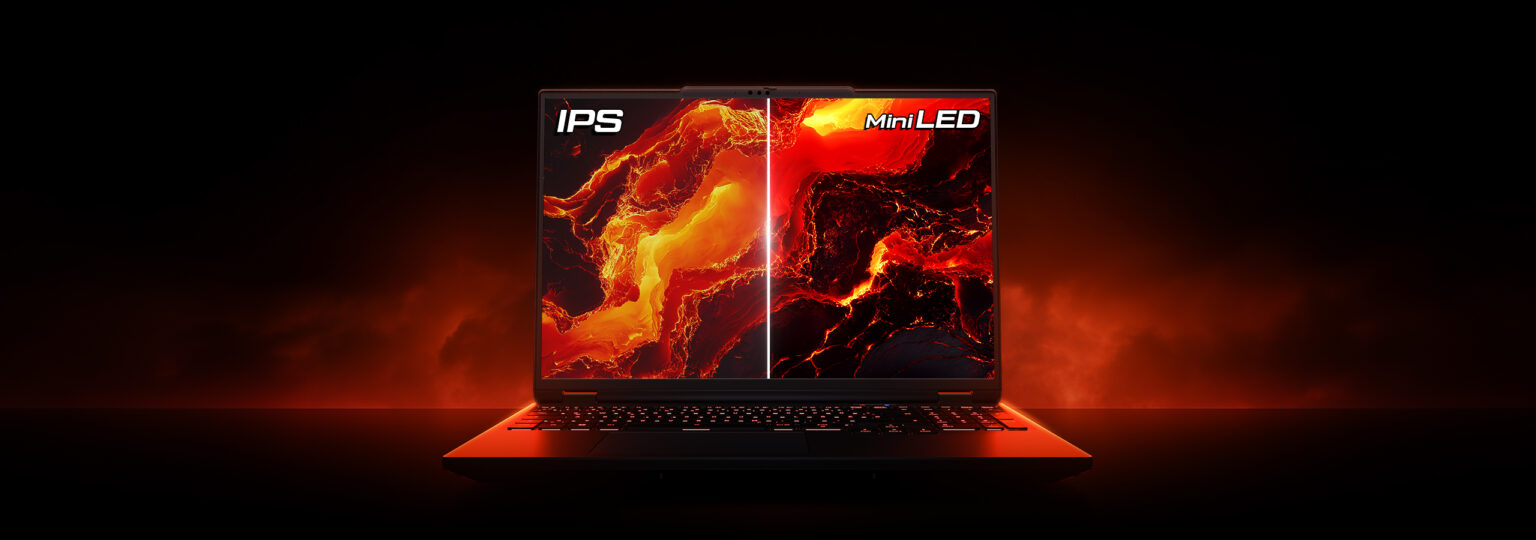
ASUS TUF Gaming  A16 with RTX 4050
ASUS TUF Gaming A16 with RTX 4050
  • memory AMD Ryzen 7 7445HS
  • developer_board NVIDIA GeForce RTX 4050
  • layers 16GB DDR5 5600MHz SO-DIMM
  • track_changes Target GPU: NVIDIA GTX 1050 Ti / AMD Radeon RX 470
Dell Alienware M16 Gaming Laptop with RTX 4080
  • memory AMD Ryzen 9 7845HX
  • developer_board NVIDIA GeForce RTX 4080
  • layers Up to 64GB DDR5
  • track_changes Target GPU: NVIDIA GTX 1050 Ti / AMD Radeon RX 470
XMG Apex 16 Max (RTX 5070 Ti & Ryzen 9)
  • memory AMD Ryzen 9 9955HX
  • developer_board NVIDIA GeForce RTX 5070 Ti Laptop GPU
  • layers 64GB DDR5-5600MHz (Dual-Channel)
  • track_changes Target GPU: NVIDIA GTX 1050 Ti / AMD Radeon RX 470
MSI Pulse GL66 with RTX 3070 and i7 12th Gen
  • memory Intel Core i7-12700H
  • developer_board NVIDIA GeForce RTX 3070
  • layers 32GB DDR4-3200MHz
  • track_changes Target GPU: NVIDIA RTX 2060 / AMD Radeon RX 6600 XT
Acer Nitro V with RTX 4060 and i9 13th Gen
  • memory Intel Core i9-13900H
  • developer_board NVIDIA GeForce RTX 4060
  • layers 16GB DDR5-5200MHz
  • track_changes Target GPU: NVIDIA RTX 2060 / AMD Radeon RX 6600 XT

Lenovo Legion Pro 5i (i9-14900HX, RTX 4060)
  • memory Intel Core i9-14900HX
  • developer_board NVIDIA GeForce RTX 4060
  • layers 32GB DDR5-5600MHz
  • track_changes Target GPU: NVIDIA RTX 2060 / AMD Radeon RX 6600 XT
Asus Rog Strix Scar 15 with RTX 3070 Ti and i9 12th Gen
  • memory Intel Core i9-12900H
  • developer_board NVIDIA GeForce RTX 3070 Ti
  • layers 16GB DDR5-4800MHz
  • track_changes Target GPU: NVIDIA RTX 2060 / AMD Radeon RX 6600 XT
ASUS ROG Strix G15 with RTX 3060 and Ryzen 7
  • memory AMD Ryzen 7 6800H
  • developer_board NVIDIA GeForce RTX 3060
  • layers 16GB DDR5-4800MHz
  • track_changes Target GPU: NVIDIA RTX 2060 / AMD Radeon RX 6600 XT
ASUS ROG Zephyrus G15 Ultra with RTX 3080 and Ryzen 9
  • memory AMD Ryzen 9 5900HS
  • developer_board NVIDIA GeForce RTX 3080
  • layers 16GB DDR4-3200MHz
  • track_changes Target GPU: NVIDIA RTX 2060 / AMD Radeon RX 6600 XT
MSI Katana 15 with RTX 4070
  • memory Intel Core i7-13620H
  • developer_board NVIDIA GeForce RTX 4070
  • layers 16GB DDR5-4800MHz
  • track_changes Target GPU: NVIDIA RTX 2060 / AMD Radeon RX 6600 XT
Alienware M18 with RTX 4070
  • memory Intel Core i7-14700HX
  • developer_board NVIDIA GeForce RTX 4070
  • layers 16GB DDR5-5600MHz
  • track_changes Target GPU: NVIDIA RTX 2060 / AMD Radeon RX 6600 XT
MSI Creator M16 HX with RTX 4070
  • memory Intel Core i9-14900HX
  • developer_board NVIDIA GeForce RTX 4070
  • layers 32GB DDR5-5600MHz
  • track_changes Target GPU: NVIDIA RTX 2060 / AMD Radeon RX 6600 XT
check_circle_outline Recommended based on listed requirements for QHD (1440p).
Asus Rog Strix Scar 15 with RTX 3070 Ti and i9 12th Gen
  • memory Intel Core i9-12900H
  • developer_board NVIDIA GeForce RTX 3070 Ti
  • layers 16GB DDR5-4800MHz
  • track_changes Target GPU: NVIDIA RTX 3070 / AMD Radeon RX 6800
ASUS TUF A15 with RTX 3050 and Ryzen 7
  • memory AMD Ryzen 7 7435HS
  • developer_board NVIDIA GeForce RTX 3050
  • layers 32GB DDR5-4800MHz
  • track_changes Target GPU: NVIDIA RTX 3070 / AMD Radeon RX 6800

MSI Creator M16 HX with RTX 4070
  • memory Intel Core i9-14900HX
  • developer_board NVIDIA GeForce RTX 4070
  • layers 32GB DDR5-5600MHz
  • track_changes Target GPU: NVIDIA RTX 3070 / AMD Radeon RX 6800
ASUS ROG Strix G16 with RTX 4070
  • memory Intel Core i9-14900HX
  • developer_board NVIDIA GeForce RTX 4070
  • layers 16GB DDR5-5600MHz
  • track_changes Target GPU: NVIDIA RTX 3070 / AMD Radeon RX 6800
MSI Cyborg 15 (RTX 5050 & Intel 7)
  • memory Intel Core Ultra 7 255H
  • developer_board NVIDIA GeForce RTX 5060 Laptop GPU
  • layers 16GB DDR5-5600MHz (Dual-Channel)
  • track_changes Target GPU: NVIDIA RTX 3070 / AMD Radeon RX 6800
HP Omen 16 (RTX 5060 & Ryzen 9 8940HX)
  • memory AMD Ryzen 9 8940HX Processor
  • developer_board NVIDIA GeForce RTX 5060 Laptop GPU
  • layers 32GB DDR5-5200MHz
  • track_changes Target GPU: NVIDIA RTX 3070 / AMD Radeon RX 6800
ASUS ROG Strix Scar 17 Se with RTX 3080 Ti  and i9
ASUS ROG Strix Scar 17 Se with RTX 3080 Ti and i9
  • memory Intel Core i9-12950HX
  • developer_board NVIDIA GeForce RTX 3080 Ti
  • layers 32GB DDR5-4800MHz
  • track_changes Target GPU: NVIDIA RTX 3070 / AMD Radeon RX 6800
HP Victus 15 (RTX 4050 & Ryzen 7)
  • memory AMD Ryzen 7 7445HS
  • developer_board NVIDIA GeForce RTX 4050
  • layers 16GB (2x8GB) DDR5 5600MHz SO-DIMM
  • track_changes Target GPU: NVIDIA RTX 3070 / AMD Radeon RX 6800
ASUS TUF Gaming  A16 with RTX 4050
ASUS TUF Gaming A16 with RTX 4050
  • memory AMD Ryzen 7 7445HS
  • developer_board NVIDIA GeForce RTX 4050
  • layers 16GB DDR5 5600MHz SO-DIMM
  • track_changes Target GPU: NVIDIA RTX 3070 / AMD Radeon RX 6800
HP OMEN 16 with RTX 4080 and intel i9 14th Gen
  • memory Intel Core i9-14900HX
  • developer_board NVIDIA GeForce RTX 4080 Laptop GPU
  • layers 64 GB DDR5-5600MHz
  • track_changes Target GPU: NVIDIA RTX 3070 / AMD Radeon RX 6800
check_circle_outline Recommended based on listed requirements for UHD (4K).
Lenovo Legion Pro 7 16IRX9H with RTX 4090
  • memory Intel Core i9-14900HX
  • developer_board NVIDIA GeForce RTX 4090
  • layers 32GB DDR5-5600MHz
  • track_changes Target GPU: NVIDIA RTX 4070 Ti / AMD Radeon RX 7900 XTX
LG Gram Pro 17 with RTX 5050
  • memory Intel Core Ultra 9 285H (Series 2) , 14 cores (6 Performance cores + 8 Efficient cores), 20 threads
  • developer_board NVIDIA GeForce RTX 5050 Laptop GPU
  • layers 32GB (2x16GB) DDR5 8400MHz SO-DIMM
  • track_changes Target GPU: NVIDIA RTX 4070 Ti / AMD Radeon RX 7900 XTX
HP OMEN Ultra Slim 16 (RTX 5070 & Intel i9)
  • memory Intel Core Ultra 9 285H
  • developer_board NVIDIA GeForce RTX 5070
  • layers 32GB (2x16GB) DDR5 4800MHz SO-DIMM
  • track_changes Target GPU: NVIDIA RTX 4070 Ti / AMD Radeon RX 7900 XTX
Thunderobot Radiant 16 (RTX 5070 Ti & Intel i9 14th Gen)
  • memory Intel Core i9-14900HX Processor
  • developer_board NVIDIA GeForce RTX 5070 Ti Laptop GPU
  • layers 64GB DDR5-5600MHz (commonly listed as 4800MHz by some retailers, but 5600MHz is common for 14th Gen HX with DDR5)
  • track_changes Target GPU: NVIDIA RTX 4070 Ti / AMD Radeon RX 7900 XTX
Lenovo Legion Pro 7i Gen 10 with RTX 5070 Ti
  • memory Intel Core Ultra 9 Processor 275HX
  • developer_board NVIDIA GeForce RTX 5070 Ti Laptop GPU
  • layers 64GB DDR5-6400MHz
  • track_changes Target GPU: NVIDIA RTX 4070 Ti / AMD Radeon RX 7900 XTX

GIGABYTE AORUS Master 16 (RTX 5070 Ti & Intel Core Ultra 9 275HX)
  • memory Intel Core Ultra 9 Processor 275HX (Series 2)
  • developer_board NVIDIA GeForce RTX 5070 Ti Laptop GPU
  • layers 32GB DDR5-5600MHz
  • track_changes Target GPU: NVIDIA RTX 4070 Ti / AMD Radeon RX 7900 XTX
MSI Vector 16 HX with RTX 5070 Ti
  • memory Intel Ultra 7 255HX
  • developer_board NVIDIA GeForce RTX 5070 Ti
  • layers 32GB DDR5 5600MHz
  • track_changes Target GPU: NVIDIA RTX 4070 Ti / AMD Radeon RX 7900 XTX
GIGABYTE A16 Pro (RTX 5070 Ti & Intel Core Ultra 7)
  • memory Intel Core Ultra 7 240H
  • developer_board NVIDIA GeForce RTX 5070 Ti Laptop GPU
  • layers 32GB LPDDR5X 5600MHz
  • track_changes Target GPU: NVIDIA RTX 4070 Ti / AMD Radeon RX 7900 XTX
XMG Fusion 16 (RTX 5070 & Ultra 9)
  • memory Intel Core Ultra 9 275HX
  • developer_board GeForce RTX 5070 Laptop Laptop GPU
  • layers 64GB DDR5-6400MHz (Single-Channel)
  • track_changes Target GPU: NVIDIA RTX 4070 Ti / AMD Radeon RX 7900 XTX
Lenovo Legion Pro 5i Gen 10 (RTX 5070 Ti & Intel Core Ultra 9 275HX)
  • memory Intel Core Ultra 9 275HX
  • developer_board NVIDIA GeForce RTX 5070 Ti
  • layers 32GB
  • track_changes Target GPU: NVIDIA RTX 4070 Ti / AMD Radeon RX 7900 XTX

info_outline Laptop recommendations are estimates based on available component benchmarks and game requirements. Actual performance may vary depending on settings, drivers, cooling, power limits, etc. Prices and availability subject to change. As an Amazon Associate, we earn from qualifying purchases.

Processing...