Select Games to Compare
Benchmark your exact mobile GPU wattage (TGP), battery throttling drops, and cooling pad requirements for these games.
GreedFall: The Dying World vs Dragons Dogma 2
| close | close |
|---|---|
| shopping_cart Where to Buy | |
| info General Information | |
| Release Date | |
| Mar 10, 2026 | Mar 22, 2024 |
| Developer | |
| Spiders | Capcom |
| Publisher | |
| Nacon | Capcom |
| Genre(s) | |
| Tactical Action RPG | Action RPG, Open World, Fantasy |
| Engine | |
| Silk Engine (Proprietary) | RE Engine |
| stars Ratings & Price | |
| Content Rating | |
| M for Mature | Mature 17+ |
| Avg. User Rating | |
| 3.5 / 5.0 | 4.0 / 5.0 |
| Current Price (USD) | |
| $59.99 | $69.99 |
| tune Key Specs | |
| Quick Highlights | |
|
|
| sports_esports Gameplay & Mechanics | |
| Companions/Followers | |
|
|
| Key Collectibles | |
|
|
| Key Themes | |
|
|
| colorize Combat & Gear | |
| Weapons Overview | |
|
|
| Armor / Gear Sets | |
|
|
| Outfits/Customization | |
|
|
| trending_up Progression & Upgrades | |
| Skills & Progression | |
|
A classless progression system allows for deep customization. Players invest in Attributes like Strength, Willpower, and Focus (for action points) and Skill Trees such as Protector (Tank), Hunter (Ranged), and Doneigad (Magic). Talents like Diplomacy, Stealth, and Alchemy offer non-combat solutions to quests, allowing players to talk, sneak, or bribe their way through obstacles. A robust crafting system at workbenches allows for visual and statistical upgrades to gear, which can even help players blend into specific social circles. |
Players choose a Vocation (class) which dictates their abilities and combat style (e.g., Fighter, Archer, Mage, Thief). Vocations can be leveled up and new skills (Weapon Skills, Core Skills, Augments) learned. Advanced and hybrid Vocations become available. Gear (weapons, armor) can be purchased, found, or enhanced by smiths using materials gathered from monsters and the environment. |
| public World & Exploration | |
| World & Level Design | |
|
The game features several large, interconnected semi-open regions rather than one continuous landmass. Key locations include Olima (the City of Stars), Uxantis (the Nauts' capital), and the war-torn Deutan Empire. Each region is distinct, ranging from dense urban centers with cobblestone streets to treacherous mountain passes and coastal shipyards. Players use a Travel Interface to move between these locations, which are populated with unique fauna, secret paths, and faction-specific settlements that react to the player's presence. |
Dragon's Dogma 2 features a large, seamless open world approximately four times the size of the original game's map. Key regions include the human kingdom of Vermund with its capital Vernworth, and the desert nation of Battahl with its capital Bakbattahl. The world is filled with diverse biomes, hidden caves, dungeons, and points of interest, encouraging exploration. |
| Playable Vehicles | |
|
|
| Notable Fauna/Mounts | |
|
|
| book Story & Characters | |
| Main Characters | |
|
|
| Example Missions | |
|
|
| people Multiplayer | |
| Multiplayer Details | |
|
There are no multiplayer modes. The game is designed as a narrative-driven, single-player RPG focusing on party management of AI companions. The developers chose to focus entirely on the tactical Real-Time with Pause systems and branching dialogue trees, ensuring that the solo experience remained the core priority without the balance complications of cooperative or competitive play. |
Dragon's Dogma 2 is a dedicated single-player experience. It does not feature direct co-op or competitive multiplayer. The core 'multiplayer' aspect is the asynchronous Pawn system, where players can recruit Pawns created by other players to join their party. |
| extension Editions & DLC | |
| Available Editions | |
|
The 'Standard Edition' includes the base game. The 'Doneigad Edition' features the 'Vows of the Ancestors' DLC, a digital artbook, and the orchestral soundtrack. A 'Grand Master's Physical Collection' includes a resin statue of Vriden Gerr, a cloth map of Gacane, and a Steelbook case. Early Access participants received the 'Explorer's Garb' cosmetic set and a unique starting weapon, the 'Root-Carved Blade', as a thank-you for their support during the development phase. |
**Standard Edition:** Base game. **Deluxe Edition:** Base game + 'A Boon for Adventurers - New Journey Pack' (Explorer's Camping Kit, Dragon's Dogma Music & Sound Collection, Harpysnare Smoke Beacons, Heartfelt Pendant, Ambivalent Rift Incense, Makeshift Gaol Key, Art of Metamorphosis, Wakestone, 1500 Rift Crystals). |
| Post-Launch Content / DLC | |
|
Initial post-launch support focuses on 'The De Vespe Conspiracy' expansion, which delves into the internal power struggle of the Congregation of Merchants. Free updates have introduced 'New Game Plus' mode and a 'Photo Mode'. The developers have also committed to 'The Gacane Chronicles', a series of free community-driven updates that add new side quests and legendary monsters based on player feedback and statistical data from the first six months of release. |
At launch, various small DLC items are available for purchase (cosmetics, convenience items like Portcrystals, Wakestones). Major story expansions or significant new content additions have not yet been announced, but Capcom has a history of supporting its major titles post-launch. |
| help_outline FAQ | |
| Frequently Asked Questions | |
|
|
| build Technical Details | |
| Graphics & Visual Fidelity | |
|
Utilizing an evolved version of the Silk Engine, the game employs a 'Golden Era' aesthetic inspired by 17th-century paintings. This results in dramatic lighting, deep shadows, and high-contrast environments. While environmental detail is high, facial animations have been criticized for reuse of assets from the 2019 title. The game supports Ray-Traced Global Illumination on PC and high-end consoles, enhancing the atmosphere of the foggy Gacane streets. |
Built on Capcom's RE Engine, Dragon's Dogma 2 features detailed character models, lush environments, and impressive monster designs. The game supports ray tracing for global illumination and reflections on PC. Its physics system plays a significant role in combat and interaction. |
| Audio & Soundtrack | |
|
The score is composed by Olivier Derivière, featuring a live orchestra and traditional instruments to blend the 'Old World' industrial sounds with 'Teer Fradee' tribal melodies. The sound design emphasizes the environment, with the creaking of wooden ships in Uxantis and the mechanical hum of Bridge Alliance laboratories. Voice acting is fully localized in several languages, with a unique fictional native tongue created specifically for the indigenous tribes. |
Original score by Satoshi Hori, creating an epic orchestral soundtrack fitting the high fantasy setting. Dynamic music shifts based on combat intensity and location. Sound design emphasizes weighty combat and monstrous roars. |
| User Interface (UI/UX) | |
|
The UI features a 'Tracking Vision' mode which highlights environmental clues and enemies in a greyscale filter. The tactical menu is a sleek, minimalist overlay that appears when the game is paused, showing cooldowns, action queues, and status effects clearly. The inventory management follows a grid-based system, categorized by gear type, with a dedicated tab for quest items and documents. Some critics have noted that the UI can feel cluttered during complex 4-vs-10 combat encounters. |
Features a traditional RPG interface with health/stamina bars, skill hotkeys, minimap, quest log, and inventory management. Menus for party management, Vocation selection, and equipment are key components. |
| Accessibility Options | |
|
The game includes a 'Story Mode' with an 'Infinite Health' toggle, allowing players to skip combat entirely. Other features include highly customizable subtitle sizes, colorblind modes (Protanopia, Deuteranopia, Tritanopia), and a 'Tactical Slowdown' option that replaces the full pause with a 90% speed reduction for those who want a more dynamic but manageable pace. Camera shake and motion blur can be completely disabled to assist players with motion sickness. |
Includes options for subtitle customization, control remapping, audio adjustments (e.g., individual volume sliders), and some visual aids. More extensive accessibility features common in other modern AAA titles may be added or refined post-launch based on feedback. |
| video_library Media Links | |
| Gameplay Video | |
| launchWatch | launchWatch |
| Walkthrough/Guide | |
| launchView | launchView |
| settings_applications System Requirements | |
| 1080p (Full HD) - Recommended (High) CPU: Provides a smooth 60 FPS experience in most zones. CPU (Laptop): Strong multi-core performance handles RTwP logic shifts well. GPU: Solid 1080p/60 FPS performance without upscaling. GPU (Laptop): Frame Generation helps maintain fluidity in CPU-bound areas. RAM: Dual-channel is highly recommended. Storage: Ensures fast loading between regions. | |
memoryCPU: Intel Core i7-10700K / AMD Ryzen 7 3700X developer_boardGPU: NVIDIA RTX 3060 Ti / AMD RX 6700 XT laptop_macCPU (L): Intel Core i7-12700H laptop_windowsGPU (L): NVIDIA RTX 4060 Laptop layersRAM: 16 GB saveStorage (Tier): 65 GB NVMe SSD | — |
| 1080p (Full HD) - Recommended (Targets 1080p, High settings, ~60 FPS RT OFF / ~30 FPS RT ON with DLSS/FSR) (High Preset, 1080p. Target ~60 FPS with Ray Tracing OFF, or ~30 FPS with Ray Tracing ON using DLSS/FSR Quality.) CPU: Official recommended desktop CPU for improved performance. Strong CPU is critical. CPU (Laptop): Strong laptop CPUs to aim for smoother gameplay, especially in cities. GPU: Good GPUs for 1080p/60fps (RT Off) or 1080p/30fps (RT On with upscaling). Official notes suggest RTX 2080/RX 6700 for 2160i/30fps (which could imply 1080p/60fps RT Off too, or 1080p/30fps RT On). For RT On specifically, RTX 2080 Ti/RX 6800 were cited for higher targets but this is a 1080p rec. GPU (Laptop): Capable laptop GPUs. High TGP and DLSS/FSR are very important, especially if enabling ray tracing. RTX 50 series mention is speculative. RAM: 16GB RAM officially recommended. Storage: NVMe SSD recommended for better overall experience. | |
| — | memoryCPU: Intel Core i7-10700 or AMD Ryzen 5 3600X / Ryzen 7 3700X developer_boardGPU: NVIDIA GeForce RTX 2070 (8GB) / RTX 3060 (12GB) or AMD Radeon RX 6700 (10GB) / RX 5700 XT (8GB for RT Off) laptop_macCPU (L): Intel Core i7-10875H / AMD Ryzen 7 5800H or newer high-performance 8-core CPUs. laptop_windowsGPU (L): NVIDIA GeForce RTX 3060 Laptop GPU (6GB, High TGP), RTX 3070 Laptop GPU (8GB), RTX 4060 Laptop GPU (8GB). (A hypothetical future RTX 5050 Ti/5060 Laptop GPU). layersRAM: 16 GB saveStorage (Tier): 100 GB NVMe SSD |
| 1080p (Full HD) - Minimum (Low-Medium) CPU: Sufficient for basic logic but may stutter in crowded markets. CPU (Laptop): 4-core limits will cause frame-time spikes. GPU: Targeting 30 FPS with occasional dips. GPU (Laptop): VRAM limits will necessitate 'Low' texture settings. RAM: Standard for modern open-zone RPGs. Storage: HDD usage will result in severe texture pop-in. | |
memoryCPU: Intel Core i5-8400 / AMD Ryzen 5 2600 developer_boardGPU: NVIDIA GTX 1060 (6GB) / AMD RX 580 laptop_macCPU (L): Intel Core i5-10300H laptop_windowsGPU (L): NVIDIA RTX 3050 Laptop (4GB) layersRAM: 16 GB saveStorage (Tier): 65 GB SSD | — |
| 1080p (Full HD) - Minimum (Targets 1080p, Low/Medium settings, ~30 FPS, Ray Tracing OFF) (Low/Medium Preset, 1080p resolution, Ray Tracing OFF. Framerate may drop in intensive scenes.) CPU: Official minimum desktop CPU for 1080p/30fps. Game is CPU-bound in cities. CPU (Laptop): Estimated laptop CPU. Stronger CPU helps mitigate drops in dense areas. GPU: Official minimum desktop GPU for 1080p/30fps with Ray Tracing OFF. Requires 8GB VRAM. GPU (Laptop): Estimated laptop GPUs. VRAM and TGP are key. RTX 50 series is speculative and overkill for this tier. RAM: 16GB RAM is the official minimum. Storage: SSD strongly recommended as per official notes. | |
| — | memoryCPU: Intel Core i5-10600 or AMD Ryzen 5 3600 developer_boardGPU: NVIDIA GeForce GTX 1070 (8GB) or AMD Radeon RX 5500 XT (8GB) laptop_macCPU (L): Intel Core i7-9750H / AMD Ryzen 5 4600H or newer mid-range 6-core CPUs. laptop_windowsGPU (L): NVIDIA GeForce GTX 1660 Ti Mobile (6GB, High TGP), RTX 2060 Mobile (6GB), RTX 3050 Ti Laptop GPU (4GB, High TGP, may struggle), RTX 3050 Laptop GPU (6GB). RTX 4050 Laptop GPU (6GB) would be a better modern minimum. layersRAM: 16 GB saveStorage (Tier): 100 GB SSD |
| 1440p (QHD/2K) - High Refresh (Ultra) CPU: Maintains high minimum frame rates during intense spell effects. CPU (Laptop): Desktop-class performance for high-end gaming laptops. GPU: Native 1440p performance; 80+ FPS possible. GPU (Laptop): Perfect for 1440p Ultra with DLSS Quality. RAM: Eliminates stuttering during long play sessions. Storage: Optimal for rapid fast travel. | |
memoryCPU: Intel Core i5-13600K / AMD Ryzen 7 7700X developer_boardGPU: NVIDIA RTX 4070 / AMD RX 7800 XT laptop_macCPU (L): AMD Ryzen 9 7945HX laptop_windowsGPU (L): NVIDIA RTX 4080 Laptop layersRAM: 32 GB saveStorage (Tier): 65 GB NVMe SSD | — |
| 1440p (QHD/2K) - High (Targets 1440p, High settings, ~60 FPS with DLSS/FSR Quality, RT Low/Medium or RT Off) (High Preset, 1440p resolution with DLSS/FSR Quality. Aiming for ~60 FPS. Ray Tracing OFF for best consistency, or Low/Medium RT settings.) CPU: Powerful desktop CPU to handle 1440p and mitigate CPU bottlenecks in demanding areas. CPU (Laptop): High-performance laptop CPUs essential for smooth 1440p. GPU: Strong GPUs for 1440p/60fps. DLSS/FSR Quality highly recommended. For Ray Tracing On at 1440p/60fps, even stronger GPUs (e.g. RTX 4070 Ti Super/RX 7900 GRE) with DLSS/FSR Performance/Balanced might be needed. GPU (Laptop): High-end laptop GPUs with max TGP and effective use of DLSS/FSR are crucial. RTX 50 series mention is speculative. RAM: 32GB RAM is strongly recommended for 1440p high settings, especially with ray tracing or in CPU-heavy areas. Storage: NVMe SSD mandatory for optimal performance. | |
| — | memoryCPU: Intel Core i7-12700K / AMD Ryzen 7 5800X or Ryzen 7 7700X developer_boardGPU: NVIDIA GeForce RTX 3070 Ti (8GB) / RTX 4070 (12GB) / RTX 4070 Super (12GB) or AMD Radeon RX 6800 (16GB) / RX 7800 XT (16GB) laptop_macCPU (L): Intel Core i7-12700H / AMD Ryzen 7 6800H or Intel Core i9-12900H / AMD Ryzen 9 6900HS and above. laptop_windowsGPU (L): NVIDIA GeForce RTX 3070 Ti Laptop GPU (8GB), RTX 3080 Laptop GPU (8GB/16GB), RTX 4070 Laptop GPU (8GB, High TGP), RTX 4080 Laptop GPU (12GB). (A hypothetical future RTX 5060 Ti/5070 Laptop GPU). layersRAM: 16 GB saveStorage (Tier): 100 GB NVMe SSD |
| 2160p (UHD/4K) - Ultra 4K (Ultra) CPU: Top-tier CPUs are needed to push 4K frames. CPU (Laptop): Peak mobile performance. GPU: Maintains 60 FPS at native 4K; Frame Gen recommended for 100+. GPU (Laptop): The only mobile chip capable of consistent 4K Ultra. RAM: Future-proofs against memory leaks in early builds. Storage: Fastest possible asset decompression. | |
memoryCPU: Intel Core i9-14900K / AMD Ryzen 7 7800X3D developer_boardGPU: NVIDIA RTX 4080 / AMD RX 7900 XTX laptop_macCPU (L): Intel Core i9-13980HX laptop_windowsGPU (L): NVIDIA RTX 4090 Laptop layersRAM: 32 GB saveStorage (Tier): 65 GB Gen4 NVMe SSD | — |
| 2160p (UHD/4K) - Ultra (Targets 2160p/4K, High/Ultra settings, ~60 FPS with DLSS/FSR Performance + Frame Gen for RT) (High/Ultra Preset, 2160p (4K) resolution using DLSS/FSR Performance/Balanced. Ray Tracing On (Medium/High) with Frame Generation for ~60 FPS.) CPU: Top-tier desktop CPU to support 4K gaming and minimize severe CPU bottlenecks, especially with ray tracing. Official recommended CPU for 2160p/30fps (RTX 2080/RX 6700) was i7-10700/Ryzen 5 3600X, but for 60fps and RT, much more is needed. PCGamesN mentions i9-12900KS/Ryzen 9 5950X for 4K/30fps with RTX 4080/RX 7900XT. CPU (Laptop): Absolute flagship laptop CPUs required. GPU: Flagship desktop GPUs required for 4K. Heavily reliant on DLSS/FSR Performance and Frame Generation (for NVIDIA RTX 40 series) to achieve ~60 FPS with ray tracing. GPU (Laptop): The most powerful current (RTX 40 series) laptop GPU. DLSS/FSR (likely Ultra Performance or Performance) with Frame Generation is essential. Hypothetical RTX 50 series laptop GPUs are speculative. RAM: 32GB of high-speed RAM is strongly recommended for optimal 4K gaming with ray tracing. Storage: A very fast NVMe SSD (PCIe Gen4 or better) is highly recommended for 4K textures and loading. | |
| — | memoryCPU: Intel Core i9-12900KS / Core i7-13700K or AMD Ryzen 9 5950X / Ryzen 7 7800X3D / Ryzen 9 7900X developer_boardGPU: NVIDIA GeForce RTX 4080 (16GB) / RTX 4080 Super (16GB) or RTX 4090 (24GB) / AMD Radeon RX 7900 XTX (24GB) laptop_macCPU (L): Intel Core i9-13900HX / Core i9-14900HX or AMD Ryzen 9 7945HX / 7945HX3D. laptop_windowsGPU (L): NVIDIA GeForce RTX 4090 Laptop GPU (16GB, Max TGP). **(A hypothetical future flagship NVIDIA GeForce RTX 5080/5090 Laptop GPU would aim to improve this experience further.)** layersRAM: 32 GB saveStorage (Tier): 100 GB NVMe SSD (High-speed Gen4 or Gen5 recommended) |
| save Overall Storage | |
| Spec: 65 GB available space Note: High-resolution textures for 'Rembrandt-style' visuals require significant throughput. Type: Unknown | Spec: Approximately 100 GB available space (SSD Highly Recommended/Required) Note: An SSD (preferably NVMe) with at least 100 GB of free space is strongly recommended or required for optimal performance, faster loading times, and smoother asset streaming. Actual size may vary with updates. Type: SSD |
| desktop_windows Operating System | |
| Spec: Windows 10/11 64-bit Explanation: Utilizes DirectX 12 Agility SDK features for modern shader execution. | Spec: Windows 10 (64-bit, version 20H2 or newer) or Windows 11 (64-bit, latest update) Explanation: A 64-bit version of Windows 10 (latest updates recommended) or Windows 11 (latest update) is required. |
| gamepad DirectX Version | |
| Spec: Version 12 Explanation: Required for advanced lighting and shadows consistent with the game's art style. | Spec: DirectX 12 Explanation: DirectX 12 is required. The game supports ray tracing features (Global Illumination, Reflections) on compatible hardware. |
| info_outline Other Game Notes | |
|
|
| build Optimization Details | |
|
|
| laptop Laptop Considerations | |
|
|


info_outline Feature details based on available data. System requirements and performance estimates may vary.
laptop_chromebook Laptop Recommendations
Common Recommendations (Handles All Compared Games)

- memory Intel Core i7-12700H
- developer_board NVIDIA GeForce RTX 3070
- layers 32GB DDR4-3200MHz
- track_changes Target GPU: NVIDIA RTX 3050 Laptop (4GB)

- memory Intel Core i9-13900H
- developer_board NVIDIA GeForce RTX 4060
- layers 16GB DDR5-5200MHz
- track_changes Target GPU: NVIDIA RTX 3050 Laptop (4GB)

- memory Intel Core i9-14900HX
- developer_board NVIDIA GeForce RTX 4060
- layers 32GB DDR5-5600MHz
- track_changes Target GPU: NVIDIA RTX 3050 Laptop (4GB)

- memory Intel Core i9-14900HX
- developer_board NVIDIA GeForce RTX 4080 Laptop GPU
- layers 64 GB DDR5-5600MHz
- track_changes Target GPU: NVIDIA RTX 4080 Laptop

- memory Intel Core Ultra 9 Processor 275HX (Series 2)
- developer_board NVIDIA GeForce RTX 5070 Laptop GPU
- layers 32GB DDR5-5600MHz
- track_changes Target GPU: NVIDIA RTX 4080 Laptop

- memory Intel Core i9-14900HX Processor
- developer_board NVIDIA GeForce RTX 5070 Laptop GPU
- layers 32GB DDR5-5600MHz
- track_changes Target GPU: NVIDIA RTX 4080 Laptop

- memory Intel Core i9-14900HX
- developer_board NVIDIA GeForce RTX 4090
- layers 32GB DDR5-5600MHz
- track_changes Target GPU: NVIDIA RTX 4090 Laptop

- memory Intel Core Ultra 9 285H (Series 2) , 14 cores (6 Performance cores + 8 Efficient cores), 20 threads
- developer_board NVIDIA GeForce RTX 5050 Laptop GPU
- layers 32GB (2x16GB) DDR5 8400MHz SO-DIMM
- track_changes Target GPU: NVIDIA RTX 4090 Laptop

- memory Intel Core Ultra 9 285H
- developer_board NVIDIA GeForce RTX 5070
- layers 32GB (2x16GB) DDR5 4800MHz SO-DIMM
- track_changes Target GPU: NVIDIA RTX 4090 Laptop
For GreedFall: The Dying World Specifically
- memory Intel Core i7-12700H
- developer_board NVIDIA GeForce RTX 3070
- layers 32GB DDR4-3200MHz
- track_changes Target GPU: NVIDIA GTX 1060 (6GB) / AMD RX 580
- memory Intel Core i9-13900H
- developer_board NVIDIA GeForce RTX 4060
- layers 16GB DDR5-5200MHz
- track_changes Target GPU: NVIDIA GTX 1060 (6GB) / AMD RX 580
- memory Intel Core i9-14900HX
- developer_board NVIDIA GeForce RTX 4060
- layers 32GB DDR5-5600MHz
- track_changes Target GPU: NVIDIA GTX 1060 (6GB) / AMD RX 580

- memory Intel Core i9-12900H
- developer_board NVIDIA GeForce RTX 3070 Ti
- layers 16GB DDR5-4800MHz
- track_changes Target GPU: NVIDIA GTX 1060 (6GB) / AMD RX 580

- memory Intel Core i5-12450H
- developer_board NVIDIA GeForce RTX 3050
- layers 16GB DDR4-3200MHz
- track_changes Target GPU: NVIDIA GTX 1060 (6GB) / AMD RX 580
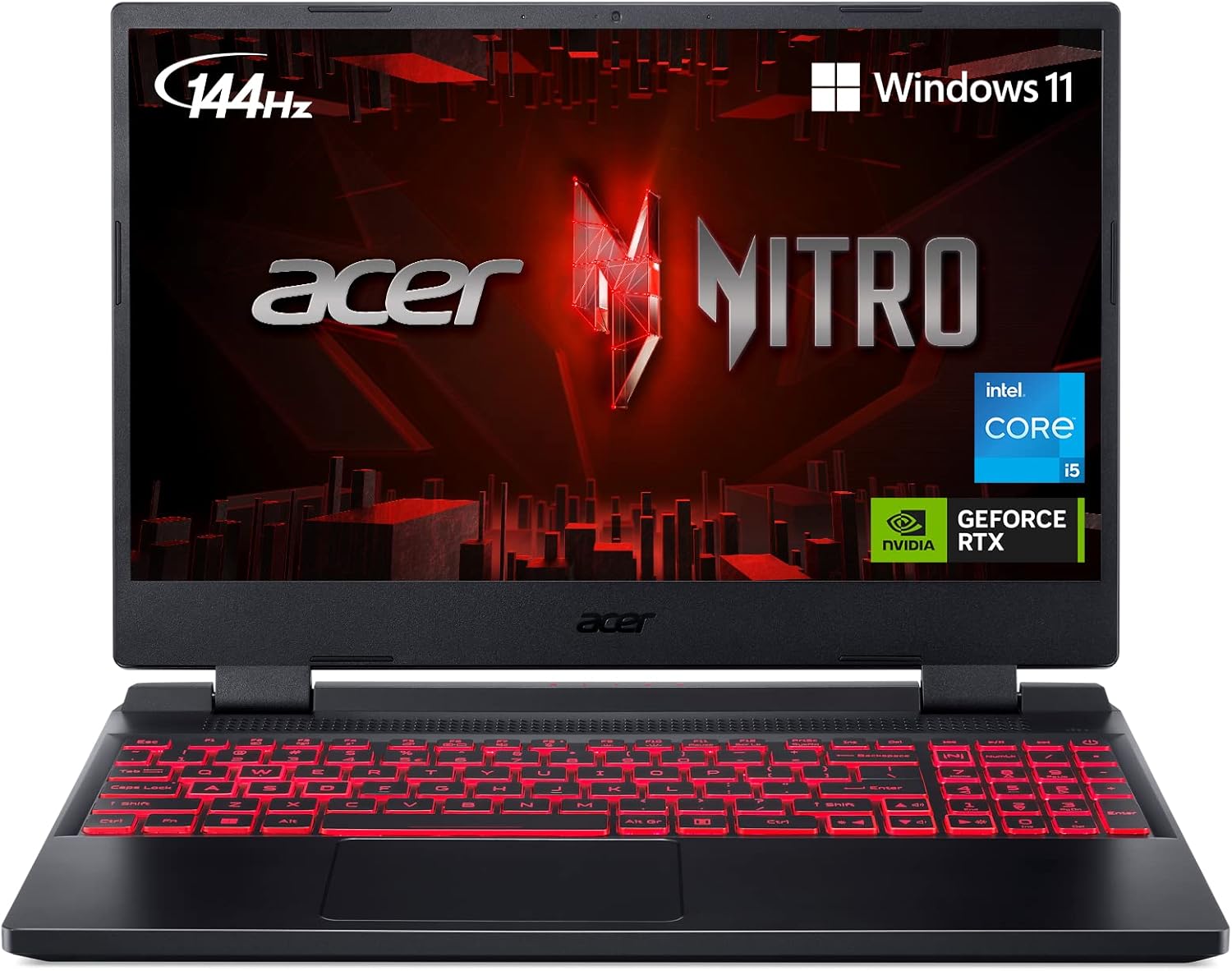
- memory Intel Core i5-12500H
- developer_board NVIDIA GeForce RTX 3050 Ti
- layers 16GB DDR4-3200MHz
- track_changes Target GPU: NVIDIA GTX 1060 (6GB) / AMD RX 580

- memory AMD Ryzen 7 7435HS
- developer_board NVIDIA GeForce RTX 3050
- layers 32GB DDR5-4800MHz
- track_changes Target GPU: NVIDIA GTX 1060 (6GB) / AMD RX 580

- memory AMD Ryzen 7 6800H
- developer_board NVIDIA GeForce RTX 3060
- layers 16GB DDR5-4800MHz
- track_changes Target GPU: NVIDIA GTX 1060 (6GB) / AMD RX 580

- memory AMD Ryzen 9 5900HS
- developer_board NVIDIA GeForce RTX 3080
- layers 16GB DDR4-3200MHz
- track_changes Target GPU: NVIDIA GTX 1060 (6GB) / AMD RX 580

- memory Intel Core i7-13620H
- developer_board NVIDIA GeForce RTX 4070
- layers 16GB DDR5-4800MHz
- track_changes Target GPU: NVIDIA GTX 1060 (6GB) / AMD RX 580

- memory Intel Core i9-14900HX
- developer_board NVIDIA GeForce RTX 4070
- layers 32GB DDR5-5600MHz
- track_changes Target GPU: NVIDIA RTX 3060 Ti / AMD RX 6700 XT

- memory Intel Core i9-14900HX
- developer_board NVIDIA GeForce RTX 4070
- layers 16GB DDR5-5600MHz
- track_changes Target GPU: NVIDIA RTX 3060 Ti / AMD RX 6700 XT

- memory Intel Core Ultra 7 255H
- developer_board NVIDIA GeForce RTX 5060 Laptop GPU
- layers 16GB DDR5-5600MHz (Dual-Channel)
- track_changes Target GPU: NVIDIA RTX 3060 Ti / AMD RX 6700 XT

- memory AMD Ryzen 9 8940HX Processor
- developer_board NVIDIA GeForce RTX 5060 Laptop GPU
- layers 32GB DDR5-5200MHz
- track_changes Target GPU: NVIDIA RTX 3060 Ti / AMD RX 6700 XT

- memory Intel Core i9-12950HX
- developer_board NVIDIA GeForce RTX 3080 Ti
- layers 32GB DDR5-4800MHz
- track_changes Target GPU: NVIDIA RTX 3060 Ti / AMD RX 6700 XT
- memory Intel Core i9-14900HX
- developer_board NVIDIA GeForce RTX 4080 Laptop GPU
- layers 64 GB DDR5-5600MHz
- track_changes Target GPU: NVIDIA RTX 4070 / AMD RX 7800 XT
- memory Intel Core Ultra 9 Processor 275HX (Series 2)
- developer_board NVIDIA GeForce RTX 5070 Laptop GPU
- layers 32GB DDR5-5600MHz
- track_changes Target GPU: NVIDIA RTX 4070 / AMD RX 7800 XT
- memory Intel Core i9-14900HX Processor
- developer_board NVIDIA GeForce RTX 5070 Laptop GPU
- layers 32GB DDR5-5600MHz
- track_changes Target GPU: NVIDIA RTX 4070 / AMD RX 7800 XT

- memory Intel Core i9-14900HX Processor
- developer_board NVIDIA GeForce RTX 5070 Laptop GPU
- layers 32GB DDR5-5600MHz
- track_changes Target GPU: NVIDIA RTX 4070 / AMD RX 7800 XT

- memory Intel Core Ultra 9 285H (Arrow Lake-H)
- developer_board NVIDIA GeForce RTX 5070 Laptop GPU
- layers 64GB LPDDR5x-8533MT/s (LPCAMM2)
- track_changes Target GPU: NVIDIA RTX 4070 / AMD RX 7800 XT

- memory Intel Core i9-14900HX
- developer_board NVIDIA GeForce RTX 4080
- layers 64GB DDR5-5600MHz
- track_changes Target GPU: NVIDIA RTX 4070 / AMD RX 7800 XT

- memory Intel Core i9-14900HX
- developer_board NVIDIA GeForce RTX 4080
- layers 32GB DDR5-5600MHz
- track_changes Target GPU: NVIDIA RTX 4070 / AMD RX 7800 XT

- memory Intel Core i9-14900HX
- developer_board NVIDIA GeForce RTX 4080
- layers 32GB DDR5-5600MHz
- track_changes Target GPU: NVIDIA RTX 4070 / AMD RX 7800 XT

- memory Intel Core i9-14900HX
- developer_board NVIDIA GeForce RTX 4080
- layers 32GB DDR5-5600MHz
- track_changes Target GPU: NVIDIA RTX 4070 / AMD RX 7800 XT

- memory AMD Ryzen 9 7845HX
- developer_board NVIDIA GeForce RTX 4080
- layers Up to 64GB DDR5
- track_changes Target GPU: NVIDIA RTX 4070 / AMD RX 7800 XT
- memory Intel Core Ultra 9 285H (Series 2) , 14 cores (6 Performance cores + 8 Efficient cores), 20 threads
- developer_board NVIDIA GeForce RTX 5050 Laptop GPU
- layers 32GB (2x16GB) DDR5 8400MHz SO-DIMM
- track_changes Target GPU: NVIDIA RTX 4080 / AMD RX 7900 XTX
- memory Intel Core Ultra 9 285H
- developer_board NVIDIA GeForce RTX 5070
- layers 32GB (2x16GB) DDR5 4800MHz SO-DIMM
- track_changes Target GPU: NVIDIA RTX 4080 / AMD RX 7900 XTX

- memory Intel Core i9-14900HX Processor
- developer_board NVIDIA GeForce RTX 5070 Ti Laptop GPU
- layers 64GB DDR5-5600MHz (commonly listed as 4800MHz by some retailers, but 5600MHz is common for 14th Gen HX with DDR5)
- track_changes Target GPU: NVIDIA RTX 4080 / AMD RX 7900 XTX

- memory Intel Core Ultra 9 Processor 275HX
- developer_board NVIDIA GeForce RTX 5070 Ti Laptop GPU
- layers 64GB DDR5-6400MHz
- track_changes Target GPU: NVIDIA RTX 4080 / AMD RX 7900 XTX

- memory Intel Core Ultra 9 Processor 275HX (Series 2)
- developer_board NVIDIA GeForce RTX 5070 Ti Laptop GPU
- layers 32GB DDR5-5600MHz
- track_changes Target GPU: NVIDIA RTX 4080 / AMD RX 7900 XTX

- memory Intel Ultra 7 255HX
- developer_board NVIDIA GeForce RTX 5070 Ti
- layers 32GB DDR5 5600MHz
- track_changes Target GPU: NVIDIA RTX 4080 / AMD RX 7900 XTX
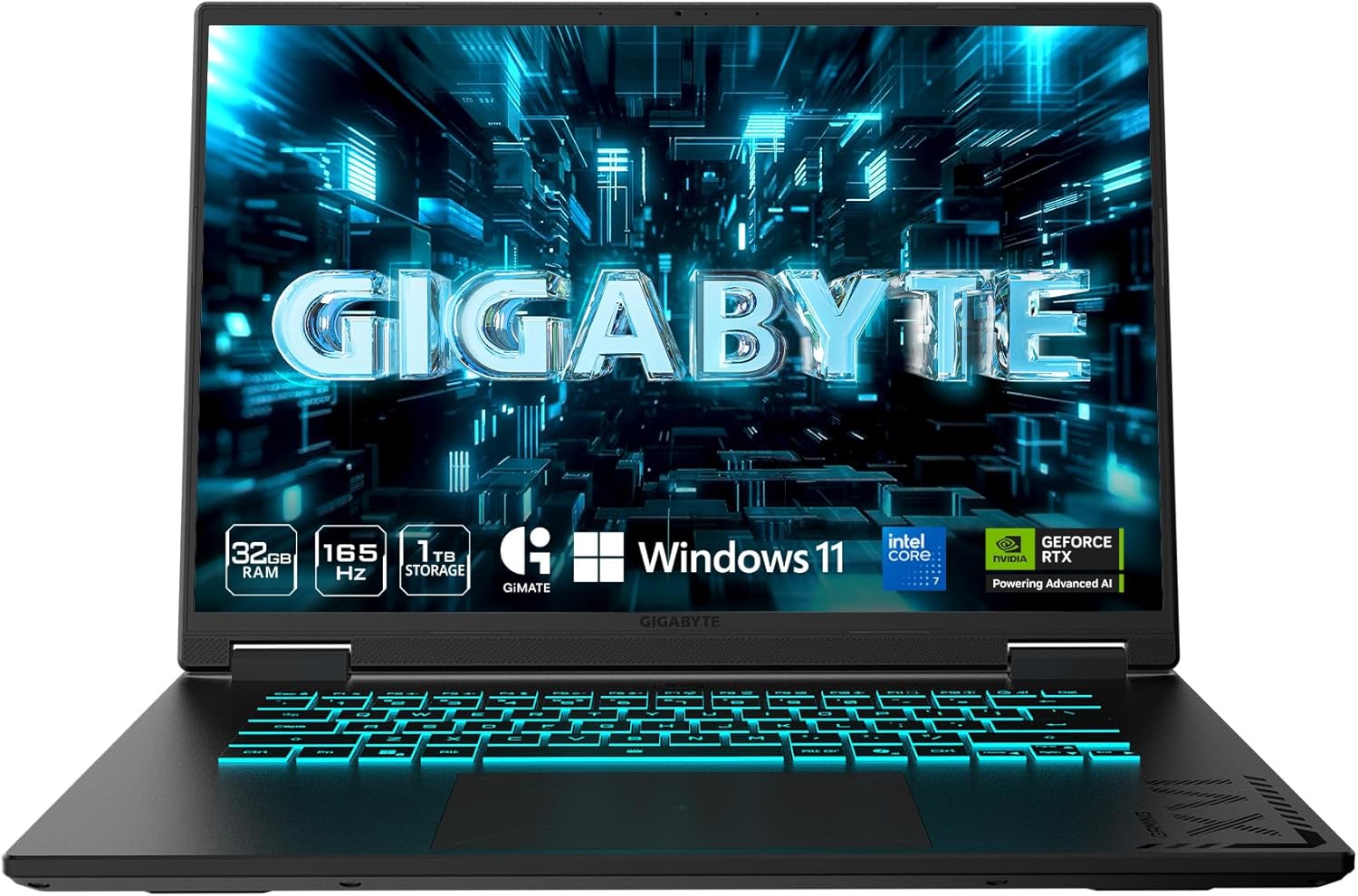
- memory Intel Core Ultra 7 240H
- developer_board NVIDIA GeForce RTX 5070 Ti Laptop GPU
- layers 32GB LPDDR5X 5600MHz
- track_changes Target GPU: NVIDIA RTX 4080 / AMD RX 7900 XTX

- memory Intel Core Ultra 9 275HX
- developer_board GeForce RTX 5070 Laptop Laptop GPU
- layers 64GB DDR5-6400MHz (Single-Channel)
- track_changes Target GPU: NVIDIA RTX 4080 / AMD RX 7900 XTX

- memory Intel Core Ultra 9 275HX
- developer_board NVIDIA GeForce RTX 5070 Ti
- layers 32GB
- track_changes Target GPU: NVIDIA RTX 4080 / AMD RX 7900 XTX

- memory Intel Core Ultra 9 275HX
- developer_board NVIDIA GeForce RTX 5070 Ti Laptop GPU
- layers 32 GB DDR5 6400MHz (2x16GB)
- track_changes Target GPU: NVIDIA RTX 4080 / AMD RX 7900 XTX
info_outline Laptop recommendations are estimates based on available component benchmarks and game requirements. Actual performance may vary depending on settings, drivers, cooling, power limits, etc. Prices and availability subject to change. As an Amazon Associate, we earn from qualifying purchases.