Select Games to Compare
Gothic 1 Remake vs Masters of Albion
| close | close |
|---|---|
| shopping_cart Where to Buy | |
| info General Information | |
| Release Date | |
| Jun 5, 2026 | Apr 22, 2026 |
| Developer | |
| Alkimia Interactive | 22cans |
| Publisher | |
| THQ Nordic | 22cans |
| Genre(s) | |
| Action Role-Playing Game (RPG) | God Game / Strategy / Simulation |
| Engine | |
| Unreal Engine 5.4 | Unity Engine (Estimated) |
| stars Ratings & Price | |
| Content Rating | |
| M | T |
| Avg. User Rating | |
| 3.8 / 5.0 | 4.5 / 5.0 |
| Current Price (USD) | |
| $49.99 | $24.99 |
|
|
|
| tune Key Specs | |
| Quick Highlights | |
|
|
| sports_esports Gameplay & Mechanics | |
| Companions/Followers | |
|
|
| Key Collectibles | |
|
|
| Key Themes | |
|
|
| colorize Combat & Gear | |
| Weapons Overview | |
|
|
| Armor / Gear Sets | |
|
|
| Outfits/Customization | |
|
|
| trending_up Progression & Upgrades | |
| Skills & Progression | |
|
Progression in Gothic 1 Remake is strictly tied to a classic Learning Point (LP) system. Whenever you level up, you gain LP, but you cannot simply assign these points in a menu. Instead, you must seek out specific NPC trainers scattered across the colony and pay them in Ore Nuggets to teach you. This immersive system applies to everything from core attributes like Strength and Dexterity to specific combat proficiencies like One-Handed Swords, Two-Handed Swords, Bows, and Crossbows. Upgrading a weapon skill actually changes your character's combat animations, transforming them from a clumsy novice into a fluid master. Beyond combat, players can invest LP into essential survival and utility skills such as lockpicking, animal trophy hunting (skinning, removing claws), acrobatics, sneaking, and alchemy. Magic is treated as a separate, highly specialized discipline tied to the different camps, requiring deep investment in Mana and circles of magic taught by the Fire or Water Mages. |
Progression in Masters of Albion is divided between macro-level divine powers and micro-level settlement upgrades, creating a deeply satisfying dual-layer progression system. As a god, your primary tool is the iconic 'Hand', allowing you to physically pick up objects, villagers, and enemies, cast devastating miracles, and mold the terrain. By gathering Faith from your followers, you unlock an expansive skill tree of divine abilities, ranging from gentle healing rains and crop-boosting sunshine to catastrophic meteor strikes, lightning storms, and plagues. On the settlement level, the game features an incredibly granular crafting and upgrade system. Players must unlock new architectural blueprints, research advanced agriculture, and design custom weaponry piece by piece. You can dictate the specific ingredients in the food your villagers eat to boost their morale and stamina, or custom-forge swords and armor with specific hilts and blades to increase their combat efficacy. Furthermore, the unique Possession skill allows you to directly take control of any villager, hero, or guard, instantly shifting the game into a third-person action RPG. Upgrading the specific combat skills, health pools, and proficiencies of the characters you possess is vital for surviving the increasingly brutal nighttime sieges. |
| public World & Exploration | |
| World & Level Design | |
|
The Valley of Mines is a densely packed, meticulously hand-crafted open world that completely eschews modern open-world tropes. There is strictly no minimap and no glowing quest markers to guide your way; navigation requires paying attention to landmarks, reading road signs, and listening carefully to NPC directions. The map is divided into several highly distinct regions, each controlled by different factions and populated by scaling threats. The Old Camp is a heavily fortified settlement operating under a strict hierarchy and trading directly with the outside world. The New Camp is a haven for rogues, mercenaries, and Water Mages seeking to blow up the barrier. The Swamp Camp is a foggy, drug-fueled sanctuary for cultists worshipping the Sleeper. Beyond these safe zones lie treacherous forests, the treacherous Orc lands, the Free Mine, and the Old Mine. Exploration is highly rewarding but incredibly dangerous, as entering a high-level area unprepared means certain death. |
The world map of Masters of Albion offers a vast, interconnected, and highly malleable sandbox environment that players can shape according to their divine will. Starting in the quaint, pastoral town of Oakridge, players will gradually expand their godly influence across a diverse array of biomes, each presenting unique resources, environmental hazards, and strategic challenges. The map is broken down into distinct regions, from lush, rolling green hills and dense, enchanted forests, to treacherous, corrupted marshlands and frozen mountainous peaks. As you progress through the Early Access campaign, the sheer scale of the map reveals itself, allowing for the management of multiple sprawling settlements simultaneously. Each region is dynamically affected by the day-night cycle and the player's moral alignment. A benevolent god will see their regions bloom with vibrant flora, bustling wildlife, and pristine rivers, whereas a malevolent deity will twist the landscape into a desolate, ash-covered wasteland filled with jagged spikes and ominous red skies. The map is not just a static backdrop but a living, breathing canvas that reacts to your every command, ensuring that exploration, expansion, and defense are inextricably linked. |
| Playable Vehicles | |
|
|
| Notable Fauna/Mounts | |
|
|
|
|
|
| book Story & Characters | |
| Main Characters | |
|
|
| Example Missions | |
|
|
| people Multiplayer | |
| Multiplayer Details | |
|
In keeping with the unwavering vision of the original 2001 release, the Gothic 1 Remake features absolutely no multiplayer modes whatsoever. There is no cooperative campaign, no player-versus-player arena combat, and no persistent online world elements. The game is purely a single-player, story-driven Action RPG. Alkimia Interactive made the deliberate choice to focus all of their development resources on crafting a rich, highly reactive, and deeply immersive solo experience rather than diluting the game's mechanics to accommodate multiple players. The feeling of isolation and absolute vulnerability is a core pillar of the Gothic experience; adding a co-op partner would fundamentally break the survival tension and the careful balancing of the game's deadly ecosystem. While some fans in the modding community may eventually attempt to create multiplayer frameworks—as they did for previous titles in the franchise—the official release remains a strictly solitary adventure through the treacherous Valley of Mines. |
In its initial Early Access iteration, Masters of Albion is being presented as a strictly single-player, narrative-driven simulation experience. The complex mechanics of pausing time, freely manipulating the environment with the God Hand, and taking direct third-person control of villagers are currently balanced exclusively for a solo deity. However, the game's underlying architecture has been built with potential expansion in mind. Peter Molyneux has expressed a strong desire to explore asynchronous multiplayer features, where players could potentially send merchant caravans—or cursed plagues—to the realms of their friends. Furthermore, there are ongoing internal discussions at 22cans regarding a cooperative 'Defend the Realm' mode. If implemented, this mode would allow two players to co-manage a single sprawling city, dividing responsibilities such as one player handling macro-level miracles and building, while the other takes direct, possessed control of the town's heroes to fight on the front lines during the chaotic nighttime sieges. |
| extension Editions & DLC | |
| Available Editions | |
|
THQ Nordic and Alkimia Interactive have released the Gothic 1 Remake in a few distinct editions tailored to both newcomers and hardcore fans of the original cult classic. The Standard Edition is available digitally and physically for €49.99 on PC and €59.99 on consoles (PlayStation 5 and Xbox Series X/S). Interestingly, console pre-orders of the Standard Edition include a free bundled copy of 'Gothic Classic,' the original 2001 game, allowing players to experience the roots of the franchise. For dedicated collectors, a lavish Collector's Edition is available for €199.99. This premium package includes a physical copy of the game, an exclusive, high-quality Wolf figurine that perfectly captures the gritty wildlife of the colony, a detailed hardback artbook showcasing the Unreal Engine 5 concept art and redesigns, an official digital and physical soundtrack, and various other physical extras. All players, regardless of the edition purchased, were given access to the game simultaneously globally, with no early access periods. |
For its highly anticipated Early Access launch on April 22, 2026, developer 22cans has structured the release into two distinct and highly rewarding editions. The Standard Early Access Edition, priced competitively at $24.99 USD, grants players full access to the base game, including the initial Oakridge region, the complete day-night survival loop, and the foundational god powers. Players who purchase this edition during the first week will also receive a 10% early adopter discount. For die-hard fans of Peter Molyneux's legacy, the 'Founder's Divine Edition' is available for $39.99 USD. This premium tier not only includes the base game but also offers a suite of exclusive digital bonuses designed to enhance the experience. Founders will receive a unique, golden skin for their in-game God Hand, an exclusive loyal pet dog companion that can be assigned to guard any settlement, a digital artbook detailing the conceptualization of the reimagined Albion, and the original orchestral soundtrack composed in the whimsical style of classic British fantasy games. Both editions guarantee access to all future Early Access content updates and the final 1.0 release. |
| Post-Launch Content / DLC | |
|
Currently, Alkimia Interactive and THQ Nordic have focused entirely on delivering a complete, highly polished single-player experience with the base release of the Gothic 1 Remake. At launch, there are no official announcements regarding post-launch DLC expansions, season passes, or microtransactions. The developers have emphasized preserving the integrity of the original 2001 release, meaning the complete story is included in the initial purchase. However, the community is highly active, and there is significant anticipation regarding potential mod support, given the long history of modding in the Gothic community. Furthermore, given the massive success and critical interest in restorative game design, fans are already clamoring for a potential 'Gothic 2 Remake' rather than DLC for the first game. The development team is currently prioritizing performance patches, optimization updates (especially for the struggling PS5 and Xbox Series X/S ports), and bug fixes to stabilize the Unreal Engine 5 performance before considering any additional content. |
The launch on April 22, 2026, represents only the beginning of a massive, multi-year journey for Masters of Albion. 22cans has outlined an ambitious Early Access roadmap that promises substantial, free content updates leading up to the 1.0 release. The first major update, titled 'The Rise of the Guilds', will introduce specialized hero classes, merchant caravans, and an expanded economic system. Subsequent updates will roll out entirely new biomes to conquer, deeper morality mechanics that drastically alter village architecture, and a wider variety of horrifying nocturnal enemies. While the team is currently focused on the core single-player experience, they have openly discussed the potential for a premium Expansion Pass post-1.0. This proposed DLC would likely introduce massive new continents, entirely new pantheons of rival gods for players to battle or ally with, and deep-sea naval mechanics. The studio is committed to shaping the post-launch trajectory based directly on community feedback gathered during the Early Access phase. |
| help_outline FAQ | |
| Frequently Asked Questions | |
|
|
| build Technical Details | |
| Graphics & Visual Fidelity | |
|
Built from the ground up on Unreal Engine 5.4, the Gothic 1 Remake leverages cutting-edge rendering technology, including Nanite virtualized geometry and Lumen global illumination, to completely revitalize the 2001 classic. The graphical leap is monumental, replacing the blocky, low-polygon original with a breathtakingly detailed dark fantasy world. The dense forests feel genuinely oppressive, with highly detailed foliage, dynamic weather systems, and advanced lighting that makes torch-lit cave exploration incredibly atmospheric. The game also features a brand-new face-morphing pipeline and motion-captured animations that breathe life into the colony's inhabitants. However, this immense visual fidelity comes at a steep performance cost. The game demands modern, high-end PC hardware to maintain smooth framerates, particularly struggling on older CPUs due to asset streaming bottlenecks. Console versions on the PS5 and Xbox Series X/S have also faced criticism for severe performance drops, visual instability, and micro-stuttering during traversal, prompting recommendations for players to utilize performance-enhancing upscalers like DLSS and FSR. |
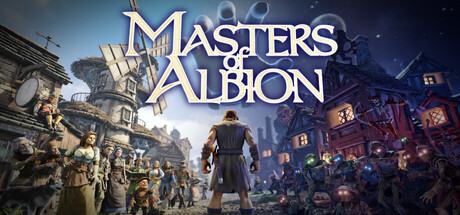
Visually, Masters of Albion strikes a brilliant balance between stylized, painterly art direction and modern rendering technologies. The game does not strive for hyper-realism; instead, it embraces a slightly exaggerated, highly expressive aesthetic reminiscent of a dark fairy tale or a classic European folk story. Character models are chunky, colorful, and feature exaggerated animations that clearly convey their emotions and actions from a bird's-eye view. The environments are lush and vibrant, showcasing an impressive level of detail in the swaying foliage, flowing rivers, and intricate architectural designs of the player-built towns. The lighting engine is the true star of the show. The transition from day to night is visually striking, with long, dynamic shadows stretching across the landscape as the sun sets. During the night, the only sources of light are the flickering torches of the town guards, the eerie glow of magical enemies, and the spectacular, particle-heavy explosions of the player's divine miracles, creating a terrifyingly beautiful contrast. |
| Audio & Soundtrack | |
|
The auditory experience in the Gothic 1 Remake has received just as much attention as the visual overhaul. The game features a fully re-recorded and expanded official soundtrack that faithfully captures the moody, oppressive, and atmospheric tones of the original 2001 compositions. From the peaceful, acoustic strumming of the Old Camp to the eerie, tension-filled ambient tracks of the Orc lands, the music perfectly complements the dark fantasy setting. PC buyers even receive the official digital soundtrack bundled with their purchase. Beyond the music, the sound design is critical for gameplay; the terrifying screeches of a shadowbeast or the warning squawks of a juvenile scavenger serve as essential audio cues for survival. Furthermore, the dialogue has been completely re-recorded with a massive cast of voice actors, fixing the translation inconsistencies of the original release while retaining the rough, crude, and iconic prison slang that gave the colony its unique flavor. |
The audio design and musical score of Masters of Albion are critical components in capturing that distinct, whimsical, and slightly dark atmosphere that fans of Peter Molyneux's previous works adore. The soundtrack features a beautiful, dynamic orchestral score that shifts dramatically based on the time of day and the player's moral alignment. During the day, the music is filled with light, playful woodwinds and sweeping strings that evoke a sense of pastoral peace and bustling medieval industry. As the sun sets and the monstrous hordes approach, the score seamlessly transitions into tense, driving percussion and ominous choral chants that perfectly underscore the desperate fight for survival. The sound design is equally impressive; the God Hand provides immense auditory feedback, from the booming, resonant thud of placing a new building, to the satisfying crackle of a lightning miracle. Villagers react to your presence with a mix of awe, terror, and classic British comedic banter, ensuring the world sounds as alive and reactive as it looks. |
| User Interface (UI/UX) | |
|
The user interface in the Gothic 1 Remake is heavily designed around the concept of maximum immersion and minimal handholding. Unlike modern RPGs cluttered with compasses, glowing objective markers, and on-screen prompts, this remake strips the UI down to its bare essentials. Most notably, there is absolutely no minimap. Players must rely on actual in-game physical maps that must be purchased or found, and even then, they do not show your real-time location with a magical GPS marker. Quest tracking is handled through an in-game journal where the Nameless Hero notes down directions and clues based on actual conversations. You must listen to NPCs when they say 'head left at the burned ruin.' Health and mana bars are kept unintrusive. This deliberate design friction forces players to engage directly with the environment, memorize landmarks, and immerse themselves completely in the dangerous reality of the penal colony. |
The user interface in Masters of Albion is a masterclass in diegetic design, heavily inspired by the minimalist, immersive philosophy seen in Black & White. The most prominent UI element is the player's own cursor, visually represented as a giant, expressive, disembodied God Hand that hovers over the world. This hand visually changes based on context and alignment—glowing with angelic light when healing, or turning into a twisted, shadowy claw when casting destructive curses. Traditional menus are kept to an absolute minimum. To craft a weapon, players literally drag and drop physical components onto an anvil in the world. To assign a villager a job, the player picks them up and physically drops them into a field or a guard tower. When accessing necessary menus like the divine skill tree or the macro-economic ledger, the UI unfolds like an ancient, beautifully illustrated parchment scroll, accompanied by satisfying tactile sound effects. This hands-on approach ensures that players feel completely immersed in their role as an omnipotent, world-shaping deity. |
| Accessibility Options | |
|
The Gothic 1 Remake takes a deliberately old-school approach to game design, meaning traditional modern accessibility features are somewhat limited in favor of preserving the game's brutal, unforgiving nature. The game does not offer an 'easy mode' or dynamic difficulty scaling; if you wander into an area with high-level Shadowbeasts, you will be instantly killed, teaching you to avoid that area until you are stronger. However, the remake does introduce some quality-of-life modernizations compared to the 2001 original. It includes an optional set of tutorials accessible via an in-game Glossary menu to help newcomers grasp the complex, timing-based combat mechanics and trading systems. The script has been retranslated to fix inconsistencies, and subtitles are fully supported for dialogue. While it lacks extensive visual or motor accessibility toggles, the combat has been heavily reworked to be more intuitive on modern gamepads compared to the notoriously clunky keyboard-only controls of the classic release. |
Understanding the sheer complexity of managing a sprawling simulation while simultaneously engaging in action combat, 22cans has implemented a robust suite of accessibility features. Recognizing that the real-time demands of the nighttime sieges can be overwhelming, the game includes a highly requested 'Tactical Pause' feature, allowing players to freeze the action, issue commands to guards, queue up miracles, and assess the battlefield without pressure. The UI features extensive customization, including scalable text sizes, high-contrast modes for menus, and colorblind filters that adjust the visual indicators for enemy health and area-of-effect spells. Furthermore, players can extensively tune the game's difficulty via granular sliders, adjusting parameters such as villager hunger rates, resource gathering speeds, and enemy damage output independently. This ensures that players who simply want to enjoy a relaxing, creative city-building experience can tone down the survival horror elements, while hardcore strategists can dial up the nocturnal threat to truly test their divine mettle. |
| video_library Media Links | |
| Gameplay Video | |
| launchWatch | launchWatch |
| Walkthrough/Guide | |
| launchView | launchView |
| settings_applications System Requirements | |
| 1080p (Full HD) - Recommended (High Preset, 60 FPS (DLSS/FSR Quality)) CPU: 8 physical cores or modern P/E core architectures smooth out 1% lows significantly when multiple AI schedules overlap in settlements. CPU (Laptop): The high core counts help maintain background NPC routines, though sustained wattage must remain high to avoid clock-stretching. GPU: 8GB-12GB of VRAM handles High textures comfortably, with enough raw compute to push Lumen at 1080p internal resolutions. GPU (Laptop): The RTX 4060's access to DLSS 3 Frame Gen acts as a massive crutch for the mobile CPU, artificially boosting smoothness in heavily bottlenecked towns. RAM: Provides enough streaming headroom for High-quality Nanite meshes. Storage: Faster throughput ensures instantaneous LOD swapping. | |
memoryCPU: AMD Ryzen 7 5700X / Intel Core i5-13400 developer_boardGPU: NVIDIA GeForce RTX 3060 Ti / AMD Radeon RX 6700 XT laptop_macCPU (L): AMD Ryzen 7 6800H / Intel Core i7-12700H laptop_windowsGPU (L): NVIDIA GeForce RTX 4060 Mobile (100W+) / RTX 3070 Mobile layersRAM: 16 GB saveStorage (Tier): PCIe Gen 4 NVMe SSD | memoryCPU: Intel Core i7-10700K or AMD Ryzen 7 5800X developer_boardGPU: NVIDIA GeForce RTX 3060 Ti or AMD Radeon RX 6700 XT laptop_macCPU (L): Intel Core i7-11800H or AMD Ryzen 7 5800H laptop_windowsGPU (L): NVIDIA RTX 3070 Mobile (130W) layersRAM: 16 GB saveStorage (Tier): 40GB NVMe SSD |
| 1080p (Full HD) - Minimum (Low/Medium Preset, 30-40 FPS (Native) or 60 FPS (Upscaled Performance)) CPU: The bare minimum 6-core/12-thread architecture required to handle basic NPC routines and UE5 physics threads without bottlenecking the render pipeline. CPU (Laptop): Mobile CPUs will need solid sustained cooling to match desktop Zen 2/Skylake IPC; expect higher frame variance in crowded areas. GPU: Provides the baseline 6GB-8GB VRAM buffer and base-level hardware ray tracing capabilities needed for Lumen's software/hardware fallbacks. GPU (Laptop): The 4GB-6GB VRAM limit on entry-level mobile GPUs will require turning down texture pools and shadow maps significantly to prevent paging to system memory. RAM: Absolute baseline for UE5; 10-12GB will be actively utilized by the game alone for asset caching. Storage: Eliminates hitching when transitioning between distinct biomes in the colony. | |
memoryCPU: AMD Ryzen 5 3600 / Intel Core i5-10400F developer_boardGPU: NVIDIA GeForce RTX 2060 / AMD Radeon RX 5700 laptop_macCPU (L): AMD Ryzen 5 5600H / Intel Core i5-11400H laptop_windowsGPU (L): NVIDIA GeForce RTX 3050 Ti Mobile (85W) / RTX 4050 Mobile layersRAM: 16 GB saveStorage (Tier): NVMe SSD | memoryCPU: Intel Core i5-8400 or AMD Ryzen 5 2600 developer_boardGPU: NVIDIA GeForce GTX 1060 6GB or AMD Radeon RX 580 laptop_macCPU (L): Intel Core i7-9750H or AMD Ryzen 7 3750H laptop_windowsGPU (L): NVIDIA GTX 1660 Ti Mobile layersRAM: 16 GB saveStorage (Tier): 40GB SATA SSD |
| 1440p (QHD/2K) - Recommended (Epic/High Preset, 60 FPS (DLSS/FSR Balanced)) CPU: Strong single-core performance and large L3/L2 caches are required to feed high refresh UE5 draw calls and manage dense physics interactions. CPU (Laptop): Desktop-class HX series mobile chips are practically required at this tier to prevent the GPU from being starved during heavy CPU-bound simulation moments. GPU: 12GB-16GB VRAM is essential here, as 1440p Nanite and high-resolution hardware Lumen drastically inflate the VRAM footprint. GPU (Laptop): High-end 16GB mobile GPUs like the flagship RTX 3080 Ti Mobile or RTX 4080 Mobile are essential to handle the massive texture streaming budget without relying on slower system RAM. RAM: Highly recommended to provide ample headroom for memory leaks and heavy UE5 asset caching during extended play sessions. Storage: Crucial for DirectStorage-like asset decompression loads. | |
memoryCPU: AMD Ryzen 5 7600X / Intel Core i5-13600K developer_boardGPU: NVIDIA GeForce RTX 4070 / AMD Radeon RX 7800 XT laptop_macCPU (L): AMD Ryzen 9 7945HX / Intel Core i7-13700HX laptop_windowsGPU (L): NVIDIA GeForce RTX 4080 Mobile / RTX 3080 Ti Mobile layersRAM: 32 GB saveStorage (Tier): PCIe Gen 4 NVMe SSD (High Endurance) | memoryCPU: Intel Core i5-13600K or AMD Ryzen 7 7700X developer_boardGPU: NVIDIA GeForce RTX 4070 or AMD Radeon RX 7800 XT laptop_macCPU (L): Intel Core i9-12900HX or AMD Ryzen 9 6900HX laptop_windowsGPU (L): NVIDIA RTX 4080 Mobile layersRAM: 32 GB saveStorage (Tier): 40GB NVMe Gen 4 SSD |
| 2160p (UHD/4K) - Ultra (Epic Preset, 60 FPS (DLSS/FSR Performance + Frame Generation)) CPU: AMD's 3D V-Cache dominates UE5's complex memory access patterns, drastically improving 1% and 0.1% lows in massive open worlds. CPU (Laptop): Absolute top-tier mobile processing is needed to feed the 4K render pipeline and keep frame times consistent. GPU: 16GB-24GB VRAM required for 4K Lumen, Nanite, and maxed-out volumetric effects. Raw rasterization must be immense to handle the 4K internal pixel count. GPU (Laptop): The only mobile GPU configuration possessing both the 16GB VRAM and raw compute capabilities to push 4K Epic settings in modern UE5 without collapsing. RAM: Mandatory for 4K asset management alongside background OS tasks. Storage: Maximum bandwidth required for 4K texture streaming without stuttering. | |
memoryCPU: AMD Ryzen 7 7800X3D / Intel Core i7-14700K developer_boardGPU: NVIDIA GeForce RTX 4080 Super / AMD Radeon RX 7900 XTX laptop_macCPU (L): Intel Core i9-13980HX / AMD Ryzen 9 7945HX3D laptop_windowsGPU (L): NVIDIA GeForce RTX 4090 Mobile (175W) layersRAM: 32 GB saveStorage (Tier): PCIe Gen 4 NVMe SSD (7000MB/s+) | memoryCPU: Intel Core i9-14900K or AMD Ryzen 9 7950X3D developer_boardGPU: NVIDIA GeForce RTX 4080 Super or AMD Radeon RX 7900 XTX laptop_macCPU (L): Intel Core i9-14900HX laptop_windowsGPU (L): NVIDIA RTX 4090 Mobile (175W) layersRAM: 32 GB saveStorage (Tier): 40GB NVMe Gen 4 SSD |
| save Overall Storage | |
Spec: 60GB+ NVMe SSD (PCIe Gen 3.0 x4 minimum) Note: Critical for Nanite virtualized geometry streaming. Installing on an HDD or slow SATA SSD will result in severe texture pop-in, broken geometry, and heavy traversal stutter. Type: NVMe | Spec: 40GB Solid State Drive (SSD) Note: An SSD is strictly required to stream high-resolution textures and seamlessly load massive world chunks as your divine view zooms in and out. Type: SSD |
| desktop_windows Operating System | |
| Spec: Windows 10/11 64-bit (Version 22H2 or newer) Explanation: Required for DirectX 12 Agility SDK compatibility and proper memory management within Unreal Engine 5. | Spec: Windows 10 / 11 64-bit Explanation: Required to run the underlying engine's advanced memory management systems for large-scale town simulations. |
| gamepad DirectX Version | |
| Spec: DirectX 12 Ultimate (Feature Level 12_2) Explanation: Mandatory for hardware-accelerated ray tracing (Lumen) and mesh shader support necessary for efficient Nanite geometry rendering. | Spec: DirectX 12 Explanation: Ensures optimal API overhead reduction, allowing the GPU and CPU to efficiently render thousands of dynamic entities. |
| info_outline Other Game Notes | |
|
|
| build Optimization Details | |
|
|
| laptop Laptop Considerations | |
|
|

info_outline Feature details based on available data. System requirements and performance estimates may vary.
laptop_chromebook Laptop Recommendations
Common Recommendations (Handles All Compared Games)

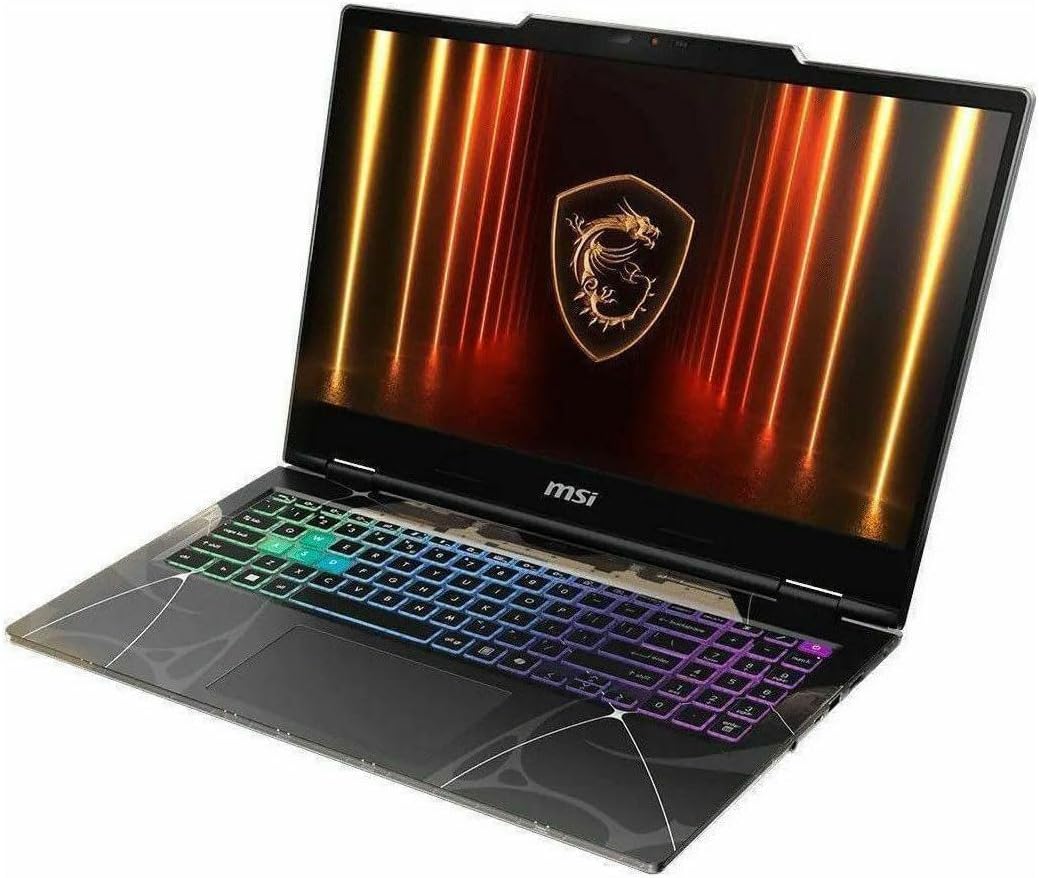
- memory Intel Core i7-12700H
- developer_board NVIDIA GeForce RTX 3070
- layers 32GB DDR4-3200MHz
- track_changes Target GPU: NVIDIA GeForce RTX 3050 Ti Mobile (85W) / RTX 4050 Mobile / NVIDIA GTX 1660 Ti Mobile

- memory Intel Core i9-13900H
- developer_board NVIDIA GeForce RTX 4060
- layers 16GB DDR5-5200MHz
- track_changes Target GPU: NVIDIA GeForce RTX 3050 Ti Mobile (85W) / RTX 4050 Mobile / NVIDIA GTX 1660 Ti Mobile

- memory Intel Core i9-14900HX
- developer_board NVIDIA GeForce RTX 4060
- layers 32GB DDR5-5600MHz
- track_changes Target GPU: NVIDIA GeForce RTX 3050 Ti Mobile (85W) / RTX 4050 Mobile / NVIDIA GTX 1660 Ti Mobile

- memory Intel Core i9-14900HX
- developer_board NVIDIA GeForce RTX 4080 Laptop GPU
- layers 64 GB DDR5-5600MHz
- track_changes Target GPU: NVIDIA GeForce RTX 4080 Mobile / RTX 3080 Ti Mobile / NVIDIA RTX 4080 Mobile

- memory Intel Core Ultra 9 Processor 275HX (Series 2)
- developer_board NVIDIA GeForce RTX 5070 Laptop GPU
- layers 32GB DDR5-5600MHz
- track_changes Target GPU: NVIDIA GeForce RTX 4080 Mobile / RTX 3080 Ti Mobile / NVIDIA RTX 4080 Mobile

- memory Intel Core i9-14900HX Processor
- developer_board NVIDIA GeForce RTX 5070 Laptop GPU
- layers 32GB DDR5-5600MHz
- track_changes Target GPU: NVIDIA GeForce RTX 4080 Mobile / RTX 3080 Ti Mobile / NVIDIA RTX 4080 Mobile

- memory Intel Core i9-14900HX
- developer_board NVIDIA GeForce RTX 4090
- layers 32GB DDR5-5600MHz
- track_changes Target GPU: NVIDIA GeForce RTX 4090 Mobile (175W) / NVIDIA RTX 4090 Mobile (175W)

- memory Intel Core Ultra 9 285H (Series 2) , 14 cores (6 Performance cores + 8 Efficient cores), 20 threads
- developer_board NVIDIA GeForce RTX 5050 Laptop GPU
- layers 32GB (2x16GB) DDR5 8400MHz SO-DIMM
- track_changes Target GPU: NVIDIA GeForce RTX 4090 Mobile (175W) / NVIDIA RTX 4090 Mobile (175W)

- memory Intel Core Ultra 9 285H
- developer_board NVIDIA GeForce RTX 5070
- layers 32GB (2x16GB) DDR5 4800MHz SO-DIMM
- track_changes Target GPU: NVIDIA GeForce RTX 4090 Mobile (175W) / NVIDIA RTX 4090 Mobile (175W)
For Gothic 1 Remake Specifically
- memory Intel Core i7-12700H
- developer_board NVIDIA GeForce RTX 3070
- layers 32GB DDR4-3200MHz
- track_changes Target GPU: NVIDIA GeForce RTX 2060 / AMD Radeon RX 5700
- memory Intel Core i9-13900H
- developer_board NVIDIA GeForce RTX 4060
- layers 16GB DDR5-5200MHz
- track_changes Target GPU: NVIDIA GeForce RTX 2060 / AMD Radeon RX 5700
- memory Intel Core i9-14900HX
- developer_board NVIDIA GeForce RTX 4060
- layers 32GB DDR5-5600MHz
- track_changes Target GPU: NVIDIA GeForce RTX 2060 / AMD Radeon RX 5700

- memory Intel Core i9-12900H
- developer_board NVIDIA GeForce RTX 3070 Ti
- layers 16GB DDR5-4800MHz
- track_changes Target GPU: NVIDIA GeForce RTX 2060 / AMD Radeon RX 5700

- memory AMD Ryzen 7 7435HS
- developer_board NVIDIA GeForce RTX 3050
- layers 32GB DDR5-4800MHz
- track_changes Target GPU: NVIDIA GeForce RTX 2060 / AMD Radeon RX 5700

- memory AMD Ryzen 7 6800H
- developer_board NVIDIA GeForce RTX 3060
- layers 16GB DDR5-4800MHz
- track_changes Target GPU: NVIDIA GeForce RTX 2060 / AMD Radeon RX 5700

- memory AMD Ryzen 9 5900HS
- developer_board NVIDIA GeForce RTX 3080
- layers 16GB DDR4-3200MHz
- track_changes Target GPU: NVIDIA GeForce RTX 2060 / AMD Radeon RX 5700

- memory Intel Core i7-13620H
- developer_board NVIDIA GeForce RTX 4070
- layers 16GB DDR5-4800MHz
- track_changes Target GPU: NVIDIA GeForce RTX 2060 / AMD Radeon RX 5700

- memory Intel Core i7-14700HX
- developer_board NVIDIA GeForce RTX 4070
- layers 16GB DDR5-5600MHz
- track_changes Target GPU: NVIDIA GeForce RTX 2060 / AMD Radeon RX 5700

- memory Intel Core i9-14900HX
- developer_board NVIDIA GeForce RTX 4070
- layers 32GB DDR5-5600MHz
- track_changes Target GPU: NVIDIA GeForce RTX 2060 / AMD Radeon RX 5700

- memory Intel Core i9-14900HX
- developer_board NVIDIA GeForce RTX 4070
- layers 16GB DDR5-5600MHz
- track_changes Target GPU: NVIDIA GeForce RTX 3060 Ti / AMD Radeon RX 6700 XT
- memory Intel Core Ultra 7 255H
- developer_board NVIDIA GeForce RTX 5060 Laptop GPU
- layers 16GB DDR5-5600MHz (Dual-Channel)
- track_changes Target GPU: NVIDIA GeForce RTX 3060 Ti / AMD Radeon RX 6700 XT

- memory AMD Ryzen 9 8940HX Processor
- developer_board NVIDIA GeForce RTX 5060 Laptop GPU
- layers 32GB DDR5-5200MHz
- track_changes Target GPU: NVIDIA GeForce RTX 3060 Ti / AMD Radeon RX 6700 XT
- memory Intel Core i9-14900HX
- developer_board NVIDIA GeForce RTX 4080 Laptop GPU
- layers 64 GB DDR5-5600MHz
- track_changes Target GPU: NVIDIA GeForce RTX 4070 / AMD Radeon RX 7800 XT
- memory Intel Core Ultra 9 Processor 275HX (Series 2)
- developer_board NVIDIA GeForce RTX 5070 Laptop GPU
- layers 32GB DDR5-5600MHz
- track_changes Target GPU: NVIDIA GeForce RTX 4070 / AMD Radeon RX 7800 XT
- memory Intel Core i9-14900HX Processor
- developer_board NVIDIA GeForce RTX 5070 Laptop GPU
- layers 32GB DDR5-5600MHz
- track_changes Target GPU: NVIDIA GeForce RTX 4070 / AMD Radeon RX 7800 XT

- memory Intel Core i9-14900HX Processor
- developer_board NVIDIA GeForce RTX 5070 Laptop GPU
- layers 32GB DDR5-5600MHz
- track_changes Target GPU: NVIDIA GeForce RTX 4070 / AMD Radeon RX 7800 XT

- memory Intel Core Ultra 9 285H (Arrow Lake-H)
- developer_board NVIDIA GeForce RTX 5070 Laptop GPU
- layers 64GB LPDDR5x-8533MT/s (LPCAMM2)
- track_changes Target GPU: NVIDIA GeForce RTX 4070 / AMD Radeon RX 7800 XT

- memory Intel Core i9-14900HX
- developer_board NVIDIA GeForce RTX 4080
- layers 64GB DDR5-5600MHz
- track_changes Target GPU: NVIDIA GeForce RTX 4070 / AMD Radeon RX 7800 XT

- memory Intel Core i9-14900HX
- developer_board NVIDIA GeForce RTX 4080
- layers 32GB DDR5-5600MHz
- track_changes Target GPU: NVIDIA GeForce RTX 4070 / AMD Radeon RX 7800 XT

- memory Intel Core i9-14900HX
- developer_board NVIDIA GeForce RTX 4080
- layers 32GB DDR5-5600MHz
- track_changes Target GPU: NVIDIA GeForce RTX 4070 / AMD Radeon RX 7800 XT

- memory Intel Core i9-14900HX
- developer_board NVIDIA GeForce RTX 4080
- layers 32GB DDR5-5600MHz
- track_changes Target GPU: NVIDIA GeForce RTX 4070 / AMD Radeon RX 7800 XT

- memory AMD Ryzen 9 7845HX
- developer_board NVIDIA GeForce RTX 4080
- layers Up to 64GB DDR5
- track_changes Target GPU: NVIDIA GeForce RTX 4070 / AMD Radeon RX 7800 XT
- memory Intel Core Ultra 9 285H (Series 2) , 14 cores (6 Performance cores + 8 Efficient cores), 20 threads
- developer_board NVIDIA GeForce RTX 5050 Laptop GPU
- layers 32GB (2x16GB) DDR5 8400MHz SO-DIMM
- track_changes Target GPU: NVIDIA GeForce RTX 4080 Super / AMD Radeon RX 7900 XTX
- memory Intel Core Ultra 9 285H
- developer_board NVIDIA GeForce RTX 5070
- layers 32GB (2x16GB) DDR5 4800MHz SO-DIMM
- track_changes Target GPU: NVIDIA GeForce RTX 4080 Super / AMD Radeon RX 7900 XTX

- memory Intel Core i9-14900HX Processor
- developer_board NVIDIA GeForce RTX 5070 Ti Laptop GPU
- layers 64GB DDR5-5600MHz (commonly listed as 4800MHz by some retailers, but 5600MHz is common for 14th Gen HX with DDR5)
- track_changes Target GPU: NVIDIA GeForce RTX 4080 Super / AMD Radeon RX 7900 XTX

- memory Intel Core Ultra 9 Processor 275HX
- developer_board NVIDIA GeForce RTX 5070 Ti Laptop GPU
- layers 64GB DDR5-6400MHz
- track_changes Target GPU: NVIDIA GeForce RTX 4080 Super / AMD Radeon RX 7900 XTX

- memory Intel Core Ultra 9 Processor 275HX (Series 2)
- developer_board NVIDIA GeForce RTX 5070 Ti Laptop GPU
- layers 32GB DDR5-5600MHz
- track_changes Target GPU: NVIDIA GeForce RTX 4080 Super / AMD Radeon RX 7900 XTX

- memory Intel Ultra 7 255HX
- developer_board NVIDIA GeForce RTX 5070 Ti
- layers 32GB DDR5 5600MHz
- track_changes Target GPU: NVIDIA GeForce RTX 4080 Super / AMD Radeon RX 7900 XTX
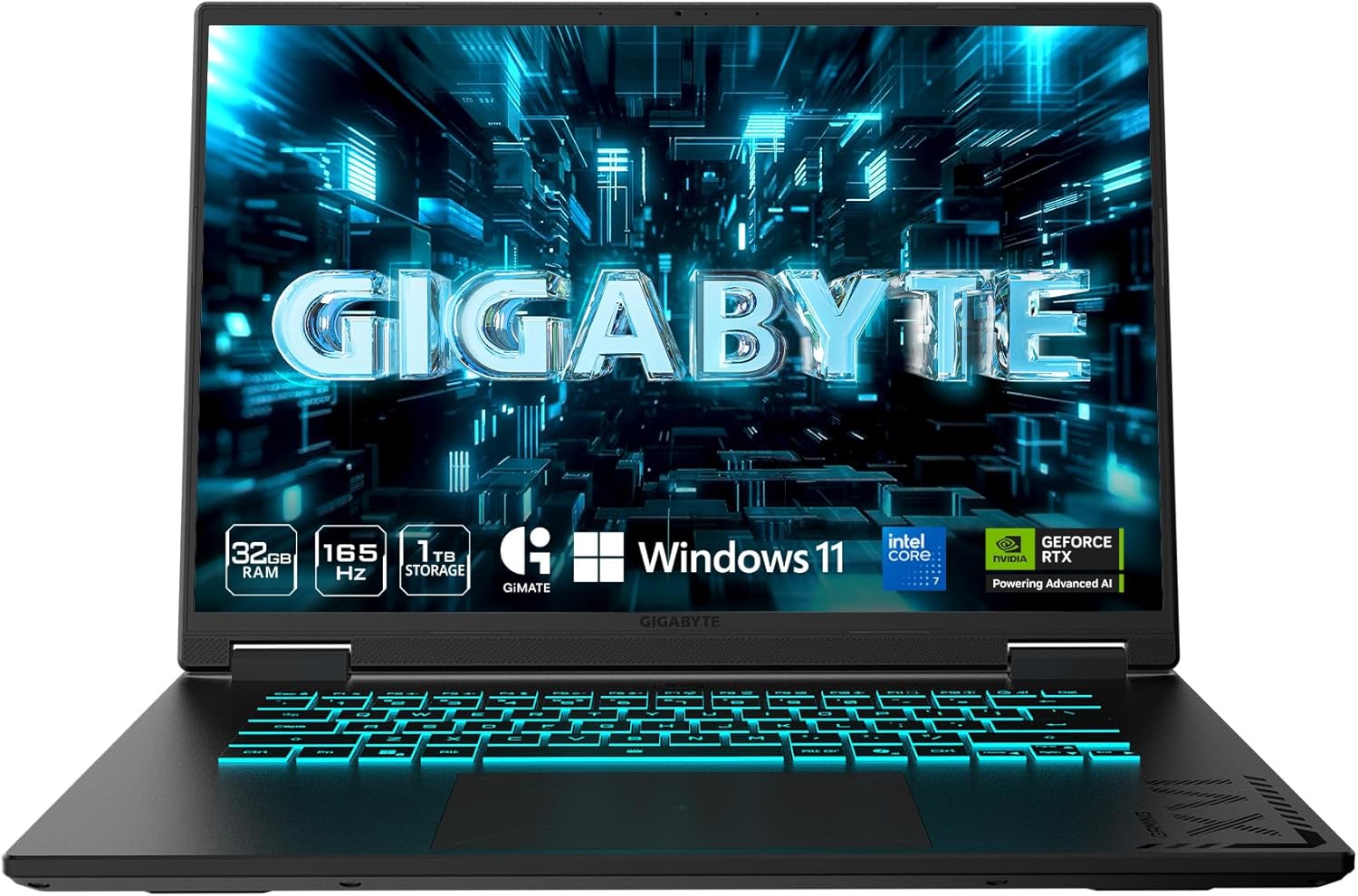
- memory Intel Core Ultra 7 240H
- developer_board NVIDIA GeForce RTX 5070 Ti Laptop GPU
- layers 32GB LPDDR5X 5600MHz
- track_changes Target GPU: NVIDIA GeForce RTX 4080 Super / AMD Radeon RX 7900 XTX

- memory Intel Core Ultra 9 275HX
- developer_board GeForce RTX 5070 Laptop Laptop GPU
- layers 64GB DDR5-6400MHz (Single-Channel)
- track_changes Target GPU: NVIDIA GeForce RTX 4080 Super / AMD Radeon RX 7900 XTX

- memory Intel Core Ultra 9 275HX
- developer_board NVIDIA GeForce RTX 5070 Ti
- layers 32GB
- track_changes Target GPU: NVIDIA GeForce RTX 4080 Super / AMD Radeon RX 7900 XTX

- memory Intel Core Ultra 9 275HX
- developer_board NVIDIA GeForce RTX 5070 Ti Laptop GPU
- layers 32 GB DDR5 6400MHz (2x16GB)
- track_changes Target GPU: NVIDIA GeForce RTX 4080 Super / AMD Radeon RX 7900 XTX
For Masters of Albion Specifically
- memory Intel Core i7-12700H
- developer_board NVIDIA GeForce RTX 3070
- layers 32GB DDR4-3200MHz
- track_changes Target GPU: NVIDIA GeForce GTX 1060 6GB or AMD Radeon RX 580
- memory Intel Core i9-13900H
- developer_board NVIDIA GeForce RTX 4060
- layers 16GB DDR5-5200MHz
- track_changes Target GPU: NVIDIA GeForce GTX 1060 6GB or AMD Radeon RX 580
- memory Intel Core i9-14900HX
- developer_board NVIDIA GeForce RTX 4060
- layers 32GB DDR5-5600MHz
- track_changes Target GPU: NVIDIA GeForce GTX 1060 6GB or AMD Radeon RX 580
- memory Intel Core i9-12900H
- developer_board NVIDIA GeForce RTX 3070 Ti
- layers 16GB DDR5-4800MHz
- track_changes Target GPU: NVIDIA GeForce GTX 1060 6GB or AMD Radeon RX 580

- memory Intel Core i5-12450H
- developer_board NVIDIA GeForce RTX 3050
- layers 16GB DDR4-3200MHz
- track_changes Target GPU: NVIDIA GeForce GTX 1060 6GB or AMD Radeon RX 580
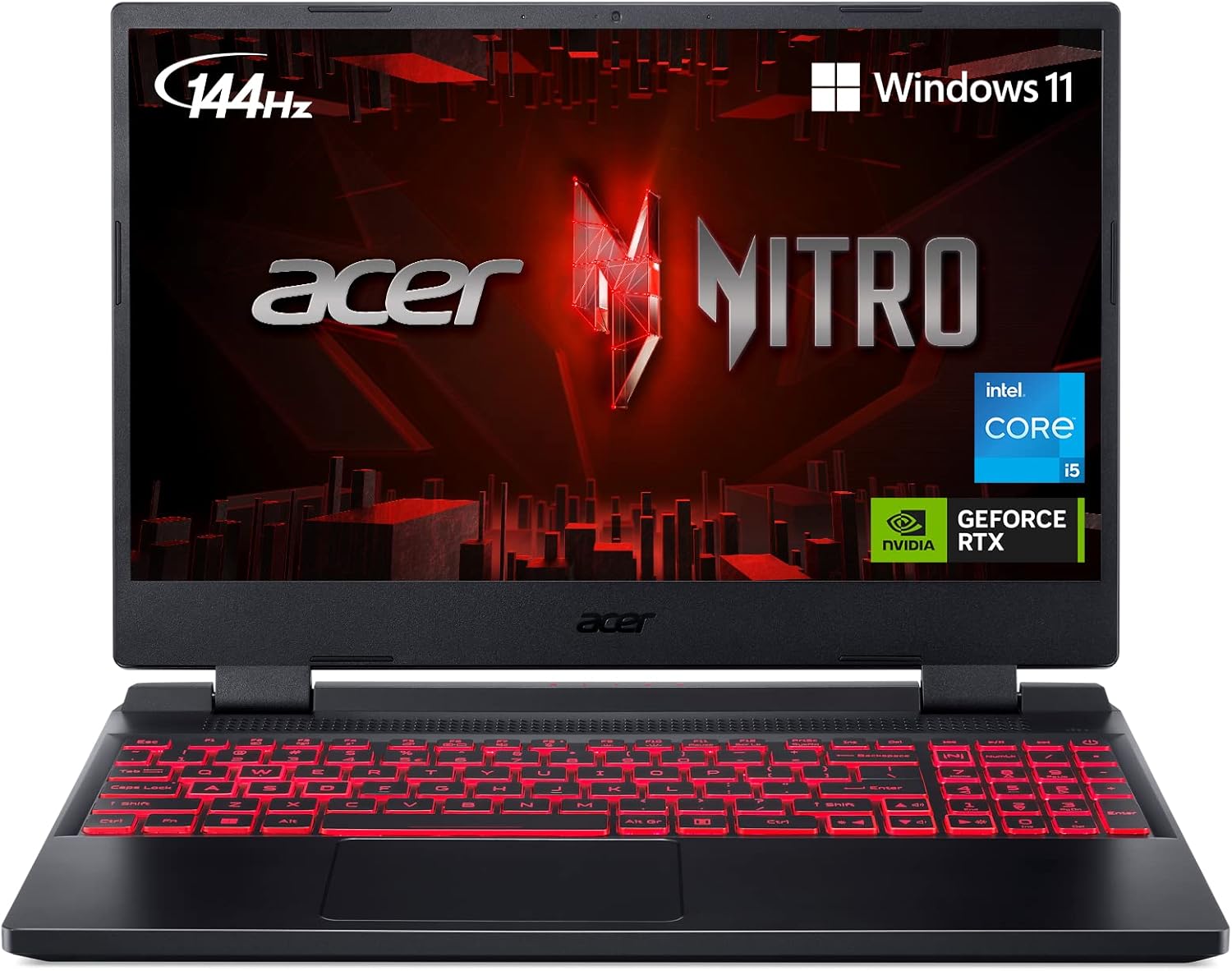
- memory Intel Core i5-12500H
- developer_board NVIDIA GeForce RTX 3050 Ti
- layers 16GB DDR4-3200MHz
- track_changes Target GPU: NVIDIA GeForce GTX 1060 6GB or AMD Radeon RX 580
- memory AMD Ryzen 7 7435HS
- developer_board NVIDIA GeForce RTX 3050
- layers 32GB DDR5-4800MHz
- track_changes Target GPU: NVIDIA GeForce GTX 1060 6GB or AMD Radeon RX 580
- memory AMD Ryzen 7 6800H
- developer_board NVIDIA GeForce RTX 3060
- layers 16GB DDR5-4800MHz
- track_changes Target GPU: NVIDIA GeForce GTX 1060 6GB or AMD Radeon RX 580
- memory AMD Ryzen 9 5900HS
- developer_board NVIDIA GeForce RTX 3080
- layers 16GB DDR4-3200MHz
- track_changes Target GPU: NVIDIA GeForce GTX 1060 6GB or AMD Radeon RX 580
- memory Intel Core i7-13620H
- developer_board NVIDIA GeForce RTX 4070
- layers 16GB DDR5-4800MHz
- track_changes Target GPU: NVIDIA GeForce GTX 1060 6GB or AMD Radeon RX 580
- memory Intel Core i7-14700HX
- developer_board NVIDIA GeForce RTX 4070
- layers 16GB DDR5-5600MHz
- track_changes Target GPU: NVIDIA GeForce RTX 3060 Ti or AMD Radeon RX 6700 XT
- memory Intel Core i9-14900HX
- developer_board NVIDIA GeForce RTX 4070
- layers 32GB DDR5-5600MHz
- track_changes Target GPU: NVIDIA GeForce RTX 3060 Ti or AMD Radeon RX 6700 XT
- memory Intel Core i9-14900HX
- developer_board NVIDIA GeForce RTX 4080 Laptop GPU
- layers 64 GB DDR5-5600MHz
- track_changes Target GPU: NVIDIA GeForce RTX 4070 or AMD Radeon RX 7800 XT
- memory Intel Core Ultra 9 Processor 275HX (Series 2)
- developer_board NVIDIA GeForce RTX 5070 Laptop GPU
- layers 32GB DDR5-5600MHz
- track_changes Target GPU: NVIDIA GeForce RTX 4070 or AMD Radeon RX 7800 XT
- memory Intel Core i9-14900HX Processor
- developer_board NVIDIA GeForce RTX 5070 Laptop GPU
- layers 32GB DDR5-5600MHz
- track_changes Target GPU: NVIDIA GeForce RTX 4070 or AMD Radeon RX 7800 XT
- memory Intel Core i9-14900HX Processor
- developer_board NVIDIA GeForce RTX 5070 Laptop GPU
- layers 32GB DDR5-5600MHz
- track_changes Target GPU: NVIDIA GeForce RTX 4070 or AMD Radeon RX 7800 XT
- memory Intel Core Ultra 9 285H (Arrow Lake-H)
- developer_board NVIDIA GeForce RTX 5070 Laptop GPU
- layers 64GB LPDDR5x-8533MT/s (LPCAMM2)
- track_changes Target GPU: NVIDIA GeForce RTX 4070 or AMD Radeon RX 7800 XT
- memory Intel Core i9-14900HX
- developer_board NVIDIA GeForce RTX 4080
- layers 64GB DDR5-5600MHz
- track_changes Target GPU: NVIDIA GeForce RTX 4070 or AMD Radeon RX 7800 XT
- memory Intel Core i9-14900HX
- developer_board NVIDIA GeForce RTX 4080
- layers 32GB DDR5-5600MHz
- track_changes Target GPU: NVIDIA GeForce RTX 4070 or AMD Radeon RX 7800 XT
- memory Intel Core i9-14900HX
- developer_board NVIDIA GeForce RTX 4080
- layers 32GB DDR5-5600MHz
- track_changes Target GPU: NVIDIA GeForce RTX 4070 or AMD Radeon RX 7800 XT
- memory Intel Core i9-14900HX
- developer_board NVIDIA GeForce RTX 4080
- layers 32GB DDR5-5600MHz
- track_changes Target GPU: NVIDIA GeForce RTX 4070 or AMD Radeon RX 7800 XT
- memory AMD Ryzen 9 7845HX
- developer_board NVIDIA GeForce RTX 4080
- layers Up to 64GB DDR5
- track_changes Target GPU: NVIDIA GeForce RTX 4070 or AMD Radeon RX 7800 XT
- memory Intel Core Ultra 9 285H (Series 2) , 14 cores (6 Performance cores + 8 Efficient cores), 20 threads
- developer_board NVIDIA GeForce RTX 5050 Laptop GPU
- layers 32GB (2x16GB) DDR5 8400MHz SO-DIMM
- track_changes Target GPU: NVIDIA GeForce RTX 4080 Super or AMD Radeon RX 7900 XTX
- memory Intel Core Ultra 9 285H
- developer_board NVIDIA GeForce RTX 5070
- layers 32GB (2x16GB) DDR5 4800MHz SO-DIMM
- track_changes Target GPU: NVIDIA GeForce RTX 4080 Super or AMD Radeon RX 7900 XTX
- memory Intel Core i9-14900HX Processor
- developer_board NVIDIA GeForce RTX 5070 Ti Laptop GPU
- layers 64GB DDR5-5600MHz (commonly listed as 4800MHz by some retailers, but 5600MHz is common for 14th Gen HX with DDR5)
- track_changes Target GPU: NVIDIA GeForce RTX 4080 Super or AMD Radeon RX 7900 XTX
- memory Intel Core Ultra 9 Processor 275HX
- developer_board NVIDIA GeForce RTX 5070 Ti Laptop GPU
- layers 64GB DDR5-6400MHz
- track_changes Target GPU: NVIDIA GeForce RTX 4080 Super or AMD Radeon RX 7900 XTX
- memory Intel Core Ultra 9 Processor 275HX (Series 2)
- developer_board NVIDIA GeForce RTX 5070 Ti Laptop GPU
- layers 32GB DDR5-5600MHz
- track_changes Target GPU: NVIDIA GeForce RTX 4080 Super or AMD Radeon RX 7900 XTX
- memory Intel Ultra 7 255HX
- developer_board NVIDIA GeForce RTX 5070 Ti
- layers 32GB DDR5 5600MHz
- track_changes Target GPU: NVIDIA GeForce RTX 4080 Super or AMD Radeon RX 7900 XTX
- memory Intel Core Ultra 7 240H
- developer_board NVIDIA GeForce RTX 5070 Ti Laptop GPU
- layers 32GB LPDDR5X 5600MHz
- track_changes Target GPU: NVIDIA GeForce RTX 4080 Super or AMD Radeon RX 7900 XTX
- memory Intel Core Ultra 9 275HX
- developer_board GeForce RTX 5070 Laptop Laptop GPU
- layers 64GB DDR5-6400MHz (Single-Channel)
- track_changes Target GPU: NVIDIA GeForce RTX 4080 Super or AMD Radeon RX 7900 XTX
- memory Intel Core Ultra 9 275HX
- developer_board NVIDIA GeForce RTX 5070 Ti
- layers 32GB
- track_changes Target GPU: NVIDIA GeForce RTX 4080 Super or AMD Radeon RX 7900 XTX
- memory Intel Core Ultra 9 275HX
- developer_board NVIDIA GeForce RTX 5070 Ti Laptop GPU
- layers 32 GB DDR5 6400MHz (2x16GB)
- track_changes Target GPU: NVIDIA GeForce RTX 4080 Super or AMD Radeon RX 7900 XTX
info_outline Laptop recommendations are estimates based on available component benchmarks and game requirements. Actual performance may vary depending on settings, drivers, cooling, power limits, etc. Prices and availability subject to change. As an Amazon Associate, we earn from qualifying purchases.