Select Games to Compare
Benchmark your exact mobile GPU wattage (TGP), battery throttling drops, and cooling pad requirements for these games.
Far Far West vs Killing Floor 3
| close | close |
|---|---|
| shopping_cart Where to Buy | |
| info General Information | |
| Release Date | |
| Apr 28, 2026 | Jul 24, 2025 |
| Developer | |
| Evil Raptor | Tripwire Interactive |
| Publisher | |
| Fireshine Games | Tripwire Interactive |
| Genre(s) | |
| First-Person Shooter, Co-op Roguelike | First-Person Shooter, Co-op, Survival Horror, Action |
| Engine | |
| Unreal Engine 5.5 | Unreal Engine 5 |
| stars Ratings & Price | |
| Content Rating | |
| Teen | M (Mature 17+) |
| Avg. User Rating | |
| 4.5 / 5.0 | 4.5 / 5.0 |
| Current Price (USD) | |
| $19.99 | $49.99 |
| tune Key Specs | |
| Quick Highlights | |
|
|
| sports_esports Gameplay & Mechanics | |
| Companions/Followers | |
|
|
| Key Collectibles | |
|
|
| Key Themes | |
|
|
| colorize Combat & Gear | |
| Weapons Overview | |
|
|
| Armor / Gear Sets | |
|
|
| Outfits/Customization | |
|
|
| trending_up Progression & Upgrades | |
| Skills & Progression | |
|
The combat and progression systems in Far Far West are exceptionally deep, revolving heavily around a vast array of elemental spell cards and permanent character upgrades. The game features five core magical disciplines: Pyro, Acid, Elec, Voodoo, and Cactus. Rather than simply spamming attacks, players must strategically combine these elements to trigger devastating reactions—for example, dousing enemies in Acid before igniting them with a Pyro spell to create a massive fire tornado. Beyond the immediate spellcasting, the game employs a rewarding roguelite meta-progression system. After every run, win or lose, players return to The Saloon to spend their hard-earned Gold and Souls. Here, you can permanently upgrade your robot cowboy's health, damage, and spell efficacy. Furthermore, players can manually track specific weapon parts to increase their drop rates during missions, allowing for highly targeted loadout customization and specialized build crafting for higher difficulty tiers. |
The classic Perk system returns but has been expanded. Each Specialist (class) has a unique skill tree, allowing for deep customization of abilities and playstyles. A new weapon upgrade system allows players to enhance their favorite guns with new attachments and properties. The in-match economy of earning 'Dosh' to buy better weapons from the Trader pod remains a core part of the gameplay loop. |
| public World & Exploration | |
| World & Level Design | |
|
The frontier of Far Far West is divided into several distinct, highly atmospheric biomes that players access via their central hub, a lively establishment simply known as The Saloon. From this safe zone, players can venture out into treacherous environments such as dusty Deserts, eerie Woodlands, haunted Canyons, and the mysterious Area-41. Each region is uniquely designed with Unreal Engine 5.5, showcasing dense geometry and dynamic weather events like violent storms that can completely alter the battlefield. The maps are structured to support the game's chaotic horde-shooter mechanics, offering both wide-open arenas for kiting massive enemy swarms and tight chokepoints where area-of-effect spell combos shine. The world is filled with environmental hazards, reanimated skeletons, and haunted mines, ensuring that every bounty mission stays incredibly tense and highly unpredictable as players navigate the beautifully spooky verticality of the untamed Wild West. |
The game features a variety of battlegrounds, from claustrophobic urban environments to sprawling industrial complexes. Maps are designed with the series' signature focus on choke points, verticality, and strategic locations for welding doors and holding out against the horde. The move to Unreal Engine 5 allows for more detailed and destructible environments. |
| Playable Vehicles | |
|
|
| Notable Fauna/Mounts | |
|
N/A |
| book Story & Characters | |
| Main Characters | |
|
|
| Example Missions | |
|
|
| people Multiplayer | |
| Multiplayer Details | |
|
Far Far West truly shines in its dynamic, chaotic 1-4 player online cooperative multiplayer mode. While the game can absolutely be tackled solo, the difficulty scaling and elemental combo system heavily reward team synergy and communication. Players must coordinate their loadouts to ensure they have complimentary spell cards; for instance, one player can focus entirely on Voodoo support to keep the posse healed, while another coats the battlefield in Acid for a third player to detonate with a Pyro blast. The horde-shooter mechanics demand constant movement and situational awareness, as enemies will ruthlessly track stationary targets, especially on higher difficulties like Nightmare. The mantra of the game is simple: get in, get paid, and get out mostly alive. Sharing the spoils of a successful bounty hunt and showing off customized robot cowboys in The Saloon makes the multiplayer loop incredibly addictive. |
The game is built around 6-player online co-op. The primary modes are the classic wave-based Survival and the more structured Objective Mode. A new 'Endless Mode' was added in the first post-launch update. |
| extension Editions & DLC | |
| Available Editions | |
|
Far Far West officially launched into Steam Early Access on April 28, 2026, to immediate commercial and critical acclaim, selling over 500,000 copies in its first eleven days. Published by Fireshine Games and developed by the eight-person team at Evil Raptor, the game is currently available exclusively on PC via Steam. The standard Early Access edition is priced at $19.99, providing full access to the 1-4 player co-op campaign, all current biomes, and the complete elemental spellcasting system. There are currently no Deluxe or Collector's editions, as the team is focused entirely on refining the core gameplay loop and incorporating community feedback. The developers have promised substantial content updates throughout the Early Access period, and players who purchase the game now secure their access to all future foundational updates, including new spells, biomes, and difficulty modes, before the game transitions to its eventual 1.0 full release. |
N/A |
| Post-Launch Content / DLC | |
|
Despite having just entered Early Access in late April 2026, Far Far West is already receiving substantial post-launch support and robust content updates. The developers rapidly deployed patch v1.1.0, codenamed the 'Clockwork Cleanup', which introduced a highly requested Endless Mode and several new, punishing difficulty levels for veteran gunslingers. Looking toward the future, the community is actively requesting additional spell classes—such as Wind and Stealth/Utility elements—as well as new enemy variants like giant sand worms and evil rogue robots. Evil Raptor has embraced this feedback, promising a steady stream of free updates that will continuously expand the magical arsenal, introduce new bounty targets, and refine the roguelite meta-progression. The studio is dedicated to treating the Early Access phase as a highly collaborative journey with their player base. |
N/A |
| help_outline FAQ | |
| Frequently Asked Questions | |
|
|
| build Technical Details | |
| Graphics & Visual Fidelity | |
|
Built on the cutting-edge Unreal Engine 5.5, Far Far West is an absolute visual treat that masterfully balances high-fidelity rendering with a stylized, cartoonish art direction. Evil Raptor has carried over the beloved spooky aesthetic from their previous game, Pumpkin Jack, injecting the Wild West with eerie, supernatural flair. The game features incredibly expressive robot cowboys who, despite notably lacking arms, convey immense personality through superb, snappy animations. The environments are highly detailed, featuring dynamic lighting, dense foliage in the Woodlands, and terrifyingly atmospheric fog in the haunted Canyons. The particle effects during combat are particularly stunning; executing a massive elemental combo fills the screen with vibrant, explosive colors that illuminate the dark frontier. It’s a visually distinct, hauntingly beautiful world that runs impressively well considering the massive hordes of enemies on screen. |
N/A |
| Audio & Soundtrack | |
|
The audio design of Far Far West perfectly complements its spooky, supernatural Wild West aesthetic. The soundtrack is a brilliant fusion of twangy, classic Ennio Morricone-style spaghetti western guitars layered with eerie, atmospheric synths and rhythmic, mechanical beats that reflect the robot cowboy protagonists. During intense combat sequences against massive hordes of enemies, the music dynamically swells, pumping up the adrenaline as spells fly across the screen. The sound effects are equally critical to the gameplay experience; each elemental spell has a distinct, punchy audio cue, making it easy to identify when a teammate has successfully cast a Voodoo healing candle or detonated an Acid-Fire combo amidst the visual chaos. Furthermore, environmental audio, like the howling winds of a violent desert storm or the unsettling groans echoing through haunted mines, ensures the world always feels dangerous. |
N/A |
| User Interface (UI/UX) | |
|
The user interface in Far Far West is designed to keep the chaotic on-screen action legible while providing crucial tactical information. The HUD features a clean, stylized aesthetic that highlights your equipped weapon and active spell cards, complete with clear cooldown timers to help you perfectly orchestrate your elemental combos. In the central hub of The Saloon, the UI transitions into a comprehensive management system where players can spend their Gold and Souls on complex skill trees and permanent upgrades. A standout feature of the interface is the weapon part tracking system; players can manually select specific weapon fragments from a menu, which actively increases their drop rate during subsequent runs. This thoughtful UI design respects the player's time, turning the traditional roguelite grind into a focused, highly satisfying progression loop that clearly communicates goals and rewards. |
N/A |
| Accessibility Options | |
|
Far Far West incorporates several thoughtful accessibility features to ensure players of varying skill levels can enjoy the chaotic frontier. The game offers modular difficulty settings, allowing players who find the default roguelite experience too punishing to dial down the challenge, comfortably farm upgrades in The Saloon, and eventually tackle harder content at their own pace. The targeted loot system, where players can manually track specific weapon parts, greatly reduces the frustration of RNG mechanics, respecting the player's time investment. Visually, the game utilizes highly distinct color coding for its five elemental spell types (Acid, Pyro, Elec, Voodoo, Cactus), ensuring that even in the midst of visually overwhelming horde combat, players can clearly read the battlefield and identify combo opportunities. Additionally, simple input commands, like using the spacebar to effortlessly drag and drop items, streamline the gameplay experience. |
N/A |
| video_library Media Links | |
| Gameplay Video | |
| launchWatch | launchWatch |
| Walkthrough/Guide | |
| launchView | launchView |
| settings_applications System Requirements | |
| 1080p (Full HD) - Recommended (Targets 1080p, High settings, ~60 FPS) (This tier is extrapolated for a high-quality 1080p experience without relying on upscaling as heavily as the official 1440p recommendation.) CPU: The official recommended CPUs are very powerful, suggesting the game is highly CPU-intensive at higher settings. CPU (Laptop): A strong mobile CPU is needed to handle the game's processing demands and maintain a stable framerate. GPU: Official recommended desktop GPUs. There is a notable performance difference between these two cards, with the RX 6750 XT being significantly stronger. GPU (Laptop): Good laptop GPUs for a solid 1080p experience. The RTX 4050 Laptop is a great choice with access to DLSS 3 Frame Generation. RAM: 16GB RAM is officially recommended. Dual-channel configuration is strongly advised. Storage: An SSD is officially required for the recommended experience. | |
| — | memoryCPU: Intel Core i7-9700K or AMD Ryzen 7 7700X developer_boardGPU: NVIDIA GeForce RTX 3060 or AMD Radeon RX 6750 XT laptop_macCPU (L): Intel Core i7-11800H / AMD Ryzen 7 5800H or better. laptop_windowsGPU (L): NVIDIA GeForce RTX 3060 Laptop (6GB, High TGP), RTX 4050 Laptop (6GB). layersRAM: 16 GB saveStorage (Tier): 20 GB SSD |
| 1080p (Full HD) - Recommended (High Settings, 60 FPS) CPU: Higher single-core speed provides better frame pacing during explosive spell combos. CPU (Laptop): Solid 8-core mobile CPU for stable horde tracking. GPU: Provides excellent rasterization for 1080p 60fps with high particle fidelity. GPU (Laptop): Comfortably handles 1080p high with upscaling. RAM: Ideal for smooth background streaming and chaotic multiplayer sessions. Storage: Fast loading times back to The Saloon after a wipe. | |
memoryCPU: Intel Core i7-9700K or AMD Ryzen 5 3600 developer_boardGPU: NVIDIA GeForce RTX 3060 or AMD Radeon RX 6600 XT laptop_macCPU (L): Intel Core i7-11800H laptop_windowsGPU (L): NVIDIA RTX 4050 Mobile (85W+) layersRAM: 16 GB saveStorage (Tier): 30 GB NVMe SSD | — |
| 1080p (Full HD) - Minimum (Low Settings, 30 FPS) CPU: Requires 6 cores to handle basic enemy horde AI and spell logic. CPU (Laptop): Entry-level mobile processors can handle the game at 30 FPS with lowered particle effects. GPU: Minimum 6GB VRAM needed to prevent texture streaming hitches. GPU (Laptop): Requires DLSS Performance to maintain smooth framerates during heavy combat. RAM: Absolute minimum to run the OS and game; expect some stuttering in deep Endless mode. Storage: HDD not recommended due to slow loading between runs. | |
memoryCPU: Intel Core i5-8400 or AMD Ryzen 5 2600 developer_boardGPU: NVIDIA GeForce GTX 1060 or AMD Radeon RX 580 laptop_macCPU (L): Intel Core i5-10300H laptop_windowsGPU (L): NVIDIA RTX 3050 Mobile (60W+) layersRAM: 8 GB saveStorage (Tier): 30 GB SSD | — |
| 1080p (Full HD) - Minimum (Targets 1080p, Low settings, ~30 FPS with Upscaling) (Low Preset, 1080p resolution with upscaling, targeting 30 FPS using traditional lighting, as per official notes.) CPU: Official minimum desktop CPU. The Intel requirement is quite old, while the AMD one is more recent. CPU (Laptop): Estimated entry-level laptop CPUs for minimum playability. GPU: Official minimum desktop GPU. GPU (Laptop): Estimated laptop GPUs for minimum settings. The GTX 1060 Mobile should provide a comparable experience. RAM: 16GB RAM is the official minimum requirement, a high baseline for a minimum spec. Storage: An SSD is officially required for minimum playability. | |
| — | memoryCPU: Intel Core i7-4790 or AMD Ryzen 5 2600 developer_boardGPU: NVIDIA GeForce GTX 1060 or AMD Radeon RX 480 laptop_macCPU (L): Intel Core i7-7700HQ / AMD Ryzen 5 3550H or better. laptop_windowsGPU (L): NVIDIA GeForce GTX 1060 Mobile (6GB) / GTX 1650 Ti Mobile (4GB). layersRAM: 16 GB saveStorage (Tier): 20 GB SSD |
| 1440p (QHD/2K) - Recommended (High Settings, 60 FPS) CPU: Modern architecture reduces CPU bottlenecks. CPU (Laptop): Provides excellent multi-core performance for 1440p. GPU: Needed to push 1440p resolution alongside intense UE5.5 effects. GPU (Laptop): Can sustain 1440p using upscaling technologies. RAM: Standard requirement for modern gaming. Storage: Crucial for asset streaming at higher resolutions. | |
memoryCPU: Intel Core i5-12400F or AMD Ryzen 5 5600X developer_boardGPU: NVIDIA GeForce RTX 4070 or AMD Radeon RX 7700 XT laptop_macCPU (L): AMD Ryzen 7 6800H laptop_windowsGPU (L): NVIDIA RTX 4070 Mobile (115W+) layersRAM: 16 GB saveStorage (Tier): 30 GB NVMe SSD | — |
| 1440p (QHD/2K) - Official Recommended (Targets 1440p, Med/High settings, ~60 FPS with Upscaling) (Medium to High Preset, 1440p resolution with upscaling, targeting 60 FPS with Lumen GI and Reflections enabled, as per official notes.) CPU: Official recommended desktop CPU. The powerful Ryzen 7 7700X suggests high CPU demand for 60 FPS targets. CPU (Laptop): High-performance laptop CPUs are essential for a consistent 1440p experience, especially with Lumen enabled. GPU: Official recommended desktop GPUs for a 1440p upscaled experience. The RX 6750 XT is better suited for this target. GPU (Laptop): A high-TGP RTX 4060 or RTX 3070 Laptop is the ideal target for 1440p. A future RTX 5060 Laptop would offer an even better experience. RAM: 16GB RAM is the official recommendation for this tier. Storage: A fast NVMe SSD is recommended for the best loading times at 1440p. | |
| — | memoryCPU: Intel Core i7-9700K or AMD Ryzen 7 7700X developer_boardGPU: NVIDIA GeForce RTX 3060 or AMD Radeon RX 6750 XT laptop_macCPU (L): Intel Core i9-10980HK / AMD Ryzen 9 5900HX or newer. laptop_windowsGPU (L): NVIDIA GeForce RTX 3070 Laptop (8GB) / RTX 4060 Laptop (8GB). (Future-proof: RTX 5060 Laptop) layersRAM: 16 GB saveStorage (Tier): 20 GB NVMe SSD |
| 2160p (UHD/4K) - Ultra (Epic Settings, 60 FPS) CPU: Top-tier CPUs needed to eliminate any stuttering in Endless Mode. CPU (Laptop): Desktop-class mobile replacement processor. GPU: Mandatory for 4K rendering with all spell effects maxed out. GPU (Laptop): The highest tier mobile GPU is required to sustain 4K Epic settings. RAM: Ensures no memory swapping occurs during massive particle explosions. Storage: Maximum bandwidth for instant texture loads. | |
memoryCPU: Intel Core i7-13700K or AMD Ryzen 7 7800X3D developer_boardGPU: NVIDIA GeForce RTX 4080 or AMD Radeon RX 7900 XTX laptop_macCPU (L): Intel Core i9-13900HX laptop_windowsGPU (L): NVIDIA RTX 4090 Mobile (175W) layersRAM: 32 GB saveStorage (Tier): 30 GB Gen 4 NVMe SSD | — |
| 2160p (UHD/4K) - 4K Ultra Settings (Targets 2160p/4K, High/Ultra settings, ~60 FPS with Upscaling) (High/Ultra Preset, 2160p (4K) resolution, aiming for 60 FPS. Upscaling (DLSS/FSR Performance) is essential.) CPU: A top-tier desktop CPU is recommended to support high-framerate 4K gaming and minimize CPU bottlenecks. CPU (Laptop): The highest-end laptop CPUs are needed to pair with flagship GPUs for a smooth 4K experience. GPU: High-end 40-series desktop GPUs are needed for a 4K/60FPS experience, relying heavily on DLSS/FSR Performance mode. A future RTX 5070 would be a better target for high-framerate 4K. GPU (Laptop): Flagship laptop GPUs are required for a playable 4K experience, which will be heavily dependent on upscaling technologies. RAM: While 16GB is the official recommendation, 32GB provides more headroom for 4K textures and reduces potential issues. Storage: A fast NVMe SSD is highly recommended for the best 4K gaming experience. | |
| — | memoryCPU: Intel Core i7-13700K or AMD Ryzen 7 7800X3D developer_boardGPU: NVIDIA GeForce RTX 4070 Ti (12GB) or AMD Radeon RX 7900 XT (20GB). (Future-proof: RTX 5070) laptop_macCPU (L): Intel Core i9-13900HX / AMD Ryzen 9 7945HX or newer. laptop_windowsGPU (L): NVIDIA GeForce RTX 4080 Laptop (12GB) / RTX 4090 Laptop (16GB). layersRAM: 16 GB saveStorage (Tier): 20 GB NVMe SSD |
| save Overall Storage | |
| Spec: 30 GB Available Space Note: An NVMe SSD is strongly recommended to quickly load into the various biomes from The Saloon hub. Type: Unknown | Spec: 20 GB available space (SSD Required) Note: An SSD is listed as a mandatory requirement for both minimum and recommended tiers. The relatively small 20GB install size suggests efficient asset packaging. Type: SSD |
| desktop_windows Operating System | |
| Spec: Windows 10/11 64-bit Explanation: Required for modern DirectX 12 API support and Unreal Engine 5.5 memory management. | Spec: Windows 10 for Minimum, Windows 11 for Recommended Explanation: A 64-bit version of Windows 10 is required. Windows 11 is officially recommended for the higher spec tier. |
| gamepad DirectX Version | |
| Spec: DirectX 12 Explanation: Essential for rendering complex spell combinations and utilizing advanced upscaling technologies. | Spec: DirectX 12 Explanation: The official requirement is DirectX 12. As an Unreal Engine 5 title, it relies on DX12 for its advanced rendering features like Lumen. |
| info_outline Other Game Notes | |
|
|
| build Optimization Details | |
|
|
| laptop Laptop Considerations | |
|
|


info_outline Feature details based on available data. System requirements and performance estimates may vary.
laptop_chromebook Laptop Recommendations
Common Recommendations (Handles All Compared Games)

- memory Intel Core i5-11400H
- developer_board NVIDIA GeForce RTX 2050
- layers 8GB DDR4-3200MHz
- track_changes Target GPU: NVIDIA RTX 3050 Mobile (60W+)

- memory Intel Core i7-12700H
- developer_board NVIDIA GeForce RTX 3070
- layers 32GB DDR4-3200MHz
- track_changes Target GPU: NVIDIA RTX 3050 Mobile (60W+)

- memory Intel Core i9-13900H
- developer_board NVIDIA GeForce RTX 4060
- layers 16GB DDR5-5200MHz
- track_changes Target GPU: NVIDIA RTX 3050 Mobile (60W+)

- memory Intel Core i9-14900HX
- developer_board NVIDIA GeForce RTX 4060
- layers 32GB DDR5-5600MHz
- track_changes Target GPU: NVIDIA RTX 4050 Mobile (85W+)

- memory Intel Core i9-14900HX
- developer_board NVIDIA GeForce RTX 4070
- layers 32GB DDR5-5600MHz
- track_changes Target GPU: NVIDIA RTX 4070 Mobile (115W+)

- memory Intel Core i9-14900HX
- developer_board NVIDIA GeForce RTX 4070
- layers 16GB DDR5-5600MHz
- track_changes Target GPU: NVIDIA RTX 4070 Mobile (115W+)

- memory Intel Core Ultra 7 255H
- developer_board NVIDIA GeForce RTX 5060 Laptop GPU
- layers 16GB DDR5-5600MHz (Dual-Channel)
- track_changes Target GPU: NVIDIA RTX 4070 Mobile (115W+)
- memory Intel Core i7-12700H
- developer_board NVIDIA GeForce RTX 3070
- layers 32GB DDR4-3200MHz
- track_changes Target GPU: NVIDIA GeForce RTX 3060 Laptop (6GB, High TGP), RTX 4050 Laptop (6GB).
- memory Intel Core i9-13900H
- developer_board NVIDIA GeForce RTX 4060
- layers 16GB DDR5-5200MHz
- track_changes Target GPU: NVIDIA GeForce RTX 3060 Laptop (6GB, High TGP), RTX 4050 Laptop (6GB).
- memory Intel Core i9-14900HX
- developer_board NVIDIA GeForce RTX 4060
- layers 32GB DDR5-5600MHz
- track_changes Target GPU: NVIDIA GeForce RTX 3060 Laptop (6GB, High TGP), RTX 4050 Laptop (6GB).

- memory Intel Core i9-14900HX
- developer_board NVIDIA GeForce RTX 4090
- layers 32GB DDR5-5600MHz
- track_changes Target GPU: NVIDIA RTX 4090 Mobile (175W)

- memory Intel Core Ultra 9 285H (Series 2) , 14 cores (6 Performance cores + 8 Efficient cores), 20 threads
- developer_board NVIDIA GeForce RTX 5050 Laptop GPU
- layers 32GB (2x16GB) DDR5 8400MHz SO-DIMM
- track_changes Target GPU: NVIDIA RTX 4090 Mobile (175W)

- memory Intel Core Ultra 9 285H
- developer_board NVIDIA GeForce RTX 5070
- layers 32GB (2x16GB) DDR5 4800MHz SO-DIMM
- track_changes Target GPU: NVIDIA RTX 4090 Mobile (175W)

- memory Intel Core i9-14900HX
- developer_board NVIDIA GeForce RTX 4080 Laptop GPU
- layers 64 GB DDR5-5600MHz
- track_changes Target GPU: NVIDIA GeForce RTX 4080 Laptop (12GB) / RTX 4090 Laptop (16GB).

- memory Intel Core Ultra 9 Processor 275HX (Series 2)
- developer_board NVIDIA GeForce RTX 5070 Laptop GPU
- layers 32GB DDR5-5600MHz
- track_changes Target GPU: NVIDIA GeForce RTX 4080 Laptop (12GB) / RTX 4090 Laptop (16GB).

- memory Intel Core i9-14900HX Processor
- developer_board NVIDIA GeForce RTX 5070 Laptop GPU
- layers 32GB DDR5-5600MHz
- track_changes Target GPU: NVIDIA GeForce RTX 4080 Laptop (12GB) / RTX 4090 Laptop (16GB).
For Far Far West Specifically
- memory Intel Core i5-11400H
- developer_board NVIDIA GeForce RTX 2050
- layers 8GB DDR4-3200MHz
- track_changes Target GPU: NVIDIA GeForce GTX 1060 or AMD Radeon RX 580
- memory Intel Core i7-12700H
- developer_board NVIDIA GeForce RTX 3070
- layers 32GB DDR4-3200MHz
- track_changes Target GPU: NVIDIA GeForce GTX 1060 or AMD Radeon RX 580
- memory Intel Core i9-13900H
- developer_board NVIDIA GeForce RTX 4060
- layers 16GB DDR5-5200MHz
- track_changes Target GPU: NVIDIA GeForce GTX 1060 or AMD Radeon RX 580
- memory Intel Core i9-14900HX
- developer_board NVIDIA GeForce RTX 4060
- layers 32GB DDR5-5600MHz
- track_changes Target GPU: NVIDIA GeForce GTX 1060 or AMD Radeon RX 580

- memory Intel Core i9-12900H
- developer_board NVIDIA GeForce RTX 3070 Ti
- layers 16GB DDR5-4800MHz
- track_changes Target GPU: NVIDIA GeForce GTX 1060 or AMD Radeon RX 580

- memory Intel Core i5-12450H
- developer_board NVIDIA GeForce RTX 3050
- layers 16GB DDR4-3200MHz
- track_changes Target GPU: NVIDIA GeForce GTX 1060 or AMD Radeon RX 580
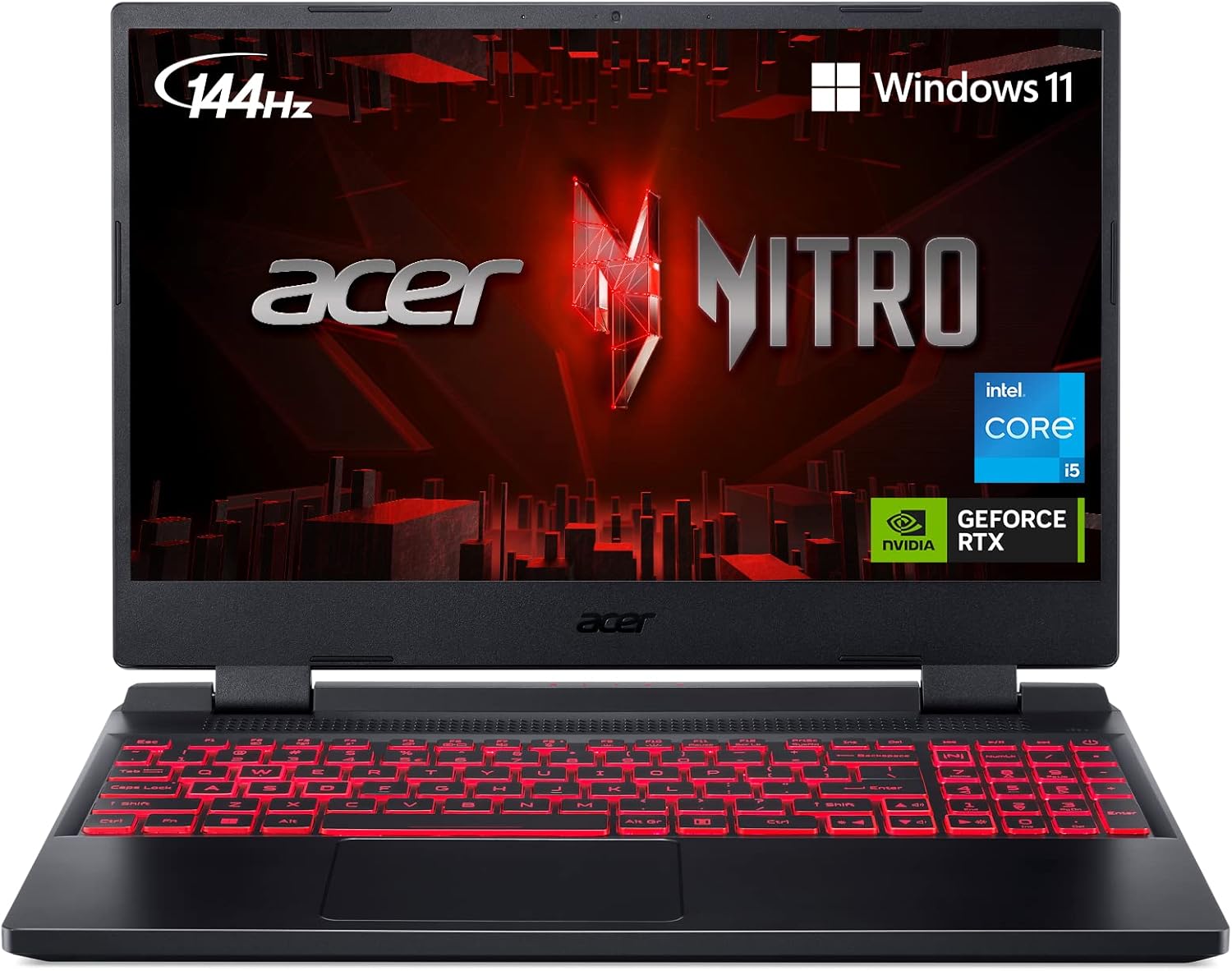
- memory Intel Core i5-12500H
- developer_board NVIDIA GeForce RTX 3050 Ti
- layers 16GB DDR4-3200MHz
- track_changes Target GPU: NVIDIA GeForce GTX 1060 or AMD Radeon RX 580

- memory AMD Ryzen 7 7435HS
- developer_board NVIDIA GeForce RTX 3050
- layers 32GB DDR5-4800MHz
- track_changes Target GPU: NVIDIA GeForce GTX 1060 or AMD Radeon RX 580

- memory AMD Ryzen 7 6800H
- developer_board NVIDIA GeForce RTX 3060
- layers 16GB DDR5-4800MHz
- track_changes Target GPU: NVIDIA GeForce GTX 1060 or AMD Radeon RX 580

- memory AMD Ryzen 9 5900HS
- developer_board NVIDIA GeForce RTX 3080
- layers 16GB DDR4-3200MHz
- track_changes Target GPU: NVIDIA GeForce GTX 1060 or AMD Radeon RX 580

- memory Intel Core i7-13620H
- developer_board NVIDIA GeForce RTX 4070
- layers 16GB DDR5-4800MHz
- track_changes Target GPU: NVIDIA GeForce RTX 3060 or AMD Radeon RX 6600 XT

- memory Intel Core i7-14700HX
- developer_board NVIDIA GeForce RTX 4070
- layers 16GB DDR5-5600MHz
- track_changes Target GPU: NVIDIA GeForce RTX 3060 or AMD Radeon RX 6600 XT
- memory Intel Core i9-14900HX
- developer_board NVIDIA GeForce RTX 4070
- layers 32GB DDR5-5600MHz
- track_changes Target GPU: NVIDIA GeForce RTX 3060 or AMD Radeon RX 6600 XT
- memory Intel Core i9-14900HX
- developer_board NVIDIA GeForce RTX 4070
- layers 32GB DDR5-5600MHz
- track_changes Target GPU: NVIDIA GeForce RTX 4070 or AMD Radeon RX 7700 XT
- memory Intel Core i9-14900HX
- developer_board NVIDIA GeForce RTX 4070
- layers 16GB DDR5-5600MHz
- track_changes Target GPU: NVIDIA GeForce RTX 4070 or AMD Radeon RX 7700 XT
- memory Intel Core Ultra 7 255H
- developer_board NVIDIA GeForce RTX 5060 Laptop GPU
- layers 16GB DDR5-5600MHz (Dual-Channel)
- track_changes Target GPU: NVIDIA GeForce RTX 4070 or AMD Radeon RX 7700 XT

- memory AMD Ryzen 9 8940HX Processor
- developer_board NVIDIA GeForce RTX 5060 Laptop GPU
- layers 32GB DDR5-5200MHz
- track_changes Target GPU: NVIDIA GeForce RTX 4070 or AMD Radeon RX 7700 XT

- memory Intel Core i9-12950HX
- developer_board NVIDIA GeForce RTX 3080 Ti
- layers 32GB DDR5-4800MHz
- track_changes Target GPU: NVIDIA GeForce RTX 4070 or AMD Radeon RX 7700 XT

- memory AMD Ryzen 7 7445HS
- developer_board NVIDIA GeForce RTX 4050
- layers 16GB (2x8GB) DDR5 5600MHz SO-DIMM
- track_changes Target GPU: NVIDIA GeForce RTX 4070 or AMD Radeon RX 7700 XT

- memory AMD Ryzen 7 7445HS
- developer_board NVIDIA GeForce RTX 4050
- layers 16GB DDR5 5600MHz SO-DIMM
- track_changes Target GPU: NVIDIA GeForce RTX 4070 or AMD Radeon RX 7700 XT
- memory Intel Core i9-14900HX
- developer_board NVIDIA GeForce RTX 4080 Laptop GPU
- layers 64 GB DDR5-5600MHz
- track_changes Target GPU: NVIDIA GeForce RTX 4070 or AMD Radeon RX 7700 XT

- memory AMD Ryzen 7 6800HS
- developer_board NVIDIA GeForce RTX 5070 Laptop GPU
- layers 16GB (2x8GB) DDR4 4800MHz SO-DIMM
- track_changes Target GPU: NVIDIA GeForce RTX 4070 or AMD Radeon RX 7700 XT
- memory Intel Core Ultra 9 Processor 275HX (Series 2)
- developer_board NVIDIA GeForce RTX 5070 Laptop GPU
- layers 32GB DDR5-5600MHz
- track_changes Target GPU: NVIDIA GeForce RTX 4070 or AMD Radeon RX 7700 XT
- memory Intel Core Ultra 9 285H (Series 2) , 14 cores (6 Performance cores + 8 Efficient cores), 20 threads
- developer_board NVIDIA GeForce RTX 5050 Laptop GPU
- layers 32GB (2x16GB) DDR5 8400MHz SO-DIMM
- track_changes Target GPU: NVIDIA GeForce RTX 4080 or AMD Radeon RX 7900 XTX
- memory Intel Core Ultra 9 285H
- developer_board NVIDIA GeForce RTX 5070
- layers 32GB (2x16GB) DDR5 4800MHz SO-DIMM
- track_changes Target GPU: NVIDIA GeForce RTX 4080 or AMD Radeon RX 7900 XTX

- memory Intel Core i9-14900HX Processor
- developer_board NVIDIA GeForce RTX 5070 Ti Laptop GPU
- layers 64GB DDR5-5600MHz (commonly listed as 4800MHz by some retailers, but 5600MHz is common for 14th Gen HX with DDR5)
- track_changes Target GPU: NVIDIA GeForce RTX 4080 or AMD Radeon RX 7900 XTX

- memory Intel Core Ultra 9 Processor 275HX
- developer_board NVIDIA GeForce RTX 5070 Ti Laptop GPU
- layers 64GB DDR5-6400MHz
- track_changes Target GPU: NVIDIA GeForce RTX 4080 or AMD Radeon RX 7900 XTX

- memory Intel Core Ultra 9 Processor 275HX (Series 2)
- developer_board NVIDIA GeForce RTX 5070 Ti Laptop GPU
- layers 32GB DDR5-5600MHz
- track_changes Target GPU: NVIDIA GeForce RTX 4080 or AMD Radeon RX 7900 XTX

- memory Intel Ultra 7 255HX
- developer_board NVIDIA GeForce RTX 5070 Ti
- layers 32GB DDR5 5600MHz
- track_changes Target GPU: NVIDIA GeForce RTX 4080 or AMD Radeon RX 7900 XTX

- memory Intel Core Ultra 7 240H
- developer_board NVIDIA GeForce RTX 5070 Ti Laptop GPU
- layers 32GB LPDDR5X 5600MHz
- track_changes Target GPU: NVIDIA GeForce RTX 4080 or AMD Radeon RX 7900 XTX

- memory Intel Core Ultra 9 275HX
- developer_board GeForce RTX 5070 Laptop Laptop GPU
- layers 64GB DDR5-6400MHz (Single-Channel)
- track_changes Target GPU: NVIDIA GeForce RTX 4080 or AMD Radeon RX 7900 XTX

- memory Intel Core Ultra 9 275HX
- developer_board NVIDIA GeForce RTX 5070 Ti
- layers 32GB
- track_changes Target GPU: NVIDIA GeForce RTX 4080 or AMD Radeon RX 7900 XTX

- memory Intel Core Ultra 9 275HX
- developer_board NVIDIA GeForce RTX 5070 Ti Laptop GPU
- layers 32 GB DDR5 6400MHz (2x16GB)
- track_changes Target GPU: NVIDIA GeForce RTX 4080 or AMD Radeon RX 7900 XTX
For Killing Floor 3 Specifically
- memory Intel Core i7-12700H
- developer_board NVIDIA GeForce RTX 3070
- layers 32GB DDR4-3200MHz
- track_changes Target GPU: NVIDIA GeForce GTX 1060 or AMD Radeon RX 480
- memory Intel Core i9-13900H
- developer_board NVIDIA GeForce RTX 4060
- layers 16GB DDR5-5200MHz
- track_changes Target GPU: NVIDIA GeForce GTX 1060 or AMD Radeon RX 480
- memory Intel Core i9-14900HX
- developer_board NVIDIA GeForce RTX 4060
- layers 32GB DDR5-5600MHz
- track_changes Target GPU: NVIDIA GeForce GTX 1060 or AMD Radeon RX 480
- memory Intel Core i9-12900H
- developer_board NVIDIA GeForce RTX 3070 Ti
- layers 16GB DDR5-4800MHz
- track_changes Target GPU: NVIDIA GeForce GTX 1060 or AMD Radeon RX 480
- memory Intel Core i5-12450H
- developer_board NVIDIA GeForce RTX 3050
- layers 16GB DDR4-3200MHz
- track_changes Target GPU: NVIDIA GeForce GTX 1060 or AMD Radeon RX 480
- memory Intel Core i5-12500H
- developer_board NVIDIA GeForce RTX 3050 Ti
- layers 16GB DDR4-3200MHz
- track_changes Target GPU: NVIDIA GeForce GTX 1060 or AMD Radeon RX 480
- memory AMD Ryzen 7 7435HS
- developer_board NVIDIA GeForce RTX 3050
- layers 32GB DDR5-4800MHz
- track_changes Target GPU: NVIDIA GeForce GTX 1060 or AMD Radeon RX 480
- memory AMD Ryzen 7 6800H
- developer_board NVIDIA GeForce RTX 3060
- layers 16GB DDR5-4800MHz
- track_changes Target GPU: NVIDIA GeForce GTX 1060 or AMD Radeon RX 480
- memory AMD Ryzen 9 5900HS
- developer_board NVIDIA GeForce RTX 3080
- layers 16GB DDR4-3200MHz
- track_changes Target GPU: NVIDIA GeForce GTX 1060 or AMD Radeon RX 480
- memory Intel Core i7-13620H
- developer_board NVIDIA GeForce RTX 4070
- layers 16GB DDR5-4800MHz
- track_changes Target GPU: NVIDIA GeForce GTX 1060 or AMD Radeon RX 480
- memory Intel Core i7-12700H
- developer_board NVIDIA GeForce RTX 3070
- layers 32GB DDR4-3200MHz
- track_changes Target GPU: NVIDIA GeForce RTX 3060 or AMD Radeon RX 6750 XT
- memory Intel Core i9-13900H
- developer_board NVIDIA GeForce RTX 4060
- layers 16GB DDR5-5200MHz
- track_changes Target GPU: NVIDIA GeForce RTX 3060 or AMD Radeon RX 6750 XT
- memory Intel Core i9-14900HX
- developer_board NVIDIA GeForce RTX 4060
- layers 32GB DDR5-5600MHz
- track_changes Target GPU: NVIDIA GeForce RTX 3060 or AMD Radeon RX 6750 XT
- memory Intel Core i9-12900H
- developer_board NVIDIA GeForce RTX 3070 Ti
- layers 16GB DDR5-4800MHz
- track_changes Target GPU: NVIDIA GeForce RTX 3060 or AMD Radeon RX 6750 XT
- memory AMD Ryzen 7 7435HS
- developer_board NVIDIA GeForce RTX 3050
- layers 32GB DDR5-4800MHz
- track_changes Target GPU: NVIDIA GeForce RTX 3060 or AMD Radeon RX 6750 XT
- memory AMD Ryzen 7 6800H
- developer_board NVIDIA GeForce RTX 3060
- layers 16GB DDR5-4800MHz
- track_changes Target GPU: NVIDIA GeForce RTX 3060 or AMD Radeon RX 6750 XT
- memory AMD Ryzen 9 5900HS
- developer_board NVIDIA GeForce RTX 3080
- layers 16GB DDR4-3200MHz
- track_changes Target GPU: NVIDIA GeForce RTX 3060 or AMD Radeon RX 6750 XT
- memory Intel Core i7-13620H
- developer_board NVIDIA GeForce RTX 4070
- layers 16GB DDR5-4800MHz
- track_changes Target GPU: NVIDIA GeForce RTX 3060 or AMD Radeon RX 6750 XT
- memory Intel Core i7-14700HX
- developer_board NVIDIA GeForce RTX 4070
- layers 16GB DDR5-5600MHz
- track_changes Target GPU: NVIDIA GeForce RTX 3060 or AMD Radeon RX 6750 XT
- memory Intel Core i9-14900HX
- developer_board NVIDIA GeForce RTX 4070
- layers 32GB DDR5-5600MHz
- track_changes Target GPU: NVIDIA GeForce RTX 3060 or AMD Radeon RX 6750 XT
- memory Intel Core i9-14900HX
- developer_board NVIDIA GeForce RTX 4080 Laptop GPU
- layers 64 GB DDR5-5600MHz
- track_changes Target GPU: NVIDIA GeForce RTX 4070 Ti (12GB) or AMD Radeon RX 7900 XT (20GB). (Future-proof: RTX 5070)
- memory Intel Core Ultra 9 Processor 275HX (Series 2)
- developer_board NVIDIA GeForce RTX 5070 Laptop GPU
- layers 32GB DDR5-5600MHz
- track_changes Target GPU: NVIDIA GeForce RTX 4070 Ti (12GB) or AMD Radeon RX 7900 XT (20GB). (Future-proof: RTX 5070)
- memory Intel Core i9-14900HX Processor
- developer_board NVIDIA GeForce RTX 5070 Laptop GPU
- layers 32GB DDR5-5600MHz
- track_changes Target GPU: NVIDIA GeForce RTX 4070 Ti (12GB) or AMD Radeon RX 7900 XT (20GB). (Future-proof: RTX 5070)

- memory Intel Core i9-14900HX Processor
- developer_board NVIDIA GeForce RTX 5070 Laptop GPU
- layers 32GB DDR5-5600MHz
- track_changes Target GPU: NVIDIA GeForce RTX 4070 Ti (12GB) or AMD Radeon RX 7900 XT (20GB). (Future-proof: RTX 5070)

- memory Intel Core Ultra 9 Processor 285H
- developer_board NVIDIA GeForce RTX 5070 Laptop GPU
- layers 16GB DDR5-5600MHz
- track_changes Target GPU: NVIDIA GeForce RTX 4070 Ti (12GB) or AMD Radeon RX 7900 XT (20GB). (Future-proof: RTX 5070)

- memory Intel Core Ultra 9 285H (Arrow Lake-H)
- developer_board NVIDIA GeForce RTX 5070 Laptop GPU
- layers 64GB LPDDR5x-8533MT/s (LPCAMM2)
- track_changes Target GPU: NVIDIA GeForce RTX 4070 Ti (12GB) or AMD Radeon RX 7900 XT (20GB). (Future-proof: RTX 5070)

- memory Intel Core i9-14900HX
- developer_board NVIDIA GeForce RTX 4080
- layers 64GB DDR5-5600MHz
- track_changes Target GPU: NVIDIA GeForce RTX 4070 Ti (12GB) or AMD Radeon RX 7900 XT (20GB). (Future-proof: RTX 5070)

- memory Intel Core i9-14900HX
- developer_board NVIDIA GeForce RTX 4080
- layers 32GB DDR5-5600MHz
- track_changes Target GPU: NVIDIA GeForce RTX 4070 Ti (12GB) or AMD Radeon RX 7900 XT (20GB). (Future-proof: RTX 5070)

- memory Intel Core i9-14900HX
- developer_board NVIDIA GeForce RTX 4080
- layers 32GB DDR5-5600MHz
- track_changes Target GPU: NVIDIA GeForce RTX 4070 Ti (12GB) or AMD Radeon RX 7900 XT (20GB). (Future-proof: RTX 5070)

- memory Intel Core i9-14900HX
- developer_board NVIDIA GeForce RTX 4080
- layers 32GB DDR5-5600MHz
- track_changes Target GPU: NVIDIA GeForce RTX 4070 Ti (12GB) or AMD Radeon RX 7900 XT (20GB). (Future-proof: RTX 5070)
info_outline Laptop recommendations are estimates based on available component benchmarks and game requirements. Actual performance may vary depending on settings, drivers, cooling, power limits, etc. Prices and availability subject to change. As an Amazon Associate, we earn from qualifying purchases.