Select Games to Compare
Benchmark your exact mobile GPU wattage (TGP), battery throttling drops, and cooling pad requirements for these games.
Far Cry Primal vs Subnautica 2
| close | close |
|---|---|
| shopping_cart Where to Buy | |
| info General Information | |
| Release Date | |
| Feb 23, 2016 | May 14, 2026 |
| Developer | |
| Ubisoft Montreal, Ubisoft Toronto, Ubisoft Kyiv, Ubisoft Shanghai | Unknown Worlds Entertainment |
| Publisher | |
| Ubisoft | Krafton |
| Genre(s) | |
| Action-Adventure, Open World, Survival, Prehistoric | Survival, Action-Adventure, Open World |
| Engine | |
| Dunia Engine 2 (Modified CryEngine) | Unreal Engine 5 |
| stars Ratings & Price | |
| Content Rating | |
| Mature 17+ | Teen |
| Avg. User Rating | |
| 3.9 / 5.0 | 4.6 / 5.0 |
| Current Price (USD) | |
| $49.99 | $29.99 |
| tune Key Specs | |
| Quick Highlights | |
|
|
| sports_esports Gameplay & Mechanics | |
| Companions/Followers | |
|
|
| Key Collectibles | |
|
|
| Key Themes | |
|
|
| colorize Combat & Gear | |
| Weapons Overview | |
|
|
| Armor / Gear Sets | |
|
|
| Outfits/Customization | |
|
|
| trending_up Progression & Upgrades | |
| Skills & Progression | |
|
Takkar's progression involves earning skill points by gaining XP (from missions, hunting, exploration, capturing objectives). Skills are divided into categories like Survival, Hunting, Gathering, Fighting, Crafting, and Beast Master abilities. Key skills include taming different tiers of beasts, improving combat prowess with various primitive weapons, crafting more effective tools and consumables (health, buffs), and enhancing stealth capabilities. The Wenja village also serves as a progression hub; recruiting specialists (Sayla the Gatherer, Tensay the Shaman, Wogah the Crafter, Karoosh the Warrior, Jayma the Hunter, Dah the Udam, Roshani the Izila) and upgrading their huts unlocks new skills, crafting recipes, gear upgrades, and village population bonuses. |
Progression in Subnautica 2 is driven by a deep, rewarding crafting and upgrade system rather than traditional character leveling. You begin with a basic fabricator and a survival knife, scrounging for titanium and organic materials to craft essential life-support gear. As you scan fragments of destroyed Alterra technology scattered across the ocean floor, you unlock blueprints for advanced equipment. Key upgrades include high-capacity O2 tanks, thermal-resistant diving suits, and reinforced depth modules for your vehicles. The base-building aspect has been massively expanded; players can now construct intricate underwater habitats complete with functional dive elevators, multi-tier moonpools, and automated resource gatherers. Co-op integration means that upgrades can be shared or specialized, allowing one player to focus on base engineering while another upgrades their combat and exploration tools. Mastery of the tech tree is the only way to conquer the abyssal depths. |
| public World & Exploration | |
| World & Level Design | |
|
Oros is a large and diverse open world featuring distinct biomes. These include temperate forests, marshy swamps, icy northern glaciers and caves, and volcanic southern regions. Each area presents unique environmental challenges, resources, and wildlife. The verticality of the terrain, with cliffs, caves, and high plateaus, encourages exploration. There are no traditional 'regions' to liberate in the same way as other Far Cry games, but rather areas dominated by Udam or Izila presence, with outposts and bonfires to capture. |
Subnautica 2 introduces a map significantly larger and denser than its predecessors, fully leveraging the power of Unreal Engine 5. The underwater topography is designed with extreme verticality in mind, featuring sprawling shallow coral reefs that serve as safe havens, giving way to plunging, lightless trenches where the true horrors lie. Biomes are incredibly diverse, featuring dense kelp-like forests, volcanic thermal vents, and bioluminescent crystalline caves that provide essential resources. The transition between these zones is seamless, requiring players to constantly upgrade their pressure suits and submersibles to survive the crushing depths. New environmental hazards, such as shifting underwater currents, toxic brine pools, and sudden temperature drops, make map traversal a puzzle in itself. The map also includes intricate cavern systems and alien facilities hidden deep beneath the sea floor, encouraging meticulous exploration while instilling a constant sense of claustrophobia and thalassophobia. |
| Playable Vehicles | |
|
|
| Notable Fauna/Mounts | |
|
|
| book Story & Characters | |
| Main Characters | |
|
|
| Example Missions | |
|
|
| people Multiplayer | |
| Multiplayer Details | |
|
Far Cry Primal does not have any multiplayer modes. It is a purely single-player game focused on Takkar's story and survival in Oros. |
Subnautica 2 completely revolutionizes the franchise by introducing fully integrated, but entirely optional, 4-player cooperative multiplayer. Built from the ground up for multiplayer functionality, the game utilizes a drop-in/drop-out system where friends can join your hosted world at any time. There are no multiplayer-exclusive features; the entire narrative campaign and all base-building mechanics are accessible whether you are solo or grouped. Co-op gameplay allows for synergistic survival: players can operate multi-station submersibles together, coordinate complex resource-gathering expeditions, and utilize new mechanics like the expanded dive elevators. The developers have brilliantly blended first-person and third-person animations, ensuring that watching your friends swim, build, and panic feels natural and immersive. However, for purists who prefer the crushing isolation of the original game, the solo experience remains perfectly intact and highly recommended. |
| extension Editions & DLC | |
| Available Editions | |
|
Far Cry Primal was released in a Standard Edition and a Digital Apex Edition. The Apex Edition included: 'Legend of the Mammoth' missions (play as a mammoth), a new weapon (Blood Shasti Club), and four enhancement packs (Sabretooth Pack, Owl Pack, Mammoth Pack, Bomb Pack) offering early access to resources, skins, or minor perks. A Collector's Edition was also available with physical items like a steelbook, map, soundtrack, and Wenja phrasebook. |
Subnautica 2 launches initially into Early Access on May 14, 2026, across PC (Steam and Epic Games Store) and Xbox Series X/S. The Early Access edition is priced very competitively at $29.99, providing players with the core survival experience, initial biomes, and fully functional 4-player co-op from day one. Unknown Worlds Entertainment has been explicitly clear regarding their monetization strategy: despite confusing reports from publisher Krafton, the game is absolutely not a 'Games-as-a-Service' title. There are zero battle passes, no seasonal subscriptions, and no microtransaction stores for crucial gameplay elements. Instead, the developers are adopting the same highly praised model used in previous games: a flat entry fee followed by years of continuous, massive free updates that expand the story, add new leviathans, and refine mechanics based heavily on community feedback during the Early Access phase. |
| Post-Launch Content / DLC | |
|
The main post-launch content was the 'Wenja Pack,' which was part of the Digital Apex Edition and also sold separately. This included the 'Legend of the Mammoth' missions, the Blood Shasti Club, and the four enhancement packs. A Survivor Mode was added post-launch as a free update, offering a more challenging experience with permadeath options and increased difficulty. Other minor DLCs were typically cosmetic or resource packs. |
The Early Access period for Subnautica 2, projected to last between two to three years, acts as a continuous stream of post-launch content. Unknown Worlds has laid out a comprehensive roadmap detailing major biome additions, vehicle introductions, and narrative expansions. The very first major post-launch update will introduce 'The Collector,' a massive, terrifying squid leviathan, and open up its abyssal lair for players brave enough to explore it. Future updates will progressively unlock the mysteries of the rogue CICADA AI and introduce new tiers of base-building components. The developer has firmly rejected the 'live service' moniker; all of these massive content drops will be entirely free for anyone who owns the base game. Paid DLC expansions, similar to 'Below Zero,' will only be considered years after the 1.0 release is fully polished and delivered. |
| help_outline FAQ | |
| Frequently Asked Questions | |
|
|
| build Technical Details | |
| Graphics & Visual Fidelity | |
|
Powered by the Dunia Engine 2, Far Cry Primal presents a lush and visually striking depiction of the Mesolithic era. Oros is characterized by dense forests, misty swamps, icy northern wastes, and volcanic landscapes, all teeming with detailed prehistoric flora and fauna. Animal models are particularly well-crafted, showcasing realistic movement and behavior. The game features dynamic weather, a day-night cycle, and impressive lighting that enhances the primeval atmosphere. |
Subnautica 2 abandons the Unity engine of its predecessors in favor of a full leap to Unreal Engine 5, resulting in a staggering generational jump in graphical fidelity. The implementation of UE5's Lumen global illumination completely transforms underwater lighting; sunlight realistically diffuses and scatters through the water column, creating authentic depth and darkness in the abyssal zones. Bioluminescent flora and fauna cast dynamic, terrifying shadows across the ocean floor. The Nanite geometry system allows for incredibly dense coral reefs and intricate alien ruins without suffering from texture pop-in. Fluid dynamics have been entirely rewritten, meaning water displacement, bubble physics, and vehicle wakes look remarkably realistic. The volumetric fog effectively simulates the terrifying murkiness of the deep ocean, ensuring that you never truly know what is lurking just beyond your field of vision. |
| Audio & Soundtrack | |
|
The original score by Jason Graves heavily features primitive instrumentation, tribal drums, bone flutes, and guttural vocals, creating a unique and atmospheric soundscape fitting the Stone Age. The game features three fully developed fictional languages for the Wenja, Udam, and Izila tribes, created by linguists based on Proto-Indo-European roots. Sound design is crucial for gameplay, with distinct animal calls indicating presence and threat levels, and environmental sounds providing clues for hunting and survival. |
Audio is the most critical element of terror and immersion in Subnautica 2. The soundscape is meticulously crafted to exploit the human fear of the unseen deep. Ambient audio shifts dynamically based on depth and biome; the comforting sounds of shallow water splashing give way to oppressive, low-frequency hums and the groaning of metal under immense pressure as you descend. The roar of a distant leviathan is directionally mapped using advanced spatial audio, creating a sense of dread long before the creature appears on screen. The soundtrack seamlessly blends atmospheric synth-wave with tense, pulsating orchestral scores that react to player actions, such as entering a new biome or triggering an aggressive predator. The voice acting for the rogue CICADA AI adds a chilling, psychological layer to the isolation, making the auditory experience an absolute masterpiece. |
| User Interface (UI/UX) | |
|
The UI is designed to be immersive and relatively minimalistic to fit the prehistoric setting. Health is represented by a segmented bar. Weapon selection is via a radial menu. Important information is often conveyed through environmental cues, animal behavior, and Takkar's own senses (Hunter Vision). A simplified compass and objective markers guide the player. The game features a fully developed fictional Wenja language (with subtitles) spoken by characters, enhancing immersion. |
The User Interface in Subnautica 2 remains highly diegetic, utilizing the player's PDA (Personal Digital Assistant) as the central hub for inventory management, blueprints, and lore databanks. The HUD is designed to be as minimalist as possible, ensuring the breathtaking underwater vistas of Unreal Engine 5 are never obscured. Health, oxygen, hunger, and thirst meters sit discreetly in the corner, with dynamic visual and audio warnings triggering as levels deplete. The quick-slot system has been refined to allow for faster, more intuitive tool swapping, which is crucial during sudden leviathan attacks. Base building menus have received a massive overhaul, featuring a holographic projection system that allows players to visualize and snap together complex habitat modules before committing resources. Accessibility options also allow for extensive UI scaling and colorblind modes to accommodate all players. |
| Accessibility Options | |
|
Standard Ubisoft accessibility options are present, including customizable controls (key remapping, sensitivity), aim assist (though less relevant for melee-focused combat), adjustable difficulty levels, and extensive subtitle customization (size, background, speaker names). Hunter Vision helps highlight important objects, enemies, and tracks. |
Unknown Worlds has made significant strides in ensuring Subnautica 2 is accessible to a wide audience without compromising its survival mechanics. The game features highly customizable difficulty settings; players can toggle hunger and thirst requirements independently of oxygen constraints, or utilize a full Creative Mode to focus purely on base building without fear of death. Subtitles are robust, offering speaker identification, size scaling, and background opacity adjustments. For players with thalassophobia, there are options to adjust the water's clarity and reduce the intensity of sudden predator jump-scares, though the developers note this fundamentally alters the intended experience. Comprehensive colorblind filters adjust the UI and important resource nodes to ensure visibility, and full control remapping is available on both keyboards and controllers to accommodate various physical mobility needs. |
| video_library Media Links | |
| Gameplay Video | |
| launchWatch | launchWatch |
| Walkthrough/Guide | |
| launchView | launchView |
| settings_applications System Requirements | |
| 1080p (Full HD) - Recommended (High Settings, 60 FPS) CPU: Higher single-core speed provides better frame pacing. CPU (Laptop): Solid 8-core mobile CPU for stable physics. GPU: Sufficient for 1080p 60fps with moderate volumetric settings. GPU (Laptop): Comfortably handles 1080p high with DLSS Quality. RAM: Ideal for smooth texture streaming and base building. Storage: Fast loading and seamless biome transitions. | |
| — | memoryCPU: Intel Core i7-8700K or AMD Ryzen 5 3600 developer_boardGPU: NVIDIA GeForce RTX 2060 or AMD Radeon RX 5600 XT laptop_macCPU (L): Intel Core i7-11800H laptop_windowsGPU (L): NVIDIA RTX 3060 Mobile (85W+) layersRAM: 16 GB saveStorage (Tier): 50 GB NVMe SSD |
| 1080p (Full HD) - Minimum (Likely 720p/Low or 1080p/Low ~30 FPS) (Low Preset) CPU: Minimum desktop CPU for playable framerates. CPU (Laptop): Estimated laptop CPU equivalent for minimum performance. Modern entry-level laptop CPUs will easily surpass this. GPU: Minimum desktop GPU. GPU (Laptop): Estimated laptop GPUs for minimum performance targets. Modern entry-level dedicated GPUs are significantly more powerful. RAM: Minimum RAM requirement. Storage: HDD is minimum. | |
memoryCPU: Intel Core i3-550 @ 3.2 GHz or AMD Phenom II X4 955 @ 3.2 GHz developer_boardGPU: NVIDIA GeForce GTX 460 (1GB VRAM) or AMD Radeon HD 5770 (1GB VRAM) laptop_macCPU (L): Intel Core i5-2410M / AMD A8-4500M equivalent or better laptop_windowsGPU (L): NVIDIA GeForce GT 740M (1GB) / AMD Radeon HD 8670M equivalent or better. **An NVIDIA GeForce RTX 3050 Mobile or RTX 4050 Mobile will run this game at 1080p Ultra settings with very high framerates.** layersRAM: 4 GB saveStorage (Tier): 20 GB HDD | — |
| 1080p (Full HD) - Minimum (Low Settings, 30 FPS) CPU: Requires 6 cores to handle basic AI and physics calculations. CPU (Laptop): Entry-level mobile processors can handle the game at 30 FPS. GPU: Minimum 6GB VRAM needed for lower texture pools. GPU (Laptop): Will require DLSS to maintain smooth framerates. RAM: Absolute minimum to run the OS and game; expect some stuttering. Storage: HDD not supported due to high streaming demands. | |
| — | memoryCPU: Intel Core i5-8400 or AMD Ryzen 5 2600 developer_boardGPU: NVIDIA GeForce GTX 1660 or AMD Radeon RX 5500 XT laptop_macCPU (L): Intel Core i5-10300H laptop_windowsGPU (L): NVIDIA RTX 3050 Mobile (60W+) layersRAM: 8 GB saveStorage (Tier): 50 GB SSD |
| 1080p (Full HD) - Recommended (1080p ~60 FPS, High Preset) (High Preset) CPU: Recommended desktop CPU for 1080p at 60 FPS. CPU (Laptop): Estimated mid-range laptop CPUs for smoother 1080p gameplay. GPU: Recommended desktop GPU for 1080p at 60 FPS on high settings. GPU (Laptop): Estimated performance-focused laptop GPUs for recommended 1080p. RAM: Recommended RAM for smoother performance (16GB is standard for modern gaming). Storage: SSD strongly recommended. | |
memoryCPU: Intel Core i7-2600K @ 3.4 GHz or AMD FX-8350 @ 4.0 GHz or better developer_boardGPU: NVIDIA GeForce GTX 780 (3GB VRAM) or AMD Radeon R9 280X (3GB VRAM) or better laptop_macCPU (L): Intel Core i7-3630QM / AMD Ryzen 3 1300X (Desktop equivalent in laptop) or better. **Modern laptop CPUs like Intel Core i5 10th gen+ / AMD Ryzen 5 3000 series+ will handle this effortlessly.** laptop_windowsGPU (L): NVIDIA GeForce GTX 960M (2GB/4GB) / GTX 870M (3GB) / AMD Radeon R9 M390X equivalent or better. **Modern laptop GPUs like the NVIDIA GeForce RTX 3050 Mobile, RTX 4050 Mobile, and above will achieve extremely high framerates at 1080p Ultra. An RTX 3060 Mobile or RTX 4060 Mobile is massively overkill for 1080p but excellent for higher resolutions.** layersRAM: 8 GB saveStorage (Tier): 20 GB HDD (SSD Recommended) | — |
| 1440p (QHD/2K) - Recommended (High Settings, 60 FPS) CPU: Modern architecture reduces bottlenecks. CPU (Laptop): Provides excellent multi-core performance. GPU: Needed to push 1440p resolution alongside UE5 features. GPU (Laptop): Can sustain 1440p using upscaling technologies. RAM: Standard requirement for modern gaming. Storage: Crucial for asset streaming at higher resolutions. | |
| — | memoryCPU: Intel Core i5-12400F or AMD Ryzen 5 5600X developer_boardGPU: NVIDIA GeForce RTX 3070 or AMD Radeon RX 6700 XT laptop_macCPU (L): AMD Ryzen 7 6800H laptop_windowsGPU (L): NVIDIA RTX 3070 Ti Mobile (115W+) layersRAM: 16 GB saveStorage (Tier): 50 GB NVMe SSD |
| 1440p (QHD/2K) - High (1440p ~60 FPS, High/Ultra Preset) (High/Ultra Preset) CPU: Desktop CPU for 1440p at 60 FPS. CPU (Laptop): Estimated high-end laptop CPUs suitable for 1440p. GPU: Desktop GPU for 1440p at 60 FPS. GPU (Laptop): Estimated performance laptop GPUs for 1440p. RAM: 16GB RAM recommended for smoother 1440p. Storage: SSD recommended. | |
memoryCPU: Intel Core i7-3770K @ 3.5 GHz or AMD FX-8350 Wraith @ 4.0 GHz or better developer_boardGPU: NVIDIA GeForce GTX 970 (4GB) or AMD Radeon R9 390 (8GB) laptop_macCPU (L): Intel Core i7-4710HQ / AMD Ryzen 5 3550H or better. **Modern laptop CPUs like Intel Core i7 10th gen+ / AMD Ryzen 7 3000 series+ are more than sufficient.** laptop_windowsGPU (L): NVIDIA GeForce GTX 980M (4GB/8GB) / GTX 1060 Mobile (6GB) or AMD Radeon RX 480 Mobile equivalent. **NVIDIA GeForce RTX 3060 Mobile, RTX 4060 Mobile, and above will deliver excellent, high-framerate performance at 1440p Ultra settings. An RTX 3070 Mobile or RTX 4070 Mobile will ensure consistently high FPS.** layersRAM: 8 GB saveStorage (Tier): 20 GB SSD. | — |
| 2160p (UHD/4K) - Ultra (Epic Settings, 60 FPS) CPU: Top-tier CPUs needed to eliminate any stuttering. CPU (Laptop): Desktop-class mobile replacement processor. GPU: Mandatory for 4K rendering with Lumen enabled. GPU (Laptop): The only mobile GPU capable of native 4K Ultra in UE5. RAM: Ensures no memory swapping occurs during massive base loads. Storage: Maximum bandwidth for instant texture loads. | |
| — | memoryCPU: Intel Core i7-13700K or AMD Ryzen 7 7800X3D developer_boardGPU: NVIDIA GeForce RTX 4080 or AMD Radeon RX 7900 XTX laptop_macCPU (L): Intel Core i9-13900HX laptop_windowsGPU (L): NVIDIA RTX 4090 Mobile (175W) layersRAM: 32 GB saveStorage (Tier): 50 GB Gen 4 NVMe SSD |
| 2160p (UHD/4K) - Ultra 4K (~30-60 FPS, High/Ultra Preset) (High/Ultra Preset (May require adjustments for consistent 60 FPS on older top-tier cards)) CPU: Desktop CPU recommendation for 4K. CPU (Laptop): Estimated top-tier laptop CPUs for 4K, GPU is primary factor. GPU: Desktop GPU recommendation for 4K. Consistent 60 FPS at Ultra often required top-tier single cards of the era or SLI/Crossfire. GPU (Laptop): Highest-end laptop GPUs (for the era) for 4K. Modern high-end laptop GPUs offer significantly better 4K performance for this title. RAM: 16GB RAM strongly recommended for 4K. Storage: SSD required for optimal 4K experience. | |
memoryCPU: Intel Core i7-4790K @ 4.0 GHz or AMD Ryzen 5 1600X @ 3.6 GHz or better developer_boardGPU: NVIDIA GeForce GTX 980 Ti (6GB) / GTX 1070 (8GB) or AMD Radeon R9 Fury X (4GB) / RX 480 (8GB Crossfire for higher FPS) laptop_macCPU (L): Intel Core i7-6700HQ / AMD Ryzen 7 3750H or better. **Modern high-performance laptop CPUs (Intel Core i7/i9 H/HX-series, AMD Ryzen 7/9 HS/HX-series) are recommended for 4K gaming.** laptop_windowsGPU (L): NVIDIA GeForce GTX 1070 Mobile (8GB) or higher. **NVIDIA GeForce RTX 3070 Mobile (High TGP), RTX 4070 Mobile, and higher (e.g., RTX 3080/Ti Mobile, RTX 4080/4090 Mobile) will run the game at 4K Ultra settings with high framerates. An RTX 3060 Mobile (High TGP) or RTX 4060 Mobile can achieve playable 4K at adjusted settings.** layersRAM: 8 GB saveStorage (Tier): 20 GB SSD. | — |
| save Overall Storage | |
| Spec: 20 GB available space (SSD Recommended). Note: SSD is recommended for faster load times and smoother world streaming. Type: SSD | Spec: 50 GB Available Space Note: An NVMe SSD is strongly recommended to eliminate texture streaming hitches when loading new biomes. Type: Unknown |
| desktop_windows Operating System | |
| Spec: Windows 7, Windows 8.1, Windows 10 (64-bit versions only) Explanation: Only 64-bit Windows 7 or newer is supported. Windows 10/11 64-bit recommended for modern hardware. | Spec: Windows 10/11 64-bit Explanation: Required to handle modern DirectX 12 Ultimate APIs and memory allocation for UE5. |
| gamepad DirectX Version | |
| Spec: DirectX 11 Explanation: DirectX 11 is required. | Spec: DirectX 12 Explanation: Essential for Unreal Engine 5 features like Lumen and Nanite. |
| info_outline Other Game Notes | |
|
|
| build Optimization Details | |
|
|
| laptop Laptop Considerations | |
|
|

info_outline Feature details based on available data. System requirements and performance estimates may vary.
laptop_chromebook Laptop Recommendations
Common Recommendations (Handles All Compared Games)

- memory Intel Core i7-12700H
- developer_board NVIDIA GeForce RTX 3070
- layers 32GB DDR4-3200MHz
- track_changes Target GPU: NVIDIA GeForce GT 740M (1GB) / AMD Radeon HD 8670M equivalent or better. **An NVIDIA GeForce RTX 3050 Mobile or RTX 4050 Mobile will run this game at 1080p Ultra settings with very high framerates.**

- memory Intel Core i9-13900H
- developer_board NVIDIA GeForce RTX 4060
- layers 16GB DDR5-5200MHz
- track_changes Target GPU: NVIDIA GeForce GT 740M (1GB) / AMD Radeon HD 8670M equivalent or better. **An NVIDIA GeForce RTX 3050 Mobile or RTX 4050 Mobile will run this game at 1080p Ultra settings with very high framerates.**

- memory Intel Core i9-14900HX
- developer_board NVIDIA GeForce RTX 4060
- layers 32GB DDR5-5600MHz
- track_changes Target GPU: NVIDIA GeForce GT 740M (1GB) / AMD Radeon HD 8670M equivalent or better. **An NVIDIA GeForce RTX 3050 Mobile or RTX 4050 Mobile will run this game at 1080p Ultra settings with very high framerates.**

- memory AMD Ryzen 7 7435HS
- developer_board NVIDIA GeForce RTX 3050
- layers 32GB DDR5-4800MHz
- track_changes Target GPU: NVIDIA GeForce GTX 960M (2GB/4GB) / GTX 870M (3GB) / AMD Radeon R9 M390X equivalent or better. **Modern laptop GPUs like the NVIDIA GeForce RTX 3050 Mobile, RTX 4050 Mobile, and above will achieve extremely high framerates at 1080p Ultra. An RTX 3060 Mobile or RTX 4060 Mobile is massively overkill for 1080p but excellent for higher resolutions.**

- memory Intel Core i9-14900HX
- developer_board NVIDIA GeForce RTX 4070
- layers 32GB DDR5-5600MHz
- track_changes Target GPU: NVIDIA GeForce GTX 960M (2GB/4GB) / GTX 870M (3GB) / AMD Radeon R9 M390X equivalent or better. **Modern laptop GPUs like the NVIDIA GeForce RTX 3050 Mobile, RTX 4050 Mobile, and above will achieve extremely high framerates at 1080p Ultra. An RTX 3060 Mobile or RTX 4060 Mobile is massively overkill for 1080p but excellent for higher resolutions.**

- memory Intel Core i5-11400H
- developer_board NVIDIA GeForce RTX 2050
- layers 8GB DDR4-3200MHz
- track_changes Target GPU: NVIDIA RTX 3050 Mobile (60W+)
- memory Intel Core i9-14900HX
- developer_board NVIDIA GeForce RTX 4060
- layers 32GB DDR5-5600MHz
- track_changes Target GPU: NVIDIA GeForce GTX 980M (4GB/8GB) / GTX 1060 Mobile (6GB) or AMD Radeon RX 480 Mobile equivalent. **NVIDIA GeForce RTX 3060 Mobile, RTX 4060 Mobile, and above will deliver excellent, high-framerate performance at 1440p Ultra settings. An RTX 3070 Mobile or RTX 4070 Mobile will ensure consistently high FPS.**
- memory AMD Ryzen 7 7435HS
- developer_board NVIDIA GeForce RTX 3050
- layers 32GB DDR5-4800MHz
- track_changes Target GPU: NVIDIA GeForce GTX 980M (4GB/8GB) / GTX 1060 Mobile (6GB) or AMD Radeon RX 480 Mobile equivalent. **NVIDIA GeForce RTX 3060 Mobile, RTX 4060 Mobile, and above will deliver excellent, high-framerate performance at 1440p Ultra settings. An RTX 3070 Mobile or RTX 4070 Mobile will ensure consistently high FPS.**
- memory Intel Core i9-14900HX
- developer_board NVIDIA GeForce RTX 4070
- layers 32GB DDR5-5600MHz
- track_changes Target GPU: NVIDIA GeForce GTX 980M (4GB/8GB) / GTX 1060 Mobile (6GB) or AMD Radeon RX 480 Mobile equivalent. **NVIDIA GeForce RTX 3060 Mobile, RTX 4060 Mobile, and above will deliver excellent, high-framerate performance at 1440p Ultra settings. An RTX 3070 Mobile or RTX 4070 Mobile will ensure consistently high FPS.**

- memory Intel Core i9-12900H
- developer_board NVIDIA GeForce RTX 3070 Ti
- layers 16GB DDR5-4800MHz
- track_changes Target GPU: NVIDIA RTX 3070 Ti Mobile (115W+)

- memory AMD Ryzen 7 6800H
- developer_board NVIDIA GeForce RTX 3060
- layers 16GB DDR5-4800MHz
- track_changes Target GPU: NVIDIA RTX 3070 Ti Mobile (115W+)
- memory Intel Core i7-12700H
- developer_board NVIDIA GeForce RTX 3070
- layers 32GB DDR4-3200MHz
- track_changes Target GPU: NVIDIA GeForce GTX 1070 Mobile (8GB) or higher. **NVIDIA GeForce RTX 3070 Mobile (High TGP), RTX 4070 Mobile, and higher (e.g., RTX 3080/Ti Mobile, RTX 4080/4090 Mobile) will run the game at 4K Ultra settings with high framerates. An RTX 3060 Mobile (High TGP) or RTX 4060 Mobile can achieve playable 4K at adjusted settings.**
- memory Intel Core i9-13900H
- developer_board NVIDIA GeForce RTX 4060
- layers 16GB DDR5-5200MHz
- track_changes Target GPU: NVIDIA GeForce GTX 1070 Mobile (8GB) or higher. **NVIDIA GeForce RTX 3070 Mobile (High TGP), RTX 4070 Mobile, and higher (e.g., RTX 3080/Ti Mobile, RTX 4080/4090 Mobile) will run the game at 4K Ultra settings with high framerates. An RTX 3060 Mobile (High TGP) or RTX 4060 Mobile can achieve playable 4K at adjusted settings.**
- memory Intel Core i9-14900HX
- developer_board NVIDIA GeForce RTX 4060
- layers 32GB DDR5-5600MHz
- track_changes Target GPU: NVIDIA GeForce GTX 1070 Mobile (8GB) or higher. **NVIDIA GeForce RTX 3070 Mobile (High TGP), RTX 4070 Mobile, and higher (e.g., RTX 3080/Ti Mobile, RTX 4080/4090 Mobile) will run the game at 4K Ultra settings with high framerates. An RTX 3060 Mobile (High TGP) or RTX 4060 Mobile can achieve playable 4K at adjusted settings.**

- memory Intel Core i9-14900HX
- developer_board NVIDIA GeForce RTX 4090
- layers 32GB DDR5-5600MHz
- track_changes Target GPU: NVIDIA RTX 4090 Mobile (175W)

- memory Intel Core Ultra 9 285H (Series 2) , 14 cores (6 Performance cores + 8 Efficient cores), 20 threads
- developer_board NVIDIA GeForce RTX 5050 Laptop GPU
- layers 32GB (2x16GB) DDR5 8400MHz SO-DIMM
- track_changes Target GPU: NVIDIA RTX 4090 Mobile (175W)

- memory Intel Core Ultra 9 285H
- developer_board NVIDIA GeForce RTX 5070
- layers 32GB (2x16GB) DDR5 4800MHz SO-DIMM
- track_changes Target GPU: NVIDIA RTX 4090 Mobile (175W)
For Far Cry Primal Specifically
- memory Intel Core i7-12700H
- developer_board NVIDIA GeForce RTX 3070
- layers 32GB DDR4-3200MHz
- track_changes Target GPU: NVIDIA GeForce GTX 460 (1GB VRAM) or AMD Radeon HD 5770 (1GB VRAM)
- memory Intel Core i9-13900H
- developer_board NVIDIA GeForce RTX 4060
- layers 16GB DDR5-5200MHz
- track_changes Target GPU: NVIDIA GeForce GTX 460 (1GB VRAM) or AMD Radeon HD 5770 (1GB VRAM)
- memory Intel Core i9-14900HX
- developer_board NVIDIA GeForce RTX 4060
- layers 32GB DDR5-5600MHz
- track_changes Target GPU: NVIDIA GeForce GTX 460 (1GB VRAM) or AMD Radeon HD 5770 (1GB VRAM)
- memory Intel Core i9-12900H
- developer_board NVIDIA GeForce RTX 3070 Ti
- layers 16GB DDR5-4800MHz
- track_changes Target GPU: NVIDIA GeForce GTX 460 (1GB VRAM) or AMD Radeon HD 5770 (1GB VRAM)
- memory AMD Ryzen 7 7435HS
- developer_board NVIDIA GeForce RTX 3050
- layers 32GB DDR5-4800MHz
- track_changes Target GPU: NVIDIA GeForce GTX 460 (1GB VRAM) or AMD Radeon HD 5770 (1GB VRAM)
- memory AMD Ryzen 7 6800H
- developer_board NVIDIA GeForce RTX 3060
- layers 16GB DDR5-4800MHz
- track_changes Target GPU: NVIDIA GeForce GTX 460 (1GB VRAM) or AMD Radeon HD 5770 (1GB VRAM)

- memory AMD Ryzen 9 5900HS
- developer_board NVIDIA GeForce RTX 3080
- layers 16GB DDR4-3200MHz
- track_changes Target GPU: NVIDIA GeForce GTX 460 (1GB VRAM) or AMD Radeon HD 5770 (1GB VRAM)

- memory Intel Core i7-13620H
- developer_board NVIDIA GeForce RTX 4070
- layers 16GB DDR5-4800MHz
- track_changes Target GPU: NVIDIA GeForce GTX 460 (1GB VRAM) or AMD Radeon HD 5770 (1GB VRAM)

- memory Intel Core i7-14700HX
- developer_board NVIDIA GeForce RTX 4070
- layers 16GB DDR5-5600MHz
- track_changes Target GPU: NVIDIA GeForce GTX 460 (1GB VRAM) or AMD Radeon HD 5770 (1GB VRAM)
- memory Intel Core i9-14900HX
- developer_board NVIDIA GeForce RTX 4070
- layers 32GB DDR5-5600MHz
- track_changes Target GPU: NVIDIA GeForce GTX 460 (1GB VRAM) or AMD Radeon HD 5770 (1GB VRAM)

- memory Intel Core i9-14900HX
- developer_board NVIDIA GeForce RTX 4070
- layers 16GB DDR5-5600MHz
- track_changes Target GPU: NVIDIA GeForce GTX 780 (3GB VRAM) or AMD Radeon R9 280X (3GB VRAM) or better

- memory Intel Core Ultra 7 255H
- developer_board NVIDIA GeForce RTX 5060 Laptop GPU
- layers 16GB DDR5-5600MHz (Dual-Channel)
- track_changes Target GPU: NVIDIA GeForce GTX 780 (3GB VRAM) or AMD Radeon R9 280X (3GB VRAM) or better

- memory AMD Ryzen 9 8940HX Processor
- developer_board NVIDIA GeForce RTX 5060 Laptop GPU
- layers 32GB DDR5-5200MHz
- track_changes Target GPU: NVIDIA GeForce GTX 780 (3GB VRAM) or AMD Radeon R9 280X (3GB VRAM) or better

- memory AMD Ryzen 7 7445HS
- developer_board NVIDIA GeForce RTX 4050
- layers 16GB (2x8GB) DDR5 5600MHz SO-DIMM
- track_changes Target GPU: NVIDIA GeForce GTX 780 (3GB VRAM) or AMD Radeon R9 280X (3GB VRAM) or better

- memory AMD Ryzen 7 7445HS
- developer_board NVIDIA GeForce RTX 4050
- layers 16GB DDR5 5600MHz SO-DIMM
- track_changes Target GPU: NVIDIA GeForce GTX 780 (3GB VRAM) or AMD Radeon R9 280X (3GB VRAM) or better

- memory Intel Core i9-14900HX
- developer_board NVIDIA GeForce RTX 4080 Laptop GPU
- layers 64 GB DDR5-5600MHz
- track_changes Target GPU: NVIDIA GeForce GTX 780 (3GB VRAM) or AMD Radeon R9 280X (3GB VRAM) or better

- memory Intel Core Ultra 9 Processor 275HX (Series 2)
- developer_board NVIDIA GeForce RTX 5070 Laptop GPU
- layers 32GB DDR5-5600MHz
- track_changes Target GPU: NVIDIA GeForce GTX 780 (3GB VRAM) or AMD Radeon R9 280X (3GB VRAM) or better
- memory Intel Core i9-14900HX
- developer_board NVIDIA GeForce RTX 4060
- layers 32GB DDR5-5600MHz
- track_changes Target GPU: NVIDIA GeForce GTX 970 (4GB) or AMD Radeon R9 390 (8GB)
- memory AMD Ryzen 7 7435HS
- developer_board NVIDIA GeForce RTX 3050
- layers 32GB DDR5-4800MHz
- track_changes Target GPU: NVIDIA GeForce GTX 970 (4GB) or AMD Radeon R9 390 (8GB)
- memory Intel Core i9-14900HX
- developer_board NVIDIA GeForce RTX 4070
- layers 32GB DDR5-5600MHz
- track_changes Target GPU: NVIDIA GeForce GTX 970 (4GB) or AMD Radeon R9 390 (8GB)
- memory Intel Core i9-14900HX
- developer_board NVIDIA GeForce RTX 4070
- layers 16GB DDR5-5600MHz
- track_changes Target GPU: NVIDIA GeForce GTX 970 (4GB) or AMD Radeon R9 390 (8GB)
- memory Intel Core Ultra 7 255H
- developer_board NVIDIA GeForce RTX 5060 Laptop GPU
- layers 16GB DDR5-5600MHz (Dual-Channel)
- track_changes Target GPU: NVIDIA GeForce GTX 970 (4GB) or AMD Radeon R9 390 (8GB)
- memory AMD Ryzen 9 8940HX Processor
- developer_board NVIDIA GeForce RTX 5060 Laptop GPU
- layers 32GB DDR5-5200MHz
- track_changes Target GPU: NVIDIA GeForce GTX 970 (4GB) or AMD Radeon R9 390 (8GB)
- memory AMD Ryzen 7 7445HS
- developer_board NVIDIA GeForce RTX 4050
- layers 16GB (2x8GB) DDR5 5600MHz SO-DIMM
- track_changes Target GPU: NVIDIA GeForce GTX 970 (4GB) or AMD Radeon R9 390 (8GB)
- memory AMD Ryzen 7 7445HS
- developer_board NVIDIA GeForce RTX 4050
- layers 16GB DDR5 5600MHz SO-DIMM
- track_changes Target GPU: NVIDIA GeForce GTX 970 (4GB) or AMD Radeon R9 390 (8GB)
- memory Intel Core i9-14900HX
- developer_board NVIDIA GeForce RTX 4080 Laptop GPU
- layers 64 GB DDR5-5600MHz
- track_changes Target GPU: NVIDIA GeForce GTX 970 (4GB) or AMD Radeon R9 390 (8GB)
- memory Intel Core Ultra 9 Processor 275HX (Series 2)
- developer_board NVIDIA GeForce RTX 5070 Laptop GPU
- layers 32GB DDR5-5600MHz
- track_changes Target GPU: NVIDIA GeForce GTX 970 (4GB) or AMD Radeon R9 390 (8GB)
- memory Intel Core i7-12700H
- developer_board NVIDIA GeForce RTX 3070
- layers 32GB DDR4-3200MHz
- track_changes Target GPU: NVIDIA GeForce GTX 980 Ti (6GB) / GTX 1070 (8GB) or AMD Radeon R9 Fury X (4GB) / RX 480 (8GB Crossfire for higher FPS)
- memory Intel Core i9-13900H
- developer_board NVIDIA GeForce RTX 4060
- layers 16GB DDR5-5200MHz
- track_changes Target GPU: NVIDIA GeForce GTX 980 Ti (6GB) / GTX 1070 (8GB) or AMD Radeon R9 Fury X (4GB) / RX 480 (8GB Crossfire for higher FPS)
- memory Intel Core i9-14900HX
- developer_board NVIDIA GeForce RTX 4060
- layers 32GB DDR5-5600MHz
- track_changes Target GPU: NVIDIA GeForce GTX 980 Ti (6GB) / GTX 1070 (8GB) or AMD Radeon R9 Fury X (4GB) / RX 480 (8GB Crossfire for higher FPS)
- memory Intel Core i9-12900H
- developer_board NVIDIA GeForce RTX 3070 Ti
- layers 16GB DDR5-4800MHz
- track_changes Target GPU: NVIDIA GeForce GTX 980 Ti (6GB) / GTX 1070 (8GB) or AMD Radeon R9 Fury X (4GB) / RX 480 (8GB Crossfire for higher FPS)
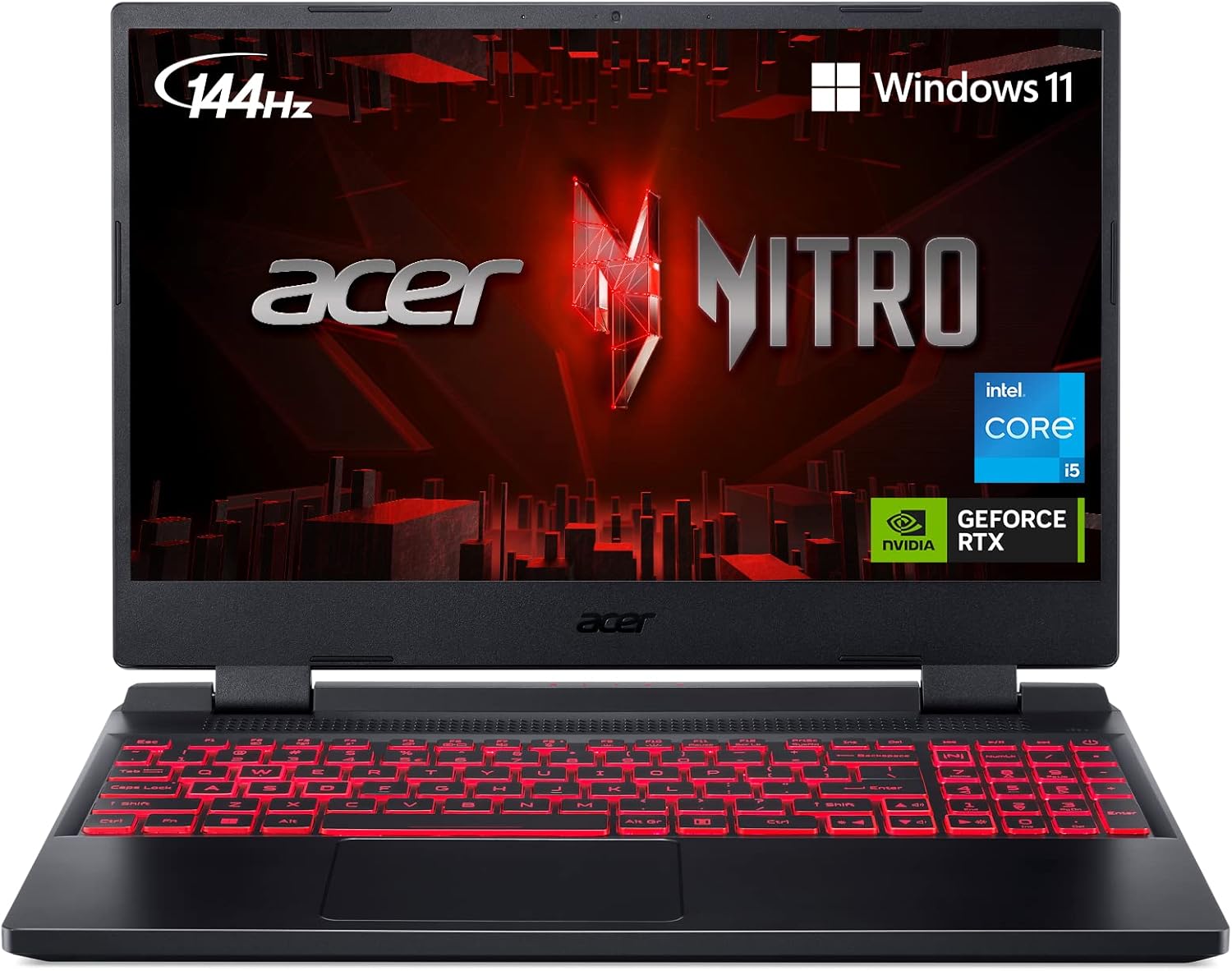
- memory Intel Core i5-12500H
- developer_board NVIDIA GeForce RTX 3050 Ti
- layers 16GB DDR4-3200MHz
- track_changes Target GPU: NVIDIA GeForce GTX 980 Ti (6GB) / GTX 1070 (8GB) or AMD Radeon R9 Fury X (4GB) / RX 480 (8GB Crossfire for higher FPS)
- memory AMD Ryzen 7 7435HS
- developer_board NVIDIA GeForce RTX 3050
- layers 32GB DDR5-4800MHz
- track_changes Target GPU: NVIDIA GeForce GTX 980 Ti (6GB) / GTX 1070 (8GB) or AMD Radeon R9 Fury X (4GB) / RX 480 (8GB Crossfire for higher FPS)
- memory AMD Ryzen 7 6800H
- developer_board NVIDIA GeForce RTX 3060
- layers 16GB DDR5-4800MHz
- track_changes Target GPU: NVIDIA GeForce GTX 980 Ti (6GB) / GTX 1070 (8GB) or AMD Radeon R9 Fury X (4GB) / RX 480 (8GB Crossfire for higher FPS)
- memory AMD Ryzen 9 5900HS
- developer_board NVIDIA GeForce RTX 3080
- layers 16GB DDR4-3200MHz
- track_changes Target GPU: NVIDIA GeForce GTX 980 Ti (6GB) / GTX 1070 (8GB) or AMD Radeon R9 Fury X (4GB) / RX 480 (8GB Crossfire for higher FPS)
- memory Intel Core i7-13620H
- developer_board NVIDIA GeForce RTX 4070
- layers 16GB DDR5-4800MHz
- track_changes Target GPU: NVIDIA GeForce GTX 980 Ti (6GB) / GTX 1070 (8GB) or AMD Radeon R9 Fury X (4GB) / RX 480 (8GB Crossfire for higher FPS)
- memory Intel Core i7-14700HX
- developer_board NVIDIA GeForce RTX 4070
- layers 16GB DDR5-5600MHz
- track_changes Target GPU: NVIDIA GeForce GTX 980 Ti (6GB) / GTX 1070 (8GB) or AMD Radeon R9 Fury X (4GB) / RX 480 (8GB Crossfire for higher FPS)
For Subnautica 2 Specifically
- memory Intel Core i5-11400H
- developer_board NVIDIA GeForce RTX 2050
- layers 8GB DDR4-3200MHz
- track_changes Target GPU: NVIDIA GeForce GTX 1660 or AMD Radeon RX 5500 XT
- memory Intel Core i7-12700H
- developer_board NVIDIA GeForce RTX 3070
- layers 32GB DDR4-3200MHz
- track_changes Target GPU: NVIDIA GeForce GTX 1660 or AMD Radeon RX 5500 XT
- memory Intel Core i9-13900H
- developer_board NVIDIA GeForce RTX 4060
- layers 16GB DDR5-5200MHz
- track_changes Target GPU: NVIDIA GeForce GTX 1660 or AMD Radeon RX 5500 XT
- memory Intel Core i9-14900HX
- developer_board NVIDIA GeForce RTX 4060
- layers 32GB DDR5-5600MHz
- track_changes Target GPU: NVIDIA GeForce GTX 1660 or AMD Radeon RX 5500 XT
- memory Intel Core i9-12900H
- developer_board NVIDIA GeForce RTX 3070 Ti
- layers 16GB DDR5-4800MHz
- track_changes Target GPU: NVIDIA GeForce GTX 1660 or AMD Radeon RX 5500 XT

- memory Intel Core i5-12450H
- developer_board NVIDIA GeForce RTX 3050
- layers 16GB DDR4-3200MHz
- track_changes Target GPU: NVIDIA GeForce GTX 1660 or AMD Radeon RX 5500 XT
- memory Intel Core i5-12500H
- developer_board NVIDIA GeForce RTX 3050 Ti
- layers 16GB DDR4-3200MHz
- track_changes Target GPU: NVIDIA GeForce GTX 1660 or AMD Radeon RX 5500 XT
- memory AMD Ryzen 7 7435HS
- developer_board NVIDIA GeForce RTX 3050
- layers 32GB DDR5-4800MHz
- track_changes Target GPU: NVIDIA GeForce GTX 1660 or AMD Radeon RX 5500 XT
- memory AMD Ryzen 7 6800H
- developer_board NVIDIA GeForce RTX 3060
- layers 16GB DDR5-4800MHz
- track_changes Target GPU: NVIDIA GeForce GTX 1660 or AMD Radeon RX 5500 XT
- memory AMD Ryzen 9 5900HS
- developer_board NVIDIA GeForce RTX 3080
- layers 16GB DDR4-3200MHz
- track_changes Target GPU: NVIDIA GeForce GTX 1660 or AMD Radeon RX 5500 XT
- memory Intel Core i7-13620H
- developer_board NVIDIA GeForce RTX 4070
- layers 16GB DDR5-4800MHz
- track_changes Target GPU: NVIDIA GeForce RTX 2060 or AMD Radeon RX 5600 XT
- memory Intel Core i7-14700HX
- developer_board NVIDIA GeForce RTX 4070
- layers 16GB DDR5-5600MHz
- track_changes Target GPU: NVIDIA GeForce RTX 2060 or AMD Radeon RX 5600 XT
- memory Intel Core i9-14900HX
- developer_board NVIDIA GeForce RTX 4070
- layers 32GB DDR5-5600MHz
- track_changes Target GPU: NVIDIA GeForce RTX 2060 or AMD Radeon RX 5600 XT
- memory Intel Core i9-12900H
- developer_board NVIDIA GeForce RTX 3070 Ti
- layers 16GB DDR5-4800MHz
- track_changes Target GPU: NVIDIA GeForce RTX 3070 or AMD Radeon RX 6700 XT
- memory AMD Ryzen 7 7435HS
- developer_board NVIDIA GeForce RTX 3050
- layers 32GB DDR5-4800MHz
- track_changes Target GPU: NVIDIA GeForce RTX 3070 or AMD Radeon RX 6700 XT
- memory AMD Ryzen 7 6800H
- developer_board NVIDIA GeForce RTX 3060
- layers 16GB DDR5-4800MHz
- track_changes Target GPU: NVIDIA GeForce RTX 3070 or AMD Radeon RX 6700 XT
- memory Intel Core i9-14900HX
- developer_board NVIDIA GeForce RTX 4070
- layers 32GB DDR5-5600MHz
- track_changes Target GPU: NVIDIA GeForce RTX 3070 or AMD Radeon RX 6700 XT
- memory Intel Core i9-14900HX
- developer_board NVIDIA GeForce RTX 4070
- layers 16GB DDR5-5600MHz
- track_changes Target GPU: NVIDIA GeForce RTX 3070 or AMD Radeon RX 6700 XT
- memory Intel Core Ultra 7 255H
- developer_board NVIDIA GeForce RTX 5060 Laptop GPU
- layers 16GB DDR5-5600MHz (Dual-Channel)
- track_changes Target GPU: NVIDIA GeForce RTX 3070 or AMD Radeon RX 6700 XT
- memory AMD Ryzen 9 8940HX Processor
- developer_board NVIDIA GeForce RTX 5060 Laptop GPU
- layers 32GB DDR5-5200MHz
- track_changes Target GPU: NVIDIA GeForce RTX 3070 or AMD Radeon RX 6700 XT

- memory Intel Core i9-12950HX
- developer_board NVIDIA GeForce RTX 3080 Ti
- layers 32GB DDR5-4800MHz
- track_changes Target GPU: NVIDIA GeForce RTX 3070 or AMD Radeon RX 6700 XT
- memory AMD Ryzen 7 7445HS
- developer_board NVIDIA GeForce RTX 4050
- layers 16GB (2x8GB) DDR5 5600MHz SO-DIMM
- track_changes Target GPU: NVIDIA GeForce RTX 3070 or AMD Radeon RX 6700 XT
- memory AMD Ryzen 7 7445HS
- developer_board NVIDIA GeForce RTX 4050
- layers 16GB DDR5 5600MHz SO-DIMM
- track_changes Target GPU: NVIDIA GeForce RTX 3070 or AMD Radeon RX 6700 XT
- memory Intel Core Ultra 9 285H (Series 2) , 14 cores (6 Performance cores + 8 Efficient cores), 20 threads
- developer_board NVIDIA GeForce RTX 5050 Laptop GPU
- layers 32GB (2x16GB) DDR5 8400MHz SO-DIMM
- track_changes Target GPU: NVIDIA GeForce RTX 4080 or AMD Radeon RX 7900 XTX
- memory Intel Core Ultra 9 285H
- developer_board NVIDIA GeForce RTX 5070
- layers 32GB (2x16GB) DDR5 4800MHz SO-DIMM
- track_changes Target GPU: NVIDIA GeForce RTX 4080 or AMD Radeon RX 7900 XTX

- memory Intel Core i9-14900HX Processor
- developer_board NVIDIA GeForce RTX 5070 Ti Laptop GPU
- layers 64GB DDR5-5600MHz (commonly listed as 4800MHz by some retailers, but 5600MHz is common for 14th Gen HX with DDR5)
- track_changes Target GPU: NVIDIA GeForce RTX 4080 or AMD Radeon RX 7900 XTX

- memory Intel Core Ultra 9 Processor 275HX
- developer_board NVIDIA GeForce RTX 5070 Ti Laptop GPU
- layers 64GB DDR5-6400MHz
- track_changes Target GPU: NVIDIA GeForce RTX 4080 or AMD Radeon RX 7900 XTX

- memory Intel Core Ultra 9 Processor 275HX (Series 2)
- developer_board NVIDIA GeForce RTX 5070 Ti Laptop GPU
- layers 32GB DDR5-5600MHz
- track_changes Target GPU: NVIDIA GeForce RTX 4080 or AMD Radeon RX 7900 XTX

- memory Intel Ultra 7 255HX
- developer_board NVIDIA GeForce RTX 5070 Ti
- layers 32GB DDR5 5600MHz
- track_changes Target GPU: NVIDIA GeForce RTX 4080 or AMD Radeon RX 7900 XTX

- memory Intel Core Ultra 7 240H
- developer_board NVIDIA GeForce RTX 5070 Ti Laptop GPU
- layers 32GB LPDDR5X 5600MHz
- track_changes Target GPU: NVIDIA GeForce RTX 4080 or AMD Radeon RX 7900 XTX

- memory Intel Core Ultra 9 275HX
- developer_board GeForce RTX 5070 Laptop Laptop GPU
- layers 64GB DDR5-6400MHz (Single-Channel)
- track_changes Target GPU: NVIDIA GeForce RTX 4080 or AMD Radeon RX 7900 XTX

- memory Intel Core Ultra 9 275HX
- developer_board NVIDIA GeForce RTX 5070 Ti
- layers 32GB
- track_changes Target GPU: NVIDIA GeForce RTX 4080 or AMD Radeon RX 7900 XTX

- memory Intel Core Ultra 9 275HX
- developer_board NVIDIA GeForce RTX 5070 Ti Laptop GPU
- layers 32 GB DDR5 6400MHz (2x16GB)
- track_changes Target GPU: NVIDIA GeForce RTX 4080 or AMD Radeon RX 7900 XTX
info_outline Laptop recommendations are estimates based on available component benchmarks and game requirements. Actual performance may vary depending on settings, drivers, cooling, power limits, etc. Prices and availability subject to change. As an Amazon Associate, we earn from qualifying purchases.