Select Games to Compare
Benchmark your exact mobile GPU wattage (TGP), battery throttling drops, and cooling pad requirements for these games.
Expedition: Into Darkness vs REMNANT II
| close | close |
|---|---|
| shopping_cart Where to Buy | |
| info General Information | |
| Release Date | |
| Nov 7, 2026 | Jul 25, 2023 |
| Developer | |
| Antediluvian Interactive | Gunfire Games |
| Publisher | |
| Antediluvian Interactive | Arc Games (formerly Gearbox Publishing) |
| Genre(s) | |
| Medieval Co-op Dungeon Crawler, Extraction Looter, Action RPG, Roguelike | Action RPG, Third-Person Shooter, Soulslike, Co-op Looter Shooter |
| Engine | |
| Unity Engine | Unreal Engine 4 |
| stars Ratings & Price | |
| Content Rating | |
| Mature | M (Mature 17+) - ESRB Descriptors: Blood and Gore, |
| Avg. User Rating | |
| 3.5 / 5.0 | 4.1 / 5.0 |
| Current Price (USD) | |
| $29.99 | $49.99 |
| tune Key Specs | |
| Quick Highlights | |
|
|
| sports_esports Gameplay & Mechanics | |
| Companions/Followers | |
|
|
| Key Collectibles | |
|
|
| Key Themes | |
|
|
| colorize Combat & Gear | |
| Weapons Overview | |
|
|
| Armor / Gear Sets | |
|
|
| Outfits/Customization | |
|
|
| trending_up Progression & Upgrades | |
| Skills & Progression | |
|
Operates on a classless, organic skill progression system where proficiencies level up naturally through action and survival. Core skill disciplines include: Martial Prowess (enhances stamina management, weapon swing recovery, and four-directional parry windows), Marksmanship & Archery (governs draw speed, bow steadiness, and manual arrow fletching efficiency), Survivalism & Scavenging (improves mineral mining yield, lockpicking success, and toxic gas resistance), and Occult Pacts (allows players to cast aside religious piety to make pacts with dark gods beyond the Empyrean, trading sanity or health for forbidden sorceries). |
N/A |
| public World & Exploration | |
| World & Level Design | |
|
Features procedurally assembled, multi-tiered dungeon complexes branching beneath a central surface sanctuary. Key subterranean zones include: The Forsaken Crypts (tight limestone corridors lined with burial sarcophagi, tripwire dart traps, and wandering bonekin), The Drowned Catacombs (partially submerged cisterns and flooded vaults inhabited by predatory leaping crabs and aquatic monstrosities), The Fleshmaker's Chambers (chambers dominated by horrific pulsating biological growths and fleshkin incubators), and The Eldritch Sanctum (abyssal sanctums illuminated by eerie purple void flames where powerful occult sorcerers channel dark gods). |
N/A |
| Playable Vehicles | |
|
|
| Notable Fauna/Mounts | |
|
N/A |
| book Story & Characters | |
| Main Characters | |
|
|
| Example Missions | |
|
|
| people Multiplayer | |
| Multiplayer Details | |
|
Supports cooperative PvE gameplay for 1 to 5 players per expedition. Groups can venture into the catacombs together, sharing light sources, coordinating ambushes, covering flanks, and reviving downed allies before their bleeding timer expires. Matchmaking allows private password-protected lobbies for friends or public squad matching. While extraction is strictly PvE-focused, friendly fire and environmental traps demand constant team communication. |
The core gameplay is designed for up to 3-player online co-operative PvE. Players can join friends or use matchmaking to tackle the campaign, explore worlds, and fight bosses together. The game's difficulty scales with the number of players. Loot is instanced per player. |
| extension Editions & DLC | |
| Available Editions | |
|
Expedition: Into Darkness launches in Q4 2026 for PC on Steam for $29.99 USD, following extensive public playtesting and a demo release on August 6, 2026. A Deluxe Supporter Edition is planned at $39.99 USD, featuring the digital soundtrack by FMOD spatial sound artists, a high-resolution concept art book, and exclusive cosmetic dyes, coat-of-arms heraldry, and weapon skin engravings that carry over between permadeath character runs. |
Released in several editions: Standard Edition (base game). Deluxe Edition (included three armor sets: Elder, Radiant, Void). Ultimate Edition (included Deluxe Edition content, Survival Pack with consumables, and early access to 'The Awakened King,' 'The Forgotten Kingdom,' and 'The Dark Horizon' DLCs, which form the DLC Bundle). |
| Post-Launch Content / DLC | |
|
Antediluvian Interactive has detailed an early-access to 1.0 roadmap focusing on regular content drops. Planned post-launch expansions include new dungeon biomes such as the Sunken Foundry and Cursed Ossuary, expanded crafting modularity (dual-wielding weapon grips and heavy crossbow winches), additional eldritch patron gods with unique pact abilities, and roaming world bosses that wander between procedural chambers. |
REMNANT II has a DLC Bundle featuring three major expansions: 1. 'The Awakened King' (released November 2023): New storyline in Losomn focusing on the One True King, new Archetype (The Ritualist), new dungeons, bosses, items, and weapons. 2. 'The Forgotten Kingdom' (released April 2024): New storyline in Yaesha exploring a lost tribe and a vengeful stone spirit Lydusa, new Archetype (The Invoker), new dungeons, bosses, items, and weapons. 3. 'The Dark Horizon' (released September 2024): New storyline in N'Erud, new Archetype (The Warden), new dungeons, bosses, items, weapons, and a new Glider Traversal System for N'Erud. |
| help_outline FAQ | |
| Frequently Asked Questions | |
|
|
| build Technical Details | |
| Graphics & Visual Fidelity | |
|
Built in Unity Engine with high-definition scriptable rendering pipelines. Highlights include advanced volumetric fog, realistic torch and lantern light attenuation, dynamic directional shadow-casting from moving player lanterns, procedural blood splatters, and meticulous dark-fantasy armor texturing exhibiting surface scratches, dirt accumulation, and rust over time. |
Developed using Unreal Engine 4 (despite some early UE5 speculation), REMNANT II features detailed environments with distinct visual themes for each world, impressive enemy and boss designs, and a dark, gritty art style consistent with its post-apocalyptic and cosmic horror themes. |
| Audio & Soundtrack | |
|
Powered by the FMOD Audio Engine and Resonance Audio spatialization SDKs. The soundscape emphasizes harrowing psychological horror, featuring echoing dripping water, distant scratching claws inside stone walls, creaking leather armor, and bone-snapping combat impacts. The musical score blends dark ambient drones, medieval hurdy-gurdy droning, and eerie choral chants that crescendo dynamically when horrors breach the player's lantern radius. |
Atmospheric sound design enhances the distinct feel of each world and the impact of combat. The musical score adapts to gameplay, building intensity during boss fights and creating an eerie ambience during exploration. |
| User Interface (UI/UX) | |
|
Employs an immersive, minimalist diegetic HUD designed to heighten claustrophobia and tension. Health, stamina, and sanity are represented through subtle bodily audio-visual cues and compact meters. Inventory management features an interactive grid system where items have distinct weight and volume, alongside a modular workbench interface that allows players to inspect 3D weapon cross-sections, switch hilts, blades, and customize leather wraps and metal dyes in real-time. |
Features a clear UI displaying health, stamina, mod power, skill cooldowns, ammo, and equipped items. Inventory management involves weapons, armor, mods, mutators, rings, amulets, and consumables. A minimap aids navigation through the procedurally generated environments. |
| Accessibility Options | |
|
Provides a comprehensive suite of accessibility options: full controller support with native DualSense and DualShock controller mappings, adjustable text and UI scaling, stereo and surround sound channel mixing, customizable volume toggles (ambient, effects, voice, master), colorblind palette adjustments for status effects, toggleable camera bob, and custom field-of-view (FOV) sliders. |
Includes options such as subtitles (though initially not highly customizable, patches may have improved), separate volume controls for voice, SFX, and music, remappable keybindings, gamepad support with auto-snap to enemies, adjustable video effects, and sensitivity customization for aiming, mouse, and camera (including X/Y inversion). An option to auto-equip picked-up items is also available. |
| video_library Media Links | |
| Gameplay Video | |
| launchWatch | launchWatch |
| Walkthrough/Guide | |
| launchView | launchView |
| settings_applications System Requirements | |
| 1080p (Full HD) - Recommended (High Preset, 1080p (60+ FPS)) CPU: Modern high-IPC hexa-core processor ensuring smooth 60+ FPS during chaotic 5-player co-op combat. CPU (Laptop): High-efficiency 8-core mobile CPU keeping frame pacing stable when multiple hordes spawn. GPU: Delivers ample VRAM to maintain native 1080p high textures, detailed blood splatters, and soft shadow diffusion. GPU (Laptop): Maintains locked 60+ FPS at 1080p high preset with FSR enabled. RAM: Recommended memory pool ensuring smooth asset streaming across multi-room dungeon layouts. Storage: Accelerates procedural dungeon loading and level transitions upon extraction. | |
memoryCPU: AMD Ryzen 5 5600X / Intel Core i5-12400F developer_boardGPU: AMD Radeon RX 6700 XT (12GB) / NVIDIA GeForce RTX 3060 (12GB) laptop_macCPU (L): AMD Ryzen 7 5800H / Intel Core i7-11800H laptop_windowsGPU (L): NVIDIA GeForce RTX 3060 Mobile (95W+) / RTX 4050 Mobile (85W+) layersRAM: 16 GB saveStorage (Tier): 20 GB NVMe M.2 SSD | — |
| 1080p (Full HD) - Recommended (Targets 1080p, Medium/High settings, ~60 FPS with Upscaling Quality/Balanced) (Medium/High Preset, 1080p resolution with DLSS/FSR/XeSS Quality or Balanced.) CPU: Official recommended desktop CPU for a better 1080p experience. CPU (Laptop): Stronger laptop CPUs for more consistent 1080p/60fps. GPU: Official recommended desktop GPU for 1080p. 6GB VRAM minimum, 8GB ideal. GPU (Laptop): Capable laptop GPUs. High TGP and effective use of DLSS/FSR are very important. (A hypothetical future RTX 5050/5060 Laptop GPU). RAM: 16GB RAM officially recommended. Storage: NVMe SSD recommended for better overall experience. | |
| — | memoryCPU: Intel Core i5-10600K or AMD Ryzen 5 3600 developer_boardGPU: NVIDIA GeForce RTX 2060 (6GB) or AMD Radeon RX 5700 (8GB) laptop_macCPU (L): Intel Core i7-10750H / AMD Ryzen 7 4800H or newer high-performance 6-core or 8-core CPUs. laptop_windowsGPU (L): NVIDIA GeForce RTX 2060 Mobile (6GB, High TGP), RTX 3060 Laptop GPU (6GB, High TGP), RTX 4050 Laptop GPU (6GB, High TGP), RTX 4060 Laptop GPU (8GB). layersRAM: 16 GB saveStorage (Tier): 80 GB NVMe SSD |
| 1080p (Full HD) - Minimum (Medium Preset, 1080p (30-45 FPS)) CPU: Provides necessary multi-core processing to simulate procedural dungeon generation, ragdoll collisions, and enemy patrol behaviors. CPU (Laptop): Baseline 4-to-6 core mobile CPU capable of maintaining playable 30-40 FPS in solo dungeon expeditions. GPU: Entry-level graphics card capable of rendering baseline dynamic lantern shadows and textured dungeon walls. GPU (Laptop): Handles 1080p low-to-medium settings with stable frame pacing in standard catacombs. RAM: Sufficient memory allocation for baseline assets, though 16 GB is recommended to avoid background paging. Storage: Standard storage space for the core game and procedural dungeon cache. | |
memoryCPU: AMD Ryzen 5 3600X (6-Core) / Intel Core i5-9600K developer_boardGPU: AMD Radeon RX 580 (8GB) / NVIDIA GeForce GTX 1060 (6GB) laptop_macCPU (L): AMD Ryzen 5 4600H / Intel Core i5-10300H laptop_windowsGPU (L): NVIDIA GeForce GTX 1660 Ti Mobile (6GB) / RTX 3050 Mobile (6GB, 60W+) layersRAM: 8 GB saveStorage (Tier): 20 GB SATA SSD / HDD | — |
| 1080p (Full HD) - Minimum (Targets 1080p, Low/Medium settings, ~30-60 FPS with Upscaling) (Low/Medium Preset, 1080p resolution with DLSS/FSR/XeSS Performance/Balanced.) CPU: Official minimum desktop CPU. Game can be CPU intensive. CPU (Laptop): Estimated laptop CPU. A modern 6-core CPU is advisable for a smoother experience. GPU: Official minimum desktop GPU. 4GB VRAM is the absolute floor; 8GB (like RX 590) is better. GPU (Laptop): Estimated laptop GPUs. Performance heavily depends on TGP and upscaling. (Hypothetical future entry-level RTX 50 series laptop GPUs would exceed this). RAM: 16GB RAM is the official minimum. Storage: SSD is highly recommended as per official notes. | |
| — | memoryCPU: Intel Core i5-7600 or AMD Ryzen 5 2600 developer_boardGPU: NVIDIA GeForce GTX 1650 (4GB) or AMD Radeon RX 590 (8GB) laptop_macCPU (L): Intel Core i7-8750H / AMD Ryzen 5 3600H equivalent or better. laptop_windowsGPU (L): NVIDIA GeForce GTX 1650 Ti Mobile (4GB), RTX 3050 Laptop GPU (4GB/6GB, ensure good TGP). RTX 4050 Laptop GPU (6GB) would be a more comfortable modern minimum, relying on upscaling. layersRAM: 16 GB saveStorage (Tier): 80 GB SSD |
| 1440p (QHD/2K) - Enthusiast (Ultra Preset, 1440p (80-100 FPS)) CPU: High L3 cache and single-threaded performance eliminate CPU bottlenecks in crowded underworld boss arenas. CPU (Laptop): Top-tier mobile processor capable of running enthusiast 1440p laptops. GPU: Provides substantial compute overhead for native 1440p rendering with maximum lighting fidelity and soft shadow contacts. GPU (Laptop): Easily achieves 75-90+ FPS on native QHD 1440p displays with optimal thermal headroom. RAM: Ensures zero micro-stuttering when managing extensive inventory caches and deep dungeon zones. Storage: Virtually eliminates raid loading delays and asset pop-in. | |
memoryCPU: AMD Ryzen 7 5800X3D / Intel Core i7-13700K developer_boardGPU: AMD Radeon RX 7800 XT (16GB) / NVIDIA GeForce RTX 4070 (12GB) laptop_macCPU (L): AMD Ryzen 7 7840HS / Intel Core i7-13700HX laptop_windowsGPU (L): NVIDIA GeForce RTX 4070 Mobile (140W) / RTX 3080 Mobile (130W) layersRAM: 32 GB saveStorage (Tier): 20 GB PCIe Gen3/Gen4 NVMe SSD | — |
| 1440p (QHD/2K) - High (Targets 1440p, High settings, ~60 FPS with DLSS/FSR Quality + potentially Frame Gen) (High Preset, 1440p resolution with DLSS/FSR Quality. Frame Generation (DLSS 3/FSR 3) highly recommended if available/supported by GPU.) CPU: Powerful desktop CPU to handle 1440p and reduce CPU bottlenecks, especially if using Frame Generation. CPU (Laptop): High-performance laptop CPUs essential for smooth 1440p, particularly with Frame Generation. GPU: Strong GPUs for 1440p/60fps. DLSS/FSR Quality is essential. For consistent 60FPS+ with high settings, Frame Generation is a significant help. GPU (Laptop): High-end laptop GPUs with max TGP. DLSS/FSR (Quality/Balanced) + Frame Generation are key. (A hypothetical future RTX 5060 Ti/5070 Laptop GPU). RAM: 32GB RAM is strongly recommended for 1440p high settings to ensure smooth performance. Storage: NVMe SSD mandatory for optimal performance. | |
| — | memoryCPU: Intel Core i7-11700K / AMD Ryzen 7 5800X or newer (e.g., Intel Core i5-13600K / AMD Ryzen 5 7600X) developer_boardGPU: NVIDIA GeForce RTX 3070 (8GB) / RTX 4060 Ti (8GB/16GB) / RTX 4070 (12GB) or AMD Radeon RX 6700 XT (12GB) / RX 6800 (16GB) / RX 7700 XT (12GB) laptop_macCPU (L): Intel Core i7-12700H / AMD Ryzen 7 6800H or Intel Core i9-12900H / AMD Ryzen 9 6900HS and above. laptop_windowsGPU (L): NVIDIA GeForce RTX 3070 Ti Laptop GPU (8GB), RTX 3080 Laptop GPU (8GB/16GB), RTX 4070 Laptop GPU (8GB, High TGP), RTX 4080 Laptop GPU (12GB). layersRAM: 16 GB saveStorage (Tier): 80 GB NVMe SSD |
| 2160p (UHD/4K) - Ultra (Max Preset, 4K (60-90 FPS)) CPU: Industry-leading gaming desktop processor guaranteeing peak frame consistency across massive boss encounters. CPU (Laptop): Desktop-replacement laptop processor driving external 4K displays without thermal bottlenecks. GPU: Immense rendering throughput and memory bandwidth powering flawless 4K presentation with ultra shadows and tessellation. GPU (Laptop): Top-tier mobile graphics delivering native 4K 60 FPS performance. RAM: Optimal bandwidth for 4K asset buffers, dynamic geometry, and physics. Storage: Peak sequential transfer speeds for instant level extraction and camp transitions. | |
memoryCPU: AMD Ryzen 7 7800X3D / Intel Core i7-14700K developer_boardGPU: AMD Radeon RX 7900 XTX (24GB) / NVIDIA GeForce RTX 4080 (16GB) laptop_macCPU (L): AMD Ryzen 9 7945HX / Intel Core i9-13980HX laptop_windowsGPU (L): NVIDIA GeForce RTX 4090 Mobile (175W) layersRAM: 32 GB saveStorage (Tier): 20 GB High-Speed PCIe Gen4 NVMe SSD | — |
| 2160p (UHD/4K) - Ultra (Targets 2160p/4K, Medium/High settings, ~60 FPS with DLSS/FSR Performance + Frame Gen) (Medium/High Preset, 2160p (4K) resolution using DLSS/FSR Performance + Frame Generation.) CPU: Top-tier desktop CPU to support 4K gaming and minimize CPU bottlenecks, especially with Frame Generation. CPU (Laptop): Absolute flagship laptop CPUs required. GPU: Flagship desktop GPUs required for 4K. Heavily reliant on DLSS/FSR Performance and Frame Generation (for NVIDIA RTX 40 series / AMD FSR 3 compatible cards) to achieve ~60 FPS. GPU (Laptop): The most powerful current (RTX 40 series) laptop GPUs. DLSS/FSR (Performance/Ultra Performance) with Frame Generation is essential. Hypothetical RTX 50 series laptop GPUs are speculative. RAM: 32GB of high-speed RAM is strongly recommended for optimal 4K gaming. Storage: A very fast NVMe SSD (PCIe Gen4 or better) is highly recommended for 4K textures and loading. | |
| — | memoryCPU: Intel Core i9-12900K / AMD Ryzen 9 5900X or newer (e.g., Intel Core i7-13700K / AMD Ryzen 7 7800X3D) developer_boardGPU: NVIDIA GeForce RTX 3080 (10GB/12GB) / RTX 4070 Ti (12GB) / RTX 4080 (16GB) or AMD Radeon RX 6800 XT (16GB) / RX 7900 XT (20GB) / RX 7900 XTX (24GB) laptop_macCPU (L): Intel Core i9-13900HX / Core i9-14900HX or AMD Ryzen 9 7945HX / 7945HX3D. laptop_windowsGPU (L): NVIDIA GeForce RTX 4080 Laptop GPU (12GB, Max TGP), RTX 4090 Laptop GPU (16GB, Max TGP). **(A hypothetical future flagship NVIDIA GeForce RTX 5080/5090 Laptop GPU would aim to improve this experience further.)** layersRAM: 32 GB saveStorage (Tier): 80 GB NVMe SSD (High-speed Gen4 or Gen5 recommended) |
| save Overall Storage | |
Spec: 20 GB available space (Solid State Drive Recommended) Note: Installing on an SSD substantially reduces loading times when descending into procedural floors and streaming large modular dungeon tilesets. Type: SSD | Spec: 80 GB available space (SSD Highly Recommended, NVMe for best experience) Note: An SSD (preferably NVMe) with at least 80 GB of free space is strongly recommended for optimal performance, significantly faster loading times, and smoother asset streaming. Requirement may increase with DLCs/updates. Type: NVMe |
| desktop_windows Operating System | |
| Spec: Windows 10 64-bit / Windows 11 64-bit Explanation: Requires a 64-bit Windows operating environment to support modern 64-bit memory addressing and direct DirectX 11/12 graphics pipelines. | Spec: Windows 10 (64-bit, latest update) or Windows 11 (64-bit, latest update) Explanation: A 64-bit version of Windows 10 (latest updates) or Windows 11 (latest update) is required. Windows 11 is generally recommended for newer UE5 titles for features like DirectStorage and optimal CPU scheduling. |
| gamepad DirectX Version | |
| Spec: DirectX 11 / DirectX 12 compatible Explanation: Utilizes DirectX rendering pipelines for dynamic lighting calculations, complex tessellated stonework, and particle effects. | Spec: DirectX 12 Explanation: DirectX 12 is required. Remnant II is an Unreal Engine 5 title, which leverages DX12 features. Ray tracing is not a primary feature of the game; performance is demanding even without it. |
| info_outline Other Game Notes | |
|
|
| build Optimization Details | |
|
|
| laptop Laptop Considerations | |
|
|


info_outline Feature details based on available data. System requirements and performance estimates may vary.
laptop_chromebook Laptop Recommendations
Common Recommendations (Handles All Compared Games)

- memory Intel Core i7-12700H
- developer_board NVIDIA GeForce RTX 3070
- layers 32GB DDR4-3200MHz
- track_changes Target GPU: NVIDIA GeForce GTX 1660 Ti Mobile (6GB) / RTX 3050 Mobile (6GB, 60W+)

- memory Intel Core i9-13900H
- developer_board NVIDIA GeForce RTX 4060
- layers 16GB DDR5-5200MHz
- track_changes Target GPU: NVIDIA GeForce GTX 1660 Ti Mobile (6GB) / RTX 3050 Mobile (6GB, 60W+)

- memory Intel Core i9-14900HX
- developer_board NVIDIA GeForce RTX 4060
- layers 32GB DDR5-5600MHz
- track_changes Target GPU: NVIDIA GeForce GTX 1660 Ti Mobile (6GB) / RTX 3050 Mobile (6GB, 60W+)

- memory AMD Ryzen 7 7435HS
- developer_board NVIDIA GeForce RTX 3050
- layers 32GB DDR5-4800MHz
- track_changes Target GPU: NVIDIA GeForce GTX 1650 Ti Mobile (4GB), RTX 3050 Laptop GPU (4GB/6GB, ensure good TGP). RTX 4050 Laptop GPU (6GB) would be a more comfortable modern minimum, relying on upscaling.

- memory AMD Ryzen 9 8940HX Processor
- developer_board NVIDIA GeForce RTX 5060 Laptop GPU
- layers 32GB DDR5-5200MHz
- track_changes Target GPU: NVIDIA GeForce GTX 1650 Ti Mobile (4GB), RTX 3050 Laptop GPU (4GB/6GB, ensure good TGP). RTX 4050 Laptop GPU (6GB) would be a more comfortable modern minimum, relying on upscaling.

- memory AMD Ryzen 7 7445HS
- developer_board NVIDIA GeForce RTX 4050
- layers 16GB (2x8GB) DDR5 5600MHz SO-DIMM
- track_changes Target GPU: NVIDIA GeForce GTX 1650 Ti Mobile (4GB), RTX 3050 Laptop GPU (4GB/6GB, ensure good TGP). RTX 4050 Laptop GPU (6GB) would be a more comfortable modern minimum, relying on upscaling.

- memory Intel Core i9-14900HX
- developer_board NVIDIA GeForce RTX 4070
- layers 32GB DDR5-5600MHz
- track_changes Target GPU: NVIDIA GeForce RTX 4070 Mobile (140W) / RTX 3080 Mobile (130W)
- memory AMD Ryzen 9 8940HX Processor
- developer_board NVIDIA GeForce RTX 5060 Laptop GPU
- layers 32GB DDR5-5200MHz
- track_changes Target GPU: NVIDIA GeForce RTX 4070 Mobile (140W) / RTX 3080 Mobile (130W)

- memory Intel Core i9-12950HX
- developer_board NVIDIA GeForce RTX 3080 Ti
- layers 32GB DDR5-4800MHz
- track_changes Target GPU: NVIDIA GeForce RTX 4070 Mobile (140W) / RTX 3080 Mobile (130W)

- memory Intel Core i9-14900HX
- developer_board NVIDIA GeForce RTX 4090
- layers 32GB DDR5-5600MHz
- track_changes Target GPU: NVIDIA GeForce RTX 4090 Mobile (175W)

- memory Intel Core Ultra 9 285H (Series 2) , 14 cores (6 Performance cores + 8 Efficient cores), 20 threads
- developer_board NVIDIA GeForce RTX 5050 Laptop GPU
- layers 32GB (2x16GB) DDR5 8400MHz SO-DIMM
- track_changes Target GPU: NVIDIA GeForce RTX 4090 Mobile (175W)

- memory Intel Core Ultra 9 285H
- developer_board NVIDIA GeForce RTX 5070
- layers 32GB (2x16GB) DDR5 4800MHz SO-DIMM
- track_changes Target GPU: NVIDIA GeForce RTX 4090 Mobile (175W)

- memory Intel Core i9-14900HX
- developer_board NVIDIA GeForce RTX 4080 Laptop GPU
- layers 64 GB DDR5-5600MHz
- track_changes Target GPU: NVIDIA GeForce RTX 4080 Laptop GPU (12GB, Max TGP), RTX 4090 Laptop GPU (16GB, Max TGP). **(A hypothetical future flagship NVIDIA GeForce RTX 5080/5090 Laptop GPU would aim to improve this experience further.)**

- memory Intel Core Ultra 9 Processor 275HX (Series 2)
- developer_board NVIDIA GeForce RTX 5070 Laptop GPU
- layers 32GB DDR5-5600MHz
- track_changes Target GPU: NVIDIA GeForce RTX 4080 Laptop GPU (12GB, Max TGP), RTX 4090 Laptop GPU (16GB, Max TGP). **(A hypothetical future flagship NVIDIA GeForce RTX 5080/5090 Laptop GPU would aim to improve this experience further.)**

- memory Intel Core i9-14900HX Processor
- developer_board NVIDIA GeForce RTX 5070 Laptop GPU
- layers 32GB DDR5-5600MHz
- track_changes Target GPU: NVIDIA GeForce RTX 4080 Laptop GPU (12GB, Max TGP), RTX 4090 Laptop GPU (16GB, Max TGP). **(A hypothetical future flagship NVIDIA GeForce RTX 5080/5090 Laptop GPU would aim to improve this experience further.)**
For Expedition: Into Darkness Specifically
- memory Intel Core i7-12700H
- developer_board NVIDIA GeForce RTX 3070
- layers 32GB DDR4-3200MHz
- track_changes Target GPU: AMD Radeon RX 580 (8GB) / NVIDIA GeForce GTX 1060 (6GB)
- memory Intel Core i9-13900H
- developer_board NVIDIA GeForce RTX 4060
- layers 16GB DDR5-5200MHz
- track_changes Target GPU: AMD Radeon RX 580 (8GB) / NVIDIA GeForce GTX 1060 (6GB)
- memory Intel Core i9-14900HX
- developer_board NVIDIA GeForce RTX 4060
- layers 32GB DDR5-5600MHz
- track_changes Target GPU: AMD Radeon RX 580 (8GB) / NVIDIA GeForce GTX 1060 (6GB)

- memory Intel Core i9-12900H
- developer_board NVIDIA GeForce RTX 3070 Ti
- layers 16GB DDR5-4800MHz
- track_changes Target GPU: AMD Radeon RX 580 (8GB) / NVIDIA GeForce GTX 1060 (6GB)
- memory AMD Ryzen 7 7435HS
- developer_board NVIDIA GeForce RTX 3050
- layers 32GB DDR5-4800MHz
- track_changes Target GPU: AMD Radeon RX 580 (8GB) / NVIDIA GeForce GTX 1060 (6GB)

- memory AMD Ryzen 7 6800H
- developer_board NVIDIA GeForce RTX 3060
- layers 16GB DDR5-4800MHz
- track_changes Target GPU: AMD Radeon RX 580 (8GB) / NVIDIA GeForce GTX 1060 (6GB)

- memory AMD Ryzen 9 5900HS
- developer_board NVIDIA GeForce RTX 3080
- layers 16GB DDR4-3200MHz
- track_changes Target GPU: AMD Radeon RX 580 (8GB) / NVIDIA GeForce GTX 1060 (6GB)

- memory Intel Core i7-13620H
- developer_board NVIDIA GeForce RTX 4070
- layers 16GB DDR5-4800MHz
- track_changes Target GPU: AMD Radeon RX 580 (8GB) / NVIDIA GeForce GTX 1060 (6GB)

- memory Intel Core i7-14700HX
- developer_board NVIDIA GeForce RTX 4070
- layers 16GB DDR5-5600MHz
- track_changes Target GPU: AMD Radeon RX 580 (8GB) / NVIDIA GeForce GTX 1060 (6GB)
- memory Intel Core i9-14900HX
- developer_board NVIDIA GeForce RTX 4070
- layers 32GB DDR5-5600MHz
- track_changes Target GPU: AMD Radeon RX 580 (8GB) / NVIDIA GeForce GTX 1060 (6GB)
- memory Intel Core i9-14900HX
- developer_board NVIDIA GeForce RTX 4070
- layers 32GB DDR5-5600MHz
- track_changes Target GPU: AMD Radeon RX 7800 XT (16GB) / NVIDIA GeForce RTX 4070 (12GB)
- memory AMD Ryzen 9 8940HX Processor
- developer_board NVIDIA GeForce RTX 5060 Laptop GPU
- layers 32GB DDR5-5200MHz
- track_changes Target GPU: AMD Radeon RX 7800 XT (16GB) / NVIDIA GeForce RTX 4070 (12GB)
- memory Intel Core i9-12950HX
- developer_board NVIDIA GeForce RTX 3080 Ti
- layers 32GB DDR5-4800MHz
- track_changes Target GPU: AMD Radeon RX 7800 XT (16GB) / NVIDIA GeForce RTX 4070 (12GB)
- memory Intel Core i9-14900HX
- developer_board NVIDIA GeForce RTX 4080 Laptop GPU
- layers 64 GB DDR5-5600MHz
- track_changes Target GPU: AMD Radeon RX 7800 XT (16GB) / NVIDIA GeForce RTX 4070 (12GB)
- memory Intel Core Ultra 9 Processor 275HX (Series 2)
- developer_board NVIDIA GeForce RTX 5070 Laptop GPU
- layers 32GB DDR5-5600MHz
- track_changes Target GPU: AMD Radeon RX 7800 XT (16GB) / NVIDIA GeForce RTX 4070 (12GB)
- memory Intel Core i9-14900HX Processor
- developer_board NVIDIA GeForce RTX 5070 Laptop GPU
- layers 32GB DDR5-5600MHz
- track_changes Target GPU: AMD Radeon RX 7800 XT (16GB) / NVIDIA GeForce RTX 4070 (12GB)

- memory Intel Core i9-14900HX Processor
- developer_board NVIDIA GeForce RTX 5070 Laptop GPU
- layers 32GB DDR5-5600MHz
- track_changes Target GPU: AMD Radeon RX 7800 XT (16GB) / NVIDIA GeForce RTX 4070 (12GB)

- memory Intel Core Ultra 9 285H (Arrow Lake-H)
- developer_board NVIDIA GeForce RTX 5070 Laptop GPU
- layers 64GB LPDDR5x-8533MT/s (LPCAMM2)
- track_changes Target GPU: AMD Radeon RX 7800 XT (16GB) / NVIDIA GeForce RTX 4070 (12GB)

- memory Intel Core i9-14900HX
- developer_board NVIDIA GeForce RTX 4080
- layers 64GB DDR5-5600MHz
- track_changes Target GPU: AMD Radeon RX 7800 XT (16GB) / NVIDIA GeForce RTX 4070 (12GB)

- memory Intel Core i9-14900HX
- developer_board NVIDIA GeForce RTX 4080
- layers 32GB DDR5-5600MHz
- track_changes Target GPU: AMD Radeon RX 7800 XT (16GB) / NVIDIA GeForce RTX 4070 (12GB)
- memory Intel Core Ultra 9 285H (Series 2) , 14 cores (6 Performance cores + 8 Efficient cores), 20 threads
- developer_board NVIDIA GeForce RTX 5050 Laptop GPU
- layers 32GB (2x16GB) DDR5 8400MHz SO-DIMM
- track_changes Target GPU: AMD Radeon RX 7900 XTX (24GB) / NVIDIA GeForce RTX 4080 (16GB)
- memory Intel Core Ultra 9 285H
- developer_board NVIDIA GeForce RTX 5070
- layers 32GB (2x16GB) DDR5 4800MHz SO-DIMM
- track_changes Target GPU: AMD Radeon RX 7900 XTX (24GB) / NVIDIA GeForce RTX 4080 (16GB)

- memory Intel Core i9-14900HX Processor
- developer_board NVIDIA GeForce RTX 5070 Ti Laptop GPU
- layers 64GB DDR5-5600MHz (commonly listed as 4800MHz by some retailers, but 5600MHz is common for 14th Gen HX with DDR5)
- track_changes Target GPU: AMD Radeon RX 7900 XTX (24GB) / NVIDIA GeForce RTX 4080 (16GB)

- memory Intel Core Ultra 9 Processor 275HX
- developer_board NVIDIA GeForce RTX 5070 Ti Laptop GPU
- layers 64GB DDR5-6400MHz
- track_changes Target GPU: AMD Radeon RX 7900 XTX (24GB) / NVIDIA GeForce RTX 4080 (16GB)

- memory Intel Core Ultra 9 Processor 275HX (Series 2)
- developer_board NVIDIA GeForce RTX 5070 Ti Laptop GPU
- layers 32GB DDR5-5600MHz
- track_changes Target GPU: AMD Radeon RX 7900 XTX (24GB) / NVIDIA GeForce RTX 4080 (16GB)

- memory Intel Ultra 7 255HX
- developer_board NVIDIA GeForce RTX 5070 Ti
- layers 32GB DDR5 5600MHz
- track_changes Target GPU: AMD Radeon RX 7900 XTX (24GB) / NVIDIA GeForce RTX 4080 (16GB)
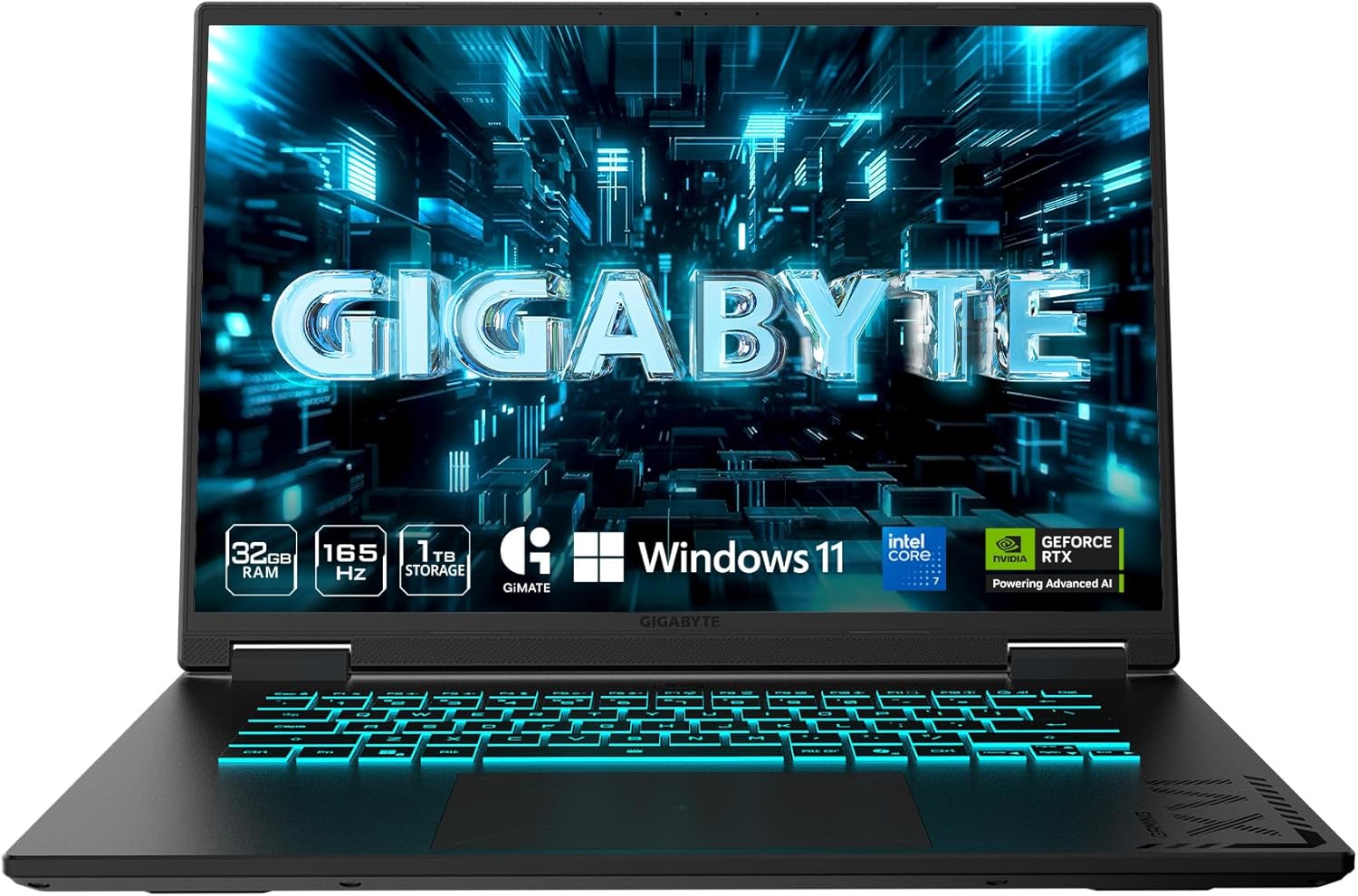
- memory Intel Core Ultra 7 240H
- developer_board NVIDIA GeForce RTX 5070 Ti Laptop GPU
- layers 32GB LPDDR5X 5600MHz
- track_changes Target GPU: AMD Radeon RX 7900 XTX (24GB) / NVIDIA GeForce RTX 4080 (16GB)

- memory Intel Core Ultra 9 275HX
- developer_board GeForce RTX 5070 Laptop Laptop GPU
- layers 64GB DDR5-6400MHz (Single-Channel)
- track_changes Target GPU: AMD Radeon RX 7900 XTX (24GB) / NVIDIA GeForce RTX 4080 (16GB)

- memory Intel Core Ultra 9 275HX
- developer_board NVIDIA GeForce RTX 5070 Ti
- layers 32GB
- track_changes Target GPU: AMD Radeon RX 7900 XTX (24GB) / NVIDIA GeForce RTX 4080 (16GB)

- memory Intel Core Ultra 9 275HX
- developer_board NVIDIA GeForce RTX 5070 Ti Laptop GPU
- layers 32 GB DDR5 6400MHz (2x16GB)
- track_changes Target GPU: AMD Radeon RX 7900 XTX (24GB) / NVIDIA GeForce RTX 4080 (16GB)
For REMNANT II Specifically
- memory AMD Ryzen 7 7435HS
- developer_board NVIDIA GeForce RTX 3050
- layers 32GB DDR5-4800MHz
- track_changes Target GPU: NVIDIA GeForce GTX 1650 (4GB) or AMD Radeon RX 590 (8GB)
- memory AMD Ryzen 9 8940HX Processor
- developer_board NVIDIA GeForce RTX 5060 Laptop GPU
- layers 32GB DDR5-5200MHz
- track_changes Target GPU: NVIDIA GeForce GTX 1650 (4GB) or AMD Radeon RX 590 (8GB)
- memory AMD Ryzen 7 7445HS
- developer_board NVIDIA GeForce RTX 4050
- layers 16GB (2x8GB) DDR5 5600MHz SO-DIMM
- track_changes Target GPU: NVIDIA GeForce GTX 1650 (4GB) or AMD Radeon RX 590 (8GB)

- memory AMD Ryzen 7 7445HS
- developer_board NVIDIA GeForce RTX 4050
- layers 16GB DDR5 5600MHz SO-DIMM
- track_changes Target GPU: NVIDIA GeForce GTX 1650 (4GB) or AMD Radeon RX 590 (8GB)
- memory Intel Core Ultra 9 285H (Arrow Lake-H)
- developer_board NVIDIA GeForce RTX 5070 Laptop GPU
- layers 64GB LPDDR5x-8533MT/s (LPCAMM2)
- track_changes Target GPU: NVIDIA GeForce GTX 1650 (4GB) or AMD Radeon RX 590 (8GB)

- memory AMD Ryzen 9 7845HX
- developer_board NVIDIA GeForce RTX 4080
- layers Up to 64GB DDR5
- track_changes Target GPU: NVIDIA GeForce GTX 1650 (4GB) or AMD Radeon RX 590 (8GB)
- memory Intel Core Ultra 9 285H (Series 2) , 14 cores (6 Performance cores + 8 Efficient cores), 20 threads
- developer_board NVIDIA GeForce RTX 5050 Laptop GPU
- layers 32GB (2x16GB) DDR5 8400MHz SO-DIMM
- track_changes Target GPU: NVIDIA GeForce GTX 1650 (4GB) or AMD Radeon RX 590 (8GB)
- memory Intel Core Ultra 9 285H
- developer_board NVIDIA GeForce RTX 5070
- layers 32GB (2x16GB) DDR5 4800MHz SO-DIMM
- track_changes Target GPU: NVIDIA GeForce GTX 1650 (4GB) or AMD Radeon RX 590 (8GB)
- memory Intel Core Ultra 9 275HX
- developer_board GeForce RTX 5070 Laptop Laptop GPU
- layers 64GB DDR5-6400MHz (Single-Channel)
- track_changes Target GPU: NVIDIA GeForce GTX 1650 (4GB) or AMD Radeon RX 590 (8GB)
- memory Intel Core Ultra 9 275HX
- developer_board NVIDIA GeForce RTX 5070 Ti
- layers 32GB
- track_changes Target GPU: NVIDIA GeForce GTX 1650 (4GB) or AMD Radeon RX 590 (8GB)
- memory Intel Core i7-12700H
- developer_board NVIDIA GeForce RTX 3070
- layers 32GB DDR4-3200MHz
- track_changes Target GPU: NVIDIA GeForce RTX 2060 (6GB) or AMD Radeon RX 5700 (8GB)
- memory Intel Core i9-13900H
- developer_board NVIDIA GeForce RTX 4060
- layers 16GB DDR5-5200MHz
- track_changes Target GPU: NVIDIA GeForce RTX 2060 (6GB) or AMD Radeon RX 5700 (8GB)
- memory Intel Core i9-14900HX
- developer_board NVIDIA GeForce RTX 4060
- layers 32GB DDR5-5600MHz
- track_changes Target GPU: NVIDIA GeForce RTX 2060 (6GB) or AMD Radeon RX 5700 (8GB)
- memory Intel Core i9-12900H
- developer_board NVIDIA GeForce RTX 3070 Ti
- layers 16GB DDR5-4800MHz
- track_changes Target GPU: NVIDIA GeForce RTX 2060 (6GB) or AMD Radeon RX 5700 (8GB)
- memory AMD Ryzen 7 6800H
- developer_board NVIDIA GeForce RTX 3060
- layers 16GB DDR5-4800MHz
- track_changes Target GPU: NVIDIA GeForce RTX 2060 (6GB) or AMD Radeon RX 5700 (8GB)
- memory AMD Ryzen 9 5900HS
- developer_board NVIDIA GeForce RTX 3080
- layers 16GB DDR4-3200MHz
- track_changes Target GPU: NVIDIA GeForce RTX 2060 (6GB) or AMD Radeon RX 5700 (8GB)
- memory Intel Core i7-13620H
- developer_board NVIDIA GeForce RTX 4070
- layers 16GB DDR5-4800MHz
- track_changes Target GPU: NVIDIA GeForce RTX 2060 (6GB) or AMD Radeon RX 5700 (8GB)
- memory Intel Core i7-14700HX
- developer_board NVIDIA GeForce RTX 4070
- layers 16GB DDR5-5600MHz
- track_changes Target GPU: NVIDIA GeForce RTX 2060 (6GB) or AMD Radeon RX 5700 (8GB)
- memory Intel Core i9-14900HX
- developer_board NVIDIA GeForce RTX 4070
- layers 32GB DDR5-5600MHz
- track_changes Target GPU: NVIDIA GeForce RTX 2060 (6GB) or AMD Radeon RX 5700 (8GB)
- memory Intel Core i9-14900HX
- developer_board NVIDIA GeForce RTX 4080 Laptop GPU
- layers 64 GB DDR5-5600MHz
- track_changes Target GPU: NVIDIA GeForce RTX 3080 (10GB/12GB) / RTX 4070 Ti (12GB) / RTX 4080 (16GB) or AMD Radeon RX 6800 XT (16GB) / RX 7900 XT (20GB) / RX 7900 XTX (24GB)
- memory Intel Core Ultra 9 Processor 275HX (Series 2)
- developer_board NVIDIA GeForce RTX 5070 Laptop GPU
- layers 32GB DDR5-5600MHz
- track_changes Target GPU: NVIDIA GeForce RTX 3080 (10GB/12GB) / RTX 4070 Ti (12GB) / RTX 4080 (16GB) or AMD Radeon RX 6800 XT (16GB) / RX 7900 XT (20GB) / RX 7900 XTX (24GB)
- memory Intel Core i9-14900HX Processor
- developer_board NVIDIA GeForce RTX 5070 Laptop GPU
- layers 32GB DDR5-5600MHz
- track_changes Target GPU: NVIDIA GeForce RTX 3080 (10GB/12GB) / RTX 4070 Ti (12GB) / RTX 4080 (16GB) or AMD Radeon RX 6800 XT (16GB) / RX 7900 XT (20GB) / RX 7900 XTX (24GB)
- memory Intel Core i9-14900HX Processor
- developer_board NVIDIA GeForce RTX 5070 Laptop GPU
- layers 32GB DDR5-5600MHz
- track_changes Target GPU: NVIDIA GeForce RTX 3080 (10GB/12GB) / RTX 4070 Ti (12GB) / RTX 4080 (16GB) or AMD Radeon RX 6800 XT (16GB) / RX 7900 XT (20GB) / RX 7900 XTX (24GB)
- memory Intel Core Ultra 9 285H (Arrow Lake-H)
- developer_board NVIDIA GeForce RTX 5070 Laptop GPU
- layers 64GB LPDDR5x-8533MT/s (LPCAMM2)
- track_changes Target GPU: NVIDIA GeForce RTX 3080 (10GB/12GB) / RTX 4070 Ti (12GB) / RTX 4080 (16GB) or AMD Radeon RX 6800 XT (16GB) / RX 7900 XT (20GB) / RX 7900 XTX (24GB)
- memory Intel Core i9-14900HX
- developer_board NVIDIA GeForce RTX 4080
- layers 64GB DDR5-5600MHz
- track_changes Target GPU: NVIDIA GeForce RTX 3080 (10GB/12GB) / RTX 4070 Ti (12GB) / RTX 4080 (16GB) or AMD Radeon RX 6800 XT (16GB) / RX 7900 XT (20GB) / RX 7900 XTX (24GB)
- memory Intel Core i9-14900HX
- developer_board NVIDIA GeForce RTX 4080
- layers 32GB DDR5-5600MHz
- track_changes Target GPU: NVIDIA GeForce RTX 3080 (10GB/12GB) / RTX 4070 Ti (12GB) / RTX 4080 (16GB) or AMD Radeon RX 6800 XT (16GB) / RX 7900 XT (20GB) / RX 7900 XTX (24GB)

- memory Intel Core i9-14900HX
- developer_board NVIDIA GeForce RTX 4080
- layers 32GB DDR5-5600MHz
- track_changes Target GPU: NVIDIA GeForce RTX 3080 (10GB/12GB) / RTX 4070 Ti (12GB) / RTX 4080 (16GB) or AMD Radeon RX 6800 XT (16GB) / RX 7900 XT (20GB) / RX 7900 XTX (24GB)

- memory Intel Core i9-14900HX
- developer_board NVIDIA GeForce RTX 4080
- layers 32GB DDR5-5600MHz
- track_changes Target GPU: NVIDIA GeForce RTX 3080 (10GB/12GB) / RTX 4070 Ti (12GB) / RTX 4080 (16GB) or AMD Radeon RX 6800 XT (16GB) / RX 7900 XT (20GB) / RX 7900 XTX (24GB)
- memory AMD Ryzen 9 7845HX
- developer_board NVIDIA GeForce RTX 4080
- layers Up to 64GB DDR5
- track_changes Target GPU: NVIDIA GeForce RTX 3080 (10GB/12GB) / RTX 4070 Ti (12GB) / RTX 4080 (16GB) or AMD Radeon RX 6800 XT (16GB) / RX 7900 XT (20GB) / RX 7900 XTX (24GB)
info_outline Laptop recommendations are estimates based on available component benchmarks and game requirements. Actual performance may vary depending on settings, drivers, cooling, power limits, etc. Prices and availability subject to change. As an Amazon Associate, we earn from qualifying purchases.