Select Games to Compare
Benchmark your exact mobile GPU wattage (TGP), battery throttling drops, and cooling pad requirements for these games.
End of Abyss vs Starfield
| close | close |
|---|---|
| shopping_cart Where to Buy | |
| info General Information | |
| Release Date | |
| Oct 1, 2026 | Sep 6, 2023 |
| Developer | |
| Section 9 Interactive | Bethesda Game Studios |
| Publisher | |
| Epic Games Publishing | Bethesda Softworks |
| Genre(s) | |
| Sci-Fi Atmospheric Horror, Metroidvania, Twin-Stick Shooter, Action Adventure | Action RPG, Open World, Sci-Fi, Space Exploration |
| Engine | |
| Unreal Engine 5 | Creation Engine 2 |
| stars Ratings & Price | |
| Content Rating | |
| Mature | Mature 17+ |
| Avg. User Rating | |
| 4.8 / 5.0 | 3.7 / 5.0 |
| Current Price (USD) | |
| $29.99 | $69.99 |
| tune Key Specs | |
| Quick Highlights | |
|
|
| sports_esports Gameplay & Mechanics | |
| Companions/Followers | |
|
|
| Key Collectibles | |
|
|
| Key Themes | |
|
|
| colorize Combat & Gear | |
| Weapons Overview | |
|
|
| Armor / Gear Sets | |
|
|
| Outfits/Customization | |
|
|
| trending_up Progression & Upgrades | |
| Skills & Progression | |
|
Progression combines twin-stick combat mastery with Metroidvania utility upgrades. Cel utilizes an Omnidirectional Dodge Dash without stamina constraints, relying on timing and spacing. Key upgrades include the Tactical Scanner (revealing structural vulnerabilities, enemy heat signatures, and hidden pathways), Overcharged Pulse Capacitors, Cryo-Freeze canisters, High-Explosive Munitions, and Bio-Shield generator modules that unlock previously impassable radioactive and electrified zones. |
Player progression uses a skill system divided into five trees: Physical, Social, Combat, Science, and Tech. Each skill has multiple ranks that are unlocked by spending skill points (earned by leveling up) and then completing in-game challenges related to that skill. Research projects at workbenches unlock new crafting recipes for weapon mods, suit/pack/helmet mods, outpost components, and chems/food. Powers, akin to space magic, are unlocked by finding and interacting with alien temples. |
| public World & Exploration | |
| World & Level Design | |
|
The game features a sprawling, multi-layered underground Metroidvania complex divided into interconnected sectors: the Industrial Transit Depots, the Flooded Cooling Sinks, the Biogenetic Containment Labs, the Derelict Habitation Quarters, and the Abyssal Core. Sectors are filled with vertical shafts, locked security checkpoints, environmental hazards, and hidden maintenance conduits that open up as Cel unlocks new diagnostic tools and clearance keys. |
N/A |
| Playable Vehicles | |
|
|
| Notable Fauna/Mounts | |
|
|
| book Story & Characters | |
| Main Characters | |
|
|
| Example Missions | |
|
|
| people Multiplayer | |
| Multiplayer Details | |
|
Single-Player Focused. The experience is meticulously balanced for a solitary, high-tension survival horror atmosphere, emphasizing resource conservation, environmental isolation, and intense individual combat encounters against overwhelming horrors. |
Starfield is a single-player only experience. It does not feature any cooperative or competitive multiplayer modes. |
| extension Editions & DLC | |
| Available Editions | |
|
Standard Edition ($29.99 USD) provides the complete base game on PC (Epic Games Store), PlayStation 5, and Xbox Series X|S. Deluxe Edition ($39.99 USD) includes the digital original soundtrack, digital concept artbook detailing Section 9's creature designs, and exclusive in-game cosmetic technician suits for Cel. |
Available in Standard Edition, Premium Edition (included 'Shattered Space' story expansion upon release, Constellation Skin Pack, digital artbook & soundtrack, and 5 days early access), and the Constellation Edition (physical collector's edition with a SteelBook display case, Constellation patch, Chronomark watch & case, credit stick with game code, and all Premium Edition digital content). |
| Post-Launch Content / DLC | |
|
Post-launch developer roadmaps include planned survival arena challenge modes, a New Game Plus mode with randomized enemy spawns and intensified horror modifiers, speedrun leaderboards with time-trial sector sprints, and an upcoming story expansion exploring the fate of the facility's original science directorate. |
The first major story expansion, 'Shattered Space,' is confirmed and included in the Premium/Constellation Editions, expected in Fall 2024. Bethesda has also stated plans for ongoing support with new content, features, and official mod support (Creations). |
| help_outline FAQ | |
| Frequently Asked Questions | |
|
|
| build Technical Details | |
| Graphics & Visual Fidelity | |
|
Engineered in Unreal Engine 5 with breathtaking top-down isometric cinematography. Employs cutting-edge volumetric fog, dynamic volumetric lighting, Niagara particle simulations for blood splatter and smoke, high-fidelity physically based rendering, and grotesque creature designs inspired by Little Nightmares and dark sci-fi classics. |
Developed on Creation Engine 2, Starfield showcases Bethesda's 'NASA-Punk' art style, blending realistic near-future technology with rugged, functional designs. It features detailed planetary surfaces, diverse biomes, impressive lighting (especially in space and during sunrises/sets on planets), and detailed character/ship models. The scale of the universe and seamless transitions from space to planet (with a loading screen) are key visual aspects. |
| Audio & Soundtrack | |
|
A chilling, dynamic industrial soundscape composed of haunting metallic drones, distorted radio frequencies, unsettling subterranean echoes, and discordant synthesizer swells that dynamically ramp up into frantic percussion during boss confrontations, designed using Unreal Engine 5's MetaSounds architecture. |
Original score composed by Inon Zur, featuring sweeping orchestral themes that evoke a sense of wonder, exploration, and epic adventure. Music is dynamic and adapts to gameplay situations. Sound design focuses on realistic weapon effects, spaceship sounds (engines, grav jumps, combat), and diverse alien creature vocalizations and environmental ambiances. |
| User Interface (UI/UX) | |
|
Features a minimalist, immersive diegetic interface. Vital information such as Cel's health integrity and shield charge are subtly reflected on her technician suit harness and weapon display counters, while the Tactical Scanner overlays a holographic wireframe schematic of nearby rooms, elevator links, and security terminals directly onto the environment. |
Features a clean, sci-fi 'NASA-Punk' aesthetic HUD displaying health, oxygen, ammo, and a compass. Menus for inventory (grid-based), skills, ship management, starmap, and missions are navigated through a wrist-mounted device interface. Scanning mode highlights resources, flora, fauna, and points of interest. |
| Accessibility Options | |
|
Comprehensive accessibility options include adjustable combat speed toggles, incoming damage reduction sliders, aim-assist strength options, high-contrast visual filters for enemies and interactables, full controller button and keyboard/mouse remapping, customizable HUD sizing, and color-coded closed captions. |
Includes options for subtitle customization (size, background, speaker names), control remapping (PC), adjustable text size, aim assist toggle, options to change hold-to-activate to a toggle, large menu fonts, and various gameplay settings to tweak difficulty and visual effects like motion blur and film grain. |
| video_library Media Links | |
| Gameplay Video | |
| launchWatch | launchWatch |
| Walkthrough/Guide | |
| launchView | launchView |
| settings_applications System Requirements | |
| 1080p (Full HD) - Recommended (High Preset, 1080p @ 60-120 FPS) CPU: Modern 6-to-8 core processor ensuring rock-solid frame pacing in heavy combat encounters. CPU (Laptop): Eight-core mobile CPU delivering consistent single-core boost clocks and thread management. GPU: Robust desktop GPU capable of powering max textures, complex lighting, and post-processing. GPU (Laptop): Provides excellent 1080p performance with DLSS enabled for fluid 120 FPS gameplay. RAM: Dual-channel memory configuration prevents asset stutter during rapid camera pans. Storage: NVMe solid-state storage guarantees near-instantaneous checkpoint reloads. | |
memoryCPU: Intel Core i7-11700K / AMD Ryzen 5 3600 developer_boardGPU: NVIDIA GeForce GTX 1070 Ti / AMD Radeon RX 6650 XT / Intel Arc A750 laptop_macCPU (L): Intel Core i7-11800H / AMD Ryzen 7 5800H laptop_windowsGPU (L): NVIDIA GeForce RTX 3060 Mobile (6 GB, 80W+ TGP) layersRAM: 16 GB saveStorage (Tier): 6 GB available space (NVMe SSD) | — |
| 1080p (Full HD) - Recommended (1080p ~60 FPS, High Preset, likely with FSR/DLSS Quality) (High Preset (FSR/DLSS Quality often needed for 60 FPS)) CPU: Recommended desktop CPU for 1080p at 60 FPS. CPU (Laptop): Estimated mid-range to high-end laptop CPUs due to CPU intensity. GPU: Recommended desktop GPU for 1080p at 60 FPS on High, often with upscaling. GPU (Laptop): Estimated performance-focused laptop GPUs. 8GB VRAM is crucial. RAM: 16GB RAM strongly recommended. Storage: NVMe SSD strongly recommended. | |
| — | memoryCPU: AMD Ryzen 5 3600X or Intel Core i5-10600K developer_boardGPU: AMD Radeon RX 6800 XT (16GB) or NVIDIA GeForce RTX 2080 (8GB) / RTX 3060 Ti (8GB) laptop_macCPU (L): AMD Ryzen 7 5800H / Intel Core i7-11800H equivalent or better. **Modern Ryzen 7/9 HS/HX series or Intel Core i7/i9 H/HX series are ideal.** laptop_windowsGPU (L): NVIDIA GeForce RTX 3070 Mobile (8GB, High TGP) / RTX 4060 Mobile (8GB, High TGP) or AMD Radeon RX 6700M/6800S. **An RTX 3070 Ti Mobile or RTX 4070 Mobile would offer a more consistent 60 FPS+ at 1080p High.** layersRAM: 16 GB saveStorage (Tier): 125 GB NVMe SSD |
| 1080p (Full HD) - Minimum (1080p ~30 FPS, Low Preset) (Low Preset) CPU: Minimum desktop CPU for 1080p at lower settings. CPU (Laptop): Estimated laptop CPU equivalent. Game is very CPU heavy. GPU: Minimum desktop GPU for 1080p at lower settings. GPU (Laptop): Estimated laptop GPUs. 6GB+ VRAM highly recommended even at 1080p. RAM: Minimum RAM requirement. Storage: SSD is mandatory. | |
| — | memoryCPU: AMD Ryzen 5 2600X or Intel Core i7-6800K developer_boardGPU: AMD Radeon RX 5700 (8GB) or NVIDIA GeForce GTX 1070 Ti (8GB) laptop_macCPU (L): AMD Ryzen 5 4600H / Intel Core i5-10500H equivalent or better. **A Ryzen 5 5600H / i5-11400H would be a more realistic minimum due to CPU demands.** laptop_windowsGPU (L): NVIDIA GeForce RTX 2060 Mobile (6GB) / RTX 3050 Ti Mobile (4GB, High TGP) or AMD Radeon RX 6600M. **An RTX 3060 Mobile or RTX 4050 Mobile (High TGP) is strongly advised for a more stable 1080p Low/Medium experience.** layersRAM: 16 GB saveStorage (Tier): 125 GB SSD |
| 1080p (Full HD) - Minimum (Low/Medium Preset, 1080p @ 60 FPS) CPU: Baseline 4-core desktop processor capable of handling enemy AI routines and collision checks. CPU (Laptop): Standard mobile quad/six-core processor providing adequate clock speeds under sustained load. GPU: Entry-level desktop graphics card delivering stable 1080p 60 FPS on modest visual settings. GPU (Laptop): Handles baseline 1080p 60 FPS output on low-to-medium settings with temporal upscaling. RAM: Minimum physical memory required for system and game assets without pagefile thrashing. Storage: Sufficient for core game installation, patch caches, and profile configurations. | |
memoryCPU: Intel Core i5-6600 / AMD Ryzen 5 2400G developer_boardGPU: NVIDIA GeForce GTX 1060 (6 GB) / AMD Radeon RX 6500 XT / Intel Arc A380 laptop_macCPU (L): Intel Core i5-10300H / AMD Ryzen 5 4600H laptop_windowsGPU (L): NVIDIA GeForce GTX 1650 Mobile (4 GB) / AMD Radeon RX 5500M layersRAM: 8 GB saveStorage (Tier): 6 GB available space (SSD recommended) | — |
| 1440p (QHD/2K) - Enthusiast (High/Ultra Preset, 1440p (QHD) @ 120+ FPS) CPU: High single-core IPC processor maintaining seamless performance during boss particle storms. CPU (Laptop): High-efficiency modern mobile processor ensuring zero CPU bottlenecks at 1440p. GPU: High-end desktop GPU rendering native 1440p with maximum volumetric effects and fidelity. GPU (Laptop): Easily achieves 100+ FPS at 1440p with DLSS quality mode on gaming laptops. RAM: High-bandwidth DDR5 memory facilitates rapid data transfer to the GPU. Storage: High-speed PCIe Gen 4 storage provides flawless sector transitions. | |
memoryCPU: Intel Core i5-13600K / AMD Ryzen 7 7700X developer_boardGPU: NVIDIA GeForce RTX 4070 (12 GB) / AMD Radeon RX 7800 XT (16 GB) laptop_macCPU (L): Intel Core i7-13700H / AMD Ryzen 7 7840HS laptop_windowsGPU (L): NVIDIA GeForce RTX 4070 Mobile (8 GB, 115W+ TGP) layersRAM: 16 GB saveStorage (Tier): 6 GB available space (NVMe PCIe 4.0 SSD) | — |
| 1440p (QHD/2K) - High (1440p ~60 FPS, High/Ultra Preset with FSR/DLSS Quality/Balanced) (High/Ultra Preset (FSR/DLSS Quality or Balanced recommended)) CPU: Desktop CPU for 1440p at 60 FPS. CPU (Laptop): Estimated high-end laptop CPUs. GPU: Desktop GPU for 1440p at 60 FPS, upscaling is key. GPU (Laptop): Estimated high-performance laptop GPUs. 10GB+ VRAM strongly recommended, 8GB is absolute minimum with aggressive upscaling. RAM: 16GB RAM required, 32GB strongly recommended for smoother 1440p. Storage: NVMe SSD strongly recommended. | |
| — | memoryCPU: AMD Ryzen 7 5800X or Intel Core i7-12700K developer_boardGPU: AMD Radeon RX 6800 XT (16GB) / RX 7800 XT (16GB) or NVIDIA GeForce RTX 3080 (10GB) / RTX 4070 (12GB) laptop_macCPU (L): AMD Ryzen 7 6800HS/HX / Intel Core i7-12700H or better. **Modern Ryzen 9 HS/HX series or Intel Core i9 H/HX series are optimal.** laptop_windowsGPU (L): NVIDIA GeForce RTX 3080 Mobile (10GB/16GB, High TGP) / RTX 4070 Mobile (8GB, High TGP) or AMD Radeon RX 6800M/6850M XT. **An RTX 3080 Ti Mobile or RTX 4080 Mobile (12GB+) would provide a much smoother 1440p High/Ultra experience.** layersRAM: 16 GB saveStorage (Tier): 125 GB NVMe SSD |
| 2160p (UHD/4K) - Ultra (Max Quality Preset, 4K (2160p) @ 60-120 FPS) CPU: Top-tier gaming processor ensuring instantaneous draw calls and physics calculations. CPU (Laptop): Desktop-replacement class mobile processor providing supreme computational headroom. GPU: Massive compute and VRAM capacity for pristine 4K UHD rendering without frame drops. GPU (Laptop): Enables native and DLSS-upscaled 4K gaming on external high-refresh displays. RAM: Substantial system RAM buffer accommodating high-resolution uncompressed assets. Storage: Blazing-fast read speeds eliminate load screens across all facility sectors. | |
memoryCPU: Intel Core i7-14700K / AMD Ryzen 7 7800X3D developer_boardGPU: NVIDIA GeForce RTX 4080 Super (16 GB) / AMD Radeon RX 7900 XTX (24 GB) laptop_macCPU (L): Intel Core i9-14900HX / AMD Ryzen 9 7945HX laptop_windowsGPU (L): NVIDIA GeForce RTX 4090 Mobile (16 GB, 150W+ TGP) layersRAM: 32 GB saveStorage (Tier): 6 GB available space (NVMe PCIe 4.0 SSD) | — |
| 2160p (UHD/4K) - Ultra (2160p/4K ~30-60 FPS, Medium/High Preset with FSR/DLSS Performance/Balanced) (Medium/High Preset, FSR/DLSS Performance/Balanced (Native 4K Ultra 60FPS is exceptionally demanding)) CPU: Desktop CPU recommendation for 4K. CPU (Laptop): Top-tier laptop CPUs essential. GPU: Desktop GPU recommendation for a playable 4K experience, heavily reliant on upscaling. GPU (Laptop): Flagship laptop GPUs essential. 12GB+ VRAM absolutely critical, 16GB ideal. RAM: 32GB RAM very strongly recommended for 4K. Storage: NVMe SSD required. | |
| — | memoryCPU: AMD Ryzen 7 7800X3D or Intel Core i9-12900K/13700K developer_boardGPU: AMD Radeon RX 7900 XT (20GB) or NVIDIA GeForce RTX 4070 Ti SUPER (16GB) / RTX 4080 (16GB) laptop_macCPU (L): AMD Ryzen 9 7940HS/HX / Intel Core i9-13900HX or better. **Flagship Intel Core i9 HX / AMD Ryzen 9 HX series (e.g., 14900HX, 7945HX3D) required.** laptop_windowsGPU (L): NVIDIA GeForce RTX 4080 Mobile (12GB, Max TGP) / RTX 4090 Mobile (16GB, Max TGP). **Even the RTX 4090 Mobile will rely heavily on DLSS (Performance/Ultra Performance) for 4K High settings at ~60FPS. A hypothetical next-gen flagship (e.g., RTX 5080/5090 Mobile or AMD equivalent) would be targeted for a more comfortable native 4K experience or higher framerates with advanced features. (Highly Speculative)** layersRAM: 16 GB saveStorage (Tier): 125 GB NVMe SSD |
| save Overall Storage | |
| Spec: 6 GB available space (SSD required) Note: Solid-state drive required to stream high-resolution facility textures and eliminate sector transitions. Type: SSD | Spec: 125 GB available space (SSD Required). Note: An NVMe SSD is strongly recommended for the best experience due to asset streaming and load times. Type: SSD |
| desktop_windows Operating System | |
| Spec: Windows 10 / Windows 11 (64-bit) Explanation: Modern 64-bit Windows OS required for DirectX 12 Agility SDK features and low-level asset streaming. | Spec: Windows 10 version 21H1 (10.0.19043) or Windows 11 Explanation: 64-bit Windows 10 (specified version or newer) or Windows 11 required. |
| gamepad DirectX Version | |
| Spec: DirectX Version 12 Explanation: DirectX 12 API is required for advanced shader rendering, dynamic shadows, and Niagara particle VFX. | Spec: DirectX 12 Explanation: DirectX 12 API is required. |
| info_outline Other Game Notes | |
|
|
| build Optimization Details | |
|
|
| laptop Laptop Considerations | |
|
|


info_outline Feature details based on available data. System requirements and performance estimates may vary.
laptop_chromebook Laptop Recommendations
Common Recommendations (Handles All Compared Games)

- memory Intel Core i5-11400H
- developer_board NVIDIA GeForce RTX 2050
- layers 8GB DDR4-3200MHz
- track_changes Target GPU: NVIDIA GeForce GTX 1650 Mobile (4 GB) / AMD Radeon RX 5500M

- memory Intel Core i7-12700H
- developer_board NVIDIA GeForce RTX 3070
- layers 32GB DDR4-3200MHz
- track_changes Target GPU: NVIDIA GeForce GTX 1650 Mobile (4 GB) / AMD Radeon RX 5500M

- memory Intel Core i9-13900H
- developer_board NVIDIA GeForce RTX 4060
- layers 16GB DDR5-5200MHz
- track_changes Target GPU: NVIDIA GeForce GTX 1650 Mobile (4 GB) / AMD Radeon RX 5500M

- memory Intel Core i9-14900HX
- developer_board NVIDIA GeForce RTX 4060
- layers 32GB DDR5-5600MHz
- track_changes Target GPU: NVIDIA GeForce RTX 3060 Mobile (6 GB, 80W+ TGP)

- memory Intel Core i9-14900HX
- developer_board NVIDIA GeForce RTX 4070
- layers 32GB DDR5-5600MHz
- track_changes Target GPU: NVIDIA GeForce RTX 4070 Mobile (8 GB, 115W+ TGP)

- memory Intel Core i9-14900HX
- developer_board NVIDIA GeForce RTX 4070
- layers 16GB DDR5-5600MHz
- track_changes Target GPU: NVIDIA GeForce RTX 4070 Mobile (8 GB, 115W+ TGP)

- memory Intel Core Ultra 7 255H
- developer_board NVIDIA GeForce RTX 5060 Laptop GPU
- layers 16GB DDR5-5600MHz (Dual-Channel)
- track_changes Target GPU: NVIDIA GeForce RTX 4070 Mobile (8 GB, 115W+ TGP)

- memory AMD Ryzen 7 7435HS
- developer_board NVIDIA GeForce RTX 3050
- layers 32GB DDR5-4800MHz
- track_changes Target GPU: NVIDIA GeForce RTX 3080 Mobile (10GB/16GB, High TGP) / RTX 4070 Mobile (8GB, High TGP) or AMD Radeon RX 6800M/6850M XT. **An RTX 3080 Ti Mobile or RTX 4080 Mobile (12GB+) would provide a much smoother 1440p High/Ultra experience.**

- memory AMD Ryzen 7 6800H
- developer_board NVIDIA GeForce RTX 3060
- layers 16GB DDR5-4800MHz
- track_changes Target GPU: NVIDIA GeForce RTX 3080 Mobile (10GB/16GB, High TGP) / RTX 4070 Mobile (8GB, High TGP) or AMD Radeon RX 6800M/6850M XT. **An RTX 3080 Ti Mobile or RTX 4080 Mobile (12GB+) would provide a much smoother 1440p High/Ultra experience.**

- memory Intel Core i9-14900HX
- developer_board NVIDIA GeForce RTX 4090
- layers 32GB DDR5-5600MHz
- track_changes Target GPU: NVIDIA GeForce RTX 4090 Mobile (16 GB, 150W+ TGP)

- memory Intel Core Ultra 9 285H (Series 2) , 14 cores (6 Performance cores + 8 Efficient cores), 20 threads
- developer_board NVIDIA GeForce RTX 5050 Laptop GPU
- layers 32GB (2x16GB) DDR5 8400MHz SO-DIMM
- track_changes Target GPU: NVIDIA GeForce RTX 4090 Mobile (16 GB, 150W+ TGP)

- memory Intel Core Ultra 9 285H
- developer_board NVIDIA GeForce RTX 5070
- layers 32GB (2x16GB) DDR5 4800MHz SO-DIMM
- track_changes Target GPU: NVIDIA GeForce RTX 4090 Mobile (16 GB, 150W+ TGP)

- memory Intel Core i9-14900HX
- developer_board NVIDIA GeForce RTX 4080 Laptop GPU
- layers 64 GB DDR5-5600MHz
- track_changes Target GPU: NVIDIA GeForce RTX 4080 Mobile (12GB, Max TGP) / RTX 4090 Mobile (16GB, Max TGP). **Even the RTX 4090 Mobile will rely heavily on DLSS (Performance/Ultra Performance) for 4K High settings at ~60FPS. A hypothetical next-gen flagship (e.g., RTX 5080/5090 Mobile or AMD equivalent) would be targeted for a more comfortable native 4K experience or higher framerates with advanced features. (Highly Speculative)**

- memory Intel Core Ultra 9 Processor 275HX (Series 2)
- developer_board NVIDIA GeForce RTX 5070 Laptop GPU
- layers 32GB DDR5-5600MHz
- track_changes Target GPU: NVIDIA GeForce RTX 4080 Mobile (12GB, Max TGP) / RTX 4090 Mobile (16GB, Max TGP). **Even the RTX 4090 Mobile will rely heavily on DLSS (Performance/Ultra Performance) for 4K High settings at ~60FPS. A hypothetical next-gen flagship (e.g., RTX 5080/5090 Mobile or AMD equivalent) would be targeted for a more comfortable native 4K experience or higher framerates with advanced features. (Highly Speculative)**

- memory Intel Core i9-14900HX Processor
- developer_board NVIDIA GeForce RTX 5070 Laptop GPU
- layers 32GB DDR5-5600MHz
- track_changes Target GPU: NVIDIA GeForce RTX 4080 Mobile (12GB, Max TGP) / RTX 4090 Mobile (16GB, Max TGP). **Even the RTX 4090 Mobile will rely heavily on DLSS (Performance/Ultra Performance) for 4K High settings at ~60FPS. A hypothetical next-gen flagship (e.g., RTX 5080/5090 Mobile or AMD equivalent) would be targeted for a more comfortable native 4K experience or higher framerates with advanced features. (Highly Speculative)**
For End of Abyss Specifically
- memory Intel Core i5-11400H
- developer_board NVIDIA GeForce RTX 2050
- layers 8GB DDR4-3200MHz
- track_changes Target GPU: NVIDIA GeForce GTX 1060 (6 GB) / AMD Radeon RX 6500 XT / Intel Arc A380
- memory Intel Core i7-12700H
- developer_board NVIDIA GeForce RTX 3070
- layers 32GB DDR4-3200MHz
- track_changes Target GPU: NVIDIA GeForce GTX 1060 (6 GB) / AMD Radeon RX 6500 XT / Intel Arc A380
- memory Intel Core i9-13900H
- developer_board NVIDIA GeForce RTX 4060
- layers 16GB DDR5-5200MHz
- track_changes Target GPU: NVIDIA GeForce GTX 1060 (6 GB) / AMD Radeon RX 6500 XT / Intel Arc A380
- memory Intel Core i9-14900HX
- developer_board NVIDIA GeForce RTX 4060
- layers 32GB DDR5-5600MHz
- track_changes Target GPU: NVIDIA GeForce GTX 1060 (6 GB) / AMD Radeon RX 6500 XT / Intel Arc A380

- memory Intel Core i9-12900H
- developer_board NVIDIA GeForce RTX 3070 Ti
- layers 16GB DDR5-4800MHz
- track_changes Target GPU: NVIDIA GeForce GTX 1060 (6 GB) / AMD Radeon RX 6500 XT / Intel Arc A380

- memory Intel Core i5-12450H
- developer_board NVIDIA GeForce RTX 3050
- layers 16GB DDR4-3200MHz
- track_changes Target GPU: NVIDIA GeForce GTX 1060 (6 GB) / AMD Radeon RX 6500 XT / Intel Arc A380

- memory Intel Core i5-12500H
- developer_board NVIDIA GeForce RTX 3050 Ti
- layers 16GB DDR4-3200MHz
- track_changes Target GPU: NVIDIA GeForce GTX 1060 (6 GB) / AMD Radeon RX 6500 XT / Intel Arc A380
- memory AMD Ryzen 7 7435HS
- developer_board NVIDIA GeForce RTX 3050
- layers 32GB DDR5-4800MHz
- track_changes Target GPU: NVIDIA GeForce GTX 1060 (6 GB) / AMD Radeon RX 6500 XT / Intel Arc A380
- memory AMD Ryzen 7 6800H
- developer_board NVIDIA GeForce RTX 3060
- layers 16GB DDR5-4800MHz
- track_changes Target GPU: NVIDIA GeForce GTX 1060 (6 GB) / AMD Radeon RX 6500 XT / Intel Arc A380

- memory AMD Ryzen 9 5900HS
- developer_board NVIDIA GeForce RTX 3080
- layers 16GB DDR4-3200MHz
- track_changes Target GPU: NVIDIA GeForce GTX 1060 (6 GB) / AMD Radeon RX 6500 XT / Intel Arc A380

- memory Intel Core i7-13620H
- developer_board NVIDIA GeForce RTX 4070
- layers 16GB DDR5-4800MHz
- track_changes Target GPU: NVIDIA GeForce GTX 1070 Ti / AMD Radeon RX 6650 XT / Intel Arc A750

- memory Intel Core i7-14700HX
- developer_board NVIDIA GeForce RTX 4070
- layers 16GB DDR5-5600MHz
- track_changes Target GPU: NVIDIA GeForce GTX 1070 Ti / AMD Radeon RX 6650 XT / Intel Arc A750
- memory Intel Core i9-14900HX
- developer_board NVIDIA GeForce RTX 4070
- layers 32GB DDR5-5600MHz
- track_changes Target GPU: NVIDIA GeForce GTX 1070 Ti / AMD Radeon RX 6650 XT / Intel Arc A750
- memory Intel Core i9-14900HX
- developer_board NVIDIA GeForce RTX 4070
- layers 32GB DDR5-5600MHz
- track_changes Target GPU: NVIDIA GeForce RTX 4070 (12 GB) / AMD Radeon RX 7800 XT (16 GB)
- memory Intel Core i9-14900HX
- developer_board NVIDIA GeForce RTX 4070
- layers 16GB DDR5-5600MHz
- track_changes Target GPU: NVIDIA GeForce RTX 4070 (12 GB) / AMD Radeon RX 7800 XT (16 GB)
- memory Intel Core Ultra 7 255H
- developer_board NVIDIA GeForce RTX 5060 Laptop GPU
- layers 16GB DDR5-5600MHz (Dual-Channel)
- track_changes Target GPU: NVIDIA GeForce RTX 4070 (12 GB) / AMD Radeon RX 7800 XT (16 GB)

- memory AMD Ryzen 9 8940HX Processor
- developer_board NVIDIA GeForce RTX 5060 Laptop GPU
- layers 32GB DDR5-5200MHz
- track_changes Target GPU: NVIDIA GeForce RTX 4070 (12 GB) / AMD Radeon RX 7800 XT (16 GB)

- memory Intel Core i9-12950HX
- developer_board NVIDIA GeForce RTX 3080 Ti
- layers 32GB DDR5-4800MHz
- track_changes Target GPU: NVIDIA GeForce RTX 4070 (12 GB) / AMD Radeon RX 7800 XT (16 GB)

- memory AMD Ryzen 7 7445HS
- developer_board NVIDIA GeForce RTX 4050
- layers 16GB (2x8GB) DDR5 5600MHz SO-DIMM
- track_changes Target GPU: NVIDIA GeForce RTX 4070 (12 GB) / AMD Radeon RX 7800 XT (16 GB)

- memory AMD Ryzen 7 7445HS
- developer_board NVIDIA GeForce RTX 4050
- layers 16GB DDR5 5600MHz SO-DIMM
- track_changes Target GPU: NVIDIA GeForce RTX 4070 (12 GB) / AMD Radeon RX 7800 XT (16 GB)
- memory Intel Core i9-14900HX
- developer_board NVIDIA GeForce RTX 4080 Laptop GPU
- layers 64 GB DDR5-5600MHz
- track_changes Target GPU: NVIDIA GeForce RTX 4070 (12 GB) / AMD Radeon RX 7800 XT (16 GB)
- memory Intel Core Ultra 9 Processor 275HX (Series 2)
- developer_board NVIDIA GeForce RTX 5070 Laptop GPU
- layers 32GB DDR5-5600MHz
- track_changes Target GPU: NVIDIA GeForce RTX 4070 (12 GB) / AMD Radeon RX 7800 XT (16 GB)
- memory Intel Core i9-14900HX Processor
- developer_board NVIDIA GeForce RTX 5070 Laptop GPU
- layers 32GB DDR5-5600MHz
- track_changes Target GPU: NVIDIA GeForce RTX 4070 (12 GB) / AMD Radeon RX 7800 XT (16 GB)
- memory Intel Core Ultra 9 285H (Series 2) , 14 cores (6 Performance cores + 8 Efficient cores), 20 threads
- developer_board NVIDIA GeForce RTX 5050 Laptop GPU
- layers 32GB (2x16GB) DDR5 8400MHz SO-DIMM
- track_changes Target GPU: NVIDIA GeForce RTX 4080 Super (16 GB) / AMD Radeon RX 7900 XTX (24 GB)
- memory Intel Core Ultra 9 285H
- developer_board NVIDIA GeForce RTX 5070
- layers 32GB (2x16GB) DDR5 4800MHz SO-DIMM
- track_changes Target GPU: NVIDIA GeForce RTX 4080 Super (16 GB) / AMD Radeon RX 7900 XTX (24 GB)

- memory Intel Core i9-14900HX Processor
- developer_board NVIDIA GeForce RTX 5070 Ti Laptop GPU
- layers 64GB DDR5-5600MHz (commonly listed as 4800MHz by some retailers, but 5600MHz is common for 14th Gen HX with DDR5)
- track_changes Target GPU: NVIDIA GeForce RTX 4080 Super (16 GB) / AMD Radeon RX 7900 XTX (24 GB)

- memory Intel Core Ultra 9 Processor 275HX
- developer_board NVIDIA GeForce RTX 5070 Ti Laptop GPU
- layers 64GB DDR5-6400MHz
- track_changes Target GPU: NVIDIA GeForce RTX 4080 Super (16 GB) / AMD Radeon RX 7900 XTX (24 GB)

- memory Intel Core Ultra 9 Processor 275HX (Series 2)
- developer_board NVIDIA GeForce RTX 5070 Ti Laptop GPU
- layers 32GB DDR5-5600MHz
- track_changes Target GPU: NVIDIA GeForce RTX 4080 Super (16 GB) / AMD Radeon RX 7900 XTX (24 GB)

- memory Intel Ultra 7 255HX
- developer_board NVIDIA GeForce RTX 5070 Ti
- layers 32GB DDR5 5600MHz
- track_changes Target GPU: NVIDIA GeForce RTX 4080 Super (16 GB) / AMD Radeon RX 7900 XTX (24 GB)
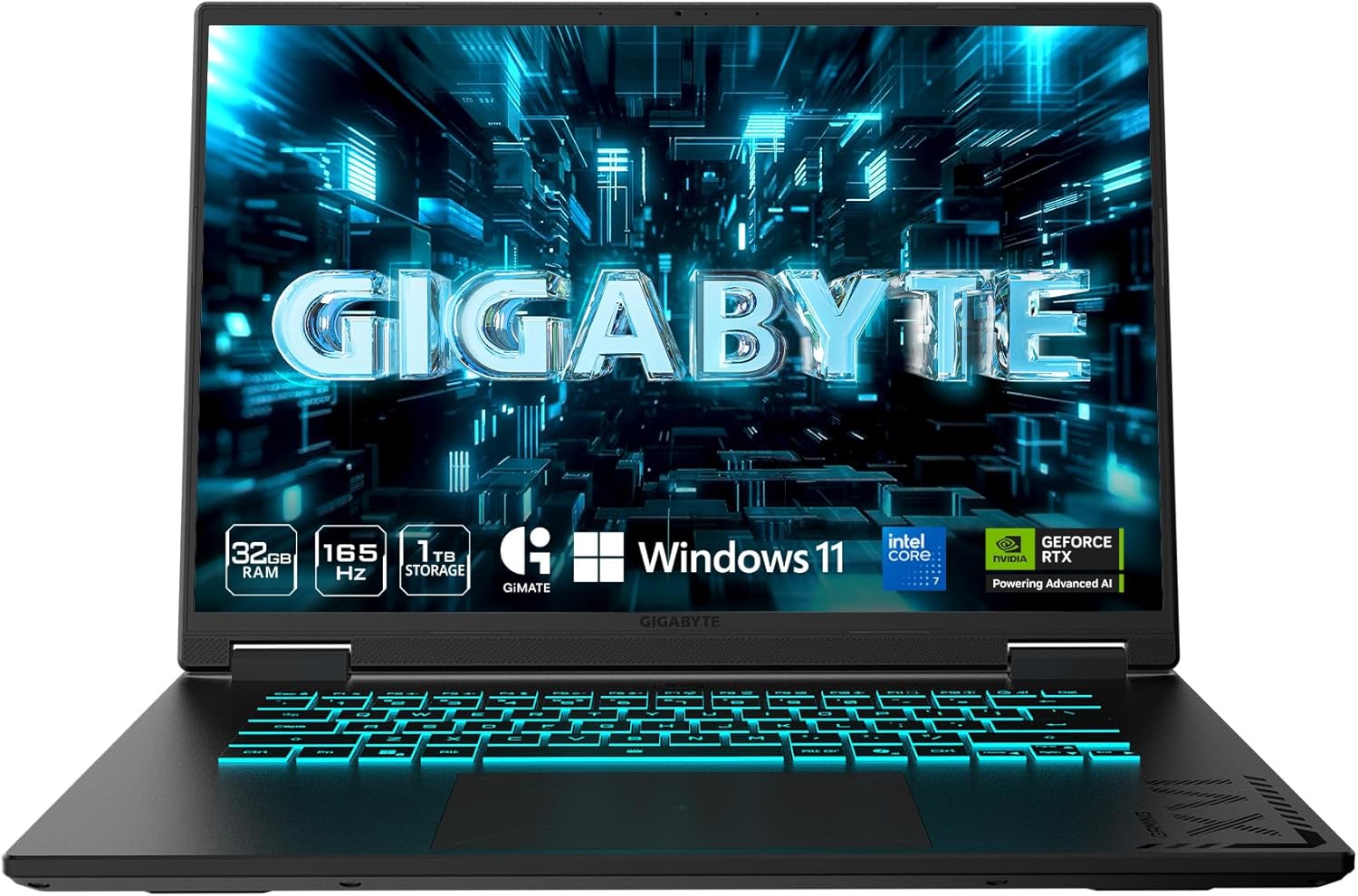
- memory Intel Core Ultra 7 240H
- developer_board NVIDIA GeForce RTX 5070 Ti Laptop GPU
- layers 32GB LPDDR5X 5600MHz
- track_changes Target GPU: NVIDIA GeForce RTX 4080 Super (16 GB) / AMD Radeon RX 7900 XTX (24 GB)

- memory Intel Core Ultra 9 275HX
- developer_board GeForce RTX 5070 Laptop Laptop GPU
- layers 64GB DDR5-6400MHz (Single-Channel)
- track_changes Target GPU: NVIDIA GeForce RTX 4080 Super (16 GB) / AMD Radeon RX 7900 XTX (24 GB)

- memory Intel Core Ultra 9 275HX
- developer_board NVIDIA GeForce RTX 5070 Ti
- layers 32GB
- track_changes Target GPU: NVIDIA GeForce RTX 4080 Super (16 GB) / AMD Radeon RX 7900 XTX (24 GB)

- memory Intel Core Ultra 9 275HX
- developer_board NVIDIA GeForce RTX 5070 Ti Laptop GPU
- layers 32 GB DDR5 6400MHz (2x16GB)
- track_changes Target GPU: NVIDIA GeForce RTX 4080 Super (16 GB) / AMD Radeon RX 7900 XTX (24 GB)
For Starfield Specifically
- memory Intel Core i7-12700H
- developer_board NVIDIA GeForce RTX 3070
- layers 32GB DDR4-3200MHz
- track_changes Target GPU: AMD Radeon RX 5700 (8GB) or NVIDIA GeForce GTX 1070 Ti (8GB)
- memory Intel Core i9-13900H
- developer_board NVIDIA GeForce RTX 4060
- layers 16GB DDR5-5200MHz
- track_changes Target GPU: AMD Radeon RX 5700 (8GB) or NVIDIA GeForce GTX 1070 Ti (8GB)
- memory Intel Core i9-14900HX
- developer_board NVIDIA GeForce RTX 4060
- layers 32GB DDR5-5600MHz
- track_changes Target GPU: AMD Radeon RX 5700 (8GB) or NVIDIA GeForce GTX 1070 Ti (8GB)
- memory Intel Core i9-12900H
- developer_board NVIDIA GeForce RTX 3070 Ti
- layers 16GB DDR5-4800MHz
- track_changes Target GPU: AMD Radeon RX 5700 (8GB) or NVIDIA GeForce GTX 1070 Ti (8GB)
- memory AMD Ryzen 7 7435HS
- developer_board NVIDIA GeForce RTX 3050
- layers 32GB DDR5-4800MHz
- track_changes Target GPU: AMD Radeon RX 5700 (8GB) or NVIDIA GeForce GTX 1070 Ti (8GB)
- memory AMD Ryzen 7 6800H
- developer_board NVIDIA GeForce RTX 3060
- layers 16GB DDR5-4800MHz
- track_changes Target GPU: AMD Radeon RX 5700 (8GB) or NVIDIA GeForce GTX 1070 Ti (8GB)
- memory AMD Ryzen 9 5900HS
- developer_board NVIDIA GeForce RTX 3080
- layers 16GB DDR4-3200MHz
- track_changes Target GPU: AMD Radeon RX 5700 (8GB) or NVIDIA GeForce GTX 1070 Ti (8GB)
- memory Intel Core i7-13620H
- developer_board NVIDIA GeForce RTX 4070
- layers 16GB DDR5-4800MHz
- track_changes Target GPU: AMD Radeon RX 5700 (8GB) or NVIDIA GeForce GTX 1070 Ti (8GB)
- memory Intel Core i7-14700HX
- developer_board NVIDIA GeForce RTX 4070
- layers 16GB DDR5-5600MHz
- track_changes Target GPU: AMD Radeon RX 5700 (8GB) or NVIDIA GeForce GTX 1070 Ti (8GB)
- memory Intel Core i9-14900HX
- developer_board NVIDIA GeForce RTX 4070
- layers 32GB DDR5-5600MHz
- track_changes Target GPU: AMD Radeon RX 5700 (8GB) or NVIDIA GeForce GTX 1070 Ti (8GB)
- memory AMD Ryzen 7 7435HS
- developer_board NVIDIA GeForce RTX 3050
- layers 32GB DDR5-4800MHz
- track_changes Target GPU: AMD Radeon RX 6800 XT (16GB) / RX 7800 XT (16GB) or NVIDIA GeForce RTX 3080 (10GB) / RTX 4070 (12GB)
- memory AMD Ryzen 7 6800H
- developer_board NVIDIA GeForce RTX 3060
- layers 16GB DDR5-4800MHz
- track_changes Target GPU: AMD Radeon RX 6800 XT (16GB) / RX 7800 XT (16GB) or NVIDIA GeForce RTX 3080 (10GB) / RTX 4070 (12GB)
- memory Intel Core i9-14900HX
- developer_board NVIDIA GeForce RTX 4070
- layers 32GB DDR5-5600MHz
- track_changes Target GPU: AMD Radeon RX 6800 XT (16GB) / RX 7800 XT (16GB) or NVIDIA GeForce RTX 3080 (10GB) / RTX 4070 (12GB)
- memory Intel Core i9-14900HX
- developer_board NVIDIA GeForce RTX 4070
- layers 16GB DDR5-5600MHz
- track_changes Target GPU: AMD Radeon RX 6800 XT (16GB) / RX 7800 XT (16GB) or NVIDIA GeForce RTX 3080 (10GB) / RTX 4070 (12GB)
- memory Intel Core Ultra 7 255H
- developer_board NVIDIA GeForce RTX 5060 Laptop GPU
- layers 16GB DDR5-5600MHz (Dual-Channel)
- track_changes Target GPU: AMD Radeon RX 6800 XT (16GB) / RX 7800 XT (16GB) or NVIDIA GeForce RTX 3080 (10GB) / RTX 4070 (12GB)
- memory AMD Ryzen 9 8940HX Processor
- developer_board NVIDIA GeForce RTX 5060 Laptop GPU
- layers 32GB DDR5-5200MHz
- track_changes Target GPU: AMD Radeon RX 6800 XT (16GB) / RX 7800 XT (16GB) or NVIDIA GeForce RTX 3080 (10GB) / RTX 4070 (12GB)
- memory Intel Core i9-12950HX
- developer_board NVIDIA GeForce RTX 3080 Ti
- layers 32GB DDR5-4800MHz
- track_changes Target GPU: AMD Radeon RX 6800 XT (16GB) / RX 7800 XT (16GB) or NVIDIA GeForce RTX 3080 (10GB) / RTX 4070 (12GB)
- memory AMD Ryzen 7 7445HS
- developer_board NVIDIA GeForce RTX 4050
- layers 16GB (2x8GB) DDR5 5600MHz SO-DIMM
- track_changes Target GPU: AMD Radeon RX 6800 XT (16GB) / RX 7800 XT (16GB) or NVIDIA GeForce RTX 3080 (10GB) / RTX 4070 (12GB)
- memory AMD Ryzen 7 7445HS
- developer_board NVIDIA GeForce RTX 4050
- layers 16GB DDR5 5600MHz SO-DIMM
- track_changes Target GPU: AMD Radeon RX 6800 XT (16GB) / RX 7800 XT (16GB) or NVIDIA GeForce RTX 3080 (10GB) / RTX 4070 (12GB)
- memory Intel Core i9-14900HX
- developer_board NVIDIA GeForce RTX 4080 Laptop GPU
- layers 64 GB DDR5-5600MHz
- track_changes Target GPU: AMD Radeon RX 6800 XT (16GB) / RX 7800 XT (16GB) or NVIDIA GeForce RTX 3080 (10GB) / RTX 4070 (12GB)
- memory Intel Core i9-14900HX
- developer_board NVIDIA GeForce RTX 4080 Laptop GPU
- layers 64 GB DDR5-5600MHz
- track_changes Target GPU: AMD Radeon RX 7900 XT (20GB) or NVIDIA GeForce RTX 4070 Ti SUPER (16GB) / RTX 4080 (16GB)
- memory Intel Core Ultra 9 Processor 275HX (Series 2)
- developer_board NVIDIA GeForce RTX 5070 Laptop GPU
- layers 32GB DDR5-5600MHz
- track_changes Target GPU: AMD Radeon RX 7900 XT (20GB) or NVIDIA GeForce RTX 4070 Ti SUPER (16GB) / RTX 4080 (16GB)
- memory Intel Core i9-14900HX Processor
- developer_board NVIDIA GeForce RTX 5070 Laptop GPU
- layers 32GB DDR5-5600MHz
- track_changes Target GPU: AMD Radeon RX 7900 XT (20GB) or NVIDIA GeForce RTX 4070 Ti SUPER (16GB) / RTX 4080 (16GB)

- memory Intel Core i9-14900HX Processor
- developer_board NVIDIA GeForce RTX 5070 Laptop GPU
- layers 32GB DDR5-5600MHz
- track_changes Target GPU: AMD Radeon RX 7900 XT (20GB) or NVIDIA GeForce RTX 4070 Ti SUPER (16GB) / RTX 4080 (16GB)

- memory Intel Core Ultra 9 Processor 285H
- developer_board NVIDIA GeForce RTX 5070 Laptop GPU
- layers 16GB DDR5-5600MHz
- track_changes Target GPU: AMD Radeon RX 7900 XT (20GB) or NVIDIA GeForce RTX 4070 Ti SUPER (16GB) / RTX 4080 (16GB)

- memory Intel Core Ultra 9 285H (Arrow Lake-H)
- developer_board NVIDIA GeForce RTX 5070 Laptop GPU
- layers 64GB LPDDR5x-8533MT/s (LPCAMM2)
- track_changes Target GPU: AMD Radeon RX 7900 XT (20GB) or NVIDIA GeForce RTX 4070 Ti SUPER (16GB) / RTX 4080 (16GB)

- memory Intel Core i9-14900HX
- developer_board NVIDIA GeForce RTX 4080
- layers 64GB DDR5-5600MHz
- track_changes Target GPU: AMD Radeon RX 7900 XT (20GB) or NVIDIA GeForce RTX 4070 Ti SUPER (16GB) / RTX 4080 (16GB)

- memory Intel Core i9-14900HX
- developer_board NVIDIA GeForce RTX 4080
- layers 32GB DDR5-5600MHz
- track_changes Target GPU: AMD Radeon RX 7900 XT (20GB) or NVIDIA GeForce RTX 4070 Ti SUPER (16GB) / RTX 4080 (16GB)

- memory Intel Core i9-14900HX
- developer_board NVIDIA GeForce RTX 4080
- layers 32GB DDR5-5600MHz
- track_changes Target GPU: AMD Radeon RX 7900 XT (20GB) or NVIDIA GeForce RTX 4070 Ti SUPER (16GB) / RTX 4080 (16GB)

- memory Intel Core i9-14900HX
- developer_board NVIDIA GeForce RTX 4080
- layers 32GB DDR5-5600MHz
- track_changes Target GPU: AMD Radeon RX 7900 XT (20GB) or NVIDIA GeForce RTX 4070 Ti SUPER (16GB) / RTX 4080 (16GB)
info_outline Laptop recommendations are estimates based on available component benchmarks and game requirements. Actual performance may vary depending on settings, drivers, cooling, power limits, etc. Prices and availability subject to change. As an Amazon Associate, we earn from qualifying purchases.