Select Games to Compare
Benchmark your exact mobile GPU wattage (TGP), battery throttling drops, and cooling pad requirements for these games.
Dark Light: Survivor vs Tides of Annihilation
| close | close |
|---|---|
| shopping_cart Where to Buy | |
| info General Information | |
| Release Date | |
| May 14, 2026 | Jun 15, 2027 |
| Developer | |
| Mirari&Co. | Eclipse Glow Games |
| Publisher | |
| Mirari&Co. | Tencent Games |
| Genre(s) | |
| Action-Roguelike / Survivor-like / ARPG | Character Action Game / Action-Adventure |
| Engine | |
| Unity Engine (Migrating to Unity 6 URP) | Unreal Engine 5 |
| stars Ratings & Price | |
| Content Rating | |
| Mature (M) - Intense Violence, Gore, Dark Themes | Mature |
| Avg. User Rating | |
| 3.9 / 5.0 | 4.8 / 5.0 |
| Current Price (USD) | |
| $16.99 | $69.99 |
| tune Key Specs | |
| Quick Highlights | |
|
|
| sports_esports Gameplay & Mechanics | |
| Companions/Followers | |
|
|
| Key Collectibles | |
|
|
| Key Themes | |
|
|
| colorize Combat & Gear | |
| Weapons Overview | |
|
|
| Armor / Gear Sets | |
|
|
| Outfits/Customization | |
|
|
| trending_up Progression & Upgrades | |
| Skills & Progression | |
|
Character progression in Dark Light: Survivor requires an advanced understanding of the game's internal mathematics, particularly the Synergy Engine and 'Bucket Multiplier' system. Players cannot rely solely on flat damage; optimization requires balancing Piercing, Projectile Count, and Cooldown Reduction. The Synergy Engine utilizes an elemental tagging system where applying a specific status (e.g., Burn) allows secondary elements (e.g., Shock) to trigger devastating compound reactions like the armor-shredding 'Superconduct.' A major late-game mechanic is the God Skill Mutation system. Once a core skill reaches level 10, it mutates to handle endless scaling. For example, Thundering Halo evolves from orbiting defensive orbs into an active Chain Lightning caster, while Flame Shield actively summons rotating, independent flaming skulls. Upgrades are purchased between runs at the Nexus Hold using Energy Shards and Void Marks, granting permanent stat boosts and unlocking powerful endgame drones. |
Character progression relies on a deep, synergistic 'Badge' system. Players can equip up to four Badges simultaneously to alter game rules (e.g., enabling life steal at the cost of continuous health drain). Gwendolyn unlocks over a dozen spectral Knights, which are equipped in primary/secondary slots and seamlessly switched mid-combo. Beyond combat, these Knights grant environmental traversal skills—like Sir Bors creating ziplines or Sir Palamedes shattering walls—encouraging backtracking. Gwendolyn also equips swappable swords with unique attack properties and collects 'Regalia' for cosmetic outfit customization without compromising functional armor stats. |
| public World & Exploration | |
| World & Level Design | |
|
The game currently features three meticulously designed, procedurally generated base maps, each presenting distinct environmental hazards and complex enemy compositions. 'Ruined Town' is an urban decay environment plagued by parasitic zombies where tight alleyways heavily emphasize the need for piercing weaponry. 'Cursed Castle Ruins' offers a gothic architectural nightmare engulfed by the Dark Void, featuring intense verticality and numerous line-of-sight blockers. 'Frozen Battlefield' is a desolate wasteland littered with ancient warships and haunted by massive insectoid beasts requiring heavy Area of Effect damage. Furthermore, the game introduces 'Void Fractured Realm' events. After specific milestones, maps enter a Fractured state, drastically shifting atmospheric rendering and core rulesets. This introduces Elemental Surges (like Arc or Blight Surges) and Otherworld Incursions, cross-pollinating enemies from different biomes and creating unpredictable, highly lethal battlefields that ultimately reward players with premium Void currencies. |
The game does not feature a traditional seamless open world; rather, it offers massive, interconnected zones heavily inspired by Metroidvania design. A prominent biome is the 'Great Russell Museum,' an expansive reworking of the British Museum where historical artifacts are warped into localized cultural hazards (e.g., Chinese, Japanese, and Egyptian exhibits). The architecture frequently transitions into 'Folded Realms'—bizarre, alternate dimensions layered over reality, such as the Inception-inspired 'Mirror Space' where gravity and logic distort. Furthermore, massive 'Colossal Knights' wander the world, serving as both environmental set pieces and interactive, climbable architectural labyrinths. |
| Playable Vehicles | |
|
|
| Notable Fauna/Mounts | |
|
|
| book Story & Characters | |
| Main Characters | |
|
|
| Example Missions | |
|
|
| people Multiplayer | |
| Multiplayer Details | |
|
As of the September 2026 build, Dark Light: Survivor is strictly a single-player experience, focusing heavily on intense, localized survival mechanics, ARPG loot hoarding, and individual skill expression. The engine's capability to render thousands of dynamic projectiles and complex AI pathing algorithms currently utilizes the entirety of the host machine's processing power, making traditional network synchronization highly difficult. Despite the lack of synchronous co-op or player-versus-player combat, the game fosters a highly active community through asynchronous competition. Players constantly theory-craft and share complex synergy builds, map routing strategies, and God Skill Mutation combinations on forums and Discord servers. While Mirari&Co. has not officially confirmed synchronous cooperative multiplayer for the 1.0 release, there is immense community demand for integrated online leaderboards, daily challenge seeds, and asynchronous 'ghost' data to further incentivize competitive extraction runs in the newly implemented Endless Mode. |
The game is an exclusively single-player experience. The proprietary 'Dual Frontline Battle System' utilizes AI-controlled spectral summons rather than cooperative human players. |
| extension Editions & DLC | |
| Available Editions | |
|
Dark Light: Survivor launched into Steam Early Access on May 14, 2026, utilizing a highly transparent development model. The base game is priced at $16.99 USD, though Mirari&Co. frequently offers a promotional discount dropping the entry price to approximately $13.08 USD. The studio has successfully maximized market visibility through targeted cross-promotional bundles. Players can purchase the 'Dark Light Franchise Bundle' (including the original 2022 Metroidvania), the 'Dark Light: Survivor x Arms of God' package, and the 'Jotunnslayer: Hordes of Hel' crossover bundle. The development team has projected an Early Access phase lasting between 12 and 18 months. Crucially, they have strategically planned a 15% to 20% price increase upon the final 1.0 release to incentivize early adoption. Following the PC launch, native console editions for the PlayStation 5 and Xbox Series X are planned, alongside expansive deluxe editions containing cosmetic Armor Vault unlocks. |
While specific editions remain officially unannounced, the game is heavily positioned as a premium AAA, single-player 'buy-to-play' title, expected to retail at $69.99 USD. Given its high-profile status, standard and deluxe digital editions are anticipated, potentially offering exclusive early unlocks for certain Regalia cosmetics or soundtrack access. |
| Post-Launch Content / DLC | |
|
Since its Early Access debut, Mirari&Co. has delivered substantial content updates, culminating in the massive Patch 0.3.1 in September 2026. This update revolutionized the gameplay loop by introducing Endless Mode via the Phantom Train, allowing players to risk all their run's loot for infinitely escalating combat rounds. It also introduced the Phase Extractor, a crucial tool enabling players to permanently save one piece of acquired armor per run to their Stash. Looking forward, the development roadmap is incredibly aggressive. Following the complete engine migration to Unity 6 URP, the studio plans to release an entirely new playable character class (determined by community polling), a dedicated Armor Vault for cosmetic tracking, and comprehensive expansions to the faction skill trees. Additional procedurally generated biomes, highly lethal enemy archetypes, and specialized alien weaponry are slated as free content updates leading up to the eventual 1.0 launch. |
Currently, there is no official roadmap for Downloadable Content or live-service monetization. Eclipse Glow Games is marketing the game as a complete, feature-rich package at launch. |
| help_outline FAQ | |
| Frequently Asked Questions | |
|
|
| build Technical Details | |
| Graphics & Visual Fidelity | |
|
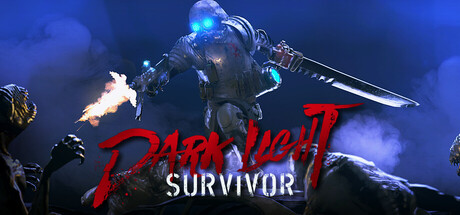
Built originally on Unity but currently 90% migrated to Unity 6 and the Universal Render Pipeline (URP), the game pushes the boundaries of independent visual fidelity. The art direction masterfully combines cybernetic horror with gothic decay across diverse biomes. The game leverages Shader Model 6.0 to render stunning, GPU-intensive particle effects, dynamic lighting, and elemental explosions without compromising the massive on-screen enemy counts. A distinct artistic and tactical feature is the 'Pixel Mode' toggle. Rather than just a cheap post-processing filter, Pixel Mode fundamentally alters visual clarity, reducing the blinding clutter of high-fidelity particle effects to prioritize the readability of enemy hitboxes and attack telegraphs. Furthermore, the developers have meticulously optimized environmental geometry, reduced unnecessary shadow casting on horde mobs, and integrated AMD FSR to ensure smooth visual scaling from high-end 4K cinematic desktop displays down to the 800p screen of the Steam Deck. |
Powered by Unreal Engine 5, the game is a visual powerhouse aiming for photorealism stylized with an East Asian ink-wash aesthetic. The PC version is a flagship for NVIDIA, utilizing full Path Tracing and DLSS 4.5 Dynamic Multi Frame Generation. The developers recently optimized the global lighting system and updated skin rendering algorithms, leading to minor controversies over character model aesthetics that the studio clarified were purely technical enhancements, not ideological censorship. |
| Audio & Soundtrack | |
|
The audio landscape of Dark Light: Survivor perfectly complements its grim, post-apocalyptic cyberpunk aesthetic. The soundtrack is characterized by heavy, pulsing dark-synth beats and industrial electronic tracks that dynamically escalate in tempo and intensity as the enemy density increases and wave timers count down. The sound design serves as a vital tactical tool for the player. With the screen frequently obscured by thousands of projectiles, audio cues are essential for survival. Distinct, telegraphing sound effects alert the player to off-screen dangers, such as the mechanical revving wind-up of the Charger elite enemy or the heavy, metallic thuds of the Crystal Construct. Furthermore, the audio engine heavily emphasizes the satisfaction of the Synergy Engine; triggering a 'Superconduct' reaction results in a massive, bass-heavy electrical crackle, providing immediate, visceral auditory feedback that the player's elemental chaining has successfully decimated the enemy horde. |
The soundtrack features melancholic, 'withering' compositions that adapt dynamically to the cultural biome (e.g., shifting instrumentation within the museum exhibits). The voice cast is notable, with Angela Sant'Albano voicing Gwendolyn (replacing Jennifer English, who serves as VO director) and Aliona Baranova voicing the antagonist Mordred. The game features full audio dubbing in English and Simplified Chinese. |
| User Interface (UI/UX) | |
|
The User Interface and camera system represent a pioneering technical leap for the bullet-heaven genre. Unlike static games in the space, Dark Light utilizes a dynamic Multi-Camera Tactical Approach. Players can seamlessly swap between a Top-Down Isometric View (essential for macro-positioning and navigating procedural traps) and a Third-Person Shooter (TPS) over-the-shoulder perspective (crucial for exploiting weak points and manual targeting). A recently added Overwatch Camera pushes the view distance out for unparalleled battlefield awareness. Advanced players utilize the 'Hybrid Switch' strategy, binding camera toggles to mouse peripherals for fluid transitions. Beyond combat, the UI shines in its hub management. The Nexus Hold and Phantom Train feature cleanly designed vendor menus for NPCs like Zen, allowing precise navigation of complex ARPG stat blocks, weapon modding slots, and the Phase Extractor stash without overwhelming the player with cluttered information. |
The UI is streamlined to focus on the high-speed action, prominently featuring Gwendolyn's health and ultimate meters, enemy stagger gauges, and the 'Knight System' cross-pad indicator for rapid switching between equipped spectral summons. |
| Accessibility Options | |
|
Mirari&Co. has implemented several key accessibility features designed to make the chaotic, hyper-dense gameplay more manageable. The 'Pixel Mode' graphic setting doubles as an accessibility tool, drastically reducing visual noise and flashing particle effects, which is crucial for players sensitive to intense light flashes or visual clutter. The game features highly customizable frame rate limiters (30, 40, 45, 60, 90, 120 FPS), allowing users to stabilize performance and reduce hardware heat output. The 'Hybrid Switch' camera system is fully remappable, ensuring players with limited mobility can map perspective shifts to highly accessible peripheral buttons. Full controller support, optimized heavily for the Steam Deck, provides precise twin-stick movement as an alternative to mouse-and-keyboard setups. The developers have also tuned the UI to ensure contrasting colors highlight critical information like health bars, cooldown timers, and elite enemy attack telegraphs. |
To accommodate the game's incredibly demanding, reflex-based Character Action combat, the developers have included a highly forgiving 'Story Mode' difficulty tier. This ensures the narrative and exploration are accessible to players unaccustomed to strict parry windows. |
| video_library Media Links | |
| Gameplay Video | |
| launchWatch | launchWatch |
| Walkthrough/Guide | |
| launchView | launchView |
| settings_applications System Requirements | |
| 1080p (Full HD) - Minimum (Low-Medium Settings, FSR Balanced, 60 FPS) CPU: Requires strong multi-threading to handle AI pathing algorithms for thousands of enemies. CPU (Laptop): Mobile processors must sustain high boost clocks during 20+ minute survival runs. GPU: 8GB VRAM is essential to prevent memory leaking and crashes during particle-heavy elemental synergies. GPU (Laptop): Requires high power draw to handle the Shader Model 6.0 demands. 6GB is borderline; 8GB highly preferred. RAM: 16GB provides enough overhead for the Unity engine to cache enemy models and environmental assets. Storage: Prevents asset streaming stutter when alternating camera perspectives. | |
memoryCPU: Intel Core i7-5820K @ 3.30GHz or AMD Ryzen 5 2600 developer_boardGPU: NVIDIA GeForce RTX 2070 (8GB) or AMD Radeon RX 5700 XT laptop_macCPU (L): Intel Core i7-10750H or AMD Ryzen 7 4800H laptop_windowsGPU (L): NVIDIA RTX 3060 Mobile (High TGP, 6GB+) or RTX 4050 Mobile layersRAM: 16 GB saveStorage (Tier): 20 GB NVMe SSD | memoryCPU: Intel Core i5-11600K / AMD Ryzen 5 5600X developer_boardGPU: NVIDIA GeForce RTX 3060 / AMD Radeon RX 6600 XT (8GB VRAM) laptop_macCPU (L): Intel Core i7-11800H / AMD Ryzen 7 5800H laptop_windowsGPU (L): NVIDIA RTX 4050 (100W+) / RTX 3060 (130W) layersRAM: 16 GB saveStorage (Tier): 90 GB SSD |
| 1440p (QHD/2K) - Recommended (High Settings, FSR Quality, 60+ FPS) CPU: Higher clock speeds drastically improve the calculation of the 'Figure-Eight' kiting pathing algorithms. CPU (Laptop): Modern hybrid architecture helps manage the physics calculations of defeated enemies alongside active threats. GPU: Provides the brute force needed to render the dense geometric clutter of the Cursed Castle Ruins at 1440p. GPU (Laptop): Adequate VRAM and rasterization power to handle the blinding particle effects of the Giant Insect Boss. RAM: Ensures smooth transitions between the Nexus Hold and active deployment biomes. Storage: Optimizes load times and texture streaming for high-resolution assets. | |
memoryCPU: Intel Core i7-10700K or AMD Ryzen 7 5800X developer_boardGPU: NVIDIA GeForce RTX 3070 (8GB) or AMD Radeon RX 6700 XT laptop_macCPU (L): Intel Core i7-12700H or AMD Ryzen 7 6800H laptop_windowsGPU (L): NVIDIA RTX 3070 Ti Mobile or RTX 4060 Mobile (High TGP) layersRAM: 16 GB saveStorage (Tier): 20 GB Gen 4 NVMe SSD | memoryCPU: Intel Core i7-13700K / AMD Ryzen 7 7800X3D developer_boardGPU: NVIDIA GeForce RTX 4070 Ti / AMD Radeon RX 7900 XT laptop_macCPU (L): Intel Core i7-13700HX / AMD Ryzen 9 7845HX laptop_windowsGPU (L): NVIDIA RTX 4080 Mobile (175W) layersRAM: 32 GB saveStorage (Tier): 90 GB NVMe Gen 4 SSD |
| 2160p (UHD/4K) - Ultra/Path Tracing (Epic Settings, 4K, Full Path Tracing, 60 FPS (DLSS 4.5 Required)) CPU: Top-tier CPUs needed to eliminate bottlenecks when feeding path tracing BVH structures to the GPU. CPU (Laptop): Only flagship mobile silicon can support these extreme settings. GPU: Massive computational throughput required for real-time Path Tracing in dense, reflective environments. GPU (Laptop): The absolute highest tier of mobile graphics is required, with heavy reliance on DLSS. RAM: Maximum bandwidth required. Storage: Maximum read/write speeds. | |
| — | memoryCPU: Intel Core i9-14900K / AMD Ryzen 9 7950X3D developer_boardGPU: NVIDIA GeForce RTX 4090 / RTX 5080 (Targeted Showcase Hardware) laptop_macCPU (L): Intel Core i9-14900HX / AMD Ryzen 9 7945HX3D laptop_windowsGPU (L): NVIDIA RTX 4090 Mobile (175W) layersRAM: 32 GB saveStorage (Tier): 90 GB NVMe Gen 4 SSD |
| 2160p (UHD/4K) - Ultra/Cinematic (Max Settings, Native/FSR Quality, 60 FPS) CPU: Massive L3 cache on X3D chips virtually eliminates the 1% low frame drops during extreme late-game density spikes. CPU (Laptop): Desktop-class mobile CPUs are required to handle top-tier rendering while managing thousands of AI scripts. GPU: High VRAM buffer required for 4K textures, cinematic lighting modes, and complex elemental storm rendering. GPU (Laptop): The massive graphical overhead of 4K demands the highest tier of mobile discrete graphics to maintain 60 FPS. RAM: Offers complete stability during Endless Mode, where memory management can occasionally falter after multiple consecutive rounds. Storage: Uncompromised loading bandwidth for seamless gameplay loops. | |
memoryCPU: Intel Core i5-13600K or AMD Ryzen 7 7800X3D developer_boardGPU: NVIDIA GeForce RTX 4070 Ti (12GB) or AMD Radeon RX 7900 XT laptop_macCPU (L): Intel Core i9-13900HX or AMD Ryzen 9 7945HX laptop_windowsGPU (L): NVIDIA RTX 4080 Mobile (175W High TGP) layersRAM: 32 GB saveStorage (Tier): 20 GB Gen 4 NVMe SSD | — |
| save Overall Storage | |
Spec: 20 GB Available Space (SSD Required) Note: Solid State Drive is absolutely mandatory for fast loading of procedural biomes and preventing micro-stutters when new elite enemies spawn. Type: SSD | Spec: 90 GB NVMe Gen 4 SSD Note: High-speed SSD is mandatory for seamless transitions into the 'Folded Realms' without loading screens. Type: NVMe |
| desktop_windows Operating System | |
| Spec: Windows 10/11 (64-bit) Explanation: A 64-bit operating system is required to handle the memory addressing needed for Unity Engine's advanced object pooling. | Spec: Windows 11 (64-bit) Explanation: Recommended for optimal DirectX 12 Ultimate scheduling and advanced rendering techniques. |
| gamepad DirectX Version | |
| Spec: DirectX 12 (Shader Model 6.0) Explanation: Required for advanced lighting, VFX pooling, and rendering thousands of concurrent on-screen projectiles. | Spec: DirectX 12 Ultimate Explanation: Strictly required for UE5 Nanite, Lumen, and Path Tracing integration. |
| info_outline Other Game Notes | |
|
|
| build Optimization Details | |
|
|
| laptop Laptop Considerations | |
|
|

info_outline Feature details based on available data. System requirements and performance estimates may vary.
laptop_chromebook Laptop Recommendations
Common Recommendations (Handles All Compared Games)

- memory Intel Core i7-12700H
- developer_board NVIDIA GeForce RTX 3070
- layers 32GB DDR4-3200MHz
- track_changes Target GPU: NVIDIA RTX 3060 Mobile (High TGP, 6GB+) or RTX 4050 Mobile / NVIDIA RTX 4050 (100W+) / RTX 3060 (130W)

- memory Intel Core i9-13900H
- developer_board NVIDIA GeForce RTX 4060
- layers 16GB DDR5-5200MHz
- track_changes Target GPU: NVIDIA RTX 3060 Mobile (High TGP, 6GB+) or RTX 4050 Mobile / NVIDIA RTX 4050 (100W+) / RTX 3060 (130W)

- memory Intel Core i9-14900HX
- developer_board NVIDIA GeForce RTX 4060
- layers 32GB DDR5-5600MHz
- track_changes Target GPU: NVIDIA RTX 3060 Mobile (High TGP, 6GB+) or RTX 4050 Mobile / NVIDIA RTX 4050 (100W+) / RTX 3060 (130W)

- memory AMD Ryzen 7 7435HS
- developer_board NVIDIA GeForce RTX 3050
- layers 32GB DDR5-4800MHz
- track_changes Target GPU: NVIDIA RTX 3070 Ti Mobile or RTX 4060 Mobile (High TGP) / NVIDIA RTX 4080 Mobile (175W)

- memory Intel Core i9-14900HX
- developer_board NVIDIA GeForce RTX 4070
- layers 32GB DDR5-5600MHz
- track_changes Target GPU: NVIDIA RTX 3070 Ti Mobile or RTX 4060 Mobile (High TGP) / NVIDIA RTX 4080 Mobile (175W)

- memory AMD Ryzen 9 8940HX Processor
- developer_board NVIDIA GeForce RTX 5060 Laptop GPU
- layers 32GB DDR5-5200MHz
- track_changes Target GPU: NVIDIA RTX 3070 Ti Mobile or RTX 4060 Mobile (High TGP) / NVIDIA RTX 4080 Mobile (175W)

- memory Intel Core i9-14900HX
- developer_board NVIDIA GeForce RTX 4080 Laptop GPU
- layers 64 GB DDR5-5600MHz
- track_changes Target GPU: NVIDIA RTX 4080 Mobile (175W High TGP)

- memory Intel Core Ultra 9 Processor 275HX (Series 2)
- developer_board NVIDIA GeForce RTX 5070 Laptop GPU
- layers 32GB DDR5-5600MHz
- track_changes Target GPU: NVIDIA RTX 4080 Mobile (175W High TGP)

- memory Intel Core i9-14900HX Processor
- developer_board NVIDIA GeForce RTX 5070 Laptop GPU
- layers 32GB DDR5-5600MHz
- track_changes Target GPU: NVIDIA RTX 4080 Mobile (175W High TGP)

- memory Intel Core i9-14900HX
- developer_board NVIDIA GeForce RTX 4090
- layers 32GB DDR5-5600MHz
- track_changes Target GPU: NVIDIA RTX 4090 Mobile (175W)

- memory Intel Core Ultra 9 285H (Series 2) , 14 cores (6 Performance cores + 8 Efficient cores), 20 threads
- developer_board NVIDIA GeForce RTX 5050 Laptop GPU
- layers 32GB (2x16GB) DDR5 8400MHz SO-DIMM
- track_changes Target GPU: NVIDIA RTX 4090 Mobile (175W)

- memory Intel Core Ultra 9 285H
- developer_board NVIDIA GeForce RTX 5070
- layers 32GB (2x16GB) DDR5 4800MHz SO-DIMM
- track_changes Target GPU: NVIDIA RTX 4090 Mobile (175W)
For Dark Light: Survivor Specifically
- memory Intel Core i7-12700H
- developer_board NVIDIA GeForce RTX 3070
- layers 32GB DDR4-3200MHz
- track_changes Target GPU: NVIDIA GeForce RTX 2070 (8GB) or AMD Radeon RX 5700 XT
- memory Intel Core i9-13900H
- developer_board NVIDIA GeForce RTX 4060
- layers 16GB DDR5-5200MHz
- track_changes Target GPU: NVIDIA GeForce RTX 2070 (8GB) or AMD Radeon RX 5700 XT
- memory Intel Core i9-14900HX
- developer_board NVIDIA GeForce RTX 4060
- layers 32GB DDR5-5600MHz
- track_changes Target GPU: NVIDIA GeForce RTX 2070 (8GB) or AMD Radeon RX 5700 XT

- memory Intel Core i9-12900H
- developer_board NVIDIA GeForce RTX 3070 Ti
- layers 16GB DDR5-4800MHz
- track_changes Target GPU: NVIDIA GeForce RTX 2070 (8GB) or AMD Radeon RX 5700 XT
- memory AMD Ryzen 7 7435HS
- developer_board NVIDIA GeForce RTX 3050
- layers 32GB DDR5-4800MHz
- track_changes Target GPU: NVIDIA GeForce RTX 2070 (8GB) or AMD Radeon RX 5700 XT

- memory AMD Ryzen 7 6800H
- developer_board NVIDIA GeForce RTX 3060
- layers 16GB DDR5-4800MHz
- track_changes Target GPU: NVIDIA GeForce RTX 2070 (8GB) or AMD Radeon RX 5700 XT

- memory AMD Ryzen 9 5900HS
- developer_board NVIDIA GeForce RTX 3080
- layers 16GB DDR4-3200MHz
- track_changes Target GPU: NVIDIA GeForce RTX 2070 (8GB) or AMD Radeon RX 5700 XT

- memory Intel Core i7-13620H
- developer_board NVIDIA GeForce RTX 4070
- layers 16GB DDR5-4800MHz
- track_changes Target GPU: NVIDIA GeForce RTX 2070 (8GB) or AMD Radeon RX 5700 XT

- memory Intel Core i7-14700HX
- developer_board NVIDIA GeForce RTX 4070
- layers 16GB DDR5-5600MHz
- track_changes Target GPU: NVIDIA GeForce RTX 2070 (8GB) or AMD Radeon RX 5700 XT
- memory Intel Core i9-14900HX
- developer_board NVIDIA GeForce RTX 4070
- layers 32GB DDR5-5600MHz
- track_changes Target GPU: NVIDIA GeForce RTX 2070 (8GB) or AMD Radeon RX 5700 XT
- memory Intel Core i9-12900H
- developer_board NVIDIA GeForce RTX 3070 Ti
- layers 16GB DDR5-4800MHz
- track_changes Target GPU: NVIDIA GeForce RTX 3070 (8GB) or AMD Radeon RX 6700 XT
- memory AMD Ryzen 7 7435HS
- developer_board NVIDIA GeForce RTX 3050
- layers 32GB DDR5-4800MHz
- track_changes Target GPU: NVIDIA GeForce RTX 3070 (8GB) or AMD Radeon RX 6700 XT
- memory Intel Core i9-14900HX
- developer_board NVIDIA GeForce RTX 4070
- layers 32GB DDR5-5600MHz
- track_changes Target GPU: NVIDIA GeForce RTX 3070 (8GB) or AMD Radeon RX 6700 XT

- memory Intel Core i9-14900HX
- developer_board NVIDIA GeForce RTX 4070
- layers 16GB DDR5-5600MHz
- track_changes Target GPU: NVIDIA GeForce RTX 3070 (8GB) or AMD Radeon RX 6700 XT

- memory Intel Core Ultra 7 255H
- developer_board NVIDIA GeForce RTX 5060 Laptop GPU
- layers 16GB DDR5-5600MHz (Dual-Channel)
- track_changes Target GPU: NVIDIA GeForce RTX 3070 (8GB) or AMD Radeon RX 6700 XT
- memory AMD Ryzen 9 8940HX Processor
- developer_board NVIDIA GeForce RTX 5060 Laptop GPU
- layers 32GB DDR5-5200MHz
- track_changes Target GPU: NVIDIA GeForce RTX 3070 (8GB) or AMD Radeon RX 6700 XT

- memory Intel Core i9-12950HX
- developer_board NVIDIA GeForce RTX 3080 Ti
- layers 32GB DDR5-4800MHz
- track_changes Target GPU: NVIDIA GeForce RTX 3070 (8GB) or AMD Radeon RX 6700 XT

- memory AMD Ryzen 7 7445HS
- developer_board NVIDIA GeForce RTX 4050
- layers 16GB (2x8GB) DDR5 5600MHz SO-DIMM
- track_changes Target GPU: NVIDIA GeForce RTX 3070 (8GB) or AMD Radeon RX 6700 XT

- memory AMD Ryzen 7 7445HS
- developer_board NVIDIA GeForce RTX 4050
- layers 16GB DDR5 5600MHz SO-DIMM
- track_changes Target GPU: NVIDIA GeForce RTX 3070 (8GB) or AMD Radeon RX 6700 XT
- memory Intel Core i9-14900HX
- developer_board NVIDIA GeForce RTX 4080 Laptop GPU
- layers 64 GB DDR5-5600MHz
- track_changes Target GPU: NVIDIA GeForce RTX 3070 (8GB) or AMD Radeon RX 6700 XT
- memory Intel Core i9-14900HX
- developer_board NVIDIA GeForce RTX 4080 Laptop GPU
- layers 64 GB DDR5-5600MHz
- track_changes Target GPU: NVIDIA GeForce RTX 4070 Ti (12GB) or AMD Radeon RX 7900 XT
- memory Intel Core Ultra 9 Processor 275HX (Series 2)
- developer_board NVIDIA GeForce RTX 5070 Laptop GPU
- layers 32GB DDR5-5600MHz
- track_changes Target GPU: NVIDIA GeForce RTX 4070 Ti (12GB) or AMD Radeon RX 7900 XT
- memory Intel Core i9-14900HX Processor
- developer_board NVIDIA GeForce RTX 5070 Laptop GPU
- layers 32GB DDR5-5600MHz
- track_changes Target GPU: NVIDIA GeForce RTX 4070 Ti (12GB) or AMD Radeon RX 7900 XT

- memory Intel Core i9-14900HX Processor
- developer_board NVIDIA GeForce RTX 5070 Laptop GPU
- layers 32GB DDR5-5600MHz
- track_changes Target GPU: NVIDIA GeForce RTX 4070 Ti (12GB) or AMD Radeon RX 7900 XT

- memory Intel Core Ultra 9 285H (Arrow Lake-H)
- developer_board NVIDIA GeForce RTX 5070 Laptop GPU
- layers 64GB LPDDR5x-8533MT/s (LPCAMM2)
- track_changes Target GPU: NVIDIA GeForce RTX 4070 Ti (12GB) or AMD Radeon RX 7900 XT

- memory Intel Core i9-14900HX
- developer_board NVIDIA GeForce RTX 4080
- layers 64GB DDR5-5600MHz
- track_changes Target GPU: NVIDIA GeForce RTX 4070 Ti (12GB) or AMD Radeon RX 7900 XT

- memory Intel Core i9-14900HX
- developer_board NVIDIA GeForce RTX 4080
- layers 32GB DDR5-5600MHz
- track_changes Target GPU: NVIDIA GeForce RTX 4070 Ti (12GB) or AMD Radeon RX 7900 XT

- memory Intel Core i9-14900HX
- developer_board NVIDIA GeForce RTX 4080
- layers 32GB DDR5-5600MHz
- track_changes Target GPU: NVIDIA GeForce RTX 4070 Ti (12GB) or AMD Radeon RX 7900 XT

- memory Intel Core i9-14900HX
- developer_board NVIDIA GeForce RTX 4080
- layers 32GB DDR5-5600MHz
- track_changes Target GPU: NVIDIA GeForce RTX 4070 Ti (12GB) or AMD Radeon RX 7900 XT

- memory AMD Ryzen 9 7845HX
- developer_board NVIDIA GeForce RTX 4080
- layers Up to 64GB DDR5
- track_changes Target GPU: NVIDIA GeForce RTX 4070 Ti (12GB) or AMD Radeon RX 7900 XT
For Tides of Annihilation Specifically
- memory Intel Core i9-14900HX
- developer_board NVIDIA GeForce RTX 4090
- layers 32GB DDR5-5600MHz
- track_changes Target GPU: NVIDIA GeForce RTX 3060 / AMD Radeon RX 6600 XT (8GB VRAM)

- memory Intel Core i7-13620H 13th Generation Raptor Lake Mobile Processor
- developer_board NVIDIA GeForce RTX 5050 Ada Lovelace architecture with dedicated graphics processing
- layers 16GB DDR5-5200MHz Dual-Channel (2x8GB SO-DIMM modules, upgradeable to 64GB)
- track_changes Target GPU: NVIDIA GeForce RTX 3060 / AMD Radeon RX 6600 XT (8GB VRAM)

- memory Intel Core i7-13650HX
- developer_board NVIDIA GeForce RTX 5050
- layers 16GB (2x8GB) DDR5 5600MHz SO-DIMM
- track_changes Target GPU: NVIDIA GeForce RTX 3060 / AMD Radeon RX 6600 XT (8GB VRAM)

- memory AMD Ryzen 7 5800X
- developer_board NVIDIA GeForce RTX 5050
- layers 32GB (2x16GB) DDR5 4800MHz SO-DIMM
- track_changes Target GPU: NVIDIA GeForce RTX 3060 / AMD Radeon RX 6600 XT (8GB VRAM)
- memory Intel Core Ultra 9 285H (Series 2) , 14 cores (6 Performance cores + 8 Efficient cores), 20 threads
- developer_board NVIDIA GeForce RTX 5050 Laptop GPU
- layers 32GB (2x16GB) DDR5 8400MHz SO-DIMM
- track_changes Target GPU: NVIDIA GeForce RTX 3060 / AMD Radeon RX 6600 XT (8GB VRAM)
- memory Intel Core Ultra 9 285H
- developer_board NVIDIA GeForce RTX 5070
- layers 32GB (2x16GB) DDR5 4800MHz SO-DIMM
- track_changes Target GPU: NVIDIA GeForce RTX 3060 / AMD Radeon RX 6600 XT (8GB VRAM)

- memory Intel Core i9-14900HX Processor
- developer_board NVIDIA GeForce RTX 5070 Ti Laptop GPU
- layers 64GB DDR5-5600MHz (commonly listed as 4800MHz by some retailers, but 5600MHz is common for 14th Gen HX with DDR5)
- track_changes Target GPU: NVIDIA GeForce RTX 3060 / AMD Radeon RX 6600 XT (8GB VRAM)

- memory Intel Core Ultra 9 Processor 275HX
- developer_board NVIDIA GeForce RTX 5070 Ti Laptop GPU
- layers 64GB DDR5-6400MHz
- track_changes Target GPU: NVIDIA GeForce RTX 3060 / AMD Radeon RX 6600 XT (8GB VRAM)

- memory Intel Core Ultra 9 Processor 275HX (Series 2)
- developer_board NVIDIA GeForce RTX 5070 Ti Laptop GPU
- layers 32GB DDR5-5600MHz
- track_changes Target GPU: NVIDIA GeForce RTX 3060 / AMD Radeon RX 6600 XT (8GB VRAM)

- memory Intel Ultra 7 255HX
- developer_board NVIDIA GeForce RTX 5070 Ti
- layers 32GB DDR5 5600MHz
- track_changes Target GPU: NVIDIA GeForce RTX 3060 / AMD Radeon RX 6600 XT (8GB VRAM)
- memory Intel Core i9-14900HX
- developer_board NVIDIA GeForce RTX 4080 Laptop GPU
- layers 64 GB DDR5-5600MHz
- track_changes Target GPU: NVIDIA GeForce RTX 4070 Ti / AMD Radeon RX 7900 XT
- memory Intel Core Ultra 9 Processor 275HX (Series 2)
- developer_board NVIDIA GeForce RTX 5070 Laptop GPU
- layers 32GB DDR5-5600MHz
- track_changes Target GPU: NVIDIA GeForce RTX 4070 Ti / AMD Radeon RX 7900 XT
- memory Intel Core i9-14900HX Processor
- developer_board NVIDIA GeForce RTX 5070 Laptop GPU
- layers 32GB DDR5-5600MHz
- track_changes Target GPU: NVIDIA GeForce RTX 4070 Ti / AMD Radeon RX 7900 XT
- memory Intel Core i9-14900HX Processor
- developer_board NVIDIA GeForce RTX 5070 Laptop GPU
- layers 32GB DDR5-5600MHz
- track_changes Target GPU: NVIDIA GeForce RTX 4070 Ti / AMD Radeon RX 7900 XT
- memory Intel Core Ultra 9 285H (Arrow Lake-H)
- developer_board NVIDIA GeForce RTX 5070 Laptop GPU
- layers 64GB LPDDR5x-8533MT/s (LPCAMM2)
- track_changes Target GPU: NVIDIA GeForce RTX 4070 Ti / AMD Radeon RX 7900 XT
- memory Intel Core i9-14900HX
- developer_board NVIDIA GeForce RTX 4080
- layers 64GB DDR5-5600MHz
- track_changes Target GPU: NVIDIA GeForce RTX 4070 Ti / AMD Radeon RX 7900 XT
- memory Intel Core i9-14900HX
- developer_board NVIDIA GeForce RTX 4080
- layers 32GB DDR5-5600MHz
- track_changes Target GPU: NVIDIA GeForce RTX 4070 Ti / AMD Radeon RX 7900 XT
- memory Intel Core i9-14900HX
- developer_board NVIDIA GeForce RTX 4080
- layers 32GB DDR5-5600MHz
- track_changes Target GPU: NVIDIA GeForce RTX 4070 Ti / AMD Radeon RX 7900 XT
- memory Intel Core i9-14900HX
- developer_board NVIDIA GeForce RTX 4080
- layers 32GB DDR5-5600MHz
- track_changes Target GPU: NVIDIA GeForce RTX 4070 Ti / AMD Radeon RX 7900 XT
- memory AMD Ryzen 9 7845HX
- developer_board NVIDIA GeForce RTX 4080
- layers Up to 64GB DDR5
- track_changes Target GPU: NVIDIA GeForce RTX 4070 Ti / AMD Radeon RX 7900 XT
- memory Intel Core Ultra 9 285H (Series 2) , 14 cores (6 Performance cores + 8 Efficient cores), 20 threads
- developer_board NVIDIA GeForce RTX 5050 Laptop GPU
- layers 32GB (2x16GB) DDR5 8400MHz SO-DIMM
- track_changes Target GPU: NVIDIA GeForce RTX 4090 / RTX 5080 (Targeted Showcase Hardware)
- memory Intel Core Ultra 9 285H
- developer_board NVIDIA GeForce RTX 5070
- layers 32GB (2x16GB) DDR5 4800MHz SO-DIMM
- track_changes Target GPU: NVIDIA GeForce RTX 4090 / RTX 5080 (Targeted Showcase Hardware)
- memory Intel Core i9-14900HX Processor
- developer_board NVIDIA GeForce RTX 5070 Ti Laptop GPU
- layers 64GB DDR5-5600MHz (commonly listed as 4800MHz by some retailers, but 5600MHz is common for 14th Gen HX with DDR5)
- track_changes Target GPU: NVIDIA GeForce RTX 4090 / RTX 5080 (Targeted Showcase Hardware)
- memory Intel Core Ultra 9 Processor 275HX
- developer_board NVIDIA GeForce RTX 5070 Ti Laptop GPU
- layers 64GB DDR5-6400MHz
- track_changes Target GPU: NVIDIA GeForce RTX 4090 / RTX 5080 (Targeted Showcase Hardware)
- memory Intel Core Ultra 9 Processor 275HX (Series 2)
- developer_board NVIDIA GeForce RTX 5070 Ti Laptop GPU
- layers 32GB DDR5-5600MHz
- track_changes Target GPU: NVIDIA GeForce RTX 4090 / RTX 5080 (Targeted Showcase Hardware)
- memory Intel Ultra 7 255HX
- developer_board NVIDIA GeForce RTX 5070 Ti
- layers 32GB DDR5 5600MHz
- track_changes Target GPU: NVIDIA GeForce RTX 4090 / RTX 5080 (Targeted Showcase Hardware)

- memory Intel Core Ultra 7 240H
- developer_board NVIDIA GeForce RTX 5070 Ti Laptop GPU
- layers 32GB LPDDR5X 5600MHz
- track_changes Target GPU: NVIDIA GeForce RTX 4090 / RTX 5080 (Targeted Showcase Hardware)

- memory Intel Core Ultra 9 275HX
- developer_board GeForce RTX 5070 Laptop Laptop GPU
- layers 64GB DDR5-6400MHz (Single-Channel)
- track_changes Target GPU: NVIDIA GeForce RTX 4090 / RTX 5080 (Targeted Showcase Hardware)

- memory Intel Core Ultra 9 275HX
- developer_board NVIDIA GeForce RTX 5070 Ti
- layers 32GB
- track_changes Target GPU: NVIDIA GeForce RTX 4090 / RTX 5080 (Targeted Showcase Hardware)

- memory Intel Core Ultra 9 275HX
- developer_board NVIDIA GeForce RTX 5070 Ti Laptop GPU
- layers 32 GB DDR5 6400MHz (2x16GB)
- track_changes Target GPU: NVIDIA GeForce RTX 4090 / RTX 5080 (Targeted Showcase Hardware)
info_outline Laptop recommendations are estimates based on available component benchmarks and game requirements. Actual performance may vary depending on settings, drivers, cooling, power limits, etc. Prices and availability subject to change. As an Amazon Associate, we earn from qualifying purchases.