Select Games to Compare
Benchmark your exact mobile GPU wattage (TGP), battery throttling drops, and cooling pad requirements for these games.
Daba: Land of Water Scar vs Kena: Scars of Kosmora
| close | close |
|---|---|
| shopping_cart Where to Buy | |
| info General Information | |
| Release Date | |
| May 31, 2027 | Nov 15, 2026 |
| Developer | |
| Dark Star | Ember Lab |
| Publisher | |
| Sony Interactive Entertainment | Sony Interactive Entertainment / Ember Lab |
| Genre(s) | |
| Action RPG / Soulslike | Action-Adventure / Soulslike Platformer |
| Engine | |
| Unreal Engine 5 | Unreal Engine 5 |
| stars Ratings & Price | |
| Content Rating | |
| Mature 17+ | T (Teen) |
| Avg. User Rating | |
| 4.5 / 5.0 | 4.9 / 5.0 |
| Current Price (USD) | |
| $69.99 | $69.99 |
| tune Key Specs | |
| Quick Highlights | |
|
|
| sports_esports Gameplay & Mechanics | |
| Companions/Followers | |
|
|
| Key Collectibles | |
|
|
| Key Themes | |
|
|
| colorize Combat & Gear | |
| Weapons Overview | |
|
|
| Armor / Gear Sets | |
|
|
| Outfits/Customization | |
|
|
| trending_up Progression & Upgrades | |
| Skills & Progression | |
|
Progression in Daba: Land of Water Scar is intrinsically linked to two primary collectible resources scattered throughout its labyrinthine world: Water Fragments and Soul Fragments. Water Fragments, acting as a crucial currency in a drought-stricken world, are primarily utilized for upgrading the Clayman's baseline attributes, including maximum health, stamina capacity, and charge capacity. Soul Fragments, the literal remnants of fallen gods, function as premium crafting materials. Absorbing these divine shards allows players to unlock advanced nodes on extensive skill trees, enhancing the Clayman's dual combat stances and powerful charge skills. Mastery involves upgrading the Groggy Meter system, extending the vulnerability windows of parried enemies, and unlocking hyper-lethal variants of standard attacks, allowing players to fine-tune their build for either heavy, blunt-force trauma or agile, bow-integrated engagements. |
With her staff broken, progression shifts to 'Elemental Alchemy.' Kena learns to manipulate Fire, Water, and Earth to solve puzzles and infuse attacks. The new 'Spirit Bond' system allows her to upgrade elemental companions, unlocking unique combat and traversal abilities. |
| public World & Exploration | |
| World & Level Design | |
|
Daba: Land of Water Scar completely abandons the linear 'hub-and-spoke' map design in favor of a massive, labyrinthine, highly interconnected topographical structure. The architectural epicenter is the ancient city of Guge, a sprawling ruined metropolis from which players navigate outward and downward. Distinct, seamless biomes present unique traversal challenges and atmospheric pressures. Players will explore the Vast Rift Valley with its deep canyons, the claustrophobic and tension-inducing Gloomy Prison, the wide-open and desolate Expansive Snowfield, and the lethal, overgrown Deadly Forest. Furthermore, late-game progression hints at a breathtaking Floating City. The structural logic heavily relies on cyclical exploration and backtracking; acquiring new physical capabilities or knowledge opens previously inaccessible pathways, rewarding meticulous exploration and intense curiosity. |
Kosmora is significantly larger than the regions in Bridge of Spirits, consisting of 'wide-linear' biomes. Major regions include the Ruined Ancient City, the Sealed Temple, and the Whispering Wilds. Traversal is aided by new wolf-like mounts. |
| Playable Vehicles | |
|
N/A |
| Notable Fauna/Mounts | |
|
|
| book Story & Characters | |
| Main Characters | |
|
|
| Example Missions | |
|
|
| people Multiplayer | |
| Multiplayer Details | |
|
In an industry heavily saturated with live-service multiplayer models, Daba: Land of Water Scar firmly roots itself in the tradition of purely solitary, premium single-player action RPGs. The game does not feature traditional co-op or competitive PvP modes. The narrative tension is built entirely upon the artificiality, isolation, and lack of intrinsic agency experienced by Adan, the Clayman, a theme that would be significantly diluted by the presence of other players. However, considering its Soulslike lineage, it is entirely possible that the game might incorporate asynchronous multiplayer elements in the future—such as player-left warning messages, bloodstains showing how other players perished in treacherous areas like the Gloomy Prison, or spectral remnants offering subtle clues to hidden Water Fragments. |
Strictly single-player. Asynchronous features allow players to leave 'Spirit Echoes' (hints) for others in the island's more challenging regions. |
| extension Editions & DLC | |
| Available Editions | |
|
While Sony Interactive Entertainment has not formalized the exact retail packaging as of late 2026, standard industry practices for premium AAA titles published by PlayStation point to a tiered release strategy. Players can expect a standard physical and digital edition alongside a premium Digital Deluxe Edition. The deluxe variant is highly likely to include exclusive digital artbooks detailing the intricate Tibetan-inspired architecture of Guge, an original orchestral soundtrack, and early-game cosmetic variations for Adan’s signature mask and twin blades. Due to Sony acting as the direct worldwide publisher, Daba guarantees a synchronized global rollout. This alignment ensures day-and-date parity for Asian markets, eliminating the frustrating delayed launch windows historically associated with regional releases and solidifying its premium market position. |
Standard Edition ($69.99): Base game. Deluxe Edition ($79.99): Digital Artbook, Soundtrack, and 'Kosmora Initiate' Outfit. Collector's Edition ($249.99): 12-inch Kena Statue, Fabric Map of Kosmora, and physical Rot charm. |
| Post-Launch Content / DLC | |
|
Although no official DLC roadmap has been announced by Dark Star or Sony due to strict operational security, the game's architectural framework provides an ideal foundation for robust, modular expansions. Because the world map abandons linear funneling in favor of interconnected, non-linear biomes, the development team can seamlessly append entirely new zones to the existing geography. Future expansions could involve exploring untouched, subterranean ruins beneath the ancient city of Guge, expanding the vertical limits of the aerial Floating City, or introducing entirely new mythological regions affected by the Purple Plague. Furthermore, the hunt for previously inaccessible Soul Fragments could introduce new, formidable boss encounters and advanced skill tree nodes, ensuring a lengthy and lucrative lifecycle for the IP. |
Ember Lab plans to release 'Spirit Trials' in early 2027—a wave-based arena mode featuring legendary boss encounters from the first game. |
| help_outline FAQ | |
| Frequently Asked Questions | |
|
|
| build Technical Details | |
| Graphics & Visual Fidelity | |
|
Built entirely from the ground up on Epic Games' Unreal Engine 5, Daba: Land of Water Scar represents a staggering leap in visual fidelity for the PlayStation China Hero Project. The game specifically leverages UE5 technologies like Nanite for rendering micro-polygon geometry, allowing for the incredibly dense, crumbling masonry of the ancient city of Guge, and Lumen for hyper-realistic global illumination in pitch-black dungeons. The visual design utilizes a restrained, dusty color palette of earth tones to emphasize the themes of drought and decay. This aesthetic choice makes the sudden bursts of vibrant, corruptive magic from the Purple Plague visually striking. The title targets a locked 4K resolution at 60 frames per second on the PS5, which is absolutely critical for maintaining the tight input windows required by the combat engine. |
Utilizes Unreal Engine 5. Features advanced Nanite geometry and Niagara particle systems for magical effects. The art style is described as 'mature Pixar' with a dark fantasy slant. |
| Audio & Soundtrack | |
|
The soundscape of Daba: Land of Water Scar is meticulously crafted to fully support the PlayStation 5's proprietary 3D audio algorithms, making accessories like the PULSE Elite wireless headset highly recommended. Spatial audio is not merely atmospheric; it is mechanically essential for determining enemy positioning, especially during chaotic, multi-target skirmishes or when navigating the claustrophobic confines of the Gloomy Prison. The musical score heavily integrates traditional Tibetan instrumentation, creating an atmospheric, haunting resonance that perfectly complements the desolate, drought-stricken environments. Furthermore, combat audio is deeply satisfying, with the metallic clatter of perfectly timed R2 parries providing critical auditory confirmation of success, while the DualSense controller's built-in speaker subtly reinforces the sounds of Adan's clay footsteps on various surfaces. |
The score is a darker, more epic evolution of the original, utilizing Balinese Gamelan instruments mixed with modern orchestral arrangements. |
| User Interface (UI/UX) | |
|
The user interface of Daba: Land of Water Scar is designed with a strict minimalist philosophy, ensuring that the screen remains uncluttered to emphasize the scale of the environment and the intense visual telegraphs of the enemy AI. Essential combat information, such as health, stamina, and the critical Groggy Meter, is displayed unobtrusively. To compensate for the minimal HUD, the game relies heavily on diegetic feedback and Sony's hardware capabilities. The glowing red visual patterns of impending attacks serve as the primary UI cue for the R2 counter system. Additionally, the DualSense controller acts as an extension of the UI, using haptic feedback and adaptive trigger tension to communicate weapon state, stamina depletion, and parry timing directly to the player's hands without relying on on-screen meters. |
Minimalist, immersive HUD. Elemental meters are integrated into Kena's new gauntlet, while the map is presented as a physical spirit scroll. |
| Accessibility Options | |
|
While Daba: Land of Water Scar operates within the notoriously challenging Soulslike genre, it incorporates several systemic features that inherently aid accessibility. The combat system's reliance on distinct, bright red visual telegraphs for parryable attacks provides clear cognitive cues, reducing the visual clutter that often confuses players in similar action games. Furthermore, the deep integration of the DualSense controller's adaptive triggers offers tactile feedback, providing players with physical resistance that mirrors the timing windows of incoming strikes. For players who struggle with high-reflex parrying, the dual-stance combat system offers a highly viable alternative, allowing for a slower, block-centric approach using heavy shields or a ranged playstyle via the dedicated bow to avoid close-quarters combat altogether. |
Includes 'Story Mode' difficulty, fully rebindable controls, high-contrast navigation markers, and 'Alchemical Assist' for color-coded puzzle solutions. |
| video_library Media Links | |
| Gameplay Video | |
| launchWatch | launchWatch |
| Walkthrough/Guide | |
| launchView | launchView |
| settings_applications System Requirements | |
| 1080p (Full HD) - Minimum (Low-Medium Preset, 30fps) CPU: Provides baseline multicore processing for standard AI routines and physics calculations. CPU (Laptop): Mobile equivalent capable of managing the engine overhead at lower framerates. GPU: Entry-level requirement to render the sprawling environments of Guge without severe visual degradation. GPU (Laptop): Requires a modern dedicated mobile GPU with sufficient VRAM to handle texture streaming. RAM: Absolute minimum to prevent memory paging hitches during biome transitions. Storage: Required for timely asset loading in a world with no loading screens. | |
memoryCPU: AMD Ryzen 5 3600 / Intel Core i5-10400 developer_boardGPU: NVIDIA GeForce GTX 1070 / AMD Radeon RX 5700 laptop_macCPU (L): AMD Ryzen 5 5600H / Intel Core i5-11400H laptop_windowsGPU (L): NVIDIA GeForce RTX 3050 Ti (High TGP) layersRAM: 16 GB saveStorage (Tier): 80 GB SSD | — |
| 1080p (Full HD) - Recommended (60 FPS) (High) CPU: Ensures fluid animations and stable physics. CPU (Laptop): High-performance mobile 8-core CPUs. GPU: Provides overhead for complex magic effects. GPU (Laptop): Optimal for High settings with Frame Gen. RAM: Standard for asset caching. Storage: Required for zero-load transitions. | |
| — | memoryCPU: Intel i7-11700K / Ryzen 7 5800X developer_boardGPU: RTX 3060 Ti / RX 6700 XT laptop_macCPU (L): Intel i7-12700H / Ryzen 7 6800H laptop_windowsGPU (L): RTX 4060 Mobile (105W) layersRAM: 16 GB saveStorage (Tier): 80 GB SSD |
| 1440p (QHD/2K) - Ultra (60+ FPS) (Maximum) CPU: Necessary for handling ray-tracing and world density. CPU (Laptop): Top-tier mobile workstation chips. GPU: Raw power for high-resolution fantasy visuals. GPU (Laptop): Enthusiast-level mobile performance. RAM: Recommended for Ultra asset caching. Storage: Ensures near-zero load times. | |
| — | memoryCPU: Intel i7-13700K / Ryzen 7 7700X developer_boardGPU: RTX 4070 Ti / RX 7900 XT laptop_macCPU (L): Intel i9-13980HX / Ryzen 9 7945HX laptop_windowsGPU (L): RTX 4080 Mobile (150W) layersRAM: 32 GB saveStorage (Tier): 80 GB Gen4 SSD |
| 1440p (QHD/2K) - Recommended (High Preset, 60fps) CPU: Robust processing power required to maintain a flawless 60fps, essential for the Groggy Meter and R2 counter systems. CPU (Laptop): High-end mobile CPUs needed to prevent bottlenecks when generating complex multi-boss AI logic. GPU: Delivers the necessary rasterization and VRAM bandwidth to render detailed lighting and visual effects at 1440p. GPU (Laptop): High-wattage mobile GPUs required to maintain stable 60fps in visually dense areas like the Floating City. RAM: 32 GB is recommended for maximum stability and multitasking while the engine streams massive map segments. Storage: High-speed NVMe required to completely eliminate micro-stutters during high-speed traversal. | |
memoryCPU: AMD Ryzen 7 5800X / Intel Core i7-12700K developer_boardGPU: NVIDIA GeForce RTX 3070 / AMD Radeon RX 6800 laptop_macCPU (L): AMD Ryzen 7 6800H / Intel Core i7-12700H laptop_windowsGPU (L): NVIDIA GeForce RTX 4060 / RTX 3070 Ti (130W+ TGP) layersRAM: 32 GB saveStorage (Tier): 80 GB NVMe SSD | — |
| 2160p (UHD/4K) - Epic (4K Native) (Maximum / Path Tracing) CPU: Highest performance for maximum immersion. CPU (Laptop): Flagship mobile power for 4K rendering. GPU: The gold standard for 4K cinematic action. GPU (Laptop): Recommended for consistent 4K. RAM: Standard for 4K enthusiast gaming. Storage: Maximum bandwidth for asset streaming. | |
| — | memoryCPU: Intel i9-14900K / Ryzen 9 7950X3D developer_boardGPU: RTX 4090 / RX 7900 XTX laptop_macCPU (L): RTX 4090 Mobile (175W) laptop_windowsGPU (L): eGPU RTX 4090 layersRAM: 32 GB saveStorage (Tier): 80 GB Gen5 SSD |
| 2160p (UHD/4K) - Ultra (Epic Preset, 60fps (Native/Quality Upscaling)) CPU: Enthusiast-tier CPUs to handle maximum draw distances, complex geometry, and uncapped physics rendering. CPU (Laptop): Desktop-replacement class mobile processors necessary for uncompromised performance. GPU: Flagship GPUs required to push UE5's Nanite and Lumen to their absolute limits at 4K resolution. GPU (Laptop): Top-tier mobile graphics necessary for providing a console-beating visual experience at 4K. RAM: Fast DDR5 memory to feed massive 4K texture data rapidly to the CPU and GPU. Storage: Maximum bandwidth SSD required to stream ultra-high-resolution textures instantly. | |
memoryCPU: AMD Ryzen 9 7900X / Intel Core i9-13900K developer_boardGPU: NVIDIA GeForce RTX 4080 / AMD Radeon RX 7900 XTX laptop_macCPU (L): AMD Ryzen 9 7945HX / Intel Core i9-13980HX laptop_windowsGPU (L): NVIDIA GeForce RTX 4080 / RTX 4090 Mobile layersRAM: 32 GB saveStorage (Tier): 80 GB Gen4 NVMe SSD | — |
| save Overall Storage | |
Spec: 80 GB NVMe SSD Note: Mechanical hard drives are completely incompatible with the game's seamless, non-linear map streaming. An SSD is mandatory to prevent traversal hitching. Type: NVMe | Spec: 80 GB SSD Note: Fast read speeds facilitate instant biome transitions and 'World Dial' teleportation. Type: SSD |
| desktop_windows Operating System | |
| Spec: Windows 10 / Windows 11 (64-bit) Explanation: Required to support modern DirectX 12 Ultimate APIs utilized by Unreal Engine 5. | Spec: Windows 10/11 64-bit Explanation: Standard for modern DirectX 12 Ultimate support. |
| gamepad DirectX Version | |
| Spec: DirectX 12 Ultimate Explanation: Mandatory for hardware-accelerated ray tracing, Nanite virtualized geometry, and Lumen global illumination. | Spec: Version 12 Explanation: Enables advanced global illumination and haptic API integration. |
| info_outline Other Game Notes | |
|
|
| build Optimization Details | |
|
|
| laptop Laptop Considerations | |
|
|


info_outline Feature details based on available data. System requirements and performance estimates may vary.
laptop_chromebook Laptop Recommendations
Common Recommendations (Handles All Compared Games)

- memory AMD Ryzen 9 5900HS
- developer_board NVIDIA GeForce RTX 3080
- layers 16GB DDR4-3200MHz
- track_changes Target GPU: NVIDIA GeForce RTX 3050 Ti (High TGP)

- memory Intel Core i7-13620H
- developer_board NVIDIA GeForce RTX 4070
- layers 16GB DDR5-4800MHz
- track_changes Target GPU: NVIDIA GeForce RTX 3050 Ti (High TGP)

- memory Intel Core i7-14700HX
- developer_board NVIDIA GeForce RTX 4070
- layers 16GB DDR5-5600MHz
- track_changes Target GPU: NVIDIA GeForce RTX 3050 Ti (High TGP)

- memory Intel Core i7-12700H
- developer_board NVIDIA GeForce RTX 3070
- layers 32GB DDR4-3200MHz
- track_changes Target GPU: RTX 4060 Mobile (105W)

- memory Intel Core i9-13900H
- developer_board NVIDIA GeForce RTX 4060
- layers 16GB DDR5-5200MHz
- track_changes Target GPU: RTX 4060 Mobile (105W)

- memory Intel Core i9-14900HX
- developer_board NVIDIA GeForce RTX 4060
- layers 32GB DDR5-5600MHz
- track_changes Target GPU: RTX 4060 Mobile (105W)
- memory Intel Core i9-14900HX
- developer_board NVIDIA GeForce RTX 4060
- layers 32GB DDR5-5600MHz
- track_changes Target GPU: NVIDIA GeForce RTX 4060 / RTX 3070 Ti (130W+ TGP)

- memory AMD Ryzen 7 7435HS
- developer_board NVIDIA GeForce RTX 3050
- layers 32GB DDR5-4800MHz
- track_changes Target GPU: NVIDIA GeForce RTX 4060 / RTX 3070 Ti (130W+ TGP)

- memory Intel Core i9-14900HX
- developer_board NVIDIA GeForce RTX 4070
- layers 32GB DDR5-5600MHz
- track_changes Target GPU: NVIDIA GeForce RTX 4060 / RTX 3070 Ti (130W+ TGP)

- memory Intel Core i9-14900HX
- developer_board NVIDIA GeForce RTX 4080 Laptop GPU
- layers 64 GB DDR5-5600MHz
- track_changes Target GPU: RTX 4080 Mobile (150W)

- memory Intel Core Ultra 9 Processor 275HX (Series 2)
- developer_board NVIDIA GeForce RTX 5070 Laptop GPU
- layers 32GB DDR5-5600MHz
- track_changes Target GPU: RTX 4080 Mobile (150W)

- memory Intel Core i9-14900HX Processor
- developer_board NVIDIA GeForce RTX 5070 Laptop GPU
- layers 32GB DDR5-5600MHz
- track_changes Target GPU: RTX 4080 Mobile (150W)

- memory AMD Ryzen 9 7945HX
- developer_board NVIDIA GeForce RTX 4080
- layers 32GB DDR5
- track_changes Target GPU: NVIDIA GeForce RTX 4080 / RTX 4090 Mobile

- memory Intel Core i9-14900HX
- developer_board NVIDIA GeForce RTX 4080
- layers 64GB DDR5-5600MHz
- track_changes Target GPU: NVIDIA GeForce RTX 4080 / RTX 4090 Mobile

- memory Intel Core i9-14900HX
- developer_board NVIDIA GeForce RTX 4080
- layers 32GB DDR5-5600MHz
- track_changes Target GPU: NVIDIA GeForce RTX 4080 / RTX 4090 Mobile

- memory Intel Core i9-14900HX
- developer_board NVIDIA GeForce RTX 4090
- layers 32GB DDR5-5600MHz
- track_changes Target GPU: eGPU RTX 4090

- memory AMD Ryzen 7 5800X
- developer_board NVIDIA GeForce RTX 5050
- layers 32GB (2x16GB) DDR5 4800MHz SO-DIMM
- track_changes Target GPU: eGPU RTX 4090

- memory Intel Core Ultra 9 285H (Series 2) , 14 cores (6 Performance cores + 8 Efficient cores), 20 threads
- developer_board NVIDIA GeForce RTX 5050 Laptop GPU
- layers 32GB (2x16GB) DDR5 8400MHz SO-DIMM
- track_changes Target GPU: eGPU RTX 4090
For Daba: Land of Water Scar Specifically
- memory AMD Ryzen 9 5900HS
- developer_board NVIDIA GeForce RTX 3080
- layers 16GB DDR4-3200MHz
- track_changes Target GPU: NVIDIA GeForce GTX 1070 / AMD Radeon RX 5700
- memory Intel Core i7-13620H
- developer_board NVIDIA GeForce RTX 4070
- layers 16GB DDR5-4800MHz
- track_changes Target GPU: NVIDIA GeForce GTX 1070 / AMD Radeon RX 5700
- memory Intel Core i7-14700HX
- developer_board NVIDIA GeForce RTX 4070
- layers 16GB DDR5-5600MHz
- track_changes Target GPU: NVIDIA GeForce GTX 1070 / AMD Radeon RX 5700
- memory Intel Core i9-14900HX
- developer_board NVIDIA GeForce RTX 4070
- layers 32GB DDR5-5600MHz
- track_changes Target GPU: NVIDIA GeForce GTX 1070 / AMD Radeon RX 5700

- memory Intel Core i9-14900HX
- developer_board NVIDIA GeForce RTX 4070
- layers 16GB DDR5-5600MHz
- track_changes Target GPU: NVIDIA GeForce GTX 1070 / AMD Radeon RX 5700

- memory Intel Core Ultra 7 255H
- developer_board NVIDIA GeForce RTX 5060 Laptop GPU
- layers 16GB DDR5-5600MHz (Dual-Channel)
- track_changes Target GPU: NVIDIA GeForce GTX 1070 / AMD Radeon RX 5700

- memory AMD Ryzen 9 8940HX Processor
- developer_board NVIDIA GeForce RTX 5060 Laptop GPU
- layers 32GB DDR5-5200MHz
- track_changes Target GPU: NVIDIA GeForce GTX 1070 / AMD Radeon RX 5700

- memory Intel Core i9-12950HX
- developer_board NVIDIA GeForce RTX 3080 Ti
- layers 32GB DDR5-4800MHz
- track_changes Target GPU: NVIDIA GeForce GTX 1070 / AMD Radeon RX 5700

- memory AMD Ryzen 7 7445HS
- developer_board NVIDIA GeForce RTX 4050
- layers 16GB (2x8GB) DDR5 5600MHz SO-DIMM
- track_changes Target GPU: NVIDIA GeForce GTX 1070 / AMD Radeon RX 5700

- memory AMD Ryzen 7 7445HS
- developer_board NVIDIA GeForce RTX 4050
- layers 16GB DDR5 5600MHz SO-DIMM
- track_changes Target GPU: NVIDIA GeForce GTX 1070 / AMD Radeon RX 5700
- memory Intel Core i9-14900HX
- developer_board NVIDIA GeForce RTX 4060
- layers 32GB DDR5-5600MHz
- track_changes Target GPU: NVIDIA GeForce RTX 3070 / AMD Radeon RX 6800
- memory AMD Ryzen 7 7435HS
- developer_board NVIDIA GeForce RTX 3050
- layers 32GB DDR5-4800MHz
- track_changes Target GPU: NVIDIA GeForce RTX 3070 / AMD Radeon RX 6800
- memory Intel Core i9-14900HX
- developer_board NVIDIA GeForce RTX 4070
- layers 32GB DDR5-5600MHz
- track_changes Target GPU: NVIDIA GeForce RTX 3070 / AMD Radeon RX 6800
- memory AMD Ryzen 9 8940HX Processor
- developer_board NVIDIA GeForce RTX 5060 Laptop GPU
- layers 32GB DDR5-5200MHz
- track_changes Target GPU: NVIDIA GeForce RTX 3070 / AMD Radeon RX 6800
- memory Intel Core i9-12950HX
- developer_board NVIDIA GeForce RTX 3080 Ti
- layers 32GB DDR5-4800MHz
- track_changes Target GPU: NVIDIA GeForce RTX 3070 / AMD Radeon RX 6800
- memory Intel Core i9-14900HX
- developer_board NVIDIA GeForce RTX 4080 Laptop GPU
- layers 64 GB DDR5-5600MHz
- track_changes Target GPU: NVIDIA GeForce RTX 3070 / AMD Radeon RX 6800
- memory Intel Core Ultra 9 Processor 275HX (Series 2)
- developer_board NVIDIA GeForce RTX 5070 Laptop GPU
- layers 32GB DDR5-5600MHz
- track_changes Target GPU: NVIDIA GeForce RTX 3070 / AMD Radeon RX 6800
- memory Intel Core i9-14900HX Processor
- developer_board NVIDIA GeForce RTX 5070 Laptop GPU
- layers 32GB DDR5-5600MHz
- track_changes Target GPU: NVIDIA GeForce RTX 3070 / AMD Radeon RX 6800

- memory Intel Core i9-14900HX Processor
- developer_board NVIDIA GeForce RTX 5070 Laptop GPU
- layers 32GB DDR5-5600MHz
- track_changes Target GPU: NVIDIA GeForce RTX 3070 / AMD Radeon RX 6800

- memory Intel Core Ultra 9 285H (Arrow Lake-H)
- developer_board NVIDIA GeForce RTX 5070 Laptop GPU
- layers 64GB LPDDR5x-8533MT/s (LPCAMM2)
- track_changes Target GPU: NVIDIA GeForce RTX 3070 / AMD Radeon RX 6800
- memory Intel Core i9-14900HX
- developer_board NVIDIA GeForce RTX 4080
- layers 64GB DDR5-5600MHz
- track_changes Target GPU: NVIDIA GeForce RTX 4080 / AMD Radeon RX 7900 XTX
- memory Intel Core i9-14900HX
- developer_board NVIDIA GeForce RTX 4080
- layers 32GB DDR5-5600MHz
- track_changes Target GPU: NVIDIA GeForce RTX 4080 / AMD Radeon RX 7900 XTX

- memory Intel Core i9-14900HX
- developer_board NVIDIA GeForce RTX 4080
- layers 32GB DDR5-5600MHz
- track_changes Target GPU: NVIDIA GeForce RTX 4080 / AMD Radeon RX 7900 XTX

- memory Intel Core i9-14900HX
- developer_board NVIDIA GeForce RTX 4080
- layers 32GB DDR5-5600MHz
- track_changes Target GPU: NVIDIA GeForce RTX 4080 / AMD Radeon RX 7900 XTX

- memory AMD Ryzen 9 7845HX
- developer_board NVIDIA GeForce RTX 4080
- layers Up to 64GB DDR5
- track_changes Target GPU: NVIDIA GeForce RTX 4080 / AMD Radeon RX 7900 XTX
- memory Intel Core Ultra 9 285H (Series 2) , 14 cores (6 Performance cores + 8 Efficient cores), 20 threads
- developer_board NVIDIA GeForce RTX 5050 Laptop GPU
- layers 32GB (2x16GB) DDR5 8400MHz SO-DIMM
- track_changes Target GPU: NVIDIA GeForce RTX 4080 / AMD Radeon RX 7900 XTX

- memory Intel Core Ultra 9 285H
- developer_board NVIDIA GeForce RTX 5070
- layers 32GB (2x16GB) DDR5 4800MHz SO-DIMM
- track_changes Target GPU: NVIDIA GeForce RTX 4080 / AMD Radeon RX 7900 XTX

- memory Intel Core i9-14900HX Processor
- developer_board NVIDIA GeForce RTX 5070 Ti Laptop GPU
- layers 64GB DDR5-5600MHz (commonly listed as 4800MHz by some retailers, but 5600MHz is common for 14th Gen HX with DDR5)
- track_changes Target GPU: NVIDIA GeForce RTX 4080 / AMD Radeon RX 7900 XTX

- memory Intel Core Ultra 9 Processor 275HX
- developer_board NVIDIA GeForce RTX 5070 Ti Laptop GPU
- layers 64GB DDR5-6400MHz
- track_changes Target GPU: NVIDIA GeForce RTX 4080 / AMD Radeon RX 7900 XTX

- memory Intel Core Ultra 9 Processor 275HX (Series 2)
- developer_board NVIDIA GeForce RTX 5070 Ti Laptop GPU
- layers 32GB DDR5-5600MHz
- track_changes Target GPU: NVIDIA GeForce RTX 4080 / AMD Radeon RX 7900 XTX
For Kena: Scars of Kosmora Specifically
- memory Intel Core i7-12700H
- developer_board NVIDIA GeForce RTX 3070
- layers 32GB DDR4-3200MHz
- track_changes Target GPU: RTX 3060 Ti / RX 6700 XT
- memory Intel Core i9-13900H
- developer_board NVIDIA GeForce RTX 4060
- layers 16GB DDR5-5200MHz
- track_changes Target GPU: RTX 3060 Ti / RX 6700 XT
- memory Intel Core i9-14900HX
- developer_board NVIDIA GeForce RTX 4060
- layers 32GB DDR5-5600MHz
- track_changes Target GPU: RTX 3060 Ti / RX 6700 XT

- memory Intel Core i9-12900H
- developer_board NVIDIA GeForce RTX 3070 Ti
- layers 16GB DDR5-4800MHz
- track_changes Target GPU: RTX 3060 Ti / RX 6700 XT
- memory AMD Ryzen 7 7435HS
- developer_board NVIDIA GeForce RTX 3050
- layers 32GB DDR5-4800MHz
- track_changes Target GPU: RTX 3060 Ti / RX 6700 XT

- memory AMD Ryzen 7 6800H
- developer_board NVIDIA GeForce RTX 3060
- layers 16GB DDR5-4800MHz
- track_changes Target GPU: RTX 3060 Ti / RX 6700 XT
- memory Intel Core i7-13620H
- developer_board NVIDIA GeForce RTX 4070
- layers 16GB DDR5-4800MHz
- track_changes Target GPU: RTX 3060 Ti / RX 6700 XT
- memory Intel Core i7-14700HX
- developer_board NVIDIA GeForce RTX 4070
- layers 16GB DDR5-5600MHz
- track_changes Target GPU: RTX 3060 Ti / RX 6700 XT
- memory Intel Core i9-14900HX
- developer_board NVIDIA GeForce RTX 4070
- layers 32GB DDR5-5600MHz
- track_changes Target GPU: RTX 3060 Ti / RX 6700 XT
- memory Intel Core i9-14900HX
- developer_board NVIDIA GeForce RTX 4070
- layers 16GB DDR5-5600MHz
- track_changes Target GPU: RTX 3060 Ti / RX 6700 XT
- memory Intel Core i9-14900HX
- developer_board NVIDIA GeForce RTX 4080 Laptop GPU
- layers 64 GB DDR5-5600MHz
- track_changes Target GPU: RTX 4070 Ti / RX 7900 XT
- memory Intel Core Ultra 9 Processor 275HX (Series 2)
- developer_board NVIDIA GeForce RTX 5070 Laptop GPU
- layers 32GB DDR5-5600MHz
- track_changes Target GPU: RTX 4070 Ti / RX 7900 XT
- memory Intel Core i9-14900HX Processor
- developer_board NVIDIA GeForce RTX 5070 Laptop GPU
- layers 32GB DDR5-5600MHz
- track_changes Target GPU: RTX 4070 Ti / RX 7900 XT
- memory Intel Core i9-14900HX Processor
- developer_board NVIDIA GeForce RTX 5070 Laptop GPU
- layers 32GB DDR5-5600MHz
- track_changes Target GPU: RTX 4070 Ti / RX 7900 XT
- memory Intel Core Ultra 9 285H (Arrow Lake-H)
- developer_board NVIDIA GeForce RTX 5070 Laptop GPU
- layers 64GB LPDDR5x-8533MT/s (LPCAMM2)
- track_changes Target GPU: RTX 4070 Ti / RX 7900 XT
- memory AMD Ryzen 9 7945HX
- developer_board NVIDIA GeForce RTX 4080
- layers 32GB DDR5
- track_changes Target GPU: RTX 4070 Ti / RX 7900 XT
- memory Intel Core i9-14900HX
- developer_board NVIDIA GeForce RTX 4080
- layers 64GB DDR5-5600MHz
- track_changes Target GPU: RTX 4070 Ti / RX 7900 XT
- memory Intel Core i9-14900HX
- developer_board NVIDIA GeForce RTX 4080
- layers 32GB DDR5-5600MHz
- track_changes Target GPU: RTX 4070 Ti / RX 7900 XT
- memory Intel Core i9-14900HX
- developer_board NVIDIA GeForce RTX 4080
- layers 32GB DDR5-5600MHz
- track_changes Target GPU: RTX 4070 Ti / RX 7900 XT
- memory Intel Core i9-14900HX
- developer_board NVIDIA GeForce RTX 4080
- layers 32GB DDR5-5600MHz
- track_changes Target GPU: RTX 4070 Ti / RX 7900 XT
- memory Intel Core i9-14900HX
- developer_board NVIDIA GeForce RTX 4090
- layers 32GB DDR5-5600MHz
- track_changes Target GPU: RTX 4090 / RX 7900 XTX
- memory AMD Ryzen 7 5800X
- developer_board NVIDIA GeForce RTX 5050
- layers 32GB (2x16GB) DDR5 4800MHz SO-DIMM
- track_changes Target GPU: RTX 4090 / RX 7900 XTX
- memory Intel Core Ultra 9 285H (Series 2) , 14 cores (6 Performance cores + 8 Efficient cores), 20 threads
- developer_board NVIDIA GeForce RTX 5050 Laptop GPU
- layers 32GB (2x16GB) DDR5 8400MHz SO-DIMM
- track_changes Target GPU: RTX 4090 / RX 7900 XTX
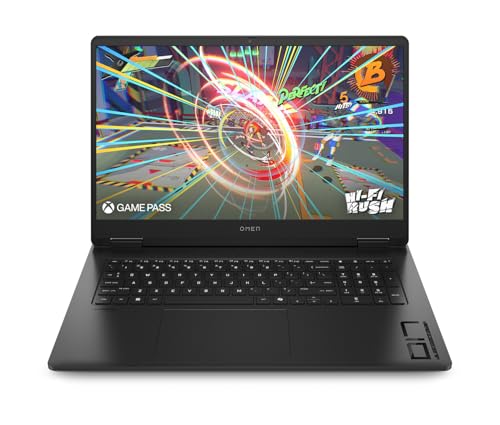
- memory AMD Ryzen AI 7 3500
- developer_board NVIDIA GeForce RTX 5070
- layers 64GB (2x32GB) DDR5 5600MHz SO-DIMM
- track_changes Target GPU: RTX 4090 / RX 7900 XTX

- memory AMD Ryzen AI 9 3650
- developer_board NVIDIA GeForce RTX 5070
- layers 32GB (2x16GB) LPDDR5X 8000MHz
- track_changes Target GPU: RTX 4090 / RX 7900 XTX
- memory Intel Core Ultra 9 285H
- developer_board NVIDIA GeForce RTX 5070
- layers 32GB (2x16GB) DDR5 4800MHz SO-DIMM
- track_changes Target GPU: RTX 4090 / RX 7900 XTX

- memory AMD Ryzen AI 9 365
- developer_board NVIDIA GeForce RTX 5070 Ti Laptop GPU
- layers 32GB DDR5
- track_changes Target GPU: RTX 4090 / RX 7900 XTX
- memory Intel Core i9-14900HX Processor
- developer_board NVIDIA GeForce RTX 5070 Ti Laptop GPU
- layers 64GB DDR5-5600MHz (commonly listed as 4800MHz by some retailers, but 5600MHz is common for 14th Gen HX with DDR5)
- track_changes Target GPU: RTX 4090 / RX 7900 XTX
- memory Intel Core Ultra 9 Processor 275HX
- developer_board NVIDIA GeForce RTX 5070 Ti Laptop GPU
- layers 64GB DDR5-6400MHz
- track_changes Target GPU: RTX 4090 / RX 7900 XTX
- memory Intel Core Ultra 9 Processor 275HX (Series 2)
- developer_board NVIDIA GeForce RTX 5070 Ti Laptop GPU
- layers 32GB DDR5-5600MHz
- track_changes Target GPU: RTX 4090 / RX 7900 XTX
info_outline Laptop recommendations are estimates based on available component benchmarks and game requirements. Actual performance may vary depending on settings, drivers, cooling, power limits, etc. Prices and availability subject to change. As an Amazon Associate, we earn from qualifying purchases.