Select Games to Compare
Benchmark your exact mobile GPU wattage (TGP), battery throttling drops, and cooling pad requirements for these games.
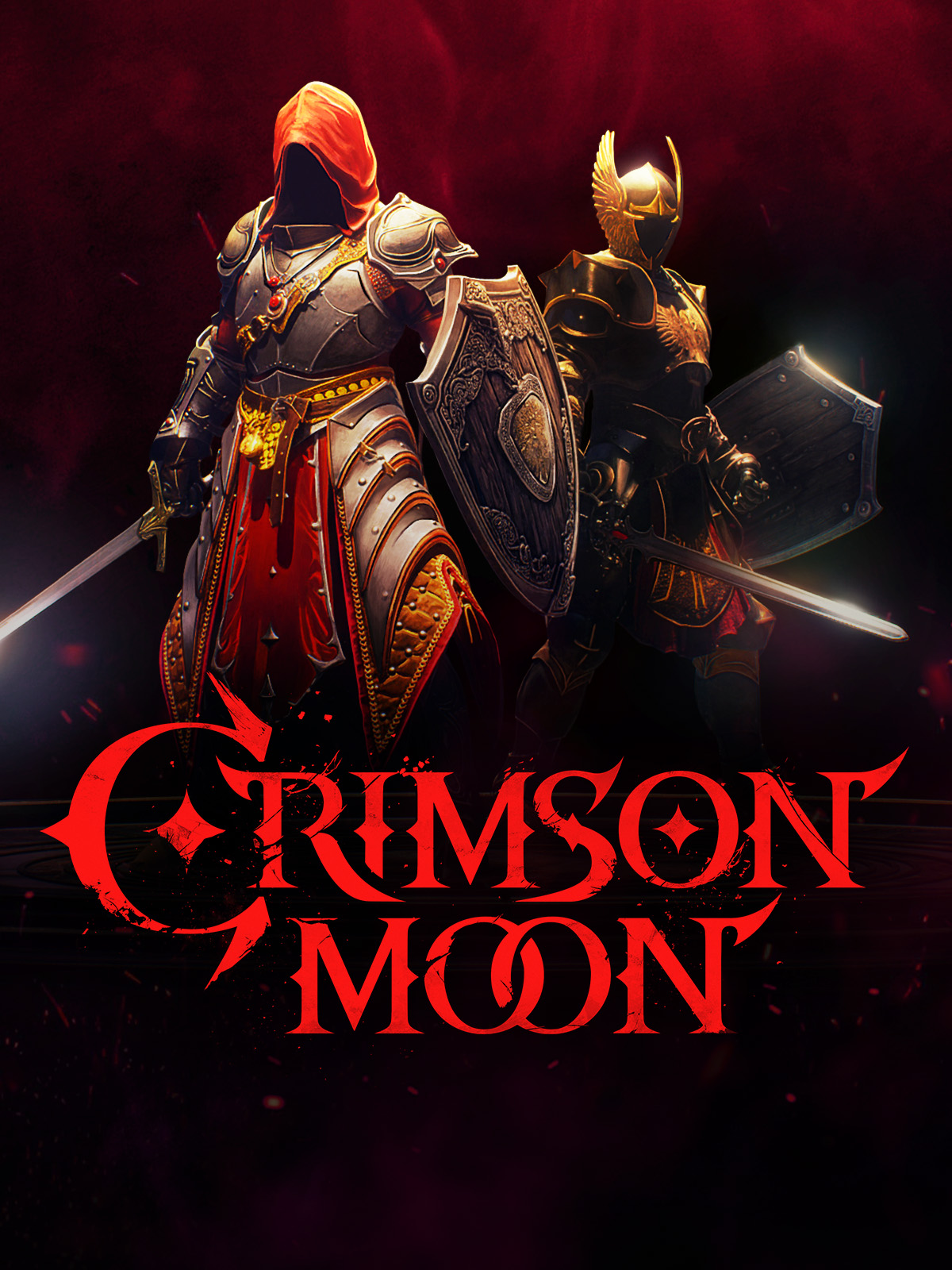
Crimson Moon vs Relic: The First Guardian
| close | close |
|---|---|
| shopping_cart Where to Buy | |
| info General Information | |
| Release Date | |
| Sep 1, 2026 | Mar 12, 2026 |
| Developer | |
| Team Metal | Project Cloud Games |
| Publisher | |
| ProbablyMonsters | PERP GAMES |
| Genre(s) | |
| Action-RPG / Soulslike / Roguelite | Action RPG, Soulslike, Adventure, Dark Fantasy |
| Engine | |
| Unreal Engine 5.6 | Unreal Engine 5 |
| stars Ratings & Price | |
| Content Rating | |
| M (Mature 17+) | M (Mature 17+) |
| Avg. User Rating | |
| 3.8 / 5.0 | 0.0 / 5.0 |
| Current Price (USD) | |
| $19.99 | $59.99 |
| tune Key Specs | |
| Quick Highlights | |
|
|
| sports_esports Gameplay & Mechanics | |
| Companions/Followers | |
|
|
| Key Collectibles | |
|
|
| Key Themes | |
|
|
| colorize Combat & Gear | |
| Weapons Overview | |
|
|
| Armor / Gear Sets | |
|
|
| Outfits/Customization | |
|
|
| trending_up Progression & Upgrades | |
| Skills & Progression | |
|
Crimson Moon omits traditional RPG skill trees or classes. Progression is entirely dictated by physical loadouts and the 'Purification' economy. Players must survive a Hunt and extract to the hub to permanently 'purify' looted weapons and armor. Buildcrafting heavily relies on 'Weapon Arts'—powerful magical or physical skills intrinsically bound to specific gear (e.g., 'Winter Sun' for Frost encasement, 'Aura of the Burning Heart' for fire AoE). During a run, players also acquire 'Boons' via Nexus Gates; these are temporary, roguelite stat modifiers (like 'Toxic Strike' or 'Chalice of Conquest') that introduce localized volatility to builds but vanish upon extraction or death. |
Progression is a significant departure from traditional RPGs, as there are no character levels. Instead, players strengthen their character by finding and upgrading runes, items, and crafting new gear. Each of the 5 weapon types has unique skills that can be altered to fit a player's playstyle. Progression is intrinsically tied to exploration and completing dungeons. |
| public World & Exploration | |
| World & Level Design | |
|
The game rejects a contiguous open-world design in favor of highly compartmentalized, repeatable Wards (biomes) accessed via the Sanctus Clypeus hub. While the overarching geographical layout of each Ward remains static to allow players to master environmental routing, internal variables such as elite mob placements, hazard spawns, and loot caches are completely randomized per run. Documented Wards include the starting Prologue area, The Forsaken Streets, the Archspire Cathedral, Ramshorn Keep, Shoreditch Prison, and the endgame Elk Grove Academy. Each Ward features bespoke gothic architecture, unique enemy ecosystems, and specific environmental hazards. |
The game features a semi-open world structure that encourages free exploration of the collapsed world of Arsiltus. The environment is dynamic, with random enemy encounters and interactive terrain that can be used strategically in combat, such as breakable cliffs and flammable surfaces. |
| Playable Vehicles | |
|
|
| Notable Fauna/Mounts | |
|
N/A |
| book Story & Characters | |
| Main Characters | |
|
|
| Example Missions | |
|
|
| people Multiplayer | |
| Multiplayer Details | |
|
The software heavily focuses on two-player online cooperative play. Co-op is governed by a punishing 'shared life pool' mechanic; if one player dies repeatedly, the run is bankrupted for both, demanding extreme synergy. The dynamic difficulty algorithm scales immediately when a second Nephilim joins, massively inflating enemy health pools and aggression metrics. Loot drops and gold are subject to a 'first-come, first-served' pickup rule, requiring communication to ensure equitable distribution of vital unpurified gear. |
The game is a strictly single-player experience and does not have any multiplayer or co-operative modes. |
| extension Editions & DLC | |
| Available Editions | |
|
Team Metal opted for a highly disruptive pricing model. The Standard Edition retails globally for $19.99 (or regional equivalents like ₹1,897.22 in India), offering full access to the base game. The Deluxe Edition is positioned at $29.99 (also available as a $10 upgrade modularly). This premium tier includes purely cosmetic items—specifically the Ceremonial Armor Set and the Axe of the Gods weapon skin—and crucially, grants entitlement to the game's first major post-launch narrative expansion. PlayStation 5 purchasers (of either edition) exclusively receive the Sonai Magistrate Armor Set at launch. |
Details on different game editions have not yet been announced. |
| Post-Launch Content / DLC | |
|
While specific details are tightly guarded by ProbablyMonsters (evidenced by a total lack of datamined leaks), a comprehensive post-launch roadmap is confirmed via the Deluxe Edition, which includes an expansion pass for the game's first major content drop. This DLC is expected to significantly expand the Wards of Gildenarch, introduce new Dead Gods, and potentially implement highly requested features like dual-wielding or dedicated ranged weaponry, which are unsupported in the 1.0 release. |
N/A |
| help_outline FAQ | |
| Frequently Asked Questions | |
|
|
| build Technical Details | |
| Graphics & Visual Fidelity | |
|
Crimson Moon utilizes Unreal Engine 5.6 to achieve stunning AAA-equivalent visual fidelity. The art direction relies heavily on Lumen for real-time, path-traced global illumination, creating striking contrasts between divine angelic radiance and the gritty, Hellgrowth-infested urban decay of Gildenarch. The engine simulates dense volumetric fog and GPU-driven cloth physics for the Nephilim's armor. The 'Angel Mode' transformation is the visual centerpiece, generating golden, winged manifestations mid-combat. The uncompromising graphics require aggressive upscaling (DLSS 5 / FSR 4) to maintain the rigid 60 FPS necessary for soulslike combat. |
N/A |
| Audio & Soundtrack | |
|
The audio design heavily complements the game's dark fantasy, heavy metal aesthetic. Combat is punctuated by the visceral, meaty impacts of heavy weapons shattering armor, and distinct, high-pitched audio cues that signal the tight frame windows for perfect parries. The musical score oscillates between solemn, choral chants within the safety of the Sanctus Clypeus hub, and aggressive, driving heavy metal instrumentation that kicks in dynamically during intense mob encounters and the massive 'Dead Gods' boss fights. |
N/A |
| User Interface (UI/UX) | |
|
The User Interface at launch received severe, unified criticism from the PC player base. Criticisms highlighted off-center text, unscaled HUD elements that made health bars difficult to read during chaotic combat, and a lack of auto-pickup for basic consumables. More critically, the 1.0 PC release lacked manual keybinding (forcing players into rigid presets where dodge and sprint shared a button) and featured a third-person lock-on camera that snapped violently or clipped through geometry when tracking highly mobile elite enemies. Team Metal has promised immediate hotfixes to rectify these severe UX friction points. |
N/A |
| Accessibility Options | |
|
Crimson Moon is inherently hostile to traditional accessibility standards by design, prioritizing extreme difficulty, punishing permanent-loss mechanics, and frame-perfect reaction times. However, the game does offer cooperative multiplayer as a means of mitigating difficulty, allowing a highly skilled player to 'carry' or support a less skilled partner (though the shared life pool makes this risky). The initial PC launch was notably poor for accessibility, entirely lacking custom keybindings, though this is actively being patched by the development team. |
N/A |
| video_library Media Links | |
| Gameplay Video | |
| launchWatch | launchWatch |
| Walkthrough/Guide | |
| launchView | launchView |
| settings_applications System Requirements | |
| 1080p (Full HD) - Recommended (High Preset, 60 FPS Target (DLSS/FSR Quality Mode)) CPU: Provides necessary headroom to process complex environmental physics and elite mob interactions without stuttering. CPU (Laptop): Strong single-core performance is needed to keep the GPU fed during intensive, multi-enemy boss encounters. GPU: Ensures smooth rendering of high-quality textures and stable performance when utilizing demanding Weapon Arts. GPU (Laptop): Offers solid 1080p 60FPS performance thanks to advanced architecture and frame generation capabilities. RAM: Strongly recommended to ensure no memory bottlenecks occur during extended co-op sessions. Storage: Required to maintain instant load times when deploying from the Sanctus Clypeus hub to the Wards. | |
memoryCPU: Intel Core i7-10700K / AMD Ryzen 5 5600X developer_boardGPU: NVIDIA GeForce RTX 3070 / AMD Radeon RX 6700 XT laptop_macCPU (L): Intel Core i7-12700H / AMD Ryzen 7 6800H laptop_windowsGPU (L): NVIDIA GeForce RTX 4060 Laptop GPU (115W+ TGP) layersRAM: 32 GB saveStorage (Tier): 50 GB NVMe SSD | — |
| 1080p (Full HD) - Minimum (Speculative - Target: 1080p, 60 FPS, Low/Medium Preset) (Low/Medium Preset.) CPU: Hypothetical minimum CPU for a next-gen, CPU-heavy title. CPU (Laptop): A modern performance-tier laptop CPU would be the minimum. GPU: A GPU with a large VRAM buffer would be necessary even at minimum settings. GPU (Laptop): A solid mid-range laptop GPU from the last few generations. RAM: 16GB would be the absolute minimum RAM requirement. Storage: An SSD would be strongly recommended. | |
| — | memoryCPU: Intel Core i5-12600K or AMD Ryzen 5 7600 developer_boardGPU: NVIDIA GeForce RTX 3060 Ti (8GB) or AMD Radeon RX 6700 XT (12GB) laptop_macCPU (L): Intel Core i7-12700H / AMD Ryzen 7 6800H or better. laptop_windowsGPU (L): NVIDIA GeForce RTX 3070 Laptop (8GB), RTX 4060 Laptop (8GB). layersRAM: 16 GB saveStorage (Tier): 80 GB SSD |
| 1080p (Full HD) - Minimum (Low Preset, 30 FPS Target (DLSS/FSR Performance Mode)) CPU: Baseline required to calculate the complex hit-registration logic and basic enemy AI routines. CPU (Laptop): Older mobile architectures will struggle; heavily reliant on aggressive upscaling to maintain a playable, though not ideal, 30 FPS. GPU: The absolute minimum to render the basic lighting models, though it will severely struggle with the volumetric fog and particle density. GPU (Laptop): Entry-level RTX cards must rely heavily on DLSS to offset the massive performance hit of Lumen lighting. RAM: Mandatory baseline. 8GB is insufficient to handle the memory overhead of the dynamic ward generation. Storage: Prevents catastrophic texture pop-in during fast-paced combat sequences. | |
memoryCPU: Intel Core i5-8400 / AMD Ryzen 5 2600 developer_boardGPU: NVIDIA GeForce GTX 1070 / AMD Radeon RX 5700 laptop_macCPU (L): Intel Core i7-9750H / AMD Ryzen 7 3750H laptop_windowsGPU (L): NVIDIA GeForce RTX 3050 Ti Laptop GPU layersRAM: 16 GB saveStorage (Tier): 50 GB (SSD Recommended) | — |
| 1440p (QHD/2K) - High (High/Max Preset, 60 FPS Target (DLSS/FSR Balanced)) CPU: Ensures the system never bottlenecks the GPU when rendering complex lighting and shadows at higher resolutions. CPU (Laptop): Top-tier mobile processors necessary to calculate UE5 physics without causing frame pacing drops. GPU: Delivers the rasterization overhead to manage path-traced lighting while keeping framerates strictly locked for parry timing. GPU (Laptop): Required to maintain high frame rates at 1440p on laptops without drastically reducing visual fidelity. RAM: Highly recommended for absolutely smooth gameplay. Storage: Crucial for asset streaming at higher resolutions. | |
memoryCPU: Intel Core i5-13600K / AMD Ryzen 7 7700X developer_boardGPU: NVIDIA GeForce RTX 4070 / AMD Radeon RX 7800 XT laptop_macCPU (L): Intel Core i9-13900HX / AMD Ryzen 9 7845HX laptop_windowsGPU (L): NVIDIA GeForce RTX 4080 Laptop GPU (175W TGP) layersRAM: 32 GB saveStorage (Tier): 50 GB NVMe SSD | — |
| 1440p (QHD/2K) - Recommended (Speculative - Target: 1440p, 60+ FPS, High Preset) (High Preset, Upscaling (DLSS/FSR 'Quality') recommended.) CPU: A powerful modern CPU would be recommended for a stable high-framerate experience. CPU (Laptop): A high-end enthusiast laptop CPU would be needed for this tier. GPU: A high-end current-gen GPU would be the likely recommendation. GPU (Laptop): A high-end laptop GPU would be necessary for a quality 1440p experience. RAM: 32GB RAM is expected to be the recommendation for future AAA titles. Storage: A fast NVMe SSD is recommended for this tier. | |
| — | memoryCPU: Intel Core i7-13700K or AMD Ryzen 7 7800X3D developer_boardGPU: NVIDIA GeForce RTX 4070 Ti (12GB) or AMD Radeon RX 7900 XT (20GB) laptop_macCPU (L): Intel Core i9-13900HX / AMD Ryzen 9 7945HX or better. laptop_windowsGPU (L): NVIDIA GeForce RTX 4080 Laptop (12GB, High TGP). layersRAM: 32 GB saveStorage (Tier): 80 GB NVMe SSD |
| 2160p (UHD/4K) - Ultra / Enthusiast (Max Preset, 60 FPS Target (DLSS/FSR Quality or Native)) CPU: Eliminates all system bottlenecks, ensuring that every gothic environment is rendered flawlessly with maximum simulation complexity. CPU (Laptop): The pinnacle of mobile processing power required to drive ultra-high-resolution UE5 calculations. GPU: Massive rasterization and VRAM capacity required to render 4K textures and handle the intense volumetric fog and particle systems natively. GPU (Laptop): Essential for attempting 4K gaming on a mobile platform, relying heavily on DLSS upscaling to maintain fluid motion. RAM: Ensures the system never bottlenecks during maximum memory saturation events. Storage: Provides instantaneous asset loading; estimated size requirement for full 4K texture pack installation. | |
memoryCPU: Intel Core Ultra 7 / AMD Ryzen 7 9700X developer_boardGPU: NVIDIA GeForce RTX 5070 Ti / AMD Radeon RX 9070 XT laptop_macCPU (L): Intel Core i9-14900HX laptop_windowsGPU (L): NVIDIA GeForce RTX 4090 Laptop GPU (175W TGP) layersRAM: 32 GB saveStorage (Tier): 135 GB NVMe SSD | — |
| save Overall Storage | |
Spec: 50 GB NVMe SSD Note: While the footprint is relatively small for a UE5 title, an NVMe SSD is highly recommended to stream complex geometry and textures seamlessly during rapid traversal. Type: NVMe | Spec: 80 GB available space (NVMe SSD Recommended) Note: A fast NVMe SSD would be highly recommended to handle the streaming of the semi-open world. Type: NVMe |
| desktop_windows Operating System | |
| Spec: Windows 10 / 11 (64-bit) Explanation: Requires a modern 64-bit architecture to manage the memory overhead required for UE5's rendering pipeline and dynamic environmental generation. | Spec: Windows 10 / 11 64-bit Explanation: A modern 64-bit OS would be a firm requirement. |
| gamepad DirectX Version | |
| Spec: DirectX 12 Ultimate Explanation: Strictly required to leverage hardware-accelerated ray tracing features associated with Lumen lighting and advanced shading techniques. | Spec: DirectX 12 Ultimate Explanation: DirectX 12 Ultimate would be required for next-gen features. |
| info_outline Other Game Notes | |
|
|
| build Optimization Details | |
| N/A |
| laptop Laptop Considerations | |
|
|

info_outline Feature details based on available data. System requirements and performance estimates may vary.
laptop_chromebook Laptop Recommendations
Common Recommendations (Handles All Compared Games)

- memory AMD Ryzen 7 7435HS
- developer_board NVIDIA GeForce RTX 3050
- layers 32GB DDR5-4800MHz
- track_changes Target GPU: NVIDIA GeForce RTX 3050 Ti Laptop GPU

- memory AMD Ryzen 9 8940HX Processor
- developer_board NVIDIA GeForce RTX 5060 Laptop GPU
- layers 32GB DDR5-5200MHz
- track_changes Target GPU: NVIDIA GeForce RTX 3050 Ti Laptop GPU

- memory AMD Ryzen 7 7445HS
- developer_board NVIDIA GeForce RTX 4050
- layers 16GB (2x8GB) DDR5 5600MHz SO-DIMM
- track_changes Target GPU: NVIDIA GeForce RTX 3050 Ti Laptop GPU

- memory Intel Core i7-12700H
- developer_board NVIDIA GeForce RTX 3070
- layers 32GB DDR4-3200MHz
- track_changes Target GPU: NVIDIA GeForce RTX 4060 Laptop GPU (115W+ TGP)

- memory Intel Core i9-14900HX
- developer_board NVIDIA GeForce RTX 4060
- layers 32GB DDR5-5600MHz
- track_changes Target GPU: NVIDIA GeForce RTX 4060 Laptop GPU (115W+ TGP)

- memory Intel Core i9-13900H
- developer_board NVIDIA GeForce RTX 4060
- layers 16GB DDR5-5200MHz
- track_changes Target GPU: NVIDIA GeForce RTX 3070 Laptop (8GB), RTX 4060 Laptop (8GB).

- memory Intel Core i9-14900HX
- developer_board NVIDIA GeForce RTX 4080 Laptop GPU
- layers 64 GB DDR5-5600MHz
- track_changes Target GPU: NVIDIA GeForce RTX 4080 Laptop GPU (175W TGP)

- memory Intel Core Ultra 9 Processor 275HX (Series 2)
- developer_board NVIDIA GeForce RTX 5070 Laptop GPU
- layers 32GB DDR5-5600MHz
- track_changes Target GPU: NVIDIA GeForce RTX 4080 Laptop GPU (175W TGP)

- memory Intel Core i9-14900HX Processor
- developer_board NVIDIA GeForce RTX 5070 Laptop GPU
- layers 32GB DDR5-5600MHz
- track_changes Target GPU: NVIDIA GeForce RTX 4080 Laptop GPU (175W TGP)

- memory Intel Core i9-14900HX
- developer_board NVIDIA GeForce RTX 4090
- layers 32GB DDR5-5600MHz
- track_changes Target GPU: NVIDIA GeForce RTX 4090 Laptop GPU (175W TGP)

- memory Intel Core Ultra 9 285H (Series 2) , 14 cores (6 Performance cores + 8 Efficient cores), 20 threads
- developer_board NVIDIA GeForce RTX 5050 Laptop GPU
- layers 32GB (2x16GB) DDR5 8400MHz SO-DIMM
- track_changes Target GPU: NVIDIA GeForce RTX 4090 Laptop GPU (175W TGP)

- memory Intel Core Ultra 9 285H
- developer_board NVIDIA GeForce RTX 5070
- layers 32GB (2x16GB) DDR5 4800MHz SO-DIMM
- track_changes Target GPU: NVIDIA GeForce RTX 4090 Laptop GPU (175W TGP)
For Crimson Moon Specifically
- memory AMD Ryzen 7 7435HS
- developer_board NVIDIA GeForce RTX 3050
- layers 32GB DDR5-4800MHz
- track_changes Target GPU: NVIDIA GeForce GTX 1070 / AMD Radeon RX 5700
- memory AMD Ryzen 9 8940HX Processor
- developer_board NVIDIA GeForce RTX 5060 Laptop GPU
- layers 32GB DDR5-5200MHz
- track_changes Target GPU: NVIDIA GeForce GTX 1070 / AMD Radeon RX 5700
- memory AMD Ryzen 7 7445HS
- developer_board NVIDIA GeForce RTX 4050
- layers 16GB (2x8GB) DDR5 5600MHz SO-DIMM
- track_changes Target GPU: NVIDIA GeForce GTX 1070 / AMD Radeon RX 5700

- memory AMD Ryzen 7 7445HS
- developer_board NVIDIA GeForce RTX 4050
- layers 16GB DDR5 5600MHz SO-DIMM
- track_changes Target GPU: NVIDIA GeForce GTX 1070 / AMD Radeon RX 5700

- memory AMD Ryzen 9 7845HX
- developer_board NVIDIA GeForce RTX 4080
- layers Up to 64GB DDR5
- track_changes Target GPU: NVIDIA GeForce GTX 1070 / AMD Radeon RX 5700
- memory AMD Ryzen 9 9955HX
- developer_board NVIDIA GeForce RTX 5070 Ti Laptop GPU
- layers 64GB DDR5-5600MHz (Dual-Channel)
- track_changes Target GPU: NVIDIA GeForce GTX 1070 / AMD Radeon RX 5700
- memory Intel Core i7-12700H
- developer_board NVIDIA GeForce RTX 3070
- layers 32GB DDR4-3200MHz
- track_changes Target GPU: NVIDIA GeForce RTX 3070 / AMD Radeon RX 6700 XT
- memory Intel Core i9-14900HX
- developer_board NVIDIA GeForce RTX 4060
- layers 32GB DDR5-5600MHz
- track_changes Target GPU: NVIDIA GeForce RTX 3070 / AMD Radeon RX 6700 XT

- memory Intel Core i9-14900HX
- developer_board NVIDIA GeForce RTX 4070
- layers 32GB DDR5-5600MHz
- track_changes Target GPU: NVIDIA GeForce RTX 3070 / AMD Radeon RX 6700 XT

- memory Intel Core i9-12950HX
- developer_board NVIDIA GeForce RTX 3080 Ti
- layers 32GB DDR5-4800MHz
- track_changes Target GPU: NVIDIA GeForce RTX 3070 / AMD Radeon RX 6700 XT
- memory Intel Core i9-14900HX
- developer_board NVIDIA GeForce RTX 4080 Laptop GPU
- layers 64 GB DDR5-5600MHz
- track_changes Target GPU: NVIDIA GeForce RTX 3070 / AMD Radeon RX 6700 XT
- memory Intel Core Ultra 9 Processor 275HX (Series 2)
- developer_board NVIDIA GeForce RTX 5070 Laptop GPU
- layers 32GB DDR5-5600MHz
- track_changes Target GPU: NVIDIA GeForce RTX 3070 / AMD Radeon RX 6700 XT
- memory Intel Core i9-14900HX Processor
- developer_board NVIDIA GeForce RTX 5070 Laptop GPU
- layers 32GB DDR5-5600MHz
- track_changes Target GPU: NVIDIA GeForce RTX 3070 / AMD Radeon RX 6700 XT

- memory Intel Core i9-14900HX Processor
- developer_board NVIDIA GeForce RTX 5070 Laptop GPU
- layers 32GB DDR5-5600MHz
- track_changes Target GPU: NVIDIA GeForce RTX 3070 / AMD Radeon RX 6700 XT
- memory Intel Core i9-14900HX
- developer_board NVIDIA GeForce RTX 4080 Laptop GPU
- layers 64 GB DDR5-5600MHz
- track_changes Target GPU: NVIDIA GeForce RTX 4070 / AMD Radeon RX 7800 XT
- memory Intel Core Ultra 9 Processor 275HX (Series 2)
- developer_board NVIDIA GeForce RTX 5070 Laptop GPU
- layers 32GB DDR5-5600MHz
- track_changes Target GPU: NVIDIA GeForce RTX 4070 / AMD Radeon RX 7800 XT
- memory Intel Core i9-14900HX Processor
- developer_board NVIDIA GeForce RTX 5070 Laptop GPU
- layers 32GB DDR5-5600MHz
- track_changes Target GPU: NVIDIA GeForce RTX 4070 / AMD Radeon RX 7800 XT
- memory Intel Core i9-14900HX Processor
- developer_board NVIDIA GeForce RTX 5070 Laptop GPU
- layers 32GB DDR5-5600MHz
- track_changes Target GPU: NVIDIA GeForce RTX 4070 / AMD Radeon RX 7800 XT

- memory Intel Core Ultra 9 285H (Arrow Lake-H)
- developer_board NVIDIA GeForce RTX 5070 Laptop GPU
- layers 64GB LPDDR5x-8533MT/s (LPCAMM2)
- track_changes Target GPU: NVIDIA GeForce RTX 4070 / AMD Radeon RX 7800 XT

- memory Intel Core i9-14900HX
- developer_board NVIDIA GeForce RTX 4080
- layers 64GB DDR5-5600MHz
- track_changes Target GPU: NVIDIA GeForce RTX 4070 / AMD Radeon RX 7800 XT

- memory Intel Core i9-14900HX
- developer_board NVIDIA GeForce RTX 4080
- layers 32GB DDR5-5600MHz
- track_changes Target GPU: NVIDIA GeForce RTX 4070 / AMD Radeon RX 7800 XT

- memory Intel Core i9-14900HX
- developer_board NVIDIA GeForce RTX 4080
- layers 32GB DDR5-5600MHz
- track_changes Target GPU: NVIDIA GeForce RTX 4070 / AMD Radeon RX 7800 XT

- memory Intel Core i9-14900HX
- developer_board NVIDIA GeForce RTX 4080
- layers 32GB DDR5-5600MHz
- track_changes Target GPU: NVIDIA GeForce RTX 4070 / AMD Radeon RX 7800 XT
- memory AMD Ryzen 9 7845HX
- developer_board NVIDIA GeForce RTX 4080
- layers Up to 64GB DDR5
- track_changes Target GPU: NVIDIA GeForce RTX 4070 / AMD Radeon RX 7800 XT
- memory Intel Core Ultra 9 285H (Series 2) , 14 cores (6 Performance cores + 8 Efficient cores), 20 threads
- developer_board NVIDIA GeForce RTX 5050 Laptop GPU
- layers 32GB (2x16GB) DDR5 8400MHz SO-DIMM
- track_changes Target GPU: NVIDIA GeForce RTX 5070 Ti / AMD Radeon RX 9070 XT
- memory Intel Core Ultra 9 285H
- developer_board NVIDIA GeForce RTX 5070
- layers 32GB (2x16GB) DDR5 4800MHz SO-DIMM
- track_changes Target GPU: NVIDIA GeForce RTX 5070 Ti / AMD Radeon RX 9070 XT

- memory Intel Core i9-14900HX Processor
- developer_board NVIDIA GeForce RTX 5070 Ti Laptop GPU
- layers 64GB DDR5-5600MHz (commonly listed as 4800MHz by some retailers, but 5600MHz is common for 14th Gen HX with DDR5)
- track_changes Target GPU: NVIDIA GeForce RTX 5070 Ti / AMD Radeon RX 9070 XT

- memory Intel Core Ultra 9 Processor 275HX
- developer_board NVIDIA GeForce RTX 5070 Ti Laptop GPU
- layers 64GB DDR5-6400MHz
- track_changes Target GPU: NVIDIA GeForce RTX 5070 Ti / AMD Radeon RX 9070 XT

- memory Intel Core Ultra 9 Processor 275HX (Series 2)
- developer_board NVIDIA GeForce RTX 5070 Ti Laptop GPU
- layers 32GB DDR5-5600MHz
- track_changes Target GPU: NVIDIA GeForce RTX 5070 Ti / AMD Radeon RX 9070 XT

- memory Intel Ultra 7 255HX
- developer_board NVIDIA GeForce RTX 5070 Ti
- layers 32GB DDR5 5600MHz
- track_changes Target GPU: NVIDIA GeForce RTX 5070 Ti / AMD Radeon RX 9070 XT

- memory Intel Core Ultra 7 240H
- developer_board NVIDIA GeForce RTX 5070 Ti Laptop GPU
- layers 32GB LPDDR5X 5600MHz
- track_changes Target GPU: NVIDIA GeForce RTX 5070 Ti / AMD Radeon RX 9070 XT

- memory Intel Core Ultra 9 275HX
- developer_board GeForce RTX 5070 Laptop Laptop GPU
- layers 64GB DDR5-6400MHz (Single-Channel)
- track_changes Target GPU: NVIDIA GeForce RTX 5070 Ti / AMD Radeon RX 9070 XT

- memory Intel Core Ultra 9 275HX
- developer_board NVIDIA GeForce RTX 5070 Ti
- layers 32GB
- track_changes Target GPU: NVIDIA GeForce RTX 5070 Ti / AMD Radeon RX 9070 XT

- memory Intel Core Ultra 9 275HX
- developer_board NVIDIA GeForce RTX 5070 Ti Laptop GPU
- layers 32 GB DDR5 6400MHz (2x16GB)
- track_changes Target GPU: NVIDIA GeForce RTX 5070 Ti / AMD Radeon RX 9070 XT
For Relic: The First Guardian Specifically
- memory Intel Core i7-12700H
- developer_board NVIDIA GeForce RTX 3070
- layers 32GB DDR4-3200MHz
- track_changes Target GPU: NVIDIA GeForce RTX 3060 Ti (8GB) or AMD Radeon RX 6700 XT (12GB)
- memory Intel Core i9-13900H
- developer_board NVIDIA GeForce RTX 4060
- layers 16GB DDR5-5200MHz
- track_changes Target GPU: NVIDIA GeForce RTX 3060 Ti (8GB) or AMD Radeon RX 6700 XT (12GB)
- memory Intel Core i9-14900HX
- developer_board NVIDIA GeForce RTX 4060
- layers 32GB DDR5-5600MHz
- track_changes Target GPU: NVIDIA GeForce RTX 3060 Ti (8GB) or AMD Radeon RX 6700 XT (12GB)

- memory Intel Core i9-12900H
- developer_board NVIDIA GeForce RTX 3070 Ti
- layers 16GB DDR5-4800MHz
- track_changes Target GPU: NVIDIA GeForce RTX 3060 Ti (8GB) or AMD Radeon RX 6700 XT (12GB)
- memory AMD Ryzen 7 7435HS
- developer_board NVIDIA GeForce RTX 3050
- layers 32GB DDR5-4800MHz
- track_changes Target GPU: NVIDIA GeForce RTX 3060 Ti (8GB) or AMD Radeon RX 6700 XT (12GB)
- memory Intel Core i9-14900HX
- developer_board NVIDIA GeForce RTX 4070
- layers 32GB DDR5-5600MHz
- track_changes Target GPU: NVIDIA GeForce RTX 3060 Ti (8GB) or AMD Radeon RX 6700 XT (12GB)

- memory Intel Core i9-14900HX
- developer_board NVIDIA GeForce RTX 4070
- layers 16GB DDR5-5600MHz
- track_changes Target GPU: NVIDIA GeForce RTX 3060 Ti (8GB) or AMD Radeon RX 6700 XT (12GB)

- memory Intel Core Ultra 7 255H
- developer_board NVIDIA GeForce RTX 5060 Laptop GPU
- layers 16GB DDR5-5600MHz (Dual-Channel)
- track_changes Target GPU: NVIDIA GeForce RTX 3060 Ti (8GB) or AMD Radeon RX 6700 XT (12GB)
- memory AMD Ryzen 9 8940HX Processor
- developer_board NVIDIA GeForce RTX 5060 Laptop GPU
- layers 32GB DDR5-5200MHz
- track_changes Target GPU: NVIDIA GeForce RTX 3060 Ti (8GB) or AMD Radeon RX 6700 XT (12GB)
- memory Intel Core i9-12950HX
- developer_board NVIDIA GeForce RTX 3080 Ti
- layers 32GB DDR5-4800MHz
- track_changes Target GPU: NVIDIA GeForce RTX 3060 Ti (8GB) or AMD Radeon RX 6700 XT (12GB)
- memory Intel Core i9-14900HX
- developer_board NVIDIA GeForce RTX 4080 Laptop GPU
- layers 64 GB DDR5-5600MHz
- track_changes Target GPU: NVIDIA GeForce RTX 4070 Ti (12GB) or AMD Radeon RX 7900 XT (20GB)
- memory Intel Core Ultra 9 Processor 275HX (Series 2)
- developer_board NVIDIA GeForce RTX 5070 Laptop GPU
- layers 32GB DDR5-5600MHz
- track_changes Target GPU: NVIDIA GeForce RTX 4070 Ti (12GB) or AMD Radeon RX 7900 XT (20GB)
- memory Intel Core i9-14900HX Processor
- developer_board NVIDIA GeForce RTX 5070 Laptop GPU
- layers 32GB DDR5-5600MHz
- track_changes Target GPU: NVIDIA GeForce RTX 4070 Ti (12GB) or AMD Radeon RX 7900 XT (20GB)
- memory Intel Core i9-14900HX Processor
- developer_board NVIDIA GeForce RTX 5070 Laptop GPU
- layers 32GB DDR5-5600MHz
- track_changes Target GPU: NVIDIA GeForce RTX 4070 Ti (12GB) or AMD Radeon RX 7900 XT (20GB)
- memory Intel Core Ultra 9 285H (Arrow Lake-H)
- developer_board NVIDIA GeForce RTX 5070 Laptop GPU
- layers 64GB LPDDR5x-8533MT/s (LPCAMM2)
- track_changes Target GPU: NVIDIA GeForce RTX 4070 Ti (12GB) or AMD Radeon RX 7900 XT (20GB)
- memory Intel Core i9-14900HX
- developer_board NVIDIA GeForce RTX 4080
- layers 64GB DDR5-5600MHz
- track_changes Target GPU: NVIDIA GeForce RTX 4070 Ti (12GB) or AMD Radeon RX 7900 XT (20GB)
- memory Intel Core i9-14900HX
- developer_board NVIDIA GeForce RTX 4080
- layers 32GB DDR5-5600MHz
- track_changes Target GPU: NVIDIA GeForce RTX 4070 Ti (12GB) or AMD Radeon RX 7900 XT (20GB)
- memory Intel Core i9-14900HX
- developer_board NVIDIA GeForce RTX 4080
- layers 32GB DDR5-5600MHz
- track_changes Target GPU: NVIDIA GeForce RTX 4070 Ti (12GB) or AMD Radeon RX 7900 XT (20GB)
- memory Intel Core i9-14900HX
- developer_board NVIDIA GeForce RTX 4080
- layers 32GB DDR5-5600MHz
- track_changes Target GPU: NVIDIA GeForce RTX 4070 Ti (12GB) or AMD Radeon RX 7900 XT (20GB)
- memory AMD Ryzen 9 7845HX
- developer_board NVIDIA GeForce RTX 4080
- layers Up to 64GB DDR5
- track_changes Target GPU: NVIDIA GeForce RTX 4070 Ti (12GB) or AMD Radeon RX 7900 XT (20GB)
info_outline Laptop recommendations are estimates based on available component benchmarks and game requirements. Actual performance may vary depending on settings, drivers, cooling, power limits, etc. Prices and availability subject to change. As an Amazon Associate, we earn from qualifying purchases.