Select Games to Compare
Benchmark your exact mobile GPU wattage (TGP), battery throttling drops, and cooling pad requirements for these games.
Hellraiser: Revival vs S.T.A.L.K.E.R. 2: Heart of Chornobyl
| close | close |
|---|---|
| shopping_cart Where to Buy | |
| info General Information | |
| Release Date | |
| Oct 8, 2026 | Sep 5, 2024 |
| Developer | |
| Mad Head Games | GSC Game World |
| Publisher | |
| Saber Interactive | GSC Game World |
| Genre(s) | |
| First-person survival horror action | First-Person Shooter, Survival Horror, Open World, Post-Apocalyptic, RPG-lite |
| Engine | |
| Unreal Engine 5 | Unreal Engine 5 |
| stars Ratings & Price | |
| Content Rating | |
| Mature (M) / 18+ (Banned in CERO/USK) | Mature 17+ (Expected) |
| Avg. User Rating | |
| 4.5 / 5.0 | 0.0 / 5.0 |
| Current Price (USD) | |
| $39.99 | $59.99 |
| tune Key Specs | |
| Quick Highlights | |
|
|
| sports_esports Gameplay & Mechanics | |
| Companions/Followers | |
|
|
| Key Collectibles | |
|
|
| Key Themes | |
|
|
| colorize Combat & Gear | |
| Weapons Overview | |
|
|
| Armor / Gear Sets | |
|
|
| Outfits/Customization | |
|
|
| trending_up Progression & Upgrades | |
| Skills & Progression | |
|
Unlike traditional horror protagonists, Aidan Lynch is empowered by the Genesis Configuration, which acts as a dynamic, offensive tool permanently affixed to his off-hand, functioning similarly to BioShock's Plasmid system. This supernatural puzzle box is fueled by a resource economy called 'Suffering,' which players harvest by brutally executing weakened cultists. Gathering this macabre energy unlocks a devastating suite of supernatural abilities designed for crowd control and environmental manipulation. Players can utilize pyrokinesis to absorb ambient fire and incinerate advancing foes, or employ telekinesis to rip industrial ceiling fans from their mounts as makeshift projectiles. At maximum upgrade tiers, the Genesis Configuration can summon the franchise’s iconic Hell Chains to tear apart heavily armored enemies, dynamically shifting the balance of power during intense combat encounters. |
N/A |
| public World & Exploration | |
| World & Level Design | |
|
The environmental design in Hellraiser: Revival presents a heavily curated, 8-to-12 hour linear but expansive topography divided into three distinct thematic pillars. The primary terrestrial region is a sprawling, multi-level facility repurposed by the Scarlet Church, functioning as a macabre hybrid between an abandoned theater, a museum, and a subterranean BDSM club filled with gruesome flesh dioramas. Transitioning from physical to psychological horror, players also navigate micro-level environmental loops heavily inspired by P.T., trapped in nocturnal, shifting iterations of Aidan’s own home. Finally, approximately 25% of the game unfolds within the Labyrinth—an extradimensional Cenobite realm composed of impossible geometry, massive rotating gears, and shifting monolithic walls where spatial manipulation puzzles replace conventional combat, offering breathtaking but deeply oppressive vistas. |
S.T.A.L.K.E.R. 2 will feature a seamless open world of approximately 64 sq km, one of the largest in gaming. It will encompass iconic locations from previous games (e.g., Pripyat, Chornobyl NPP, Red Forest, Cordon - TBD if all are present or reimagined) as well as new, unexplored territories within the Exclusion Zone. The world will be dynamic, with the A-Life 2.0 system simulating life for factions and mutants independently of the player. Expect diverse biomes from irradiated wastelands and dense forests to underground laboratories and abandoned urban areas. |
| Playable Vehicles | |
|
|
| Notable Fauna/Mounts | |
|
N/A |
| book Story & Characters | |
| Main Characters | |
|
|
| Example Missions | |
|
|
| people Multiplayer | |
| Multiplayer Details | |
|
In an industry increasingly dominated by live-service models and asymmetrical multiplayer horror titles, Hellraiser: Revival stands out by completely eschewing multiplayer modes in favor of an uncompromising, single-player narrative campaign. There are no cooperative survival modes, competitive deathmatches, or asymmetrical Cenobite-versus-Survivor gameplay loops. The development team at Mad Head Games, with direct creative oversight from Clive Barker, chose to focus all studio resources on crafting a meticulously paced, deeply personal 8-to-12 hour psychological and physical descent into the Hellraiser mythos. By eliminating multiplayer connectivity, the developers ensure that the player’s profound sense of isolation, vulnerability, and immersion remains entirely unbroken, allowing the disturbing themes of body horror and emotional codependency to resonate without the jarring distraction of online social integration. |
A free multiplayer update is planned for release after the main game. Details are scarce, but it's expected to include PvP modes. Co-operative elements or a standalone mode like the once-planned S.T.A.L.K.E.R. Online (focused on raids) are speculative but possible. |
| extension Editions & DLC | |
| Available Editions | |
|
Publisher Saber Interactive and developer Mad Head Games have instituted a highly strategic, multi-tiered pricing model for Hellraiser: Revival. The Standard Edition is aggressively priced at $39.99, undercutting typical AAA releases to maximize market penetration. A $49.99 Deluxe Edition includes digital bonuses such as a digital art book, soundtrack, the 'Bleeding Hearts' novella, an 80s visual filter, and exclusive weapon skins. For hardcore franchise enthusiasts, Boss Team Games offers two premium physical Collector's Editions: the $130 Genesis Edition, featuring a 1:1 scale replica puzzle box with LED lighting, and the $200 Cenobite Edition, which adds a 'Pillar of Souls' polystone statue, a SteelBook case, an art print signed by Clive Barker, and an oversized Lament Collector's Box, catering to the most dedicated physical media purists. |
Multiple editions have been announced: Standard, Deluxe (digital artbook, soundtrack, extra side quests, costumes/weapon skins), Ultimate (Deluxe content + Season Pass with future DLCs, more costumes/weapon skins), and physical Collector's Edition (Ultimate content + SteelBook, artbook, stalker figurine, letter, map, patches, keychain, etc.). |
| Post-Launch Content / DLC | |
|
Although marketed primarily as a complete, out-of-the-box narrative experience, datamining and internal industry leaks have outlined a substantial post-launch roadmap for Hellraiser: Revival. Upon completing the 8-to-12 hour campaign, players immediately unlock the punishing 'Hellraiser Difficulty' setting. Rather than a standard New Game Plus mode, this modifier drastically alters enemy placement, severely restricts resource availability, and removes critical UI elements to heighten survival tension. Furthermore, leaked internal documents suggest Saber Interactive is actively developing a Season Pass structure. This unannounced DLC roadmap reportedly includes post-launch expansions that will introduce entirely new, explorable sectors of the extradimensional Labyrinth, additional narrative episodes expanding the lore of the Scarlet Church, and an array of premium cosmetic offerings to extend the title's commercial lifecycle. |
A Season Pass is confirmed for higher editions, indicating plans for multiple DLCs, likely including story expansions, new areas, weapons, and potentially game modes. A free multiplayer update is also planned after release. |
| help_outline FAQ | |
| Frequently Asked Questions | |
|
|
| build Technical Details | |
| Graphics & Visual Fidelity | |
|
Built from the ground up on Epic Games' Unreal Engine 5, Hellraiser: Revival delivers an uncompromised, hyper-realistic rendering of Clive Barker’s grotesque universe. The visual presentation heavily utilizes the engine’s advanced dynamic lighting and dense volumetric fog to create deeply oppressive environments, perfectly highlighting the intricate, stomach-churning body horror and shifting architectural geometry of the extradimensional Labyrinth. The game demands modern hardware, pushing current-generation consoles and PCs to their limits to maintain fluid framerates during chaotic, gore-filled combat sequences. Unfortunately, these high-fidelity visual aspirations come at a steep cost for portable hardware; platforms like the Steam Deck struggle immensely, relying on aggressive AMD FSR upscaling, lowest graphical presets, and 720p resolutions that often result in visual artifacts and degraded image quality during close-up cinematic moments. |
Developed on Unreal Engine 5, S.T.A.L.K.E.R. 2 aims for cutting-edge photorealistic visuals. It will leverage UE5 features like Nanite (virtualized micropolygon geometry for extreme detail) and Lumen (fully dynamic global illumination and reflections). Expect highly detailed environments, realistic weather systems, advanced lighting, and detailed character/mutant models. Motion capture and photogrammetry are being used extensively. |
| Audio & Soundtrack | |
|
Audio engineering is foundational to the terrifying atmosphere of Hellraiser: Revival. Departing from the purely orchestral, gothic symphonies composed by Christopher Young for the original films, the game's score leans heavily into aggressive industrial techno and darkwave synth to mirror the illicit, subterranean BDSM culture of the Scarlet Church cult. Prominently featuring licensed tracks like 'Chains' by darkwave artist Sexual Purity, the soundtrack establishes a cold, rhythmic brutality. This is paired with a masterfully crafted 3D spatial audio mix supervised by Alex Previty, which highlights the wet tearing of flesh, grinding metal, and the iconic, distant rattling of Cenobite chains. This high-fidelity soundscape allows players to track unseen enemies through occlusion, ensuring that the auditory experience is just as psychologically oppressing as the visuals. |
Expected to feature an atmospheric and melancholic soundtrack, possibly by MoozE (composer for previous S.T.A.L.K.E.R. games) or similar artists, blending ambient electronic, industrial, and folk elements. Immersive sound design is a hallmark, with distinct anomaly sounds, mutant roars, weapon effects, and the oppressive ambience of the Zone (wind, Geiger counter clicks, distant gunfire). |
| User Interface (UI/UX) | |
|
The user interface in Hellraiser: Revival is deliberately minimalist, designed to evoke the suffocating tension characteristic of classic survival horror while accommodating modern gameplay sensibilities. Standard UI elements include a restrictive grid-based inventory system reminiscent of recent Resident Evil remakes, forcing players to make agonizing decisions between carrying medical supplies, ammunition, or crafting materials. The 'Suffering' resource gauge, powering the Genesis Configuration, is subtly integrated into Aidan’s on-screen hand model to minimize intrusive HUD overlays. On PlayStation 5, the UI extends into the physical realm via DualSense integration, using haptic feedback and adaptive triggers to communicate weapon degradation and Cenobite proximity. During the unlockable 'Hellraiser Difficulty' mode, nearly all on-screen UI elements are disabled entirely, demanding complete reliance on visual and auditory diegetic cues to survive. |
Expected to be immersive and diegetic where possible, fitting the S.T.A.L.K.E.R. aesthetic. HUD will likely display health, stamina, radiation levels, ammo, equipped detectors, and time. PDA will be crucial for map, inventory, quests, and information. Dynamic indicators for hunger, thirst, sleep, and bleeding are staples of the series. |
| Accessibility Options | |
|
While Hellraiser: Revival is designed to be an intentionally punishing survival horror experience, Mad Head Games has implemented a baseline suite of modern accessibility features to accommodate a broader audience. Players can adjust subtitle sizing, background opacity, and speaker identification to aid in narrative comprehension. Visual toggles include options to reduce camera shake, disable motion blur, and implement colorblind UI filters. For combat, the game offers aim assist, toggle-to-aim functionality, and simplified Quick Time Event (QTE) inputs for players with motor skill limitations. Notably absent, however, are options to tone down the game's extreme visual gore or psychological themes; the developers have explicitly stated that the mature, uncompromising depictions of body horror and sadomasochism are fundamental to the Hellraiser experience and cannot be censored or bypassed by the user. |
To Be Determined (TBD). Modern AAA games typically include a range of accessibility options, so it's likely S.T.A.L.K.E.R. 2 will offer features like customizable controls, subtitle options, UI scaling, and potentially gameplay modifiers, though specifics are unconfirmed. |
| video_library Media Links | |
| Gameplay Video | |
| launchWatch | launchWatch |
| Walkthrough/Guide | |
| launchView | N/A |
| settings_applications System Requirements | |
| 1080p (Full HD) - Recommended (1080p ~60 FPS, High Preset) (High Preset) CPU: Recommended desktop CPU for 1080p/60FPS High settings. CPU (Laptop): High-end laptop CPUs needed due to UE5 and A-Life 2.0. GPU: Recommended desktop GPU for 1080p/60FPS High. GPU (Laptop): Performance-focused laptop GPUs. 8GB+ VRAM crucial. RAM: 16GB RAM strongly recommended. Storage: NVMe SSD strongly recommended. | |
| — | memoryCPU: Intel Core i7-9700K or AMD Ryzen 7 3700X developer_boardGPU: NVIDIA GeForce RTX 2070 Super (8GB) / RTX 3060 Ti (8GB) or AMD Radeon RX 5700 XT (8GB) / RX 6700 XT (12GB) laptop_macCPU (L): Intel Core i7-10875H / AMD Ryzen 7 5800H or better (Estimated) laptop_windowsGPU (L): NVIDIA GeForce RTX 3070 Mobile (8GB, High TGP) / RTX 4060 Mobile (8GB, High TGP). **An RTX 3070 Ti Mobile or RTX 4070 Mobile would provide a more consistent experience.** layersRAM: 16 GB saveStorage (Tier): 150 GB SSD |
| 1080p (Full HD) - Recommended (High Preset, 60 FPS, DLSS/FSR Quality) CPU: Strong single-core performance ensures stable frame pacing during complex puzzle rotations. CPU (Laptop): 8-core mobile chips provide enough overhead to avoid physics bottlenecks. GPU: The 12GB VRAM on the desktop 3060 perfectly accommodates High texture pools. GPU (Laptop): Requires a full-wattage chassis; thin laptops will thermal throttle. RAM: Standard baseline for seamless background asset loading. Storage: Eliminates loading screens between the physical world and the Labyrinth. | |
memoryCPU: AMD Ryzen 5 5600X / Intel Core i5-12400F developer_boardGPU: AMD Radeon RX 6600 XT / NVIDIA RTX 3060 laptop_macCPU (L): Intel Core i7-11800H / AMD Ryzen 7 5800H laptop_windowsGPU (L): NVIDIA RTX 3060 Mobile (115W+) / RX 6600M layersRAM: 16 GB saveStorage (Tier): 80 GB NVMe Gen3 SSD | — |
| 1080p (Full HD) - Minimum (Low/Medium Preset, 30 FPS, FSR Balanced) CPU: Provides the baseline 6 physical cores required to manage background AI and basic geometry processing. CPU (Laptop): Older 45W mobile processors will struggle during heavy combat; expect dips below 30fps. GPU: Entry-level hardware for modern UE5; heavily reliant on upscaling to maintain playability. GPU (Laptop): VRAM limitations (4GB on 3050) will require setting textures to lowest. RAM: Absolute minimum; system will aggressively page to the SSD. Storage: SATA SSDs may experience minor hitching during Labyrinth transitions. | |
memoryCPU: AMD Ryzen 5 1500X / Intel Core i5-8400 developer_boardGPU: AMD Radeon RX Vega 64 8GB / NVIDIA GTX 1660 laptop_macCPU (L): Intel Core i5-10300H / AMD Ryzen 5 4600H laptop_windowsGPU (L): NVIDIA GTX 1660 Ti Mobile / RTX 3050 Mobile (75W+) layersRAM: 8 GB saveStorage (Tier): 80 GB NVMe SSD | — |
| 1080p (Full HD) - Minimum (1080p ~30 FPS, Low Preset) (Low Preset) CPU: Minimum desktop CPU for lower settings. CPU (Laptop): Estimated laptop CPU. A-Life 2.0 might push this higher. GPU: Minimum desktop GPU for lower settings. GPU (Laptop): Estimated laptop GPUs. 6GB VRAM crucial. RAM: 8GB absolute minimum, but 16GB stated as highly recommended even for minimum. Storage: SSD is mandatory. | |
| — | memoryCPU: Intel Core i5-7600K or AMD Ryzen 5 1600X developer_boardGPU: NVIDIA GeForce GTX 1060 (6GB) or AMD Radeon RX 580 (8GB) laptop_macCPU (L): Intel Core i7-8750H / AMD Ryzen 5 3600 (Laptop equivalent) or better (Estimated) laptop_windowsGPU (L): NVIDIA GeForce GTX 1660 Ti Mobile (6GB) / RTX 2060 Mobile (6GB). **An RTX 3050 Ti Mobile or RTX 4050 Mobile (High TGP) would be a more realistic minimum for a stable experience.** layersRAM: 8 GB saveStorage (Tier): 150 GB SSD |
| 1440p (QHD/2K) - High Performance (Estimated 1440p ~60 FPS, High/Ultra Preset, Upscaling likely needed) (High/Ultra Preset, Upscaling (DLSS/FSR Quality/Balanced)) CPU: CPU for 1440p/60FPS High/Ultra. CPU (Laptop): Top-tier laptop CPU. GPU: Desktop GPU for 1440p/60FPS High/Ultra. Upscaling essential. GPU (Laptop): Flagship laptop GPUs. 12GB+ VRAM critical. RAM: 32GB RAM essential for smoother 1440p high settings. Storage: NVMe SSD required. | |
| — | memoryCPU: Intel Core i7-12700K or AMD Ryzen 7 5800X3D (Estimated) developer_boardGPU: NVIDIA GeForce RTX 3080 (10GB) / RTX 4070 Ti (12GB) or AMD Radeon RX 6800 XT (16GB) / RX 7900 XT (20GB) (Estimated) laptop_macCPU (L): Intel Core i9-12900H / AMD Ryzen 9 6900HS/HX or better (Estimated) laptop_windowsGPU (L): NVIDIA GeForce RTX 3080 Ti Mobile (16GB, Max TGP) / RTX 4080 Mobile (12GB, Max TGP). **An RTX 4090 Mobile would be better.** layersRAM: 16 GB saveStorage (Tier): 150 GB NVMe SSD |
| 1440p (QHD/2K) - Recommended (High/Epic Preset, 60 FPS, DLSS/FSR Balanced) CPU: High core counts maintain stability during intense, geometry-shifting Cenobite chase sequences. CPU (Laptop): Modern hybrid architecture efficiently handles UE5's demanding background threads. GPU: Required to brute-force the dense volumetric fog and global illumination at 1440p. GPU (Laptop): Frame generation on the 40-series mobile chips makes 1440p viable. RAM: 16GB remains sufficient if background applications are closed. Storage: Faster throughput prevents stuttering when generating high-res textures. | |
memoryCPU: AMD Ryzen 7 5800X / Intel Core i7-12700K developer_boardGPU: NVIDIA RTX 3070 Ti / AMD Radeon RX 6700 XT laptop_macCPU (L): Intel Core i7-12700H / AMD Ryzen 7 6800H laptop_windowsGPU (L): NVIDIA RTX 3070 Ti Mobile (140W) / RTX 4060 Mobile layersRAM: 16 GB saveStorage (Tier): 80 GB NVMe Gen4 SSD | — |
| 2160p (UHD/4K) - Ultimate (Estimated 2160p/4K ~60 FPS, High/Ultra Preset, Aggressive Upscaling + Frame Gen Required) (High/Ultra Preset, Upscaling (DLSS/FSR Performance/Ultra Performance + Frame Generation)) CPU: Flagship CPU for attempting 4K/60FPS Ultimate. CPU (Laptop): Absolute flagship laptop CPUs. GPU: Flagship desktop GPU for 4K Ultimate, heavily reliant on DLSS/FSR with Frame Generation. GPU (Laptop): The absolute best laptop GPU, will be pushed to its limits. Aggressive upscaling mandatory. RAM: 32GB RAM highly recommended for 4K Ultimate. Storage: NVMe SSD required. | |
| — | memoryCPU: Intel Core i9-13900K or AMD Ryzen 9 7950X3D (Estimated) developer_boardGPU: NVIDIA GeForce RTX 4090 (24GB) or AMD Radeon RX 7900 XTX (24GB) (Estimated) laptop_macCPU (L): Intel Core i9-13980HX/14900HX / AMD Ryzen 9 7945HX3D (Estimated) laptop_windowsGPU (L): NVIDIA GeForce RTX 4090 Mobile (16GB, Max TGP). **This will be the target. A hypothetical next-gen flagship (e.g., RTX 5090 Mobile or AMD equivalent) would be needed for a more comfortable experience with less reliance on aggressive upscaling. (Highly Speculative)** layersRAM: 32 GB saveStorage (Tier): 150 GB NVMe SSD |
| 2160p (UHD/4K) - Ultra (Epic Preset, 60 FPS, DLSS/FSR Performance) CPU: Maximum performance CPUs ensure that the GPU is never bottlenecked at 4K resolution. CPU (Laptop): Desktop-class mobile silicon is strictly necessary for this tier. GPU: Enthusiast-tier rendering hardware is required for uncompromising 4K Lumen lighting. GPU (Laptop): Top-tier flagship laptops with vapor chamber cooling are mandatory. RAM: Recommended to accommodate massive 4K texture caching in RAM. Storage: Maximum speed required for 4K asset streaming. | |
memoryCPU: AMD Ryzen 7 7800X3D / Intel Core i9-13900K developer_boardGPU: NVIDIA RTX 4080 / AMD Radeon RX 7900 XTX laptop_macCPU (L): Intel Core i9-13900HX / AMD Ryzen 9 7945HX laptop_windowsGPU (L): NVIDIA RTX 4080 Mobile / RTX 4090 Mobile (175W) layersRAM: 32 GB saveStorage (Tier): 80 GB NVMe Gen4 SSD | — |
| save Overall Storage | |
Spec: 80 GB available space (SSD Recommended) Note: While the preview demo required 50GB, the final uncompressed texture pool and high-fidelity spatial audio assets expand the footprint to 80GB. Type: SSD | Spec: 150 GB available space (SSD Required). Note: An NVMe SSD is mandatory for the intended experience due to the seamless open world and UE5's asset streaming capabilities (Nanite). Type: SSD |
| desktop_windows Operating System | |
| Spec: Windows 10 64-bit (22H2 update or later) Explanation: Required for DirectX 12 Agility SDK features and advanced memory management. | Spec: Windows 10, Windows 11 (64-bit) Explanation: 64-bit Windows 10 or Windows 11 is required. |
| gamepad DirectX Version | |
| Spec: DirectX 12 Ultimate Explanation: Mandatory for Unreal Engine 5's Nanite geometry and Lumen lighting systems. | Spec: DirectX 12 Ultimate (Expected for full feature set) Explanation: DirectX 12 is listed, Ultimate likely needed for features like advanced ray tracing (if implemented beyond Lumen) or mesh shaders. |
| info_outline Other Game Notes | |
|
|
| build Optimization Details | |
|
|
| laptop Laptop Considerations | |
|
|


info_outline Feature details based on available data. System requirements and performance estimates may vary.
laptop_chromebook Laptop Recommendations
Common Recommendations (Handles All Compared Games)

- memory Intel Core i5-11400H
- developer_board NVIDIA GeForce RTX 2050
- layers 8GB DDR4-3200MHz
- track_changes Target GPU: NVIDIA GTX 1660 Ti Mobile / RTX 3050 Mobile (75W+)

- memory Intel Core i7-12700H
- developer_board NVIDIA GeForce RTX 3070
- layers 32GB DDR4-3200MHz
- track_changes Target GPU: NVIDIA GTX 1660 Ti Mobile / RTX 3050 Mobile (75W+)

- memory Intel Core i9-13900H
- developer_board NVIDIA GeForce RTX 4060
- layers 16GB DDR5-5200MHz
- track_changes Target GPU: NVIDIA GTX 1660 Ti Mobile / RTX 3050 Mobile (75W+)

- memory Intel Core i9-14900HX
- developer_board NVIDIA GeForce RTX 4060
- layers 32GB DDR5-5600MHz
- track_changes Target GPU: NVIDIA RTX 3060 Mobile (115W+) / RX 6600M

- memory AMD Ryzen 7 7435HS
- developer_board NVIDIA GeForce RTX 3050
- layers 32GB DDR5-4800MHz
- track_changes Target GPU: NVIDIA GeForce GTX 1660 Ti Mobile (6GB) / RTX 2060 Mobile (6GB). **An RTX 3050 Ti Mobile or RTX 4050 Mobile (High TGP) would be a more realistic minimum for a stable experience.**

- memory AMD Ryzen 9 8940HX Processor
- developer_board NVIDIA GeForce RTX 5060 Laptop GPU
- layers 32GB DDR5-5200MHz
- track_changes Target GPU: NVIDIA GeForce GTX 1660 Ti Mobile (6GB) / RTX 2060 Mobile (6GB). **An RTX 3050 Ti Mobile or RTX 4050 Mobile (High TGP) would be a more realistic minimum for a stable experience.**
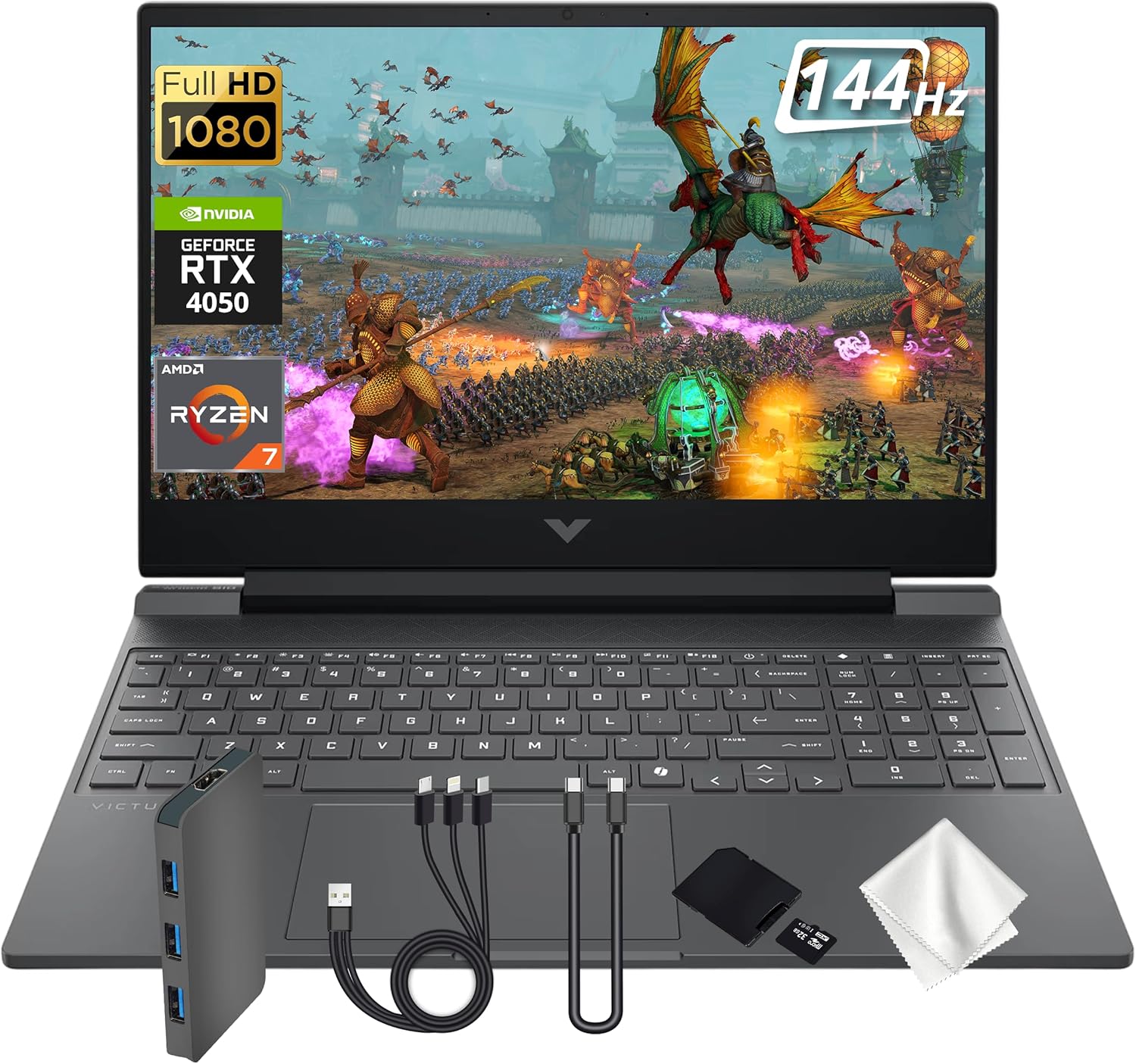
- memory AMD Ryzen 7 7445HS
- developer_board NVIDIA GeForce RTX 4050
- layers 16GB (2x8GB) DDR5 5600MHz SO-DIMM
- track_changes Target GPU: NVIDIA GeForce GTX 1660 Ti Mobile (6GB) / RTX 2060 Mobile (6GB). **An RTX 3050 Ti Mobile or RTX 4050 Mobile (High TGP) would be a more realistic minimum for a stable experience.**

- memory Intel Core i9-12900H
- developer_board NVIDIA GeForce RTX 3070 Ti
- layers 16GB DDR5-4800MHz
- track_changes Target GPU: NVIDIA RTX 3070 Ti Mobile (140W) / RTX 4060 Mobile
- memory AMD Ryzen 7 7435HS
- developer_board NVIDIA GeForce RTX 3050
- layers 32GB DDR5-4800MHz
- track_changes Target GPU: NVIDIA RTX 3070 Ti Mobile (140W) / RTX 4060 Mobile

- memory Intel Core i9-14900HX
- developer_board NVIDIA GeForce RTX 4070
- layers 32GB DDR5-5600MHz
- track_changes Target GPU: NVIDIA RTX 3070 Ti Mobile (140W) / RTX 4060 Mobile

- memory Intel Core i9-14900HX
- developer_board NVIDIA GeForce RTX 4070
- layers 16GB DDR5-5600MHz
- track_changes Target GPU: NVIDIA GeForce RTX 3080 Ti Mobile (16GB, Max TGP) / RTX 4080 Mobile (12GB, Max TGP). **An RTX 4090 Mobile would be better.**
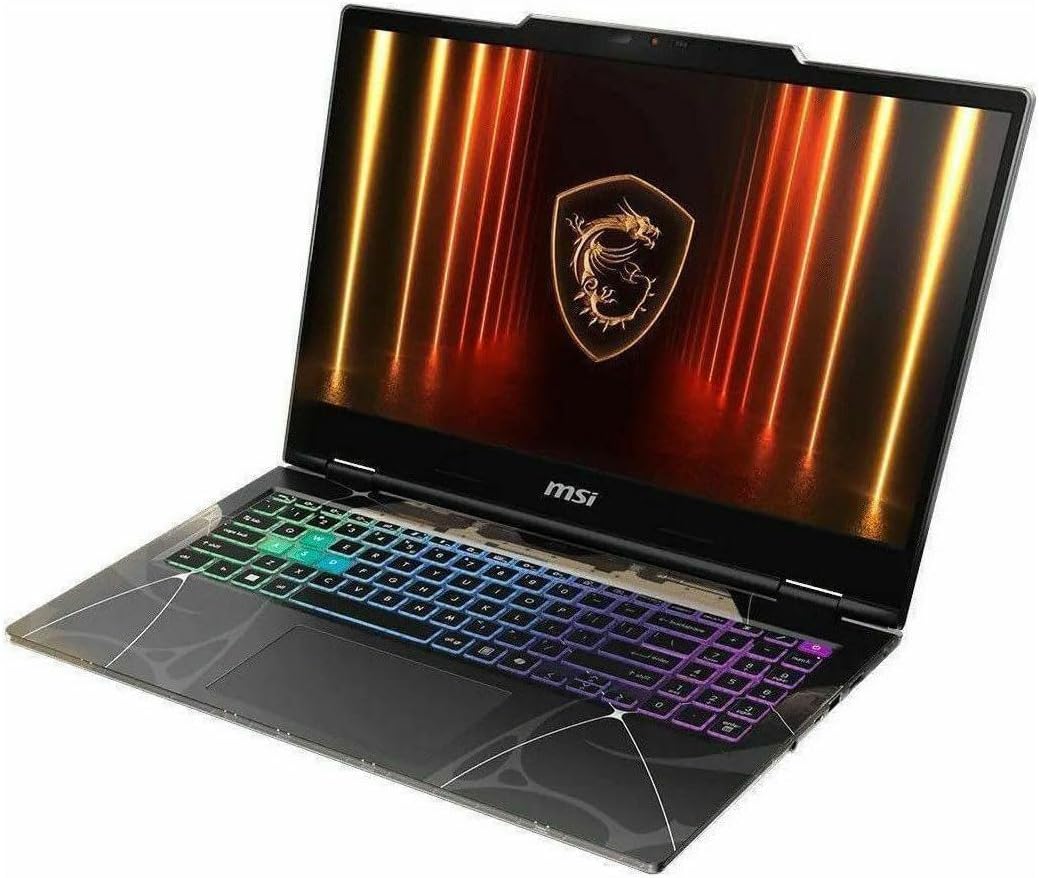
- memory Intel Core Ultra 7 255H
- developer_board NVIDIA GeForce RTX 5060 Laptop GPU
- layers 16GB DDR5-5600MHz (Dual-Channel)
- track_changes Target GPU: NVIDIA GeForce RTX 3080 Ti Mobile (16GB, Max TGP) / RTX 4080 Mobile (12GB, Max TGP). **An RTX 4090 Mobile would be better.**

- memory Intel Core i9-14900HX
- developer_board NVIDIA GeForce RTX 4080 Laptop GPU
- layers 64 GB DDR5-5600MHz
- track_changes Target GPU: NVIDIA RTX 4080 Mobile / RTX 4090 Mobile (175W)

- memory Intel Core Ultra 9 Processor 275HX (Series 2)
- developer_board NVIDIA GeForce RTX 5070 Laptop GPU
- layers 32GB DDR5-5600MHz
- track_changes Target GPU: NVIDIA RTX 4080 Mobile / RTX 4090 Mobile (175W)

- memory Intel Core i9-14900HX Processor
- developer_board NVIDIA GeForce RTX 5070 Laptop GPU
- layers 32GB DDR5-5600MHz
- track_changes Target GPU: NVIDIA RTX 4080 Mobile / RTX 4090 Mobile (175W)

- memory Intel Core i9-14900HX
- developer_board NVIDIA GeForce RTX 4090
- layers 32GB DDR5-5600MHz
- track_changes Target GPU: NVIDIA GeForce RTX 4090 Mobile (16GB, Max TGP). **This will be the target. A hypothetical next-gen flagship (e.g., RTX 5090 Mobile or AMD equivalent) would be needed for a more comfortable experience with less reliance on aggressive upscaling. (Highly Speculative)**

- memory Intel Core Ultra 9 285H (Series 2) , 14 cores (6 Performance cores + 8 Efficient cores), 20 threads
- developer_board NVIDIA GeForce RTX 5050 Laptop GPU
- layers 32GB (2x16GB) DDR5 8400MHz SO-DIMM
- track_changes Target GPU: NVIDIA GeForce RTX 4090 Mobile (16GB, Max TGP). **This will be the target. A hypothetical next-gen flagship (e.g., RTX 5090 Mobile or AMD equivalent) would be needed for a more comfortable experience with less reliance on aggressive upscaling. (Highly Speculative)**

- memory Intel Core Ultra 9 285H
- developer_board NVIDIA GeForce RTX 5070
- layers 32GB (2x16GB) DDR5 4800MHz SO-DIMM
- track_changes Target GPU: NVIDIA GeForce RTX 4090 Mobile (16GB, Max TGP). **This will be the target. A hypothetical next-gen flagship (e.g., RTX 5090 Mobile or AMD equivalent) would be needed for a more comfortable experience with less reliance on aggressive upscaling. (Highly Speculative)**
For Hellraiser: Revival Specifically
- memory Intel Core i5-11400H
- developer_board NVIDIA GeForce RTX 2050
- layers 8GB DDR4-3200MHz
- track_changes Target GPU: AMD Radeon RX Vega 64 8GB / NVIDIA GTX 1660
- memory Intel Core i7-12700H
- developer_board NVIDIA GeForce RTX 3070
- layers 32GB DDR4-3200MHz
- track_changes Target GPU: AMD Radeon RX Vega 64 8GB / NVIDIA GTX 1660
- memory Intel Core i9-13900H
- developer_board NVIDIA GeForce RTX 4060
- layers 16GB DDR5-5200MHz
- track_changes Target GPU: AMD Radeon RX Vega 64 8GB / NVIDIA GTX 1660
- memory Intel Core i9-14900HX
- developer_board NVIDIA GeForce RTX 4060
- layers 32GB DDR5-5600MHz
- track_changes Target GPU: AMD Radeon RX Vega 64 8GB / NVIDIA GTX 1660
- memory Intel Core i9-12900H
- developer_board NVIDIA GeForce RTX 3070 Ti
- layers 16GB DDR5-4800MHz
- track_changes Target GPU: AMD Radeon RX Vega 64 8GB / NVIDIA GTX 1660

- memory Intel Core i5-12450H
- developer_board NVIDIA GeForce RTX 3050
- layers 16GB DDR4-3200MHz
- track_changes Target GPU: AMD Radeon RX Vega 64 8GB / NVIDIA GTX 1660
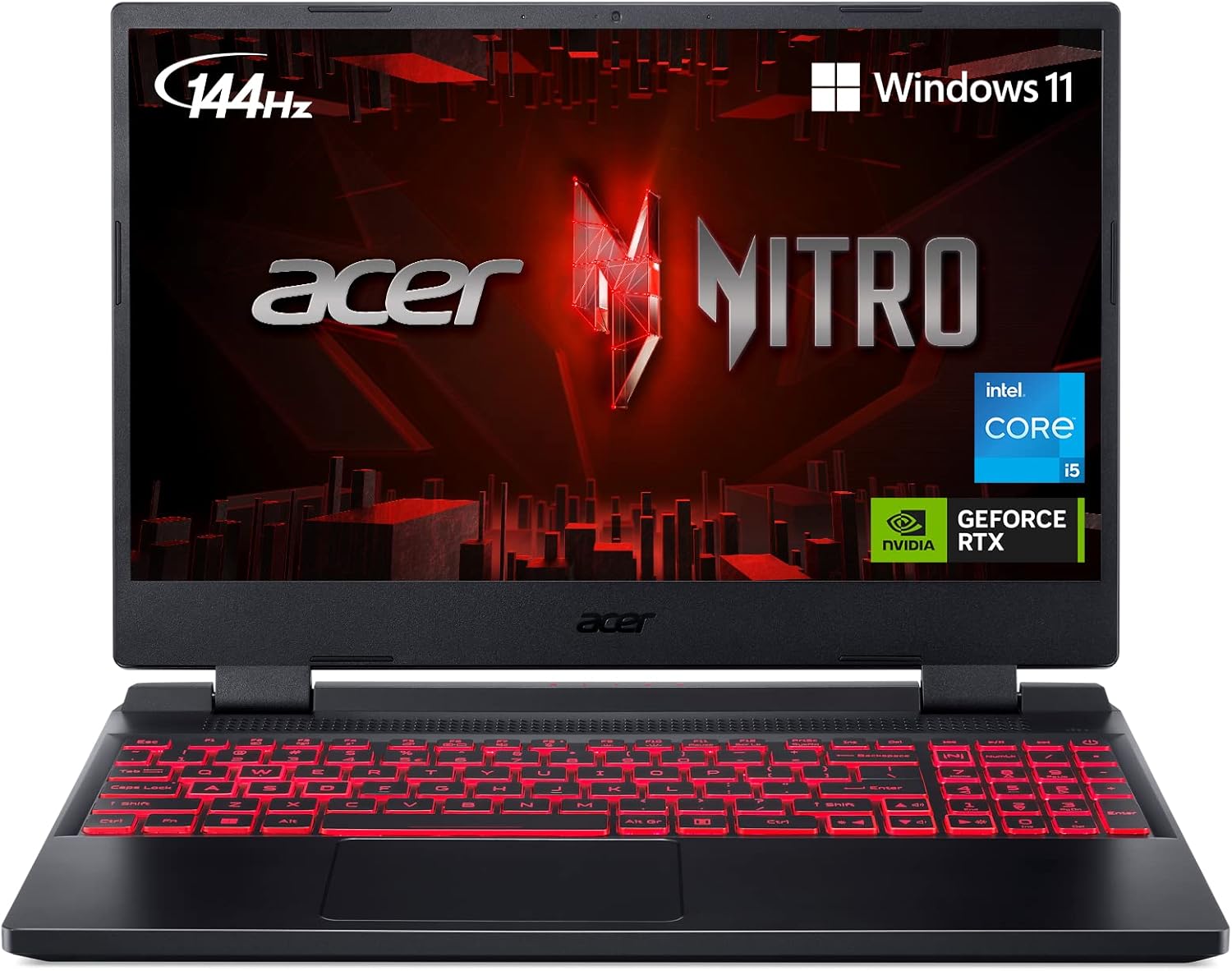
- memory Intel Core i5-12500H
- developer_board NVIDIA GeForce RTX 3050 Ti
- layers 16GB DDR4-3200MHz
- track_changes Target GPU: AMD Radeon RX Vega 64 8GB / NVIDIA GTX 1660
- memory AMD Ryzen 7 7435HS
- developer_board NVIDIA GeForce RTX 3050
- layers 32GB DDR5-4800MHz
- track_changes Target GPU: AMD Radeon RX Vega 64 8GB / NVIDIA GTX 1660

- memory AMD Ryzen 7 6800H
- developer_board NVIDIA GeForce RTX 3060
- layers 16GB DDR5-4800MHz
- track_changes Target GPU: AMD Radeon RX Vega 64 8GB / NVIDIA GTX 1660

- memory AMD Ryzen 9 5900HS
- developer_board NVIDIA GeForce RTX 3080
- layers 16GB DDR4-3200MHz
- track_changes Target GPU: AMD Radeon RX Vega 64 8GB / NVIDIA GTX 1660

- memory Intel Core i7-13620H
- developer_board NVIDIA GeForce RTX 4070
- layers 16GB DDR5-4800MHz
- track_changes Target GPU: AMD Radeon RX 6600 XT / NVIDIA RTX 3060

- memory Intel Core i7-14700HX
- developer_board NVIDIA GeForce RTX 4070
- layers 16GB DDR5-5600MHz
- track_changes Target GPU: AMD Radeon RX 6600 XT / NVIDIA RTX 3060
- memory Intel Core i9-14900HX
- developer_board NVIDIA GeForce RTX 4070
- layers 32GB DDR5-5600MHz
- track_changes Target GPU: AMD Radeon RX 6600 XT / NVIDIA RTX 3060
- memory Intel Core i9-12900H
- developer_board NVIDIA GeForce RTX 3070 Ti
- layers 16GB DDR5-4800MHz
- track_changes Target GPU: NVIDIA RTX 3070 Ti / AMD Radeon RX 6700 XT
- memory AMD Ryzen 7 7435HS
- developer_board NVIDIA GeForce RTX 3050
- layers 32GB DDR5-4800MHz
- track_changes Target GPU: NVIDIA RTX 3070 Ti / AMD Radeon RX 6700 XT
- memory Intel Core i9-14900HX
- developer_board NVIDIA GeForce RTX 4070
- layers 32GB DDR5-5600MHz
- track_changes Target GPU: NVIDIA RTX 3070 Ti / AMD Radeon RX 6700 XT
- memory Intel Core i9-14900HX
- developer_board NVIDIA GeForce RTX 4070
- layers 16GB DDR5-5600MHz
- track_changes Target GPU: NVIDIA RTX 3070 Ti / AMD Radeon RX 6700 XT
- memory Intel Core Ultra 7 255H
- developer_board NVIDIA GeForce RTX 5060 Laptop GPU
- layers 16GB DDR5-5600MHz (Dual-Channel)
- track_changes Target GPU: NVIDIA RTX 3070 Ti / AMD Radeon RX 6700 XT
- memory AMD Ryzen 9 8940HX Processor
- developer_board NVIDIA GeForce RTX 5060 Laptop GPU
- layers 32GB DDR5-5200MHz
- track_changes Target GPU: NVIDIA RTX 3070 Ti / AMD Radeon RX 6700 XT

- memory Intel Core i9-12950HX
- developer_board NVIDIA GeForce RTX 3080 Ti
- layers 32GB DDR5-4800MHz
- track_changes Target GPU: NVIDIA RTX 3070 Ti / AMD Radeon RX 6700 XT
- memory AMD Ryzen 7 7445HS
- developer_board NVIDIA GeForce RTX 4050
- layers 16GB (2x8GB) DDR5 5600MHz SO-DIMM
- track_changes Target GPU: NVIDIA RTX 3070 Ti / AMD Radeon RX 6700 XT

- memory AMD Ryzen 7 7445HS
- developer_board NVIDIA GeForce RTX 4050
- layers 16GB DDR5 5600MHz SO-DIMM
- track_changes Target GPU: NVIDIA RTX 3070 Ti / AMD Radeon RX 6700 XT
- memory Intel Core i9-14900HX
- developer_board NVIDIA GeForce RTX 4080 Laptop GPU
- layers 64 GB DDR5-5600MHz
- track_changes Target GPU: NVIDIA RTX 3070 Ti / AMD Radeon RX 6700 XT
- memory Intel Core i9-14900HX
- developer_board NVIDIA GeForce RTX 4080 Laptop GPU
- layers 64 GB DDR5-5600MHz
- track_changes Target GPU: NVIDIA RTX 4080 / AMD Radeon RX 7900 XTX
- memory Intel Core Ultra 9 Processor 275HX (Series 2)
- developer_board NVIDIA GeForce RTX 5070 Laptop GPU
- layers 32GB DDR5-5600MHz
- track_changes Target GPU: NVIDIA RTX 4080 / AMD Radeon RX 7900 XTX
- memory Intel Core i9-14900HX Processor
- developer_board NVIDIA GeForce RTX 5070 Laptop GPU
- layers 32GB DDR5-5600MHz
- track_changes Target GPU: NVIDIA RTX 4080 / AMD Radeon RX 7900 XTX

- memory Intel Core i9-14900HX Processor
- developer_board NVIDIA GeForce RTX 5070 Laptop GPU
- layers 32GB DDR5-5600MHz
- track_changes Target GPU: NVIDIA RTX 4080 / AMD Radeon RX 7900 XTX

- memory Intel Core Ultra 9 285H (Arrow Lake-H)
- developer_board NVIDIA GeForce RTX 5070 Laptop GPU
- layers 64GB LPDDR5x-8533MT/s (LPCAMM2)
- track_changes Target GPU: NVIDIA RTX 4080 / AMD Radeon RX 7900 XTX

- memory Intel Core i9-14900HX
- developer_board NVIDIA GeForce RTX 4080
- layers 64GB DDR5-5600MHz
- track_changes Target GPU: NVIDIA RTX 4080 / AMD Radeon RX 7900 XTX

- memory Intel Core i9-14900HX
- developer_board NVIDIA GeForce RTX 4080
- layers 32GB DDR5-5600MHz
- track_changes Target GPU: NVIDIA RTX 4080 / AMD Radeon RX 7900 XTX

- memory Intel Core i9-14900HX
- developer_board NVIDIA GeForce RTX 4080
- layers 32GB DDR5-5600MHz
- track_changes Target GPU: NVIDIA RTX 4080 / AMD Radeon RX 7900 XTX

- memory Intel Core i9-14900HX
- developer_board NVIDIA GeForce RTX 4080
- layers 32GB DDR5-5600MHz
- track_changes Target GPU: NVIDIA RTX 4080 / AMD Radeon RX 7900 XTX

- memory AMD Ryzen 9 7845HX
- developer_board NVIDIA GeForce RTX 4080
- layers Up to 64GB DDR5
- track_changes Target GPU: NVIDIA RTX 4080 / AMD Radeon RX 7900 XTX
For S.T.A.L.K.E.R. 2: Heart of Chornobyl Specifically
- memory AMD Ryzen 7 7435HS
- developer_board NVIDIA GeForce RTX 3050
- layers 32GB DDR5-4800MHz
- track_changes Target GPU: NVIDIA GeForce GTX 1060 (6GB) or AMD Radeon RX 580 (8GB)
- memory AMD Ryzen 9 8940HX Processor
- developer_board NVIDIA GeForce RTX 5060 Laptop GPU
- layers 32GB DDR5-5200MHz
- track_changes Target GPU: NVIDIA GeForce GTX 1060 (6GB) or AMD Radeon RX 580 (8GB)
- memory AMD Ryzen 7 7445HS
- developer_board NVIDIA GeForce RTX 4050
- layers 16GB (2x8GB) DDR5 5600MHz SO-DIMM
- track_changes Target GPU: NVIDIA GeForce GTX 1060 (6GB) or AMD Radeon RX 580 (8GB)
- memory AMD Ryzen 7 7445HS
- developer_board NVIDIA GeForce RTX 4050
- layers 16GB DDR5 5600MHz SO-DIMM
- track_changes Target GPU: NVIDIA GeForce GTX 1060 (6GB) or AMD Radeon RX 580 (8GB)
- memory Intel Core Ultra 9 285H (Arrow Lake-H)
- developer_board NVIDIA GeForce RTX 5070 Laptop GPU
- layers 64GB LPDDR5x-8533MT/s (LPCAMM2)
- track_changes Target GPU: NVIDIA GeForce GTX 1060 (6GB) or AMD Radeon RX 580 (8GB)
- memory AMD Ryzen 9 7845HX
- developer_board NVIDIA GeForce RTX 4080
- layers Up to 64GB DDR5
- track_changes Target GPU: NVIDIA GeForce GTX 1060 (6GB) or AMD Radeon RX 580 (8GB)
- memory Intel Core Ultra 9 285H (Series 2) , 14 cores (6 Performance cores + 8 Efficient cores), 20 threads
- developer_board NVIDIA GeForce RTX 5050 Laptop GPU
- layers 32GB (2x16GB) DDR5 8400MHz SO-DIMM
- track_changes Target GPU: NVIDIA GeForce GTX 1060 (6GB) or AMD Radeon RX 580 (8GB)
- memory Intel Core Ultra 9 285H
- developer_board NVIDIA GeForce RTX 5070
- layers 32GB (2x16GB) DDR5 4800MHz SO-DIMM
- track_changes Target GPU: NVIDIA GeForce GTX 1060 (6GB) or AMD Radeon RX 580 (8GB)

- memory Intel Core Ultra 9 275HX
- developer_board GeForce RTX 5070 Laptop Laptop GPU
- layers 64GB DDR5-6400MHz (Single-Channel)
- track_changes Target GPU: NVIDIA GeForce GTX 1060 (6GB) or AMD Radeon RX 580 (8GB)

- memory Intel Core Ultra 9 275HX
- developer_board NVIDIA GeForce RTX 5070 Ti
- layers 32GB
- track_changes Target GPU: NVIDIA GeForce GTX 1060 (6GB) or AMD Radeon RX 580 (8GB)
- memory Intel Core i7-12700H
- developer_board NVIDIA GeForce RTX 3070
- layers 32GB DDR4-3200MHz
- track_changes Target GPU: NVIDIA GeForce RTX 2070 Super (8GB) / RTX 3060 Ti (8GB) or AMD Radeon RX 5700 XT (8GB) / RX 6700 XT (12GB)
- memory Intel Core i9-13900H
- developer_board NVIDIA GeForce RTX 4060
- layers 16GB DDR5-5200MHz
- track_changes Target GPU: NVIDIA GeForce RTX 2070 Super (8GB) / RTX 3060 Ti (8GB) or AMD Radeon RX 5700 XT (8GB) / RX 6700 XT (12GB)
- memory Intel Core i9-14900HX
- developer_board NVIDIA GeForce RTX 4060
- layers 32GB DDR5-5600MHz
- track_changes Target GPU: NVIDIA GeForce RTX 2070 Super (8GB) / RTX 3060 Ti (8GB) or AMD Radeon RX 5700 XT (8GB) / RX 6700 XT (12GB)
- memory Intel Core i9-12900H
- developer_board NVIDIA GeForce RTX 3070 Ti
- layers 16GB DDR5-4800MHz
- track_changes Target GPU: NVIDIA GeForce RTX 2070 Super (8GB) / RTX 3060 Ti (8GB) or AMD Radeon RX 5700 XT (8GB) / RX 6700 XT (12GB)
- memory AMD Ryzen 7 6800H
- developer_board NVIDIA GeForce RTX 3060
- layers 16GB DDR5-4800MHz
- track_changes Target GPU: NVIDIA GeForce RTX 2070 Super (8GB) / RTX 3060 Ti (8GB) or AMD Radeon RX 5700 XT (8GB) / RX 6700 XT (12GB)
- memory AMD Ryzen 9 5900HS
- developer_board NVIDIA GeForce RTX 3080
- layers 16GB DDR4-3200MHz
- track_changes Target GPU: NVIDIA GeForce RTX 2070 Super (8GB) / RTX 3060 Ti (8GB) or AMD Radeon RX 5700 XT (8GB) / RX 6700 XT (12GB)
- memory Intel Core i7-13620H
- developer_board NVIDIA GeForce RTX 4070
- layers 16GB DDR5-4800MHz
- track_changes Target GPU: NVIDIA GeForce RTX 2070 Super (8GB) / RTX 3060 Ti (8GB) or AMD Radeon RX 5700 XT (8GB) / RX 6700 XT (12GB)
- memory Intel Core i7-14700HX
- developer_board NVIDIA GeForce RTX 4070
- layers 16GB DDR5-5600MHz
- track_changes Target GPU: NVIDIA GeForce RTX 2070 Super (8GB) / RTX 3060 Ti (8GB) or AMD Radeon RX 5700 XT (8GB) / RX 6700 XT (12GB)
- memory Intel Core i9-14900HX
- developer_board NVIDIA GeForce RTX 4070
- layers 32GB DDR5-5600MHz
- track_changes Target GPU: NVIDIA GeForce RTX 2070 Super (8GB) / RTX 3060 Ti (8GB) or AMD Radeon RX 5700 XT (8GB) / RX 6700 XT (12GB)
- memory Intel Core i9-14900HX
- developer_board NVIDIA GeForce RTX 4070
- layers 32GB DDR5-5600MHz
- track_changes Target GPU: NVIDIA GeForce RTX 3080 (10GB) / RTX 4070 Ti (12GB) or AMD Radeon RX 6800 XT (16GB) / RX 7900 XT (20GB) (Estimated)
- memory Intel Core i9-14900HX
- developer_board NVIDIA GeForce RTX 4070
- layers 16GB DDR5-5600MHz
- track_changes Target GPU: NVIDIA GeForce RTX 3080 (10GB) / RTX 4070 Ti (12GB) or AMD Radeon RX 6800 XT (16GB) / RX 7900 XT (20GB) (Estimated)
- memory Intel Core Ultra 7 255H
- developer_board NVIDIA GeForce RTX 5060 Laptop GPU
- layers 16GB DDR5-5600MHz (Dual-Channel)
- track_changes Target GPU: NVIDIA GeForce RTX 3080 (10GB) / RTX 4070 Ti (12GB) or AMD Radeon RX 6800 XT (16GB) / RX 7900 XT (20GB) (Estimated)
- memory AMD Ryzen 9 8940HX Processor
- developer_board NVIDIA GeForce RTX 5060 Laptop GPU
- layers 32GB DDR5-5200MHz
- track_changes Target GPU: NVIDIA GeForce RTX 3080 (10GB) / RTX 4070 Ti (12GB) or AMD Radeon RX 6800 XT (16GB) / RX 7900 XT (20GB) (Estimated)
- memory Intel Core i9-12950HX
- developer_board NVIDIA GeForce RTX 3080 Ti
- layers 32GB DDR5-4800MHz
- track_changes Target GPU: NVIDIA GeForce RTX 3080 (10GB) / RTX 4070 Ti (12GB) or AMD Radeon RX 6800 XT (16GB) / RX 7900 XT (20GB) (Estimated)
- memory AMD Ryzen 7 7445HS
- developer_board NVIDIA GeForce RTX 4050
- layers 16GB (2x8GB) DDR5 5600MHz SO-DIMM
- track_changes Target GPU: NVIDIA GeForce RTX 3080 (10GB) / RTX 4070 Ti (12GB) or AMD Radeon RX 6800 XT (16GB) / RX 7900 XT (20GB) (Estimated)
- memory AMD Ryzen 7 7445HS
- developer_board NVIDIA GeForce RTX 4050
- layers 16GB DDR5 5600MHz SO-DIMM
- track_changes Target GPU: NVIDIA GeForce RTX 3080 (10GB) / RTX 4070 Ti (12GB) or AMD Radeon RX 6800 XT (16GB) / RX 7900 XT (20GB) (Estimated)
- memory Intel Core i9-14900HX
- developer_board NVIDIA GeForce RTX 4080 Laptop GPU
- layers 64 GB DDR5-5600MHz
- track_changes Target GPU: NVIDIA GeForce RTX 3080 (10GB) / RTX 4070 Ti (12GB) or AMD Radeon RX 6800 XT (16GB) / RX 7900 XT (20GB) (Estimated)
- memory Intel Core Ultra 9 Processor 275HX (Series 2)
- developer_board NVIDIA GeForce RTX 5070 Laptop GPU
- layers 32GB DDR5-5600MHz
- track_changes Target GPU: NVIDIA GeForce RTX 3080 (10GB) / RTX 4070 Ti (12GB) or AMD Radeon RX 6800 XT (16GB) / RX 7900 XT (20GB) (Estimated)
- memory Intel Core i9-14900HX Processor
- developer_board NVIDIA GeForce RTX 5070 Laptop GPU
- layers 32GB DDR5-5600MHz
- track_changes Target GPU: NVIDIA GeForce RTX 3080 (10GB) / RTX 4070 Ti (12GB) or AMD Radeon RX 6800 XT (16GB) / RX 7900 XT (20GB) (Estimated)
- memory Intel Core Ultra 9 285H (Series 2) , 14 cores (6 Performance cores + 8 Efficient cores), 20 threads
- developer_board NVIDIA GeForce RTX 5050 Laptop GPU
- layers 32GB (2x16GB) DDR5 8400MHz SO-DIMM
- track_changes Target GPU: NVIDIA GeForce RTX 4090 (24GB) or AMD Radeon RX 7900 XTX (24GB) (Estimated)
- memory Intel Core Ultra 9 285H
- developer_board NVIDIA GeForce RTX 5070
- layers 32GB (2x16GB) DDR5 4800MHz SO-DIMM
- track_changes Target GPU: NVIDIA GeForce RTX 4090 (24GB) or AMD Radeon RX 7900 XTX (24GB) (Estimated)

- memory Intel Core i9-14900HX Processor
- developer_board NVIDIA GeForce RTX 5070 Ti Laptop GPU
- layers 64GB DDR5-5600MHz (commonly listed as 4800MHz by some retailers, but 5600MHz is common for 14th Gen HX with DDR5)
- track_changes Target GPU: NVIDIA GeForce RTX 4090 (24GB) or AMD Radeon RX 7900 XTX (24GB) (Estimated)

- memory Intel Core Ultra 9 Processor 275HX
- developer_board NVIDIA GeForce RTX 5070 Ti Laptop GPU
- layers 64GB DDR5-6400MHz
- track_changes Target GPU: NVIDIA GeForce RTX 4090 (24GB) or AMD Radeon RX 7900 XTX (24GB) (Estimated)

- memory Intel Core Ultra 9 Processor 275HX (Series 2)
- developer_board NVIDIA GeForce RTX 5070 Ti Laptop GPU
- layers 32GB DDR5-5600MHz
- track_changes Target GPU: NVIDIA GeForce RTX 4090 (24GB) or AMD Radeon RX 7900 XTX (24GB) (Estimated)

- memory Intel Ultra 7 255HX
- developer_board NVIDIA GeForce RTX 5070 Ti
- layers 32GB DDR5 5600MHz
- track_changes Target GPU: NVIDIA GeForce RTX 4090 (24GB) or AMD Radeon RX 7900 XTX (24GB) (Estimated)
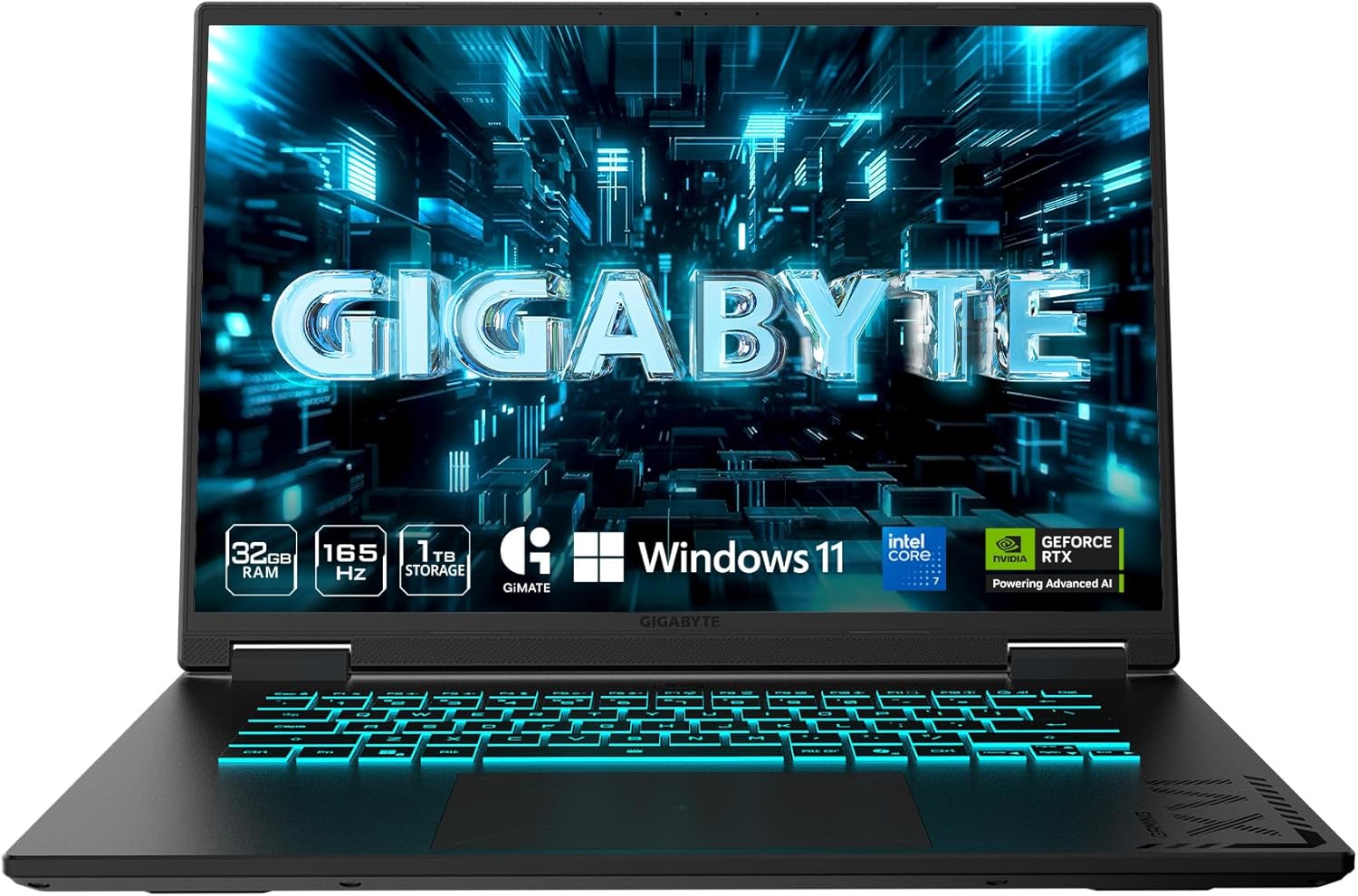
- memory Intel Core Ultra 7 240H
- developer_board NVIDIA GeForce RTX 5070 Ti Laptop GPU
- layers 32GB LPDDR5X 5600MHz
- track_changes Target GPU: NVIDIA GeForce RTX 4090 (24GB) or AMD Radeon RX 7900 XTX (24GB) (Estimated)
- memory Intel Core Ultra 9 275HX
- developer_board GeForce RTX 5070 Laptop Laptop GPU
- layers 64GB DDR5-6400MHz (Single-Channel)
- track_changes Target GPU: NVIDIA GeForce RTX 4090 (24GB) or AMD Radeon RX 7900 XTX (24GB) (Estimated)
- memory Intel Core Ultra 9 275HX
- developer_board NVIDIA GeForce RTX 5070 Ti
- layers 32GB
- track_changes Target GPU: NVIDIA GeForce RTX 4090 (24GB) or AMD Radeon RX 7900 XTX (24GB) (Estimated)

- memory Intel Core Ultra 9 275HX
- developer_board NVIDIA GeForce RTX 5070 Ti Laptop GPU
- layers 32 GB DDR5 6400MHz (2x16GB)
- track_changes Target GPU: NVIDIA GeForce RTX 4090 (24GB) or AMD Radeon RX 7900 XTX (24GB) (Estimated)
info_outline Laptop recommendations are estimates based on available component benchmarks and game requirements. Actual performance may vary depending on settings, drivers, cooling, power limits, etc. Prices and availability subject to change. As an Amazon Associate, we earn from qualifying purchases.