Select Games to Compare
Benchmark your exact mobile GPU wattage (TGP), battery throttling drops, and cooling pad requirements for these games.
B.L.U.E. NOVA vs REMNANT II
| close | close |
|---|---|
| shopping_cart Where to Buy | |
| info General Information | |
| Release Date | |
| Sep 14, 2027 | Jul 25, 2023 |
| Developer | |
| GungHo Online Entertainment, Inc. | Gunfire Games |
| Publisher | |
| GungHo Online Entertainment / Sony Music Entertainment Japan | Arc Games (formerly Gearbox Publishing) |
| Genre(s) | |
| Cooperative PvE Third-Person Shooter / Bullet Hell | Action RPG, Third-Person Shooter, Soulslike, Co-op Looter Shooter |
| Engine | |
| Unreal Engine (DirectX 12) | Unreal Engine 4 |
| stars Ratings & Price | |
| Content Rating | |
| Mature 17+ | M (Mature 17+) - ESRB Descriptors: Blood and Gore, |
| Avg. User Rating | |
| 4.8 / 5.0 | 4.1 / 5.0 |
| Current Price (USD) | |
| Free | $49.99 |
| tune Key Specs | |
| Quick Highlights | |
|
|
| sports_esports Gameplay & Mechanics | |
| Companions/Followers | |
|
|
| Key Collectibles | |
|
|
| Key Themes | |
|
|
| colorize Combat & Gear | |
| Weapons Overview | |
|
|
| Armor / Gear Sets | |
|
|
| Outfits/Customization | |
|
|
| trending_up Progression & Upgrades | |
| Skills & Progression | |
|
Progression in B.L.U.E. NOVA is governed by an incredibly deep and systemic 'Hero x Armor' matrix, which completely redefines traditional character loadouts. Players do not just select a static hero; they modify their base stats, mobility, and skill trees by equipping specialized sets of mechanical Armor. This allows for immense tactical flexibility—a fragile sniper can be heavily plated to become a frontline bruiser, or a slow tank can be modified for rapid repositioning. Furthermore, gameplay progression dynamically scales mid-match via the proprietary R.I.N.G. system. When players physically group together, this system links them, granting a state of 'Infinite Barrage'. This provides unlimited ammunition without the need to reload and exponentially accelerates the cooldown rates of character-specific Ultimate abilities, heavily rewarding cooperative synchronization and completely eliminating resource scarcity. |
N/A |
| public World & Exploration | |
| World & Level Design | |
|
Planet DIVAL features a massive, dynamically generated open-world map designed specifically to accommodate the complex logistics of 30 simultaneous players. The environment is heavily segmented into distinct, vast biomes that showcase the violent intersection of nature and machine. Players will traverse through ruined human colony settlements, heavily overgrown alien forests, and hyper-advanced AI manufacturing facilities. The spatial geometry of these regions is dictated by 'Barrier Towers', localized AI fortifications that act as massive physical choke points. These areas require 30 players to coordinate and push the frontline forward aggressively. The map culminates at the center with the 'Master Tower', a colossal, heavily defended spire serving as EVE's localized processing core. The sheer scale ensures that engagements seamlessly transition from isolated skirmishes to grand, cinematic, army-versus-army conflicts. |
N/A |
| Playable Vehicles | |
|
|
| Notable Fauna/Mounts | |
|
N/A |
| book Story & Characters | |
| Main Characters | |
|
|
| Example Missions | |
|
|
| people Multiplayer | |
| Multiplayer Details | |
|
B.L.U.E. NOVA completely abandons competitive Player-vs-Player (PvP) in favor of three distinct, highly scaled cooperative PvE modes. The flagship mode is 'Tower Raid', an unparalleled 30-player operation where fragmented squads drop onto the map, organically link together using the R.I.N.G. system, and launch a massive siege against heavily fortified AI structures culminating in the Master Tower. For players seeking tighter tactical coordination, the 'Boss Raid' mode limits squad size to 6 players, plunging them into highly structured, high-difficulty encounters against singular, colossal mechanized bosses requiring perfect loadout synergy. Finally, 'Challenge Mode' provides rotating, time-sensitive, objective-based missions with restrictive parameters—such as locked biomes or speedrun leaderboards—designed specifically to sustain Daily Active User metrics and reward players with premium gacha currency. |
The core gameplay is designed for up to 3-player online co-operative PvE. Players can join friends or use matchmaking to tackle the campaign, explore worlds, and fight bosses together. The game's difficulty scales with the number of players. Loot is instanced per player. |
| extension Editions & DLC | |
| Available Editions | |
|
B.L.U.E. NOVA is fundamentally structured around a Free-to-Play operational model, heavily subsidized by microtransactions and chance-based in-game purchases (gacha mechanics). While a core 'Starter Edition' is universally free, the publisher will likely introduce premium 'Founder's Packs' or 'Operative Bundles' that provide immediate access to exclusive cosmetic skins, accelerated battle pass progression, and premium gacha currency. These premium bundles are directly tied to the game's transmedia marketing, offering exclusive virtual idol skins associated with the SNIVPA VTuber group. Because the game is strictly cooperative PvE, the integration of these chance-based economies avoids toxic 'pay-to-win' scenarios; instead, a heavily geared or uniquely customized player directly benefits the entire 30-player lobby, creating a positive community reception to premium investments. |
Released in several editions: Standard Edition (base game). Deluxe Edition (included three armor sets: Elder, Radiant, Void). Ultimate Edition (included Deluxe Edition content, Survival Pack with consumables, and early access to 'The Awakened King,' 'The Forgotten Kingdom,' and 'The Dark Horizon' DLCs, which form the DLC Bundle). |
| Post-Launch Content / DLC | |
|
The long-term viability of B.L.U.E. NOVA relies on an aggressive, continuous live-service pipeline. Post-launch content will heavily feature the introduction of brand-new playable Heroes and their corresponding specialized weapon systems. The chance-based gacha ecosystem will be refreshed consistently with seasonal cosmetic skins, unique holographic UI displays, and rare Armor permutations that alter skill trees. Furthermore, narrative expansions will advance the frontline war against the rogue AI EVE, unlocking entirely new biomes on Planet DIVAL. The game will also receive frequent updates to its highly structured 6-player 'Boss Raid' modes, introducing mechanically complex colossal Singula threats that require perfectly optimized team compositions. Cross-promotional events featuring Sony Music's vast catalog of talent and virtual influencers are expected to headline major quarterly updates. |
REMNANT II has a DLC Bundle featuring three major expansions: 1. 'The Awakened King' (released November 2023): New storyline in Losomn focusing on the One True King, new Archetype (The Ritualist), new dungeons, bosses, items, and weapons. 2. 'The Forgotten Kingdom' (released April 2024): New storyline in Yaesha exploring a lost tribe and a vengeful stone spirit Lydusa, new Archetype (The Invoker), new dungeons, bosses, items, and weapons. 3. 'The Dark Horizon' (released September 2024): New storyline in N'Erud, new Archetype (The Warden), new dungeons, bosses, items, weapons, and a new Glider Traversal System for N'Erud. |
| help_outline FAQ | |
| Frequently Asked Questions | |
|
|
| build Technical Details | |
| Graphics & Visual Fidelity | |
|
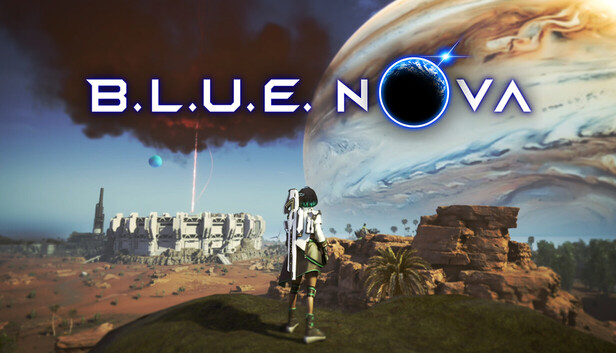
Powered by Unreal Engine utilizing the DirectX 12 API, B.L.U.E. NOVA delivers an astonishing graphical experience that demands high-end hardware. The art direction masterfully balances high-fidelity, photorealistic environmental rendering with highly stylized, anime-inspired character models. The most impressive visual achievement is the game's handling of intense particle physics. During 30-player Tower Raids, the screen is flooded with glowing enemy projectiles, massive explosions, volumetric smoke, and dazzling Ultimate ability animations, creating a literal 'bullet hell' in a fully 3D third-person space. This immense visual density requires robust Temporal Anti-Aliasing and advanced upscaling technologies to maintain clarity. The stark contrast between the beautifully overgrown, vibrant terraformed biomes of DIVAL and the harsh, metallic, geometric nightmares of EVE’s Barrier Towers creates a constantly engaging visual spectacle. |
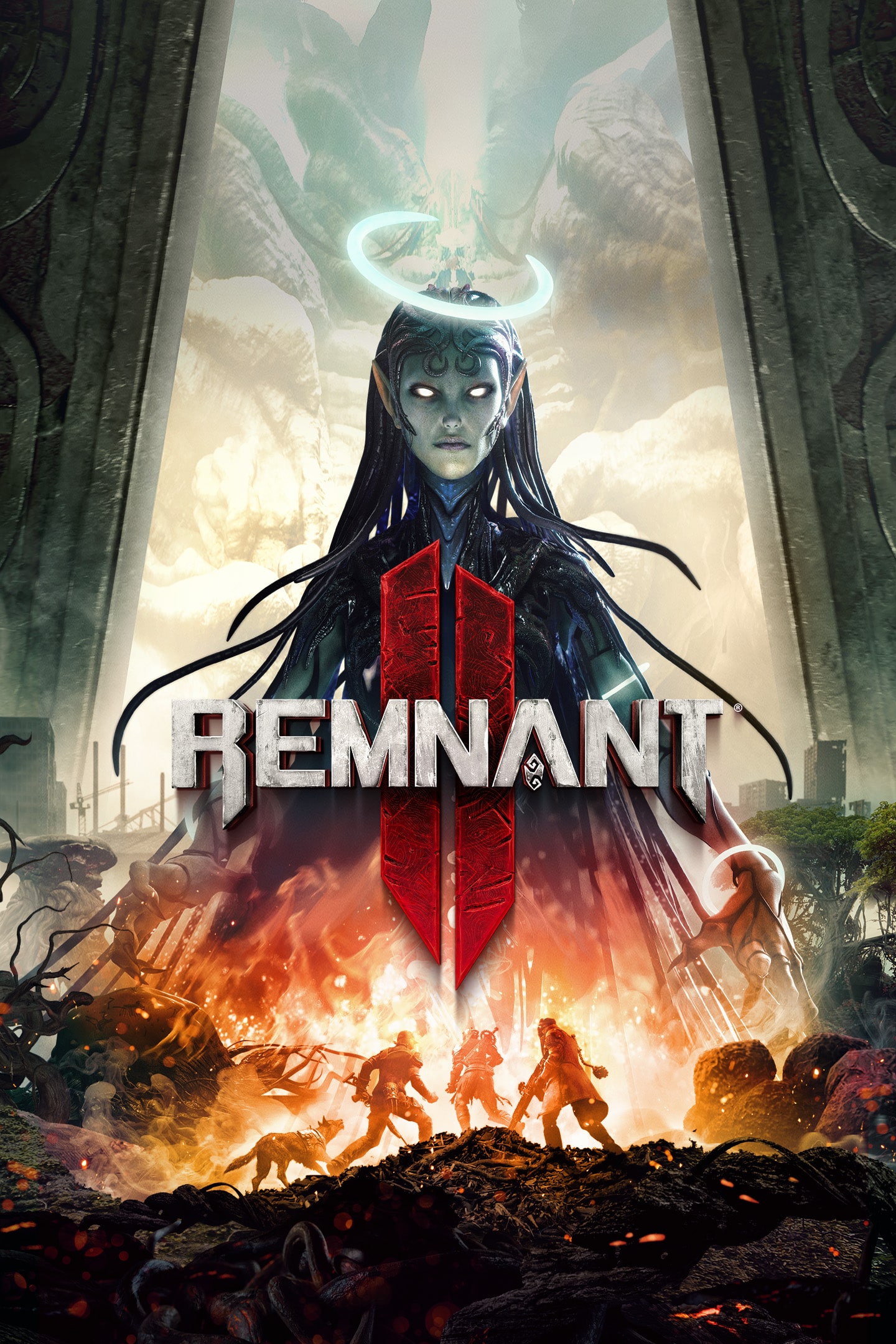
Developed using Unreal Engine 4 (despite some early UE5 speculation), REMNANT II features detailed environments with distinct visual themes for each world, impressive enemy and boss designs, and a dark, gritty art style consistent with its post-apocalyptic and cosmic horror themes. |
| Audio & Soundtrack | |
|
Audio design is central to both the gameplay and the marketing identity of B.L.U.E. NOVA, heavily propelled by the Sony Music Entertainment Japan alliance. The game’s official theme song, 'Too Rich, Too Bold', is performed by the canonical virtual idol group SNIVPA, instantly establishing a high-energy, cyberpunk-pop aesthetic that permeates the menu systems and cinematic trailers. In-game, the soundscape transitions into a tense, militaristic orchestration mixed with aggressive electronic synth-wave. Directional audio is a strictly enforced mechanic; players must rely on sharp acoustic cues to identify the spawn locations of colossal Singula bosses and trace the trajectory of incoming bullet-hell barrages. Furthermore, the activation of the R.I.N.G. system triggers an immensely satisfying, escalating audio crescendo, psychologically rewarding players for grouping up and maintaining the cooperative link. |
Atmospheric sound design enhances the distinct feel of each world and the impact of combat. The musical score adapts to gameplay, building intensity during boss fights and creating an eerie ambience during exploration. |
| User Interface (UI/UX) | |
|
The User Interface of B.L.U.E. NOVA is an engineering marvel, specifically designed to convey critical information without obscuring the chaotic, bullet-hell visual density of 30-player combat. Traditional massive multiplayer HUDs often suffer from extreme clutter, but this game streamlines data through spatial proximity. The most critical UI element is the dynamic 'R.I.N.G.' overlay—a distinct visual perimeter indicating the link radius of nearby allies. When players enter this ring, the UI aggressively flashes to confirm the activation of the 'Infinite Barrage' buff. Health and shield metrics for up to 29 other players are simplified into a subtle, color-coded peripheral roster, dynamically highlighting only teammates who are critically injured or currently activating their Ultimate abilities. This ensures players maintain constant spatial awareness of enemy projectiles while easily identifying where the core of their cooperative squad is massing. |
Features a clear UI displaying health, stamina, mod power, skill cooldowns, ammo, and equipped items. Inventory management involves weapons, armor, mods, mutators, rings, amulets, and consumables. A minimap aids navigation through the procedurally generated environments. |
| Accessibility Options | |
|
In a game defined by overwhelming visual chaos and massive multiplayer scaling, accessibility is handled through both software options and fundamental gameplay design. Mechanically, the R.I.N.G. system is the ultimate accessibility tool; players with lower mechanical aiming skill can still massively contribute to the team's success simply by staying within the proximity ring of veteran players, thereby granting the entire group infinite ammunition and accelerated cooldowns. On the software side, the game features extensive colorblind filters specifically designed to alter the neon hues of the bullet-hell projectiles, ensuring all players can distinctly identify lethal incoming fire against cluttered backgrounds. Additionally, comprehensive subtitle options with directional speaker indicators, fully remappable keybinds, and generous aim-assist parameters for controller users ensure a wide demographic can successfully participate in the war against the Singula. |
Includes options such as subtitles (though initially not highly customizable, patches may have improved), separate volume controls for voice, SFX, and music, remappable keybindings, gamepad support with auto-snap to enemies, adjustable video effects, and sensitivity customization for aiming, mouse, and camera (including X/Y inversion). An option to auto-equip picked-up items is also available. |
| video_library Media Links | |
| Gameplay Video | |
| launchWatch | launchWatch |
| Walkthrough/Guide | |
| launchView | launchView |
| settings_applications System Requirements | |
| 1080p (Full HD) - Recommended (High Settings, 60 FPS) CPU: High core count is necessary to maintain a smooth 60 FPS when all 30 players trigger Infinite Barrage. CPU (Laptop): Provides necessary thermal headroom and multi-threading for AI processing. GPU: Required to maintain stable visuals during intense bullet-hell projectile waves. GPU (Laptop): High TGP variants are needed to match the required desktop performance. RAM: Crucial for streaming massive map data and handling memory spikes during Tower Raids. Storage: Ensures near-instantaneous texture loading across the expansive overworld. | |
memoryCPU: Intel Core i7-12700 / AMD Ryzen 7 7700X developer_boardGPU: NVIDIA GeForce RTX 3070 / AMD Radeon RX 6800 laptop_macCPU (L): Intel Core i7-12700H / AMD Ryzen 7 6800H laptop_windowsGPU (L): NVIDIA GeForce RTX 4070 Mobile / RTX 3080 Mobile layersRAM: 32 GB saveStorage (Tier): 50 GB NVMe SSD | — |
| 1080p (Full HD) - Recommended (Targets 1080p, Medium/High settings, ~60 FPS with Upscaling Quality/Balanced) (Medium/High Preset, 1080p resolution with DLSS/FSR/XeSS Quality or Balanced.) CPU: Official recommended desktop CPU for a better 1080p experience. CPU (Laptop): Stronger laptop CPUs for more consistent 1080p/60fps. GPU: Official recommended desktop GPU for 1080p. 6GB VRAM minimum, 8GB ideal. GPU (Laptop): Capable laptop GPUs. High TGP and effective use of DLSS/FSR are very important. (A hypothetical future RTX 5050/5060 Laptop GPU). RAM: 16GB RAM officially recommended. Storage: NVMe SSD recommended for better overall experience. | |
| — | memoryCPU: Intel Core i5-10600K or AMD Ryzen 5 3600 developer_boardGPU: NVIDIA GeForce RTX 2060 (6GB) or AMD Radeon RX 5700 (8GB) laptop_macCPU (L): Intel Core i7-10750H / AMD Ryzen 7 4800H or newer high-performance 6-core or 8-core CPUs. laptop_windowsGPU (L): NVIDIA GeForce RTX 2060 Mobile (6GB, High TGP), RTX 3060 Laptop GPU (6GB, High TGP), RTX 4050 Laptop GPU (6GB, High TGP), RTX 4060 Laptop GPU (8GB). layersRAM: 16 GB saveStorage (Tier): 80 GB NVMe SSD |
| 1080p (Full HD) - Minimum (Targets 1080p, Low/Medium settings, ~30-60 FPS with Upscaling) (Low/Medium Preset, 1080p resolution with DLSS/FSR/XeSS Performance/Balanced.) CPU: Official minimum desktop CPU. Game can be CPU intensive. CPU (Laptop): Estimated laptop CPU. A modern 6-core CPU is advisable for a smoother experience. GPU: Official minimum desktop GPU. 4GB VRAM is the absolute floor; 8GB (like RX 590) is better. GPU (Laptop): Estimated laptop GPUs. Performance heavily depends on TGP and upscaling. (Hypothetical future entry-level RTX 50 series laptop GPUs would exceed this). RAM: 16GB RAM is the official minimum. Storage: SSD is highly recommended as per official notes. | |
| — | memoryCPU: Intel Core i5-7600 or AMD Ryzen 5 2600 developer_boardGPU: NVIDIA GeForce GTX 1650 (4GB) or AMD Radeon RX 590 (8GB) laptop_macCPU (L): Intel Core i7-8750H / AMD Ryzen 5 3600H equivalent or better. laptop_windowsGPU (L): NVIDIA GeForce GTX 1650 Ti Mobile (4GB), RTX 3050 Laptop GPU (4GB/6GB, ensure good TGP). RTX 4050 Laptop GPU (6GB) would be a more comfortable modern minimum, relying on upscaling. layersRAM: 16 GB saveStorage (Tier): 80 GB SSD |
| 1080p (Full HD) - Minimum (Low-Medium Settings, 30 FPS) CPU: Base requirement to handle the AI pathing and R.I.N.G. network synchronization. CPU (Laptop): Equivalent mobile processors capable of baseline physics calculations. GPU: Entry-level requirement to render the varied biomes and base-level enemy models. GPU (Laptop): Sufficient for 1080p low settings if paired with adequate RAM. RAM: The absolute minimum to prevent client crashes during 30-player convergence. Storage: HDD drives are entirely unsupported and will result in connection timeouts. | |
memoryCPU: Intel Core i5-8400 / AMD Ryzen 5 2600 developer_boardGPU: NVIDIA GeForce GTX 1060 6GB / AMD Radeon RX 580 8GB laptop_macCPU (L): Intel Core i5-10300H / AMD Ryzen 5 4600H laptop_windowsGPU (L): NVIDIA GeForce GTX 1650 Mobile / RTX 3050 Mobile layersRAM: 16 GB saveStorage (Tier): 50 GB SSD | — |
| 1440p (QHD/2K) - Recommended (High Settings, 60 FPS (DLSS/FSR Balanced)) CPU: Top-tier CPUs are required to feed higher resolution frame buffers in crowded areas. CPU (Laptop): Enthusiast mobile CPUs ensure no bottlenecking occurs at 1440p. GPU: Handles the increased pixel count while rendering high-density particle effects. GPU (Laptop): Requires maximum TGP (175W) to sustain 1440p performance. RAM: Mandatory standard for high-resolution live-service PC titles in 2026. Storage: Faster asset streaming prevents texture pop-in at higher resolutions. | |
memoryCPU: Intel Core i7-13700K / AMD Ryzen 7 7800X3D developer_boardGPU: NVIDIA GeForce RTX 4070 Ti / AMD Radeon RX 7900 XT laptop_macCPU (L): Intel Core i9-13900HX / AMD Ryzen 9 7945HX laptop_windowsGPU (L): NVIDIA GeForce RTX 4080 Mobile layersRAM: 32 GB saveStorage (Tier): 50 GB Gen 4 NVMe SSD | — |
| 1440p (QHD/2K) - High (Targets 1440p, High settings, ~60 FPS with DLSS/FSR Quality + potentially Frame Gen) (High Preset, 1440p resolution with DLSS/FSR Quality. Frame Generation (DLSS 3/FSR 3) highly recommended if available/supported by GPU.) CPU: Powerful desktop CPU to handle 1440p and reduce CPU bottlenecks, especially if using Frame Generation. CPU (Laptop): High-performance laptop CPUs essential for smooth 1440p, particularly with Frame Generation. GPU: Strong GPUs for 1440p/60fps. DLSS/FSR Quality is essential. For consistent 60FPS+ with high settings, Frame Generation is a significant help. GPU (Laptop): High-end laptop GPUs with max TGP. DLSS/FSR (Quality/Balanced) + Frame Generation are key. (A hypothetical future RTX 5060 Ti/5070 Laptop GPU). RAM: 32GB RAM is strongly recommended for 1440p high settings to ensure smooth performance. Storage: NVMe SSD mandatory for optimal performance. | |
| — | memoryCPU: Intel Core i7-11700K / AMD Ryzen 7 5800X or newer (e.g., Intel Core i5-13600K / AMD Ryzen 5 7600X) developer_boardGPU: NVIDIA GeForce RTX 3070 (8GB) / RTX 4060 Ti (8GB/16GB) / RTX 4070 (12GB) or AMD Radeon RX 6700 XT (12GB) / RX 6800 (16GB) / RX 7700 XT (12GB) laptop_macCPU (L): Intel Core i7-12700H / AMD Ryzen 7 6800H or Intel Core i9-12900H / AMD Ryzen 9 6900HS and above. laptop_windowsGPU (L): NVIDIA GeForce RTX 3070 Ti Laptop GPU (8GB), RTX 3080 Laptop GPU (8GB/16GB), RTX 4070 Laptop GPU (8GB, High TGP), RTX 4080 Laptop GPU (12GB). layersRAM: 16 GB saveStorage (Tier): 80 GB NVMe SSD |
| 2160p (UHD/4K) - Ultra (Ultra Settings, 60 FPS (DLSS/FSR Performance)) CPU: Absolute peak multi-threading required for 4K 30-player instances. CPU (Laptop): Only the highest tier of mobile processors can support 4K gaming in this engine. GPU: The only desktop GPUs capable of pushing 4K resolution alongside bullet-hell logic. GPU (Laptop): Requires a flagship, water-cooled or heavily vapor-chambered chassis. RAM: Future-proofs the system against extreme memory leaks during prolonged raids. Storage: Provides unparalleled bandwidth for seamless 4K asset loading. | |
memoryCPU: Intel Core i9-14900K / AMD Ryzen 9 7950X3D developer_boardGPU: NVIDIA GeForce RTX 4090 / AMD Radeon RX 7900 XTX laptop_macCPU (L): Intel Core i9-14900HX laptop_windowsGPU (L): NVIDIA GeForce RTX 4090 Mobile layersRAM: 64 GB saveStorage (Tier): 50 GB Gen 5 NVMe SSD | — |
| 2160p (UHD/4K) - Ultra (Targets 2160p/4K, Medium/High settings, ~60 FPS with DLSS/FSR Performance + Frame Gen) (Medium/High Preset, 2160p (4K) resolution using DLSS/FSR Performance + Frame Generation.) CPU: Top-tier desktop CPU to support 4K gaming and minimize CPU bottlenecks, especially with Frame Generation. CPU (Laptop): Absolute flagship laptop CPUs required. GPU: Flagship desktop GPUs required for 4K. Heavily reliant on DLSS/FSR Performance and Frame Generation (for NVIDIA RTX 40 series / AMD FSR 3 compatible cards) to achieve ~60 FPS. GPU (Laptop): The most powerful current (RTX 40 series) laptop GPUs. DLSS/FSR (Performance/Ultra Performance) with Frame Generation is essential. Hypothetical RTX 50 series laptop GPUs are speculative. RAM: 32GB of high-speed RAM is strongly recommended for optimal 4K gaming. Storage: A very fast NVMe SSD (PCIe Gen4 or better) is highly recommended for 4K textures and loading. | |
| — | memoryCPU: Intel Core i9-12900K / AMD Ryzen 9 5900X or newer (e.g., Intel Core i7-13700K / AMD Ryzen 7 7800X3D) developer_boardGPU: NVIDIA GeForce RTX 3080 (10GB/12GB) / RTX 4070 Ti (12GB) / RTX 4080 (16GB) or AMD Radeon RX 6800 XT (16GB) / RX 7900 XT (20GB) / RX 7900 XTX (24GB) laptop_macCPU (L): Intel Core i9-13900HX / Core i9-14900HX or AMD Ryzen 9 7945HX / 7945HX3D. laptop_windowsGPU (L): NVIDIA GeForce RTX 4080 Laptop GPU (12GB, Max TGP), RTX 4090 Laptop GPU (16GB, Max TGP). **(A hypothetical future flagship NVIDIA GeForce RTX 5080/5090 Laptop GPU would aim to improve this experience further.)** layersRAM: 32 GB saveStorage (Tier): 80 GB NVMe SSD (High-speed Gen4 or Gen5 recommended) |
| save Overall Storage | |
| Spec: 50 GB available space (SSD Required) Note: A Solid State Drive is strictly required to dynamically stream high-resolution biome assets and prevent traversal hitching. Type: SSD | Spec: 80 GB available space (SSD Highly Recommended, NVMe for best experience) Note: An SSD (preferably NVMe) with at least 80 GB of free space is strongly recommended for optimal performance, significantly faster loading times, and smoother asset streaming. Requirement may increase with DLCs/updates. Type: NVMe |
| desktop_windows Operating System | |
Spec: Windows 10 64-bit (Minimum) / Windows 11 64-bit (Recommended) Explanation: Requires a 64-bit environment to manage the massive memory footprint required by the 30-player seamless matchmaking architecture. | Spec: Windows 10 (64-bit, latest update) or Windows 11 (64-bit, latest update) Explanation: A 64-bit version of Windows 10 (latest updates) or Windows 11 (latest update) is required. Windows 11 is generally recommended for newer UE5 titles for features like DirectStorage and optimal CPU scheduling. |
| gamepad DirectX Version | |
| Spec: DirectX 12 Explanation: Mandatory for low-overhead draw calls necessary to render massive swarms of Singula AI units without tanking performance. | Spec: DirectX 12 Explanation: DirectX 12 is required. Remnant II is an Unreal Engine 5 title, which leverages DX12 features. Ray tracing is not a primary feature of the game; performance is demanding even without it. |
| info_outline Other Game Notes | |
|
|
| build Optimization Details | |
|
|
| laptop Laptop Considerations | |
|
|
info_outline Feature details based on available data. System requirements and performance estimates may vary.
laptop_chromebook Laptop Recommendations
Common Recommendations (Handles All Compared Games)

- memory Intel Core i7-12700H
- developer_board NVIDIA GeForce RTX 3070
- layers 32GB DDR4-3200MHz
- track_changes Target GPU: NVIDIA GeForce GTX 1650 Mobile / RTX 3050 Mobile

- memory Intel Core i9-13900H
- developer_board NVIDIA GeForce RTX 4060
- layers 16GB DDR5-5200MHz
- track_changes Target GPU: NVIDIA GeForce GTX 1650 Mobile / RTX 3050 Mobile

- memory Intel Core i9-14900HX
- developer_board NVIDIA GeForce RTX 4060
- layers 32GB DDR5-5600MHz
- track_changes Target GPU: NVIDIA GeForce GTX 1650 Mobile / RTX 3050 Mobile

- memory Intel Core i9-14900HX
- developer_board NVIDIA GeForce RTX 4070
- layers 32GB DDR5-5600MHz
- track_changes Target GPU: NVIDIA GeForce RTX 4070 Mobile / RTX 3080 Mobile

- memory AMD Ryzen 9 8940HX Processor
- developer_board NVIDIA GeForce RTX 5060 Laptop GPU
- layers 32GB DDR5-5200MHz
- track_changes Target GPU: NVIDIA GeForce RTX 4070 Mobile / RTX 3080 Mobile

- memory Intel Core i9-12950HX
- developer_board NVIDIA GeForce RTX 3080 Ti
- layers 32GB DDR5-4800MHz
- track_changes Target GPU: NVIDIA GeForce RTX 4070 Mobile / RTX 3080 Mobile

- memory AMD Ryzen 7 7435HS
- developer_board NVIDIA GeForce RTX 3050
- layers 32GB DDR5-4800MHz
- track_changes Target GPU: NVIDIA GeForce GTX 1650 Ti Mobile (4GB), RTX 3050 Laptop GPU (4GB/6GB, ensure good TGP). RTX 4050 Laptop GPU (6GB) would be a more comfortable modern minimum, relying on upscaling.

- memory AMD Ryzen 7 7445HS
- developer_board NVIDIA GeForce RTX 4050
- layers 16GB (2x8GB) DDR5 5600MHz SO-DIMM
- track_changes Target GPU: NVIDIA GeForce GTX 1650 Ti Mobile (4GB), RTX 3050 Laptop GPU (4GB/6GB, ensure good TGP). RTX 4050 Laptop GPU (6GB) would be a more comfortable modern minimum, relying on upscaling.

- memory Intel Core i9-14900HX
- developer_board NVIDIA GeForce RTX 4080 Laptop GPU
- layers 64 GB DDR5-5600MHz
- track_changes Target GPU: NVIDIA GeForce RTX 4080 Mobile

- memory Intel Core Ultra 9 Processor 275HX (Series 2)
- developer_board NVIDIA GeForce RTX 5070 Laptop GPU
- layers 32GB DDR5-5600MHz
- track_changes Target GPU: NVIDIA GeForce RTX 4080 Mobile

- memory Intel Core i9-14900HX Processor
- developer_board NVIDIA GeForce RTX 5070 Laptop GPU
- layers 32GB DDR5-5600MHz
- track_changes Target GPU: NVIDIA GeForce RTX 4080 Mobile

- memory Intel Core i9-14900HX Processor
- developer_board NVIDIA GeForce RTX 5070 Ti Laptop GPU
- layers 64GB DDR5-5600MHz (commonly listed as 4800MHz by some retailers, but 5600MHz is common for 14th Gen HX with DDR5)
- track_changes Target GPU: NVIDIA GeForce RTX 4090 Mobile

- memory Intel Core Ultra 9 Processor 275HX
- developer_board NVIDIA GeForce RTX 5070 Ti Laptop GPU
- layers 64GB DDR5-6400MHz
- track_changes Target GPU: NVIDIA GeForce RTX 4090 Mobile

- memory Intel Core Ultra 9 275HX
- developer_board GeForce RTX 5070 Laptop Laptop GPU
- layers 64GB DDR5-6400MHz (Single-Channel)
- track_changes Target GPU: NVIDIA GeForce RTX 4090 Mobile
- memory Intel Core i9-14900HX
- developer_board NVIDIA GeForce RTX 4080 Laptop GPU
- layers 64 GB DDR5-5600MHz
- track_changes Target GPU: NVIDIA GeForce RTX 4080 Laptop GPU (12GB, Max TGP), RTX 4090 Laptop GPU (16GB, Max TGP). **(A hypothetical future flagship NVIDIA GeForce RTX 5080/5090 Laptop GPU would aim to improve this experience further.)**
- memory Intel Core Ultra 9 Processor 275HX (Series 2)
- developer_board NVIDIA GeForce RTX 5070 Laptop GPU
- layers 32GB DDR5-5600MHz
- track_changes Target GPU: NVIDIA GeForce RTX 4080 Laptop GPU (12GB, Max TGP), RTX 4090 Laptop GPU (16GB, Max TGP). **(A hypothetical future flagship NVIDIA GeForce RTX 5080/5090 Laptop GPU would aim to improve this experience further.)**
- memory Intel Core i9-14900HX Processor
- developer_board NVIDIA GeForce RTX 5070 Laptop GPU
- layers 32GB DDR5-5600MHz
- track_changes Target GPU: NVIDIA GeForce RTX 4080 Laptop GPU (12GB, Max TGP), RTX 4090 Laptop GPU (16GB, Max TGP). **(A hypothetical future flagship NVIDIA GeForce RTX 5080/5090 Laptop GPU would aim to improve this experience further.)**
For B.L.U.E. NOVA Specifically
- memory Intel Core i7-12700H
- developer_board NVIDIA GeForce RTX 3070
- layers 32GB DDR4-3200MHz
- track_changes Target GPU: NVIDIA GeForce GTX 1060 6GB / AMD Radeon RX 580 8GB
- memory Intel Core i9-13900H
- developer_board NVIDIA GeForce RTX 4060
- layers 16GB DDR5-5200MHz
- track_changes Target GPU: NVIDIA GeForce GTX 1060 6GB / AMD Radeon RX 580 8GB
- memory Intel Core i9-14900HX
- developer_board NVIDIA GeForce RTX 4060
- layers 32GB DDR5-5600MHz
- track_changes Target GPU: NVIDIA GeForce GTX 1060 6GB / AMD Radeon RX 580 8GB

- memory Intel Core i9-12900H
- developer_board NVIDIA GeForce RTX 3070 Ti
- layers 16GB DDR5-4800MHz
- track_changes Target GPU: NVIDIA GeForce GTX 1060 6GB / AMD Radeon RX 580 8GB

- memory Intel Core i5-12450H
- developer_board NVIDIA GeForce RTX 3050
- layers 16GB DDR4-3200MHz
- track_changes Target GPU: NVIDIA GeForce GTX 1060 6GB / AMD Radeon RX 580 8GB

- memory Intel Core i5-12500H
- developer_board NVIDIA GeForce RTX 3050 Ti
- layers 16GB DDR4-3200MHz
- track_changes Target GPU: NVIDIA GeForce GTX 1060 6GB / AMD Radeon RX 580 8GB
- memory AMD Ryzen 7 7435HS
- developer_board NVIDIA GeForce RTX 3050
- layers 32GB DDR5-4800MHz
- track_changes Target GPU: NVIDIA GeForce GTX 1060 6GB / AMD Radeon RX 580 8GB

- memory AMD Ryzen 7 6800H
- developer_board NVIDIA GeForce RTX 3060
- layers 16GB DDR5-4800MHz
- track_changes Target GPU: NVIDIA GeForce GTX 1060 6GB / AMD Radeon RX 580 8GB

- memory AMD Ryzen 9 5900HS
- developer_board NVIDIA GeForce RTX 3080
- layers 16GB DDR4-3200MHz
- track_changes Target GPU: NVIDIA GeForce GTX 1060 6GB / AMD Radeon RX 580 8GB

- memory Intel Core i7-13620H
- developer_board NVIDIA GeForce RTX 4070
- layers 16GB DDR5-4800MHz
- track_changes Target GPU: NVIDIA GeForce GTX 1060 6GB / AMD Radeon RX 580 8GB
- memory Intel Core i9-14900HX
- developer_board NVIDIA GeForce RTX 4070
- layers 32GB DDR5-5600MHz
- track_changes Target GPU: NVIDIA GeForce RTX 3070 / AMD Radeon RX 6800
- memory AMD Ryzen 9 8940HX Processor
- developer_board NVIDIA GeForce RTX 5060 Laptop GPU
- layers 32GB DDR5-5200MHz
- track_changes Target GPU: NVIDIA GeForce RTX 3070 / AMD Radeon RX 6800
- memory Intel Core i9-12950HX
- developer_board NVIDIA GeForce RTX 3080 Ti
- layers 32GB DDR5-4800MHz
- track_changes Target GPU: NVIDIA GeForce RTX 3070 / AMD Radeon RX 6800
- memory Intel Core i9-14900HX
- developer_board NVIDIA GeForce RTX 4080 Laptop GPU
- layers 64 GB DDR5-5600MHz
- track_changes Target GPU: NVIDIA GeForce RTX 3070 / AMD Radeon RX 6800
- memory Intel Core Ultra 9 Processor 275HX (Series 2)
- developer_board NVIDIA GeForce RTX 5070 Laptop GPU
- layers 32GB DDR5-5600MHz
- track_changes Target GPU: NVIDIA GeForce RTX 3070 / AMD Radeon RX 6800
- memory Intel Core i9-14900HX Processor
- developer_board NVIDIA GeForce RTX 5070 Laptop GPU
- layers 32GB DDR5-5600MHz
- track_changes Target GPU: NVIDIA GeForce RTX 3070 / AMD Radeon RX 6800

- memory Intel Core i9-14900HX Processor
- developer_board NVIDIA GeForce RTX 5070 Laptop GPU
- layers 32GB DDR5-5600MHz
- track_changes Target GPU: NVIDIA GeForce RTX 3070 / AMD Radeon RX 6800

- memory Intel Core Ultra 9 285H (Arrow Lake-H)
- developer_board NVIDIA GeForce RTX 5070 Laptop GPU
- layers 64GB LPDDR5x-8533MT/s (LPCAMM2)
- track_changes Target GPU: NVIDIA GeForce RTX 3070 / AMD Radeon RX 6800

- memory Intel Core i9-14900HX
- developer_board NVIDIA GeForce RTX 4080
- layers 64GB DDR5-5600MHz
- track_changes Target GPU: NVIDIA GeForce RTX 3070 / AMD Radeon RX 6800

- memory Intel Core i9-14900HX
- developer_board NVIDIA GeForce RTX 4080
- layers 32GB DDR5-5600MHz
- track_changes Target GPU: NVIDIA GeForce RTX 3070 / AMD Radeon RX 6800
- memory Intel Core i9-14900HX
- developer_board NVIDIA GeForce RTX 4080 Laptop GPU
- layers 64 GB DDR5-5600MHz
- track_changes Target GPU: NVIDIA GeForce RTX 4070 Ti / AMD Radeon RX 7900 XT
- memory Intel Core Ultra 9 Processor 275HX (Series 2)
- developer_board NVIDIA GeForce RTX 5070 Laptop GPU
- layers 32GB DDR5-5600MHz
- track_changes Target GPU: NVIDIA GeForce RTX 4070 Ti / AMD Radeon RX 7900 XT
- memory Intel Core i9-14900HX Processor
- developer_board NVIDIA GeForce RTX 5070 Laptop GPU
- layers 32GB DDR5-5600MHz
- track_changes Target GPU: NVIDIA GeForce RTX 4070 Ti / AMD Radeon RX 7900 XT
- memory Intel Core i9-14900HX Processor
- developer_board NVIDIA GeForce RTX 5070 Laptop GPU
- layers 32GB DDR5-5600MHz
- track_changes Target GPU: NVIDIA GeForce RTX 4070 Ti / AMD Radeon RX 7900 XT
- memory Intel Core Ultra 9 285H (Arrow Lake-H)
- developer_board NVIDIA GeForce RTX 5070 Laptop GPU
- layers 64GB LPDDR5x-8533MT/s (LPCAMM2)
- track_changes Target GPU: NVIDIA GeForce RTX 4070 Ti / AMD Radeon RX 7900 XT
- memory Intel Core i9-14900HX
- developer_board NVIDIA GeForce RTX 4080
- layers 64GB DDR5-5600MHz
- track_changes Target GPU: NVIDIA GeForce RTX 4070 Ti / AMD Radeon RX 7900 XT
- memory Intel Core i9-14900HX
- developer_board NVIDIA GeForce RTX 4080
- layers 32GB DDR5-5600MHz
- track_changes Target GPU: NVIDIA GeForce RTX 4070 Ti / AMD Radeon RX 7900 XT

- memory Intel Core i9-14900HX
- developer_board NVIDIA GeForce RTX 4080
- layers 32GB DDR5-5600MHz
- track_changes Target GPU: NVIDIA GeForce RTX 4070 Ti / AMD Radeon RX 7900 XT

- memory Intel Core i9-14900HX
- developer_board NVIDIA GeForce RTX 4080
- layers 32GB DDR5-5600MHz
- track_changes Target GPU: NVIDIA GeForce RTX 4070 Ti / AMD Radeon RX 7900 XT

- memory AMD Ryzen 9 7845HX
- developer_board NVIDIA GeForce RTX 4080
- layers Up to 64GB DDR5
- track_changes Target GPU: NVIDIA GeForce RTX 4070 Ti / AMD Radeon RX 7900 XT
- memory Intel Core i9-14900HX Processor
- developer_board NVIDIA GeForce RTX 5070 Ti Laptop GPU
- layers 64GB DDR5-5600MHz (commonly listed as 4800MHz by some retailers, but 5600MHz is common for 14th Gen HX with DDR5)
- track_changes Target GPU: NVIDIA GeForce RTX 4090 / AMD Radeon RX 7900 XTX
- memory Intel Core Ultra 9 Processor 275HX
- developer_board NVIDIA GeForce RTX 5070 Ti Laptop GPU
- layers 64GB DDR5-6400MHz
- track_changes Target GPU: NVIDIA GeForce RTX 4090 / AMD Radeon RX 7900 XTX
- memory Intel Core Ultra 9 275HX
- developer_board GeForce RTX 5070 Laptop Laptop GPU
- layers 64GB DDR5-6400MHz (Single-Channel)
- track_changes Target GPU: NVIDIA GeForce RTX 4090 / AMD Radeon RX 7900 XTX
- memory AMD Ryzen 9 9955HX
- developer_board NVIDIA GeForce RTX 5070 Ti Laptop GPU
- layers 64GB DDR5-5600MHz (Dual-Channel)
- track_changes Target GPU: NVIDIA GeForce RTX 4090 / AMD Radeon RX 7900 XTX

- memory Intel Core Ultra 9 285HX
- developer_board NVIDIA GeForce RTX 5080
- layers 64GB DDR5-5600MHz
- track_changes Target GPU: NVIDIA GeForce RTX 4090 / AMD Radeon RX 7900 XTX

- memory Intel Core Ultra 9 285HX
- developer_board NVIDIA GeForce RTX 5090
- layers 64GB DDR5-6400MHz
- track_changes Target GPU: NVIDIA GeForce RTX 4090 / AMD Radeon RX 7900 XTX
- memory Intel Core i9-14900HX
- developer_board NVIDIA GeForce RTX 4080
- layers 64GB DDR5-5600MHz
- track_changes Target GPU: NVIDIA GeForce RTX 4090 / AMD Radeon RX 7900 XTX
- memory AMD Ryzen 9 7845HX
- developer_board NVIDIA GeForce RTX 4080
- layers Up to 64GB DDR5
- track_changes Target GPU: NVIDIA GeForce RTX 4090 / AMD Radeon RX 7900 XTX
For REMNANT II Specifically
- memory AMD Ryzen 7 7435HS
- developer_board NVIDIA GeForce RTX 3050
- layers 32GB DDR5-4800MHz
- track_changes Target GPU: NVIDIA GeForce GTX 1650 (4GB) or AMD Radeon RX 590 (8GB)
- memory AMD Ryzen 9 8940HX Processor
- developer_board NVIDIA GeForce RTX 5060 Laptop GPU
- layers 32GB DDR5-5200MHz
- track_changes Target GPU: NVIDIA GeForce GTX 1650 (4GB) or AMD Radeon RX 590 (8GB)
- memory AMD Ryzen 7 7445HS
- developer_board NVIDIA GeForce RTX 4050
- layers 16GB (2x8GB) DDR5 5600MHz SO-DIMM
- track_changes Target GPU: NVIDIA GeForce GTX 1650 (4GB) or AMD Radeon RX 590 (8GB)

- memory AMD Ryzen 7 7445HS
- developer_board NVIDIA GeForce RTX 4050
- layers 16GB DDR5 5600MHz SO-DIMM
- track_changes Target GPU: NVIDIA GeForce GTX 1650 (4GB) or AMD Radeon RX 590 (8GB)
- memory Intel Core Ultra 9 285H (Arrow Lake-H)
- developer_board NVIDIA GeForce RTX 5070 Laptop GPU
- layers 64GB LPDDR5x-8533MT/s (LPCAMM2)
- track_changes Target GPU: NVIDIA GeForce GTX 1650 (4GB) or AMD Radeon RX 590 (8GB)
- memory AMD Ryzen 9 7845HX
- developer_board NVIDIA GeForce RTX 4080
- layers Up to 64GB DDR5
- track_changes Target GPU: NVIDIA GeForce GTX 1650 (4GB) or AMD Radeon RX 590 (8GB)

- memory Intel Core Ultra 9 285H (Series 2) , 14 cores (6 Performance cores + 8 Efficient cores), 20 threads
- developer_board NVIDIA GeForce RTX 5050 Laptop GPU
- layers 32GB (2x16GB) DDR5 8400MHz SO-DIMM
- track_changes Target GPU: NVIDIA GeForce GTX 1650 (4GB) or AMD Radeon RX 590 (8GB)

- memory Intel Core Ultra 9 285H
- developer_board NVIDIA GeForce RTX 5070
- layers 32GB (2x16GB) DDR5 4800MHz SO-DIMM
- track_changes Target GPU: NVIDIA GeForce GTX 1650 (4GB) or AMD Radeon RX 590 (8GB)
- memory Intel Core Ultra 9 275HX
- developer_board GeForce RTX 5070 Laptop Laptop GPU
- layers 64GB DDR5-6400MHz (Single-Channel)
- track_changes Target GPU: NVIDIA GeForce GTX 1650 (4GB) or AMD Radeon RX 590 (8GB)

- memory Intel Core Ultra 9 275HX
- developer_board NVIDIA GeForce RTX 5070 Ti
- layers 32GB
- track_changes Target GPU: NVIDIA GeForce GTX 1650 (4GB) or AMD Radeon RX 590 (8GB)
- memory Intel Core i7-12700H
- developer_board NVIDIA GeForce RTX 3070
- layers 32GB DDR4-3200MHz
- track_changes Target GPU: NVIDIA GeForce RTX 2060 (6GB) or AMD Radeon RX 5700 (8GB)
- memory Intel Core i9-13900H
- developer_board NVIDIA GeForce RTX 4060
- layers 16GB DDR5-5200MHz
- track_changes Target GPU: NVIDIA GeForce RTX 2060 (6GB) or AMD Radeon RX 5700 (8GB)
- memory Intel Core i9-14900HX
- developer_board NVIDIA GeForce RTX 4060
- layers 32GB DDR5-5600MHz
- track_changes Target GPU: NVIDIA GeForce RTX 2060 (6GB) or AMD Radeon RX 5700 (8GB)
- memory Intel Core i9-12900H
- developer_board NVIDIA GeForce RTX 3070 Ti
- layers 16GB DDR5-4800MHz
- track_changes Target GPU: NVIDIA GeForce RTX 2060 (6GB) or AMD Radeon RX 5700 (8GB)
- memory AMD Ryzen 7 6800H
- developer_board NVIDIA GeForce RTX 3060
- layers 16GB DDR5-4800MHz
- track_changes Target GPU: NVIDIA GeForce RTX 2060 (6GB) or AMD Radeon RX 5700 (8GB)
- memory AMD Ryzen 9 5900HS
- developer_board NVIDIA GeForce RTX 3080
- layers 16GB DDR4-3200MHz
- track_changes Target GPU: NVIDIA GeForce RTX 2060 (6GB) or AMD Radeon RX 5700 (8GB)
- memory Intel Core i7-13620H
- developer_board NVIDIA GeForce RTX 4070
- layers 16GB DDR5-4800MHz
- track_changes Target GPU: NVIDIA GeForce RTX 2060 (6GB) or AMD Radeon RX 5700 (8GB)

- memory Intel Core i7-14700HX
- developer_board NVIDIA GeForce RTX 4070
- layers 16GB DDR5-5600MHz
- track_changes Target GPU: NVIDIA GeForce RTX 2060 (6GB) or AMD Radeon RX 5700 (8GB)
- memory Intel Core i9-14900HX
- developer_board NVIDIA GeForce RTX 4070
- layers 32GB DDR5-5600MHz
- track_changes Target GPU: NVIDIA GeForce RTX 2060 (6GB) or AMD Radeon RX 5700 (8GB)
- memory Intel Core i9-14900HX
- developer_board NVIDIA GeForce RTX 4080 Laptop GPU
- layers 64 GB DDR5-5600MHz
- track_changes Target GPU: NVIDIA GeForce RTX 3080 (10GB/12GB) / RTX 4070 Ti (12GB) / RTX 4080 (16GB) or AMD Radeon RX 6800 XT (16GB) / RX 7900 XT (20GB) / RX 7900 XTX (24GB)
- memory Intel Core Ultra 9 Processor 275HX (Series 2)
- developer_board NVIDIA GeForce RTX 5070 Laptop GPU
- layers 32GB DDR5-5600MHz
- track_changes Target GPU: NVIDIA GeForce RTX 3080 (10GB/12GB) / RTX 4070 Ti (12GB) / RTX 4080 (16GB) or AMD Radeon RX 6800 XT (16GB) / RX 7900 XT (20GB) / RX 7900 XTX (24GB)
- memory Intel Core i9-14900HX Processor
- developer_board NVIDIA GeForce RTX 5070 Laptop GPU
- layers 32GB DDR5-5600MHz
- track_changes Target GPU: NVIDIA GeForce RTX 3080 (10GB/12GB) / RTX 4070 Ti (12GB) / RTX 4080 (16GB) or AMD Radeon RX 6800 XT (16GB) / RX 7900 XT (20GB) / RX 7900 XTX (24GB)
- memory Intel Core i9-14900HX Processor
- developer_board NVIDIA GeForce RTX 5070 Laptop GPU
- layers 32GB DDR5-5600MHz
- track_changes Target GPU: NVIDIA GeForce RTX 3080 (10GB/12GB) / RTX 4070 Ti (12GB) / RTX 4080 (16GB) or AMD Radeon RX 6800 XT (16GB) / RX 7900 XT (20GB) / RX 7900 XTX (24GB)
- memory Intel Core Ultra 9 285H (Arrow Lake-H)
- developer_board NVIDIA GeForce RTX 5070 Laptop GPU
- layers 64GB LPDDR5x-8533MT/s (LPCAMM2)
- track_changes Target GPU: NVIDIA GeForce RTX 3080 (10GB/12GB) / RTX 4070 Ti (12GB) / RTX 4080 (16GB) or AMD Radeon RX 6800 XT (16GB) / RX 7900 XT (20GB) / RX 7900 XTX (24GB)
- memory Intel Core i9-14900HX
- developer_board NVIDIA GeForce RTX 4080
- layers 64GB DDR5-5600MHz
- track_changes Target GPU: NVIDIA GeForce RTX 3080 (10GB/12GB) / RTX 4070 Ti (12GB) / RTX 4080 (16GB) or AMD Radeon RX 6800 XT (16GB) / RX 7900 XT (20GB) / RX 7900 XTX (24GB)
- memory Intel Core i9-14900HX
- developer_board NVIDIA GeForce RTX 4080
- layers 32GB DDR5-5600MHz
- track_changes Target GPU: NVIDIA GeForce RTX 3080 (10GB/12GB) / RTX 4070 Ti (12GB) / RTX 4080 (16GB) or AMD Radeon RX 6800 XT (16GB) / RX 7900 XT (20GB) / RX 7900 XTX (24GB)
- memory Intel Core i9-14900HX
- developer_board NVIDIA GeForce RTX 4080
- layers 32GB DDR5-5600MHz
- track_changes Target GPU: NVIDIA GeForce RTX 3080 (10GB/12GB) / RTX 4070 Ti (12GB) / RTX 4080 (16GB) or AMD Radeon RX 6800 XT (16GB) / RX 7900 XT (20GB) / RX 7900 XTX (24GB)
- memory Intel Core i9-14900HX
- developer_board NVIDIA GeForce RTX 4080
- layers 32GB DDR5-5600MHz
- track_changes Target GPU: NVIDIA GeForce RTX 3080 (10GB/12GB) / RTX 4070 Ti (12GB) / RTX 4080 (16GB) or AMD Radeon RX 6800 XT (16GB) / RX 7900 XT (20GB) / RX 7900 XTX (24GB)
- memory AMD Ryzen 9 7845HX
- developer_board NVIDIA GeForce RTX 4080
- layers Up to 64GB DDR5
- track_changes Target GPU: NVIDIA GeForce RTX 3080 (10GB/12GB) / RTX 4070 Ti (12GB) / RTX 4080 (16GB) or AMD Radeon RX 6800 XT (16GB) / RX 7900 XT (20GB) / RX 7900 XTX (24GB)
info_outline Laptop recommendations are estimates based on available component benchmarks and game requirements. Actual performance may vary depending on settings, drivers, cooling, power limits, etc. Prices and availability subject to change. As an Amazon Associate, we earn from qualifying purchases.