Select Games to Compare
Benchmark your exact mobile GPU wattage (TGP), battery throttling drops, and cooling pad requirements for these games.
Avatar: Frontiers of Pandora vs Assassin Creed Shadows
| close | close |
|---|---|
| shopping_cart Where to Buy | |
| info General Information | |
| Release Date | |
| Dec 7, 2023 | Mar 20, 2025 |
| Developer | |
| Massive Entertainment | Ubisoft Quebec (Lead Studio, with support from other Ubisoft studios) |
| Publisher | |
| Ubisoft | Ubisoft |
| Genre(s) | |
| Open-World Action-Adventure | Action-Adventure, Open World, RPG, Stealth |
| Engine | |
| Snowdrop Engine | Latest version of Anvil engine |
| stars Ratings & Price | |
| Content Rating | |
| Teen | PEGI 18 (ESRB M for Mature equivalent expected - C |
| Avg. User Rating | |
| 4.0 / 5.0 | 4.0 / 5.0 |
| Current Price (USD) | |
| $69.99 | $69.99 |
| tune Key Specs | |
| Quick Highlights | |
|
|
| sports_esports Gameplay & Mechanics | |
| Companions/Followers | |
|
|
| Key Collectibles | |
|
|
| Key Themes | |
|
|
| colorize Combat & Gear | |
| Weapons Overview | |
|
|
| Armor / Gear Sets | |
|
|
| Outfits/Customization | |
|
|
| trending_up Progression & Upgrades | |
| Skills & Progression | |
|
Mechanical progression is dual-layered. Standard skill points are earned via exploration and combat, but true evolution comes from locating twelve massive Tarsyu Flowers hidden across the map. Interfacing with these ancient plants unlocks Ancestor Skills that fundamentally alter traversal physics and combat parameters. These include 'Air Boost' for double jumping, 'Drop Impact' for devastating aerial melee strikes, 'Ghost Strike' for increased stealth damage, and Ikran-specific abilities like 'Wing Gust' to scatter enemies upon landing. Upgrades and gear are crafted via an intricate xenobotanical economy where raw materials (like Dawnsheen Branches or Ragtrunk Roots) must be harvested under highly specific weather conditions (e.g., during rainfall or at night) and extracted precisely to achieve 'Exquisite' quality stats. |
N/A |
| public World & Exploration | |
| World & Level Design | |
|
The Western Frontier is a massive, diverse continent segmented into three primary ecological biomes, each hosting a distinct Na'vi clan. The Kinglor Forest is a hyper-dense, bioluminescent rainforest home to the weaver-diplomat Aranahe clan. The Upper Plains provide a stark contrast as sweeping, wind-swept grasslands designed for high-speed Direhorse traversal, occupied by the nomadic Zeswa clan. The Clouded Forest is the most hostile region, characterized by dense fog, extreme verticality, and towering pines, home to the secretive healer Kame'tire clan. The map is designed without artificial loading screens, requiring the use of personal Banshees (Ikran) to navigate the vast distances and towering floating mountains. |
The open world of Feudal Japan in Assassin's Creed Shadows is described as comparable in size to that of Assassin's Creed Origins (approximately 80km²). It features diverse regions including spectacular castle towns, bustling ports, peaceful shrines, and pastoral landscapes across central Japan. The world is designed with a more realistic scale for mountains and castles, and features dynamic weather systems and changing seasons that can affect gameplay (e.g., ponds freezing over). |
| Playable Vehicles | |
|
|
| Notable Fauna/Mounts | |
|
N/A |
| book Story & Characters | |
| Main Characters | |
|
|
| Example Missions | |
|
|
| people Multiplayer | |
| Multiplayer Details | |
|
Avatar: Frontiers of Pandora is primarily a single-player narrative experience, but it features a seamless two-player drop-in/drop-out cooperative mode. Players can invite a friend to explore the entirety of the Western Frontier together. The cooperative integration extends to story missions, open-world activities, and RDA outpost assaults, allowing for complex tactical coordination—such as one player providing aerial support on an Ikran while the other infiltrates an outpost on foot. Progression is shared, ensuring both players retain gathered materials, crafted gear, and quest completion status upon returning to their solo sessions. |
Assassin's Creed Shadows is a single-player experience. It does not feature any co-op or competitive multiplayer modes at launch. Ubisoft is developing a separate standalone multiplayer Assassin's Creed experience codenamed 'Project Invictus'. |
| extension Editions & DLC | |
| Available Editions | |
|
Avatar: Frontiers of Pandora launched with multiple tiers. The Standard Edition ($69.99 USD) included the base game. The Gold Edition ($109.99 USD) bundled the Season Pass, granting access to the two major story DLCs ('The Sky Breaker' and 'Secrets of the Spires'), an extra quest, and a unique banshee cosmetic set. The Ultimate Edition ($129.99 USD) included all Gold content plus a digital artbook and the Ultimate Pack cosmetics. Over its lifecycle, the game experienced aggressive global pricing optimization, with standard editions routinely seeing 75% discounts (dropping to $17.49 USD) by late 2025 to stimulate long-tail sales in competitive markets. |
Multiple editions are available: Standard Edition ($69.99 USD), Digital Deluxe Edition ($89.99 USD - includes Sekiryu Character Pack for Naoe and Yasuke, Sekiryu Hideout Pack, 5 skill points, and digital artbook/soundtrack filter in Photo Mode), Gold Edition (includes base game and Season Pass with two upcoming expansions), and Ultimate Edition (includes base game, Season Pass, Ultimate Pack with Sekiryu Character/Hideout Packs, and digital artbook/soundtrack filter). A Collector's Edition ($299.99 USD for PS5/Xbox) includes Ultimate Edition content, steelbook, Naoe & Yasuke diorama statue, artbook, Naoe's katana tsuba replica, world map, and creed wall scroll. |
| Post-Launch Content / DLC | |
|
The game boasts a robust post-launch roadmap. 'Expansion I: The Sky Breaker' (July 2024) expanded the Upper Plains during a great festival, introducing new games and high-end gear sets amidst a new aerial RDA threat. 'Expansion II: Secrets of the Spires' (November 2024) introduced a highly vertical sub-region to the Clouded Forest, fundamentally overhauling aerial combat by providing the Ikran with a mounted crossbow for 360-degree dogfights against advanced RDA convoys. Finally, the surprise 'Expansion III: From the Ashes' (December 2025) launched alongside the third-person update. This DLC shifted the narrative focus to the mentor character So'lek in a brutal journey of vengeance against the violent 'Ash Clan', directly tying into upcoming cinematic lore. |
A Year 1 roadmap has been revealed, featuring free content like new story quests (e.g., 'The Works of Luis Frois'), parkour system enhancements, Photo Mode updates, and New Game+. A major paid expansion titled 'Claws of Awaji' is planned for late 2025, offering over 10 hours of new content on the island of Awaji with new enemies and a Bō staff weapon for Naoe. This expansion is included in the Gold and Ultimate Editions (via Season Pass) or can be purchased separately. Ubisoft is not using a traditional season pass model but focusing on standalone expansions and free updates. |
| help_outline FAQ | |
| Frequently Asked Questions | |
|
|
| build Technical Details | |
| Graphics & Visual Fidelity | |
|
Powered by a heavily customized iteration of the Snowdrop engine, the game demands hardware-accelerated ray tracing (RTGi, ray-traced reflections, and shadows) to render the unparalleled density of the Pandoran ecosystem. There is no software fallback for non-RT hardware, making it a generational showcase. The engine renders lush, bioluminescent jungles, sweeping plains, and towering floating mountains with incredible fidelity. On consoles, updates introduced a 40 FPS display mode for 120Hz VRR displays and integrated PlayStation Spectral Super Resolution (PSSR) on the PS5 Pro to drastically improve internal resolution. The massive update in December 2025 transitioned the game from a strict FPS into a third-person action-adventure, completely reconstructing the animation and camera systems. |
Powered by an updated version of the Anvil engine, Assassin's Creed Shadows aims for a visually stunning depiction of Feudal Japan. Features include detailed environments, realistic character models, dynamic weather systems, changing seasons impacting the world, and advanced lighting. Supports Ray Traced Global Illumination and Reflections, ultra-wide resolutions, uncapped framerate, and various upscalers (DLSS 3.7, FSR 3.1, XeSS 2). |
| Audio & Soundtrack | |
|
The audio engineering in Frontiers of Pandora is vital for immersion and tactical gameplay. The game utilizes a highly dynamic, orchestral score composed by Pinar Toprak, which dynamically shifts between sweeping, ethereal melodies during Ikran flight and aggressive, percussive tribal beats during RDA combat encounters. The environmental audio is deeply simulated; players must rely on directional audio cues to detect the approach of apex predators like the Thanator or the mechanical whine of an incoming RDA Scorpion gunship. The sound of rain or high winds also masks the player's footsteps, playing a crucial role in the game's stealth mechanics. |
Features an original score that blends traditional Japanese instrumentation with orchestral arrangements to evoke the atmosphere of Feudal Japan. Sound design emphasizes environmental realism, weather effects, and distinct combat sounds for each weapon and character. |
| User Interface (UI/UX) | |
|
The User Interface in Frontiers of Pandora is designed to be highly immersive and minimalist, minimizing on-screen clutter to emphasize the visual splendor of the Snowdrop engine. The HUD dynamically fades out during exploration. The most critical UI element is Na'vi Sense, a specialized vision mode that highlights interactive flora, tracks animal scents, and critically displays the projected patrol paths of RDA units. The crafting and inventory menus require careful management, as players must navigate the complex Purity Matrix to determine if their gathered materials met the specific weather and time-of-day requirements to achieve Exquisite rarity. |
The UI is an evolution of modern Assassin's Creed games, providing clear information on quests, character status, abilities, and world interactions. Features an 'Immersive Mode' for reduced UI. Supports multilingual voice acting and subtitles. Includes a Photo Mode with various filters and customization options. |
| Accessibility Options | |
|
Ubisoft implemented a wide array of accessibility features to accommodate the demanding gameplay. The combat difficulty is highly adjustable, allowing players to scale enemy damage and awareness. The complex xenobotanical gathering mini-game can be toggled to a simplified, single-button press for players with motor difficulties. Na'vi Sense acts as a crucial visual aid, clearly highlighting enemies, weak points, and objective paths. UI scaling and robust colorblind modes are available, ensuring the dense, colorful environments of Pandora remain readable and navigable for all players. |
Ubisoft typically includes a range of accessibility options in their titles, such as customizable controls, subtitle and caption adjustments, audio cues, gameplay assists (e.g., aim assist, navigation aids), and visual filters. Specific details for Shadows include extensive customization options in the settings menu. |
| video_library Media Links | |
| Gameplay Video | |
| launchWatch | launchWatch |
| Walkthrough/Guide | |
| launchView | launchView |
| settings_applications System Requirements | |
| 1080p (Full HD) - Recommended (High Preset, FSR2 Quality (60 FPS)) CPU: Provides the multi-core processing necessary for fluid gameplay and AI routines. CPU (Laptop): Excellent balance for laptop rendering; manages streaming during fast traversal on Direhorses. GPU: Ideal for 1080p high fidelity, offering sufficient hardware RT cores to handle the engine's lighting. GPU (Laptop): Provides stable 60 FPS when utilizing DLSS Quality mode. RAM: Provides optimal headroom for seamless transitions across biomes. Storage: Gen3 NVMe ensures zero loading screens. | |
memoryCPU: AMD Ryzen 5 5600X / Intel Core i5-11600K developer_boardGPU: AMD RX 6700 XT (12GB) / NVIDIA RTX 3060 Ti (8GB) laptop_macCPU (L): AMD Ryzen 7 5800H / Intel Core i7-11800H laptop_windowsGPU (L): NVIDIA RTX 3070 Mobile (130W) / RTX 4060 Mobile layersRAM: 16 GB saveStorage (Tier): 90 GB NVMe SSD | — |
| 1080p (Full HD) - Recommended (Target: 1080p, 60 FPS, Medium Preset) (Medium Preset, Upscaling (DLSS/FSR/XeSS 'Quality' or 'Balanced') likely needed.) CPU: Recommended desktop CPU. CPU (Laptop): Recommended laptop CPU for a smooth 1080p/60FPS experience. GPU: Recommended desktop GPU. GPU (Laptop): Targets ~60 FPS at 1080p Medium/High. **Ensure high TGP for NVIDIA cards.** 8GB VRAM is strongly recommended. Upscaling will significantly aid in achieving stable framerates. RAM: 16GB RAM in dual-channel. | |
| — | memoryCPU: Intel Core i5-11600K or AMD Ryzen 5 5600X developer_boardGPU: NVIDIA GeForce RTX 3060 Ti (8GB) or AMD Radeon RX 6700 XT (12GB) or Intel Arc B580 (12GB, ReBAR ON) laptop_macCPU (L): Intel Core i7-11800H / AMD Ryzen 7 5800H or newer equivalent performance mobile CPUs. laptop_windowsGPU (L): NVIDIA GeForce RTX 3070 Laptop (8GB, High TGP), NVIDIA GeForce RTX 4060 Laptop (8GB, High TGP); OR AMD Radeon RX 6700M (10GB), AMD Radeon RX 6800S (8GB). layersRAM: 16 GB saveStorage (Tier): 115 GB - 130 GB available space (SSD Mandatory) |
| 1080p (Full HD) - Minimum (Low Preset, FSR2 Quality (30 FPS)) CPU: Baseline required for physics calculation and basic world streaming. CPU (Laptop): Will struggle to maintain 30 FPS in dense combat scenarios; heavy reliance on FSR3 Frame Generation is needed. GPU: The GTX 1070 utilizes a highly demanding shader fallback for RT, significantly limiting performance. GPU (Laptop): Must utilize DLSS/FSR Performance modes to manage VRAM limitations in the Kinglor Forest. RAM: Required to handle the massive texture pools and prevent pagefile stuttering. Storage: SATA SSD is minimum, but NVMe is preferred. | |
memoryCPU: AMD Ryzen 5 3600 / Intel Core i7-8700K developer_boardGPU: AMD RX 5700 (8GB) / NVIDIA GTX 1070 (8GB) / Intel ARC A750 laptop_macCPU (L): Intel Core i5-10300H / AMD Ryzen 5 4600H laptop_windowsGPU (L): NVIDIA RTX 3050 Mobile (75W) / RTX 4050 Mobile layersRAM: 16 GB saveStorage (Tier): 90 GB SSD | — |
| 1080p (Full HD) - Minimum (Target: 1080p, 30 FPS, Low Preset) (Low Preset, Upscaling may be needed for stable 30 FPS.) CPU: Minimum desktop CPU. CPU (Laptop): Estimated laptop CPU to avoid severe bottlenecks at this tier. Performance varies by laptop design. GPU: Minimum desktop GPU. GPU (Laptop): Targets ~30 FPS at 1080p Low. **Upscaling (DLSS/FSR/XeSS 'Performance') is highly recommended.** 6GB VRAM is a practical minimum for laptops; 4GB VRAM cards will likely face issues. TGP and cooling are critical. RAM: Minimum RAM, dual-channel configuration is essential. | |
| — | memoryCPU: Intel Core i7-8700K or AMD Ryzen 5 3600 developer_boardGPU: NVIDIA GeForce GTX 1070 (8GB) or AMD Radeon RX 5700 (8GB) or Intel Arc A580 (8GB, ReBAR ON) laptop_macCPU (L): Intel Core i7-9750H / AMD Ryzen 5 4600H or newer equivalent mobile CPUs. laptop_windowsGPU (L): NVIDIA GeForce RTX 2060 Mobile (6GB, High TGP), NVIDIA GeForce RTX 3050 Ti Laptop (4GB, High TGP - may struggle, 6GB version better); OR AMD Radeon RX 5600M (6GB), AMD Radeon RX 6600S. An RTX 3060 Laptop (6GB, lower TGP) could also fit here. layersRAM: 16 GB saveStorage (Tier): 115 GB - 130 GB available space (SSD Mandatory) |
| 1440p (QHD/2K) - Enthusiast (High Preset, FSR2 Quality (60 FPS)) CPU: Maintains strong streaming capabilities at higher resolutions. CPU (Laptop): High multi-core capabilities ensure smooth background asset loading. GPU: Provides the necessary VRAM and raw RT performance for 1440p at 60 FPS. GPU (Laptop): Easily manages High presets at 1440p using DLSS Quality. RAM: Sufficient for 1440p, though 32GB is recommended for heavy multitasking. Storage: Maximizes streaming bandwidth. | |
memoryCPU: AMD Ryzen 5 5600X / Intel Core i5-11600K developer_boardGPU: AMD RX 6800 XT (16GB) / NVIDIA RTX 3080 (10GB) laptop_macCPU (L): Intel Core i7-13700H / AMD Ryzen 9 6900HX laptop_windowsGPU (L): NVIDIA RTX 4080 Mobile (150W) layersRAM: 16 GB saveStorage (Tier): 90 GB NVMe SSD | — |
| 1440p (QHD/2K) - Enthusiast (Target: 1440p, 60 FPS, High Preset) (High Preset, Upscaling (DLSS/FSR/XeSS 'Quality' or 'Balanced') recommended.) CPU: Listed desktop CPU. A stronger CPU is advised for consistency at 1440p High. CPU (Laptop): High-performance laptop CPU crucial for 1440p gaming to avoid bottlenecks. GPU: Desktop GPU for 1440p High. GPU (Laptop): Targets ~60 FPS at 1440p High. **Max TGP versions and excellent cooling are essential.** 8GB VRAM (RTX 4070 Laptop) is the minimum, 10GB+ is ideal. Upscaling (DLSS/FSR/XeSS 'Balanced' or 'Performance') will likely be necessary. RAM: 16GB is listed, but 32GB is highly recommended for smoother 1440p gameplay. | |
| — | memoryCPU: Intel Core i5-11600K or AMD Ryzen 5 5600X (Same as 1080p/60 Rec, but higher-end CPU like i7-12700K/Ryzen 7 5800X would be better) developer_boardGPU: NVIDIA GeForce RTX 3080 (10GB) or AMD Radeon RX 6800 XT (16GB) laptop_macCPU (L): Intel Core i7-12700H / AMD Ryzen 7 6800H or newer high-performance mobile CPUs (e.g., Intel HX series, AMD HX/HS series). laptop_windowsGPU (L): NVIDIA GeForce RTX 3080 Laptop (16GB, Max TGP), NVIDIA GeForce RTX 4070 Laptop (8GB, Max TGP), NVIDIA GeForce RTX 4080 Laptop (12GB, Max TGP); OR AMD Radeon RX 6850M XT (12GB), AMD Radeon RX 7900S. layersRAM: 16 GB saveStorage (Tier): 115 GB - 130 GB available space (SSD Mandatory) |
| 2160p (UHD/4K) - Ultra (Ultra Preset, FSR2 Balanced (60 FPS)) CPU: The fastest consumer processors keep frame pacing perfectly smooth even during colossal aerial battles. CPU (Laptop): Desktop-class laptop CPUs are mandatory to push maximum draw calls at 4K. GPU: Massive computational power required to handle the dense Ray-Traced shadows and Global Illumination in native 4K. GPU (Laptop): The only mobile GPU capable of brute-forcing the Snowdrop Engine's highest settings at 4K. RAM: Minimum, but 32GB is strongly advised for 4K Ultra to prevent any system page file swapping. Storage: Guarantees zero texture pop-in during high-speed Ikran flight across the Clouded Forest. | |
memoryCPU: AMD Ryzen 7 5800X3D / Intel Core i7-12700K developer_boardGPU: AMD RX 7900 XTX (24GB) / NVIDIA RTX 4080 (16GB) laptop_macCPU (L): Intel Core i9-13900HX / AMD Ryzen 9 7945HX laptop_windowsGPU (L): NVIDIA RTX 4090 Mobile (175W) layersRAM: 16 GB saveStorage (Tier): 90 GB High-Speed Gen4 NVMe SSD | — |
| 2160p (UHD/4K) - Enthusiast (Target: 4K, 60 FPS, High Preset) (High Preset, Upscaling (DLSS/FSR/XeSS 'Performance' or 'Ultra Performance') essential.) CPU: High-end desktop CPU for 4K. CPU (Laptop): Flagship laptop CPUs required to support 4K gaming attempts. GPU: High-end desktop GPU for 4K. GPU (Laptop): Only the absolute top-tier laptop GPUs with maximum TGP and exceptional cooling can attempt 4K. **Expect to use DLSS/FSR in 'Ultra Performance' mode.** Native 4K at high settings and 60 FPS is generally beyond current laptop capabilities for such demanding titles. RAM: 32GB RAM is strongly recommended for 4K gaming. | |
| — | memoryCPU: Intel Core i7-12700K or AMD Ryzen 7 5800X3D developer_boardGPU: NVIDIA GeForce RTX 4070 Ti SUPER (16GB) or AMD Radeon RX 7900 XT (20GB) laptop_macCPU (L): Intel Core i9-12900HX / AMD Ryzen 9 6900HX or newer flagship mobile CPUs (e.g., Intel 13th/14th Gen HX, AMD Ryzen 7000/8000 HX series). laptop_windowsGPU (L): NVIDIA GeForce RTX 4090 Laptop (16GB, Max TGP). Even then, 4K/60FPS High will be extremely challenging and heavily reliant on aggressive upscaling. layersRAM: 16 GB saveStorage (Tier): 115 GB - 130 GB available space (SSD Mandatory) |
| save Overall Storage | |
| Spec: 90 GB NVMe SSD Note: Solid State Drives are absolutely mandatory across all tiers to facilitate the rapid, seamless streaming of the dense, high-fidelity open world. Type: NVMe | Spec: 115 GB - 130 GB available space (SSD Mandatory) Note: An SSD is required for installation and optimal performance due to the large open world and detailed assets. NVMe SSD recommended for faster load times. Type: SSD |
| desktop_windows Operating System | |
| Spec: Windows 10 / Windows 11 (64-bit) Explanation: Required for DirectX 12 Ultimate and advanced memory management. | Spec: Windows 10 / Windows 11 (64-bit versions only) Explanation: A 64-bit version of Windows 10 or Windows 11 is mandatory. |
| gamepad DirectX Version | |
| Spec: DirectX 12 Ultimate Explanation: Strictly required to interface with the mandatory hardware-accelerated ray tracing pipelines. | N/A |
| info_outline Other Game Notes | |
|
|
| build Optimization Details | |
|
|
| laptop Laptop Considerations | |
|
|


info_outline Feature details based on available data. System requirements and performance estimates may vary.
laptop_chromebook Laptop Recommendations
Common Recommendations (Handles All Compared Games)

- memory Intel Core i7-12700H
- developer_board NVIDIA GeForce RTX 3070
- layers 32GB DDR4-3200MHz
- track_changes Target GPU: NVIDIA RTX 3050 Mobile (75W) / RTX 4050 Mobile

- memory Intel Core i9-13900H
- developer_board NVIDIA GeForce RTX 4060
- layers 16GB DDR5-5200MHz
- track_changes Target GPU: NVIDIA RTX 3050 Mobile (75W) / RTX 4050 Mobile

- memory Intel Core i9-14900HX
- developer_board NVIDIA GeForce RTX 4060
- layers 32GB DDR5-5600MHz
- track_changes Target GPU: NVIDIA RTX 3050 Mobile (75W) / RTX 4050 Mobile

- memory AMD Ryzen 7 7435HS
- developer_board NVIDIA GeForce RTX 3050
- layers 32GB DDR5-4800MHz
- track_changes Target GPU: NVIDIA GeForce RTX 2060 Mobile (6GB, High TGP), NVIDIA GeForce RTX 3050 Ti Laptop (4GB, High TGP - may struggle, 6GB version better); OR AMD Radeon RX 5600M (6GB), AMD Radeon RX 6600S. An RTX 3060 Laptop (6GB, lower TGP) could also fit here.

- memory AMD Ryzen 9 8940HX Processor
- developer_board NVIDIA GeForce RTX 5060 Laptop GPU
- layers 32GB DDR5-5200MHz
- track_changes Target GPU: NVIDIA GeForce RTX 2060 Mobile (6GB, High TGP), NVIDIA GeForce RTX 3050 Ti Laptop (4GB, High TGP - may struggle, 6GB version better); OR AMD Radeon RX 5600M (6GB), AMD Radeon RX 6600S. An RTX 3060 Laptop (6GB, lower TGP) could also fit here.

- memory AMD Ryzen 7 7445HS
- developer_board NVIDIA GeForce RTX 4050
- layers 16GB (2x8GB) DDR5 5600MHz SO-DIMM
- track_changes Target GPU: NVIDIA GeForce RTX 2060 Mobile (6GB, High TGP), NVIDIA GeForce RTX 3050 Ti Laptop (4GB, High TGP - may struggle, 6GB version better); OR AMD Radeon RX 5600M (6GB), AMD Radeon RX 6600S. An RTX 3060 Laptop (6GB, lower TGP) could also fit here.

- memory Intel Core i9-14900HX
- developer_board NVIDIA GeForce RTX 4080 Laptop GPU
- layers 64 GB DDR5-5600MHz
- track_changes Target GPU: NVIDIA RTX 4080 Mobile (150W)

- memory Intel Core Ultra 9 Processor 275HX (Series 2)
- developer_board NVIDIA GeForce RTX 5070 Laptop GPU
- layers 32GB DDR5-5600MHz
- track_changes Target GPU: NVIDIA RTX 4080 Mobile (150W)

- memory Intel Core i9-14900HX Processor
- developer_board NVIDIA GeForce RTX 5070 Laptop GPU
- layers 32GB DDR5-5600MHz
- track_changes Target GPU: NVIDIA RTX 4080 Mobile (150W)
- memory AMD Ryzen 7 7435HS
- developer_board NVIDIA GeForce RTX 3050
- layers 32GB DDR5-4800MHz
- track_changes Target GPU: NVIDIA GeForce RTX 3080 Laptop (16GB, Max TGP), NVIDIA GeForce RTX 4070 Laptop (8GB, Max TGP), NVIDIA GeForce RTX 4080 Laptop (12GB, Max TGP); OR AMD Radeon RX 6850M XT (12GB), AMD Radeon RX 7900S.

- memory Intel Core i9-14900HX
- developer_board NVIDIA GeForce RTX 4070
- layers 32GB DDR5-5600MHz
- track_changes Target GPU: NVIDIA GeForce RTX 3080 Laptop (16GB, Max TGP), NVIDIA GeForce RTX 4070 Laptop (8GB, Max TGP), NVIDIA GeForce RTX 4080 Laptop (12GB, Max TGP); OR AMD Radeon RX 6850M XT (12GB), AMD Radeon RX 7900S.

- memory Intel Core i9-14900HX
- developer_board NVIDIA GeForce RTX 4070
- layers 16GB DDR5-5600MHz
- track_changes Target GPU: NVIDIA GeForce RTX 3080 Laptop (16GB, Max TGP), NVIDIA GeForce RTX 4070 Laptop (8GB, Max TGP), NVIDIA GeForce RTX 4080 Laptop (12GB, Max TGP); OR AMD Radeon RX 6850M XT (12GB), AMD Radeon RX 7900S.

- memory Intel Core i9-14900HX
- developer_board NVIDIA GeForce RTX 4090
- layers 32GB DDR5-5600MHz
- track_changes Target GPU: NVIDIA RTX 4090 Mobile (175W)

- memory Intel Core Ultra 9 285H (Series 2) , 14 cores (6 Performance cores + 8 Efficient cores), 20 threads
- developer_board NVIDIA GeForce RTX 5050 Laptop GPU
- layers 32GB (2x16GB) DDR5 8400MHz SO-DIMM
- track_changes Target GPU: NVIDIA RTX 4090 Mobile (175W)

- memory Intel Core Ultra 9 285H
- developer_board NVIDIA GeForce RTX 5070
- layers 32GB (2x16GB) DDR5 4800MHz SO-DIMM
- track_changes Target GPU: NVIDIA RTX 4090 Mobile (175W)
For Avatar: Frontiers of Pandora Specifically
- memory Intel Core i7-12700H
- developer_board NVIDIA GeForce RTX 3070
- layers 32GB DDR4-3200MHz
- track_changes Target GPU: AMD RX 5700 (8GB) / NVIDIA GTX 1070 (8GB) / Intel ARC A750
- memory Intel Core i9-13900H
- developer_board NVIDIA GeForce RTX 4060
- layers 16GB DDR5-5200MHz
- track_changes Target GPU: AMD RX 5700 (8GB) / NVIDIA GTX 1070 (8GB) / Intel ARC A750
- memory Intel Core i9-14900HX
- developer_board NVIDIA GeForce RTX 4060
- layers 32GB DDR5-5600MHz
- track_changes Target GPU: AMD RX 5700 (8GB) / NVIDIA GTX 1070 (8GB) / Intel ARC A750

- memory Intel Core i9-12900H
- developer_board NVIDIA GeForce RTX 3070 Ti
- layers 16GB DDR5-4800MHz
- track_changes Target GPU: AMD RX 5700 (8GB) / NVIDIA GTX 1070 (8GB) / Intel ARC A750

- memory Intel Core i5-12450H
- developer_board NVIDIA GeForce RTX 3050
- layers 16GB DDR4-3200MHz
- track_changes Target GPU: AMD RX 5700 (8GB) / NVIDIA GTX 1070 (8GB) / Intel ARC A750

- memory Intel Core i5-12500H
- developer_board NVIDIA GeForce RTX 3050 Ti
- layers 16GB DDR4-3200MHz
- track_changes Target GPU: AMD RX 5700 (8GB) / NVIDIA GTX 1070 (8GB) / Intel ARC A750
- memory AMD Ryzen 7 7435HS
- developer_board NVIDIA GeForce RTX 3050
- layers 32GB DDR5-4800MHz
- track_changes Target GPU: AMD RX 5700 (8GB) / NVIDIA GTX 1070 (8GB) / Intel ARC A750

- memory AMD Ryzen 7 6800H
- developer_board NVIDIA GeForce RTX 3060
- layers 16GB DDR5-4800MHz
- track_changes Target GPU: AMD RX 5700 (8GB) / NVIDIA GTX 1070 (8GB) / Intel ARC A750

- memory AMD Ryzen 9 5900HS
- developer_board NVIDIA GeForce RTX 3080
- layers 16GB DDR4-3200MHz
- track_changes Target GPU: AMD RX 5700 (8GB) / NVIDIA GTX 1070 (8GB) / Intel ARC A750

- memory Intel Core i7-13620H
- developer_board NVIDIA GeForce RTX 4070
- layers 16GB DDR5-4800MHz
- track_changes Target GPU: AMD RX 5700 (8GB) / NVIDIA GTX 1070 (8GB) / Intel ARC A750

- memory Intel Core i7-14700HX
- developer_board NVIDIA GeForce RTX 4070
- layers 16GB DDR5-5600MHz
- track_changes Target GPU: AMD RX 6700 XT (12GB) / NVIDIA RTX 3060 Ti (8GB)
- memory Intel Core i9-14900HX
- developer_board NVIDIA GeForce RTX 4070
- layers 32GB DDR5-5600MHz
- track_changes Target GPU: AMD RX 6700 XT (12GB) / NVIDIA RTX 3060 Ti (8GB)
- memory Intel Core i9-14900HX
- developer_board NVIDIA GeForce RTX 4080 Laptop GPU
- layers 64 GB DDR5-5600MHz
- track_changes Target GPU: AMD RX 6800 XT (16GB) / NVIDIA RTX 3080 (10GB)
- memory Intel Core Ultra 9 Processor 275HX (Series 2)
- developer_board NVIDIA GeForce RTX 5070 Laptop GPU
- layers 32GB DDR5-5600MHz
- track_changes Target GPU: AMD RX 6800 XT (16GB) / NVIDIA RTX 3080 (10GB)
- memory Intel Core i9-14900HX Processor
- developer_board NVIDIA GeForce RTX 5070 Laptop GPU
- layers 32GB DDR5-5600MHz
- track_changes Target GPU: AMD RX 6800 XT (16GB) / NVIDIA RTX 3080 (10GB)

- memory Intel Core i9-14900HX Processor
- developer_board NVIDIA GeForce RTX 5070 Laptop GPU
- layers 32GB DDR5-5600MHz
- track_changes Target GPU: AMD RX 6800 XT (16GB) / NVIDIA RTX 3080 (10GB)

- memory Intel Core Ultra 9 Processor 285H
- developer_board NVIDIA GeForce RTX 5070 Laptop GPU
- layers 16GB DDR5-5600MHz
- track_changes Target GPU: AMD RX 6800 XT (16GB) / NVIDIA RTX 3080 (10GB)

- memory Intel Core Ultra 9 285H (Arrow Lake-H)
- developer_board NVIDIA GeForce RTX 5070 Laptop GPU
- layers 64GB LPDDR5x-8533MT/s (LPCAMM2)
- track_changes Target GPU: AMD RX 6800 XT (16GB) / NVIDIA RTX 3080 (10GB)

- memory Intel Core i9-14900HX
- developer_board NVIDIA GeForce RTX 4080
- layers 64GB DDR5-5600MHz
- track_changes Target GPU: AMD RX 6800 XT (16GB) / NVIDIA RTX 3080 (10GB)

- memory Intel Core i9-14900HX
- developer_board NVIDIA GeForce RTX 4080
- layers 32GB DDR5-5600MHz
- track_changes Target GPU: AMD RX 6800 XT (16GB) / NVIDIA RTX 3080 (10GB)

- memory Intel Core i9-14900HX
- developer_board NVIDIA GeForce RTX 4080
- layers 32GB DDR5-5600MHz
- track_changes Target GPU: AMD RX 6800 XT (16GB) / NVIDIA RTX 3080 (10GB)

- memory Intel Core i9-14900HX
- developer_board NVIDIA GeForce RTX 4080
- layers 32GB DDR5-5600MHz
- track_changes Target GPU: AMD RX 6800 XT (16GB) / NVIDIA RTX 3080 (10GB)
- memory Intel Core Ultra 9 285H (Series 2) , 14 cores (6 Performance cores + 8 Efficient cores), 20 threads
- developer_board NVIDIA GeForce RTX 5050 Laptop GPU
- layers 32GB (2x16GB) DDR5 8400MHz SO-DIMM
- track_changes Target GPU: AMD RX 7900 XTX (24GB) / NVIDIA RTX 4080 (16GB)
- memory Intel Core Ultra 9 285H
- developer_board NVIDIA GeForce RTX 5070
- layers 32GB (2x16GB) DDR5 4800MHz SO-DIMM
- track_changes Target GPU: AMD RX 7900 XTX (24GB) / NVIDIA RTX 4080 (16GB)

- memory Intel Core i9-14900HX Processor
- developer_board NVIDIA GeForce RTX 5070 Ti Laptop GPU
- layers 64GB DDR5-5600MHz (commonly listed as 4800MHz by some retailers, but 5600MHz is common for 14th Gen HX with DDR5)
- track_changes Target GPU: AMD RX 7900 XTX (24GB) / NVIDIA RTX 4080 (16GB)

- memory Intel Core Ultra 9 Processor 275HX
- developer_board NVIDIA GeForce RTX 5070 Ti Laptop GPU
- layers 64GB DDR5-6400MHz
- track_changes Target GPU: AMD RX 7900 XTX (24GB) / NVIDIA RTX 4080 (16GB)

- memory Intel Core Ultra 9 Processor 275HX (Series 2)
- developer_board NVIDIA GeForce RTX 5070 Ti Laptop GPU
- layers 32GB DDR5-5600MHz
- track_changes Target GPU: AMD RX 7900 XTX (24GB) / NVIDIA RTX 4080 (16GB)

- memory Intel Ultra 7 255HX
- developer_board NVIDIA GeForce RTX 5070 Ti
- layers 32GB DDR5 5600MHz
- track_changes Target GPU: AMD RX 7900 XTX (24GB) / NVIDIA RTX 4080 (16GB)
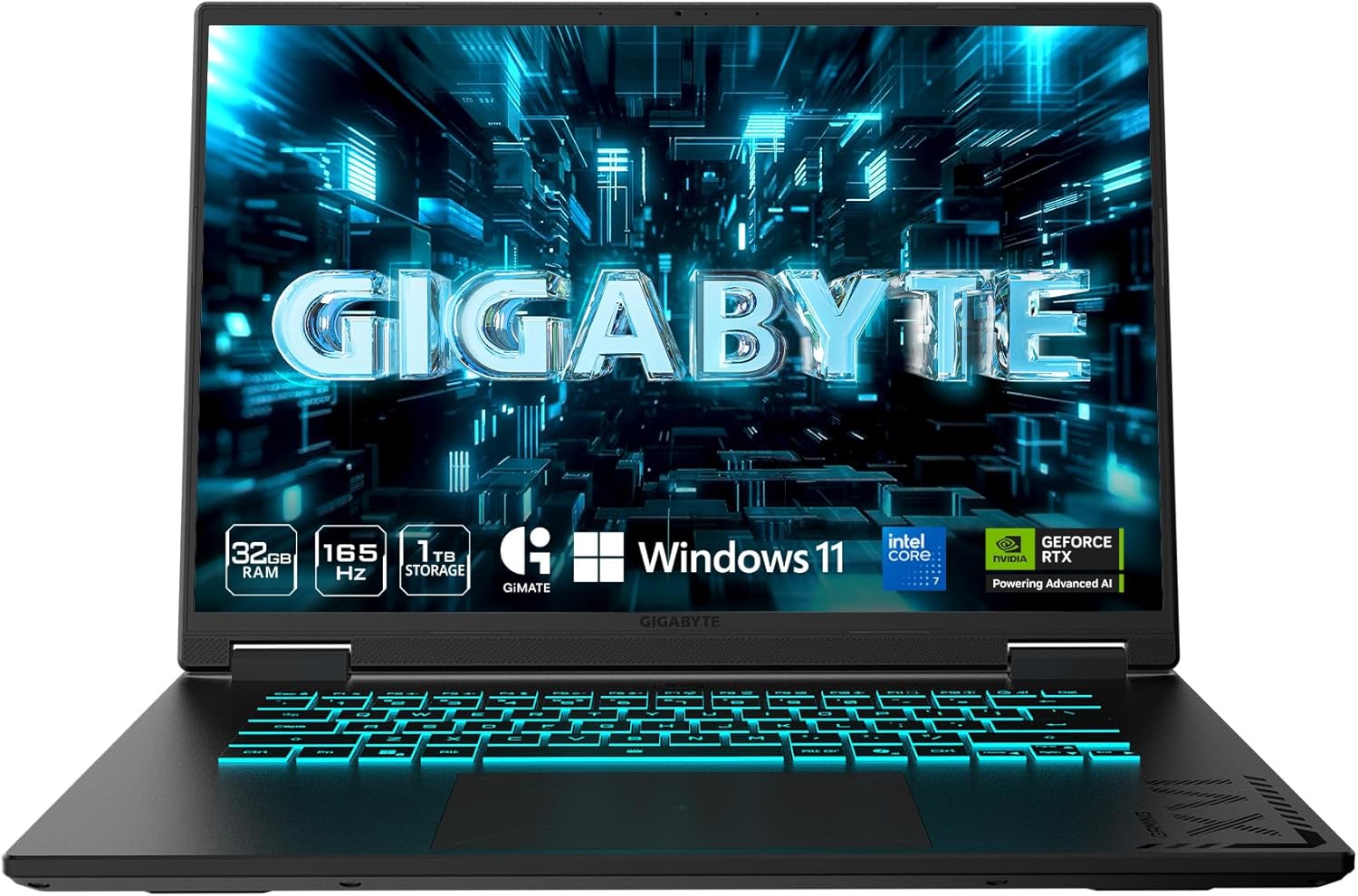
- memory Intel Core Ultra 7 240H
- developer_board NVIDIA GeForce RTX 5070 Ti Laptop GPU
- layers 32GB LPDDR5X 5600MHz
- track_changes Target GPU: AMD RX 7900 XTX (24GB) / NVIDIA RTX 4080 (16GB)

- memory Intel Core Ultra 9 275HX
- developer_board GeForce RTX 5070 Laptop Laptop GPU
- layers 64GB DDR5-6400MHz (Single-Channel)
- track_changes Target GPU: AMD RX 7900 XTX (24GB) / NVIDIA RTX 4080 (16GB)

- memory Intel Core Ultra 9 275HX
- developer_board NVIDIA GeForce RTX 5070 Ti
- layers 32GB
- track_changes Target GPU: AMD RX 7900 XTX (24GB) / NVIDIA RTX 4080 (16GB)

- memory Intel Core Ultra 9 275HX
- developer_board NVIDIA GeForce RTX 5070 Ti Laptop GPU
- layers 32 GB DDR5 6400MHz (2x16GB)
- track_changes Target GPU: AMD RX 7900 XTX (24GB) / NVIDIA RTX 4080 (16GB)
For Assassin Creed Shadows Specifically
- memory AMD Ryzen 7 7435HS
- developer_board NVIDIA GeForce RTX 3050
- layers 32GB DDR5-4800MHz
- track_changes Target GPU: NVIDIA GeForce GTX 1070 (8GB) or AMD Radeon RX 5700 (8GB) or Intel Arc A580 (8GB, ReBAR ON)
- memory AMD Ryzen 9 8940HX Processor
- developer_board NVIDIA GeForce RTX 5060 Laptop GPU
- layers 32GB DDR5-5200MHz
- track_changes Target GPU: NVIDIA GeForce GTX 1070 (8GB) or AMD Radeon RX 5700 (8GB) or Intel Arc A580 (8GB, ReBAR ON)
- memory AMD Ryzen 7 7445HS
- developer_board NVIDIA GeForce RTX 4050
- layers 16GB (2x8GB) DDR5 5600MHz SO-DIMM
- track_changes Target GPU: NVIDIA GeForce GTX 1070 (8GB) or AMD Radeon RX 5700 (8GB) or Intel Arc A580 (8GB, ReBAR ON)

- memory AMD Ryzen 7 7445HS
- developer_board NVIDIA GeForce RTX 4050
- layers 16GB DDR5 5600MHz SO-DIMM
- track_changes Target GPU: NVIDIA GeForce GTX 1070 (8GB) or AMD Radeon RX 5700 (8GB) or Intel Arc A580 (8GB, ReBAR ON)

- memory AMD Ryzen 9 7845HX
- developer_board NVIDIA GeForce RTX 4080
- layers Up to 64GB DDR5
- track_changes Target GPU: NVIDIA GeForce GTX 1070 (8GB) or AMD Radeon RX 5700 (8GB) or Intel Arc A580 (8GB, ReBAR ON)
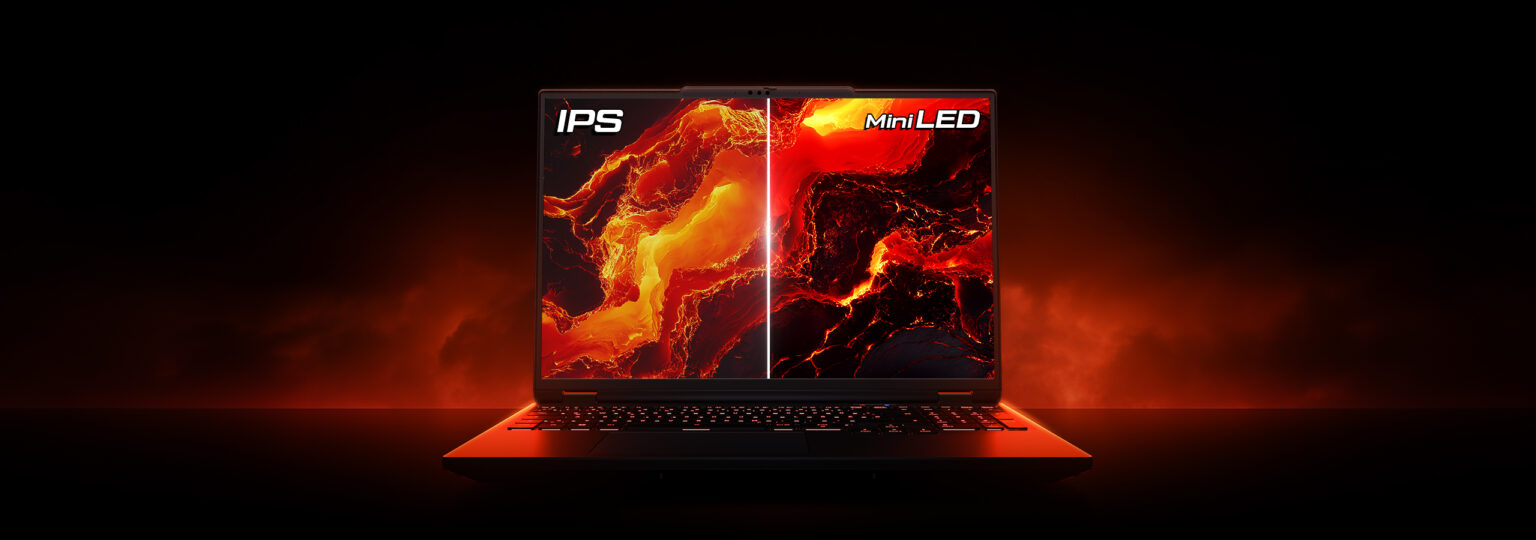
- memory AMD Ryzen 9 9955HX
- developer_board NVIDIA GeForce RTX 5070 Ti Laptop GPU
- layers 64GB DDR5-5600MHz (Dual-Channel)
- track_changes Target GPU: NVIDIA GeForce GTX 1070 (8GB) or AMD Radeon RX 5700 (8GB) or Intel Arc A580 (8GB, ReBAR ON)
- memory Intel Core i7-12700H
- developer_board NVIDIA GeForce RTX 3070
- layers 32GB DDR4-3200MHz
- track_changes Target GPU: NVIDIA GeForce RTX 3060 Ti (8GB) or AMD Radeon RX 6700 XT (12GB) or Intel Arc B580 (12GB, ReBAR ON)
- memory Intel Core i9-13900H
- developer_board NVIDIA GeForce RTX 4060
- layers 16GB DDR5-5200MHz
- track_changes Target GPU: NVIDIA GeForce RTX 3060 Ti (8GB) or AMD Radeon RX 6700 XT (12GB) or Intel Arc B580 (12GB, ReBAR ON)
- memory Intel Core i9-14900HX
- developer_board NVIDIA GeForce RTX 4060
- layers 32GB DDR5-5600MHz
- track_changes Target GPU: NVIDIA GeForce RTX 3060 Ti (8GB) or AMD Radeon RX 6700 XT (12GB) or Intel Arc B580 (12GB, ReBAR ON)
- memory Intel Core i9-12900H
- developer_board NVIDIA GeForce RTX 3070 Ti
- layers 16GB DDR5-4800MHz
- track_changes Target GPU: NVIDIA GeForce RTX 3060 Ti (8GB) or AMD Radeon RX 6700 XT (12GB) or Intel Arc B580 (12GB, ReBAR ON)
- memory AMD Ryzen 7 6800H
- developer_board NVIDIA GeForce RTX 3060
- layers 16GB DDR5-4800MHz
- track_changes Target GPU: NVIDIA GeForce RTX 3060 Ti (8GB) or AMD Radeon RX 6700 XT (12GB) or Intel Arc B580 (12GB, ReBAR ON)
- memory AMD Ryzen 9 5900HS
- developer_board NVIDIA GeForce RTX 3080
- layers 16GB DDR4-3200MHz
- track_changes Target GPU: NVIDIA GeForce RTX 3060 Ti (8GB) or AMD Radeon RX 6700 XT (12GB) or Intel Arc B580 (12GB, ReBAR ON)
- memory Intel Core i7-13620H
- developer_board NVIDIA GeForce RTX 4070
- layers 16GB DDR5-4800MHz
- track_changes Target GPU: NVIDIA GeForce RTX 3060 Ti (8GB) or AMD Radeon RX 6700 XT (12GB) or Intel Arc B580 (12GB, ReBAR ON)
- memory Intel Core i7-14700HX
- developer_board NVIDIA GeForce RTX 4070
- layers 16GB DDR5-5600MHz
- track_changes Target GPU: NVIDIA GeForce RTX 3060 Ti (8GB) or AMD Radeon RX 6700 XT (12GB) or Intel Arc B580 (12GB, ReBAR ON)
- memory Intel Core i9-14900HX
- developer_board NVIDIA GeForce RTX 4070
- layers 32GB DDR5-5600MHz
- track_changes Target GPU: NVIDIA GeForce RTX 3060 Ti (8GB) or AMD Radeon RX 6700 XT (12GB) or Intel Arc B580 (12GB, ReBAR ON)
- memory AMD Ryzen 7 7435HS
- developer_board NVIDIA GeForce RTX 3050
- layers 32GB DDR5-4800MHz
- track_changes Target GPU: NVIDIA GeForce RTX 3080 (10GB) or AMD Radeon RX 6800 XT (16GB)
- memory Intel Core i9-14900HX
- developer_board NVIDIA GeForce RTX 4070
- layers 32GB DDR5-5600MHz
- track_changes Target GPU: NVIDIA GeForce RTX 3080 (10GB) or AMD Radeon RX 6800 XT (16GB)
- memory Intel Core i9-14900HX
- developer_board NVIDIA GeForce RTX 4070
- layers 16GB DDR5-5600MHz
- track_changes Target GPU: NVIDIA GeForce RTX 3080 (10GB) or AMD Radeon RX 6800 XT (16GB)

- memory Intel Core Ultra 7 255H
- developer_board NVIDIA GeForce RTX 5060 Laptop GPU
- layers 16GB DDR5-5600MHz (Dual-Channel)
- track_changes Target GPU: NVIDIA GeForce RTX 3080 (10GB) or AMD Radeon RX 6800 XT (16GB)
- memory AMD Ryzen 9 8940HX Processor
- developer_board NVIDIA GeForce RTX 5060 Laptop GPU
- layers 32GB DDR5-5200MHz
- track_changes Target GPU: NVIDIA GeForce RTX 3080 (10GB) or AMD Radeon RX 6800 XT (16GB)

- memory Intel Core i9-12950HX
- developer_board NVIDIA GeForce RTX 3080 Ti
- layers 32GB DDR5-4800MHz
- track_changes Target GPU: NVIDIA GeForce RTX 3080 (10GB) or AMD Radeon RX 6800 XT (16GB)
- memory AMD Ryzen 7 7445HS
- developer_board NVIDIA GeForce RTX 4050
- layers 16GB (2x8GB) DDR5 5600MHz SO-DIMM
- track_changes Target GPU: NVIDIA GeForce RTX 3080 (10GB) or AMD Radeon RX 6800 XT (16GB)
- memory AMD Ryzen 7 7445HS
- developer_board NVIDIA GeForce RTX 4050
- layers 16GB DDR5 5600MHz SO-DIMM
- track_changes Target GPU: NVIDIA GeForce RTX 3080 (10GB) or AMD Radeon RX 6800 XT (16GB)
- memory Intel Core i9-14900HX
- developer_board NVIDIA GeForce RTX 4080 Laptop GPU
- layers 64 GB DDR5-5600MHz
- track_changes Target GPU: NVIDIA GeForce RTX 3080 (10GB) or AMD Radeon RX 6800 XT (16GB)
- memory Intel Core Ultra 9 Processor 275HX (Series 2)
- developer_board NVIDIA GeForce RTX 5070 Laptop GPU
- layers 32GB DDR5-5600MHz
- track_changes Target GPU: NVIDIA GeForce RTX 3080 (10GB) or AMD Radeon RX 6800 XT (16GB)
- memory Intel Core i9-14900HX
- developer_board NVIDIA GeForce RTX 4090
- layers 32GB DDR5-5600MHz
- track_changes Target GPU: NVIDIA GeForce RTX 4070 Ti SUPER (16GB) or AMD Radeon RX 7900 XT (20GB)
- memory Intel Core Ultra 9 285H (Series 2) , 14 cores (6 Performance cores + 8 Efficient cores), 20 threads
- developer_board NVIDIA GeForce RTX 5050 Laptop GPU
- layers 32GB (2x16GB) DDR5 8400MHz SO-DIMM
- track_changes Target GPU: NVIDIA GeForce RTX 4070 Ti SUPER (16GB) or AMD Radeon RX 7900 XT (20GB)
- memory Intel Core Ultra 9 285H
- developer_board NVIDIA GeForce RTX 5070
- layers 32GB (2x16GB) DDR5 4800MHz SO-DIMM
- track_changes Target GPU: NVIDIA GeForce RTX 4070 Ti SUPER (16GB) or AMD Radeon RX 7900 XT (20GB)
- memory Intel Core i9-14900HX Processor
- developer_board NVIDIA GeForce RTX 5070 Ti Laptop GPU
- layers 64GB DDR5-5600MHz (commonly listed as 4800MHz by some retailers, but 5600MHz is common for 14th Gen HX with DDR5)
- track_changes Target GPU: NVIDIA GeForce RTX 4070 Ti SUPER (16GB) or AMD Radeon RX 7900 XT (20GB)
- memory Intel Core Ultra 9 Processor 275HX
- developer_board NVIDIA GeForce RTX 5070 Ti Laptop GPU
- layers 64GB DDR5-6400MHz
- track_changes Target GPU: NVIDIA GeForce RTX 4070 Ti SUPER (16GB) or AMD Radeon RX 7900 XT (20GB)
- memory Intel Core Ultra 9 Processor 275HX (Series 2)
- developer_board NVIDIA GeForce RTX 5070 Ti Laptop GPU
- layers 32GB DDR5-5600MHz
- track_changes Target GPU: NVIDIA GeForce RTX 4070 Ti SUPER (16GB) or AMD Radeon RX 7900 XT (20GB)
- memory Intel Ultra 7 255HX
- developer_board NVIDIA GeForce RTX 5070 Ti
- layers 32GB DDR5 5600MHz
- track_changes Target GPU: NVIDIA GeForce RTX 4070 Ti SUPER (16GB) or AMD Radeon RX 7900 XT (20GB)
- memory Intel Core Ultra 7 240H
- developer_board NVIDIA GeForce RTX 5070 Ti Laptop GPU
- layers 32GB LPDDR5X 5600MHz
- track_changes Target GPU: NVIDIA GeForce RTX 4070 Ti SUPER (16GB) or AMD Radeon RX 7900 XT (20GB)
- memory Intel Core Ultra 9 275HX
- developer_board GeForce RTX 5070 Laptop Laptop GPU
- layers 64GB DDR5-6400MHz (Single-Channel)
- track_changes Target GPU: NVIDIA GeForce RTX 4070 Ti SUPER (16GB) or AMD Radeon RX 7900 XT (20GB)
- memory Intel Core Ultra 9 275HX
- developer_board NVIDIA GeForce RTX 5070 Ti
- layers 32GB
- track_changes Target GPU: NVIDIA GeForce RTX 4070 Ti SUPER (16GB) or AMD Radeon RX 7900 XT (20GB)
info_outline Laptop recommendations are estimates based on available component benchmarks and game requirements. Actual performance may vary depending on settings, drivers, cooling, power limits, etc. Prices and availability subject to change. As an Amazon Associate, we earn from qualifying purchases.