Select Games to Compare
Benchmark your exact mobile GPU wattage (TGP), battery throttling drops, and cooling pad requirements for these games.
ARK: Survival Ascended vs Dead Island 2
| close | close |
|---|---|
| shopping_cart Where to Buy | |
| info General Information | |
| Release Date | |
| Oct 25, 2023 | Apr 21, 2023 |
| Developer | |
| Studio Wildcard | Dambuster Studios |
| Publisher | |
| Snail Games USA | Deep Silver |
| Genre(s) | |
| Action-Adventure, Sandbox Survival, Massively Multiplayer Online (MMO), RPG | Action RPG, Survival Horror, First-Person Melee Combat, Zombie |
| Engine | |
| Unreal Engine 5 | Unreal Engine 4 |
| stars Ratings & Price | |
| Content Rating | |
| Teen | Mature 17+ |
| Avg. User Rating | |
| 3.0 / 5.0 | 4.0 / 5.0 |
| Current Price (USD) | |
| $44.99 | $59.99 |
| tune Key Specs | |
| Quick Highlights | |
|
|
| sports_esports Gameplay & Mechanics | |
| Companions/Followers | |
|
|
| Key Collectibles | |
|
|
| Key Themes | |
|
|
| colorize Combat & Gear | |
| Weapons Overview | |
|
|
| Armor / Gear Sets | |
|
|
| Outfits/Customization | |
|
|
| trending_up Progression & Upgrades | |
| Skills & Progression | |
|
Progression in ARK relies on an RPG leveling system where survivors earn experience over time and through actions like crafting, hunting, and harvesting. Leveling up grants Engram Points, which are used to unlock crafting recipes ranging from primitive stone tools to advanced sci-fi Tek armor and laser rifles. Players can invest points into core stats such as Health, Stamina, Oxygen, Weight Capacity, Melee Damage, and Movement Speed. Tamed creatures also level up and possess unique skill trees, allowing players to breed generations of dinosaurs with mutated, super-powered stats for specialized roles like tanking, resource gathering, or aerial combat. |
N/A |
| public World & Exploration | |
| World & Level Design | |
|
The iconic base map, 'The Island,' features approximately 48 square kilometers of traversable terrain, meticulously remastered in Unreal Engine 5. It features distinct biomes ranging from dense tropical jungles, redwood forests with massive climbable trees, deadly irradiated swamplands, and freezing, snow-capped mountains. The map also includes complex underwater ecosystems and deep, hazardous cave systems filled with rare artifacts, leading to massive instanced boss arenas. Future DLC maps scale even larger, offering distinct environmental hazards like volcanic eruptions and aberrant radiation. |
Dead Island 2 features a semi-open world structure, divided into several distinct, large districts of Los Angeles rather than one single seamless map. These districts unlock progressively and are connected by loading screens. Iconic locations include Bel-Air, Beverly Hills, The Halperin Hotel, Monarch Studios, Venice Beach, Santa Monica Pier, Ocean Avenue, and Hollywood Boulevard. Each district is densely packed with detail, interiors to explore, and environmental storytelling. |
| Playable Vehicles | |
|
|
| Notable Fauna/Mounts | |
|
N/A |
| book Story & Characters | |
| Main Characters | |
|
|
| Example Missions | |
|
|
| people Multiplayer | |
| Multiplayer Details | |
|
The core experience is defined by Massively Multiplayer Online (MMO) servers holding up to 70-100 players. These servers are split strictly into Player vs. Environment (PvE), where tribes cooperate to build and defeat bosses without fear of raiding, and ruthless Player vs. Player (PvP), where massive wars are fought over territory, resources, and alpha status. Players can also host private dedicated servers, run non-dedicated co-op sessions with friends, or play entirely offline in single-player mode. |
Features a drop-in/drop-out online cooperative mode for up to 3 players. Players can team up to play through the main story campaign and side quests together. Loot and progression are handled on an individual basis for most items, while quest progression is tied to the host. There are no competitive multiplayer modes. |
| extension Editions & DLC | |
| Available Editions | |
|
ARK: Survival Ascended launched into Early Access in late 2023 on PC, PS5, and Xbox Series X/S. The base purchase serves as a complete package that entitles players to all previously released DLC content (such as Scorched Earth, Aberration, Extinction, and Genesis) as they are visually overhauled and released into the UE5 ecosystem over time. Additional optional paid content exists in the form of 'Bob's Tall Tales' and specific 'Fantastic Tames' creature packs which introduce new story-driven missions, structures, and mythical beasts. |
Available in Standard Edition, Deluxe Edition (Golden Weapons Pack, Character Pack 1 & 2 - unique costumes/weapons), Gold Edition (Deluxe content + Expansion Pass for two major post-launch story expansions), and HELL-A Edition (physical collector's edition with Gold Edition content, SteelBook, Venice Beach travel map, character pins, patches, weapon pack). |
| Post-Launch Content / DLC | |
|
The game follows a massive content roadmap, systematically recreating and releasing all expansion maps from the original game (Scorched Earth, Aberration, Extinction, Genesis 1 & 2, plus community maps like Ragnarok and The Center) for free to owners of Ascended. Alongside these massive map drops, the developers introduce entirely new DLCs such as 'Bob's Tall Tales', providing narrative-driven missions voiced by Karl Urban, and premium creature packs that add unique fantasy and utility tames into the wild. |
An Expansion Pass is available, promising two major post-launch story expansions: 'Haus' (released October 2023, set in a Malibu techno-death cult billionaire's villa) and 'SoLA' (released April 2024, set during a Californian music festival). Various cosmetic packs and weapon packs have also been released. |
| help_outline FAQ | |
| Frequently Asked Questions | |
|
|
| build Technical Details | |
| Graphics & Visual Fidelity | |
|
Visually, ARK: Survival Ascended is a generational leap. Powered by Unreal Engine 5, it utilizes Nanite to render millions of polygons for incredibly detailed rocks, trees, and dinosaur scales without traditional LOD pop-in. Lumen global illumination provides realistic lighting that dynamically bounces off water and reacts to the changing day/night cycle. Water simulation physics realistically deform as massive creatures wade through rivers, and dense, interactive foliage parts realistically as players run through the brush. |
Developed on Unreal Engine 4, Dead Island 2 showcases a vibrant and gore-filled depiction of Los Angeles. It features detailed environments, realistic character models, and the proprietary 'FLESH' system, which allows for highly detailed and procedural dismemberment of zombies. The game balances sunny California aesthetics with gruesome horror elements. |
| Audio & Soundtrack | |
|
The soundscape is a major component of survival. The audio engine has been overhauled to provide realistic directional audio, meaning players can hear the terrifying, heavy footsteps of an approaching Tyrannosaurus Rex echoing through the jungle canopy before they see it. The game features an iconic, soaring orchestral soundtrack composed by Gareth Coker, which dynamically swells during intense combat encounters or when sunrise breaks over the prehistoric horizon. |
Features a dynamic soundtrack that blends intense action cues with atmospheric horror themes, often with a pulpy, B-movie vibe. Licensed tracks sometimes feature. Sound design emphasizes visceral gore effects (FLESH system), distinct zombie vocalizations, impactful weapon sounds, and the ambient sounds of a ruined Los Angeles. |
| User Interface (UI/UX) | |
|
The UI received a significant modernization in Ascended, moving away from the clunky menus of the original game to a sleek, transparent, and highly customizable HUD. It features a hotbar for quick item access, dynamic crosshairs, and cleaner inventory management systems that make sorting thousands of resources significantly easier. The tracking menu for tamed dinosaurs has been vastly improved, allowing players to set waypoints, track lost tames via a map UI, and easily manage massive breeding operations. |
First-person HUD displaying health, stamina, Fury mode meter, equipped weapon/curveball, and objective markers. A compass aids navigation. Inventory, skill cards, crafting, and quest logs are accessed via menus. Weapon wheel for quick selection. Health and status effects are also indicated by screen effects. |
| Accessibility Options | |
|
The game includes various accessibility options such as scalable UI elements, fully customizable keybinds and controller layouts, adjustable field of view (FOV), and toggles for head bobbing and camera shake to prevent motion sickness. Additionally, players can heavily modify server settings in single-player or private servers, allowing them to drastically increase taming speeds, harvest rates, or decrease difficulty, tailoring the gruelling survival experience to their personal preferences. |
Offers a range of accessibility options, including customizable controls (PC), subtitle and caption customization (size, background, speaker names), options for aim assist, options to change QTEs to holds, colorblind modes, options to reduce camera motion/head bob, and various audio/visual cues. |
| video_library Media Links | |
| Gameplay Video | |
| launchWatch | launchWatch |
| Walkthrough/Guide | |
| launchView | launchView |
| settings_applications System Requirements | |
| 1080p (Full HD) - Recommended (Medium/High Preset, 1080p (60 FPS Target with Upscaling)) CPU: Higher IPC 6-core processors that provide better frame pacing during dense jungle exploration and base rendering. CPU (Laptop): Ensures smooth AI interactions and consistent frame delivery when riding fast mounts across the terrain. GPU: High-end GPUs that provide the necessary VRAM (10GB+) and compute power to utilize Lumen global illumination at 1080p. GPU (Laptop): Excellent balance of power for 1080p, utilizing Frame Generation to keep performance locked around 60 FPS in dense bases. RAM: Highly recommended for preventing micro-stutters when rendering massive player-built megabases or highly populated tribe servers. Storage: Required for smooth texture streaming. | |
memoryCPU: AMD Ryzen 5 3600X / Intel Core i5-10600K developer_boardGPU: AMD Radeon RX 6800 / NVIDIA GeForce RTX 3080 laptop_macCPU (L): Intel Core i7-12700H / AMD Ryzen 7 6800H laptop_windowsGPU (L): NVIDIA GeForce RTX 4070 Mobile layersRAM: 32 GB saveStorage (Tier): 70 GB NVMe SSD | — |
| 1080p (Full HD) - Minimum (Low Preset, 1080p (30-45 FPS with Upscaling)) CPU: Entry-level 6-core processors necessary to handle the baseline AI pathfinding for herds of dinosaurs and basic game logic. CPU (Laptop): Mid-tier mobile CPUs that can sustain the minimum logic threads required to run the game without immediate bottlenecking. GPU: Provides the absolute bare minimum 6GB VRAM needed to render the island at low settings without out-of-memory errors. GPU (Laptop): Sufficient to push 1080p on lower graphics presets; utilizing DLSS/FSR is strictly required for playable framerates. RAM: The absolute bare minimum required to load the massive open-world map and entity data into active memory. Storage: Essential for functional loading times. | |
memoryCPU: AMD Ryzen 5 2600X / Intel Core i7-6800K developer_boardGPU: AMD Radeon RX 5600 XT / NVIDIA GeForce GTX 1080 laptop_macCPU (L): Intel Core i5-11400H / AMD Ryzen 5 5600H laptop_windowsGPU (L): NVIDIA GeForce RTX 3060 Mobile / RTX 4050 Mobile layersRAM: 16 GB saveStorage (Tier): 70 GB SSD | — |
| 1080p (Full HD) - Recommended (1080p ~60 FPS, High Preset) (High Preset) CPU: Recommended desktop CPU for 1080p/60FPS High settings. CPU (Laptop): Estimated mid-range to high-end laptop CPUs. GPU: Recommended desktop GPU for 1080p/60FPS High. GPU (Laptop): Estimated performance-focused laptop GPUs. 8GB VRAM crucial. RAM: 16GB RAM strongly recommended. Storage: SSD strongly recommended. | |
| — | memoryCPU: Intel Core i9-9900K or AMD Ryzen 5 5600X developer_boardGPU: NVIDIA GeForce RTX 2070 Super (8GB) or AMD Radeon RX 6600 XT (8GB) laptop_macCPU (L): Intel Core i7-10870H / AMD Ryzen 7 4800H or better laptop_windowsGPU (L): NVIDIA GeForce RTX 2070 Mobile (8GB) / RTX 3060 Mobile (6GB, High TGP). **An RTX 3070 Mobile or RTX 4060 Mobile (High TGP) is a good target for 1080p High 60FPS.** layersRAM: 16 GB saveStorage (Tier): 70 GB SSD |
| 1080p (Full HD) - Minimum (1080p ~30 FPS, Low Preset) (Low Preset) CPU: Minimum desktop CPU for lower settings. CPU (Laptop): Estimated laptop CPU equivalent. Stronger quad-core or hex-core recommended. GPU: Minimum desktop GPU for lower settings. GPU (Laptop): Estimated laptop GPUs. 6GB VRAM recommended even for minimum. RAM: Minimum RAM requirement (higher than typical for minimum). Storage: HDD absolute minimum, SSD highly recommended. | |
| — | memoryCPU: Intel Core i7-7700HQ or AMD FX-9590 developer_boardGPU: NVIDIA GeForce GTX 1060 (6GB) or AMD Radeon RX 480 (8GB) laptop_macCPU (L): Intel Core i7-7700HQ / AMD Ryzen 5 2600H equivalent or better laptop_windowsGPU (L): NVIDIA GeForce GTX 1060 Mobile (6GB) / GTX 1650 Ti Mobile (4GB). **An RTX 3050 Mobile would be a much better starting point for a smoother experience.** layersRAM: 10 GB saveStorage (Tier): 70 GB HDD (SSD Strongly Recommended) |
| 1440p (QHD/2K) - Enthusiast (High/Epic Preset, 1440p (60+ FPS Target with Upscaling)) CPU: Top-tier processors with large caches that excel at streaming in dense world geometry and managing hundreds of active dino AIs. CPU (Laptop): Desktop-class mobile processors ensuring maximum stability. GPU: Easily tackles the increased pixel count of 1440p while maintaining sharp textures, fluid water physics, and dense foliage. GPU (Laptop): The high VRAM and compute capabilities ensure a smooth 1440p survival experience on mobile screens. RAM: Optimal for zero hitching during heavy combat scenarios with multiple particle effects. Storage: Fastest load times and minimal pop-in. | |
memoryCPU: AMD Ryzen 7 5800X3D / Intel Core i5-13600K developer_boardGPU: NVIDIA GeForce RTX 4070 Ti / AMD Radeon RX 7900 XT laptop_macCPU (L): Intel Core i9-13900HX / AMD Ryzen 9 7945HX laptop_windowsGPU (L): NVIDIA GeForce RTX 4080 Mobile layersRAM: 32 GB saveStorage (Tier): 70 GB PCIe Gen4 NVMe SSD | — |
| 1440p (QHD/2K) - High Performance (Estimated 1440p ~60 FPS, Ultra Preset, Upscaling potentially needed) (Ultra Preset (FSR Quality/Balanced may be needed)) CPU: CPU for 1440p/60FPS Ultra. CPU (Laptop): High-end laptop CPU. GPU: Desktop GPU for 1440p/60FPS Ultra. Upscaling may be beneficial. GPU (Laptop): High-end laptop GPUs. 10GB+ VRAM highly recommended. RAM: 16GB RAM essential, 32GB beneficial for smoother experience. Storage: NVMe SSD required. | |
| — | memoryCPU: Intel Core i7-12700K or AMD Ryzen 7 5800X developer_boardGPU: NVIDIA GeForce RTX 3070 Ti (8GB) / RTX 4070 (12GB) or AMD Radeon RX 6800 (16GB) / RX 7700 XT (12GB) laptop_macCPU (L): Intel Core i7-12700H / AMD Ryzen 7 6800H or better laptop_windowsGPU (L): NVIDIA GeForce RTX 3080 Mobile (10GB/16GB, Max TGP) / RTX 4070 Mobile (8GB, Max TGP). **An RTX 4080 Mobile would be better for consistent 1440p Ultra performance.** layersRAM: 16 GB saveStorage (Tier): 70 GB NVMe SSD |
| 2160p (UHD/4K) - Ultra (Epic Preset, 4K (60 FPS with Upscaling)) CPU: Uncompromised performance to feed maximum frames into the GPU without causing logic delays. CPU (Laptop): Maximum mobile processing power required. GPU: The only GPUs capable of powering the extreme demands of full Lumen and Nanite features in Unreal Engine 5 at true 4K. GPU (Laptop): A fully powered flagship mobile GPU is strictly required for playable 4K framerates. RAM: Massive headroom for maximum stability during marathon tribe wars and boss fights. Storage: Essential for instantaneous asset loading. | |
memoryCPU: Intel Core i7-14700K / AMD Ryzen 7 7800X3D developer_boardGPU: NVIDIA GeForce RTX 4090 / AMD Radeon RX 7900 XTX laptop_macCPU (L): Intel Core i9-14900HX laptop_windowsGPU (L): NVIDIA GeForce RTX 4090 Mobile (175W) layersRAM: 32 GB saveStorage (Tier): 70 GB PCIe Gen4/Gen5 NVMe SSD | — |
| 2160p (UHD/4K) - Ultimate (Estimated 2160p/4K ~60 FPS, Ultra Preset, Aggressive Upscaling Required) (Ultra Preset, Upscaling (FSR Performance/Ultra Performance)) CPU: Flagship CPU for attempting 4K/60FPS Ultimate. CPU (Laptop): Absolute top-tier laptop CPUs. GPU: Flagship desktop GPU for 4K Ultimate, heavily reliant on upscaling. GPU (Laptop): The absolute best laptop GPUs, will be pushed to its limits for 4K Ultra. Upscaling mandatory. RAM: 32GB RAM highly recommended for 4K Ultimate. Storage: NVMe SSD required. | |
| — | memoryCPU: Intel Core i9-12900K or AMD Ryzen 9 5900X/7900X developer_boardGPU: NVIDIA GeForce RTX 3090 (24GB) / RTX 4080 (16GB) or AMD Radeon RX 6950 XT (16GB) / RX 7900 XTX (24GB) laptop_macCPU (L): Intel Core i9-13900HX / AMD Ryzen 9 7945HX or better laptop_windowsGPU (L): NVIDIA GeForce RTX 4090 Mobile (16GB, Max TGP). **Even this will require aggressive FSR settings for playable 4K Ultra at ~60FPS. A hypothetical next-gen flagship (e.g., RTX 5090 Mobile or AMD equivalent) would be needed for a more robust native-like experience. (Highly Speculative)** layersRAM: 16 GB saveStorage (Tier): 70 GB NVMe SSD |
| save Overall Storage | |
Spec: 70 GB available space (Solid State Drive Required) Note: An NVMe SSD is strictly required to stream high-resolution textures, complex base structures, and seamless map loading without devastating hitches or crashes. Type: SSD | Spec: 70 GB available space (SSD Recommended). Note: An SSD is highly recommended for faster loading times and smoother texture streaming. Type: SSD |
| desktop_windows Operating System | |
Spec: Windows 10 / Windows 11 (64-bit) with latest updates Explanation: Requires a 64-bit OS for modern memory management and DirectX 12 API support, which is the backbone for UE5's advanced rendering features. | Spec: Windows 10 (64-bit) Explanation: 64-bit Windows 10 or Windows 11 is required. |
| gamepad DirectX Version | |
| Spec: DirectX 12 Explanation: Mandatory for Unreal Engine 5 features such as Lumen and Nanite, enabling highly detailed meshes and dynamic lighting. | Spec: DirectX 12 Explanation: DirectX 12 API is required. |
| info_outline Other Game Notes | |
|
|
| build Optimization Details | |
|
|
| laptop Laptop Considerations | |
|
|


info_outline Feature details based on available data. System requirements and performance estimates may vary.
laptop_chromebook Laptop Recommendations
Common Recommendations (Handles All Compared Games)

- memory Intel Core i7-12700H
- developer_board NVIDIA GeForce RTX 3070
- layers 32GB DDR4-3200MHz
- track_changes Target GPU: NVIDIA GeForce RTX 3060 Mobile / RTX 4050 Mobile

- memory Intel Core i9-13900H
- developer_board NVIDIA GeForce RTX 4060
- layers 16GB DDR5-5200MHz
- track_changes Target GPU: NVIDIA GeForce RTX 3060 Mobile / RTX 4050 Mobile

- memory Intel Core i9-14900HX
- developer_board NVIDIA GeForce RTX 4060
- layers 32GB DDR5-5600MHz
- track_changes Target GPU: NVIDIA GeForce RTX 3060 Mobile / RTX 4050 Mobile

- memory Intel Core i9-14900HX
- developer_board NVIDIA GeForce RTX 4070
- layers 32GB DDR5-5600MHz
- track_changes Target GPU: NVIDIA GeForce RTX 4070 Mobile

- memory AMD Ryzen 9 8940HX Processor
- developer_board NVIDIA GeForce RTX 5060 Laptop GPU
- layers 32GB DDR5-5200MHz
- track_changes Target GPU: NVIDIA GeForce RTX 4070 Mobile

- memory Intel Core i9-12950HX
- developer_board NVIDIA GeForce RTX 3080 Ti
- layers 32GB DDR5-4800MHz
- track_changes Target GPU: NVIDIA GeForce RTX 4070 Mobile

- memory Intel Core i9-14900HX
- developer_board NVIDIA GeForce RTX 4080 Laptop GPU
- layers 64 GB DDR5-5600MHz
- track_changes Target GPU: NVIDIA GeForce RTX 4080 Mobile

- memory Intel Core Ultra 9 Processor 275HX (Series 2)
- developer_board NVIDIA GeForce RTX 5070 Laptop GPU
- layers 32GB DDR5-5600MHz
- track_changes Target GPU: NVIDIA GeForce RTX 4080 Mobile

- memory Intel Core i9-14900HX Processor
- developer_board NVIDIA GeForce RTX 5070 Laptop GPU
- layers 32GB DDR5-5600MHz
- track_changes Target GPU: NVIDIA GeForce RTX 4080 Mobile

- memory AMD Ryzen 7 7435HS
- developer_board NVIDIA GeForce RTX 3050
- layers 32GB DDR5-4800MHz
- track_changes Target GPU: NVIDIA GeForce RTX 3080 Mobile (10GB/16GB, Max TGP) / RTX 4070 Mobile (8GB, Max TGP). **An RTX 4080 Mobile would be better for consistent 1440p Ultra performance.**
- memory Intel Core i9-14900HX
- developer_board NVIDIA GeForce RTX 4070
- layers 32GB DDR5-5600MHz
- track_changes Target GPU: NVIDIA GeForce RTX 3080 Mobile (10GB/16GB, Max TGP) / RTX 4070 Mobile (8GB, Max TGP). **An RTX 4080 Mobile would be better for consistent 1440p Ultra performance.**

- memory Intel Core i9-14900HX
- developer_board NVIDIA GeForce RTX 4070
- layers 16GB DDR5-5600MHz
- track_changes Target GPU: NVIDIA GeForce RTX 3080 Mobile (10GB/16GB, Max TGP) / RTX 4070 Mobile (8GB, Max TGP). **An RTX 4080 Mobile would be better for consistent 1440p Ultra performance.**

- memory Intel Core i9-14900HX
- developer_board NVIDIA GeForce RTX 4090
- layers 32GB DDR5-5600MHz
- track_changes Target GPU: NVIDIA GeForce RTX 4090 Mobile (175W)

- memory Intel Core Ultra 9 285H (Series 2) , 14 cores (6 Performance cores + 8 Efficient cores), 20 threads
- developer_board NVIDIA GeForce RTX 5050 Laptop GPU
- layers 32GB (2x16GB) DDR5 8400MHz SO-DIMM
- track_changes Target GPU: NVIDIA GeForce RTX 4090 Mobile (175W)

- memory Intel Core Ultra 9 285H
- developer_board NVIDIA GeForce RTX 5070
- layers 32GB (2x16GB) DDR5 4800MHz SO-DIMM
- track_changes Target GPU: NVIDIA GeForce RTX 4090 Mobile (175W)
For ARK: Survival Ascended Specifically
- memory Intel Core i7-12700H
- developer_board NVIDIA GeForce RTX 3070
- layers 32GB DDR4-3200MHz
- track_changes Target GPU: AMD Radeon RX 5600 XT / NVIDIA GeForce GTX 1080
- memory Intel Core i9-13900H
- developer_board NVIDIA GeForce RTX 4060
- layers 16GB DDR5-5200MHz
- track_changes Target GPU: AMD Radeon RX 5600 XT / NVIDIA GeForce GTX 1080
- memory Intel Core i9-14900HX
- developer_board NVIDIA GeForce RTX 4060
- layers 32GB DDR5-5600MHz
- track_changes Target GPU: AMD Radeon RX 5600 XT / NVIDIA GeForce GTX 1080

- memory Intel Core i9-12900H
- developer_board NVIDIA GeForce RTX 3070 Ti
- layers 16GB DDR5-4800MHz
- track_changes Target GPU: AMD Radeon RX 5600 XT / NVIDIA GeForce GTX 1080

- memory Intel Core i5-12450H
- developer_board NVIDIA GeForce RTX 3050
- layers 16GB DDR4-3200MHz
- track_changes Target GPU: AMD Radeon RX 5600 XT / NVIDIA GeForce GTX 1080
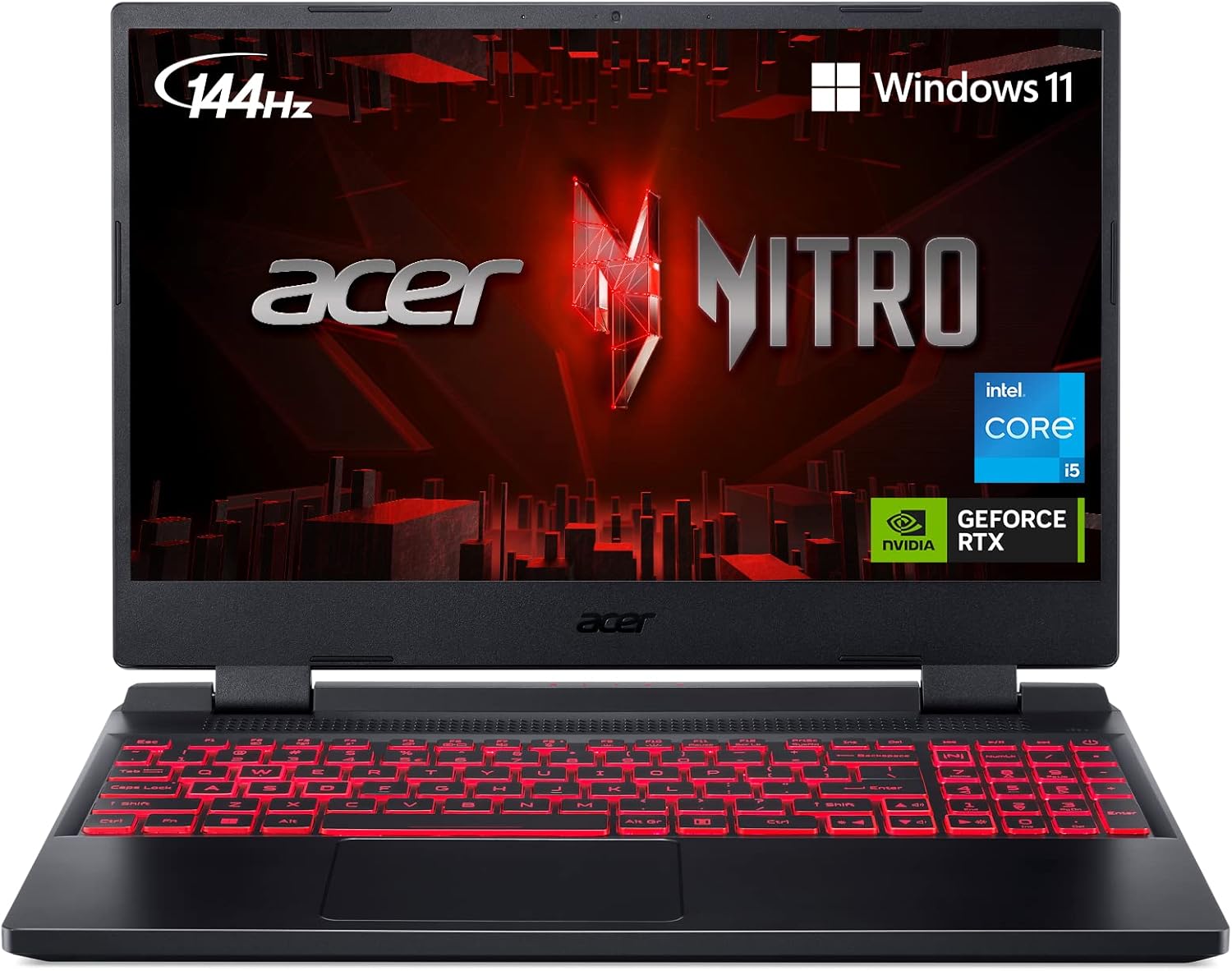
- memory Intel Core i5-12500H
- developer_board NVIDIA GeForce RTX 3050 Ti
- layers 16GB DDR4-3200MHz
- track_changes Target GPU: AMD Radeon RX 5600 XT / NVIDIA GeForce GTX 1080
- memory AMD Ryzen 7 7435HS
- developer_board NVIDIA GeForce RTX 3050
- layers 32GB DDR5-4800MHz
- track_changes Target GPU: AMD Radeon RX 5600 XT / NVIDIA GeForce GTX 1080

- memory AMD Ryzen 7 6800H
- developer_board NVIDIA GeForce RTX 3060
- layers 16GB DDR5-4800MHz
- track_changes Target GPU: AMD Radeon RX 5600 XT / NVIDIA GeForce GTX 1080

- memory AMD Ryzen 9 5900HS
- developer_board NVIDIA GeForce RTX 3080
- layers 16GB DDR4-3200MHz
- track_changes Target GPU: AMD Radeon RX 5600 XT / NVIDIA GeForce GTX 1080

- memory Intel Core i7-13620H
- developer_board NVIDIA GeForce RTX 4070
- layers 16GB DDR5-4800MHz
- track_changes Target GPU: AMD Radeon RX 5600 XT / NVIDIA GeForce GTX 1080
- memory Intel Core i9-14900HX
- developer_board NVIDIA GeForce RTX 4070
- layers 32GB DDR5-5600MHz
- track_changes Target GPU: AMD Radeon RX 6800 / NVIDIA GeForce RTX 3080
- memory AMD Ryzen 9 8940HX Processor
- developer_board NVIDIA GeForce RTX 5060 Laptop GPU
- layers 32GB DDR5-5200MHz
- track_changes Target GPU: AMD Radeon RX 6800 / NVIDIA GeForce RTX 3080
- memory Intel Core i9-12950HX
- developer_board NVIDIA GeForce RTX 3080 Ti
- layers 32GB DDR5-4800MHz
- track_changes Target GPU: AMD Radeon RX 6800 / NVIDIA GeForce RTX 3080
- memory Intel Core i9-14900HX
- developer_board NVIDIA GeForce RTX 4080 Laptop GPU
- layers 64 GB DDR5-5600MHz
- track_changes Target GPU: AMD Radeon RX 6800 / NVIDIA GeForce RTX 3080
- memory Intel Core Ultra 9 Processor 275HX (Series 2)
- developer_board NVIDIA GeForce RTX 5070 Laptop GPU
- layers 32GB DDR5-5600MHz
- track_changes Target GPU: AMD Radeon RX 6800 / NVIDIA GeForce RTX 3080
- memory Intel Core i9-14900HX Processor
- developer_board NVIDIA GeForce RTX 5070 Laptop GPU
- layers 32GB DDR5-5600MHz
- track_changes Target GPU: AMD Radeon RX 6800 / NVIDIA GeForce RTX 3080

- memory Intel Core i9-14900HX Processor
- developer_board NVIDIA GeForce RTX 5070 Laptop GPU
- layers 32GB DDR5-5600MHz
- track_changes Target GPU: AMD Radeon RX 6800 / NVIDIA GeForce RTX 3080

- memory Intel Core Ultra 9 285H (Arrow Lake-H)
- developer_board NVIDIA GeForce RTX 5070 Laptop GPU
- layers 64GB LPDDR5x-8533MT/s (LPCAMM2)
- track_changes Target GPU: AMD Radeon RX 6800 / NVIDIA GeForce RTX 3080

- memory Intel Core i9-14900HX
- developer_board NVIDIA GeForce RTX 4080
- layers 64GB DDR5-5600MHz
- track_changes Target GPU: AMD Radeon RX 6800 / NVIDIA GeForce RTX 3080

- memory Intel Core i9-14900HX
- developer_board NVIDIA GeForce RTX 4080
- layers 32GB DDR5-5600MHz
- track_changes Target GPU: AMD Radeon RX 6800 / NVIDIA GeForce RTX 3080
- memory Intel Core i9-14900HX
- developer_board NVIDIA GeForce RTX 4080 Laptop GPU
- layers 64 GB DDR5-5600MHz
- track_changes Target GPU: NVIDIA GeForce RTX 4070 Ti / AMD Radeon RX 7900 XT
- memory Intel Core Ultra 9 Processor 275HX (Series 2)
- developer_board NVIDIA GeForce RTX 5070 Laptop GPU
- layers 32GB DDR5-5600MHz
- track_changes Target GPU: NVIDIA GeForce RTX 4070 Ti / AMD Radeon RX 7900 XT
- memory Intel Core i9-14900HX Processor
- developer_board NVIDIA GeForce RTX 5070 Laptop GPU
- layers 32GB DDR5-5600MHz
- track_changes Target GPU: NVIDIA GeForce RTX 4070 Ti / AMD Radeon RX 7900 XT
- memory Intel Core i9-14900HX Processor
- developer_board NVIDIA GeForce RTX 5070 Laptop GPU
- layers 32GB DDR5-5600MHz
- track_changes Target GPU: NVIDIA GeForce RTX 4070 Ti / AMD Radeon RX 7900 XT
- memory Intel Core Ultra 9 285H (Arrow Lake-H)
- developer_board NVIDIA GeForce RTX 5070 Laptop GPU
- layers 64GB LPDDR5x-8533MT/s (LPCAMM2)
- track_changes Target GPU: NVIDIA GeForce RTX 4070 Ti / AMD Radeon RX 7900 XT
- memory Intel Core i9-14900HX
- developer_board NVIDIA GeForce RTX 4080
- layers 64GB DDR5-5600MHz
- track_changes Target GPU: NVIDIA GeForce RTX 4070 Ti / AMD Radeon RX 7900 XT
- memory Intel Core i9-14900HX
- developer_board NVIDIA GeForce RTX 4080
- layers 32GB DDR5-5600MHz
- track_changes Target GPU: NVIDIA GeForce RTX 4070 Ti / AMD Radeon RX 7900 XT

- memory Intel Core i9-14900HX
- developer_board NVIDIA GeForce RTX 4080
- layers 32GB DDR5-5600MHz
- track_changes Target GPU: NVIDIA GeForce RTX 4070 Ti / AMD Radeon RX 7900 XT

- memory Intel Core i9-14900HX
- developer_board NVIDIA GeForce RTX 4080
- layers 32GB DDR5-5600MHz
- track_changes Target GPU: NVIDIA GeForce RTX 4070 Ti / AMD Radeon RX 7900 XT

- memory AMD Ryzen 9 7845HX
- developer_board NVIDIA GeForce RTX 4080
- layers Up to 64GB DDR5
- track_changes Target GPU: NVIDIA GeForce RTX 4070 Ti / AMD Radeon RX 7900 XT
- memory Intel Core Ultra 9 285H (Series 2) , 14 cores (6 Performance cores + 8 Efficient cores), 20 threads
- developer_board NVIDIA GeForce RTX 5050 Laptop GPU
- layers 32GB (2x16GB) DDR5 8400MHz SO-DIMM
- track_changes Target GPU: NVIDIA GeForce RTX 4090 / AMD Radeon RX 7900 XTX
- memory Intel Core Ultra 9 285H
- developer_board NVIDIA GeForce RTX 5070
- layers 32GB (2x16GB) DDR5 4800MHz SO-DIMM
- track_changes Target GPU: NVIDIA GeForce RTX 4090 / AMD Radeon RX 7900 XTX

- memory Intel Core i9-14900HX Processor
- developer_board NVIDIA GeForce RTX 5070 Ti Laptop GPU
- layers 64GB DDR5-5600MHz (commonly listed as 4800MHz by some retailers, but 5600MHz is common for 14th Gen HX with DDR5)
- track_changes Target GPU: NVIDIA GeForce RTX 4090 / AMD Radeon RX 7900 XTX

- memory Intel Core Ultra 9 Processor 275HX
- developer_board NVIDIA GeForce RTX 5070 Ti Laptop GPU
- layers 64GB DDR5-6400MHz
- track_changes Target GPU: NVIDIA GeForce RTX 4090 / AMD Radeon RX 7900 XTX

- memory Intel Core Ultra 9 Processor 275HX (Series 2)
- developer_board NVIDIA GeForce RTX 5070 Ti Laptop GPU
- layers 32GB DDR5-5600MHz
- track_changes Target GPU: NVIDIA GeForce RTX 4090 / AMD Radeon RX 7900 XTX

- memory Intel Ultra 7 255HX
- developer_board NVIDIA GeForce RTX 5070 Ti
- layers 32GB DDR5 5600MHz
- track_changes Target GPU: NVIDIA GeForce RTX 4090 / AMD Radeon RX 7900 XTX

- memory Intel Core Ultra 7 240H
- developer_board NVIDIA GeForce RTX 5070 Ti Laptop GPU
- layers 32GB LPDDR5X 5600MHz
- track_changes Target GPU: NVIDIA GeForce RTX 4090 / AMD Radeon RX 7900 XTX

- memory Intel Core Ultra 9 275HX
- developer_board GeForce RTX 5070 Laptop Laptop GPU
- layers 64GB DDR5-6400MHz (Single-Channel)
- track_changes Target GPU: NVIDIA GeForce RTX 4090 / AMD Radeon RX 7900 XTX

- memory Intel Core Ultra 9 275HX
- developer_board NVIDIA GeForce RTX 5070 Ti
- layers 32GB
- track_changes Target GPU: NVIDIA GeForce RTX 4090 / AMD Radeon RX 7900 XTX

- memory Intel Core Ultra 9 275HX
- developer_board NVIDIA GeForce RTX 5070 Ti Laptop GPU
- layers 32 GB DDR5 6400MHz (2x16GB)
- track_changes Target GPU: NVIDIA GeForce RTX 4090 / AMD Radeon RX 7900 XTX
For Dead Island 2 Specifically
- memory Intel Core i7-12700H
- developer_board NVIDIA GeForce RTX 3070
- layers 32GB DDR4-3200MHz
- track_changes Target GPU: NVIDIA GeForce GTX 1060 (6GB) or AMD Radeon RX 480 (8GB)
- memory Intel Core i9-13900H
- developer_board NVIDIA GeForce RTX 4060
- layers 16GB DDR5-5200MHz
- track_changes Target GPU: NVIDIA GeForce GTX 1060 (6GB) or AMD Radeon RX 480 (8GB)
- memory Intel Core i9-14900HX
- developer_board NVIDIA GeForce RTX 4060
- layers 32GB DDR5-5600MHz
- track_changes Target GPU: NVIDIA GeForce GTX 1060 (6GB) or AMD Radeon RX 480 (8GB)
- memory Intel Core i9-12900H
- developer_board NVIDIA GeForce RTX 3070 Ti
- layers 16GB DDR5-4800MHz
- track_changes Target GPU: NVIDIA GeForce GTX 1060 (6GB) or AMD Radeon RX 480 (8GB)
- memory Intel Core i5-12450H
- developer_board NVIDIA GeForce RTX 3050
- layers 16GB DDR4-3200MHz
- track_changes Target GPU: NVIDIA GeForce GTX 1060 (6GB) or AMD Radeon RX 480 (8GB)
- memory Intel Core i5-12500H
- developer_board NVIDIA GeForce RTX 3050 Ti
- layers 16GB DDR4-3200MHz
- track_changes Target GPU: NVIDIA GeForce GTX 1060 (6GB) or AMD Radeon RX 480 (8GB)
- memory AMD Ryzen 7 7435HS
- developer_board NVIDIA GeForce RTX 3050
- layers 32GB DDR5-4800MHz
- track_changes Target GPU: NVIDIA GeForce GTX 1060 (6GB) or AMD Radeon RX 480 (8GB)
- memory AMD Ryzen 7 6800H
- developer_board NVIDIA GeForce RTX 3060
- layers 16GB DDR5-4800MHz
- track_changes Target GPU: NVIDIA GeForce GTX 1060 (6GB) or AMD Radeon RX 480 (8GB)
- memory AMD Ryzen 9 5900HS
- developer_board NVIDIA GeForce RTX 3080
- layers 16GB DDR4-3200MHz
- track_changes Target GPU: NVIDIA GeForce GTX 1060 (6GB) or AMD Radeon RX 480 (8GB)
- memory Intel Core i7-13620H
- developer_board NVIDIA GeForce RTX 4070
- layers 16GB DDR5-4800MHz
- track_changes Target GPU: NVIDIA GeForce GTX 1060 (6GB) or AMD Radeon RX 480 (8GB)

- memory Intel Core i7-14700HX
- developer_board NVIDIA GeForce RTX 4070
- layers 16GB DDR5-5600MHz
- track_changes Target GPU: NVIDIA GeForce RTX 2070 Super (8GB) or AMD Radeon RX 6600 XT (8GB)
- memory Intel Core i9-14900HX
- developer_board NVIDIA GeForce RTX 4070
- layers 32GB DDR5-5600MHz
- track_changes Target GPU: NVIDIA GeForce RTX 2070 Super (8GB) or AMD Radeon RX 6600 XT (8GB)
- memory AMD Ryzen 7 7435HS
- developer_board NVIDIA GeForce RTX 3050
- layers 32GB DDR5-4800MHz
- track_changes Target GPU: NVIDIA GeForce RTX 3070 Ti (8GB) / RTX 4070 (12GB) or AMD Radeon RX 6800 (16GB) / RX 7700 XT (12GB)
- memory Intel Core i9-14900HX
- developer_board NVIDIA GeForce RTX 4070
- layers 32GB DDR5-5600MHz
- track_changes Target GPU: NVIDIA GeForce RTX 3070 Ti (8GB) / RTX 4070 (12GB) or AMD Radeon RX 6800 (16GB) / RX 7700 XT (12GB)
- memory Intel Core i9-14900HX
- developer_board NVIDIA GeForce RTX 4070
- layers 16GB DDR5-5600MHz
- track_changes Target GPU: NVIDIA GeForce RTX 3070 Ti (8GB) / RTX 4070 (12GB) or AMD Radeon RX 6800 (16GB) / RX 7700 XT (12GB)

- memory Intel Core Ultra 7 255H
- developer_board NVIDIA GeForce RTX 5060 Laptop GPU
- layers 16GB DDR5-5600MHz (Dual-Channel)
- track_changes Target GPU: NVIDIA GeForce RTX 3070 Ti (8GB) / RTX 4070 (12GB) or AMD Radeon RX 6800 (16GB) / RX 7700 XT (12GB)
- memory AMD Ryzen 9 8940HX Processor
- developer_board NVIDIA GeForce RTX 5060 Laptop GPU
- layers 32GB DDR5-5200MHz
- track_changes Target GPU: NVIDIA GeForce RTX 3070 Ti (8GB) / RTX 4070 (12GB) or AMD Radeon RX 6800 (16GB) / RX 7700 XT (12GB)
- memory Intel Core i9-12950HX
- developer_board NVIDIA GeForce RTX 3080 Ti
- layers 32GB DDR5-4800MHz
- track_changes Target GPU: NVIDIA GeForce RTX 3070 Ti (8GB) / RTX 4070 (12GB) or AMD Radeon RX 6800 (16GB) / RX 7700 XT (12GB)

- memory AMD Ryzen 7 7445HS
- developer_board NVIDIA GeForce RTX 4050
- layers 16GB (2x8GB) DDR5 5600MHz SO-DIMM
- track_changes Target GPU: NVIDIA GeForce RTX 3070 Ti (8GB) / RTX 4070 (12GB) or AMD Radeon RX 6800 (16GB) / RX 7700 XT (12GB)

- memory AMD Ryzen 7 7445HS
- developer_board NVIDIA GeForce RTX 4050
- layers 16GB DDR5 5600MHz SO-DIMM
- track_changes Target GPU: NVIDIA GeForce RTX 3070 Ti (8GB) / RTX 4070 (12GB) or AMD Radeon RX 6800 (16GB) / RX 7700 XT (12GB)
- memory Intel Core i9-14900HX
- developer_board NVIDIA GeForce RTX 4080 Laptop GPU
- layers 64 GB DDR5-5600MHz
- track_changes Target GPU: NVIDIA GeForce RTX 3070 Ti (8GB) / RTX 4070 (12GB) or AMD Radeon RX 6800 (16GB) / RX 7700 XT (12GB)
- memory Intel Core Ultra 9 Processor 275HX (Series 2)
- developer_board NVIDIA GeForce RTX 5070 Laptop GPU
- layers 32GB DDR5-5600MHz
- track_changes Target GPU: NVIDIA GeForce RTX 3070 Ti (8GB) / RTX 4070 (12GB) or AMD Radeon RX 6800 (16GB) / RX 7700 XT (12GB)
- memory Intel Core Ultra 9 285H (Series 2) , 14 cores (6 Performance cores + 8 Efficient cores), 20 threads
- developer_board NVIDIA GeForce RTX 5050 Laptop GPU
- layers 32GB (2x16GB) DDR5 8400MHz SO-DIMM
- track_changes Target GPU: NVIDIA GeForce RTX 3090 (24GB) / RTX 4080 (16GB) or AMD Radeon RX 6950 XT (16GB) / RX 7900 XTX (24GB)
- memory Intel Core Ultra 9 285H
- developer_board NVIDIA GeForce RTX 5070
- layers 32GB (2x16GB) DDR5 4800MHz SO-DIMM
- track_changes Target GPU: NVIDIA GeForce RTX 3090 (24GB) / RTX 4080 (16GB) or AMD Radeon RX 6950 XT (16GB) / RX 7900 XTX (24GB)
- memory Intel Core i9-14900HX Processor
- developer_board NVIDIA GeForce RTX 5070 Ti Laptop GPU
- layers 64GB DDR5-5600MHz (commonly listed as 4800MHz by some retailers, but 5600MHz is common for 14th Gen HX with DDR5)
- track_changes Target GPU: NVIDIA GeForce RTX 3090 (24GB) / RTX 4080 (16GB) or AMD Radeon RX 6950 XT (16GB) / RX 7900 XTX (24GB)
- memory Intel Core Ultra 9 Processor 275HX
- developer_board NVIDIA GeForce RTX 5070 Ti Laptop GPU
- layers 64GB DDR5-6400MHz
- track_changes Target GPU: NVIDIA GeForce RTX 3090 (24GB) / RTX 4080 (16GB) or AMD Radeon RX 6950 XT (16GB) / RX 7900 XTX (24GB)
- memory Intel Core Ultra 9 Processor 275HX (Series 2)
- developer_board NVIDIA GeForce RTX 5070 Ti Laptop GPU
- layers 32GB DDR5-5600MHz
- track_changes Target GPU: NVIDIA GeForce RTX 3090 (24GB) / RTX 4080 (16GB) or AMD Radeon RX 6950 XT (16GB) / RX 7900 XTX (24GB)
- memory Intel Ultra 7 255HX
- developer_board NVIDIA GeForce RTX 5070 Ti
- layers 32GB DDR5 5600MHz
- track_changes Target GPU: NVIDIA GeForce RTX 3090 (24GB) / RTX 4080 (16GB) or AMD Radeon RX 6950 XT (16GB) / RX 7900 XTX (24GB)
- memory Intel Core Ultra 7 240H
- developer_board NVIDIA GeForce RTX 5070 Ti Laptop GPU
- layers 32GB LPDDR5X 5600MHz
- track_changes Target GPU: NVIDIA GeForce RTX 3090 (24GB) / RTX 4080 (16GB) or AMD Radeon RX 6950 XT (16GB) / RX 7900 XTX (24GB)
- memory Intel Core Ultra 9 275HX
- developer_board GeForce RTX 5070 Laptop Laptop GPU
- layers 64GB DDR5-6400MHz (Single-Channel)
- track_changes Target GPU: NVIDIA GeForce RTX 3090 (24GB) / RTX 4080 (16GB) or AMD Radeon RX 6950 XT (16GB) / RX 7900 XTX (24GB)
- memory Intel Core Ultra 9 275HX
- developer_board NVIDIA GeForce RTX 5070 Ti
- layers 32GB
- track_changes Target GPU: NVIDIA GeForce RTX 3090 (24GB) / RTX 4080 (16GB) or AMD Radeon RX 6950 XT (16GB) / RX 7900 XTX (24GB)
- memory Intel Core Ultra 9 275HX
- developer_board NVIDIA GeForce RTX 5070 Ti Laptop GPU
- layers 32 GB DDR5 6400MHz (2x16GB)
- track_changes Target GPU: NVIDIA GeForce RTX 3090 (24GB) / RTX 4080 (16GB) or AMD Radeon RX 6950 XT (16GB) / RX 7900 XTX (24GB)
info_outline Laptop recommendations are estimates based on available component benchmarks and game requirements. Actual performance may vary depending on settings, drivers, cooling, power limits, etc. Prices and availability subject to change. As an Amazon Associate, we earn from qualifying purchases.