Select Games to Compare
Benchmark your exact mobile GPU wattage (TGP), battery throttling drops, and cooling pad requirements for these games.
Aniimo vs REMNANT II
| close | close |
|---|---|
| shopping_cart Where to Buy | |
| info General Information | |
| Release Date | |
| Sep 16, 2026 | Jul 25, 2023 |
| Developer | |
| Pawprint Studio | Gunfire Games |
| Publisher | |
| Pawprint Interactive Entertainment Pte. Ltd. | Arc Games (formerly Gearbox Publishing) |
| Genre(s) | |
| Creature-Collecting Action RPG | Action RPG, Third-Person Shooter, Soulslike, Co-op Looter Shooter |
| Engine | |
| Unity Engine | Unreal Engine 4 |
| stars Ratings & Price | |
| Content Rating | |
| T for Teen | M (Mature 17+) - ESRB Descriptors: Blood and Gore, |
| Avg. User Rating | |
| 3.0 / 5.0 | 4.1 / 5.0 |
| Current Price (USD) | |
| Free | $49.99 |
| tune Key Specs | |
| Quick Highlights | |
|
|
| sports_esports Gameplay & Mechanics | |
| Companions/Followers | |
|
|
| Key Collectibles | |
|
|
| Key Themes | |
|
|
| colorize Combat & Gear | |
| Weapons Overview | |
|
|
| Armor / Gear Sets | |
|
|
| Outfits/Customization | |
|
|
| trending_up Progression & Upgrades | |
| Skills & Progression | |
|
Aniimo completely revolutionizes the creature-collecting genre by abandoning static turn-based menus in favor of a fluid, real-time action combat system centered around the innovative "Twining" mechanic. Players fluidly swap between Command Mode, where the Pathfinder issues macro-level directives while using human-centric traps, and Twining Mode, where the player physically merges with their Aniimo to inherit its specific hitboxes, elemental affinities, and skill loadouts. Progression and upgrades are driven by the management of Energy Points (EP) and a complex nine-element rock-paper-scissors matrix that dictates extreme damage multipliers. Furthermore, the game features a streamlined "Held Items" mechanic in place of traditional complex runes, allowing players to equip powerful artifacts like the Spirited Feather to vastly modify their combat capabilities. Endgame PvPvE modes further introduce a persistent 28-node Talent Tree, providing exclusive buffs like Swift Egg and Self-Revival, ensuring a deep and constantly evolving progression curve for dedicated players. |
N/A |
| public World & Exploration | |
| World & Level Design | |
|
The continent of Idyll is an exceptionally massive, seamless open-world environment meticulously designed to harbor exactly 3,958 distinct interactive map markers, which range from hidden treasure chests to complex environmental puzzles. The geographical layout is partitioned into highly diverse biomes that naturally scale in difficulty. Players begin their journey in the welcoming Nimbus Fields and Breezy Plains before progressing through treacherous zones like The Argent Strait, Forest of Falling Stars, Sea of Flowers, Beast Fang Ridge, Mistwoods, Blitzwood, Echoback Landing, Berylline Causeway, Driftwise Meadow, Rosetower Woods, Russet Highlands, Zephyrus Landbridge, Tideblossom Coast, and Whisperwake Island. Traversal across these interconnected biomes is entirely organic, gated only by the physical capabilities and traversal skills of the player's active Aniimo roster, rather than arbitrary invisible walls or loading screens. This creates a deeply immersive sandbox where acquiring new creatures directly translates into expanded geographical access and continuous open-world discovery. |
N/A |
| Playable Vehicles | |
|
|
| Notable Fauna/Mounts | |
|
N/A |
| book Story & Characters | |
| Main Characters | |
|
|
| Example Missions | |
|
|
| people Multiplayer | |
| Multiplayer Details | |
|
The live-service longevity of Aniimo is heavily anchored by its robust synchronous multiplayer architecture, which smoothly integrates cooperative exploration with high-stakes competitive modes. In the seamless open world, up to four players can cohabitate in a single instance, utilizing communication tools like The Flute to discover nearby allies and The Horn to instantly summon teammates for challenging Elite boss encounters. The pinnacle of the multiplayer experience, however, is Operation: Egg Heist, unlocked at Veteran Pathfinder Level 50. This intense PvPvE extraction mode pits three-player squads against aggressive wild creatures, environmental hazards, and rival teams on the instanced Lost Isles map. The objective is to secure the Giant Darkler Egg and successfully extract it while defending the encumbered carrier. Successful extractions yield massive rewards, including exclusive creature variants and Eggshell Coins, while failed attempts strip players of their hard-earned loot. A harder Diamond variant scales up the player count and experience payouts, serving as the ultimate endgame playground. |
The core gameplay is designed for up to 3-player online co-operative PvE. Players can join friends or use matchmaking to tackle the campaign, explore worlds, and fight bosses together. The game's difficulty scales with the number of players. Loot is instanced per player. |
| extension Editions & DLC | |
| Available Editions | |
|
As a free-to-play live-service title, Aniimo avoids the traditional premium upfront purchase model in favor of accessible global distribution across all major platforms. However, the game monetizes through a highly structured seasonal Companion Handbook, which acts as the game's version of a premium Battle Pass system. Players can engage with the free track or upgrade to the Advanced Edition for approximately $9.99 USD, which provides a steady stream of valuable resources and exclusive cosmetics. For more dedicated players, the Collector's Edition, priced at approximately $19.99 USD, offers additional premium currency and immediate tier unlocks. Pre-ordering these premium passes on console platforms granted users platform-specific exclusive accessories, such as the highly sought-after "Fluffy Friend" cosmetic item. While the game entirely eschews controversial character gacha mechanics, these premium pass tiers do offer temporary exclusivity windows for rare items like Prismana variant eggs, driving significant revenue while maintaining a balanced, purely skill-based competitive ecosystem for non-paying users. |
Released in several editions: Standard Edition (base game). Deluxe Edition (included three armor sets: Elder, Radiant, Void). Ultimate Edition (included Deluxe Edition content, Survival Pack with consumables, and early access to 'The Awakened King,' 'The Forgotten Kingdom,' and 'The Dark Horizon' DLCs, which form the DLC Bundle). |
| Post-Launch Content / DLC | |
|
The post-launch roadmap for Aniimo is exceptionally ambitious, aiming to drastically expand the foundational 94-creature roster with over 80 newly datamined species planned for subsequent seasonal patches. However, the most groundbreaking addition to the live-service ecosystem is the highly anticipated integration of the NVIDIA ACE (Avatar Cloud Engine), scheduled for deployment in early 2027. This revolutionary update will fundamentally transform player interactions by completely eliminating rigid, text-based dialogue menus. Utilizing a highly optimized, locally executed Nemotron Small Language Model (SLM), Pathfinders will be able to speak directly into their microphones using natural language to command their creatures. Because this generative AI executes inference directly on the user's local graphics processing unit rather than relying on external cloud servers, it entirely circumvents immersion-breaking latency issues and severe privacy concerns. This upcoming DLC update promises to convert static digital pets into dynamically reactive companions capable of executing contextual physical actions based on real-time vocal instructions, setting a new industry benchmark. |
REMNANT II has a DLC Bundle featuring three major expansions: 1. 'The Awakened King' (released November 2023): New storyline in Losomn focusing on the One True King, new Archetype (The Ritualist), new dungeons, bosses, items, and weapons. 2. 'The Forgotten Kingdom' (released April 2024): New storyline in Yaesha exploring a lost tribe and a vengeful stone spirit Lydusa, new Archetype (The Invoker), new dungeons, bosses, items, and weapons. 3. 'The Dark Horizon' (released September 2024): New storyline in N'Erud, new Archetype (The Warden), new dungeons, bosses, items, weapons, and a new Glider Traversal System for N'Erud. |
| help_outline FAQ | |
| Frequently Asked Questions | |
|
|
| build Technical Details | |
| Graphics & Visual Fidelity | |
|
Built upon the highly versatile Unity Engine, Aniimo manages to deliver an impressive visual showcase across a wildly diverse spectrum of hardware capabilities. On high-end PCs, the game leverages modern rendering APIs like DirectX 12 to produce a visually stunning, seamless open world filled with rich textures, dense foliage, and vibrant particle effects tied to the complex elemental combat system. The console iterations are equally impressive, utilizing aggressive dynamic resolution scaling (DRS) and temporal reconstruction to maintain fluid framerates. The PlayStation 5 and Xbox Series X offer a strict 60 FPS Performance Mode that reconstructs up to 2160p, alongside a beautiful native 4K Quality Mode locked at 30 FPS. The visual design of the creatures themselves—ranging from adorable starter companions to intimidating Alpha boss variants and iridescent Prismana mutations—demonstrates a high level of artistic polish. Despite the hardware instability issues caused by Intel processors at launch, the game's underlying visual architecture stands out as a major technical achievement. |
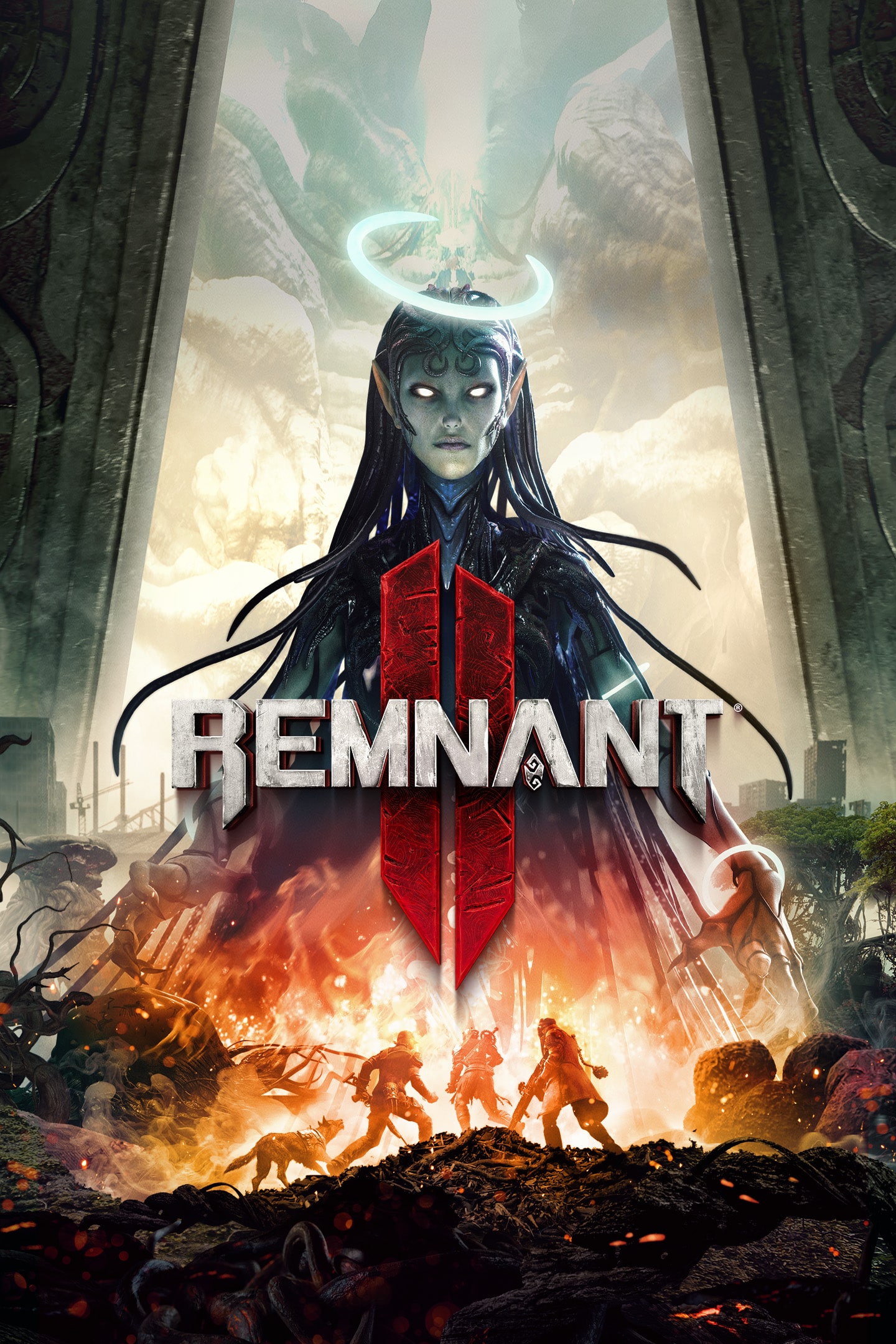
Developed using Unreal Engine 4 (despite some early UE5 speculation), REMNANT II features detailed environments with distinct visual themes for each world, impressive enemy and boss designs, and a dark, gritty art style consistent with its post-apocalyptic and cosmic horror themes. |
| Audio & Soundtrack | |
|
Audio design plays a critical role in establishing the atmosphere and emotional resonance of the vast continent of Idyll. The audio landscape is anchored by a suite of original compositions designed to elevate the triple-A production value of this massive live-service ecosystem. The standout musical centerpiece is the main theme, titled "Unstoppable," which was expertly composed by the acclaimed artist GALACTICKA. This energetic and inspiring track perfectly captures the thrill of exploration and the high-octane nature of the real-time Twining combat system. Beyond the musical score, the game features complex environmental audio that changes dynamically based on the biome, weather conditions, and time of day, aiding players in locating rare creatures through subtle audio cues. The future integration of the NVIDIA ACE system will further revolutionize the audio experience, allowing for seamless, natural language voice commands processed locally on the hardware, thereby bridging the gap between standard game audio and true, latency-free interactive dialogue with digital companions. |
Atmospheric sound design enhances the distinct feel of each world and the impact of combat. The musical score adapts to gameplay, building intensity during boss fights and creating an eerie ambience during exploration. |
| User Interface (UI/UX) | |
|
The user interface (UI) design in Aniimo attempts to balance the complex mechanical depth of a robust action role-playing game with the accessibility required for mobile cross-platform play. While the initial launch build received some critical feedback regarding screen clutter, the UI provides critical real-time information necessary for mastering the Twining combat system. Players must constantly monitor their Energy Points (EP) gauge, skill cooldown timers, and the enemy's Break Gauge to effectively execute elemental combos. The game shines in its controller support implementation; navigating menus and executing commands feels highly responsive on console gamepads. Specifically, the developers implemented highly tunable haptic feedback settings. Players have noted that adjusting the controller's vibration strength to a subtle baseline of "2" provides excellent tactical immersion—allowing them to feel the impact of elemental strikes and parries—without becoming overwhelming or intrusive during chaotic, high-density multiplayer engagements, showcasing a thoughtful approach to user experience despite minor visual crowding issues. |
Features a clear UI displaying health, stamina, mod power, skill cooldowns, ammo, and equipped items. Inventory management involves weapons, armor, mods, mutators, rings, amulets, and consumables. A minimap aids navigation through the procedurally generated environments. |
| Accessibility Options | |
|
Pawprint Studio has integrated a variety of thoughtfully designed accessibility features into Aniimo to ensure that its complex mechanics remain approachable to a diverse global audience. A major highlight is the upcoming 2027 integration of the NVIDIA ACE system, which will allow players who struggle with complex controller inputs or cluttered UI menus to control their companions entirely through natural spoken language using local AI processing. The game also provides highly granular control over physical feedback; the haptic vibration settings can be meticulously adjusted to accommodate players with sensory sensitivities while still providing vital combat feedback. The inclusion of the localized Homeland RV system acts as an accessible, safe progression hub where players can engage in relaxed economic management and farming without the stress of real-time combat. Furthermore, the cross-platform availability, including robust cloud gaming support via Xbox Cloud Gaming, ensures that hardware limitations and financial barriers do not prevent players from experiencing this expansive live-service ecosystem. |
Includes options such as subtitles (though initially not highly customizable, patches may have improved), separate volume controls for voice, SFX, and music, remappable keybindings, gamepad support with auto-snap to enemies, adjustable video effects, and sensitivity customization for aiming, mouse, and camera (including X/Y inversion). An option to auto-equip picked-up items is also available. |
| video_library Media Links | |
| Gameplay Video | |
| launchWatch | launchWatch |
| Walkthrough/Guide | |
| launchView | launchView |
| settings_applications System Requirements | |
| 1080p (Full HD) - Recommended (High Preset, 60 FPS) CPU: Modern mid-range CPUs prevent bottlenecking during intensive 4-player co-op encounters. CPU (Laptop): Provides necessary multi-threaded performance for smooth gameplay. GPU: Allows for 60 FPS at 1080p utilizing native rendering. GPU (Laptop): High TGP required to match desktop-class performance. RAM: Optimal memory pool for seamless biome transitions. Storage: Significantly reduces loading times. | |
memoryCPU: Intel Core i7-10700 / AMD Ryzen 5 5600 developer_boardGPU: NVIDIA GeForce RTX 3060 / AMD Radeon RX 6700 laptop_macCPU (L): Intel Core i7-11800H / AMD Ryzen 7 5800H laptop_windowsGPU (L): NVIDIA GeForce RTX 3060 Mobile (115W) layersRAM: 16 GB saveStorage (Tier): 45 GB NVMe SSD | — |
| 1080p (Full HD) - Recommended (Targets 1080p, Medium/High settings, ~60 FPS with Upscaling Quality/Balanced) (Medium/High Preset, 1080p resolution with DLSS/FSR/XeSS Quality or Balanced.) CPU: Official recommended desktop CPU for a better 1080p experience. CPU (Laptop): Stronger laptop CPUs for more consistent 1080p/60fps. GPU: Official recommended desktop GPU for 1080p. 6GB VRAM minimum, 8GB ideal. GPU (Laptop): Capable laptop GPUs. High TGP and effective use of DLSS/FSR are very important. (A hypothetical future RTX 5050/5060 Laptop GPU). RAM: 16GB RAM officially recommended. Storage: NVMe SSD recommended for better overall experience. | |
| — | memoryCPU: Intel Core i5-10600K or AMD Ryzen 5 3600 developer_boardGPU: NVIDIA GeForce RTX 2060 (6GB) or AMD Radeon RX 5700 (8GB) laptop_macCPU (L): Intel Core i7-10750H / AMD Ryzen 7 4800H or newer high-performance 6-core or 8-core CPUs. laptop_windowsGPU (L): NVIDIA GeForce RTX 2060 Mobile (6GB, High TGP), RTX 3060 Laptop GPU (6GB, High TGP), RTX 4050 Laptop GPU (6GB, High TGP), RTX 4060 Laptop GPU (8GB). layersRAM: 16 GB saveStorage (Tier): 80 GB NVMe SSD |
| 1080p (Full HD) - Minimum (Targets 1080p, Low/Medium settings, ~30-60 FPS with Upscaling) (Low/Medium Preset, 1080p resolution with DLSS/FSR/XeSS Performance/Balanced.) CPU: Official minimum desktop CPU. Game can be CPU intensive. CPU (Laptop): Estimated laptop CPU. A modern 6-core CPU is advisable for a smoother experience. GPU: Official minimum desktop GPU. 4GB VRAM is the absolute floor; 8GB (like RX 590) is better. GPU (Laptop): Estimated laptop GPUs. Performance heavily depends on TGP and upscaling. (Hypothetical future entry-level RTX 50 series laptop GPUs would exceed this). RAM: 16GB RAM is the official minimum. Storage: SSD is highly recommended as per official notes. | |
| — | memoryCPU: Intel Core i5-7600 or AMD Ryzen 5 2600 developer_boardGPU: NVIDIA GeForce GTX 1650 (4GB) or AMD Radeon RX 590 (8GB) laptop_macCPU (L): Intel Core i7-8750H / AMD Ryzen 5 3600H equivalent or better. laptop_windowsGPU (L): NVIDIA GeForce GTX 1650 Ti Mobile (4GB), RTX 3050 Laptop GPU (4GB/6GB, ensure good TGP). RTX 4050 Laptop GPU (6GB) would be a more comfortable modern minimum, relying on upscaling. layersRAM: 16 GB saveStorage (Tier): 80 GB SSD |
| 1080p (Full HD) - Minimum (Low-Medium Preset, 30 FPS) CPU: Legacy quad-core/octa-core processors required to handle the AI behaviors of the 94 base forms of Aniimo. CPU (Laptop): Minimum 4-core/8-thread mobile CPU needed for stable physics calculations. GPU: Older architectures can maintain 30 FPS utilizing heavy upscaling. GPU (Laptop): Entry-level mobile GPU for 30 FPS lock at lowest visual settings. RAM: Absolute minimum to load the primary game executable and ScoutAC background service. Storage: Required for fast asset streaming. | |
memoryCPU: Intel Core i7-4770 / AMD Ryzen 7 2700 developer_boardGPU: NVIDIA GeForce GTX 970 / AMD Radeon RX 5600 laptop_macCPU (L): Intel Core i5-10300H / AMD Ryzen 5 4600H laptop_windowsGPU (L): NVIDIA GeForce GTX 1650 Mobile (50W) layersRAM: 8 GB saveStorage (Tier): 45 GB SSD | — |
| 1440p (QHD/2K) - Recommended (High Preset, 60 FPS) CPU: High single-core performance required to drive higher resolutions without stutter. CPU (Laptop): Capable of feeding higher resolution textures to the GPU. GPU: Easily manages 1440p native rendering with overhead for intensive visual effects. GPU (Laptop): Excellent mobile card for 1440p gaming if thermals allow. RAM: Sufficient for 1440p texture caching. Storage: Required for fast asset streaming. | |
memoryCPU: Intel Core i5-12600K / AMD Ryzen 5 7600X developer_boardGPU: NVIDIA GeForce RTX 4070 / AMD Radeon RX 7800 XT laptop_macCPU (L): Intel Core i7-12700H / AMD Ryzen 7 6800H laptop_windowsGPU (L): NVIDIA GeForce RTX 4070 Mobile (140W) layersRAM: 16 GB saveStorage (Tier): 45 GB NVMe SSD | — |
| 1440p (QHD/2K) - High (Targets 1440p, High settings, ~60 FPS with DLSS/FSR Quality + potentially Frame Gen) (High Preset, 1440p resolution with DLSS/FSR Quality. Frame Generation (DLSS 3/FSR 3) highly recommended if available/supported by GPU.) CPU: Powerful desktop CPU to handle 1440p and reduce CPU bottlenecks, especially if using Frame Generation. CPU (Laptop): High-performance laptop CPUs essential for smooth 1440p, particularly with Frame Generation. GPU: Strong GPUs for 1440p/60fps. DLSS/FSR Quality is essential. For consistent 60FPS+ with high settings, Frame Generation is a significant help. GPU (Laptop): High-end laptop GPUs with max TGP. DLSS/FSR (Quality/Balanced) + Frame Generation are key. (A hypothetical future RTX 5060 Ti/5070 Laptop GPU). RAM: 32GB RAM is strongly recommended for 1440p high settings to ensure smooth performance. Storage: NVMe SSD mandatory for optimal performance. | |
| — | memoryCPU: Intel Core i7-11700K / AMD Ryzen 7 5800X or newer (e.g., Intel Core i5-13600K / AMD Ryzen 5 7600X) developer_boardGPU: NVIDIA GeForce RTX 3070 (8GB) / RTX 4060 Ti (8GB/16GB) / RTX 4070 (12GB) or AMD Radeon RX 6700 XT (12GB) / RX 6800 (16GB) / RX 7700 XT (12GB) laptop_macCPU (L): Intel Core i7-12700H / AMD Ryzen 7 6800H or Intel Core i9-12900H / AMD Ryzen 9 6900HS and above. laptop_windowsGPU (L): NVIDIA GeForce RTX 3070 Ti Laptop GPU (8GB), RTX 3080 Laptop GPU (8GB/16GB), RTX 4070 Laptop GPU (8GB, High TGP), RTX 4080 Laptop GPU (12GB). layersRAM: 16 GB saveStorage (Tier): 80 GB NVMe SSD |
| 2160p (UHD/4K) - Ultra (Ultra Preset, 60 FPS) CPU: Top-tier CPUs needed, though Intel 13th/14th gen requires BIOS power limit tweaks to prevent crashes. CPU (Laptop): Enthusiast mobile processors required for desktop-level 4K gaming. GPU: Mandatory for native 4K 60fps rendering without relying on aggressive DRS. GPU (Laptop): The only mobile GPU truly capable of driving this game at 4K Ultra. RAM: Provides massive overhead for extreme high-resolution asset loading. Storage: Maximum bandwidth required for instantaneous seamless traversal. | |
memoryCPU: Intel Core i9-13900K / AMD Ryzen 7 7800X3D developer_boardGPU: NVIDIA GeForce RTX 4090 / AMD Radeon RX 7900 XTX laptop_macCPU (L): Intel Core i9-13900HX / AMD Ryzen 9 7945HX laptop_windowsGPU (L): NVIDIA GeForce RTX 4090 Mobile (175W) layersRAM: 32 GB saveStorage (Tier): 45 GB Gen4 NVMe SSD | — |
| 2160p (UHD/4K) - Ultra (Targets 2160p/4K, Medium/High settings, ~60 FPS with DLSS/FSR Performance + Frame Gen) (Medium/High Preset, 2160p (4K) resolution using DLSS/FSR Performance + Frame Generation.) CPU: Top-tier desktop CPU to support 4K gaming and minimize CPU bottlenecks, especially with Frame Generation. CPU (Laptop): Absolute flagship laptop CPUs required. GPU: Flagship desktop GPUs required for 4K. Heavily reliant on DLSS/FSR Performance and Frame Generation (for NVIDIA RTX 40 series / AMD FSR 3 compatible cards) to achieve ~60 FPS. GPU (Laptop): The most powerful current (RTX 40 series) laptop GPUs. DLSS/FSR (Performance/Ultra Performance) with Frame Generation is essential. Hypothetical RTX 50 series laptop GPUs are speculative. RAM: 32GB of high-speed RAM is strongly recommended for optimal 4K gaming. Storage: A very fast NVMe SSD (PCIe Gen4 or better) is highly recommended for 4K textures and loading. | |
| — | memoryCPU: Intel Core i9-12900K / AMD Ryzen 9 5900X or newer (e.g., Intel Core i7-13700K / AMD Ryzen 7 7800X3D) developer_boardGPU: NVIDIA GeForce RTX 3080 (10GB/12GB) / RTX 4070 Ti (12GB) / RTX 4080 (16GB) or AMD Radeon RX 6800 XT (16GB) / RX 7900 XT (20GB) / RX 7900 XTX (24GB) laptop_macCPU (L): Intel Core i9-13900HX / Core i9-14900HX or AMD Ryzen 9 7945HX / 7945HX3D. laptop_windowsGPU (L): NVIDIA GeForce RTX 4080 Laptop GPU (12GB, Max TGP), RTX 4090 Laptop GPU (16GB, Max TGP). **(A hypothetical future flagship NVIDIA GeForce RTX 5080/5090 Laptop GPU would aim to improve this experience further.)** layersRAM: 32 GB saveStorage (Tier): 80 GB NVMe SSD (High-speed Gen4 or Gen5 recommended) |
| save Overall Storage | |
| Spec: 40 to 45 GB SSD Note: Solid State Drive is absolutely mandatory to stream the 3,958 map markers and seamless biomes without traversal stutter. Type: SSD | Spec: 80 GB available space (SSD Highly Recommended, NVMe for best experience) Note: An SSD (preferably NVMe) with at least 80 GB of free space is strongly recommended for optimal performance, significantly faster loading times, and smoother asset streaming. Requirement may increase with DLCs/updates. Type: NVMe |
| desktop_windows Operating System | |
| Spec: Windows 10 (64-bit), iOS 15/16, Android 10 Explanation: Requires 64-bit architecture for ScoutAC anti-cheat and massive seamless open-world memory management. | Spec: Windows 10 (64-bit, latest update) or Windows 11 (64-bit, latest update) Explanation: A 64-bit version of Windows 10 (latest updates) or Windows 11 (latest update) is required. Windows 11 is generally recommended for newer UE5 titles for features like DirectStorage and optimal CPU scheduling. |
| gamepad DirectX Version | |
| Spec: DirectX 11 / DirectX 12 / Vulkan 1.1 Explanation: DX12 provides optimal API overhead reduction on PC, while Vulkan 1.1 is strictly required for the Android architecture. | Spec: DirectX 12 Explanation: DirectX 12 is required. Remnant II is an Unreal Engine 5 title, which leverages DX12 features. Ray tracing is not a primary feature of the game; performance is demanding even without it. |
| info_outline Other Game Notes | |
|
|
| build Optimization Details | |
|
|
| laptop Laptop Considerations | |
|
|

info_outline Feature details based on available data. System requirements and performance estimates may vary.
laptop_chromebook Laptop Recommendations
Common Recommendations (Handles All Compared Games)

- memory Intel Core i5-11400H
- developer_board NVIDIA GeForce RTX 2050
- layers 8GB DDR4-3200MHz
- track_changes Target GPU: NVIDIA GeForce GTX 1650 Mobile (50W)

- memory Intel Core i7-12700H
- developer_board NVIDIA GeForce RTX 3070
- layers 32GB DDR4-3200MHz
- track_changes Target GPU: NVIDIA GeForce GTX 1650 Mobile (50W)

- memory Intel Core i9-13900H
- developer_board NVIDIA GeForce RTX 4060
- layers 16GB DDR5-5200MHz
- track_changes Target GPU: NVIDIA GeForce GTX 1650 Mobile (50W)

- memory Intel Core i9-14900HX
- developer_board NVIDIA GeForce RTX 4060
- layers 32GB DDR5-5600MHz
- track_changes Target GPU: NVIDIA GeForce RTX 3060 Mobile (115W)

- memory AMD Ryzen 7 7435HS
- developer_board NVIDIA GeForce RTX 3050
- layers 32GB DDR5-4800MHz
- track_changes Target GPU: NVIDIA GeForce GTX 1650 Ti Mobile (4GB), RTX 3050 Laptop GPU (4GB/6GB, ensure good TGP). RTX 4050 Laptop GPU (6GB) would be a more comfortable modern minimum, relying on upscaling.

- memory AMD Ryzen 9 8940HX Processor
- developer_board NVIDIA GeForce RTX 5060 Laptop GPU
- layers 32GB DDR5-5200MHz
- track_changes Target GPU: NVIDIA GeForce GTX 1650 Ti Mobile (4GB), RTX 3050 Laptop GPU (4GB/6GB, ensure good TGP). RTX 4050 Laptop GPU (6GB) would be a more comfortable modern minimum, relying on upscaling.

- memory AMD Ryzen 7 7445HS
- developer_board NVIDIA GeForce RTX 4050
- layers 16GB (2x8GB) DDR5 5600MHz SO-DIMM
- track_changes Target GPU: NVIDIA GeForce GTX 1650 Ti Mobile (4GB), RTX 3050 Laptop GPU (4GB/6GB, ensure good TGP). RTX 4050 Laptop GPU (6GB) would be a more comfortable modern minimum, relying on upscaling.

- memory Intel Core i9-14900HX
- developer_board NVIDIA GeForce RTX 4070
- layers 32GB DDR5-5600MHz
- track_changes Target GPU: NVIDIA GeForce RTX 4070 Mobile (140W)

- memory Intel Core i9-14900HX
- developer_board NVIDIA GeForce RTX 4070
- layers 16GB DDR5-5600MHz
- track_changes Target GPU: NVIDIA GeForce RTX 4070 Mobile (140W)

- memory Intel Core Ultra 7 255H
- developer_board NVIDIA GeForce RTX 5060 Laptop GPU
- layers 16GB DDR5-5600MHz (Dual-Channel)
- track_changes Target GPU: NVIDIA GeForce RTX 4070 Mobile (140W)

- memory Intel Core i9-14900HX
- developer_board NVIDIA GeForce RTX 4090
- layers 32GB DDR5-5600MHz
- track_changes Target GPU: NVIDIA GeForce RTX 4090 Mobile (175W)

- memory Intel Core Ultra 9 285H (Series 2) , 14 cores (6 Performance cores + 8 Efficient cores), 20 threads
- developer_board NVIDIA GeForce RTX 5050 Laptop GPU
- layers 32GB (2x16GB) DDR5 8400MHz SO-DIMM
- track_changes Target GPU: NVIDIA GeForce RTX 4090 Mobile (175W)

- memory Intel Core Ultra 9 285H
- developer_board NVIDIA GeForce RTX 5070
- layers 32GB (2x16GB) DDR5 4800MHz SO-DIMM
- track_changes Target GPU: NVIDIA GeForce RTX 4090 Mobile (175W)

- memory Intel Core i9-14900HX
- developer_board NVIDIA GeForce RTX 4080 Laptop GPU
- layers 64 GB DDR5-5600MHz
- track_changes Target GPU: NVIDIA GeForce RTX 4080 Laptop GPU (12GB, Max TGP), RTX 4090 Laptop GPU (16GB, Max TGP). **(A hypothetical future flagship NVIDIA GeForce RTX 5080/5090 Laptop GPU would aim to improve this experience further.)**

- memory Intel Core Ultra 9 Processor 275HX (Series 2)
- developer_board NVIDIA GeForce RTX 5070 Laptop GPU
- layers 32GB DDR5-5600MHz
- track_changes Target GPU: NVIDIA GeForce RTX 4080 Laptop GPU (12GB, Max TGP), RTX 4090 Laptop GPU (16GB, Max TGP). **(A hypothetical future flagship NVIDIA GeForce RTX 5080/5090 Laptop GPU would aim to improve this experience further.)**

- memory Intel Core i9-14900HX Processor
- developer_board NVIDIA GeForce RTX 5070 Laptop GPU
- layers 32GB DDR5-5600MHz
- track_changes Target GPU: NVIDIA GeForce RTX 4080 Laptop GPU (12GB, Max TGP), RTX 4090 Laptop GPU (16GB, Max TGP). **(A hypothetical future flagship NVIDIA GeForce RTX 5080/5090 Laptop GPU would aim to improve this experience further.)**
For Aniimo Specifically
- memory Intel Core i5-11400H
- developer_board NVIDIA GeForce RTX 2050
- layers 8GB DDR4-3200MHz
- track_changes Target GPU: NVIDIA GeForce GTX 970 / AMD Radeon RX 5600
- memory Intel Core i7-12700H
- developer_board NVIDIA GeForce RTX 3070
- layers 32GB DDR4-3200MHz
- track_changes Target GPU: NVIDIA GeForce GTX 970 / AMD Radeon RX 5600
- memory Intel Core i9-13900H
- developer_board NVIDIA GeForce RTX 4060
- layers 16GB DDR5-5200MHz
- track_changes Target GPU: NVIDIA GeForce GTX 970 / AMD Radeon RX 5600
- memory Intel Core i9-14900HX
- developer_board NVIDIA GeForce RTX 4060
- layers 32GB DDR5-5600MHz
- track_changes Target GPU: NVIDIA GeForce GTX 970 / AMD Radeon RX 5600

- memory Intel Core i9-12900H
- developer_board NVIDIA GeForce RTX 3070 Ti
- layers 16GB DDR5-4800MHz
- track_changes Target GPU: NVIDIA GeForce GTX 970 / AMD Radeon RX 5600

- memory Intel Core i5-12450H
- developer_board NVIDIA GeForce RTX 3050
- layers 16GB DDR4-3200MHz
- track_changes Target GPU: NVIDIA GeForce GTX 970 / AMD Radeon RX 5600

- memory Intel Core i5-12500H
- developer_board NVIDIA GeForce RTX 3050 Ti
- layers 16GB DDR4-3200MHz
- track_changes Target GPU: NVIDIA GeForce GTX 970 / AMD Radeon RX 5600
- memory AMD Ryzen 7 7435HS
- developer_board NVIDIA GeForce RTX 3050
- layers 32GB DDR5-4800MHz
- track_changes Target GPU: NVIDIA GeForce GTX 970 / AMD Radeon RX 5600

- memory AMD Ryzen 7 6800H
- developer_board NVIDIA GeForce RTX 3060
- layers 16GB DDR5-4800MHz
- track_changes Target GPU: NVIDIA GeForce GTX 970 / AMD Radeon RX 5600

- memory AMD Ryzen 9 5900HS
- developer_board NVIDIA GeForce RTX 3080
- layers 16GB DDR4-3200MHz
- track_changes Target GPU: NVIDIA GeForce GTX 970 / AMD Radeon RX 5600

- memory Intel Core i7-13620H
- developer_board NVIDIA GeForce RTX 4070
- layers 16GB DDR5-4800MHz
- track_changes Target GPU: NVIDIA GeForce RTX 3060 / AMD Radeon RX 6700

- memory Intel Core i7-14700HX
- developer_board NVIDIA GeForce RTX 4070
- layers 16GB DDR5-5600MHz
- track_changes Target GPU: NVIDIA GeForce RTX 3060 / AMD Radeon RX 6700
- memory Intel Core i9-14900HX
- developer_board NVIDIA GeForce RTX 4070
- layers 32GB DDR5-5600MHz
- track_changes Target GPU: NVIDIA GeForce RTX 3060 / AMD Radeon RX 6700
- memory Intel Core i9-14900HX
- developer_board NVIDIA GeForce RTX 4070
- layers 32GB DDR5-5600MHz
- track_changes Target GPU: NVIDIA GeForce RTX 4070 / AMD Radeon RX 7800 XT
- memory Intel Core i9-14900HX
- developer_board NVIDIA GeForce RTX 4070
- layers 16GB DDR5-5600MHz
- track_changes Target GPU: NVIDIA GeForce RTX 4070 / AMD Radeon RX 7800 XT
- memory Intel Core Ultra 7 255H
- developer_board NVIDIA GeForce RTX 5060 Laptop GPU
- layers 16GB DDR5-5600MHz (Dual-Channel)
- track_changes Target GPU: NVIDIA GeForce RTX 4070 / AMD Radeon RX 7800 XT
- memory AMD Ryzen 9 8940HX Processor
- developer_board NVIDIA GeForce RTX 5060 Laptop GPU
- layers 32GB DDR5-5200MHz
- track_changes Target GPU: NVIDIA GeForce RTX 4070 / AMD Radeon RX 7800 XT

- memory Intel Core i9-12950HX
- developer_board NVIDIA GeForce RTX 3080 Ti
- layers 32GB DDR5-4800MHz
- track_changes Target GPU: NVIDIA GeForce RTX 4070 / AMD Radeon RX 7800 XT
- memory AMD Ryzen 7 7445HS
- developer_board NVIDIA GeForce RTX 4050
- layers 16GB (2x8GB) DDR5 5600MHz SO-DIMM
- track_changes Target GPU: NVIDIA GeForce RTX 4070 / AMD Radeon RX 7800 XT

- memory AMD Ryzen 7 7445HS
- developer_board NVIDIA GeForce RTX 4050
- layers 16GB DDR5 5600MHz SO-DIMM
- track_changes Target GPU: NVIDIA GeForce RTX 4070 / AMD Radeon RX 7800 XT
- memory Intel Core i9-14900HX
- developer_board NVIDIA GeForce RTX 4080 Laptop GPU
- layers 64 GB DDR5-5600MHz
- track_changes Target GPU: NVIDIA GeForce RTX 4070 / AMD Radeon RX 7800 XT
- memory Intel Core Ultra 9 Processor 275HX (Series 2)
- developer_board NVIDIA GeForce RTX 5070 Laptop GPU
- layers 32GB DDR5-5600MHz
- track_changes Target GPU: NVIDIA GeForce RTX 4070 / AMD Radeon RX 7800 XT
- memory Intel Core i9-14900HX Processor
- developer_board NVIDIA GeForce RTX 5070 Laptop GPU
- layers 32GB DDR5-5600MHz
- track_changes Target GPU: NVIDIA GeForce RTX 4070 / AMD Radeon RX 7800 XT
- memory Intel Core Ultra 9 285H (Series 2) , 14 cores (6 Performance cores + 8 Efficient cores), 20 threads
- developer_board NVIDIA GeForce RTX 5050 Laptop GPU
- layers 32GB (2x16GB) DDR5 8400MHz SO-DIMM
- track_changes Target GPU: NVIDIA GeForce RTX 4090 / AMD Radeon RX 7900 XTX
- memory Intel Core Ultra 9 285H
- developer_board NVIDIA GeForce RTX 5070
- layers 32GB (2x16GB) DDR5 4800MHz SO-DIMM
- track_changes Target GPU: NVIDIA GeForce RTX 4090 / AMD Radeon RX 7900 XTX

- memory Intel Core i9-14900HX Processor
- developer_board NVIDIA GeForce RTX 5070 Ti Laptop GPU
- layers 64GB DDR5-5600MHz (commonly listed as 4800MHz by some retailers, but 5600MHz is common for 14th Gen HX with DDR5)
- track_changes Target GPU: NVIDIA GeForce RTX 4090 / AMD Radeon RX 7900 XTX

- memory Intel Core Ultra 9 Processor 275HX
- developer_board NVIDIA GeForce RTX 5070 Ti Laptop GPU
- layers 64GB DDR5-6400MHz
- track_changes Target GPU: NVIDIA GeForce RTX 4090 / AMD Radeon RX 7900 XTX

- memory Intel Core Ultra 9 Processor 275HX (Series 2)
- developer_board NVIDIA GeForce RTX 5070 Ti Laptop GPU
- layers 32GB DDR5-5600MHz
- track_changes Target GPU: NVIDIA GeForce RTX 4090 / AMD Radeon RX 7900 XTX

- memory Intel Ultra 7 255HX
- developer_board NVIDIA GeForce RTX 5070 Ti
- layers 32GB DDR5 5600MHz
- track_changes Target GPU: NVIDIA GeForce RTX 4090 / AMD Radeon RX 7900 XTX

- memory Intel Core Ultra 7 240H
- developer_board NVIDIA GeForce RTX 5070 Ti Laptop GPU
- layers 32GB LPDDR5X 5600MHz
- track_changes Target GPU: NVIDIA GeForce RTX 4090 / AMD Radeon RX 7900 XTX

- memory Intel Core Ultra 9 275HX
- developer_board GeForce RTX 5070 Laptop Laptop GPU
- layers 64GB DDR5-6400MHz (Single-Channel)
- track_changes Target GPU: NVIDIA GeForce RTX 4090 / AMD Radeon RX 7900 XTX

- memory Intel Core Ultra 9 275HX
- developer_board NVIDIA GeForce RTX 5070 Ti
- layers 32GB
- track_changes Target GPU: NVIDIA GeForce RTX 4090 / AMD Radeon RX 7900 XTX

- memory Intel Core Ultra 9 275HX
- developer_board NVIDIA GeForce RTX 5070 Ti Laptop GPU
- layers 32 GB DDR5 6400MHz (2x16GB)
- track_changes Target GPU: NVIDIA GeForce RTX 4090 / AMD Radeon RX 7900 XTX
For REMNANT II Specifically
- memory AMD Ryzen 7 7435HS
- developer_board NVIDIA GeForce RTX 3050
- layers 32GB DDR5-4800MHz
- track_changes Target GPU: NVIDIA GeForce GTX 1650 (4GB) or AMD Radeon RX 590 (8GB)
- memory AMD Ryzen 9 8940HX Processor
- developer_board NVIDIA GeForce RTX 5060 Laptop GPU
- layers 32GB DDR5-5200MHz
- track_changes Target GPU: NVIDIA GeForce GTX 1650 (4GB) or AMD Radeon RX 590 (8GB)
- memory AMD Ryzen 7 7445HS
- developer_board NVIDIA GeForce RTX 4050
- layers 16GB (2x8GB) DDR5 5600MHz SO-DIMM
- track_changes Target GPU: NVIDIA GeForce GTX 1650 (4GB) or AMD Radeon RX 590 (8GB)
- memory AMD Ryzen 7 7445HS
- developer_board NVIDIA GeForce RTX 4050
- layers 16GB DDR5 5600MHz SO-DIMM
- track_changes Target GPU: NVIDIA GeForce GTX 1650 (4GB) or AMD Radeon RX 590 (8GB)

- memory Intel Core Ultra 9 285H (Arrow Lake-H)
- developer_board NVIDIA GeForce RTX 5070 Laptop GPU
- layers 64GB LPDDR5x-8533MT/s (LPCAMM2)
- track_changes Target GPU: NVIDIA GeForce GTX 1650 (4GB) or AMD Radeon RX 590 (8GB)

- memory AMD Ryzen 9 7845HX
- developer_board NVIDIA GeForce RTX 4080
- layers Up to 64GB DDR5
- track_changes Target GPU: NVIDIA GeForce GTX 1650 (4GB) or AMD Radeon RX 590 (8GB)
- memory Intel Core Ultra 9 285H (Series 2) , 14 cores (6 Performance cores + 8 Efficient cores), 20 threads
- developer_board NVIDIA GeForce RTX 5050 Laptop GPU
- layers 32GB (2x16GB) DDR5 8400MHz SO-DIMM
- track_changes Target GPU: NVIDIA GeForce GTX 1650 (4GB) or AMD Radeon RX 590 (8GB)
- memory Intel Core Ultra 9 285H
- developer_board NVIDIA GeForce RTX 5070
- layers 32GB (2x16GB) DDR5 4800MHz SO-DIMM
- track_changes Target GPU: NVIDIA GeForce GTX 1650 (4GB) or AMD Radeon RX 590 (8GB)
- memory Intel Core Ultra 9 275HX
- developer_board GeForce RTX 5070 Laptop Laptop GPU
- layers 64GB DDR5-6400MHz (Single-Channel)
- track_changes Target GPU: NVIDIA GeForce GTX 1650 (4GB) or AMD Radeon RX 590 (8GB)
- memory Intel Core Ultra 9 275HX
- developer_board NVIDIA GeForce RTX 5070 Ti
- layers 32GB
- track_changes Target GPU: NVIDIA GeForce GTX 1650 (4GB) or AMD Radeon RX 590 (8GB)
- memory Intel Core i7-12700H
- developer_board NVIDIA GeForce RTX 3070
- layers 32GB DDR4-3200MHz
- track_changes Target GPU: NVIDIA GeForce RTX 2060 (6GB) or AMD Radeon RX 5700 (8GB)
- memory Intel Core i9-13900H
- developer_board NVIDIA GeForce RTX 4060
- layers 16GB DDR5-5200MHz
- track_changes Target GPU: NVIDIA GeForce RTX 2060 (6GB) or AMD Radeon RX 5700 (8GB)
- memory Intel Core i9-14900HX
- developer_board NVIDIA GeForce RTX 4060
- layers 32GB DDR5-5600MHz
- track_changes Target GPU: NVIDIA GeForce RTX 2060 (6GB) or AMD Radeon RX 5700 (8GB)
- memory Intel Core i9-12900H
- developer_board NVIDIA GeForce RTX 3070 Ti
- layers 16GB DDR5-4800MHz
- track_changes Target GPU: NVIDIA GeForce RTX 2060 (6GB) or AMD Radeon RX 5700 (8GB)
- memory AMD Ryzen 7 6800H
- developer_board NVIDIA GeForce RTX 3060
- layers 16GB DDR5-4800MHz
- track_changes Target GPU: NVIDIA GeForce RTX 2060 (6GB) or AMD Radeon RX 5700 (8GB)
- memory AMD Ryzen 9 5900HS
- developer_board NVIDIA GeForce RTX 3080
- layers 16GB DDR4-3200MHz
- track_changes Target GPU: NVIDIA GeForce RTX 2060 (6GB) or AMD Radeon RX 5700 (8GB)
- memory Intel Core i7-13620H
- developer_board NVIDIA GeForce RTX 4070
- layers 16GB DDR5-4800MHz
- track_changes Target GPU: NVIDIA GeForce RTX 2060 (6GB) or AMD Radeon RX 5700 (8GB)
- memory Intel Core i7-14700HX
- developer_board NVIDIA GeForce RTX 4070
- layers 16GB DDR5-5600MHz
- track_changes Target GPU: NVIDIA GeForce RTX 2060 (6GB) or AMD Radeon RX 5700 (8GB)
- memory Intel Core i9-14900HX
- developer_board NVIDIA GeForce RTX 4070
- layers 32GB DDR5-5600MHz
- track_changes Target GPU: NVIDIA GeForce RTX 2060 (6GB) or AMD Radeon RX 5700 (8GB)
- memory Intel Core i9-14900HX
- developer_board NVIDIA GeForce RTX 4080 Laptop GPU
- layers 64 GB DDR5-5600MHz
- track_changes Target GPU: NVIDIA GeForce RTX 3080 (10GB/12GB) / RTX 4070 Ti (12GB) / RTX 4080 (16GB) or AMD Radeon RX 6800 XT (16GB) / RX 7900 XT (20GB) / RX 7900 XTX (24GB)
- memory Intel Core Ultra 9 Processor 275HX (Series 2)
- developer_board NVIDIA GeForce RTX 5070 Laptop GPU
- layers 32GB DDR5-5600MHz
- track_changes Target GPU: NVIDIA GeForce RTX 3080 (10GB/12GB) / RTX 4070 Ti (12GB) / RTX 4080 (16GB) or AMD Radeon RX 6800 XT (16GB) / RX 7900 XT (20GB) / RX 7900 XTX (24GB)
- memory Intel Core i9-14900HX Processor
- developer_board NVIDIA GeForce RTX 5070 Laptop GPU
- layers 32GB DDR5-5600MHz
- track_changes Target GPU: NVIDIA GeForce RTX 3080 (10GB/12GB) / RTX 4070 Ti (12GB) / RTX 4080 (16GB) or AMD Radeon RX 6800 XT (16GB) / RX 7900 XT (20GB) / RX 7900 XTX (24GB)

- memory Intel Core i9-14900HX Processor
- developer_board NVIDIA GeForce RTX 5070 Laptop GPU
- layers 32GB DDR5-5600MHz
- track_changes Target GPU: NVIDIA GeForce RTX 3080 (10GB/12GB) / RTX 4070 Ti (12GB) / RTX 4080 (16GB) or AMD Radeon RX 6800 XT (16GB) / RX 7900 XT (20GB) / RX 7900 XTX (24GB)
- memory Intel Core Ultra 9 285H (Arrow Lake-H)
- developer_board NVIDIA GeForce RTX 5070 Laptop GPU
- layers 64GB LPDDR5x-8533MT/s (LPCAMM2)
- track_changes Target GPU: NVIDIA GeForce RTX 3080 (10GB/12GB) / RTX 4070 Ti (12GB) / RTX 4080 (16GB) or AMD Radeon RX 6800 XT (16GB) / RX 7900 XT (20GB) / RX 7900 XTX (24GB)

- memory Intel Core i9-14900HX
- developer_board NVIDIA GeForce RTX 4080
- layers 64GB DDR5-5600MHz
- track_changes Target GPU: NVIDIA GeForce RTX 3080 (10GB/12GB) / RTX 4070 Ti (12GB) / RTX 4080 (16GB) or AMD Radeon RX 6800 XT (16GB) / RX 7900 XT (20GB) / RX 7900 XTX (24GB)

- memory Intel Core i9-14900HX
- developer_board NVIDIA GeForce RTX 4080
- layers 32GB DDR5-5600MHz
- track_changes Target GPU: NVIDIA GeForce RTX 3080 (10GB/12GB) / RTX 4070 Ti (12GB) / RTX 4080 (16GB) or AMD Radeon RX 6800 XT (16GB) / RX 7900 XT (20GB) / RX 7900 XTX (24GB)

- memory Intel Core i9-14900HX
- developer_board NVIDIA GeForce RTX 4080
- layers 32GB DDR5-5600MHz
- track_changes Target GPU: NVIDIA GeForce RTX 3080 (10GB/12GB) / RTX 4070 Ti (12GB) / RTX 4080 (16GB) or AMD Radeon RX 6800 XT (16GB) / RX 7900 XT (20GB) / RX 7900 XTX (24GB)

- memory Intel Core i9-14900HX
- developer_board NVIDIA GeForce RTX 4080
- layers 32GB DDR5-5600MHz
- track_changes Target GPU: NVIDIA GeForce RTX 3080 (10GB/12GB) / RTX 4070 Ti (12GB) / RTX 4080 (16GB) or AMD Radeon RX 6800 XT (16GB) / RX 7900 XT (20GB) / RX 7900 XTX (24GB)
- memory AMD Ryzen 9 7845HX
- developer_board NVIDIA GeForce RTX 4080
- layers Up to 64GB DDR5
- track_changes Target GPU: NVIDIA GeForce RTX 3080 (10GB/12GB) / RTX 4070 Ti (12GB) / RTX 4080 (16GB) or AMD Radeon RX 6800 XT (16GB) / RX 7900 XT (20GB) / RX 7900 XTX (24GB)
info_outline Laptop recommendations are estimates based on available component benchmarks and game requirements. Actual performance may vary depending on settings, drivers, cooling, power limits, etc. Prices and availability subject to change. As an Amazon Associate, we earn from qualifying purchases.