Select Games to Compare
1001 Threads of Mizan vs Mistfall Hunter
| close | close |
|---|---|
| shopping_cart Where to Buy | |
| info General Information | |
| Release Date | |
| Nov 15, 2027 | Jul 29, 2026 |
| Developer | |
| MBC Game Studio | Bellring Games |
| Publisher | |
| MBC Game Studio | Skystone Games |
| Genre(s) | |
| Cooperative Action-Adventure | Dark Fantasy Extraction ARPG |
| Engine | |
| Unreal Engine 5 | Unreal Engine 5 |
| stars Ratings & Price | |
| Content Rating | |
| M for Mature | Mature (Graphic Violence, Gore, Use of Alcohol) |
| Avg. User Rating | |
| 4.5 / 5.0 | 4.5 / 5.0 |
| Current Price (USD) | |
| $69.99 | $24.99 |
| tune Key Specs | |
| Quick Highlights | |
|
|
| sports_esports Gameplay & Mechanics | |
| Companions/Followers | |
|
|
| Key Collectibles | |
|
|
| Key Themes | |
|
|
| colorize Combat & Gear | |
| Weapons Overview | |
|
|
| Armor / Gear Sets | |
|
|
| Outfits/Customization | |
|
|
| trending_up Progression & Upgrades | |
| Skills & Progression | |
|
The skill and upgrade system in 1001 Threads of Mizan is built around the rediscovery of ancient "Mizancraft," the highly intuitive technology fueled by Jinn flame and human ingenuity. Instead of traditional, bloated skill trees, the progression emphasizes asymmetric synergy between the three character classes. Sufyan upgrades focus on enhancing the crowd-control capabilities of his transforming whip-blade and boosting his aerial agility for rapid repositioning. Malik's skill tree heavily leans into increasing his burst damage potential, stagger resistance, and tanking efficiency during localized boss damage phases. Yusra's upgrades enhance her magic longbow, allowing her to cast wider areas of effect from safe hover distances. Across all characters, players can also upgrade their flying carpet mechanics, improving auto-summon speeds, high-velocity dive-bomb damage, and evasive maneuvers, ensuring that mid-air combat evolves alongside ground-based hack-and-slash mechanics throughout the campaign. |
Mistfall Hunter offers a robust and expansive RPG progression system that goes far beyond traditional extraction shooters by featuring six distinct classes at launch. Each class possesses deep customization options, primarily revolving around expansive talent trees and the mastery of two completely unique weapon stances or specializations. For example, the Withered Knight can swap between a Greatsword and a Polearm & Shield, each with entirely different playstyles and tactical advantages. Players tailor their loadouts using dozens of rare gem affixes and a vast array of active skills to suit their preferred approach. Furthermore, the camp system allows for long-term progression where you can upgrade facilities to increase your stash size, improve healing abilities, or unlock temporary buffs in the tavern before deploying into the treacherous mist. This ensures that every successful extraction tangibly increases your overall power and options. |
| public World & Exploration | |
| World & Level Design | |
|
The environmental design is meticulously crafted to support both high-speed aerial traversal and dense, ground-level exploration. Players navigate a sprawling Arabian fantasy realm characterized by golden deserts, mythic landscapes, forgotten ruins, and mysterious settlements. Because players can take flight instantly via their magic carpets, the map necessitates a volumetric level design, where threats, obstacles, and objectives are distributed across extreme vertical and horizontal axes. The world is highly dynamic, featuring weather systems such as massive sand plumes and dust storms that can engulf combat arenas and fundamentally alter visibility. Exploration yields knowledge of the Mizan rather than generic loot. The dichotomy between the vibrant human realm and the darker, ethereal Unseen realm creates a vast, interconnected map that encourages players to investigate hidden locations and forgotten corners tucked away beneath the shifting desert sands. |
The game features intricately designed, labyrinthine map environments rather than wide-open battle royale arenas, emphasizing claustrophobic tension and constant ambush potential. One of the core regions highlighted in the beta is Hallowgrove, a heavily wooded and ruined area crawling with mist-infested monstrosities and elite bosses. The map design forces players through tight hallways, ruined temples, and staircases, ensuring that danger lurks around every single corner. As the match progresses, the corrupting Gyldenmist slowly closes in like a battle royale circle, squeezing surviving squads together into forced, high-stakes confrontations. Players must constantly navigate these treacherous regions, keeping their bearings while searching for the elusive Returner Woodling bells required to open an extraction portal. The maps also shift each season, unleashing uncharted zones and ancient ruins to keep the hunting grounds feeling fresh and fiercely competitive for all extraction squads. |
| Playable Vehicles | |
|
|
| Notable Fauna/Mounts | |
|
|
| book Story & Characters | |
| Main Characters | |
|
|
| Example Missions | |
|
|
| people Multiplayer | |
| Multiplayer Details | |
|
The mechanical depth of 1001 Threads of Mizan is most evident in its 1-3 player cooperative multiplayer mode. The architecture intentionally eschews forced Quick Time Events (QTEs) in favor of organic, systemic teamwork derived from strictly enforced, asymmetrical character classes. A full three-player team must consist of one of each hero archetype (Sufyan, Malik, and Yusra), preventing players from stacking duplicate roles. This rigid structure guarantees that all tactical responsibilities—crowd control, heavy tanking, and ranged support—are fulfilled. The integration of the flying carpet resolves the spatial disconnect common in cooperative games, granting each player an independent, high-speed vehicle that maintains connectivity during chaotic, volumetric boss fights. Difficulty scaling is achieved not by simply inflating enemy health pools, but through increased spatial complexity, forcing players to actively communicate, divide their attention, and execute perfectly coordinated flanking maneuvers across the air and ground. |
Mistfall Hunter is explicitly designed around a high-stakes, multiplayer extraction loop. The primary game mode is a tense PvPvE (Player versus Player versus Environment) experience where you drop into a hostile map alongside other players and deadly AI monsters. Players have the freedom to stalk the mist as a lone wolf solo player or band together dynamically in a three-player cooperative squad. The objective is universally shared: survive, loot precious Gyldenblood and gear, and extract successfully. Every battle is a massive gamble, as dying means losing all the spoils you've accumulated during the raid unless a squadmate manages to revive you. A new ranked mode called 'Path of Glory' is also available for players level 6 and above, allowing them to earn Rank Points for extractions, kills, and objectives to climb tiers from Duskborn up to Zenith. |
| extension Editions & DLC | |
| Available Editions | |
|
While MBC Game Studio has not finalized the official release window or storefront pre-orders as of late 2026, industry standards for a AAA global launch suggest a multi-tiered edition structure. A Standard Edition will include the base cooperative game across all supported platforms. A likely Deluxe Edition would offer exclusive, non-generative AI handcrafted cosmetic skins for the three heroes and their flying carpets, alongside early access to the game. Furthermore, a Collector's Edition is highly anticipated, given the game's emphasis on authentic Middle Eastern cosmography and rich lore. This premium tier would likely feature a high-quality statue of the colossal Sand Knight boss, a physical art book detailing the architectural designs and Jinn mythology curated by the embedded cultural historians, and a digital soundtrack featuring the game's authentic regional musical arrangements. All editions will strictly adhere to the studio's anti-AI generation policy. |
Players have two primary ways to purchase the game, ensuring accessibility without compromising on content. The Standard Edition is priced competitively at $24.99, granting full access to the base game and all its features without any subscription fees or pay-to-win mechanics. For dedicated fans, the Digital Deluxe Edition is available for $39.99 and comes packed with a slate of exclusive cosmetic rewards. This includes the exclusive Forsaken Skeleton outfit, Shipwreck Coast background, Web of Fate earrings, Justice standing pose, Pip's Daily Life emotes, Dew avatar, and Light Feather avatar frame. Additionally, it provides 2,500 Fate Coins, the in-game currency strictly used for purchasing various cosmetic items. Players who initially purchase the Standard Edition can seamlessly upgrade to the Deluxe Edition at any later time for exactly $15.00. |
| Post-Launch Content / DLC | |
|
Currently, MBC Game Studio has not formally announced a live-service roadmap or definitive Downloadable Content (DLC) schedule for 1001 Threads of Mizan. However, the structural foundation of the game—class-based cooperative play intertwined with rich, expansive lore—provides a highly versatile architecture for future expansions. The deep anthology of One Thousand and One Nights offers a virtually limitless well of narrative content that avoids the pitfalls of generic live-service bloat. Potential post-launch content could introduce entirely new Jinn lords as endgame bosses, unlocking previously unexplored biomes within the ethereal Unseen realm. Furthermore, the narrative framing of Shahrazad recruiting "prisoners" allows for the seamless introduction of new playable character classes with entirely distinct combat archetypes and aerial synergies. Given the immense regional backing from Saudi Arabian gaming initiatives, the title will undoubtedly receive substantial, high-quality post-launch support and community event integration. |
The developers have outlined a strong live-service roadmap for the game, completely avoiding pay-to-win mechanics while focusing on substantial seasonal updates. The very first season post-launch is officially titled 'Soul Hunt', featuring the Fate Chart as its core narrative and gameplay concept. This season introduces the 'Soul Harvest' ritual into matches, an interactive event where players must defeat a terrifying new elite monster, the Soulgnawer, while defending against third-party ambushes from rival Gyldhunters. A seasonal Battle Pass titled 'Slumbering Contract' is included, which unlocks for free after seven days of cumulative logins, allowing players to earn cosmetics like the Slumbering Servant outfit. Future seasons promise to continuously shift the rules of survival by introducing new classes, unexplored zones, forbidden arcana, and map mutations to maintain fierce competitiveness. |
| help_outline FAQ | |
| Frequently Asked Questions | |
|
|
| build Technical Details | |
| Graphics & Visual Fidelity | |
|
Developed on Epic Games' cutting-edge Unreal Engine 5, 1001 Threads of Mizan pushes the boundaries of contemporary rendering architecture. The aggressive implementation of Nanite (virtualized micropolygon geometry) is absolutely essential for a game centered around high-speed aerial traversal, as it allows the engine to render extreme draw distances across sprawling deserts and detailed sandstone ruins without jarring Level of Detail (LOD) pop-in. Concurrently, the Lumen illumination system provides fully dynamic global lighting and reflections, reacting in real-time to the glowing, supernatural particle effects of Jinn attacks and shifting weather systems. Furthermore, the game natively integrates the HDR10+ GAMING protocol via a UE5.2.1 plug-in. This guarantees temporal stability and prevents the washing out of colors when players transition rapidly between the hyper-colorful human realm and the darker, ethereal Unseen dimension, faithfully preserving the intricate, handcrafted artistic vision of the developers. |
Powered by Unreal Engine 5, Mistfall Hunter delivers stunning, high-fidelity visuals that perfectly capture its grim, dark fantasy aesthetic. The environments are incredibly detailed, featuring bleak forests, ruined temples, and towering stone giants looming ominously out of the volumetric Gyldenmist. The game supports top-tier visual technologies, including NVIDIA DLSS 4 with Multi Frame Generation, DLSS Super Resolution, and advanced hardware-accelerated Ray Tracing for ambient occlusion, global illumination, reflections, and dynamic shadows. These graphical features take the visual quality to spectacular heights, ensuring that the spell effects, dynamic lighting, and intricate character armor designs pop off the screen. However, rendering such a dense and effects-heavy environment requires significant hardware, and players have noted that shader precompilation stutters can occur during the initial rendering of new assets, a common trait in modern UE5 titles. |
| Audio & Soundtrack | |
|
The auditory landscape of 1001 Threads of Mizan is a critical component of its cultural authenticity and immersive world-building. Eschewing the generic, Westernized orchestral tropes often applied to Middle Eastern settings, MBC Game Studio has prioritized highly authentic regional musical arrangements. These compositions underscore the epic scale of the colossal boss battles while reflecting the historical cosmography of the Arabian mythological source material. A standout auditory feature is the voice acting for Shahrazad, the game's meta-narrator. Voiced by a talented regional actress, Shahrazad dynamically frames the player's actions and delivers vital exposition in real-time. This design choice effectively minimizes immersion-breaking dialogue between the playable characters during intense combat. Additionally, the dynamic audio engine ensures that the terrifying spatial sound cues of a Jinn's attack or a massive sandstorm are accurately represented, providing players with necessary auditory feedback during chaotic, multi-dimensional dogfights. |
Audio design in Mistfall Hunter plays a critical role in both atmosphere and pure survival mechanics. The desolate, haunting soundtrack perfectly underscores the bleak dark fantasy setting, with somber melodies turning into heart-pounding orchestral swells during intense combat encounters. In the extraction maps, sound is a tactical tool; players must listen closely for audio cues, such as the distinct heartbeat sound that indicates a rival player is nearby, or the loud screeching and thrashing noises made by the Returner Woodling bell when provoked. The metallic clash of heavy steel, the crackle of arcane sorcery, and the visceral sounds of executing a perfect parry add profound weight and satisfaction to the soulslike combat. Voice chat is also fully integrated, allowing for both cooperative strategizing and, inevitably, chaotic proximity banter as rival squads clash over limited loot. |
| User Interface (UI/UX) | |
|
The User Interface (UI) of 1001 Threads of Mizan is designed to be as unobtrusive as possible, ensuring that the player's focus remains squarely on the fast-paced, volumetric combat and stunning environmental design. Standard HUD elements like health, stamina, and the special attack meter are cleanly integrated into the periphery of the screen. Crucially, the game features a highly intuitive auto-summon carpet mechanic tied to a single button press, avoiding clunky sub-menus and allowing for instant transitions between grounded and aerial combat. Furthermore, the integration of the HDR10+ GAMING standard dramatically improves the visual interface experience by utilizing "Source Side Tone Mapping." This technology automatically calibrates the game's metadata to the user's specific display capabilities, eliminating the need for players to navigate convoluted, multi-step HDR calibration menus just to achieve accurate contrast between the vibrant human realm and the dark Unseen realm. |
The user interface in Mistfall Hunter is praised for its clarity, accessibility, and ease of navigation despite the complex RPG mechanics under the hood. In the safe zone Camp, players can seamlessly access dedicated tabs for Seasons, Missions, Skills, and Preparation without dealing with clunky menus. The inventory system utilizes a grid-based bag where players must make tense, split-second decisions on loot management, carefully balancing rare herbs against valuable weapons stripped from fallen enemies. A robust auction house interface is integrated, allowing players to buy and sell gear in a player-driven economy using Gyldenblood currency. During a match, vital UI elements quickly highlight enemies in red, providing distinct visual cues for PvP encounters, while non-intrusive waypoints and glowing butterflies gently guide players toward heartbeats and extraction points. This streamlined approach keeps players focused on the action rather than battling the menus. |
| Accessibility Options | |
|
1001 Threads of Mizan is designed to balance demanding, Souls-like combat mechanics with intelligent accessibility features that ensure the game remains approachable. A major design pillar is the complete removal of forced Quick Time Events (QTEs), which often act as artificial dexterity barriers for many players. Instead, the game relies on clear, readable visual cues—such as glowing projectiles and distinct enemy wind-up animations—to signal incoming attacks. The controls for the high-velocity flying carpet are meticulously tuned to feel snappy and responsive, avoiding the clunky handling that traditionally plagues 3D aerial vehicles. Additionally, the game's difficulty scaling during cooperative play relies on spatial positioning and role management rather than pure reflex checks. While solo play is noted to be highly challenging, the drop-in, drop-out cooperative framework inherently serves as an accessibility tool, allowing struggling players to summon specialized support for difficult colossal boss encounters. |
Mistfall Hunter strives to accommodate a wide global audience by offering comprehensive language support and accessible control schemes. The game features full interface and subtitle support across ten distinct languages, including English, Simplified Chinese, Spanish, Japanese, Korean, Traditional Chinese, Russian, Portuguese, German, and French, with full audio dubbing available in English, Japanese, and Chinese. For combat accessibility, the game features robust partial controller support for both PlayStation and Xbox controllers, which is vital for players who require ergonomic gamepad setups over mouse and keyboard. The user interface is clearly marked and color-coded, making it easy to identify hostiles (marked in red) and follow glowing environmental cues to objectives. While the game's core loop is inherently punishing, these foundational features ensure the brutal world of Weavereach is technically accessible to as many players as possible. |
| video_library Media Links | |
| Gameplay Video | |
| launchWatch | launchWatch |
| Walkthrough/Guide | |
| launchView | launchView |
| settings_applications System Requirements | |
| 1080p (Full HD) - Recommended (High Settings, 60+ FPS) CPU: Allows for fluid frame generation and reduces PvP micro-stutters. CPU (Laptop): Needed to process complex particle effects during multi-squad battles. GPU: Ensures smooth rendering of dynamic lighting and high-quality textures. GPU (Laptop): Provides equivalent performance to desktop RTX 2070. RAM: Recommended capacity for running the game smoothly while managing background tasks. Storage: High-speed NVMe SSD ensures zero hitches during level traversal. | |
| — | memoryCPU: Intel Core i7-9700 / AMD Ryzen 5 3600 developer_boardGPU: NVIDIA GeForce RTX 2070 / AMD Radeon RX 5700 XT laptop_macCPU (L): Intel Core i7-10750H / Ryzen 7 4800H laptop_windowsGPU (L): NVIDIA RTX 3060 (115W+) layersRAM: 16 GB saveStorage (Tier): 45 GB SSD |
| 1080p (Full HD) - Minimum (Low/Medium Preset, 30 FPS, DLSS/FSR Balanced) CPU: Baseline required to handle basic enemy AI and physics calculations without severe stuttering. CPU (Laptop): Requires a capable 6-core mobile processor to manage UE5 overhead. GPU: Minimum VRAM and tensor cores required for Lumen-lite rendering. GPU (Laptop): High TGP required; low wattage 3060s will struggle with particle density during Jinn attacks. RAM: Necessary to buffer large open-world environments and high-resolution textures. Storage: Required for streaming assets. | |
memoryCPU: Intel Core i5-10400F / AMD Ryzen 5 3600 developer_boardGPU: NVIDIA GeForce RTX 3060 / AMD Radeon RX 5700 XT laptop_macCPU (L): Intel Core i5-11400H / AMD Ryzen 5 5600H laptop_windowsGPU (L): NVIDIA GeForce RTX 3060 (130W TGP) layersRAM: 16 GB saveStorage (Tier): 100 GB SSD | memoryCPU: Intel Core i7-4770 / AMD Ryzen 5 1400 developer_boardGPU: NVIDIA GeForce GTX 1060 / AMD Radeon RX 580 laptop_macCPU (L): Intel Core i5-10300H or equivalent laptop_windowsGPU (L): AMD Radeon RX Vega 10 or GTX 1650 layersRAM: 12 GB saveStorage (Tier): 45 GB SSD |
| 1440p (QHD/2K) - Recommended (High Preset, 60 FPS, DLSS/FSR Quality) CPU: The 3D V-Cache or high core count ensures fluid frame pacing during complex, multi-stage aerial boss fights. CPU (Laptop): High-end mobile chips prevent CPU bottlenecking when flying across vast desert landscapes. GPU: Provides sufficient horsepower for uncompromised Lumen global illumination at 1440p. GPU (Laptop): Ensures stable 60fps even when weather systems like sandstorms cover the combat arena. RAM: Provides optimal bandwidth for UE5 asset streaming and multitasking. Storage: Gen 4 speeds eliminate load screens when transitioning between the human and Unseen realms. | |
memoryCPU: Intel Core i7-12700K / AMD Ryzen 7 5800X3D developer_boardGPU: NVIDIA GeForce RTX 4070 / AMD Radeon RX 7800 XT laptop_macCPU (L): Intel Core i7-13700HX / AMD Ryzen 7 7745HX laptop_windowsGPU (L): NVIDIA GeForce RTX 4080 Mobile layersRAM: 32 GB saveStorage (Tier): 100 GB NVMe SSD Gen 4 | — |
| 1440p (QHD/2K) - High-End (High/Max Settings, 60+ FPS) CPU: Estimated requirement to push higher framerates at 1440p. CPU (Laptop): Capable of feeding high-end laptop GPUs without bottlenecking. GPU: Community estimates suggest this tier provides excellent 1440p performance. GPU (Laptop): Required to maintain stable 60+ FPS in intense PvP skirmishes at 1440p. RAM: 16GB suffices, but 32GB prevents memory leaks over long sessions. Storage: Crucial for high-resolution texture streaming. | |
| — | memoryCPU: Intel Core i7-10700 / AMD Ryzen 7 5800X developer_boardGPU: NVIDIA GeForce RTX 3070 / AMD Radeon RX 6800 XT laptop_macCPU (L): Intel Core i7-12700H / Ryzen 9 6900HX laptop_windowsGPU (L): NVIDIA RTX 3080 Laptop GPU layersRAM: 16 GB saveStorage (Tier): 45 GB NVMe SSD |
| 2160p (UHD/4K) - Ultra (Epic Preset, 60 FPS, DLSS/FSR Quality, HDR10+) CPU: Top-tier processing required for absolute maximum draw distances and physics fidelity. CPU (Laptop): Flagship mobile processor needed to feed the GPU at 4K resolution. GPU: Required to render native 4K Nanite geometry alongside dense Jinn particle effects without dipping below 60fps. GPU (Laptop): The absolute maximum mobile specification is required for 4K Epic settings. RAM: High-speed memory prevents micro-stuttering during intense volumetric combat. Storage: Required for instantaneous texture loading. | |
memoryCPU: Intel Core i9-14900K / AMD Ryzen 7 7800X3D developer_boardGPU: NVIDIA GeForce RTX 4080 / RTX 4090 laptop_macCPU (L): Intel Core i9-14900HX laptop_windowsGPU (L): NVIDIA GeForce RTX 4090 Mobile (175W TGP) layersRAM: 32 GB saveStorage (Tier): 100 GB NVMe SSD Gen 4 | — |
| 2160p (UHD/4K) - Ultra/4K (Max Settings with DLSS/Ray Tracing, 120+ FPS) CPU: Estimated requirement to avoid bottlenecking a top-tier GPU at max framerates. CPU (Laptop): Maximum laptop CPU power needed for heavy engine lifting. GPU: Capable of running DLSS 4 with Multi Frame Generation for 7.6X performance gains. GPU (Laptop): The absolute pinnacle of laptop graphics required for 4K extraction gameplay. RAM: Highly recommended for 4K gaming and handling massive uncompressed assets. Storage: Mandatory to eliminate UE5 shader compilation stutters as fast as possible. | |
| — | memoryCPU: Intel Core i9-13900K / AMD Ryzen 9 7950X3D developer_boardGPU: NVIDIA GeForce RTX 4090 / RTX 50 Series laptop_macCPU (L): Intel Core i9-13980HX laptop_windowsGPU (L): NVIDIA RTX 4090 Laptop GPU layersRAM: 32 GB saveStorage (Tier): 45 GB Gen 4 NVMe SSD |
| save Overall Storage | |
Spec: 100 GB NVMe SSD Note: An NVMe SSD is strictly required. Standard HDDs will cause severe stuttering and asset pop-in due to the rapid movement speed of the flying carpet traversal. Type: NVMe | Spec: 45 GB available space Note: The base game installation footprint. SSD is strictly recommended to minimize loading stutters. Type: Unknown |
| desktop_windows Operating System | |
| Spec: Windows 10 / Windows 11 64-bit Explanation: Required for DirectX 12 Ultimate and advanced Unreal Engine 5 API calls. | Spec: Windows 10 64-bit Explanation: The game requires a 64-bit operating system and fully supports Windows 10 and Windows 11. |
| gamepad DirectX Version | |
| Spec: DirectX 12 Explanation: Necessary for hardware-accelerated ray tracing, Nanite geometry, and Lumen lighting calculations. | Spec: Version 12 Explanation: DirectX 12 is required to utilize advanced Unreal Engine features like hardware Lumen and ray tracing. |
| info_outline Other Game Notes | |
|
|
| build Optimization Details | |
|
|
| laptop Laptop Considerations | |
|
|

info_outline Feature details based on available data. System requirements and performance estimates may vary.
laptop_chromebook Laptop Recommendations
Common Recommendations (Handles All Compared Games)

- memory AMD Ryzen 7 6800H
- developer_board NVIDIA GeForce RTX 3060
- layers 16GB DDR5-4800MHz
- track_changes Target GPU: NVIDIA GeForce RTX 3060 (130W TGP) / AMD Radeon RX Vega 10 or GTX 1650

- memory AMD Ryzen 9 5900HS
- developer_board NVIDIA GeForce RTX 3080
- layers 16GB DDR4-3200MHz
- track_changes Target GPU: NVIDIA GeForce RTX 3060 (130W TGP) / AMD Radeon RX Vega 10 or GTX 1650

- memory Intel Core i7-13620H
- developer_board NVIDIA GeForce RTX 4070
- layers 16GB DDR5-4800MHz
- track_changes Target GPU: NVIDIA GeForce RTX 3060 (130W TGP) / AMD Radeon RX Vega 10 or GTX 1650

- memory AMD Ryzen 7 7445HS
- developer_board NVIDIA GeForce RTX 4050
- layers 16GB (2x8GB) DDR5 5600MHz SO-DIMM
- track_changes Target GPU: NVIDIA RTX 3060 (115W+)

- memory AMD Ryzen 7 7445HS
- developer_board NVIDIA GeForce RTX 4050
- layers 16GB DDR5 5600MHz SO-DIMM
- track_changes Target GPU: NVIDIA RTX 3060 (115W+)

- memory Intel Core i9-14900HX
- developer_board NVIDIA GeForce RTX 4080 Laptop GPU
- layers 64 GB DDR5-5600MHz
- track_changes Target GPU: NVIDIA RTX 3060 (115W+)
- memory Intel Core i9-14900HX
- developer_board NVIDIA GeForce RTX 4080 Laptop GPU
- layers 64 GB DDR5-5600MHz
- track_changes Target GPU: NVIDIA GeForce RTX 4080 Mobile

- memory Intel Core Ultra 9 Processor 275HX (Series 2)
- developer_board NVIDIA GeForce RTX 5070 Laptop GPU
- layers 32GB DDR5-5600MHz
- track_changes Target GPU: NVIDIA GeForce RTX 4080 Mobile

- memory Intel Core i9-14900HX Processor
- developer_board NVIDIA GeForce RTX 5070 Laptop GPU
- layers 32GB DDR5-5600MHz
- track_changes Target GPU: NVIDIA GeForce RTX 4080 Mobile

- memory Intel Core i9-14900HX
- developer_board NVIDIA GeForce RTX 4070
- layers 32GB DDR5-5600MHz
- track_changes Target GPU: NVIDIA RTX 3080 Laptop GPU

- memory Intel Core i9-14900HX
- developer_board NVIDIA GeForce RTX 4070
- layers 16GB DDR5-5600MHz
- track_changes Target GPU: NVIDIA RTX 3080 Laptop GPU

- memory Intel Core Ultra 7 255H
- developer_board NVIDIA GeForce RTX 5060 Laptop GPU
- layers 16GB DDR5-5600MHz (Dual-Channel)
- track_changes Target GPU: NVIDIA RTX 3080 Laptop GPU

- memory Intel Core i9-14900HX
- developer_board NVIDIA GeForce RTX 4090
- layers 32GB DDR5-5600MHz
- track_changes Target GPU: NVIDIA GeForce RTX 4090 Mobile (175W TGP)

- memory Intel Core Ultra 9 285H (Series 2) , 14 cores (6 Performance cores + 8 Efficient cores), 20 threads
- developer_board NVIDIA GeForce RTX 5050 Laptop GPU
- layers 32GB (2x16GB) DDR5 8400MHz SO-DIMM
- track_changes Target GPU: NVIDIA GeForce RTX 4090 Mobile (175W TGP)

- memory Intel Core Ultra 9 285H
- developer_board NVIDIA GeForce RTX 5070
- layers 32GB (2x16GB) DDR5 4800MHz SO-DIMM
- track_changes Target GPU: NVIDIA GeForce RTX 4090 Mobile (175W TGP)
For 1001 Threads of Mizan Specifically
- memory AMD Ryzen 7 6800H
- developer_board NVIDIA GeForce RTX 3060
- layers 16GB DDR5-4800MHz
- track_changes Target GPU: NVIDIA GeForce RTX 3060 / AMD Radeon RX 5700 XT
- memory AMD Ryzen 9 5900HS
- developer_board NVIDIA GeForce RTX 3080
- layers 16GB DDR4-3200MHz
- track_changes Target GPU: NVIDIA GeForce RTX 3060 / AMD Radeon RX 5700 XT
- memory Intel Core i7-13620H
- developer_board NVIDIA GeForce RTX 4070
- layers 16GB DDR5-4800MHz
- track_changes Target GPU: NVIDIA GeForce RTX 3060 / AMD Radeon RX 5700 XT

- memory Intel Core i7-14700HX
- developer_board NVIDIA GeForce RTX 4070
- layers 16GB DDR5-5600MHz
- track_changes Target GPU: NVIDIA GeForce RTX 3060 / AMD Radeon RX 5700 XT
- memory Intel Core i9-14900HX
- developer_board NVIDIA GeForce RTX 4070
- layers 32GB DDR5-5600MHz
- track_changes Target GPU: NVIDIA GeForce RTX 3060 / AMD Radeon RX 5700 XT
- memory Intel Core i9-14900HX
- developer_board NVIDIA GeForce RTX 4070
- layers 16GB DDR5-5600MHz
- track_changes Target GPU: NVIDIA GeForce RTX 3060 / AMD Radeon RX 5700 XT

- memory Intel Core i7 Processor 14650HX
- developer_board NVIDIA GeForce RTX 5060 Laptop GPU
- layers 16GB DDR5-5600MHz
- track_changes Target GPU: NVIDIA GeForce RTX 3060 / AMD Radeon RX 5700 XT

- memory AMD Ryzen 7 260
- developer_board NVIDIA GeForce RTX 5060 Laptop GPU
- layers 32GB DDR5-5600MHz
- track_changes Target GPU: NVIDIA GeForce RTX 3060 / AMD Radeon RX 5700 XT
- memory Intel Core Ultra 7 255H
- developer_board NVIDIA GeForce RTX 5060 Laptop GPU
- layers 16GB DDR5-5600MHz (Dual-Channel)
- track_changes Target GPU: NVIDIA GeForce RTX 3060 / AMD Radeon RX 5700 XT

- memory AMD Ryzen 9 8940HX Processor
- developer_board NVIDIA GeForce RTX 5060 Laptop GPU
- layers 32GB DDR5-5200MHz
- track_changes Target GPU: NVIDIA GeForce RTX 3060 / AMD Radeon RX 5700 XT
- memory Intel Core i9-14900HX
- developer_board NVIDIA GeForce RTX 4080 Laptop GPU
- layers 64 GB DDR5-5600MHz
- track_changes Target GPU: NVIDIA GeForce RTX 4070 / AMD Radeon RX 7800 XT
- memory Intel Core Ultra 9 Processor 275HX (Series 2)
- developer_board NVIDIA GeForce RTX 5070 Laptop GPU
- layers 32GB DDR5-5600MHz
- track_changes Target GPU: NVIDIA GeForce RTX 4070 / AMD Radeon RX 7800 XT
- memory Intel Core i9-14900HX Processor
- developer_board NVIDIA GeForce RTX 5070 Laptop GPU
- layers 32GB DDR5-5600MHz
- track_changes Target GPU: NVIDIA GeForce RTX 4070 / AMD Radeon RX 7800 XT

- memory Intel Core i9-14900HX Processor
- developer_board NVIDIA GeForce RTX 5070 Laptop GPU
- layers 32GB DDR5-5600MHz
- track_changes Target GPU: NVIDIA GeForce RTX 4070 / AMD Radeon RX 7800 XT

- memory Intel Core Ultra 9 285H (Arrow Lake-H)
- developer_board NVIDIA GeForce RTX 5070 Laptop GPU
- layers 64GB LPDDR5x-8533MT/s (LPCAMM2)
- track_changes Target GPU: NVIDIA GeForce RTX 4070 / AMD Radeon RX 7800 XT

- memory Intel Core i9-14900HX
- developer_board NVIDIA GeForce RTX 4080
- layers 64GB DDR5-5600MHz
- track_changes Target GPU: NVIDIA GeForce RTX 4070 / AMD Radeon RX 7800 XT

- memory Intel Core i9-14900HX
- developer_board NVIDIA GeForce RTX 4080
- layers 32GB DDR5-5600MHz
- track_changes Target GPU: NVIDIA GeForce RTX 4070 / AMD Radeon RX 7800 XT

- memory Intel Core i9-14900HX
- developer_board NVIDIA GeForce RTX 4080
- layers 32GB DDR5-5600MHz
- track_changes Target GPU: NVIDIA GeForce RTX 4070 / AMD Radeon RX 7800 XT

- memory Intel Core i9-14900HX
- developer_board NVIDIA GeForce RTX 4080
- layers 32GB DDR5-5600MHz
- track_changes Target GPU: NVIDIA GeForce RTX 4070 / AMD Radeon RX 7800 XT

- memory AMD Ryzen 9 7845HX
- developer_board NVIDIA GeForce RTX 4080
- layers Up to 64GB DDR5
- track_changes Target GPU: NVIDIA GeForce RTX 4070 / AMD Radeon RX 7800 XT
- memory Intel Core Ultra 9 285H (Series 2) , 14 cores (6 Performance cores + 8 Efficient cores), 20 threads
- developer_board NVIDIA GeForce RTX 5050 Laptop GPU
- layers 32GB (2x16GB) DDR5 8400MHz SO-DIMM
- track_changes Target GPU: NVIDIA GeForce RTX 4080 / RTX 4090
- memory Intel Core Ultra 9 285H
- developer_board NVIDIA GeForce RTX 5070
- layers 32GB (2x16GB) DDR5 4800MHz SO-DIMM
- track_changes Target GPU: NVIDIA GeForce RTX 4080 / RTX 4090

- memory Intel Core i9-14900HX Processor
- developer_board NVIDIA GeForce RTX 5070 Ti Laptop GPU
- layers 64GB DDR5-5600MHz (commonly listed as 4800MHz by some retailers, but 5600MHz is common for 14th Gen HX with DDR5)
- track_changes Target GPU: NVIDIA GeForce RTX 4080 / RTX 4090

- memory Intel Core Ultra 9 Processor 275HX
- developer_board NVIDIA GeForce RTX 5070 Ti Laptop GPU
- layers 64GB DDR5-6400MHz
- track_changes Target GPU: NVIDIA GeForce RTX 4080 / RTX 4090

- memory Intel Core Ultra 9 Processor 275HX (Series 2)
- developer_board NVIDIA GeForce RTX 5070 Ti Laptop GPU
- layers 32GB DDR5-5600MHz
- track_changes Target GPU: NVIDIA GeForce RTX 4080 / RTX 4090

- memory Intel Ultra 7 255HX
- developer_board NVIDIA GeForce RTX 5070 Ti
- layers 32GB DDR5 5600MHz
- track_changes Target GPU: NVIDIA GeForce RTX 4080 / RTX 4090
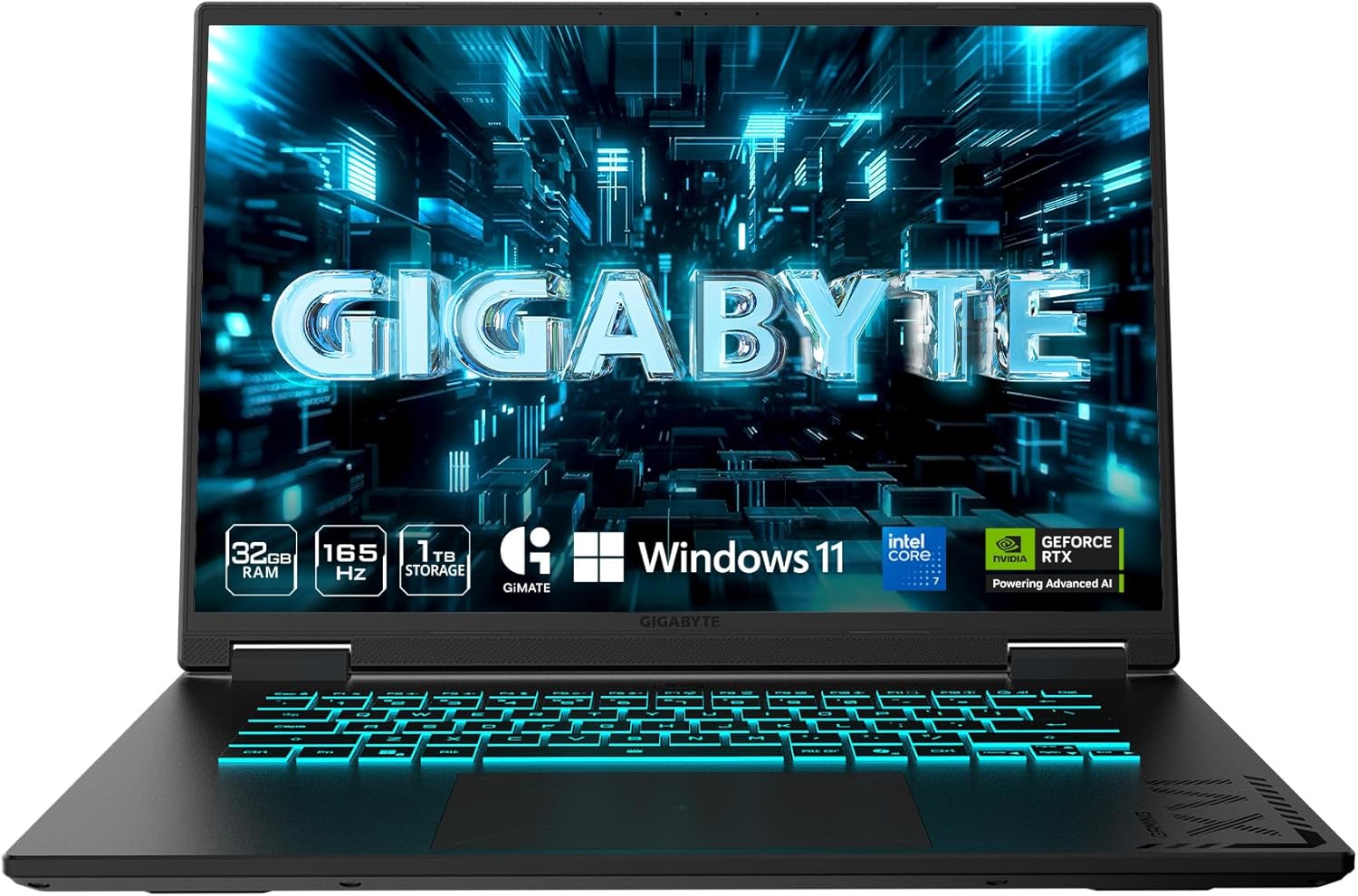
- memory Intel Core Ultra 7 240H
- developer_board NVIDIA GeForce RTX 5070 Ti Laptop GPU
- layers 32GB LPDDR5X 5600MHz
- track_changes Target GPU: NVIDIA GeForce RTX 4080 / RTX 4090

- memory Intel Core Ultra 9 275HX
- developer_board GeForce RTX 5070 Laptop Laptop GPU
- layers 64GB DDR5-6400MHz (Single-Channel)
- track_changes Target GPU: NVIDIA GeForce RTX 4080 / RTX 4090

- memory Intel Core Ultra 9 275HX
- developer_board NVIDIA GeForce RTX 5070 Ti
- layers 32GB
- track_changes Target GPU: NVIDIA GeForce RTX 4080 / RTX 4090

- memory Intel Core Ultra 9 275HX
- developer_board NVIDIA GeForce RTX 5070 Ti Laptop GPU
- layers 32 GB DDR5 6400MHz (2x16GB)
- track_changes Target GPU: NVIDIA GeForce RTX 4080 / RTX 4090
For Mistfall Hunter Specifically

- memory Intel Core i7-12700H
- developer_board NVIDIA GeForce RTX 3070
- layers 32GB DDR4-3200MHz
- track_changes Target GPU: NVIDIA GeForce GTX 1060 / AMD Radeon RX 580

- memory Intel Core i9-13900H
- developer_board NVIDIA GeForce RTX 4060
- layers 16GB DDR5-5200MHz
- track_changes Target GPU: NVIDIA GeForce GTX 1060 / AMD Radeon RX 580

- memory Intel Core i9-14900HX
- developer_board NVIDIA GeForce RTX 4060
- layers 32GB DDR5-5600MHz
- track_changes Target GPU: NVIDIA GeForce GTX 1060 / AMD Radeon RX 580

- memory Intel Core i9-12900H
- developer_board NVIDIA GeForce RTX 3070 Ti
- layers 16GB DDR5-4800MHz
- track_changes Target GPU: NVIDIA GeForce GTX 1060 / AMD Radeon RX 580

- memory Intel Core i5-12450H
- developer_board NVIDIA GeForce RTX 3050
- layers 16GB DDR4-3200MHz
- track_changes Target GPU: NVIDIA GeForce GTX 1060 / AMD Radeon RX 580

- memory Intel Core i5-12500H
- developer_board NVIDIA GeForce RTX 3050 Ti
- layers 16GB DDR4-3200MHz
- track_changes Target GPU: NVIDIA GeForce GTX 1060 / AMD Radeon RX 580

- memory AMD Ryzen 7 7435HS
- developer_board NVIDIA GeForce RTX 3050
- layers 32GB DDR5-4800MHz
- track_changes Target GPU: NVIDIA GeForce GTX 1060 / AMD Radeon RX 580
- memory AMD Ryzen 7 6800H
- developer_board NVIDIA GeForce RTX 3060
- layers 16GB DDR5-4800MHz
- track_changes Target GPU: NVIDIA GeForce GTX 1060 / AMD Radeon RX 580
- memory AMD Ryzen 9 5900HS
- developer_board NVIDIA GeForce RTX 3080
- layers 16GB DDR4-3200MHz
- track_changes Target GPU: NVIDIA GeForce GTX 1060 / AMD Radeon RX 580
- memory Intel Core i7-13620H
- developer_board NVIDIA GeForce RTX 4070
- layers 16GB DDR5-4800MHz
- track_changes Target GPU: NVIDIA GeForce GTX 1060 / AMD Radeon RX 580
- memory AMD Ryzen 7 7445HS
- developer_board NVIDIA GeForce RTX 4050
- layers 16GB (2x8GB) DDR5 5600MHz SO-DIMM
- track_changes Target GPU: NVIDIA GeForce RTX 2070 / AMD Radeon RX 5700 XT
- memory AMD Ryzen 7 7445HS
- developer_board NVIDIA GeForce RTX 4050
- layers 16GB DDR5 5600MHz SO-DIMM
- track_changes Target GPU: NVIDIA GeForce RTX 2070 / AMD Radeon RX 5700 XT
- memory Intel Core i9-14900HX
- developer_board NVIDIA GeForce RTX 4080 Laptop GPU
- layers 64 GB DDR5-5600MHz
- track_changes Target GPU: NVIDIA GeForce RTX 2070 / AMD Radeon RX 5700 XT

- memory Intel Core i7-13620H
- developer_board NVIDIA GeForce RTX 5070 Laptop GPU
- layers 64GB (2x32GB) DDR5 4800MHz SO-DIMM
- track_changes Target GPU: NVIDIA GeForce RTX 2070 / AMD Radeon RX 5700 XT

- memory AMD Ryzen 7 6800HS
- developer_board NVIDIA GeForce RTX 5070 Laptop GPU
- layers 16GB (2x8GB) DDR4 4800MHz SO-DIMM
- track_changes Target GPU: NVIDIA GeForce RTX 2070 / AMD Radeon RX 5700 XT
- memory Intel Core Ultra 9 Processor 275HX (Series 2)
- developer_board NVIDIA GeForce RTX 5070 Laptop GPU
- layers 32GB DDR5-5600MHz
- track_changes Target GPU: NVIDIA GeForce RTX 2070 / AMD Radeon RX 5700 XT
- memory Intel Core i9-14900HX Processor
- developer_board NVIDIA GeForce RTX 5070 Laptop GPU
- layers 32GB DDR5-5600MHz
- track_changes Target GPU: NVIDIA GeForce RTX 2070 / AMD Radeon RX 5700 XT
- memory Intel Core i9-14900HX Processor
- developer_board NVIDIA GeForce RTX 5070 Laptop GPU
- layers 32GB DDR5-5600MHz
- track_changes Target GPU: NVIDIA GeForce RTX 2070 / AMD Radeon RX 5700 XT

- memory Intel Core Ultra 9 Processor 285H
- developer_board NVIDIA GeForce RTX 5070 Laptop GPU
- layers 16GB DDR5-5600MHz
- track_changes Target GPU: NVIDIA GeForce RTX 2070 / AMD Radeon RX 5700 XT
- memory Intel Core Ultra 9 285H (Arrow Lake-H)
- developer_board NVIDIA GeForce RTX 5070 Laptop GPU
- layers 64GB LPDDR5x-8533MT/s (LPCAMM2)
- track_changes Target GPU: NVIDIA GeForce RTX 2070 / AMD Radeon RX 5700 XT
- memory Intel Core i9-14900HX
- developer_board NVIDIA GeForce RTX 4070
- layers 32GB DDR5-5600MHz
- track_changes Target GPU: NVIDIA GeForce RTX 3070 / AMD Radeon RX 6800 XT
- memory Intel Core i9-14900HX
- developer_board NVIDIA GeForce RTX 4070
- layers 16GB DDR5-5600MHz
- track_changes Target GPU: NVIDIA GeForce RTX 3070 / AMD Radeon RX 6800 XT
- memory Intel Core Ultra 7 255H
- developer_board NVIDIA GeForce RTX 5060 Laptop GPU
- layers 16GB DDR5-5600MHz (Dual-Channel)
- track_changes Target GPU: NVIDIA GeForce RTX 3070 / AMD Radeon RX 6800 XT
- memory AMD Ryzen 9 8940HX Processor
- developer_board NVIDIA GeForce RTX 5060 Laptop GPU
- layers 32GB DDR5-5200MHz
- track_changes Target GPU: NVIDIA GeForce RTX 3070 / AMD Radeon RX 6800 XT

- memory Intel Core i9-12950HX
- developer_board NVIDIA GeForce RTX 3080 Ti
- layers 32GB DDR5-4800MHz
- track_changes Target GPU: NVIDIA GeForce RTX 3070 / AMD Radeon RX 6800 XT
- memory AMD Ryzen 7 7445HS
- developer_board NVIDIA GeForce RTX 4050
- layers 16GB (2x8GB) DDR5 5600MHz SO-DIMM
- track_changes Target GPU: NVIDIA GeForce RTX 3070 / AMD Radeon RX 6800 XT
- memory AMD Ryzen 7 7445HS
- developer_board NVIDIA GeForce RTX 4050
- layers 16GB DDR5 5600MHz SO-DIMM
- track_changes Target GPU: NVIDIA GeForce RTX 3070 / AMD Radeon RX 6800 XT
- memory Intel Core i9-14900HX
- developer_board NVIDIA GeForce RTX 4080 Laptop GPU
- layers 64 GB DDR5-5600MHz
- track_changes Target GPU: NVIDIA GeForce RTX 3070 / AMD Radeon RX 6800 XT
- memory Intel Core Ultra 9 Processor 275HX (Series 2)
- developer_board NVIDIA GeForce RTX 5070 Laptop GPU
- layers 32GB DDR5-5600MHz
- track_changes Target GPU: NVIDIA GeForce RTX 3070 / AMD Radeon RX 6800 XT
- memory Intel Core i9-14900HX Processor
- developer_board NVIDIA GeForce RTX 5070 Laptop GPU
- layers 32GB DDR5-5600MHz
- track_changes Target GPU: NVIDIA GeForce RTX 3070 / AMD Radeon RX 6800 XT
info_outline Laptop recommendations are estimates based on available component benchmarks and game requirements. Actual performance may vary depending on settings, drivers, cooling, power limits, etc. Prices and availability subject to change. As an Amazon Associate, we earn from qualifying purchases.