Select Games to Compare
1001 Threads of Mizan vs Dishonored
| close | close |
|---|---|
| shopping_cart Where to Buy | |
| info General Information | |
| Release Date | |
| Nov 15, 2027 | Oct 9, 2012 |
| Developer | |
| MBC Game Studio | Arkane Studios |
| Publisher | |
| MBC Game Studio | Bethesda Softworks |
| Genre(s) | |
| Cooperative Action-Adventure | Stealth Action-Adventure, Immersive Sim |
| Engine | |
| Unreal Engine 5 | Unreal Engine 3 (Heavily Modified) |
| stars Ratings & Price | |
| Content Rating | |
| M for Mature | Mature 17+ |
| Avg. User Rating | |
| 4.5 / 5.0 | 4.5 / 5.0 |
| Current Price (USD) | |
| $69.99 | $19.99 |
| tune Key Specs | |
| Quick Highlights | |
|
|
| sports_esports Gameplay & Mechanics | |
| Companions/Followers | |
|
N/A |
| Key Collectibles | |
|
|
| Key Themes | |
|
|
| colorize Combat & Gear | |
| Weapons Overview | |
|
|
| Armor / Gear Sets | |
|
N/A |
| Outfits/Customization | |
|
|
| trending_up Progression & Upgrades | |
| Skills & Progression | |
|
The skill and upgrade system in 1001 Threads of Mizan is built around the rediscovery of ancient "Mizancraft," the highly intuitive technology fueled by Jinn flame and human ingenuity. Instead of traditional, bloated skill trees, the progression emphasizes asymmetric synergy between the three character classes. Sufyan upgrades focus on enhancing the crowd-control capabilities of his transforming whip-blade and boosting his aerial agility for rapid repositioning. Malik's skill tree heavily leans into increasing his burst damage potential, stagger resistance, and tanking efficiency during localized boss damage phases. Yusra's upgrades enhance her magic longbow, allowing her to cast wider areas of effect from safe hover distances. Across all characters, players can also upgrade their flying carpet mechanics, improving auto-summon speeds, high-velocity dive-bomb damage, and evasive maneuvers, ensuring that mid-air combat evolves alongside ground-based hack-and-slash mechanics throughout the campaign. |
Corvo gains supernatural powers like Blink (teleportation), Dark Vision, Bend Time, Devouring Swarm, and Possession. These powers are unlocked and upgraded using Runes found in the world. Bonecharms provide passive buffs. Weapons and gadgets like the pistol, crossbow, grenades, and rewire tools can be upgraded using money at Piero Joplin's workshop. |
| public World & Exploration | |
| World & Level Design | |
|
The environmental design is meticulously crafted to support both high-speed aerial traversal and dense, ground-level exploration. Players navigate a sprawling Arabian fantasy realm characterized by golden deserts, mythic landscapes, forgotten ruins, and mysterious settlements. Because players can take flight instantly via their magic carpets, the map necessitates a volumetric level design, where threats, obstacles, and objectives are distributed across extreme vertical and horizontal axes. The world is highly dynamic, featuring weather systems such as massive sand plumes and dust storms that can engulf combat arenas and fundamentally alter visibility. Exploration yields knowledge of the Mizan rather than generic loot. The dichotomy between the vibrant human realm and the darker, ethereal Unseen realm creates a vast, interconnected map that encourages players to investigate hidden locations and forgotten corners tucked away beneath the shifting desert sands. |
The game features distinct, large, and intricately designed mission levels rather than a single continuous open world. Key locations in Dunwall include Dunwall Tower, the Hound Pits Pub (hub area), Kaldwin's Bridge, Boyle Estate, and the Flooded District. Each level offers multiple pathways and secrets. |
| Playable Vehicles | |
|
|
| Notable Fauna/Mounts | |
|
|
| book Story & Characters | |
| Main Characters | |
|
|
| Example Missions | |
|
|
| people Multiplayer | |
| Multiplayer Details | |
|
The mechanical depth of 1001 Threads of Mizan is most evident in its 1-3 player cooperative multiplayer mode. The architecture intentionally eschews forced Quick Time Events (QTEs) in favor of organic, systemic teamwork derived from strictly enforced, asymmetrical character classes. A full three-player team must consist of one of each hero archetype (Sufyan, Malik, and Yusra), preventing players from stacking duplicate roles. This rigid structure guarantees that all tactical responsibilities—crowd control, heavy tanking, and ranged support—are fulfilled. The integration of the flying carpet resolves the spatial disconnect common in cooperative games, granting each player an independent, high-speed vehicle that maintains connectivity during chaotic, volumetric boss fights. Difficulty scaling is achieved not by simply inflating enemy health pools, but through increased spatial complexity, forcing players to actively communicate, divide their attention, and execute perfectly coordinated flanking maneuvers across the air and ground. |
Strictly a single-player experience. No co-op or competitive multiplayer. |
| extension Editions & DLC | |
| Available Editions | |
|
While MBC Game Studio has not finalized the official release window or storefront pre-orders as of late 2026, industry standards for a AAA global launch suggest a multi-tiered edition structure. A Standard Edition will include the base cooperative game across all supported platforms. A likely Deluxe Edition would offer exclusive, non-generative AI handcrafted cosmetic skins for the three heroes and their flying carpets, alongside early access to the game. Furthermore, a Collector's Edition is highly anticipated, given the game's emphasis on authentic Middle Eastern cosmography and rich lore. This premium tier would likely feature a high-quality statue of the colossal Sand Knight boss, a physical art book detailing the architectural designs and Jinn mythology curated by the embedded cultural historians, and a digital soundtrack featuring the game's authentic regional musical arrangements. All editions will strictly adhere to the studio's anti-AI generation policy. |
**Standard Edition:** Base game. **Game of the Year (GOTY) Edition / Definitive Edition:** Base game + all DLC (Dunwall City Trials, The Knife of Dunwall, The Brigmore Witches, Void Walker's Arsenal). |
| Post-Launch Content / DLC | |
|
Currently, MBC Game Studio has not formally announced a live-service roadmap or definitive Downloadable Content (DLC) schedule for 1001 Threads of Mizan. However, the structural foundation of the game—class-based cooperative play intertwined with rich, expansive lore—provides a highly versatile architecture for future expansions. The deep anthology of One Thousand and One Nights offers a virtually limitless well of narrative content that avoids the pitfalls of generic live-service bloat. Potential post-launch content could introduce entirely new Jinn lords as endgame bosses, unlocking previously unexplored biomes within the ethereal Unseen realm. Furthermore, the narrative framing of Shahrazad recruiting "prisoners" allows for the seamless introduction of new playable character classes with entirely distinct combat archetypes and aerial synergies. Given the immense regional backing from Saudi Arabian gaming initiatives, the title will undoubtedly receive substantial, high-quality post-launch support and community event integration. |
**Dunwall City Trials:** Challenge maps. **The Knife of Dunwall:** Story DLC playing as the assassin Daud. **The Brigmore Witches:** Continues Daud's story. **Void Walker's Arsenal:** Pre-order bonus pack with additional bonecharms and resources. |
| help_outline FAQ | |
| Frequently Asked Questions | |
|
|
| build Technical Details | |
| Graphics & Visual Fidelity | |
|
Developed on Epic Games' cutting-edge Unreal Engine 5, 1001 Threads of Mizan pushes the boundaries of contemporary rendering architecture. The aggressive implementation of Nanite (virtualized micropolygon geometry) is absolutely essential for a game centered around high-speed aerial traversal, as it allows the engine to render extreme draw distances across sprawling deserts and detailed sandstone ruins without jarring Level of Detail (LOD) pop-in. Concurrently, the Lumen illumination system provides fully dynamic global lighting and reflections, reacting in real-time to the glowing, supernatural particle effects of Jinn attacks and shifting weather systems. Furthermore, the game natively integrates the HDR10+ GAMING protocol via a UE5.2.1 plug-in. This guarantees temporal stability and prevents the washing out of colors when players transition rapidly between the hyper-colorful human realm and the darker, ethereal Unseen dimension, faithfully preserving the intricate, handcrafted artistic vision of the developers. |
Utilizing a heavily modified Unreal Engine 3, Dishonored features a distinct 'whalepunk' art style characterized by exaggerated Victorian-era architecture, industrial elements powered by whale oil, and painterly textures. The game is known for its strong art direction and atmosphere rather than raw graphical fidelity by modern standards. |
| Audio & Soundtrack | |
|
The auditory landscape of 1001 Threads of Mizan is a critical component of its cultural authenticity and immersive world-building. Eschewing the generic, Westernized orchestral tropes often applied to Middle Eastern settings, MBC Game Studio has prioritized highly authentic regional musical arrangements. These compositions underscore the epic scale of the colossal boss battles while reflecting the historical cosmography of the Arabian mythological source material. A standout auditory feature is the voice acting for Shahrazad, the game's meta-narrator. Voiced by a talented regional actress, Shahrazad dynamically frames the player's actions and delivers vital exposition in real-time. This design choice effectively minimizes immersion-breaking dialogue between the playable characters during intense combat. Additionally, the dynamic audio engine ensures that the terrifying spatial sound cues of a Jinn's attack or a massive sandstorm are accurately represented, providing players with necessary auditory feedback during chaotic, multi-dimensional dogfights. |
Score by Daniel Licht, creating a dark, atmospheric, and memorable soundtrack. Sound design is crucial for stealth, providing auditory cues for guard patrols and environmental hazards. Features iconic voice acting, including Stephen Russell as Corvo (though Corvo is mostly silent). |
| User Interface (UI/UX) | |
|
The User Interface (UI) of 1001 Threads of Mizan is designed to be as unobtrusive as possible, ensuring that the player's focus remains squarely on the fast-paced, volumetric combat and stunning environmental design. Standard HUD elements like health, stamina, and the special attack meter are cleanly integrated into the periphery of the screen. Crucially, the game features a highly intuitive auto-summon carpet mechanic tied to a single button press, avoiding clunky sub-menus and allowing for instant transitions between grounded and aerial combat. Furthermore, the integration of the HDR10+ GAMING standard dramatically improves the visual interface experience by utilizing "Source Side Tone Mapping." This technology automatically calibrates the game's metadata to the user's specific display capabilities, eliminating the need for players to navigate convoluted, multi-step HDR calibration menus just to achieve accurate contrast between the vibrant human realm and the dark Unseen realm. |
Relatively minimalist HUD with health/mana indicators, objective markers, and a quick-access wheel for powers and gadgets. Contextual prompts for interactions. |
| Accessibility Options | |
|
1001 Threads of Mizan is designed to balance demanding, Souls-like combat mechanics with intelligent accessibility features that ensure the game remains approachable. A major design pillar is the complete removal of forced Quick Time Events (QTEs), which often act as artificial dexterity barriers for many players. Instead, the game relies on clear, readable visual cues—such as glowing projectiles and distinct enemy wind-up animations—to signal incoming attacks. The controls for the high-velocity flying carpet are meticulously tuned to feel snappy and responsive, avoiding the clunky handling that traditionally plagues 3D aerial vehicles. Additionally, the game's difficulty scaling during cooperative play relies on spatial positioning and role management rather than pure reflex checks. While solo play is noted to be highly challenging, the drop-in, drop-out cooperative framework inherently serves as an accessibility tool, allowing struggling players to summon specialized support for difficult colossal boss encounters. |
Standard for its time: Subtitle options, remappable controls (PC), adjustable difficulty. Less comprehensive than modern titles but functional. |
| video_library Media Links | |
| Gameplay Video | |
| launchWatch | launchWatch |
| Walkthrough/Guide | |
| launchView | launchView |
| settings_applications System Requirements | |
| 720p (HD) - Minimum (720p @ ~30 FPS - Official) (Low Preset, 720p Resolution) CPU: Official Arkane minimum desktop CPU. Very old dual-core processors. CPU (Laptop): Period-appropriate laptop equivalent: Older mobile dual-core CPUs. GPU: Official Arkane minimum desktop GPU. DirectX 9.0c compatible card with 512MB+ VRAM (768MB recommended). GPU (Laptop): Period-appropriate laptop equivalent: Mobile GPUs capable of low settings at 720p. RAM: Minimum RAM required. 4GB was recommended for a smoother experience. Storage: HDD works, SSD improves loading. | |
| — | memoryCPU: Dual core @ 3.0 GHz or better (e.g., Intel Core 2 Duo E8400 / AMD Athlon 64 X2 6000+) developer_boardGPU: NVIDIA GeForce GTX 460 (768MB VRAM) / ATI Radeon HD 5850 (768MB VRAM) laptop_macCPU (L): Intel Core 2 Duo T7500 / AMD Turion 64 X2 TL-60 laptop_windowsGPU (L): NVIDIA GeForce GT 555M / ATI Mobility Radeon HD 5770 layersRAM: 3 GB saveStorage (Tier): 9 GB HDD |
| 1080p (Full HD) - Minimum (Low/Medium Preset, 30 FPS, DLSS/FSR Balanced) CPU: Baseline required to handle basic enemy AI and physics calculations without severe stuttering. CPU (Laptop): Requires a capable 6-core mobile processor to manage UE5 overhead. GPU: Minimum VRAM and tensor cores required for Lumen-lite rendering. GPU (Laptop): High TGP required; low wattage 3060s will struggle with particle density during Jinn attacks. RAM: Necessary to buffer large open-world environments and high-resolution textures. Storage: Required for streaming assets. | |
memoryCPU: Intel Core i5-10400F / AMD Ryzen 5 3600 developer_boardGPU: NVIDIA GeForce RTX 3060 / AMD Radeon RX 5700 XT laptop_macCPU (L): Intel Core i5-11400H / AMD Ryzen 5 5600H laptop_windowsGPU (L): NVIDIA GeForce RTX 3060 (130W TGP) layersRAM: 16 GB saveStorage (Tier): 100 GB SSD | — |
| 1080p (Full HD) - Recommended (1080p @ ~60 FPS - Official) (High Preset, 1080p Resolution) CPU: Official Arkane recommended desktop CPU. Older quad-core processors. CPU (Laptop): Period-appropriate laptop equivalent: Early mobile quad-core i5s or higher-end APUs. GPU: Official Arkane recommended desktop GPU for 1080p High. GPU (Laptop): Period-appropriate: Mid-range mobile GPUs from 2012-2013. Modern Baseline: An RTX 3050 Mobile is extreme overkill and will achieve hundreds of FPS. Even modern high-end integrated graphics can run this game very well at 1080p. RAM: Recommended for a smoother experience at high settings. Storage: SSD recommended for optimal performance. | |
| — | memoryCPU: Quad core @ 2.4 GHz or better (e.g., Intel Core i5-750 / AMD Phenom II X4 955) developer_boardGPU: NVIDIA GeForce GTX 560 (1GB VRAM) / ATI Radeon HD 6950 (1GB VRAM) laptop_macCPU (L): Intel Core i5-2410M / AMD A8-3500M laptop_windowsGPU (L): Period-Appropriate: NVIDIA GeForce GTX 670M / AMD Radeon HD 7870M. Modern Baseline: NVIDIA GeForce RTX 3050 Mobile (4GB) / Integrated Graphics like Intel Iris Xe (G7 96EU) or AMD Radeon 680M. layersRAM: 4 GB saveStorage (Tier): 9 GB SSD |
| 1440p (QHD/2K) - Recommended (High Preset, 60 FPS, DLSS/FSR Quality) CPU: The 3D V-Cache or high core count ensures fluid frame pacing during complex, multi-stage aerial boss fights. CPU (Laptop): High-end mobile chips prevent CPU bottlenecking when flying across vast desert landscapes. GPU: Provides sufficient horsepower for uncompromised Lumen global illumination at 1440p. GPU (Laptop): Ensures stable 60fps even when weather systems like sandstorms cover the combat arena. RAM: Provides optimal bandwidth for UE5 asset streaming and multitasking. Storage: Gen 4 speeds eliminate load screens when transitioning between the human and Unseen realms. | |
memoryCPU: Intel Core i7-12700K / AMD Ryzen 7 5800X3D developer_boardGPU: NVIDIA GeForce RTX 4070 / AMD Radeon RX 7800 XT laptop_macCPU (L): Intel Core i7-13700HX / AMD Ryzen 7 7745HX laptop_windowsGPU (L): NVIDIA GeForce RTX 4080 Mobile layersRAM: 32 GB saveStorage (Tier): 100 GB NVMe SSD Gen 4 | — |
| 1440p (QHD/2K) - Enthusiast (1440p @ 60+ FPS) (Ultra/Max Preset, 1440p Resolution) CPU: High-end CPUs from the era, or any modern CPU. CPU (Laptop): Period-appropriate laptop equivalent: Higher-end mobile CPUs. Any modern mobile CPU is more than enough. GPU: Desktop GPUs providing a very smooth 1440p experience. GPU (Laptop): Period-appropriate: Strong mobile GPUs from 2014. Modern Baseline: An RTX 3050 Mobile will max this out at 1440p with extremely high FPS. High-end integrated graphics are also very capable here. RAM: Recommended for 1440p gaming for smooth performance. Storage: A fast SSD is beneficial for quick loading. | |
| — | memoryCPU: Intel Core i7-2600K / AMD FX-8350 developer_boardGPU: NVIDIA GeForce GTX 770 (2GB VRAM) / AMD Radeon R9 280X (3GB VRAM) laptop_macCPU (L): Intel Core i7-3630QM / AMD Ryzen 3 2200U (or any modern mobile CPU) laptop_windowsGPU (L): Period-Appropriate: NVIDIA GeForce GTX 870M / AMD Radeon R9 M295X. Modern Baseline: NVIDIA GeForce RTX 3050 Mobile (4GB) / Integrated Graphics like Intel Iris Xe (G7 96EU) or AMD Radeon 680M. layersRAM: 8 GB saveStorage (Tier): 9 GB SSD (NVMe if available) |
| 2160p (UHD/4K) - Ultra (Epic Preset, 60 FPS, DLSS/FSR Quality, HDR10+) CPU: Top-tier processing required for absolute maximum draw distances and physics fidelity. CPU (Laptop): Flagship mobile processor needed to feed the GPU at 4K resolution. GPU: Required to render native 4K Nanite geometry alongside dense Jinn particle effects without dipping below 60fps. GPU (Laptop): The absolute maximum mobile specification is required for 4K Epic settings. RAM: High-speed memory prevents micro-stuttering during intense volumetric combat. Storage: Required for instantaneous texture loading. | |
memoryCPU: Intel Core i9-14900K / AMD Ryzen 7 7800X3D developer_boardGPU: NVIDIA GeForce RTX 4080 / RTX 4090 laptop_macCPU (L): Intel Core i9-14900HX laptop_windowsGPU (L): NVIDIA GeForce RTX 4090 Mobile (175W TGP) layersRAM: 32 GB saveStorage (Tier): 100 GB NVMe SSD Gen 4 | — |
| 2160p (UHD/4K) - 4K Target (60+ FPS with modern hardware) (Ultra/Max Preset, 2160p (4K) Resolution) CPU: Any decent modern CPU will handle this game at 4K without issues. CPU (Laptop): Modern mid-range or higher mobile CPUs. GPU: Desktop GPUs that can comfortably run Dishonored at 4K max settings. GPU (Laptop): Period-appropriate: Top-tier mobile GPU of its time. Modern Baseline: An RTX 3050 Mobile or RX 6600M will run this game at 4K maxed out with very high FPS. RAM: 8GB is fine for the game, 16GB better for modern systems. Storage: Fast NVMe SSD for minimal loading. | |
| — | memoryCPU: Intel Core i7-4770K / AMD Ryzen 5 1600 developer_boardGPU: NVIDIA GeForce GTX 970 (4GB VRAM) / AMD Radeon R9 390 (8GB VRAM) (or GTX 1060 / RX 580) laptop_macCPU (L): Intel Core i5-8300H / AMD Ryzen 5 3550H (or any modern H-series mobile CPU) laptop_windowsGPU (L): Period-Appropriate: NVIDIA GeForce GTX 980M. Modern Baseline: NVIDIA GeForce RTX 3050 Mobile (4GB) / AMD Radeon RX 6600M (8GB). layersRAM: 8 GB saveStorage (Tier): 9 GB SSD (NVMe Recommended) |
| save Overall Storage | |
Spec: 100 GB NVMe SSD Note: An NVMe SSD is strictly required. Standard HDDs will cause severe stuttering and asset pop-in due to the rapid movement speed of the flying carpet traversal. Type: NVMe | Spec: 9 GB available HDD space (SSD Recommended for faster loading) Note: Small install size by modern standards. SSD improves level load times. Type: SSD |
| desktop_windows Operating System | |
| Spec: Windows 10 / Windows 11 64-bit Explanation: Required for DirectX 12 Ultimate and advanced Unreal Engine 5 API calls. | Spec: Windows Vista / Windows 7 (32-bit or 64-bit) Explanation: Officially supports older Windows versions. Runs perfectly on Windows 8, 10, and 11. |
| gamepad DirectX Version | |
| Spec: DirectX 12 Explanation: Necessary for hardware-accelerated ray tracing, Nanite geometry, and Lumen lighting calculations. | Spec: DirectX 9.0c Explanation: Dishonored utilizes DirectX 9.0c for rendering. |
| info_outline Other Game Notes | |
|
|
| build Optimization Details | |
|
|
| laptop Laptop Considerations | |
|
|

info_outline Feature details based on available data. System requirements and performance estimates may vary.
laptop_chromebook Laptop Recommendations
Common Recommendations (Handles All Compared Games)

- memory Intel Core i5-11400H
- developer_board NVIDIA GeForce RTX 2050
- layers 8GB DDR4-3200MHz
- track_changes Target GPU: NVIDIA GeForce GT 555M / ATI Mobility Radeon HD 5770

- memory Intel Core i7-12700H
- developer_board NVIDIA GeForce RTX 3070
- layers 32GB DDR4-3200MHz
- track_changes Target GPU: NVIDIA GeForce GT 555M / ATI Mobility Radeon HD 5770

- memory Intel Core i9-13900H
- developer_board NVIDIA GeForce RTX 4060
- layers 16GB DDR5-5200MHz
- track_changes Target GPU: NVIDIA GeForce GT 555M / ATI Mobility Radeon HD 5770

- memory AMD Ryzen 7 6800H
- developer_board NVIDIA GeForce RTX 3060
- layers 16GB DDR5-4800MHz
- track_changes Target GPU: NVIDIA GeForce RTX 3060 (130W TGP)

- memory AMD Ryzen 9 5900HS
- developer_board NVIDIA GeForce RTX 3080
- layers 16GB DDR4-3200MHz
- track_changes Target GPU: NVIDIA GeForce RTX 3060 (130W TGP)

- memory Intel Core i7-13620H
- developer_board NVIDIA GeForce RTX 4070
- layers 16GB DDR5-4800MHz
- track_changes Target GPU: NVIDIA GeForce RTX 3060 (130W TGP)
- memory Intel Core i7-12700H
- developer_board NVIDIA GeForce RTX 3070
- layers 32GB DDR4-3200MHz
- track_changes Target GPU: Period-Appropriate: NVIDIA GeForce GTX 670M / AMD Radeon HD 7870M. Modern Baseline: NVIDIA GeForce RTX 3050 Mobile (4GB) / Integrated Graphics like Intel Iris Xe (G7 96EU) or AMD Radeon 680M.
- memory Intel Core i9-13900H
- developer_board NVIDIA GeForce RTX 4060
- layers 16GB DDR5-5200MHz
- track_changes Target GPU: Period-Appropriate: NVIDIA GeForce GTX 670M / AMD Radeon HD 7870M. Modern Baseline: NVIDIA GeForce RTX 3050 Mobile (4GB) / Integrated Graphics like Intel Iris Xe (G7 96EU) or AMD Radeon 680M.

- memory Intel Core i9-14900HX
- developer_board NVIDIA GeForce RTX 4060
- layers 32GB DDR5-5600MHz
- track_changes Target GPU: Period-Appropriate: NVIDIA GeForce GTX 670M / AMD Radeon HD 7870M. Modern Baseline: NVIDIA GeForce RTX 3050 Mobile (4GB) / Integrated Graphics like Intel Iris Xe (G7 96EU) or AMD Radeon 680M.

- memory Intel Core i9-14900HX
- developer_board NVIDIA GeForce RTX 4080 Laptop GPU
- layers 64 GB DDR5-5600MHz
- track_changes Target GPU: NVIDIA GeForce RTX 4080 Mobile

- memory Intel Core Ultra 9 Processor 275HX (Series 2)
- developer_board NVIDIA GeForce RTX 5070 Laptop GPU
- layers 32GB DDR5-5600MHz
- track_changes Target GPU: NVIDIA GeForce RTX 4080 Mobile

- memory Intel Core i9-14900HX Processor
- developer_board NVIDIA GeForce RTX 5070 Laptop GPU
- layers 32GB DDR5-5600MHz
- track_changes Target GPU: NVIDIA GeForce RTX 4080 Mobile
- memory Intel Core i9-14900HX
- developer_board NVIDIA GeForce RTX 4060
- layers 32GB DDR5-5600MHz
- track_changes Target GPU: Period-Appropriate: NVIDIA GeForce GTX 870M / AMD Radeon R9 M295X. Modern Baseline: NVIDIA GeForce RTX 3050 Mobile (4GB) / Integrated Graphics like Intel Iris Xe (G7 96EU) or AMD Radeon 680M.

- memory AMD Ryzen 7 7435HS
- developer_board NVIDIA GeForce RTX 3050
- layers 32GB DDR5-4800MHz
- track_changes Target GPU: Period-Appropriate: NVIDIA GeForce GTX 870M / AMD Radeon R9 M295X. Modern Baseline: NVIDIA GeForce RTX 3050 Mobile (4GB) / Integrated Graphics like Intel Iris Xe (G7 96EU) or AMD Radeon 680M.

- memory Intel Core i9-14900HX
- developer_board NVIDIA GeForce RTX 4070
- layers 32GB DDR5-5600MHz
- track_changes Target GPU: Period-Appropriate: NVIDIA GeForce GTX 870M / AMD Radeon R9 M295X. Modern Baseline: NVIDIA GeForce RTX 3050 Mobile (4GB) / Integrated Graphics like Intel Iris Xe (G7 96EU) or AMD Radeon 680M.

- memory Intel Core i9-14900HX
- developer_board NVIDIA GeForce RTX 4090
- layers 32GB DDR5-5600MHz
- track_changes Target GPU: NVIDIA GeForce RTX 4090 Mobile (175W TGP)

- memory Intel Core Ultra 9 285H (Series 2) , 14 cores (6 Performance cores + 8 Efficient cores), 20 threads
- developer_board NVIDIA GeForce RTX 5050 Laptop GPU
- layers 32GB (2x16GB) DDR5 8400MHz SO-DIMM
- track_changes Target GPU: NVIDIA GeForce RTX 4090 Mobile (175W TGP)

- memory Intel Core Ultra 9 285H
- developer_board NVIDIA GeForce RTX 5070
- layers 32GB (2x16GB) DDR5 4800MHz SO-DIMM
- track_changes Target GPU: NVIDIA GeForce RTX 4090 Mobile (175W TGP)
- memory Intel Core i7-12700H
- developer_board NVIDIA GeForce RTX 3070
- layers 32GB DDR4-3200MHz
- track_changes Target GPU: Period-Appropriate: NVIDIA GeForce GTX 980M. Modern Baseline: NVIDIA GeForce RTX 3050 Mobile (4GB) / AMD Radeon RX 6600M (8GB).
- memory Intel Core i9-13900H
- developer_board NVIDIA GeForce RTX 4060
- layers 16GB DDR5-5200MHz
- track_changes Target GPU: Period-Appropriate: NVIDIA GeForce GTX 980M. Modern Baseline: NVIDIA GeForce RTX 3050 Mobile (4GB) / AMD Radeon RX 6600M (8GB).
- memory Intel Core i9-14900HX
- developer_board NVIDIA GeForce RTX 4060
- layers 32GB DDR5-5600MHz
- track_changes Target GPU: Period-Appropriate: NVIDIA GeForce GTX 980M. Modern Baseline: NVIDIA GeForce RTX 3050 Mobile (4GB) / AMD Radeon RX 6600M (8GB).
For 1001 Threads of Mizan Specifically
- memory AMD Ryzen 7 6800H
- developer_board NVIDIA GeForce RTX 3060
- layers 16GB DDR5-4800MHz
- track_changes Target GPU: NVIDIA GeForce RTX 3060 / AMD Radeon RX 5700 XT
- memory AMD Ryzen 9 5900HS
- developer_board NVIDIA GeForce RTX 3080
- layers 16GB DDR4-3200MHz
- track_changes Target GPU: NVIDIA GeForce RTX 3060 / AMD Radeon RX 5700 XT
- memory Intel Core i7-13620H
- developer_board NVIDIA GeForce RTX 4070
- layers 16GB DDR5-4800MHz
- track_changes Target GPU: NVIDIA GeForce RTX 3060 / AMD Radeon RX 5700 XT

- memory Intel Core i7-14700HX
- developer_board NVIDIA GeForce RTX 4070
- layers 16GB DDR5-5600MHz
- track_changes Target GPU: NVIDIA GeForce RTX 3060 / AMD Radeon RX 5700 XT
- memory Intel Core i9-14900HX
- developer_board NVIDIA GeForce RTX 4070
- layers 32GB DDR5-5600MHz
- track_changes Target GPU: NVIDIA GeForce RTX 3060 / AMD Radeon RX 5700 XT

- memory Intel Core i9-14900HX
- developer_board NVIDIA GeForce RTX 4070
- layers 16GB DDR5-5600MHz
- track_changes Target GPU: NVIDIA GeForce RTX 3060 / AMD Radeon RX 5700 XT

- memory Intel Core i7 Processor 14650HX
- developer_board NVIDIA GeForce RTX 5060 Laptop GPU
- layers 16GB DDR5-5600MHz
- track_changes Target GPU: NVIDIA GeForce RTX 3060 / AMD Radeon RX 5700 XT

- memory AMD Ryzen 7 260
- developer_board NVIDIA GeForce RTX 5060 Laptop GPU
- layers 32GB DDR5-5600MHz
- track_changes Target GPU: NVIDIA GeForce RTX 3060 / AMD Radeon RX 5700 XT

- memory Intel Core Ultra 7 255H
- developer_board NVIDIA GeForce RTX 5060 Laptop GPU
- layers 16GB DDR5-5600MHz (Dual-Channel)
- track_changes Target GPU: NVIDIA GeForce RTX 3060 / AMD Radeon RX 5700 XT

- memory AMD Ryzen 9 8940HX Processor
- developer_board NVIDIA GeForce RTX 5060 Laptop GPU
- layers 32GB DDR5-5200MHz
- track_changes Target GPU: NVIDIA GeForce RTX 3060 / AMD Radeon RX 5700 XT
- memory Intel Core i9-14900HX
- developer_board NVIDIA GeForce RTX 4080 Laptop GPU
- layers 64 GB DDR5-5600MHz
- track_changes Target GPU: NVIDIA GeForce RTX 4070 / AMD Radeon RX 7800 XT
- memory Intel Core Ultra 9 Processor 275HX (Series 2)
- developer_board NVIDIA GeForce RTX 5070 Laptop GPU
- layers 32GB DDR5-5600MHz
- track_changes Target GPU: NVIDIA GeForce RTX 4070 / AMD Radeon RX 7800 XT
- memory Intel Core i9-14900HX Processor
- developer_board NVIDIA GeForce RTX 5070 Laptop GPU
- layers 32GB DDR5-5600MHz
- track_changes Target GPU: NVIDIA GeForce RTX 4070 / AMD Radeon RX 7800 XT

- memory Intel Core i9-14900HX Processor
- developer_board NVIDIA GeForce RTX 5070 Laptop GPU
- layers 32GB DDR5-5600MHz
- track_changes Target GPU: NVIDIA GeForce RTX 4070 / AMD Radeon RX 7800 XT

- memory Intel Core Ultra 9 285H (Arrow Lake-H)
- developer_board NVIDIA GeForce RTX 5070 Laptop GPU
- layers 64GB LPDDR5x-8533MT/s (LPCAMM2)
- track_changes Target GPU: NVIDIA GeForce RTX 4070 / AMD Radeon RX 7800 XT

- memory Intel Core i9-14900HX
- developer_board NVIDIA GeForce RTX 4080
- layers 64GB DDR5-5600MHz
- track_changes Target GPU: NVIDIA GeForce RTX 4070 / AMD Radeon RX 7800 XT

- memory Intel Core i9-14900HX
- developer_board NVIDIA GeForce RTX 4080
- layers 32GB DDR5-5600MHz
- track_changes Target GPU: NVIDIA GeForce RTX 4070 / AMD Radeon RX 7800 XT

- memory Intel Core i9-14900HX
- developer_board NVIDIA GeForce RTX 4080
- layers 32GB DDR5-5600MHz
- track_changes Target GPU: NVIDIA GeForce RTX 4070 / AMD Radeon RX 7800 XT

- memory Intel Core i9-14900HX
- developer_board NVIDIA GeForce RTX 4080
- layers 32GB DDR5-5600MHz
- track_changes Target GPU: NVIDIA GeForce RTX 4070 / AMD Radeon RX 7800 XT

- memory AMD Ryzen 9 7845HX
- developer_board NVIDIA GeForce RTX 4080
- layers Up to 64GB DDR5
- track_changes Target GPU: NVIDIA GeForce RTX 4070 / AMD Radeon RX 7800 XT
- memory Intel Core Ultra 9 285H (Series 2) , 14 cores (6 Performance cores + 8 Efficient cores), 20 threads
- developer_board NVIDIA GeForce RTX 5050 Laptop GPU
- layers 32GB (2x16GB) DDR5 8400MHz SO-DIMM
- track_changes Target GPU: NVIDIA GeForce RTX 4080 / RTX 4090
- memory Intel Core Ultra 9 285H
- developer_board NVIDIA GeForce RTX 5070
- layers 32GB (2x16GB) DDR5 4800MHz SO-DIMM
- track_changes Target GPU: NVIDIA GeForce RTX 4080 / RTX 4090

- memory Intel Core i9-14900HX Processor
- developer_board NVIDIA GeForce RTX 5070 Ti Laptop GPU
- layers 64GB DDR5-5600MHz (commonly listed as 4800MHz by some retailers, but 5600MHz is common for 14th Gen HX with DDR5)
- track_changes Target GPU: NVIDIA GeForce RTX 4080 / RTX 4090

- memory Intel Core Ultra 9 Processor 275HX
- developer_board NVIDIA GeForce RTX 5070 Ti Laptop GPU
- layers 64GB DDR5-6400MHz
- track_changes Target GPU: NVIDIA GeForce RTX 4080 / RTX 4090

- memory Intel Core Ultra 9 Processor 275HX (Series 2)
- developer_board NVIDIA GeForce RTX 5070 Ti Laptop GPU
- layers 32GB DDR5-5600MHz
- track_changes Target GPU: NVIDIA GeForce RTX 4080 / RTX 4090

- memory Intel Ultra 7 255HX
- developer_board NVIDIA GeForce RTX 5070 Ti
- layers 32GB DDR5 5600MHz
- track_changes Target GPU: NVIDIA GeForce RTX 4080 / RTX 4090
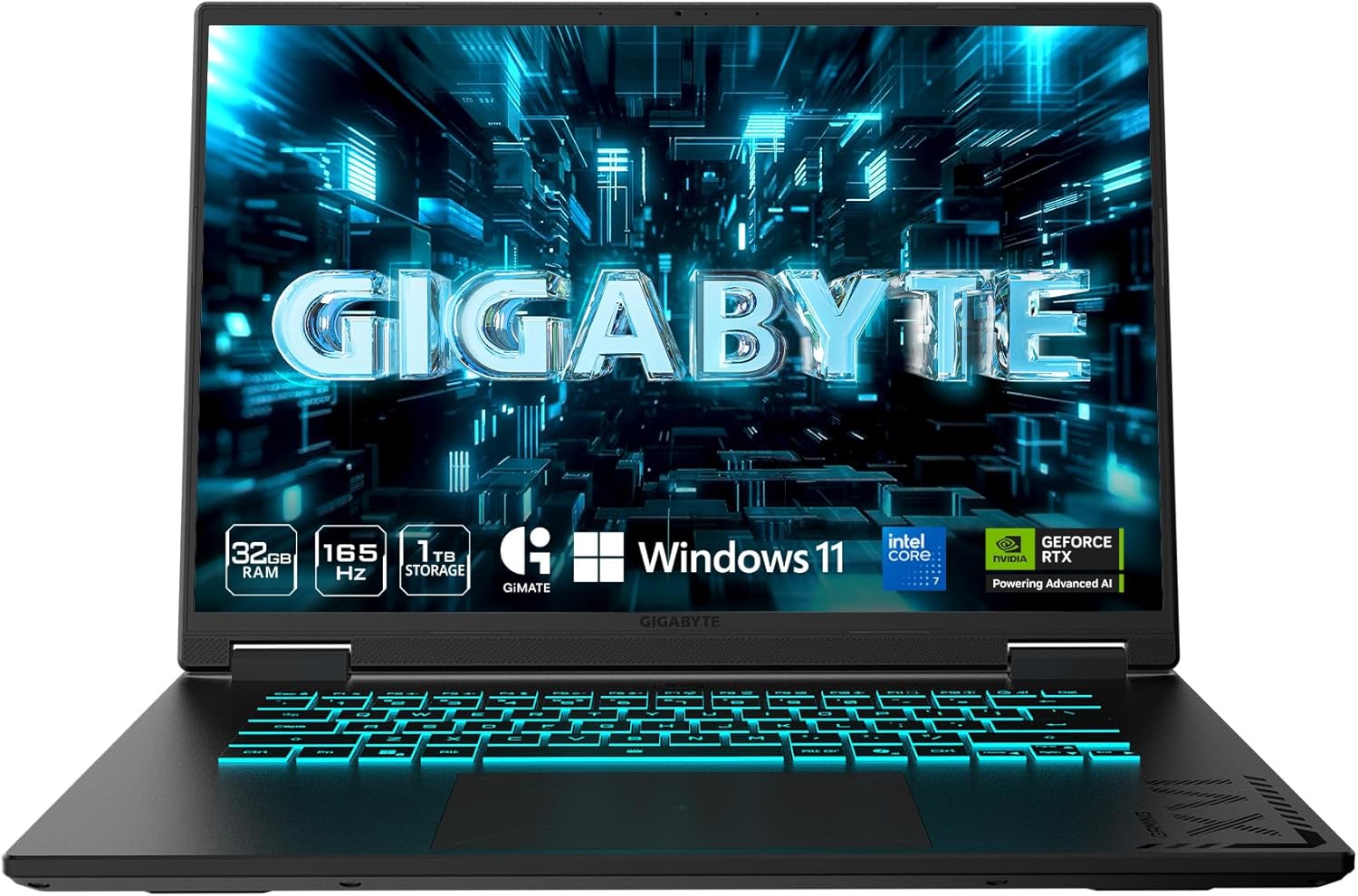
- memory Intel Core Ultra 7 240H
- developer_board NVIDIA GeForce RTX 5070 Ti Laptop GPU
- layers 32GB LPDDR5X 5600MHz
- track_changes Target GPU: NVIDIA GeForce RTX 4080 / RTX 4090

- memory Intel Core Ultra 9 275HX
- developer_board GeForce RTX 5070 Laptop Laptop GPU
- layers 64GB DDR5-6400MHz (Single-Channel)
- track_changes Target GPU: NVIDIA GeForce RTX 4080 / RTX 4090

- memory Intel Core Ultra 9 275HX
- developer_board NVIDIA GeForce RTX 5070 Ti
- layers 32GB
- track_changes Target GPU: NVIDIA GeForce RTX 4080 / RTX 4090

- memory Intel Core Ultra 9 275HX
- developer_board NVIDIA GeForce RTX 5070 Ti Laptop GPU
- layers 32 GB DDR5 6400MHz (2x16GB)
- track_changes Target GPU: NVIDIA GeForce RTX 4080 / RTX 4090
For Dishonored Specifically
- memory Intel Core i5-11400H
- developer_board NVIDIA GeForce RTX 2050
- layers 8GB DDR4-3200MHz
- track_changes Target GPU: NVIDIA GeForce GTX 460 (768MB VRAM) / ATI Radeon HD 5850 (768MB VRAM)
- memory Intel Core i7-12700H
- developer_board NVIDIA GeForce RTX 3070
- layers 32GB DDR4-3200MHz
- track_changes Target GPU: NVIDIA GeForce GTX 460 (768MB VRAM) / ATI Radeon HD 5850 (768MB VRAM)
- memory Intel Core i9-13900H
- developer_board NVIDIA GeForce RTX 4060
- layers 16GB DDR5-5200MHz
- track_changes Target GPU: NVIDIA GeForce GTX 460 (768MB VRAM) / ATI Radeon HD 5850 (768MB VRAM)
- memory Intel Core i9-14900HX
- developer_board NVIDIA GeForce RTX 4060
- layers 32GB DDR5-5600MHz
- track_changes Target GPU: NVIDIA GeForce GTX 460 (768MB VRAM) / ATI Radeon HD 5850 (768MB VRAM)

- memory Intel Core i9-12900H
- developer_board NVIDIA GeForce RTX 3070 Ti
- layers 16GB DDR5-4800MHz
- track_changes Target GPU: NVIDIA GeForce GTX 460 (768MB VRAM) / ATI Radeon HD 5850 (768MB VRAM)

- memory Intel Core i5-12450H
- developer_board NVIDIA GeForce RTX 3050
- layers 16GB DDR4-3200MHz
- track_changes Target GPU: NVIDIA GeForce GTX 460 (768MB VRAM) / ATI Radeon HD 5850 (768MB VRAM)

- memory Intel Core i5-12500H
- developer_board NVIDIA GeForce RTX 3050 Ti
- layers 16GB DDR4-3200MHz
- track_changes Target GPU: NVIDIA GeForce GTX 460 (768MB VRAM) / ATI Radeon HD 5850 (768MB VRAM)
- memory AMD Ryzen 7 7435HS
- developer_board NVIDIA GeForce RTX 3050
- layers 32GB DDR5-4800MHz
- track_changes Target GPU: NVIDIA GeForce GTX 460 (768MB VRAM) / ATI Radeon HD 5850 (768MB VRAM)
- memory AMD Ryzen 7 6800H
- developer_board NVIDIA GeForce RTX 3060
- layers 16GB DDR5-4800MHz
- track_changes Target GPU: NVIDIA GeForce GTX 460 (768MB VRAM) / ATI Radeon HD 5850 (768MB VRAM)
- memory AMD Ryzen 9 5900HS
- developer_board NVIDIA GeForce RTX 3080
- layers 16GB DDR4-3200MHz
- track_changes Target GPU: NVIDIA GeForce GTX 460 (768MB VRAM) / ATI Radeon HD 5850 (768MB VRAM)
- memory Intel Core i7-12700H
- developer_board NVIDIA GeForce RTX 3070
- layers 32GB DDR4-3200MHz
- track_changes Target GPU: NVIDIA GeForce GTX 560 (1GB VRAM) / ATI Radeon HD 6950 (1GB VRAM)
- memory Intel Core i9-13900H
- developer_board NVIDIA GeForce RTX 4060
- layers 16GB DDR5-5200MHz
- track_changes Target GPU: NVIDIA GeForce GTX 560 (1GB VRAM) / ATI Radeon HD 6950 (1GB VRAM)
- memory Intel Core i9-14900HX
- developer_board NVIDIA GeForce RTX 4060
- layers 32GB DDR5-5600MHz
- track_changes Target GPU: NVIDIA GeForce GTX 560 (1GB VRAM) / ATI Radeon HD 6950 (1GB VRAM)
- memory Intel Core i9-12900H
- developer_board NVIDIA GeForce RTX 3070 Ti
- layers 16GB DDR5-4800MHz
- track_changes Target GPU: NVIDIA GeForce GTX 560 (1GB VRAM) / ATI Radeon HD 6950 (1GB VRAM)
- memory AMD Ryzen 7 7435HS
- developer_board NVIDIA GeForce RTX 3050
- layers 32GB DDR5-4800MHz
- track_changes Target GPU: NVIDIA GeForce GTX 560 (1GB VRAM) / ATI Radeon HD 6950 (1GB VRAM)
- memory AMD Ryzen 7 6800H
- developer_board NVIDIA GeForce RTX 3060
- layers 16GB DDR5-4800MHz
- track_changes Target GPU: NVIDIA GeForce GTX 560 (1GB VRAM) / ATI Radeon HD 6950 (1GB VRAM)
- memory AMD Ryzen 9 5900HS
- developer_board NVIDIA GeForce RTX 3080
- layers 16GB DDR4-3200MHz
- track_changes Target GPU: NVIDIA GeForce GTX 560 (1GB VRAM) / ATI Radeon HD 6950 (1GB VRAM)
- memory Intel Core i7-13620H
- developer_board NVIDIA GeForce RTX 4070
- layers 16GB DDR5-4800MHz
- track_changes Target GPU: NVIDIA GeForce GTX 560 (1GB VRAM) / ATI Radeon HD 6950 (1GB VRAM)
- memory Intel Core i7-14700HX
- developer_board NVIDIA GeForce RTX 4070
- layers 16GB DDR5-5600MHz
- track_changes Target GPU: NVIDIA GeForce GTX 560 (1GB VRAM) / ATI Radeon HD 6950 (1GB VRAM)
- memory Intel Core i9-14900HX
- developer_board NVIDIA GeForce RTX 4070
- layers 32GB DDR5-5600MHz
- track_changes Target GPU: NVIDIA GeForce GTX 560 (1GB VRAM) / ATI Radeon HD 6950 (1GB VRAM)
- memory Intel Core i9-14900HX
- developer_board NVIDIA GeForce RTX 4060
- layers 32GB DDR5-5600MHz
- track_changes Target GPU: NVIDIA GeForce GTX 770 (2GB VRAM) / AMD Radeon R9 280X (3GB VRAM)
- memory AMD Ryzen 7 7435HS
- developer_board NVIDIA GeForce RTX 3050
- layers 32GB DDR5-4800MHz
- track_changes Target GPU: NVIDIA GeForce GTX 770 (2GB VRAM) / AMD Radeon R9 280X (3GB VRAM)
- memory Intel Core i9-14900HX
- developer_board NVIDIA GeForce RTX 4070
- layers 32GB DDR5-5600MHz
- track_changes Target GPU: NVIDIA GeForce GTX 770 (2GB VRAM) / AMD Radeon R9 280X (3GB VRAM)
- memory Intel Core i9-14900HX
- developer_board NVIDIA GeForce RTX 4070
- layers 16GB DDR5-5600MHz
- track_changes Target GPU: NVIDIA GeForce GTX 770 (2GB VRAM) / AMD Radeon R9 280X (3GB VRAM)
- memory Intel Core Ultra 7 255H
- developer_board NVIDIA GeForce RTX 5060 Laptop GPU
- layers 16GB DDR5-5600MHz (Dual-Channel)
- track_changes Target GPU: NVIDIA GeForce GTX 770 (2GB VRAM) / AMD Radeon R9 280X (3GB VRAM)
- memory AMD Ryzen 9 8940HX Processor
- developer_board NVIDIA GeForce RTX 5060 Laptop GPU
- layers 32GB DDR5-5200MHz
- track_changes Target GPU: NVIDIA GeForce GTX 770 (2GB VRAM) / AMD Radeon R9 280X (3GB VRAM)

- memory AMD Ryzen 7 7445HS
- developer_board NVIDIA GeForce RTX 4050
- layers 16GB (2x8GB) DDR5 5600MHz SO-DIMM
- track_changes Target GPU: NVIDIA GeForce GTX 770 (2GB VRAM) / AMD Radeon R9 280X (3GB VRAM)

- memory AMD Ryzen 7 7445HS
- developer_board NVIDIA GeForce RTX 4050
- layers 16GB DDR5 5600MHz SO-DIMM
- track_changes Target GPU: NVIDIA GeForce GTX 770 (2GB VRAM) / AMD Radeon R9 280X (3GB VRAM)
- memory Intel Core i9-14900HX
- developer_board NVIDIA GeForce RTX 4080 Laptop GPU
- layers 64 GB DDR5-5600MHz
- track_changes Target GPU: NVIDIA GeForce GTX 770 (2GB VRAM) / AMD Radeon R9 280X (3GB VRAM)
- memory Intel Core Ultra 9 Processor 275HX (Series 2)
- developer_board NVIDIA GeForce RTX 5070 Laptop GPU
- layers 32GB DDR5-5600MHz
- track_changes Target GPU: NVIDIA GeForce GTX 770 (2GB VRAM) / AMD Radeon R9 280X (3GB VRAM)
- memory Intel Core i7-12700H
- developer_board NVIDIA GeForce RTX 3070
- layers 32GB DDR4-3200MHz
- track_changes Target GPU: NVIDIA GeForce GTX 970 (4GB VRAM) / AMD Radeon R9 390 (8GB VRAM) (or GTX 1060 / RX 580)
- memory Intel Core i9-13900H
- developer_board NVIDIA GeForce RTX 4060
- layers 16GB DDR5-5200MHz
- track_changes Target GPU: NVIDIA GeForce GTX 970 (4GB VRAM) / AMD Radeon R9 390 (8GB VRAM) (or GTX 1060 / RX 580)
- memory Intel Core i9-14900HX
- developer_board NVIDIA GeForce RTX 4060
- layers 32GB DDR5-5600MHz
- track_changes Target GPU: NVIDIA GeForce GTX 970 (4GB VRAM) / AMD Radeon R9 390 (8GB VRAM) (or GTX 1060 / RX 580)
- memory Intel Core i9-12900H
- developer_board NVIDIA GeForce RTX 3070 Ti
- layers 16GB DDR5-4800MHz
- track_changes Target GPU: NVIDIA GeForce GTX 970 (4GB VRAM) / AMD Radeon R9 390 (8GB VRAM) (or GTX 1060 / RX 580)
- memory Intel Core i5-12450H
- developer_board NVIDIA GeForce RTX 3050
- layers 16GB DDR4-3200MHz
- track_changes Target GPU: NVIDIA GeForce GTX 970 (4GB VRAM) / AMD Radeon R9 390 (8GB VRAM) (or GTX 1060 / RX 580)
- memory Intel Core i5-12500H
- developer_board NVIDIA GeForce RTX 3050 Ti
- layers 16GB DDR4-3200MHz
- track_changes Target GPU: NVIDIA GeForce GTX 970 (4GB VRAM) / AMD Radeon R9 390 (8GB VRAM) (or GTX 1060 / RX 580)
- memory AMD Ryzen 7 7435HS
- developer_board NVIDIA GeForce RTX 3050
- layers 32GB DDR5-4800MHz
- track_changes Target GPU: NVIDIA GeForce GTX 970 (4GB VRAM) / AMD Radeon R9 390 (8GB VRAM) (or GTX 1060 / RX 580)
- memory AMD Ryzen 7 6800H
- developer_board NVIDIA GeForce RTX 3060
- layers 16GB DDR5-4800MHz
- track_changes Target GPU: NVIDIA GeForce GTX 970 (4GB VRAM) / AMD Radeon R9 390 (8GB VRAM) (or GTX 1060 / RX 580)
- memory AMD Ryzen 9 5900HS
- developer_board NVIDIA GeForce RTX 3080
- layers 16GB DDR4-3200MHz
- track_changes Target GPU: NVIDIA GeForce GTX 970 (4GB VRAM) / AMD Radeon R9 390 (8GB VRAM) (or GTX 1060 / RX 580)
- memory Intel Core i7-13620H
- developer_board NVIDIA GeForce RTX 4070
- layers 16GB DDR5-4800MHz
- track_changes Target GPU: NVIDIA GeForce GTX 970 (4GB VRAM) / AMD Radeon R9 390 (8GB VRAM) (or GTX 1060 / RX 580)
info_outline Laptop recommendations are estimates based on available component benchmarks and game requirements. Actual performance may vary depending on settings, drivers, cooling, power limits, etc. Prices and availability subject to change. As an Amazon Associate, we earn from qualifying purchases.